Frosty Mornings and Lots of Rain!
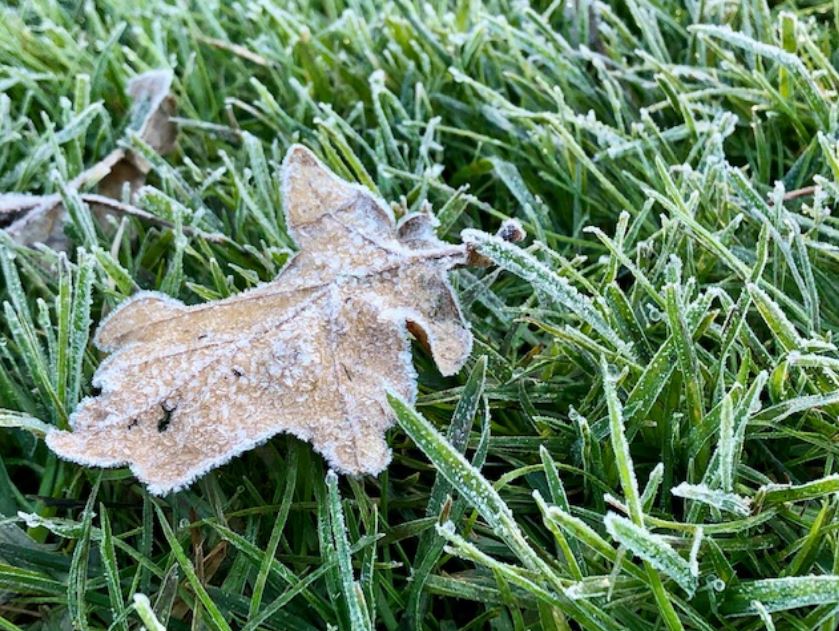
Frosty Grass on Kalang Oval – Mid May (thanks Lisa)
- The frosty mornings from mid-May heralded the coming of winter which (alas) is now upon us for a few months (and no-one can escape to Queensland for a holiday!).
- May turned out to be very wet compared to average and the long-term trend towards a drier May in Melbourne. One interesting indicator is the presence of the charmingly named fungus Stinkhorn first spotted by one of our friends, Mary, in Kalang Park attracting blowflies:
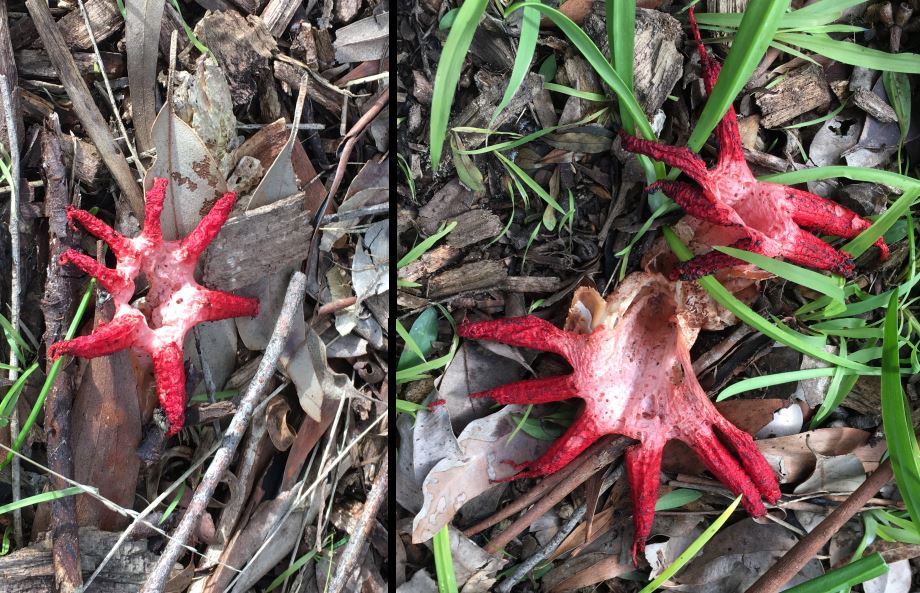
- Ian Moodie from Whitehorse Council tells us:
Not seen very often although widely distributed in Oz. Usually seen after a very wet period, and display for only a short time. The fungus attracts flies by imitating rotting flesh (looks and smell!) and when the flies land in the brown stuff they pick up spores which they then carry off to a new location.
Work in the New Wetland
- The recent rain has already filled the little pond in the new wetland under construction in May. Work is well advanced and planting up has commenced.
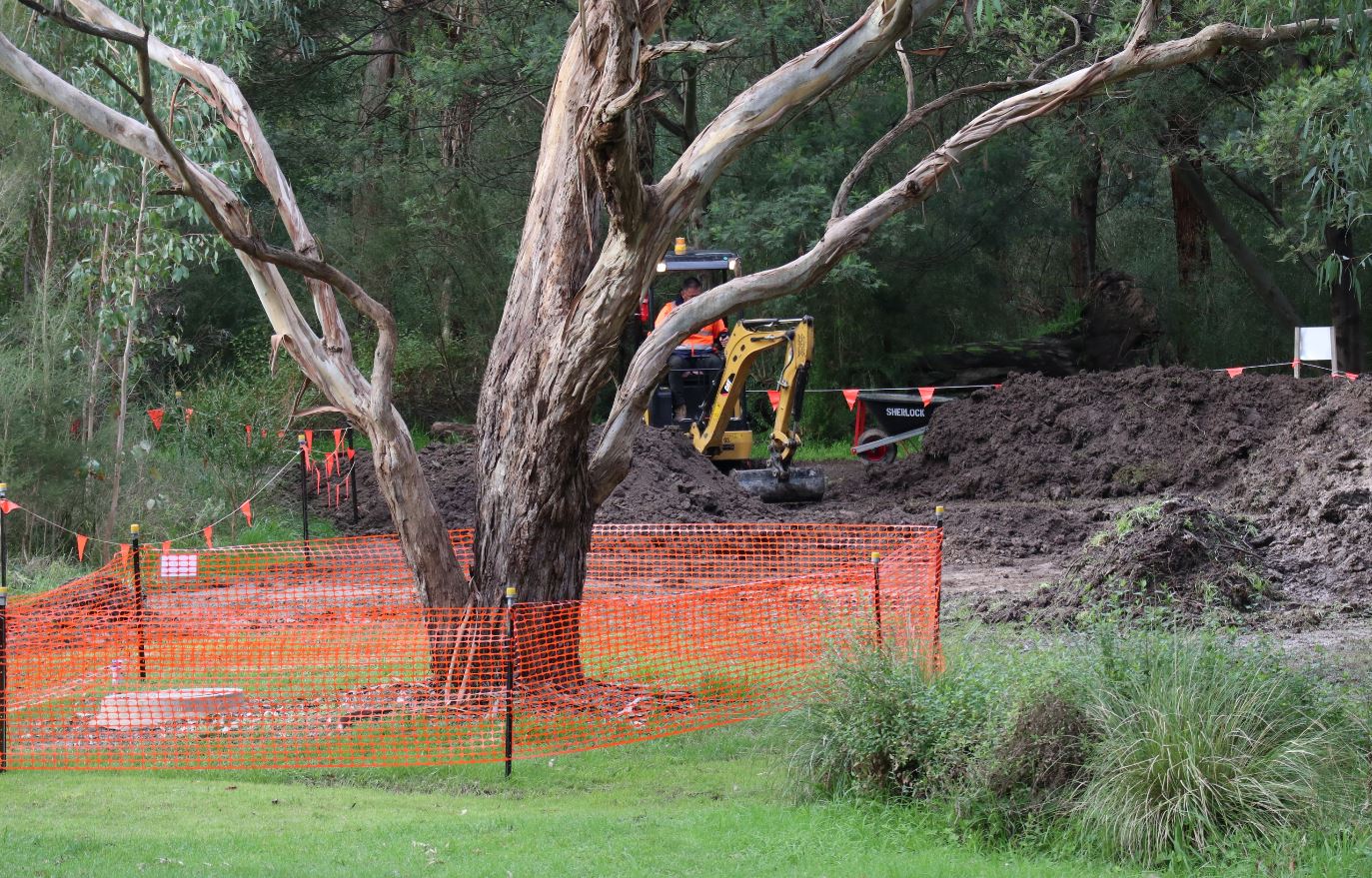
- Construction of the new wetland started on the 7th May. The contruction work has involved a light excavator and a bobcat.
- Why a wetland ? In this case, the wetland is primarily intended to improve the water quality and slow the flow of stormwater reaching the creek from the Laurel Grove North system (and hence the Yarra and Port Philip Bay). Wetlands are also important features in the landscape that provide wildlife and plant habitats, retain moisture during dry periods and store large quantities of carbon in plant tissue and soils.
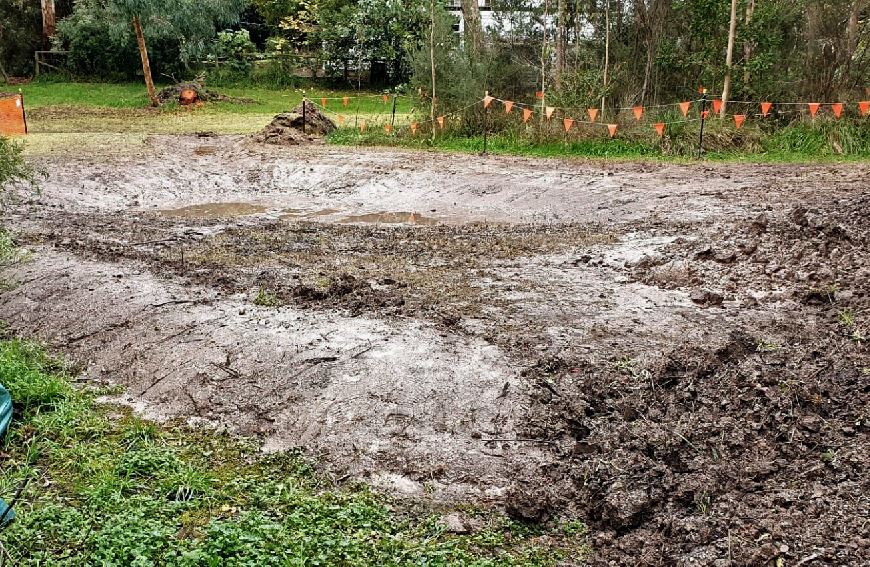
- The new wetland includes a berm (low earth wall) in the foreground towards the bottom left in the photo and a small pond in its centre. The existing path will also be raised adding a barrier like the berm to force water in the new wetland back into the swale on the northern side and thence into the old wetland before (eventually) entering the creek via its outlet.
- Once construction is complete, the area will be planted up with appropriate indigenous species.
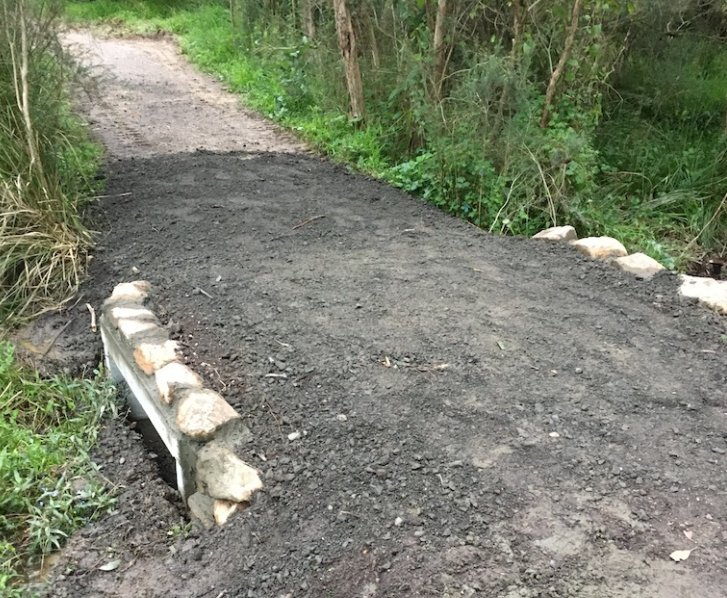
- A new culvert has been installed at the outlet of the existing wetland to improve its functioning and allow more control (thanks Megan for the photo).
- A few people have expressed the concern that the water level will be lower in the old wetland. The outlet at the barrier can be adjusted in height to alter the water level. It was indeed lower during the construction process for access purposes.
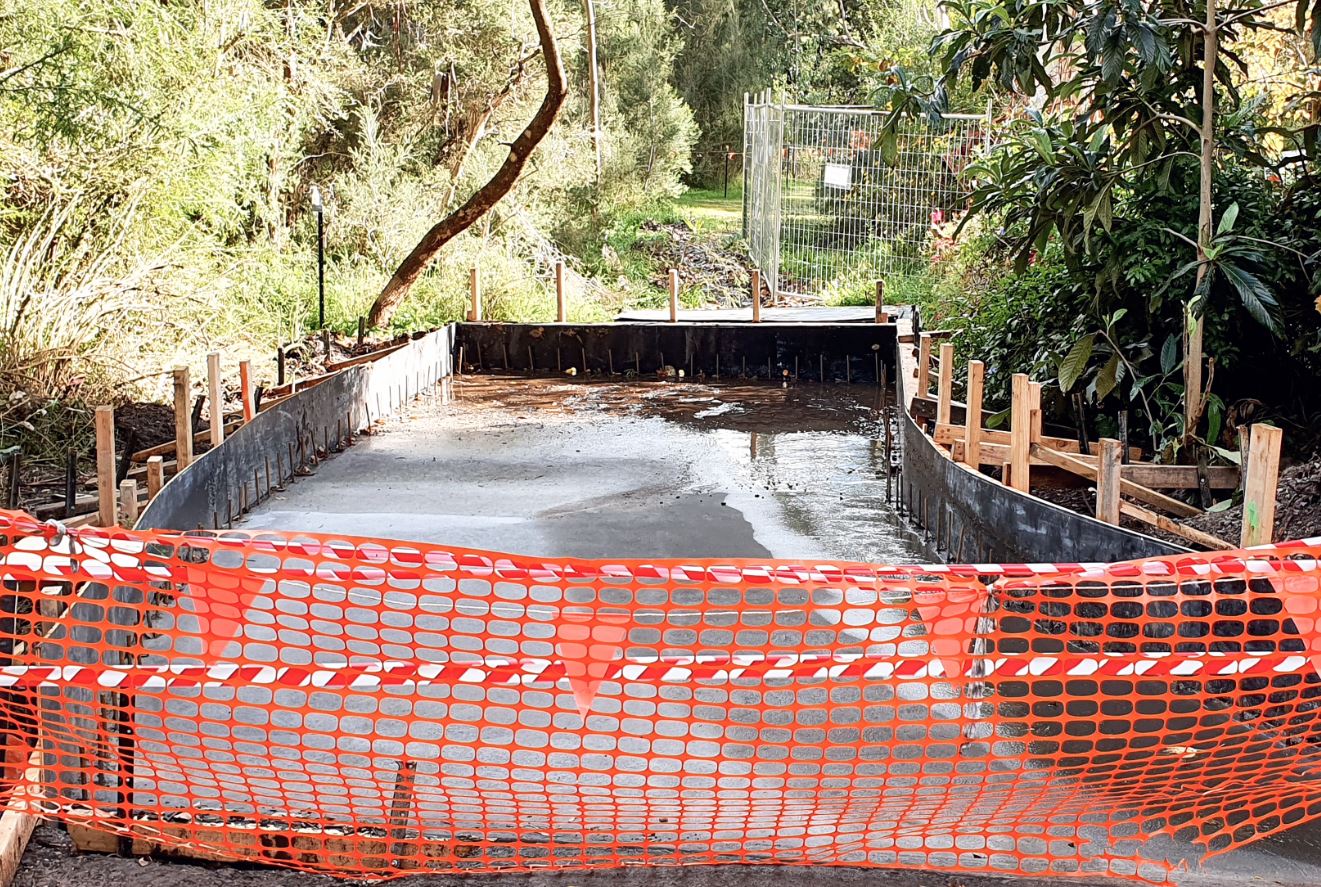
- The concrete “driveway” entering the park heading westwards at the bottom of Laurel Grove North is the entrance to a sediment trap. This will capture silt, leaves and branches washing down from the road and storm water system and will need to be regularly cleared out mechanically by Council.
- We trust the blocked paths and detours have not been too onerous. We have appreciated how the contractors re-opened the paths for walkers (and sticky beaks) early in the project when possible to do so.
Renovation of the Scout Hall
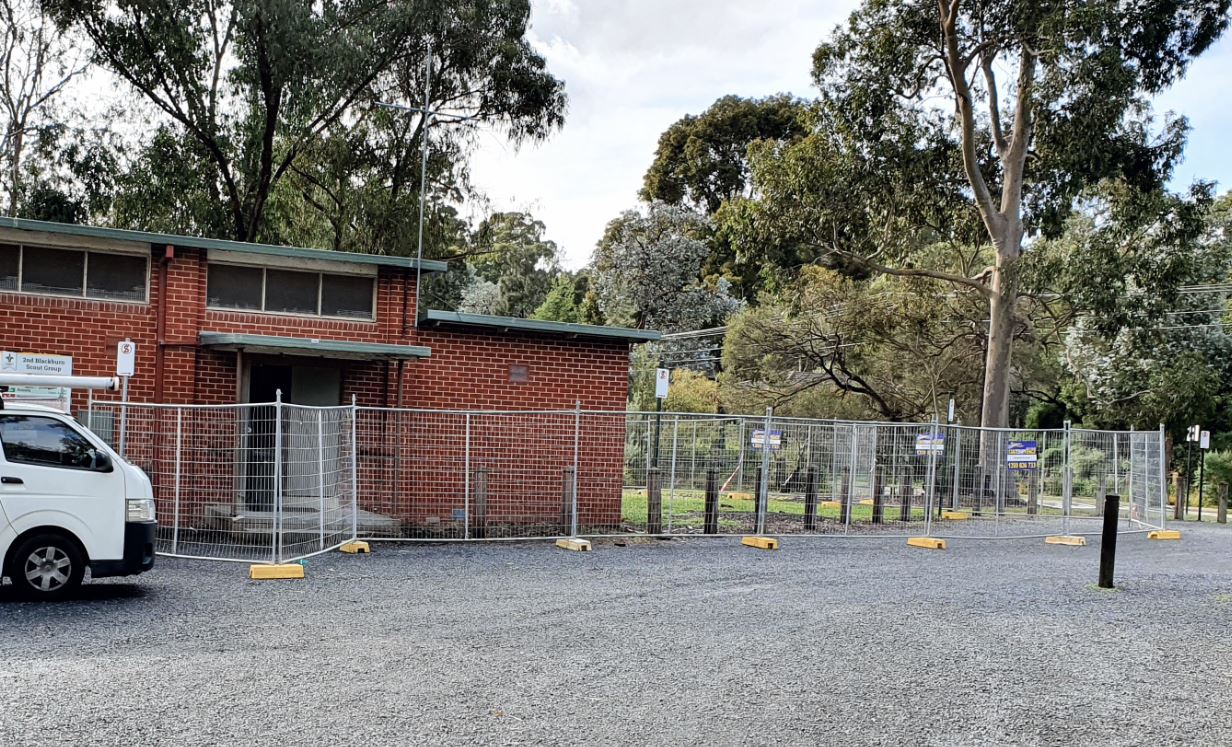
- Another Council project, the renovation of the Scout Hall, is also underway – with the builder’s fence having to encroach on the car park.
- Originally constructed in 1968, the renovation plans include an extension which will bring the building out 7.5 metres towards Pakenham Street, a new kitchen, an office, more storage and bringing toilets up to current standards.
- The operation of the car park has been altered to remove permanent parking. This has worked in well with only some grades back at the Laburnum Primary School so far and with school start times staggered to reduce crowding.
Covid-19: Is it OK to Come Out Now?
Maintenance Team Work
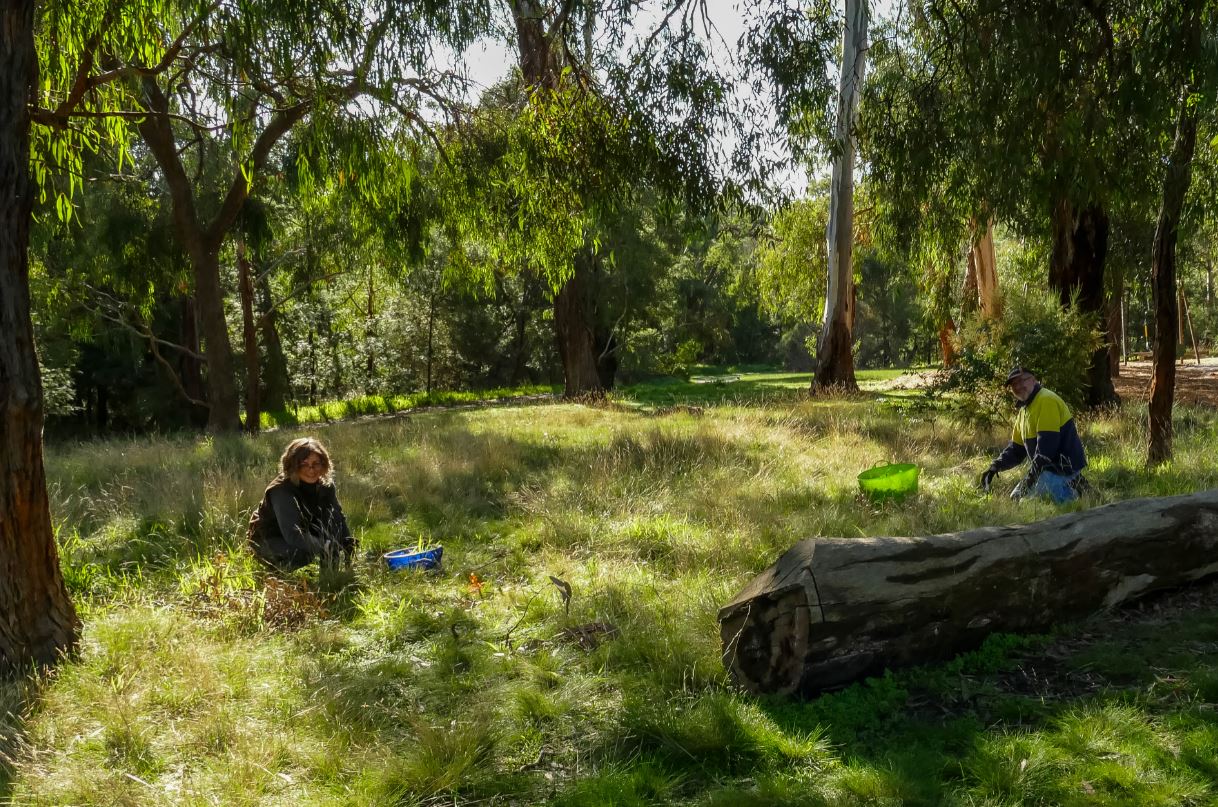
- With Council approval, Monday morning Maintenance Team Working Bees have restarted under strict Covid-19 protection measures including working with social distancing, no morning tea socialisation, no sharing tools, attendance recording to support accurate contact tracing if needed, appropriate PPE and so forth.
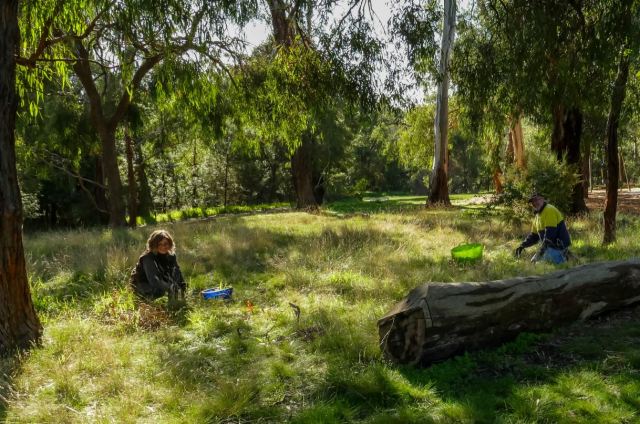
Socially distanced working bee in progress
Nevertheless, the team is very pleased to be let loose again – the weeds have been running amok in their absence particularly in view of the generous rain we’ve been having– so there’s a lot of catch-up work to be done and limited time to do it in…
- Our recent work has been to weed out the no-mow area in Furness Park adjacent the renovated children’s playground. Juliet Anderson had been looking after it from time to time but she is no longer able to work in the park. Once again, we thank her for her contributions to the park and wish her all the best at her new location.
- Unfortunately, community working bees remain off the table at present.
Welcome to New Friends
- One very nice side-effect of the Covid-19 virus is that quite a few new Friends have signed up as the park has become better known to those in the community – perhaps from a little further away including Box Hill North and Forest Hill.
- Welcome to all newbies – and thanks for showing your appreciation of the park.
Welcome Recognition by Government
- We have long advocated the importance of parks for mental as well as physical well-being. For example, see our article on Shinrinyoku.
- The importance of parks during the recent pandemic has not been lost on the State Government. Environment Minister Lily D’Ambrosio recently announced the locations of the first new green spaces to be rolled out under its Suburban Parks Program, which has been allocated $154 million. Phase one, starting next year, focuses on developing pocket parks in the inner suburbs. However, the program is planned to eventually open up 6,500 hectares of new recreational land, including bike and walking trails.
Plant of the Month
- Our Plant of the Month is Common Correa (Correa reflexa).
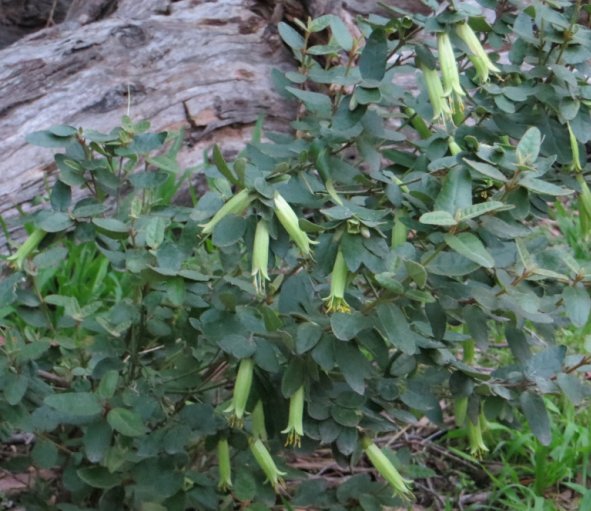
- The Common Correa is bird-attracting upright or spreading shrub and the (local) indigenous variety has green bells (other forms have red bells). Being indigenous, this attractive plant grows well in the Blackburn area and is justifiably quite popular with local gardeners.
Weed of the Month
- Our Weed of the Month is Annual Veldt Grass (Ehrharta longiflora) – which has been the prime target of our recent activities in the “no mow” area of Furness Park.
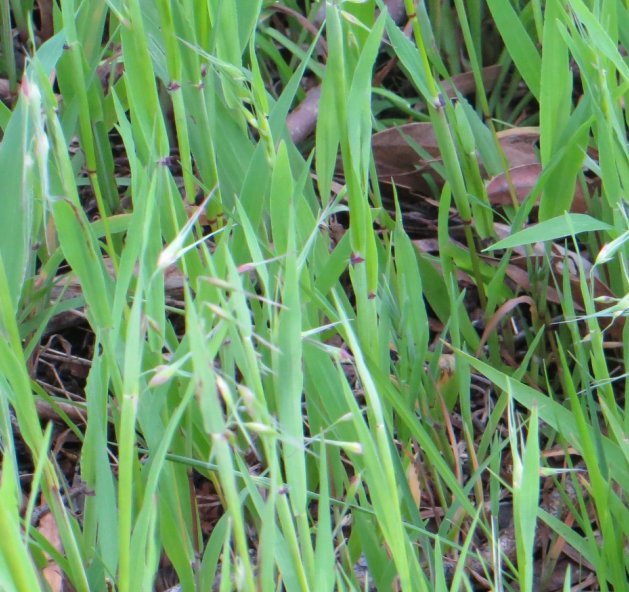
- This is one of the infamous veldt grasses that are serious environmental weeds – being very invasive and disruptive to indigenous ecosystems. This particular variety is an annual – very prolific, setting large amounts of seed. Native to South Africa, it is now widespread and common particularly in coastal areas and along creek lines.
- It is not seeding yet as shown in our photo – our plan is to get rid of it before that happens! It is currently standing out as a vibrant light green erect young grass with flat leaves and a minimal root structure making it very easy to remove,
Interesting Sightings
Red-rumped Parrots
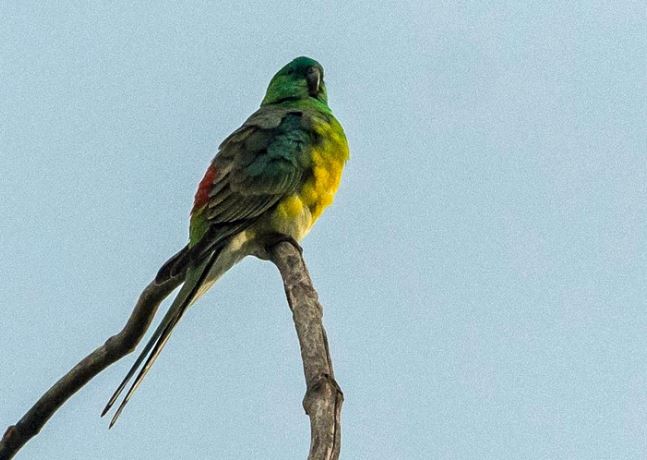
- Sharp-eyed Ruth has spotted some Red-rumped Parrots around Kalang Oval. Though they are not common birds in the eastern suburbs, they have been seen here occasionally and also at Sparks Reserve nearby. They seem to like very short grass where they presumably eat small grass seeds.
- Ruth’s photo above of a male clearly shows how they get their name (though why not add yellow-bellied, green-collared, blue-capped, black-billed…?). The females are less bright – they have a more olive/buff coloured head, shoulders and back.
Sugar Gliders
- Sugar Gliders have been spotted in our park from dusk. They have been at Blackburn Lake for some time – so perhaps may have migrated to our park along The Corridor.
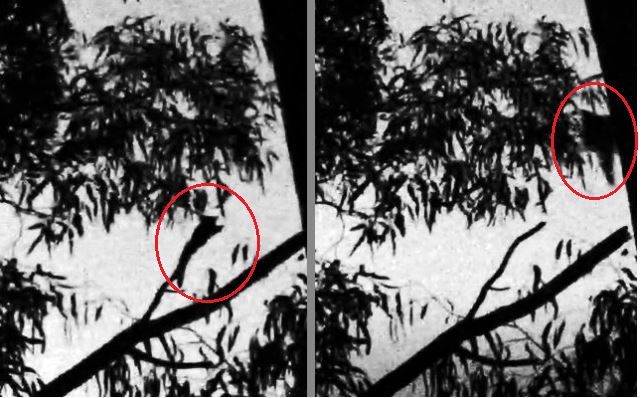
- The above frames are from a short movie showing a Sugar Glider moving quickly around its habitat then leaping from a branch to glide onto the trunk of a nearby tree. The full movie (about 30 seconds) is available via YouTube:
- Neither bat nor bird, the Sugar Glider (Petaurus breviceps) is a small, omnivorous possum. The animal has soft, pale grey to light brown fur and has distinctive stripes on its forehead.
- Their common name refers to their preference for sugary foods such as nectar and sweet saps. Although bats are the only mammals capable of true flight, Sugar Gliders can “glide” through the air like paragliders using flaps of skin which extend from their front legs to their back legs on each side of their bodies.
- They can move very quickly around a tree – darting up and down branches very agilely. Leaping and gliding further helps them reach food and escape their predators. Our freeze-frame shots show how they can leap from one tree to another.
- “Omnivorous” means that they eat all types of food including both plants and meat (as humans do) – this includes birds’ eggs and chicks…
A New Entrant on our Bird List!
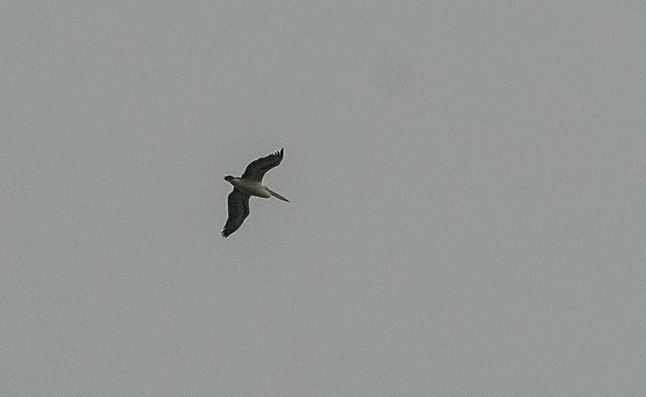
- Ruth captured the above shot of a pelican (!) flying overhead. The Australian Pelican (our one and only pelican) is not recorded as having being seen in/over our park before in our records which go back to the 1970s. Ruth thought it would probably have been headed to Jells Park…
Shake a Tail Feather!
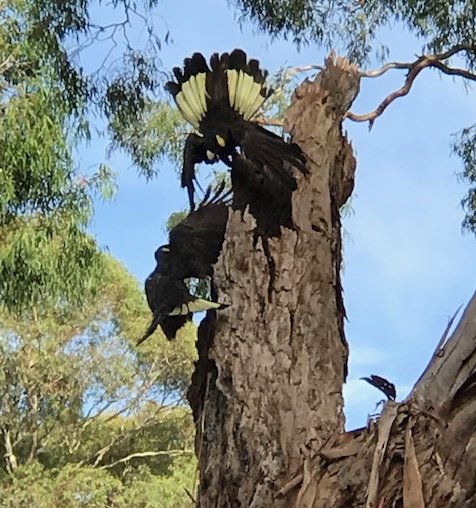
- Michelle took this interesting picture of two Yellow-tailed Black-cockatoos apparently squabbling over a potential nest hole. One bird is showing off its yellow tail feathers in an unusual way – normally they are more tucked in and less of the yellow is visible:
More Autumn Fungi
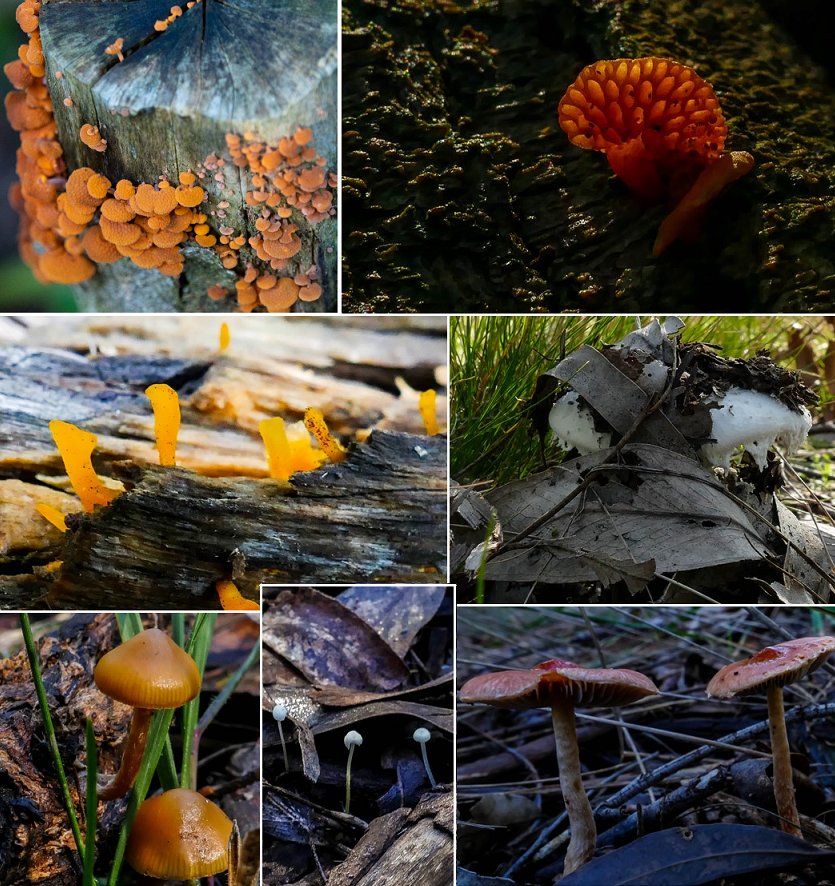
- In addition to the Stinkhorns shown earlier, the moist conditions have certainly led to a bumper crop of all shapes, colours and sizes of fungi in the park. We’ll leave you – and Autumn – with a May sample of park fungi from Ruth and Greg:
 Blackburn Creeklands