A Rescue Story
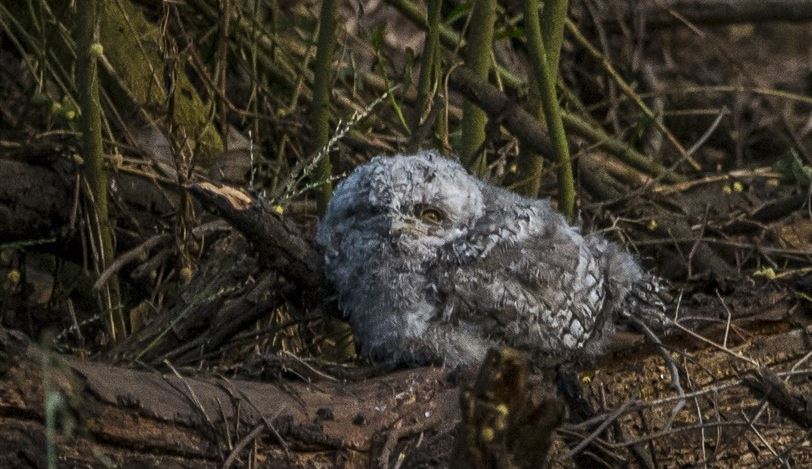
A chick was found on the ground late afternoon of November 3rd after a fall from its family’s nest – probably during the high north-easterly wind gusts experienced that day. An experienced Tawny Frogmouth wildlife carer was consulted and she believed “monitoring from a distance” was the preferred management option at that time. The chick’s two parents were nearby – being very protective and attentive.
Several members of the public also noticed the poor chick and reported its plight to Council (Council reps had also noticed it). They also reported that the chick appeared to have an eye injury at that time. The Council representative agreed with the initial carer’s assessment – in fact, he couldn’t actually see the chick as its Dad was sitting on it the whole half hour or so of his visit – there being light drizzle/ rain most of that time.
Obviously, a chick is more vulnerable on the ground – being harder to defend and more accessible to predators. However, its parents can still feed it and would protect it to the best of their abilities. Below, you can see video footage of the poor chick being successfully defended by its father from an attack by a determined Currawong.
After another concerned report by a member of the public, the chick was collected a few days later by a Wildlife Victoria responder.
Our initial wildlife carer then located the chick with Wildlife Victoria and was able to have it transferred to her specialist care. She gave it a two-day eye treatment and was thinking about reuniting it with its parents.
The latest information we have (30/11) is that she still had the chick in care and the problem eye was looking good. She advises us:
- the adult birds are life partners
- if people find wildlife in trouble, to please contact Wildlife Victoria.
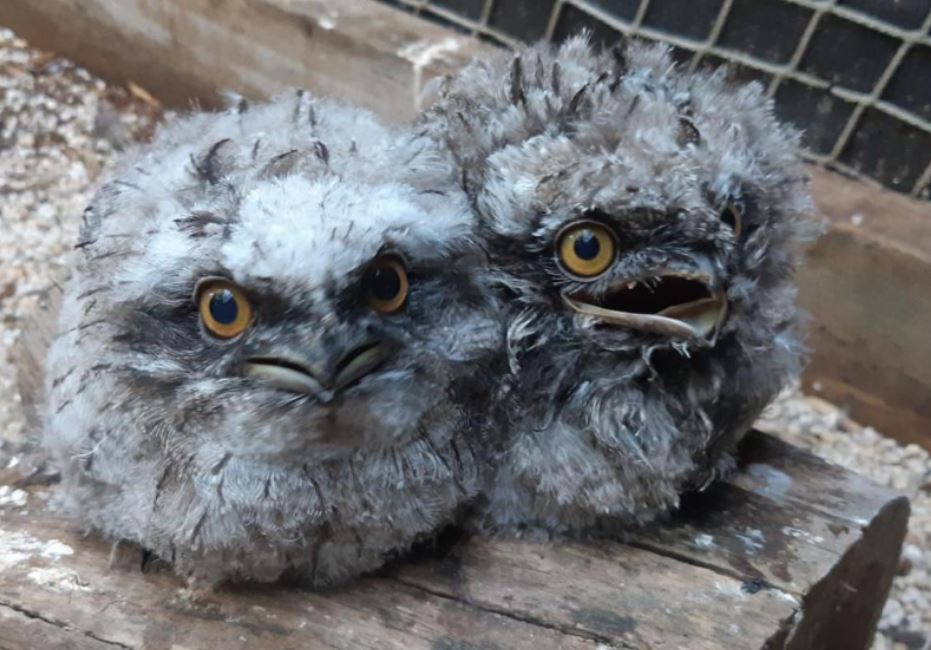
She also kindly sent us the photo below of “our” patient in care – with a friend:
In the meantime, the chick’s parents have moved to another day-roosting site nearby. Presumably, the parents have given up on the chick. Recently, we believe the male was calling in a way only known to be done by males during the breeding season – perhaps they are going to have another try…
Ruth reports that local nesting figures are not so good this season. Of thirteen nesting pairs in the Creeklands and our adjacent Corridor, only eight fledglings have survived so far – ideally, there should be 26 [two per nest]. There is a concern that our local population is on a trajectory for local extinction due to the low number of nesting successes.
Issues include:
- Increasing populations of Currawongs and Little Ravens (commonly known as “crows”) – Currawongs began nesting in urban Melbourne after the 2009 bushfires.
- Changes in tree canopy cover due to wind damage in the park and roadside street tree pruning for overhead electrical wire clearance.
- Tree pruning of lower branches and removal of woody weeds and ground cover density in the park.
For those interested in what can be done locally, Ruth has prepared a detailed and highly readable analysis of the threats and appropriate mitigations you can download here. Sadly, she also reports that two adult birds have been found dead recently in the corridor.
Vale Alan Lodge – “lucky we had no blackberries”
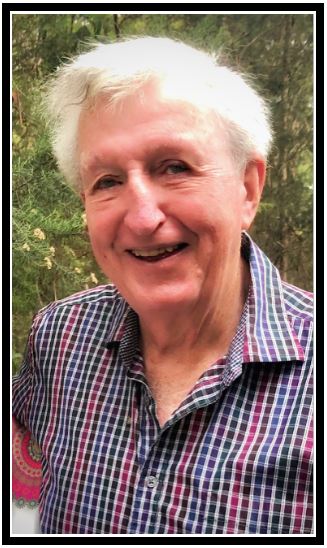
We were very saddened to learn of the death of our dear friend and colleague Alan Lodge on Wednesday, November 18th. Many of our Friends will remember Alan as a familiar and friendly face at working bees, in the park and in the community in general. Alan is one of those tireless, regular and persistent contributors who made a very significant difference to the quality of our local environment which we all share. He modestly gave 30+ years of community service as a quintessential “Aussie quiet-achiever” – with 28 years on the Creeklands Committee.
Alan’s professional expertise in surveying and storm-water management derived from his long and successful career with the MMBW. This has been of considerable value in the Creeklands – as has his common-sense, sense of humour and willingness to contribute in general. He worked tirelessly in the park weeding, collecting seed, propagating and planting throughout the year.
One of Alan’s major successes in the park is the challenging Blacks Walk Hill area which he weeded and revegetated with indigenous plants over many years. He also recognised the remnant indigenous grasses there and lobbied council to protect them from mowing. More recently, a rare subspecies of grass was identified growing on the Hill. It is thanks to Alan that it is still in existence.
One group of knowledgeable visitors to the Creeklands once commented that it was “lucky we had no blackberries”. In fact, this was no matter of luck at all – it is largely due to Alan’s persistent and often single-handed activities directed at removal of that challenging weed.
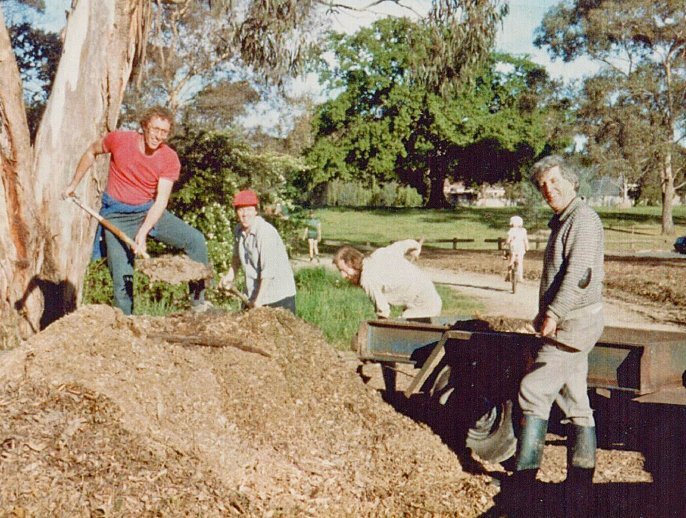
Alan’s passion and enthusiasm were unique – as was his capacity for hard work. One example is a patch of ground just east of the Middleborough Road entrance which contained a lovely but stressed old Eucalypt surrounded by rock-hard compacted soil – formerly a horse corral when Alan first arrived in Blackburn. Over a number of years Alan was the motivating force behind a small team who worked in all weather to dig over the soil, plant and bucket water from the steep-banked creek nearby to keep the plants alive through years of drought. Looking at the area of “bush” there now, it is almost impossible to imagine the area as it was. And, best of all, the dense vegetation masks the sights, sounds and pollution from the busy intersection nearby.
Another example is his “simple” solution for improving the function of our Billabong by diverting some storm-water to it. This saved ratepayers tens of thousands of dollars by avoiding an over-engineered alternative proposed by consultants.
Alan received a City of Whitehorse Community Achievement Award on Australia Day 2014 recognising the enormous contributions he made over several decades to Blackburn Creeklands and to the Bungalook nursery run by Whitehorse Community Indigenous Plant Program.
He was introduced to the concept of bush regeneration within urban confines by one of his sons (Geoff) – who was very active in the park and what was to become Bungalook Nursery in the 1980s as a young student at Burnley College. Alan in turn educated and encouraged many colleagues who have followed him and continue his work.
Our sincere condolences to his family and vast network of friends, and volunteer workmates. Although most of his family are far flung around the state, one branch remains nearby in Blackburn and can readily enjoy the fruits of his labours – as we all do.
Vale Darcy Duggan
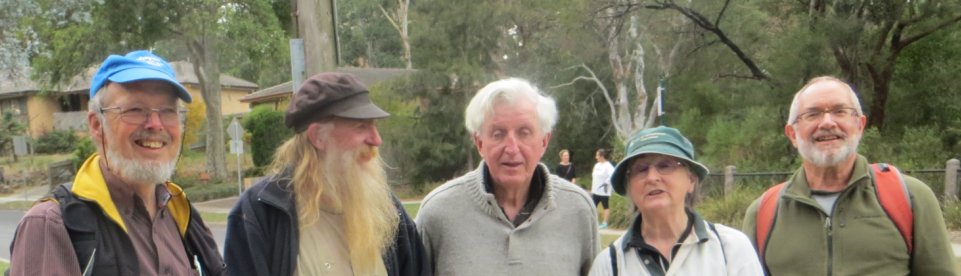
We were also saddened to hear that Darcy Duggan died too young in late October. Darcy was a leading educator, consultant and field specialist in bushland care based in the Dandenongs. He was also a friend of the Creeklands having visited our park for an extensive “Walk-Through” consultation and follow-up communications two years ago.
We know he wanted us all to continue our struggle for nature – which he regarded as the highest of human endeavours. Our sincere condolences to his family, friends and colleagues.
Invertebrates in Kalang Park (Part One)
Our regular readers know that Wendy often contributes fabulous photos of our birdlife in the park – and this edition is no exception. However, she recently confided that, though she loves our birds in the park, she loves our invertebrates even more!
Vertebrates such as humans, dogs, cats, birds, mice and possums all have a backbone. Invertebrates are animals that do not have, or develop, a “vertebral column” (commonly known as a backbone or spine). Examples of invertebrates are worms, centipedes, spiders and insects – possibly less fashionable but very interesting nonetheless – and one part of our local fauna most of us know comparatively little about.
In this section of our newsletter, we hand over to Wendy to present some of her recent shots in Kalang Park and explanations of her intriguing subjects…
Camouflage
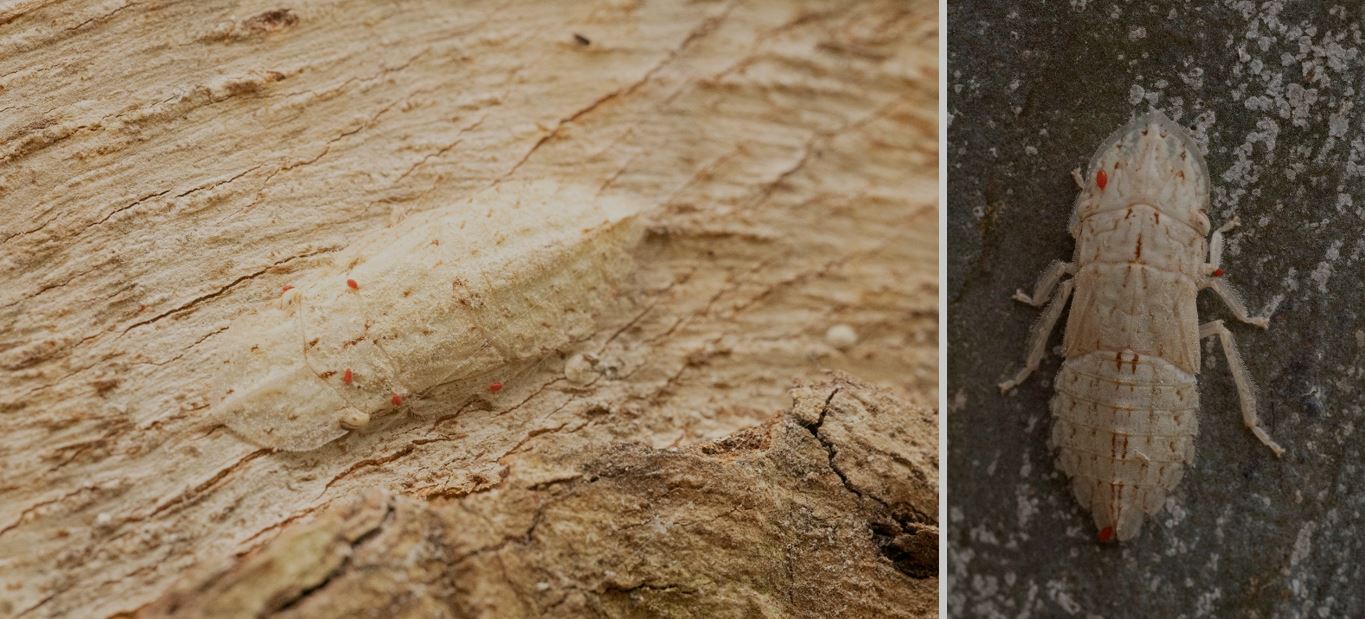
The most amazing creatures are camouflaged on the bark of Gum Trees. You can see the bug more easily when it moved onto darker bark. This creature is a bug called Ledromorpha planirostris and is the juvenile form of the world’s largest Leaf Hopper.
This juvenile (the adult form looks similar but has wings) was about 1.5cm. The adult grows to 2.8cm and has a large ovipositor [a tube-like organ used for the laying of eggs] out the back. The adults are all females and reproduce through parthenogenesis [embryos develop from an unfertilized egg cell rather than as an outcome of mating with males]. The red spots are mites [so, invertebrates on invertebrates!].
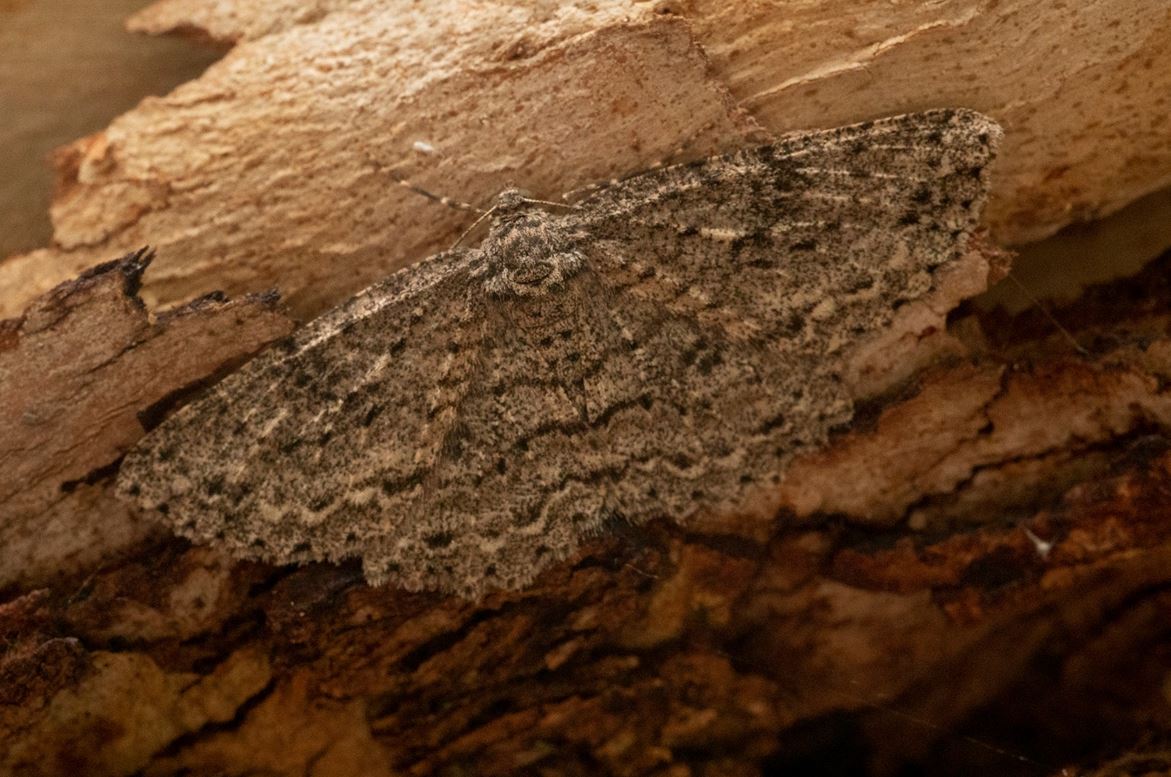
Moths also camouflage well to avoid being eaten! The above one is on the bark of a gum tree.
Beetle Larvae
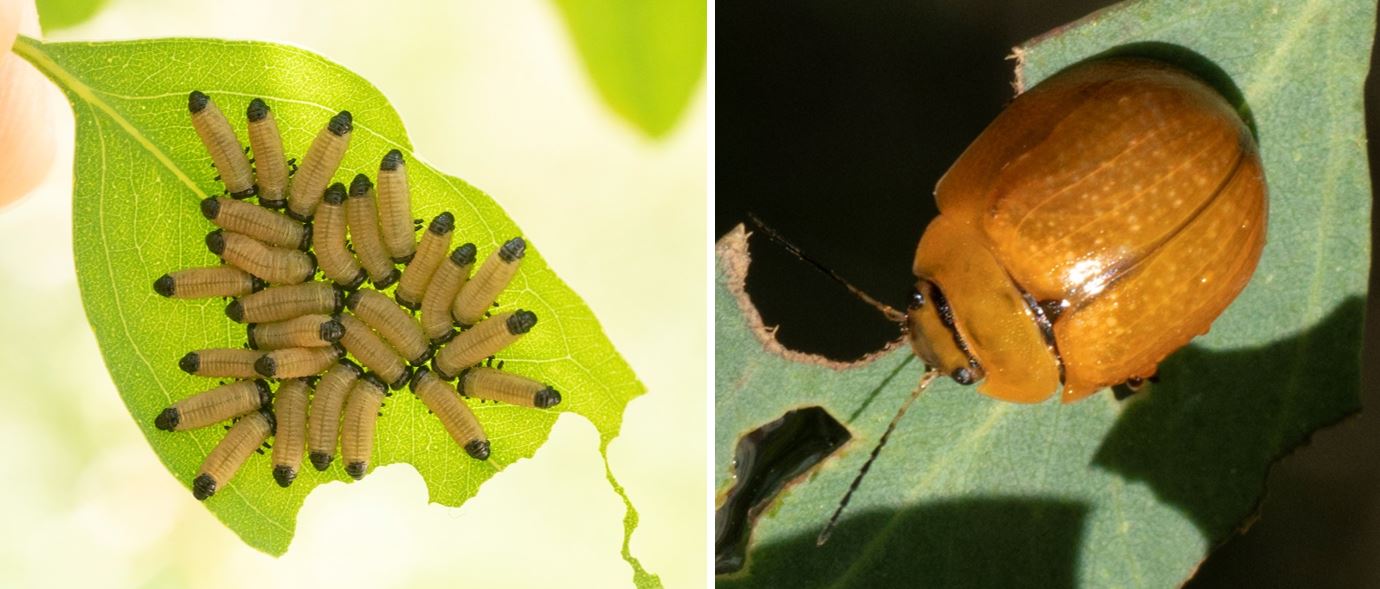
You can see these on small gum trees now. When they have grown a little more, they will change into a pupa – probably staying in the leaf litter under the tree. Then they hatch into these beautiful beetles which are the size of your little fingernail. They are in the family Chrysomelidae.
Weird Orange and Black Hairy Bug
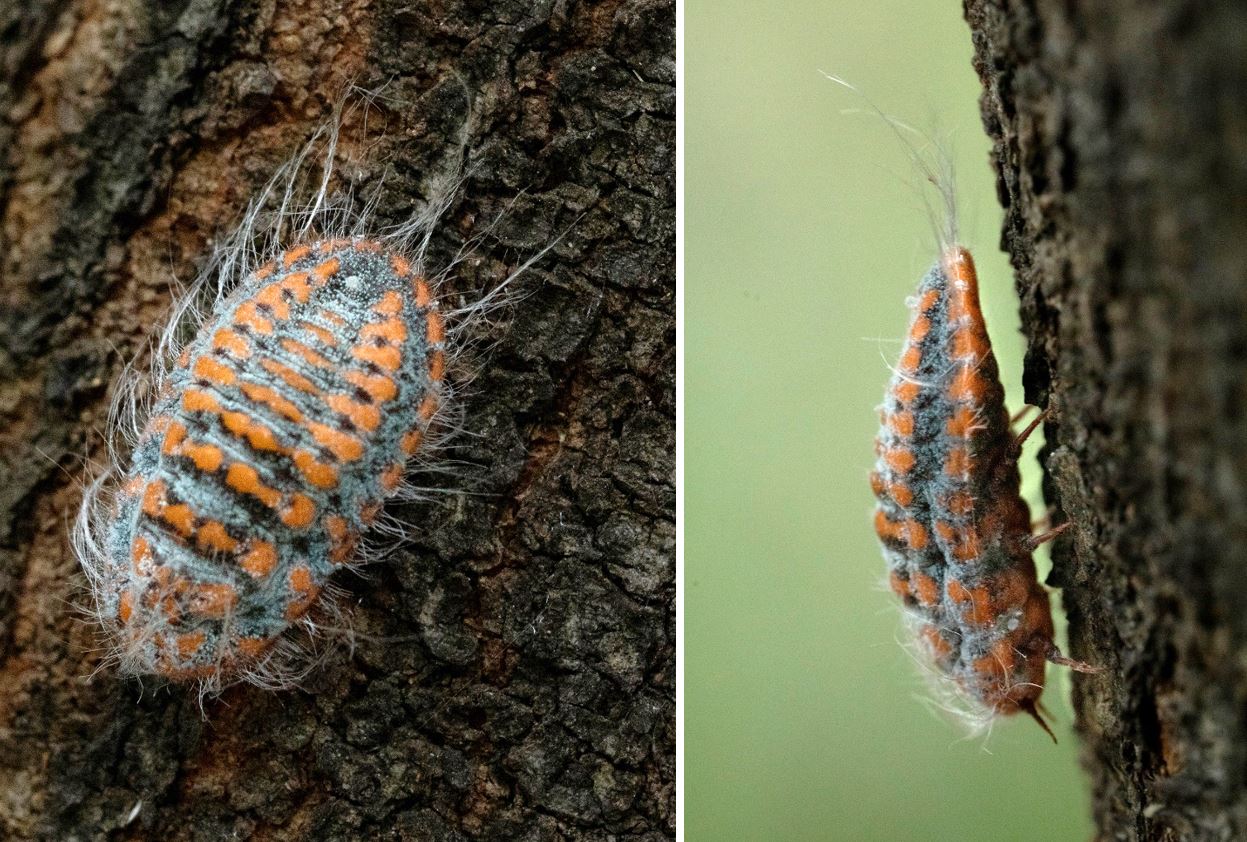
This bug is a species of Monophlebulus and is about 1cm in length. It was found walking down a wattle tree. It is in the Pseudococcidid family (like mealy bugs). They are sap suckers and have an interesting life cycle. When they mature, the female becomes sedentary and the male is smaller, thinner and blue/purple in colour – and has wings. He mates with the female and then the female incubates the eggs within her and they hatch out from her.
Imperial Blue Butterflies
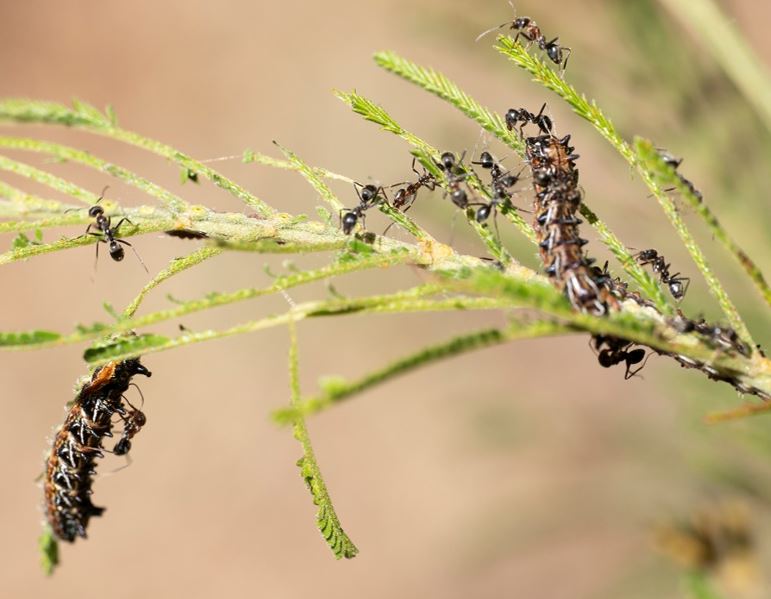
These glorious butterflies have a vital association with ants. The female butterflies lay their eggs on wattle trees – usually Silver Wattle (Acacia dealbata) – but only trees that have the scent of the Tyrant Ant. When the caterpillars hatch, they call the ant by clicking hard parts of their bodies. The ants come and protect them and as a reward, the caterpillars secrete a sugary substance that the ants feed on. The ants stay all the way till the butterflies hatch and even the pupa can communicate with the ants.
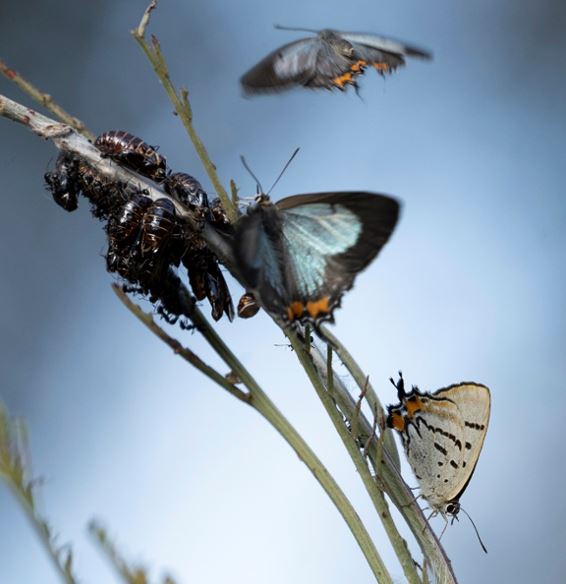
The male butterflies wait around the pupa for the females to hatch so they can mate immediately. Consequently, the small tree often has a cloud of butterflies flying around it when the sun warms the air up. The season runs from October to March. Hatching of caterpillars and butterflies is usually initiated by a spell of hot weather and started in our park 2-3 weeks ago.
Cicadas – The Harbingers of Summer
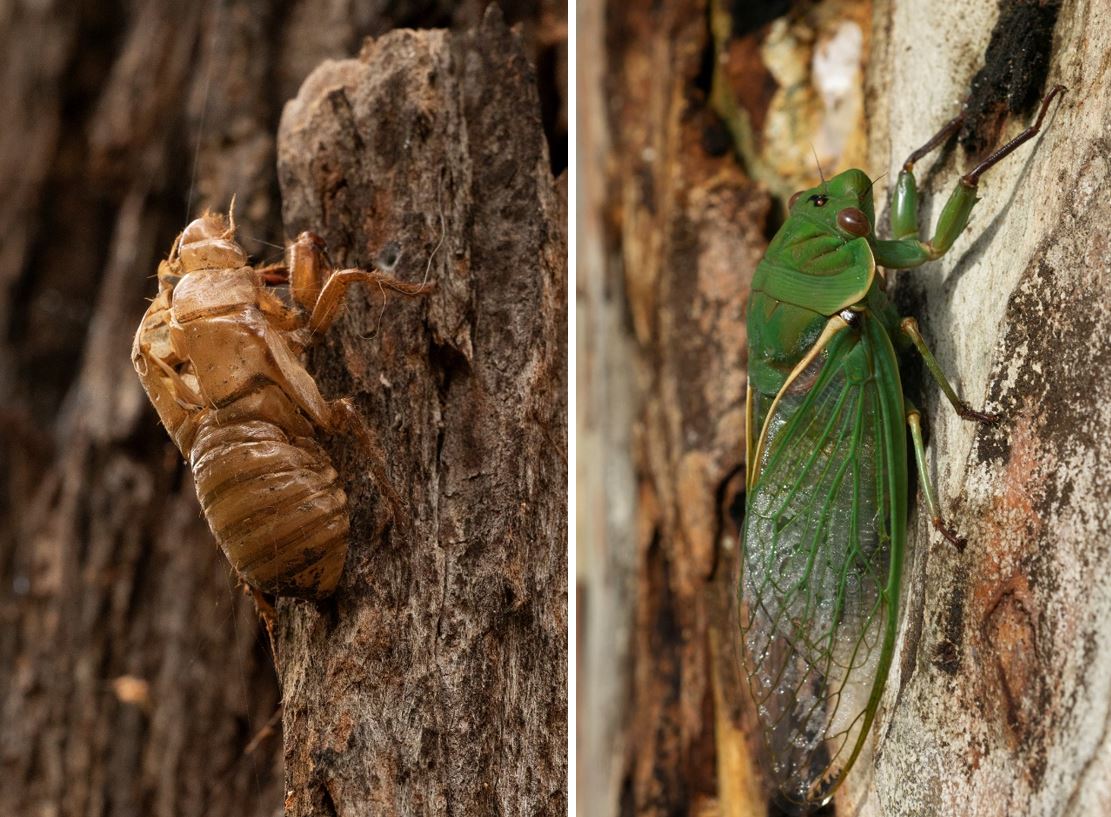
Wendy’s photo shows the shell of the Greengrocer Cicada (Cyclochila australasiae) as it has hatched from a nymph into the large beautiful green Cicada on its right.
You will all be familiar with the loud songs of the cicada as the males call to attract the females. The females fly to the males, they mate, then the females lay eggs in the bark of trees. The juveniles hatch, walk down the tree trunks and burrow into the ground where they live for several years, feeding off the sap of tee roots.
The Greengrocer cicada lives underground for 3–5 years and then emerges on hot, humid nights from October–December to repeat the cycle.
Coincidentally, Lisa found a Greengrocer on one of her walks:
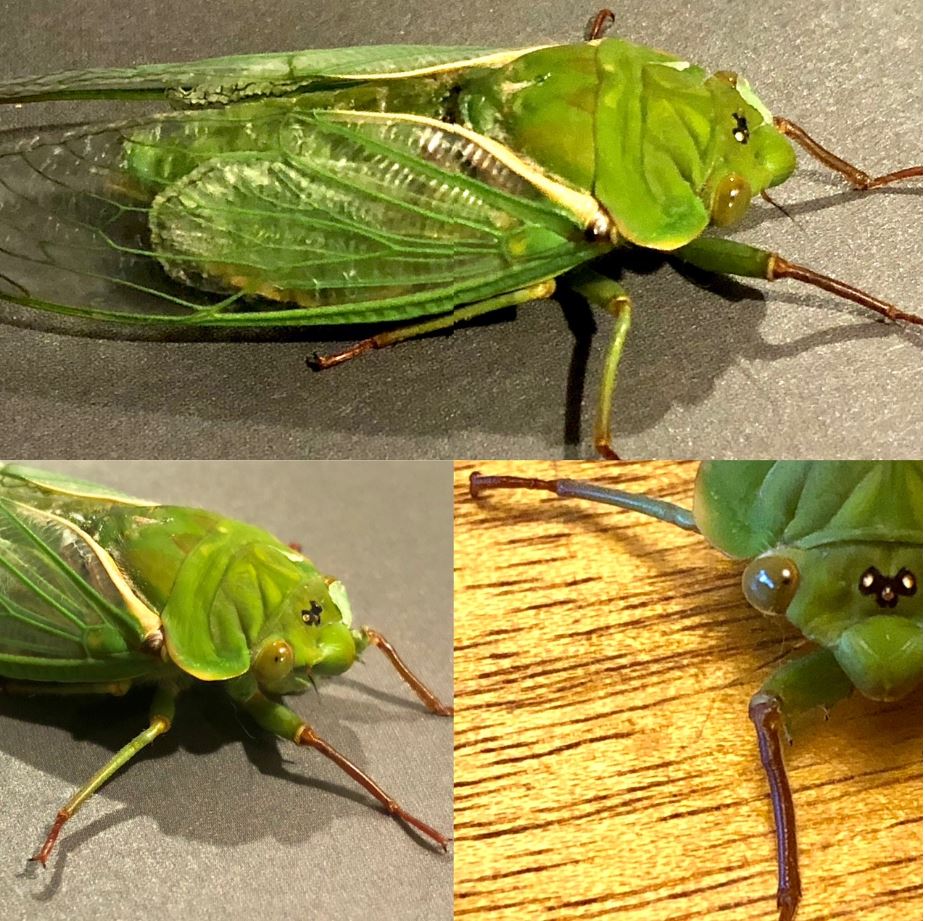
This shows the insect’s face – Wendy tells as the interesting features on the insect’s face between the eyes are Ocelli (singular Ocellus). These are simple photo-receptors (light detecting organs). They consist of a single lens and several sensory cells. Ocelli do not form a complex image of the environment like a compound eye – but are used to detect movement – so presumably provide a defence advantage.
Council Elections
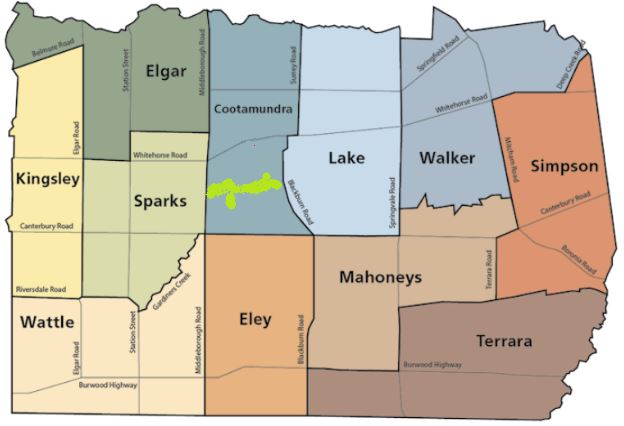
Our park used to fall completely within the old Central Ward and we were represented by two Councillors for several terms – Denise Massoud and Andrew Munroe.
Following recent State Government sponsored reforms, the park now falls within Cootamundra Ward and we have a single Councillor.
We congratulate Andrew Munroe on becoming our councillor for Cootamundra Ward. Andrew was recently instrumental in our gaining a grant from the Bendigo Bank, Blackburn South branch, for $1,000 which we will expend on plants for the park – particularly in those parts of the park “over loved” during the pandemic lockdowns. We thank both Andrew and the bank for their generosity to the community and to our park in particular.
We also thank Denise Massoud for her work in assisting the park and our Committee over the years. As one of the “greener” Councillors, she went into bat for the Creeklands on several occasions. Fortunately for the municipality, Denise remains on Council – she was elected Councillor for our neighouring Lake Ward.
Sightings
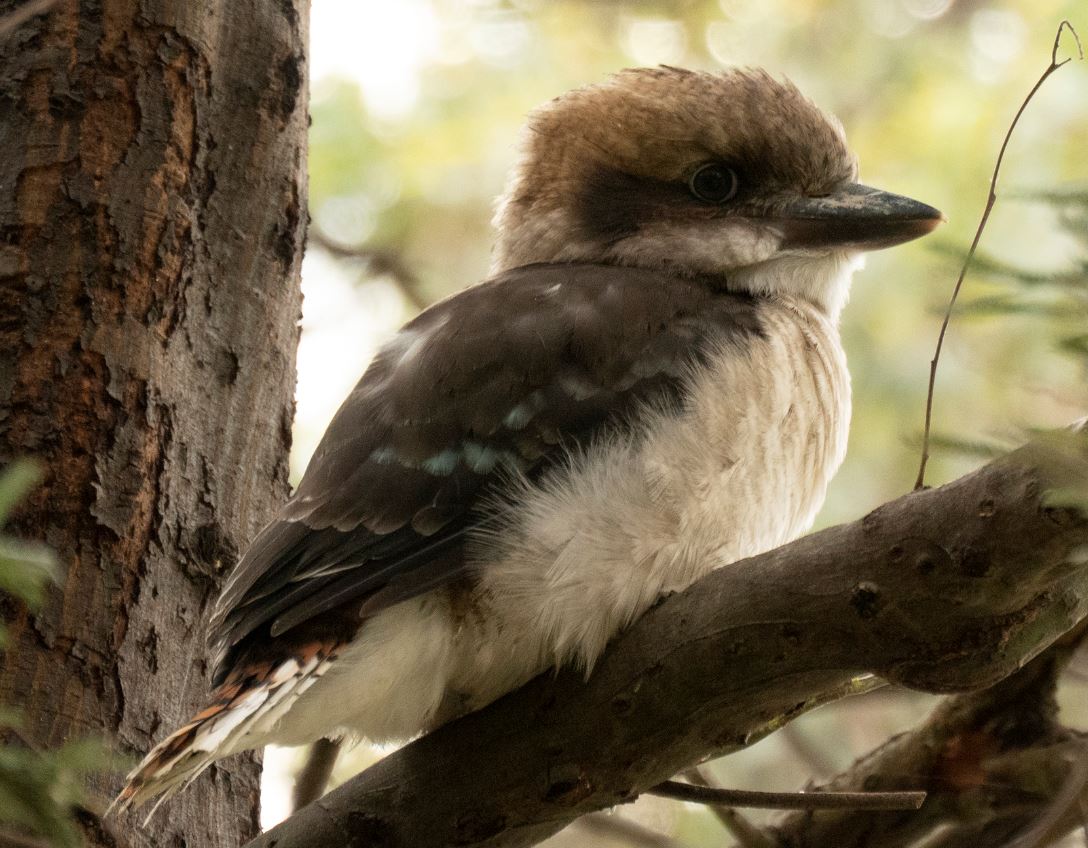
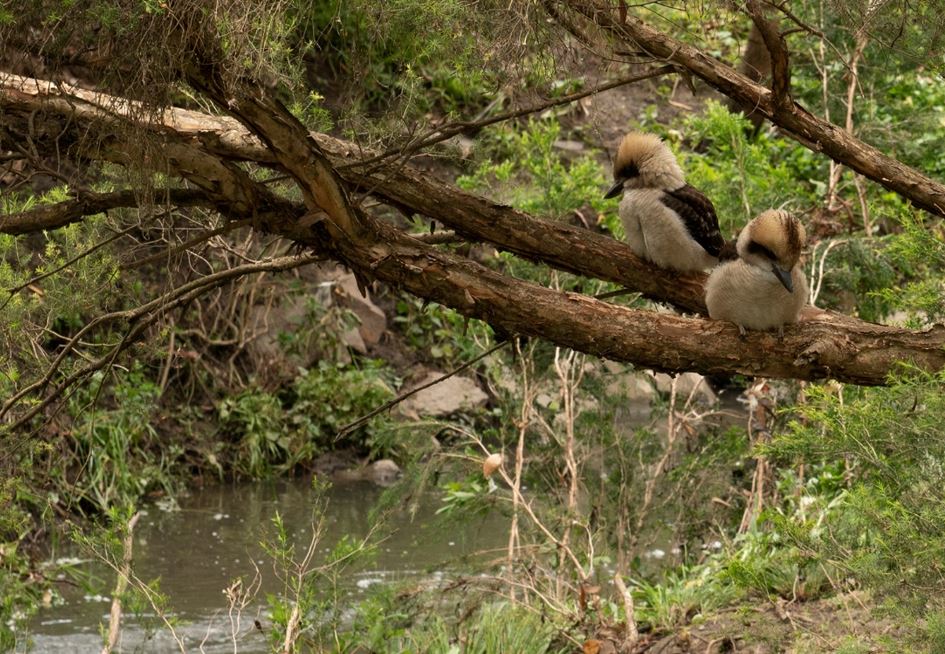
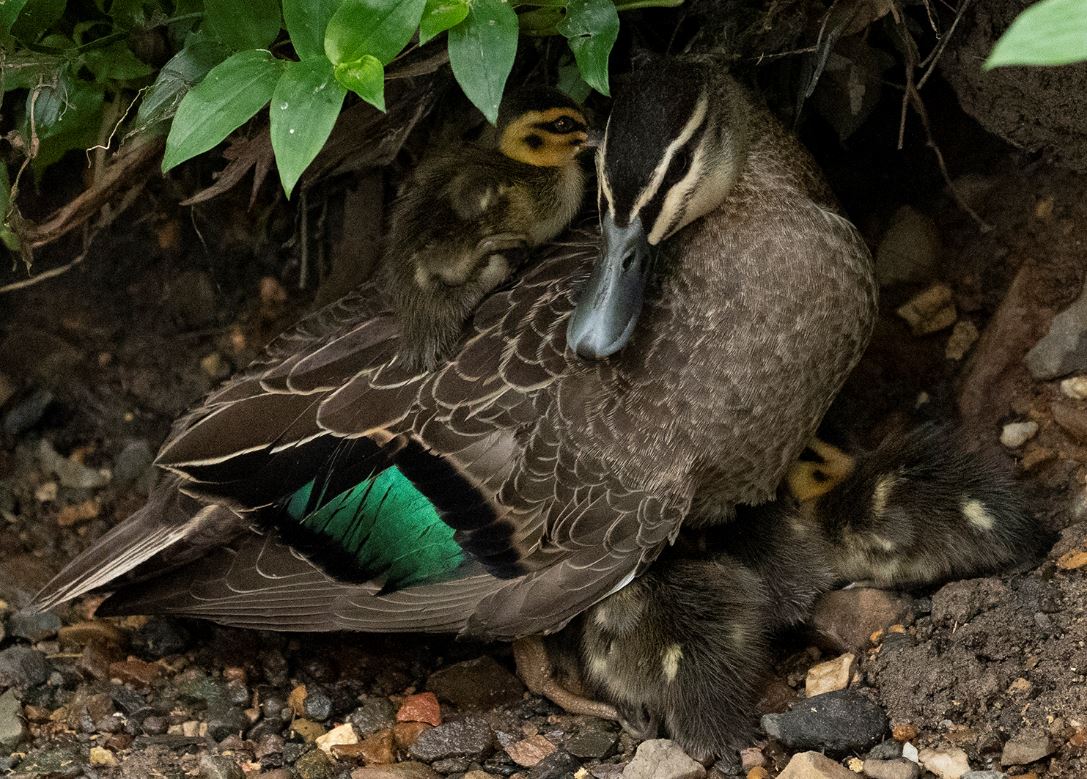
A Brady Bunch of Kookaburras ?
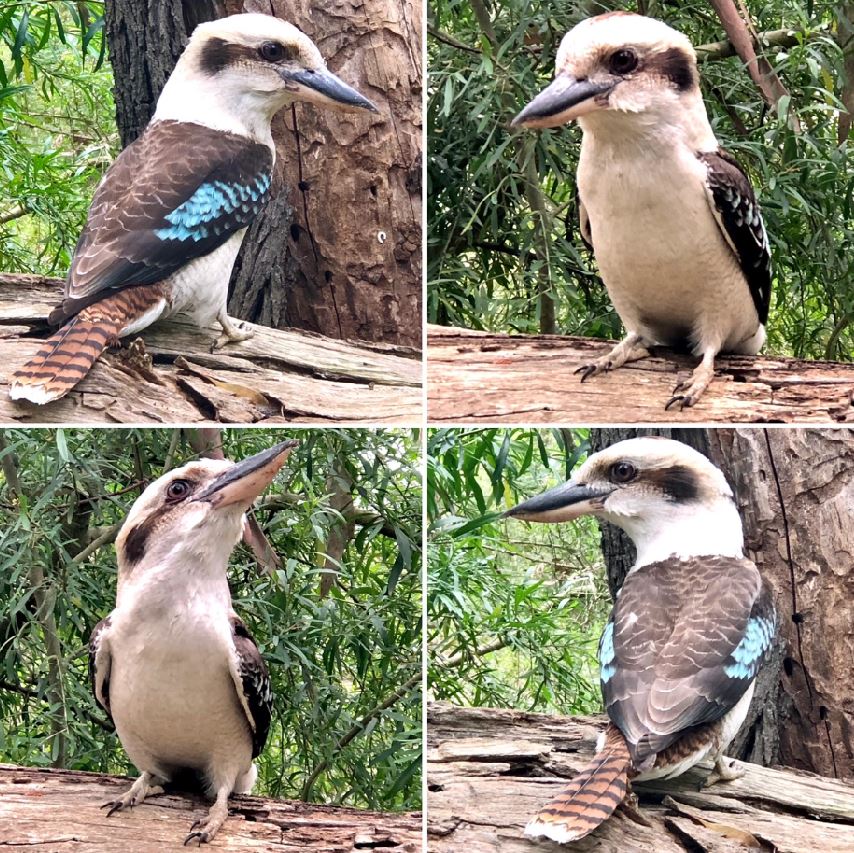
No – not a “bunch” – we believe the correct name for a a group of kookaburras is a “flock” or a “riot of kookaburras“! We like the latter – for good reason – Lisa tells this story:
During a picnic in the park under the oak tree yesterday [7/11], I heard a kerfuffle along the creek. Found at least four Kookaburras chatting together… The collage [of photos] reminded me of the Brady bunch intro, all looking up and down, and have had the lead tune as an ear-worm all morning…‘Here’s a story, of a lovely lady’…etc etc!!
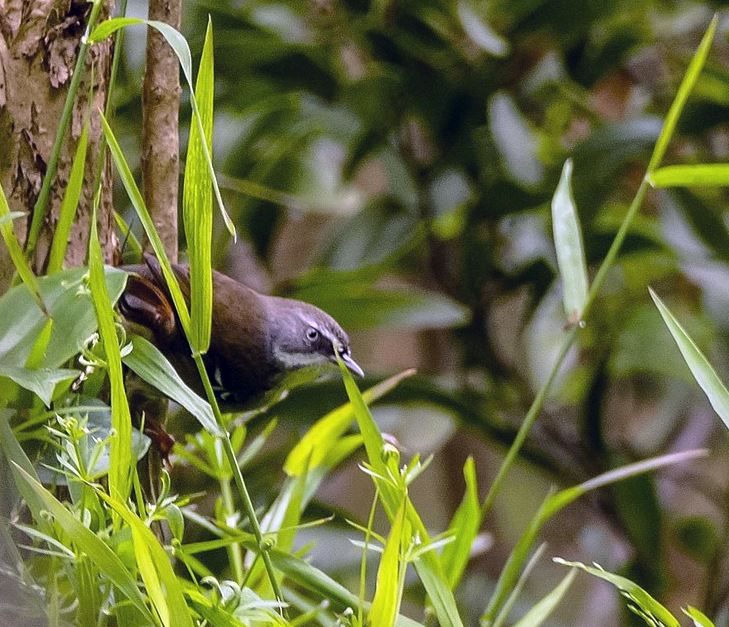
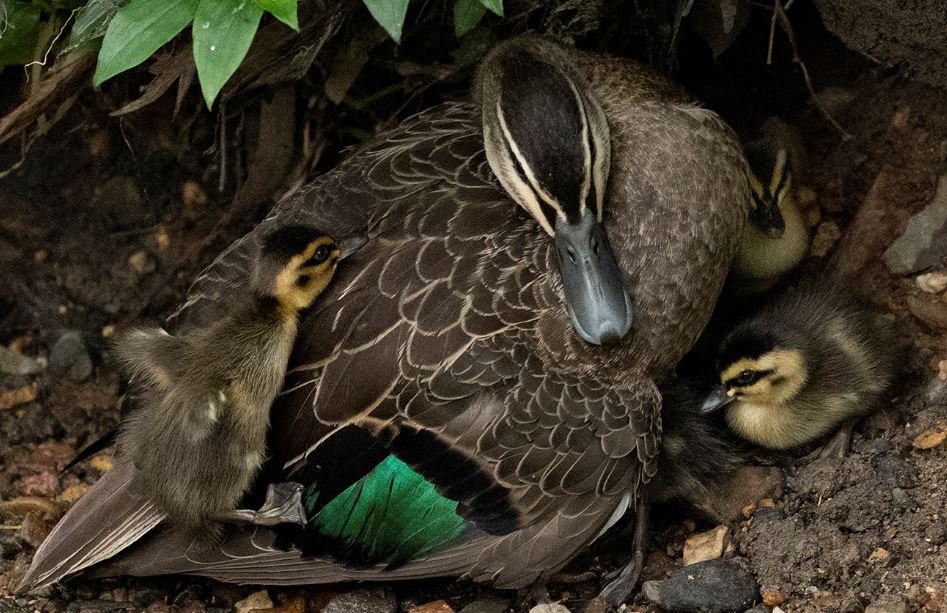
Other Sightings in the Park
Corridor Sightings
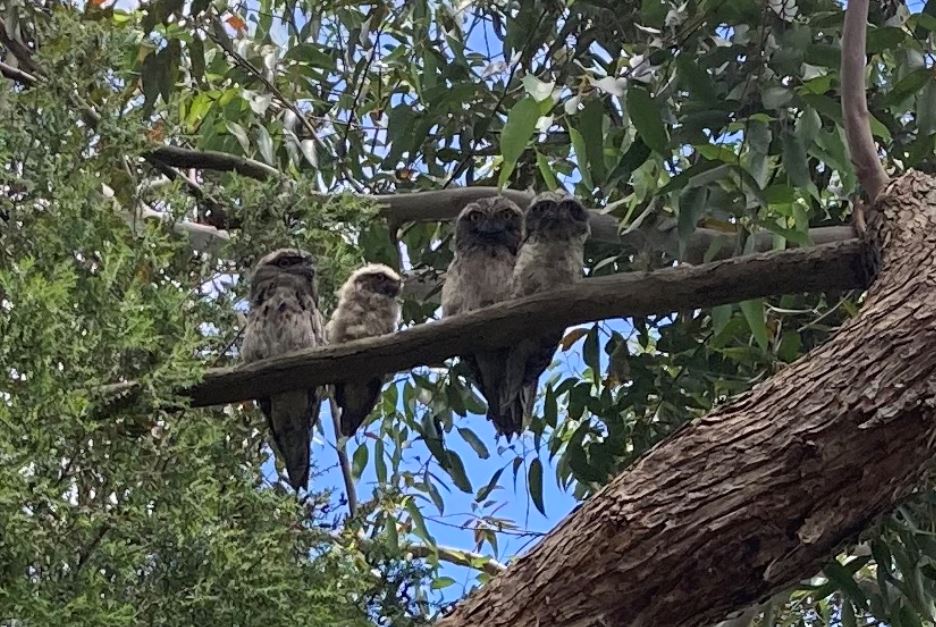
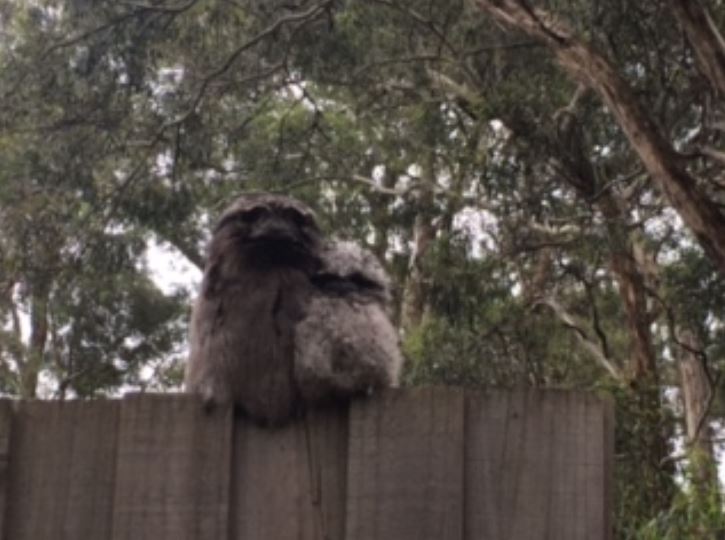
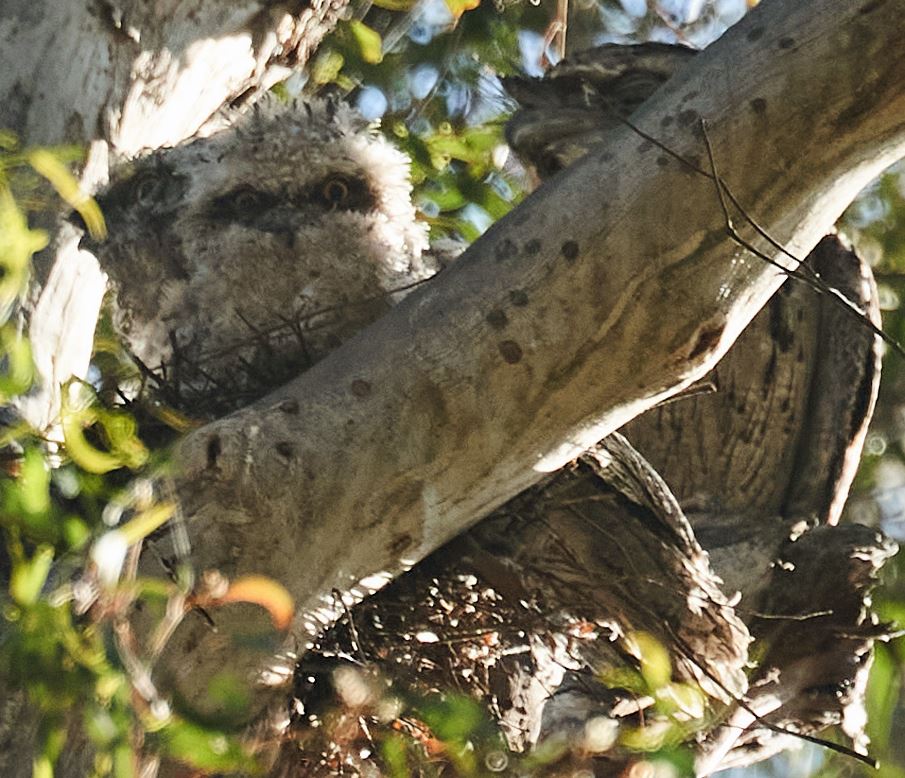
Neighbours of the park have sent in some photos of Tawny Frogmouth family groups (quite possibly the same group):
Resistance is Futile
Monday the 30th November was St Andrew’s Day which is a big deal in far flung places such as Scotland and Romania. Apparently, St Andrew had the misfortune of being crucified on a cross in the shape of an “X” in about AD60. This is reflected in the Scottish flag:

All this goes to explain the name of this spider, the St Andrew’s Cross Spider (Argiope keyserlingii), which you might find in your garden:
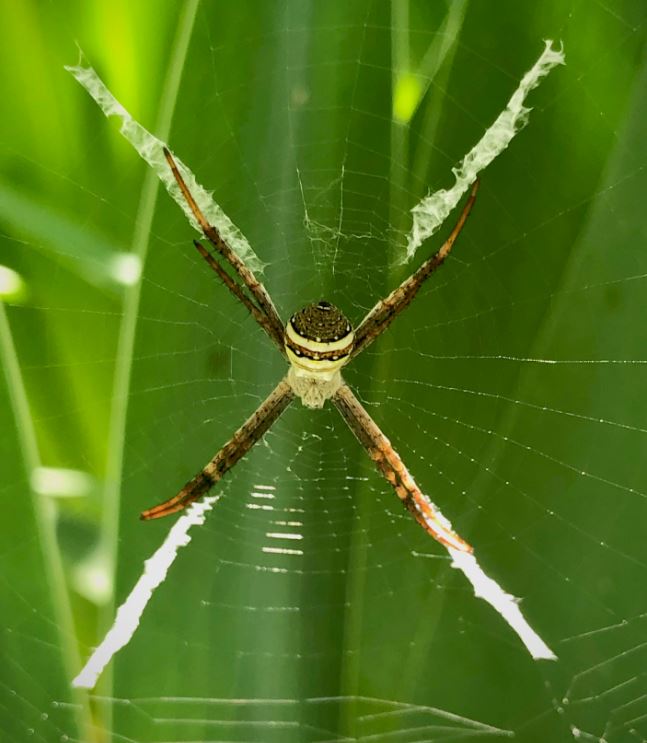
The spider has a habit of keeping pairs of its legs together which match part of the structure of their webs. They tend to hang upside down on their webs awaiting a misfortunate insect such as a moth or mosquito. For those who know their electronic components, Lisa thinks the body of the spider looks like a 33&1/3 Ω resistor.
Apparently they are harmless to humans – excepting that there may be a local reaction if bitten. The females have a silver, yellow, red and black banded upper abdomen with two longways yellow stripes below. The males (as shown in Lisa’s photo) are a less exciting – mainly brown, black and cream coloured.
The body of adult males is about 4mm long while the females are 4 or 5 times as big! Indeed, mating (summer to autumn) can be hazardous for the much smaller males…
Looking like a sort of landing pad, the role of the cross-like web structure, called the stabilimentum, was originally thought to make the web stronger and more stable. More recently, it has been found to strongly reflect ultra-violet light – which attracts flying insects. Yet another theory is that it makes the web and its owner more obvious to daytime predators like birds and wasps – making the spider look bigger and/or making the web look like more trouble to get off one’s feathers or wings – so best avoided.
Weed of the Month
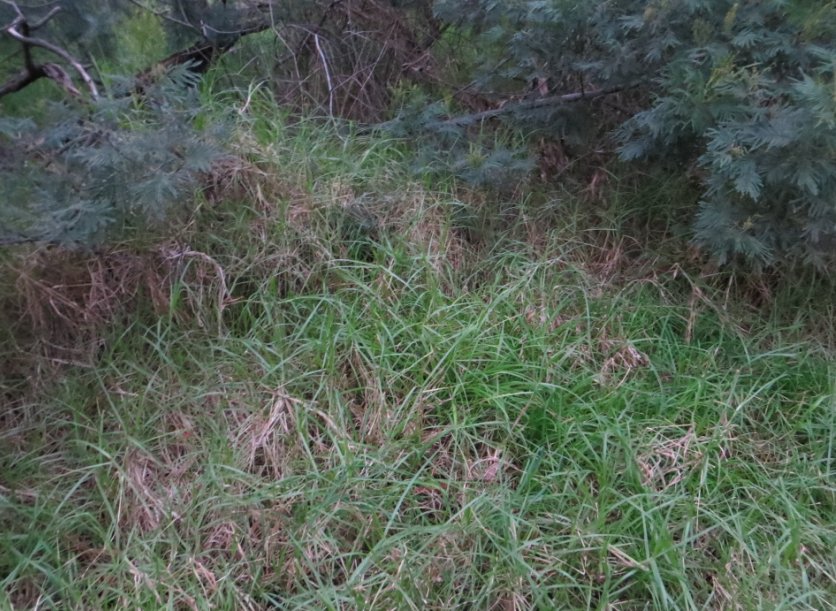
Weed of the Month is Kikuyu (grass) (Pennisetum clandestinum). It is a tropical grass species native to East Africa (Kenya). It has thick rhizomes and a strong network of roots, which send up new shoots easily – it also spreads via creeping stems.
It is often used on grassed areas such as parks and lawns because it is cheap, tough and stays green over summer – being quite drought-tolerant. On the other hand, it doesn’t tolerate frost so well (being a tropical grass).
Its main problem in the Creeklands is that it is invasive from mown areas and can climb over good plants, smothering them. It also insidiously produces herbicidal toxins that attack competing plants.
 Blackburn Creeklands
Pingback: Park News – December, 2020 | The Blackburn Creeklands
Pingback: Park News – January, 2021 | The Blackburn Creeklands
Pingback: Park News – November, 2021 | The Blackburn Creeklands
Pingback: Park News, November 2024 | The Blackburn Creeklands
Pingback: Park News, February 2025 | Blackburn Creeklands