Easter Egg
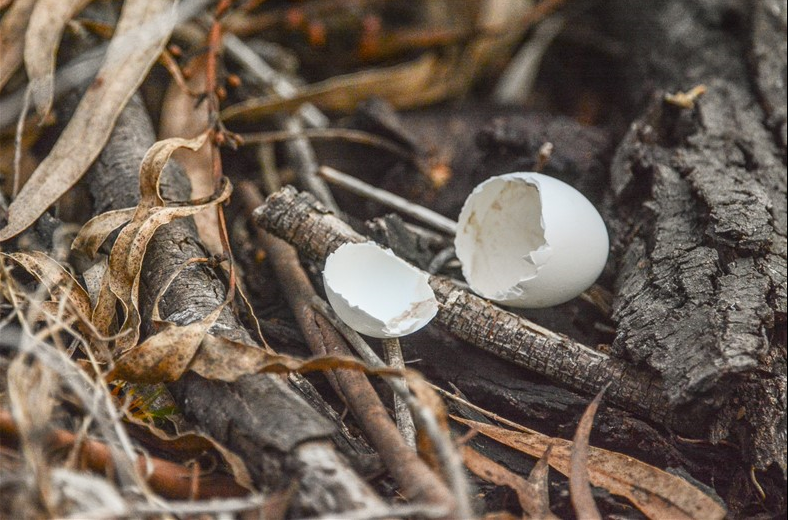
We trust all our Friends of the Creeklands enjoyed their Easter break including the school holidays for those still at school. In many cultures, the egg is a symbol of fertility and rebirth. More specifically, in the Christian tradition, Easter and Easter eggs celebrate the resurrection of Christ. Anyway, it seems one of our avian families also had a birth to celebrate. So – who hatched ? Firstly, we should put the egg’s size in perspective:
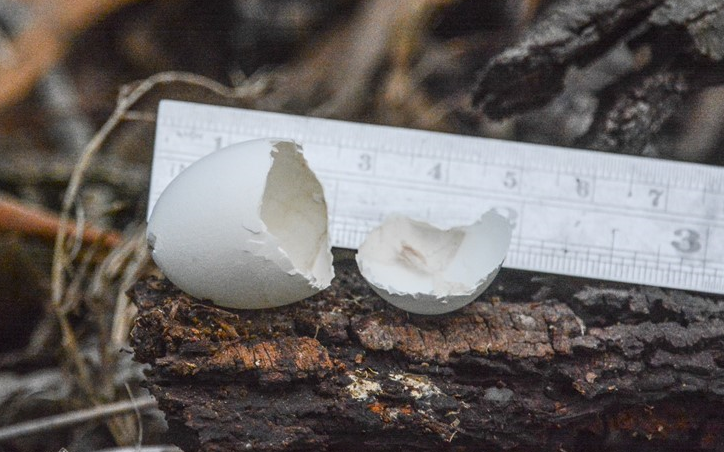
Other clues might be the shell colour, shape, the time of hatching and what birds were in the vicinity. It seems like the egg would have been a little over 3cm long – so, much smaller than a chook’s egg. Incidentally, we occasionally find the latter in the park – Currawongs or Little Ravens steal the eggs from nearby chook-houses and stash them for a feed later on.
Here are some birds that were in the vicinity:
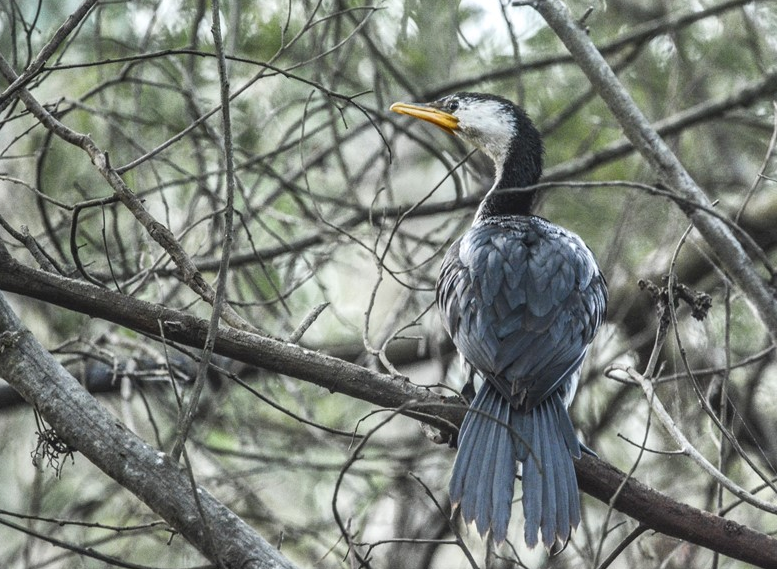
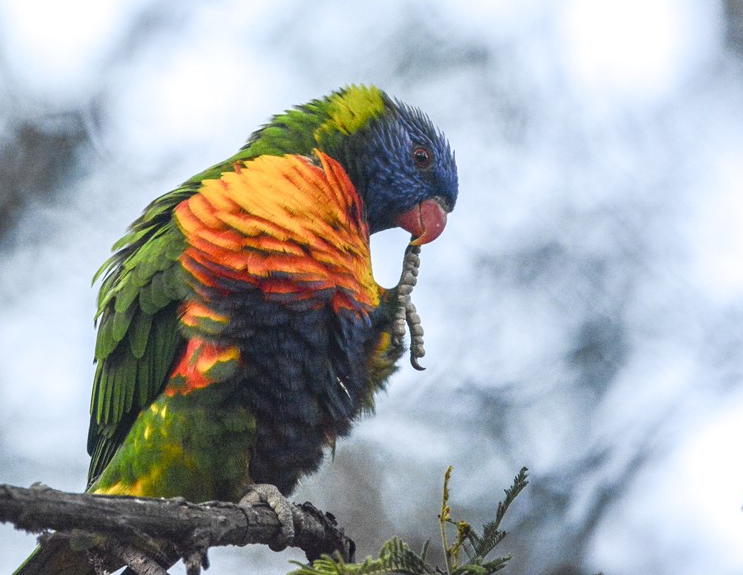
| Species | Breeds | Eggs |
| Rainbow Lorikeet | Jun-Jan | 2 – 3 white, oval 25–32 × 21-24 mm |
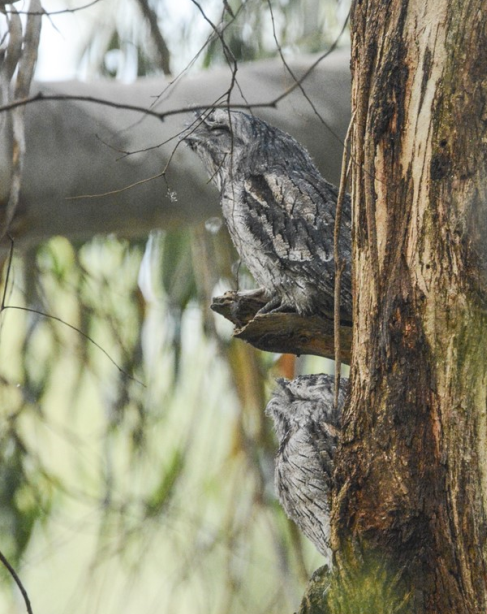
| Tawny Frogmouth | Aug-Dec | 1 – 3 white, rounded 43 x 31mm |
| Little Pied Cormorant | Any month – mostly spring-summer in SE Aust. | 2 – 5 chalky, blue-white 46 x 31mm |
Clearly, the egg could not belong to the Frogmouth or Cormorant because their eggs are much bigger. Of course, there are many other species in the park including some breeding (though not many at this time of year). Our best guess is that the hatching was that of a Rainbow Lorikeet chick and that the species must have a much longer breeding period in our park – at least this year. Another La Niña effect?
Autumn in the Park
Easter is not the only event that occurs in Autumn. Another is our Autumn Bird Survey and many fungi produce their fruiting bodies once the harsh and dry Summer is over. We cover both of those aspects of Autumn in succeeding articles.
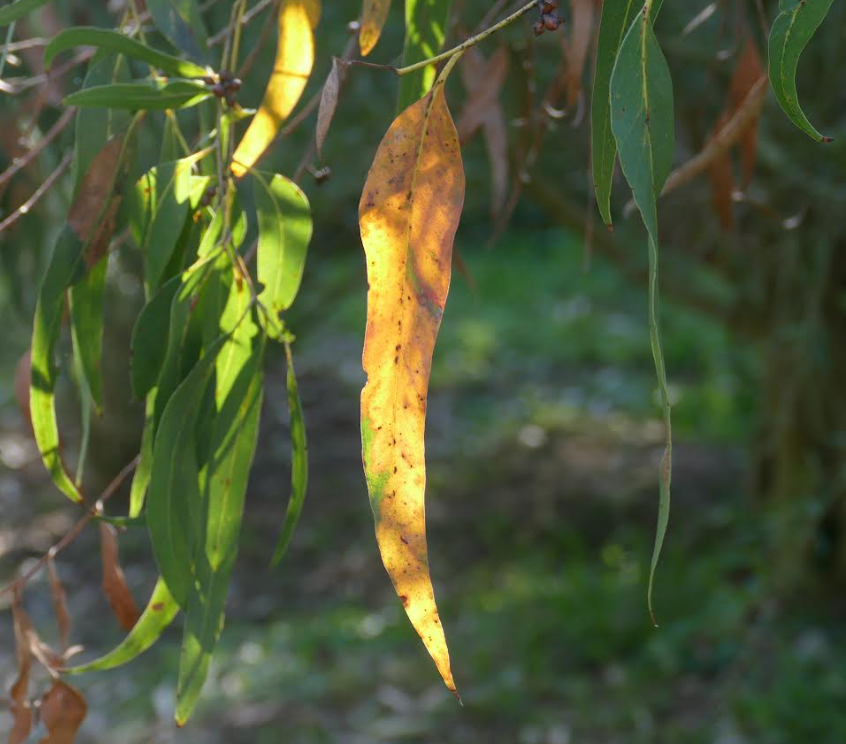
One thing in a bushland park that we don’t have in Autumn is the “fall” as seen with many European and North American plants. They drop all their leaves to better cope with the winter cold and snow. In places like England, the climate is too cold for winter growth. So trees drop their leaves to form a mulch that prevents the ground underneath them from freezing over. The mulch later decomposes to provide nutrients for new growth in Spring.
Most Australian plants are evergreen and drop old leaves all year around – sometimes more in Summer to help prevent moisture loss. That generally suits our more variable climate – our plants are always ready to take advantage of sudden good conditions like drought-breaking rains.
Autumn Bird Survey report
We are very pleased to report a successful Autumn Bird Survey – we’re back to business as normal – now that the Covid restriction have largely been lifted.
Despite the dire weather predictions, we were very lucky with a wonderful clear sky with no wind on Saturday morning of the 30th April. That followed a heavy 40mm+ soaking overnight and the day before! We were very fortunate that the rain system predicted to give us trouble seemed to move across the state faster than the bureau expected – leaving us with unexpectedly excellent conditions.
Our event was timed to coincide with this year’s City Nature Challenge. One of our group leaders, Ian Moodie, was proficient enough with iNaturalist to record his group’s sightings as they went. No doubt others will log, or have already logged, further reports after the event.
Another thing that stood out was the participation of many children with their sharp eyes and open minds. The other of our group leaders, Pat Bingham, is a retired educator and particularly good at involving the kids – opening their eyes to the world of birds in our park.
We had 28 people in attendance who saw a total of 26 bird species. Here is a sample of the birds seen:
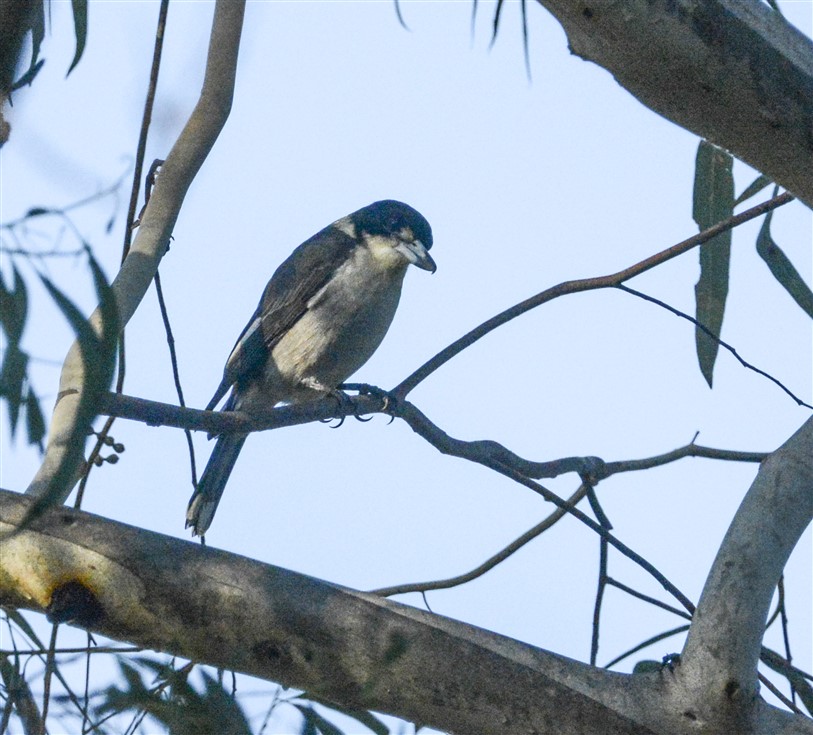
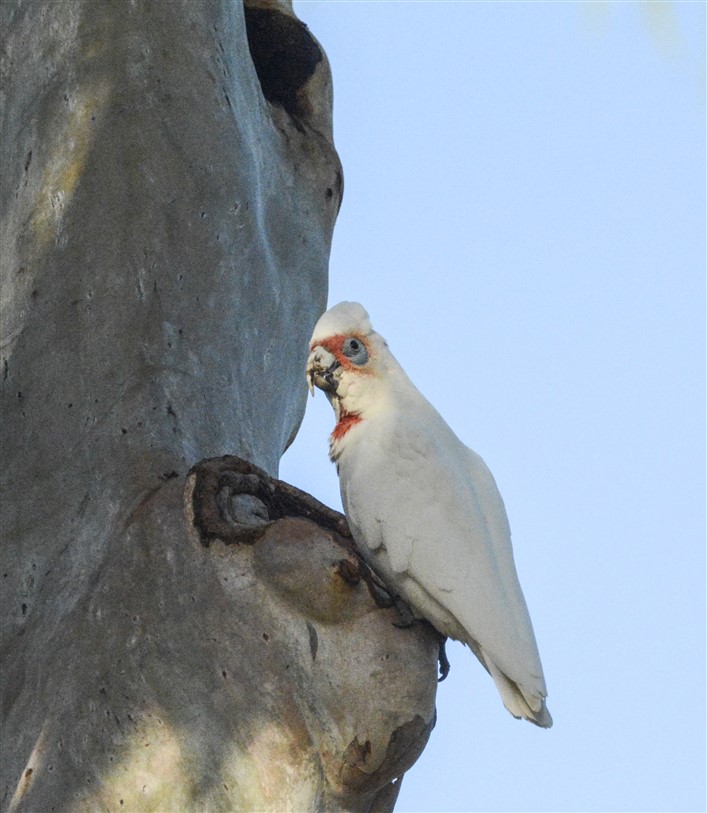
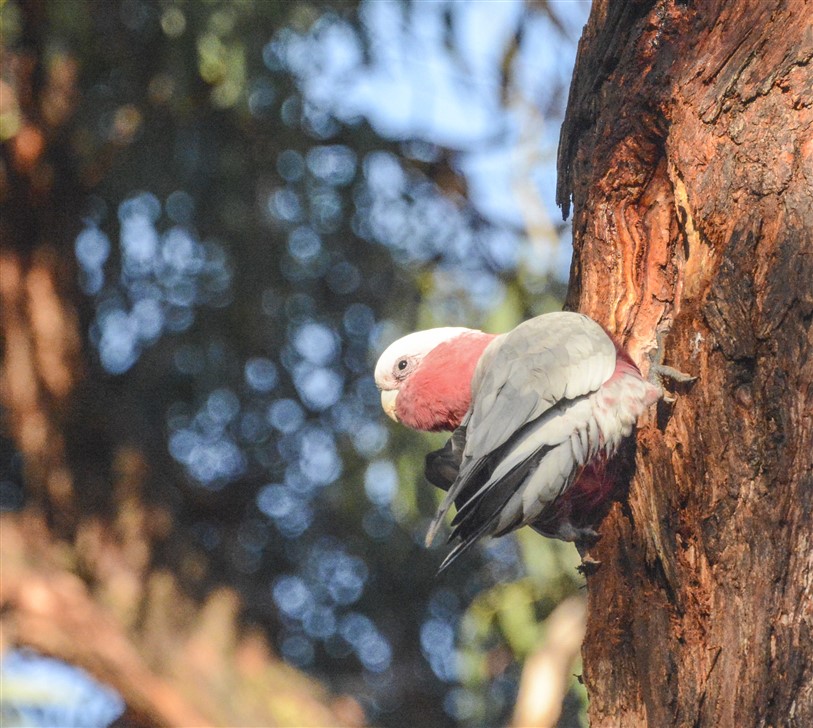
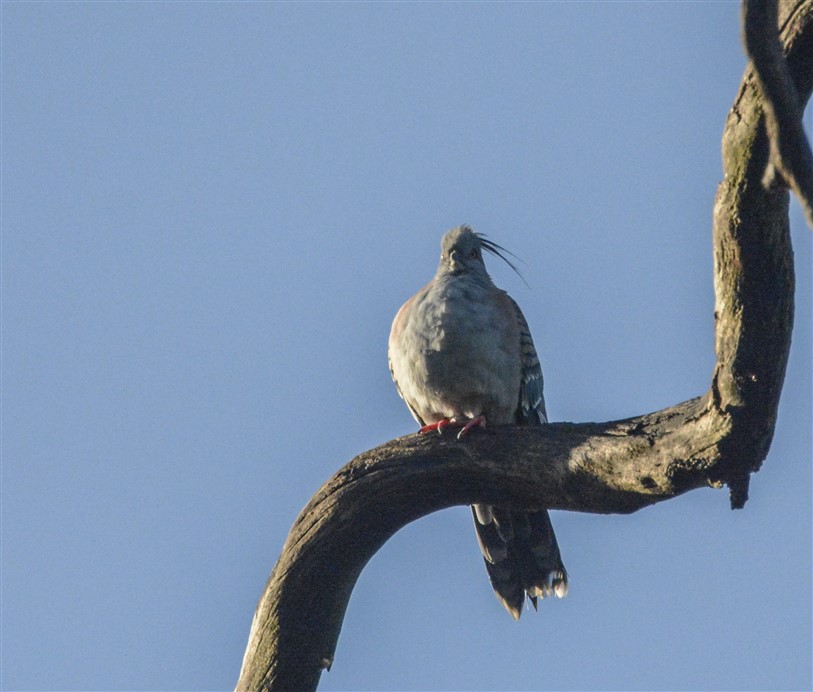
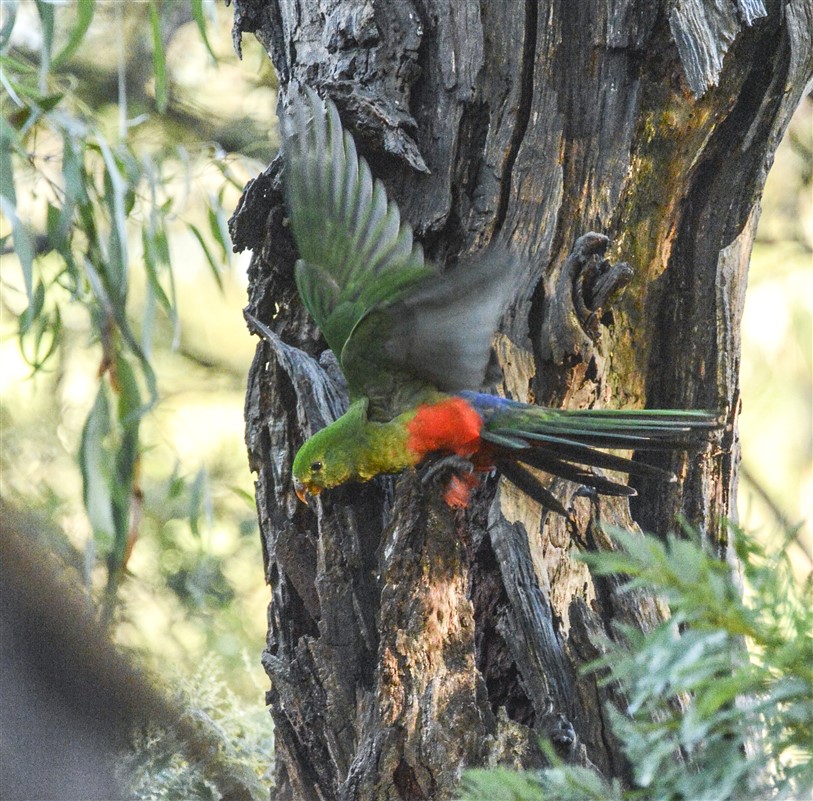
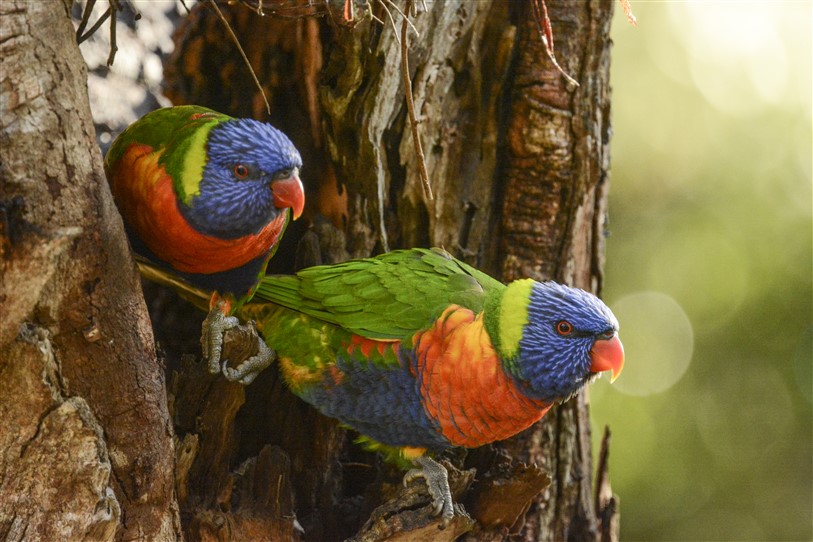
To enlarge, click on one of the photos and scroll using the < > arrows. Click X when finished.
You can find the full report here. Of special interest is that there were only 2 introduced species observed and so many indigenous species are recorded with “Lots” having been seen – ie 5 or more birds. This indicates that the birds are doing well in our park feeding, breeding and/or migrating in strength.
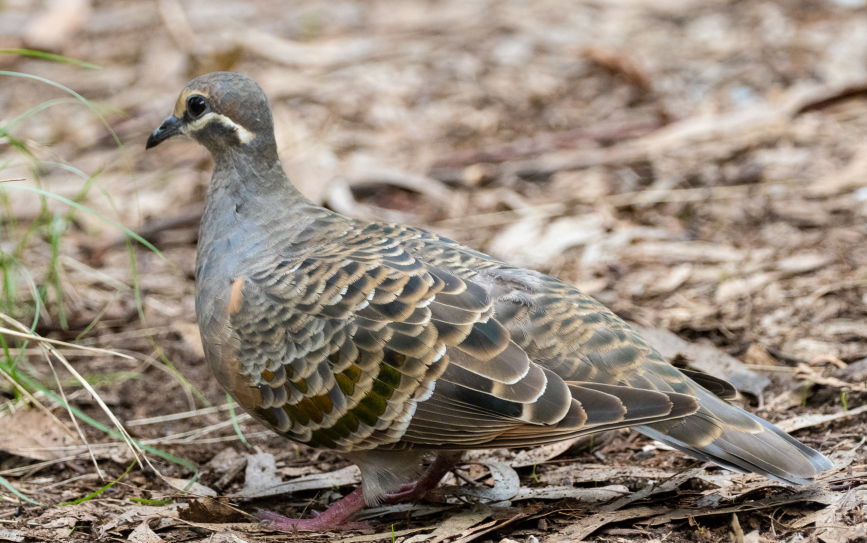
For anyone looking for the answer to our quiz in our reminder e-mail, the answer is the Common Bronzewing pigeon – but we didn’t see one during the survey! Megan our Chair adds “Needless to say when I walked around the park just a couple of hours later to pick up the signs, there was a bronzewing right beside the path trying to scare off some pesty Noisy Miners. It was making a great display with its wings – showing off the lovely bronze colouring“.
There are many indigenous species of Columbiformes (Pigeons and Doves). We see 2 of nearly 30 in our park: the Common Bronzewing and the Crested Pigeon – the latter seen in our Bird Survey photos. This bird is not one of them:
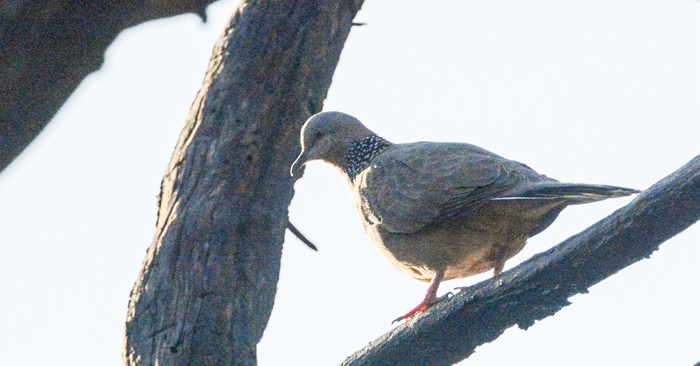
The Spotted Dove and the Rock Dove (aka Homing Pigeon) are introduced feral species we also see in the park.
Autumn Fungi
Ghost Fungus Omphalotus nidiformis – is probably Australia’s best known luminous fungus. Not only does it glow-in-the-dark at night in a ghostly way, it looks spectacular by day. One of our Friends, Michael, sent some photos early in the month of a specimen in Blacks Walk:
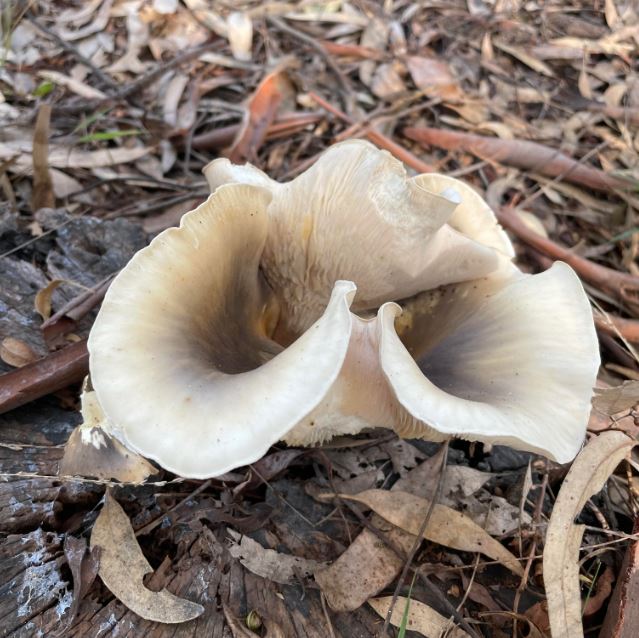
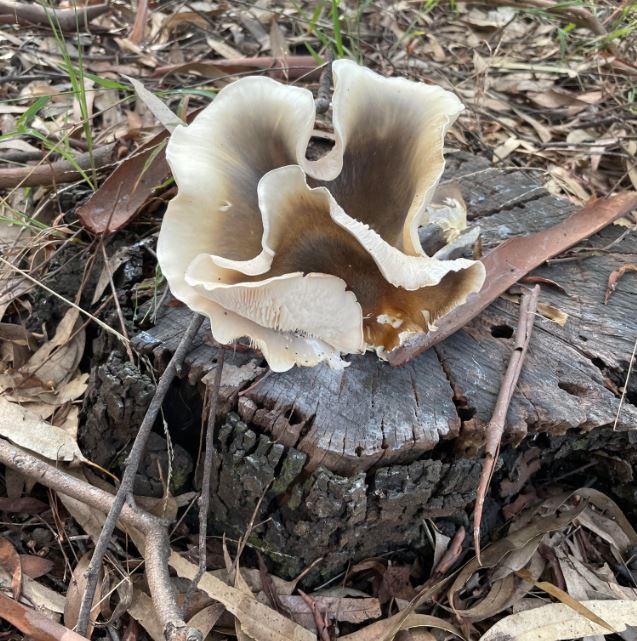
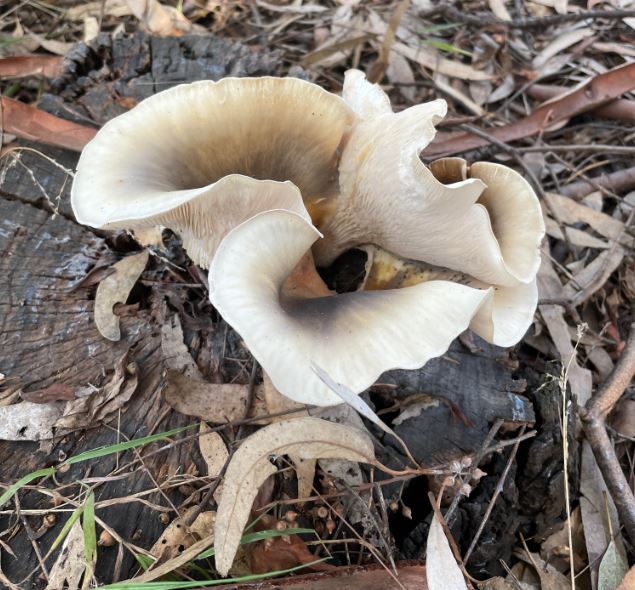
To enlarge, click on one of the photos and scroll using the < > arrows. Click X when finished.
This specimen is quite young and may grow to 200mm across if left undisturbed. Michael used iNaturalist to have the fungus identified before sending his pictures to us.
These funnel-shaped fungi start out looking like orange-ish toadstools and eventually flatten out with age. They are found on both living and dead wood (especially Eucalypts) – often in overlapping clusters. Once mature, their colour can vary from white or cream with blue-black centres, yellow tinges and tones of purple or pink. Their soft green luminescence is due to a reaction between enzymes inside the fungus and oxygen.
Here are some other fungi spotted in the park recently (not only by people!):
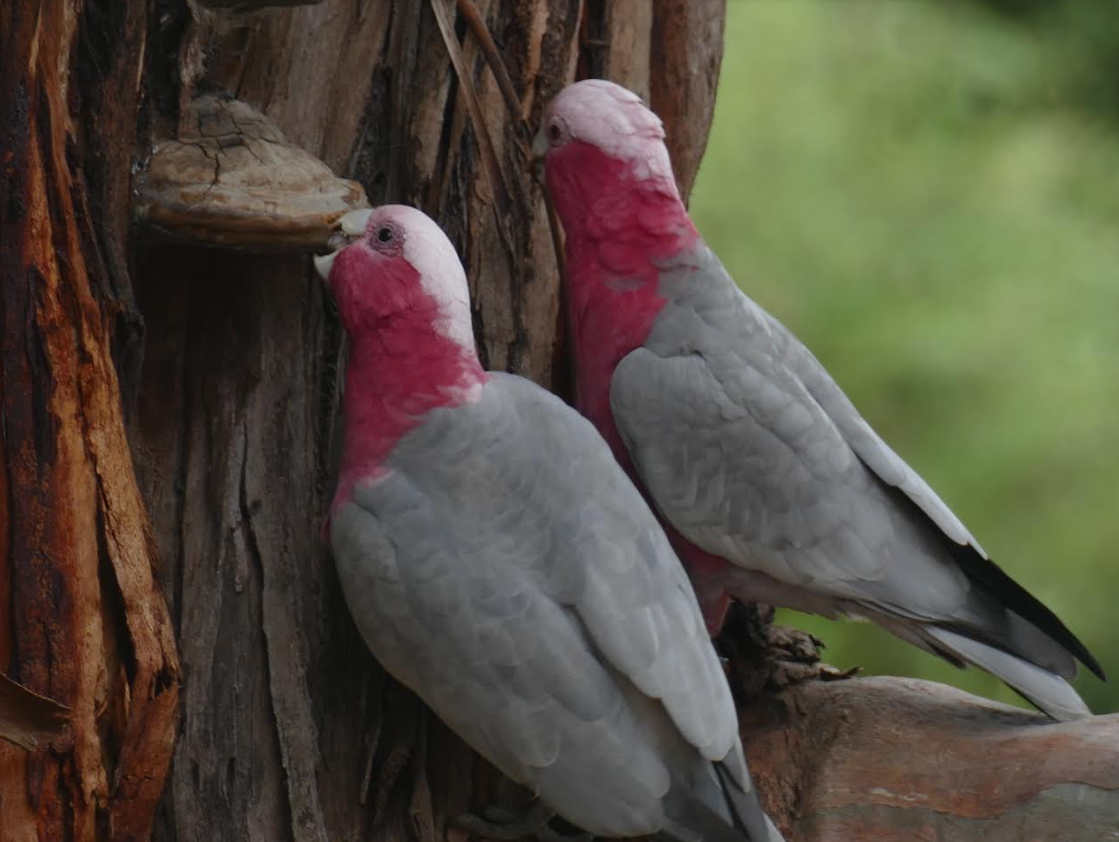
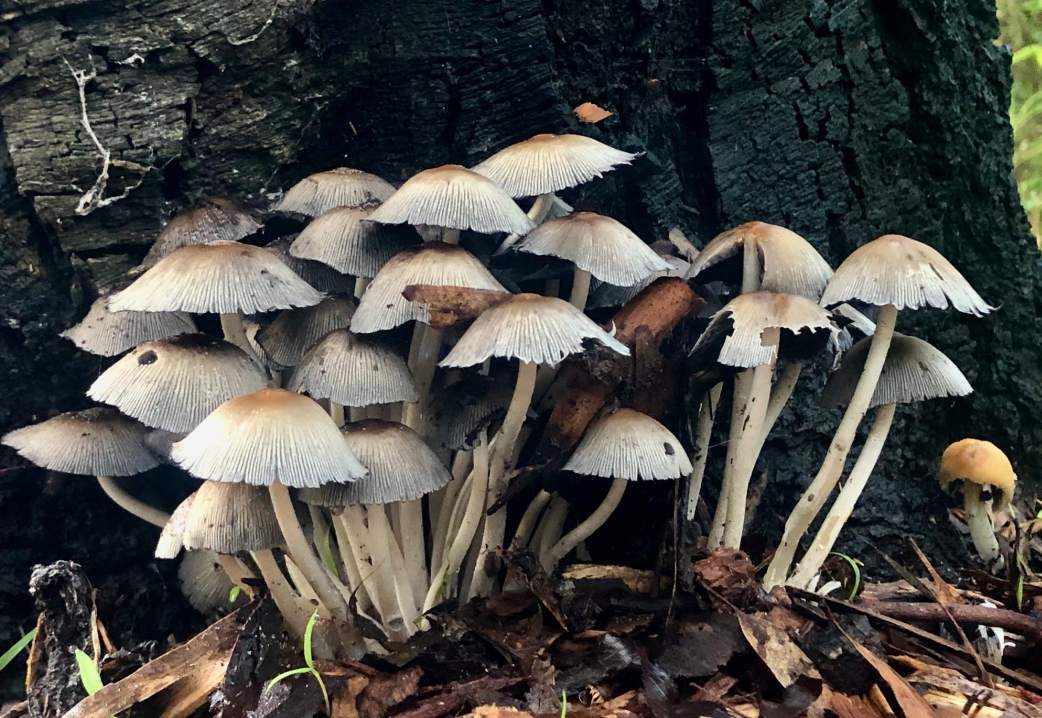
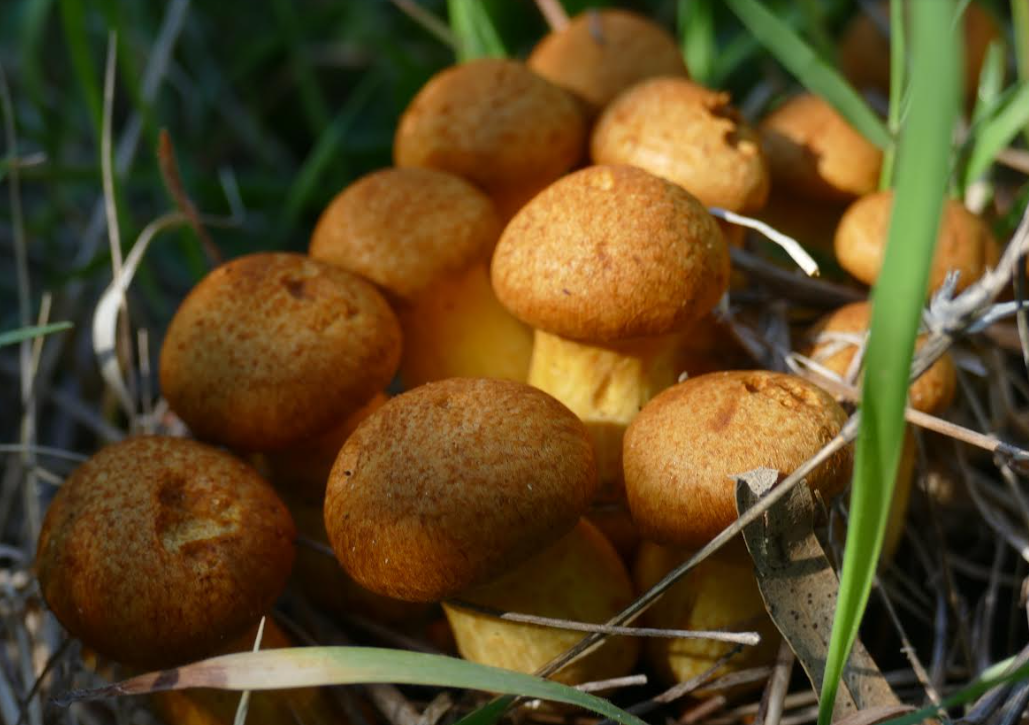
Beware! some of our fungi may look rather like some edible varieties – but can be quite poisonous! Just in case – the Poison Information Centre’s phone number is 131 126.
Community Working Bees Rebooted !
Just as our bird surveys are back to normal, we’re having our first Community Working Bee for 2022 on the 15th May, 2022. The proposed work site has been chosen – beds along the main E-W track on the south side of the creek about 30m east of the Laurel Grove bridge:

Activities will be: weeding, planting, mulching and rubbish collection. The full gamut is proposed to show the end-to-end process with weeding-planting-mulching as well as a separate rubbish collection activity throughout Thelma’s Maze (KP-5) – to allow people to be separated for safe social-distancing.
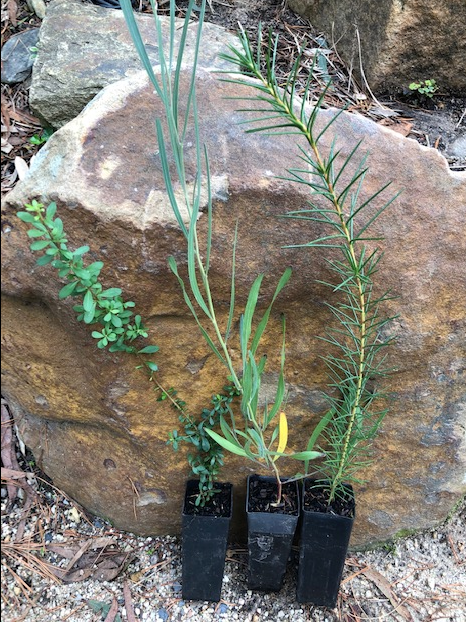
All are welcome – we hope you are able to attend – even if for a cup of tea at 10:30 to inspect the works. We’ll send a reminder closer to the day!
Have you heard of a spider that casts a net ?

One of our weeders disturbed a female net casting spider Deinopis sp. The spider hunts at night and hides during the day. Here is an example of a net in place – taken recently at Blackburn Lake Sanctuary:
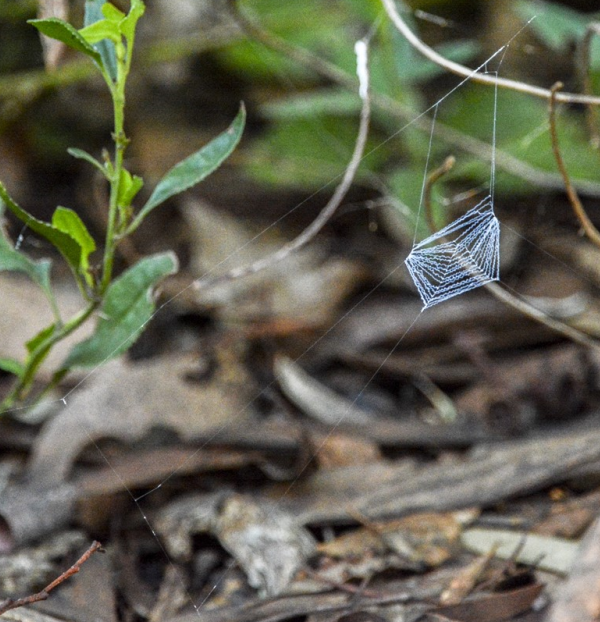
At sunset, the spider weaves its net. When it notices prey like a cockroach (yum!) passing underneath, the net (under tension) suddenly drops on the victim. The crinkly web is not sticky – it’s crinkly simply to tangle its victim more easily. The spider is a recycler too – if food is scarce, the spider will eat the net just before sunrise – it has all the ingredients within for the next one! Please see this excellent article if you’d like to learn about the geometry of the net and its support web.
Maintenance Team Report
The team has been busy in April around the Billabong, the main E-W track south of the creek and near the park entrance on the Middleborough Road side of Blacks Walk. They are pleased to be planting again at their last two working bees as the more moist conditions allow.
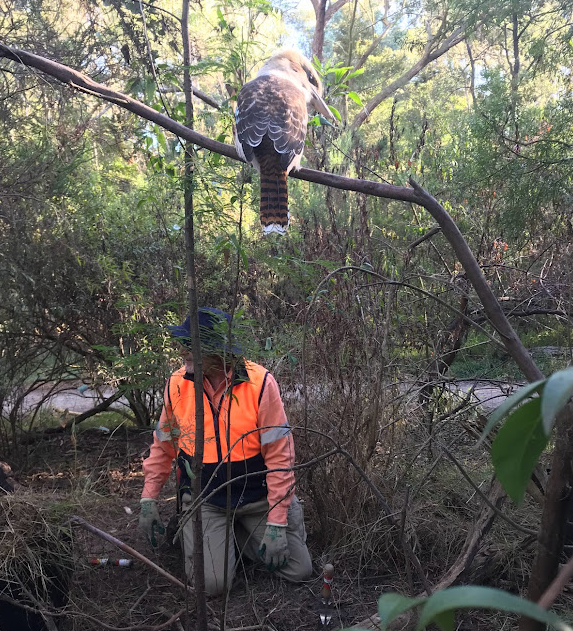
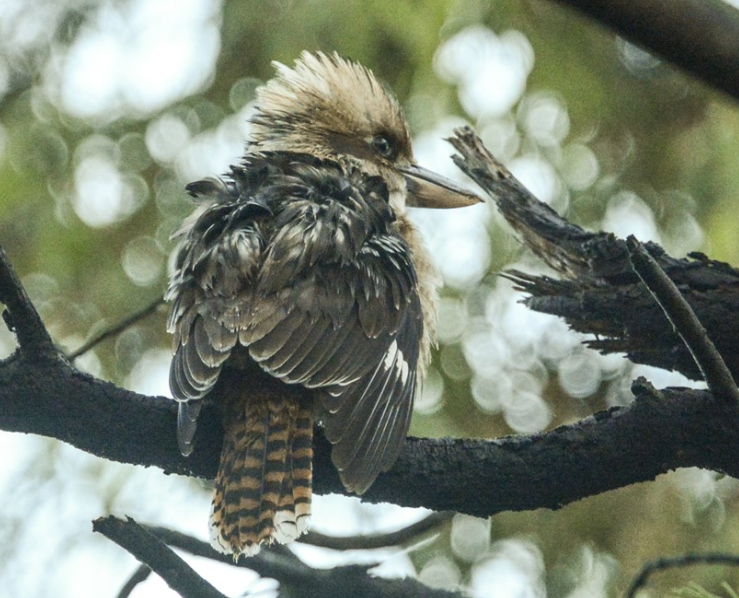
People who walk in the park on Thursday mornings may have noticed that there are often 1 or 2 – sometimes up to 6 or 7 – Kookaburras in attendance “supervising” proceedings.
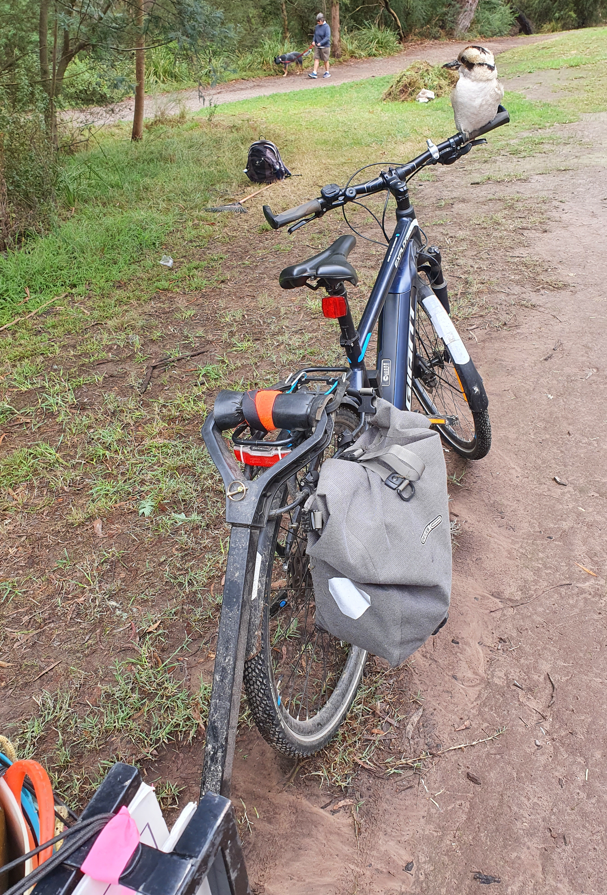
The birds have learnt that the team sometimes unearths worms, skinks and other delectable treats as weeding progresses. It seems one of those guys is also trying to work out how to drive the “tractor” that the team uses to cart tools and supplies around the park:
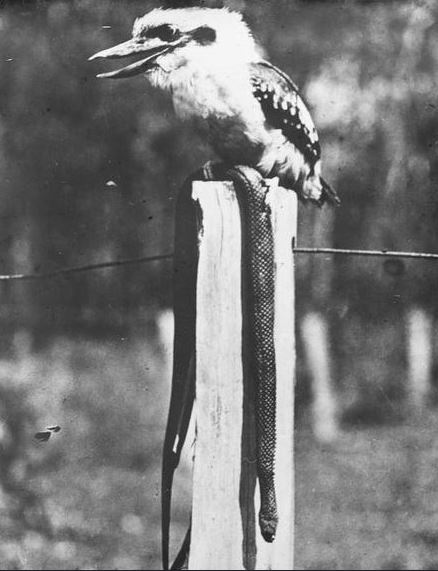
For their part, the Kookaburras claim they are protecting us from snakes as per this iconic image from the past. We read somewhere that they were introduced into the southern part of WA in 1897 because of their liking for snakes – which neatly complemented the locals’ dislike for them.
They were introduced to northern Tasmania too in the early 1900s. They are now extending further south as the climate warms up.
Experts are worried their aggressive behaviour is displacing indigenous species as they establish themselves in new territories.
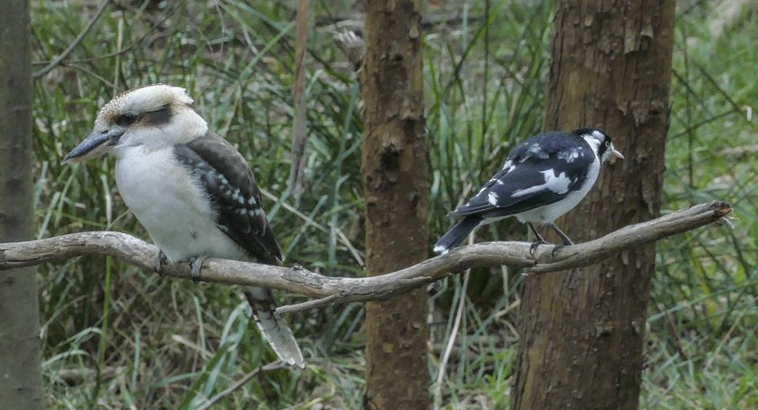
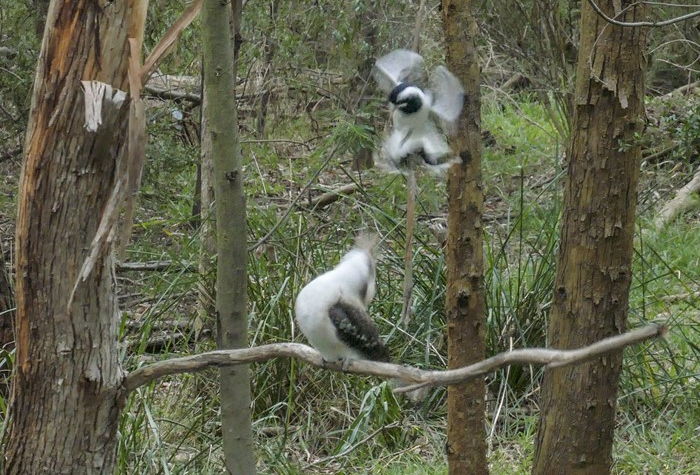
So what can you do about moving on someone who is muscling in on your territory? A female Mudlark shows a couple of strategies:
Feeding Birds with Bread in Park
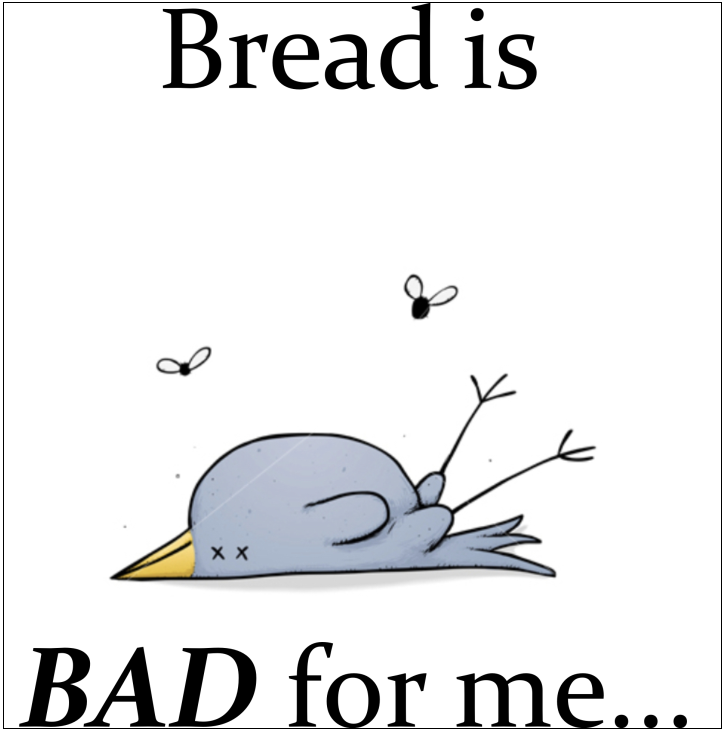
No doubt well-intentioned, we’ve become aware that some folks are feeding bread to wild birds – this is not a good thing to do! There are lots of good reasons not to feed our wildlife in the park:
- Bread and biscuits do not contain the nutrients native birds need.
- This can cause birds to become sickly and less able to escape predators.
- Birds become dependent on junk-food handouts and no longer forage for their natural foods.
- Bread attracts pests like foxes which prey on wildlife and/or compete for other food and nesting sites, forcing more timid native birds out.
- Left-overs attract vermin such as mice and rats.
What can you do to help ? If you are able to, collecting and binning it would be great!
Artificial Hollows
More than 300 Australian species use hollows for nesting, shelter, as refuges from predators and even water sources after they trap rainwater.
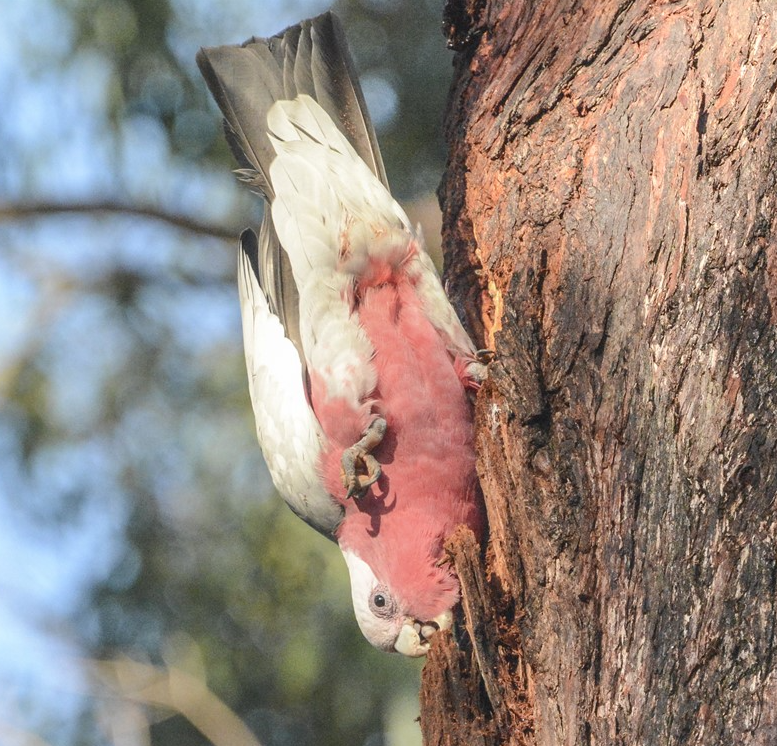
Large, old trees (stags) provide nesting hollows, bark shelter and food for a varied population of birdlife, possums, bats and insects. As the number of old remnant trees decline, so (critically) do tree hollows. As a rough guide, a Eucalypt needs to be about 50 years old before useful hollows develop naturally. It is also the reason dead trees are retained while still standing safely in the park – they continue to provide habitat long after the life of the tree itself is over.
Council is to trial creation of habitat hollows by chainsaw in the former “high rise tree” stump at Main Street – more pruning is required there (feral bees delayed finishing the work). Hopefully, this will help address the “housing shortage” in the park!
Sightings
Australian King Parrot
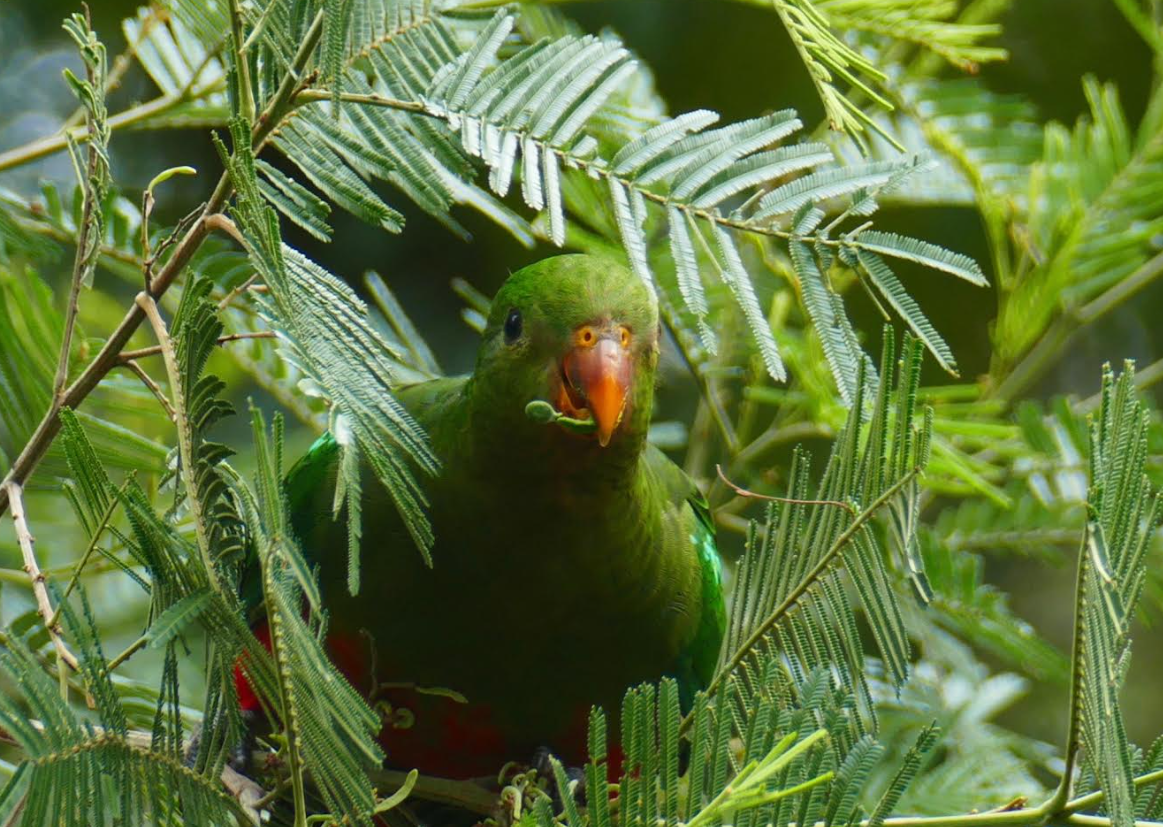
There are lots of King Parrots in the park at the moment!
SilverEye
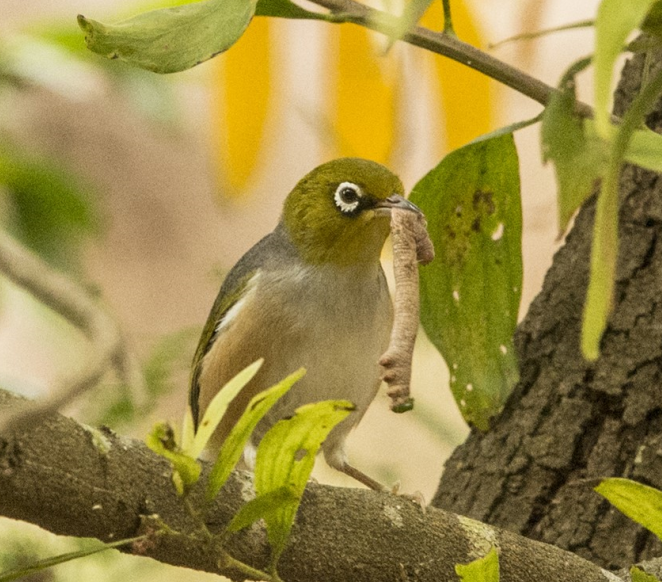
Our last recording of a Silvereye sighting in our park was at the Autumn, 2013 Bird Survey (27/4/2013). A park neighbour reported seeing one last year (deceased – no obvious injury) and another deceased bird (with significant damage) was found during the month on the Kalang Oval. The species used to be seen fairly commonly in the park and is present at the Blackburn Lake Sanctuary – they do seem to be trying very hard to make a comeback!
Possible Tree Martin Sighting
Tree Martin is a bird species (Petrochelidon nigricans) in the swallow family. We have had a possible sighting in the park. Many of our readers would know the Welcome Swallows – who zoom around Kalang Oval low to the ground – presumably to stir up insects to eat. Tree Martins are more likely to be zooming around the canopy of mature trees (possibly for the same reason).
The male and female Tree Martins have the same plumage – glossy blue-black above except for a pale rump, pale underneath and have with a small rufous (reddish) patch on the forehead. The tail of the Tree Martin is shorter and less obviously forked than that of the Welcome Swallow. Let us know if you think you see them. This movie shows them active elsewhere to help you recognise them if you think you may have seen them.
Clearly, they like their hollows too!
Brown Goshawk (part 2)
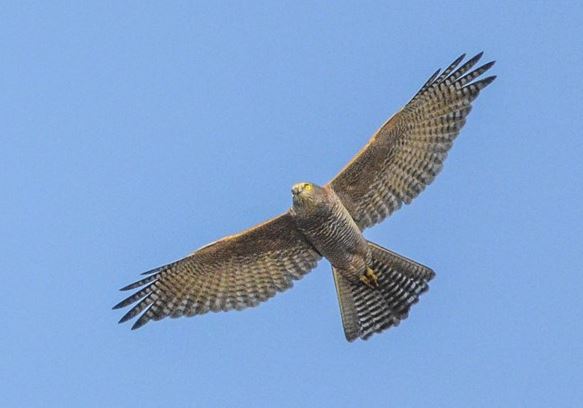
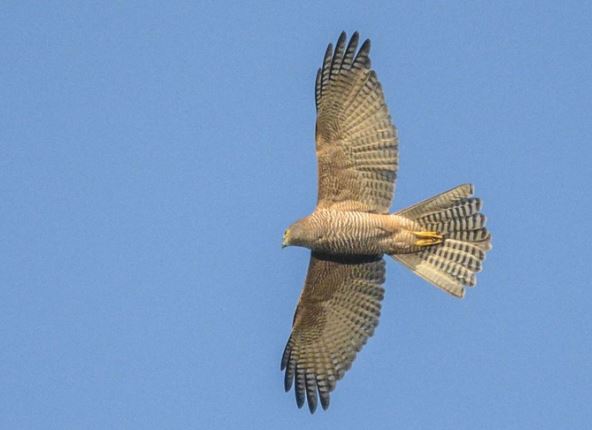
Last month we showed a fairly blurry shot of a Brown Goshawk. The same species was spotted at Blackburn Lake Sanctuary during the month – we have clearer photos you might use to identify:
Acacia Seed – Bitter and twisted ?
 Blackburn Creeklands