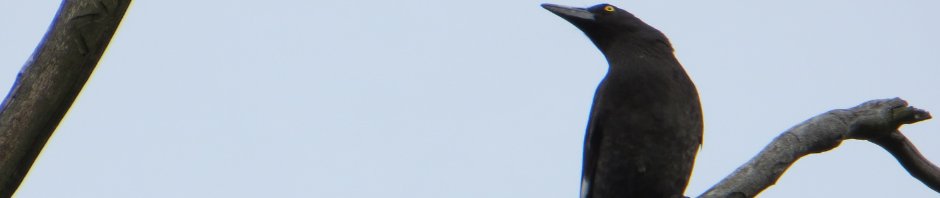
June is the first month of our traditional Winter. The good news is that there are only two more months to go now – and we’ve already passed the shortest day of the year, so things are very much on the up…
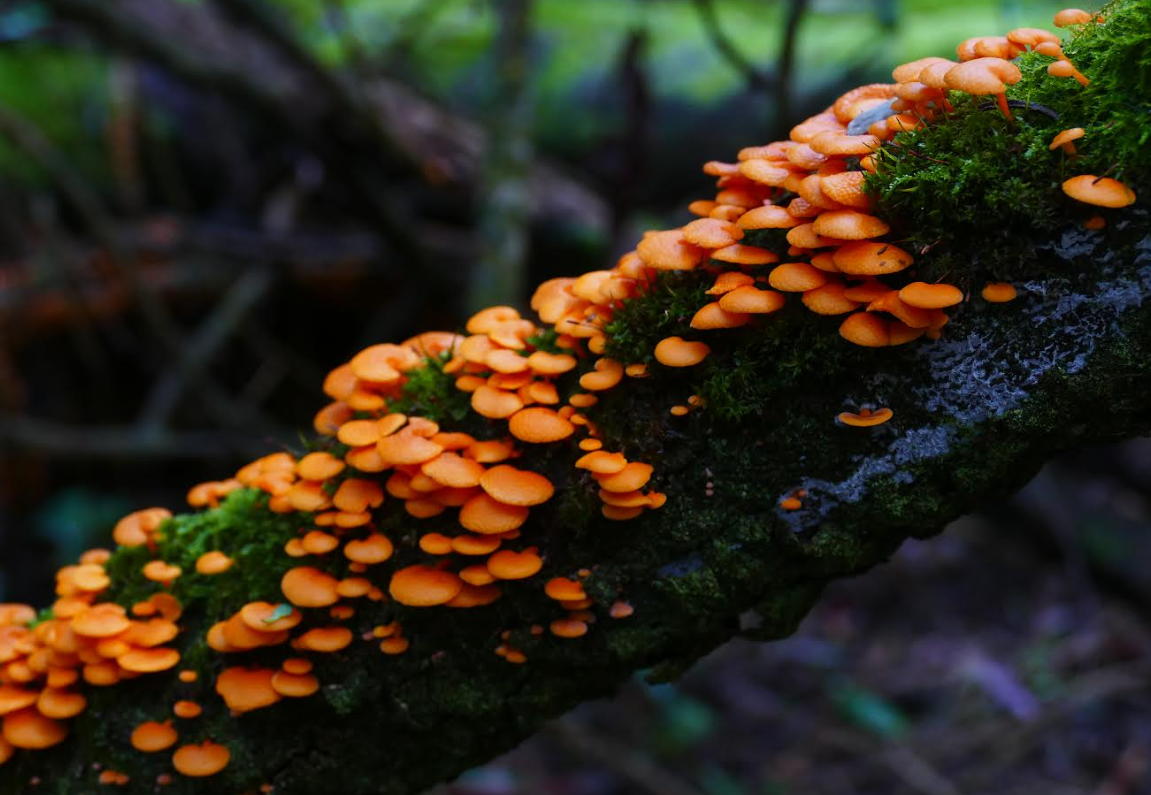
Rita’s picture seems to evoke the June we “enjoyed” – dark, cool and wet with some bright spots – such as our Community Working Bee.
Unfortunately, the featured fungus seems to be the highly invasive Orange Pore fungus or Orange Ping-Pong Bat (Favolaschia calocera). That fungus is believed to have originated in tropical Africa but has invaded many parts of the world including non-tropical Switzerland – not the first species to come out of Africa and dominate the globe!
It certainly appears to be a good year for fungi – more on that topic later…
This week is NAIDOC Week – which celebrates the history, culture and achievements of Aboriginal and Torres Strait Islander peoples. We acknowledge the Wurundjeri people of the Kulin nation as the traditional custodians of the Blackburn Creeklands. Our Advisory Committee and the local community strive to continue to protect and strengthen this land, its waterways and habitat, and support its biodiversity.
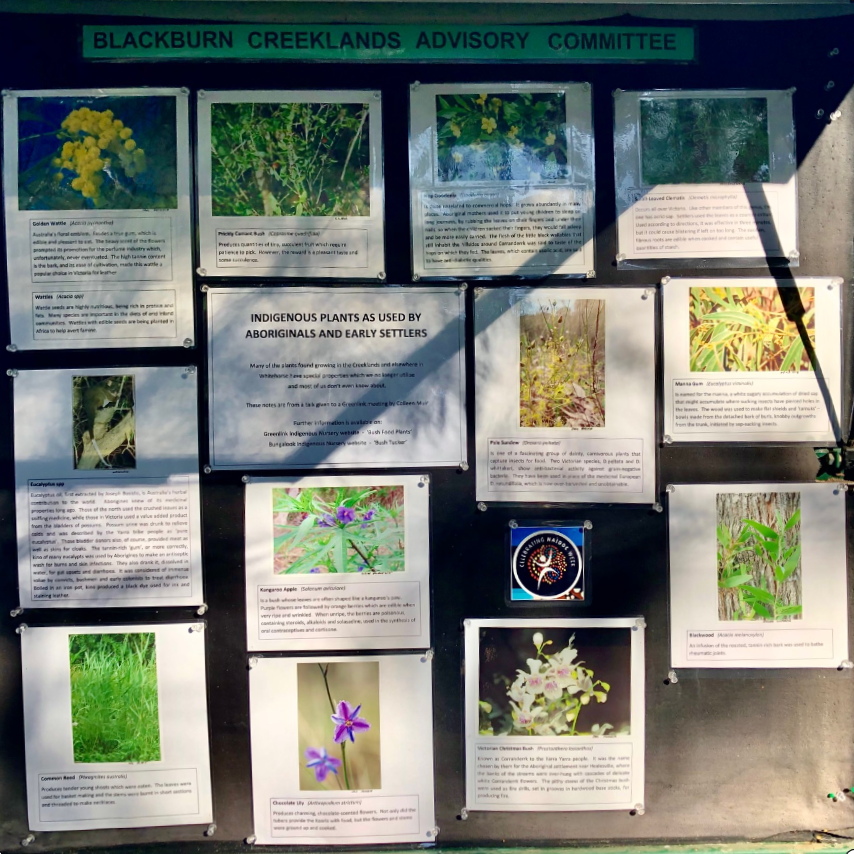
To celebrate NAIDOC week, our noticeboard (on its reverse side) features a display of indigenous plants listing special properties that our first peoples learned over the 60,000 years they’ve been here. Please click here if you would like to learn more about the Wurundjeri and the Kulin nation in relation to the Blackburn Creeklands.
How long does it take to grow a wetland ?
On behalf of the Council’s/Melbourne Water’s contractor, Vyv has done a great job looking after the “new” wetland – keeping weed outbreaks under control while managing the growing wetland. Now that the post-construction maintenance period has completed, Council’s main contractor, Haas & Gray, will take over its maintenance from now on.
By their nature, wetlands usually have plenty of water (hopefully) – which helps with rapid growth. We also know that street run-off does have a higher nutrient load than a natural water sources (mostly thanks to dogs, crushed leaf litter etc we suppose).
The slider tells the story – in two years, the wetland has progressed from what looks like a dodgy hair transplant to a thriving and quite natural-looking environment (our thanks to Geoffrey for the before/after shots). Clearly, the trees will need more time to develop but the swampy rushes etc are looking very good and natural indeed. The big bonus for the environment is that the storm-water is “cleaned” by the plants and wetland system before it enters the creek, the Yarra River, Port Phillip Bay, Bass Strait and the ocean in due course.
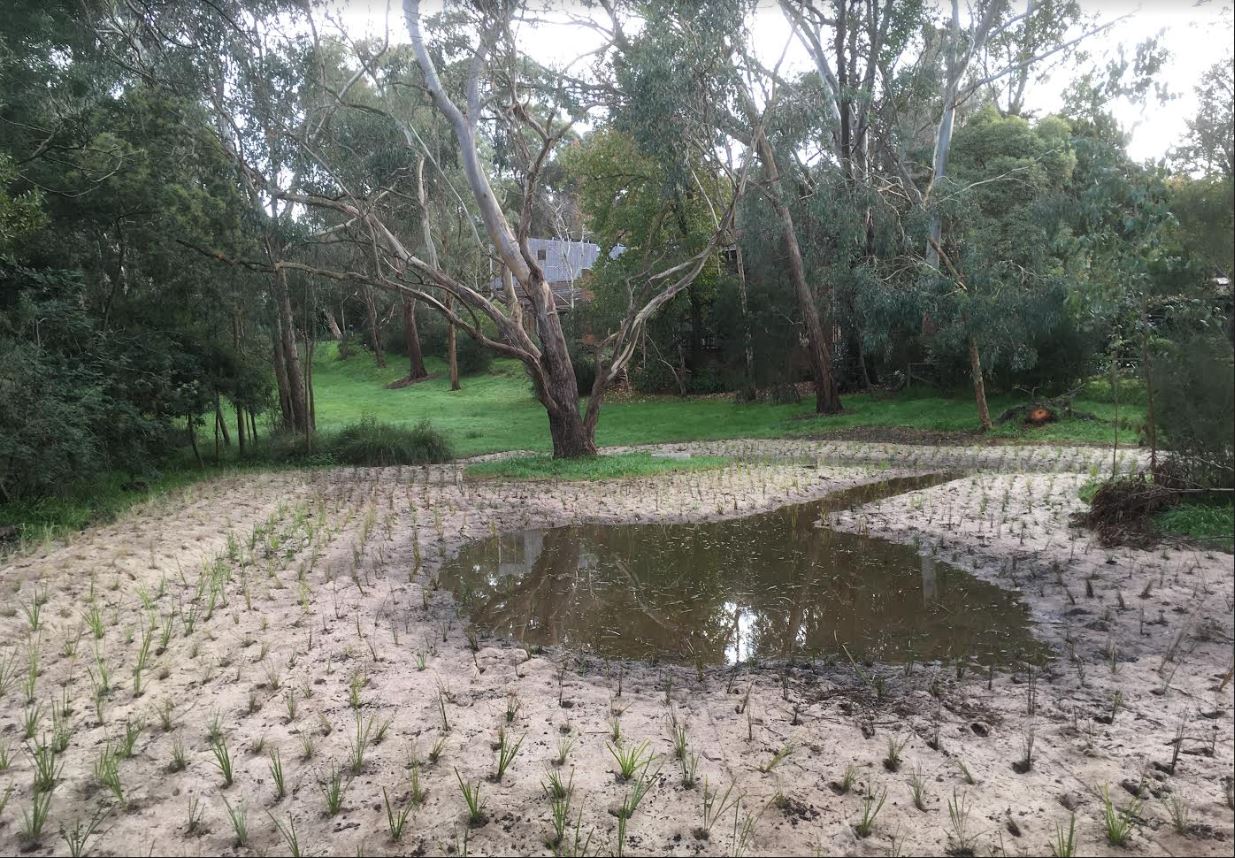
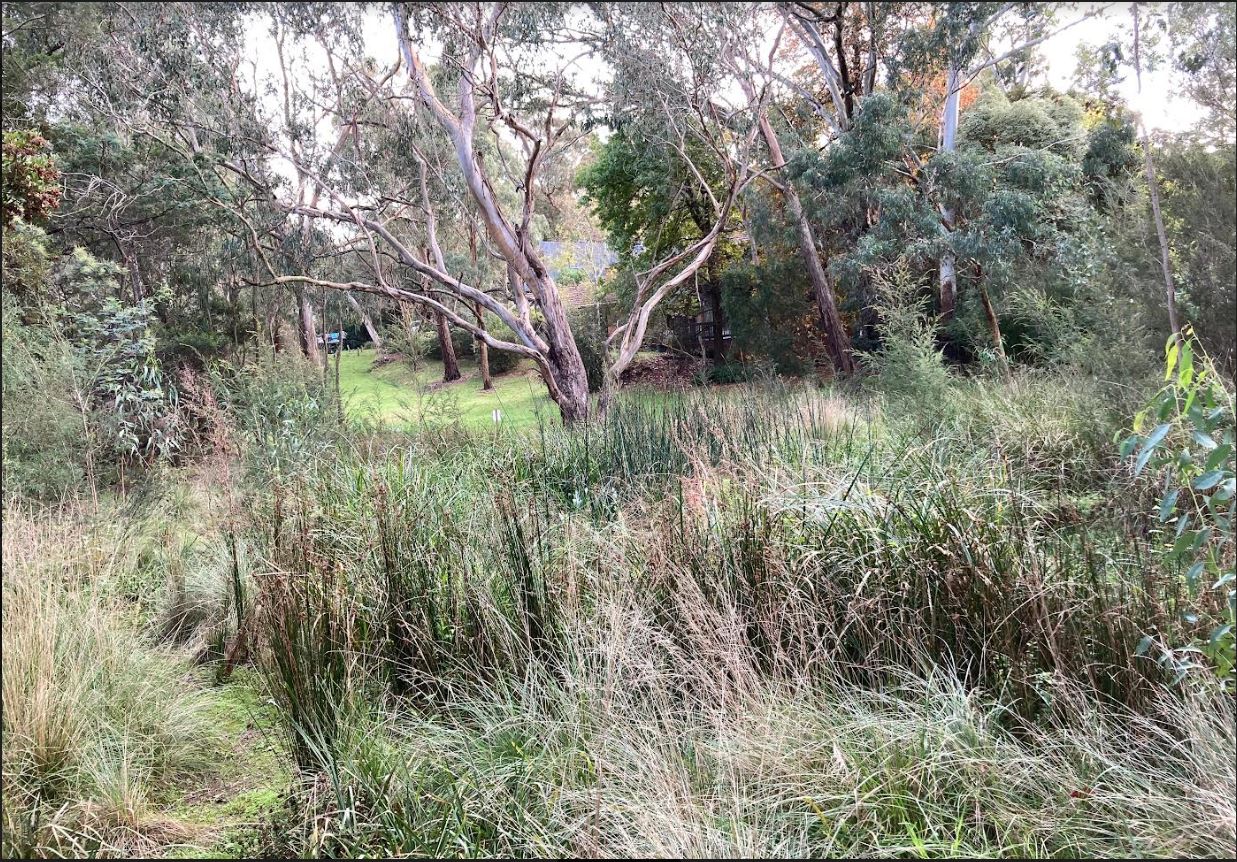
One problem that did arise with the wetland was that a short-cut emerged, cutting through to Waratah Crescent from the east-west track on the north side of the creek. We thank the community for taking notice of Council signage keeping that problem to the minimum. We suspect it might have been a bit damp to walk through at times anyway!
What’s yours – Cappuccino or Flour?
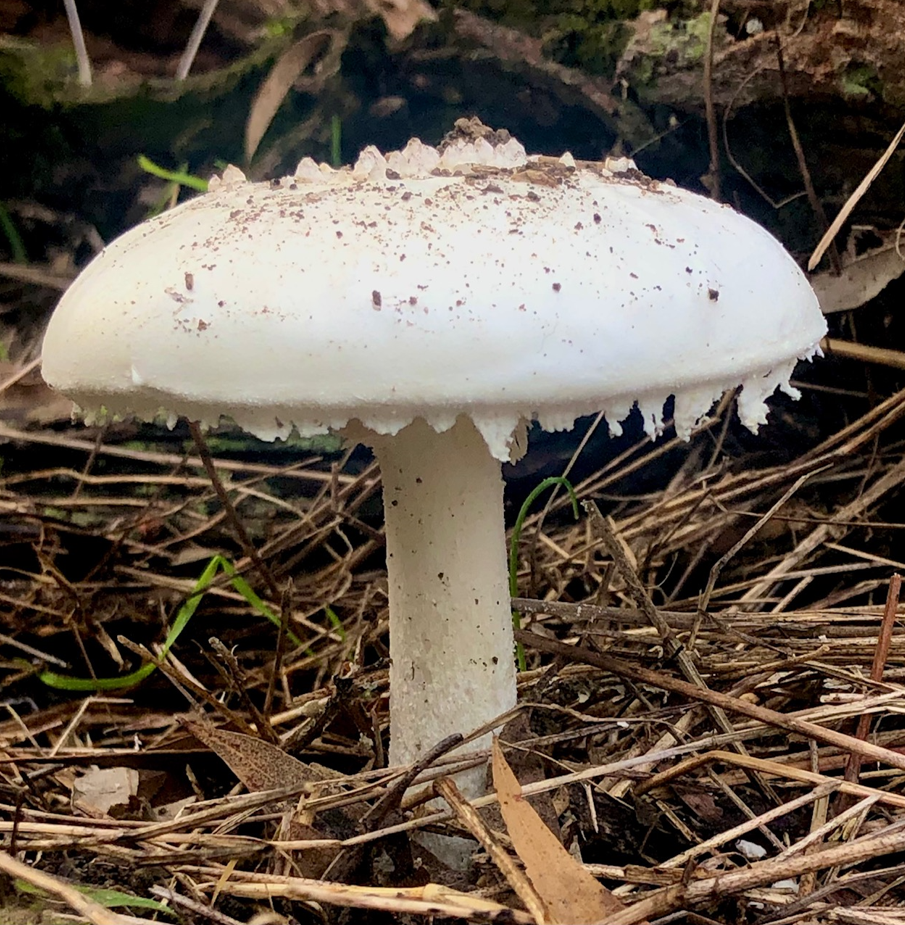
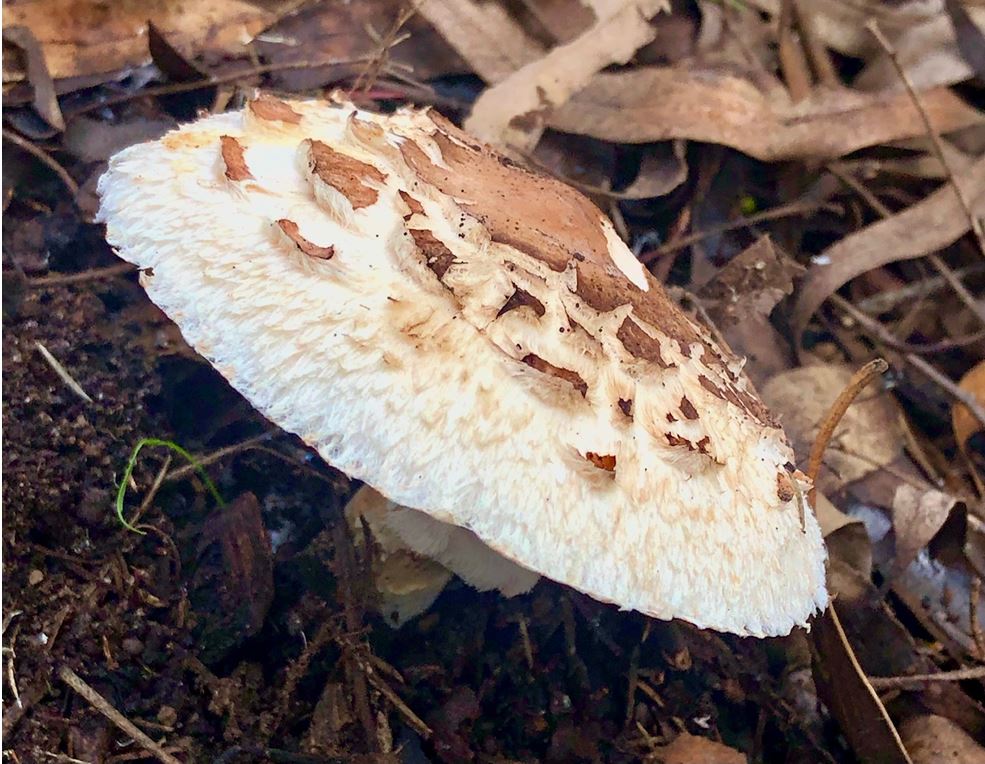
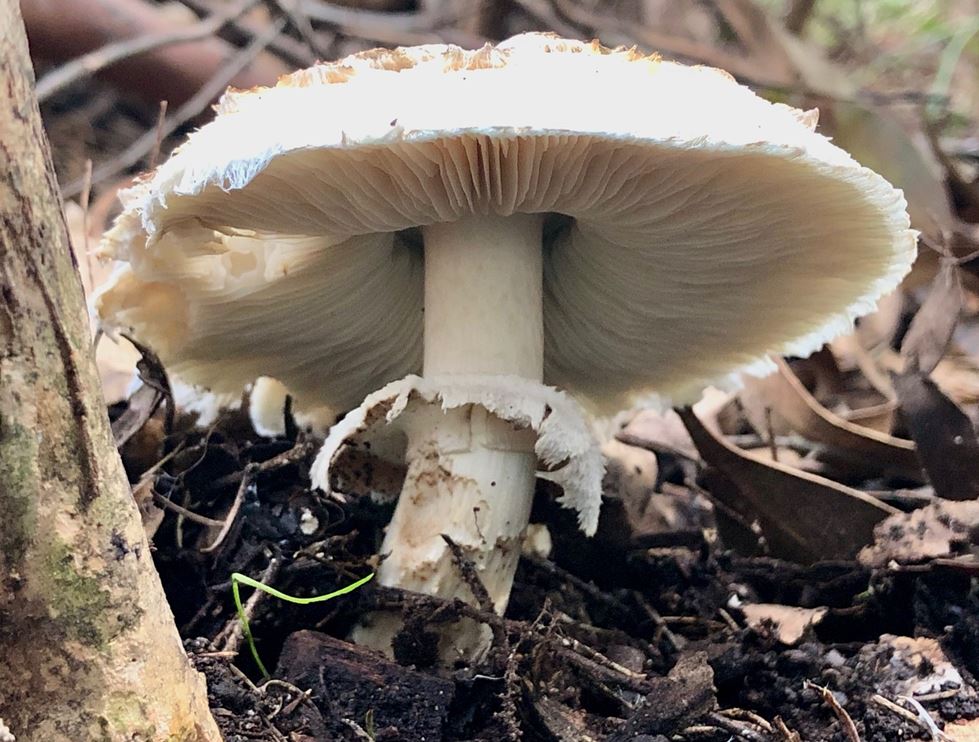
Lisa thinks her find in the park is evocative of a cappuccino’s froth brimming over the top of a coffee cup with chocolate powder sprinkled on top. She believes the species is Amanita farinacea. Farina means flour – and the common name of that species is Australian Flour Lepidella. It’s interesting how older generations saw “flour” and the newer ones see “cappuccino” !
There are many varieties called “Lepidella” around the world. A prominent feature of Lepidella is that the flesh on the edge of the cap is appendiculate (which probably means having extra bits hanging down in non-technical language). There are bits of woolly or powdery material attached to the margin of the cap – hanging down as Lisa’s photo clearly shows (a bit like icicles), although this material often disappears as the mushroom matures.
In general, Lepidella mushrooms are mycorrhizal (meaning that they grow in symbiosis with a plant partner). You may have noticed that some fungi are always found near a certain variety of tree and even seem to trace above ground where the tree’s roots go.
Worldwide, the genus Amanita contains about 600 species including some of the most toxic mushrooms known – as well as some edible species. This genus is responsible for most of the fatalities resulting from mushroom poisoning, with the appropriately named Death Cap accounting for about 50% on its own. Definitely best left to the experts to identify – not one to experiment with!
More Fungi
A few of our Committee, including Lisa, enjoyed Dr Sapphire McMullan-Fisher’s Fabulous Fungi event at Yarran Dheran (Mitcham) during the month. The event was a “talk and walk” – a very interesting talk followed by a fungus walk spotting various species along the tracks. Sapphire is a very engaging, knowledgeable speaker and gifted educationalist – if you get a chance to go to one of her presentations – don’t miss it!
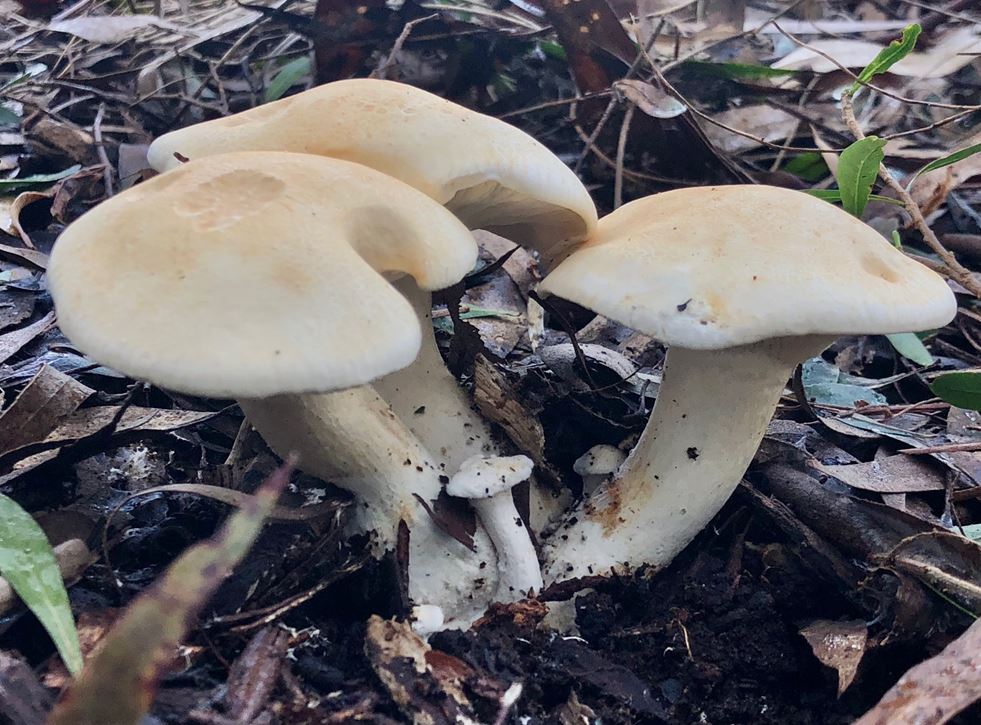
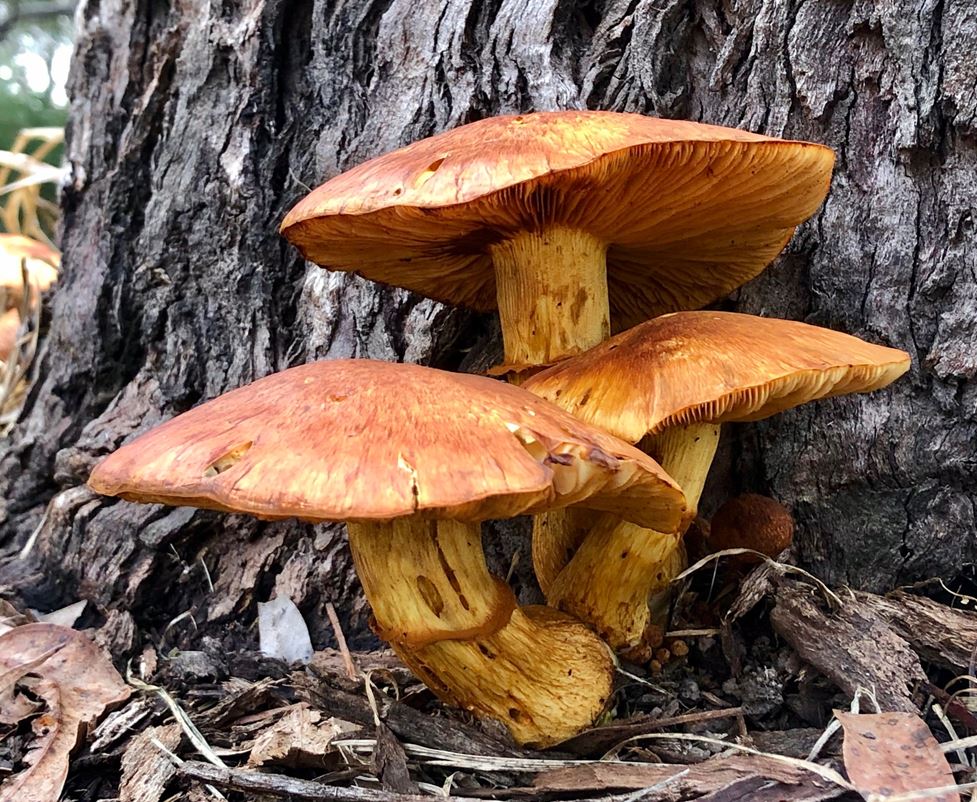
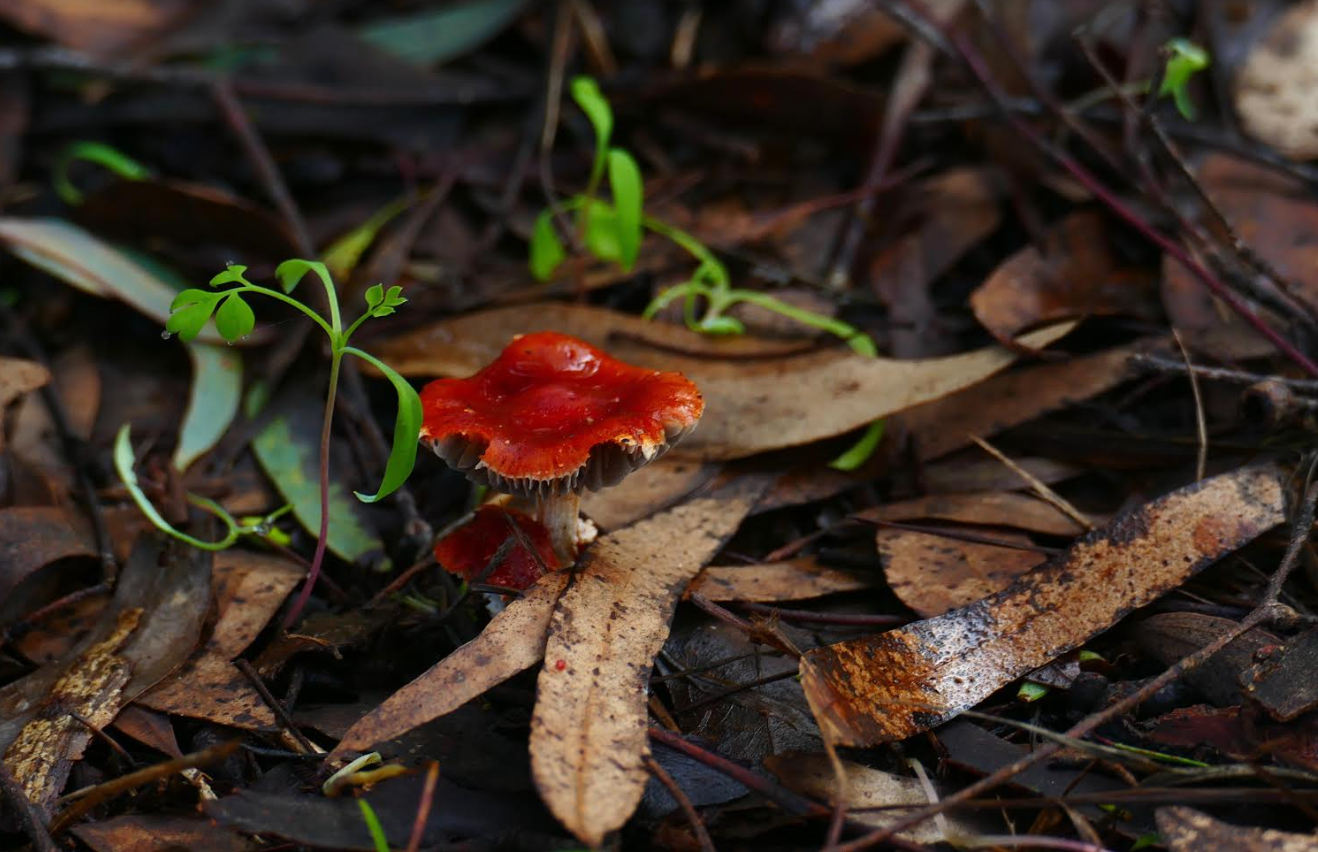
In preparation for the event, Lisa headed off on her own fungi walk in the Creeklands to see what was about in our “neck of the woods” – and so that she could ask Sapphire for help if she got stuck on an identification. We would like to say that the Creeklands has more variety of fungi than Yarran Dheran, but the truth is that could well be down to Lisa’s powers of observation. Here’s what she found:
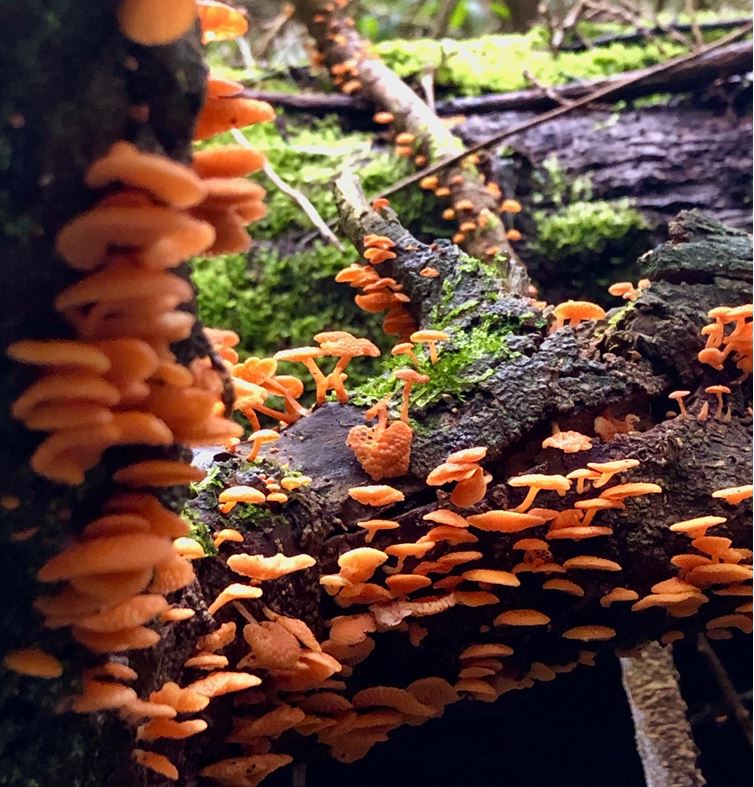
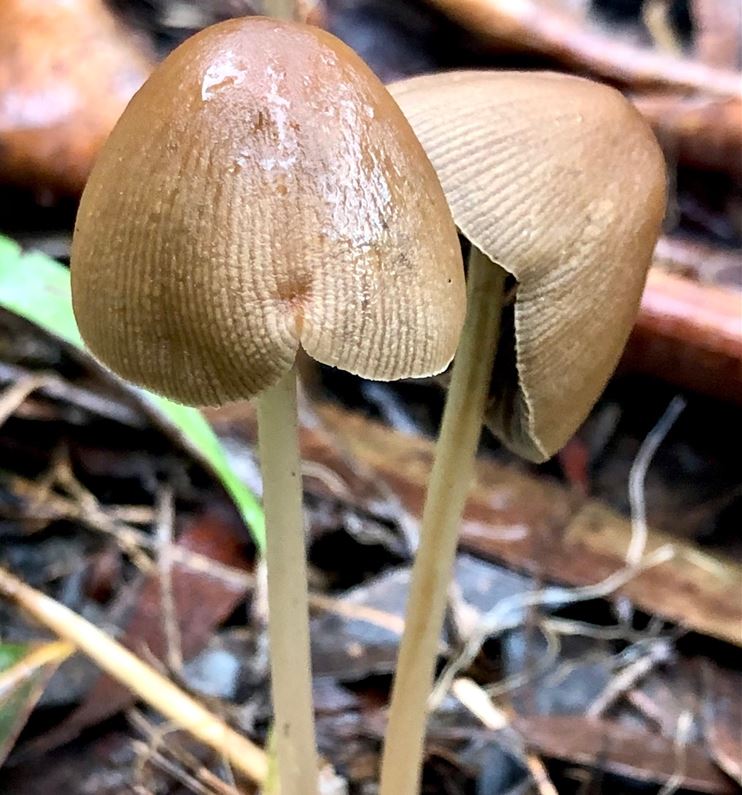
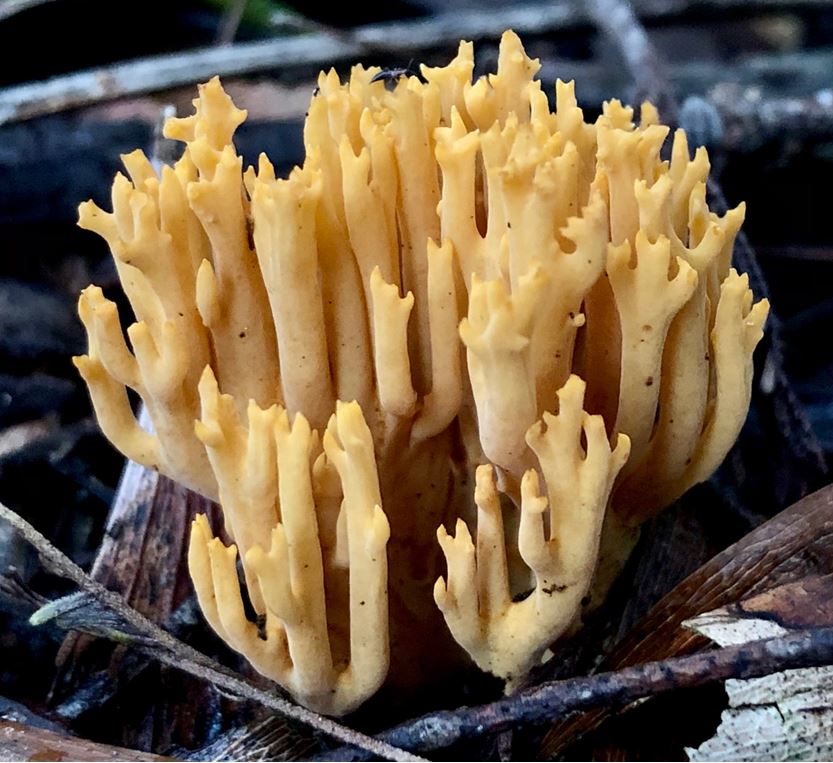
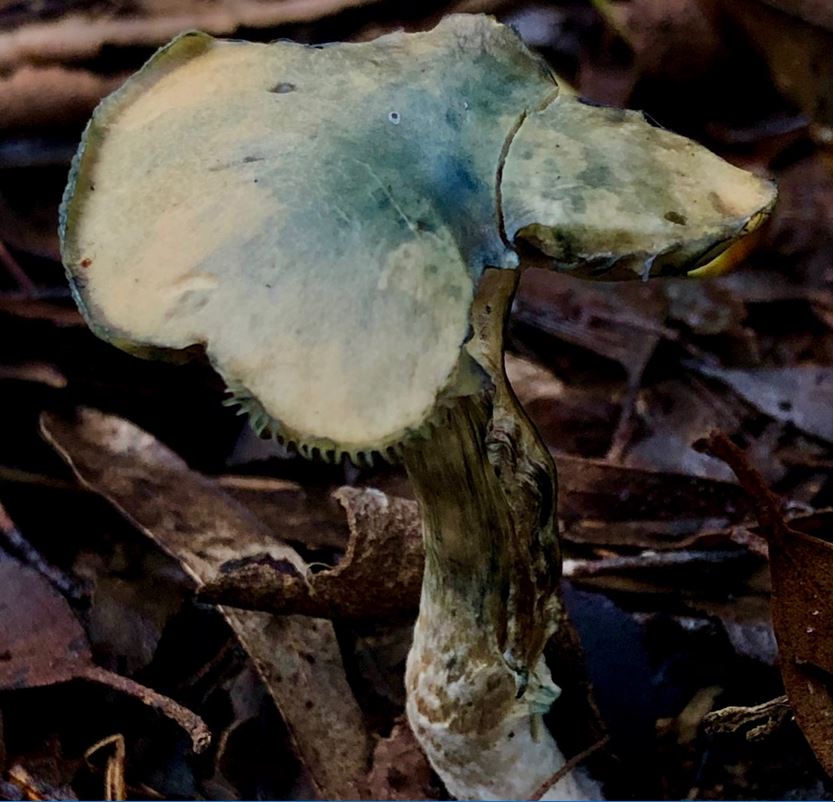
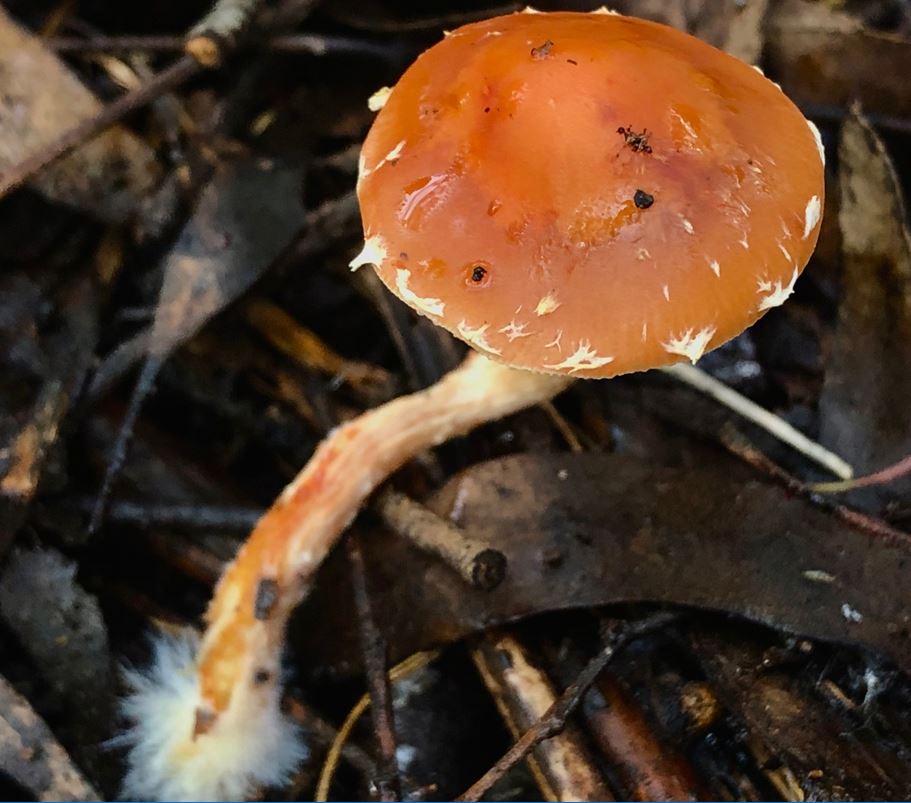
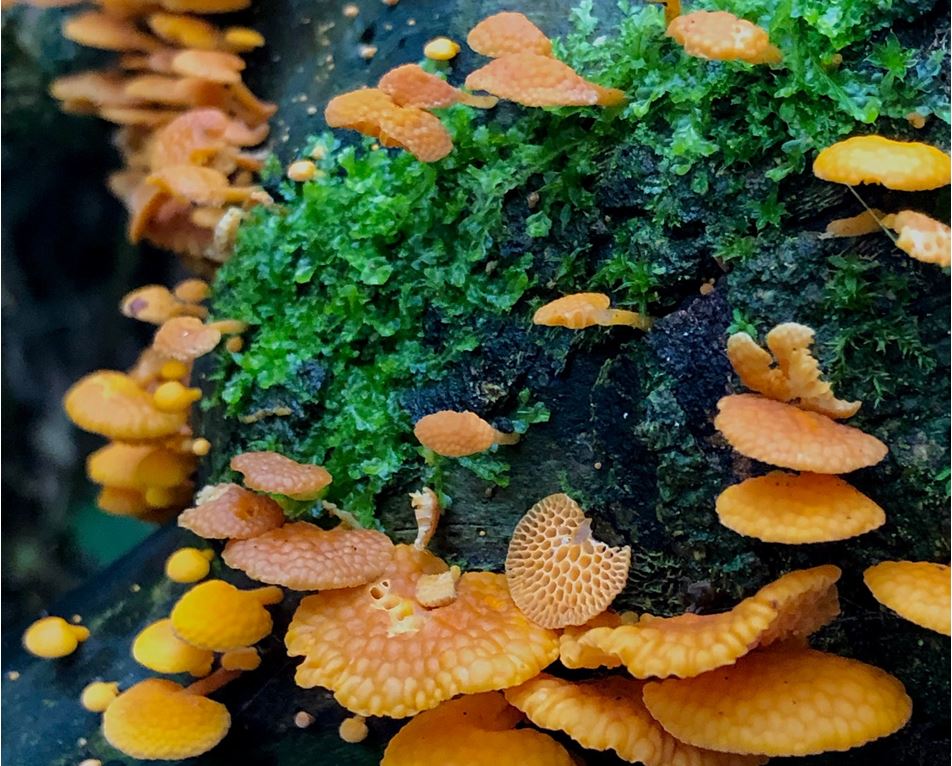

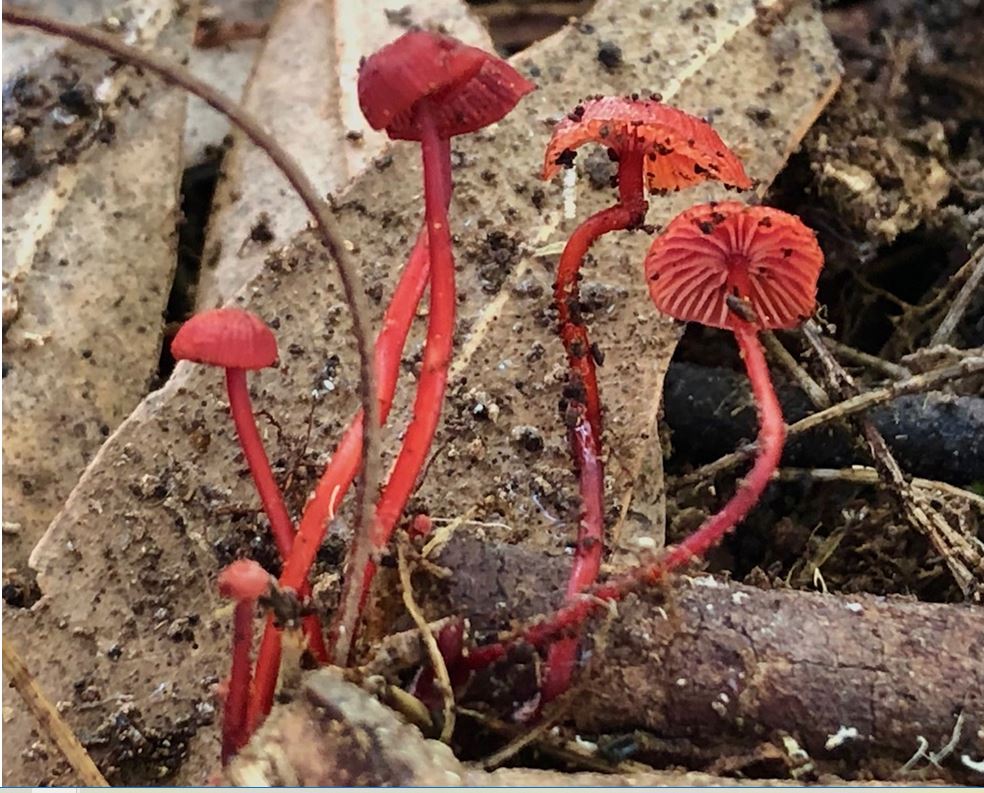
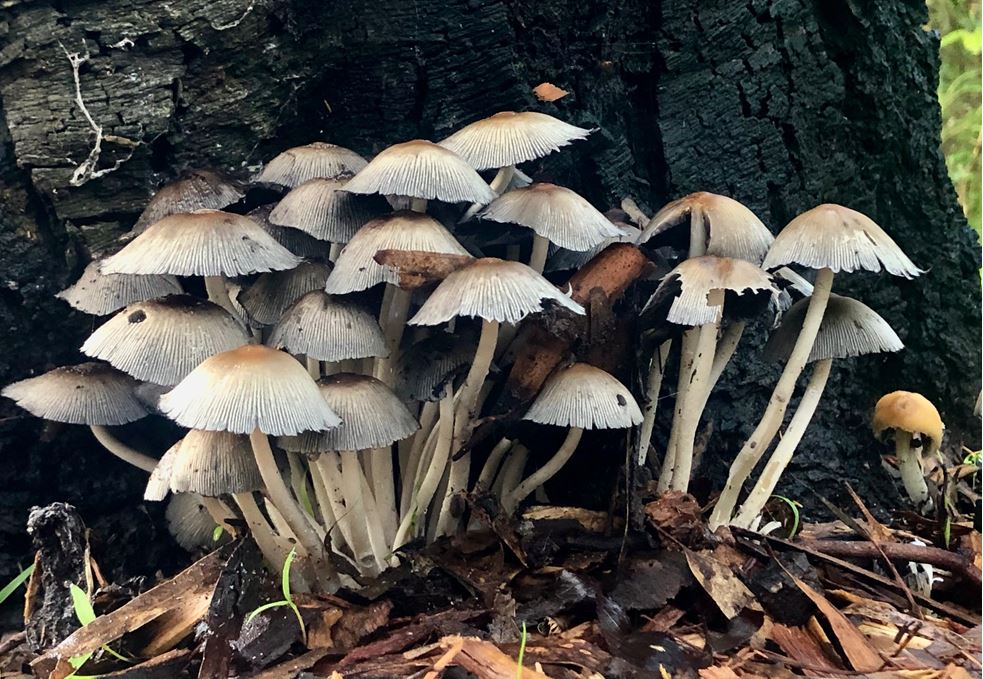
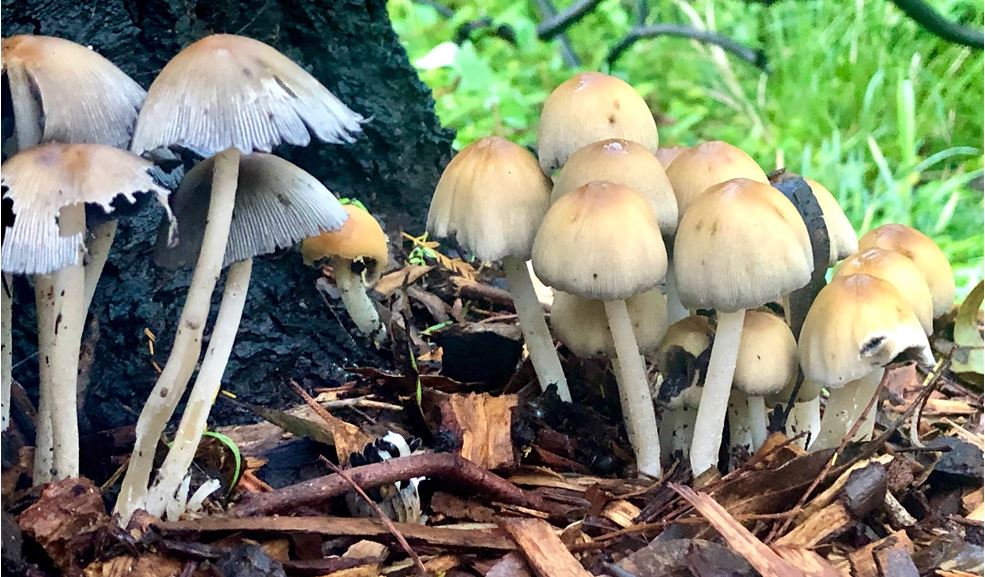
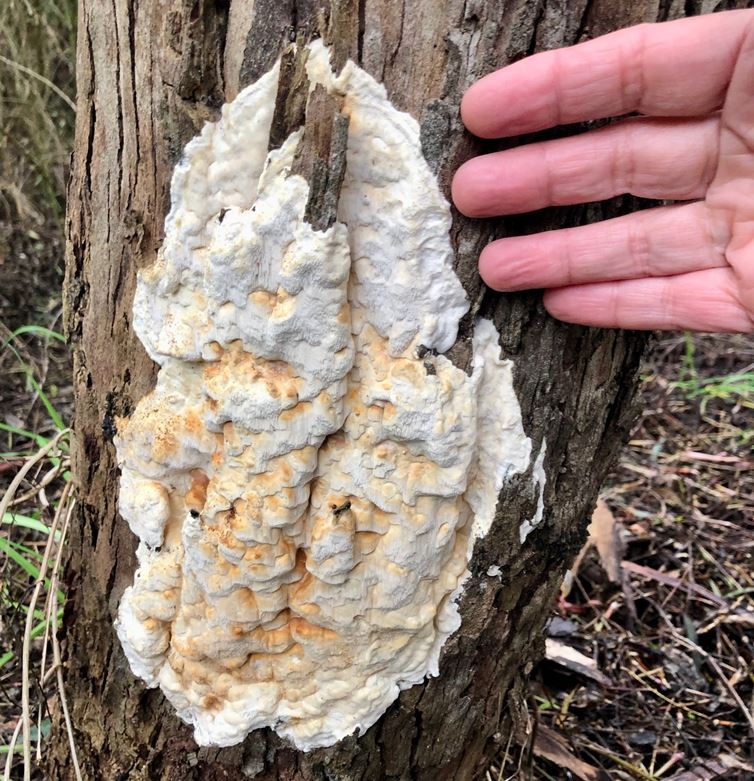
Lisa recommends the Field Naturalist’s Fungi in Australia freely downloadable e-book if you’d like to try to identify the fungi you find. You can find it here: https://www.fncv.org.au/fungi-in-australia/
Community Working Bee
Our second Community Working Bee for the year took place on the 26th June – weeding, mulching and planting on the edge of the grassed area in Blacks Walk behind the Scout Hall. The weather held out nicely until after our morning tea break but then got progressively wetter. Despite the conditions, excellent results were achieved on the day with 23 volunteers (including 4 children/teenagers) working and 161 plants put into the ground there!
Children are very welcome but must be closely supervised by parent(s). Council asks that all Committee members present at working bees have Working with Children Checks.
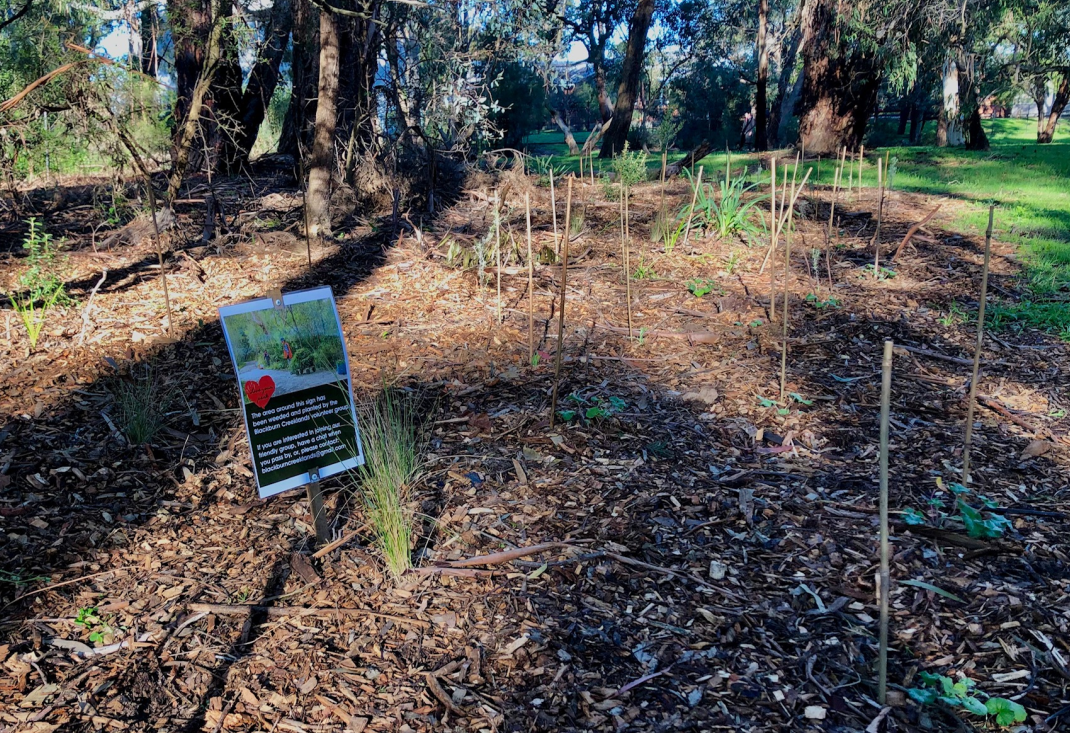
You may have noticed the small stakes used to mark the location of newly planted tube-stock. They are used to protect the plants from accidental trampling and to facilitate follow-up work such as watering in very dry times or weeding. Once the plants are established, we’ll remove the stakes and recycle them in later plant-ups.
Our next Community Working Bee is planned for National Tree Day on 31st July. We’ll send further details later in the month.
Maintenance Team Report
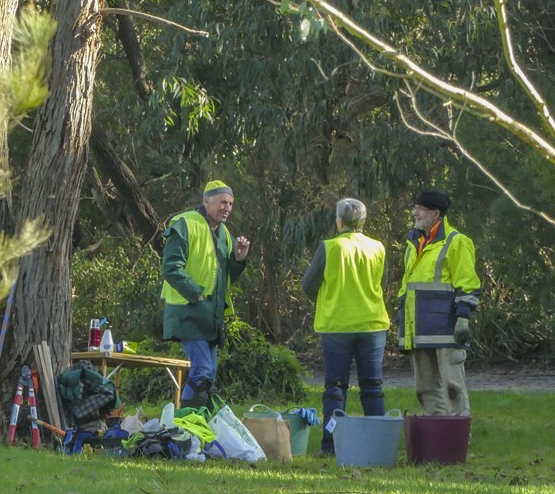
The team has been busy weeding, mulching and in-fill planting in Blacks Walk (around the bridge and moving towards the Community Working Bee site) and in Kalang Park – south of the creek along the main track north of Kalang Oval. Numbers have been down a little due to some Covid impacts (only 2 people so far) and more of the crew taking holidays away. Having said that, a record 14 people attended our last Thursday morning working bee!
Our next Thursday working bee will be in The Billabong area.
Weed of the Month – Cape Ivy (Delairea odorata)
Like the Orange Ping-Pong Bat fungus, Cape Ivy is another species to have come to us from Africa. As Rita’s photo shows, it is a light green creeper with green and sometimes purple stems. It has a strong limey odour when crushed – hence the “odorata” part of its botanical name. Its leaves resemble those of English Ivy in shape – hence its common name.
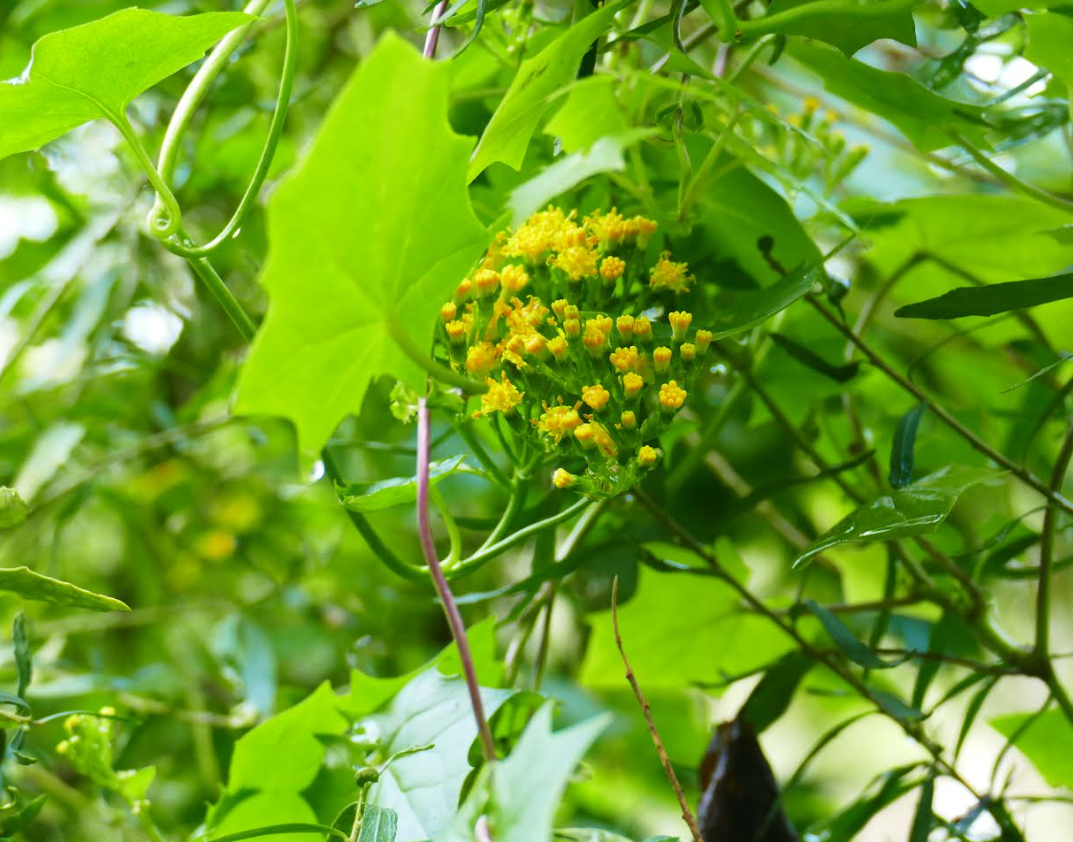
As you can see, it has clusters of bright yellow flowers in Autumn/Winter – making it more conspicuous and hence easier to find. Also, it drops seed in Spring – so there are two good reasons which make the winter months the best time to try to get rid of it. Though there are reports that its seeds are largely sterile, the weed will propagate very easily from stem pieces that are left in contact with moist soil or left behind when stems break while being collected. Like Wandering Trad, it is one of those weeds where you are never 100% sure that you’ve taken all of it out. Our Friends know never to dump garden refuse in the park – that is one way it spreads (from pieces).
The plant will smother shrubs and trees and will also cover the ground intensively, preventing good seeds from germinating and growing. The plant has been grown as an indoor ornamental but is now a significant pest here and in places like New Zealand and California.
Council Works
Blacks Walk – Garie Street Playground
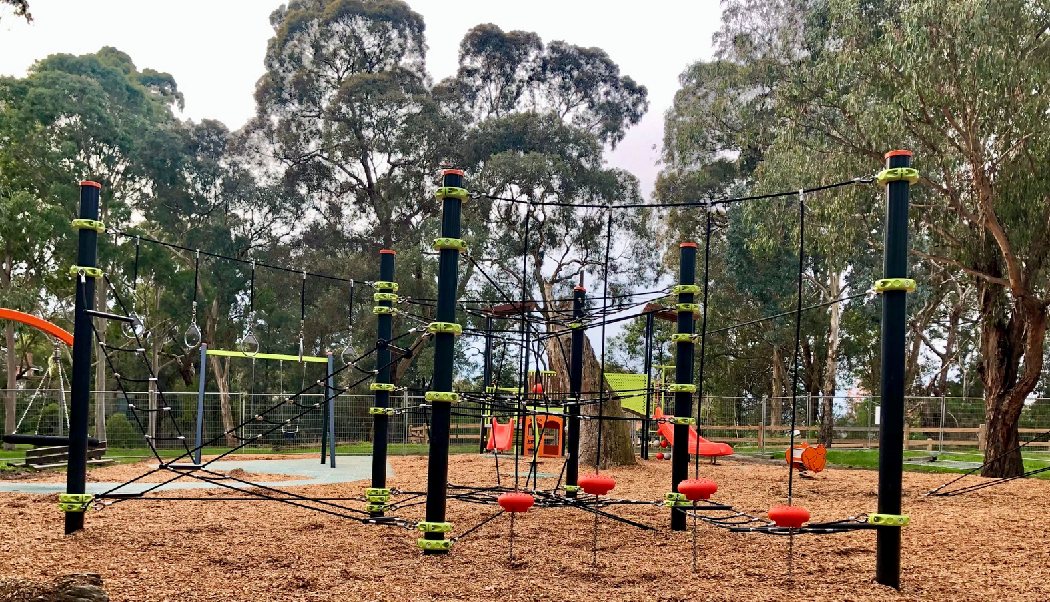
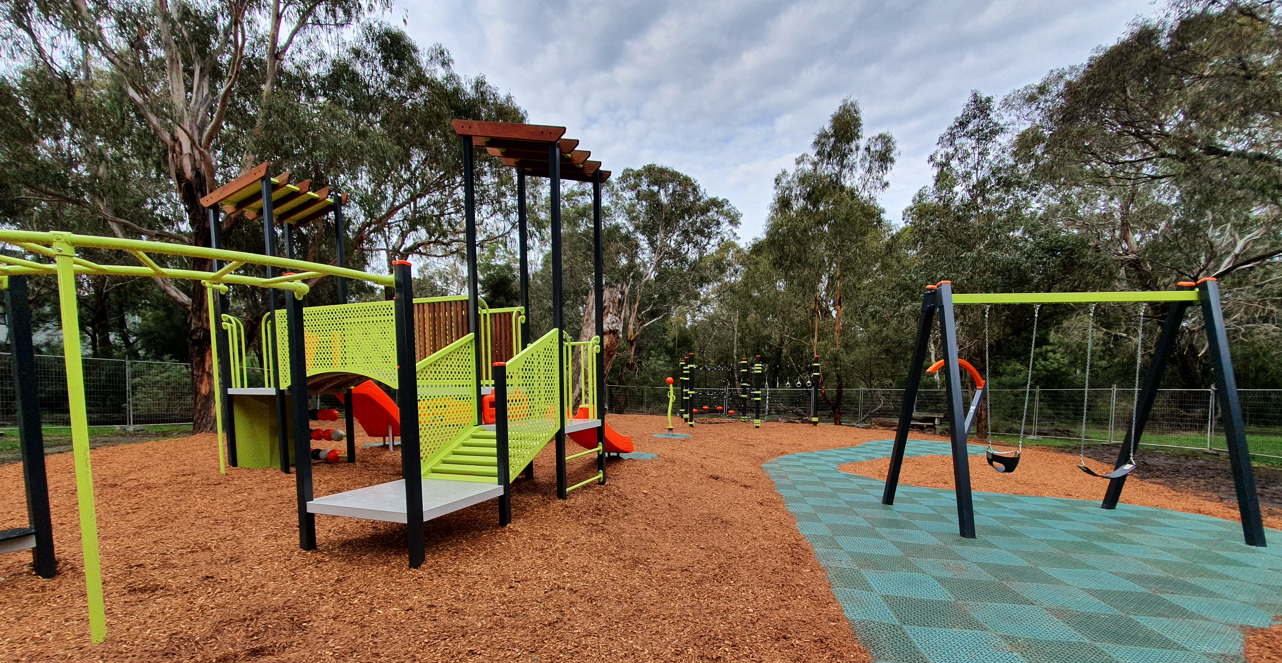
The installation of the spiffy new playground equipment updating the Blacks Walk – Garie Street playground seems to have been completed except except for the proposed furniture and water fountain. The old seats will be reinstalled and a picnic table added. Sadly, the temporary site protection fencing remains in place despite the school holidays!
Restoration of the Guide Hall site
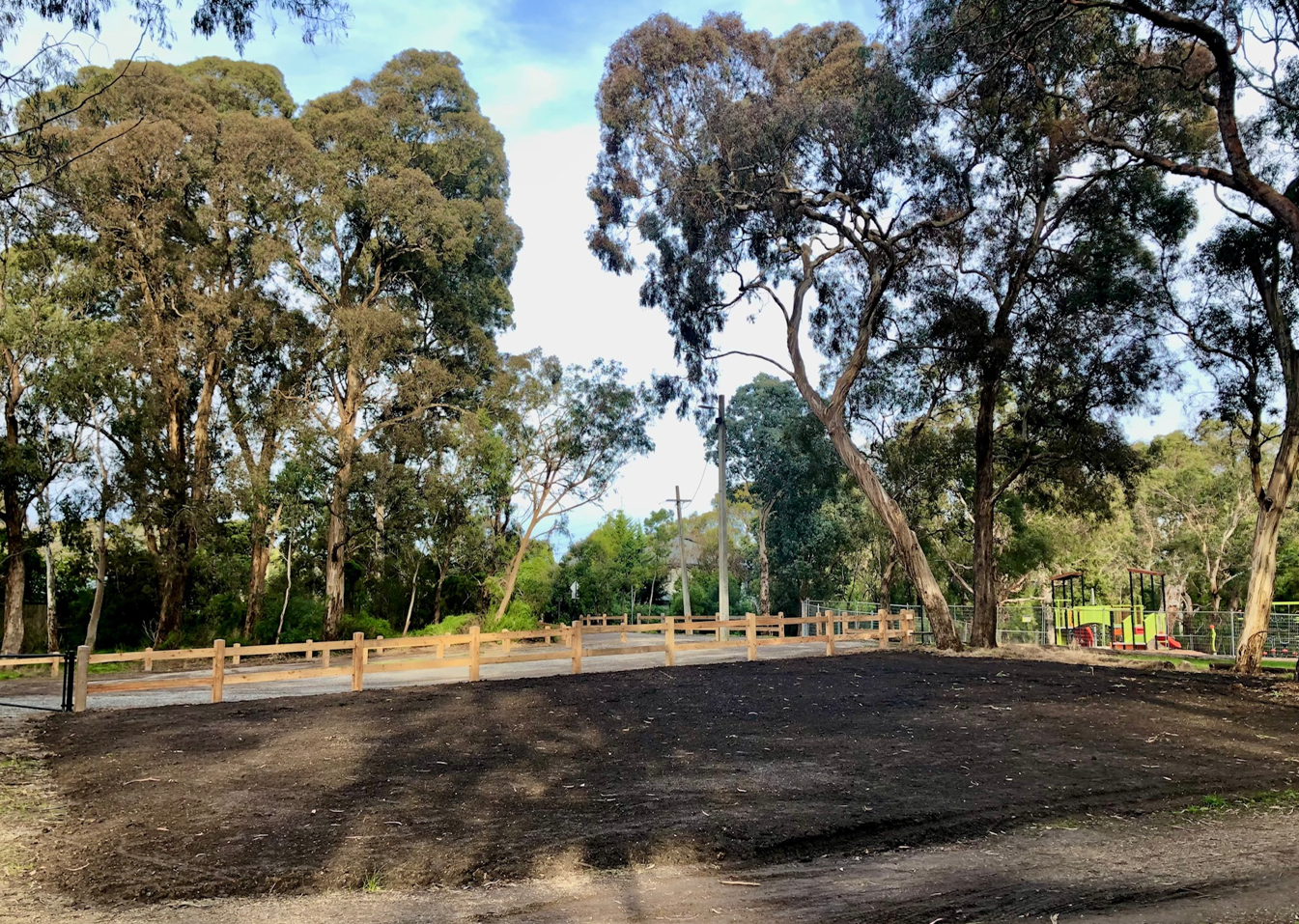
Work has also been done on the nearby car park and former Guide Hall site. The carpark has been fenced and topsoil has been brought in to support the proposed seeding of the area with native Weeping Grass (Microlaena stipoides). Canopy tree plantings in the area are still to come.
Main Street Entrance Restorations
Following the Main Street bridge reconstruction, Council has relocated (what was left of !) the logs and mulched up the areas on the southern side of the Main Street bridge in preparation for plantings.
We are following up the idea discussed previously with Council of arborists/ecologists helping nature with some chain-sawed nest holes in the large remaining stag.
Easy Ride Routes
We were surprised to find this sign near the pedestrian crossing on Middleborough Road and the main track into our park:
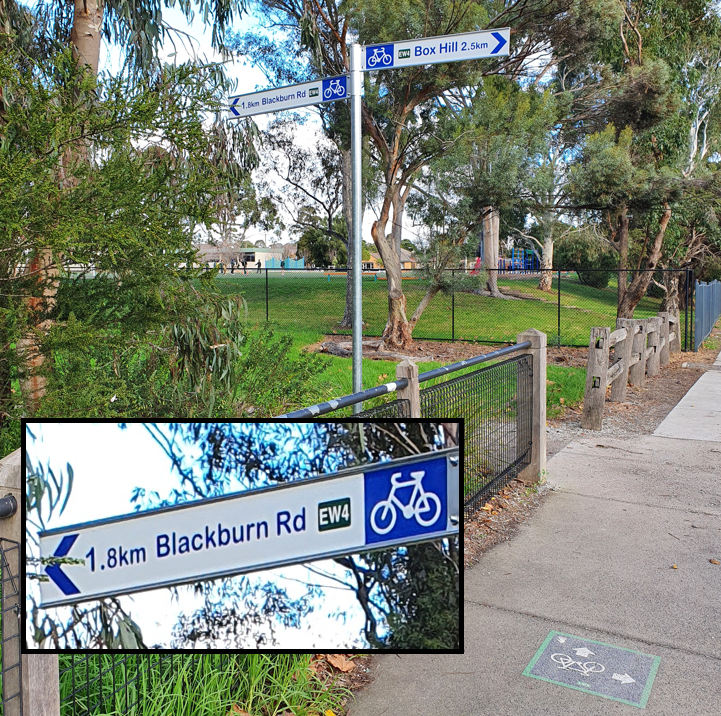
The EW4 in green on the signs refers to a Whitehorse Council “Easy Ride Route” designated EW4 (East-West number 4). The Easy Ride Routes are part of a network of low-stress cycling routes across the municipality mostly on quiet roads. The aim is to encourage more residents to ride a bike for local trips.
Q: Are the park’s paths Shared Paths or part of the Easy Ride Routes ?
A: No to both – bike and shared paths need to be wide and paved to meet standards. The gravel paths in the park are pedestrian paths. Cyclists, eg kids riding to school, are welcome to use them but should modify speed and behaviours accordingly. Our walking paths are not suitable for medium/high-speed cycling.
The following map shows the actual EW-4 route in relation to our park:
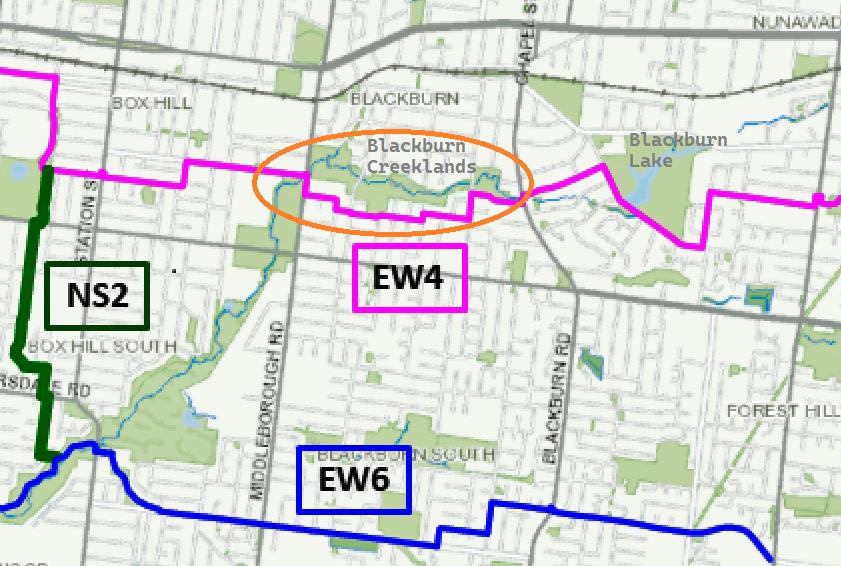
As can be seen, EW4 crosses to the south of the park and also skirts Blackburn Lake Sanctuary on its way from Box Hill to points further east. So our problem sign should be pointing to Janet Street, not into the park.
For more information on the Easy Ride Routes, please visit: https://www.whitehorse.vic.gov.au/living-working/transport-and-roads/transport/cycling-whitehorse/easy-ride-routes
Blackburn Road Crossing
Our friends at Whitehorse Active Transport Action Group Inc (WATAG) are gathering support for an appropriate Blackburn Road pedestrian crossing in the interests of community safety near the park’s easternmost extremities. This crossing would be doubly useful being on the EW4 Easy Ride route.
Our committee supports the proposal because it will provide safer access from the park and places west to local schools and to Blackburn Lake.
Sightings
Safe drinking or new home buyers?
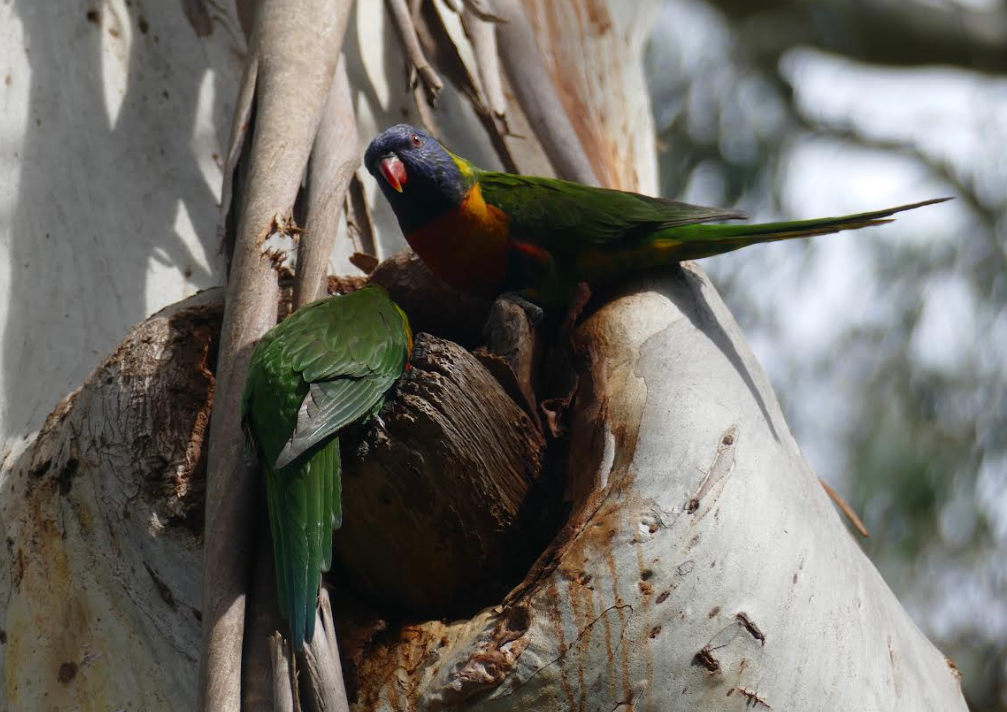
Birds often drink water that accumulates in tree hollows from good rains – such as we experienced during most of June. This pair of Lorikeets are either drinking or evaluating the hollow as a nest hole:
More Branch Stacking in the Creeklands
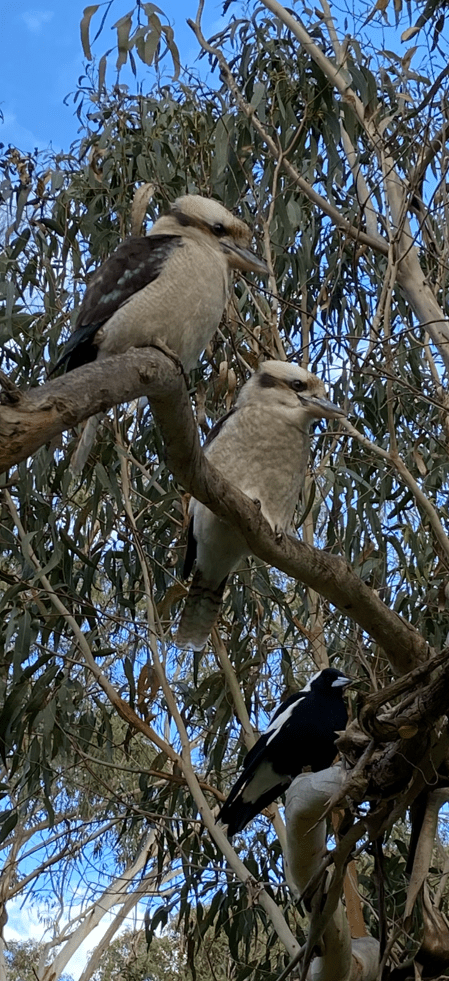
One of our friends, Tim, has produced documentary evidence of an attempt by the Kooks to wrest control of a branch from the Maggie Thatchers in the Creeklands.
Tim says he’s seen 7 kookas loading one branch on another recent occasion.
These allegations have been reported to IBAC – the Independent Bird-based Anti-conniption Commission.
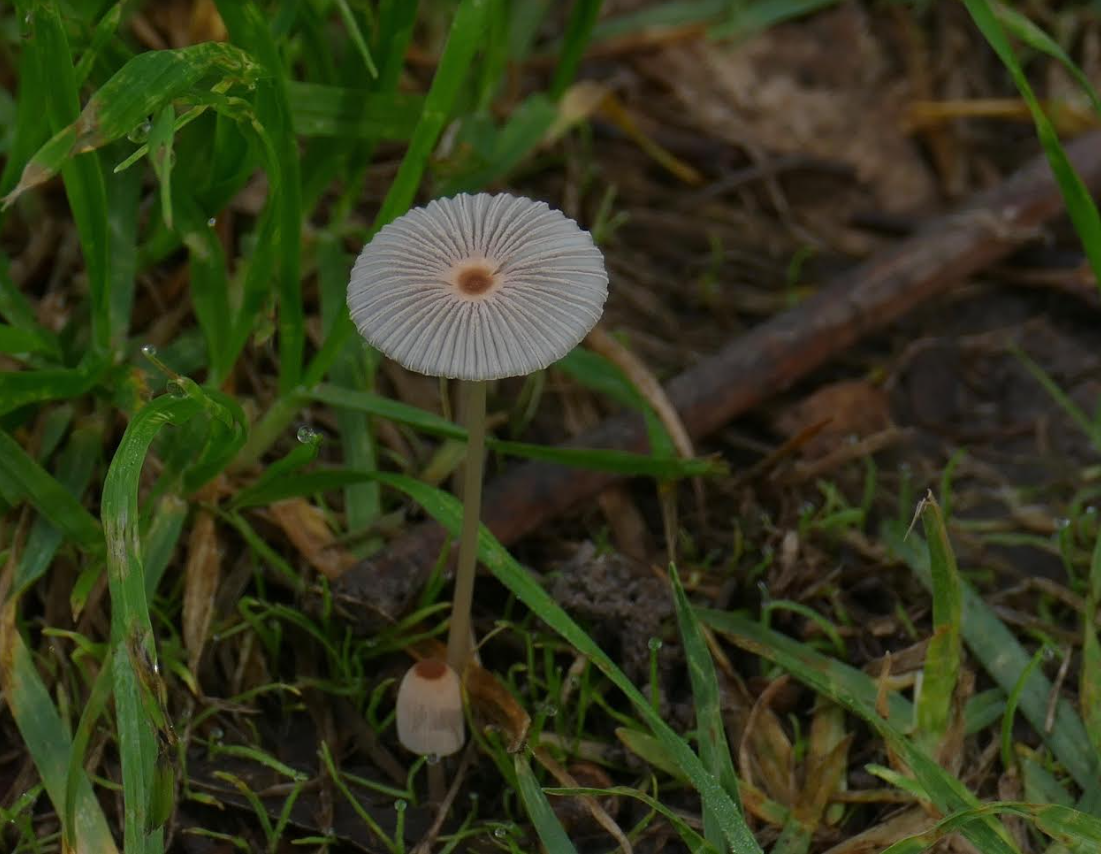
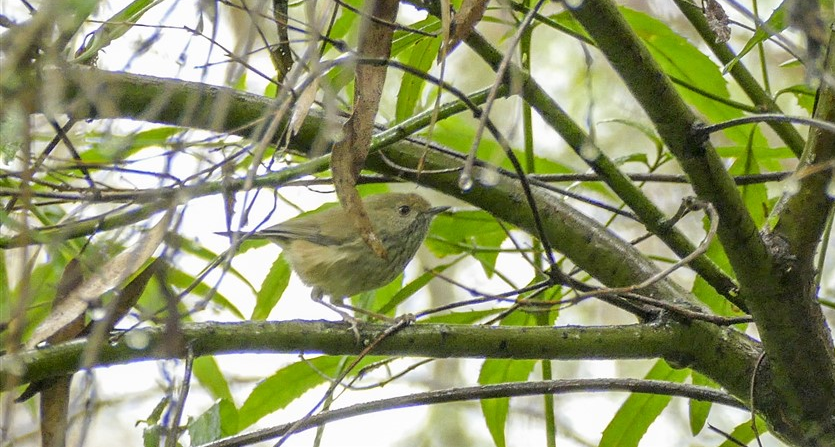
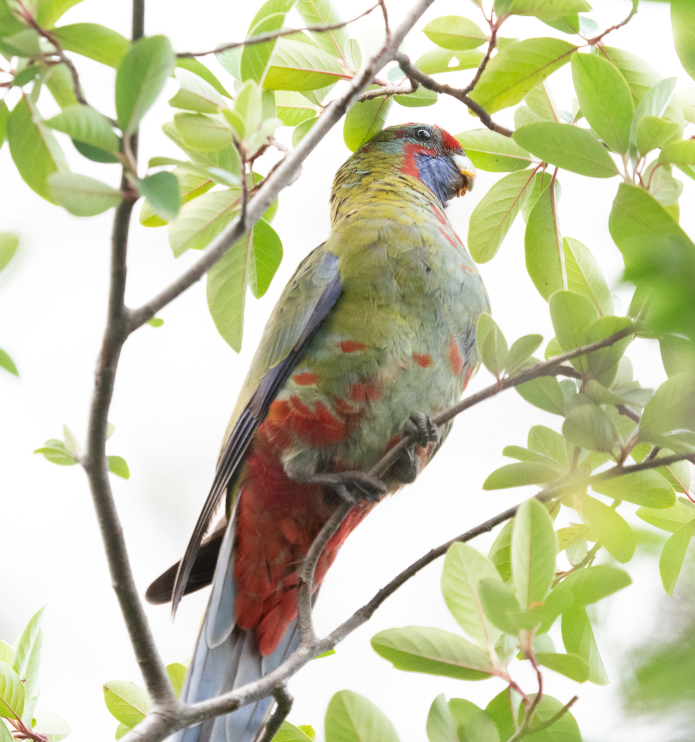
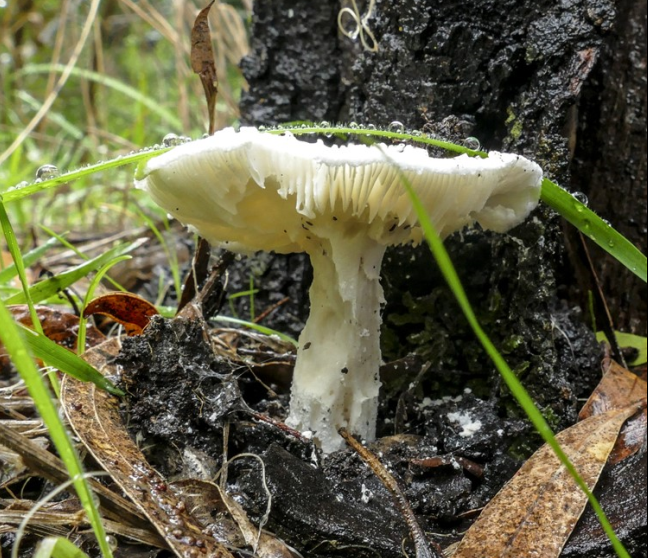
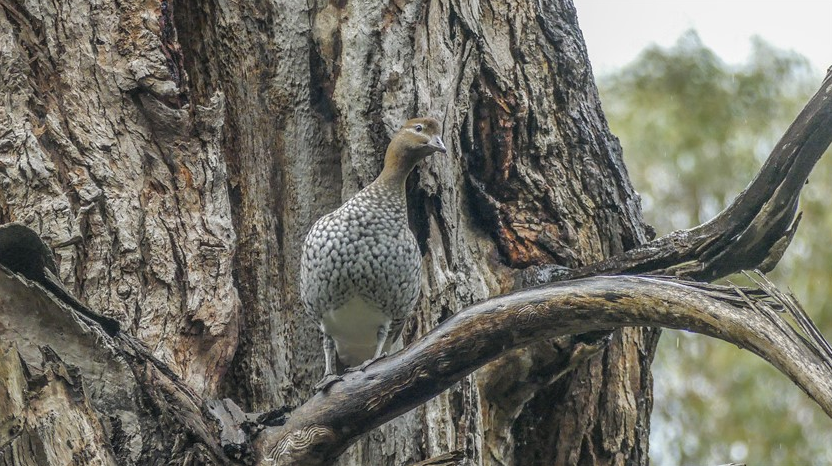
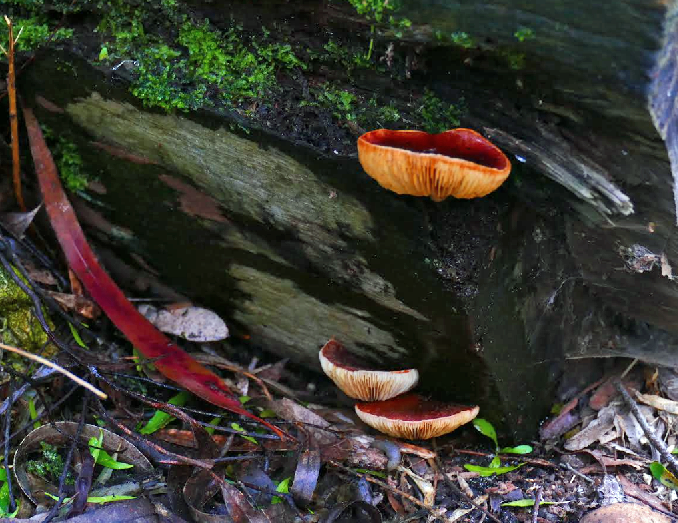
Random sightings
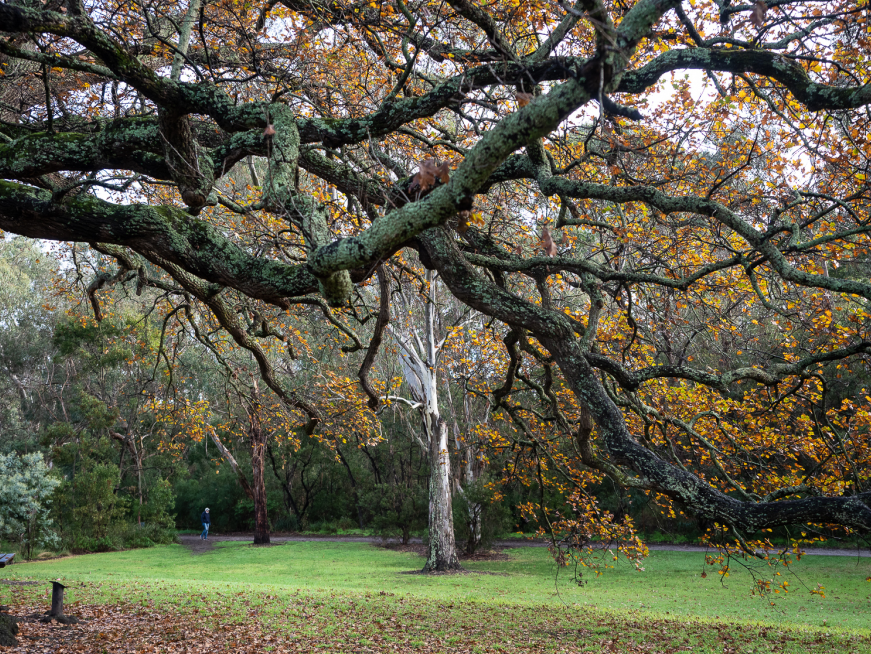
In the Corridor
The panther’s requirements in Florida,
Highlight the value of a corrida,
Without management and care,
To preserve what is there,
The Australian landscape will be horrida.
Louise Gilfedder
Providing habitat in your garden
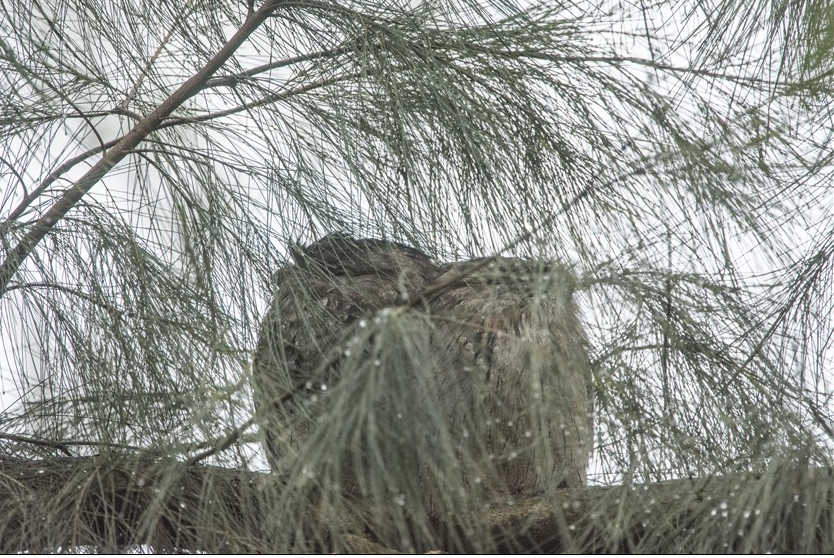
The humble home garden lawn, as an open grassy area, can provide a valuable food resource for birds like Tawny Frogmouths in the park’s corridor. Feedback incorporated into the latest Tawny Frogmouth Habitat Requirements Table included significant commentary on how often Tawny Frogmouths have been observed hunting from trees onto lawns.
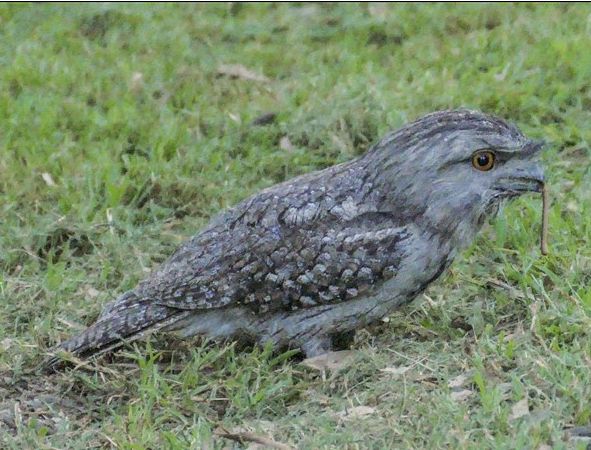
Lawns (probably not the artificial variety) and natural grassy areas in a Corridor environment provide alternative hunting grounds for snails, slugs, worms and insects which are essential components in the Tawny Frogmouths’ diet. The importance of these areas, overlooked by nearby Tawny Frogmouth hunting perches such as trees, fences and powerlines, should not be underestimated as they are an essential part of our local Tawny Frogmouths’ “supermarket shelf “.
Another very important thing to do is to please keep pet cats indoors at night!
If you’d like more information on our Corridor – please click here. That page also includes a link to a comprehensive document on the Corridor produced by local corridor resident Tony Kjar – which especially covers the way its protections have developed over time.
Coming Up
Interested Friends and other members of the community are cordially invited to attend monthly Committee meetings at the Kalang Oval pavilion at 7:30 PM on the 4th Tuesday of each month excluding December. At our last meeting, we welcomed Miranda as our guest who commented afterwards about her surprise at just how much goes on behind the scenes. Please click here for further information if you are interested in attending.

Our next meeting will be preceded by our Annual General Meeting starting at 07:30PM. Don’t be put off – our AGMs are usually very efficiently conducted – so no endless motions etc that you might be familiar with having been to other organisations’ AGMs.
 Blackburn Creeklands