Our Goal for Winter is…
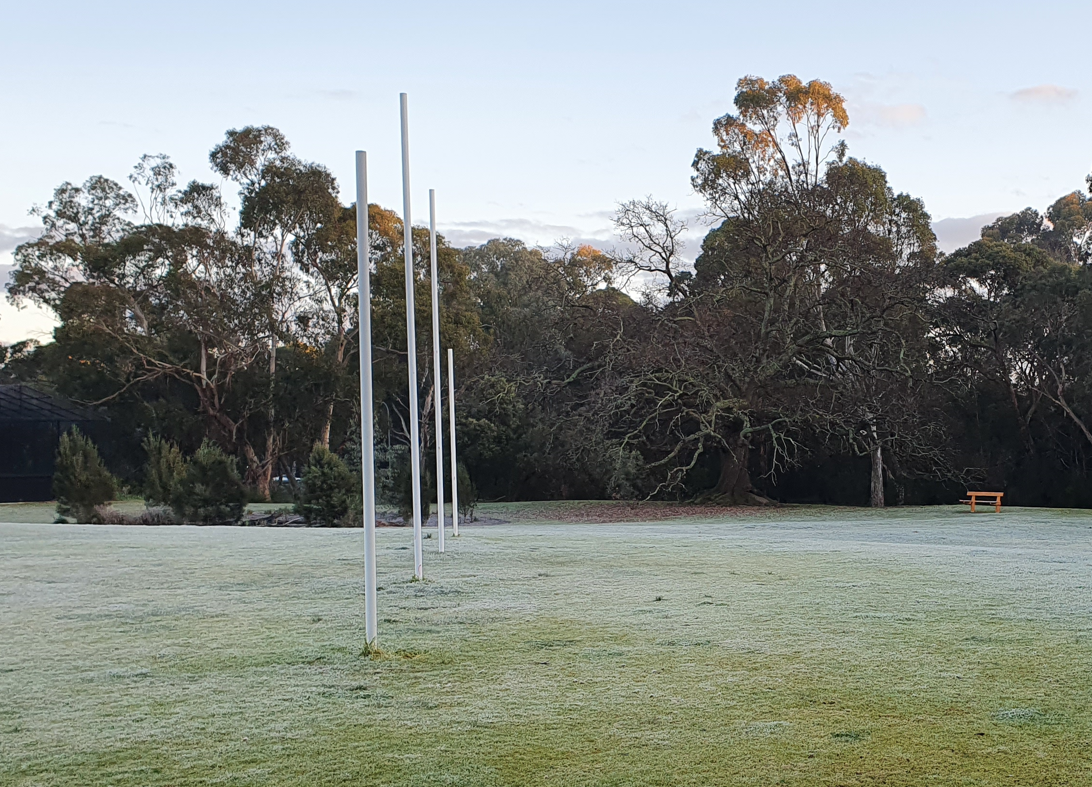
… probably to stay warm ! Our English Oak, like many European and North American, but very few Australian trees, is deciduous – losing its leaves seasonally. It adopts that strategy to cope with the winter cold. In its native England, the climate is too cold for winter growth. Trees drop their leaves in Autumn to form a mulch that prevents the ground underneath them from freezing over. The mulch later decomposes to provide nutrients for new growth in Spring once the harsh Winter is over.
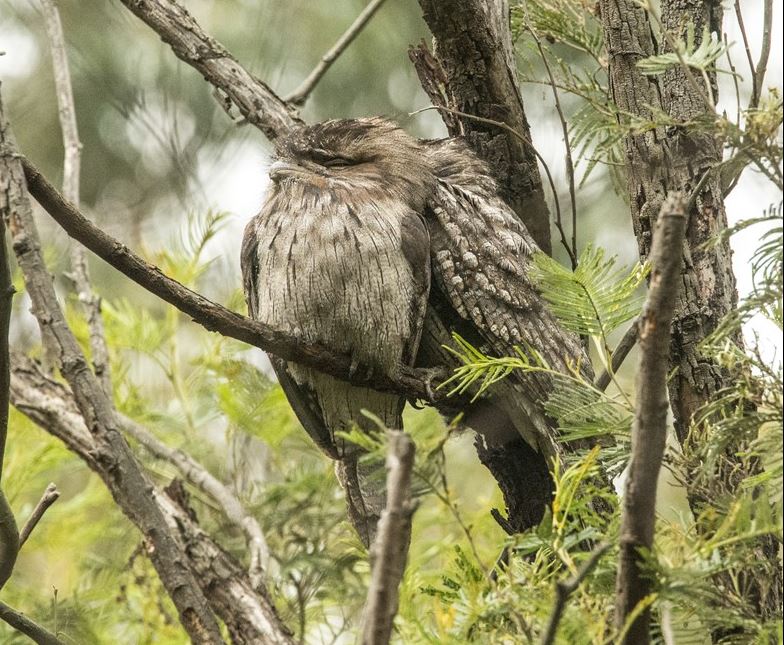
What about our wildlife in Winter? That’s a very broad question – firstly, we know possums tend to snooze in tree hollows during the day and are equipped with warm coats to counter the cold. Some of our wildlife migrate, particularly birds, to other places following the availability of food and perhaps shelter. However, some of our birdlife, such as our Kookaburras and Tawny Frogmouths, are permanent residents.
Where do our birds sleep ?
That’s an innocent question that is difficult to answer!
Do birds sleep in their nests ? Sounds good – safe, warm and protected from wind and rain. But the answer is generally not – nests are for nesting – ie nurturing and protecting their young. Actually, nests can end up quite grotty! There are no nappies in bird land – and food scraps and even dead chicks might be at the bottom of things. No wonder chicks fledge and fly away!
We suspect roosting habits depend on many factors including the species, the weather/season, the presence of predators, whether they tend to flock, noisy neighbours and so on.
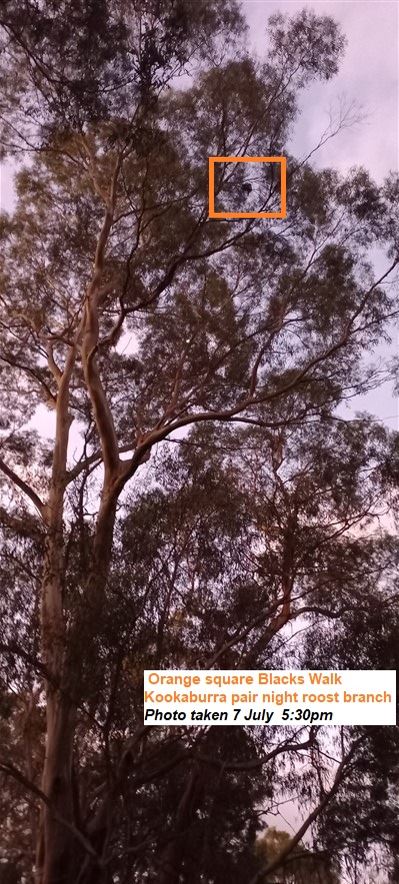
We begin our study with one of our favourite species – the Laughing Kookaburra. We know Kookaburras nest in tree hollows – but do they sleep in hollows? We sent one of our reporters out into the field to find out. She found a pair of Kookas roosting high up in a gum tree in Blacks Walk…
In this case, our Kookaburras clearly prefer to roost very high up in a mature gum tree. Looks cold and exposed doesn’t it? It gives us pause to think whether we’d have those birds locally – if we didn’t have the large old trees…
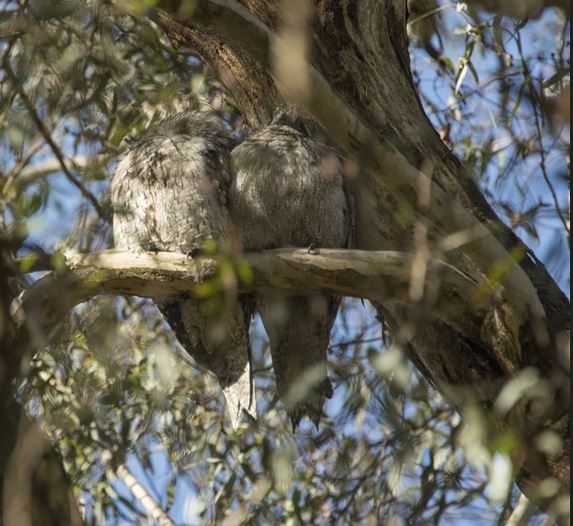
Tawny Frogmouths also like a high branch – parallel to the ground and snuggle up to the tree trunk and their partners.
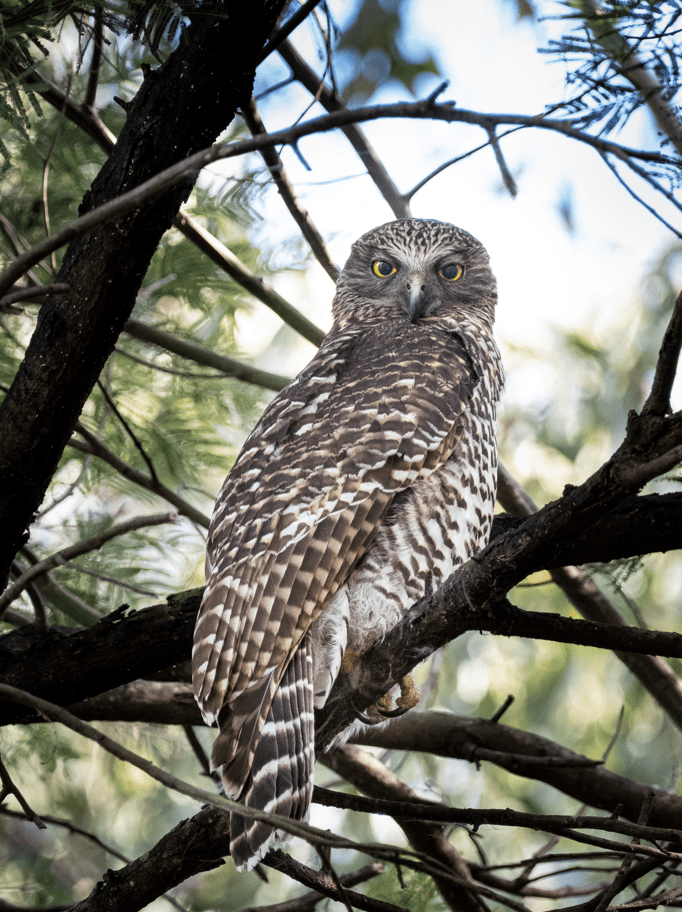
So where does the large Powerful Owl featured in our May edition roost?
To coin the old joke – anywhere he likes! (check out those talons and that intense stare!)
The State of the Environment

The federal government has recently released its regular State of the Environment report (controversially late). Alarmingly, almost every reporting category suffered a decline since the last report in 2016 – climate change being a key driver. Environment minister Tanya Plibersek said it is a “shocking document” that tells “a story of crisis and decline in Australia’s environment…”.
Biodiversity loss has been reported as one of the top threats to the global economy along with climate change and the interrelated extreme weather events. There are more than 200 invasive species that threaten biodiversity. There are now more non-native than native plant species in Australia !
With the introduction of weeds and exotic species for other reasons (ornamental, forestry, agriculture etc), it is interesting to note that in most places on earth there are more plant species locally present than there were in the original, pristine state of the place. However, the total number of species on earth is declining as species become extinct. The whole is definitely not the sum of the parts!
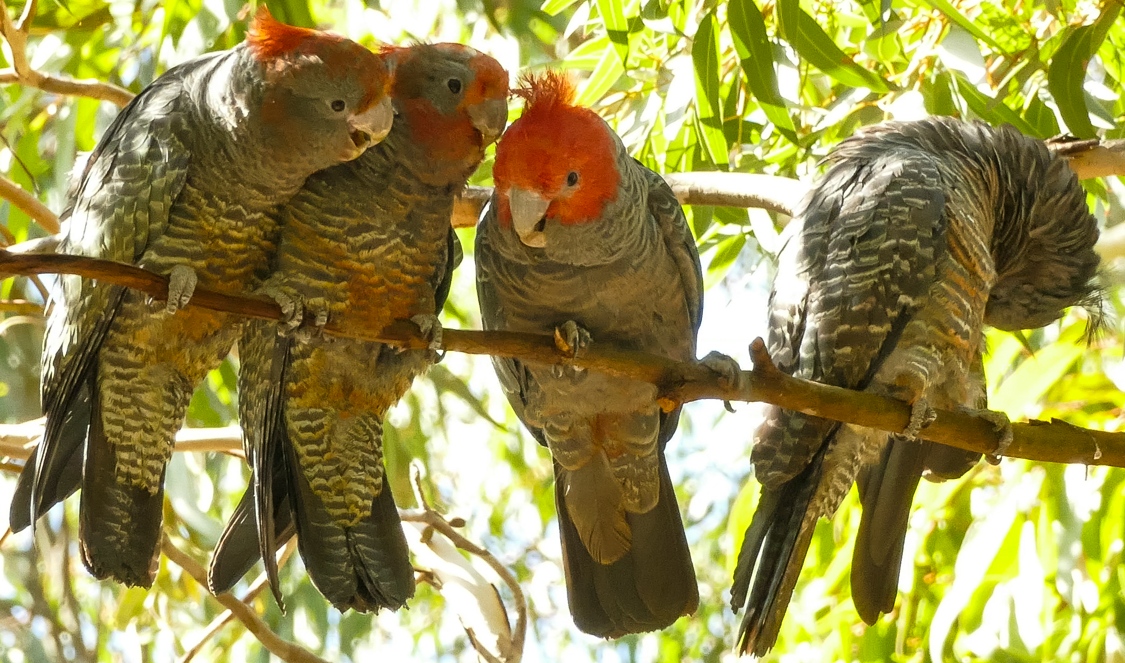
Threatened species numbers have increased by 8%, including our much-loved Gang-gang Cockatoo among the 200 animals and plants added to the threatened species list since 2016. Nationally, bushfires were the main reason – with a lot of the cockatoos’ habitat destroyed in Eastern Victoria and New South Wales in recent years.
According to a recent article in The Conversation, in Australia, 96% of the human population and 46% of threatened species live in our urban environments. The statistics suggest our urban environments are becoming increasingly important havens for our endangered species – perhaps while their main habitat recovers from cataclysmic events.
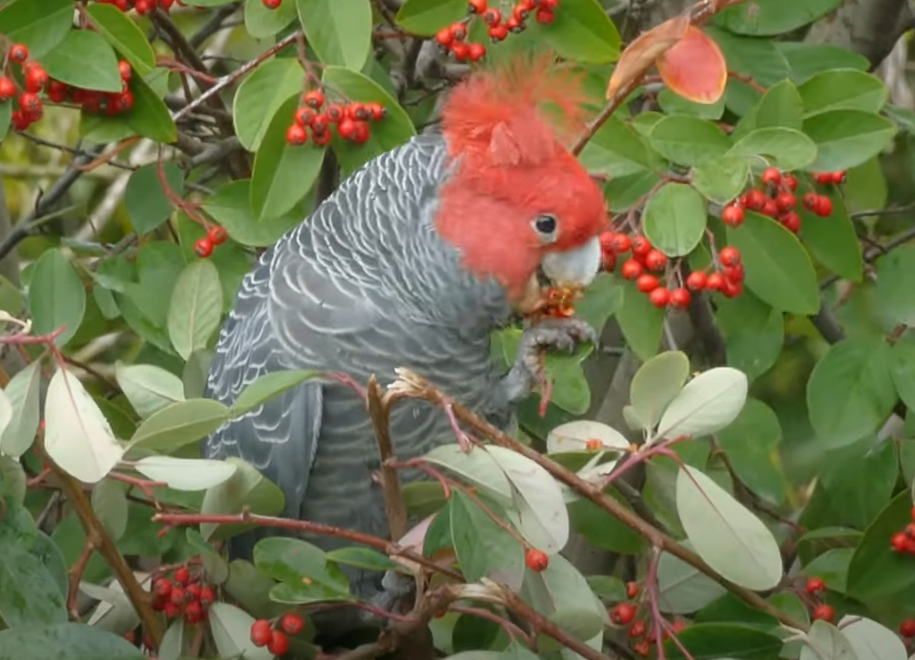
Gang-gang Cockatoos are known as regular visitors to our area following the seasonal availability of food. Maybe, they are becoming more likely to be resident (?). Breeding of Gang-gangs has been observed in Blackburn and surrounds during the last breeding season. Not in our park though – but on nearby private property – which underscores the importance of our parks and the surrounding biolink corridors for biodiversity and endangered species in particular.
What can we do to help? – protect our mature canopy trees (hollows are so important!), comply with the cat curfew if you have a cat and make our gardens more wildlife friendly. Consider making contact with Gardens for Wildlife for a free consultation to see what can be done in your garden.
What our park might have become (1961)
This map is a snippet from the Melbourne & Metropolitan Board of Works (MMBW) Interim Development Order effective 25/7/1961. The MMBW was Melbourne’s planning authority at the time – as well as managing Melbourne’s water supply, sewerage and drainage.
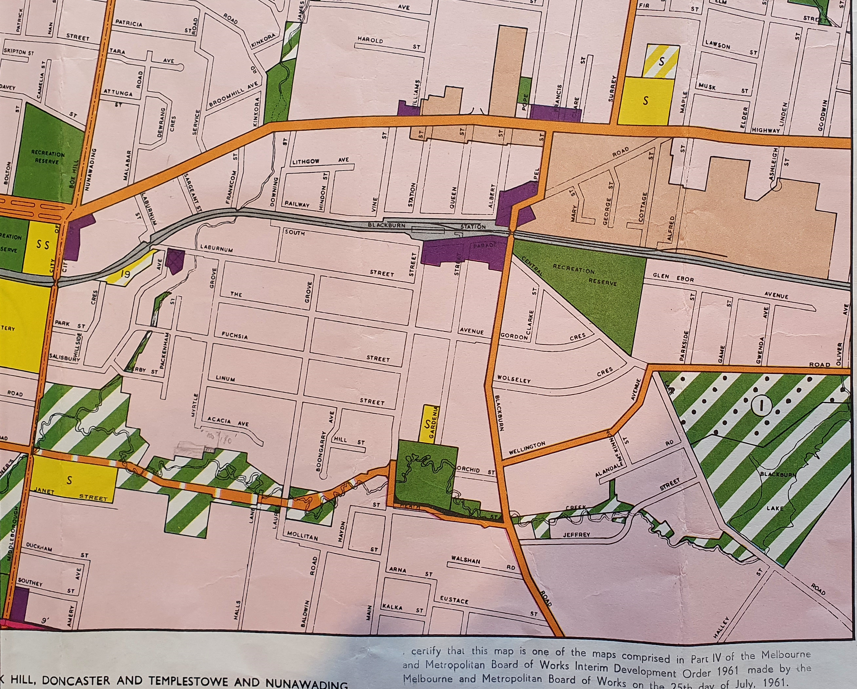

It shows some interesting details:
Roads
- There was to be a road right through what is now Kalang Park! A proposed secondary road was to travel along the northern side of the school boundary, continuing along to the north of Kalang Oval, extending Albion Road through to Main Street. Note that even Whitehorse Road was regarded as secondary then – only Canterbury Road (bright pink in the very bottom left corner) was designated a primary “main” road!
- That would have resulted in a section of Main Street, all of Heath Street, Wellington Avenue and part of Central Road becoming a parallel secondary East-West route – bringing traffic into the heart of Blackburn.
- Thank goodness that road did not become a reality!
The Parks
- Furness Park was the only established part of today’s Blackburn Creeklands – and it would not have been linked to Kalang Park.
- The green and white stripes show that Blacks Walk and only the western two thirds of today’s Kalang Park were proposed reserves. The eastern part only became a part of the reserve in the early 1980s after opposition from the local community to the land being sold off for housing. Moreover, the proposed road would have bisected the already narrow Kalang Park. It is hard to envisage how such a park would have worked except as a “nature strip” along the road (maybe) with an accompanying drain.
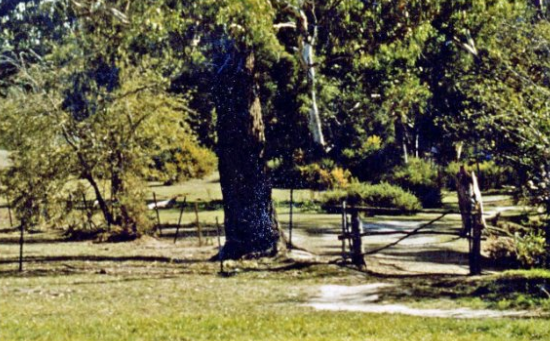
- Note that the creek looks very “squiggly” on the map and it had not yet been concrete-barrelled. This indicates a meandering and slower flow – and probably shallower depth – all reflecting less water coming from its catchment due to the areas to the east and south being less developed.
- The green and white stripes with black dots to the north of Blackburn Lake indicate a “Special Use” zone. The number 1 signifies unspecified Commonwealth Government interests. At the time, the Adult Deaf Society owned the land which went on to form the Blackburn Lake Sanctuary, the Regis and the Roberts McCubbin Reserve.
- Most of the creek land between Blackburn Lake and our park was proposed to be a reserve with access from Alandale Road. Part of this “Below the Lake” area did indeed become a reserve – though it ends at the rear of the Jeffery Street properties (spelt differently on the map as Jeffrey) with the remainder of the creek being surrounded by private residential property to the west towards Blackburn Road.
The Corridor
- Acacia Avenue did not officially link through to Laurel Grove North and neither did Hill Street officially reach Main Street. Waratah Crescent did not exist – and is not a Crescent these days in any event! Molleton Street has an alternative spelling: Mollitan Street. Furness Street was Orchid Street – suggesting interesting indigenous plants in the area.
- Pakenham Street was very insignificant – went for a couple of blocks and stayed well away from the creek – though there is evidence in the plan that it was to eventually cross the creek and continue to Canterbury Road as it does nowadays.
- The bottom parts of the map show blank spaces where Handel Crt, Garie, Beck, Kalang, Harry, Malcolm, Banksia, Orama, and Dwyer Streets, Laurel Grove South and Sheehans Road (possibly Halls Lane in those days) eventually came into existence. To the east of Blackburn Road, Alandale Road was only half its length and the area south of Jeffery Street including Naughton Grove, The Ridge, Rosalind Crescent, Halley Street and the Courts – Norris, Carey and Cloverlea moving towards Forest Hill were still to come.
Schools
The Yellow areas on the map with an S denote primary schools (SS=Secondary School).
The Open Air School at the southern end of Gardenia Street was still there.
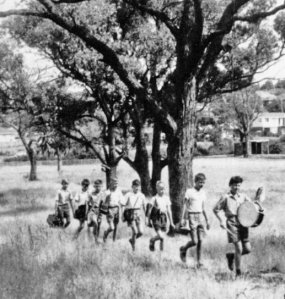
Laburnum Primary School (LPS) is on the map – even though it didn’t open to students until 1964 and Blackburn Primary’s northern extension was only planned at that stage too.
Our picture shows kids marching to LPS on its first day.
We can be grateful that the planners and authorities, spurred on by community action, eventually created the Blackburn Creeklands we, and our wildlife, enjoy so much today. We owe those members of the community a huge debt and note that some are still very actively supporting our park today.
Working Bees
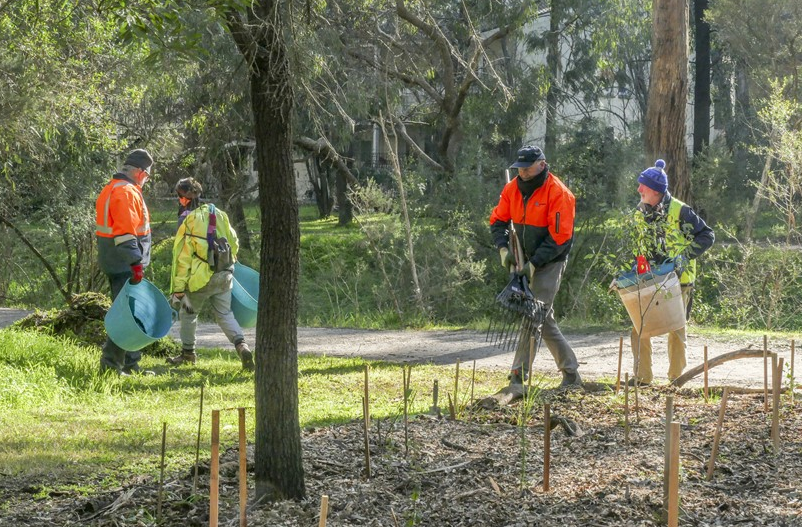
The Maintenance Team has been busy on Thursday mornings in Kalang Park along the main track to the north of the oval, around the Billabong, project areas near the southern end of the Laurel Grove bridge on both sides and, more recently, adjacent the Garie Street carpark.
As previously notified, we decided to postpone our National Tree Day Community Working Bee because Whitehorse Council had also planned a National Tree Day event on Gardiners Creek a little further downstream at the same time. So rather than compete, we decided to defer our event until later in August. We hope to see you then and will provide more details soon!
Council Works
Garie Street playground “now open“
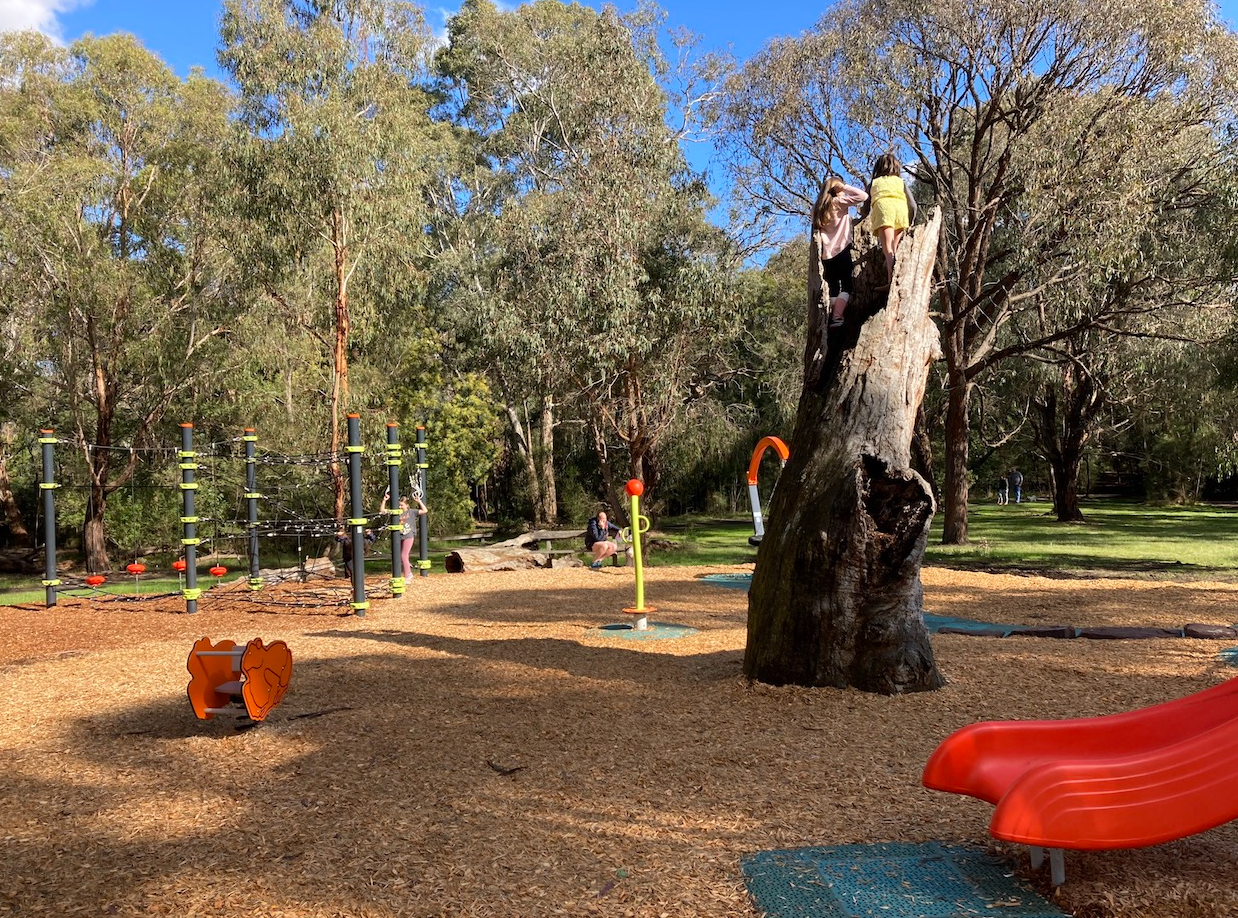
The Garie Street playground is now open – though there are still some aspects to be finalised – four new seats, a picnic table, water fountain and bike racks remain to be installed.
Mini product testers are a little disappointed at the lack of a shelf in the cafe area for provision of leaf
sausages and tan bark cappuccinos (Furness Park has a shelf in its cafe outlet). Of course cafes tend not to take cash these days, so credit card facilities will also be required 😊.
Council and committee have also recently discussed the extension of the footpath along the southern side of Garie Street to the playground. We believe a good compromise has been reached – not involving too much concrete.
Tree and Plant Maintenance
Council has recently planted two Eucalypt saplings south-east of the bridge on Main Street. We expect more to be planted on the verge opposite the 60 Main Street construction site (north-west of the bridge) where we had earlier advised Council of the need for more street trees – on both sides of Main Street.
Hazardous tree inspection of the Creeklands by Council determined that 11 trees are to be removed 😢. The majority are Black or Silver Wattles which have relatively short lifetimes. They are close to paths and, if not already dead, are in decline. As usual, we’ve had discussions with Council about the habitat opportunities of dead trees (eg for wasps, spiders, insects) and we expect logs to be left nearby wherever possible.
Council has also been active planting in the Thelma’s Maze area with 35-40 new plants in the ground.
Damage to hill in the park behind Acacia Avenue
Council has erected tape and other barriers to protect an area under rehabilitation on the hill in Kalang Park behind Acacia Avenue. Unfortunately, an unofficial BMX track has “developed” in the area and the tape, deterrents and signage have been removed and/or vandalised. Council also has concerns that the track is steep and dangerous and that the kids risk serious injury.
New Dogs-on-lead Signs
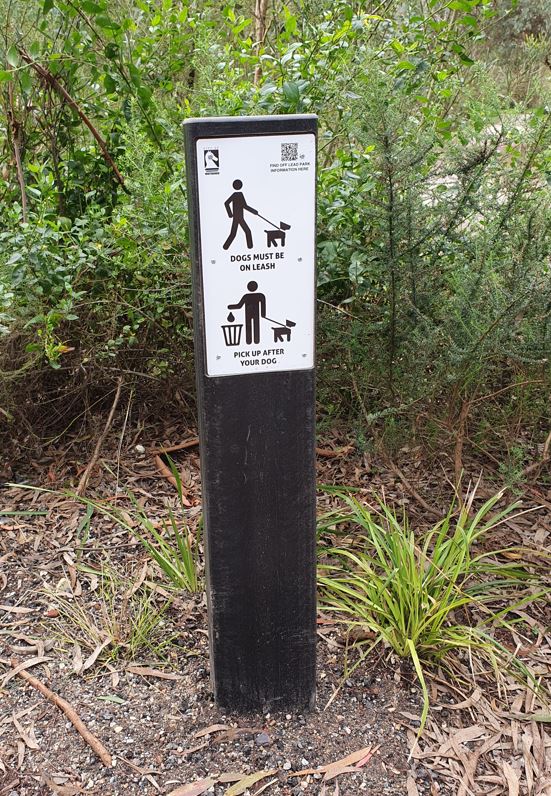
Council is enacting a campaign to update and increase dogs-on-lead signage in the park to promote compliance with the need to keep dogs on lead in the park. Council is targeting park entrances in particular – so dog owners will no longer have the excuse that they were unaware that the park is a dog-on-lead area !
It all boils down to safety – by reducing the likelihood of dog-dog, dog-children, dog-wildlife and dog-cyclist incidents. We trust our Friends understand and all dog owners comply for the sake of everybody and every dog!
Click here for Council information on Dog Off-lead Areas.
Annual General Meeting (AGM) Report

Our official Blackburn Creeklands Advisory Committee AGM was conducted prior to our regular meeting on 26th July.
The following points arose:
- 2021/2022 was again another distinctly non-normal year with the continuing Covid impacts compounded by Council’s flagging changes to the way we are organised and its need to mitigate insurance risks.
- Council’s suggested options were that Park Advisory Groups (PACs) incorporate and pay for their own insurance or join together with the other Whitehorse PACs to form a larger group – perhaps running under an incorporated umbrella group.
- After extensive investigation and working with the other twelve PACs, Blackburn Creeklands Advisory Committee decided not to incorporate at that time. Twelve months on, progress has been made but there are still many questions to be answered. We hope that by the end of 2022, the future of the PACs has been settled and insurance coverage, through Council, is obtained for all volunteers – not just those appointed to PACs.
- We have a strong Committee with diverse skills and we feel we enjoy excellent community support (thanks Friends!). The current members of our Executive renominated and were re-elected without change so as to provide continuity in the ongoing negotiations with Council regarding our future.
- Nevertheless, some Office Bearers do need a break due to increasing career and other commitments. To assist in that direction, we are appointing understudies to the roles they undertake. Our Friends are invited to contribute. If you have skills and a desire to understudy or learn/help in any of these roles: Chair, Secretary, Minute Secretary, web-site administration, noticeboard management, newsletter writing, working bee coordination, working bee participation – please get in touch.
Sightings
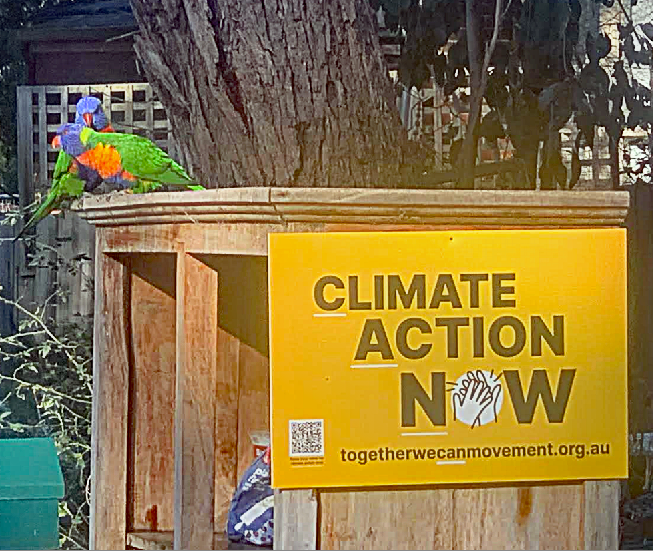
Following last month’s report of branch stacking, friend Hugh spotted a cabinet meeting in Main Street attended by predominately green representatives and apparently there was some nit-picking going on :
Another Superb Fairy Wren sighting
Anne, one of our local bird watchers, has reported a further sighting of a female Superb Fairy Wren in bushes near the creek one morning recently in Furness Park. This is great news – building on our reports from February this year and April/May, 2021. How does Anne know it was a female ?
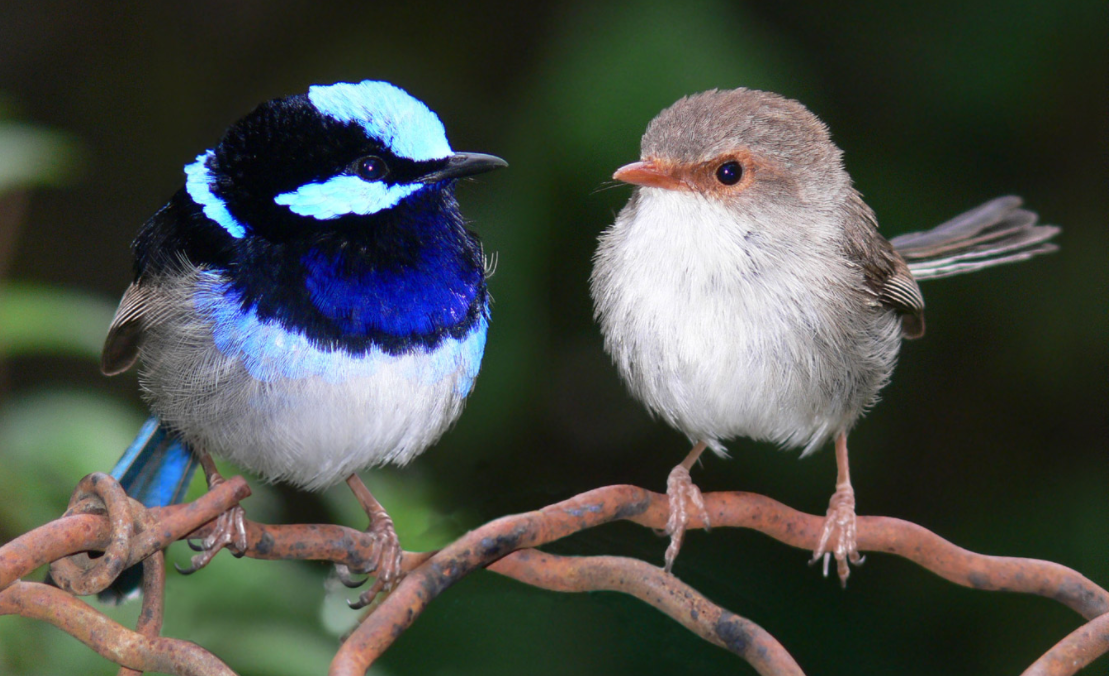
Well, the species is strikingly “sexually dimorphic” – which means the males and females look quite different. In the bird world, females and juveniles are often better disguised and less brightly coloured than the males. This helps them avoid predators – eg when females are vulnerable when nesting – and, on the other side of the coin, helps the males to be noticed by potential mates.
The flashy blue specimen is definitely male. But are the duller brown/white birds necessarily female? You’ll have to do this ABC quiz to find out ! Warning: more sensitive readers should be advised that shocking promiscuity is also revealed in the quiz answers!
News scoop – Spring Bird Survey !
Our Spring Bird Survey has been tentatively scheduled for Saturday, 8th October. Pencil the date in – we’ll confirm the details later…
Winter flowering
Rita took these photos of wattles and Purple Coral Pea (Hardenbergia violacea) beginning to flower – we’ve put them in the lightbox to show off their brilliant light and colour:
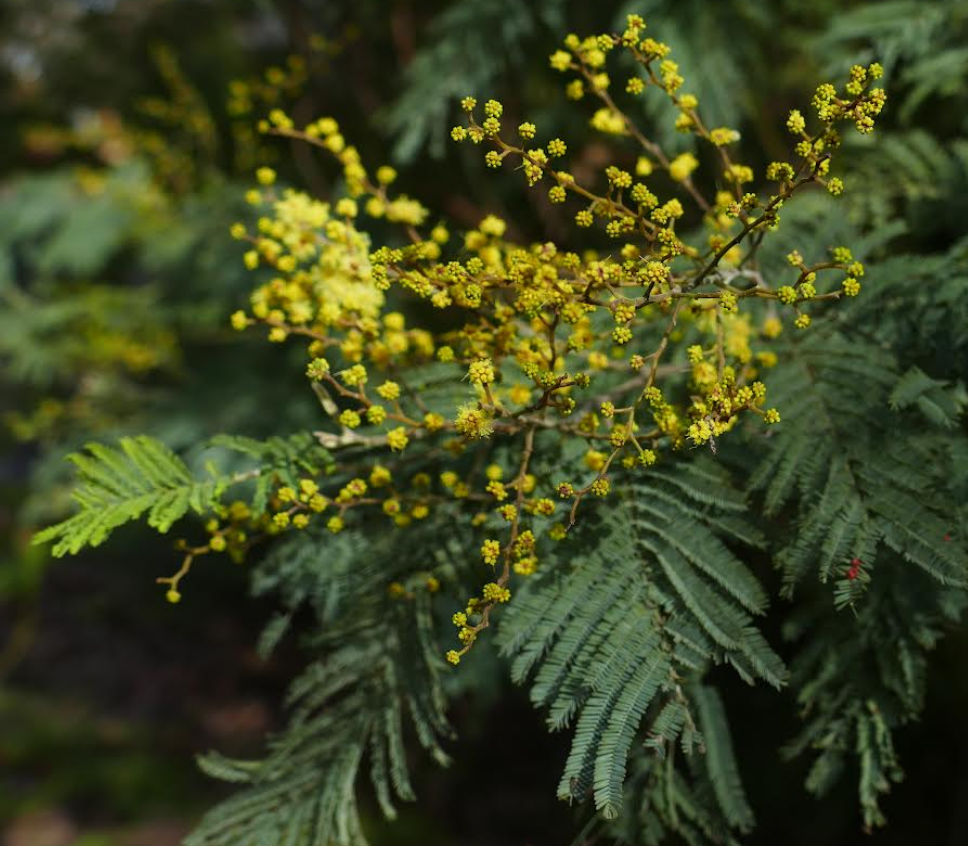
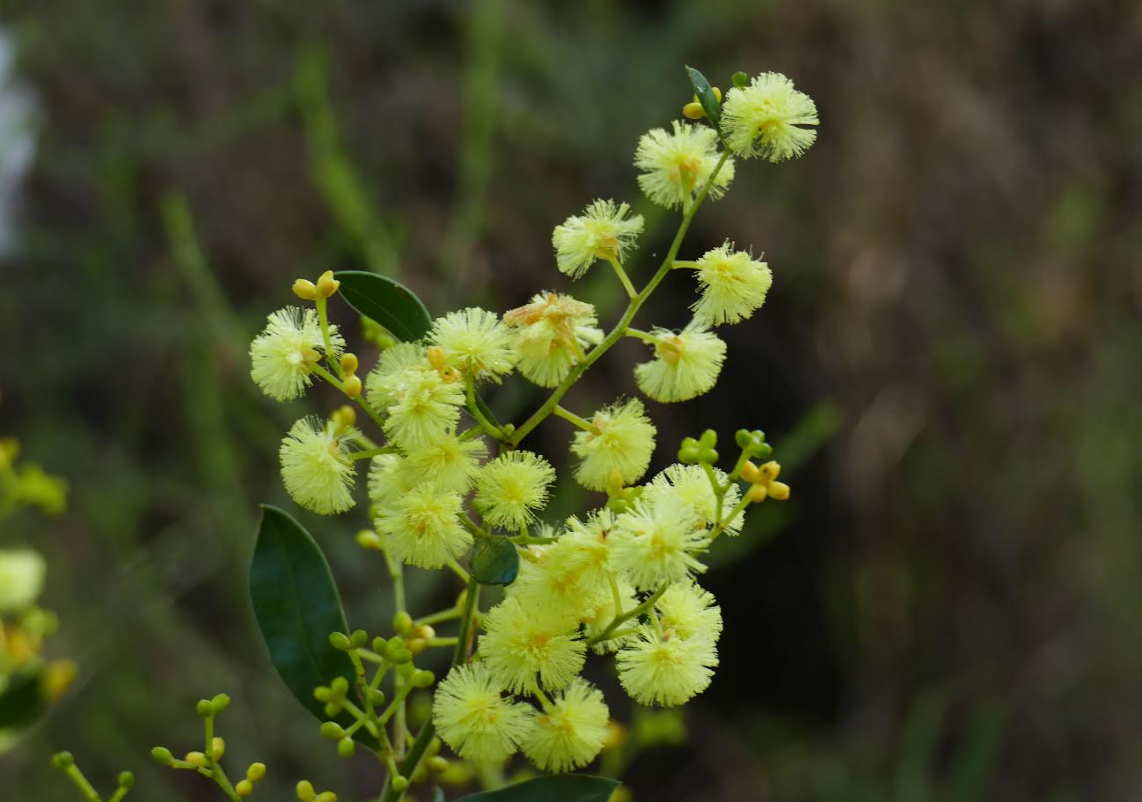
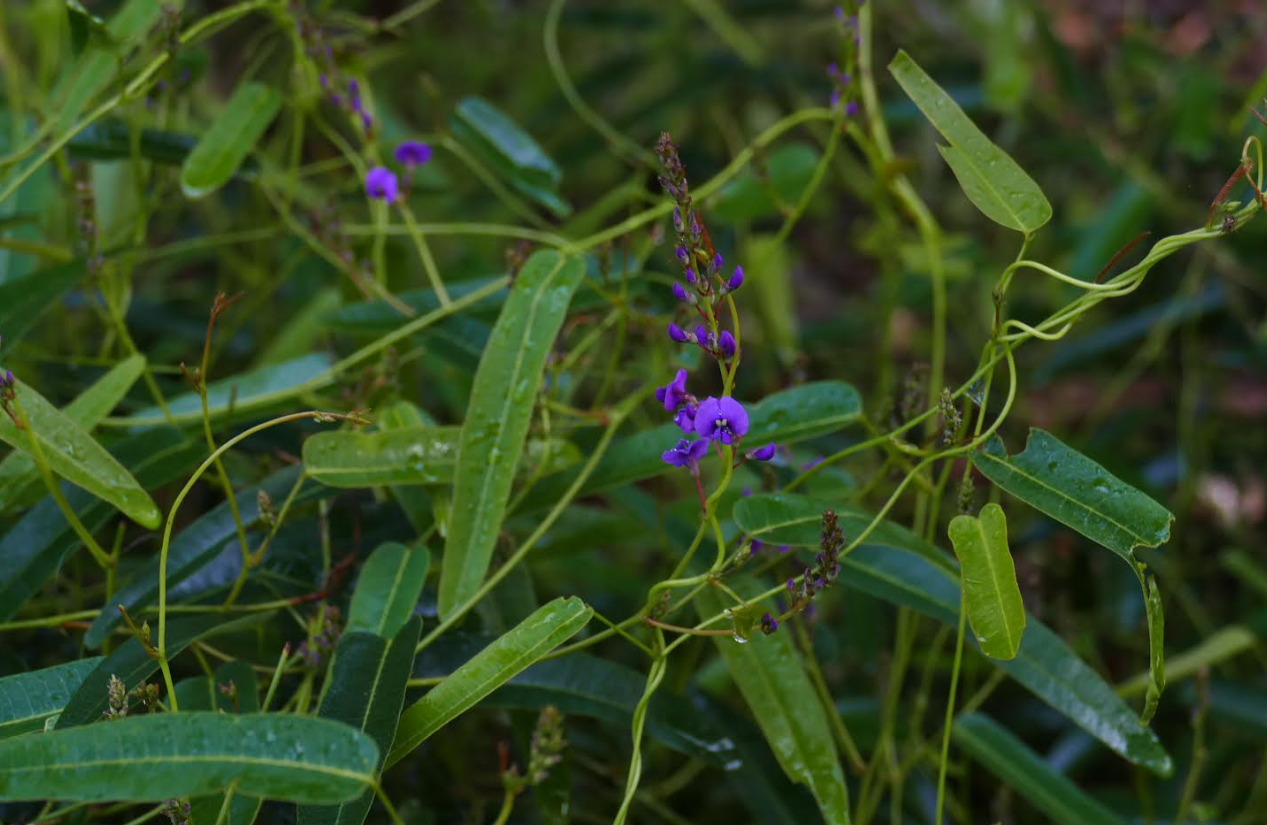
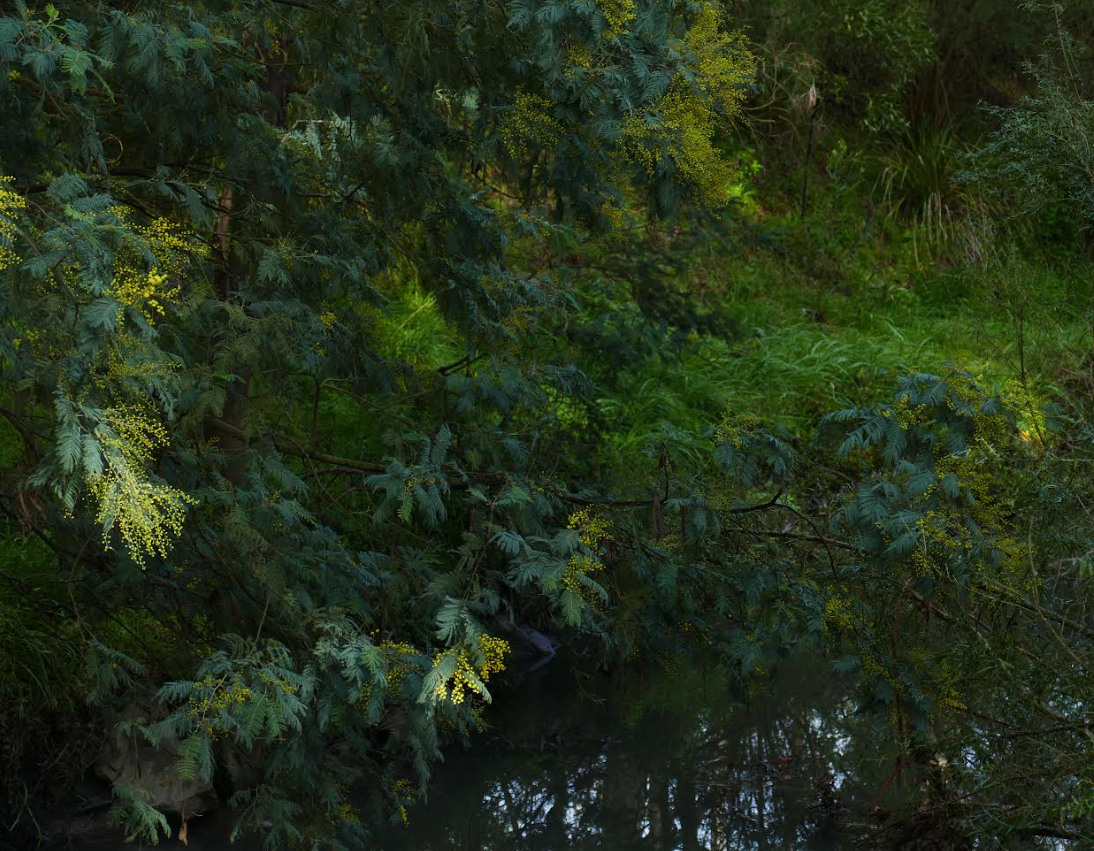
Megan is about to put up our seasonal wattle display on the noticeboard this week to help you identify what we have. She recently counted 10 species of wattles that were beginning to flower…
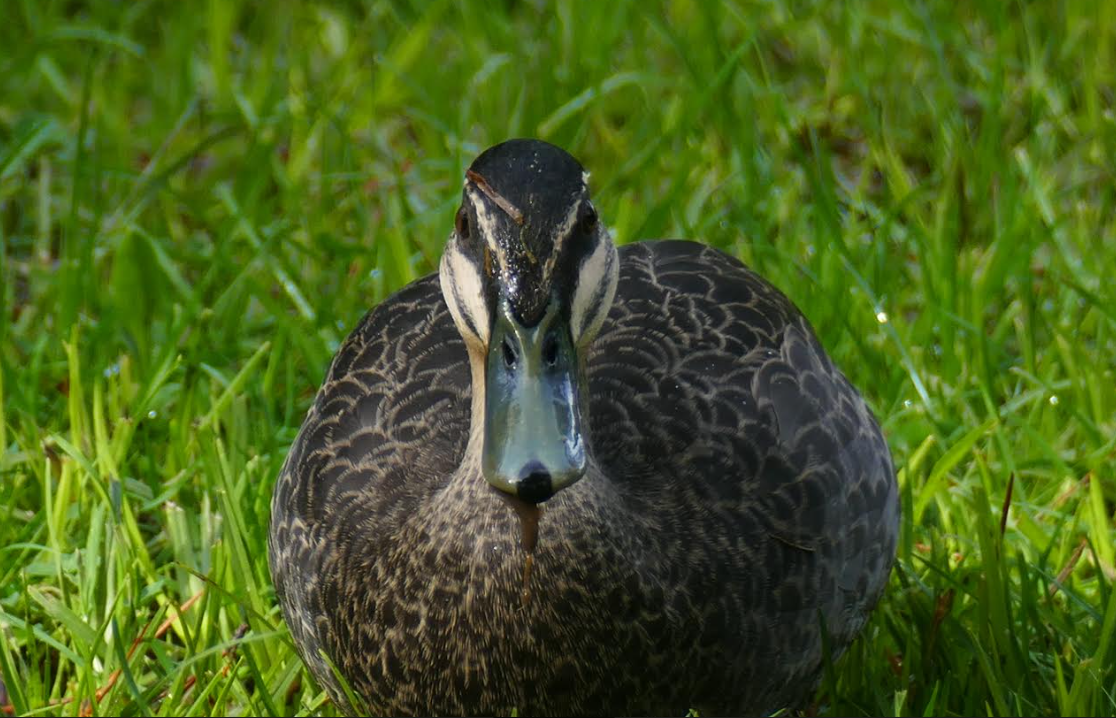
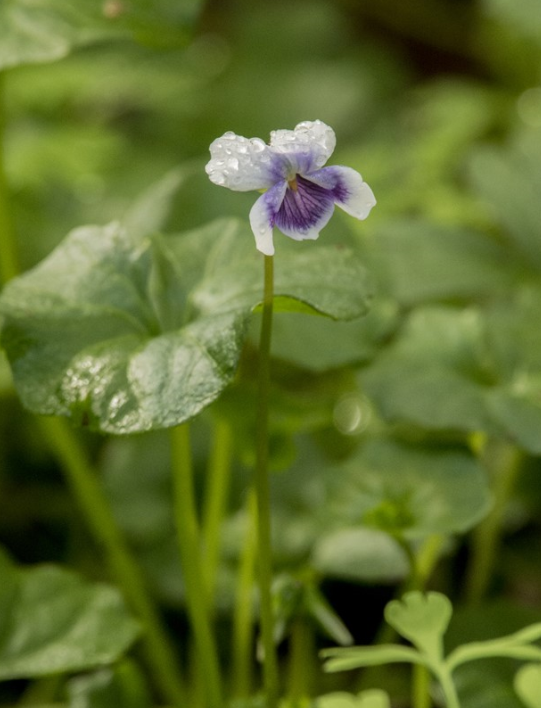
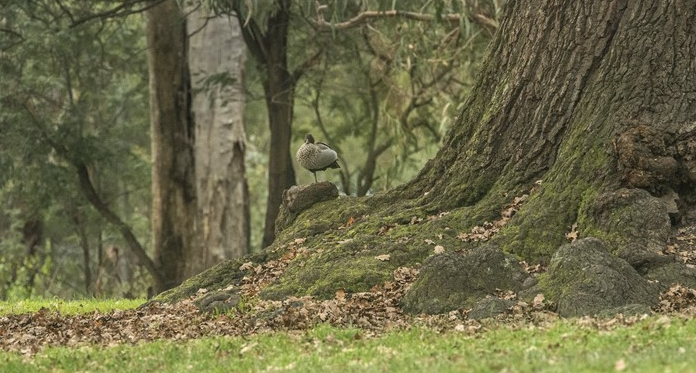
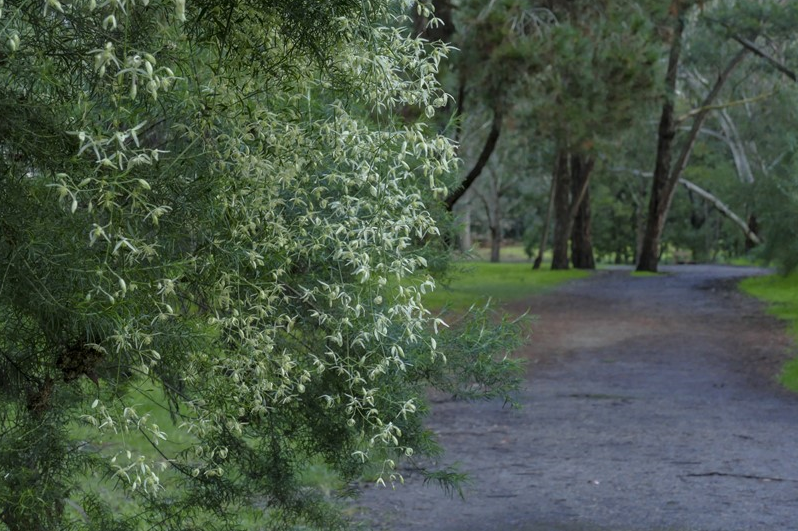
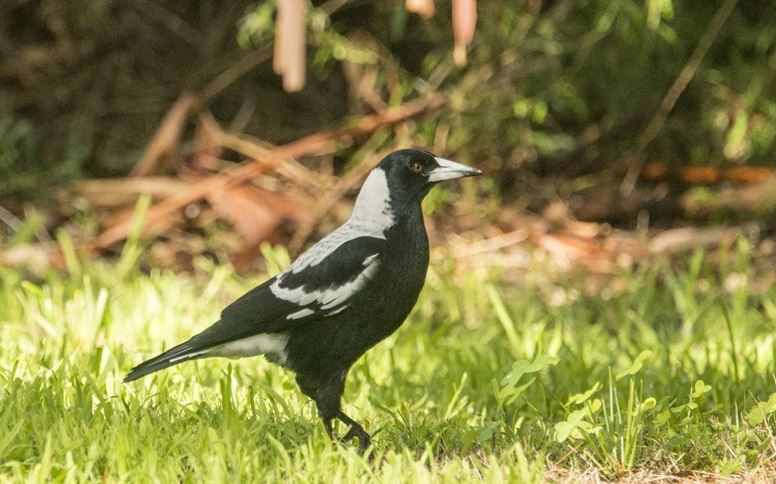
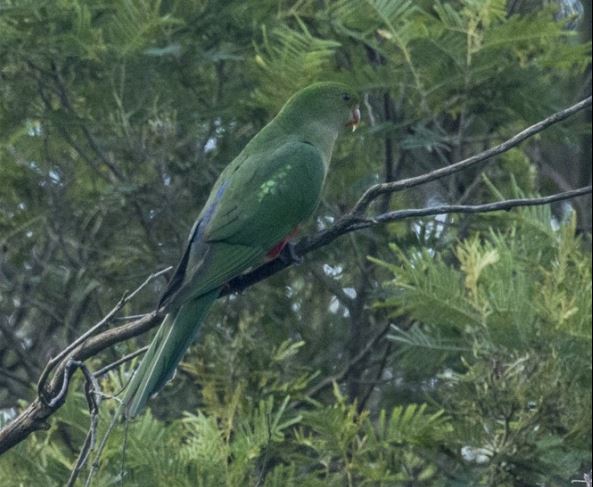
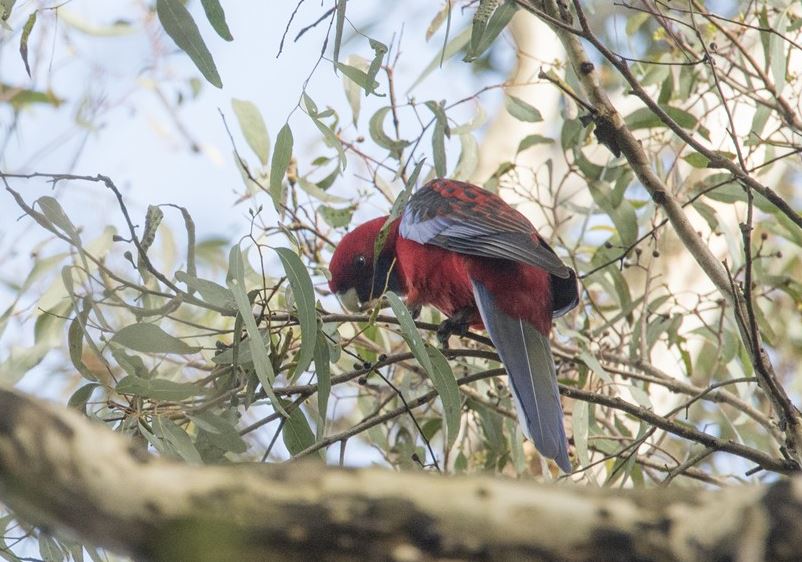
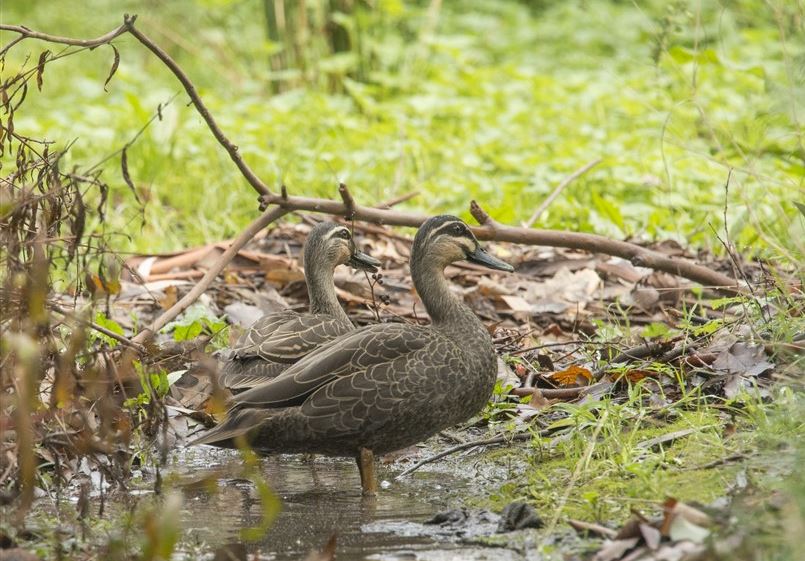
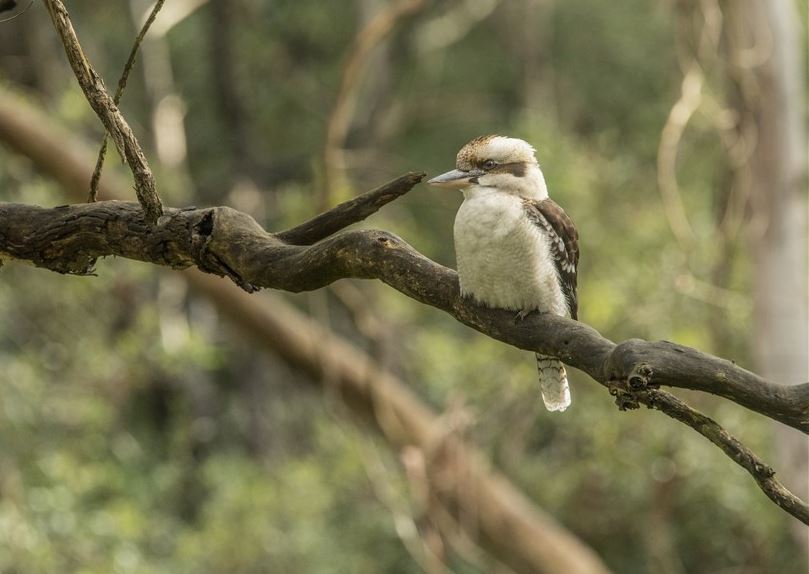
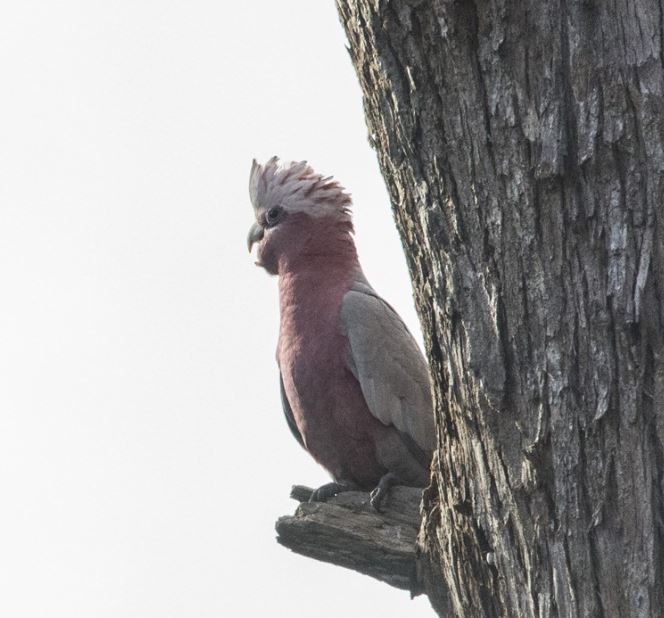
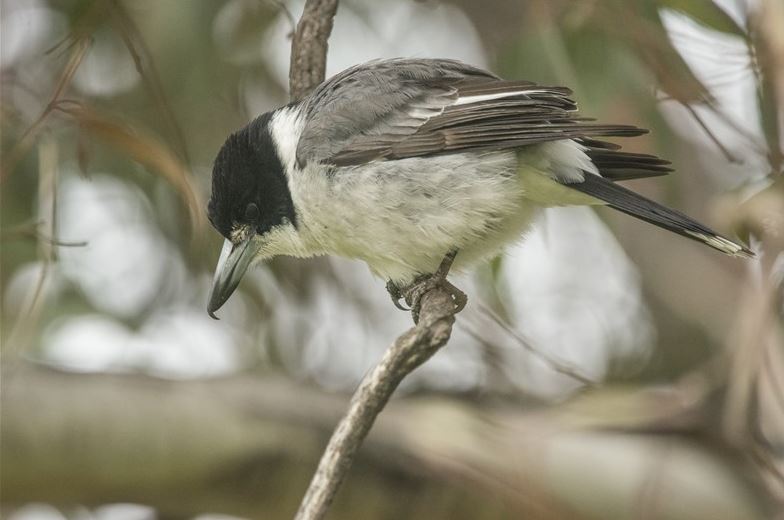
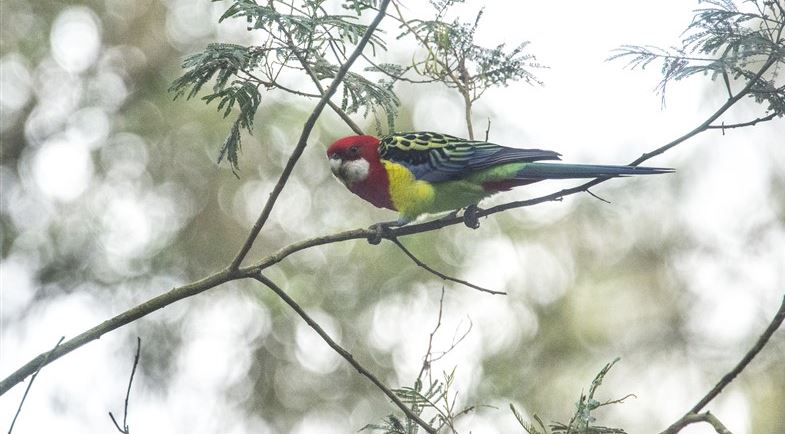
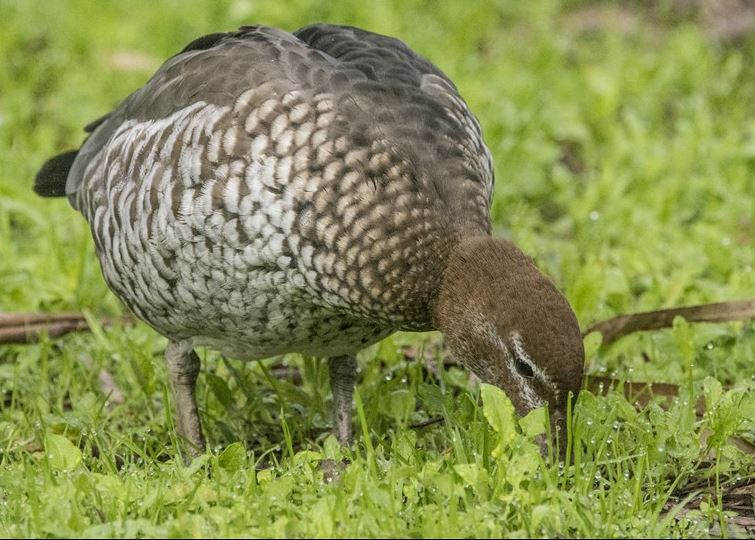
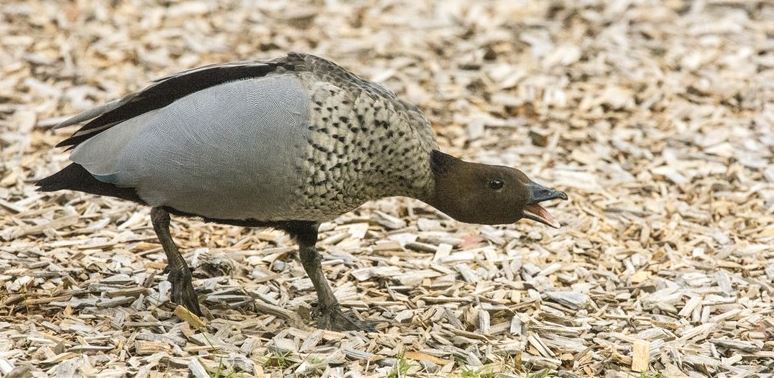
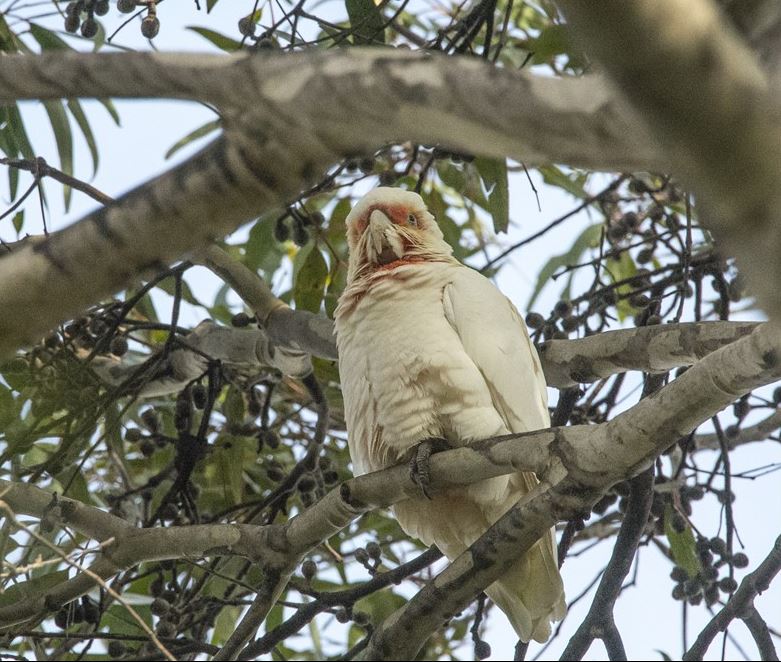
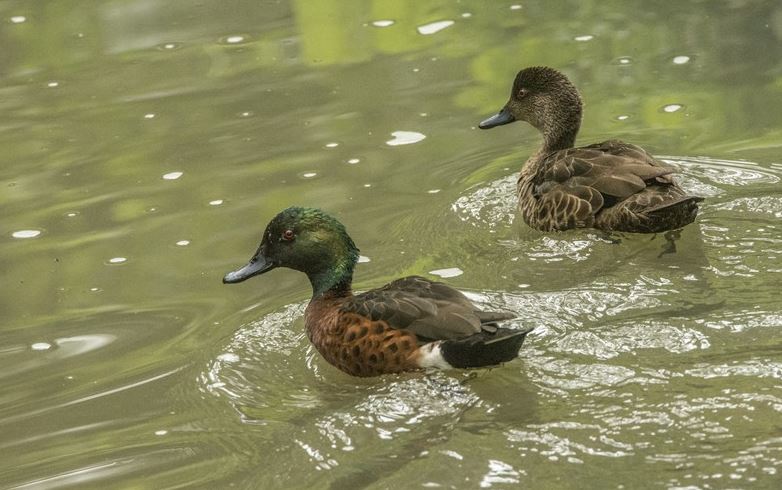
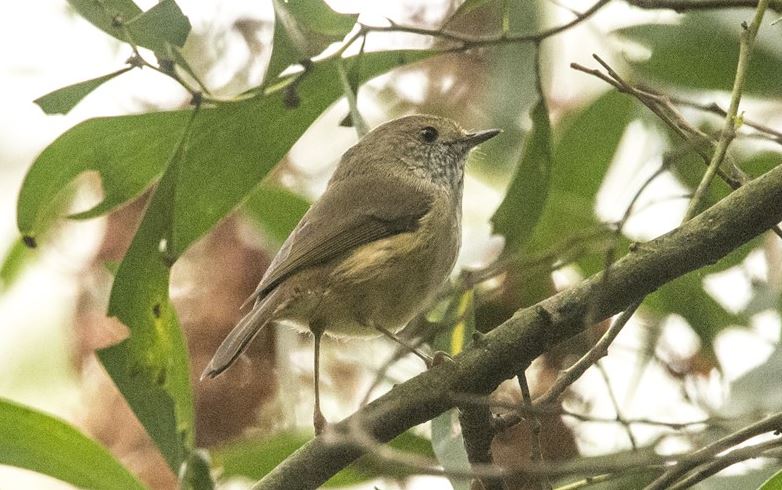
The local birdwatching group also had survey events in July (1st and 27th) – we share some photos in the “lightbox” below which will give you a good idea of the species in the park last month:
Weed of the Month (Part Two from last Month)
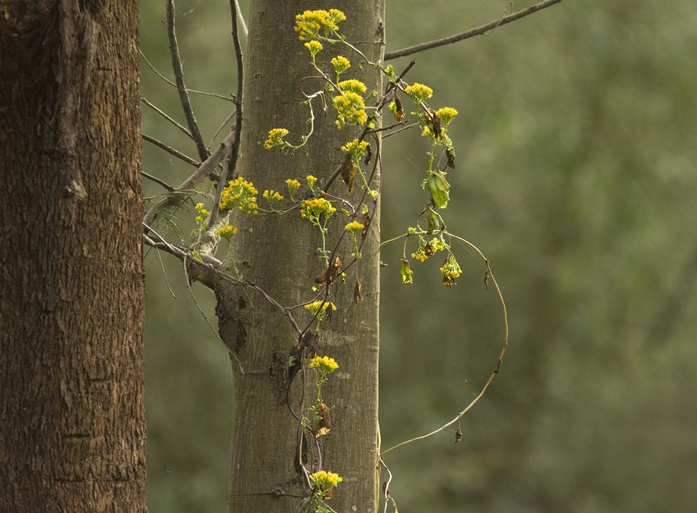
Last month’s Weed of the Month was Cape Ivy (Delairea odorata) – an African invader. This picture shows the plant flowering after having climbed up a tree trunk. It is struggling having lost most of its lush leaves – probably due to the frosts – but nevertheless surviving to reproduce.
 Blackburn Creeklands