Welcome !
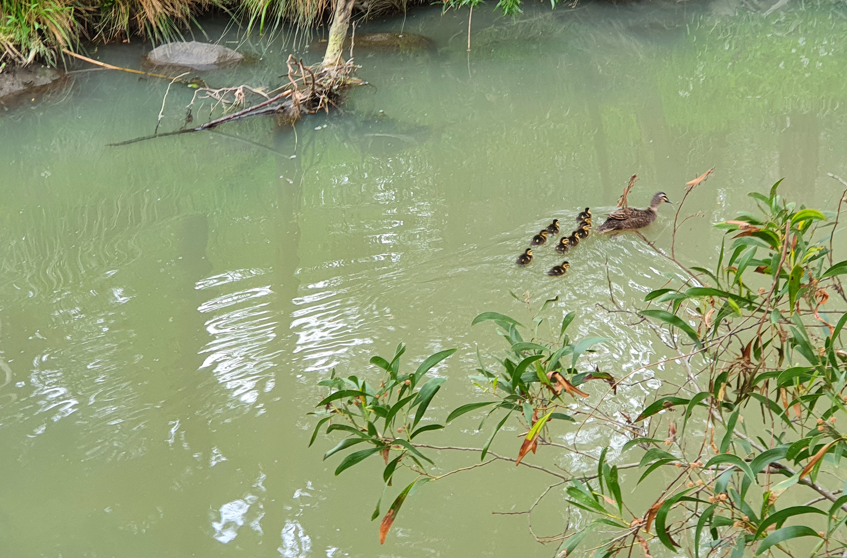
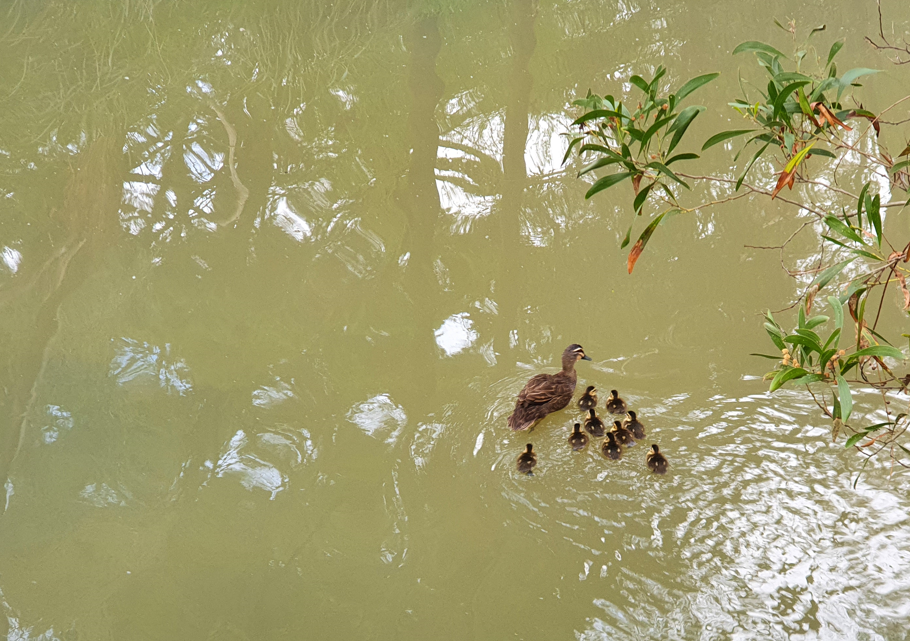
Welcome to our September newsletter. Spring has sprung and the good rains have resulted in a very green park with nature abounding. We’ve seen our first clutches of ducklings and other evidence of nesting and reproduction.
October seems to be the month of nature surveys – we bring you news of three including the official Blackburn Creeklands Spring Bird Survey on Saturday 8th October – more details below including great photos of many of the birds you’d be likely to see.
Other news includes a photographic record of current flowering in the park and reports on recent working bees and Council works in the park including our last Community Working Bee for the year.
Our Climate
It is official – the Bureau of Meteorology has confirmed we are facing our third La Niña summer in a row. During a La Niña event, the probability of rain on the eastern half of Australia is increased – leading to more humid, cooler summers.
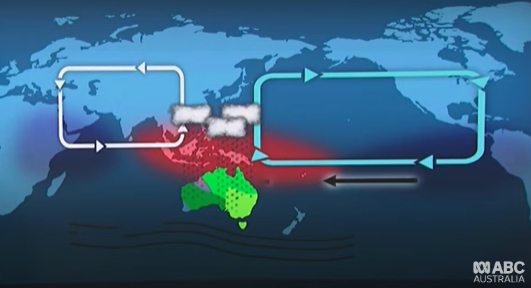
In La Niña events, moist air is pushed towards Australia from the Pacific by the Trade Winds. This moisture builds up to our north waiting for the right conditions to bring it down over Australia. The systems are quite complex and there can be contributions from the Indian Ocean as well. La Niña events are less common than her brother’s (El Niño) dry times – and a sequence of three in a row is very unusual. This does not augur well for the flood-prone areas of the country – especially those already soaked.
In our park, it has led to increased weed production. Also, very damp soil means that tree roots are less supportive particularly when storms and strong winds occur. Some tree species are less tolerant of damp feet for too long than others. Given we seem to have lost a significant number of trees over recent years, it behooves us to plant replacements.
Committee Reports
Community Working Bee
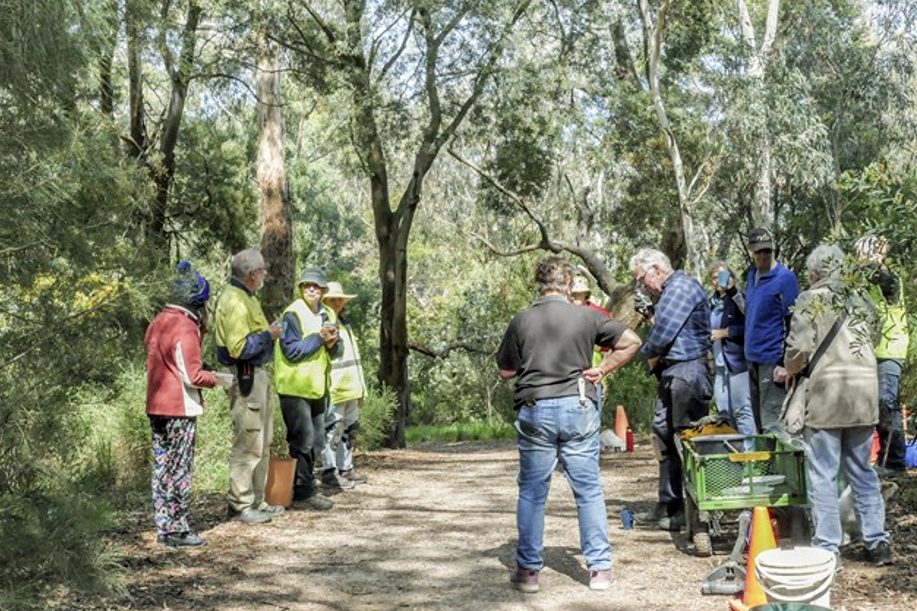
Despite concerns that the super-long weekend and school holidays would lead to poor attendance, there were 17 participants for our last Community Working Bee for the year on 25/9. This was considered a good number in the circumstances and included some very welcome new faces. Unusually, all participants were adults. The working bee was run as a National Tree Day event so participants were better covered by insurance.
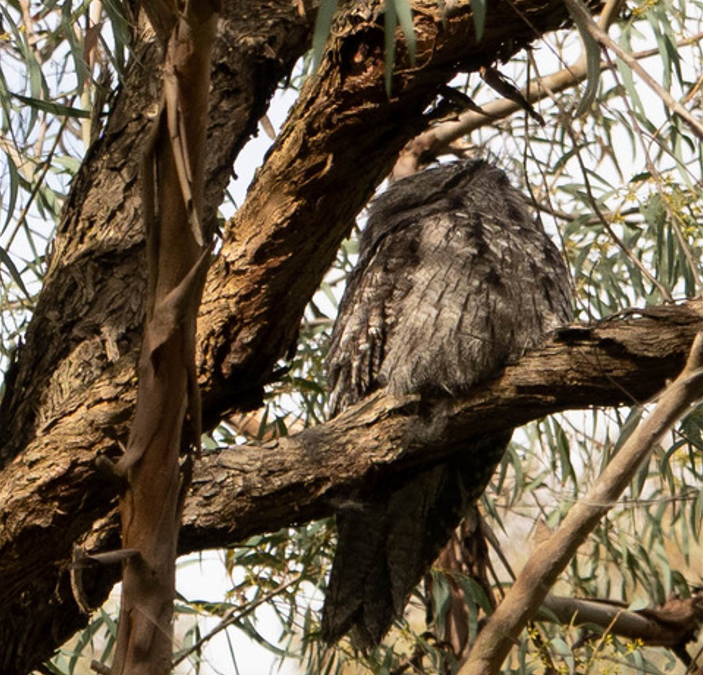
Planting later in the season than usual (thanks to La Niña), about 150 plants went into the area alongside the track north of the Blacks Walk bridge. They were mostly grasses and understorey plants. The weather and other conditions were excellent – the only hitch was having to move the campsite so as not to disturb nesting Tawnies !
We thank everyone who contributed to our program of Community Working Bees in 2022 – whether planting, weeding, providing morning tea, planning/managing the events/logistics, doing the paperwork or insuring them (special thanks to Planet Ark!). Covid made things difficult earlier in the year – hopefully, things will be back to normal for a full program in 2023!
Thursday Working Bees
The first three September Thursday working bees were conducted in the Furness Park “No mow” area – weeding only. The 22/9 event was cancelled due to the day of mourning for the Queen. The final working bee for the month on Thursday (29/9) was conducted below Waratah Crescent in Kalang Park– more weeding and managing existing plant stakes.
Otherwise, we have been reviewing and road-testing procedures for Council’s Parks & Natural Environment including one for site safety inspections to improve safety for our volunteers.

On the subject of site-safety, bull-ant bites have been abnormally common over the past 12 months or so – with several incidents occurring during our working bees – even in winter when the ants are usually quiescent.
Precautions are to watch out for nest holes and solitary creatures, to wear long sleeves, gloves and long trousers (though they can bite through gloves and clothing).
The usual culprit has been a large black bull-ant at several sites within the park. It is so easy to disturb this aggressive species and its sting can be quite painful and itchy.
All park users should be vigilant!
Committee Meetings
Committee Meetings are now back to the old “normal”. They are held at 7:30 PM on the 4th Tuesday of each month excluding December. Visitors are most welcome!
Our venue is the Kalang Oval Pavilion, Kalang Street, Blackburn – located here:
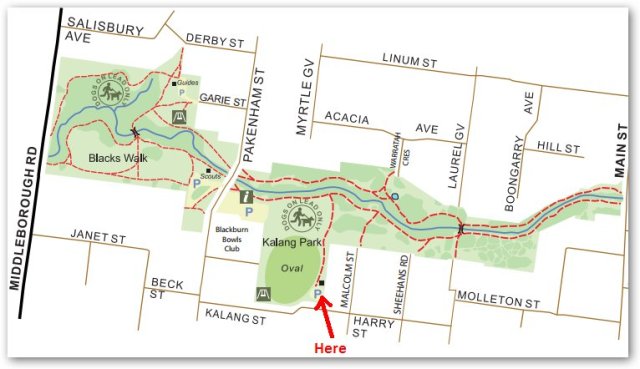
The remaining meeting dates for 2022 are: October 25th and November 22nd (no December meeting).
Car and bicycle parking is usually available at the pavilion.
Council Works
Footpath access to Garie Street Playground
Council has linked the Garie Street footpath with the playground making access to the park safer and more convenient. The new path looks good and has a nice “wiggle” in it due to avoiding vegetation – though some vegetation had to be removed in the process. Council plans more work on the paths in that part of Blacks Walk.
Woody Weed Tree Cut Down
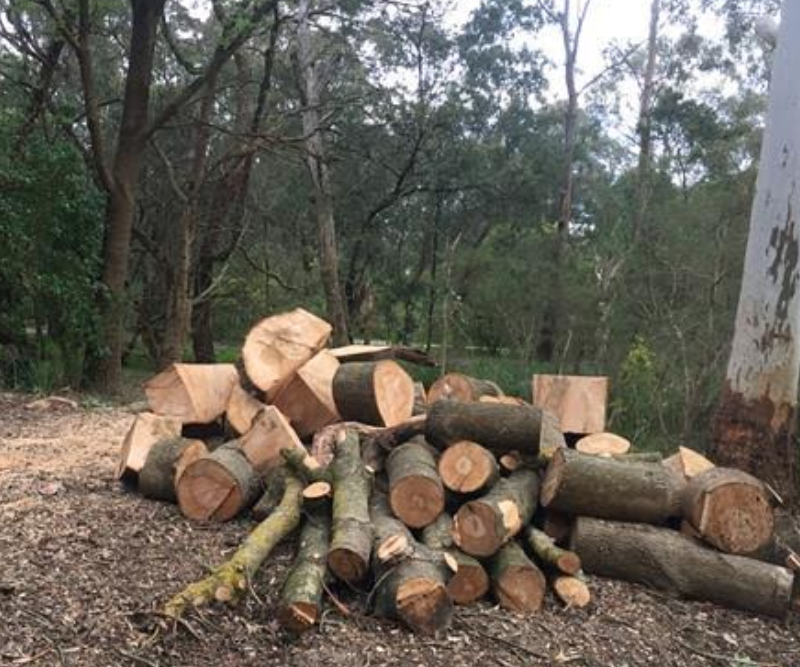
Council contractors felled a large Desert Ash tree in the public domain just to the north of the Laurel Grove bridge on 4th September.
What’s a woody weed? – well, any weed is “a plant in the wrong place”. A woody weed is a weed that has some wood about it – typically a tree or a shrub. Woody weed trees can be a special nuisance because they can be difficult to eradicate due to the need for special equipment, their growing in hard to access sites and so forth. In our park, these include Hawthorn and Broad-leafed Privet (probably originally planted in the area for hedging/fencing purposes), Cherry Plums (for fruit), Cotoneaster, Prunus, Willow and Desert Ash (garden escapees). Some native, though not locally indigenous, species such as Sweet Pittosporum and the Wattle Acacia floribunda have become problems due to their spreading rapidly – so are also regarded as Woody Weeds.
Desert Ash is a nuisance woody weed that comes to us from central/southern Europe, northwest Africa and southwest Asia. Despite its common name including “desert”, it tends to be a weed of waterways, riparian areas, wetlands, grasslands, open woodland, roadsides and disturbed sites. This goes a long way to explaining why it is such a nuisance in our park!
It is a fast-growing, medium-sized, deciduous and spreading tree growing to 20–30m tall with a trunk up to 1.5 m diameter. Unfortunately, it was a popular garden and street tree in Australia in the past. It tends to out-compete indigenous plants for moisture, light and nutrients – and tends to take over its preferred areas.
The felled tree at the foot of Laurel Grove North was a good example of a mature specimen. Our maintenance team was continually pulling out its prolific offspring around the bridge and the little wetland immediately to its north. Seed from the tree was also washed into the creek through the wetland’s outlet – leading to further infestations downstream.
Spring Surveys Galore
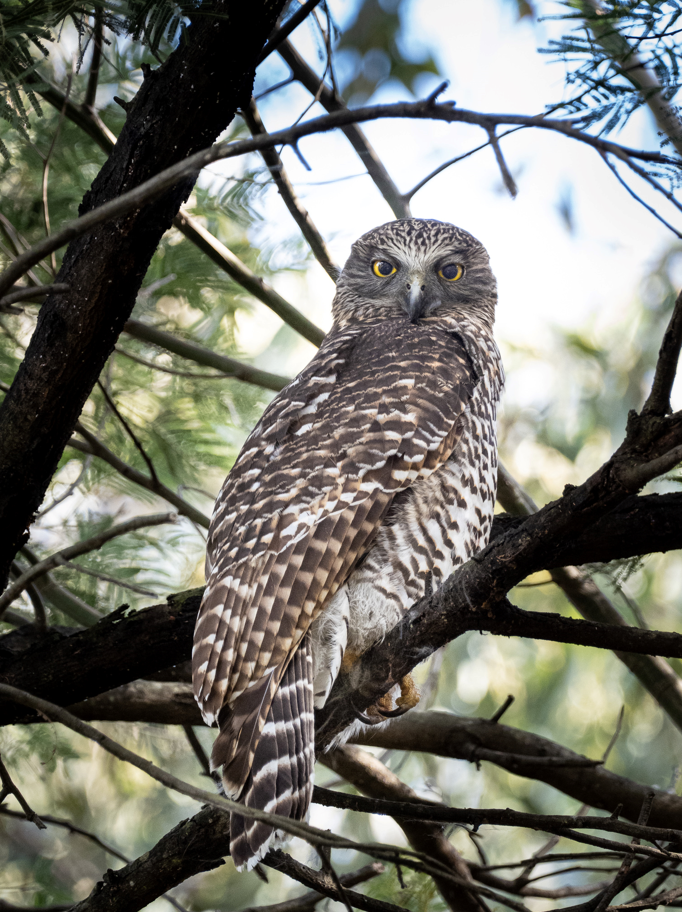
Spring is a great time to be out and about learning about nature.
Our Blackburn Creeklands Spring Bird Survey is planned for 07:30 Saturday the 8th October. We will start and finish at the Scout Hall in Pakenham Street. The survey is followed by (an optional) morning tea to correlate group results. Our fabulous leaders, Ian Moodie and Pat Bingham will lead our survey groups as usual. It’s a great way to learn about our local birdlife. Our park is blessed with an amazing diversity of birdlife – about 100 species of resident birds and visitors have been identified. The community is encouraged to join in – no special knowledge or experience is needed to participate. Children are welcome.
You could use our survey to hone your skills for these events later in the month:
- BirdLife Australia is running its Aussie Bird Count between 17th – 23rd October. It’s another great way to take some time out in nature and learn about the birds in the area – whether in the park or your own backyard – or anywhere else you might like to count.
- The Great Southern BioBlitz is on again this year between 28th – 31st October. It’s an international period of biological surveying – aimed towards recording all the living species (including birds) within designated areas across the Southern Hemisphere in the flourishing springtime. The purpose of this event is to highlight the immense biodiversity across the Southern Hemisphere, as well as to engage the public in science and nature learning using the citizen science iNaturalist platform.
Blackburn Creeklands Spring Bird Survey
So what bird species would you expect to see at the Spring Saturday morning survey? The list varies depending on the conditions and on luck. Typically, we would see 20-30 separate species – almost all indigenous with 2 or 3 exceptions. Please click here for more information on how the surveys are conducted.
Actually, we can get a very good idea of what’s around at present from the last monthly survey run by local birdos. Here’s a selection of what Ken snapped recently:
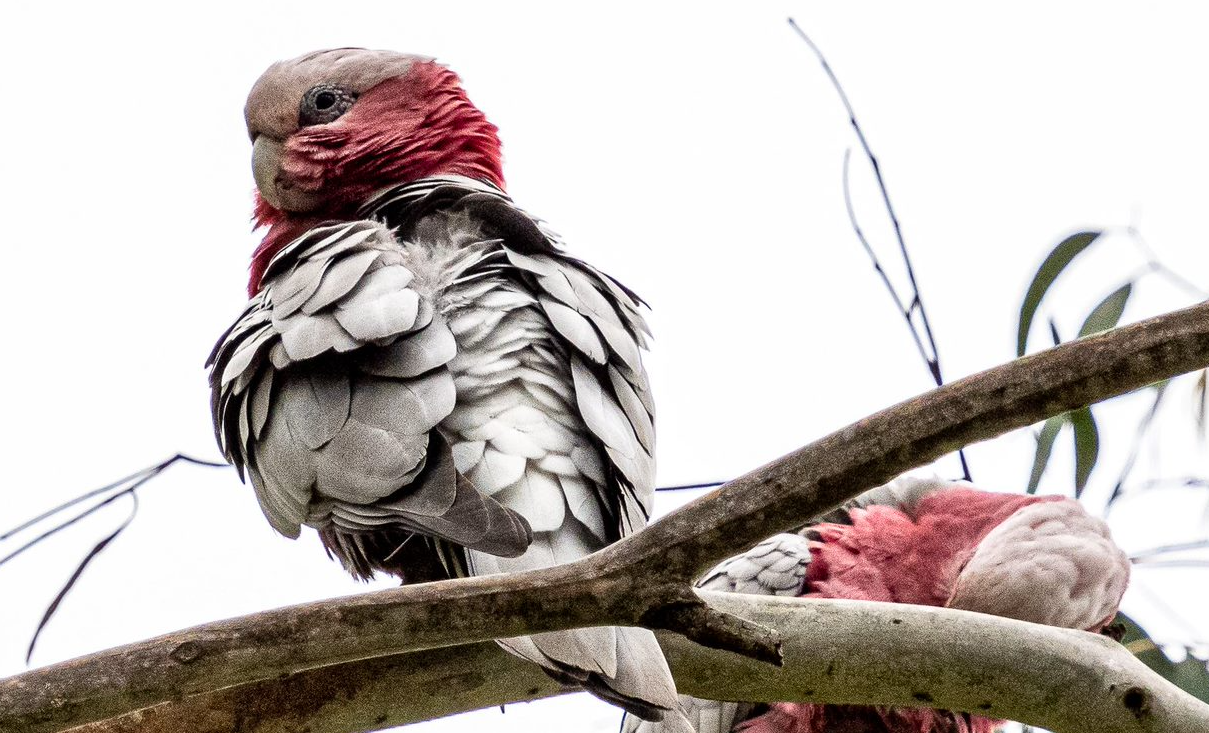
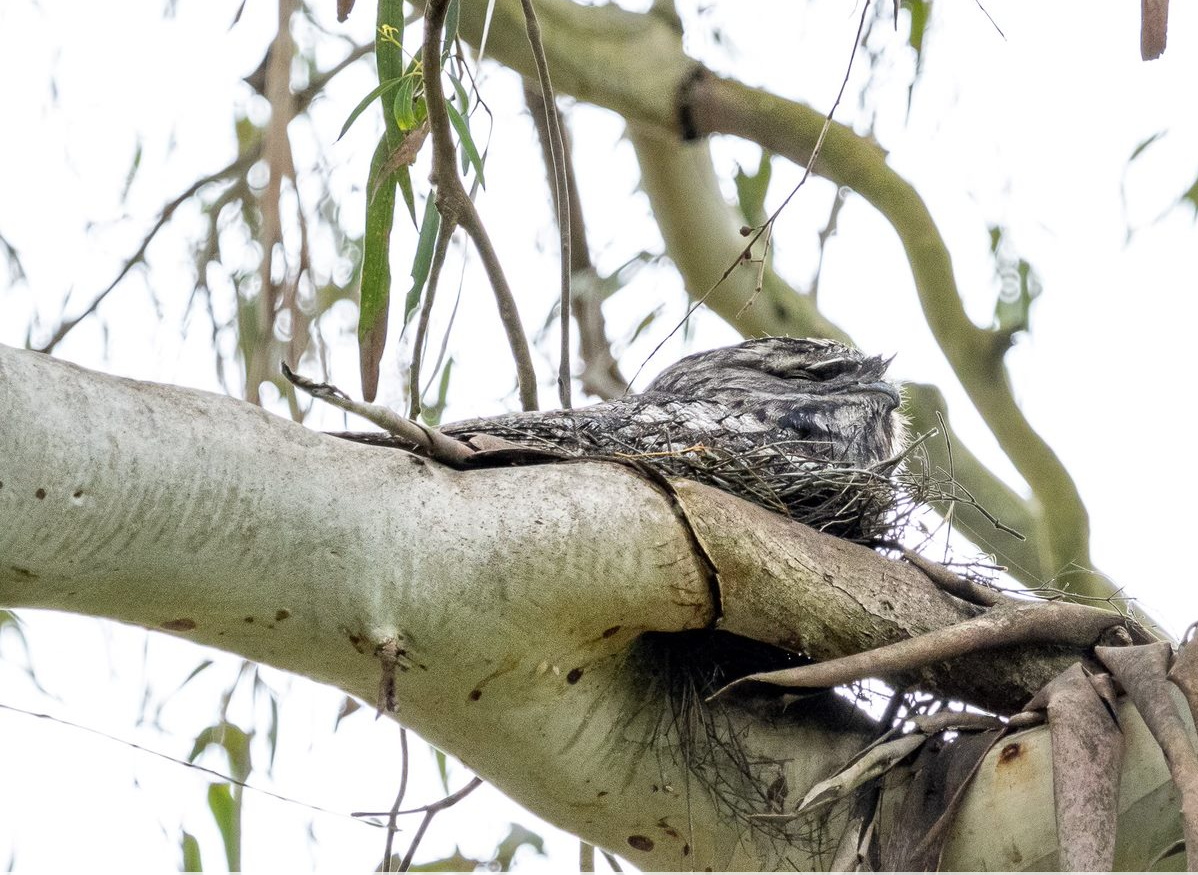
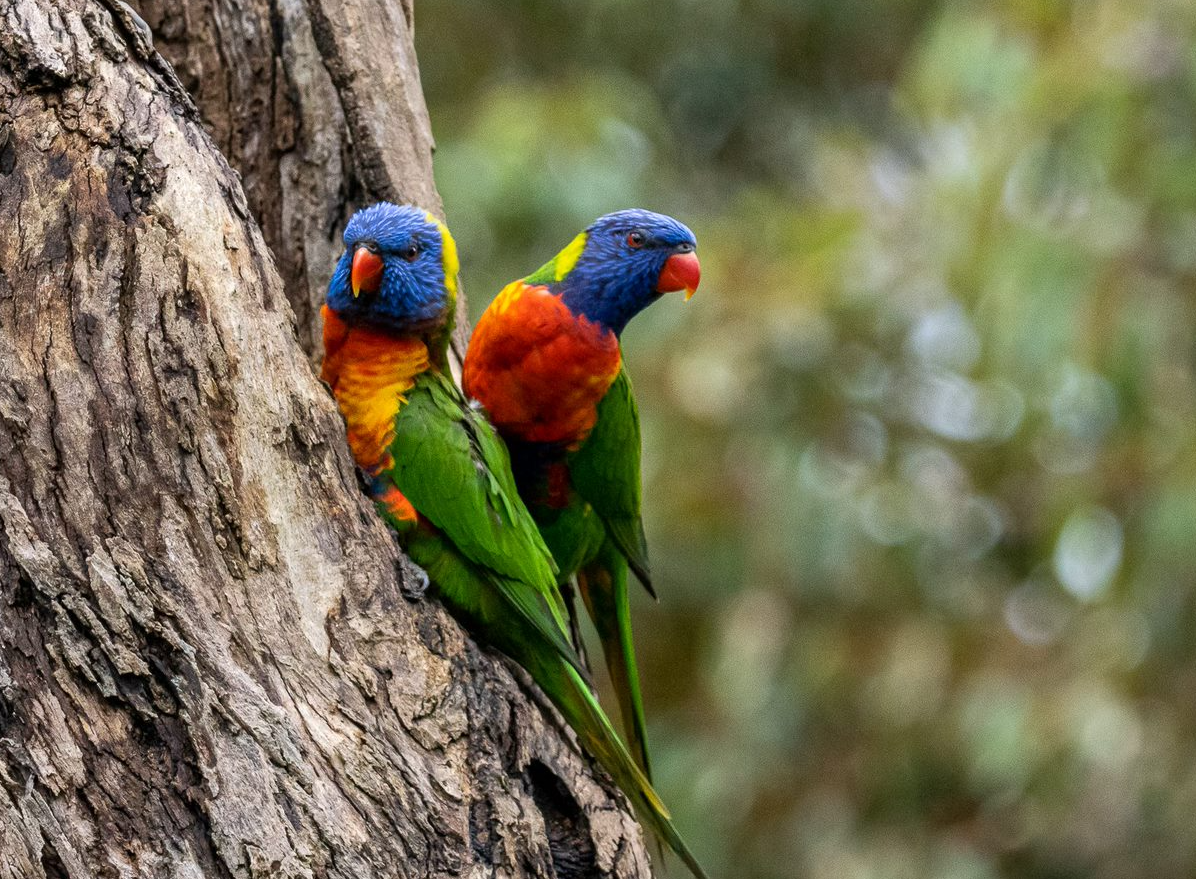
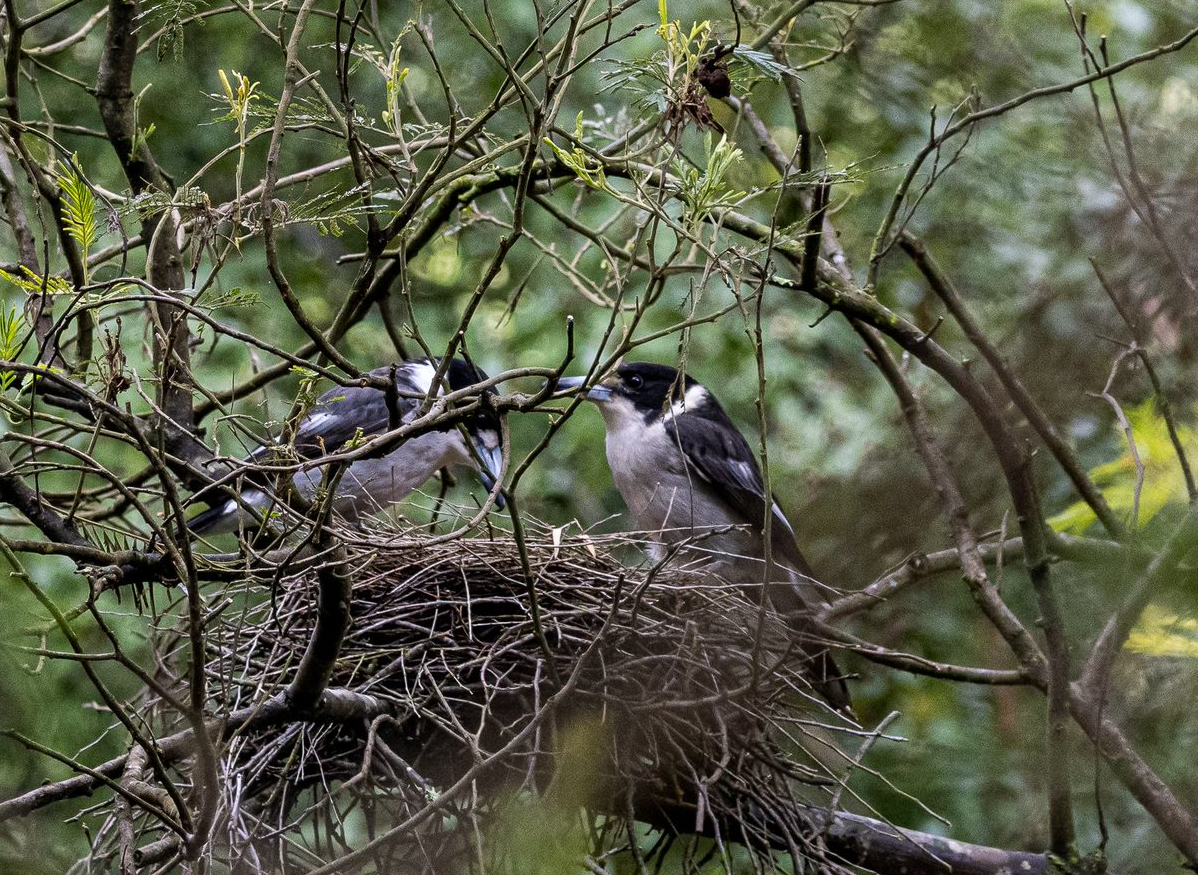
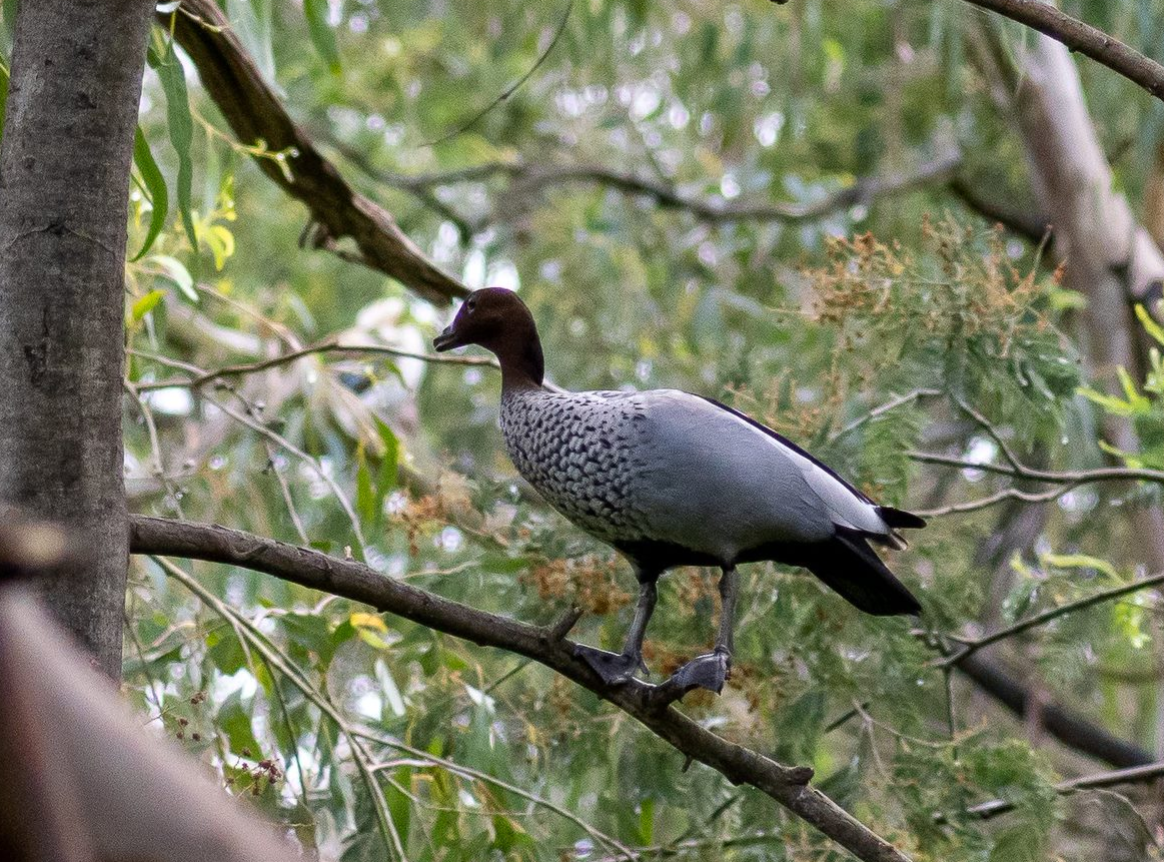
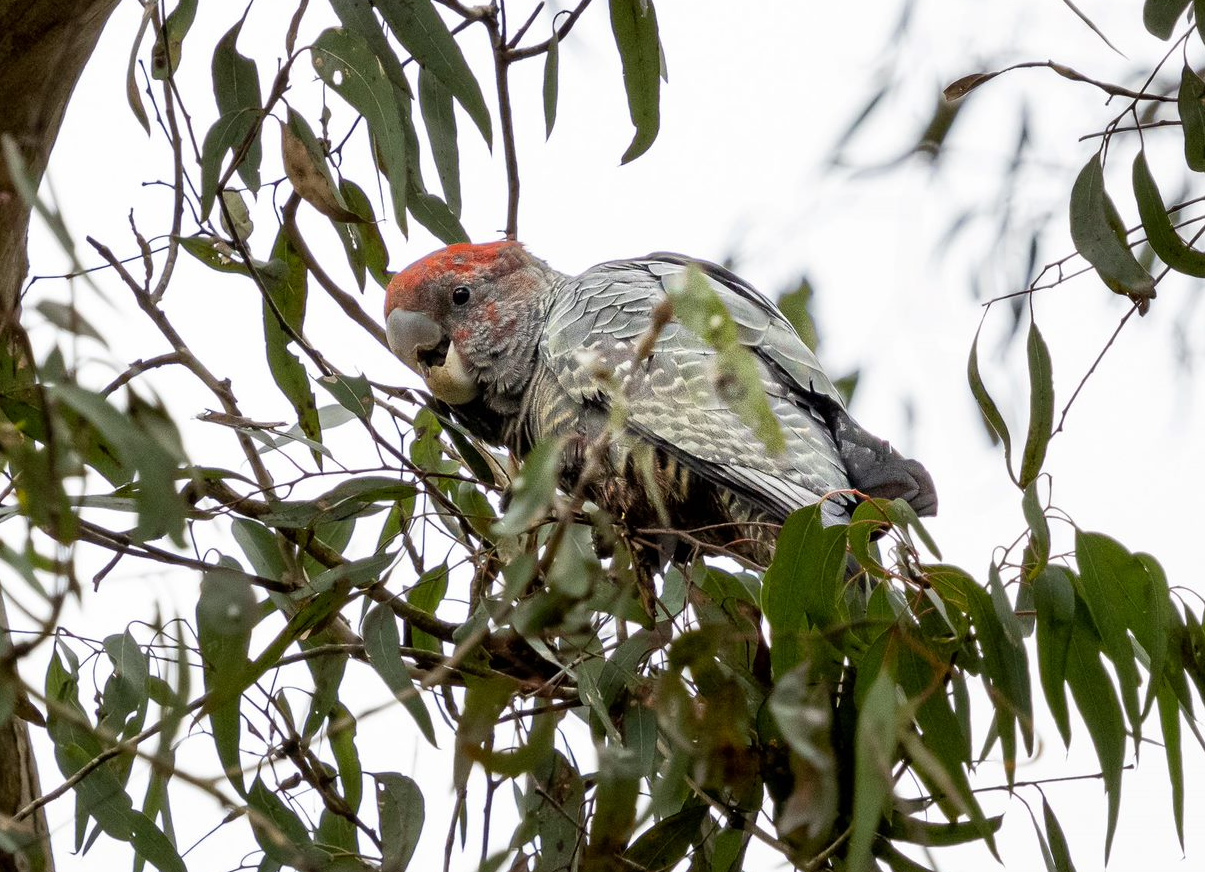

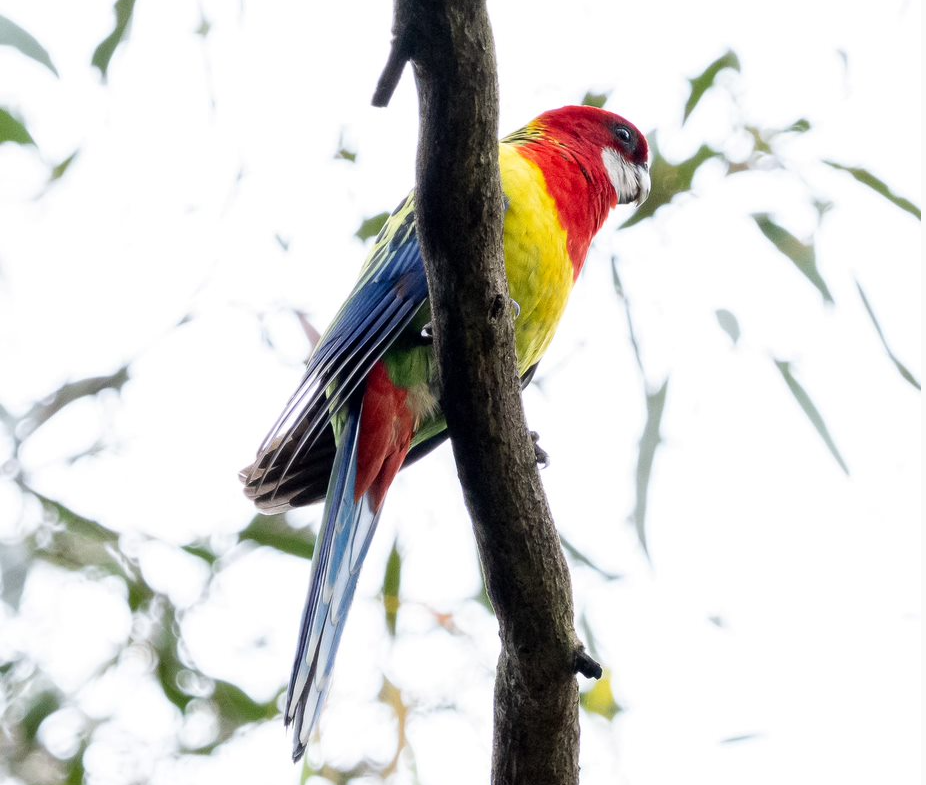
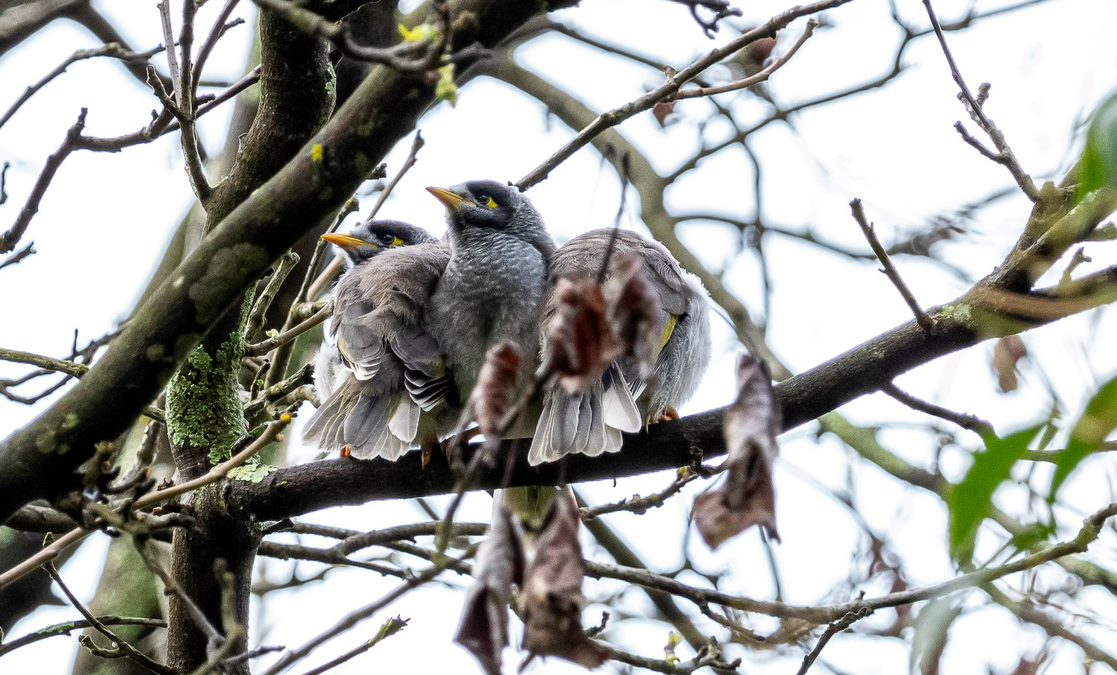
According to a recent ABC article, Noisy Miners are one of Australia’s ‘most hated birds’ despite being natives and rather handsome. No doubt the problem is their incessant bullying and ganging up on other birds in “their” territory. The ABC article reinforced findings discussed by Committee 2-3 years ago that their habitat is increasing due to our tendency to create large grassy areas with only one or two remaining trees – ideally suited to the birds’ very aggressive monitoring and enforcement of their territories. Revegetation remains the key to addressing the problem. Smaller birds need cover and density to escape the bullies. We thank Evelyn for bringing the article to our attention.
This is a report of the Blackburn Creeklands East West bird survey (28 September) – with our underlining added to illustrate the problem:
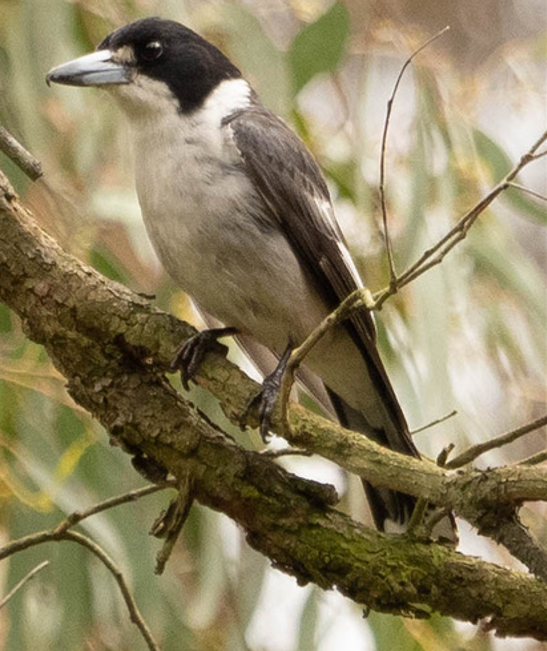
Quite a busy morning!! The Noisy Miners were harassing again, and feeding young, and sitting on nests …. The Rainbow Lorikeets were everywhere in and out of hollows, the feral bees were buzzing in and out around the feral beehives in tree hollows. A Pied Currawong was lurking to possibly feed young on their own newly built nest, possum dreys were seen . The Grey Butcherbirds are nesting too in several places. A Grey Butcherbird was seen harassing the Eastern Rosella pair, pursuing one of the Eastern Rosellas the length of the cricket oval and back. The Eastern Rosellas later returned to the area and were investigating some tree hollows. The only Spotted Pardalote seen and heard was being harassed and pursued relentlessly by a Noisy Miner. A pair of Long-billed Corella were checking hollows in the Manna gum possibly for nesting hollow prospects or for drinking water – they were too high up to see clearly what was going on there. And yes, a pair of Wood Duck flew in , several pairs of Pacific Black Duck were seen – one lot wading through the wet grass feeding . The group doing the East Section Survey reported seeing a very newly made Mudlark’s nest. They also reported seeing 4 Gang Gang Cockatoos being harassed by Noisy Miners while the Gang Gang Cockatoos were feeding in the gum leaves …
Update
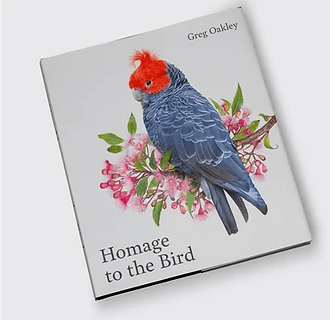
On the subject of bird photography, many will know Greg Oakley who has led bird walks at Blackburn Lake Sanctuary. He has recently released a new book titled Homage to the Bird – 240 pages including about 130 plates of birds from Australia and around the world, including local species such as the Gang-gang Cockatoo featured on its dust jacket.
His work is currently on exhibition at the Ladder Art Space gallery at 81 Denmark Street, Kew until October 14th.
In the Corridor
Our friends from WATAG (Whitehorse Active Transport Group) are spearheading a campaign with BVRG (Blackburn Village Residents Group) and others to have safe pedestrian crossings on Blackburn Road near Heath Street and The Avenue.
Many children, parents, walkers and cyclists cross busy Blackburn Road between Canterbury Road and the Blackburn Library crossing. Blackburn Road is classified a “State Highway” and so is managed by Department of Transport/VicRoads – not Whitehorse Council.
Incredibly, there is a 1.4km stretch without a safe crossing! This forces parents with young children, elderly people, walkers and cyclists to cross the road without adequate protection. We understand that no other “State Highways” in this region have such an extended distance between safe crossing points.
A crossing near Heath Street, at roughly the half-way point, would be ideal for people travelling between the Blackburn Creeklands east-west track and Blackburn Lake – or the schools in the vicinity.
WATAG has initiated a petition to encourage Whitehorse Council and MPs to press VicRoads to have crossings improved so that they are safe to cross for pedestrians, cyclists, people with mobility devices and parents with prams. To register your support, go to – Sign the Petition.
Other Sightings
A red/brown speckled egg shell?
Lisa found this half empty shell on a recent afternoon walk (size about 33×22 mm):
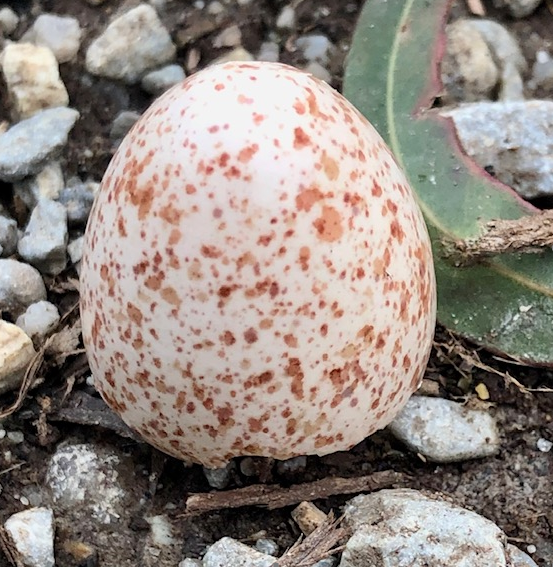
Following her enquiries to local experts, it was identified as a Red Wattlebird’s egg. It’s great to see that they are breeding in the park – but we have to note that this shell might well have been the result of a predator’s raid on a nest.
We’re all used to the wonderful shades of yellow flowers that our wattles have been brightening up the park with since winter.
But are there red wattles the bird is named after ?
The answer is YES– but they’re not plants – the wattles referred to are fleshy red flaps on the neck of the bird. These start off small and pink in juveniles and get redder and larger the older the bird gets. By the way, that piece of red skin that hangs down from the throat of a turkey is also a “wattle”.
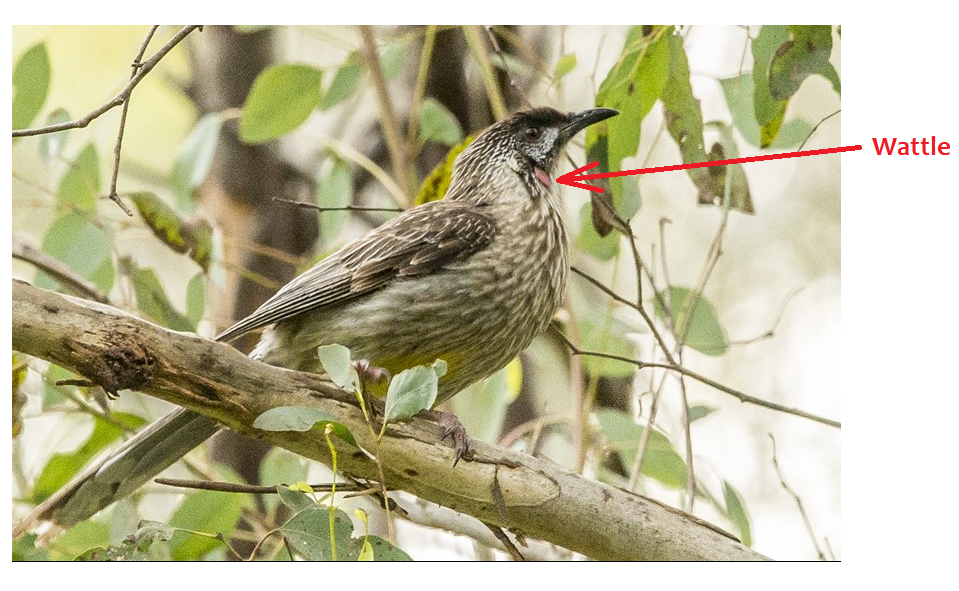
Our species is sometimes hard to spot due to its muted colours – except that their loud YAK-YAK-YAK and other throaty calls give them away. Interestingly, there is indeed a Yellow Wattlebird found in Tasmania – a little large than our medium-sized red version – it has long orange/yellow wattles and happens to be Australia’s largest honeyeater.
A Rusty Huntsman ?
Our weeding team sent us these photos of a new “friend” encountered in the “no mow” area in Furness Park. The spider’s colouring is a good match for the surrounding leaf and bark litter – and seems to have interesting headlamps as well!
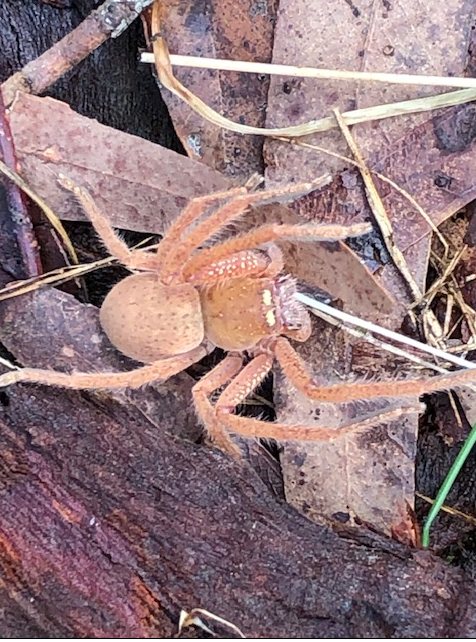
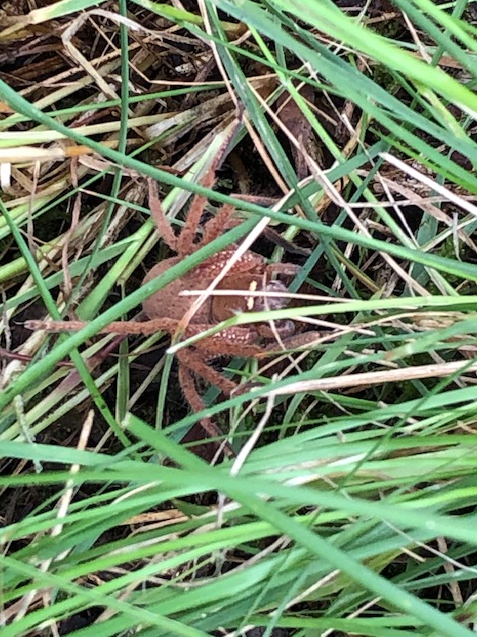
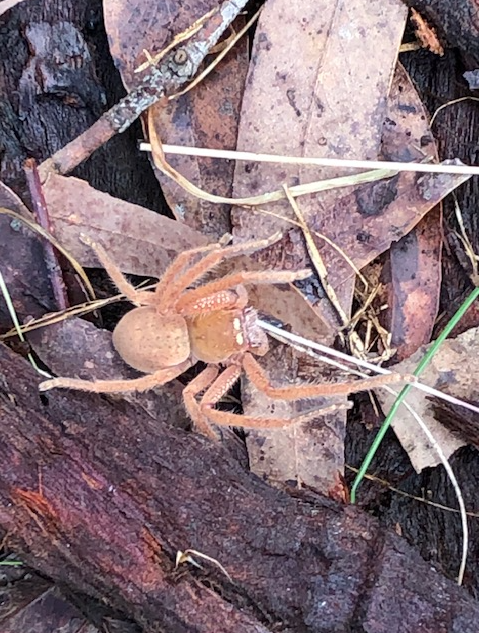
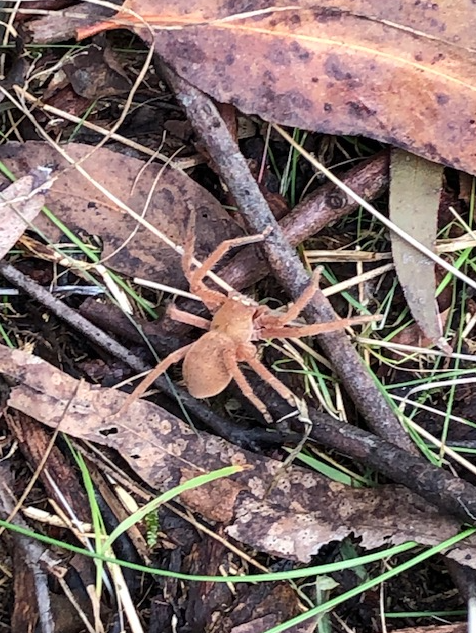
Click photo to enlarge and then scroll images
It’s been identified as a Badge Hunstman Spider (Neosparassus diana) and is common in woodlands across Australia. As Nicky’s photos clearly show, its front two pairs of legs are a lot longer than the rear pair – giving it a rather disproportionate look. The “Badge” part of its name refers to a characteristic black shield-shaped marking on its underside. Despite the fact that it rarely bites, we didn’t turn it over to get a shot!
Spring Flowers
Of course, spring flowers are another feature of our park. Here’s a set that Lisa took a few days ago:
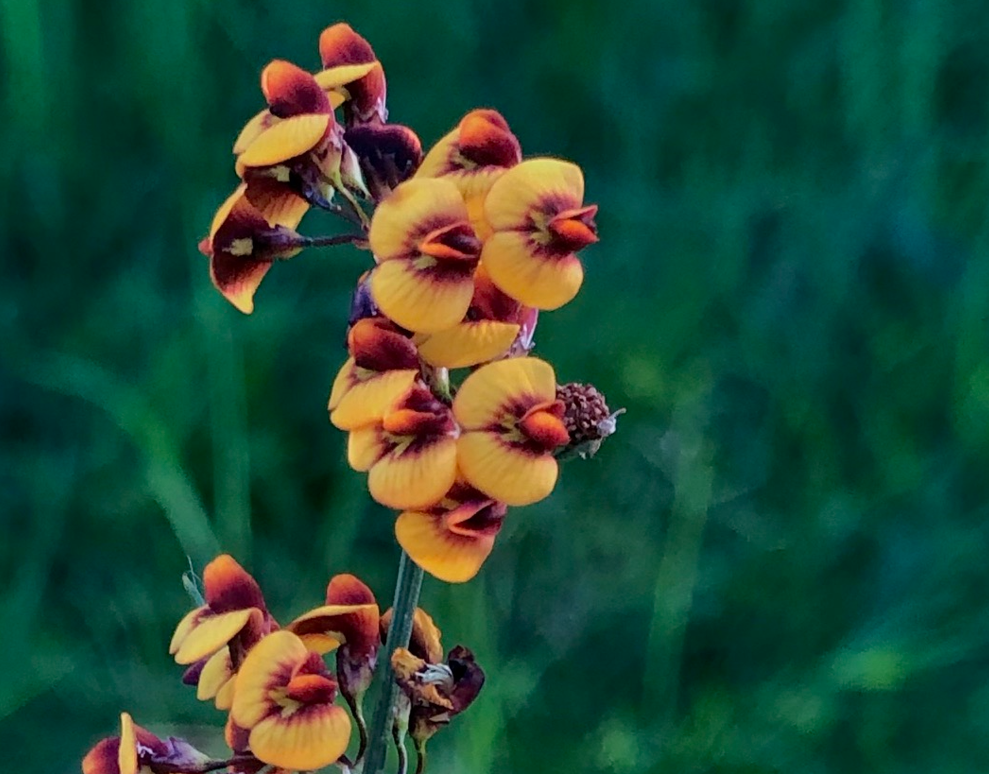
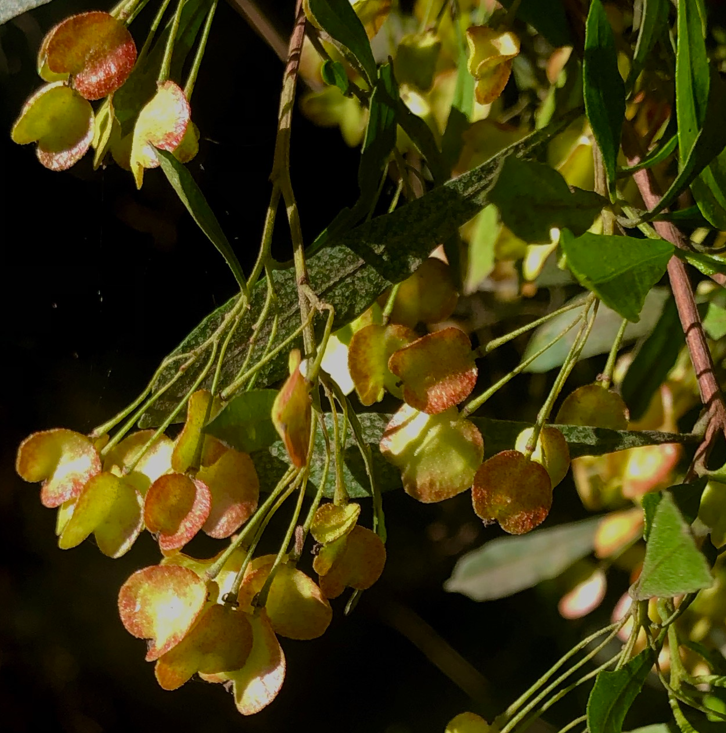
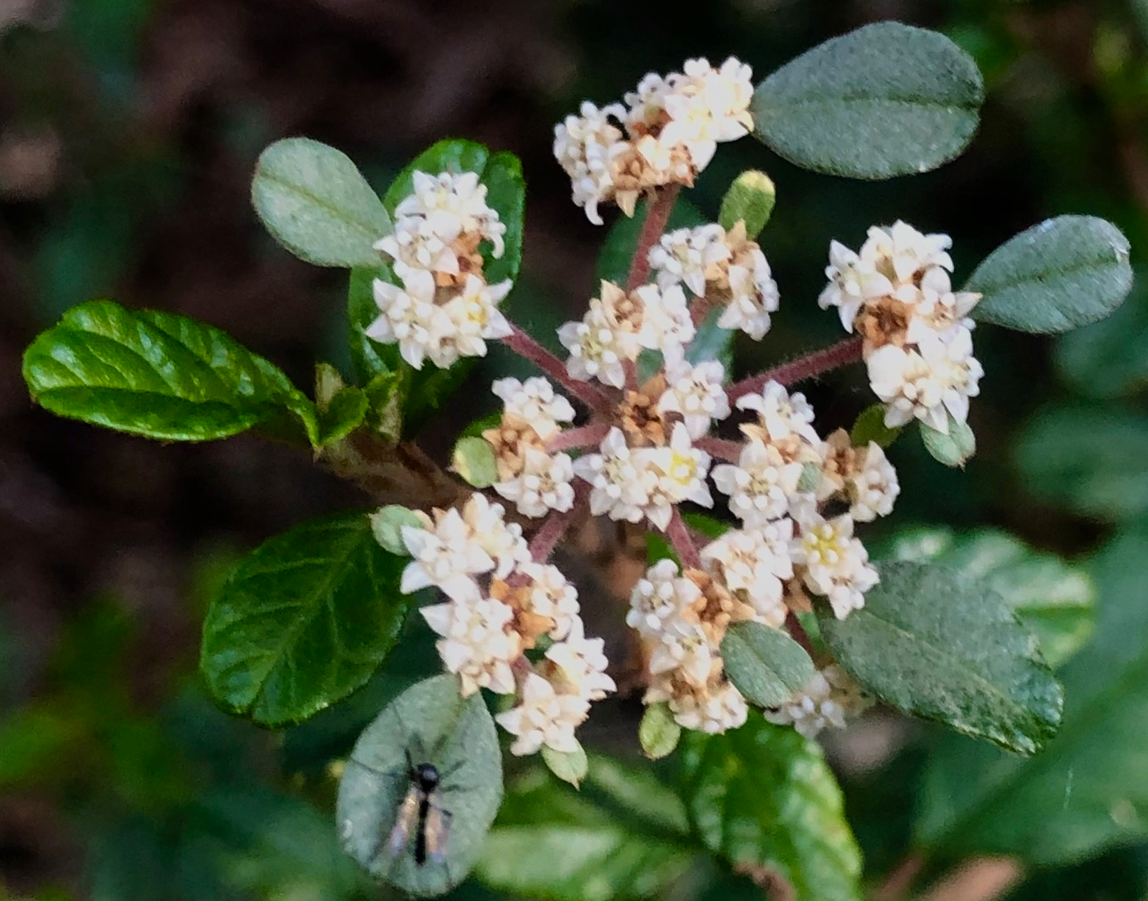
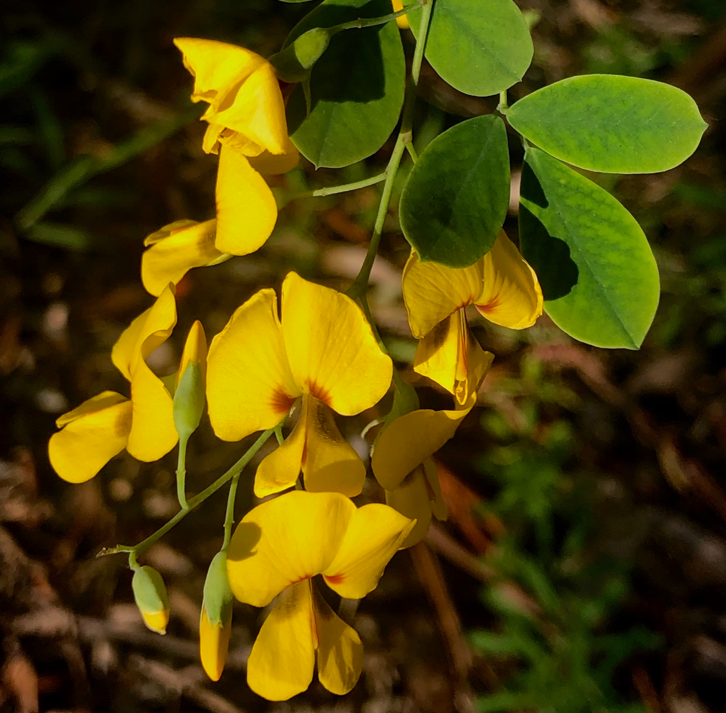
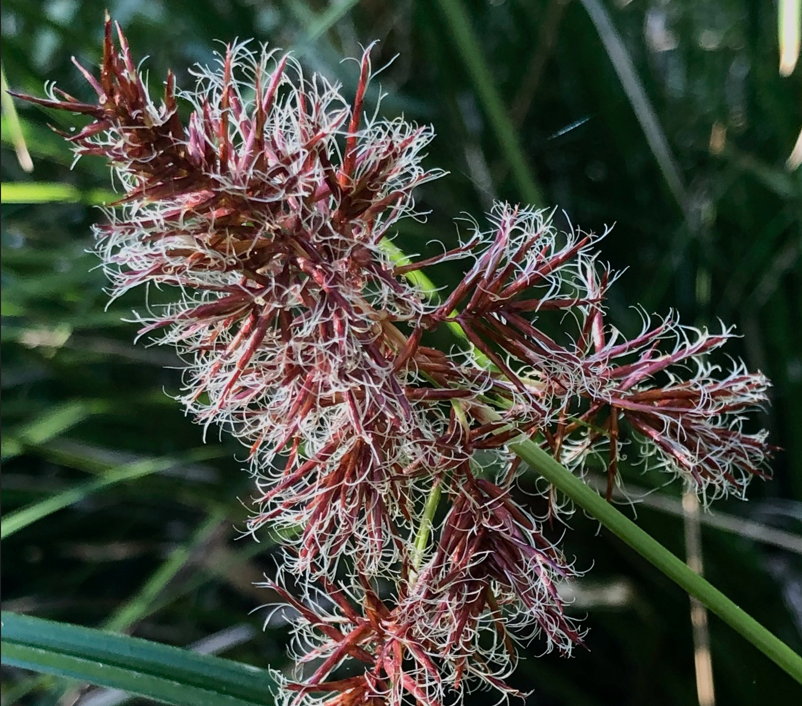
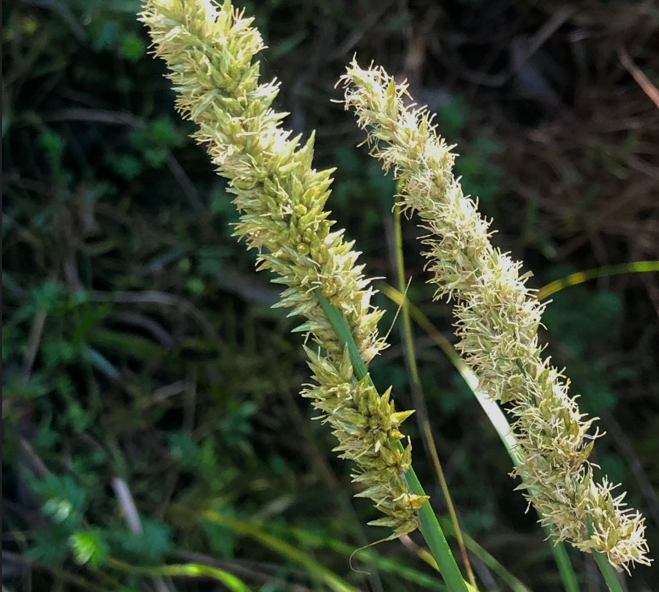
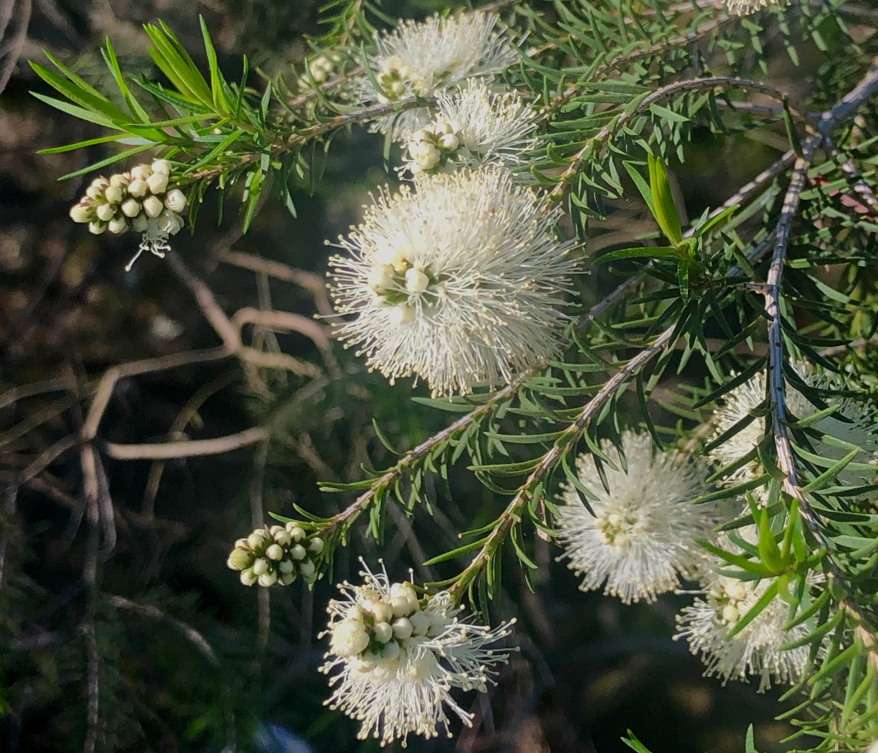
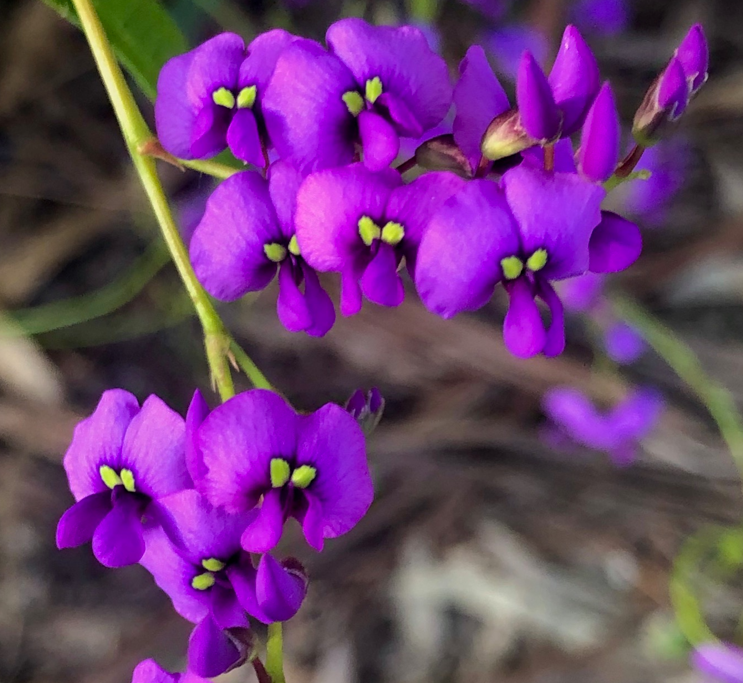
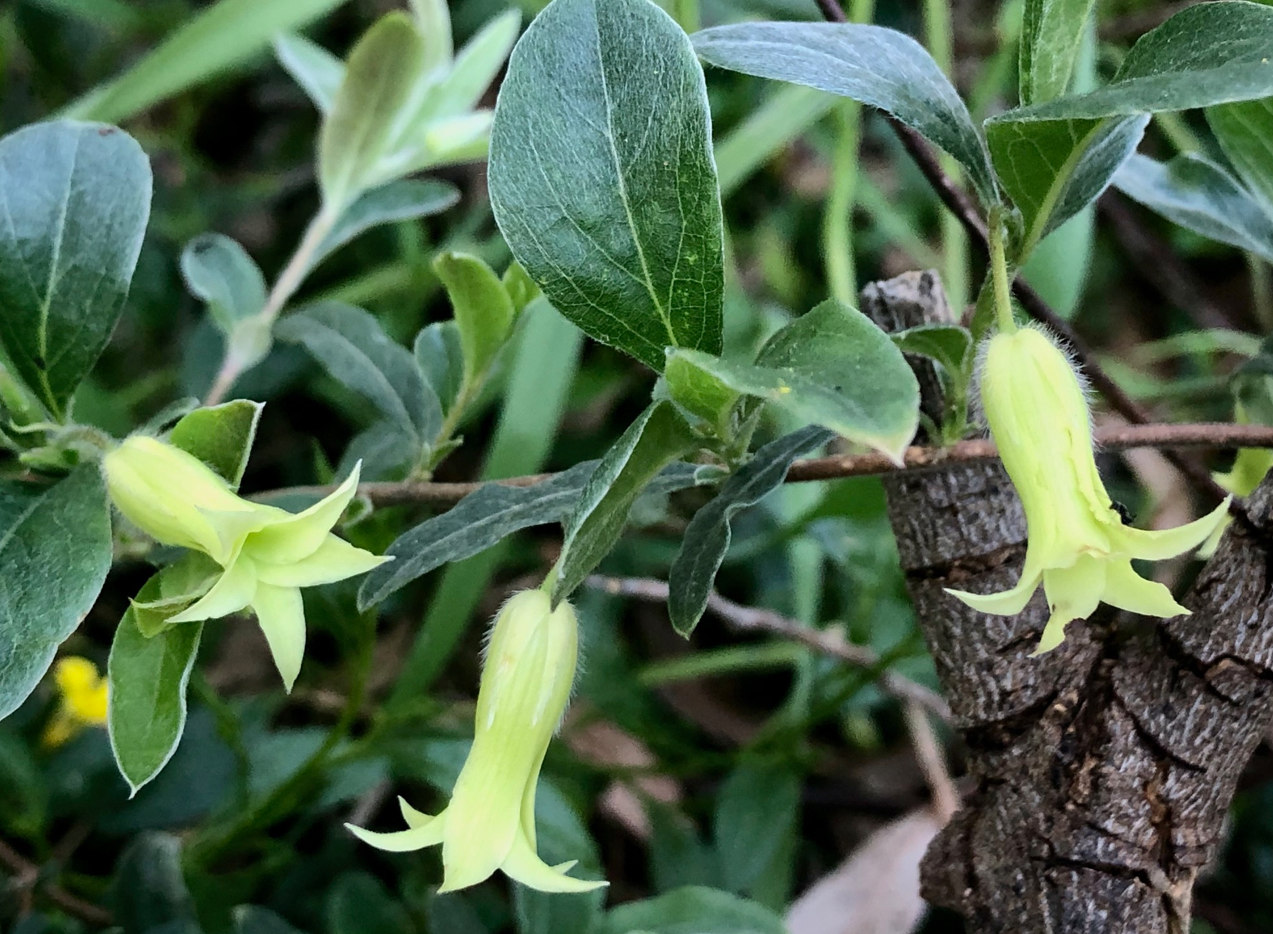
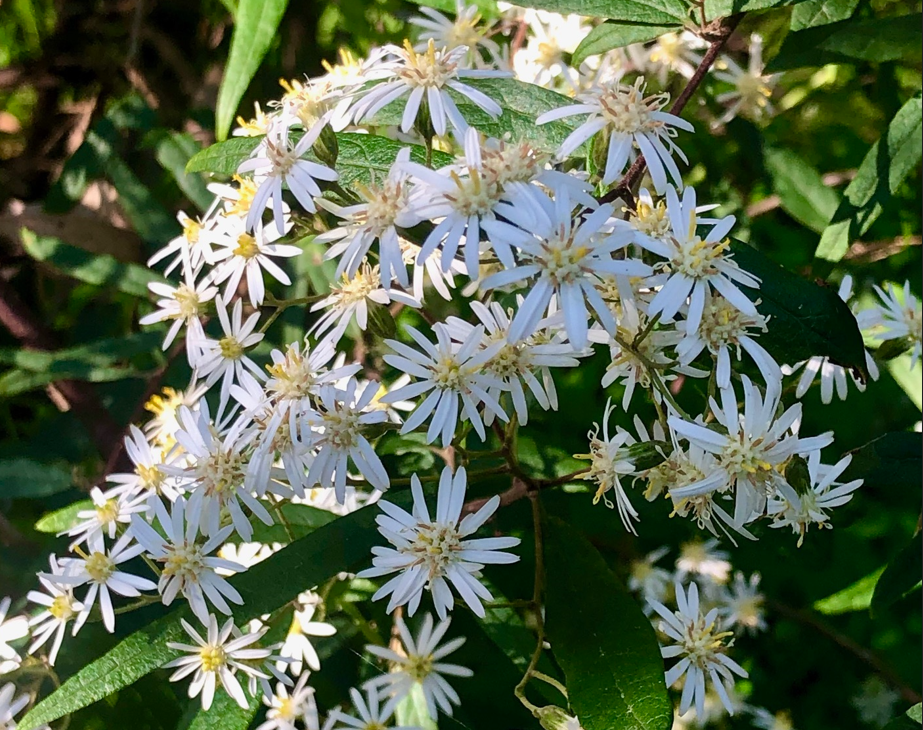
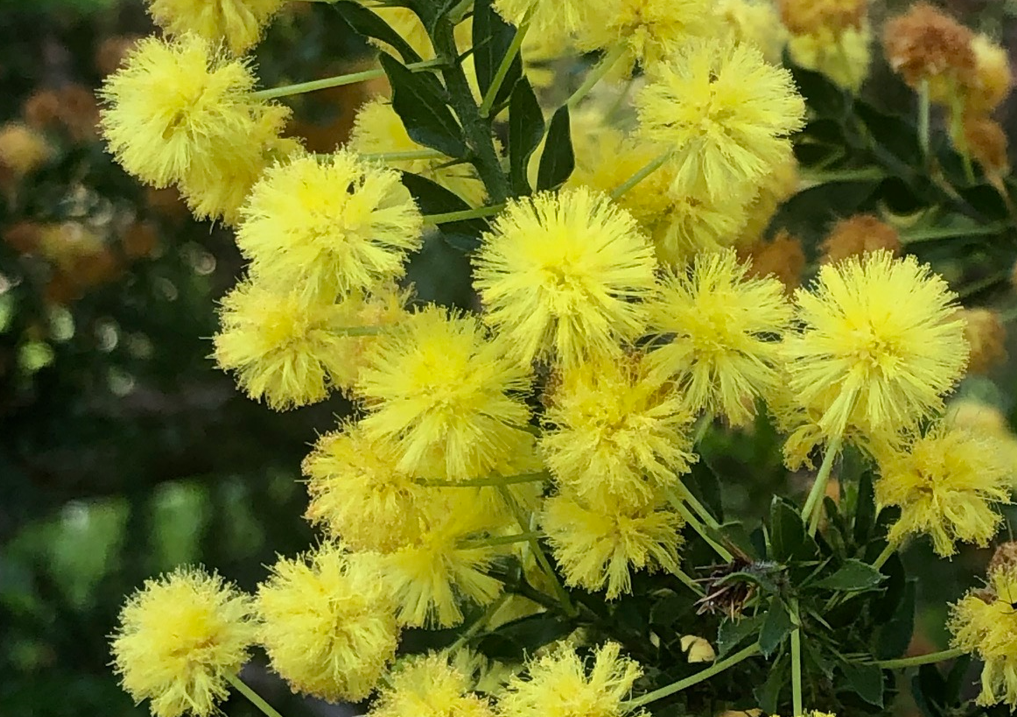
Click photo to enlarge and then scroll images
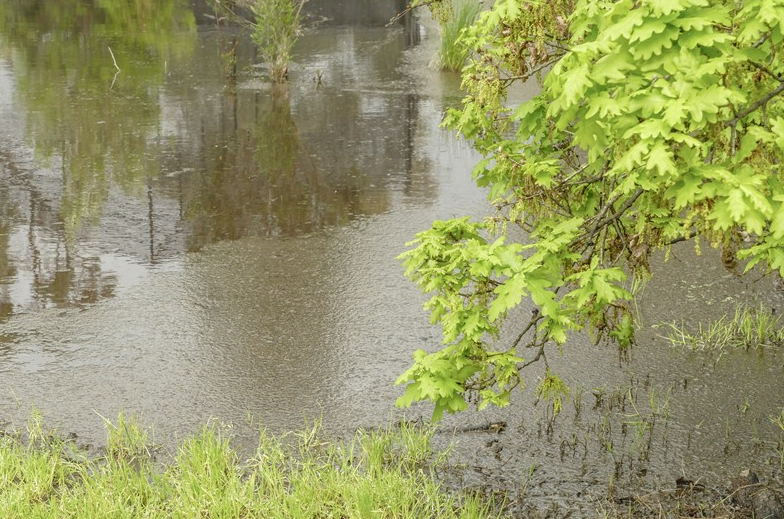
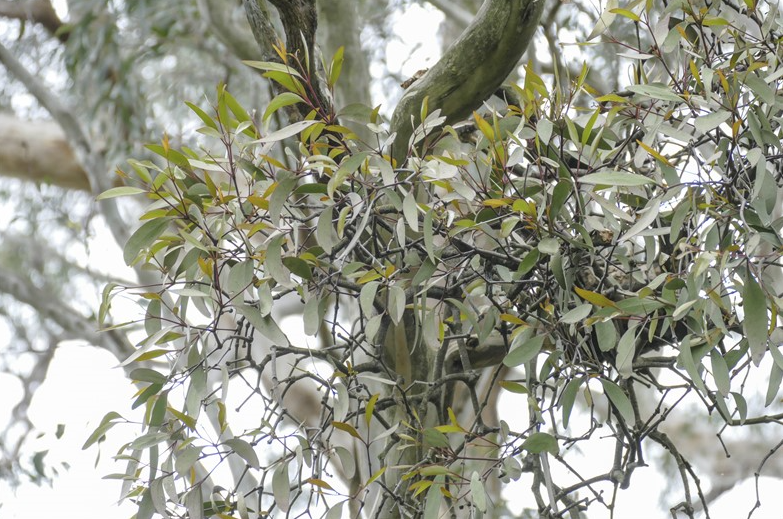
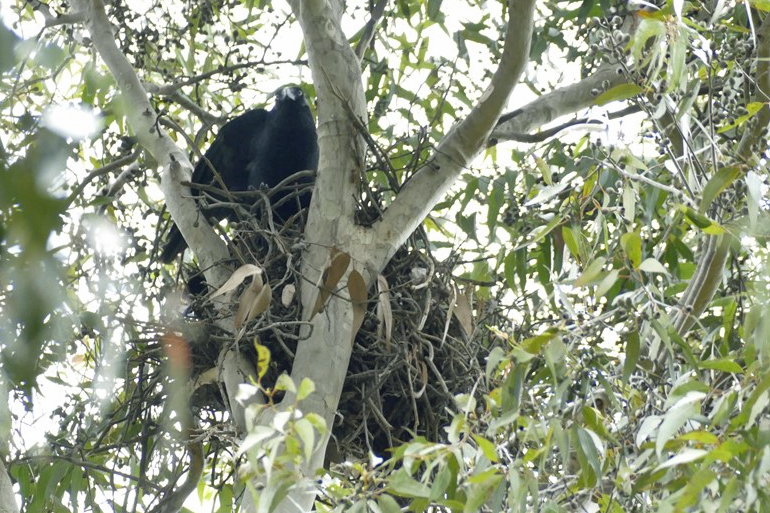
Here are some more photos of goings-on in the park during September:
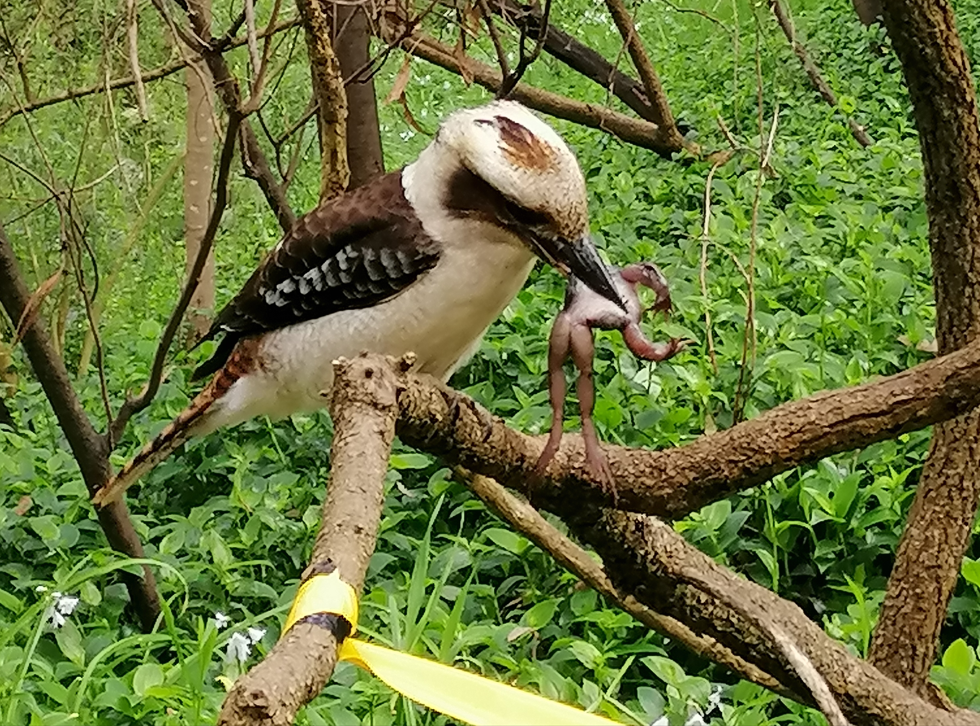
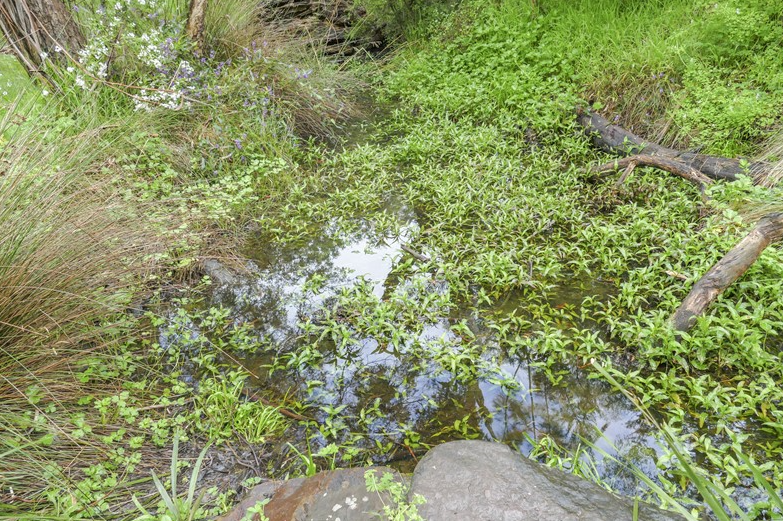
Weed of the Month
Onion Grass (Romulea rosea)
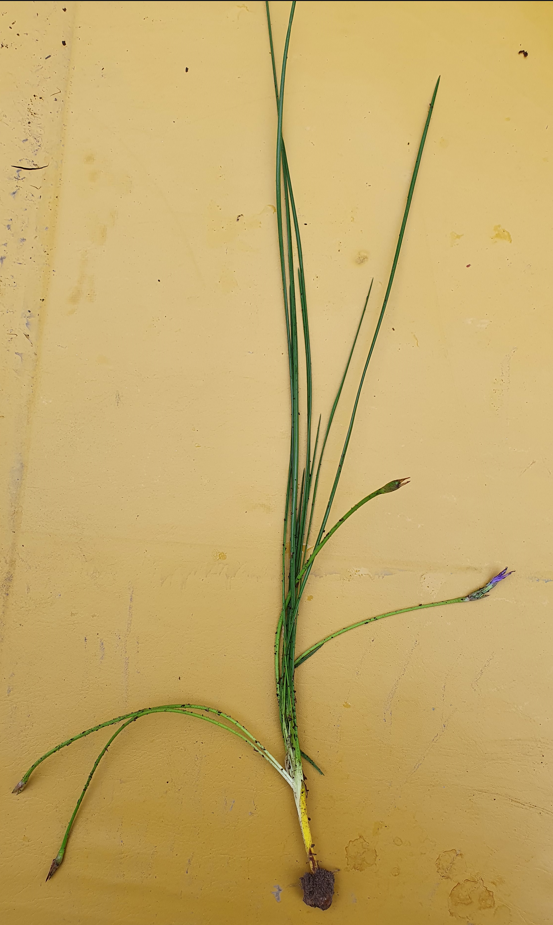
Romulea rosea originally comes from the Cape Province of South Africa. It is considered to be an environmental weed in much of Australia and has become naturalised in Europe, New Zealand and California as well. It has always been present in the “no mow” patch near the children’s playground in Furness Park. However, until recently, it has not presented much of a problem – so was tolerated rather than treated or weeded. However, it seems to thrive in our current wetter La Niña conditions and has become much more of a problem there – along with its fellow South African Annual Veldt grass featured in last month’s newsletter as Weed of the Month.
The weed is perennial – growing each year from a rounded underground ‘bulb’. The latter is hard to weed out unless the ground is soft and often disturbs a significant area when weeded.
The former City of Nunawading purchased Furness Park in 1941 for the community – to preserve land for indigenous plants and wildflowers. The “no mow” patch is usually left undisturbed to permit wildflowers and other indigenous plants to germinate and grow undisturbed by regular mowing. Treatment of the weed may necessitate some mowing or slashing in future though.
 Blackburn Creeklands