What colour is the inside of a Little Pied Cormorant’s mouth ?
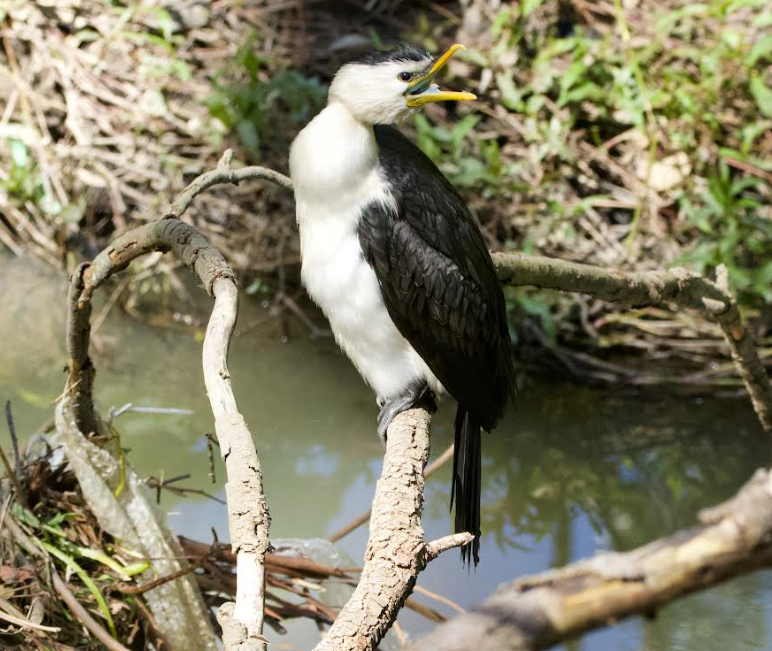
Surprisingly, it seems the answer is “pale blue” as we can see from Michael’s photo above. This guy is revealing the secret because he is very angry at being constantly harassed by Noisy Miners. These birds are very good underwater fishers – they love frogs, small fish, yabbies etc. Perhaps the colour is part of their fishing kit ?
On average, October is one of our wettest months – but it has been wetter than ever this October ! Despite the rain, highlights for the month include:
- Our first “normal” Spring Bird Survey for a few years.
- Our continuing maintenance works.
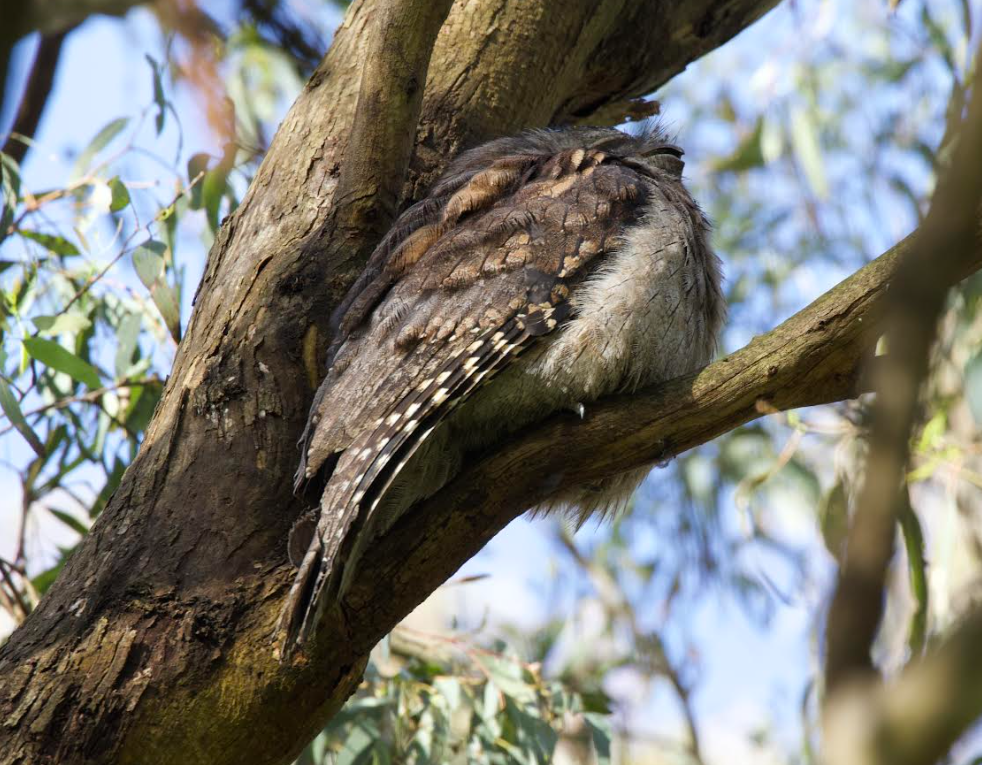
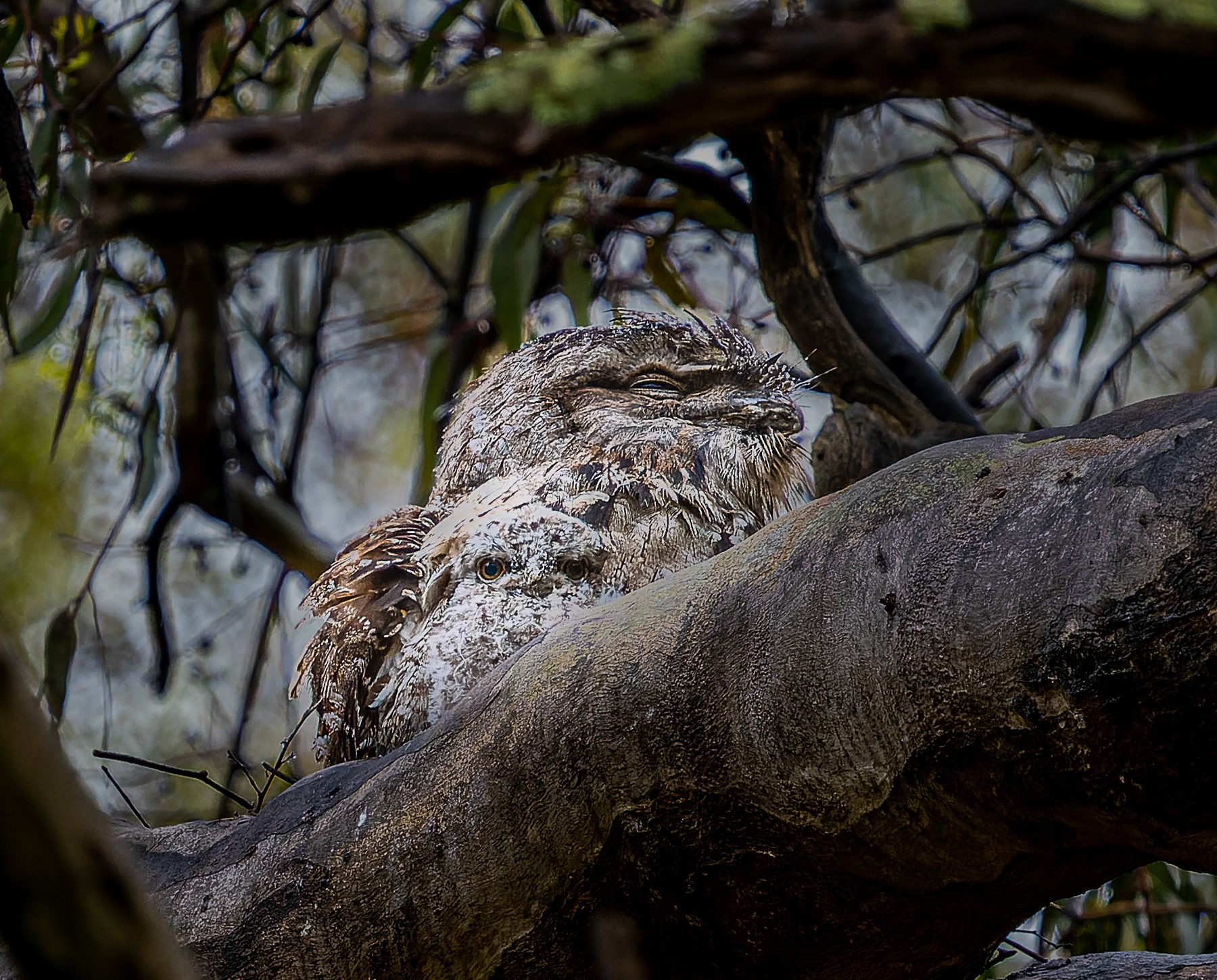
- The first photo of this year’s Tawny Frogmouth chicks.
- Council is getting closer to finalising how it deals with its volunteers – and has also been as busy as we have been weeding, working around the park doing fencing, bed preparation for next year and doing further work at the Garie Street playground precinct.
- We also announce an exciting new challenge with a fabulous reward.
Please read on…
Spring Bird Survey
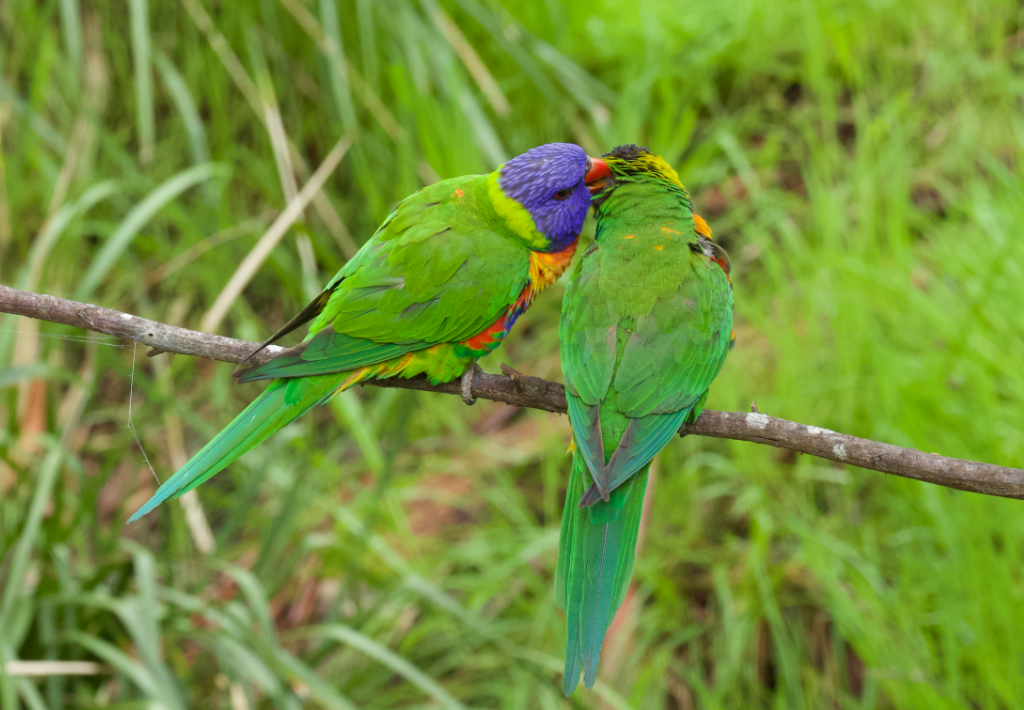
Our community Spring Bird Survey was again a very successful event despite both the numbers of bird species and birdwatchers being down a little. Once again, we were fortunate with the weather on the day despite bad weather around it. As you can see, bright sunlight brought out the colours in the birds’ plumage.
One of the group leaders, Pat Bingham, commented that the predominant cooler winter-ish weather and the event being earlier in October may have affected insect populations which attract some species. Nevertheless, there was much pairing and nesting activity in evidence.
Here are some more photos from Michael to give those who could not attend a flavour of the event:
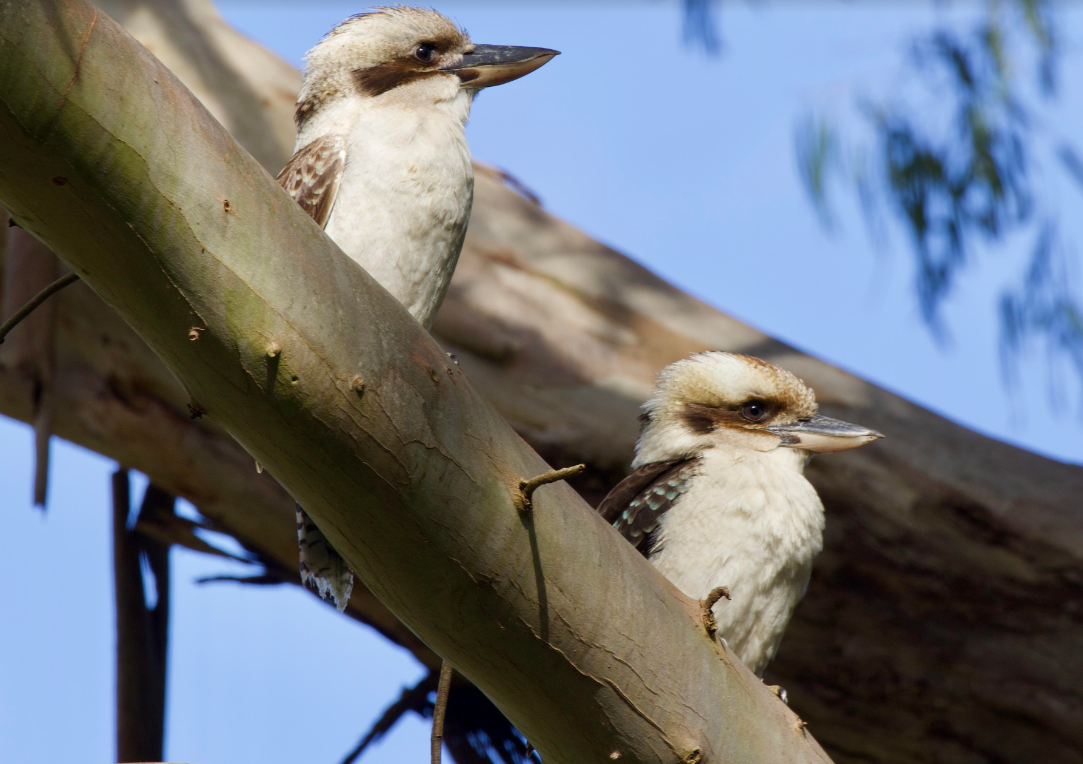
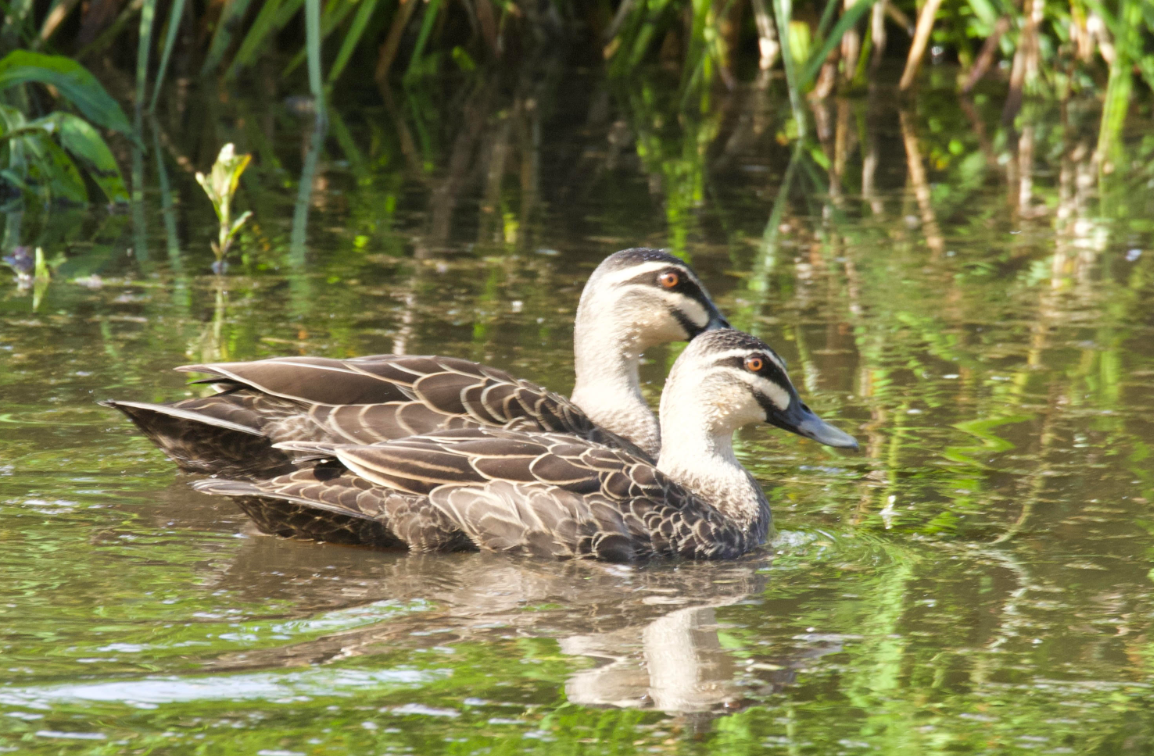
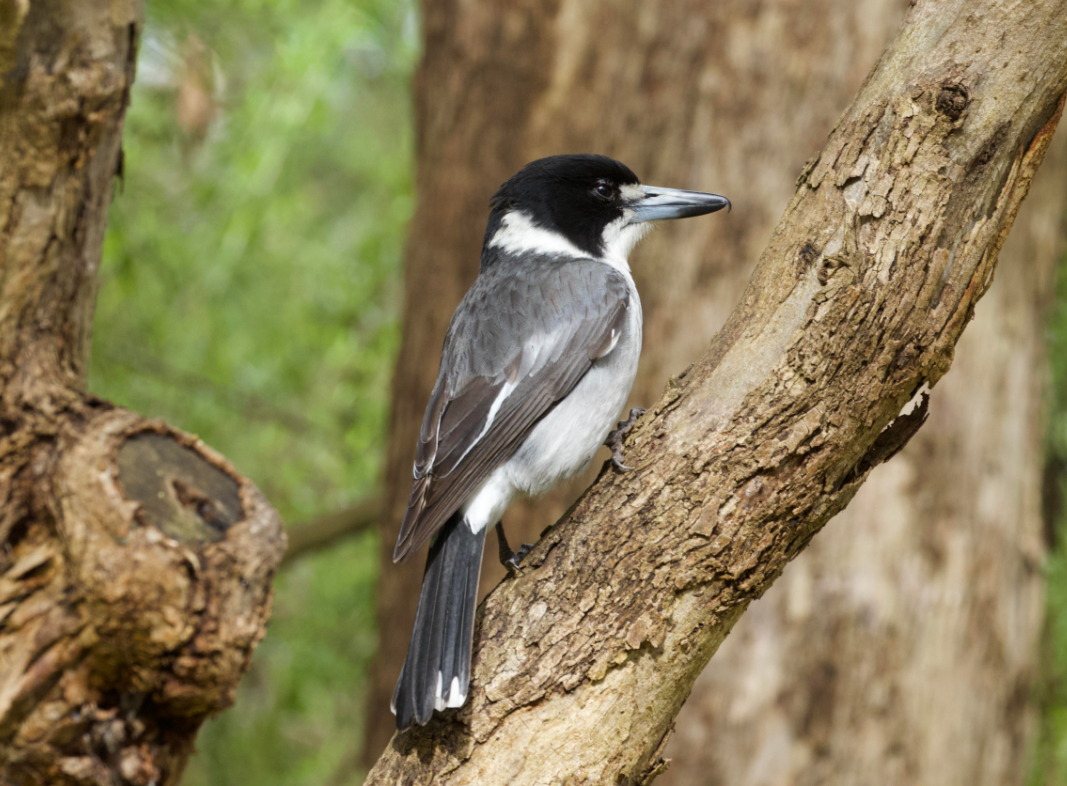
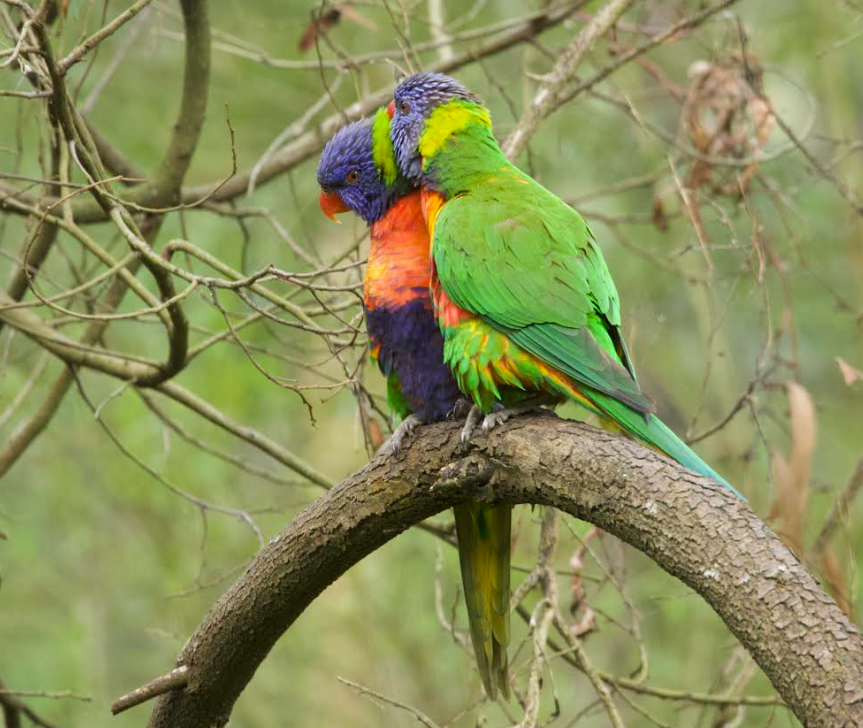
Click on photo to enlarge and then scroll. Click the X when finished.
Only one non-indigenous species was spotted – the Spotted Dove (sorry for the lame pun!). Normally we’d also see the Common Myna and the Common Blackbird – maybe those bullying Noisy Miners have hunted them out?
There were fewer parrots around (eg the Gang-gangs) and no Musk Lorikeets this year. Nor were there any White-faced Herons. They normally nest in the Corridor and use the creek for hunting food. The good news is that one has been spotted in the park since – but there’s no evidence of nest-building in the Corridor as yet.
Other Opportunities for Bird Watching in the Park
Another group conducts monthly surveys in our park on a more scientific basis than our family-friendly Spring and Autumn surveys. These are run by experienced bird watchers and attended by a variety of “birdos” including some excellent photographers. We are very grateful that they happily share their photos and results with us. Survey results are posted on the Noticeboard and soon will also be posted on this web-site like this:
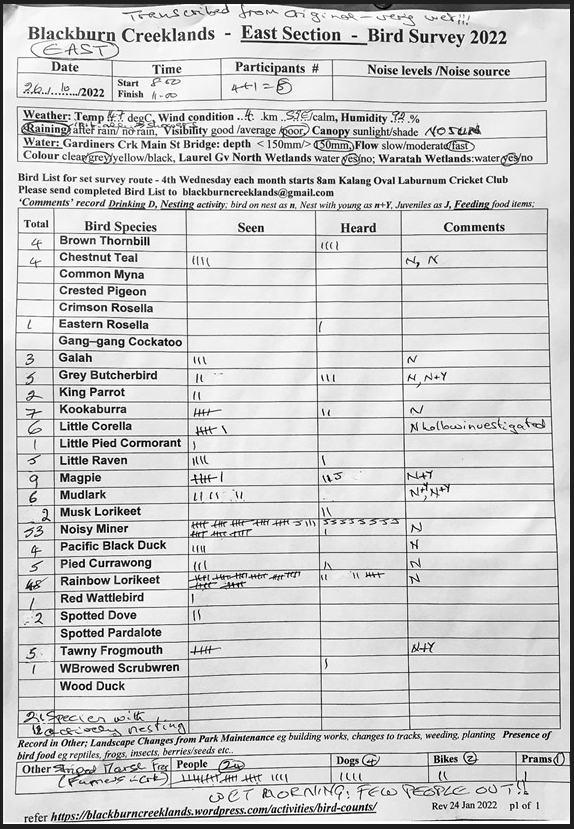
The next survey is Wednesday, 23 November 2022 starting at 08:00 (best to plan to arrive 10 minutes early) – usually the fourth Wednesday of the month. Start times may change through the year to account for winter, summer time etc.
E-mail contact – If you’d like to contact us to express interest in joining these birdwatching activities, please use the e-mail form below:


Our Maintenance Team
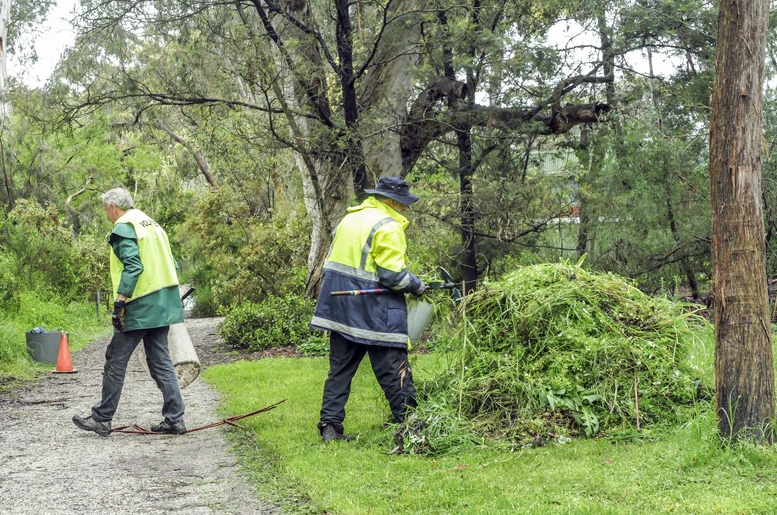
Surprisingly, most of our Thursday mornings have been dry(ish) – so work has been going on throughout the month tackling the absolute glut of weed growth in the park. One exception was that the 13/10 working bee had to be cancelled due to a Bureau of Meteorology severe weather warning (heavy rain and strong winds). We don’t take any chances with volunteer safety. As it happened, the predicted extreme weather largely missed Blackburn though there was indeed some flooding near Laburnum railway station.
Otherwise the team has been working a little west of the Waratah Wetland – weeding, in the former project area west of Laurel Grove bridge, south-side – weeding and planting the remainder of our tube-stock and, finally, at the community working bee site from June (behind the Scout Hall and abutting the open grassed area) and the area adjacent.
The team has welcomed back Adela who has returned from a long stay overseas and Marlene who is new to the group and also fairly new to Blackburn (what better way to learn about local indigenous plants and also meet like-minded folks?).
Council Works
Garie Street Works Update
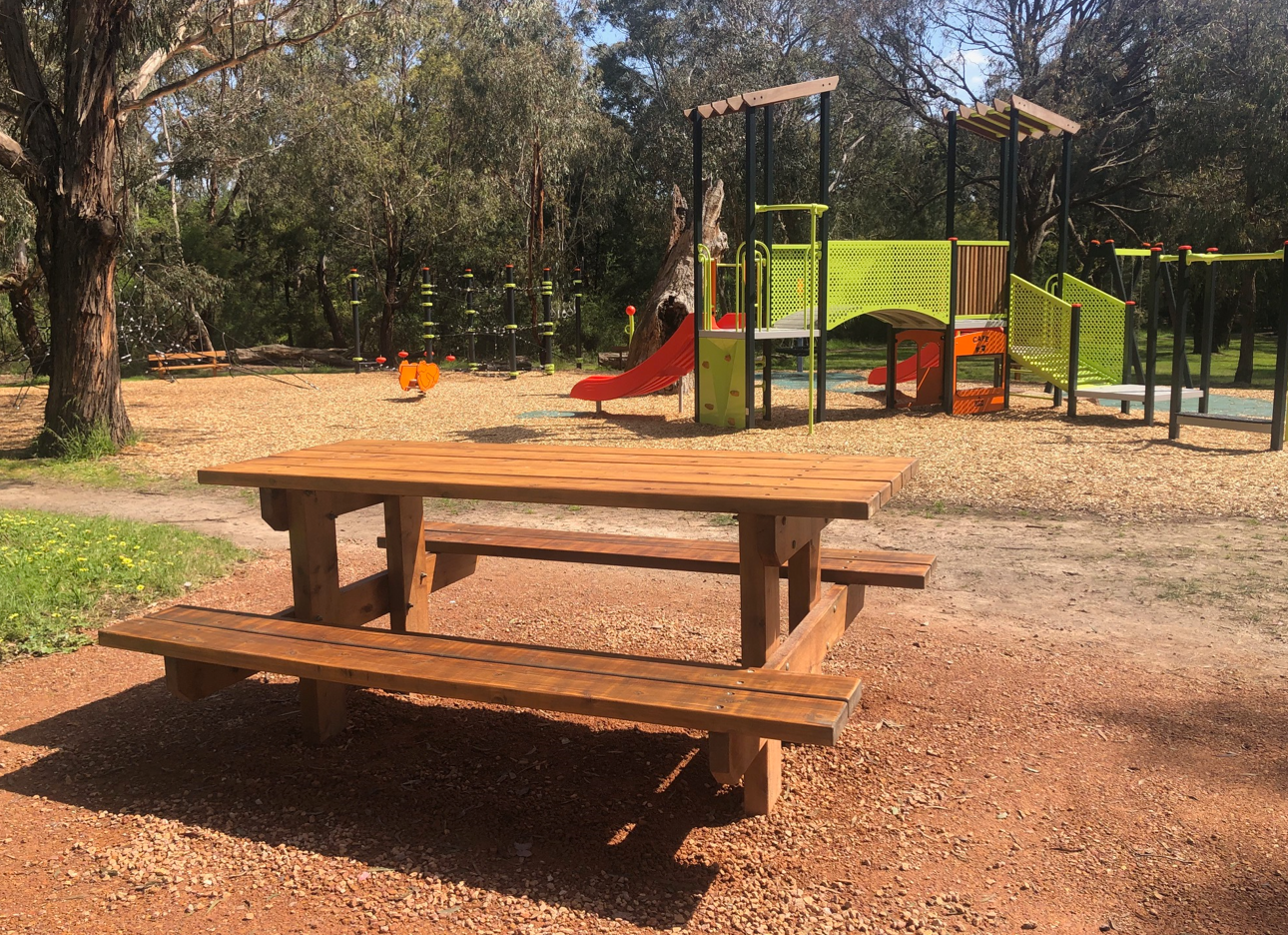
A picnic table is now in place adjacent the playground. A rubbish bin has also been installed.
Guide Hall site has been seeded with indigenous Weeping Grass (Microlaena stipoides).
Middleborough Road Fence Replaced
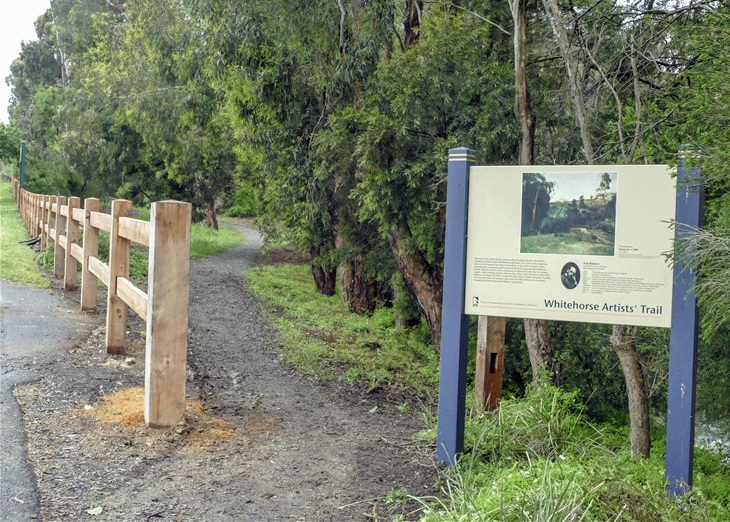
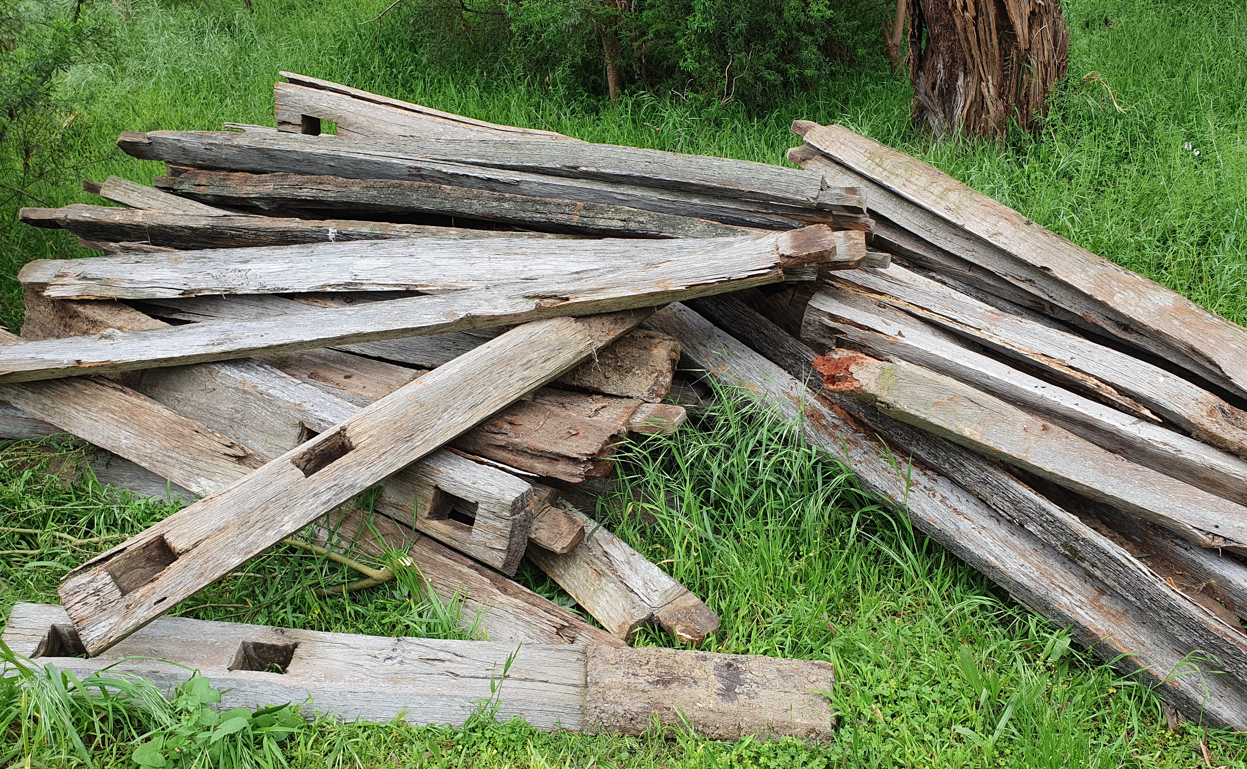
We were a little sad to see the old rustic hardwood post-and-rail fencing along Middleborough Road replaced by the new(ish) standard Cypress Pine version. We trust the old fencing material went to a good home given most is solid enough for re-use!
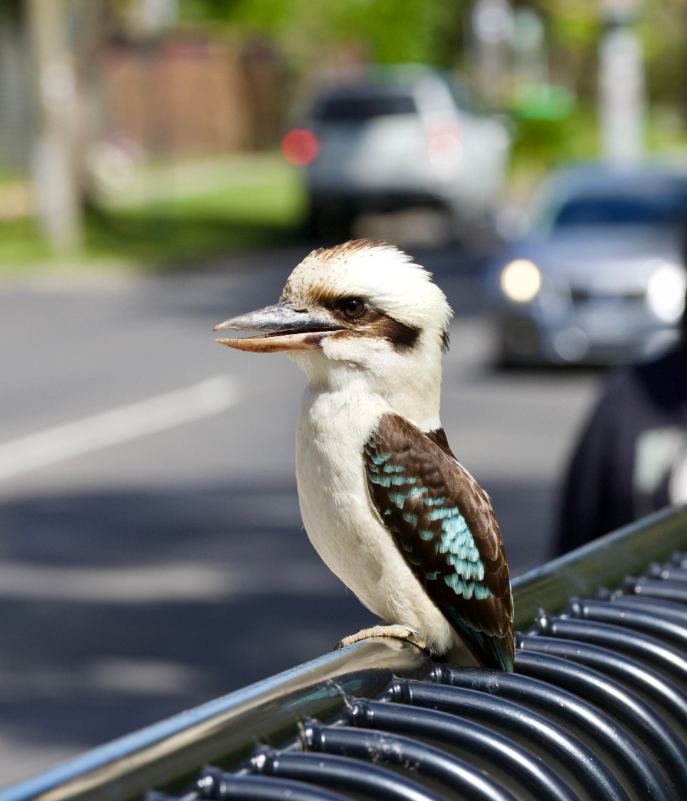
Pedestrian Crossing at Main Street ?
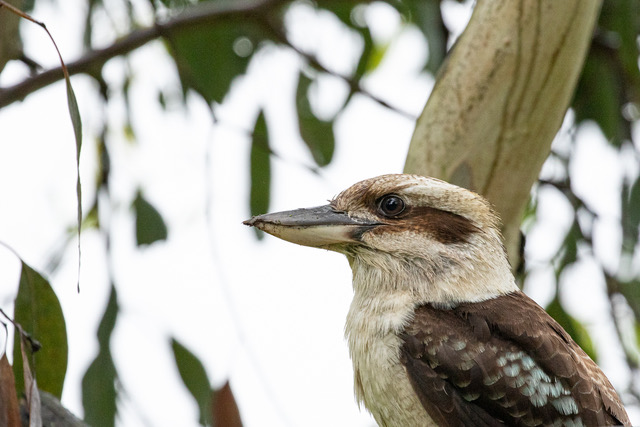
Michael took this evocative shot of a Kookaburra monitoring traffic at the Main Street bridge. He’s possibly wondering what became of the idea of the pedestrian crossing there…
The latest word on that issue is that Council still plans to install traffic calming humps on either side of the bridge and to then evaluate the traffic conditions to see whether a crossing is justified. The work is scheduled for this calendar year and will be scheduled with planned road resurfacing soon(ish).
Parkland Adjacent to Laurel Grove Property
A patch adjacent to the path from the Laurel Grove bridge towards Main Street on the north side of the creek has been sprayed out by Council. A second spraying may be needed. Several woody weed trees in the area are to be removed.
The area is to be planted up by the community during the planting season next year.
Sightings
Our Wonderful Photographers
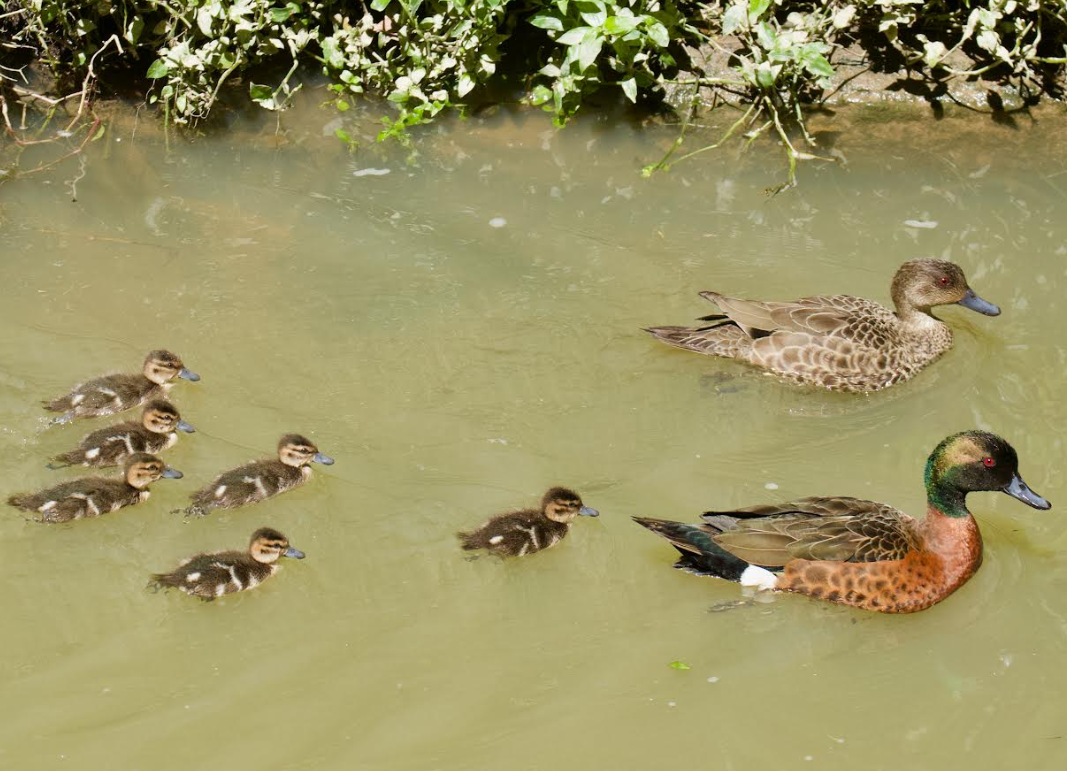
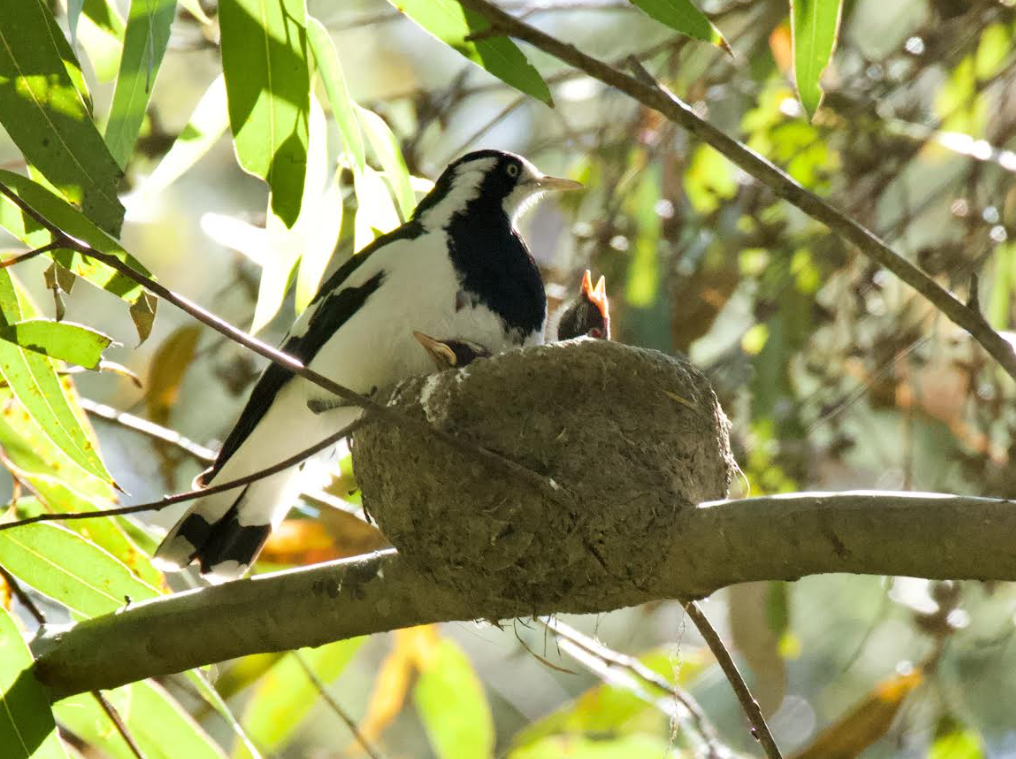
This month, we thought we’d highlight the beautiful photography of some of our contributors. Michael took the pictures you saw earlier at the 6th October bird survey. He also sent more photos to us after a walk on the 19th October. Michael lists his subjects as:
- A very angry cormorant (already shown)
- Chestnut Teal family
- Mudlark with chicks
- Butcherbird feeding time
- Why didn’t I get a worm too?
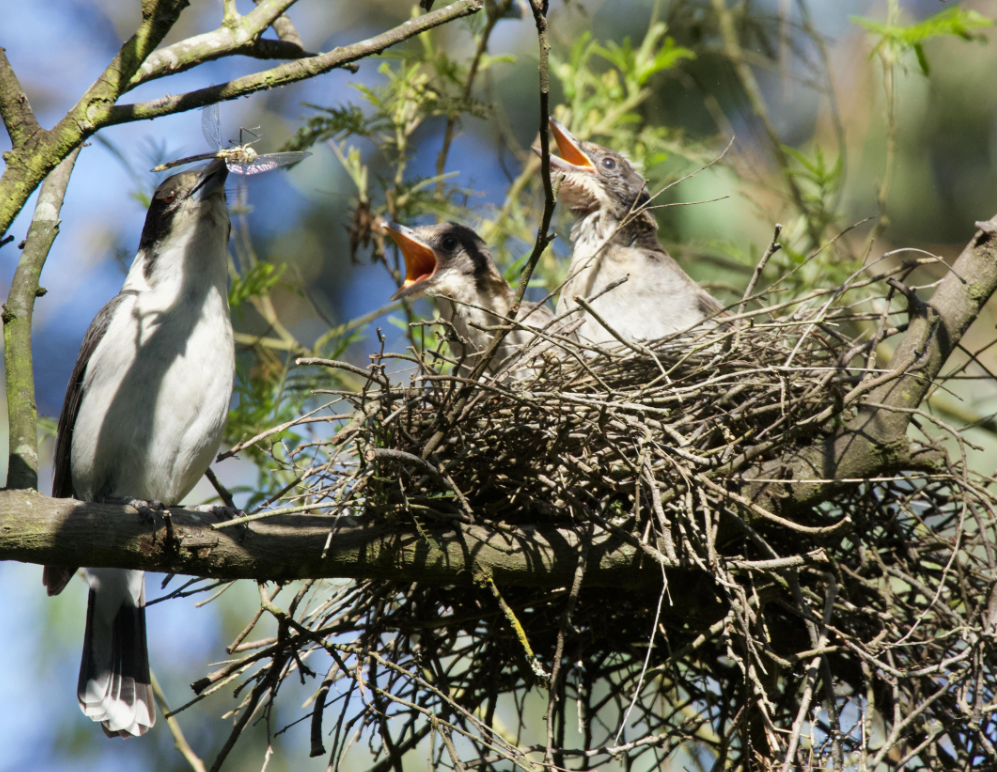
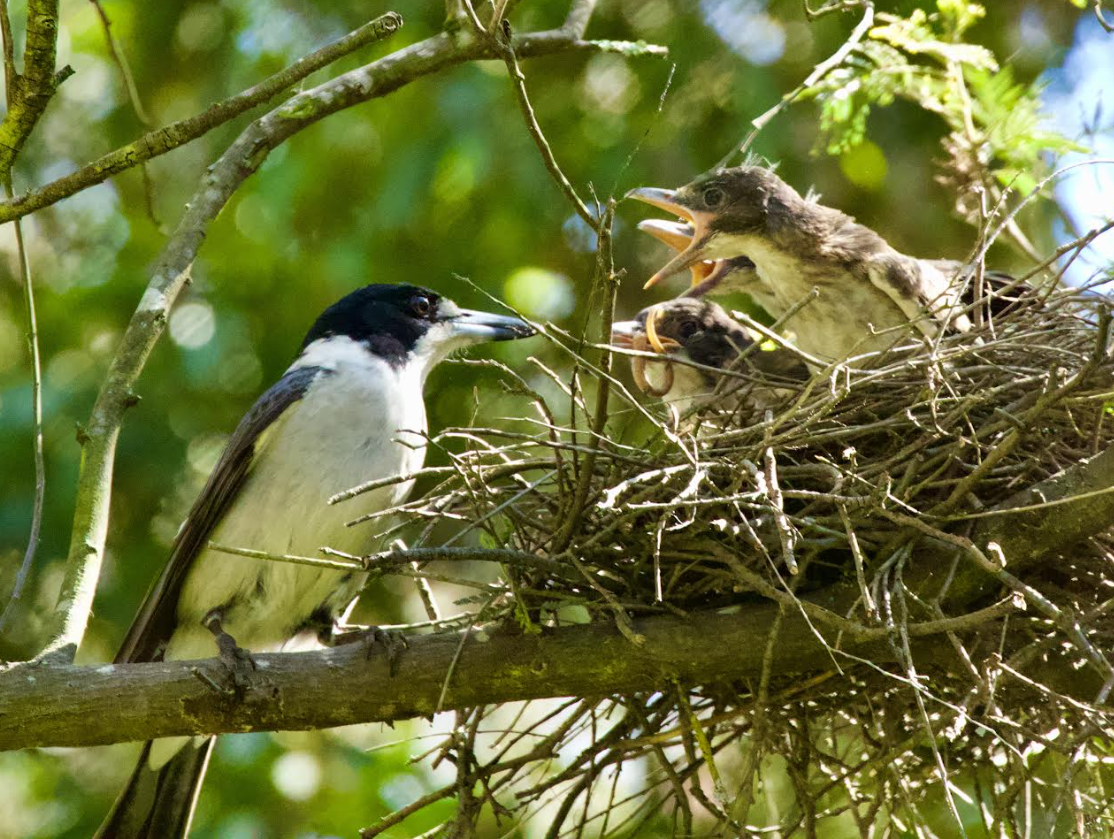
Click on photo to enlarge and then scroll. Click the X when finished.
Lindy took the following set on a wet and dull day a week later – the 26th October. She lists her subjects:
- Chestnut teal chatting to someone down below
- Duck peeking out from its nesting hollow
- Parent doing an Uber run for its chicks
- Rainbow needing a bit of assistance to realign its feathers in the wet
- Two galahs looking more than a trifle damp
- A teal chestnut rapidly escaping traffic after strolling down the middle of the road
- Chestnut teal above a hollow
- Kookaburra
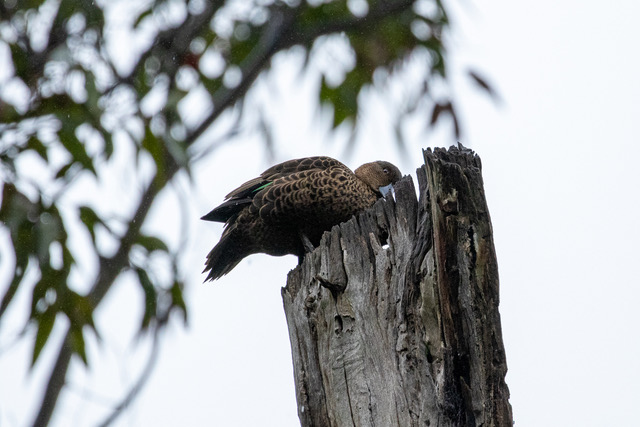
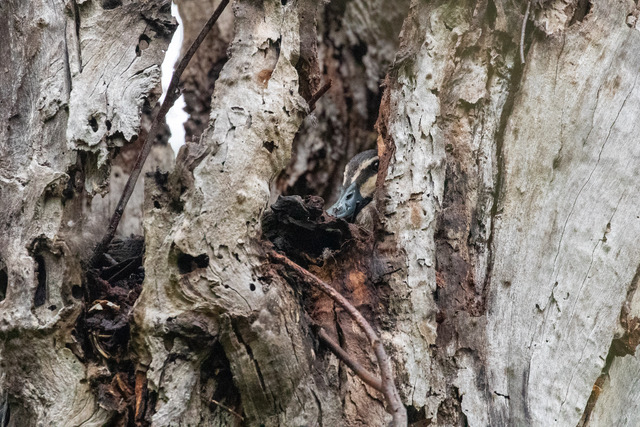

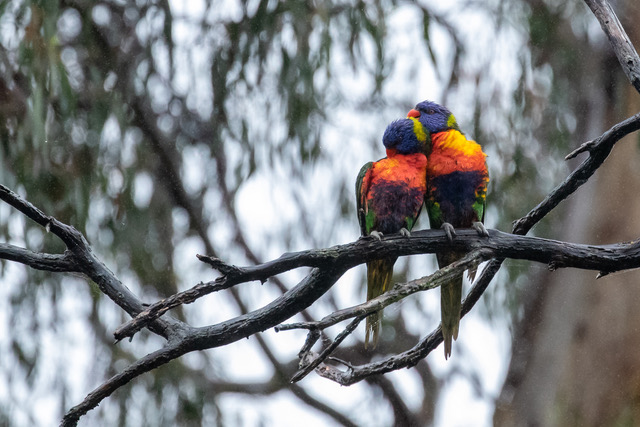
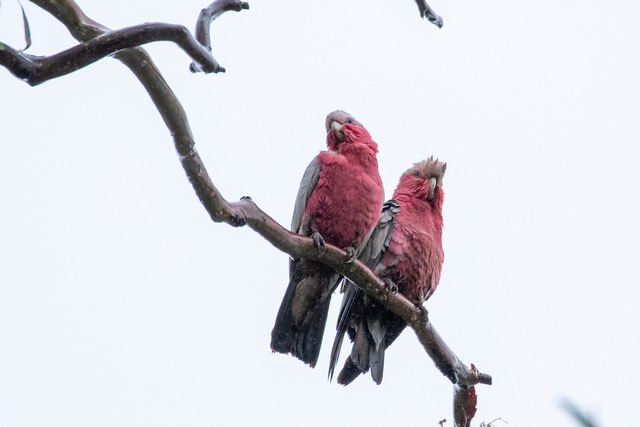
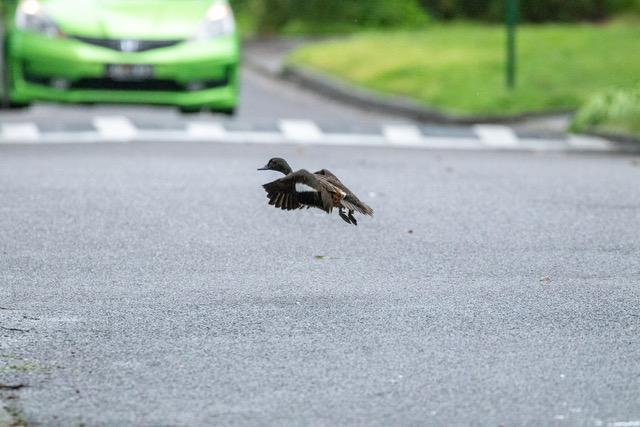
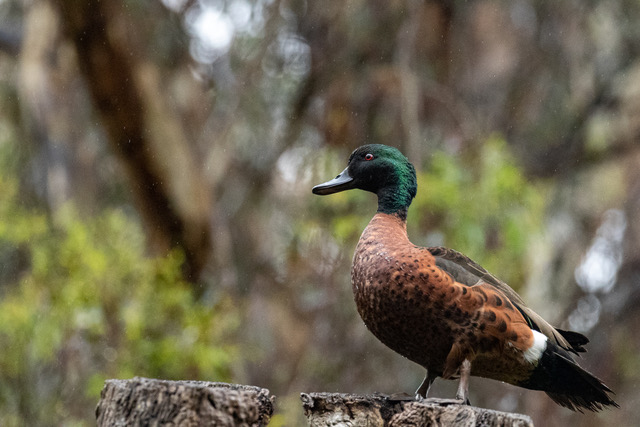
Click on photo to enlarge and then scroll. Click the X when finished.
Ken is laying claim to snapping the first Tawny Frogmouth chick this season:
Here are some more of his shots showing
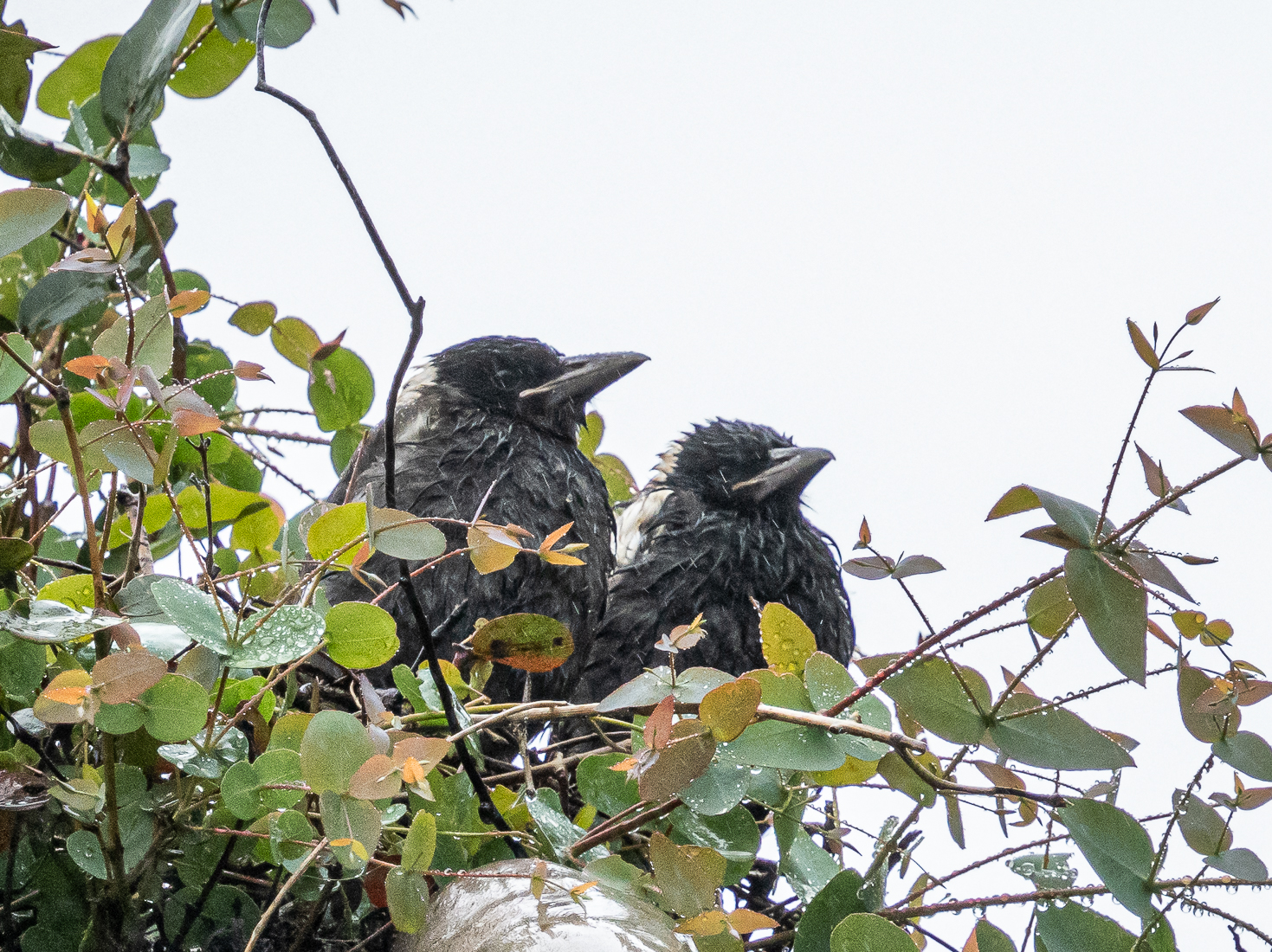
- Damp Magpie chicks undeterred from looking for a feed
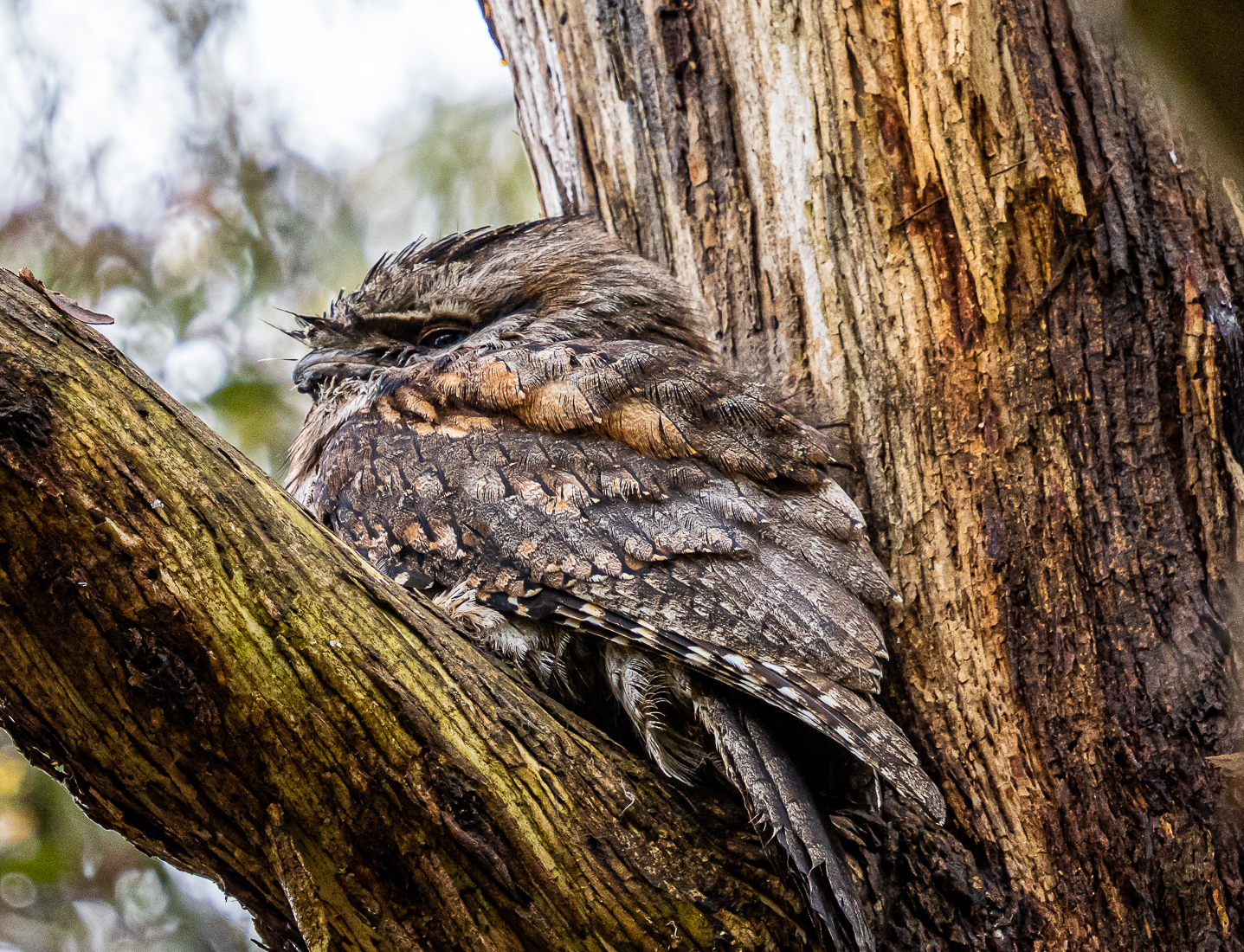
- Female Tawny Frogmouth at rest
- Father Tawny Frogmouth at nest
- Long-billed Corella at nest hole
- Pied Currawong giving the evil-eye
- Mushroom time!
- Kookaburra getting used to the rain!
- Mudlark at nest
- At least one mouth to feed!
- A shining mail Chestnut Teal Duck
- Ants tending the butterfly larvae in their care
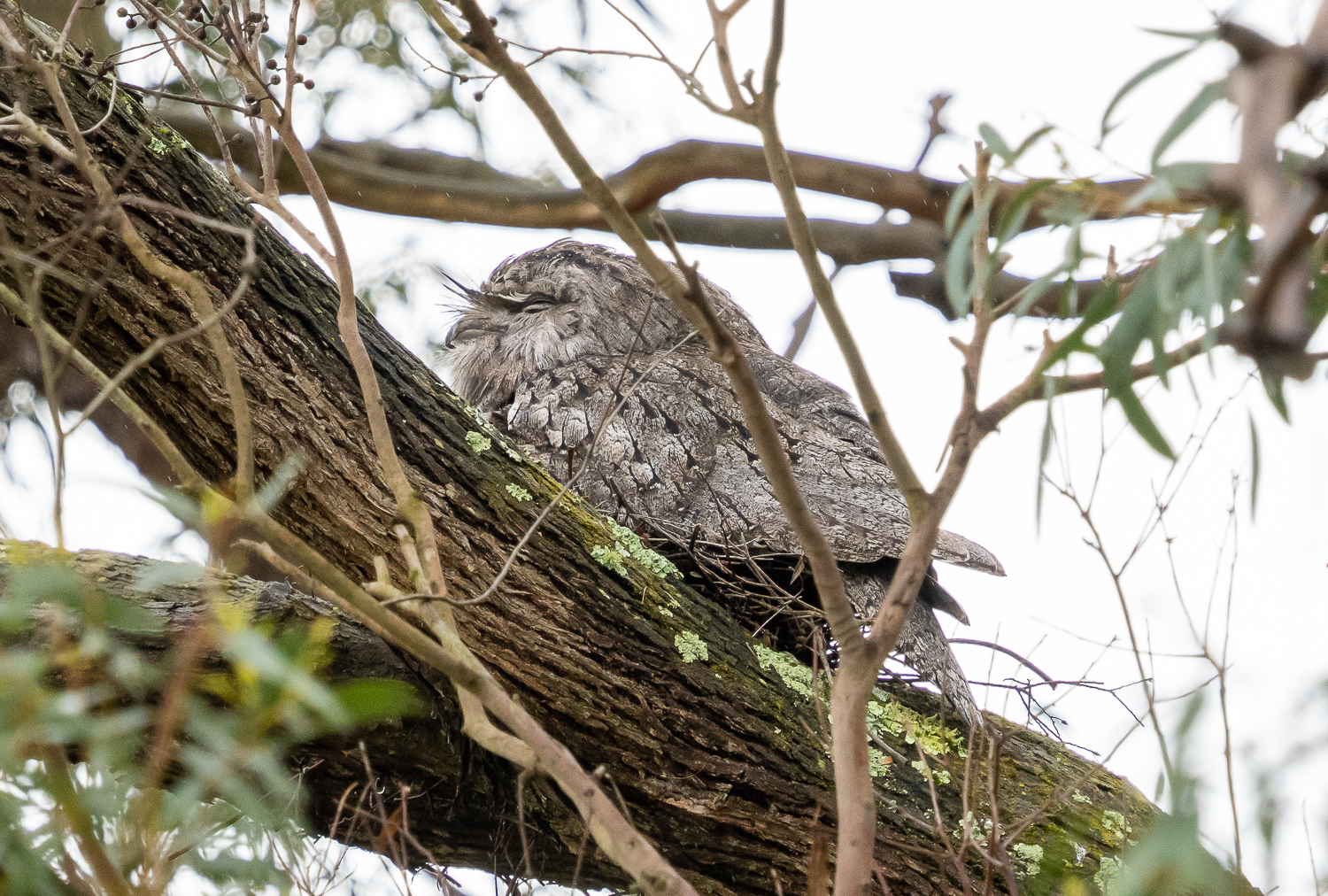
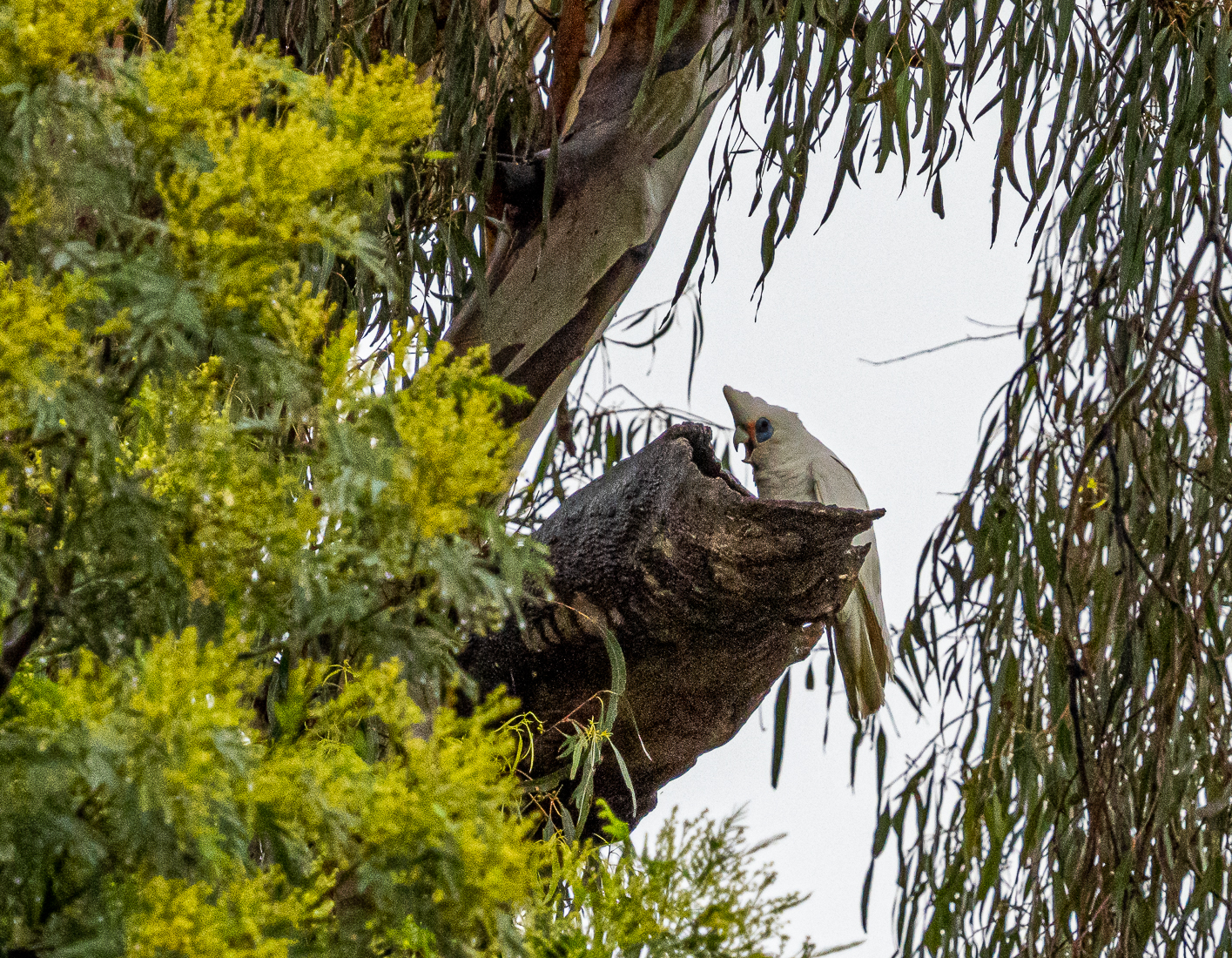
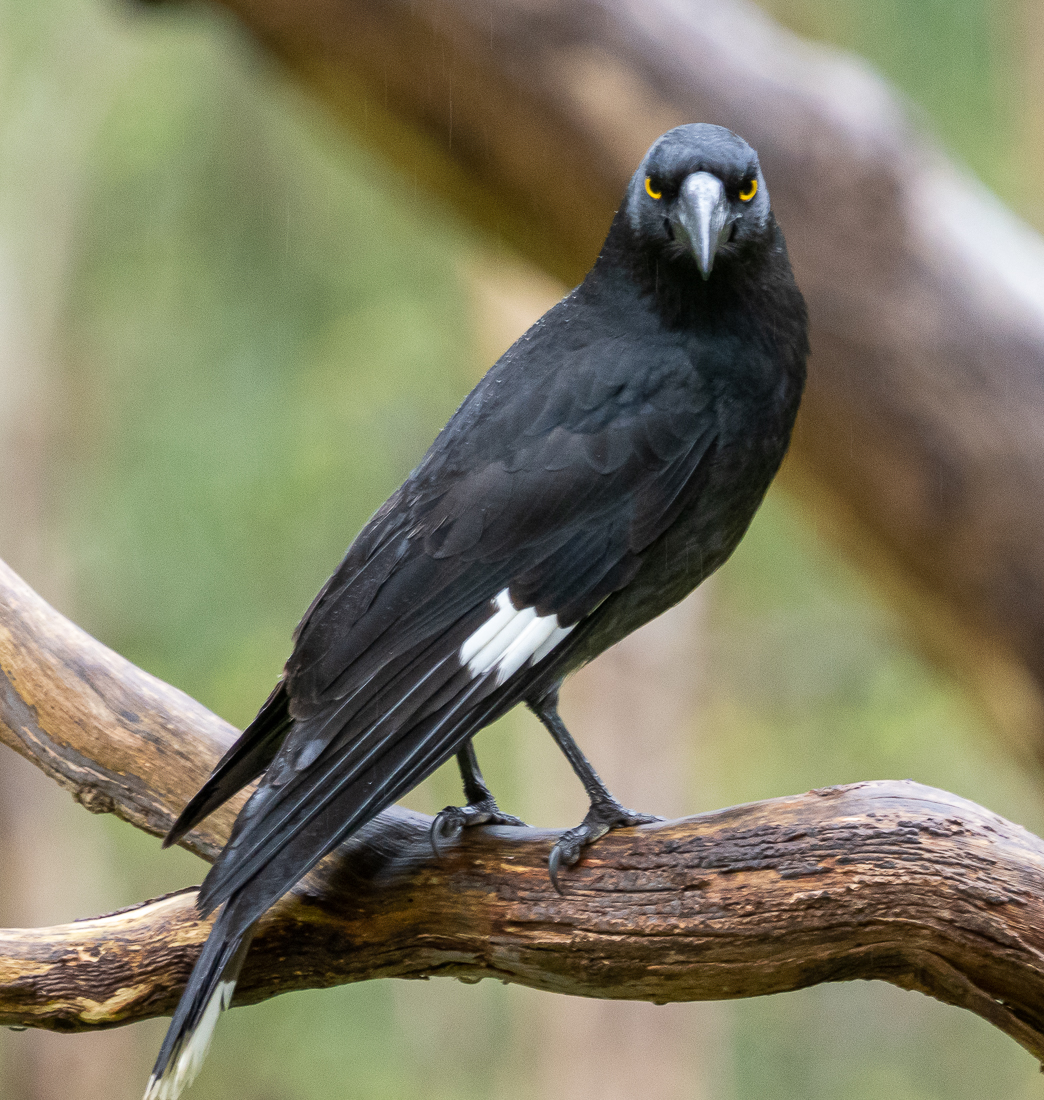
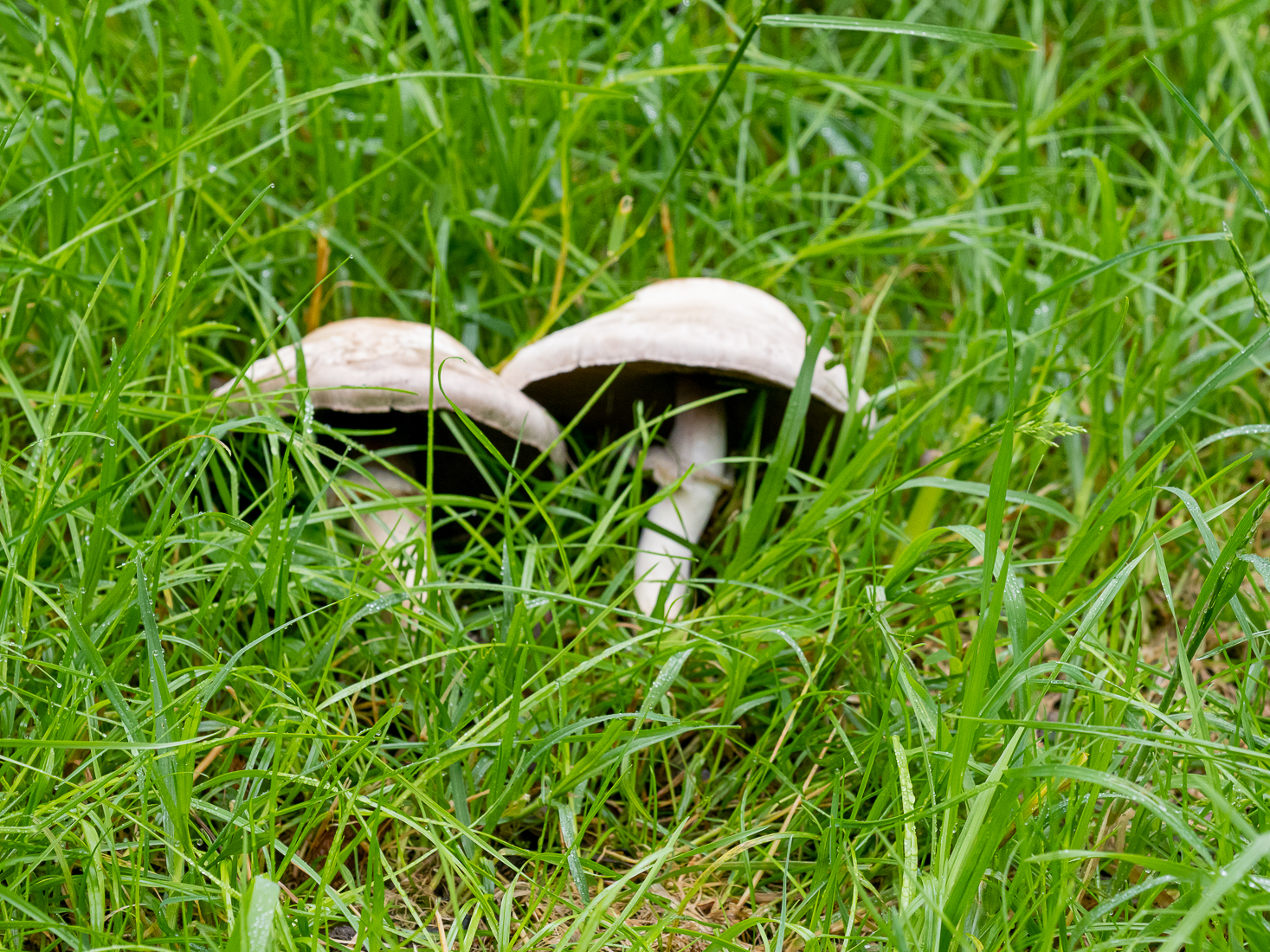
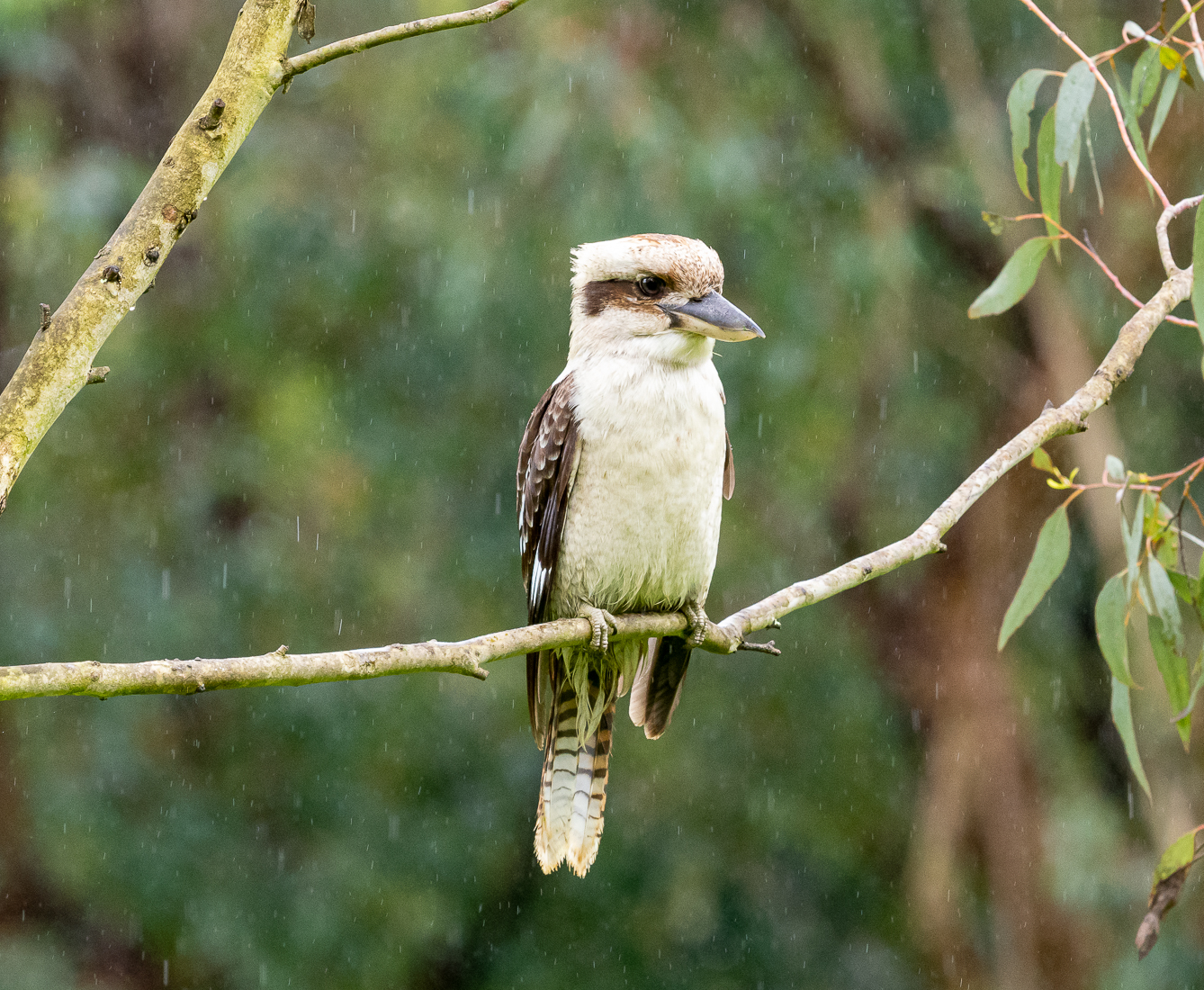
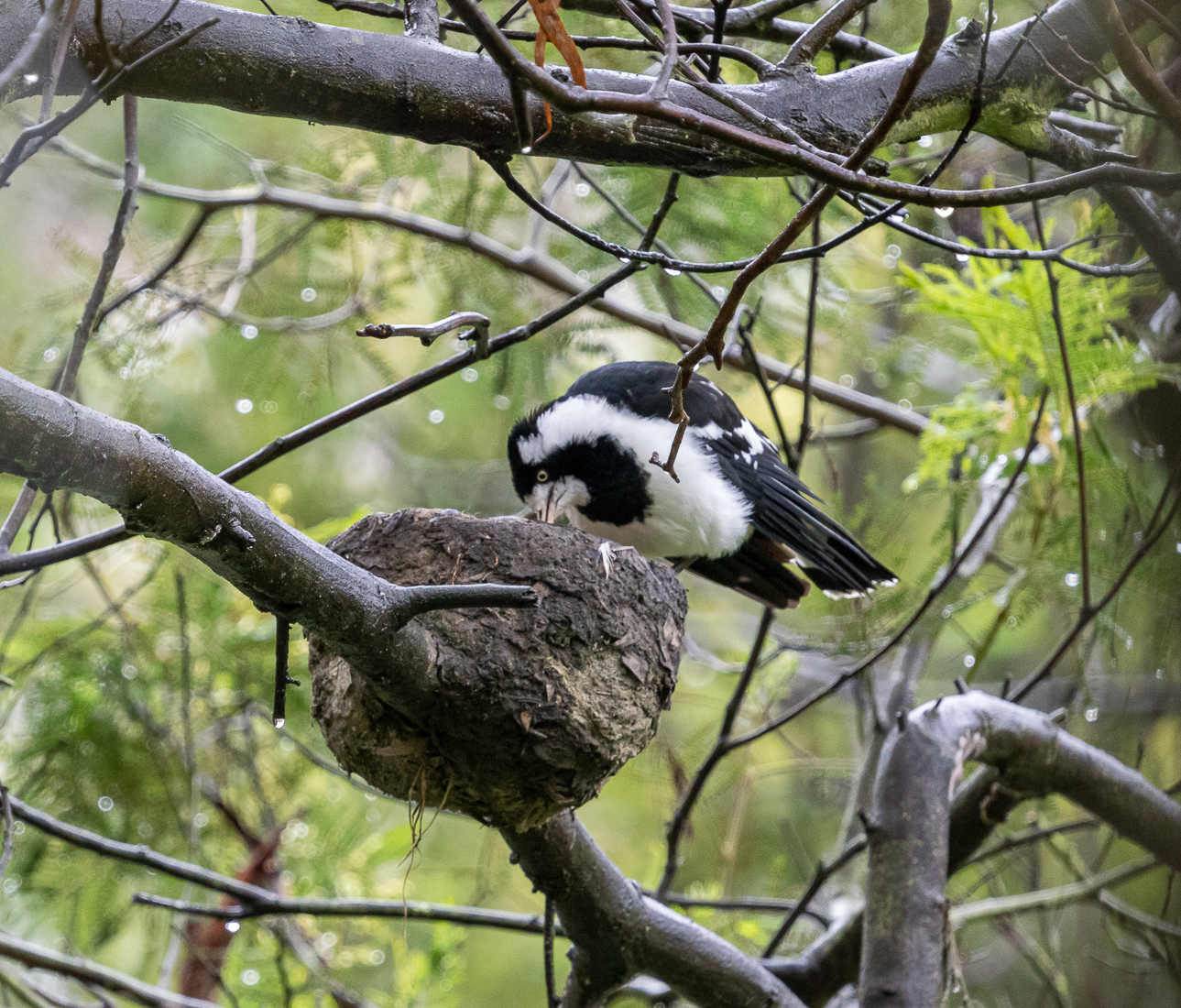
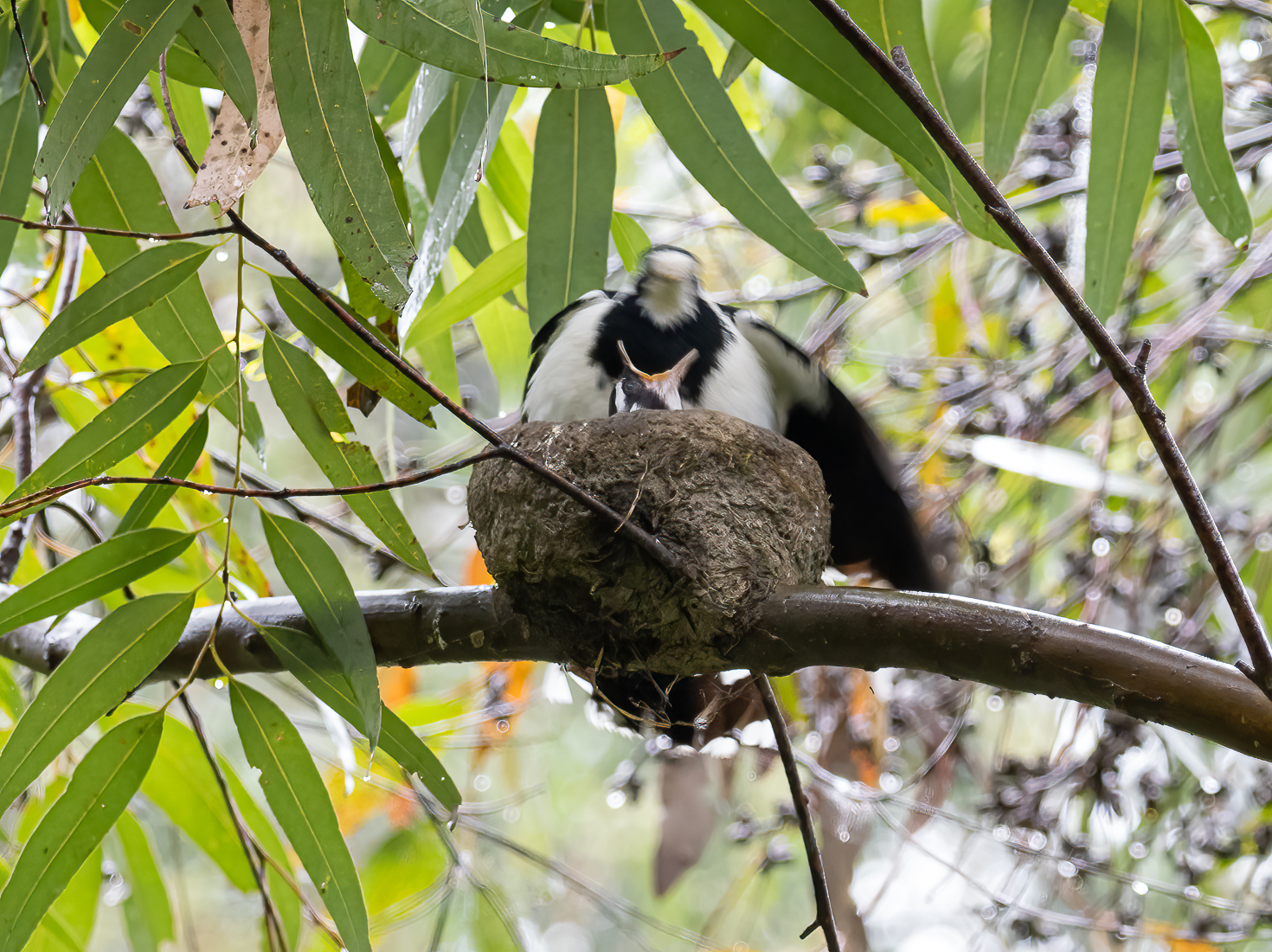
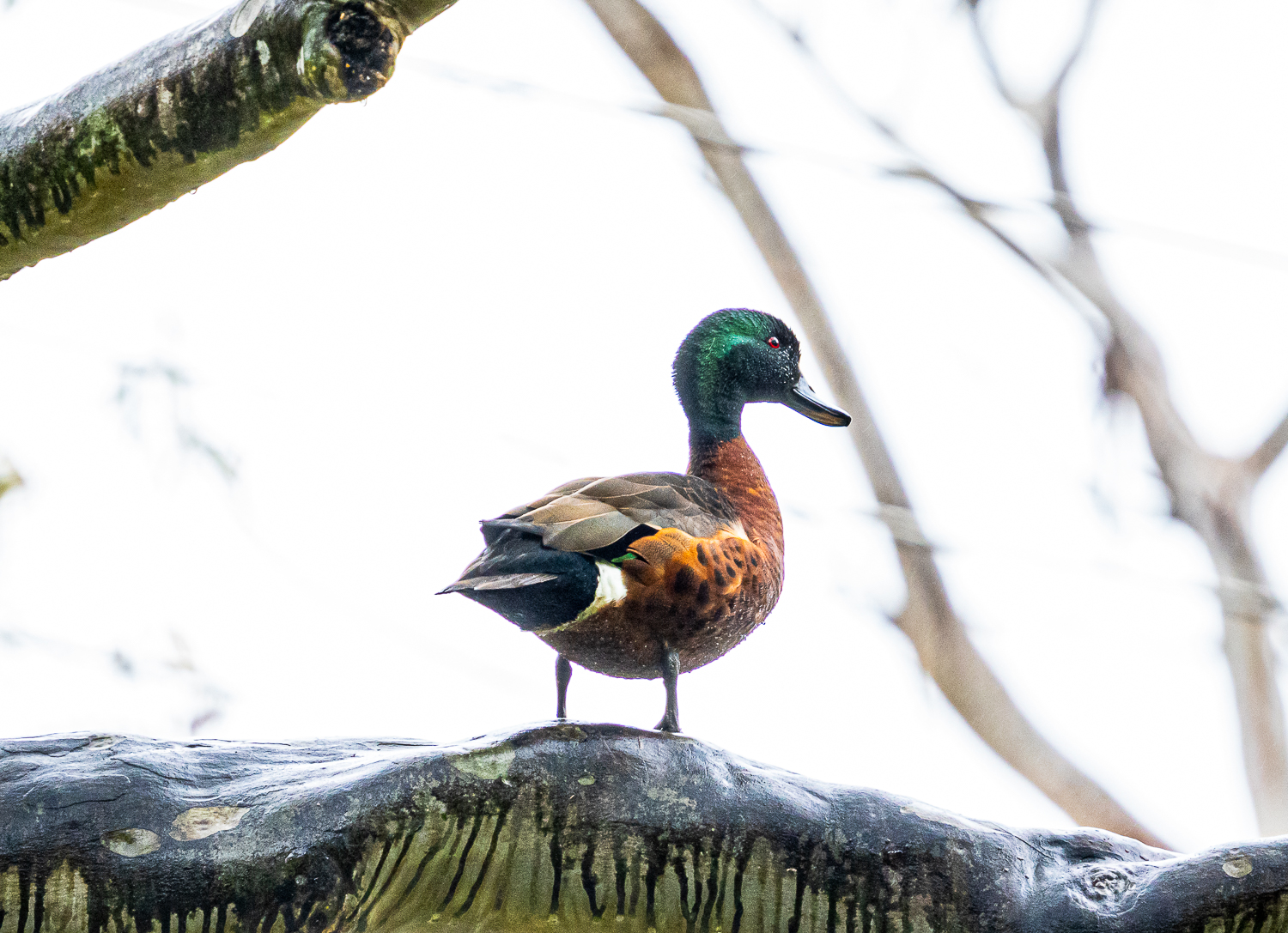
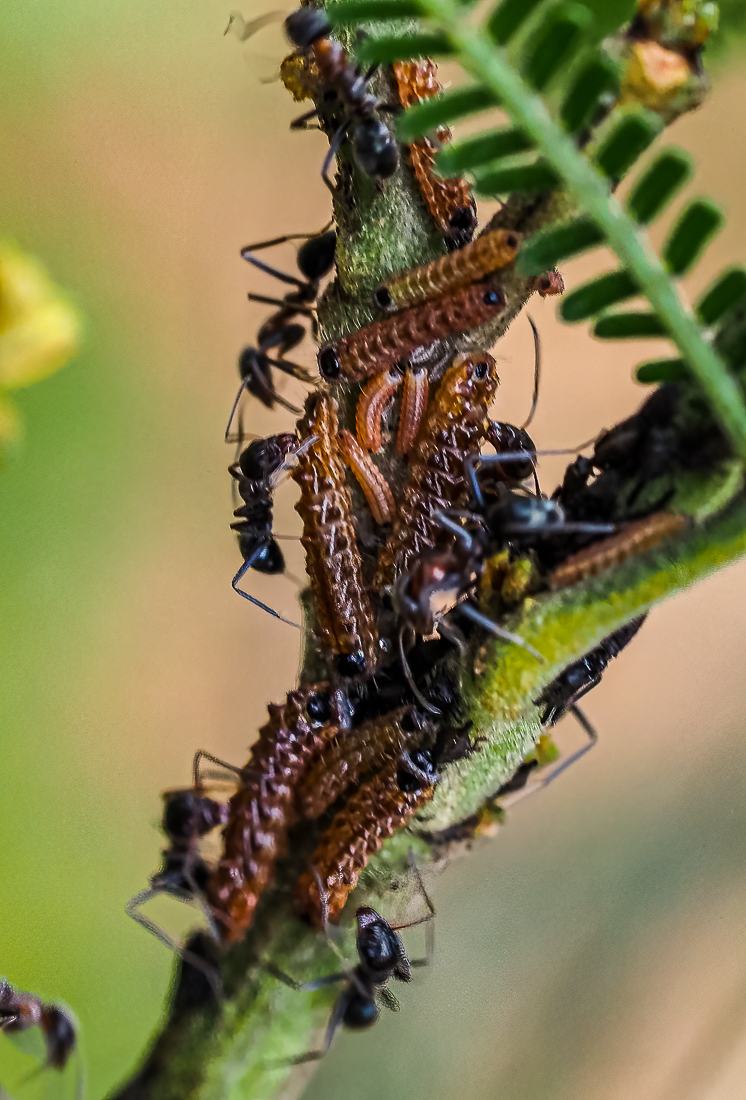
Click on photo to enlarge and then scroll. Click the X when finished.
Ken also went out on 23/10 to capture feeding behaviour at several nests he had been monitoring. In his words:
Firstly the Grey Butcherbirds were very keen to have a feed including one who received a large worm that it couldn’t handle! At the mudlarks’ nest I could tell that the female was moving around on the nest which made me think there had been a hatching. Sure enough, the male turned up with a tiny morsel for the young chick (only one beak at this stage). What a thrill to see this new life in our own backyard showing the importance of our precious creeklands.
Here’s the action:
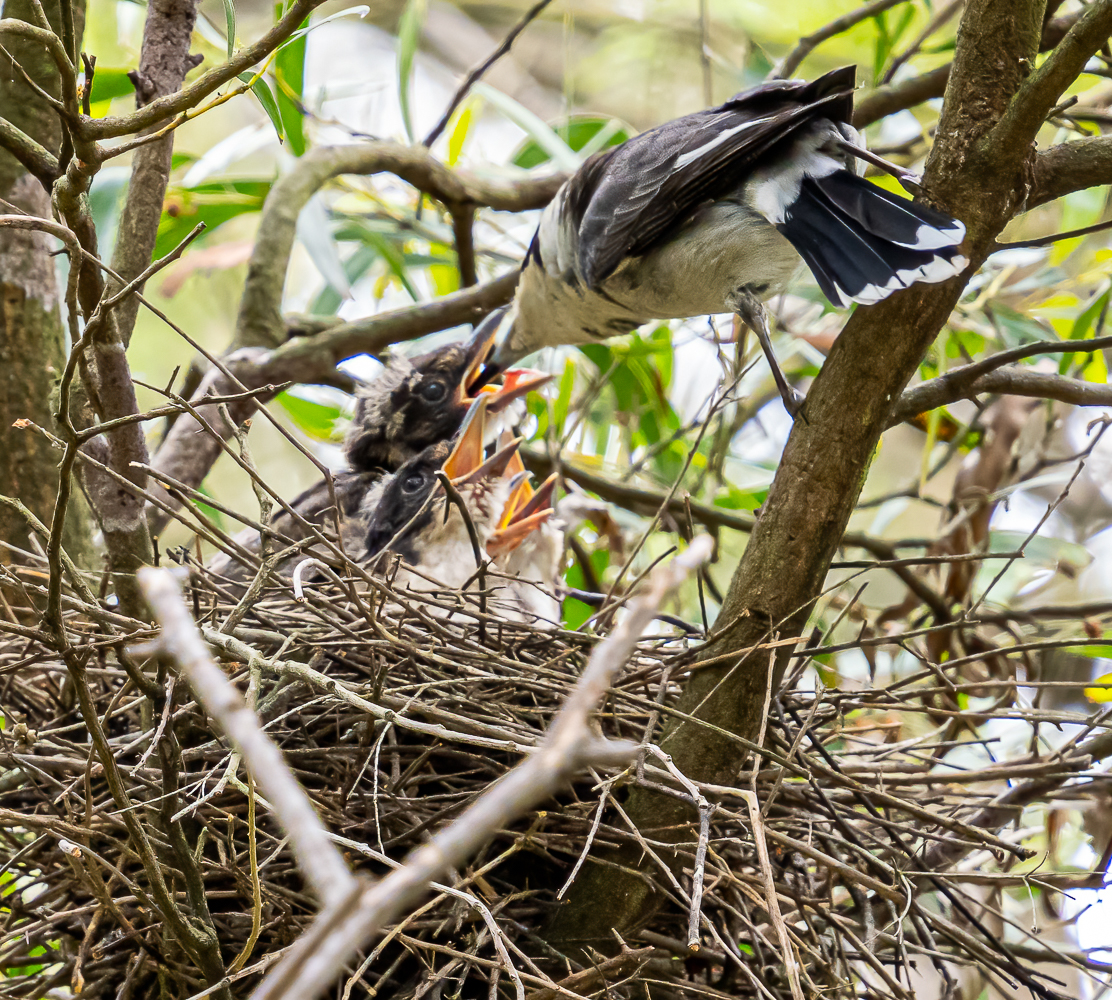
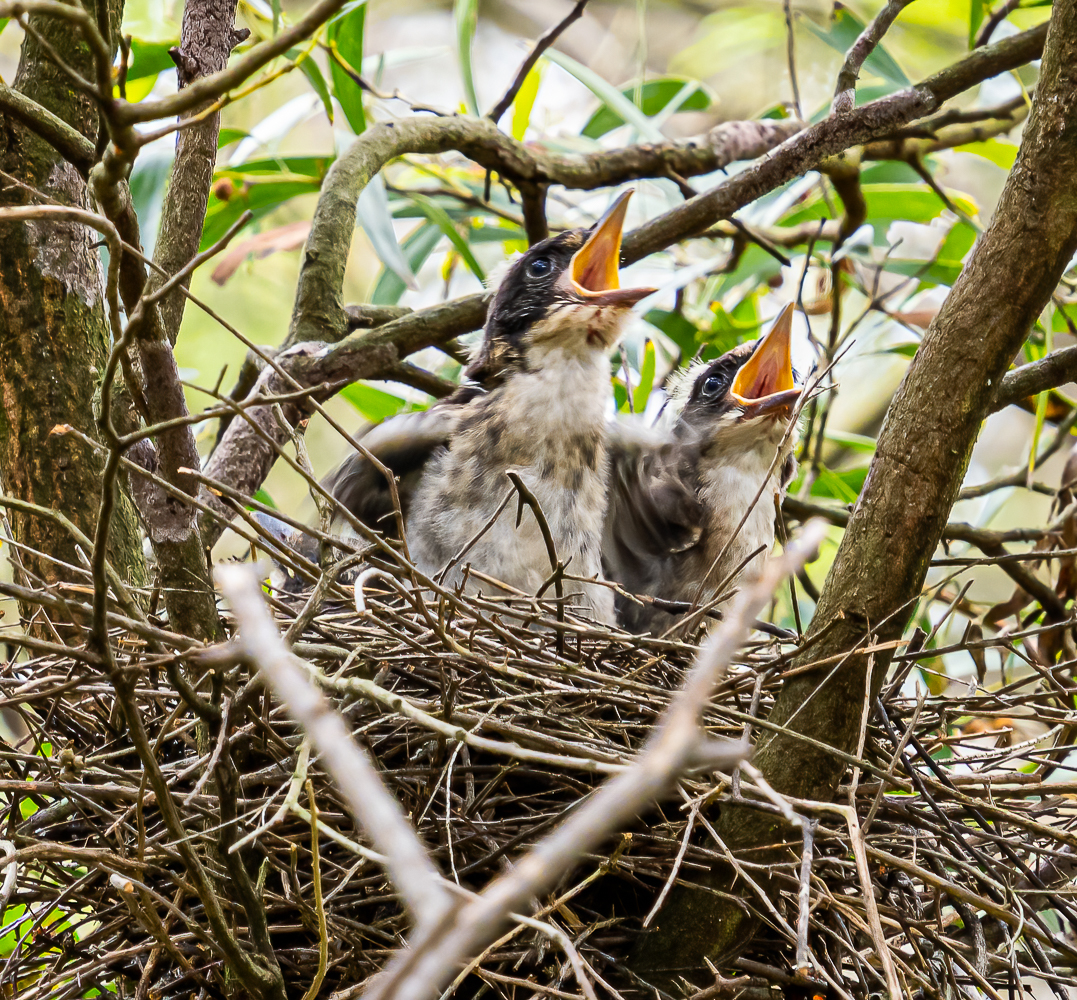
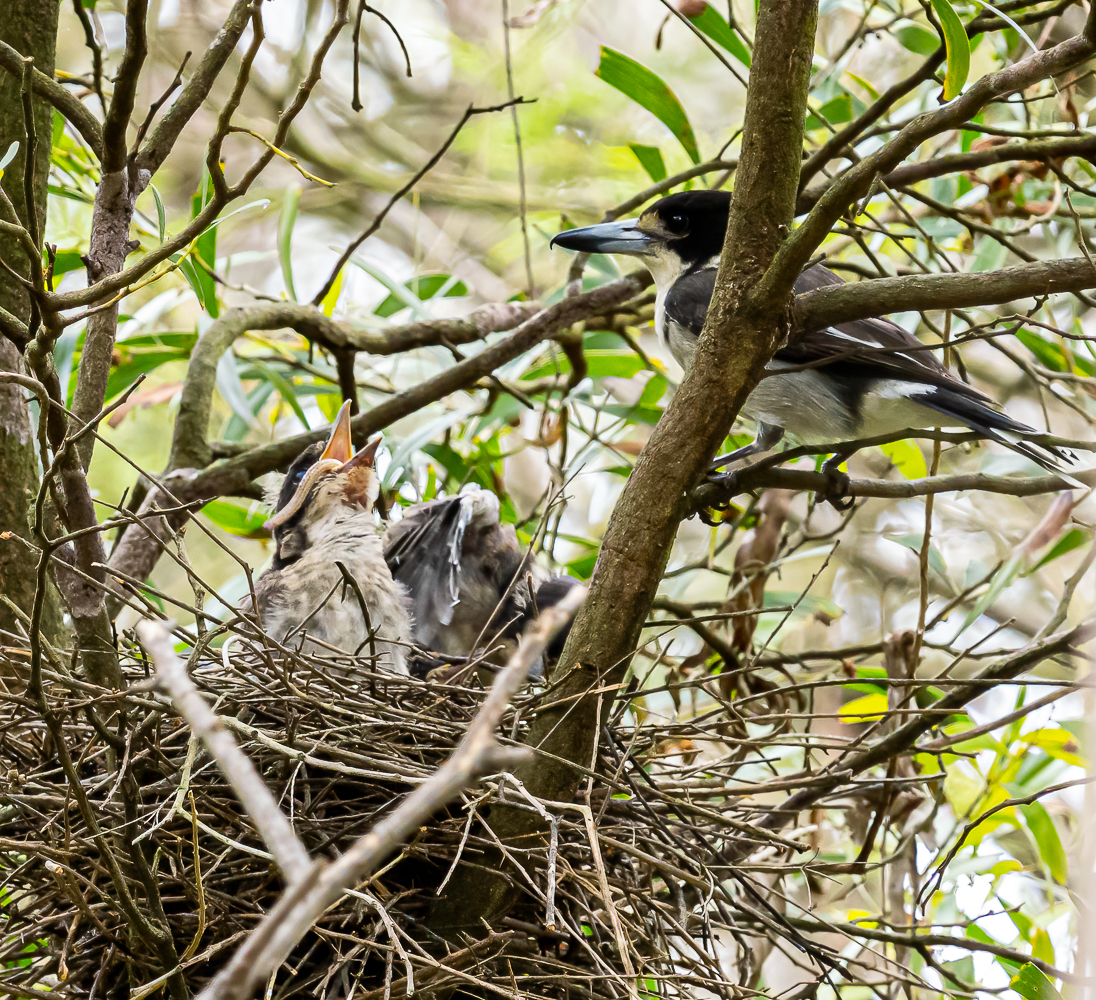
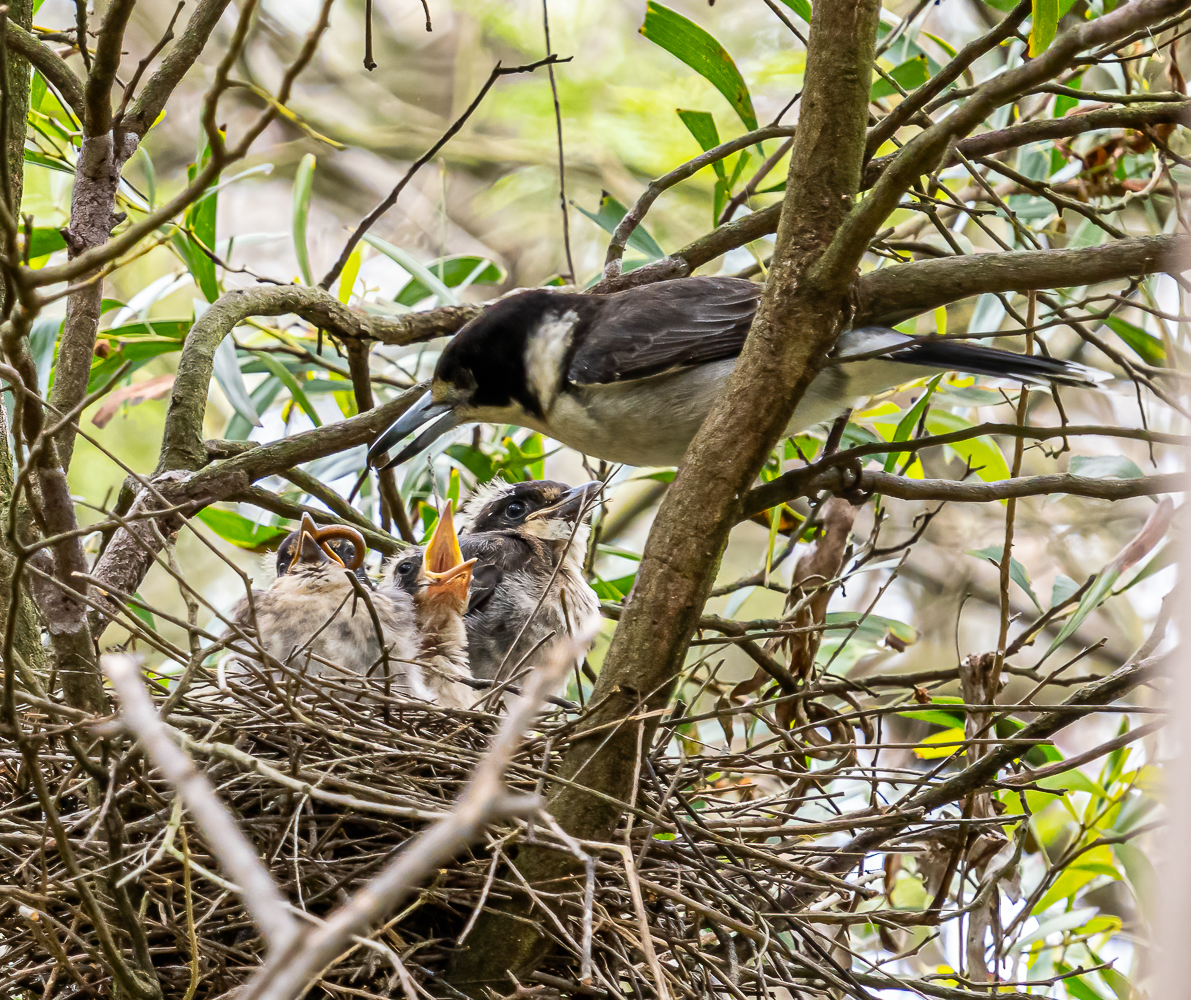
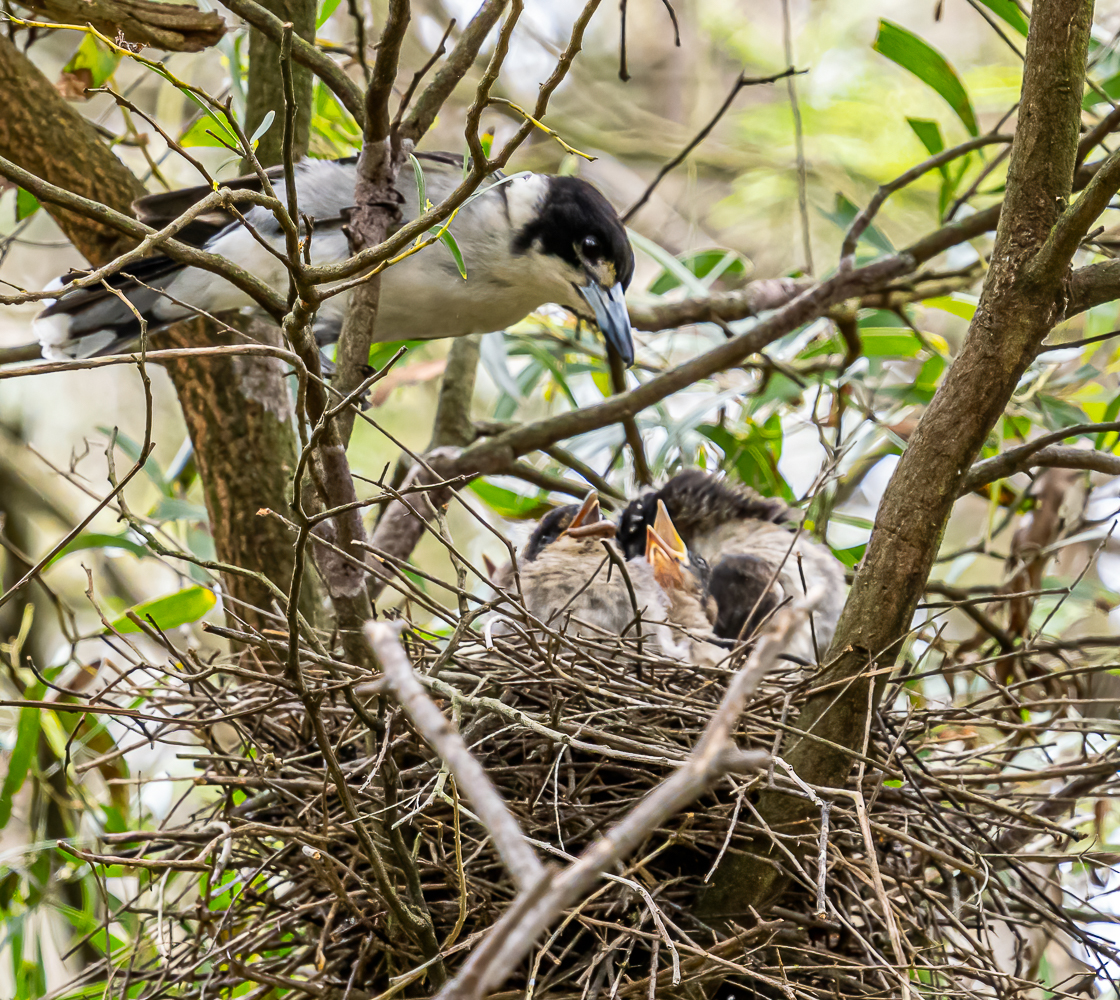
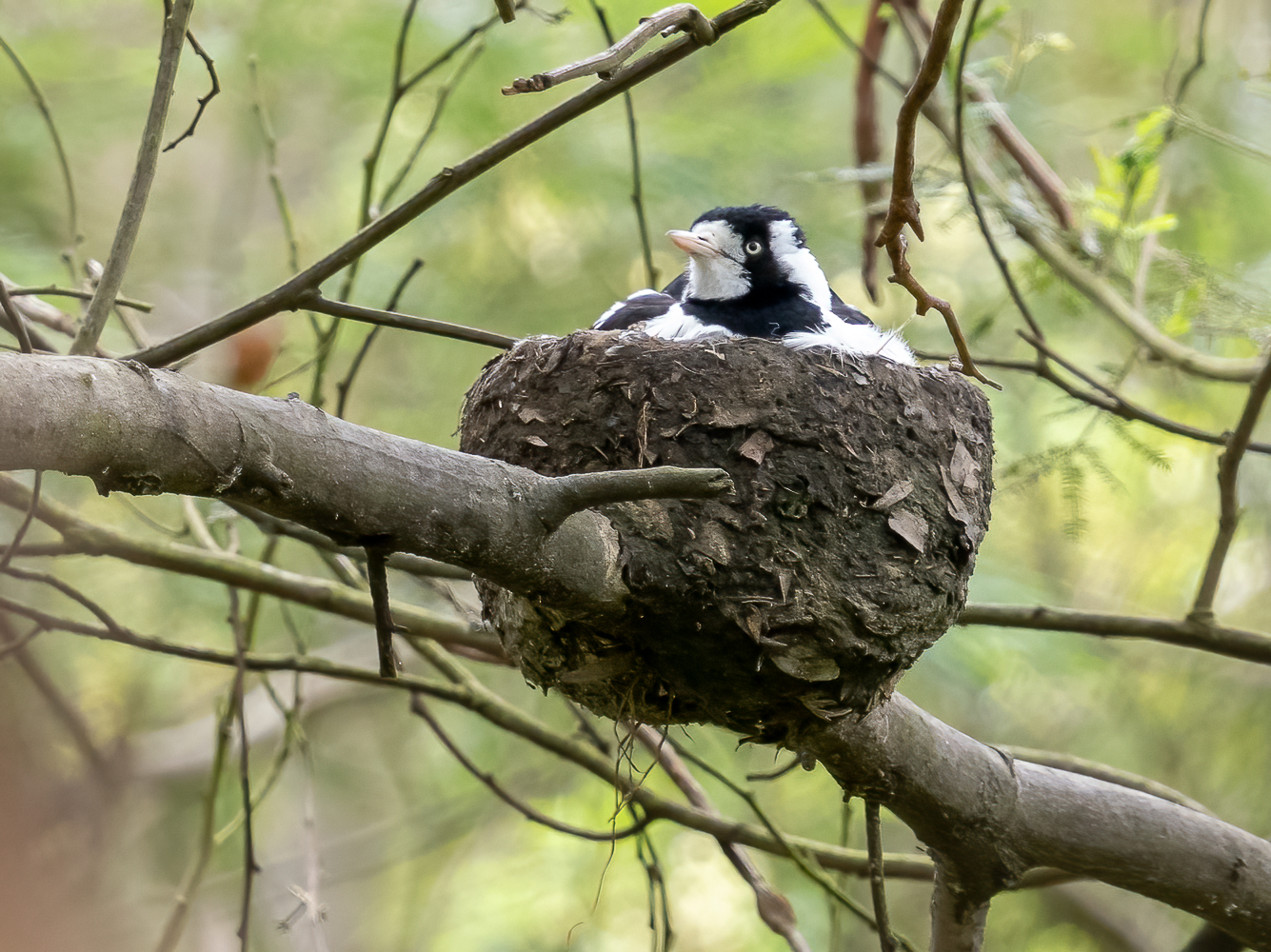
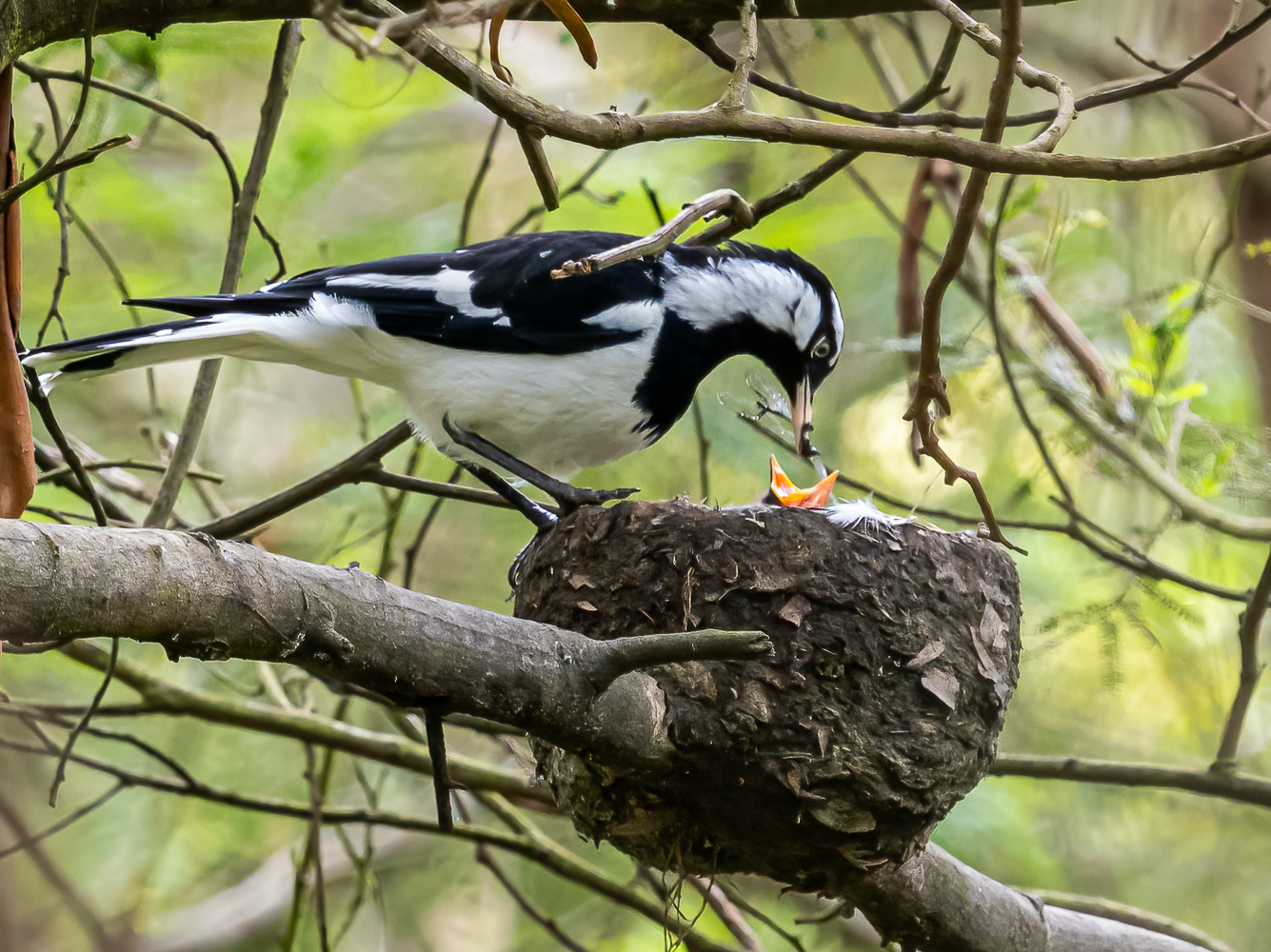
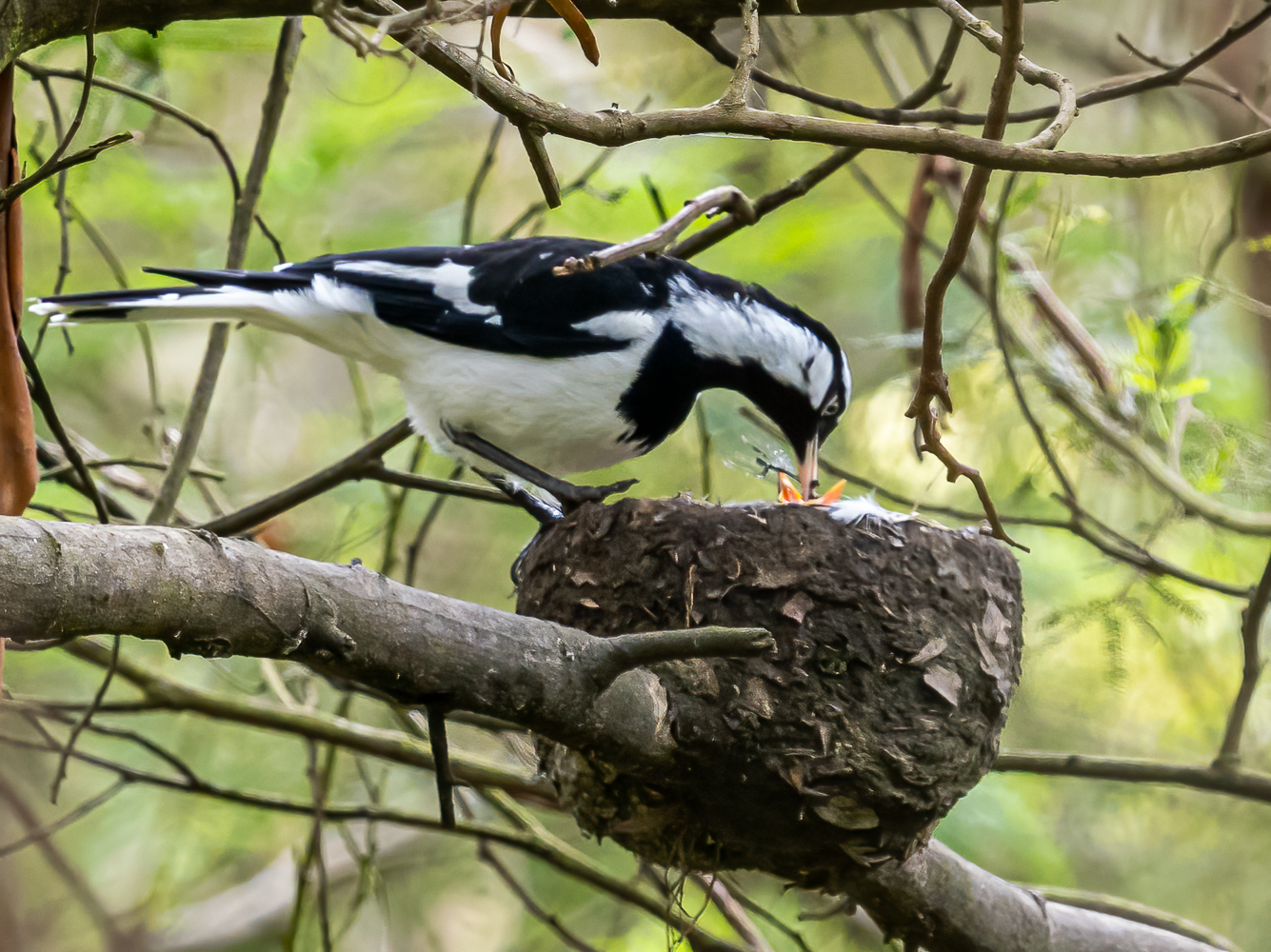
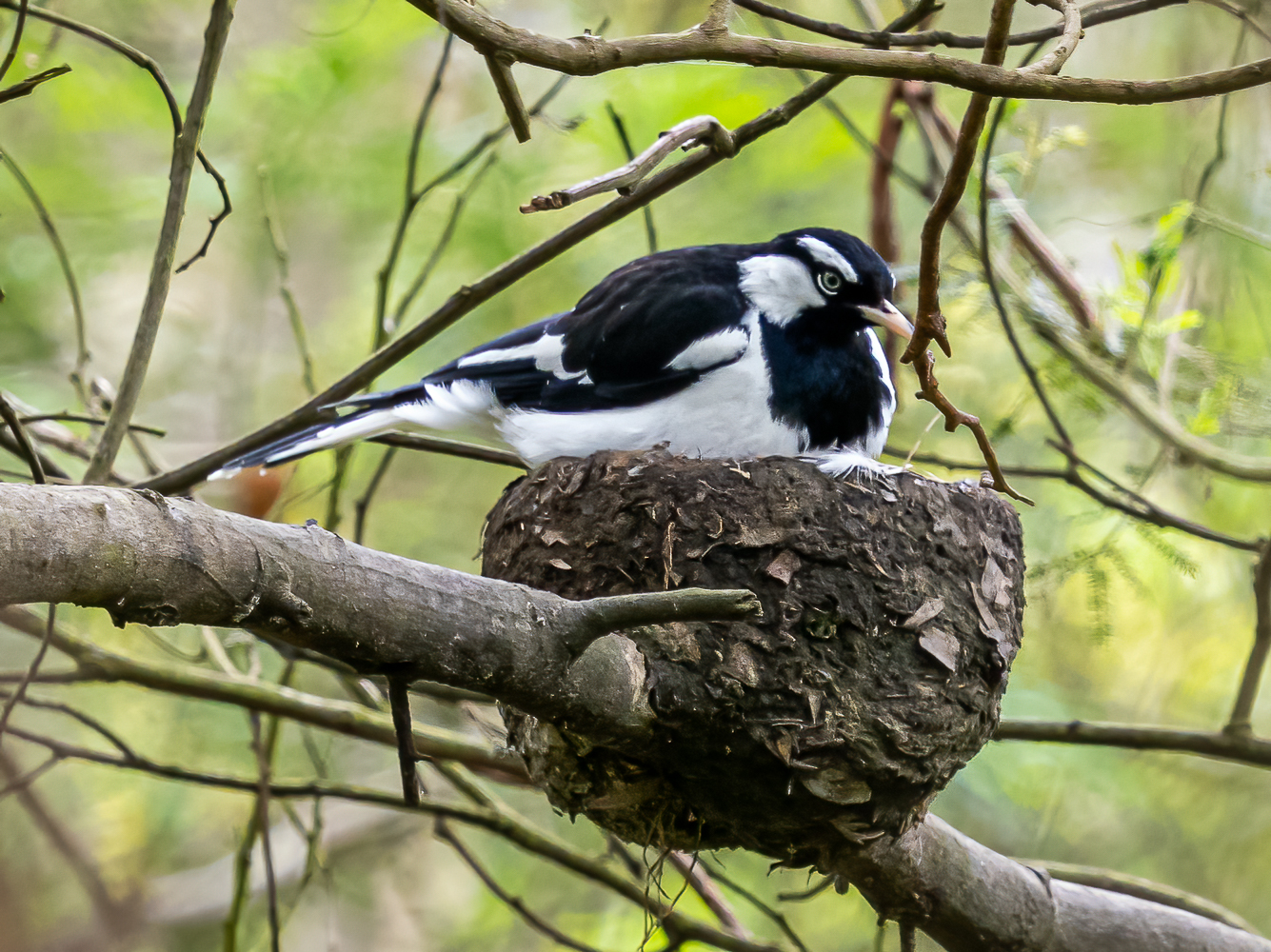
Click on photo to enlarge and then scroll. Click the X when finished.
This author identifies male Mudlarks by their having an eyebrow. Ken’s photos reveal the existence of an eyeliner on the male as well! Incredible detail…
Other Sightings
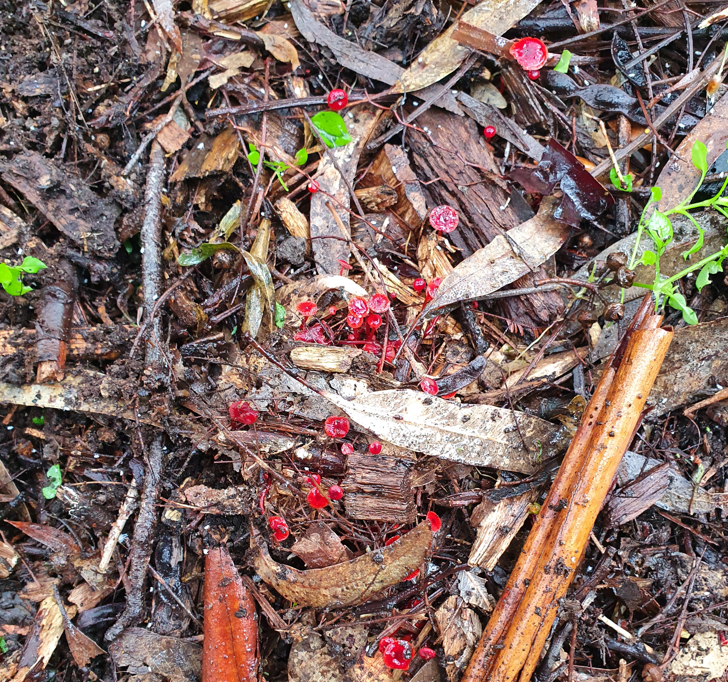
This little red fungus is thriving in our damp and warmer environment:
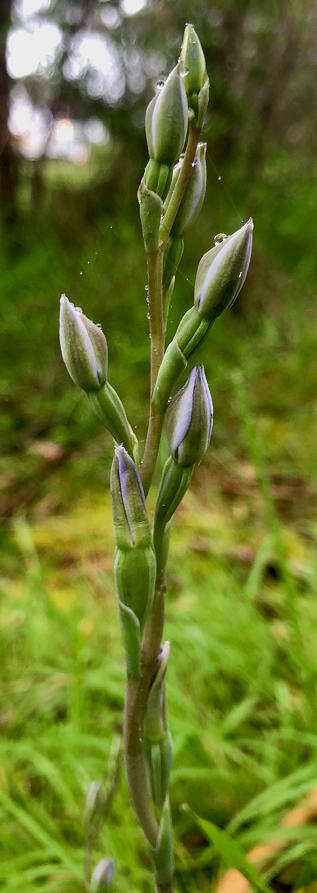
A Sun Orchid in the Creeklands
They are called “Sun Orchids” because they close their flowers at night and in cloudy or cool weather. We hope it gets a chance to open them up sometime soon!
There are about 100 species of Australian Sun Orchids – mostly in areas of higher rainfall. They are rarely seen in our park. It’s possibly taken our unusually high rainfall in October to awaken this plant in the “seed bank”.
Most species of Sun Orchid (Thelymitra sp.) are endemic to Australia – though some are found in New Zealand, The Philippines and Indonesia.
.
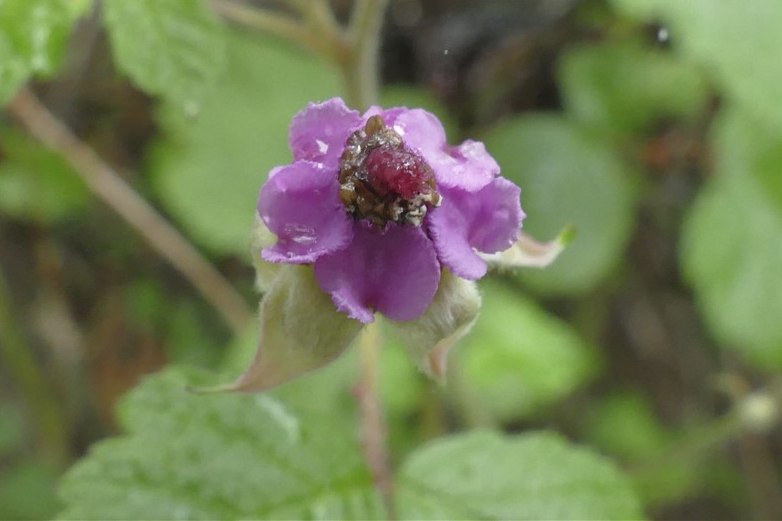
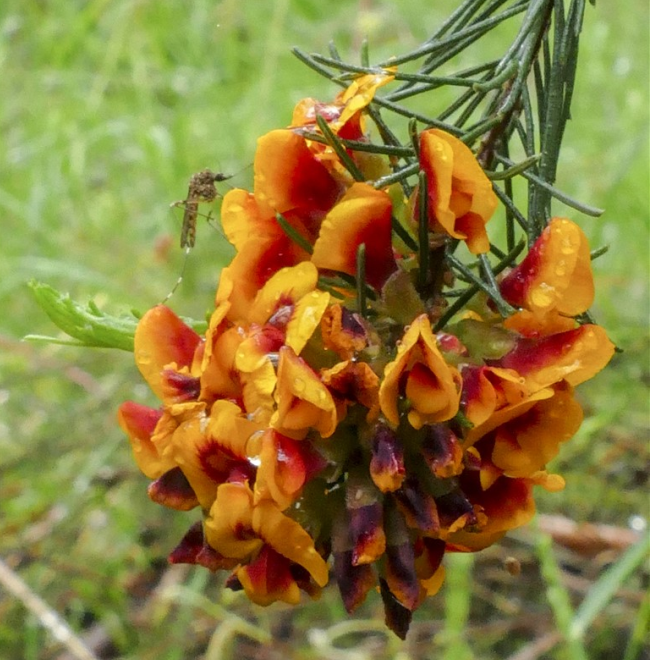
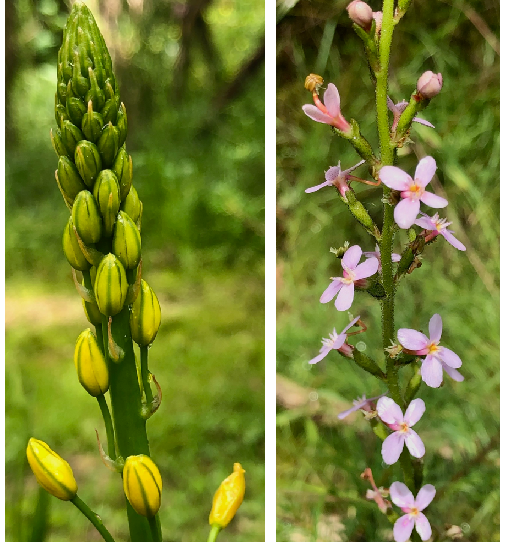
Other sightings reported are that the Black Wattle (Acacia mearnsii), the Thrift-leaved Trigger-plant (Stylidium armeria) and Bulbine Lily (Bulbine bulbosa) are now all flowering in the park.
Which is the Tallest Tree in the park?
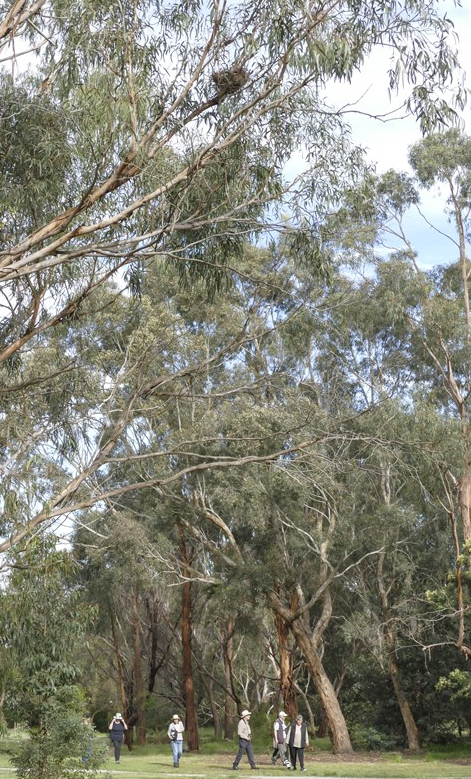
Inspired by the recent article Scientists reach Amazon rainforest’s tallest tree after four failed attempts, we asked the question which is the Tallest Tree in the park?
Our embarrassed answer is: We don’t know – but are determined to find out (with your help)!
The Amazon’s tallest is an Angelim vermelho (Dinizia excelsa) measuring 88.5 metres tall. To put that in perspective, the tallest live trees in the world are named:
- “Hyperion” – Redwood National Park (USA) – a Coast Redwood (Sequoia sempervirens) at 115.92m.
- “Centurion” – Arve Valley, Tasmania – a Mountain Ash (Eucalyptus regnans) at 100.5m.
Ferdinand von Mueller (father of the Royal Victorian Botanic Gardens) claimed to have personally measured a tree near the headwaters of the Yarra River at 122m. Historically, the tallest individual is claimed to be the Ferguson Tree, at 132.6m, found in the Watts River region north of Healesville in 1871 or 1872.
Another exceptionally tall Mountain Ash was reliably measured at 112.8m by theodolite in 1880 by a surveyor at Thorpdale, Victoria (the Thorpdale Tree). When it was felled in 1881, it was re-measured on the ground by surveyor’s chain at 114.3m.
Anyway, ours won’t be that tall ! Our indigenous Yellow Box, Red Stringybark and Manna Gum eucalypts can grow to about 30m, 35m and 50m respectively. Other natives growing locally such as the Spotted Gum and Lemon-scented Gum can reach 45–60m and 25–40m respectively.
Historically, the best way to measure the height of tree was to cut it down and measure it prostrate on the ground (as at Thorpdale). We don’t want you doing that!!!!!
We think one of our citizen scientist Friends will produce the answer. It might be a retired surveyor with a theodolite or inclinometer – or you with a ruler and tape measure like this (from Wikipedia):
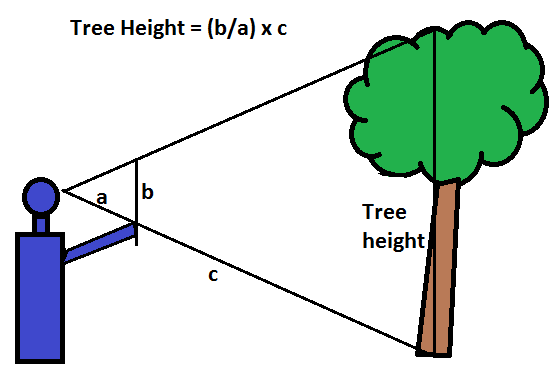
This method is approximate of course – eg tiny errors are amplified and notice the tree is actually a little higher than where it is being measured.
The Challenge: the person who gets the right answer has the official BCAC rights to name the tree!
Along the Corridor
Kooyoongkoot Alliance (KKA)
The KooyoongKoot Alliance Inc (KKA) brings together over twenty friends groups and associated environmental groups (including our Committee) along Gardiners Creek and its catchment. The KKA will work with traditional owners, four councils including our Whitehorse Council, Melbourne Water, Deakin University and other stakeholders in a Regional Collaboration towards improving the long-term health and amenity of Kooyongkoot/Gardiners Creek and its catchment from Blackburn Lake to the Yarra River.
We congratulate our colleagues and friends within the KKA on their successful first AGM conducted at the Blackburn Lake Visitors Centre on 18/10. Our John McMahon has been appointed to the KKA Committee with special responsibility for the planned web-site content and will also represent the Blackburn Creeklands on the KKA. We thank Megan Short and Mark Landmann (outgoing KKA Treasurer) for their significant contributions to the formation of the KKA and as representatives for the Creeklands. We also thank Graeme Stone for his continuing strong advocacy of litter traps for Gardiners Creek and his efforts to attract funding for them.
Over the start-up period, the KKA has won a Sustainable Water Strategy Grant administered by DELWP – with $125,000 confirmed through the Sustainable Water Strategy. The grant will enable funding a role analogous to the Yarra’s River Keeper for the Kooyongkoot catchment. The Wurundjeri First Peoples have also won a similar grant to facilitate their work on Kooyongkoot. The Alliance remains confident of attracting further funding for developing its own web-site and for revegetation projects along the creek in the vicinity of Deakin University.
TreeProject

Whitehorse Trees and Urban Forest Education ran an interesting seminar titled TreeProject – how passionate volunteers can grow a forest on 17/10. The TreeProject was initiated as a City-Country connection where city dwellers would grow indigenous seedlings as volunteers for country residents’ revegetation projects. They are looking for volunteers at the moment to start in December or January for raising autumn and spring stock respectively. They are also looking at using volunteers as couriers and in admin roles.
If you are interested in participating in this worthy project, please visit the TreeProject web-site for further information.
Council’s Open Space Strategy
Council’s Open Space Strategy is currently out for public comment via its Have Your Say platform until 30 November 2022. Open Space covers parks and reserves including Bushland Parks like the Creeklands – and also streetscapes, public spaces in retail centres and open land owned or managed by other authorities.
We need our Bushland Park for our physical and mental health – and also to help mitigate the impacts of climate change and to support biodiversity in the region. Biodiversity means the variety of all life and is central to our needs such as food production, the air we breathe, soil and water quality and the regulation of natural processes such as climate, bushfire and floods.
However, there is pressure on open space in Whitehorse due to the impacts of our ever-increasing population and its density. Due to their importance, we think Bushland Parks should be protected from too much change – otherwise their important roles will begin to break down.
Friends who love the Creeklands should be sure to Have Your Say to keep our Bushland Parks wild, green, interesting and fit-for-purpose.
Weed of the Month
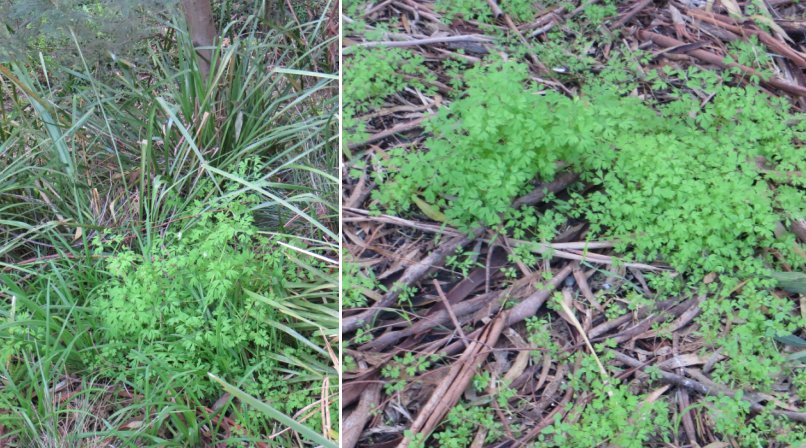
Fumitory (Fumaria capreolata)
Fumitory is an herbaceous annual in the poppy family and is native to Europe, west Asia and north Africa. You may have noticed it in your garden – it comes up in late winter and spring. It is mainly a weed of riparian areas including creekbanks and urban bushland – preferring partially shady, wetter habitats where it can form a dense ground cover and may also climb up over lower-growing vegetation smothering them.
It has been absolutely thriving in the current wet conditions and has bright light green foliage which may have either white or pink /claret flowers. It seems to seed prolifically. The examples above (near the Billabong) show Fumitory beginning to smother a Lomandra at left and the density of seedlings coming up through leaf litter at right. The (only) good news is that it pulls out quite easily.
 Blackburn Creeklands