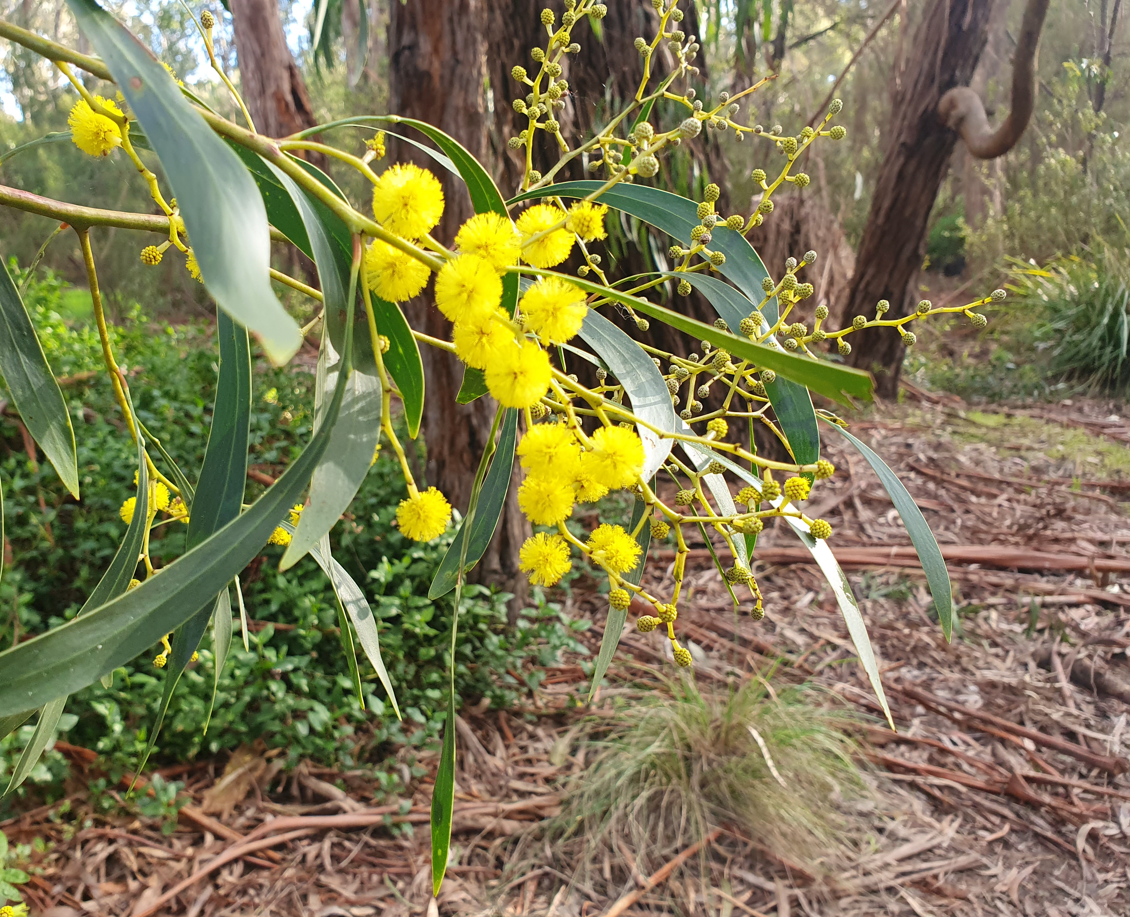
Welcome to our July, 2023 Newsletter. Our Wattles seem to be flowering ahead of schedule and there are other signs that we are in Tim Entwisle’s “Sprinter” now.
Tim says we should have five seasons per year with two “Springs” Sprinter (an amalgam of “spring” and “winter”) and Sprummer (“spring” and “summer”) – please see our September, 2017 Park News for more details.
In other signs of our weather picking up after an early start to winter, nest building is underway in several species, our customary Wattle display of the various flowering species is on the noticeboard, and we had a National Tree Day event in excellent weather. You can read more on these topics later in this newsletter.
It’s not all good news this month though – Deakin University researchers have discovered some disturbing facts about how rat poisons are a very real threat to our local fauna (and pets).
Something to Crow About
Even though this picture was taken on 12/7 and not quite in the middle of our traditional Winter, Greg’s photo shows that this Little Raven (Corvus mellori) was clearly starting on new nursery building for the Spring:
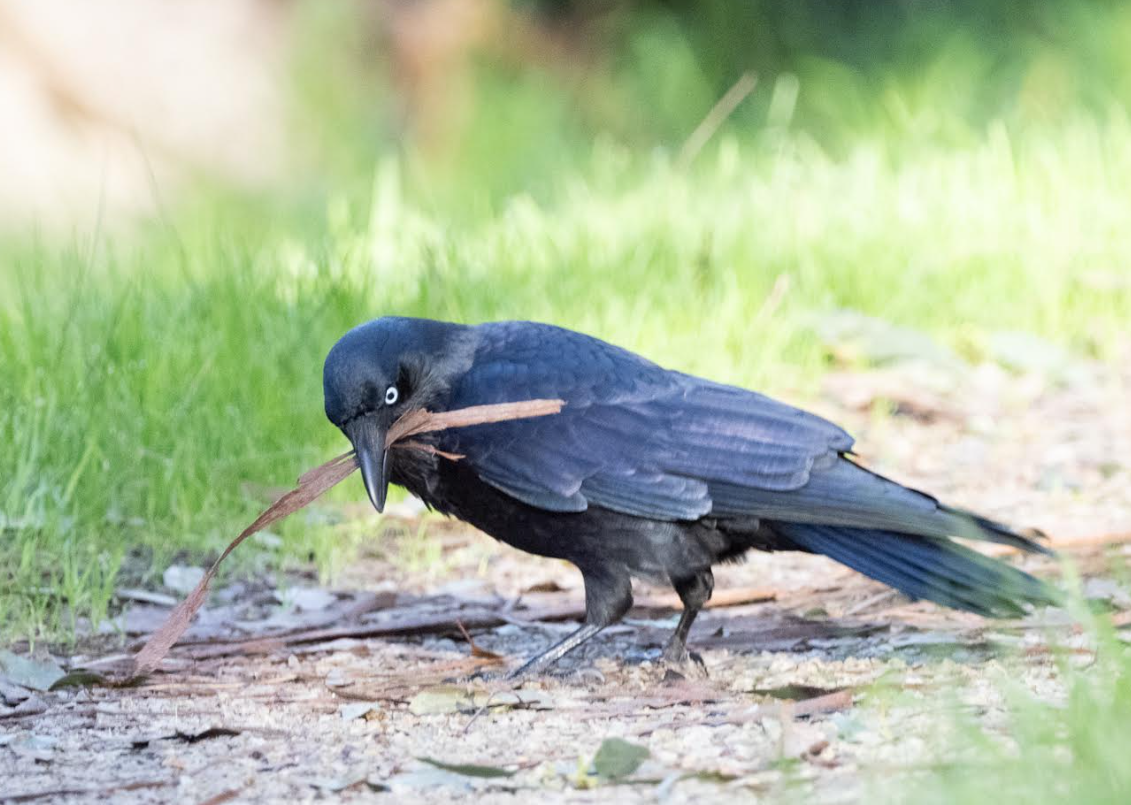
The “Little Raven” is also widely known as a “crow”. The species is about the same size as a Pied Currawong – which is mostly black – albeit with some white patches that are sometimes difficult to see – especially when the bird is not flying.
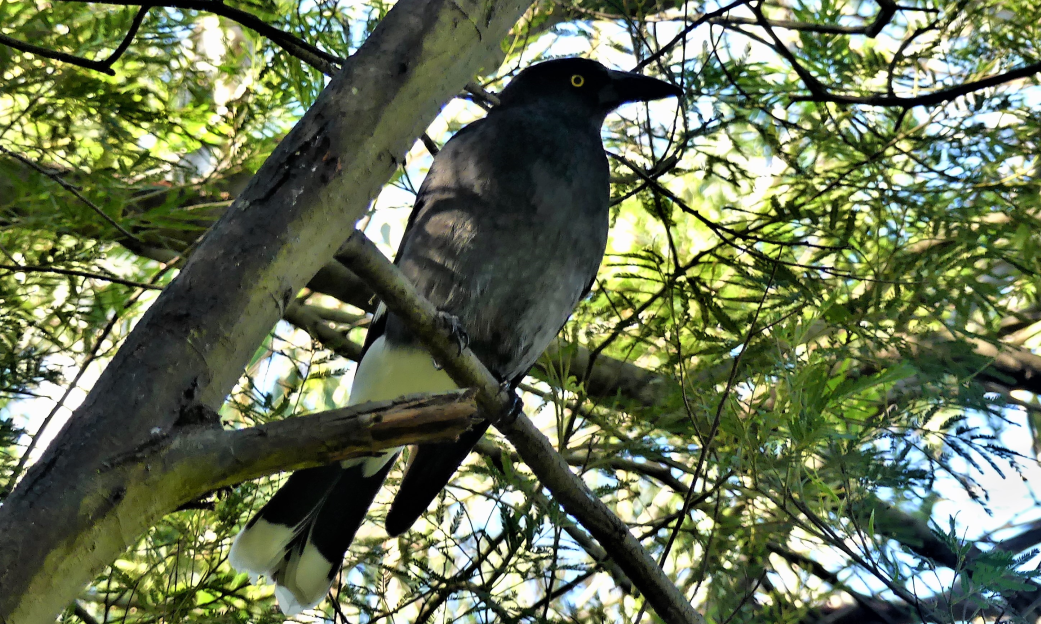
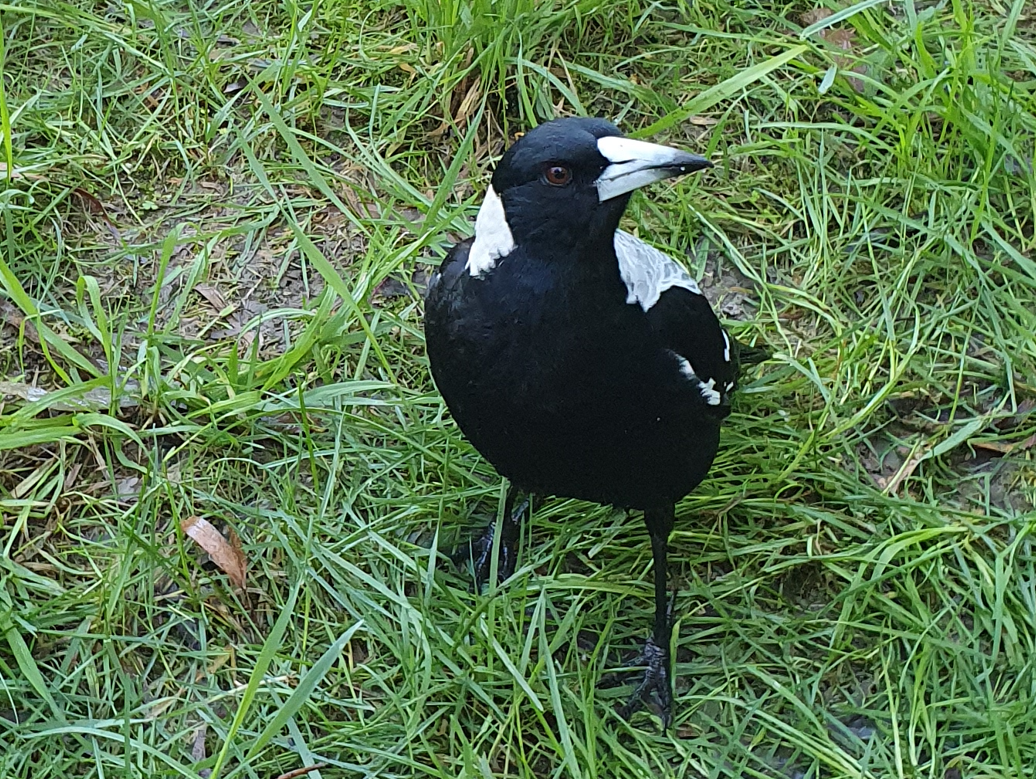
So – how do the aficionados tell the difference from a distance or from a partial view? Yes – the “eyes have it” – white iris indicates Little Raven (brown if immature though), yellow/orange means Pied Currawong – and red/brown means Magpie.
“Crow” tends to mean any bird of the genus Corvus – so, the “corvids”. In Victoria, the slightly larger Australian Raven (Corvus coronoides) tends not to be found south of the Great Dividing Range – it prefers the more forested areas to the north. The “crows” in our park are the Little Raven (Corvus mellori).
By the way – the “Little Raven” is also the “Adelaide Crow” – BirdsSA explains it is one of five species of the genus Corvus in South Australia and the Little Raven is the corvid most commonly found in the Adelaide area.
The corvids (ravens etc) as well as psittacines (parrots, cockatoos etc) are often considered to be the most intelligent birds – and are among the most intelligent animals on the planet. Some make tools to capture food – once thought to be the preserve of only humans and chimpanzees – “bird brains” indeed!
A Convention of Currawongs
Speaking of crows above, a group of crows is well known as a “murder of crows“. This term no doubt reflects their blackness, taste for carrion and arises from a period in history when groupings of many animals were given clever, amusing names. Other examples of these collective names include: an ostentation of peacocks, a parliament of owls, a pride of lions and a skulk of foxes.
Anyway, large groups of 12+ Pied Currawongs have been sighted in the park over the past 2-3 weeks. “Flock” didn’t seem quite the right word because they didn’t seem to be flying together – more converging in an relatively small space (a few trees) calling incessantly. So this author unilaterally decided that a “Convention of Currawongs” was taking place.
The author further wondered whether Australian birds might also have their own collective nouns – so trawled the Internet to find these names for local species that might amuse you:
- a migraine of lorikeets
- a madrigal of magpies
- a merriment of kookaburras
- a folly of galahs
- an impertinence of Willy Wagtails
- a cacophony of cockatoos
- a scolding of scrubwrens
- an invisibility of pardalotes
- an immobility of frogmouths !
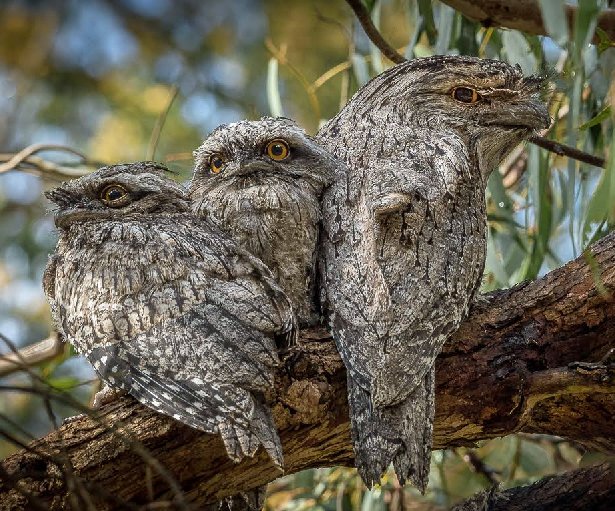
Here is an old award-winning picture of Ken’s showing an “Immobility of Tawny Frogmouths” (during daylight) – with mum and dad bookending junior – who is no doubt fully immersed in immobility training:
National Tree Day event
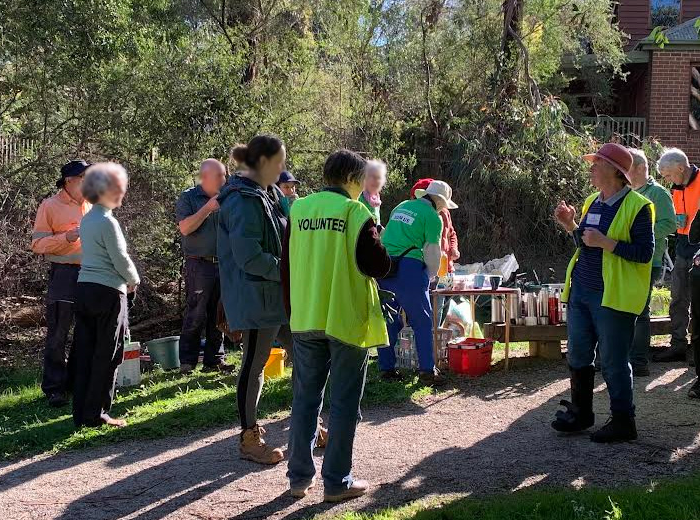
Our Sunday (30/7) National Tree Day planting event was a great success. The weather was excellent, the site preparation was good (courtesy of Margaret from Whitehorse Council and also the Thursday “gophers” digging holes), Nic and Megan (just) kept on top of the demand for more plants, the morning tea crew were very busy – and we had the ideal number of old and new volunteers attending to do their bit for the environment.
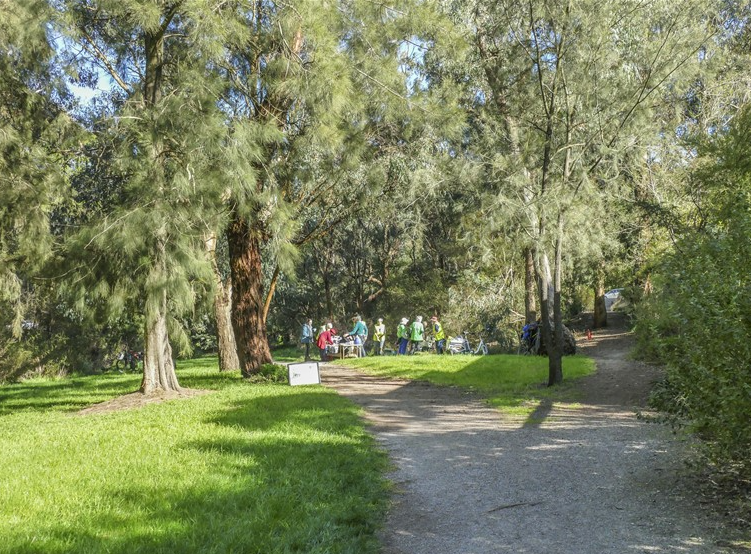
The objective of the morning was to improve the habitat value of an area of Furness Park by planting mostly understorey tube stock and doing a little weeding. Twenty-six volunteers participated in the event and 300 plants from Greenlink and Bungalook went into the ground.
We are grateful to our park neighbours Julie and Peter who donated water for the planting. We also thank all the participants and the Planet Ark organisation for publicising and fostering the National Tree Day events.
Maintenance Team reports
Our regular Thursday morning working bees have been spread throughout the Blackburn Creeklands as follows:
- 6/7 Furness Park (NE corner) – 5 people commenced weeding the site.
- 13/7 Furness Park (NE corner) – 10 people completed weeding there.
- 20/7 Billabong area – 8 people weeding the western side.
- 27/7 Furness Park (NW corner) and along track to Gardenia Street weeding and hole digging preparations for the 30/7 National Tree Day planting event.
It’s a Boy !
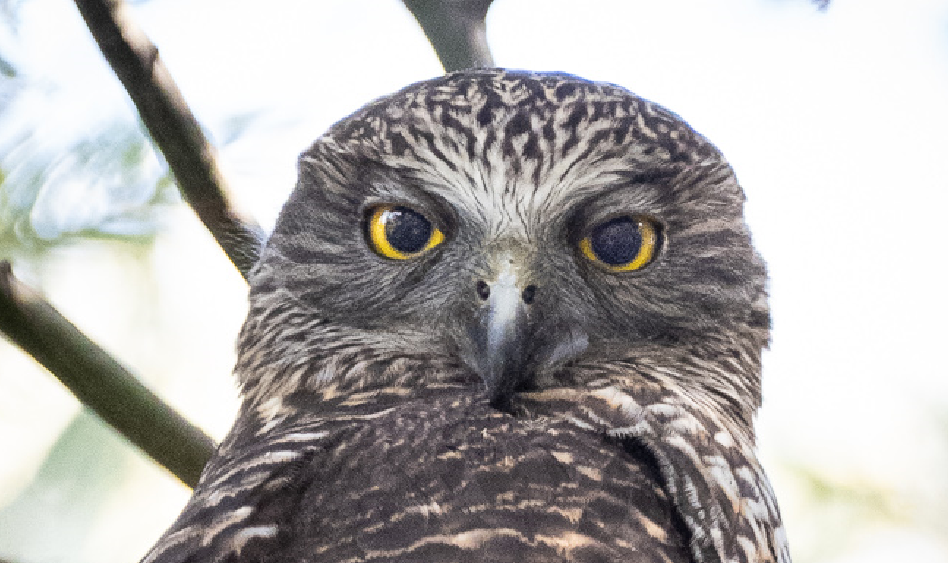
The above is a close-up of the head of a Powerful Owl that visited the Creeklands in May last year (photo credit: Greg). One thing we learned from the Whitehorse Trees and Urban Forest Education talk on The problem with rodenticides by Deakin University’s Raylene Cooke and John White on Sunday 23/7 was that our visitor is likely to be male.
Raylene explained that detailed analyses of many photos of the species showed that females tend to have fluffy feathers on the outside of the eyes – to the point the silhouette of the head on the sides is blurred by them. So, our photo clearly shows the head of a male! Or does it ? – there does seem to be some fluffy stuff exposed by the branch behind the bird’s right ear (?) However, she also said the females were “cuter” – we’re pretty sure that adjective would not apply to the bird above who seems to be calmly doing his best to hypnotise us or otherwise give us the “evil eye”…
“Powls“
The Powerful Owls are Australia’s largest owls – measuring up to 65 cm in length, with a wingspan up to 135 cm and weighing up to 2.2 kg. They are fearsome “apex predators” – possums (including the larger brush-tailed) and birds like Magpies, Cockatoos and Tawny Frogmouths are all fair game.
Apex predators are at special risk of poisoning because they are at the top of the food chain and consume prey that may have already been exposed to toxins.
SGARs
Some of today’s retail household rat baits contain poisons called Second Generation Anticoagulant Rodenticides (SGARs) which break down very slowly and remain in the food chain for long periods. The nub of the problem is that birds such as owls might eat a poisoned rat or mouse and become poisoned themselves.
The Problem
One thing we did learn for certain from the talk, is that rodenticides (aka Rat Poisons) are a major and growing problem. Raylene and John decided to investigate the effect of these poisons on “powls” after ground-breaking work discovered problems in Boobooks in Western Australia in 2018.
Their recent research shows:
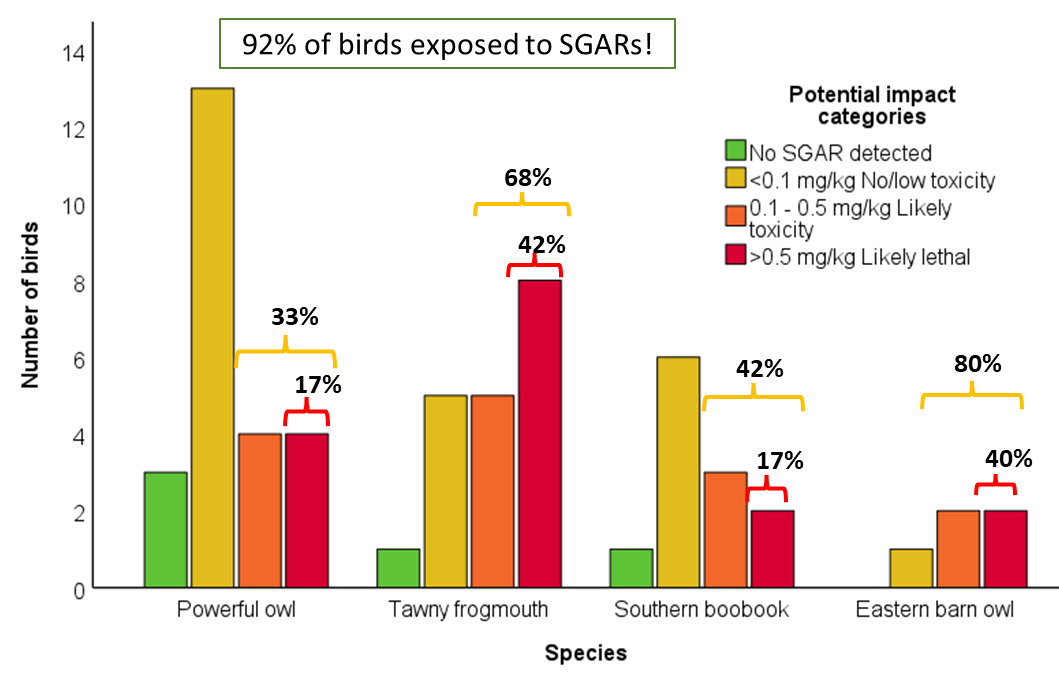
- 88% of Powerful Owls had rodenticides present, every positive bird showed the SGAR brodifacoum
- 42% had Pindone rabbit poison present
- FGARs were uncommon.
Yes, even the Tawny Frogmouth
Worse still, the problem appears in other birds including our iconic Tawny Frogmouth. That is particularly concerning because the Tawny Frogmouth is generally thought of as an insectivore (eating moths etc) – though they will take a mouse (by mouth – they don’t have the feet and talons of an owl).
Brodifacoum was widespread – though other SGARs are being encountered. Six of the Tawnies had 2 types recorded, 2 had 3 or more present. Obviously, this means they have taken multiple poisoned prey and that the poisons accumulate in their bodies.
Furthermore, 91% of Common Brushtail and 40% of Ringtail possums had SGAR exposure !
Isn’t this stuff too dangerous then?
According to John White, the SGARs indeed are too freely available as a Category 6 poison – they can be bought freely at retailers like Coles and Bunnings and used with abandon – unlike in California where only professional pest eradicators can obtain them – and then typically in large (=expensive) quantities.
This seems to get back to inaction by the Australian Pesticides and Veterinary Medicines Authority (APVMA) which has recently been the subject of a very adverse report on its conduct and culture – which has led to the resignations of both its Chair and the CEO.
What can we do ?
Raylene and John recommend:
- Avoid bait poisons where possible.
- Avoid SGAR products in particular – check the ingredients on the pack do NOT include brodifacoum, bromadiolone, difethialone, difenacoum or flocoumafen.
- FGARs are better but still a risk. Active ingredients include: warfarin, coumatetralyl and diphacinone.
- Use products like RATSAK Naturals (human, pet and wildlife safe bait option).
- Deliver in tamper-proof bait stations.
- Use according to the instructions on the box.
- Put pressure on retailers such as Bunnings and Coles, Councils and Government to reduce and more strongly regulate usage of SGARs.
- Continue to plant canopy trees and understorey to provide habitat for wildlife.
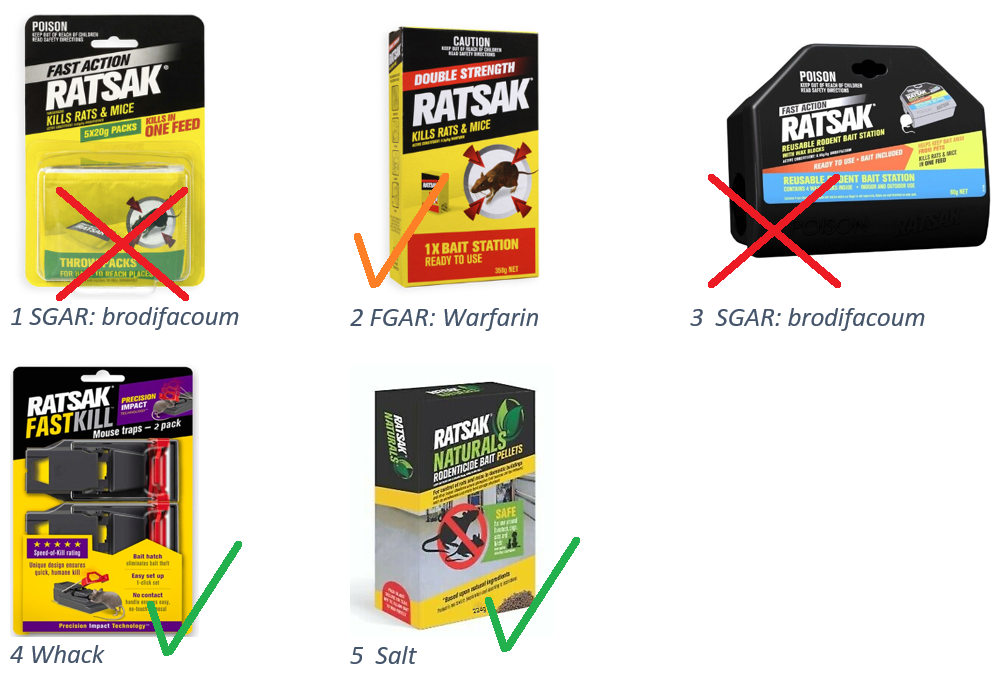
The popular RATSAK range shows the options available to consumers (with active ingredients noted):
What does “fast” mean ?
- RATSAK “FastKill” is a modern take on the mechanical mousetrap.
- It seems “Fast Action” in the RATSAK range denotes an SGAR based poison. Although the pest only needs one dose of the SGAR poison, typically a rat would take 5-7 days to die. During that time it becomes lethargic and disoriented – often (too) easy prey for a predator such as an owl.
- Of the RATSAK range, options 4 and 5 are the best for wildlife (and your children and pets!).
Sightings
We’ve thrown a number of interesting sightings captured by our photographers into the lightbox for your review:
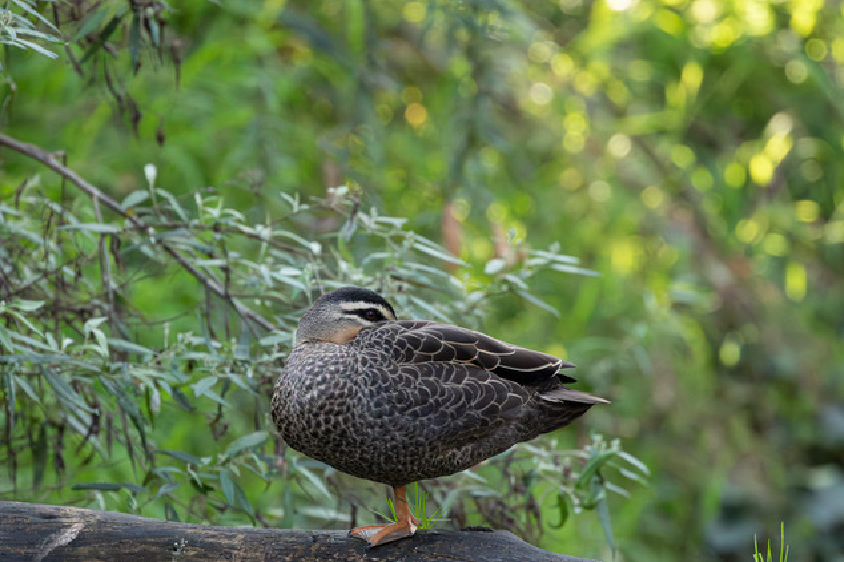
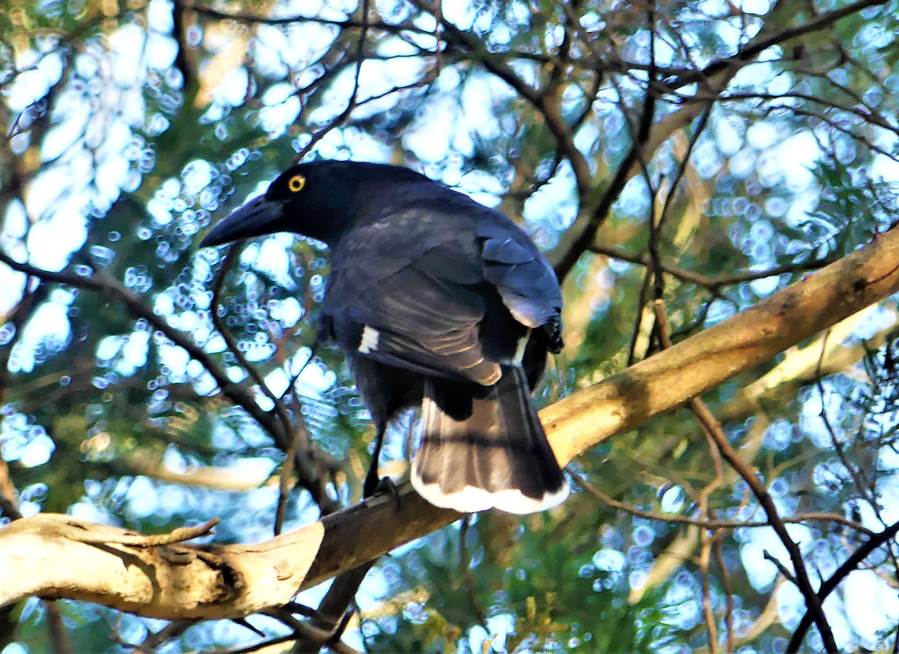
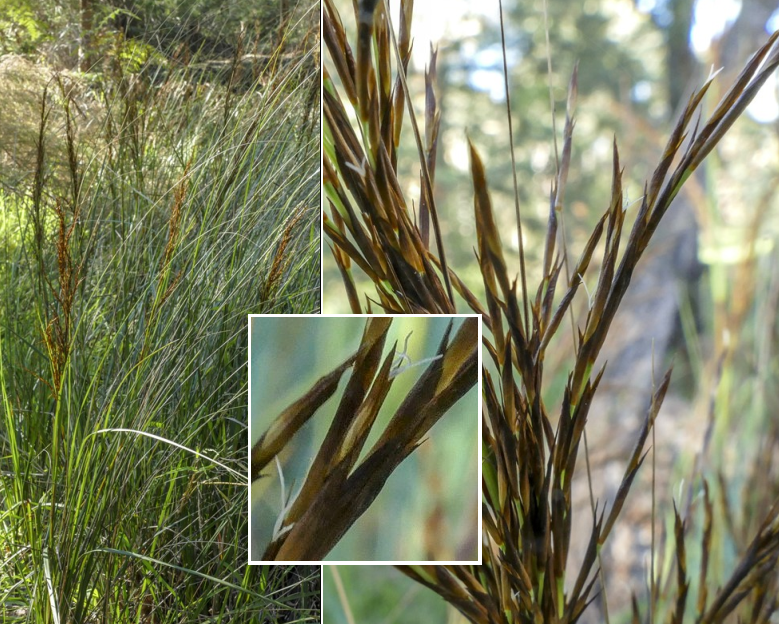
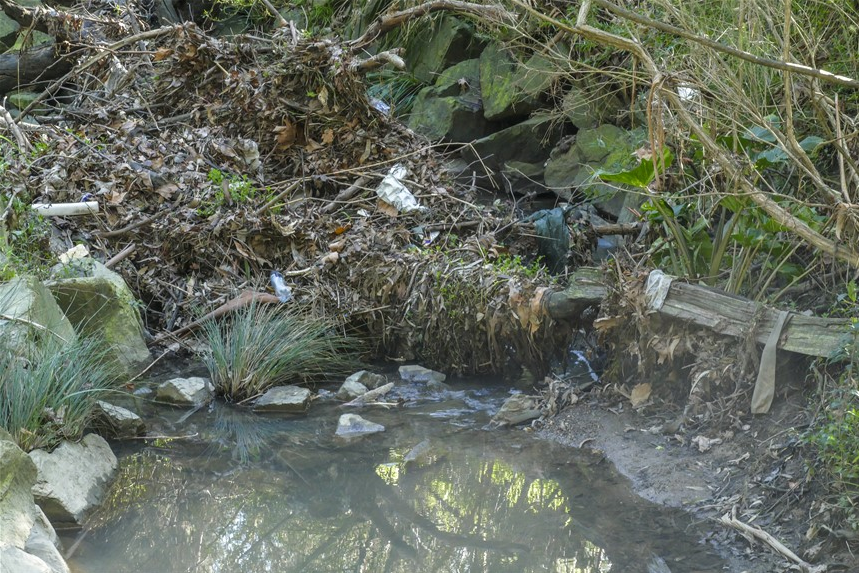
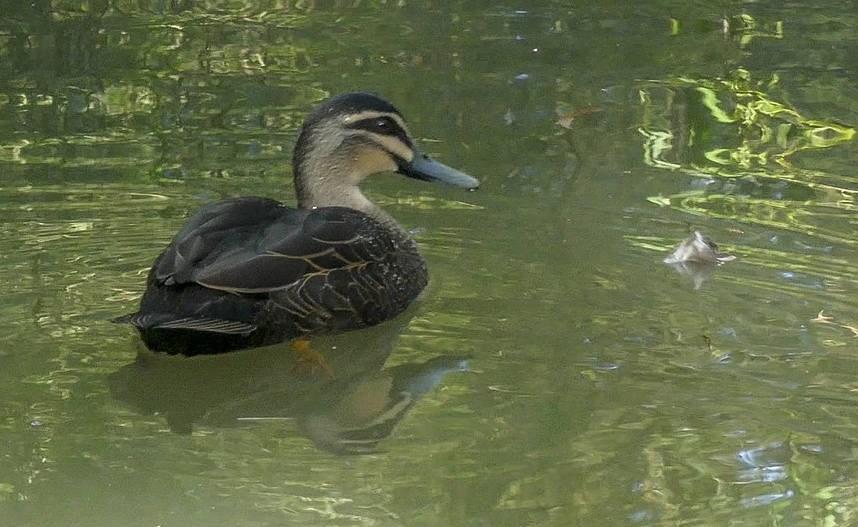
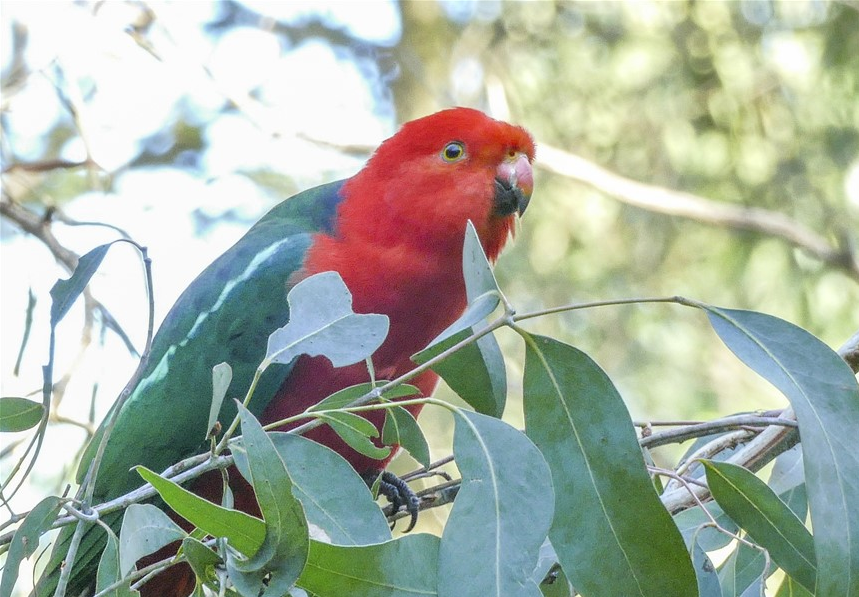
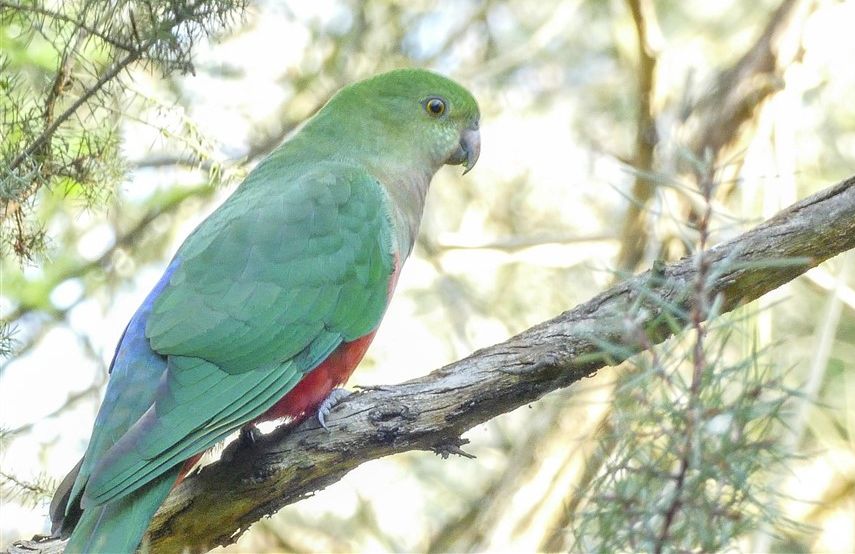
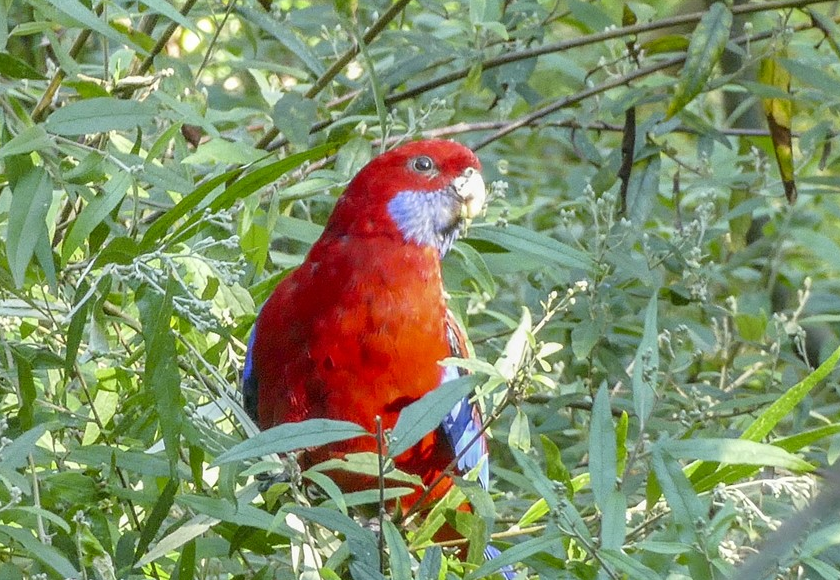
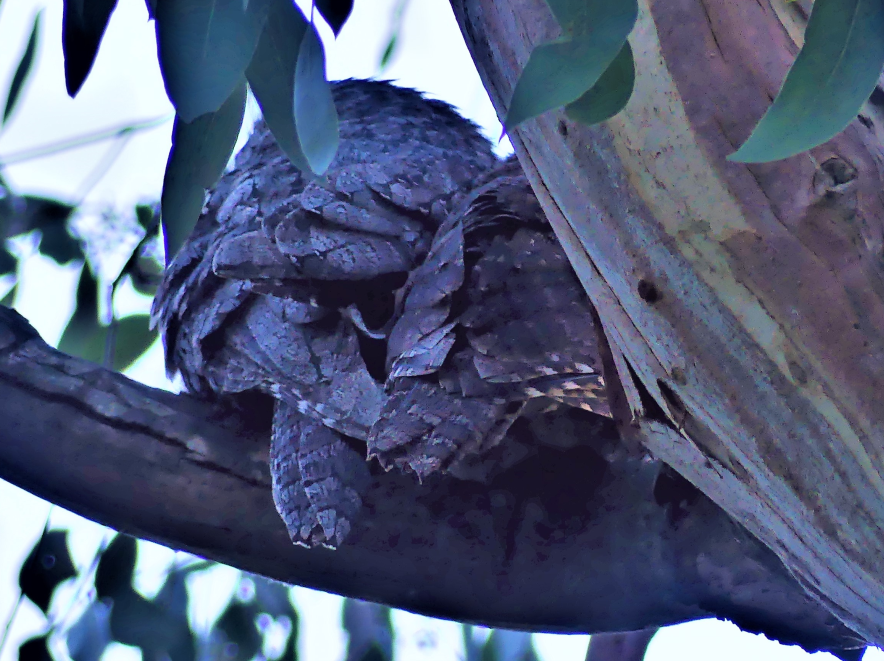
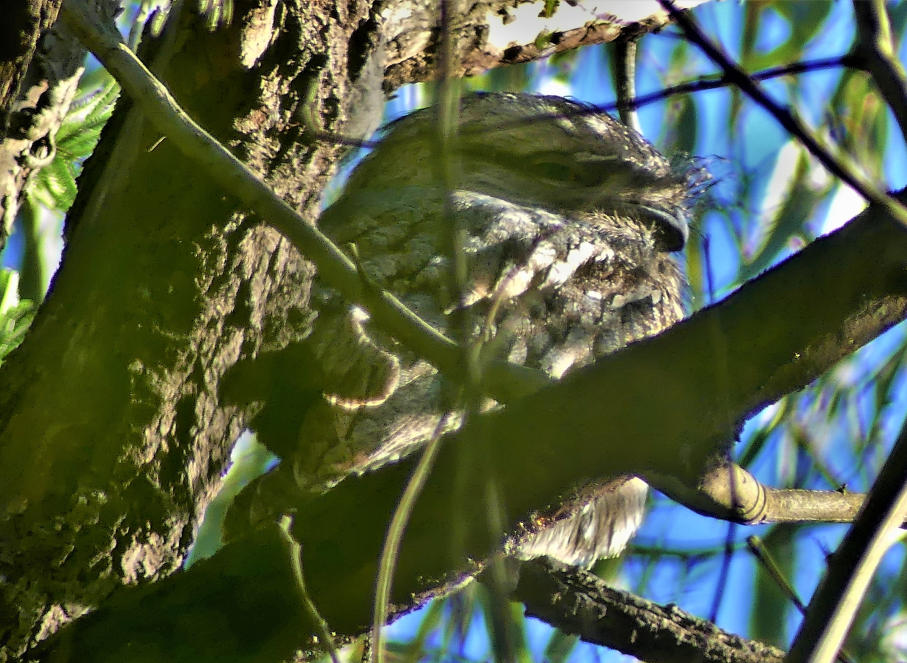
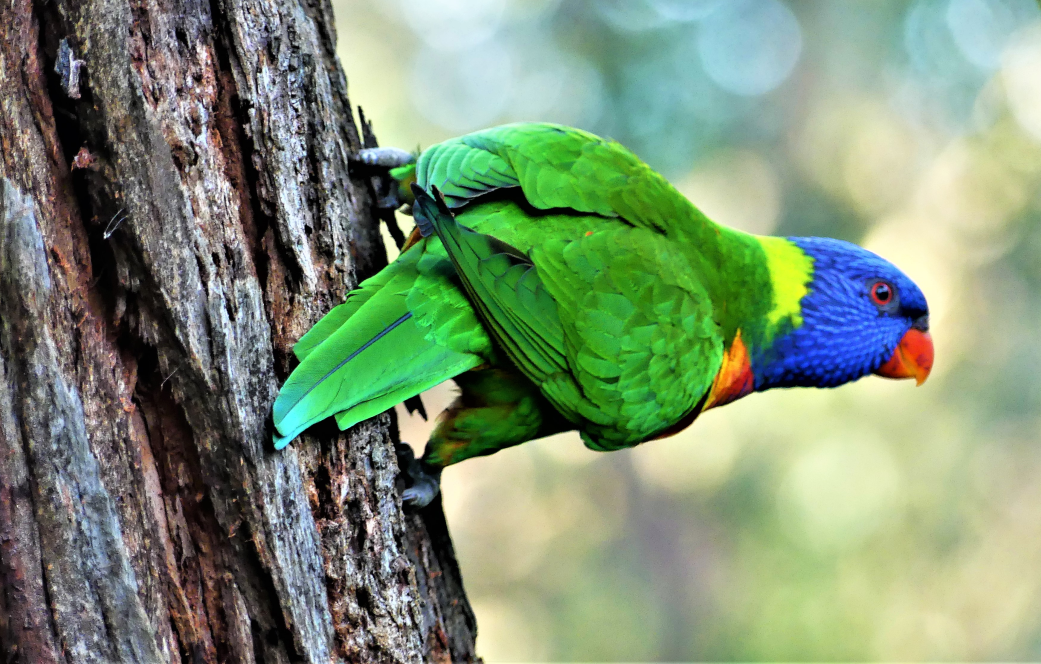
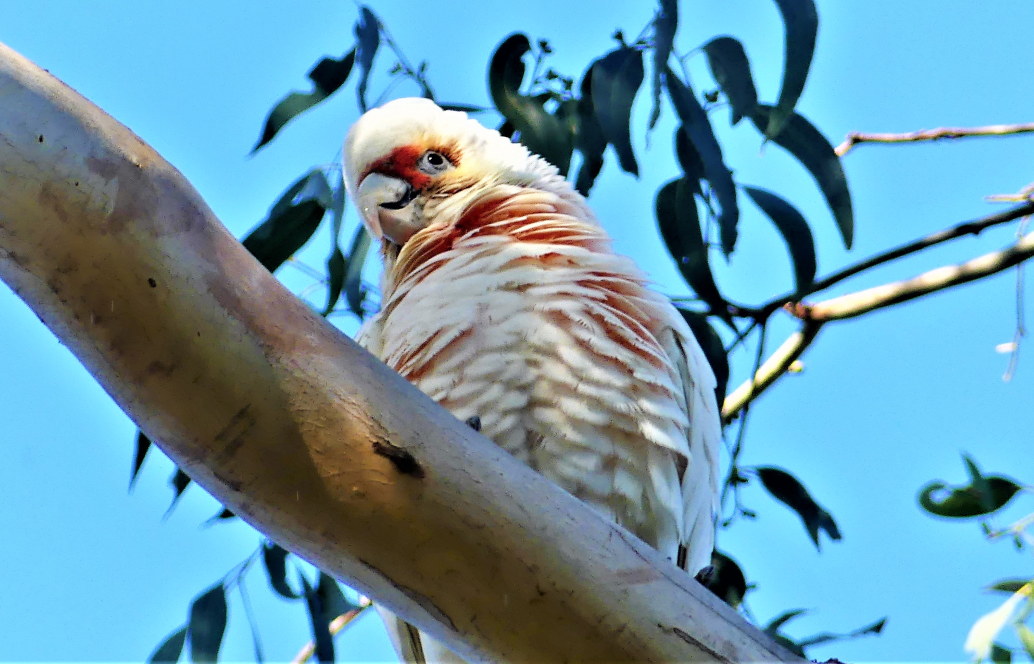
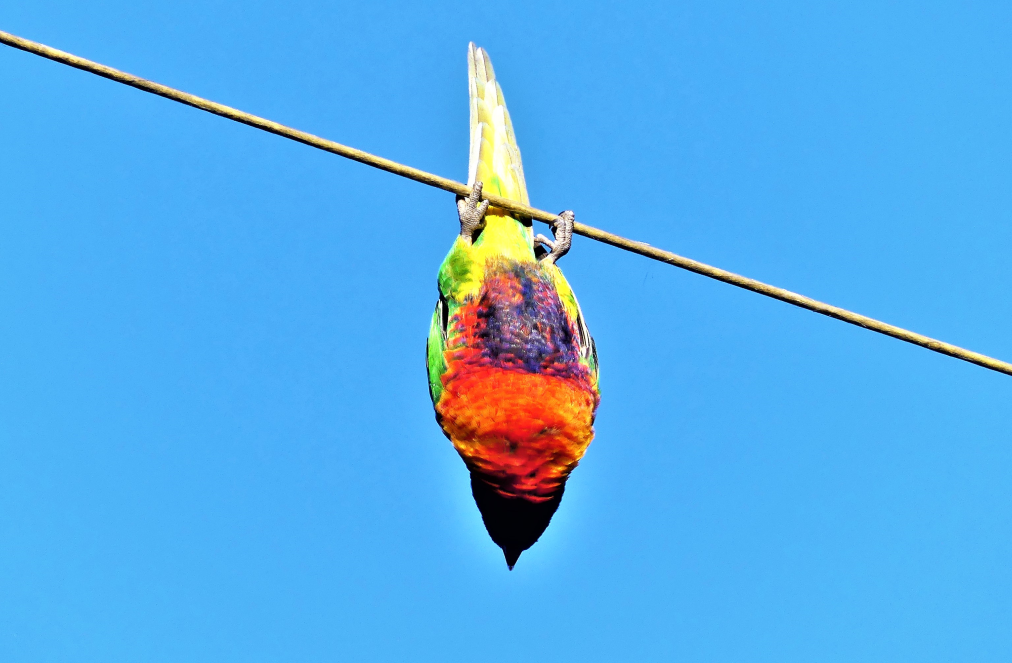
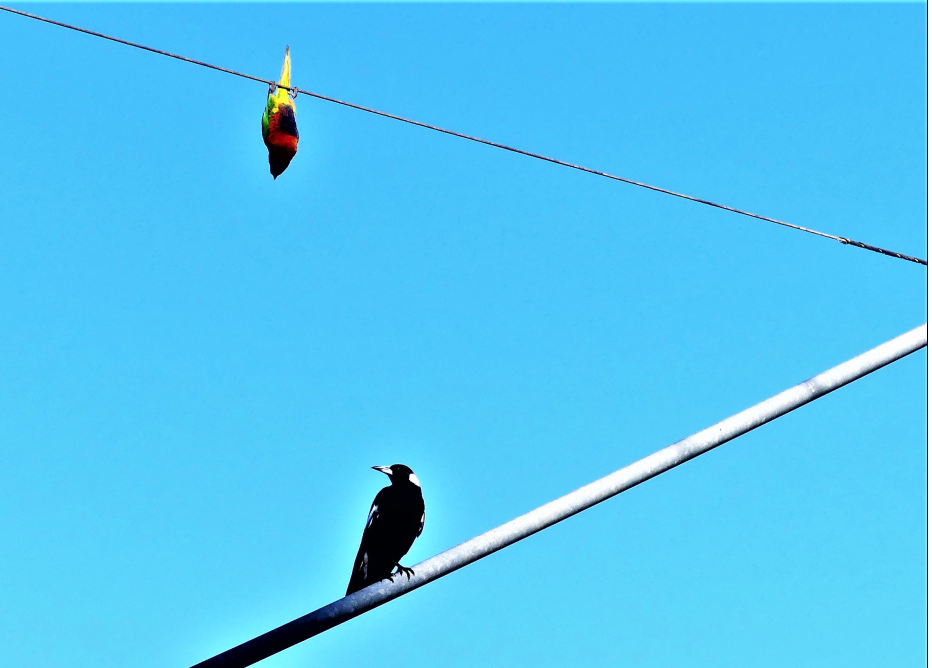
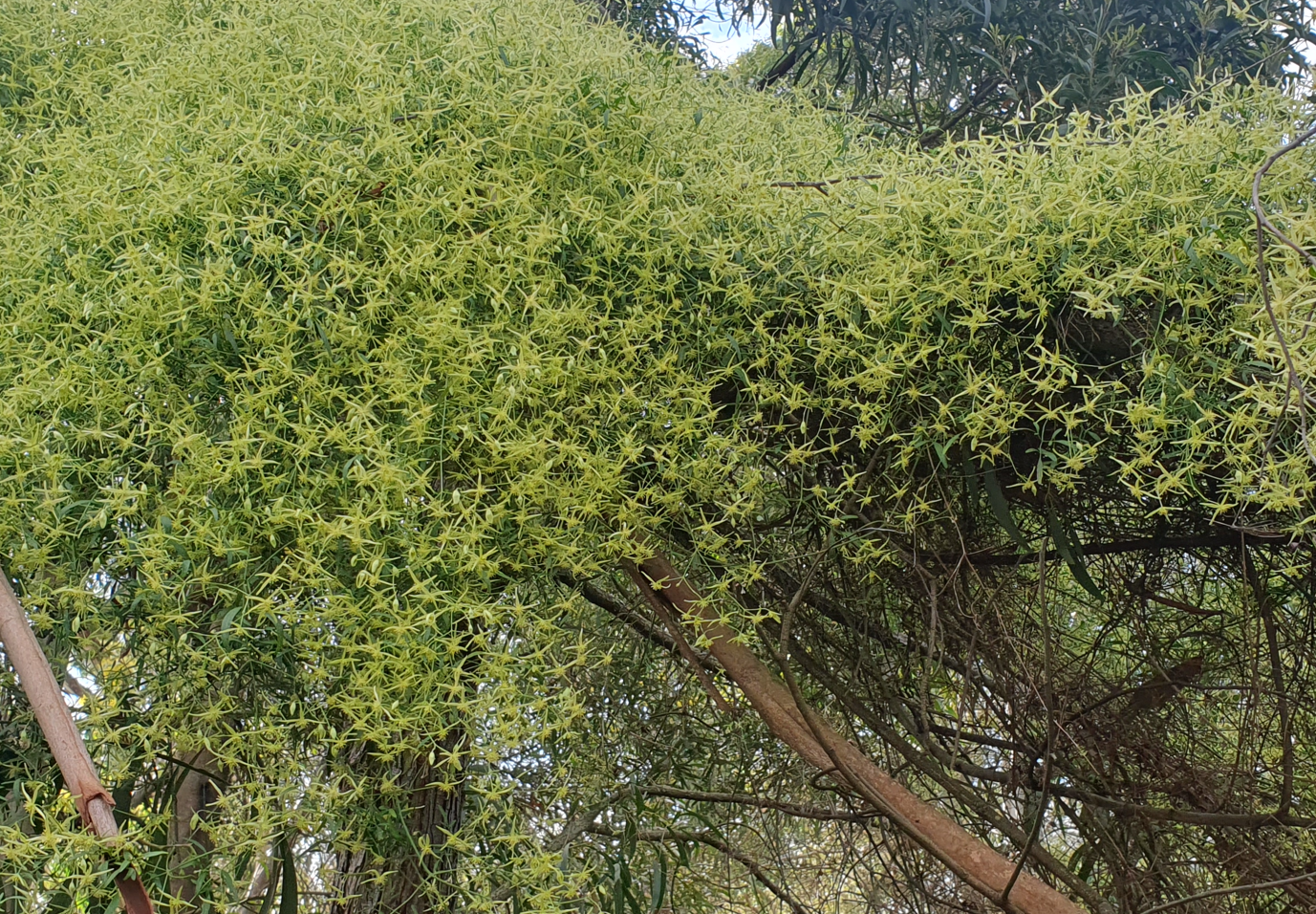
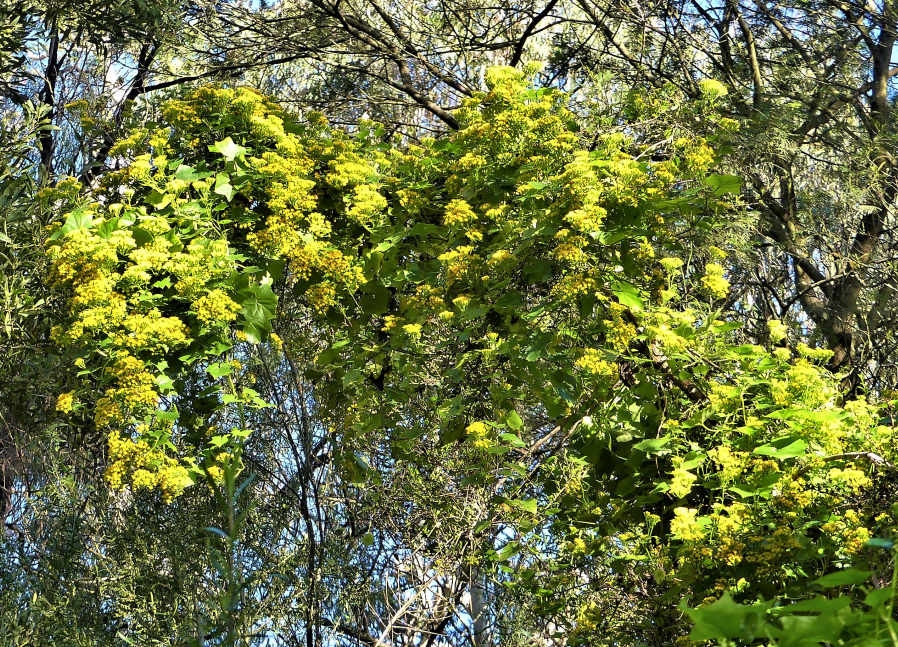
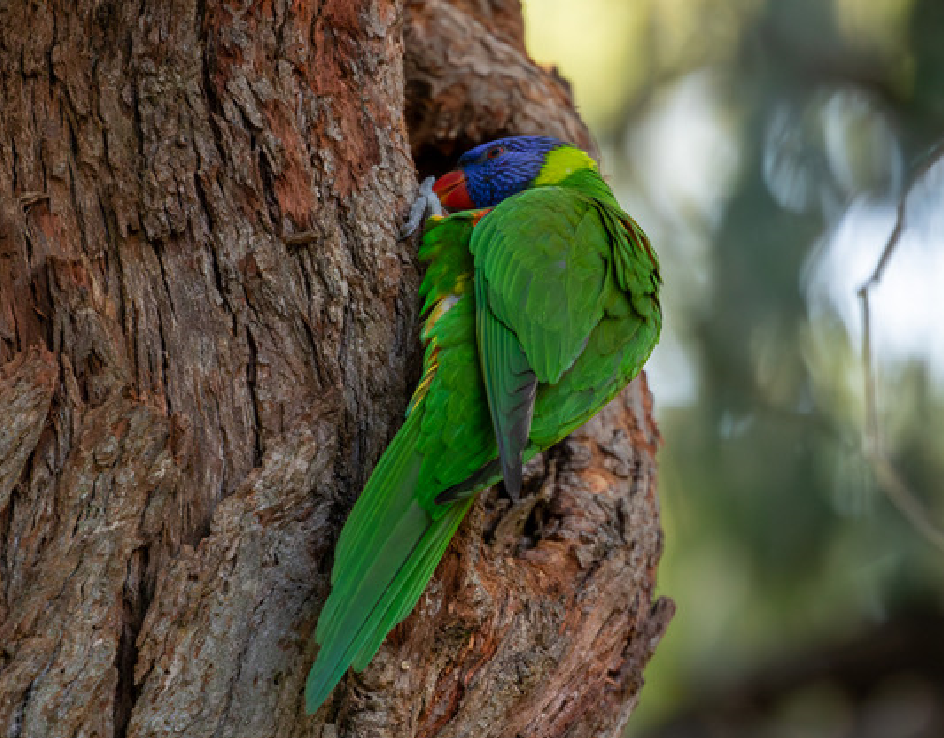

The list includes a one legged duck ready to go in reverse (or is he having a kip ?), a mystery blackish bird to see if you were paying attention earlier, Gahnia with close-ups (normally flies well under the radar), male and female King-parrots, a Crimson Rosella (good to see them back), a Lorikeet potential home inspection, some more immobilities, good and bad plants flowering and a Tawny frogmouth nest under construction (owners immobile elsewhere).
As usual, we thank our wonderful photographers including Lindy and Russell for sharing their astute observations with us.
Annual General Meeting

As foreshadowed in our last newsletter, our Annual General Meeting (AGM) took place on July 25th. The meeting welcomed new committee members, voted thanks to those not continuing or resigning during our last term, approved our annual report to Whitehorse Council and elected Office Bearers.
New Committee
We are pleased to announce that we have a number of new Committee members including a community-focussed, long term park user and educator, a recent graduate in environmental management and another younger person, very interested in wildlife, who comes to us from Singapore originally. We welcome the new perspectives, knowledge, capability and excitement they bring to the group.
Two of our existing members decided not to continue on Committee but assure us they will continue to support the park and the Committee by participating in working bees – an area where both have made major contributions in the past. A third member decided to retire after 14 years’ service to Committee and a stellar contribution to our local environment over many decades! We thank all of the members of the former Committee for their contributions to our Committee, the park and the broader community during their terms of office.
Our Office Bearers remain the same people. However, to cover absences and/or lighten the load where necessary, understudies for the Chairperson and Treasurer were appointed and the role of Minute Secretary is to be rotated around all of Committee.
Community Engagement
An important role of our Committee is engaging with the local community. Good measures of this are our web-site popularity and the number of Friends we have registered.
Web-Site Activity
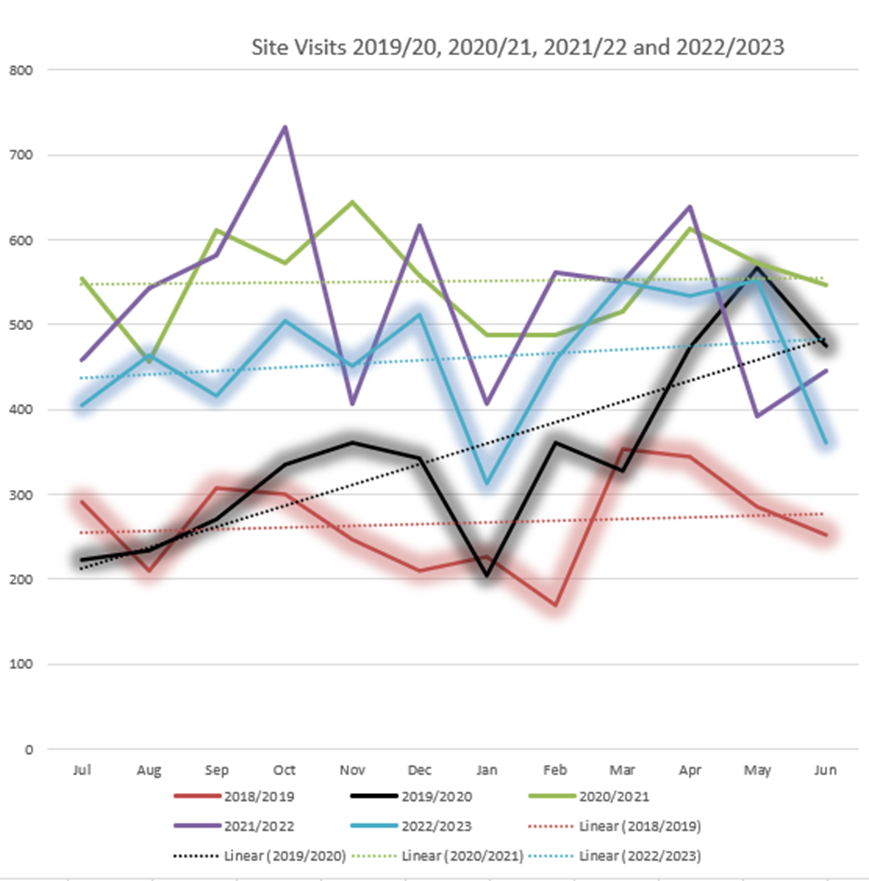
We believe our web-site statistics show an interesting correlation with the COVID-19 impacts on our reader base. The red line (2018-2019) shows our pre-pandemic site activity. The black line (2019-2020) shows the incredible growth in site visits we saw as the lock-downs started in March 2020 and continued into 2020/21 and 2021/22 (the green and purple lines respectively).
The blue line shows the figures for last financial year, which has been COVID restriction-free. Although the numbers are generally down on the COVID years, we are pleased that they remain significantly higher than the pre-COVID levels (blue vs red) and are trending up (blue dotted linear trend line).
Note: There was an anomaly in the Jun 2023 figures because no newsletter was produced that month for May – publication of our newsletter normally bolsters site visits significantly.
Registered Friends
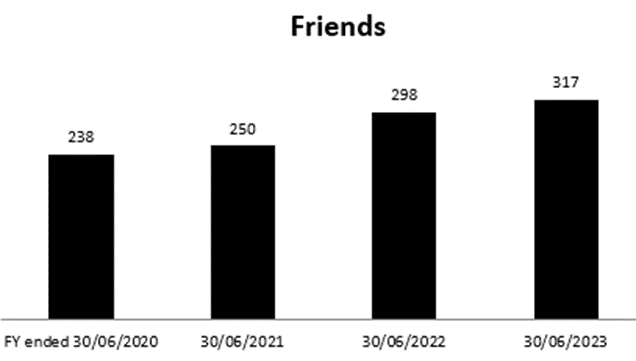
The Covid years also saw a jump of 20% in the number of “Friends” we have registered. These are individuals and families that register their interest in the Blackburn Creeklands via our web-site. The number of community members and families has gone up by another 6% over the last fiscal year to well over 300. Once again, we see a little growth and are pleased we haven’t lost the new friends we made during the pandemic.
In summary, we are very pleased that our number of “Friends” continues to rise indicating that our reach into the community is improving. Even though our web-site traffic has dropped a little from the pandemic peaks, we are very pleased that our site views are considerably better than the pre-pandemic levels. Our park is going to need all the Friends it can get as population pressures increase park usage and maintenance needs.
El Niño
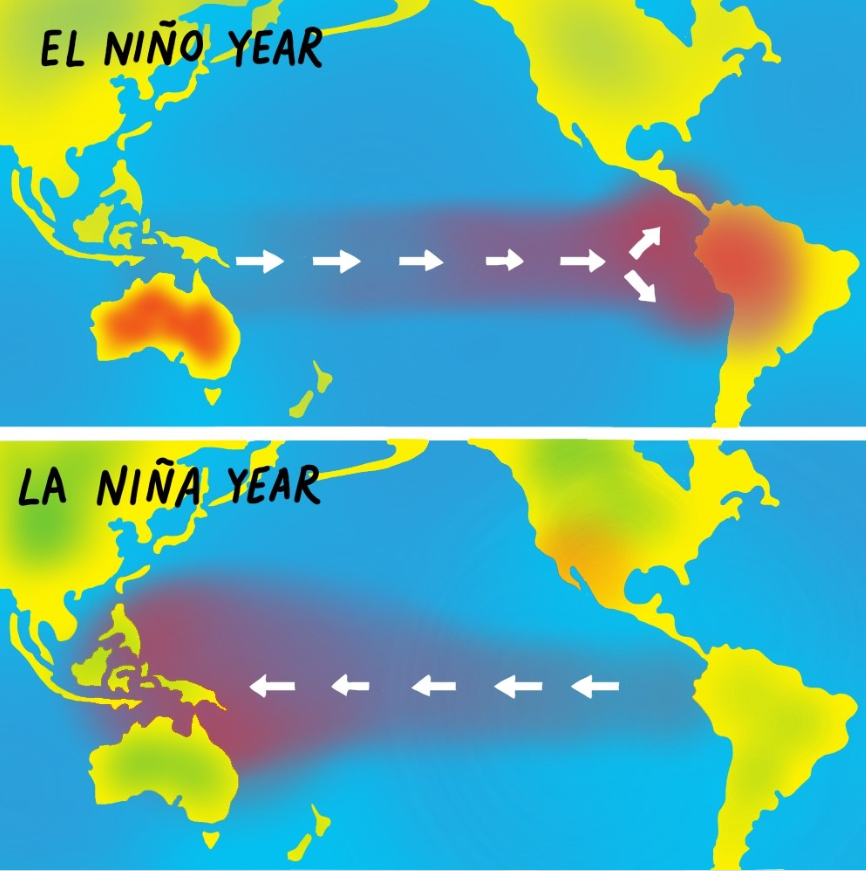
It’s official – in line with predictions we reported in our March edition – the World Meteorological Organization has declared that an El Niño event is now under way, threatening us with record high temperatures and dangerous bushfire conditions in Australia.
Australia’s Bureau of Meteorology still hasn’t called an El Niño event yet. We understand that the BoM process is to wait for key changes in the Trade Winds before it makes its call. The last El Niño weather event occurred in 2015-2016 and it was the hottest year on record. Climate change puts us at risk of experiencing more intense El Niño occurrences.
These events result in higher ocean temperatures towards South America, leading to hotter and drier conditions in Australia as rainfall patterns shift towards the Americas. Ominously, this occurrence follows three years of La Niña which tips the balance in the opposite direction – Australia has had more rain and hence more vigorous vegetation growth. This leads to an increased risk of more dangerous bushfires due to the presence of more “fuel”.
What does it mean for the park ?
- Our park is located in an urban environment and its narrowness, protection from northerly winds and east-west orientation mean that bushfire risks are low.
- However, higher temperatures and dryness will impact park vegetation. Vegetation losses as trees defoliate to reduce evaporation make life even tougher in the understorey.
- Weed growth needs to be managed.
- In very dry times, we may need to water young plants to ensure their survival.
Council Maintenance
A few points in relation to minor Council maintenance in the park:
- The unstable seat near “The Cutting” on the north side of the creek in Kalang Park has finally been removed. We look forward to a replacement soon.
- Council is planning to install more dogs-on-lead signage at park entrances to remind dog owners that the entire park is a dog-on-lead park as befits a bushland park. The new signs will focus on entrances that don’t have signage at present.
- Council does NOT provide a special waste collection service for neighbouring properties. Neighbours should not be depositing weeds from their property into the park in the hope that Council will collect their refuse. We would all appreciate neighbours taking charge of their own weeds, prunings etc.
Spring Bird Walk
One for pencilling into your diaries – our Spring Bird Walk is targeted for Saturday, 21st October.
Corridor matters
Our new flyer
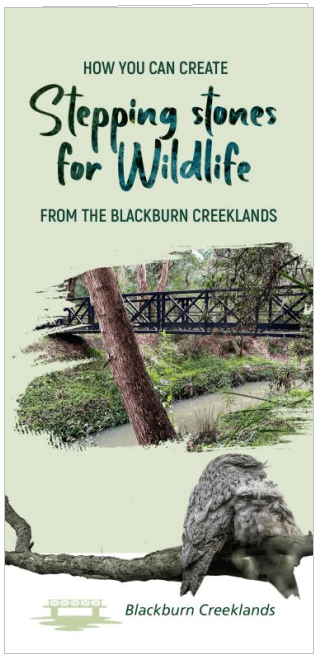
Whitehorse Council, through Belinda Moody (Council’s Tree Education Officer), has worked with your Committee to produce a new flyer to encourage those in our park’s corridor to plant compatible plant species in their gardens for wildlife habitat.
The brochure is based on a similar concept to one produced by our friends at Yarran Dheran in Mitcham. Lisa, one of our “Friends” took the lead role in coordinating our side of the project suggesting suitable artwork and content. Some photos were provided by Council’s Ian Moodie who is one of the regular leaders for our Autumn and Spring bird walks.
We’re planning to do some letterboxing later this month. You can have a sneak preview of the flyer here.
We thank Council, Lisa, Belinda, Ian, Gardens for Wildlife and our colleagues at Yarran Dheran for their help in bringing the project to fruition.
 Blackburn Creeklands
Pingback: Park News – September, 2023 | The Blackburn Creeklands
Pingback: Park News – October, 2023 | The Blackburn Creeklands