Welcome and all the best for 2024!
Welcome to our Blackburn Creeklands Newsletter for January, 2024. Unlike our regular editions, our December news is published just before Christmas so that we can wish everyone the compliments of the season. This means that the January edition covers events from the last week of December as well our January news.
Now that life is returning to the new normal after the festive season and late December and January finally brought some heat, kids are going back to school and the summer holidays are ending – we wish our Friends all the best for a happy and successful 2024!
Milky Tea Event on New Year’s Day
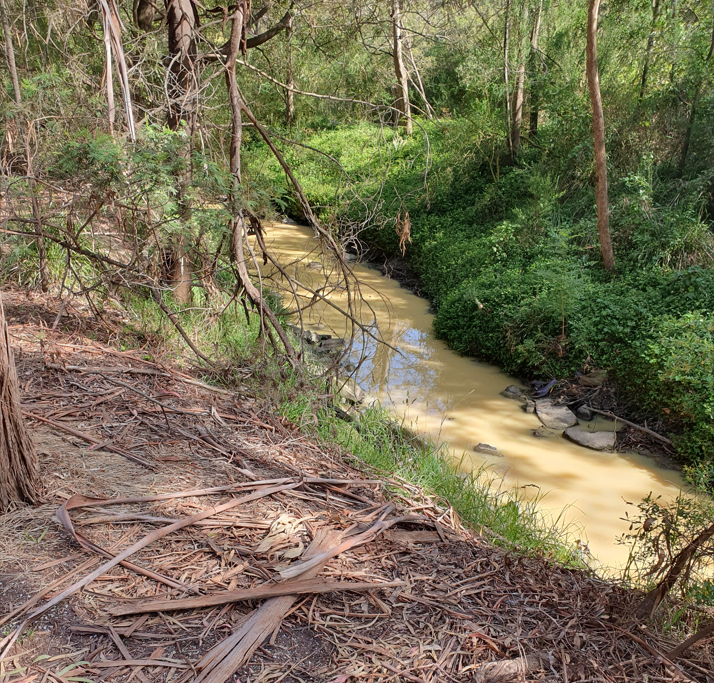
These events are usually caused by a burst water mains washing the yellow clay common in our area below the topsoil into the stormwater system. In this case, the event was most likely caused by a large water main burst in Ronley Street.
If you’d like to check on a water or sewerage fault in your neighbourhood, you can check Yarra Valley Water’s mapped faults here.
Rain!
Our weather seems to continue to defy the El Niño predictions with higher than average January rainfall and lower maximum temperatures than normal. Heavy rains around Christmas and into the New Year resulted in high flows down the creek. Two of our Friends, both Lisas, managed to capture some of the action on the 8th January:
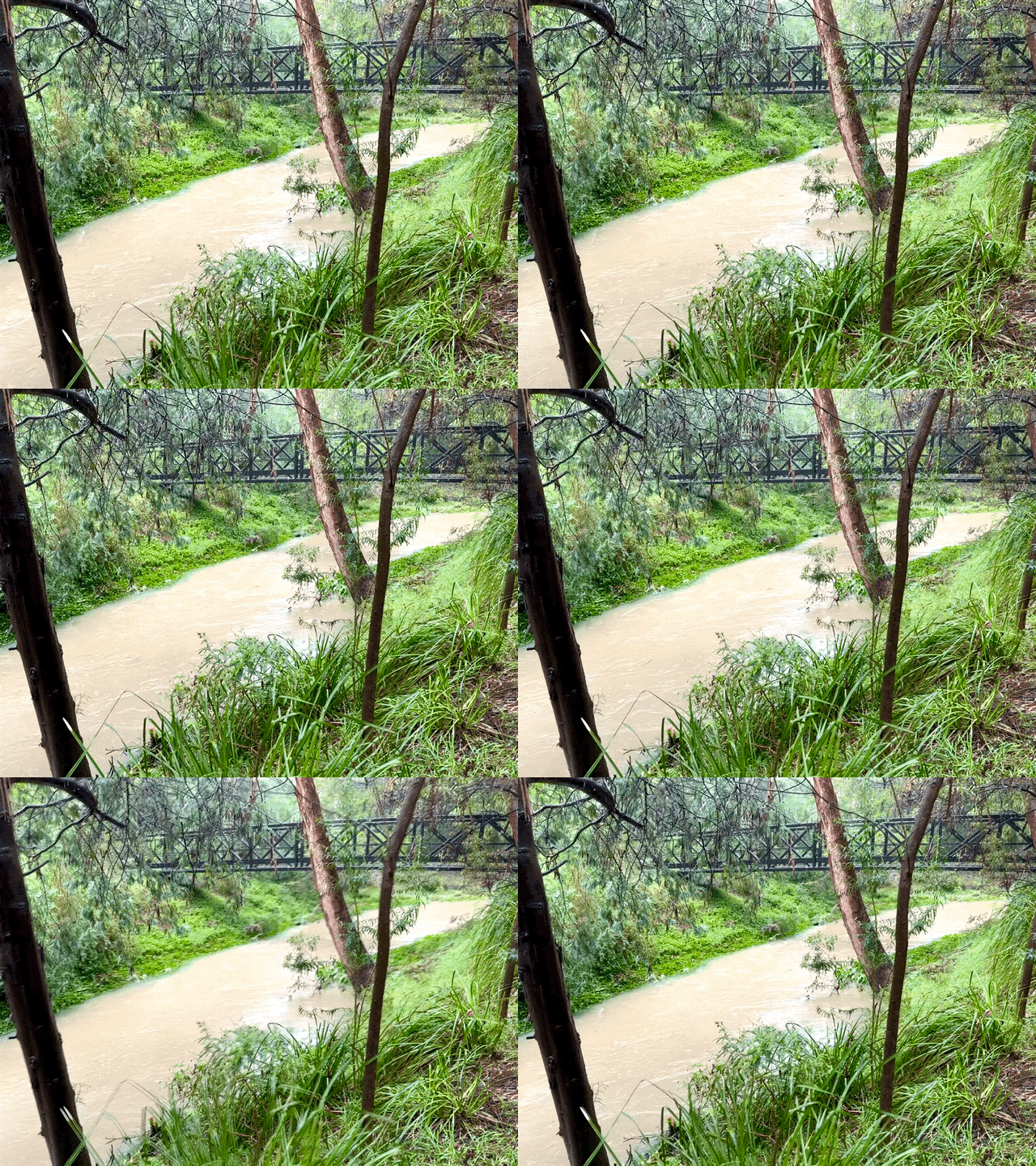
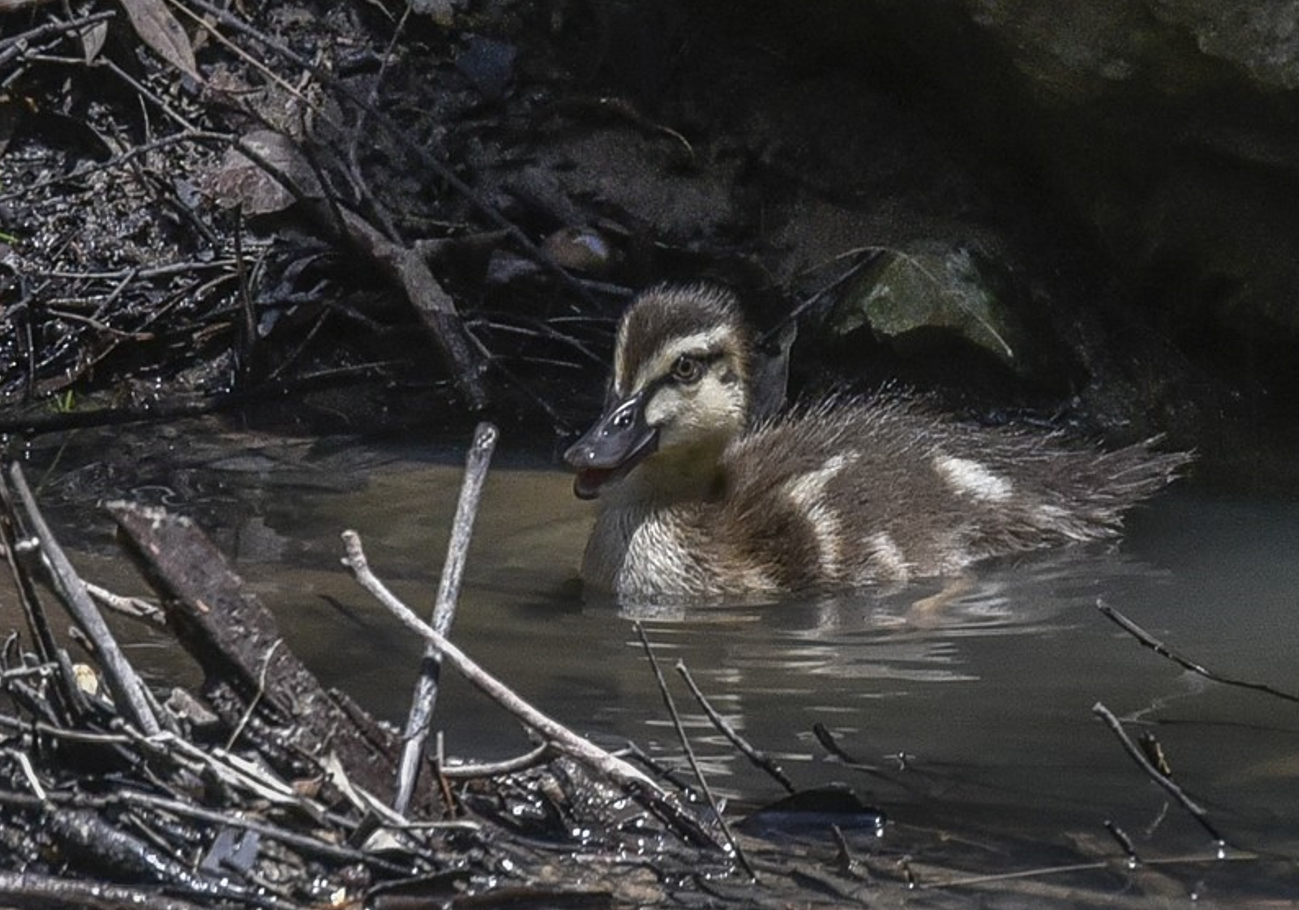
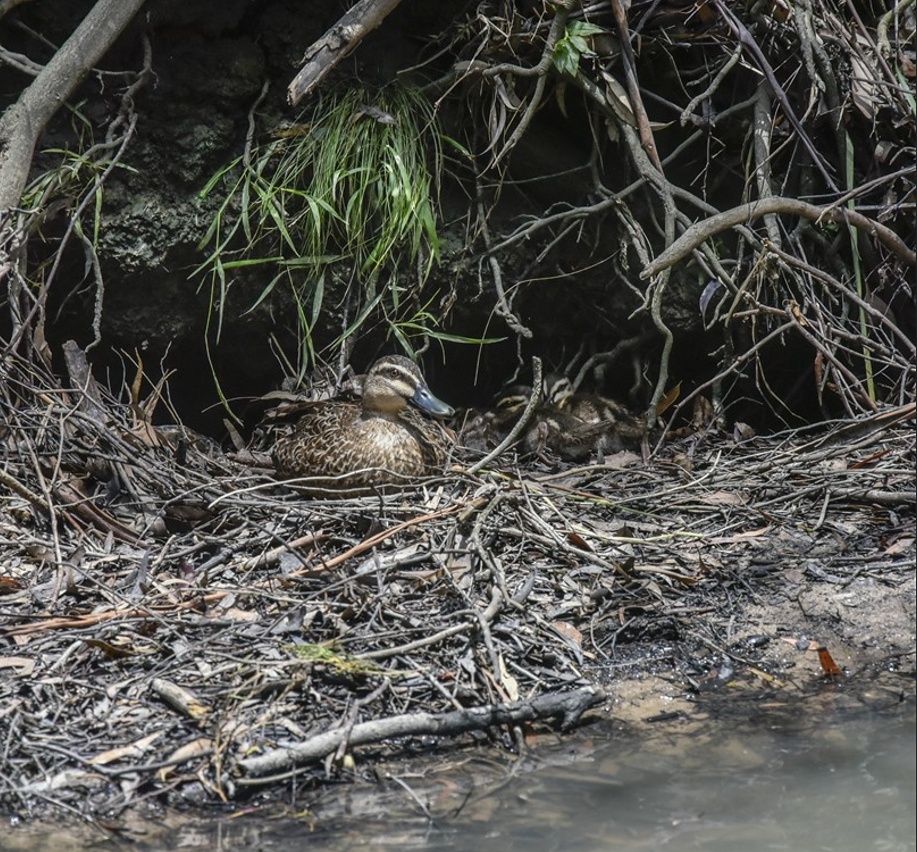
Lisa H managed to capture a movie of a mother duck and family “shooting the rapids” – but we can only show you a still-shot due to its format and restrictions in our web-site:
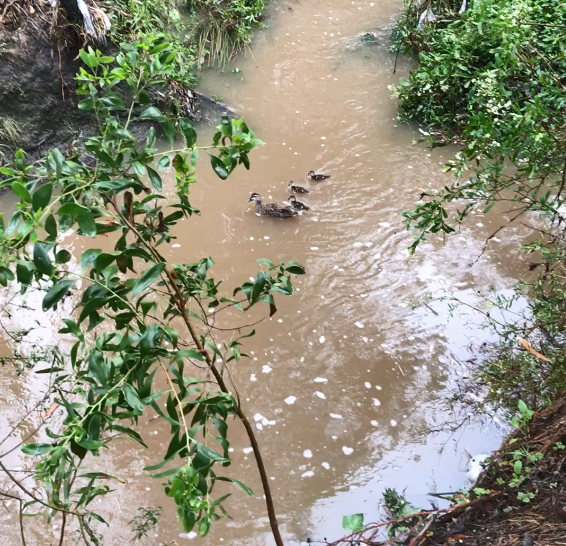
The water had been significantly higher when the second shot was taken – but even so, the creek was in “high flow” when the movie was shot. Suffice to say mum was in control and led the nippers to a safe refuge out of the current.
The heavy flows do tend to “flush out” the creek somewhat – but can leave rubbish behind too:
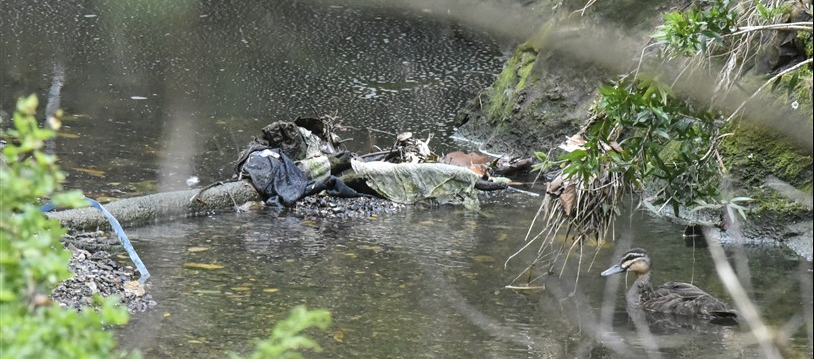
Some weather models already indicate that a La Niña event could return by June !
Breeding Success
Kookaburras seem to have had a good breeding year in the park. Dare we mention that we made fun of one young Kooka’s attempts to feed him/herself in our November edition? It seems some lessons have been learnt – check this action shot from Russell taken just near the carpark adjacent the Bowls Club:
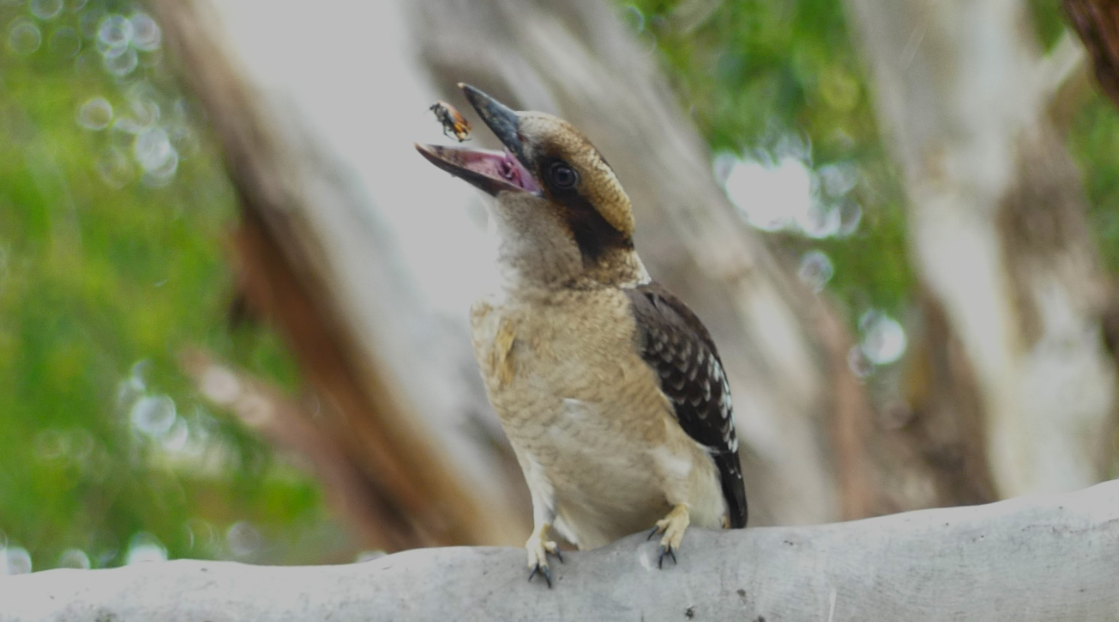
The bird is still a juvenile – you can tell from the dark colour of the bottom beak and the darkish top of the bird’s head. But credit where due – this youngster is quite dexterous (not quite the right word – but you know what we mean!) in the food department !
The current breeding season does seem to have been successful for several other species in the Creeklands too – hence there are lots of juveniles on show. Here is a sampling (adult always on the right):
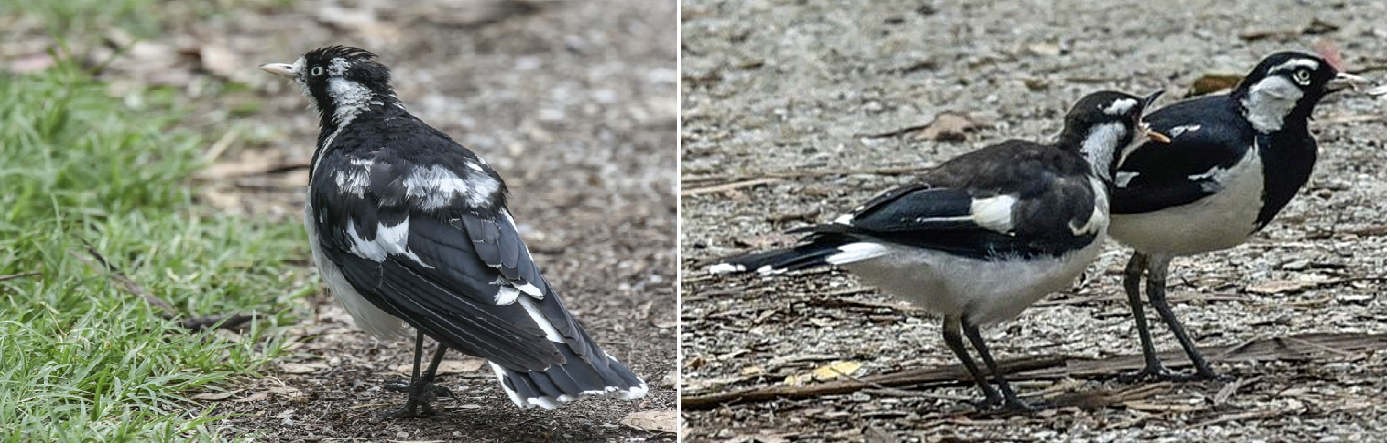
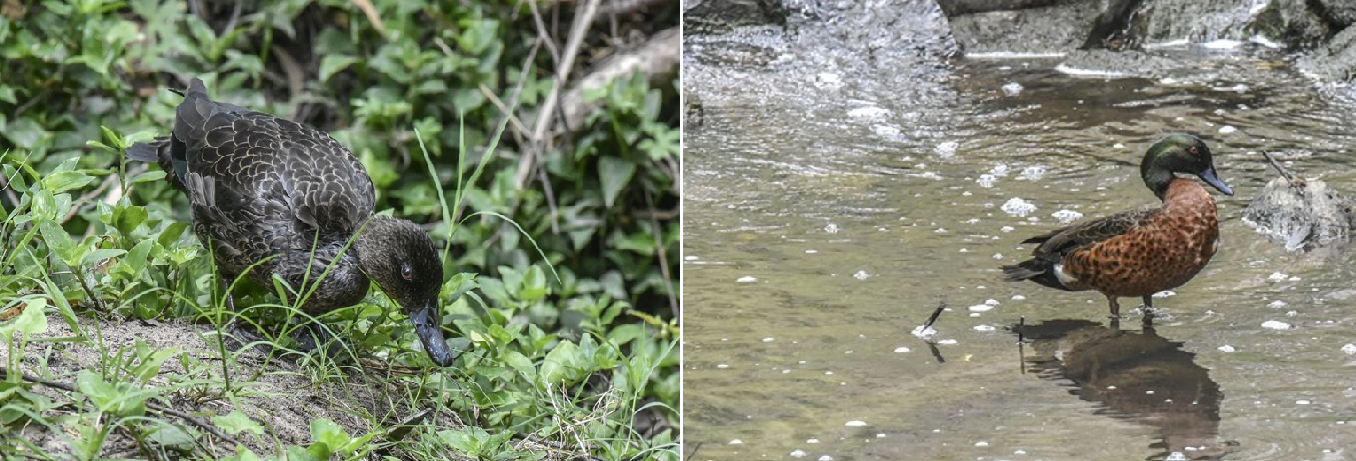
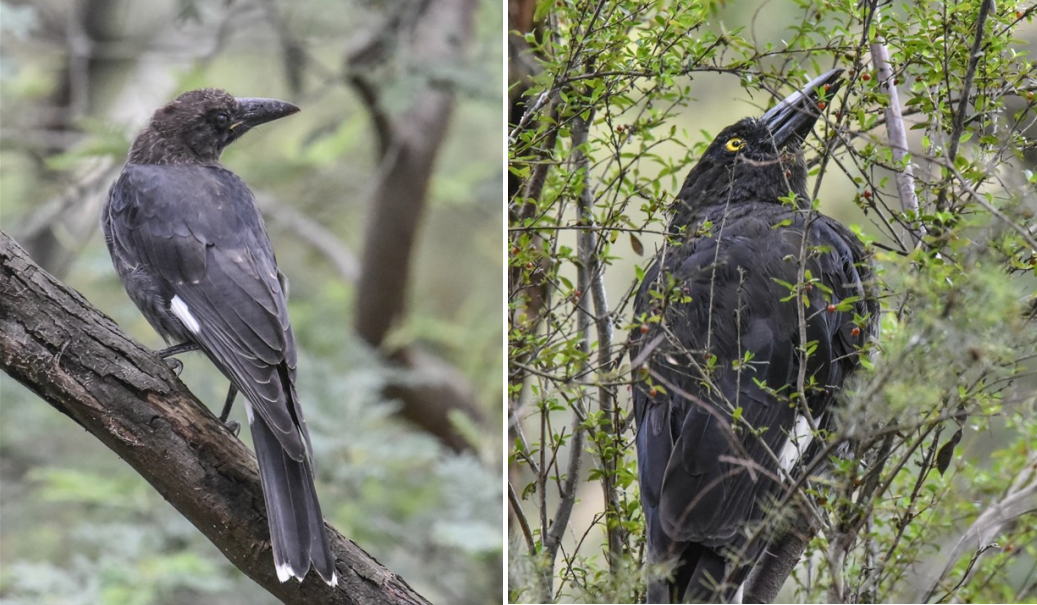
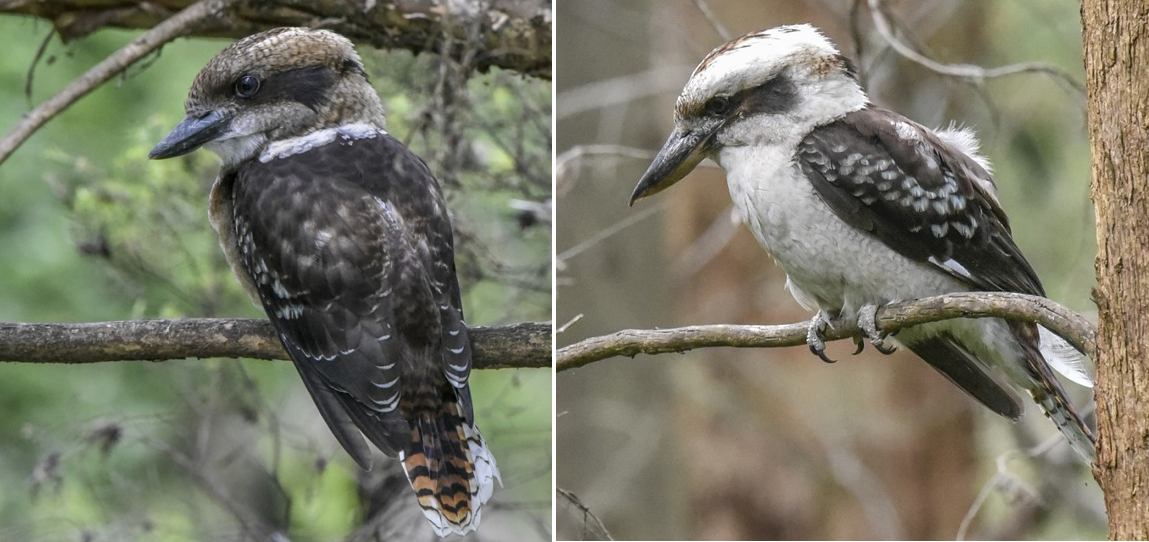
Click on a species to enlarge the image
Differences to look out for: colouration – juveniles are often hard to see (including by their predators), eye colour, bill colour, short tail and other feathers, fluffiness due to juvenile feathers and feeding – often juveniles nag parents for food and won’t forage for their own food.
Community Working Bee – Calendar for 2024
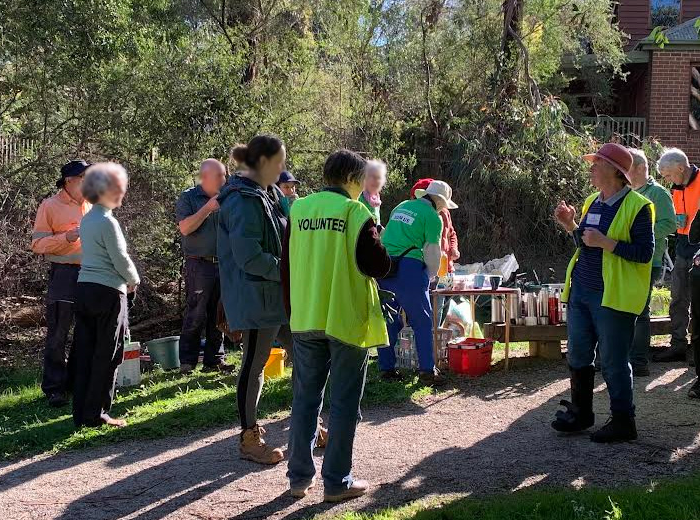
They are on again next planting season! The following events are planned on these Sunday mornings:
- 2 June – World Environment Day – location north of Laurel Grove bridge
- 7 July – NAIDOC Week
- 28 July – National Tree Day
- 1 September – Wattle Day.
In addition, there will be a Bird Walk in April (specific date TBD) and event(s) to celebrate the 40th birthday of our Committee in May.
More on the Buff-banded Rail
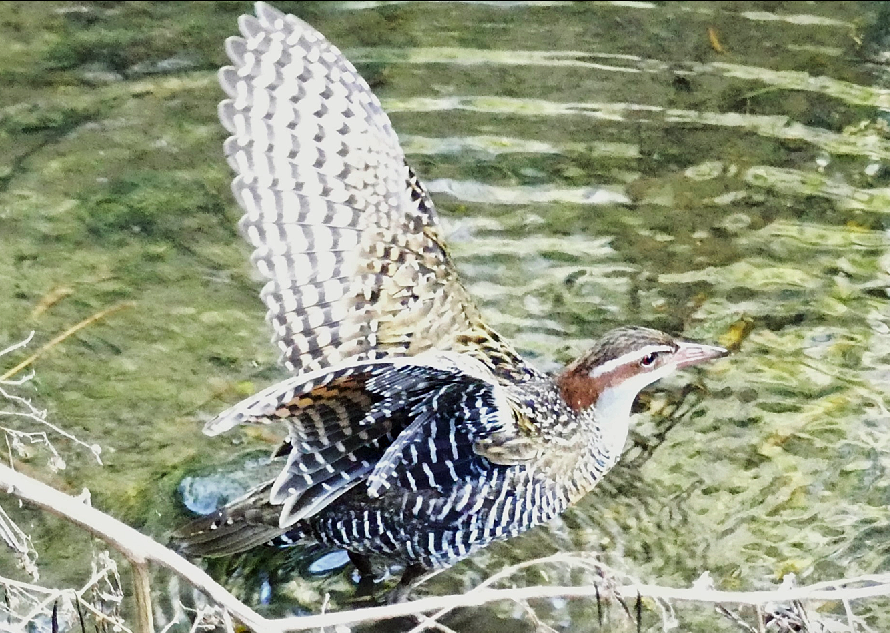
We’re still learning about the Buff-banded Rail that reappeared in the park in Spring last year after many years’ absence. They are usually spotted near water – whether along the creek or around the Waratah Wetlands. They usually move on foot scooting in and out of cover as they forage – sometimes dashing head-down for cover. Despite these habits, they can fly surprisingly well which might explain their reappearance here – Russell’s action photo taken on 23/12 shows that they are well equipped for flying with a respectable wing-span:
They are widespread in Australia – including most of the eastern states and the Northern Territory – as well as zones along most of the coast of Western Australia. They are known to colonise off-shore islands – no doubt, further evidence of their flying abilities.
Goodbye and thank you friends!
Council Staff
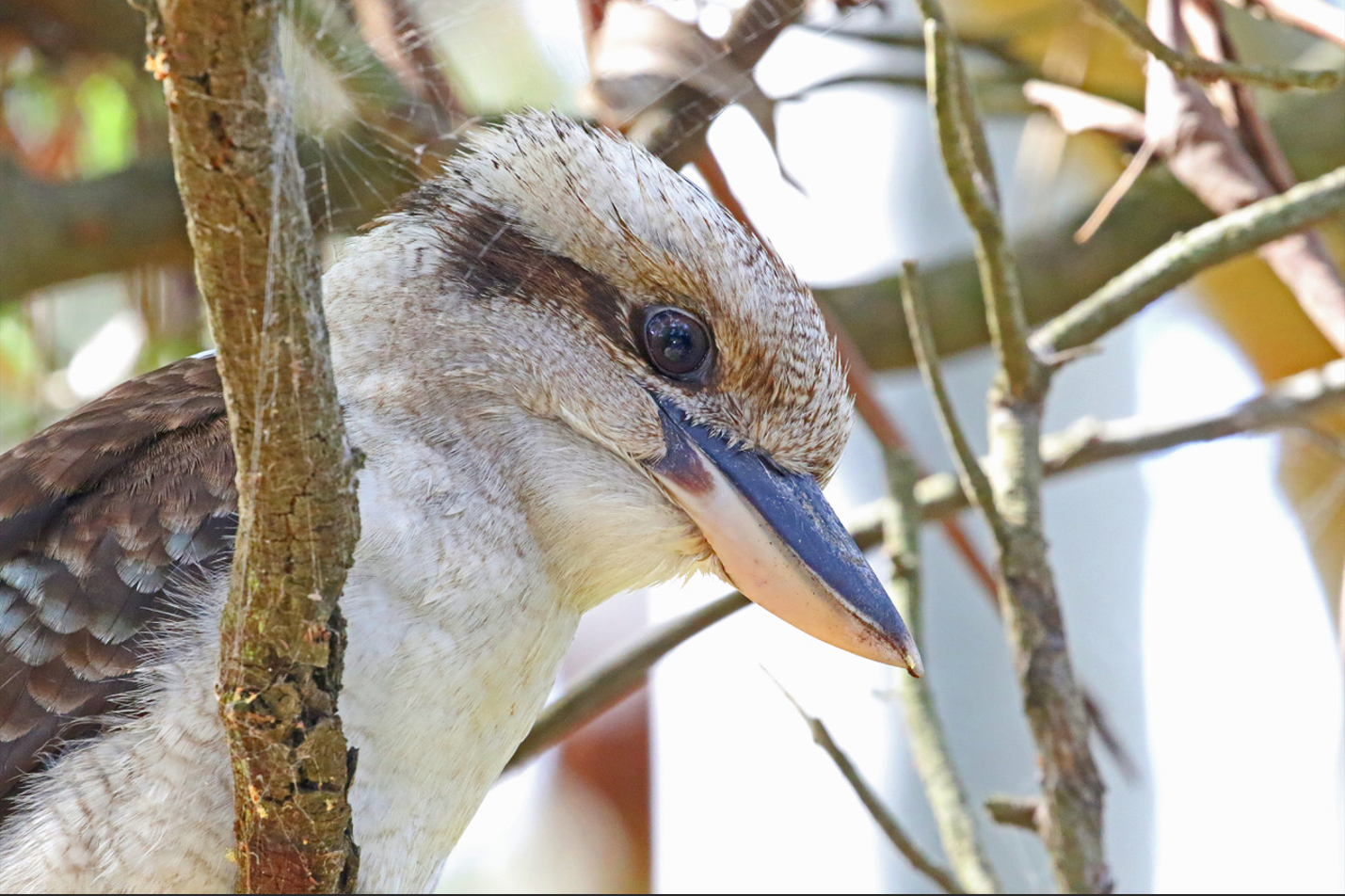
Ian Moodie is well on the path to retirement after a long and distinguished career at Whitehorse Council in the parks/environment/education space. Ian has been a great friend of the Blackburn Creeklands in particular – for example, acting as one of the Group Leaders for our Autumn and Spring Bird Walks at every event since their inception in 2012.
He is famous for his amazing photographic skills, his wit, willingness to share his knowledge, experience and advice – as well as volunteering in other environmental activities. We sincerely thank him for his excellent work for us in the past and wish him all the best for the next stage of his life! Lucky for us, he has reassured us he will still be up for leading our bird walks into the future.
Rubbish Picker-Upperers & Thursday Morning Team Members
Sadly, some others of our stalwart friends are leaving our area or changing work times which affect their being able to help in the park. One of our Friends Group, Mandy, loved our park and regularly collected litter from the park of her own volition. Thank you Mandy – your efforts were noticed and much appreciated by us !
Circumstances have also changed for two of our Thursday weeders – Ruby and Jane who can no longer work with us on Thursday mornings. We sincerely thank them for their contributions to the park and to our team spirit. They leave a gap that you might be able to fill (?) – if you are interested, please make contact – or meet us in the field for a chat and/or give us a try…
Most of what the Thursday Morning Team does is maintenance weeding – though the team does mulching at times (leaf mulch or eucalyptus chips) and some in-fill planting during the planting season (April-August depending on conditions). Team members are mostly retired, semi-retired, between jobs or part-time – which explains how they can work weekly on Thursday mornings. The work is mostly physical – but people work at their own pace and for the time-period that suits them. Most of our recruiting is done by people seeing the team at work and liking what they see !
Yarra Riverkeeper resigns
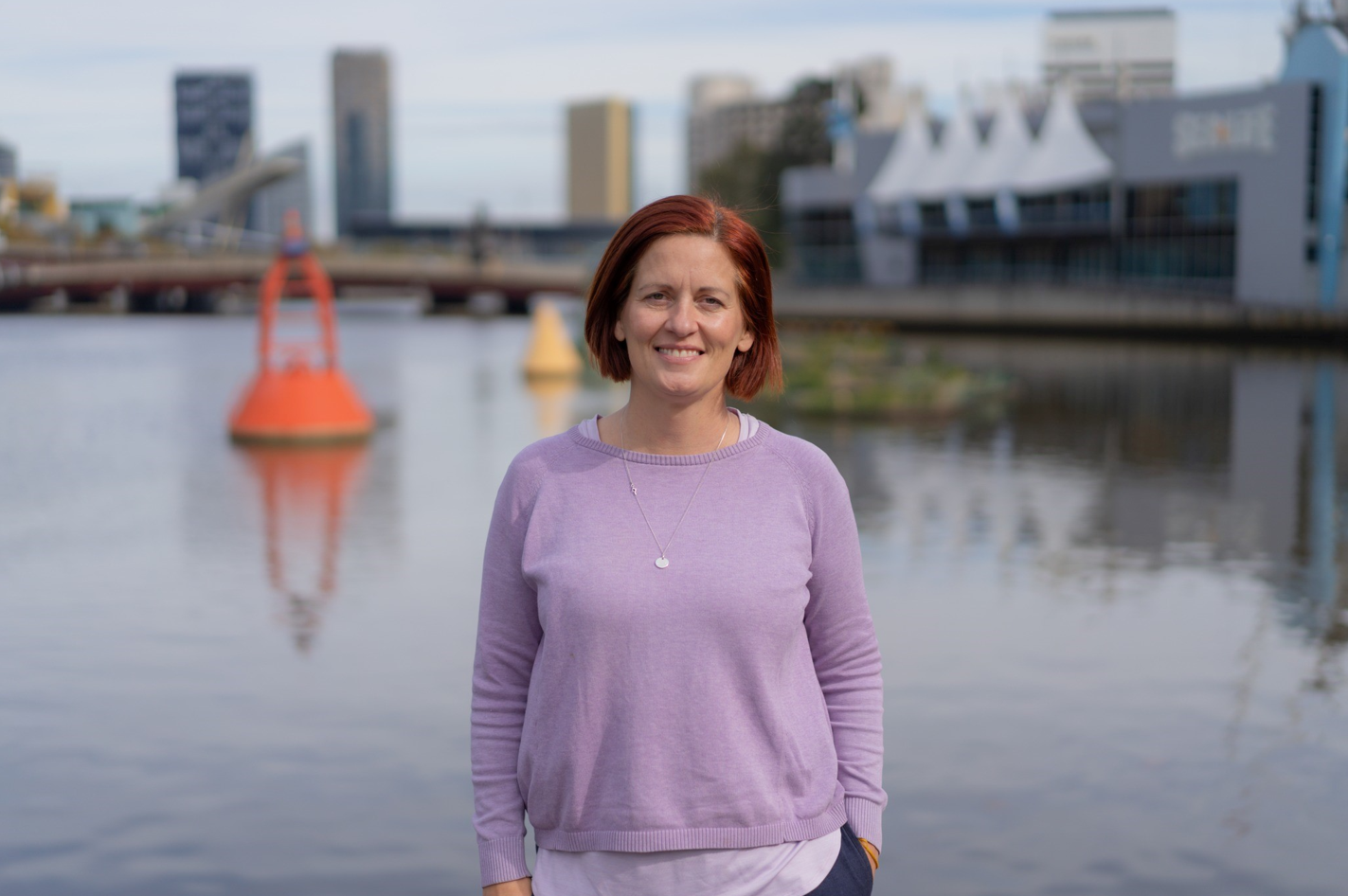
In a major blow for the health of Melbourne’s waterways, the Yarra Riverkeeper, Charlotte Sterrett, has resigned. This follows the Yarra Riverkeeper Association’s (YRKA’s) CEO, Karin Traeger, having been made redundant in March, 2023. The underlying problem appears to be a very serious decline in funding over the past few years which potentially threatens the viability of the YRKA.
This YRKA is a charity comprised of advocates who represent and protect the Yarra River – providing an effective voice for the river. The YRKA monitors the river’s health and advocates for its future – educating government, planners, businesses and local communities on why the river must be conserved.
Some of our people have come to meet and work with Charlotte through her association with the KooyongKoot Alliance (KKA). Our KooyongKoot (aka Gardiners) Creek is, of course, a tributary of the Yarra – healthy creeks help make a healthy river. She has been a brilliant operator showing great leadership and ever-willing to help others in the field.
We thank her for her contributions and wish her all the best for her future endeavours (after a well-deserved rest). We also trust that the YRKA works through its current difficulties to fully resume its activities protecting the Yarra and building for the future.
Sexual Dimorphism – Bombyx and Net Caster
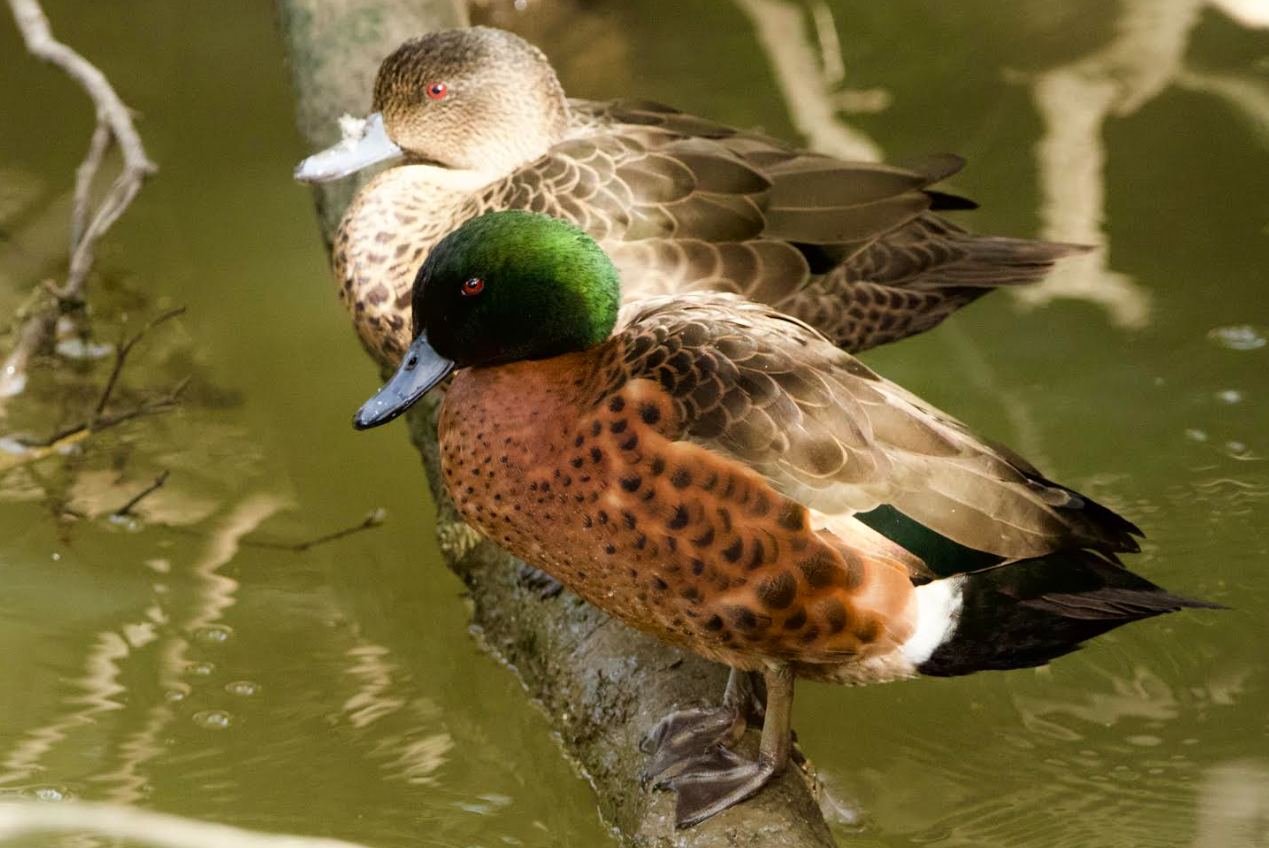
We’ve written about sexual dimorphism (differences between the sexes in a species) in the past – especially in relation to our local birdlife. In the bird world, females and juveniles are often better disguised and less brightly coloured than the males. This helps them avoid predators – eg when females are vulnerable when nesting – and, on the other side of the coin, helps the males to be noticed by potential mates – as Michael’s photo from our April, 2023 edition shows:
Dimorphism in invertebrates (such as spiders, moths and other insects) often takes things to a new level with significant differences in size and shape also prevalent. Wendy Clark is a local photography educator and also serves as our “go-to” person for the identification of invertebrates – we are indebted to her for solving the identity of several mysterious species we find in the park.
Wendy commented that the Long Tailed Bombyx and the Net Casting Spider appearing in our December edition were both significantly dimorphic. She has taken the trouble to provide more information on both. Here’s what she says:
Sexual Dimorphism – when the female & male of a species look different from each other
by Wendy Clark
The Long Tailed Bombyx Trichiocercus sparshalli
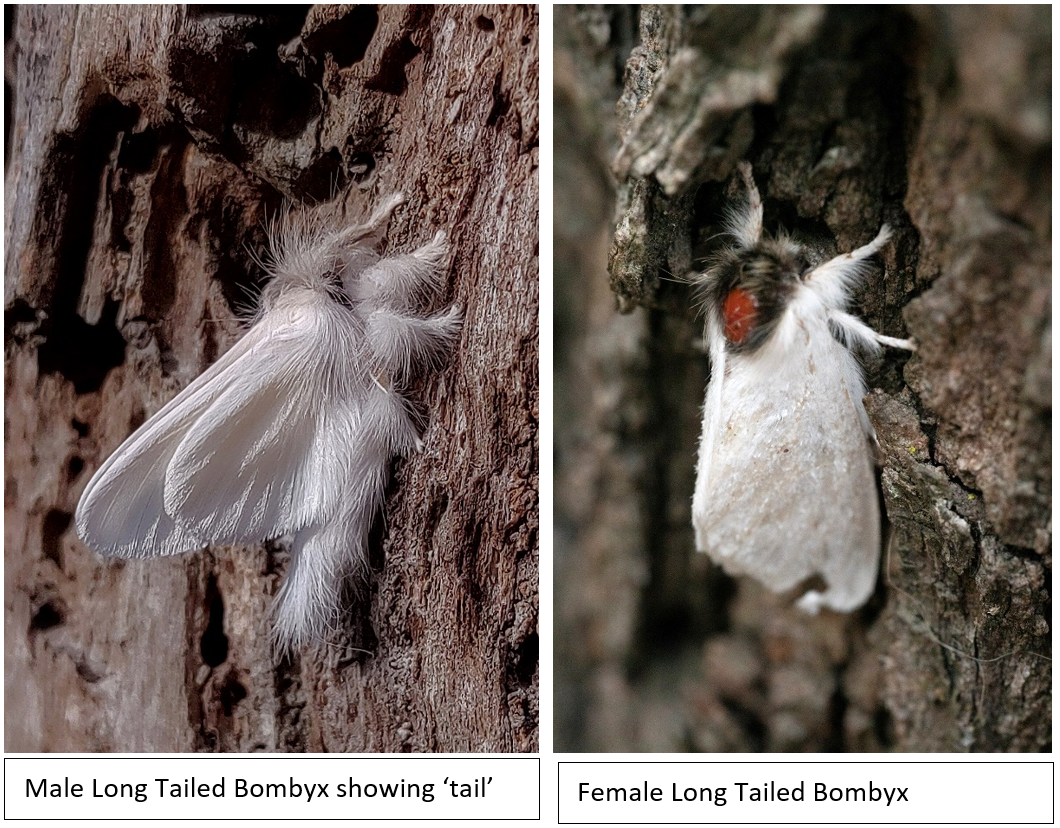
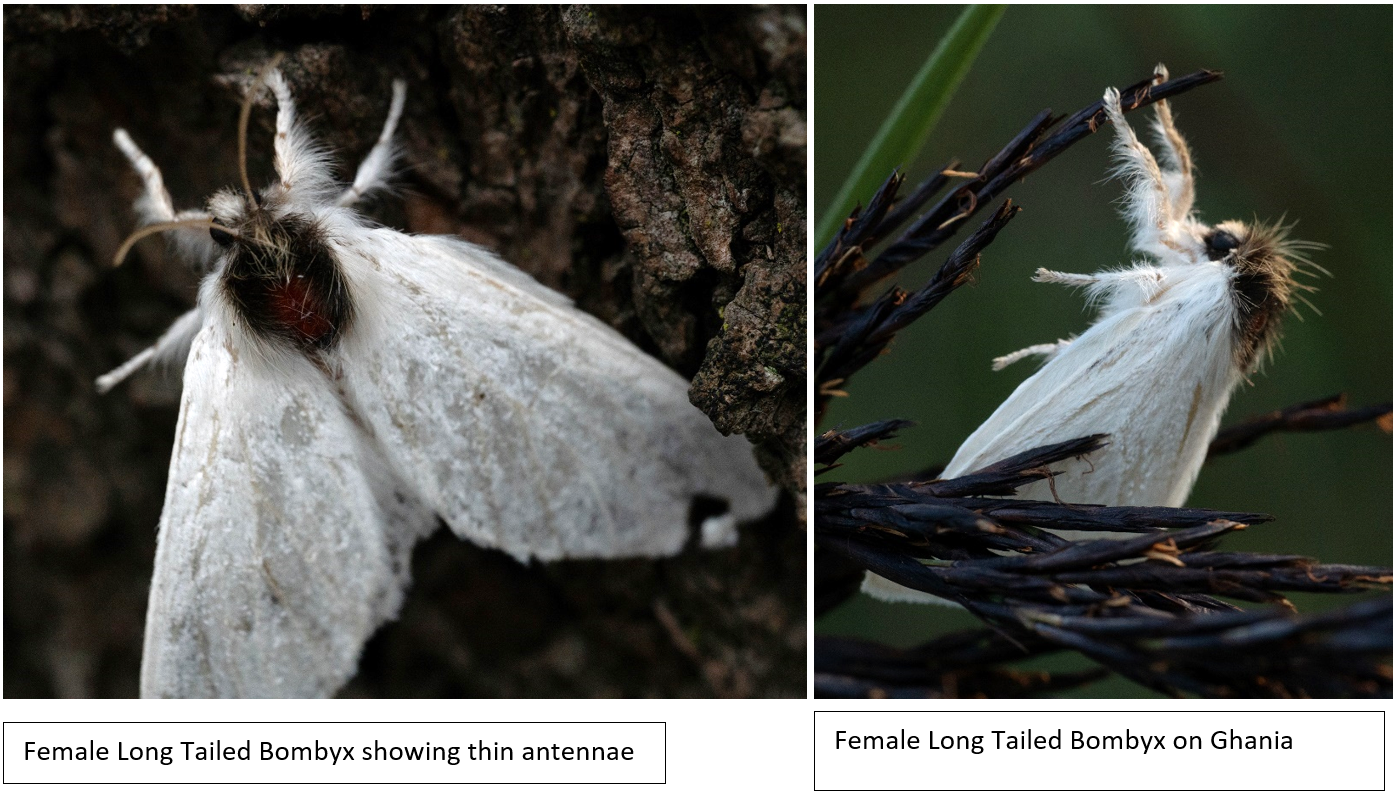
The Long Tailed Bombyx moth that was shown in the December newsletter bothered me (the ever -curious naturalist that questions everything) as it didn’t look like it had a long tail. However, I knew the identification was correct. The photo in the newsletter looked like it had a Friar Tuck haircut and I had seen and photographed a few of these this season. I also knew that I had a slightly different looking one that was also called a Long Tailed Bombyx and it did have a long tail! So, I was out to test a theory.
I found and photographed a moth with the tonsure hair cut in the early morning when it was cold and not moving much. So, I figured I could pick it up and see if I was correct in thinking it was a female. I was right. It had very thin antennae. The male moths have broad feathery antennae for picking up the scent of the female moths. See the photos below.
The Net Casting Spider Dinopus subrufa
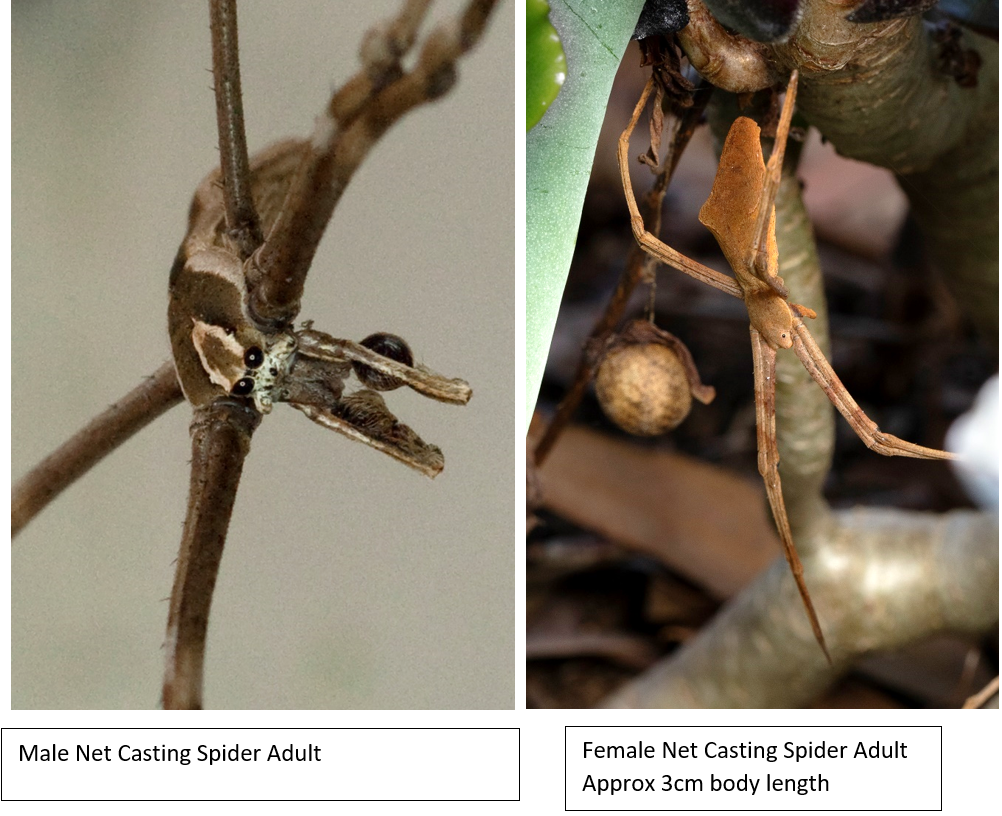
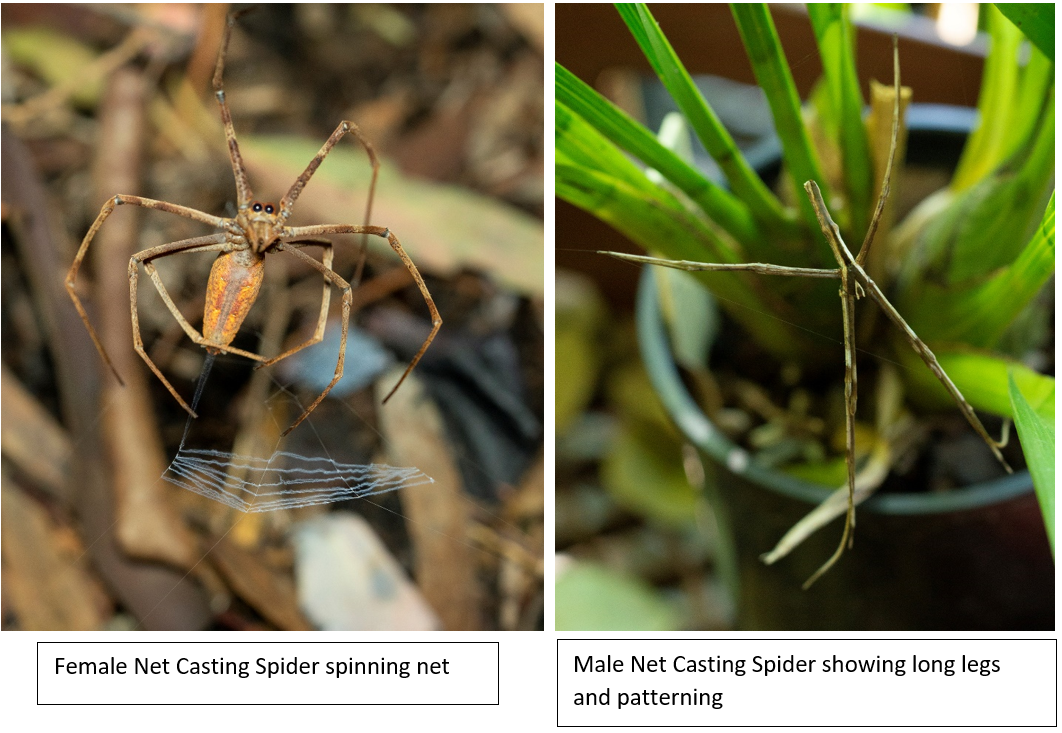
The photo in the last newsletter was of a female Net Casting Spider, Dinopis subrufa. The male is skinnier, has longer legs and an ogre face. See below.
These fascinating spiders are common in the suburbs particularly around Blackburn. They love plants with strappy leaves like Cymbidium Orchids and Bromeliads and other foliage where they can get close to the ground. They face downwards, watching for anything that moves on the ground below them. They start the night by spinning their net, then when it is finished, they hold it in their front four legs and test its stretchiness. Then they stay and wait, watching for anything that moves with their huge eyes. If you go out with a torch at night in the warm weather, you may see them. Look down low to the ground or if your pots are on benches in the middle of them. They often come back to the same place each night for some time. They will move at a time determined by them and probably the food supply. They seem to have no interest in people, so you can watch and photograph them without any worries. I have accidently come across them when gardening as they hide in the plants during the day. They amble slowly away just keen on getting to safety. At that speed you can safely watch it or help it by letting it climb onto a stick or piece of bark and take it to a safe place.
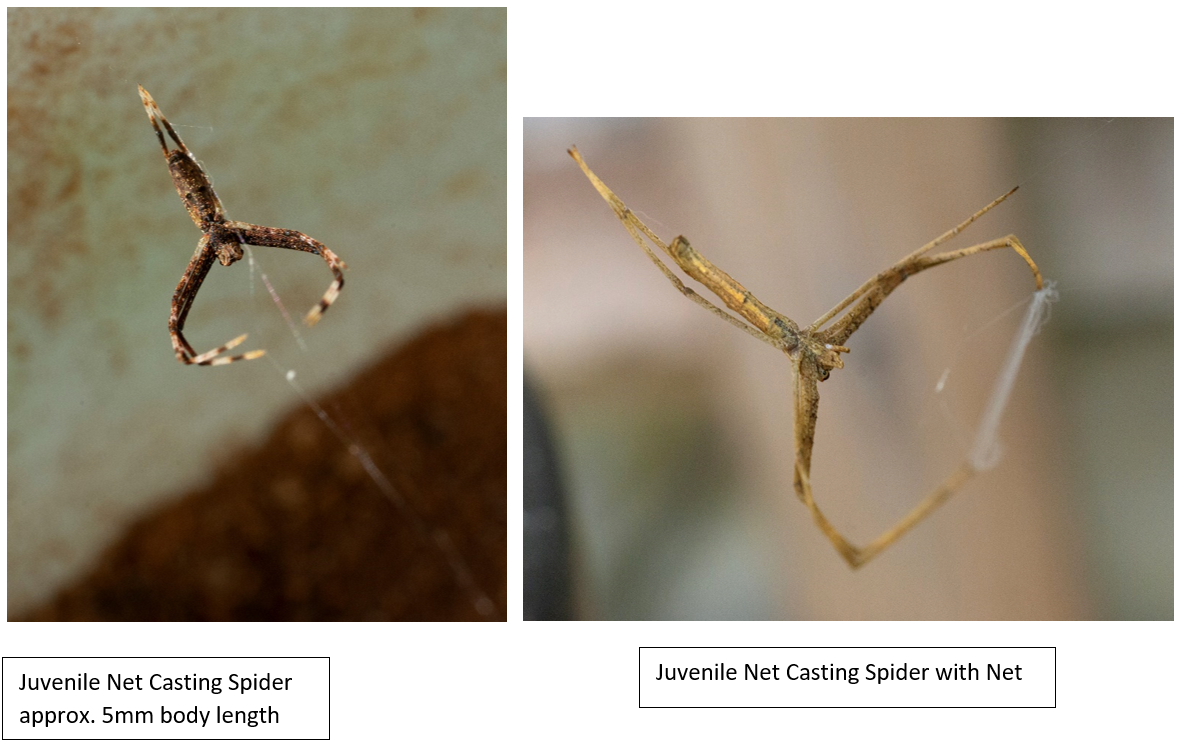
They spin a round egg sack and tie it onto a plant and leave them unattended. They often have several egg sacks. I was lucky enough to observe and photograph (see below) some recently hatched spiders and watched them with their tiny nets doing exactly what the adults do only with much smaller prey.

Another of our contributors has put a YouTube movie up of a Net Caster weaving her net:
Sightings in the park
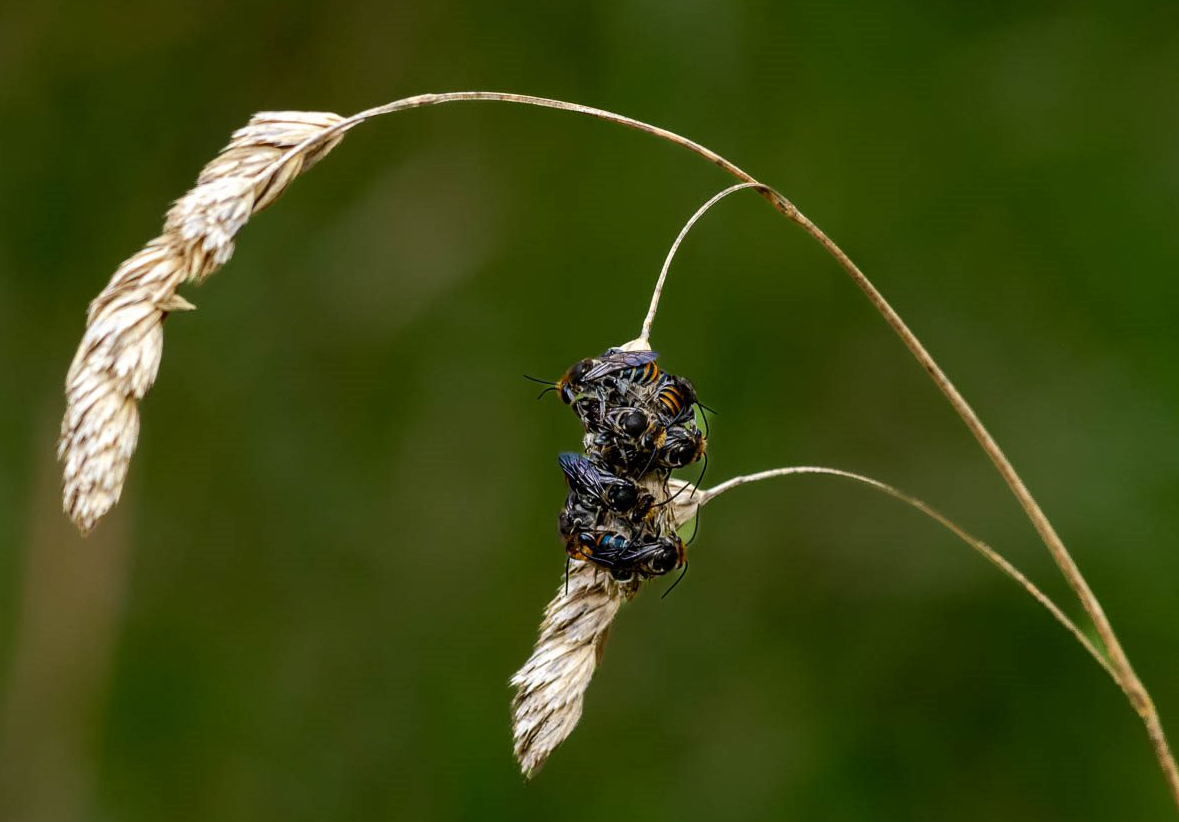
Thanks to our indefatigable photographers, we have lots of sightings in the park to show you including:
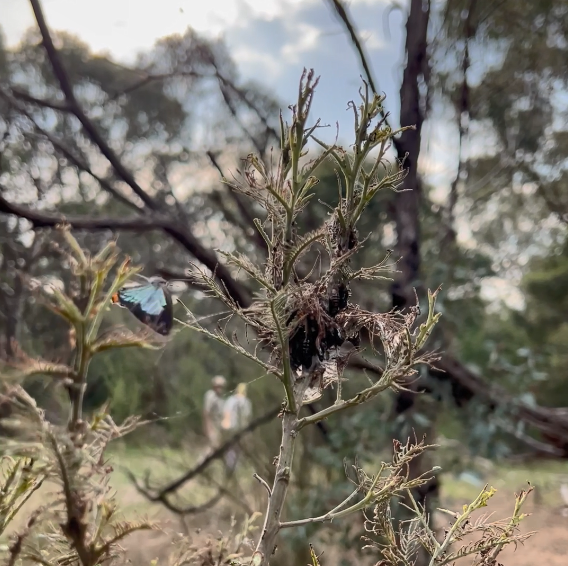
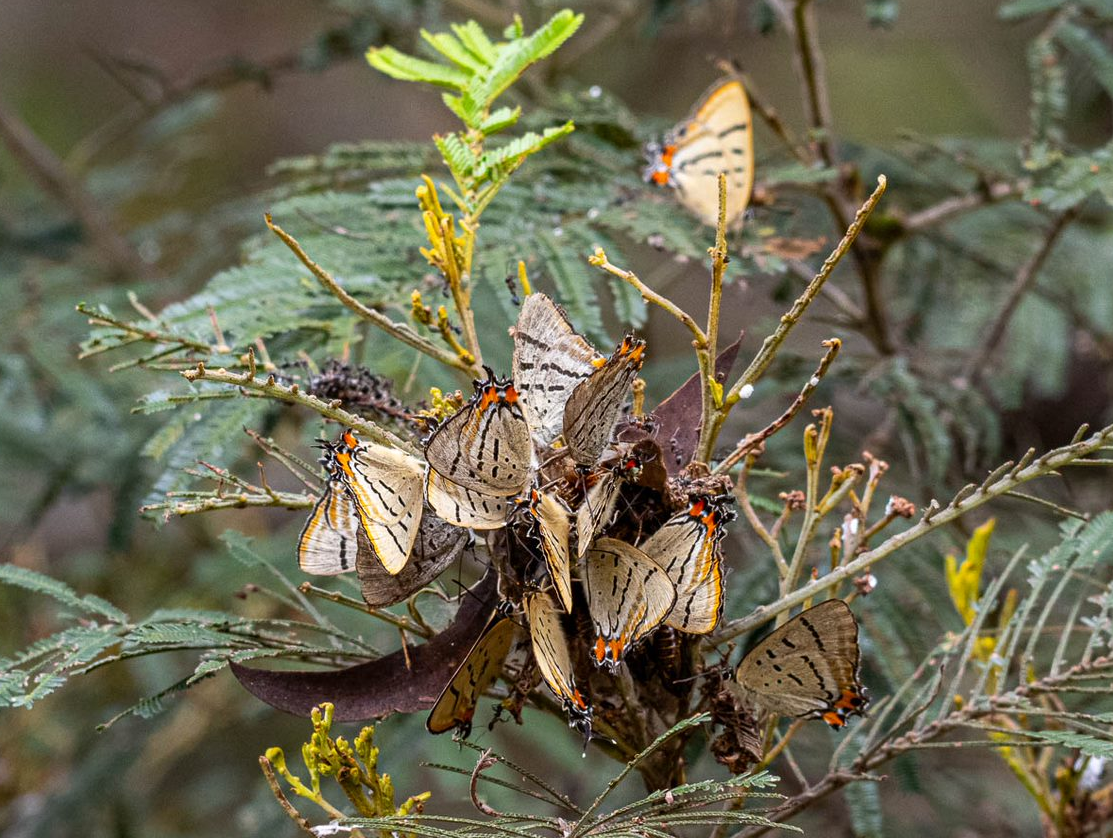
- More Imperial Blue butterfly hatching and other related activity from Ken
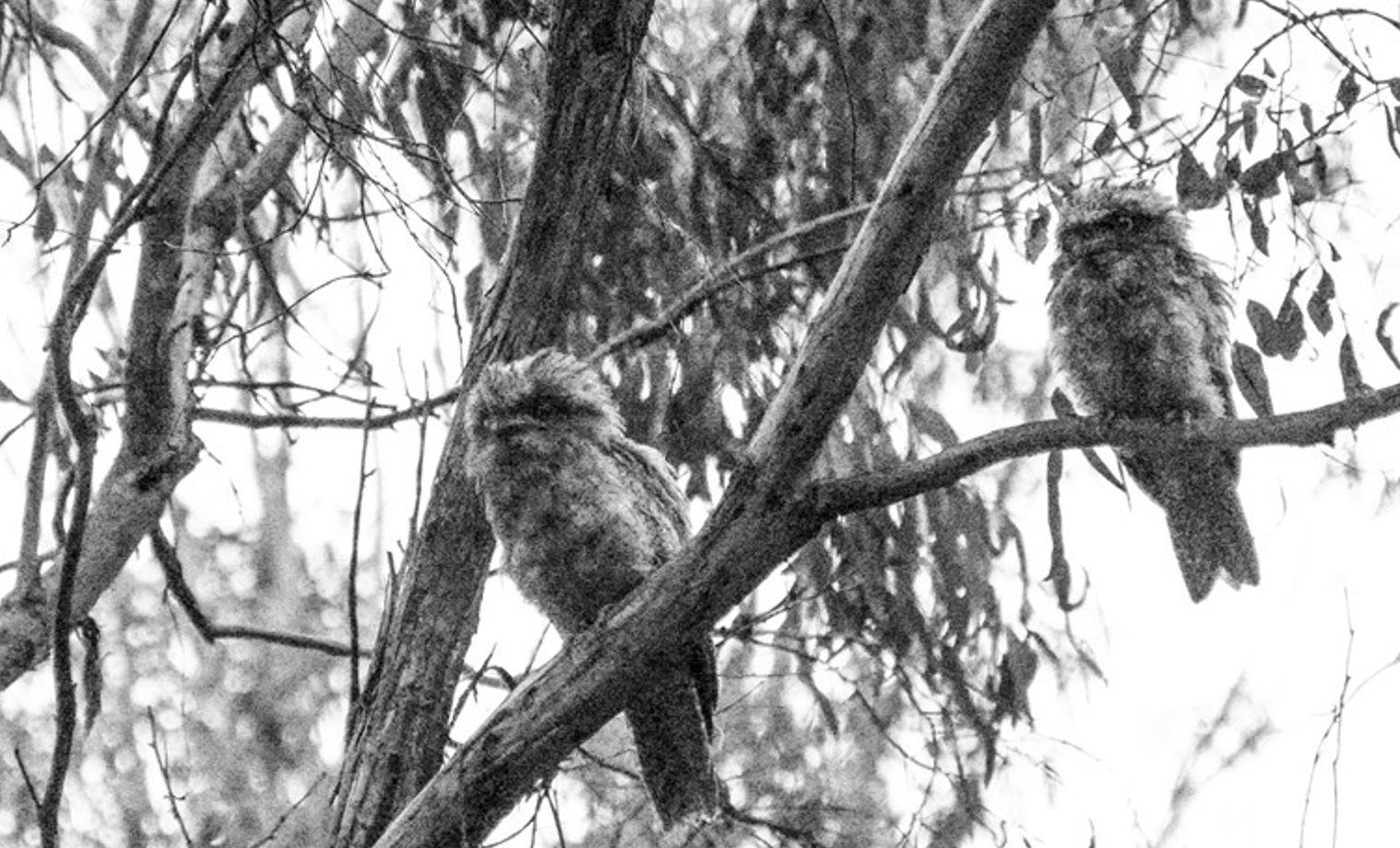
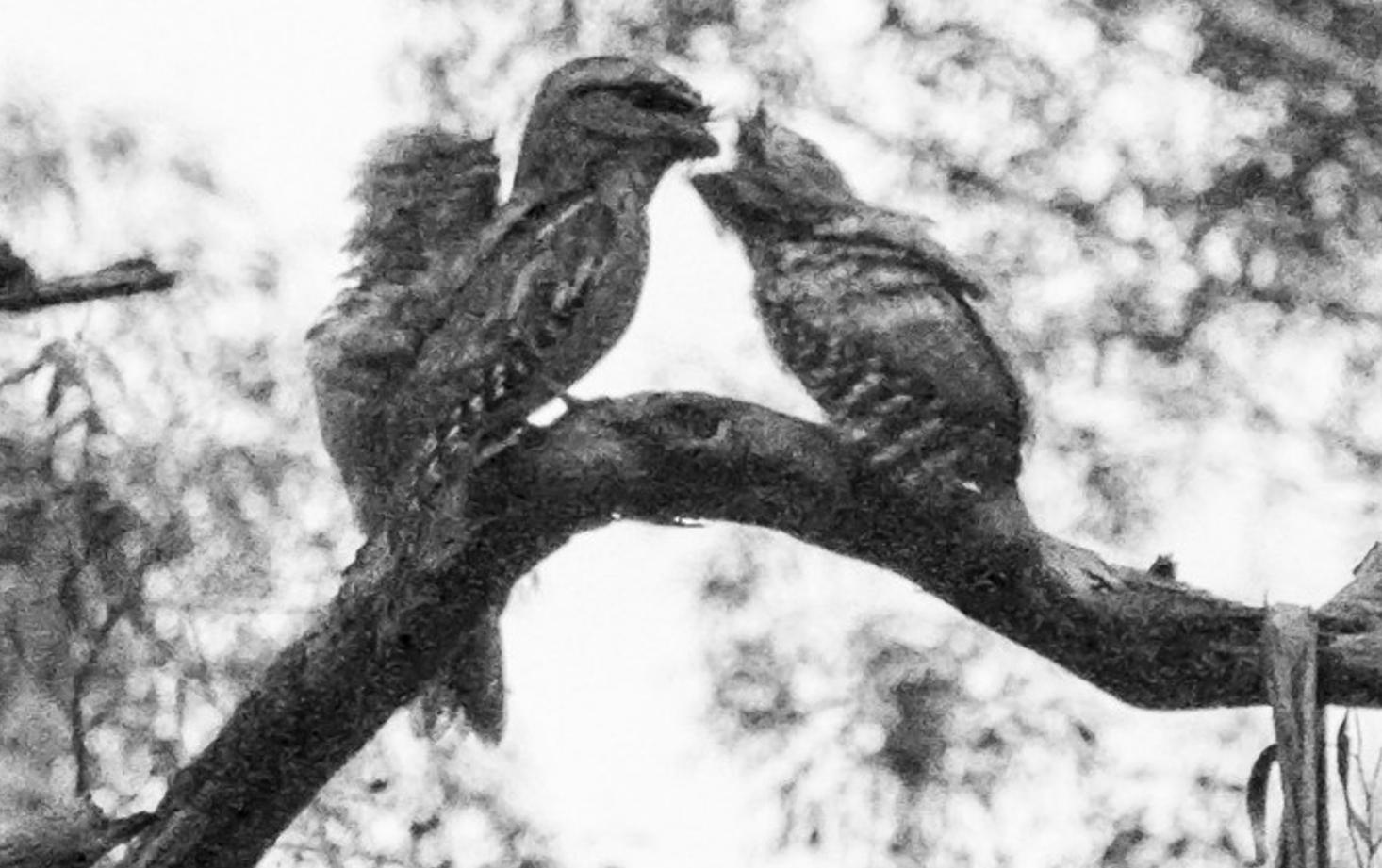
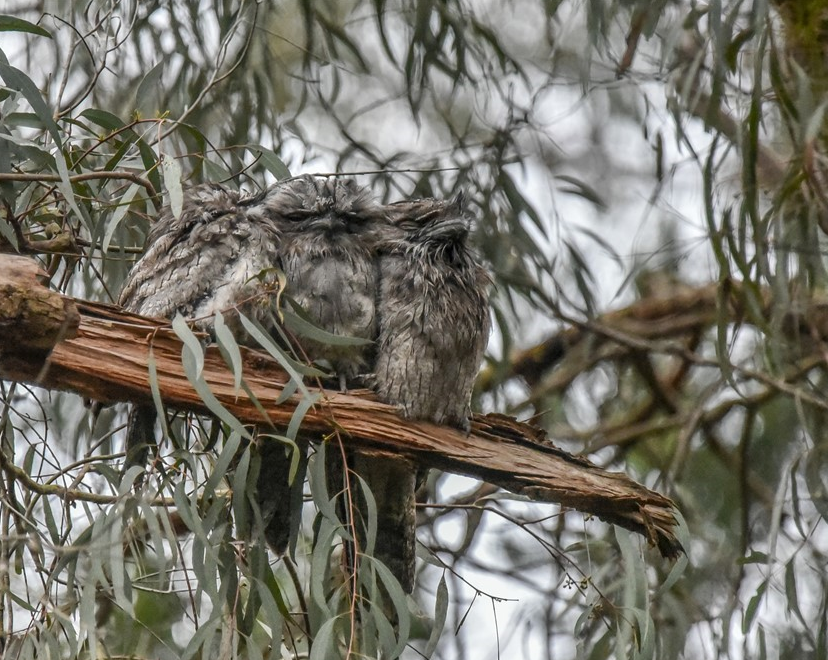
- Night shots of a Krefft’s Glider* and Tawny Frogmouth juveniles eagerly awaiting and then being fed
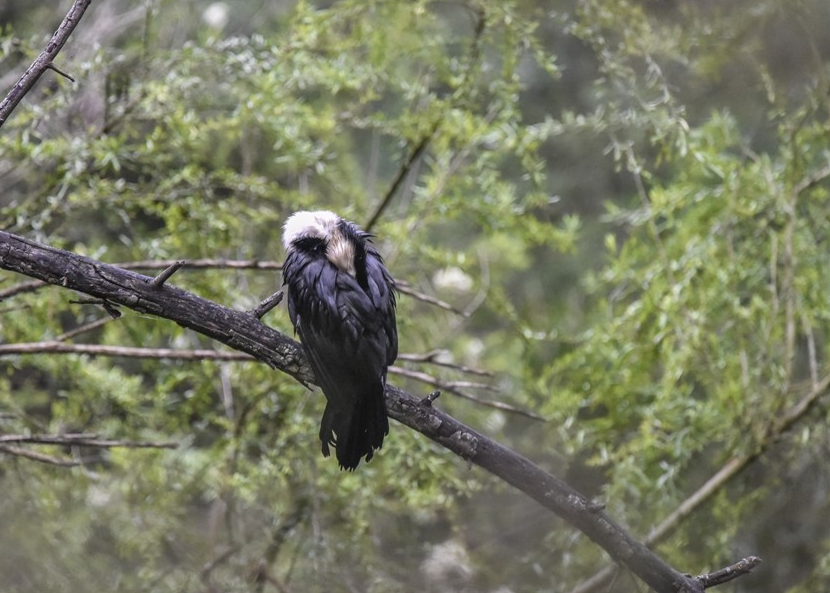
- Lots of our other birdlife – including answering the question about what happens to the Little Pied Cormorant’s long neck and head when he goes to sleep?
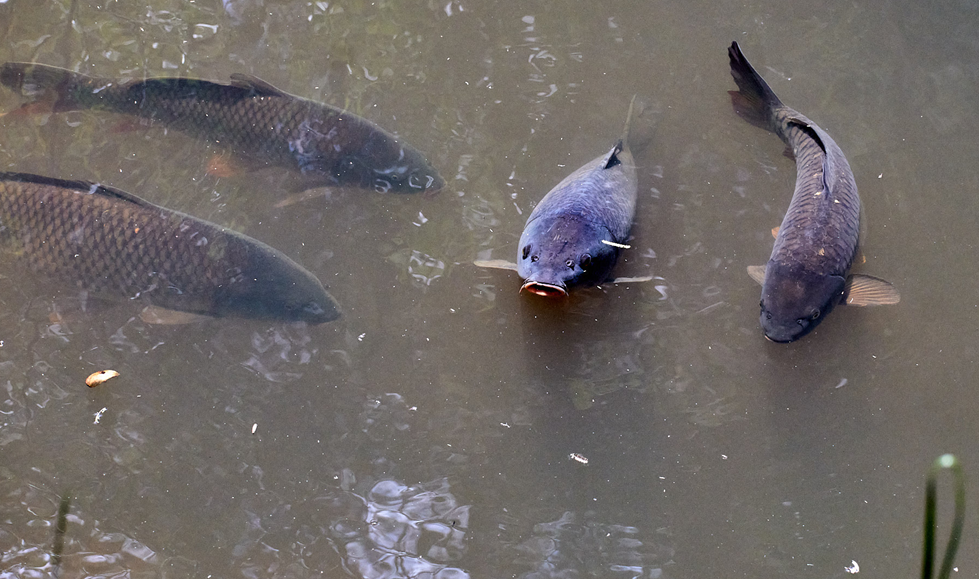
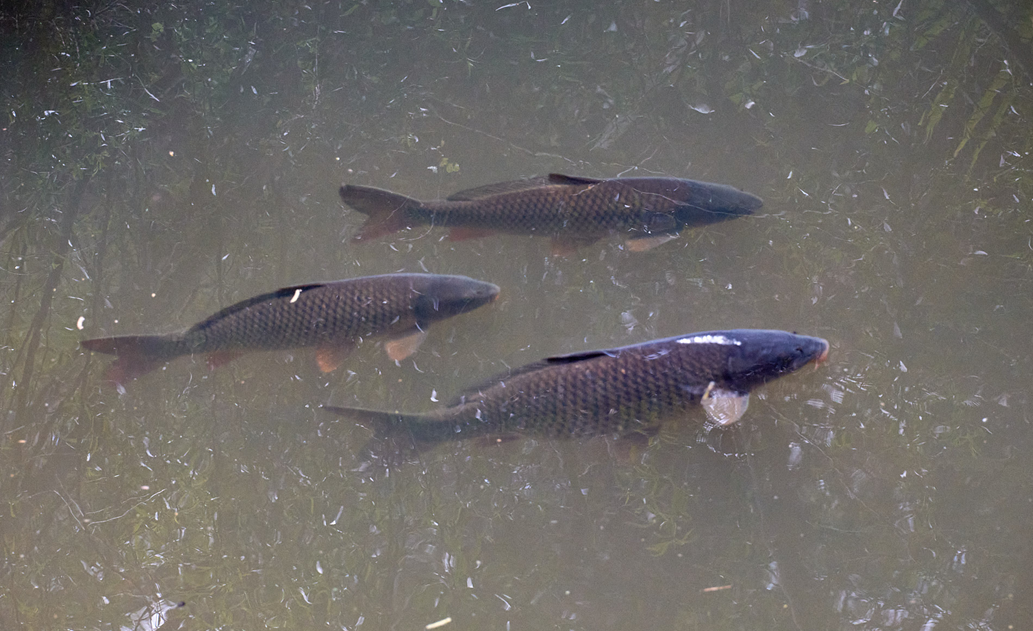
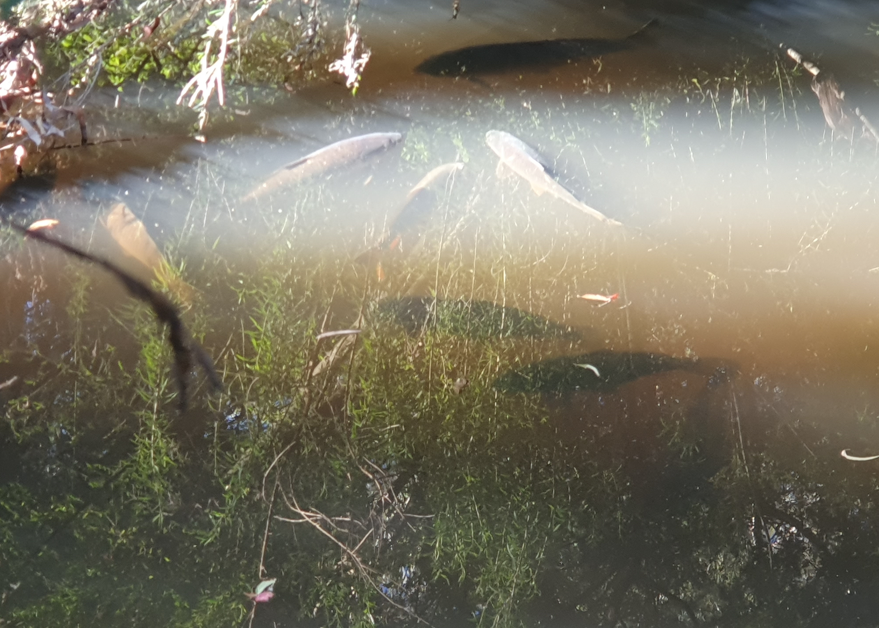
- Monster carp downstream from the Pakenham Street bridge – we’ll be warning that dogs and small children should stay away from the water’s edge soon!
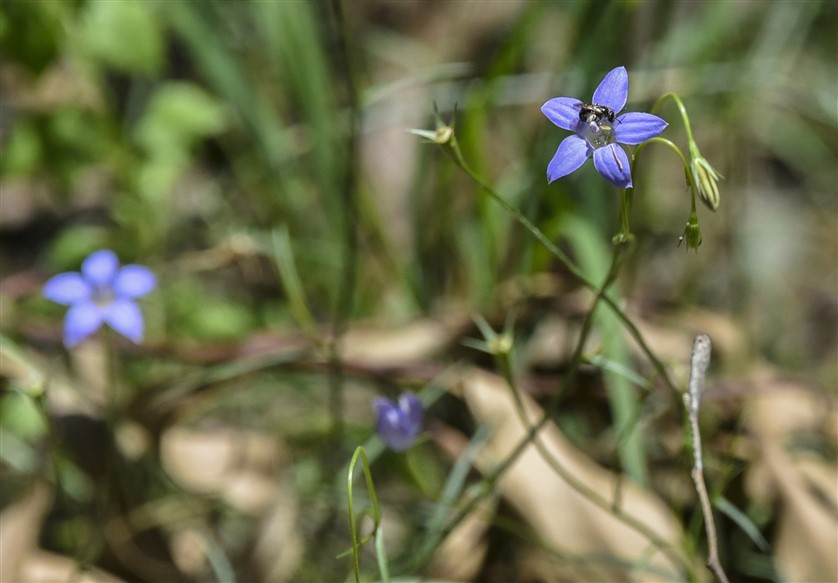
- Plants currently flowering or producing fruit/seed
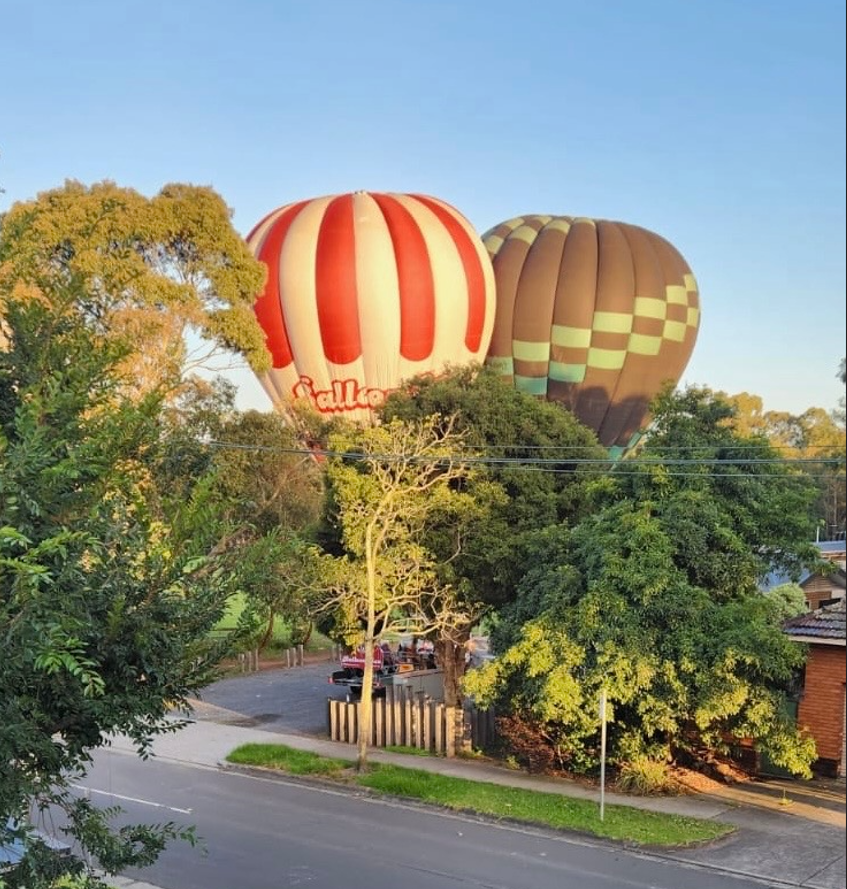
- A rare sighting of two “politicians” (windbags, full of hot air) landing safely on Kalang Oval mid-month early one morning – thanks to one of our friends from Malcolm Street who was alert to the action.
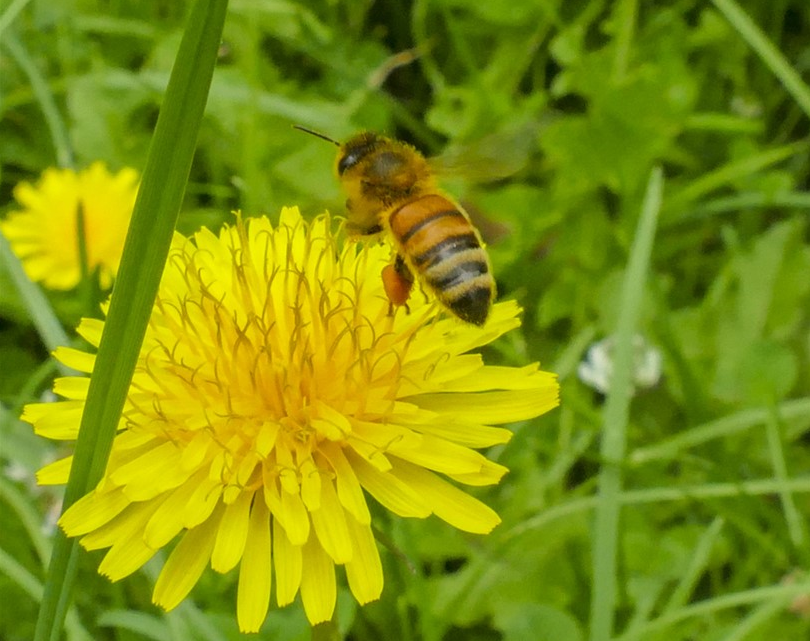
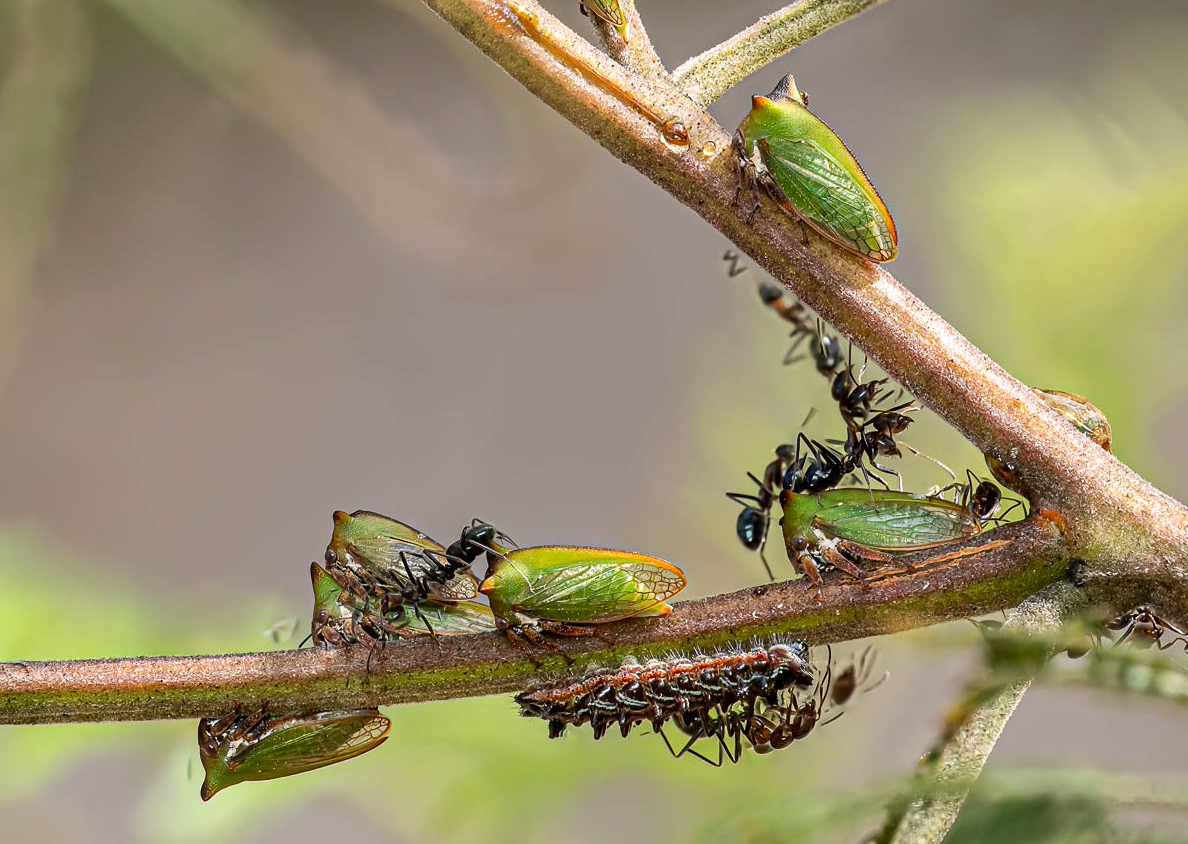
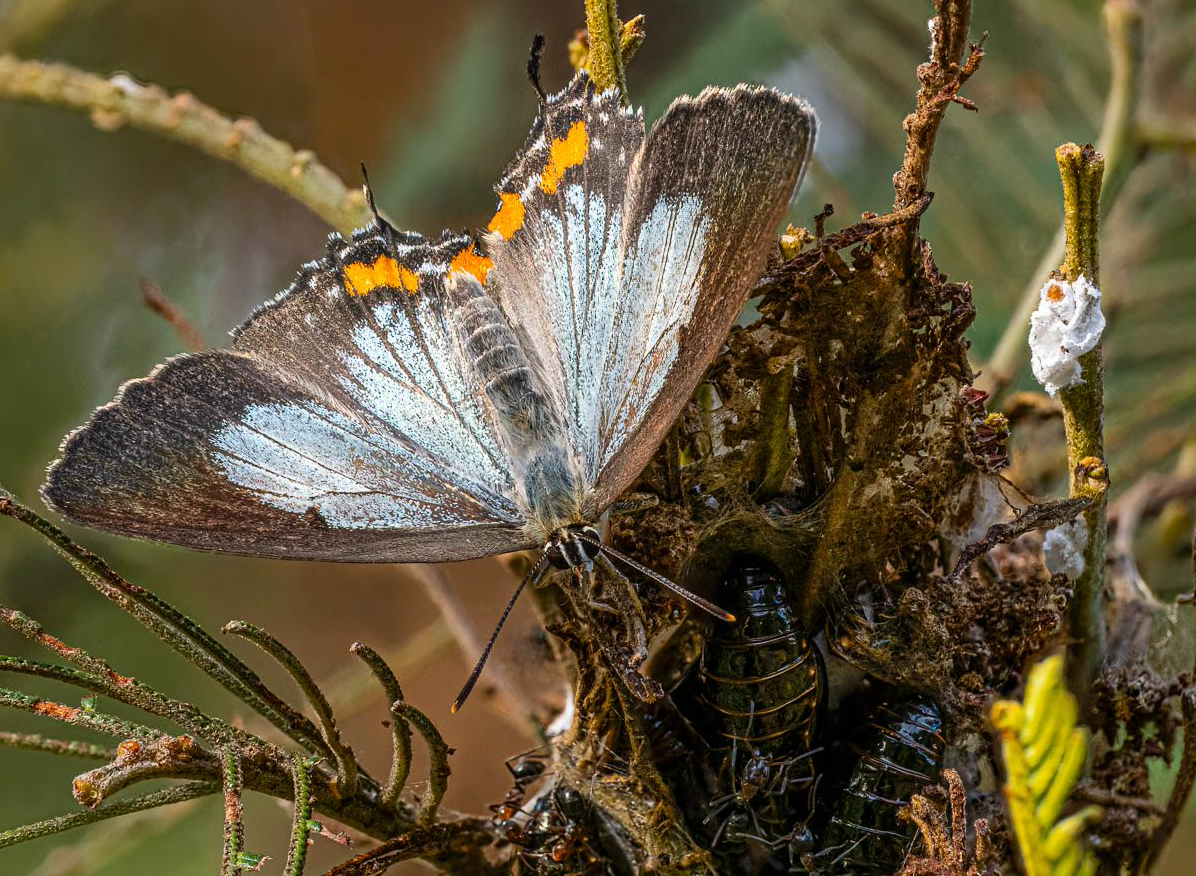
The Imperial Blue photos show how important an otherwise seemingly insignificant wattle sapling is to the biodiversity of the park. You can read more on the intriguing relationship between ants, the wattle and the butterflies in our November, 2022 and March, 2020 editions. Wendy says that the green sap suckers are Acacia Horned Tree Hoppers – we’ve read they also exude honeydew – so are OK by the ants. Their “horns” are possibly there so they can disguise themselves as tree buds.

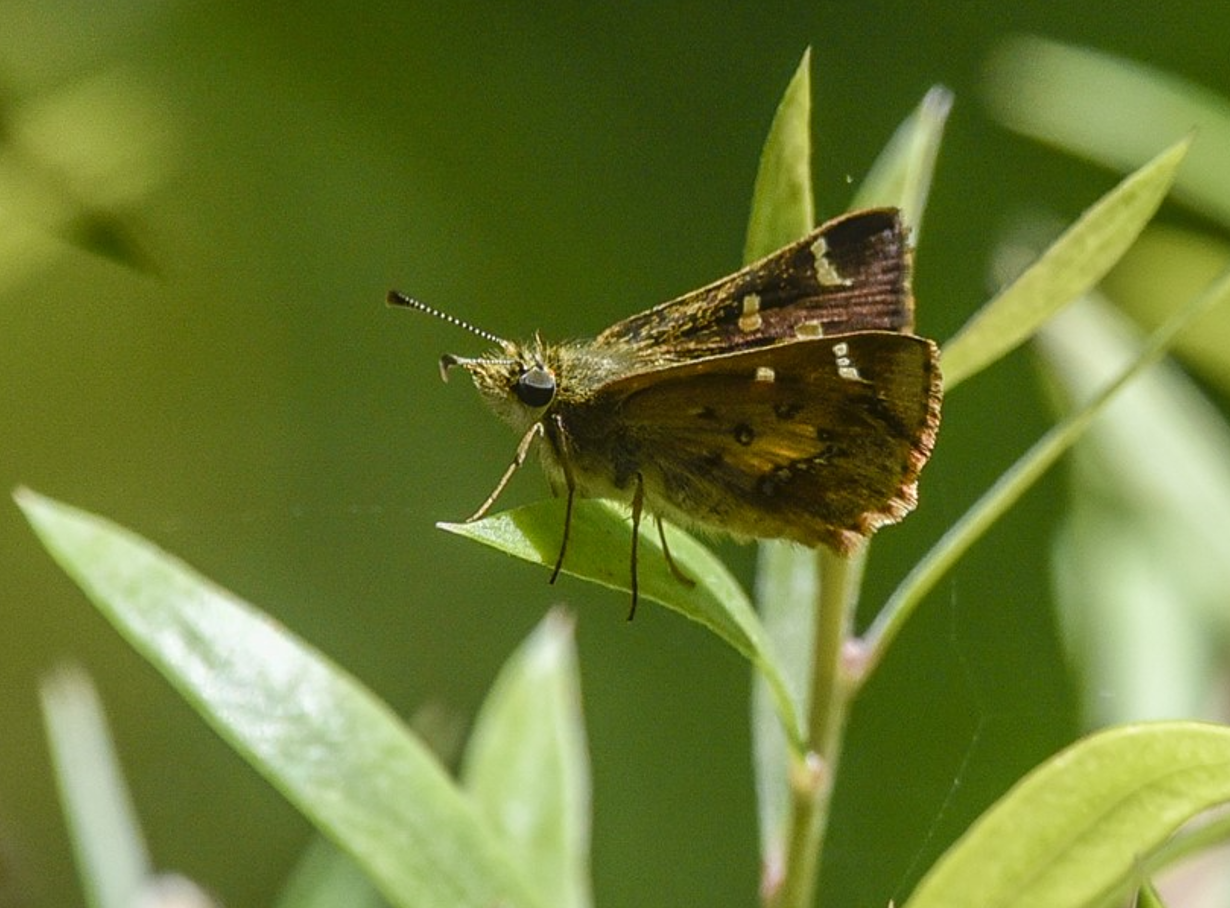
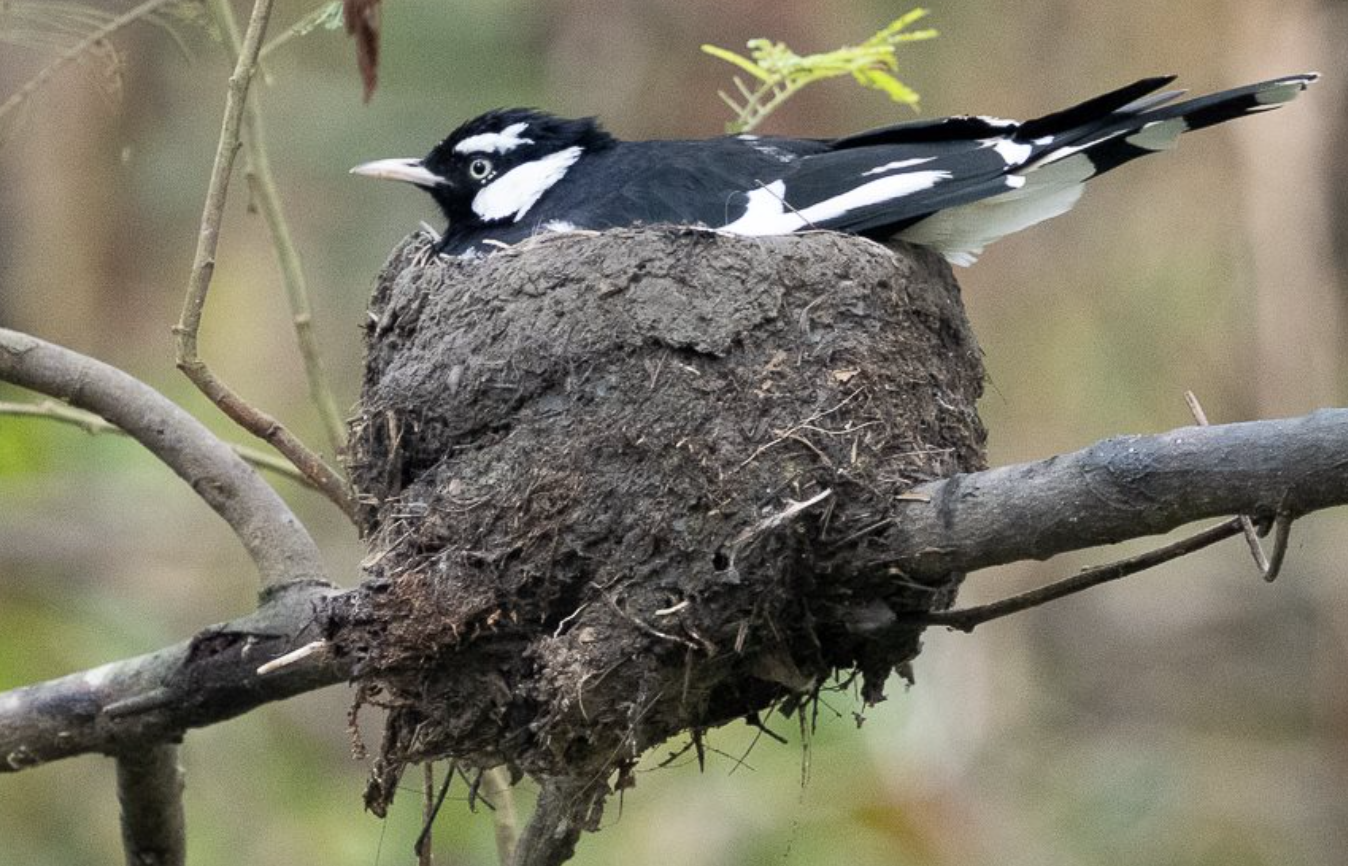
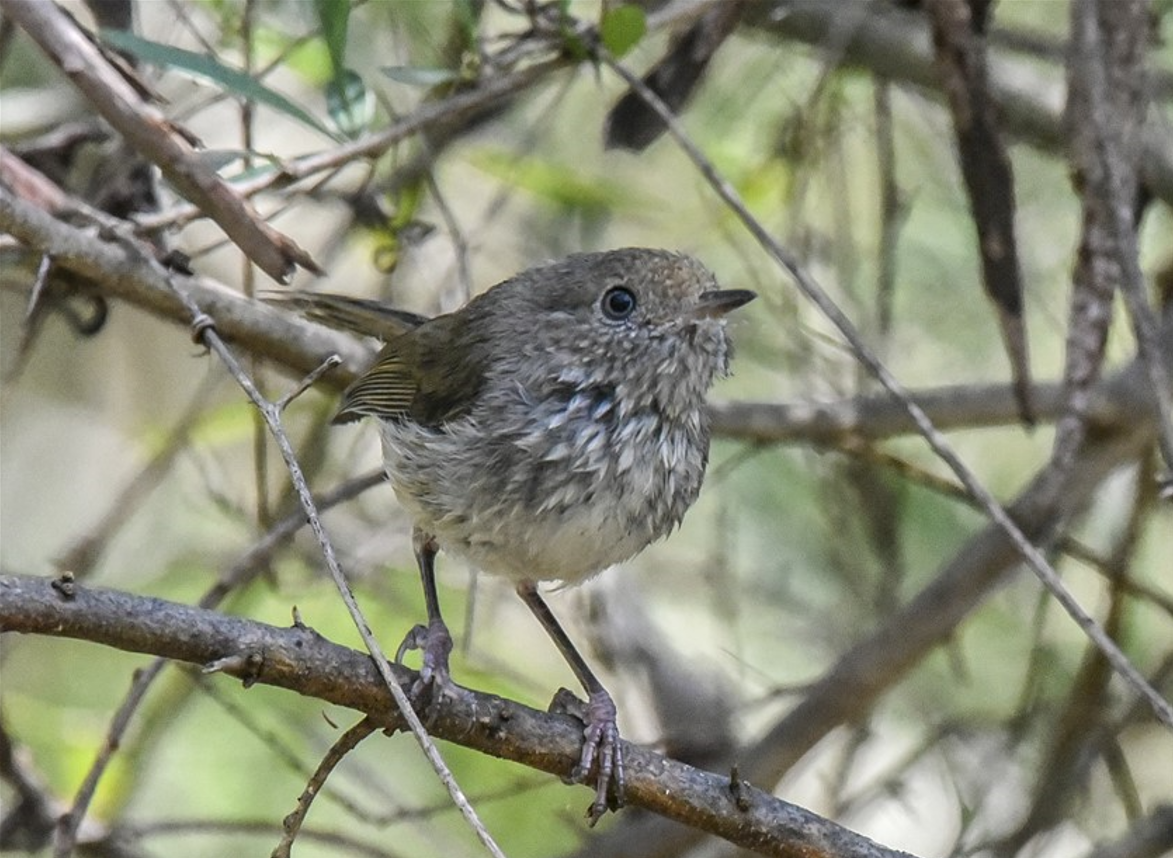
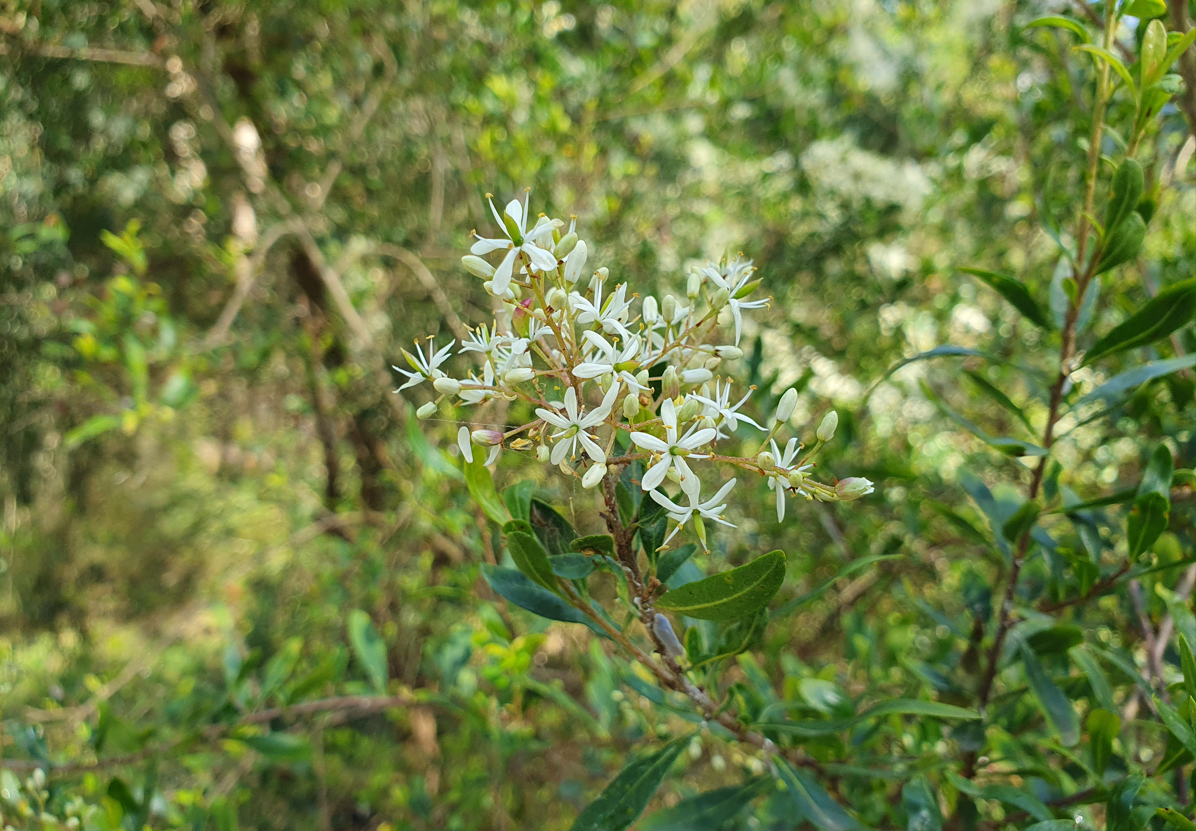
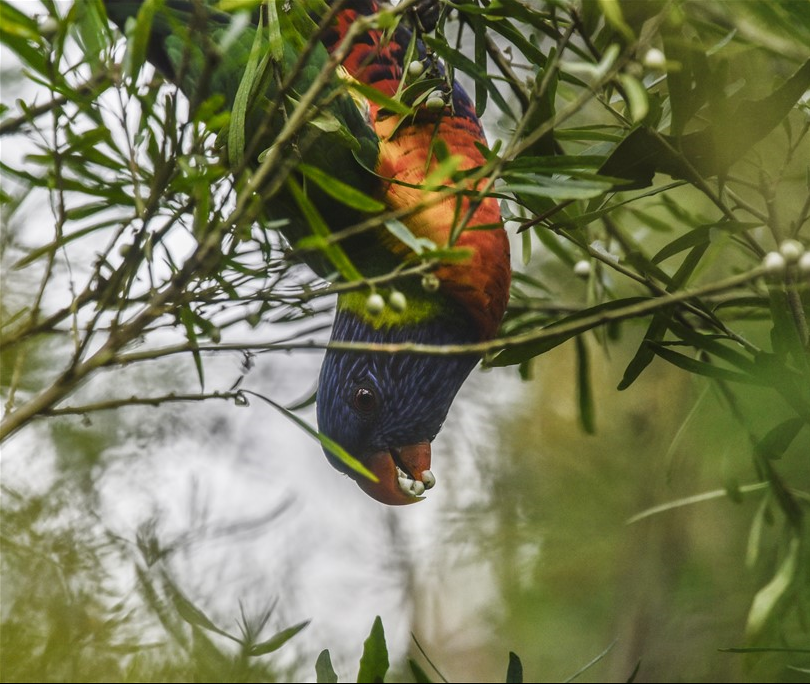
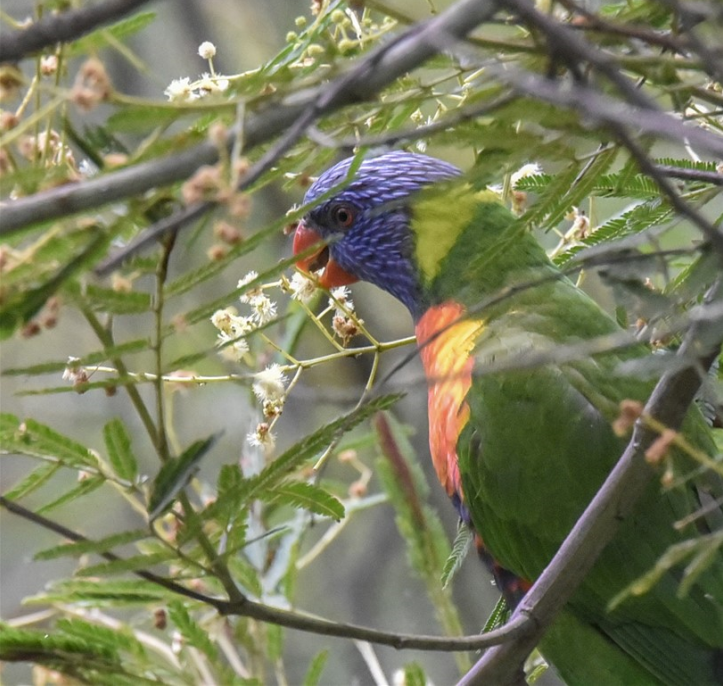
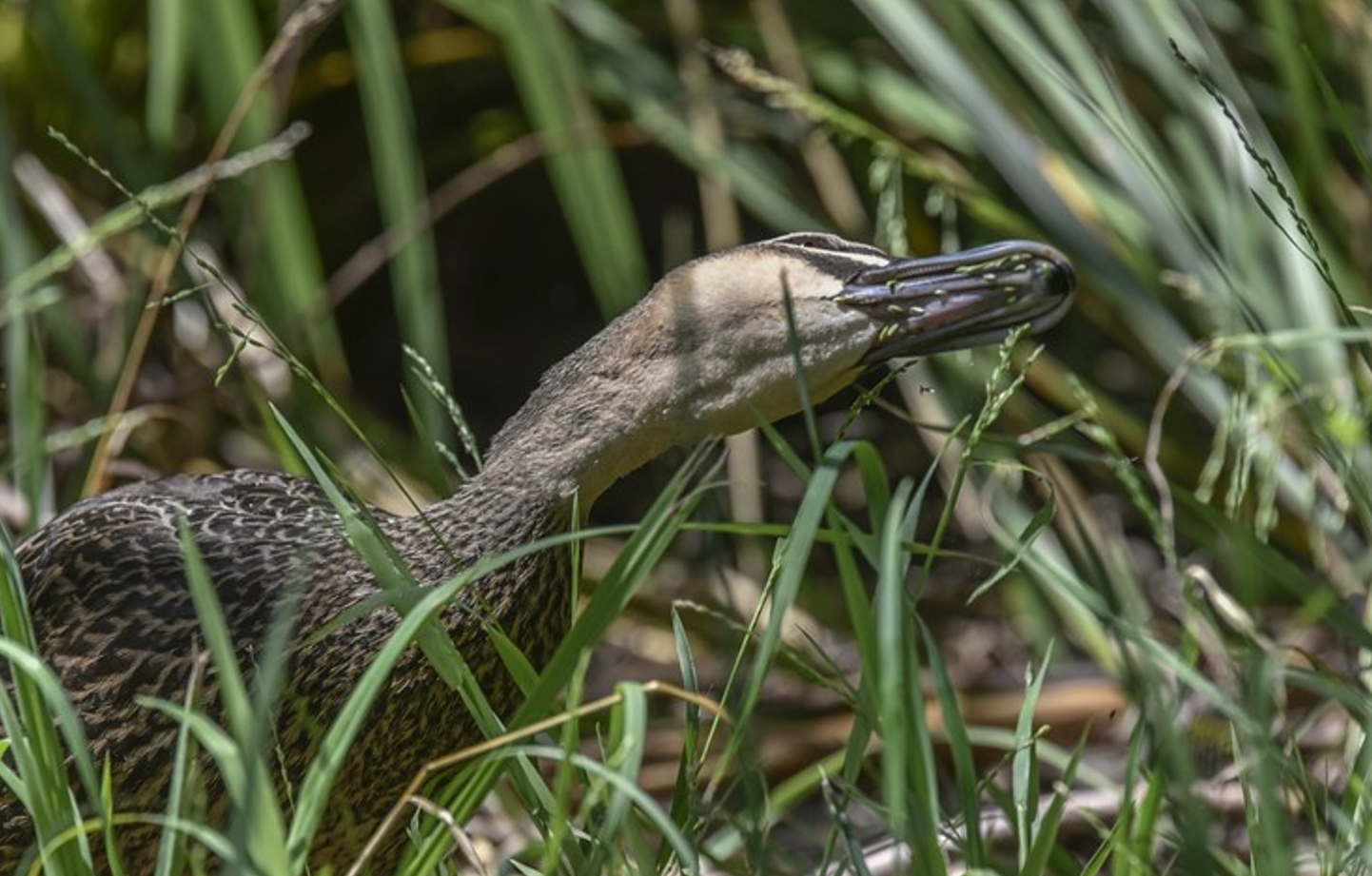
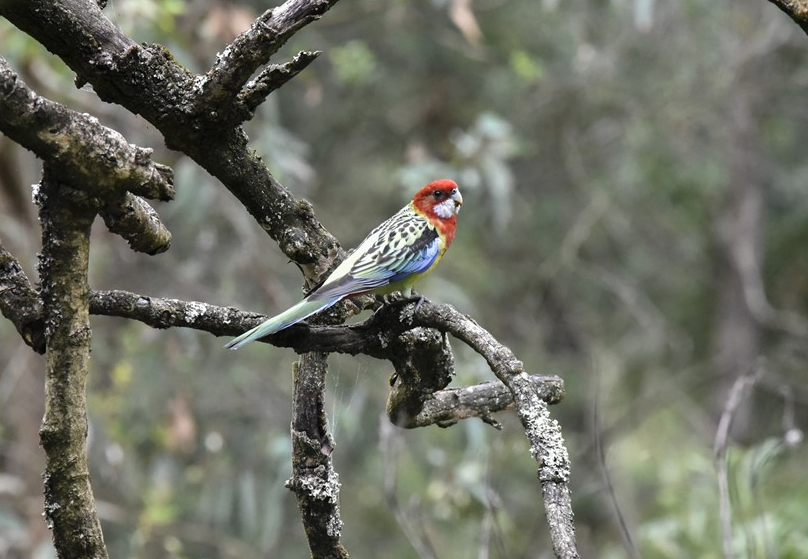
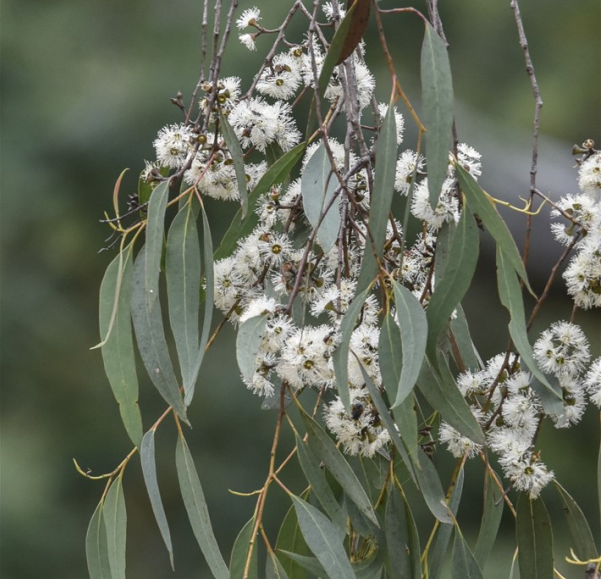
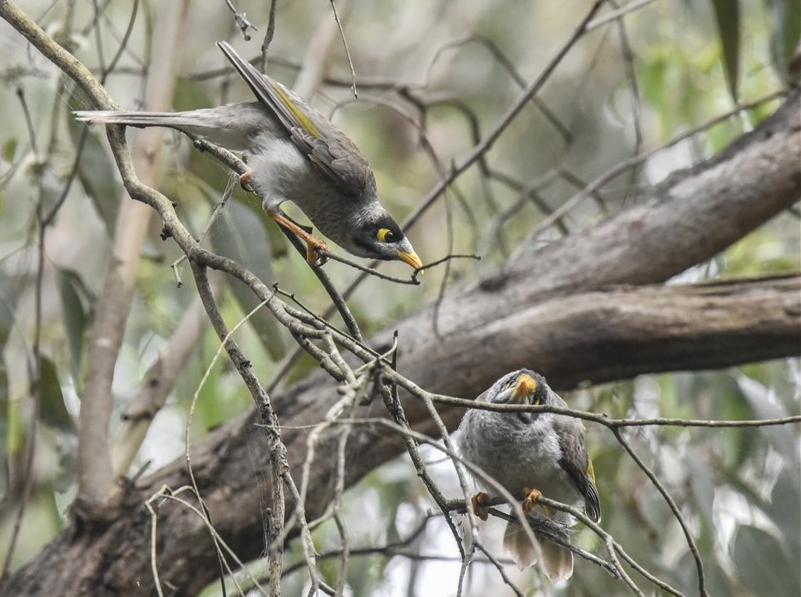

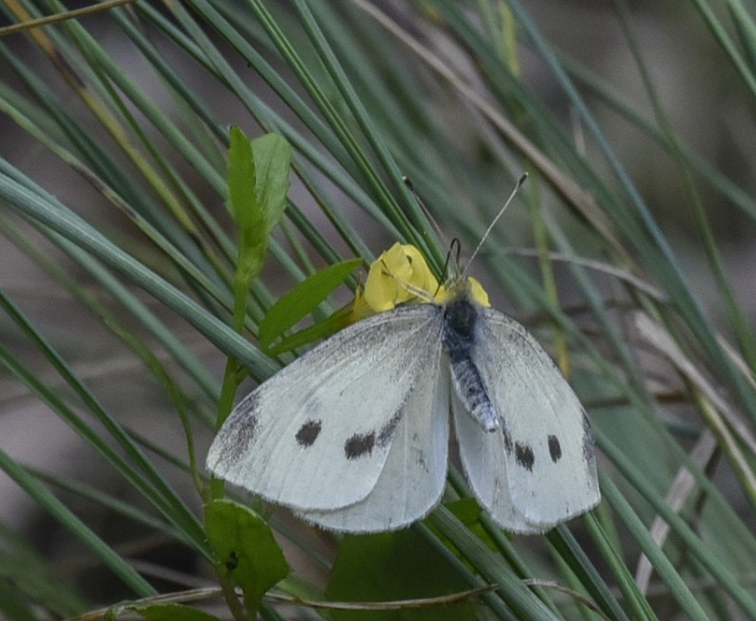
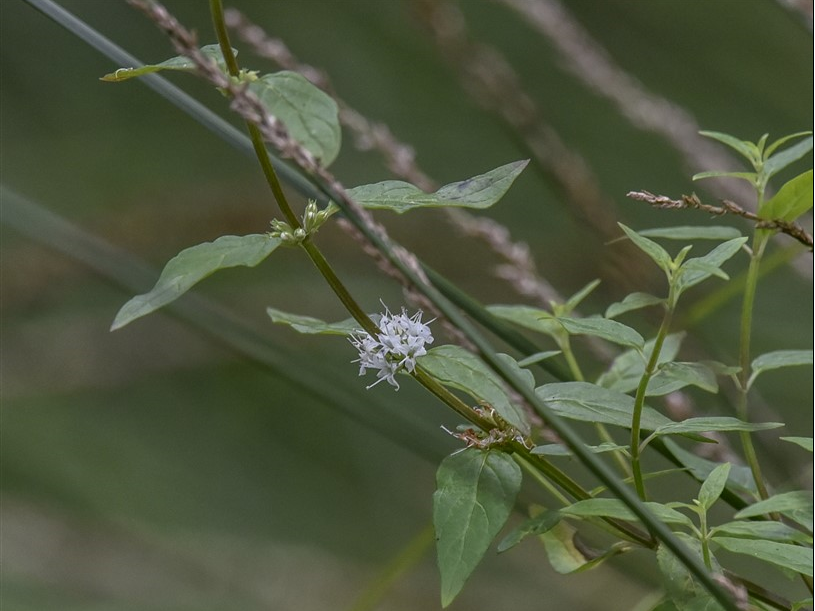
Click on a photo to enlarge the image
*Krefft’s Glider (Petaurus notatus) is a wide-ranging species of tree-dwelling nocturnal gliding possum native to most of eastern mainland Australia including the Creeklands. We formerly called them Sugar Gliders – but science now restricts that name to the species P. breviceps. The latter only has a small and threatened range in the coastal forests of Queensland and New South Wales (which unfortunately are now quite bushfire-prone). The two species have long been confused and conflated together – suffice to say Krefft’s Gliders have a more obvious stripe down the middle of their backs and a fluffier tail with a white tip at its end.
Otherwise, some of our old friends are back – the Yellow-tailed Black-cockatoos and King-parrots have returned but we don’t have photos as yet. Unexpectedly, the Gang-gang Cockatoos have not been seen recently.
Kalang Oval cricket pitch realignment
The Cricket pitch was realigned to improve safety over the late December/early January period. Our picture shows the concrete base for the new pitch which has now been laid.
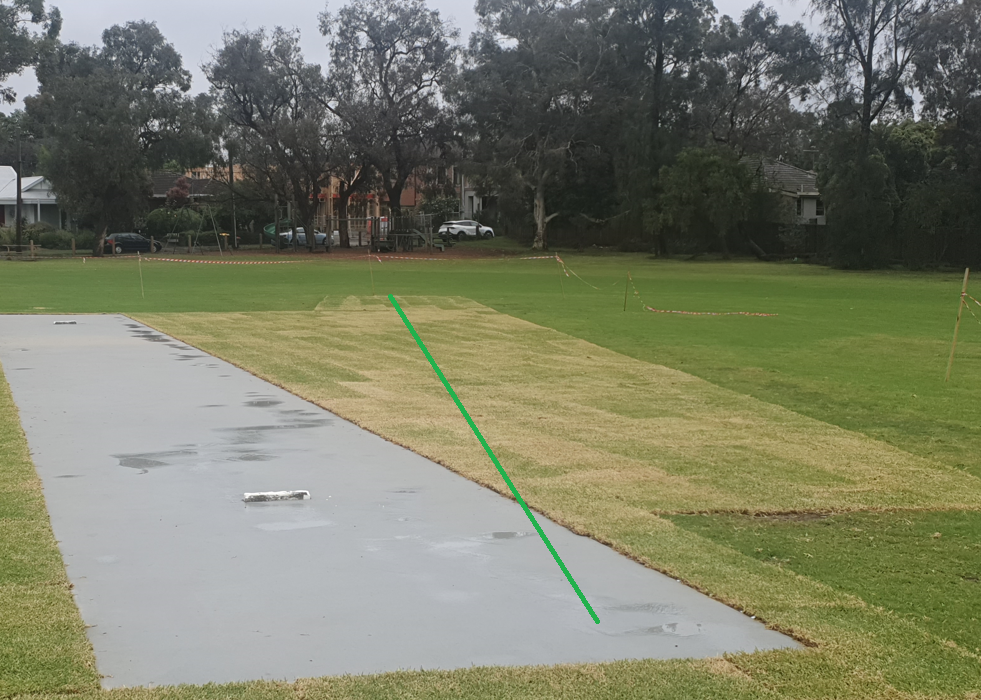
The new alignment is designed to reduce the risk of errant balls going towards the Bowls Club and private properties to the west. Changes to the existing safety netting along the oval boundary are also anticipated.
Not OK to remove mulch or sticks/logs from the park !
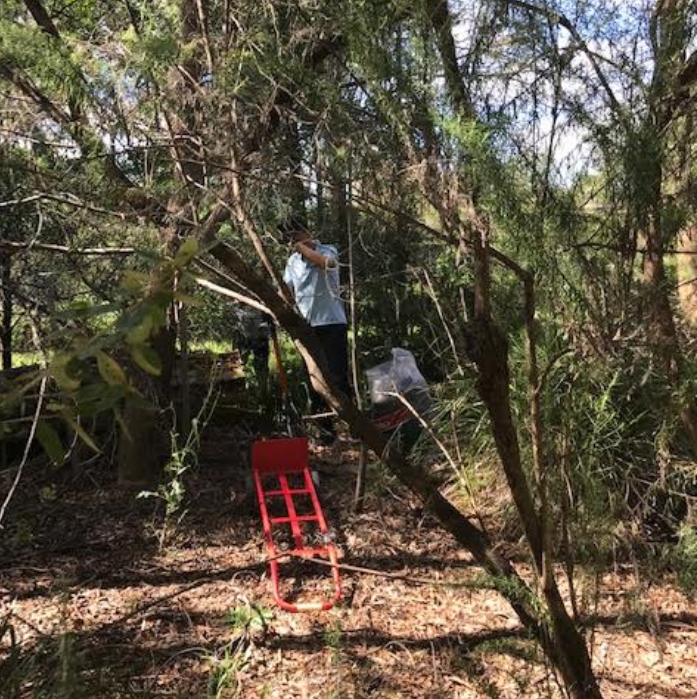
Most in our community would know it’s not OK to remove mulch, sticks/logs, fauna and flora from the park. These are needed to help maintain the park’s environment and habitat for biodiversity. Our photo shows a couple of people coming well prepared with a hand-trolley and large bags for removing mulch….
The Corridor
Blackburn Lake Clean Waterways Expo
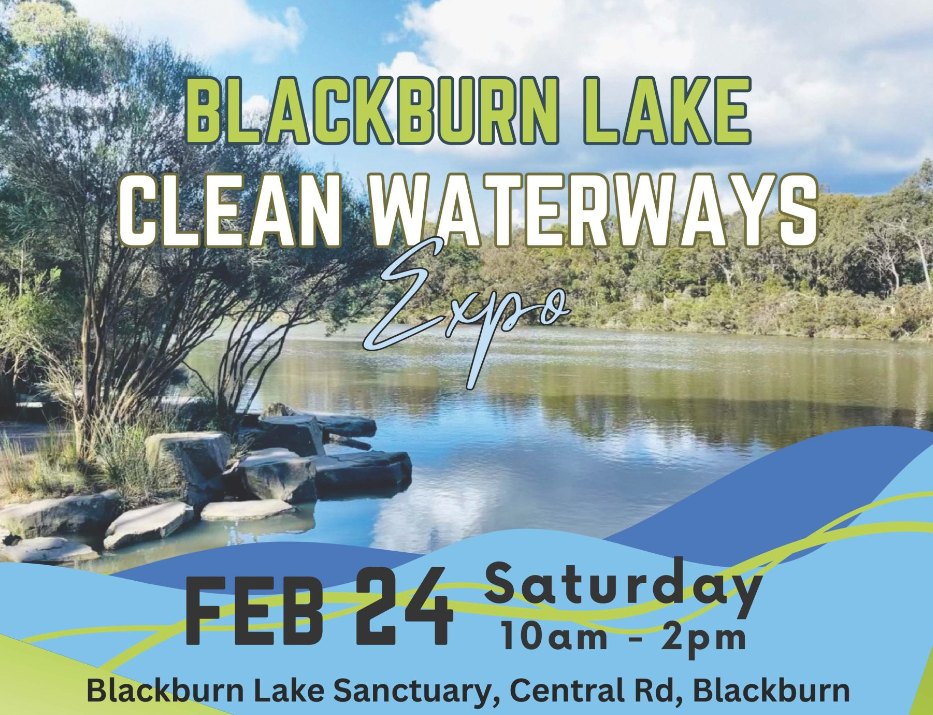
Our friends at the Blackburn Lake Sanctuary are hosting an Expo on Clean Waterways supported by the major players – the EPA, Melbourne Water, Yarra Valley Water and Whitehorse Council. This is a great opportunity for all of us in the community to learn how we can prevent pollution and litter from entering our beautiful lake and local waterways, and why we need to!
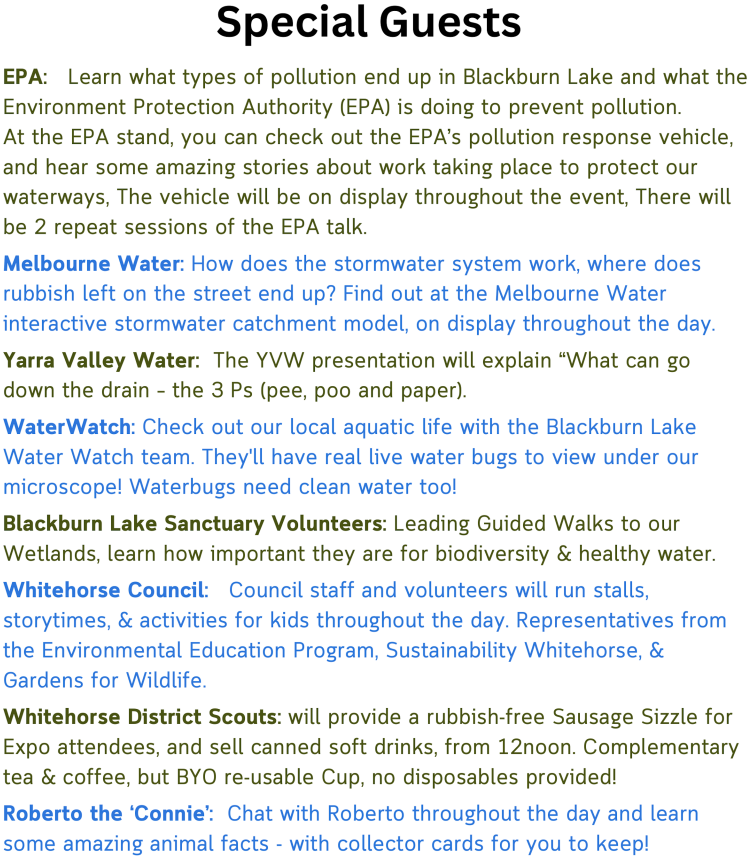
Please click here for further details.
Corridor Sightings
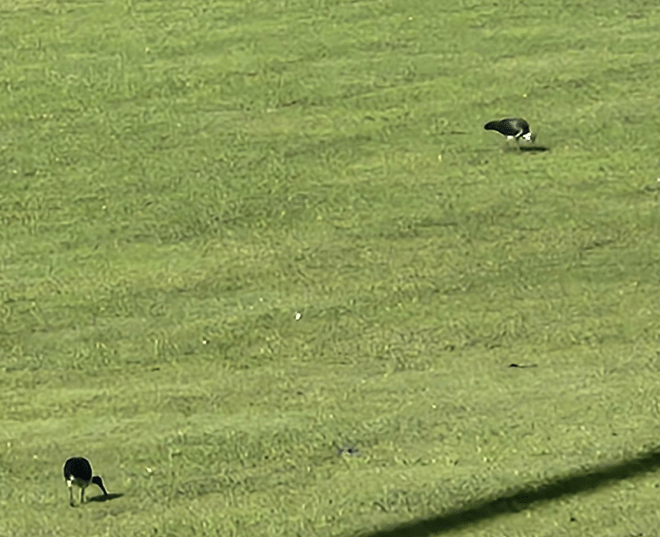
In a neat segue to our November article on Ibises, our friend Victor spotted a flock of about ten Straw-necked Ibis (Threskiornis spinicollis) feeding at Sparks Reserve on New Year’s Eve.
As Victor points out, they differ from the more common White Ibis (T. molucca).
They are roughly the same size – but have dark wings that are iridescent in sunlight. Adults have distinctive straw-like feathers on their white necks. We can see a hint of the former on the upper right bird.
Word must have gotten around – a later snap by Victor shows there was a small flock there on the 3rd January enjoying the retarded* water along with some ducks:
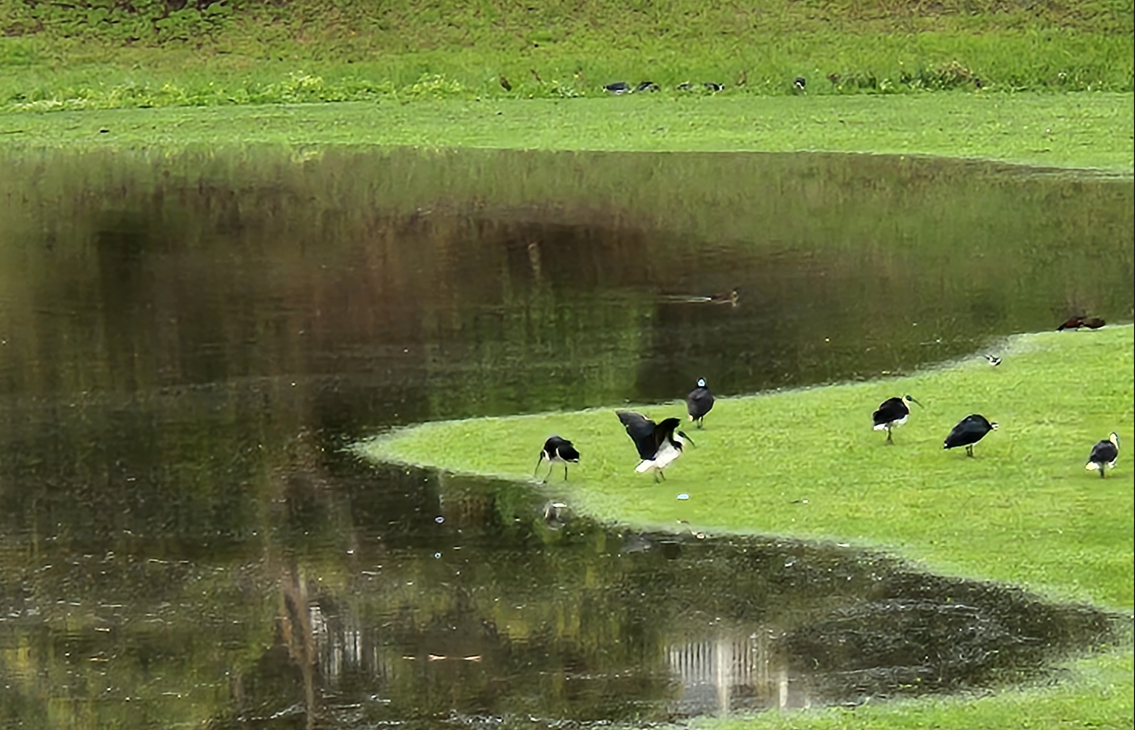
*Besides being a local dog-off-lead area, Sparks Reserve (just downstream from our park) is a “retarding basin” that slows down the rush of creek water by flooding itself when needed. There are many retarding basins in Melbourne’s stormwater drainage system. They exist to primarily hold and calm the flow of water after significant heavy downpours such as the recent events in January. It’s great that they can also be used for archery, exercising dogs and by our birdlife in between flood events.
What’s this ?
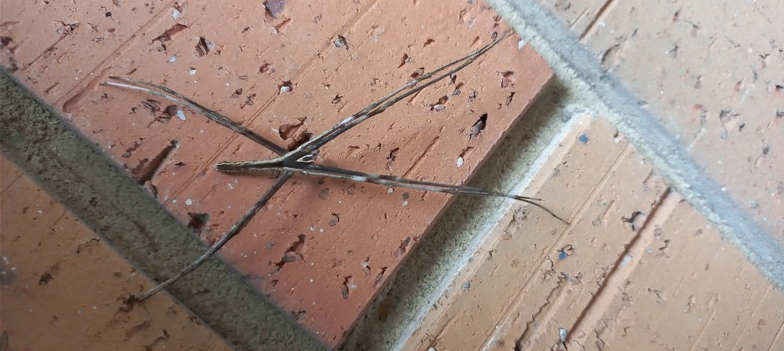
You guessed it – a male Net Caster outside a Friend’s front door ! We should have noted earlier that they are not four-legged spiders – they often hold their legs together in pairs… possibly so that they look less like a spider (?).
Whitehorse Mayor Denise Massoud
We congratulate Denise Massoud who has been elected as Whitehorse Mayor along with Councillor (and former Mayor) Andrew Davenport as Deputy Mayor. As a former Councillor for “Central Ward” which used to include our park, Denise knows the Creeklands and many of our people quite well – and has provided valuable advice and other assistance to our Committee in the past.
SRLA Box Hill – potential impacts on our park
The map below shows the proposed new Suburban Rail Loop Authority (SRLA) planning area for Box Hill adjacent our park shaded green (not quite all of Furness Park is shown to the east).
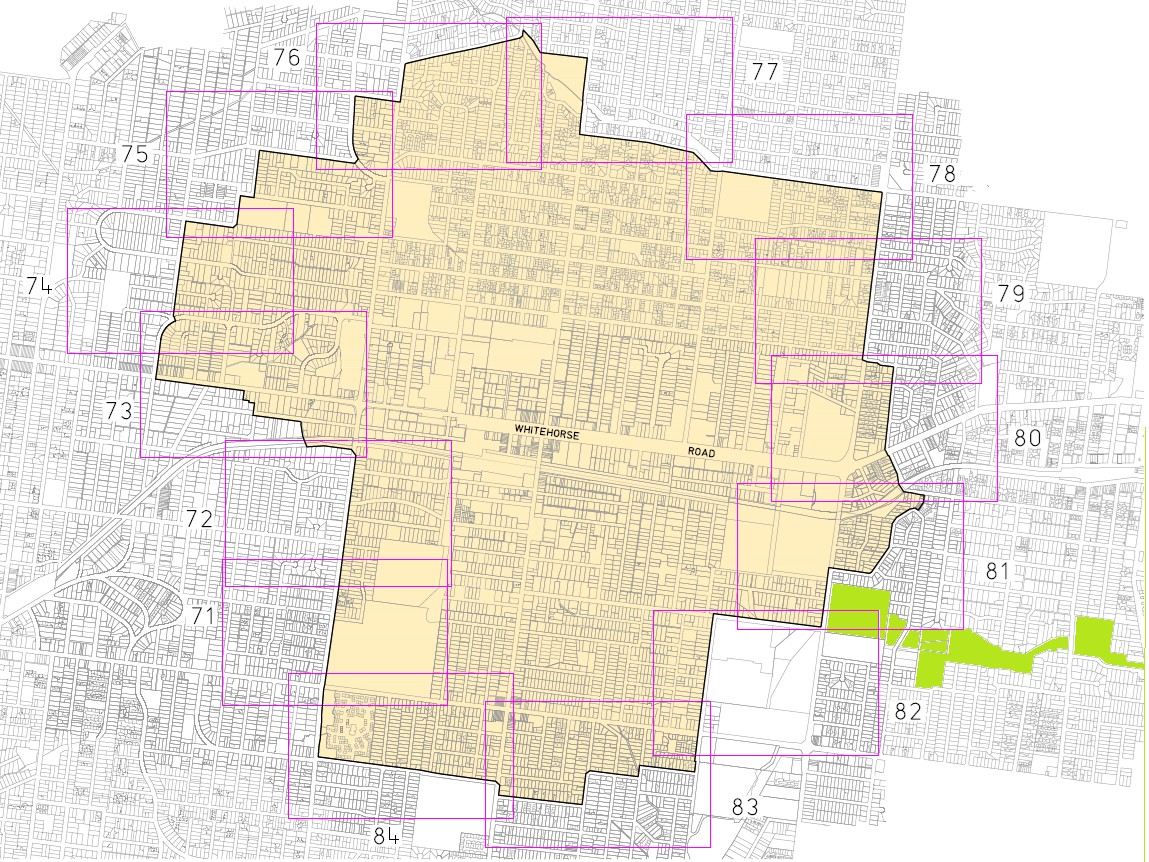
For those unfamiliar with the State Government’s plans, the SRLA would have planning powers over SRL station precincts. The new precincts are proposed to contain higher-density developments on a graduated basis. Whitehorse Council would be sidelined from planning in this important area – though Mayor Massoud has been quoted as seeking a “collaborative partnership”.
In effect, the SRLA is to be a major property developer (as well as a train line builder) AND simultaneously, the sole planning authority for properties hitherto defined as within 1.6km of the new train stations.
New maps have recently been released which provide a more precise boundary of the SRLA province – down to the land parcel (lot) level. The Government plans to reap new “value” created by its railway line and train stations and the corresponding better access to public transport etc for nearby properties. This “reaped value” would then contribute to the funds needed for further development of the rail network. The project requires billions for decades – and we all know about the incredible cost-overruns which routinely affect government projects of this nature.
The new planning authority seems to have made a special point of grabbing the Laburnum shopping strip including the Gourmet Girls et al even though those properties are outside the 1.6km boundary. However, we should be grateful that the properties on the south side of Salisbury Avenue near its intersection with Middleborough Road and abutting Blacks Walk are “outside” the currently proposed zone. This would effectively set back higher density living from the north-western edge of Blacks Walk – protecting the park from the “canyon effects” of to-the-boundary high-rise development.
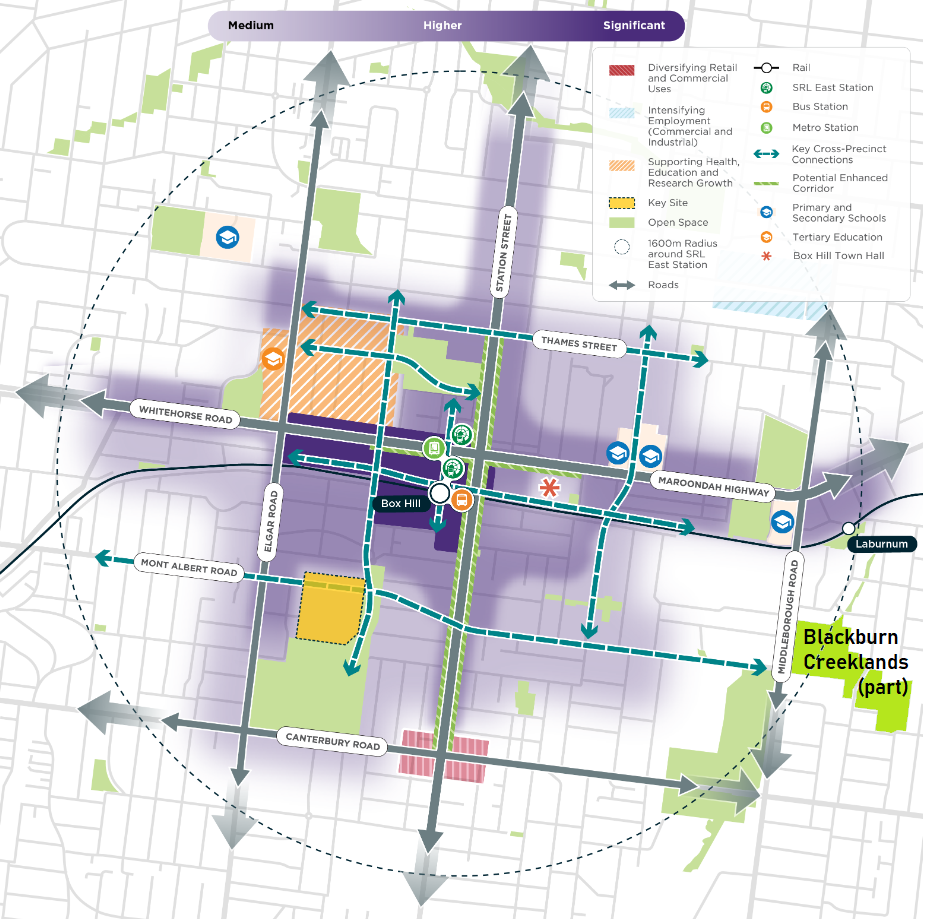
A recent WCC Council publication quotes State Government estimates that the number of people living in the Box Hill precinct could increase from 29,000 to 77,500 by 2056. Over the same period, the number of jobs could increase from 23,500 to 48,500. Many more people and more business!
In terms of the graduated densities planned (see the “purple haze” on the map above), the significant density level is planned for the central Box Hill area (solid purple) with higher and medium level densities fanning out via the existing and potential road network. It appears that the plan is to redevelop the old brick works/quarry site at the end of Mont Albert Rd – and potentially join the latter with Albion Rd – creating a central Box Hill bypass.
The documents do not define specific height limits for each area, however an artist’s “indicative only” impressions suggest towers of about 20 storeys in the significant change areas, 12 storeys in higher-change areas and triple-storey flats in medium-change areas.
In terms of the park:
- More people living nearby will inevitably increase the number of park users and will also put more pressure on other local services (such as the adjacent Laburnum Primary School) – which will have secondary effects on the park. People living in higher density developments will especially need open, green spaces.
- More people will generate more traffic movements putting more pressure on the arterials as well as surrounding streets.
- The potential linking of Mont Albert Rd to Albion Rd would be likely to bring more traffic to the area near the Middleborough entrance to Blacks Walk (assuming there is any capacity left!) – especially if “Whitehorse Road is recast as a people-focused boulevard” as proposed.
Odd that all this is coming out over the holiday period when people’s attention may be elsewhere! You can learn more about the proposed plans for Box Hill here and answer a survey here.
Birdbaths and Ponds
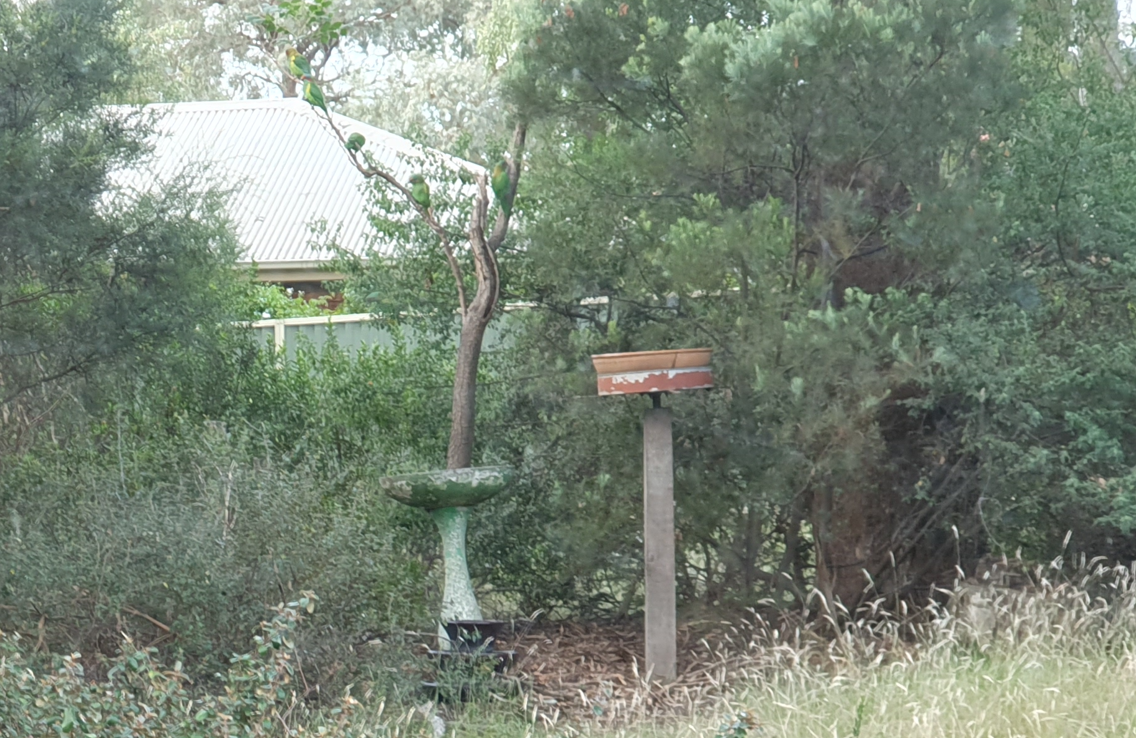
The availability of clean water is essential for our local wildlife – especially as the weather heats up. You can help if you live in the park’s corridor – using a pond or a simple birdbath. For best results, the water needs to be kept clean (they drink and have a bath in the same water like little kids!). The water may also need to be topped up in extreme heat. You can find detailed instructions on siting, cleaning etc here.
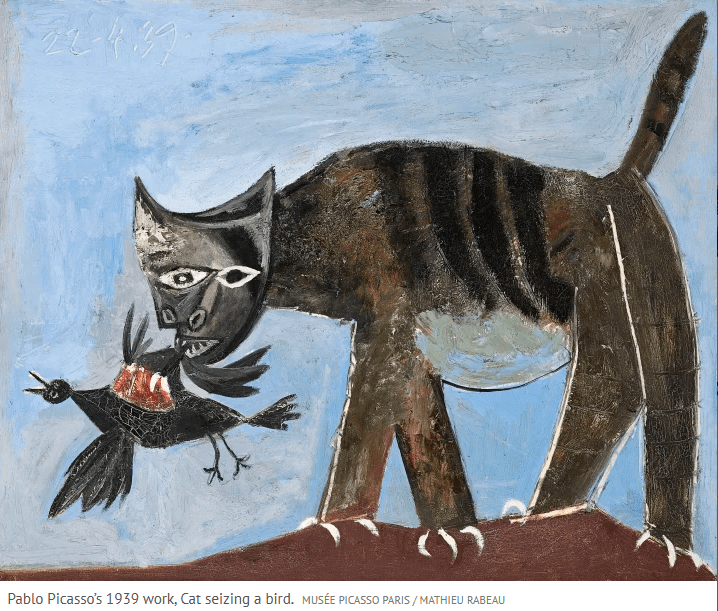
If you don’t have cats in your garden, you might consider filling a simple terra cotta flower pot saucer with water near your tap at ground level – for a simple, quick and effective solution…
Agapanthus – Off with its Head!
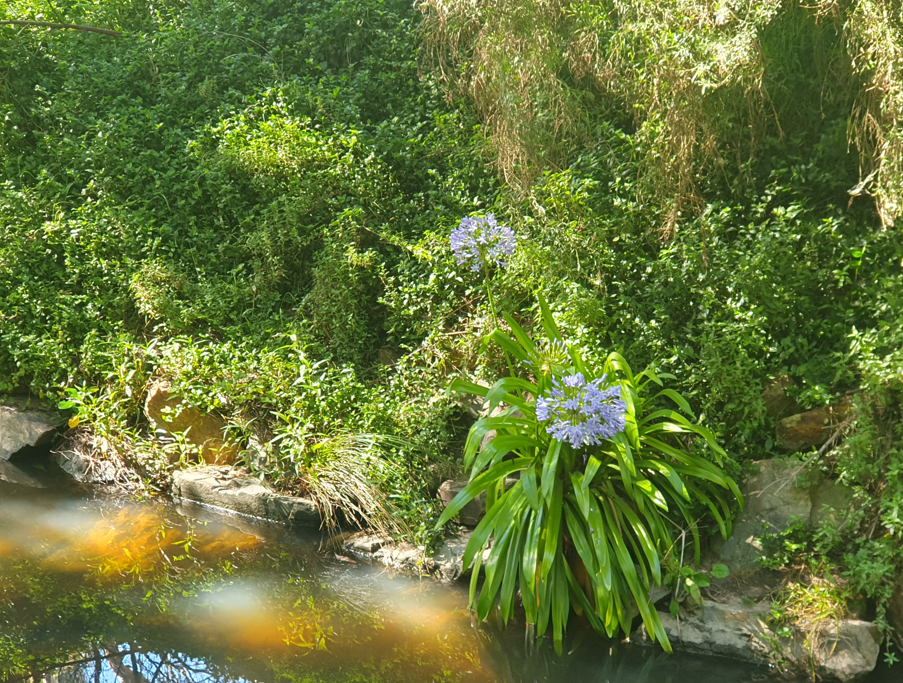
We definitely do not like finding Agapanthus growing in the Creeklands along the stream line. It means someone has not “dead-headed” their garden flowers – and their seed has entered the creek via the storm-water drainage system.
So, please dead-head your Agapanthus plants once flowering finishes! For those interested in removing their Agapanthus completely, here is a link to an interesting article from the Southern Dandenongs Landcare Group about removing the pests – without herbicides, machinery or hard labour.
Stay safe in 2024 – here’s a demo from a female Tawny Frogmouth in Blacks Walk:
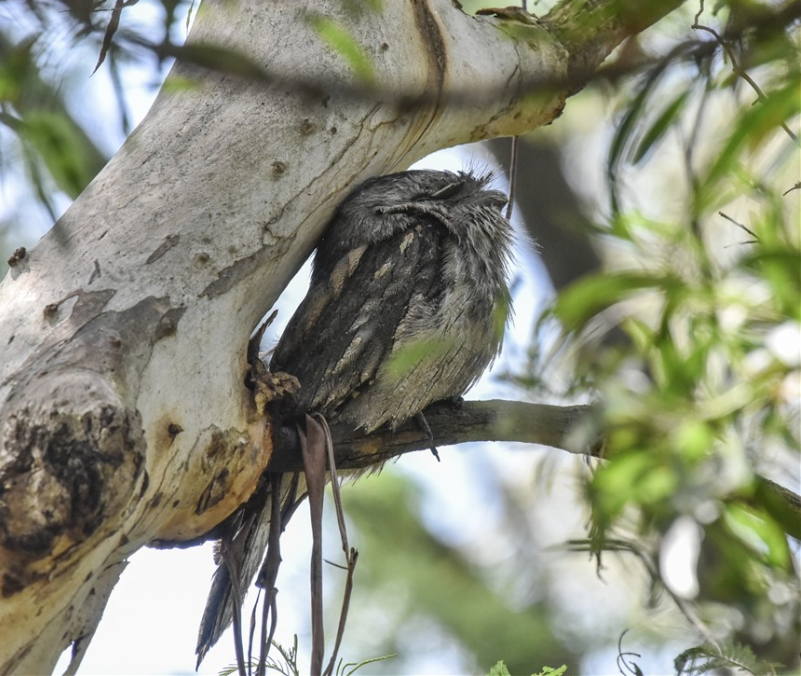
She’s protected on three sides while roosting motionless during the day and her “camouflage” colours make her appear to be part of the tree from not too far away!
 Blackburn Creeklands
Pingback: Park News, February 2024 | The Blackburn Creeklands