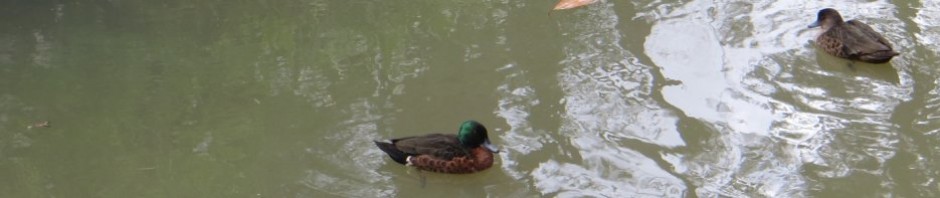
What Happens Next ?
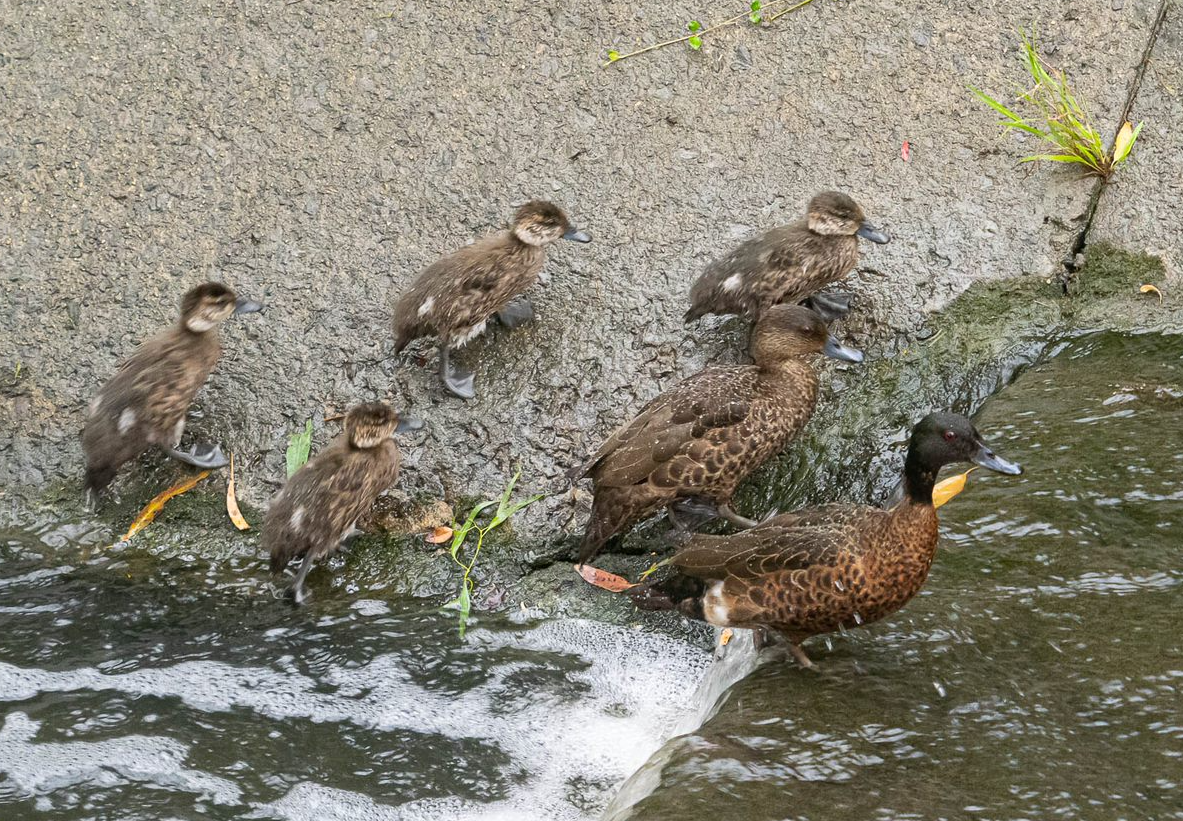
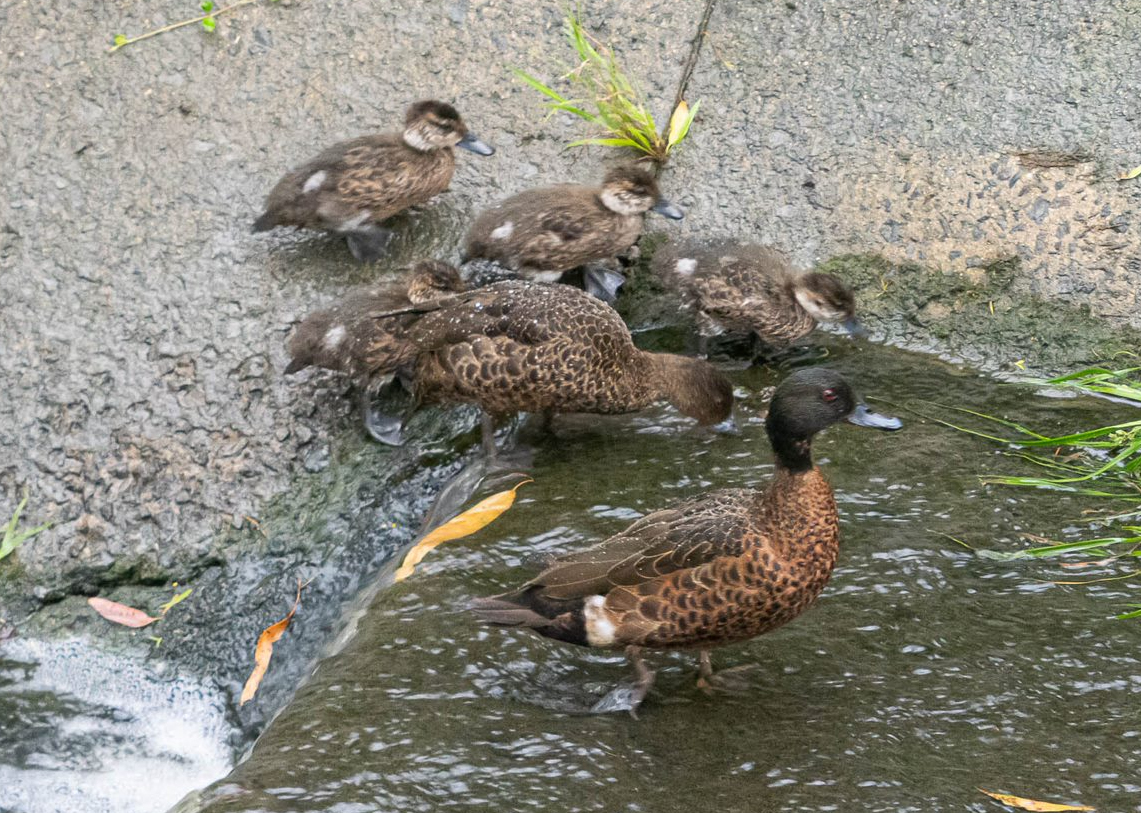
Our photo shows a Chestnut Teal duck family cruising up the creek (in its unnatural, concrete barrelled section) when Dad, the leader, confronts a problem – a waterfall where the concrete rises a level…
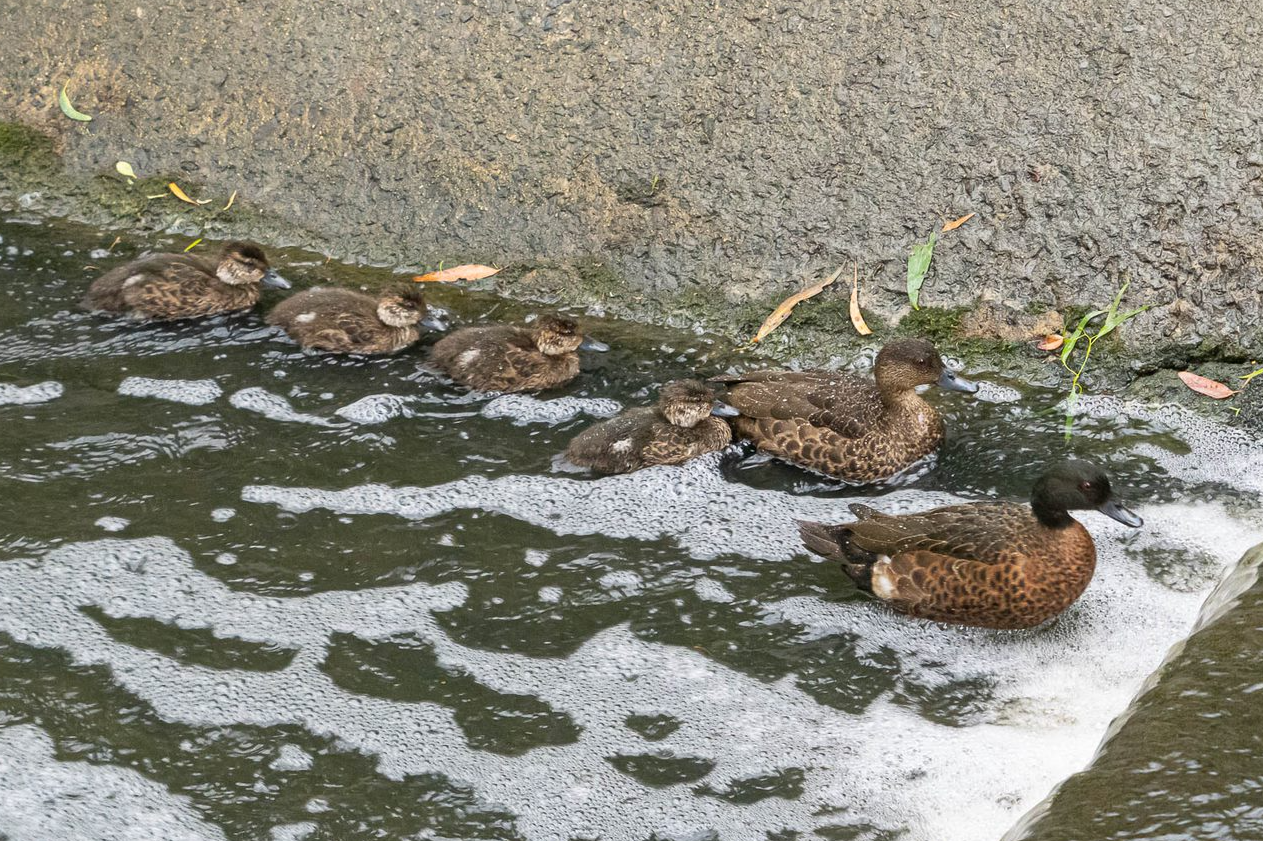
No problemo ! – we were lucky enough to have a film crew there to document the action:
It turns out that the creek’s water level is low – so the ducks are walking, not swimming , and the slope of the channel walls is no problem at all for the ducklings’ big feet. However, there was a “slugfest” of a sort – did you see that one of the ducklings seemed to catch a slug and nearly lost it when a sibling became interested ?
Indigenous Bees
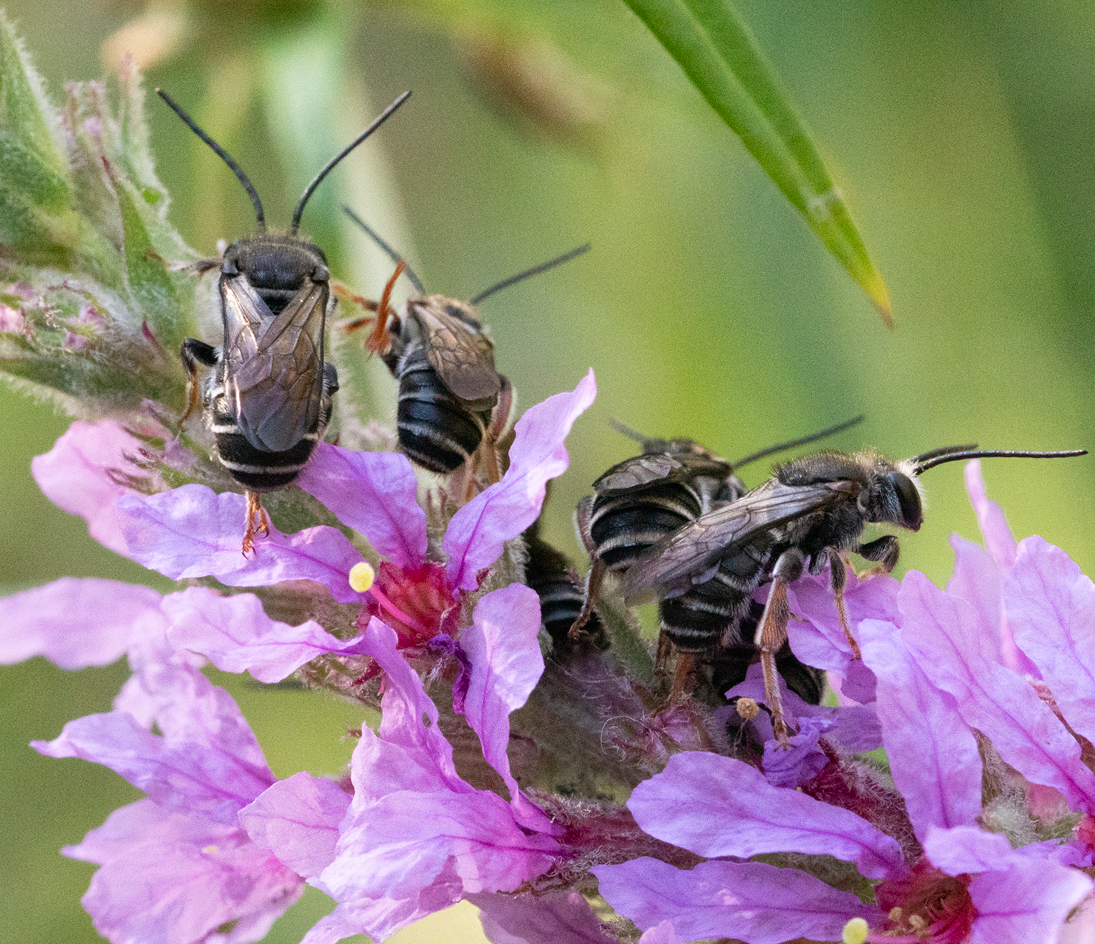
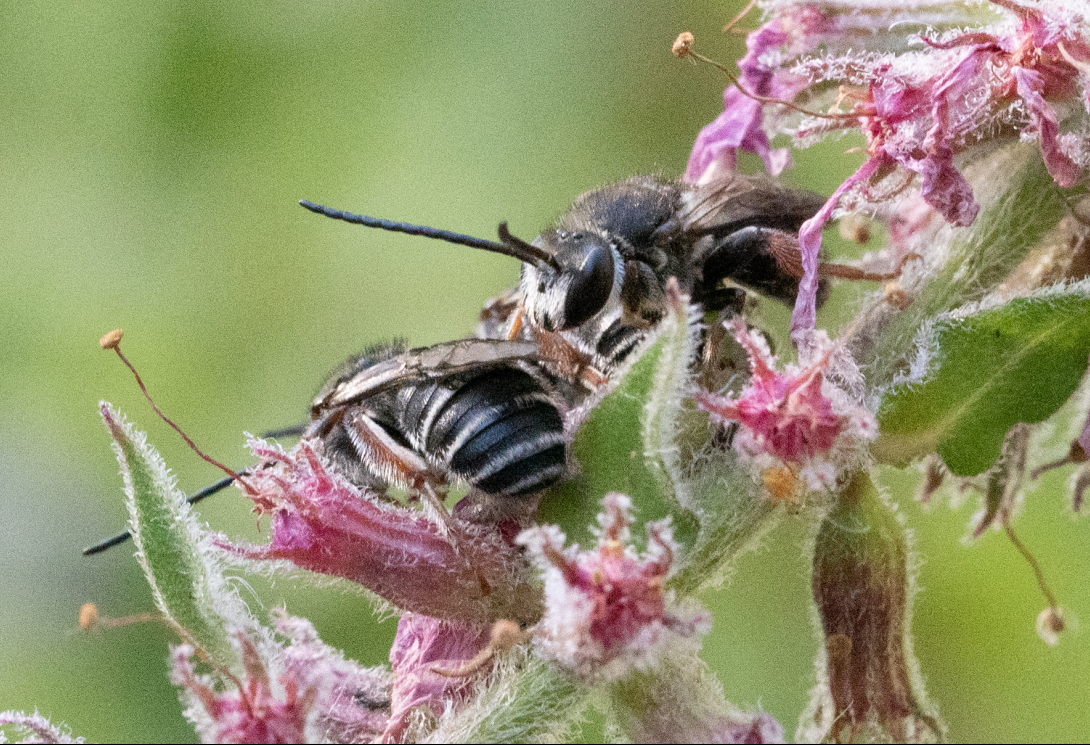
The males of some of our indigenous bees sometimes roost together in significant numbers for reasons that are not clear. The best guess is for warmth and protection – given they usually only return to roost when the temperature starts to drop. On the other hand, the females tend to be solitary and stay in their own burrows underground.
Wendy’s close-up photos are simply amazing:
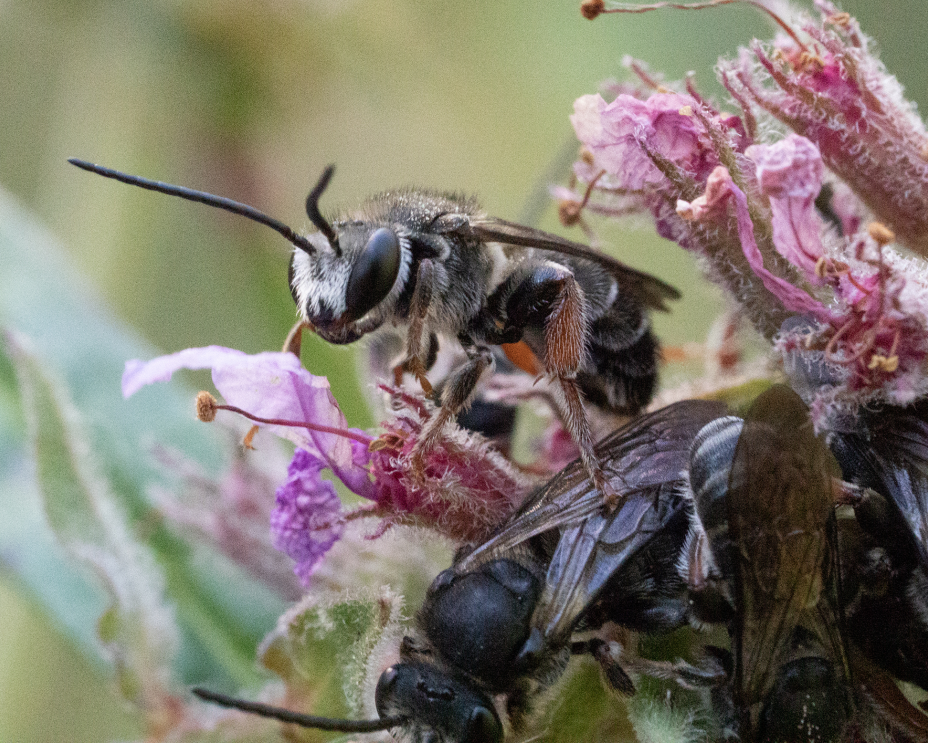
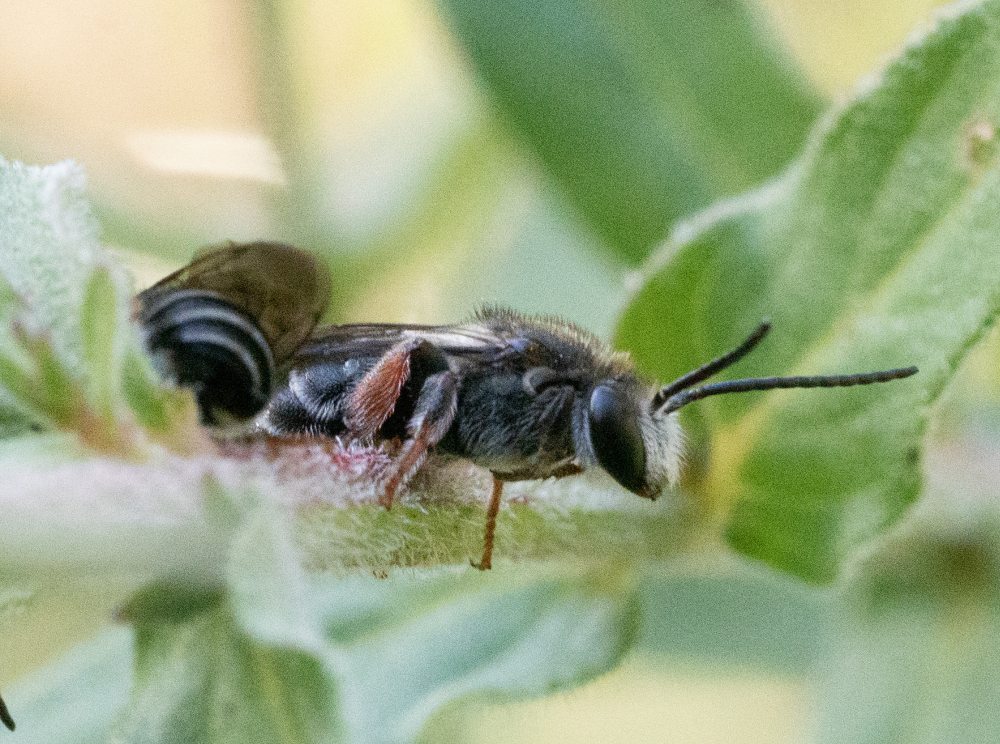
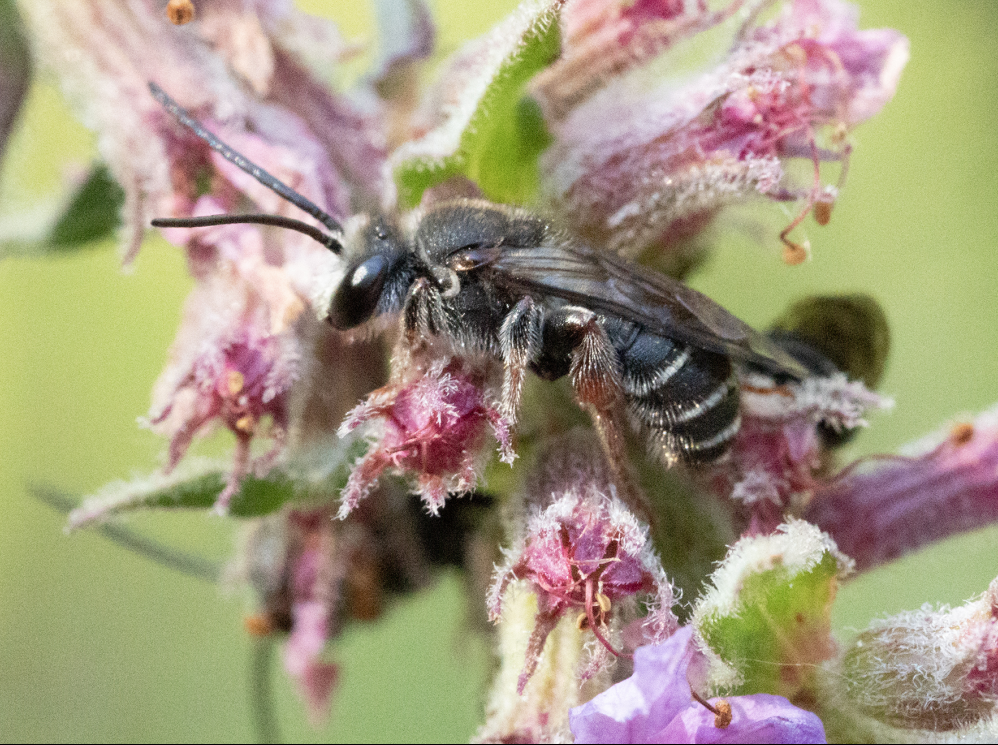
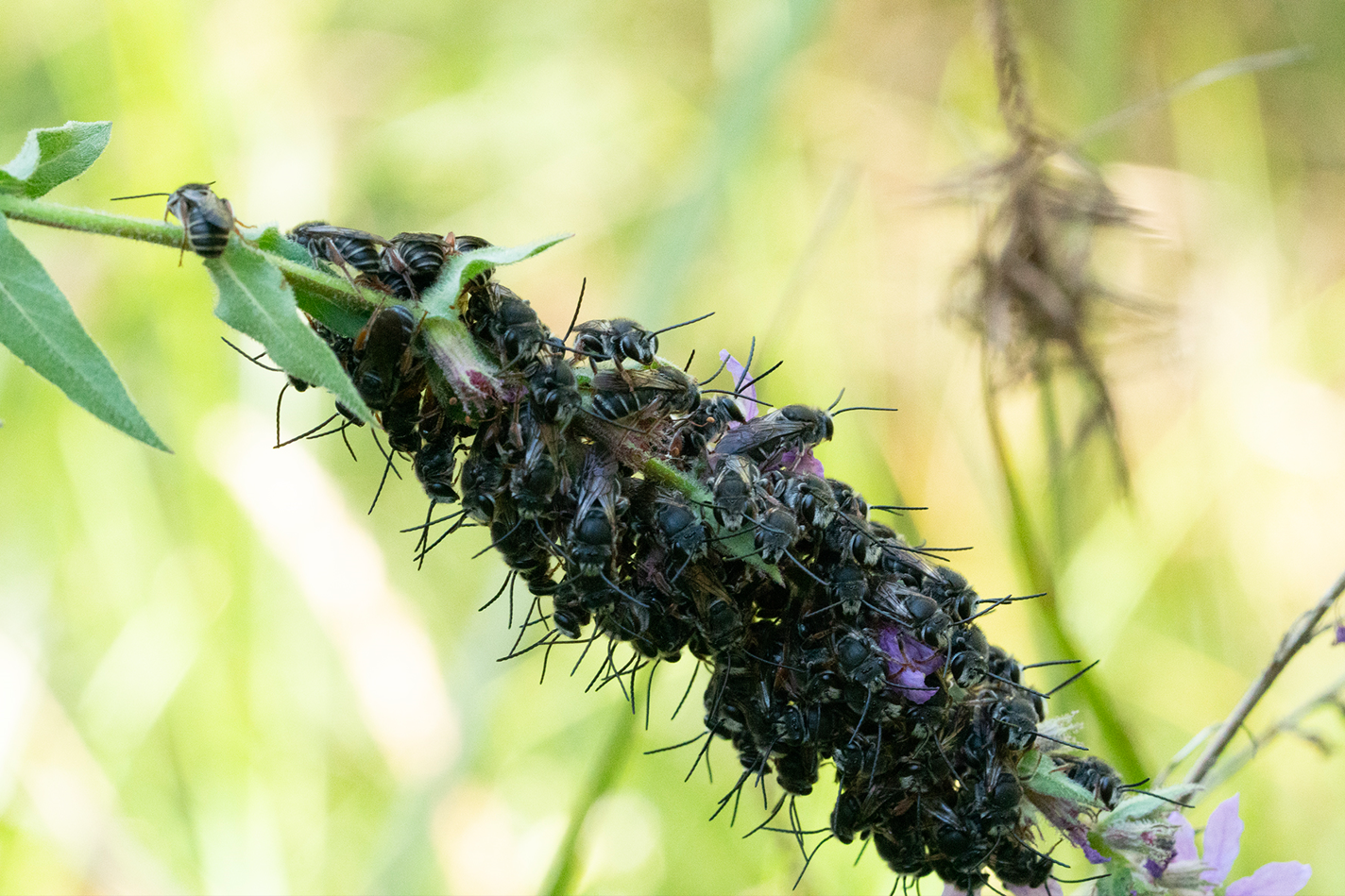
Click on a photo to expand, scroll via > and <, click on the X when finished.
The bee has been identified as an Austronomia bee in the genus Liptotriches. Its common name is the Red-legged Nomia bee. The beautiful pink/purple flowers belong to the indigenous Purple Loosestrife plant which loves wetland environments.
Thursday Team Report
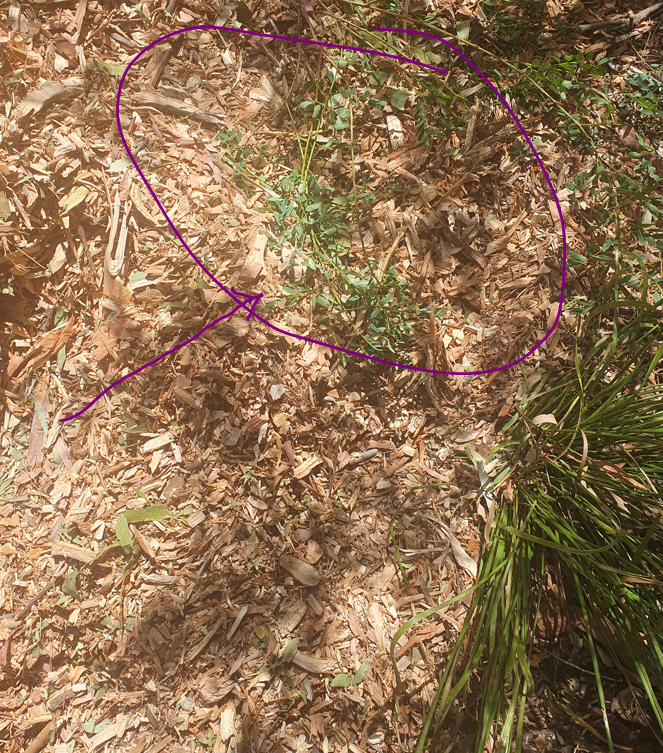
Another Illegal Mulch Dumping
This lot was dumped on top of young plants planted by our volunteers 1-2 years ago near the Garie Street playground !
It’s hard for us not to label the perpetrators as “scumbags” – whoops we just did it!
Why do they do it ? We assume “cowboy” operators save the costs of legal green waste disposal by dumping in the park. No doubt, they charge their customers for waste disposal – so make a tidy profit at both sides of the equation – at the expense of damaging the park and making the council (ie, we the community) bear the costs of the consequent clean-ups.
What can YOU do ?
- If you suspect an illegal dumping? Take a photo and/or get the truck’s registration number – and report it to Council’s Customer Service on 9262 6333, or e-mail details and photo to customer.service@whitehorse.vic.gov.au . Council has warned the community not to approach perpetrators…
- Be careful engaging el Cheapo contractors – if they seem cheap – they probably are in more ways than one! They’re probably not paying tip fees, insurance, workers comp, superannuation, tax or anything else!
Council will prosecute these people – it costs a lot of money (many tens of thousands of dollars annually from our rates) to clean up their messes.
So, we have had people dumping “bad” mulch with others removing “good” mulch last month. One of our Friends, Lindy has let us know:
In regard to the people collecting mulch from the creeklands, you might want to inform readers in the next newsletter that the City of Glen Eira has free mulch that you can collect any time from an open-ended shed in Glen Huntly Park, Caulfield East.
Other mulch issues
The team is also working on some other mulch issues:
- Dealing with weed contaminated mulch: Apart from illegal dumpings, we believe our park mulch only comes from Whitehorse Council park-sourced mulch. Something seems to have gone wrong in the system though – after years of trouble-free mulch deliveries, we have now experienced three lots contaminated with various weedy material. Council is investigating the issue.
- We’re soon to review our mulching techniques – especially in view of the mostly very dry weather we’ve had in January and February. We may need to take action to improve water penetration if the breakdown of materials has gone slower than expected.
Working Bees
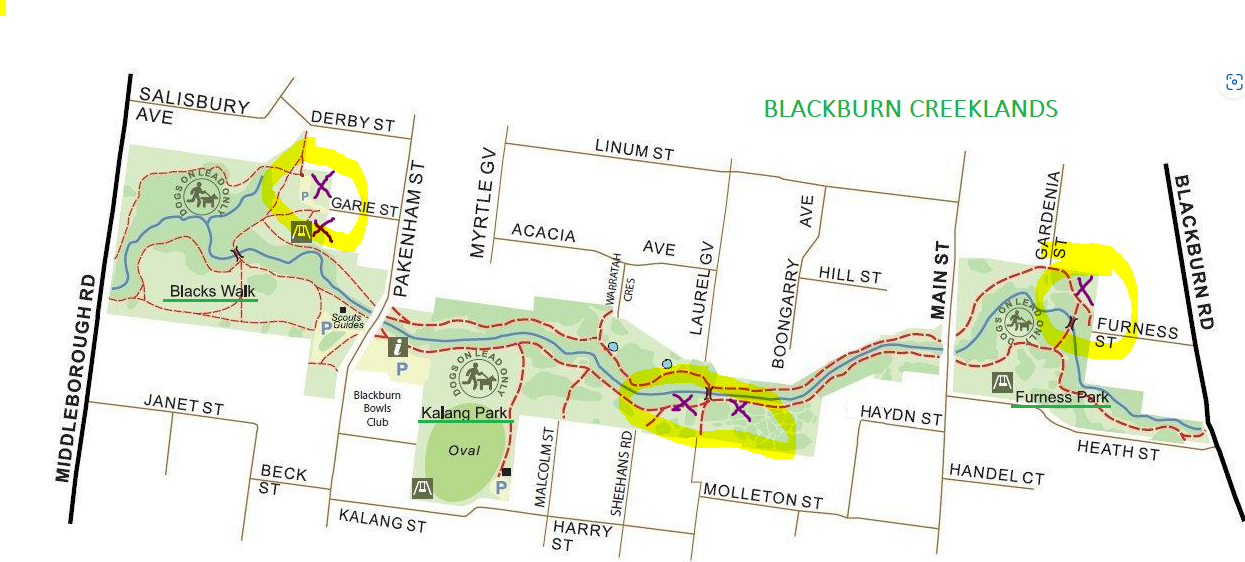
Recent Thursday working bees have been spread around the Creeklands in:
- 29/2 Furness Park – top north east area.
- 8/2 and 15/2 Kalang Park – on the south side of the creek on either side of the Laurel Grove bridge
- 1/2 in Blacks Walk adjacent the Garie Street playground and in the area opposite on the other side of the carpark entrance.

The working bee on 22/2 was cancelled due to a total fire ban being declared.
This is for the safety of our volunteers – in any event, the conditions on such days tend to be far from ideal!
We are also grateful for Whitehorse Council assistance in site preparation work in Furness Park and removal of woody weeds on the creek bank in Kalang Park during the month.
Event dates
Here are some event dates for your diaries:
- The City Nature Challenge is coming up on the 26th – 29th April 2024. Whitehorse Council will publish more details during March.
- Our regular Autumn Bird Walk is all set for Saturday 27th April.
- Our 40th Anniversary celebration is planned for the Sunday, 19th May.
Segue on the Net Caster
Following on from our story about Net Casters in last month’s newsletter, our friend Anthea let us know there’s a BBC EARTH video showing the Net Caster actually casting its net – filmed with a high-speed camera – unbelievable!
The poor old cricket never had a chance…
Nature is amazing: very clever of the spider to be able to weave different grades of silk – one taut and strong for the supporting structure and the other a bluish stretchy net! Even colour-coded!
Council Works
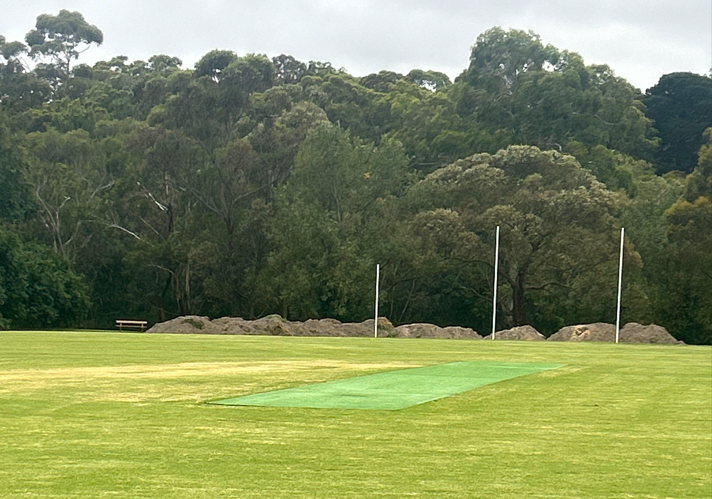
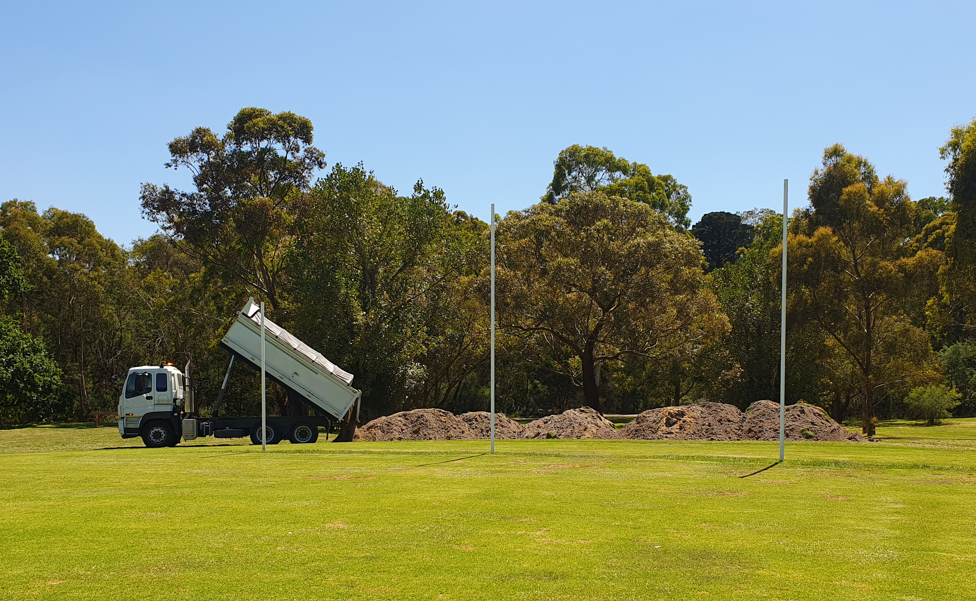
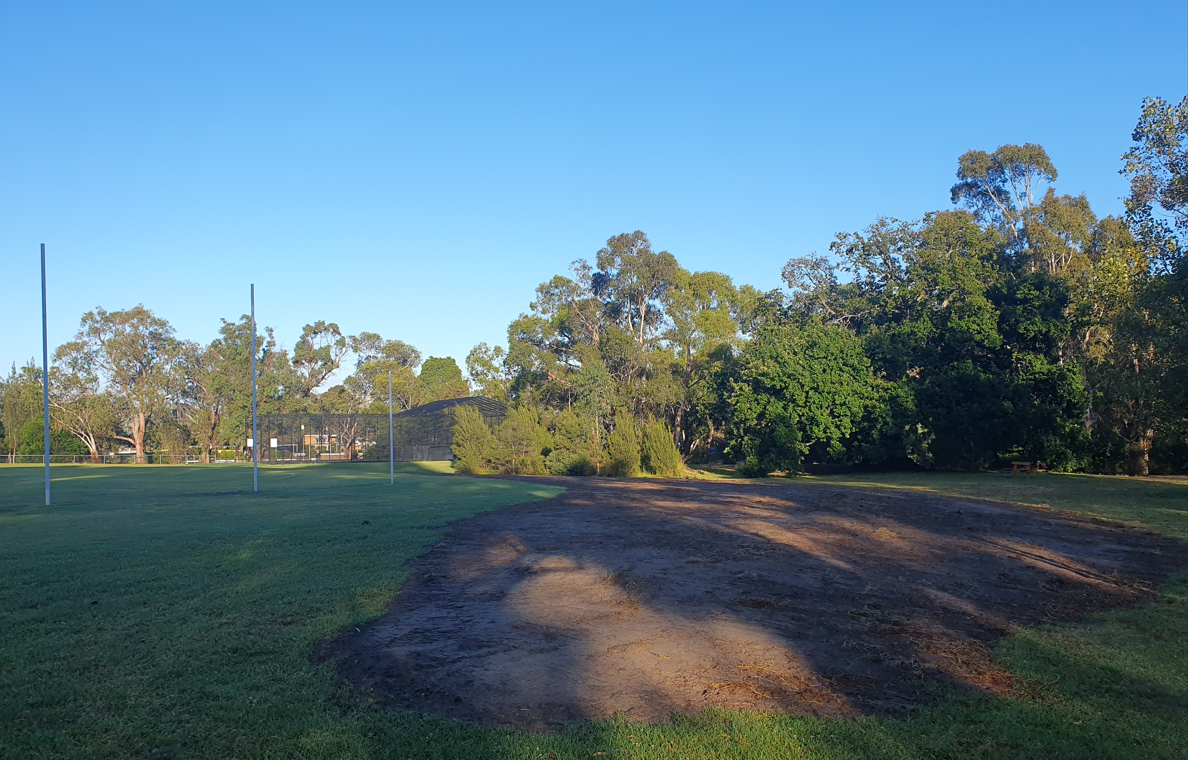
In case you were wondering what has been happening just north of the Kalang Park oval, rest assured that the park has not been invaded by mega wombats ! The culprit is shown in our “Sightings” photos below. Council is extending the oval to the north – this is part of the project that saw the cricket pitch realigned over the New Year and the installation of new cricket safety nets on the western side of the oval.
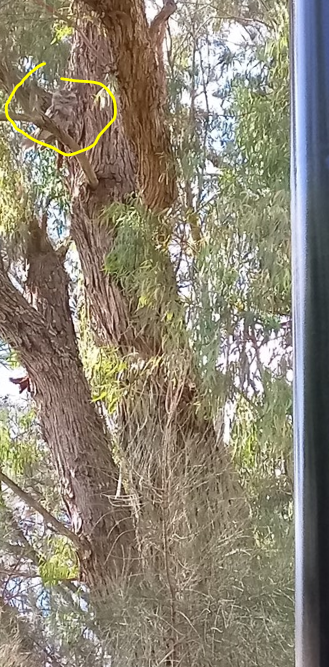
Council had been waiting for a Tawny Frogmouth family to complete nesting there before erecting the nets – the little one is now fully fledged – nevertheless, the birds were roosting in the trees.
Some branch pruning was required for the future nets. We were very pleased to see that:
- The arborist arranged for the contractor to use quieter battery powered chainsaws.
- Roosting branches were avoided using photos suppled by the bird-watching group.
Next steps were installation of footings for the net poles and then installation of the poles themselves.
The birds seem happy enough with the changes – however, the nets are still to come.
Future Homes
Coming on top of last month’s news regarding the Suburban Rail Loop Authority (SRLA) becoming the planning authority for central Box Hill and parts of Laburnum, the State Government has announced its related (though far more generally applicable) “future homes” plans, designed to densify Melbourne living.
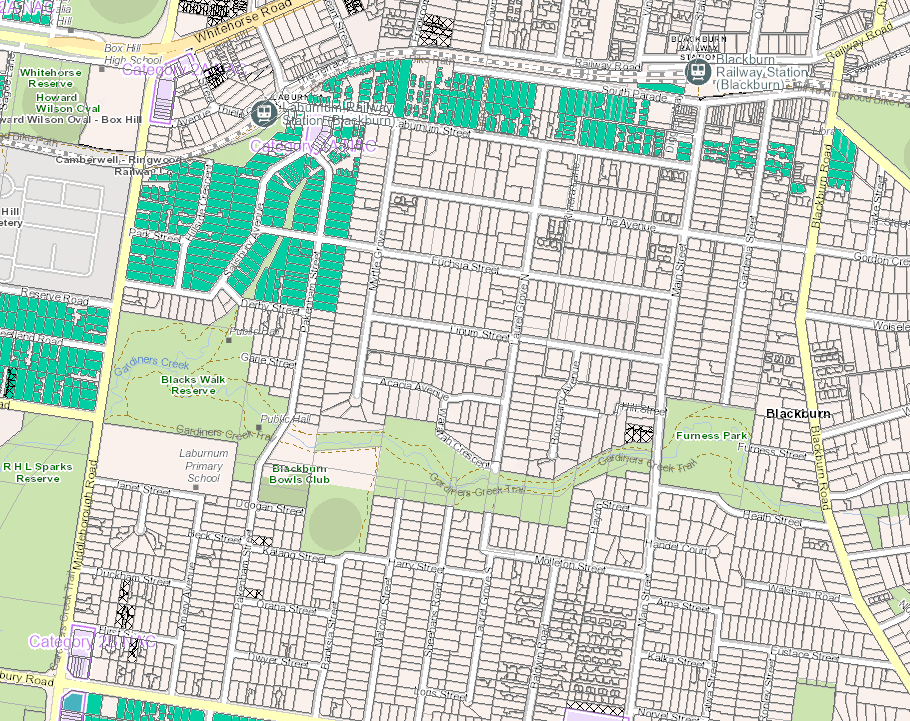
The teal shaded lots above show sites “eligible for Future Homes” near the park. Why are there gaps – eg in Laburnum Street? We think that may be due to a house having a heritage overlay – it and adjacent houses are excluded.
What are “Future Homes” ?
“Future Homes” are apartments in three storey blocks built to one of four standard government designs. The designs are available for purchase and can be adapted to a specific site through a streamlined planning process. The State government is subsidising the cost of the plans. The designs, including access to the streamlined planning process, currently cost $150 with claims that the “usual cost is $15,000”.
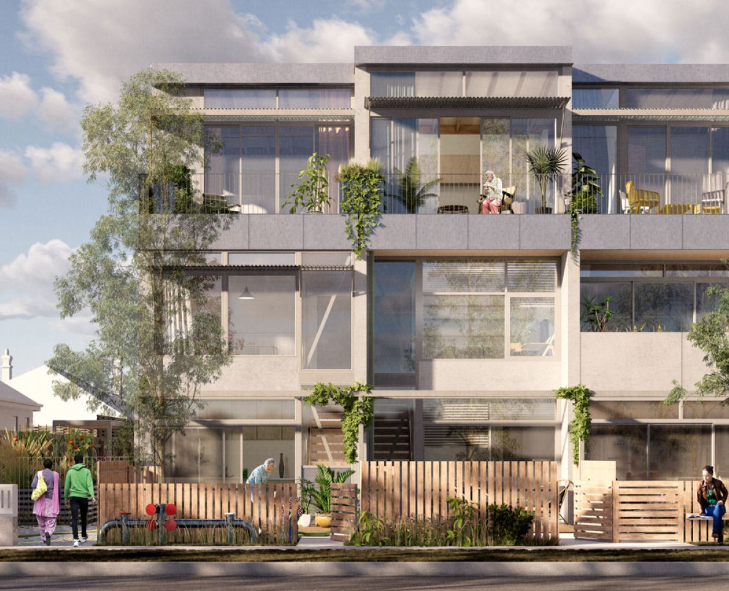
Generally, eligible sites are in a General Residential Zone (GRZ) and within 800 metres of a railway station or an Activity Centre. Most of our park is surrounded by Neighbourhood Residential Zone (NRZ) properties – the exception being the western boundary of Blacks Walk (over Middleborough Road). This results in there generally being a large buffer around the park and its corridor for the protection of habitat and biodiversity.
Whitehorse’s current SLO9 tree protections cover the entire municipality ie including the GRZ which is targetted by the “Future Homes” proposal. It seems that the new proposal will override any SLOs – the outcome can only mean further decline in tree canopy and other vegetation in our residential areas.
Clearly, widespread adoption of these designs would result in significantly higher density living in the target GRZ areas. Residents would have limited access to green spaces other than small shared garden areas. For physical and mental well-being, residents will need access to open-space facilities like our bushland park. So, our park will have to support more users, with higher needs – particularly from the nearby central Box Hill and Laburnum areas.
New Planning Controls for Waterways
The KooyongKoot Alliance (KKA) is spearheading a campaign for the State Government to honour its election promise to extend the planning protections made for the Yarra to other streams and waterways including our Gardiners Creek – that runs through the heart of Melbourne. This is especially urgent given the impacts that the Future Homes project and the Suburban Rail Loop project will have on housing density within the Gardiners Creek catchment – especially around the Box Hill and Burwood railway stations and local activity centres.
Vale Richard Bateman
Richard Bateman was a valued member of the Blackburn Creeklands Advisory committee for two terms from 2006 to 2012 but had been very involved in litter collection IN the creek for many years beforehand. He lived near to Furness Park in those days and used to spend a morning cleaning up sections of the creek in Furness once a week.
In more recent times, his wife Sandra and he downsized to a unit nearby. He maintained his interest in the park and in its birdlife in particular. Richard was a lovely, gentle man much appreciated by his colleagues. Our sincere condolences to his wife Sandra, his family and friends.
Sightings
Our bird-watching friends can often tell a species from how it is flying, its profile and so forth. Although you need to see the motion, we thought we’d show you several examples of birds in flight in the park to give you an idea:
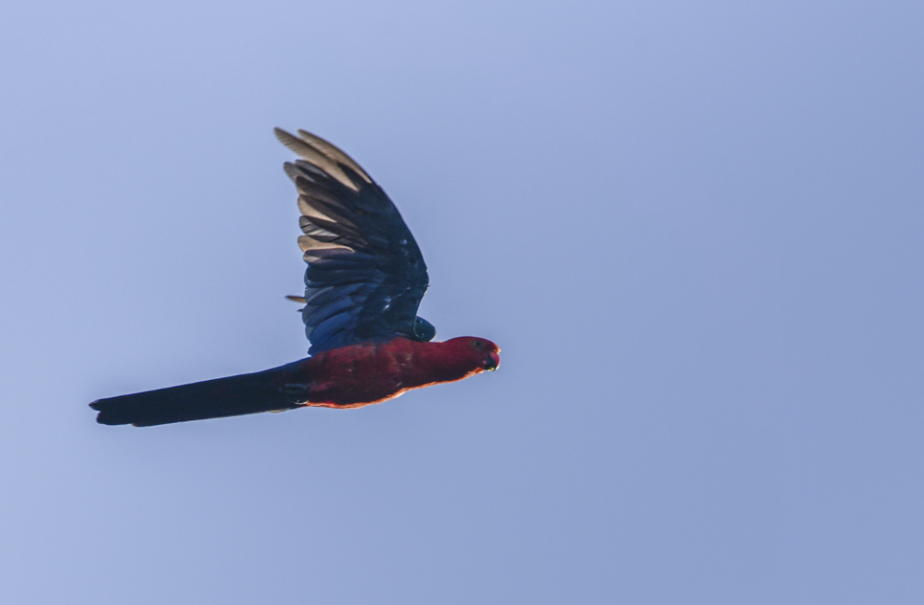

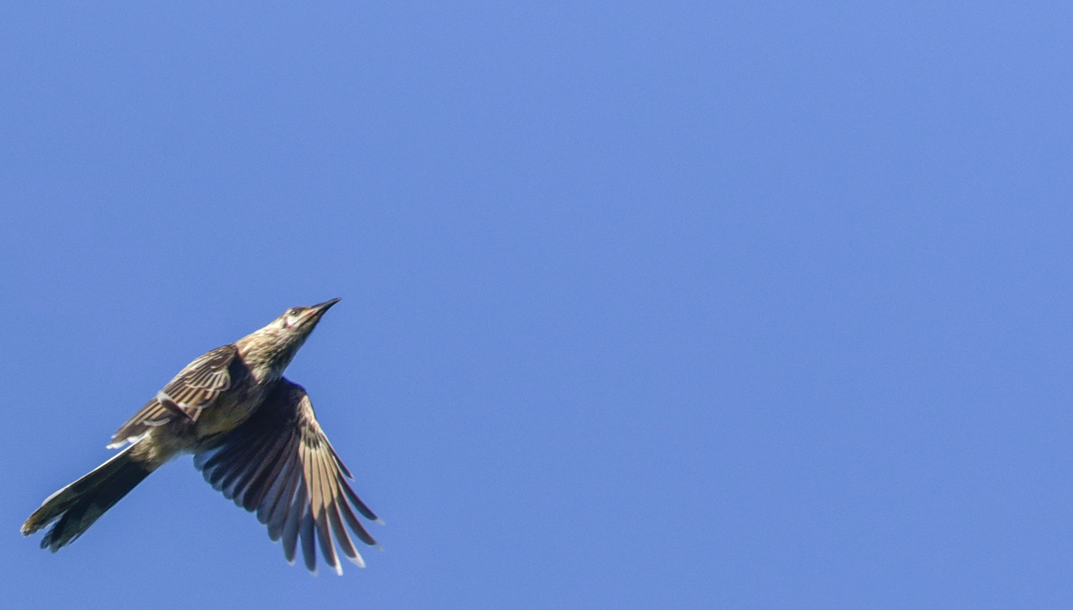
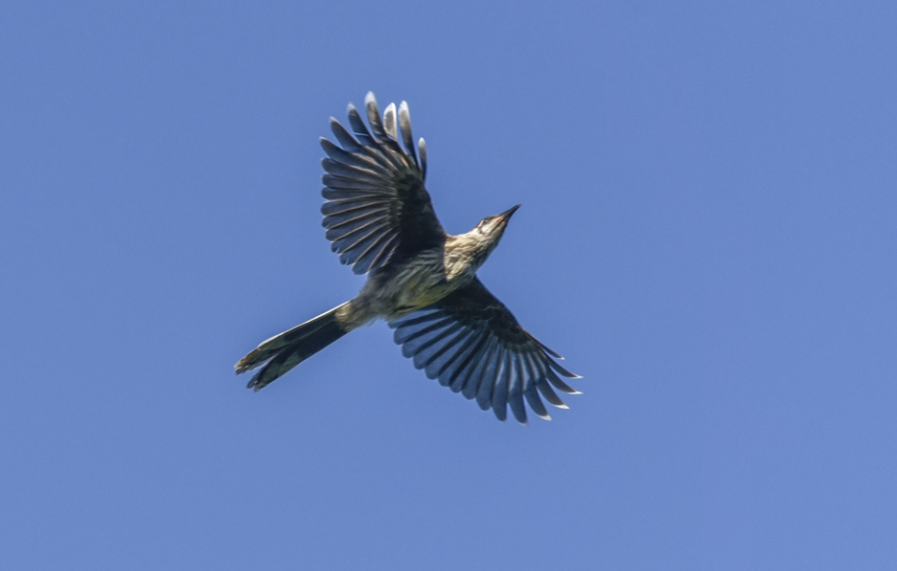
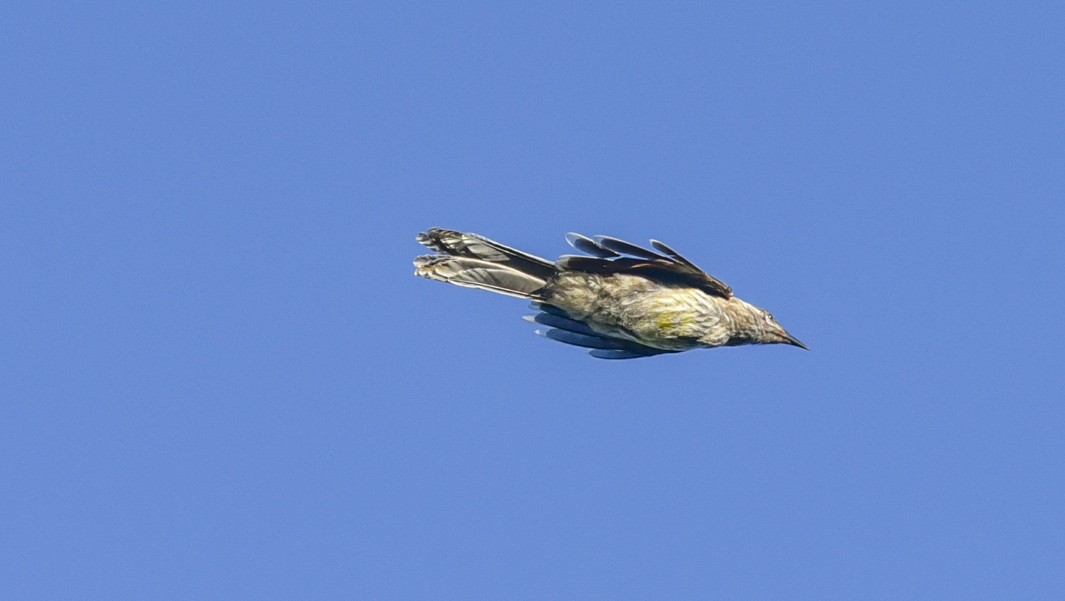
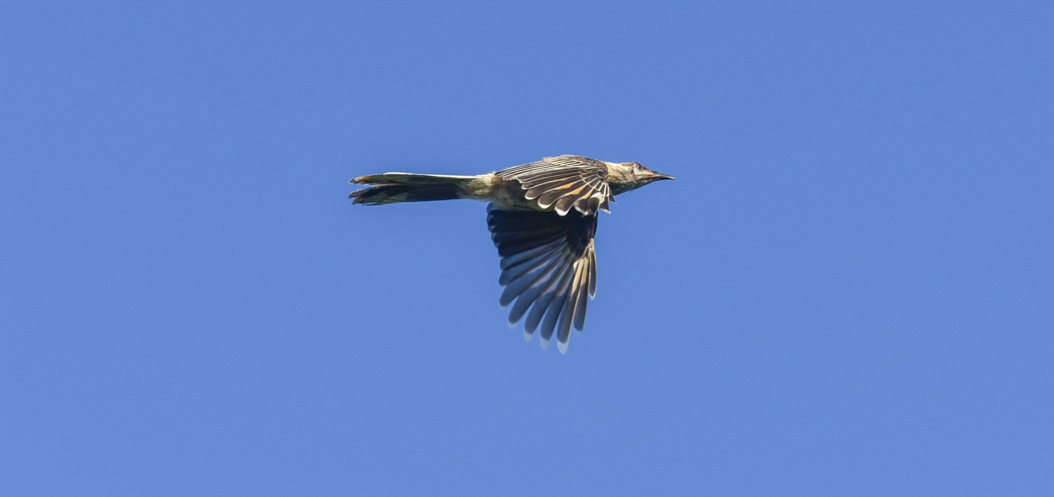
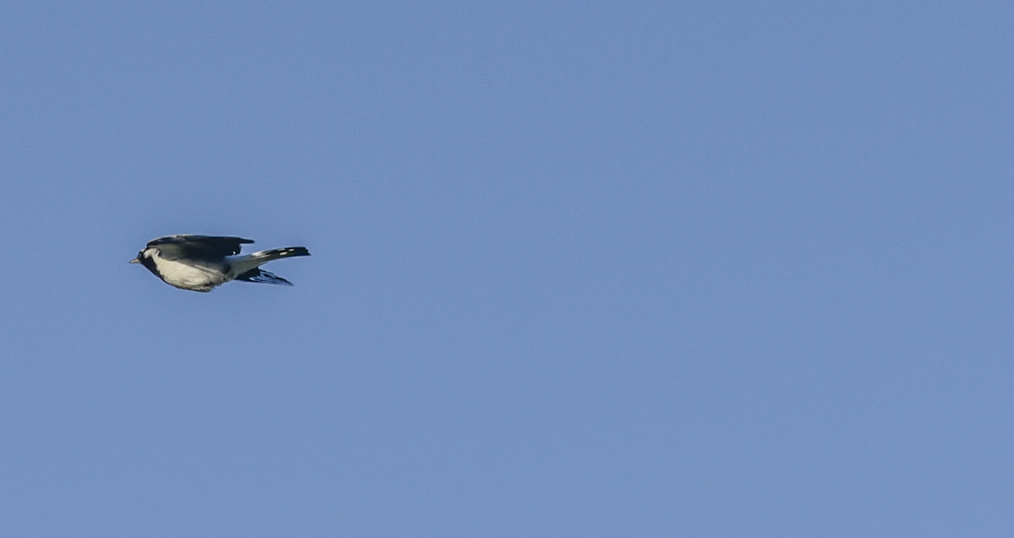
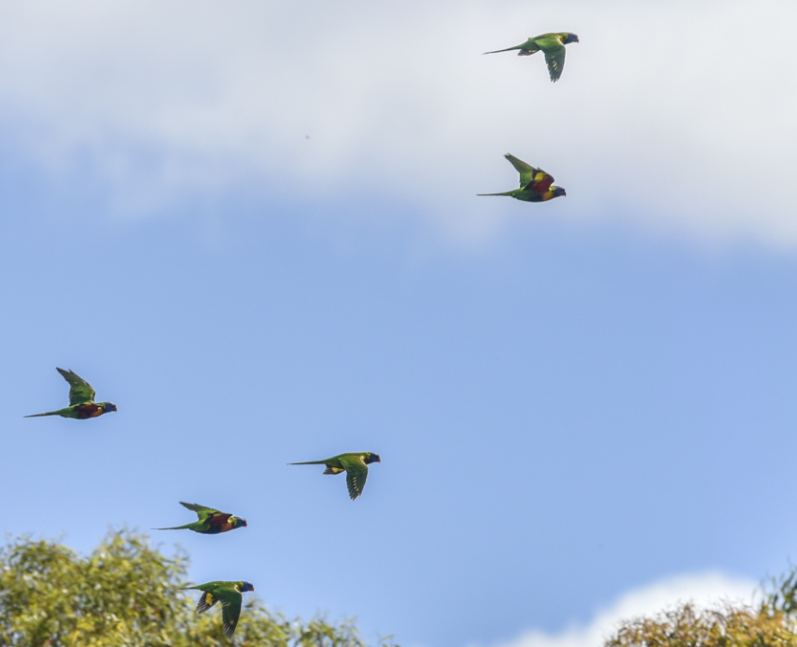
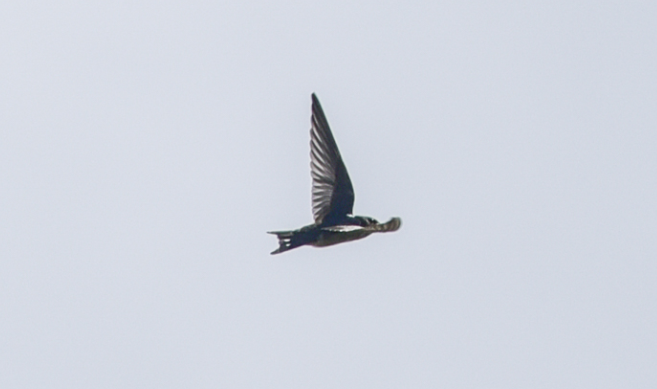
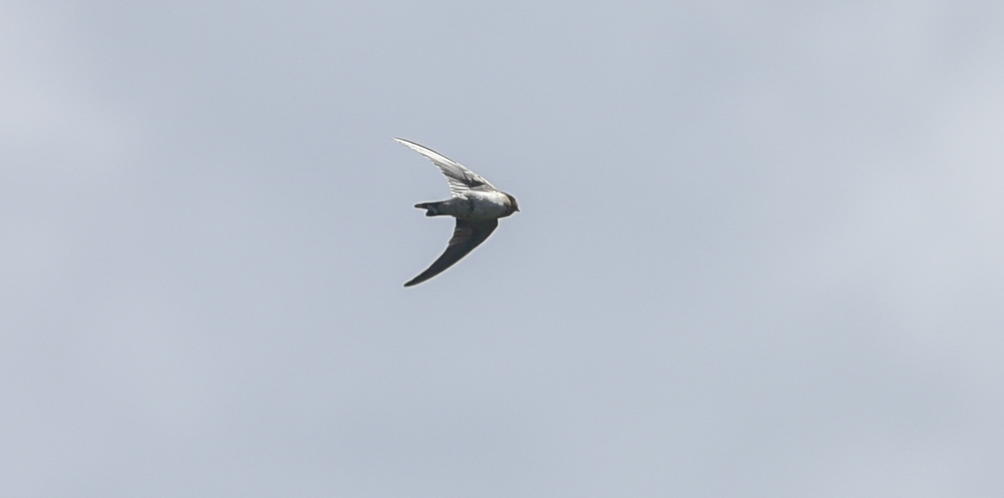
Click on a photo to expand, scroll via > and <, click on the X when finished.
In addition to the indigenous bees, our sightings for the month include:
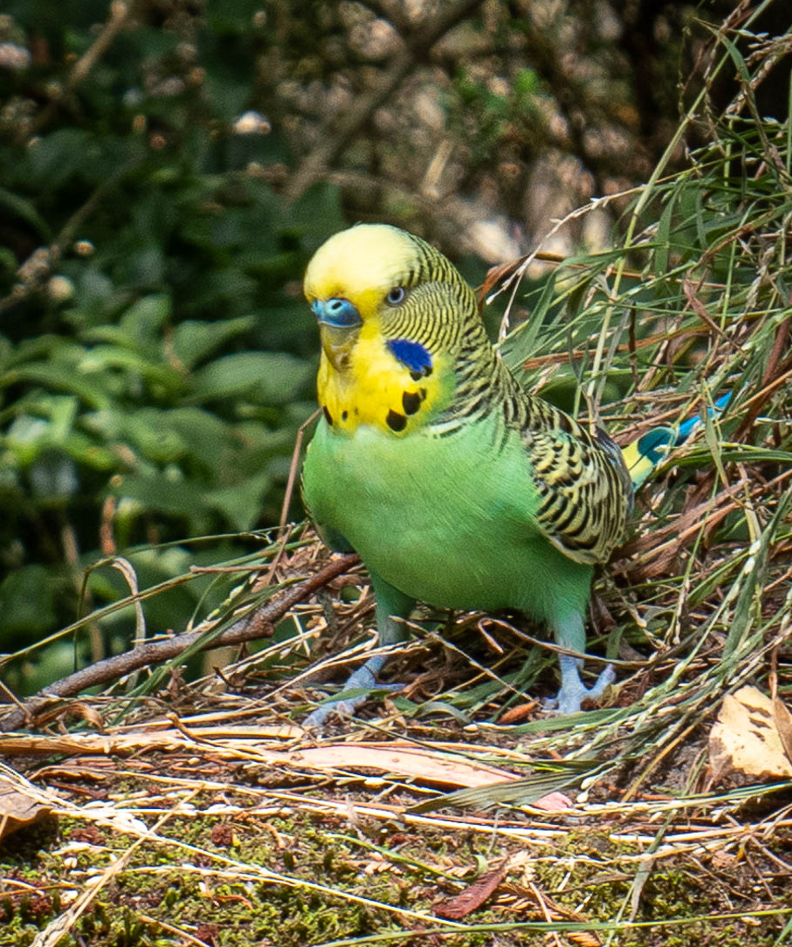
- Another species for the Creeklands – a Budgerigar (Melospitaccus undulatus). Given that the normal range of the species is north of the Great Dividing Range, we must have Budgie Smugglers in operation – or someone has left the cage door open! Ken snapped the bird near the new wetland near Laurel Grove (on the northern side of the creek) eating grass seeds. In Ken’s words:
I took some pics with my limited lens but as he moved around I found that he allowed me to get close – just over a metre eventually! I’m not sure how long he will survive in this birding warzone. Maybe the owner will recognize him.
- The true source of the soil piles at the northern end of the Kalang Oval and their final resting place.
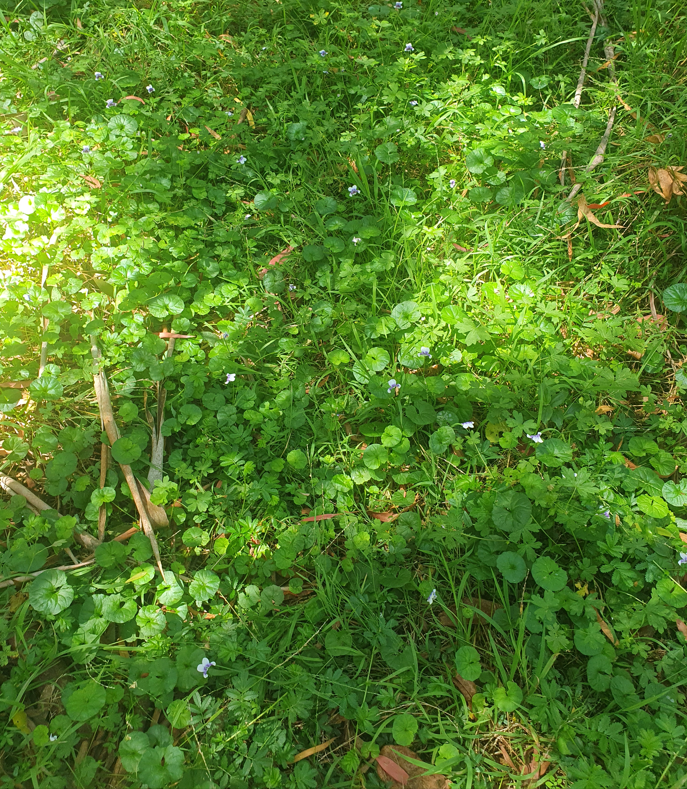
- Thriving Wild Viola – at least until the very hot weather came along.
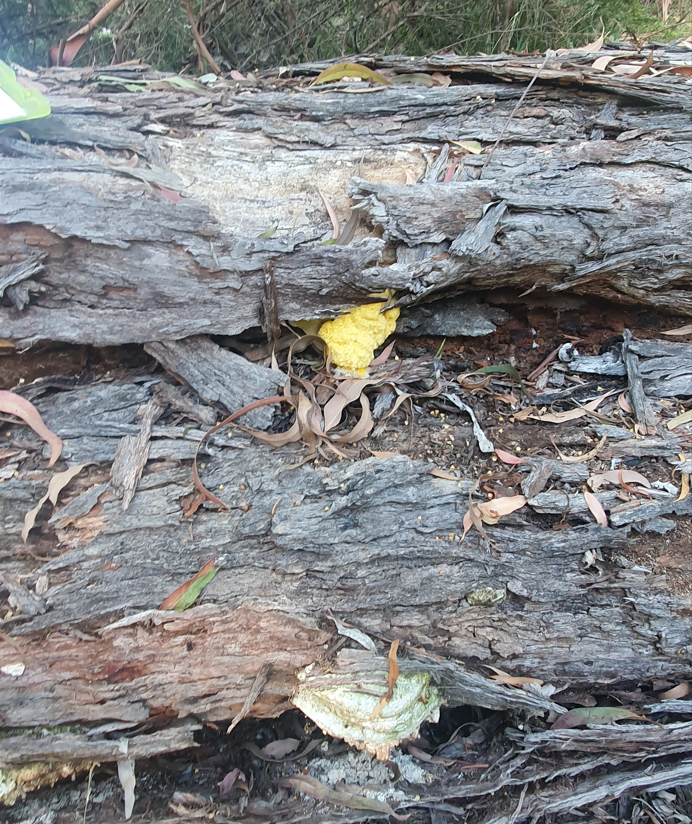
- Dog Vomit slime mould above a fading “crumpet fungus”.
- Plague Soldier Beetles on grass and other foliage this month – clearly the breeding season!
- In addition to the very plentiful “Cabbage White” butterflies, we have reports of sightings of an Australian Painted Lady (Vanessa kershawi) and a Dainty (or Dingy) Swallowtail (Papilio anactus). Our photographer snapped one of the latter on the wing near the Laurel Grove bridge.
- Indigenous Bees on Loosestrife and grasses.
- Returning Gang-gang Cockatoos, King-parrots and Yellow-tailed Black-cockatoos (no photo yet).
- Lots of photos of our avian friends including many juveniles. It’s very pleasing to see that the last breeding seasons seems to have been successful for many species,
- The sad silhouette of an adult male Tawny Frogmouth calling unanswered clipped from a movie. He is the remaining adult of a pair whose partner was found dead on the ground near their nest tree on 22nd December while he was still caring for their chick on the nest. We believe the chick might also have been killed – it fledged around 13th January but is also no longer seen or heard in his territory.
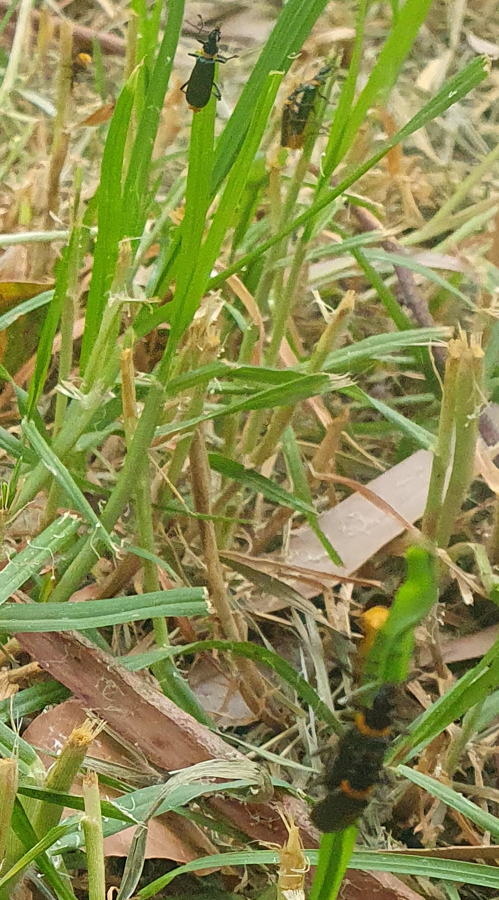
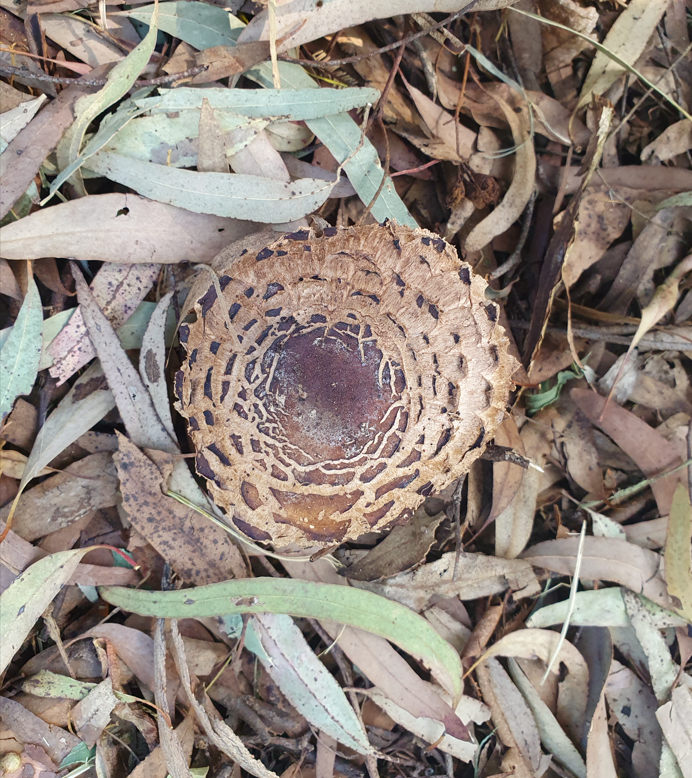
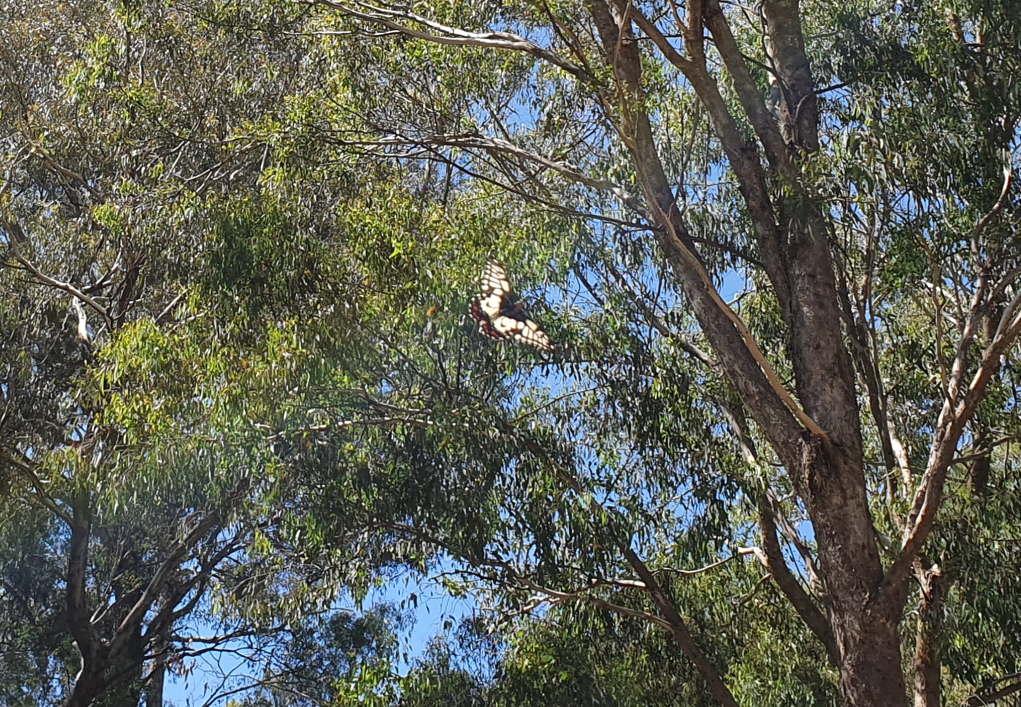
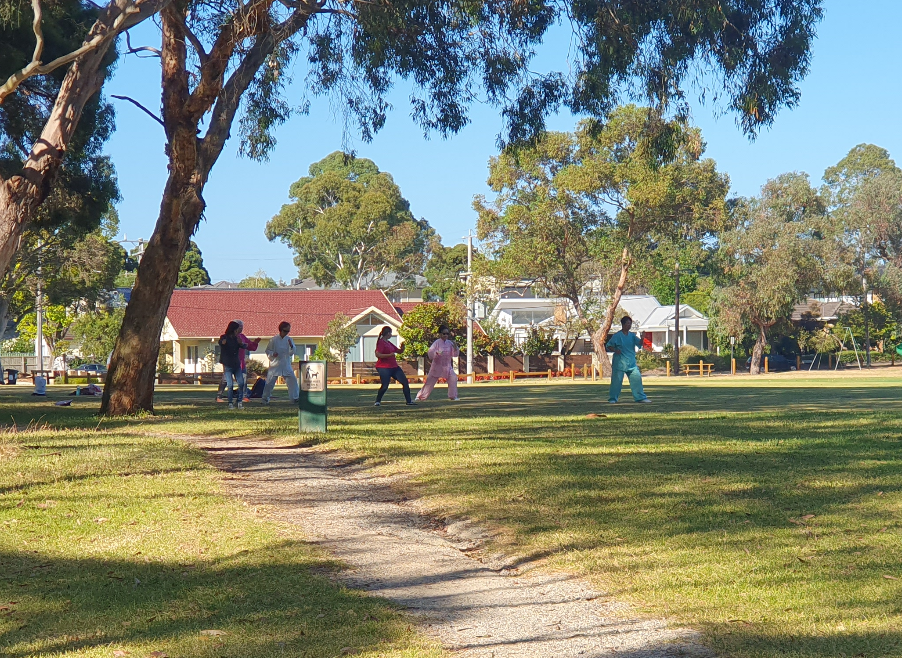
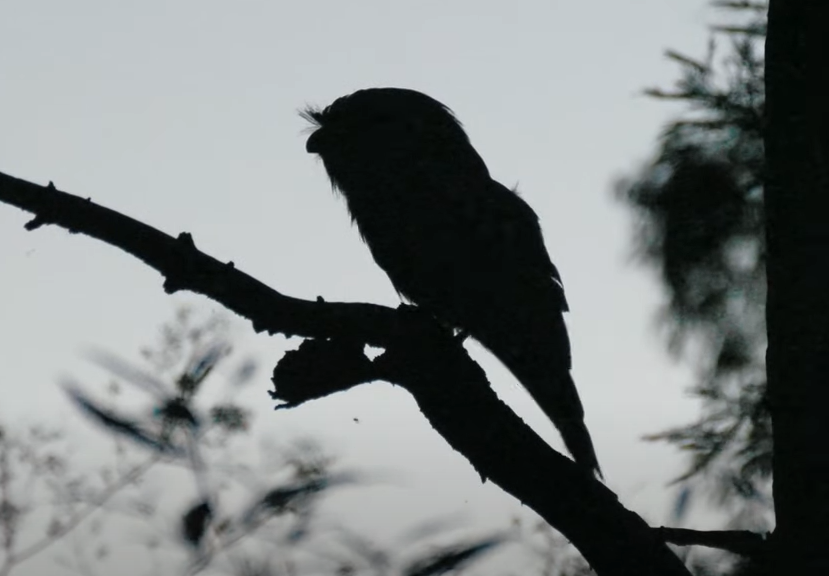
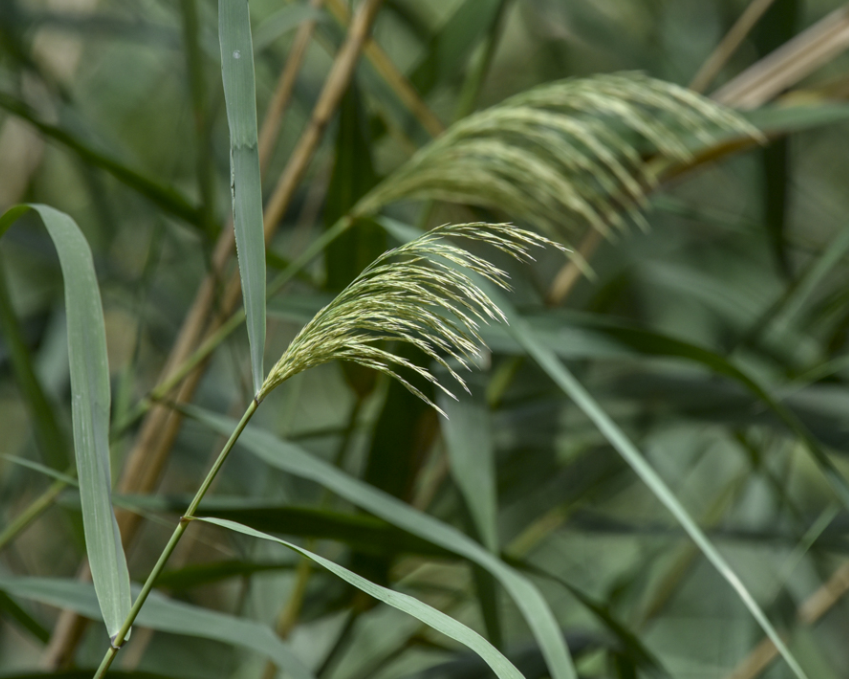
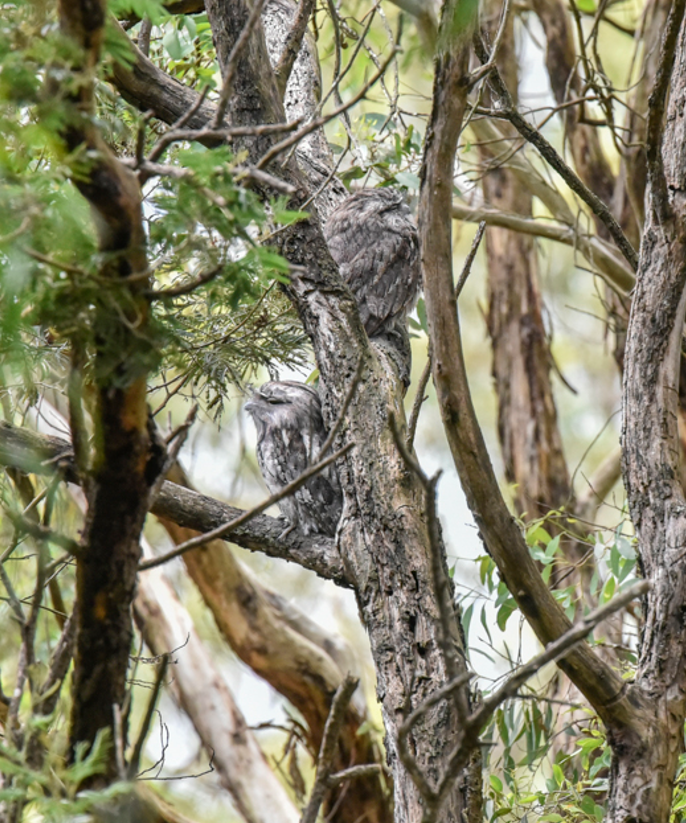
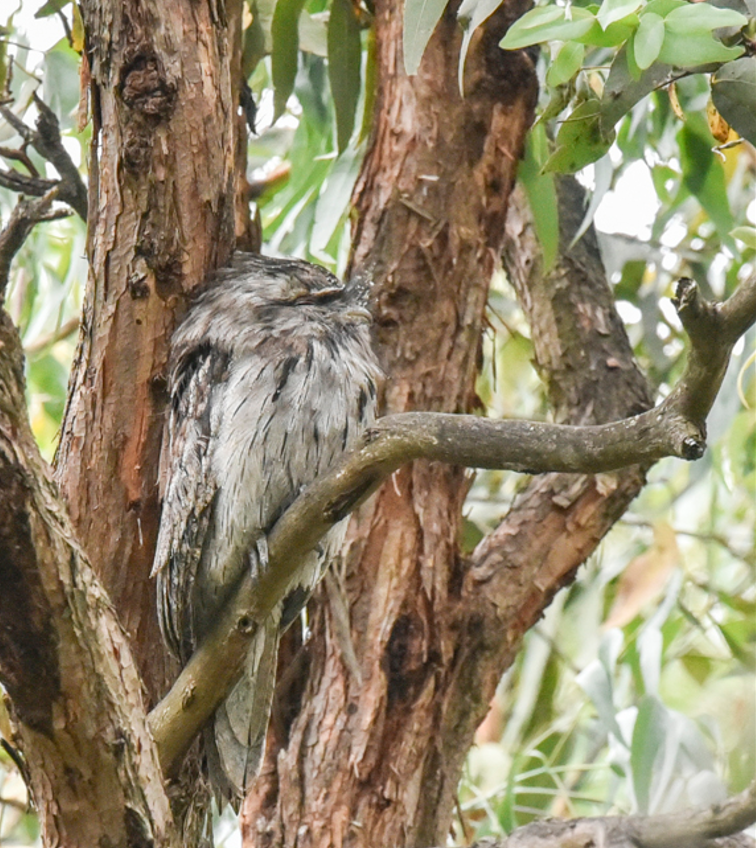
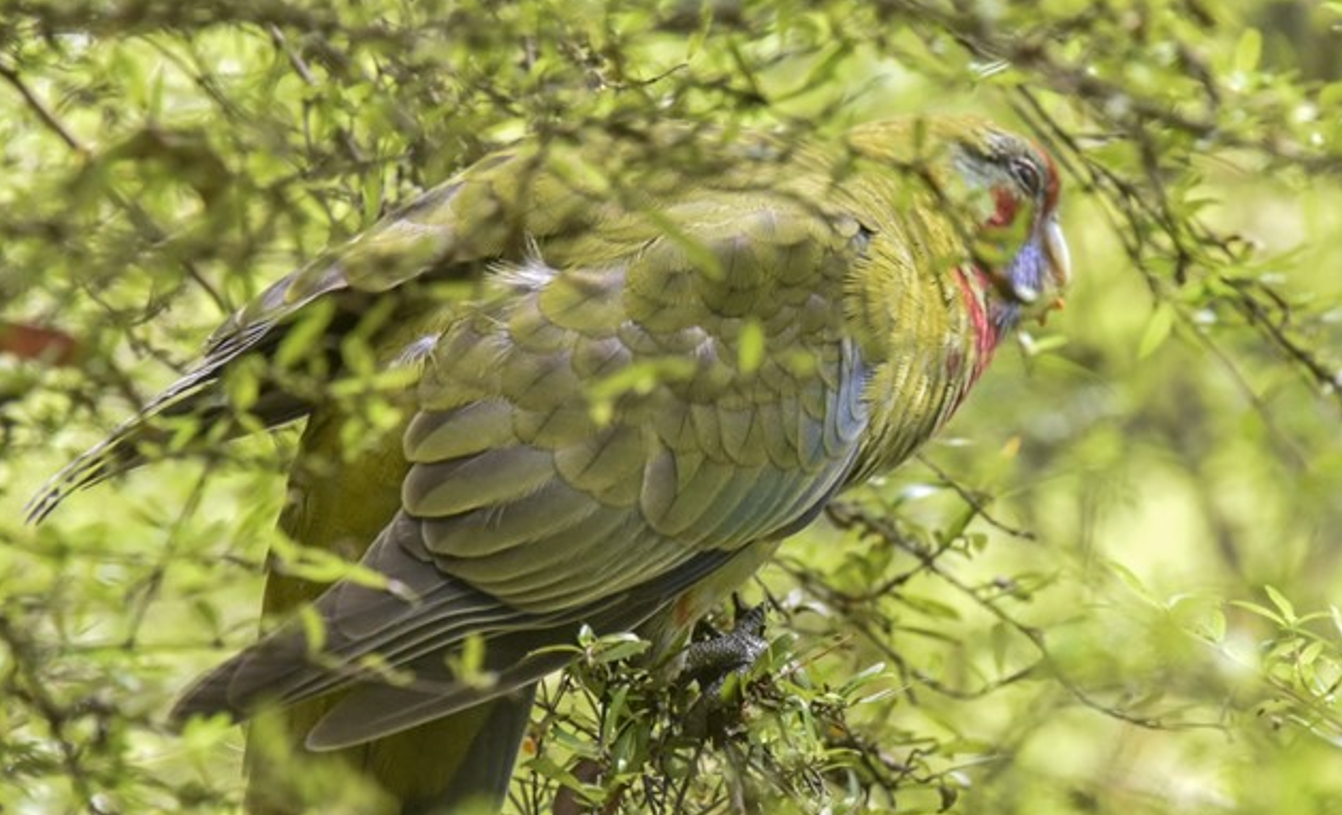
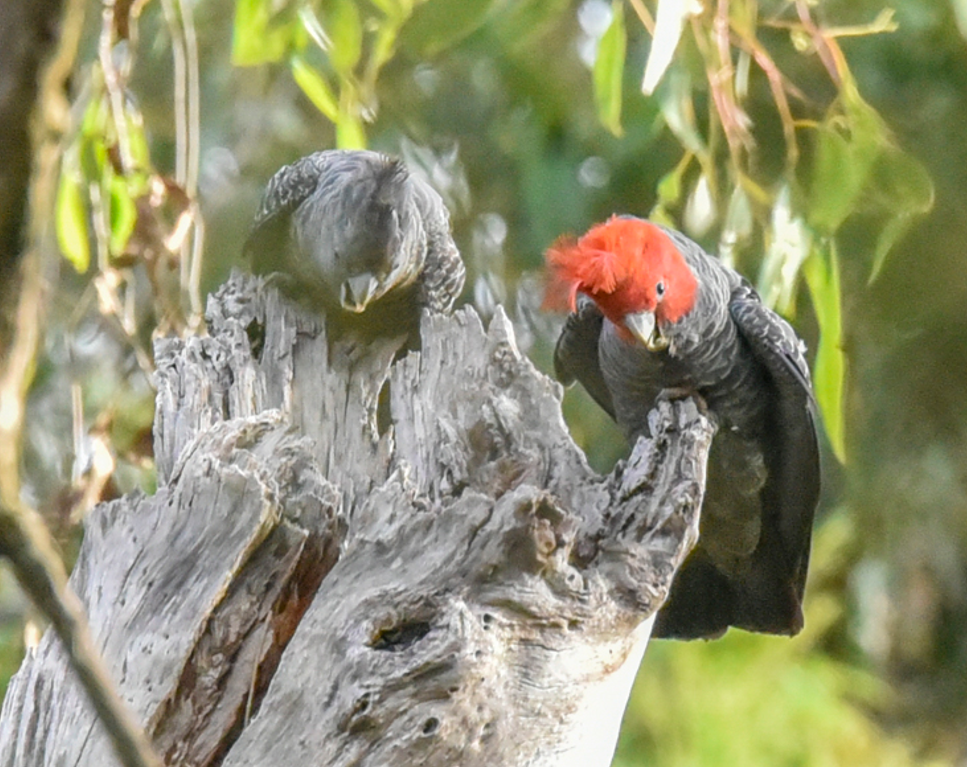
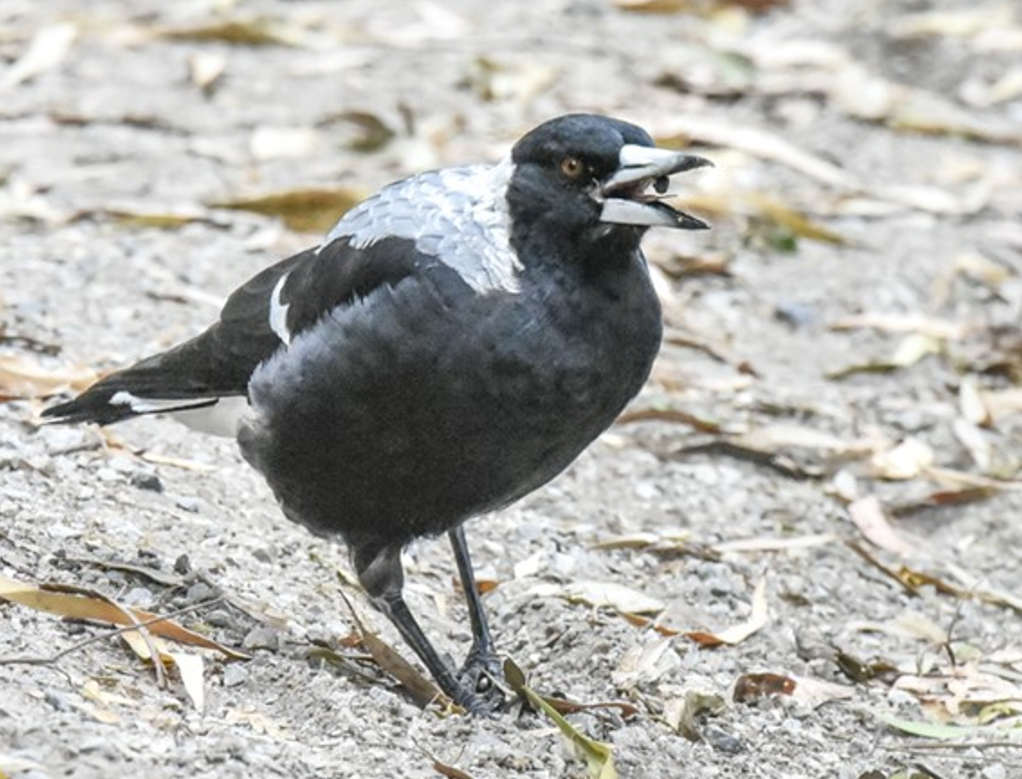
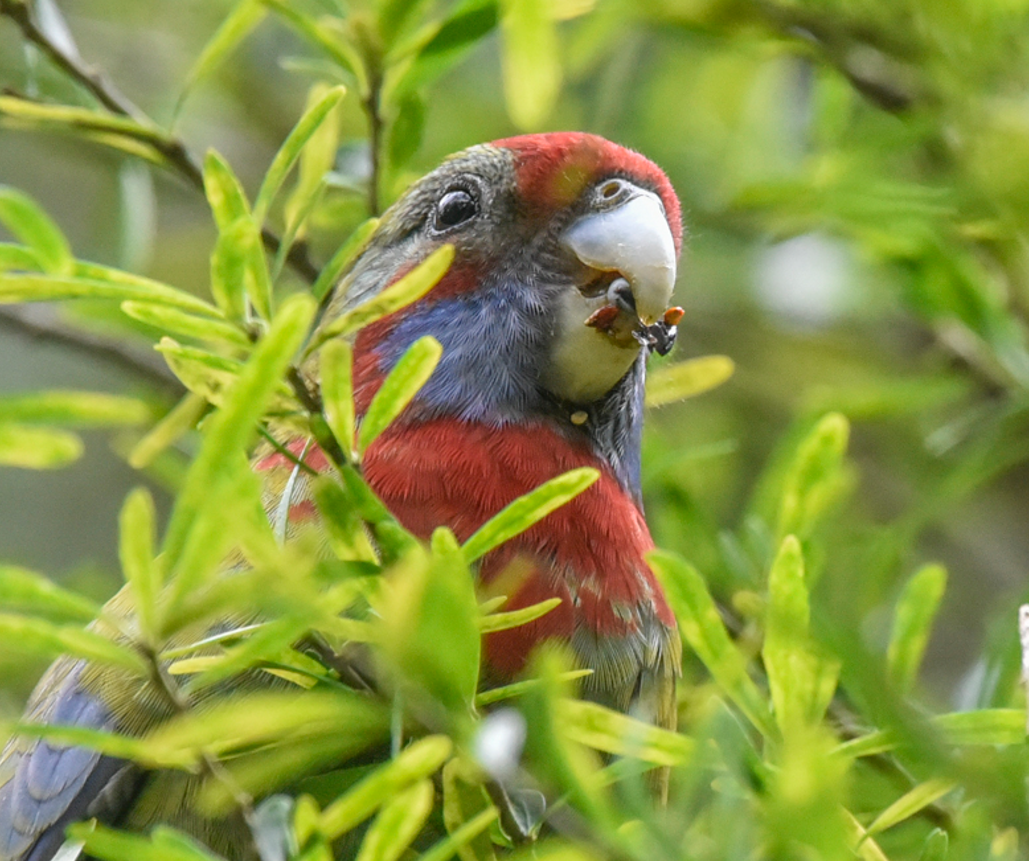
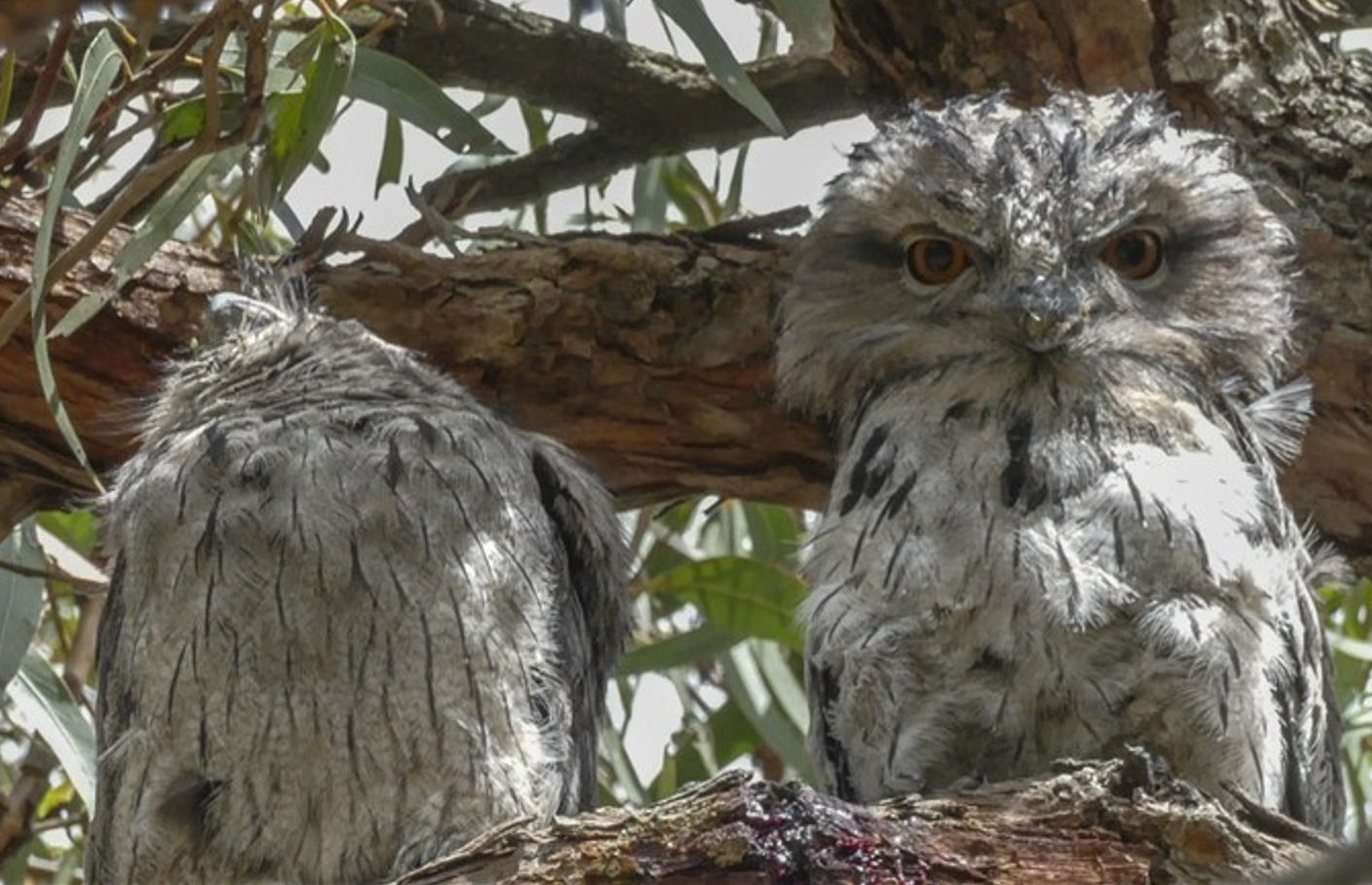
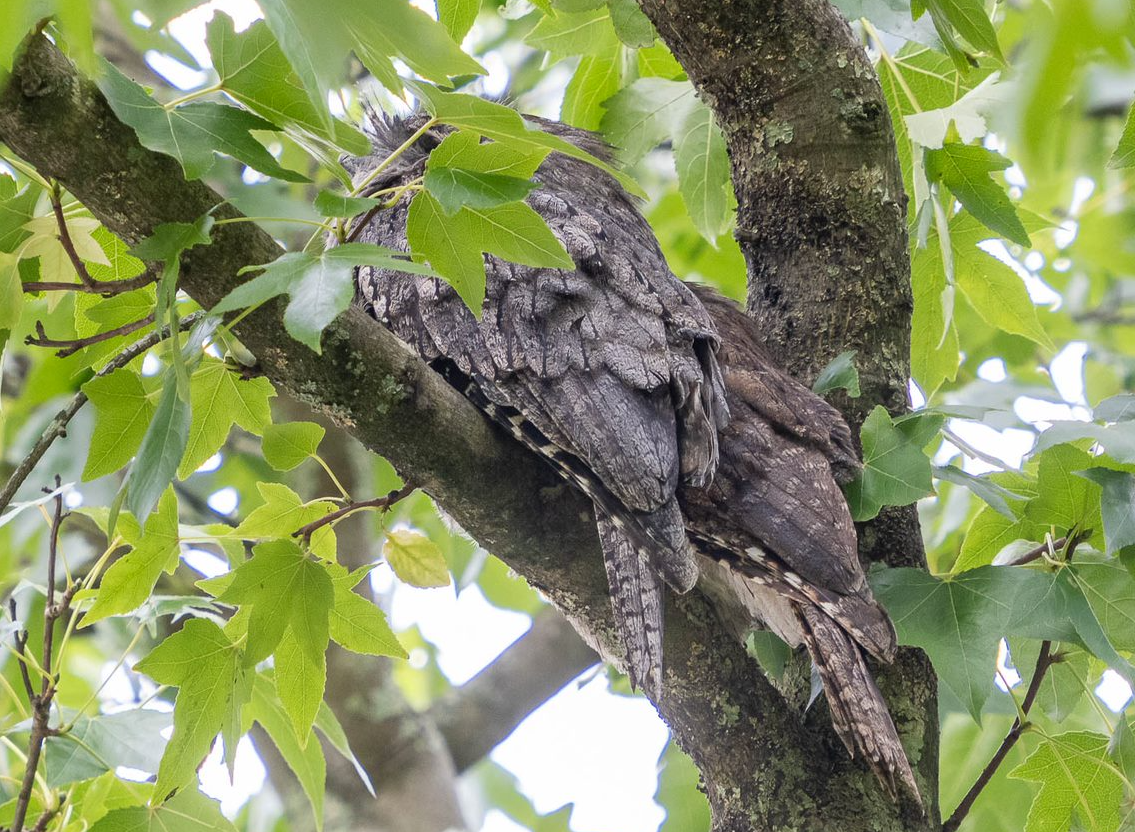
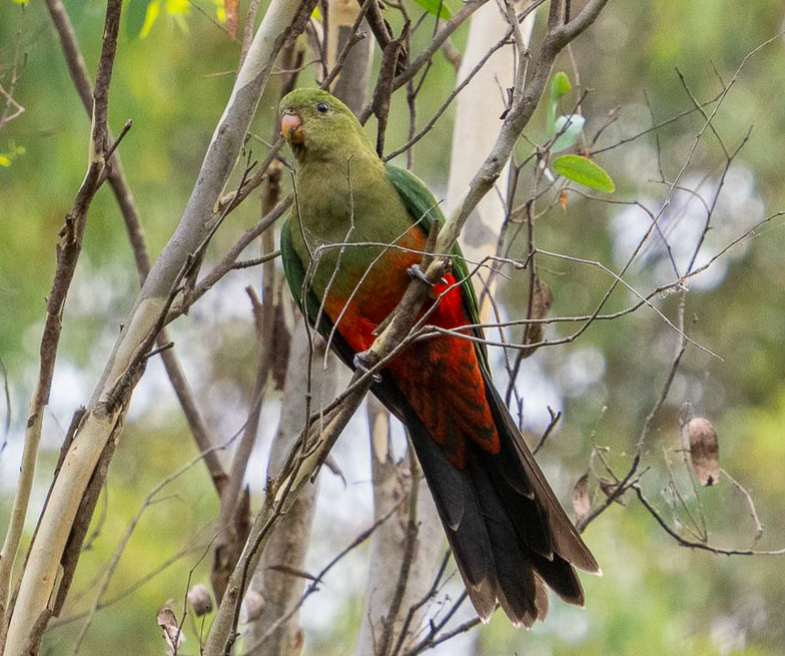
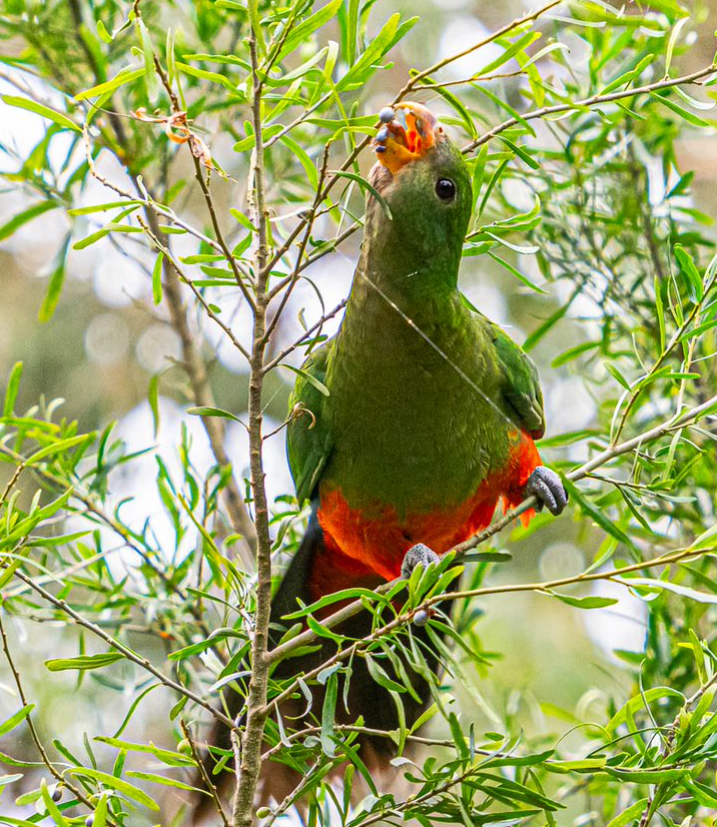
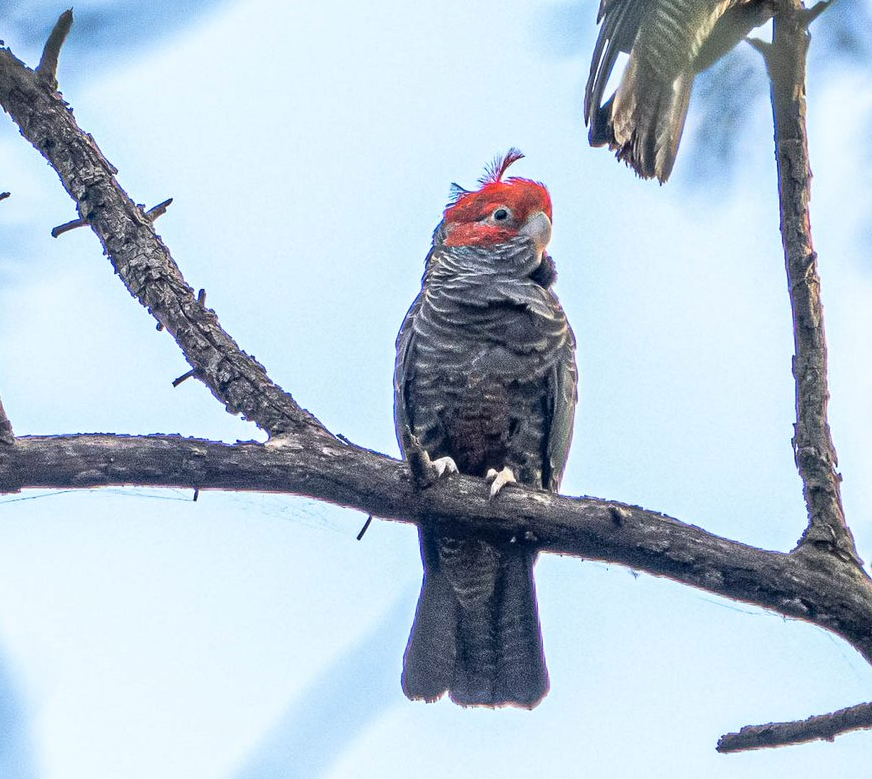
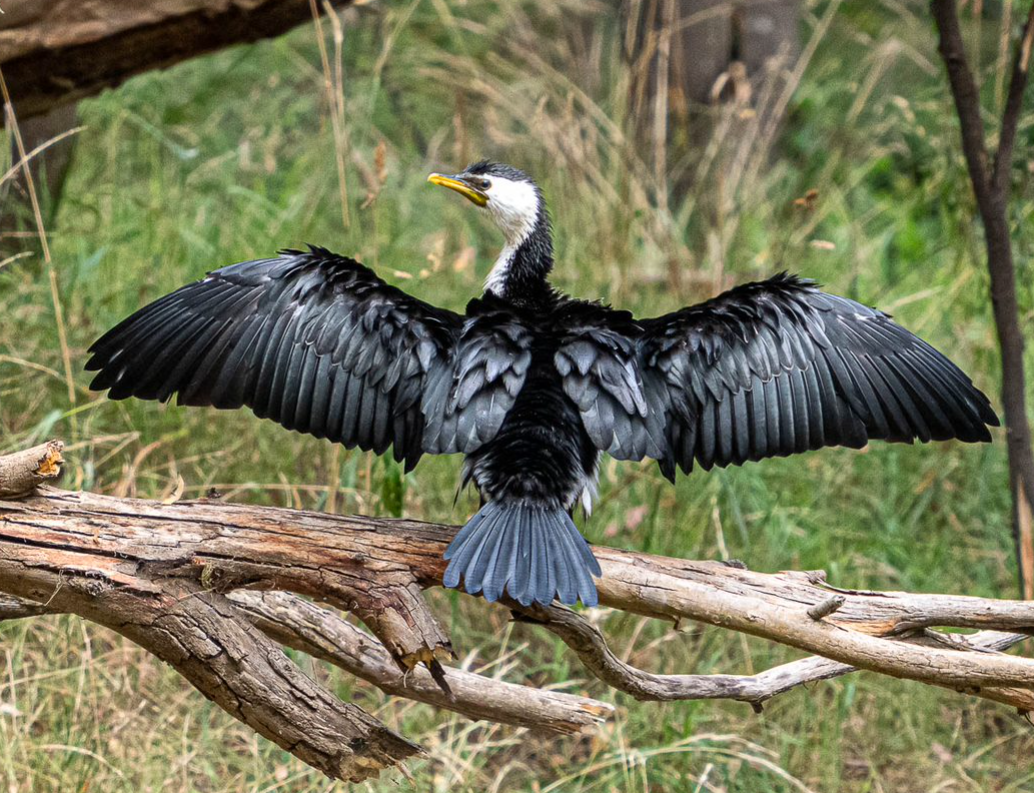
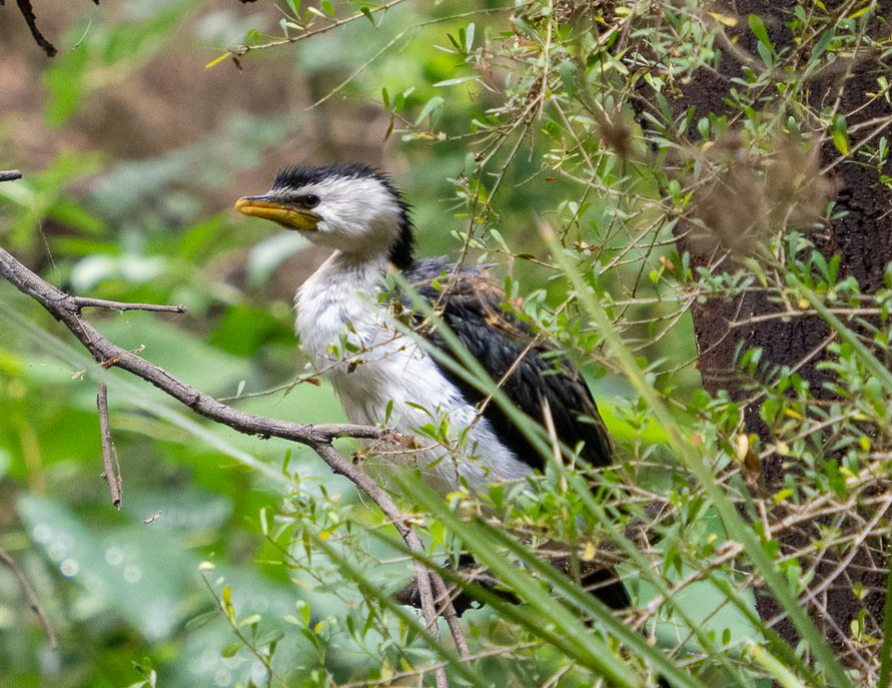

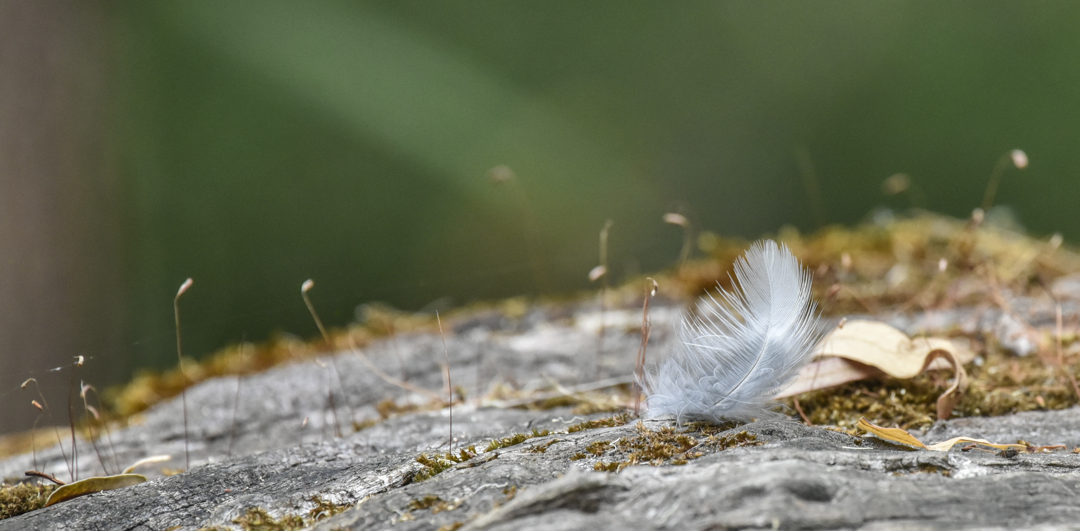
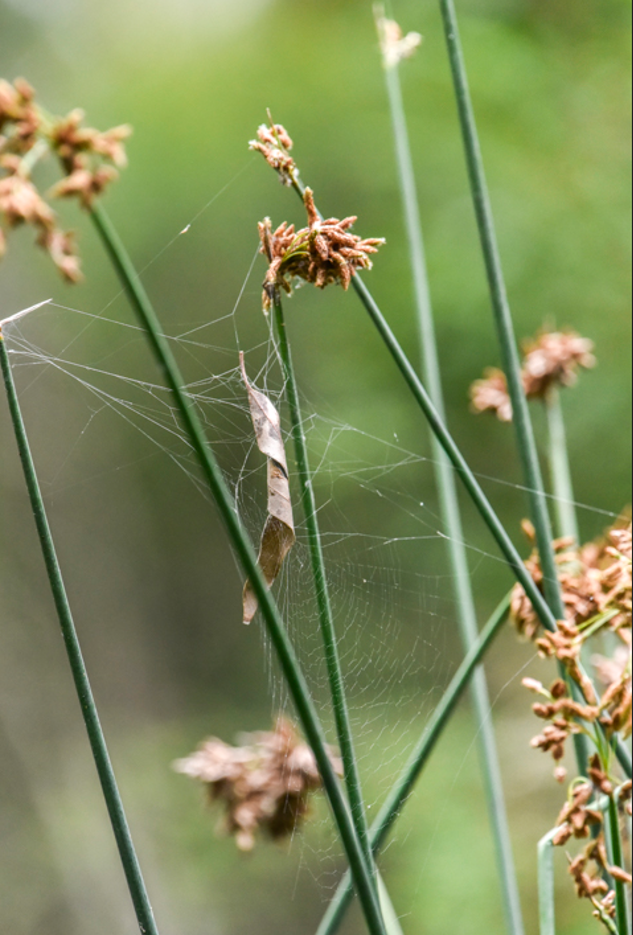
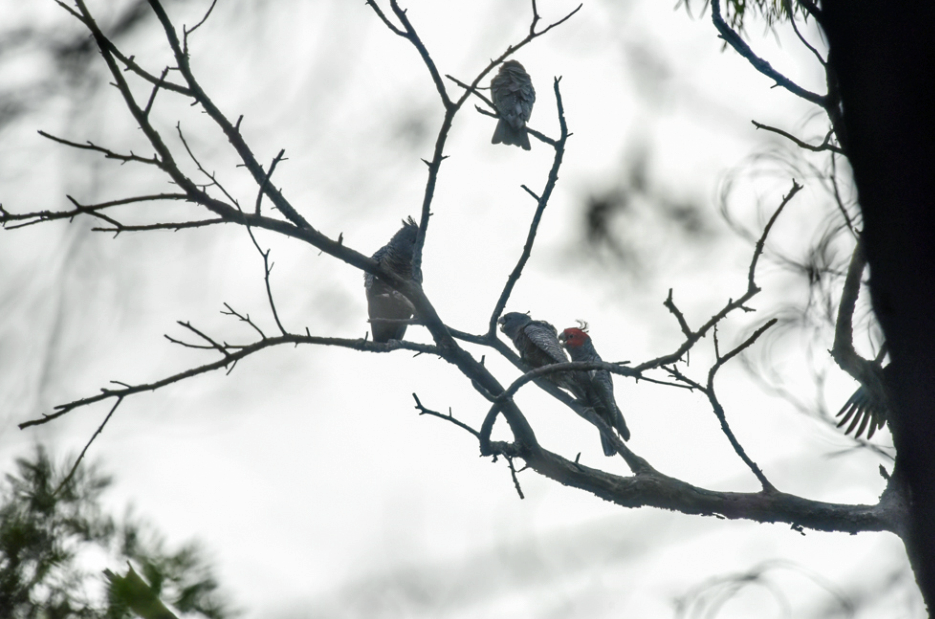
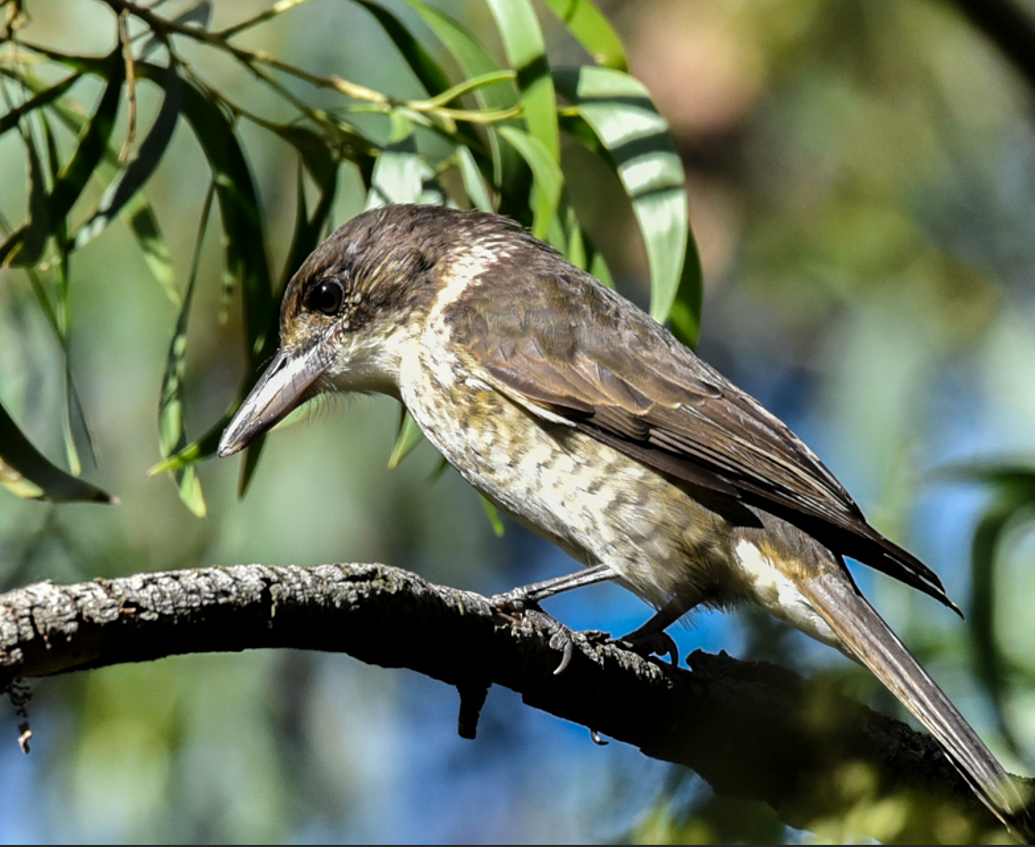
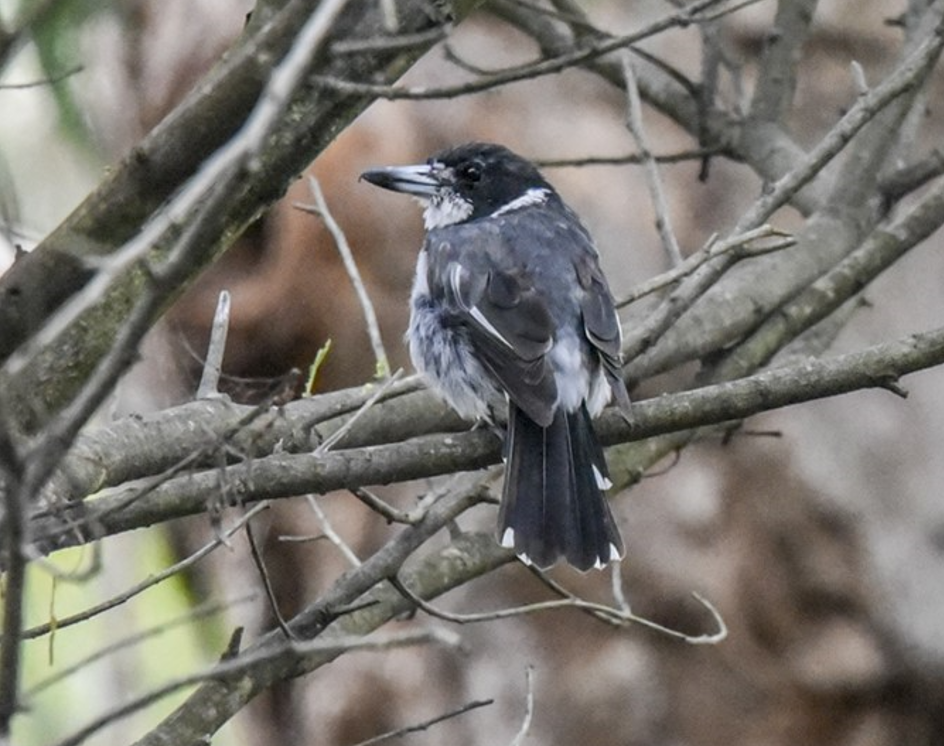

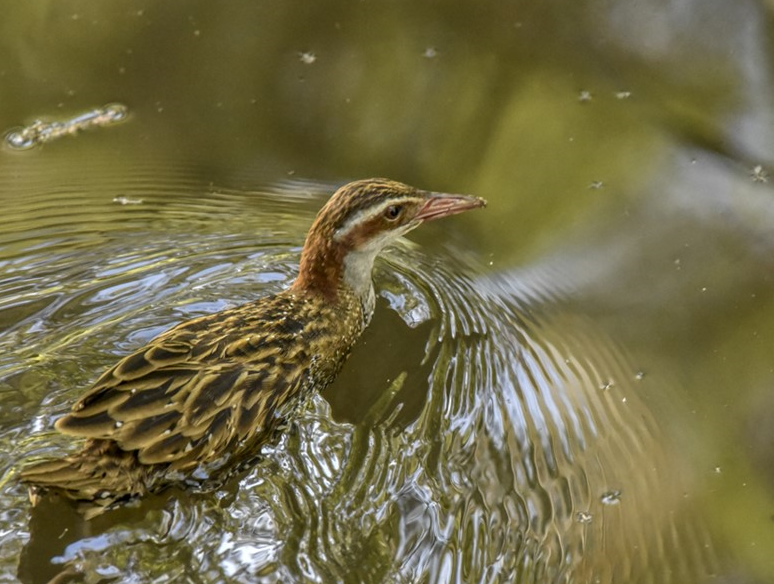
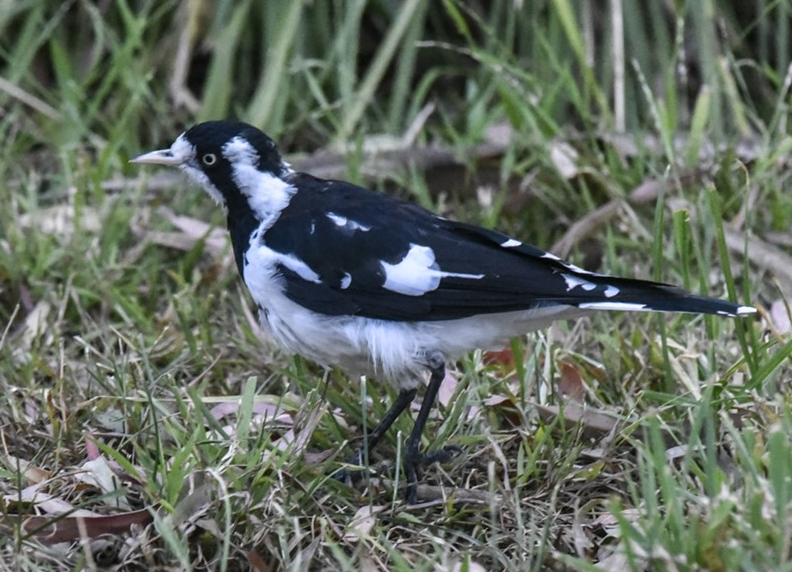
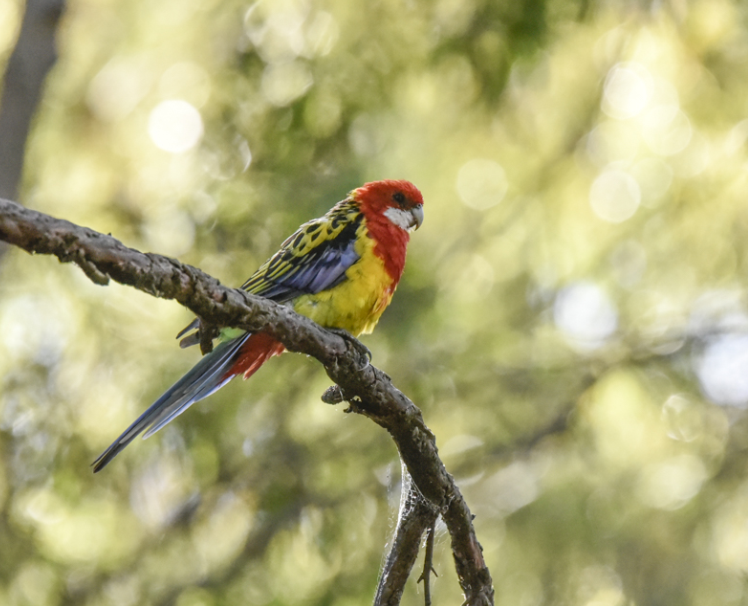
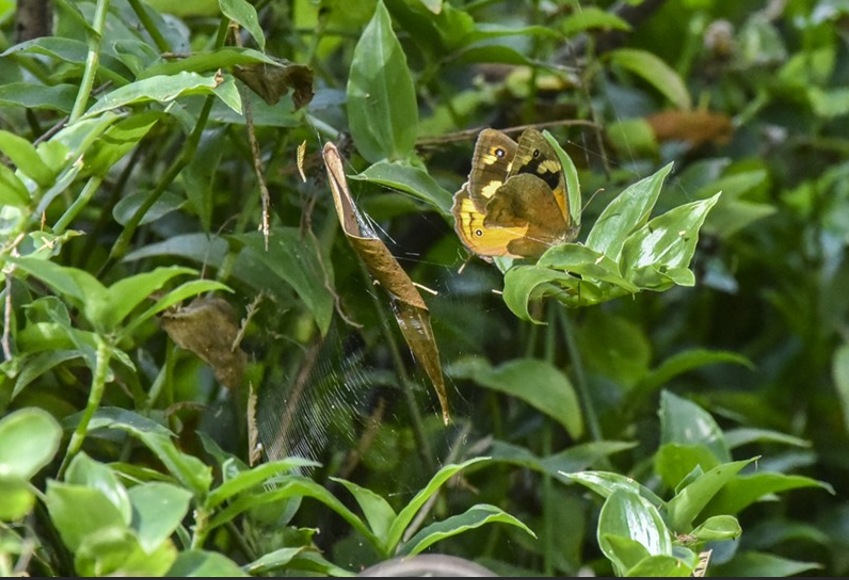
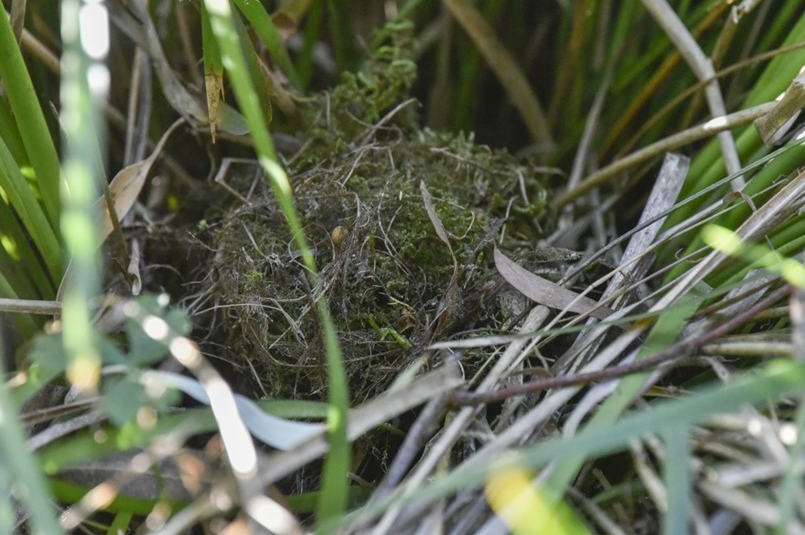
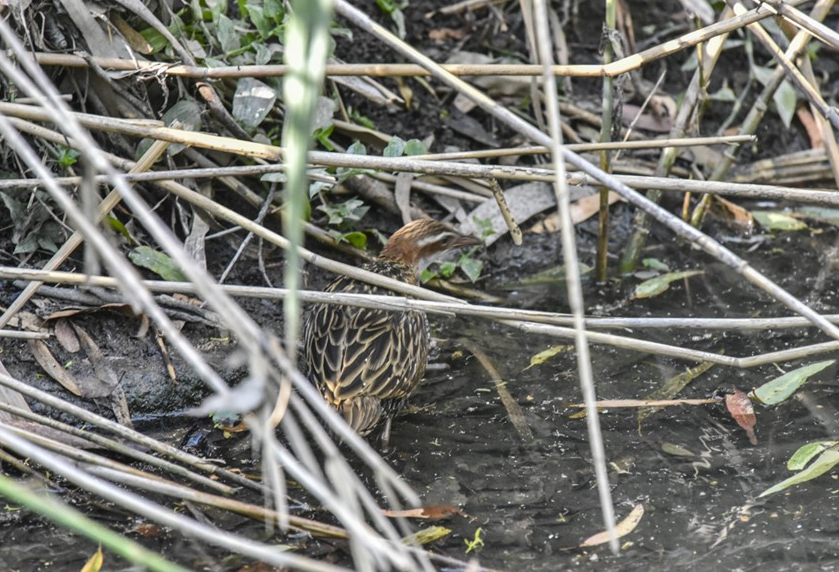
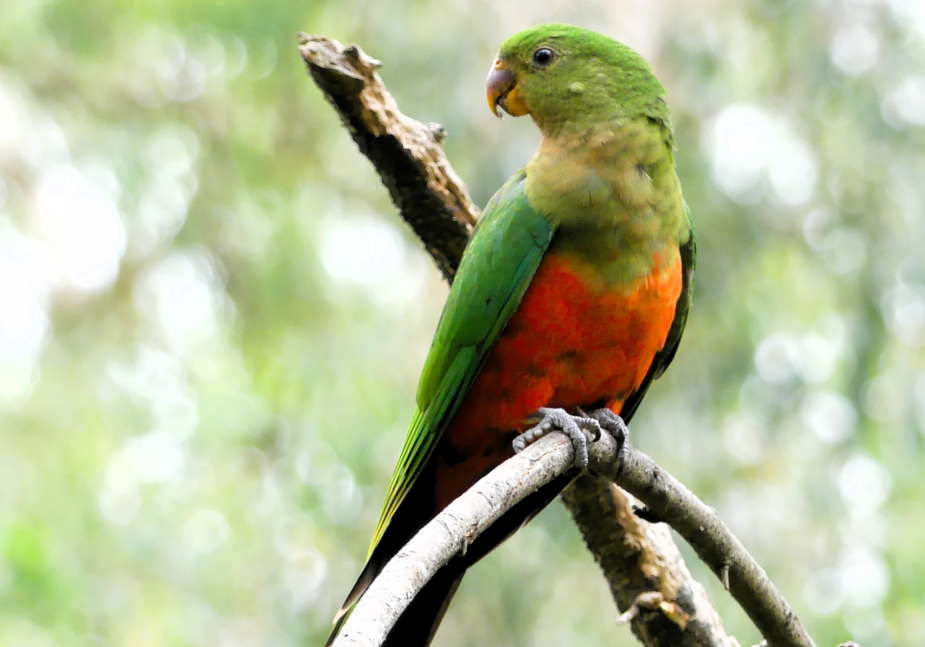
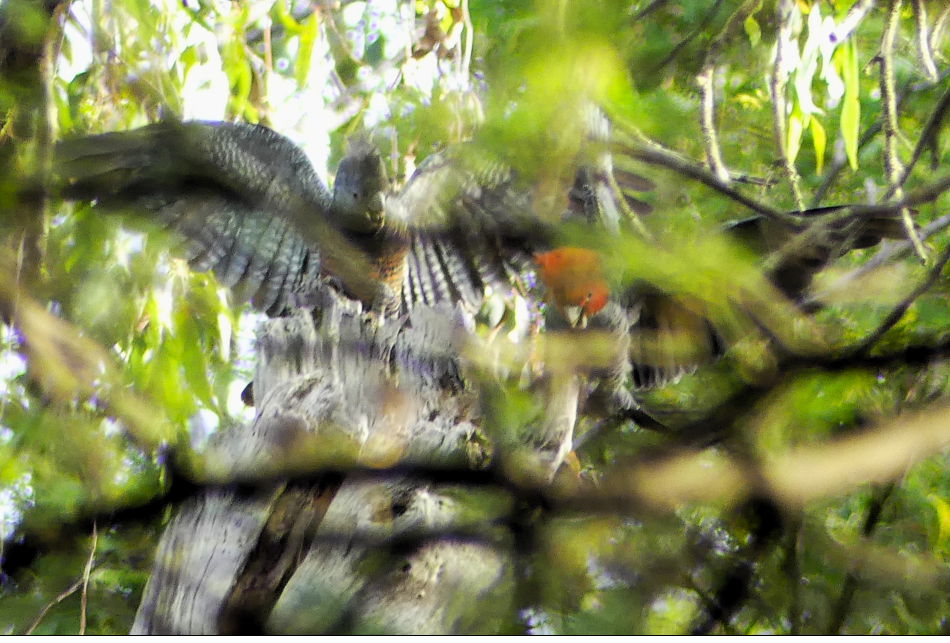
Click on a photo to expand, scroll via > and <, click on the X when finished.
The silhouette of the sad Tawny Frogmouth comes from this movie – which also contains lots more detail about the species’ diet, call sounds, risks and life cycle:
The Corridor
Sightings in the Corridor
One of our park neighbours took this photo of a spider he claimed was “no doubt, park property” – asking “would we like to take it back ?”:
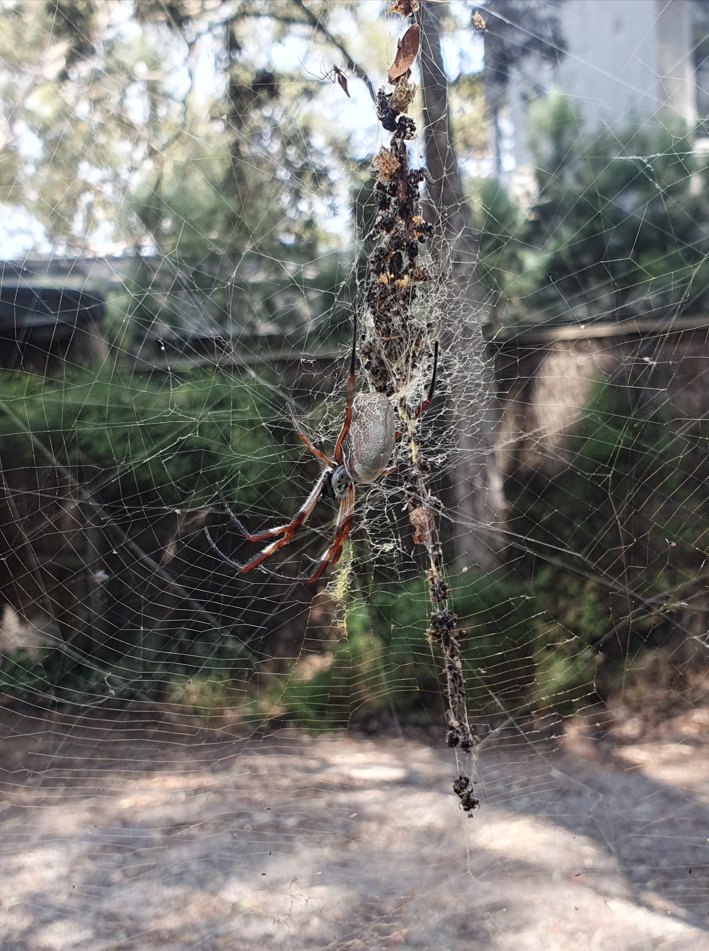
It turns out that the Golden orb weaving spider (Nephila edulis) is not harmful to humans. Our subject is a female and has a body length of about 25mm – the legs make it more like 75mm. In fact, she may need to be wary of us! The second part of her species name “edulis” means eatable in Latin (!!!). It turns out that the French biologist Jacques Labillardière* explored New Caledonia in the 1790s and gave the part-name edulis to the spider after he observed indigenous people eating it! We are told, but, sadly, are yet to confirm, that the spider tastes very much like pâté once roasted.
Their “golden” webs are permanent, very strong and repairable. The long strings that look like a stick caught in the web are actually food items wrapped in silk – set aside as a larder for leaner times. The males are much smaller and need to tread very carefully if they have romantic intentions… as does the smaller spider towards the top of the photo who we think is freeloading in our girl’s web.
* Many of our gardeners and worker bees will know the Poa labillardierei (aka “Poa lab”) – a popular large grey-green indigenous grass named after the French explorer. The genus Billardiera is also named after him and we occasionally plant Apple Berry (Billardiera mutabilis) in the Creeklands.
Blackburn Lake Clean Waterways Expo
Congratulations to our friends at the Blackburn Lake Sanctuary on their very successful hosting of the Clean Waterways Expo on 24th February. They did a great job – particularly in involving the major players – the EPA, Melbourne Water, Yarra Valley Water and Whitehorse Council.
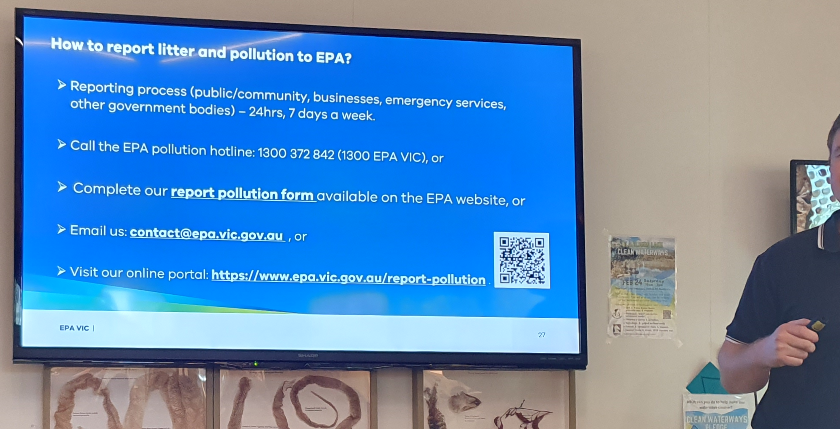
The authorities delivered a variety of informative presentations on activities from their perspective in keeping our waterways clean.
In general, park problems such as pathway obstacles are best reported via the Snap-Send-Solve app. In fact, congratulations to the Whitehorse City Council – they recently won a Victorian award with SSS. However, we learnt that pollution events are an exception – due to the possibility of time delays in addressing events like spills. Sometimes, quick responses are needed to identify sources before they clear.
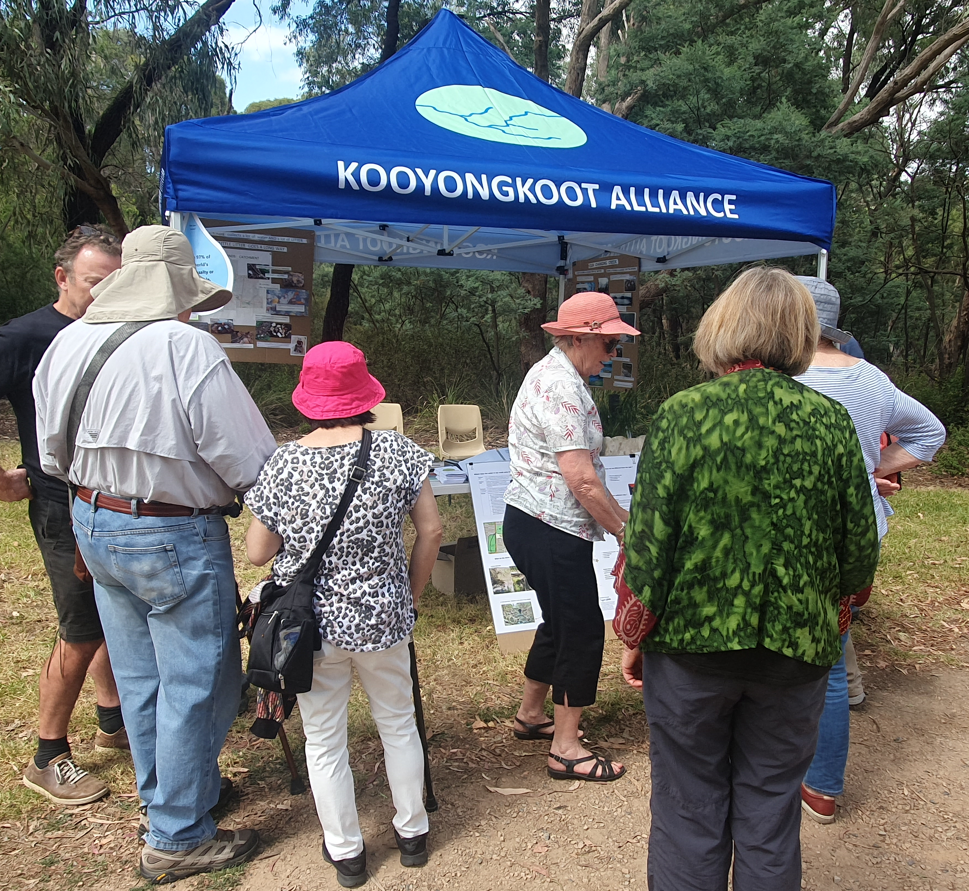
We played a small role too through our connection with the KooyongKoot Alliance in looking at litter, how our creek has changed over time, explaining where the water in our part of the creek comes from, how storm-water in our area reaches the creek and, finally, where it all goes. If you missed the Expo, you can see part of our contribution on the park Noticeboard (on its creek-side).
KooyongKoot Alliance News
The Blackburn Creeklands Advisory Committee is a member group of the KooyongKoot Alliance (KKA) – as are another 20+ Friends Groups within the Gardiners Creek catchment.
We congratulate the KKA which has announced some remarkable successes recently:
- VEFN Awards – KKA won an award for Connecting Habitats from the Victorian Environmental Friends Network (VEFN). KKA members, the Urban Guerrillas, collected a ‘Highly Commended’ award in the Outstanding Friends Group category.
- Lord Mayor’s Charitable Foundation Grant – the KKA was granted $50,000 from the Lord Mayor’s Charitable Foundation to keep its Catchment Keeper role going in 2024.
- State Government Green Links program grants:
- A revegetation grant for $94,000 went to the KKA, Urban Guerrillas, Whitehorse City Council, Deakin University and others for revegetation of a portion of the Gardiners Creek Reserve.
- Blackburn Lake Sanctuary and the Bungalook Indigenous Nursery were also successful for their project to revegetate the Sanctuary’s main inlet and wetland.
- New Friends: Two new Friends Groups have been established in the KooyongKoot/Gardiners Creek Catchment: AC/BC (Ashburton Creek Biodiversity Crew) and Friends of Wurundjeri Walk in Blackburn South – great to see volunteers active “down south” again.
Funding for the Creeklands
On the subject of funding, our Committee has applied for a comparatively modest grant from Melbourne Water for some small community-oriented projects. The Melbourne Water representative made a site visit earlier this month to inspect proposed revegetation sites escorted by our Treasury crew.
On the way, she bumped into our enthusiastic Thursday Team which led to some interesting discussions on Melbourne Water’s role, how they make decisions about sites and so forth. Hopefully, we’ll have some good news soon!
Weed of the Month
Our Weed of the Month is Moth Plant (Araujia sericifera) – a fast-growing, perennial twining vine native to South America. It has these other common names: Common Moth Vine, Cruel Vine and False Choko.
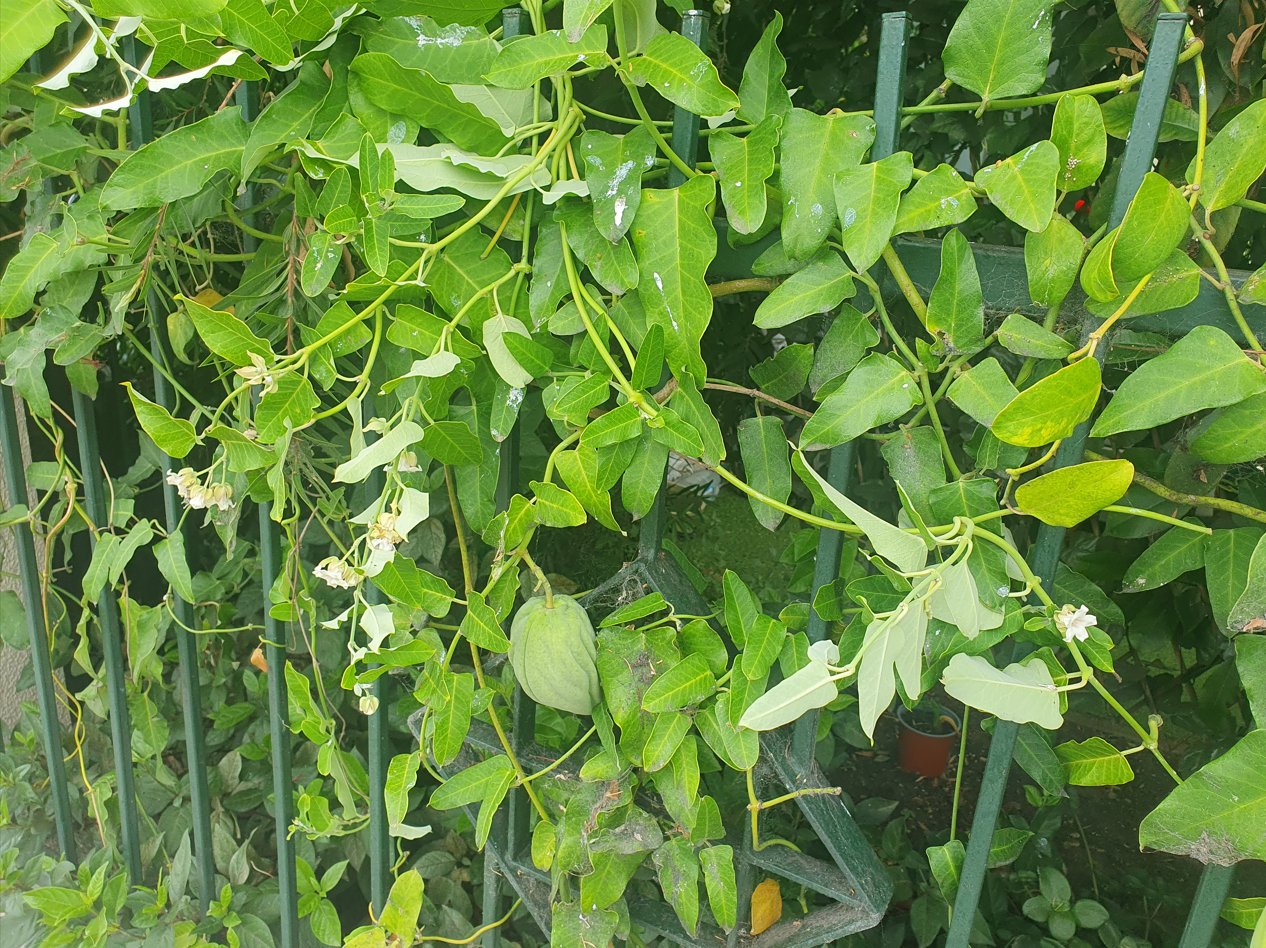
It can climb up to 10 metres high – smothering and strangling host plants – and outcompeting indigenous plants. It is a weed we’ve been warned to look out for – it tends to reduce habitat for native fauna and is poisonous to people and animals. When broken, it releases a white sap that is toxic and a skin irritant. It can also cause breathing difficulties…
“False choko” stems from the appearance of its fruit – they look like Chokoes – but the “fruit” is not hard like a choko – it is a soft pod which goes woody as it ripens – containing hundreds of dark seeds attached to silky hairs designed to be distributed by wind and water – or attachment to clothes and animal fur.
Its five-petalled, tubular flowers are generally pollinated by moths (hence the “Moth Plant/Vine” names). The name “Cruel Vine” comes from its scented flower that also happens to act as an insect trap.
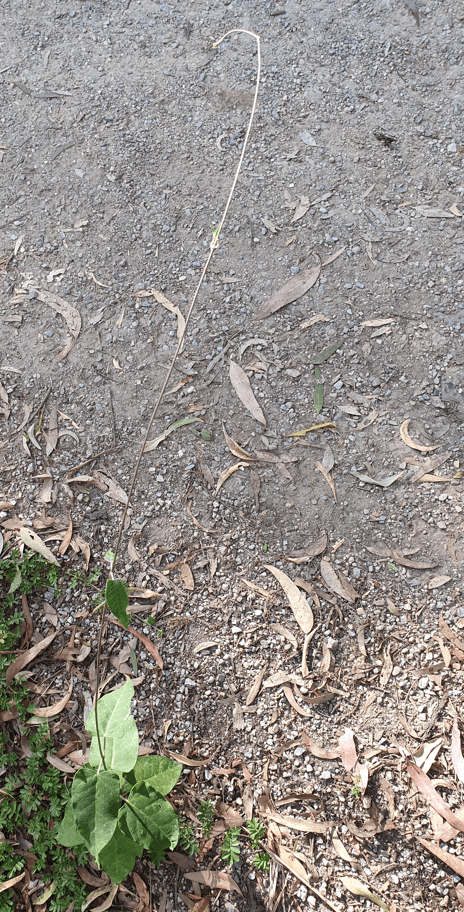
Our picture shows a young plant looking for something to twine on – found just next to the path in Kalang Park on the north bank east of Pakenham Street. Have a look in your garden for anything twining and having elongated heart-shaped leaves!
The plant is sometimes grown ornamentally – not a great idea given how prolific it can become in nearby areas.
 Blackburn Creeklands
Pingback: Park News, June 2024 | The Blackburn Creeklands
Pingback: Park News, February 2025 | Blackburn Creeklands