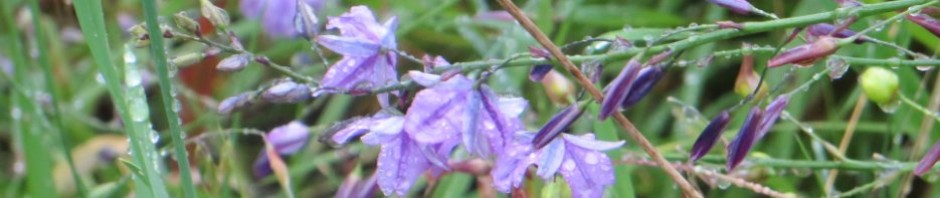
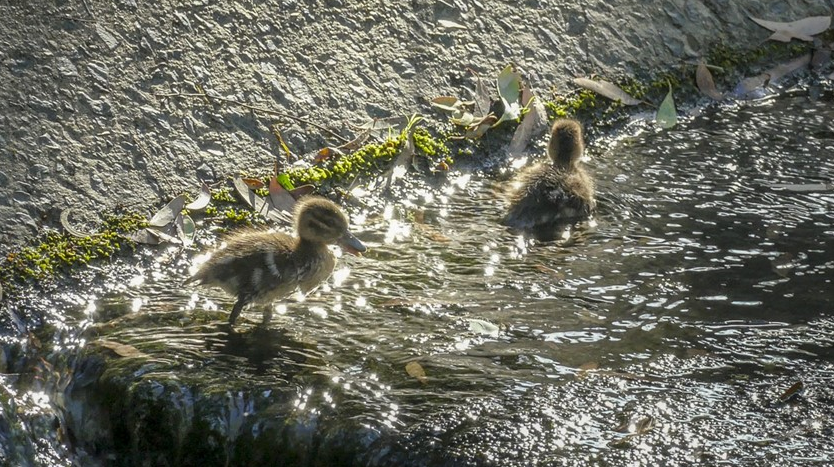
Our photo shows a couple of Chestnut Tealings enjoying a paddle during the heatwave earlier in March. March turned out to be a record dry month for Melbourne – our weeders tell us they’re starting to feel sorry for the weeds! It’s just as well that April is off to a good start with excellent soaking rain recently. We trust you all enjoyed your Easter break and that any kids in your life are enjoying their school holidays.
In this edition, we delve into what a “heatwave” actually is and present our usual round-up of park news and sightings. We also have a daytime photo of a “Sugar Bear” in the park!
Finally, we answer the question concerning the apparently deranged attack by one bird on another in the article below. This is a case where we need to look at more photos in context!
Gang-gangs Back in Town
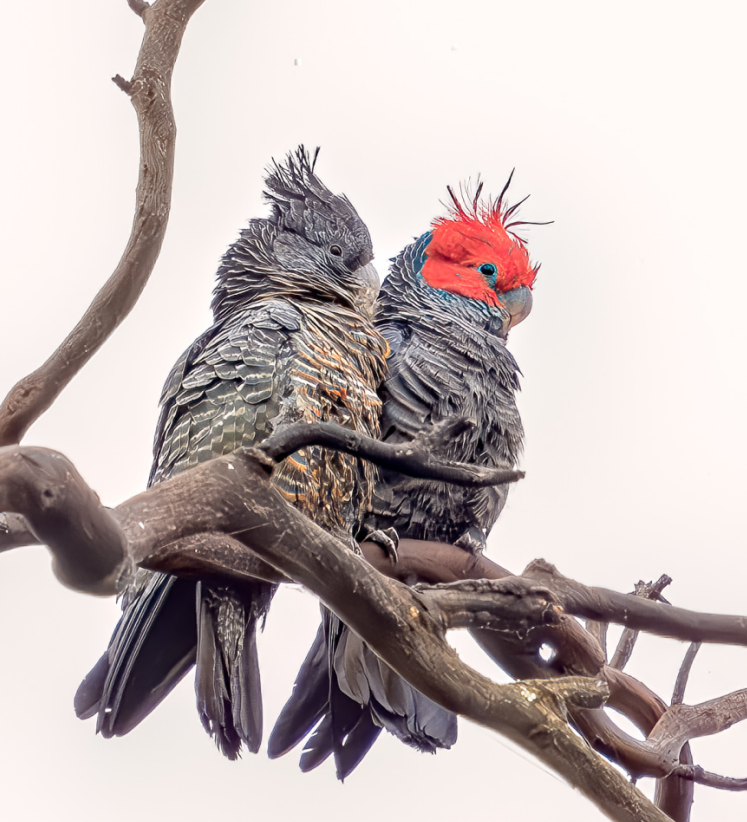
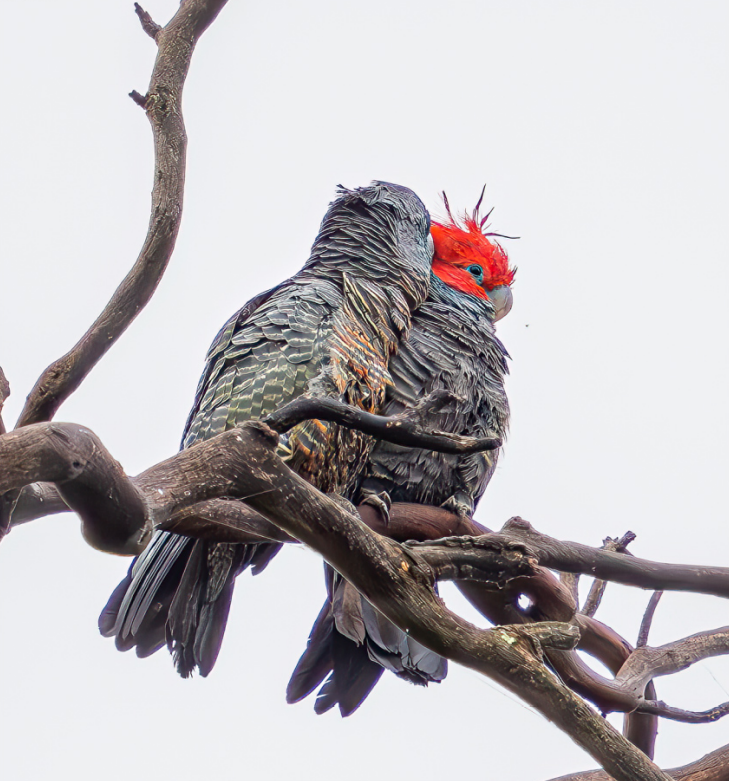
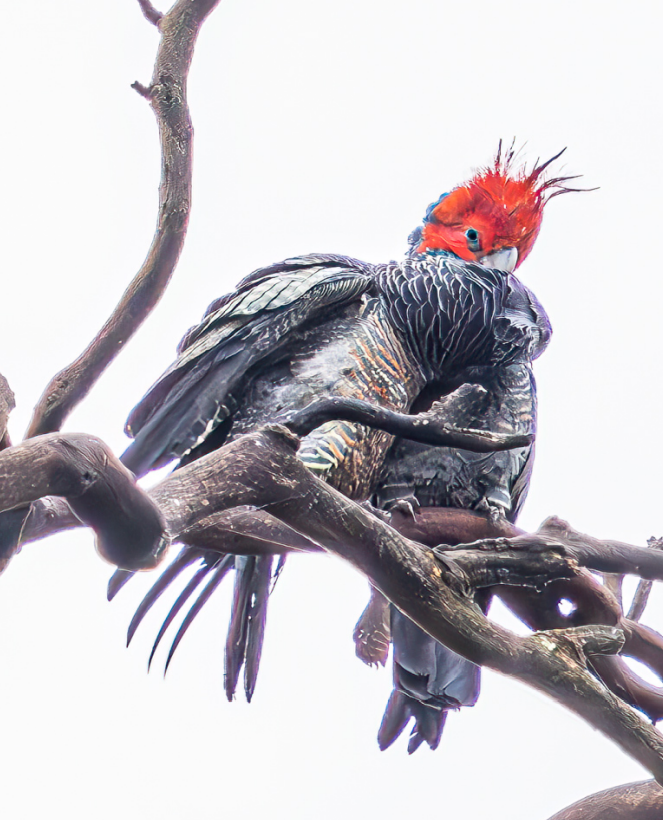
One of our favourite visiting species, the Gang-gang Cockatoo, is back in the Creeklands and surrounding corridor in reasonable numbers. The birds are mostly slate-grey except for the males having a spectacular red head and the females having a more subtle yellow and reddish barring which is most obvious on their chests. They are also distinguished by their unique “squeaky door” call.
The species is now on the endangered list due to so much of their habitat being destroyed in the 2019-20 Black Summer bushfires. According to a 2022 article in The Conversation, in Australia, 96% of the human population and 46% of threatened species live in our urban environments. These statistics suggest our urban environments are becoming increasingly important havens for endangered species – perhaps while their main habitat recovers from cataclysmic events such as major fires. Old trees in urban environments are less likely to be lost because of our more intense fire protection. Bear in mind though that replacement trees would need to be at least 50 years old before suitable hollows form.
Preening
Preening is done by birds to optimize their feathers for aerodynamic flight, waterproofing, to remove pests and for optimal insulation. It involves positioning feathers correctly, interlocking and cleaning them.
What is Mutual Preening?
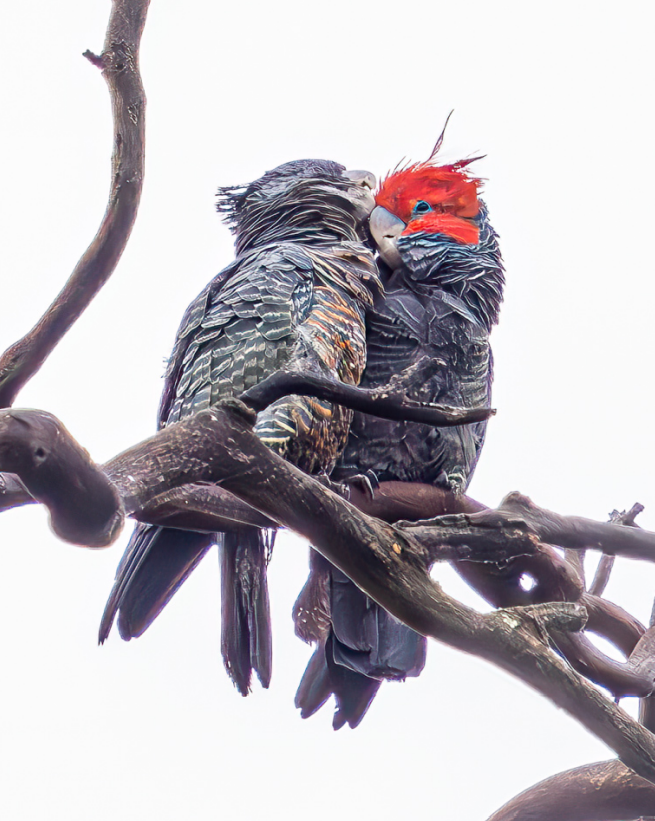
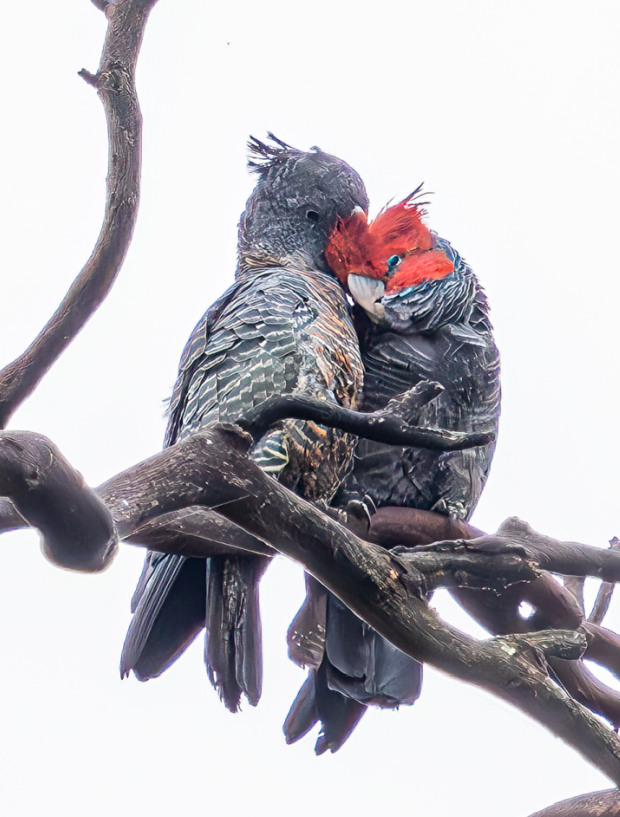
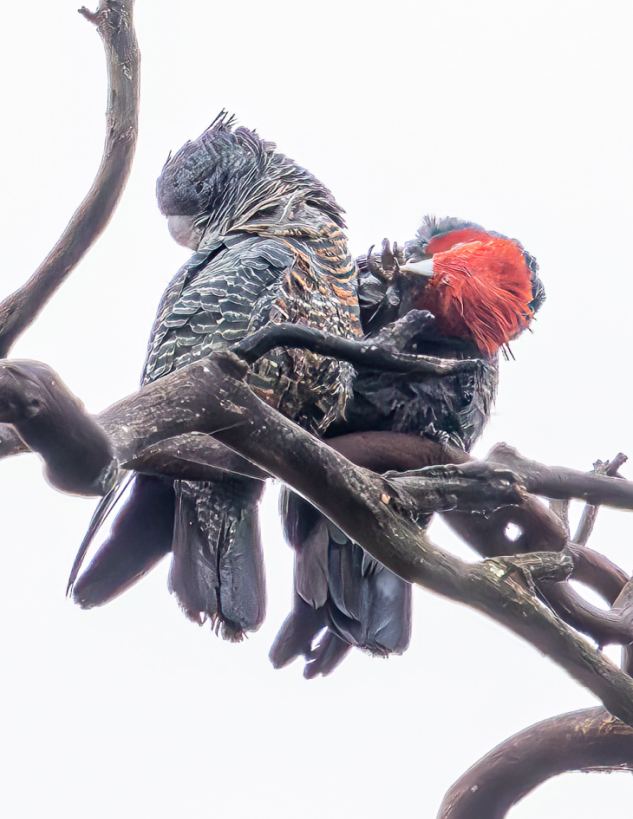
Mutual preening is when birds groom each other’s plumage. It’s a cooperative behaviour seen between breeding pairs and within flocks of some social bird species such as Lorikeets. There must be some feathers that are otherwise hard to get at for a single bird – eg at the back of the neck.
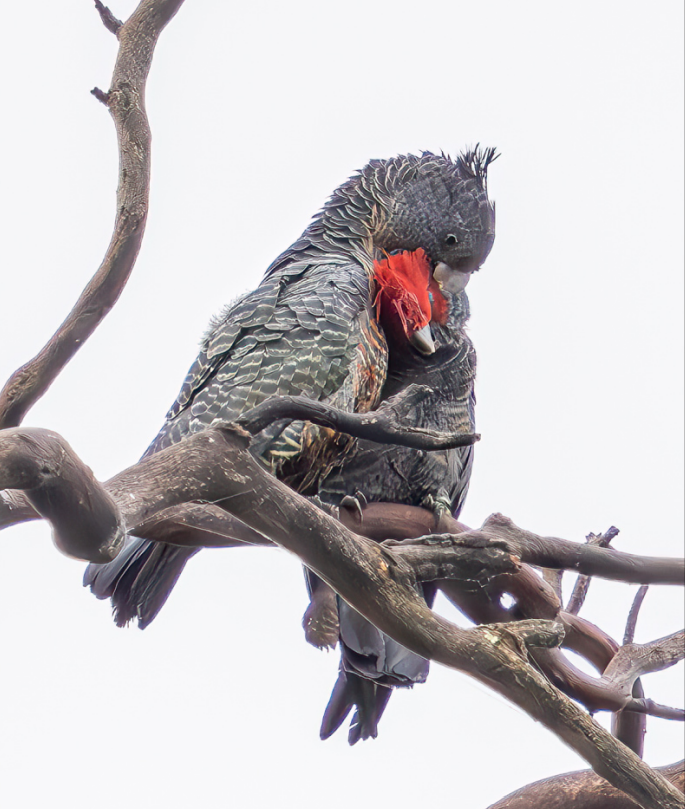
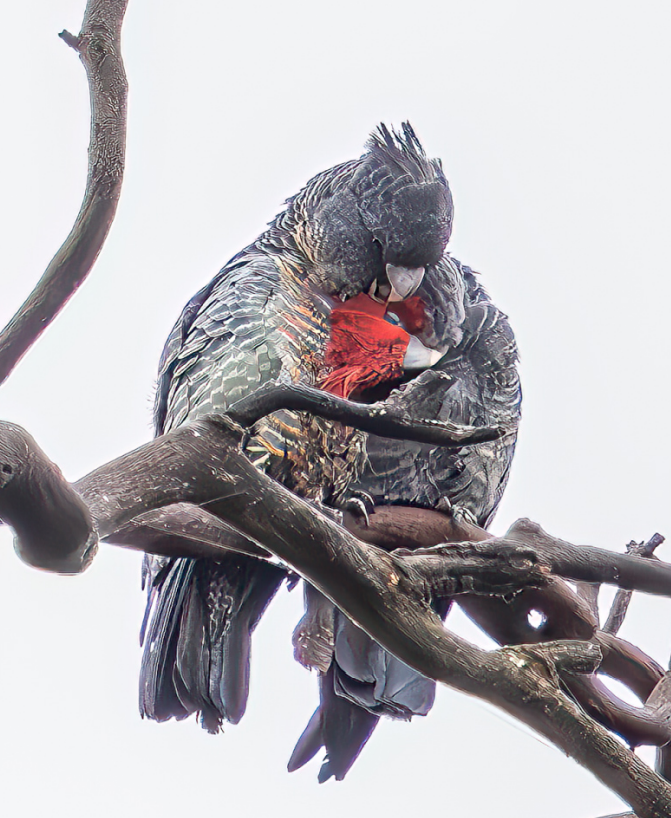
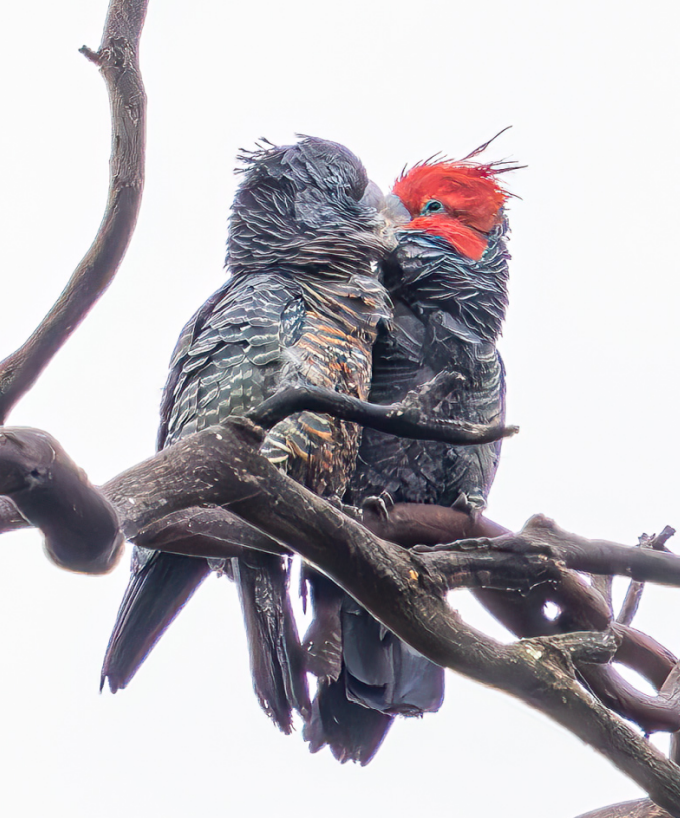
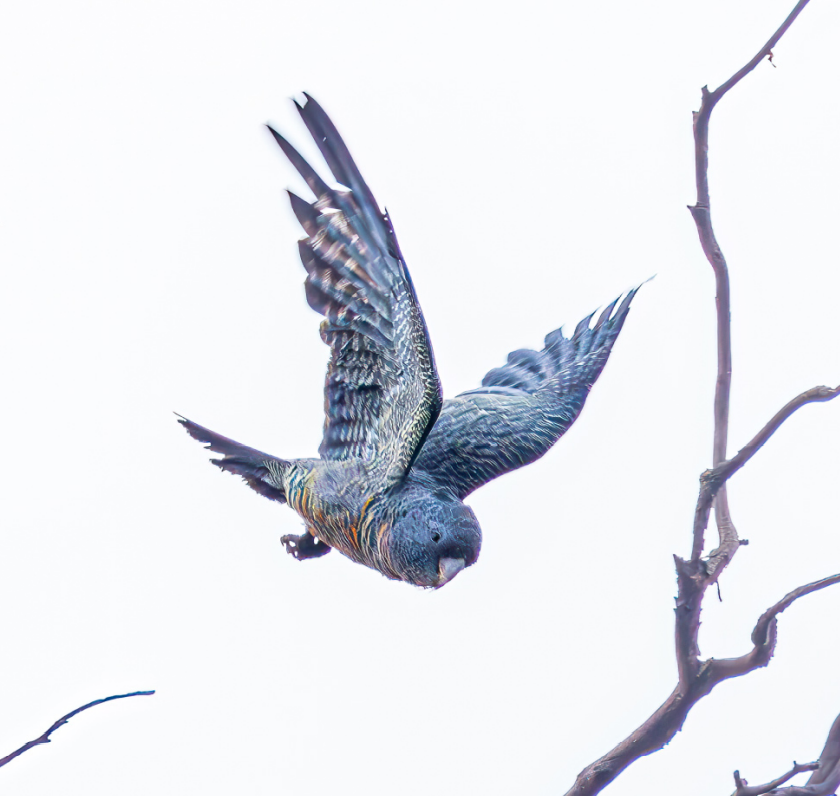
Ken, one of our regular contributors, happened upon a pair much in need of preening after one of our very rare downpours in March. They were engaged in “mutual preening” as shown below followed by a test flight by the female of the pair:
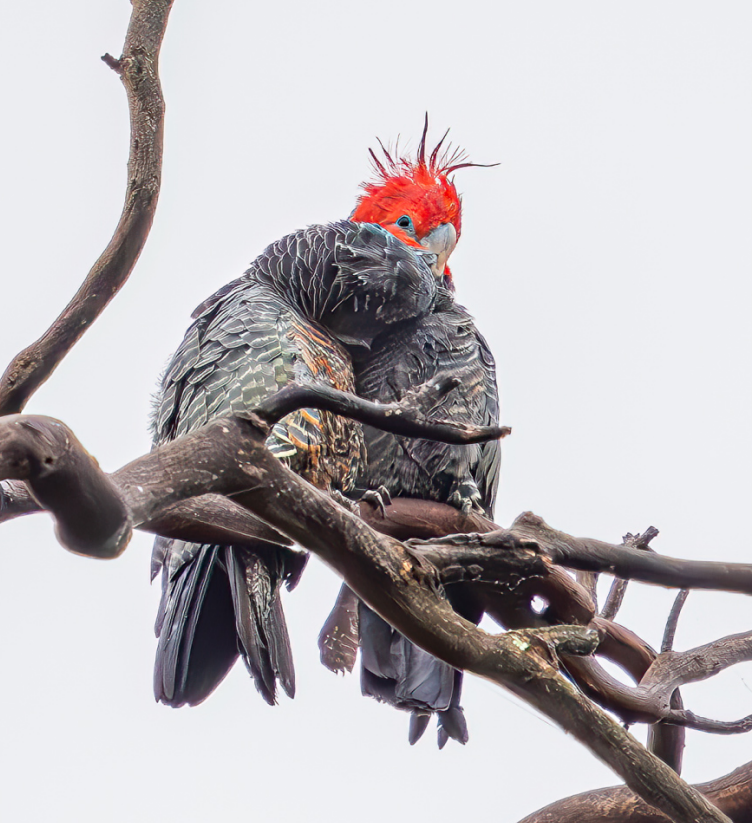
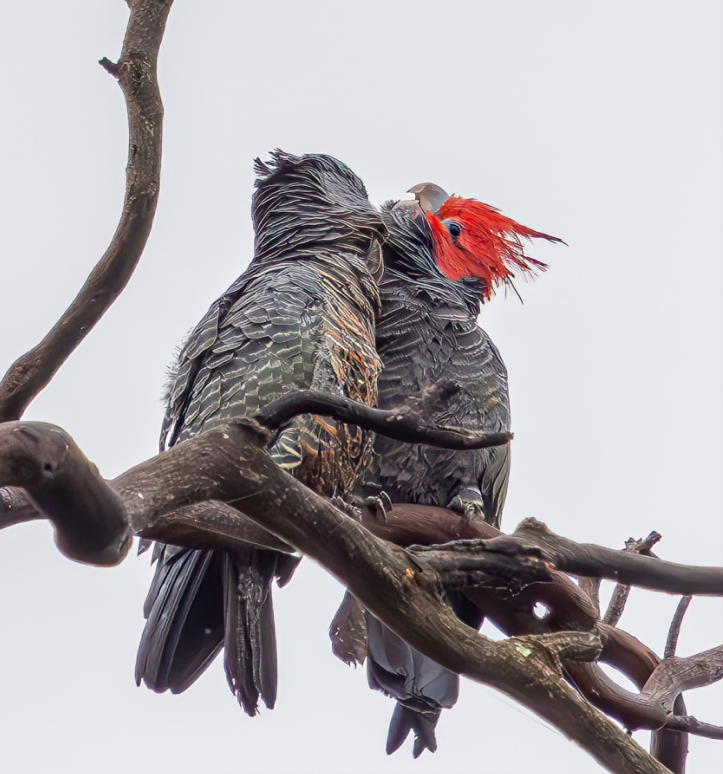
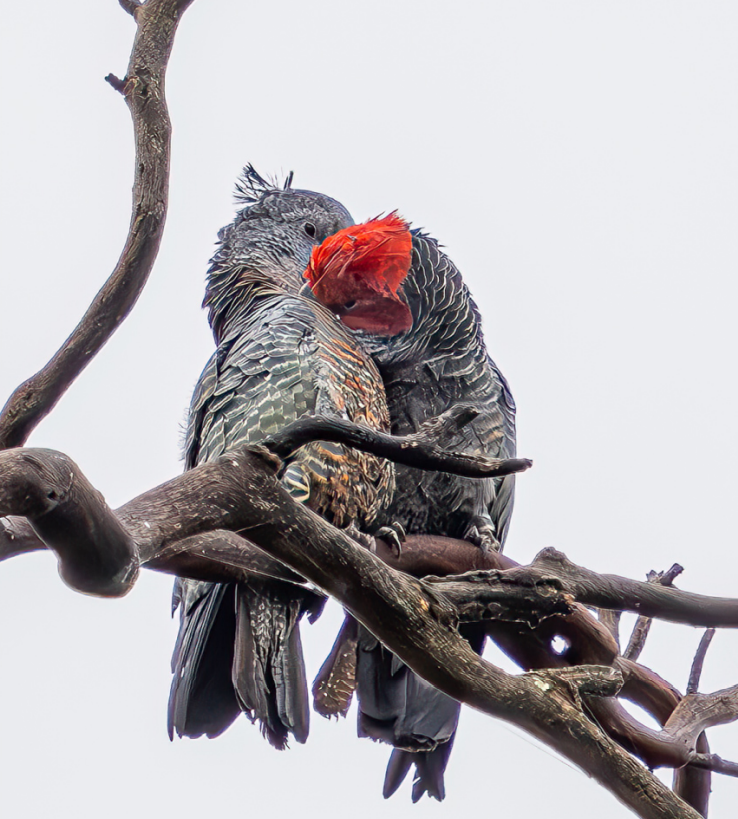
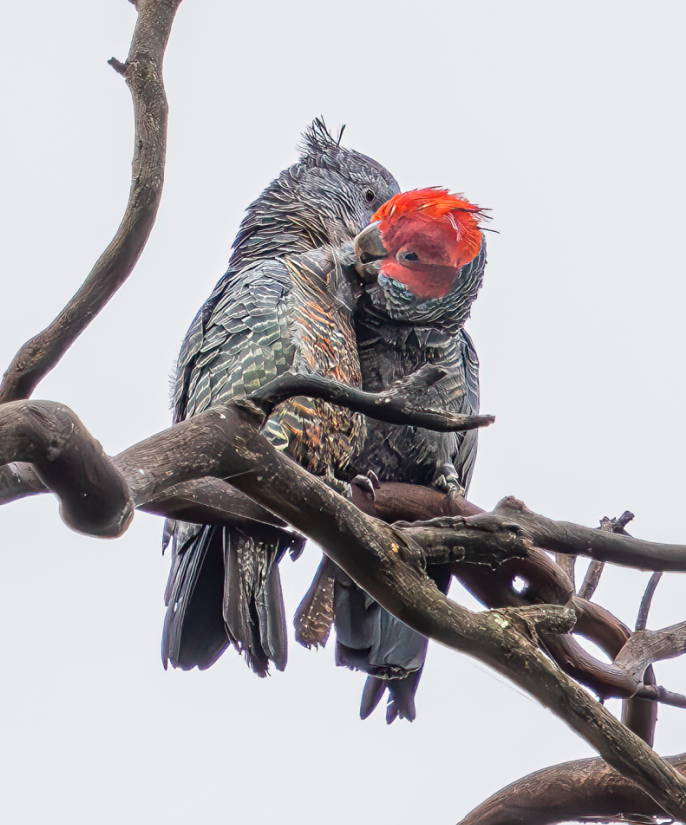
Click on a photo to expand, scroll via > and <, click on the X when finished.
Gang-gang Cockatoos mate for life and mutual preening strengthens the bond between mates. It’s difficult not to anthropomorphize bird behaviour when seeing this apparently loving and trusting behaviour. They are Australia’s smallest Black-cockatoo and a very interesting species. We are privileged to be a stop-off on their migration around the countryside – and playing a very real role in fostering this endangered species in tough times.
Yellow-tailed Black-cockatoos
Speaking of Black-cockatoos, the Yellow-tailed Black-cockatoos (also endangered due to habitat loss) are also back in town. They are Australia’s equal largest cockatoos (along with their Red-tailed cousins) and have a strong beak for gouging wood to a depth of several centimetres to find grubs. In fact, their beaks and claws are strong enough to tear anything like a hard green pine cone apart and can completely shred small branches looking for food.
Heatwaves
Although we had a few hot days in Summer, we had to wait until Autumn to get some real heat! The Melbourne area, along with the rest of the state, experienced severe heatwave conditions in early March.
Did you know that Severe and Extreme heatwaves have claimed more lives than any other natural hazard in Australia – including bushfires ?
Heatwaves pose health risks to the vulnerable – especially older people and babies/young children – also older children, pregnant and breastfeeding women, people with medical conditions and people who are unwell. Extreme heatwaves can affect anyone’s health.
Heatwaves can also affect the transport, agriculture and energy sectors and associated infrastructure. This includes interruptions to power, cooling and refrigeration.
Of course, heatwave conditions also affect animals such as our pets and the fauna/flora of the park. A possum can’t take its fur coat off to cool down !
What is a Heatwave ?
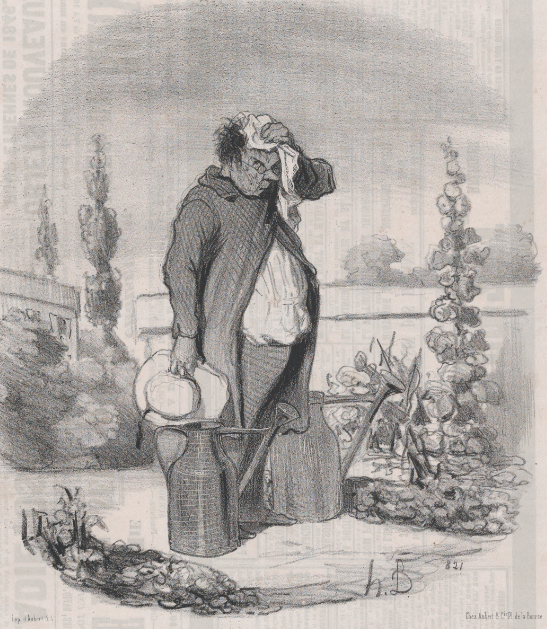
I thought it would be more fun than this to water flowers during a heatwave!, from Romance of Country Life, published in Le Charivari by Honore Daumier (licensed under CC-CC0 1.0)
A heatwave is defined to be when both the maximum and minimum temperatures are unusually high over 3 days compared to the local weather over the preceding month. It’s not only about daily maximum temperatures but also about how different the heat event is to usual conditions and how much the temperature cools own overnight. As we all know, cooler nights allow for some recovery.
A high overnight temperature can also mean that the next day heats up more quickly- resulting in more hours of high heat the following day. In heatwaves, hot nights make it harder to recover from the heat of the day. This puts more stress on the body. A run of unusually high night and daytime temperatures can:
- lead to heat stress, a critical factor in human health
- affect infrastructure such as public transport and electricity supply.
Unfortunately, scientists predict that heatwaves and extreme temperature events are becoming more likely due to climate change.
How are heatwaves declared and monitored?
The weather bureau provides heatwave monitoring and forecasting services. You can access them here. The bureau uses a measure called the excess heat factor (EHF) for its monitoring and forecasting. The EHF aims to measure how much of a shock to the body the forecast temperatures will be – compared to the temperatures over the preceding month. The heatwave intensities are then rated as follows:
- Low-intensity heatwaves – often frequent during summer. Most people can cope.
- Severe heatwaves are less frequent. They are likely to be more challenging for vulnerable people.
- Extreme heatwaves are rare. They can be a problem for anyone who doesn’t take precautions to keep cool – even healthy people. Anyone who works or exercises outdoors can be at risk.
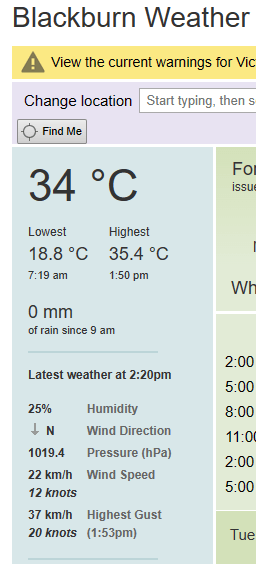
We routinely monitor heatwave forecasts when planning for our Thursday morning working bees during warmer weather.
We would not work during extreme heatwave conditions. During severe heatwaves:
- we work in the cool of the morning and do not work once the temperature reaches 34 degrees.
- we would recommend our volunteers individually assess their own situations – we certainly do not want vulnerable people working out of a sense of duty.
This was the situation on the 8th March – warning of severe heatwave conditions – three consecutive days of 39 degree maxima were predicted for Blackburn over the 9th-11th March. On Sunday 10th March, the minimum temperature was 20.6 degrees and the temperature at 9AM was 29.1 degrees. It reached 38.0 degrees that day.
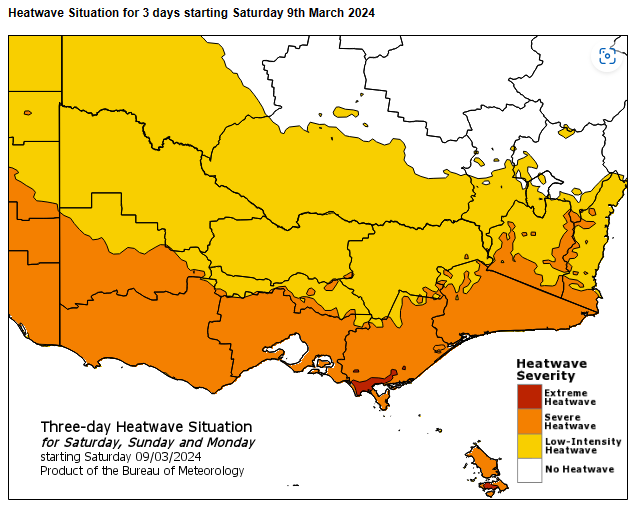
All of the south of Victoria was rated as severe and extreme heatwave conditions were predicted for an area on/near the coast north of Wilsons Promontory and part of Cape Barren Island in the Furneaux Group (the main island is Flinders Island).
How do we defend ourselves against heatwaves? Canopy trees are our first line of defence – creating shade on our houses, gardens and street trees create shade along walkways. Our park with its canopy, green foliage and our creek also work together to counter the “Urban Heat Island” effect. In recent news, the Victorian Planning Authority is proposing change to the state’s housing code for new suburban estates to have developers include a “deep soil zone” of at least 2.5 square metres for a single canopy tree on properties of less than 300 square metres. This action would leave some space and soil for trees in private yards as local councils report that state policies to encourage greater housing density in outer Melbourne are creating dangerous heat islands that do not accommodate pedestrians.
For information on staying safe during a heatwave go to the Victoria Department of Health web page.
Fauna and Flora
Just as we are stressed by a heatwave, our fauna and flora are impacted as well.
This female Common Bronzewing was filmed from a distance on a hot day as it perched on a fallen wattle tree trunk on the bank of Gardiners Creek. The bird was cooling itself by opening its beak and fluttering its neck muscles [gular fluttering] to reduce body heat. The bird rather looks like it is panting – but the fluttering does not involve large movements of the thorax (as when we pant) – it’s an energy efficient cooling mechanism using evaporation.
No prizes for guessing why they are called Bronzewings !
Council Works
Cricket Safety Nets
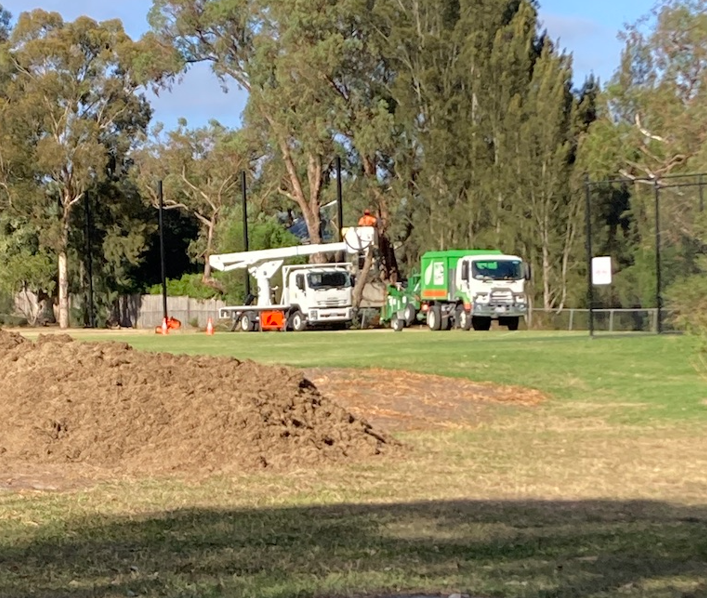
There was another round of tree pruning prior to the Cricket Safety Nets being installed at the end of February followed by mulching in early March. The mounds of particularly smelly top dressing (?) were spread by Bobcat over the new soil which extends the oval and in the grassed area to the north.
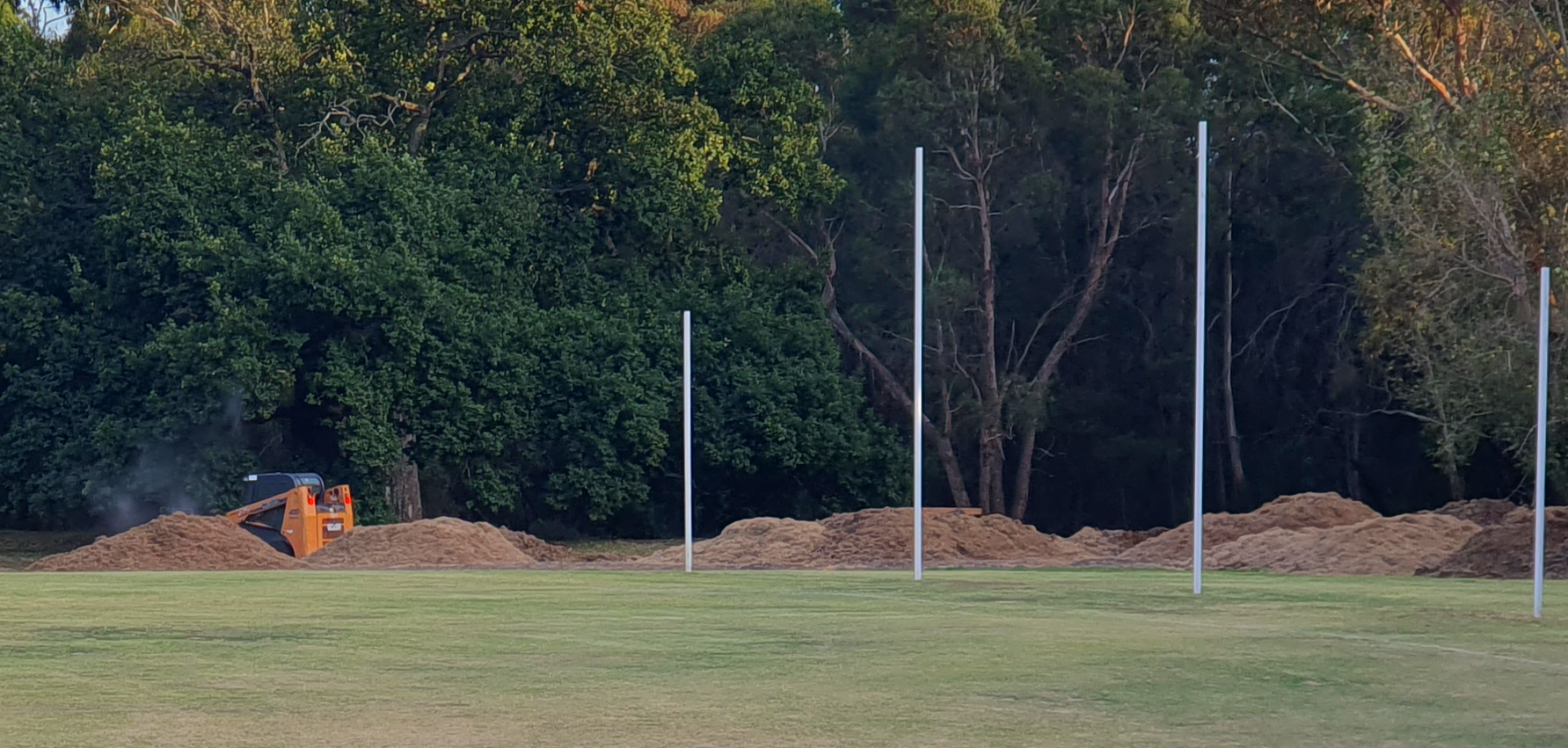
Pruning along northern track
Following a Councillor request, Council undertook a significant path pruning exercise along the track between the Laurel Grove bridge and Pakenham Street on the northern side of the creek. The area between the wetlands and the creek was most affected.
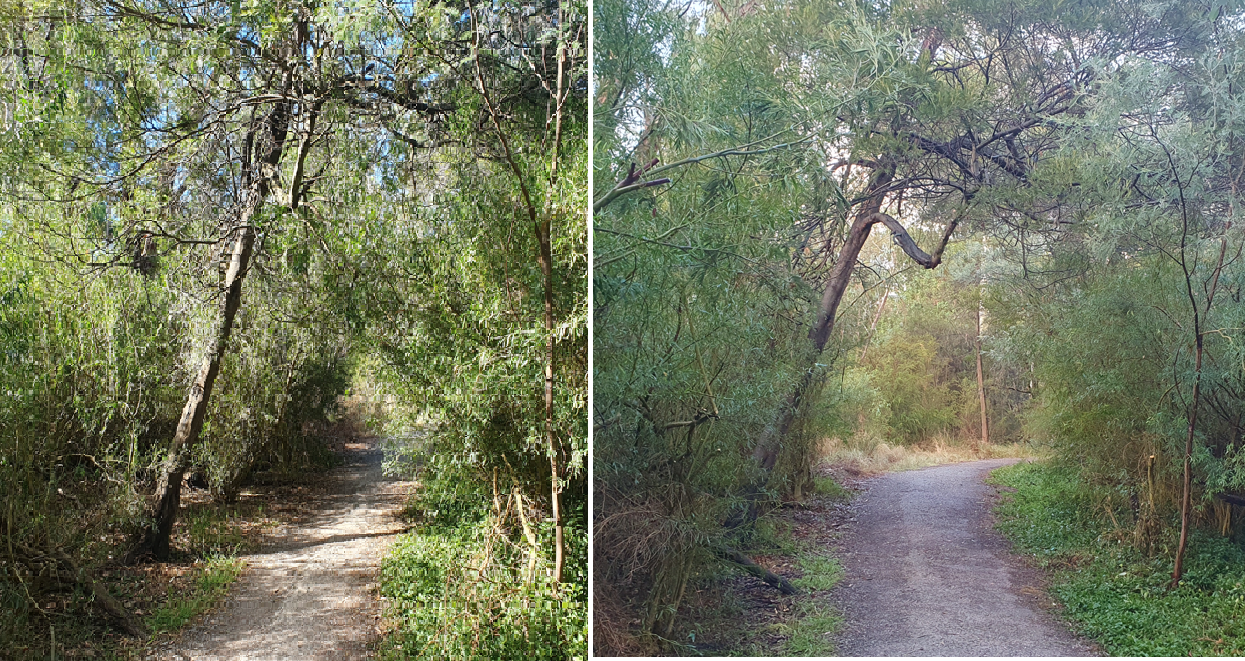
Obviously, we need to be mindful of park user safety. Nevertheless, we are anxious to protect the habitat linkages there particularly for small birds such as our Brown Thornbills, White-browed Scrubwren and Spotted Pardalotes. Another problem with increasing the width of the pruned area is that cyclists will be encouraged to use the track as well – and be encouraged to ride too fast in the more open sections. In addition to the impact on habitat, the northern track is unsuitable for cyclists due to there being some choke points, steepness and limited vision around bends. The full width path on the southern side of the creek is much more suitable for cyclists.
Weird Littering
One of those saintly people who collects rubbish in the park asked us to publicise a rather bizarre phenomenon: it seems someone makes the effort to pick up and bag their dog’s poo – as every responsible pet carer should – but then tosses the result somewhere obscure in the park afterwards!!
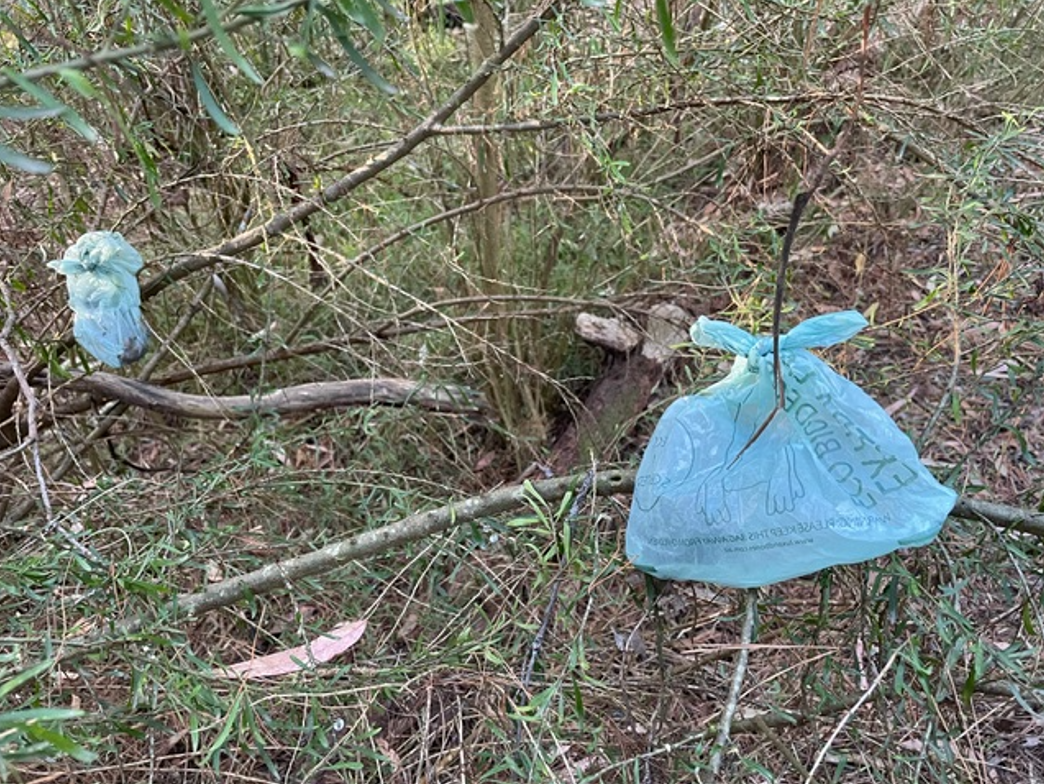
That action litters the park with the dog poo AND the plastic bag. To make matters worse, the plastic bag is an eco-friendly, bio-degradable product !
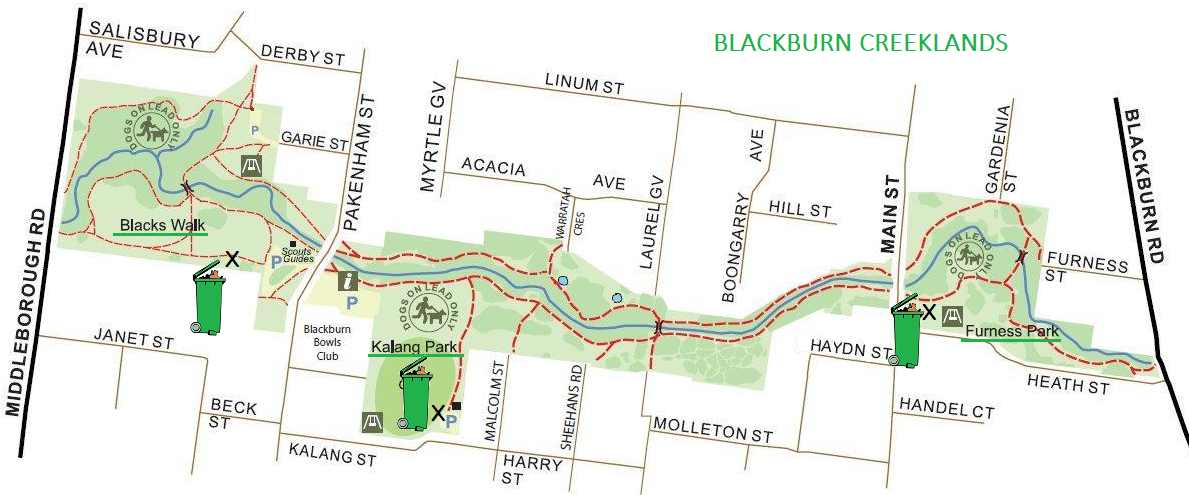
It seems the perpetrator has green intentions but somehow lapses into brown behaviour! Maybe the person concerned can’t find the rubbish bins? Here are their locations in the park (see the Xs in each park comprising the Creeklands):
Who is this cute fellow ?
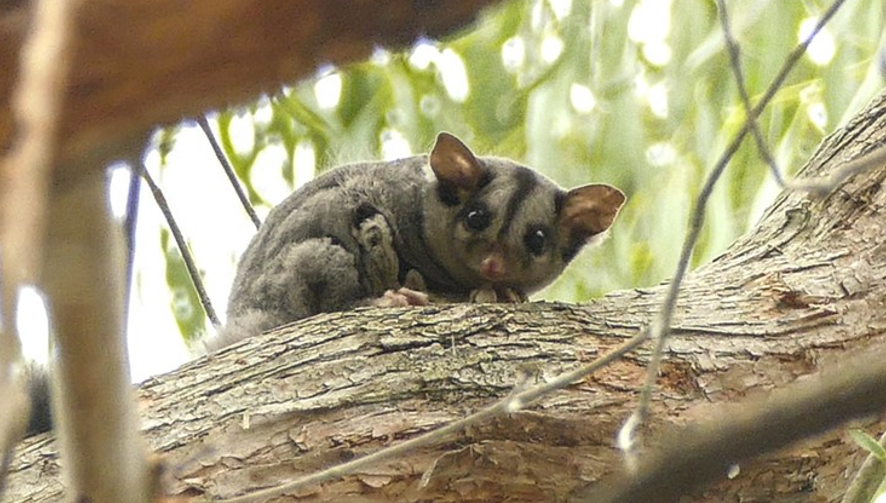
It is a Krefft’s Glider (Petaurus notatus) formerly known as a Sugar Glider. They are small nocturnal gliding possums. You can see the folded flap of skin that gives them their gliding capabilities above the hind foot. Given they are nocturnal, a clear shot in good light is rare – but one of our local photographers was at the right spot, at the right time.
Her attention to the little fellow was drawn by harassment from Rainbow Lorikeets. The Lorikeets were concerned for good reason – the gliders are omnivores eating sap, gum, nectar, pollen, fruit, insects – but they will also raid bird nests and hollows…
This profoundly ignorant author was appalled to find out that our Aussie natives are being bred in the USA and sold at kiosks in malls as “Sugar Bears“. At least one US vet notes that a diet of pizza and sugary soft drink is not very good for the animals…
Nineteen Eighty-Four

Our Committee couldn’t be further distant from the dystopian totalitarianism, mass surveillance, government control and repression portrayed in George Orwell’s Nineteen Eighty-Four.
However one thing we do share is the importance of the year 1984 – that’s when our management committee for the park started!
Next month we’ll open up the books on the history of our Committee ahead of our official 40th anniversary celebrations on Sunday, 26th May. Please note that we have changed the date of our function due to a collision with a Blackburn Lake Sanctuary’s friends function.
A quiz based on the park and our 40 year history will be an interesting feature of the celebrations.
Sightings
In a segue to last month’s sightings of how the Chestnut Teal family dealt with the waterfall, our photographer happened on a meeting of two Chestnut Teal families:
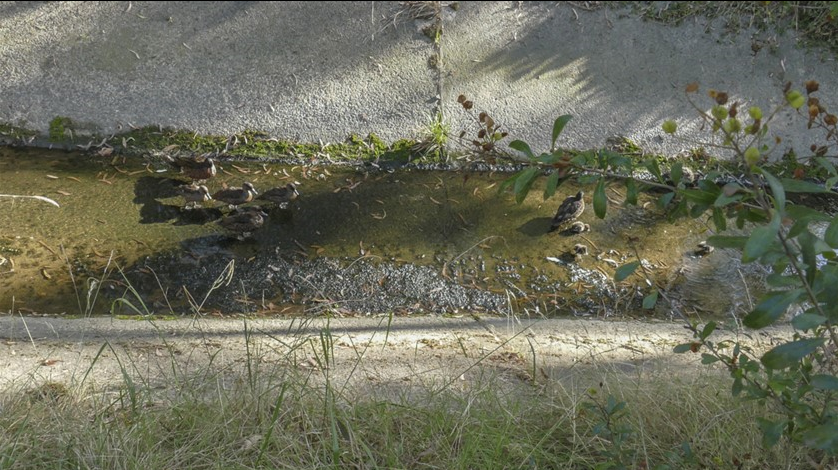
What happened next was rather unsettling – she said:
I saw another Chestnut Teal group attack one of the little tealings… After the attack the little tealing climbed up the concrete side wall where it rested a while with blood on its foot and the rest of the family kept foraging, leaving it behind. I watched for a while and the attacked tealing was eventually collected by the parents on their way back downstream…
Life can be tough!
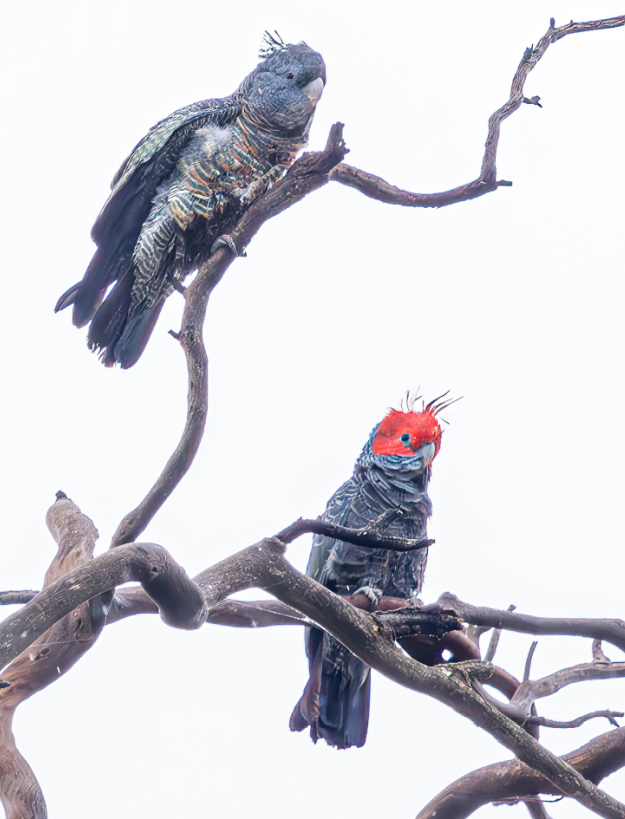
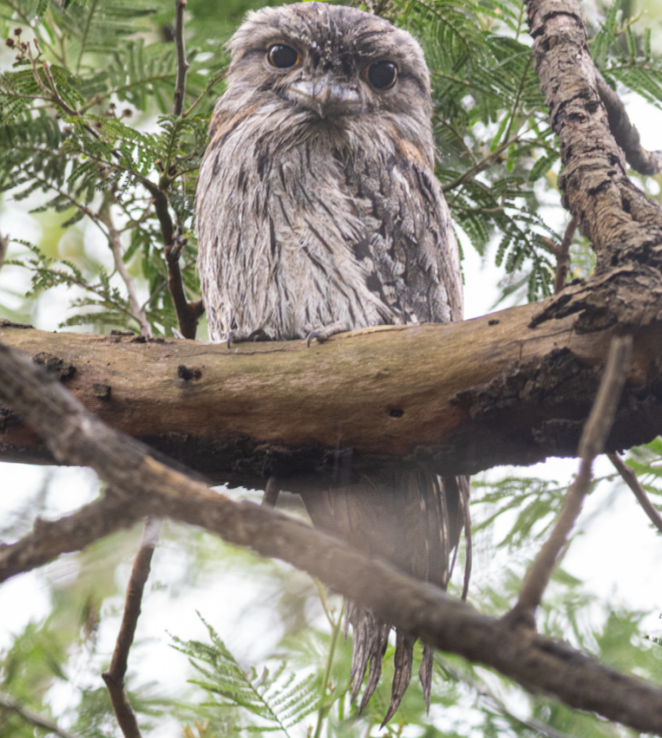
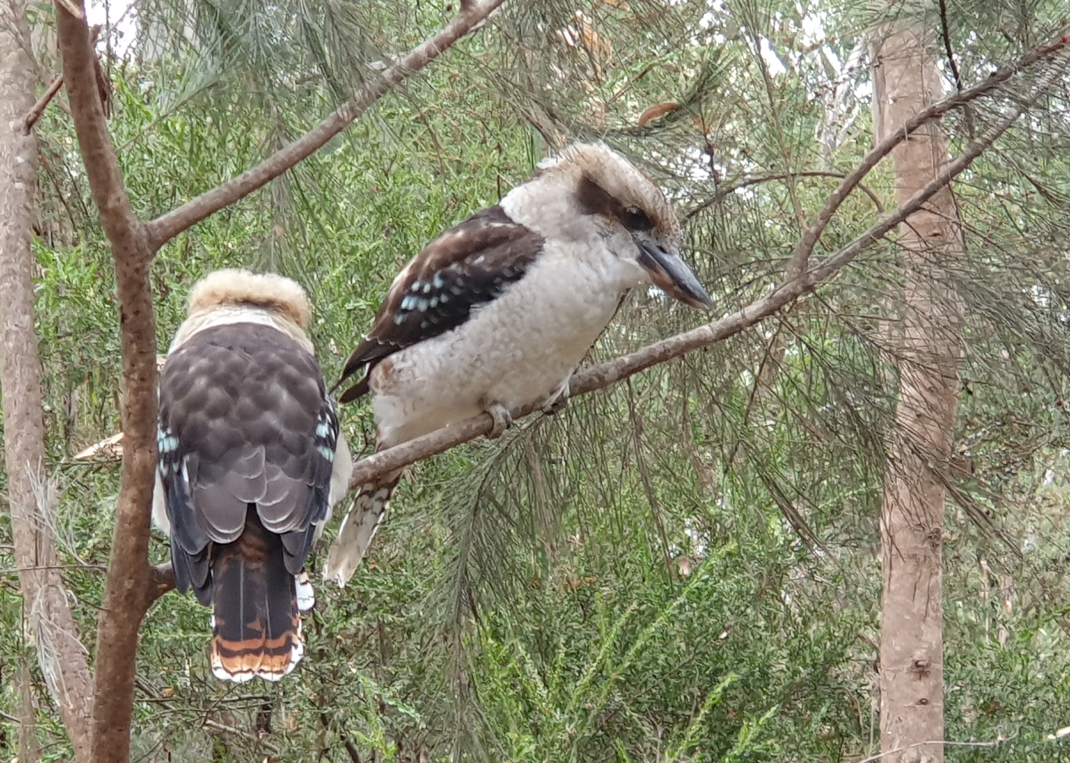
More sightings in the gallery:
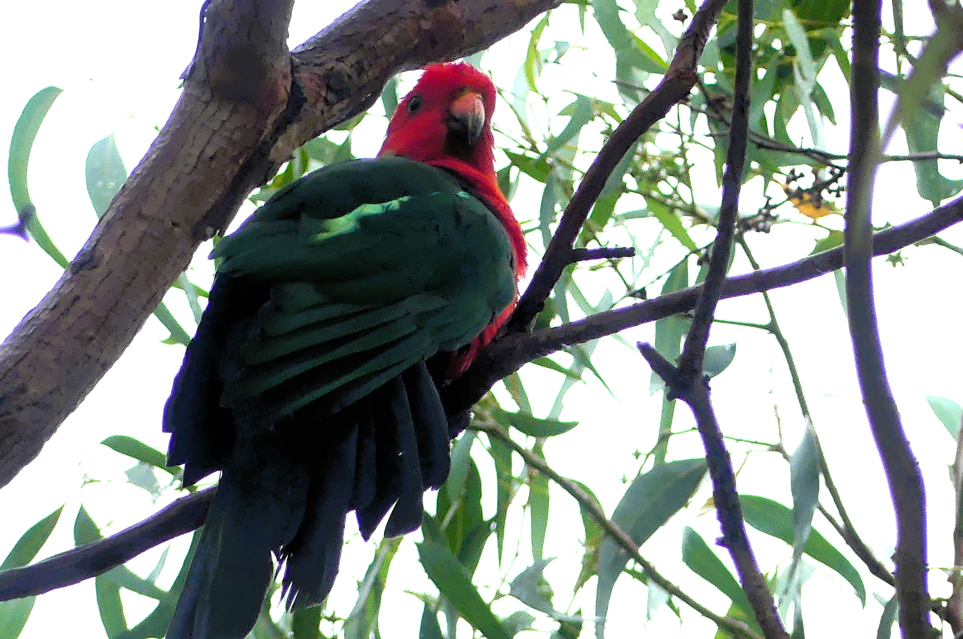
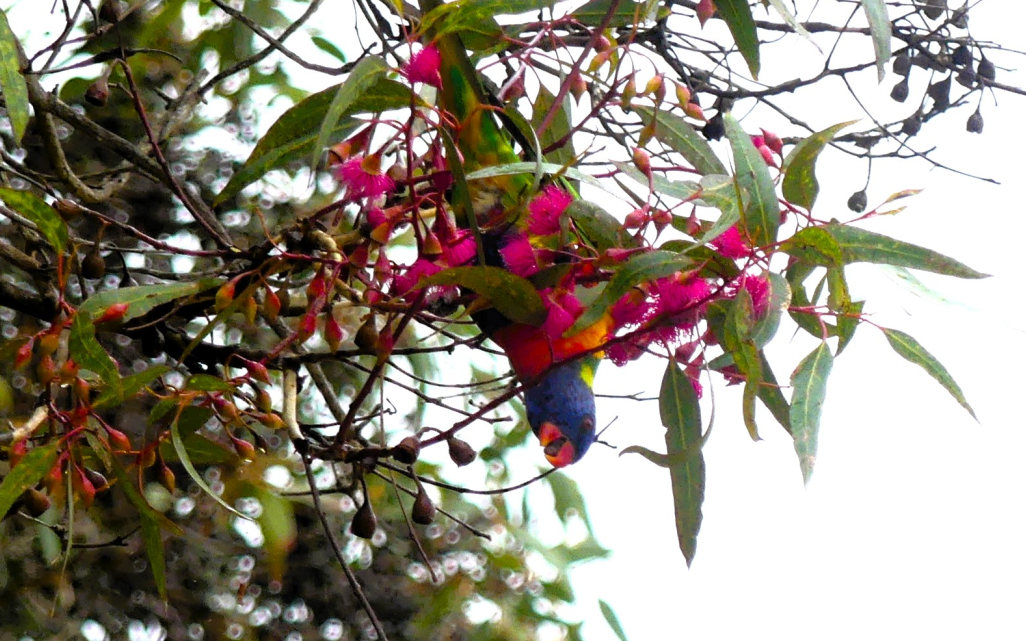
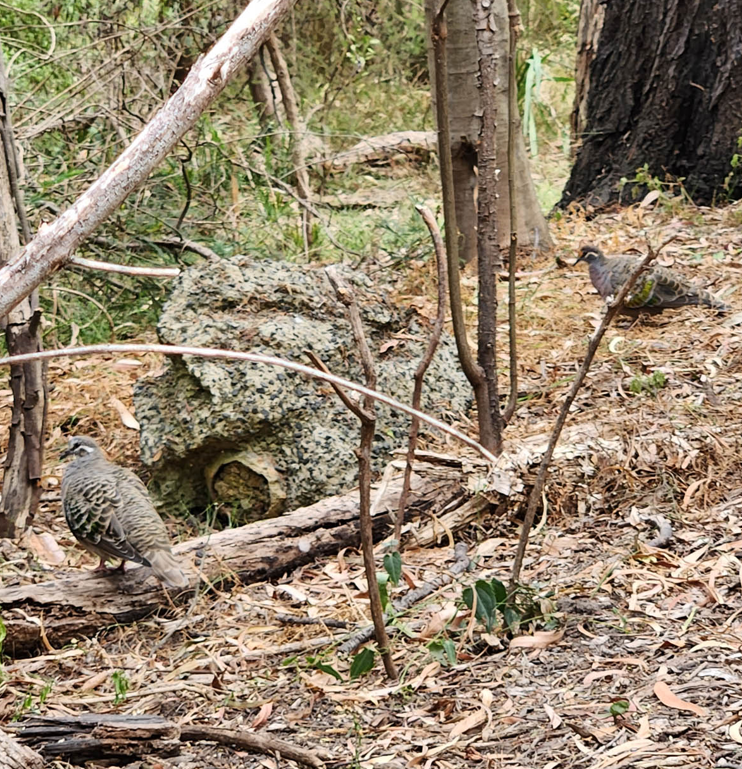
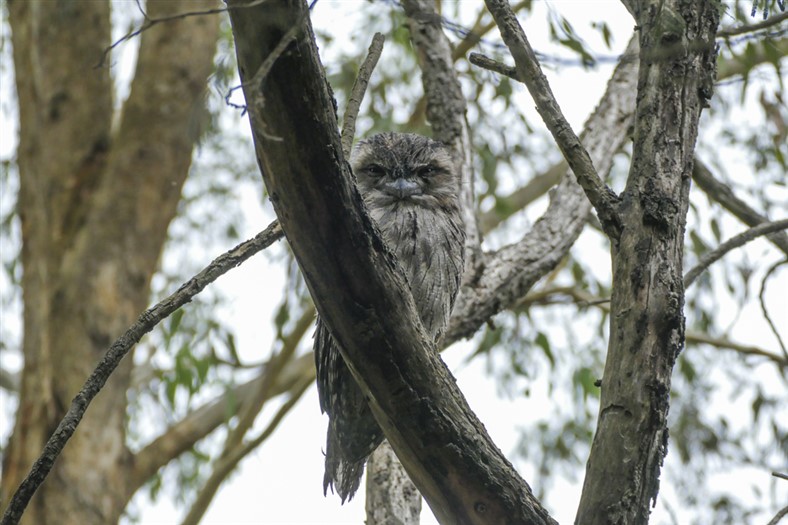
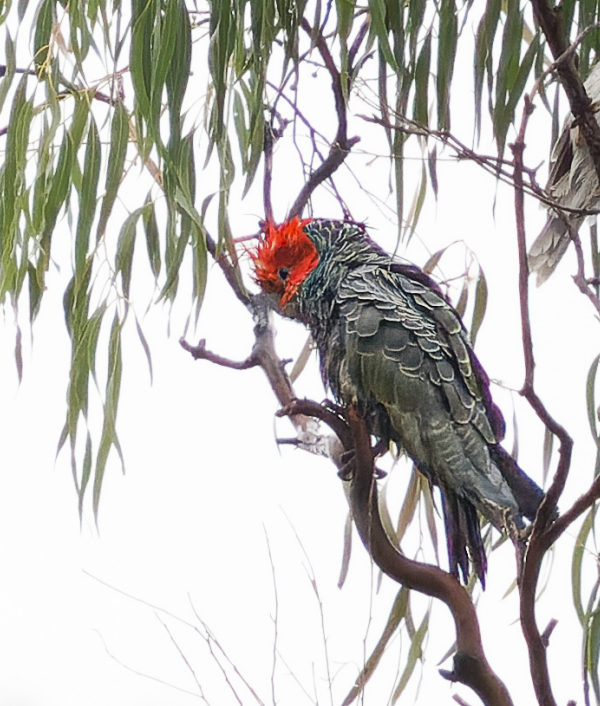
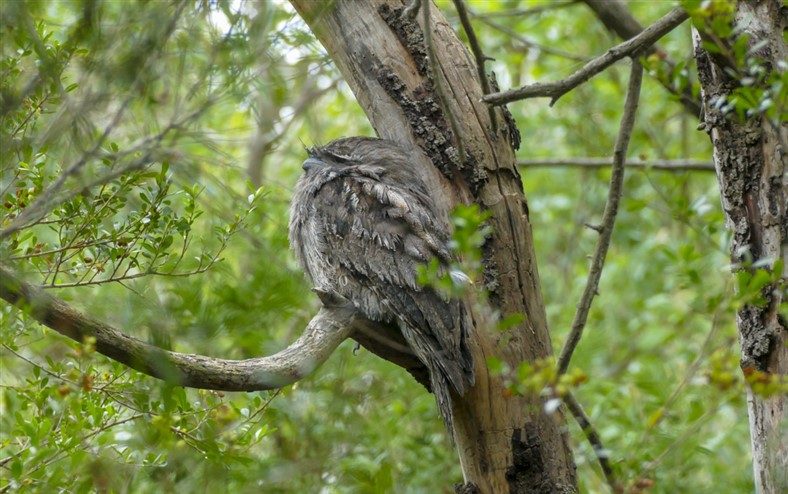
Click on a photo to expand, scroll via > and <, click on the X when finished.
Why not go and see for yourself with some specialist assistance? Our regular Autumn Bird Walk is all set for Saturday, 27th April. Our event is designed for people of all ages and experience – everyone is welcome including beginners. Our guides are simply brilliant – you are guaranteed to have fun and also learn something!
Odd Spot – an Unsighting !
We were wondering how well the bus network serves our park given our popularity with non-local visitors – so we downloaded the Public Transport Victoria map for Whitehorse Local Government Area. This snapshot shows part of it:
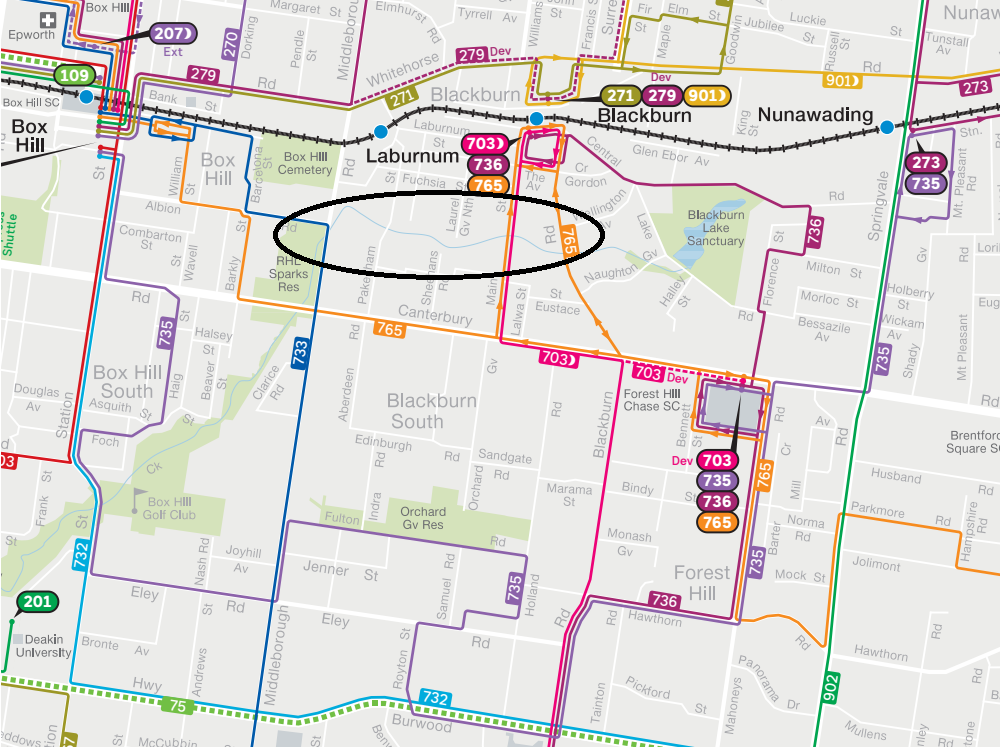
The weird thing is that our park is not shown on the map! Blackburn Lake Sanctuary is there, as is Sparks Reserve, Gardiners Creek Reserve and Below the Lake – the last two not named but shown in green. We trust they don’t know something we don’t !
Warning re Phishing E-mails

Colin asks us to warn everyone that he has received phishing e-mails tricked up to look like they are coming from our e-mail address. The mail messages have apparently been sent from Türkiye, Portugal, Chile and Peru (!!). If you have received similar e-mails, let us know and please rest assured that we have NOT expanded our operations internationally.
Also, we try to always to include “Blackburn Creeklands” in the subject of our e-mails such as Newsletters and park alerts. Although that’s not foolproof, please be very suspicious of any other messages from “us”. Australians appear to be a favoured target of scammers. Please always be suspicious and double check any message that looks leastwise dodgy.
 Blackburn Creeklands