The Blackburn Creeklands Advisory Committee turns 40 !

You are cordially invited to our 40th Birthday Celebration!
When? Open house from 2.30–4.30 pm on Sunday, 26th May.
Where? At the Scout/Guide Hall in Pakenham Street.
What’s on ?
- Photographic display of changes in the Creeklands over the past 40 years.
- A Potted History of the Creeklands – slide show and talk at 3.30pm.
- An Historical Quiz – can you identify the locations of a trove of historic photographs? Correct answers will be revealed during the afternoon.
- Lots of prizes! Lots of fun! Get started as soon as you like – the quiz is at the end of this newsletter – you can answer on-line.
- Afternoon tea.
The Purposes of the Committee
The Committee was formed in 1984 to help manage the development of the new park, provide practical assistance in improving the park as a bushland reserve (along with its corridor) and to provide community representation, advocacy, engagement and education.
We have been extremely fortunate with the calibre and dedication of our Committee members over the forty years – who have come from all walks of life. These were the people who had the foresight, the willingness to fight, the smarts to develop the right tactics and engagement of allies – and who made the effort to achieve amazing and continuing results for the community.
Time-line of Significant Events
The time-line below shows key events in the history of the Committee – with particular emphasis on the early years:
April, 1981 BCCG formed
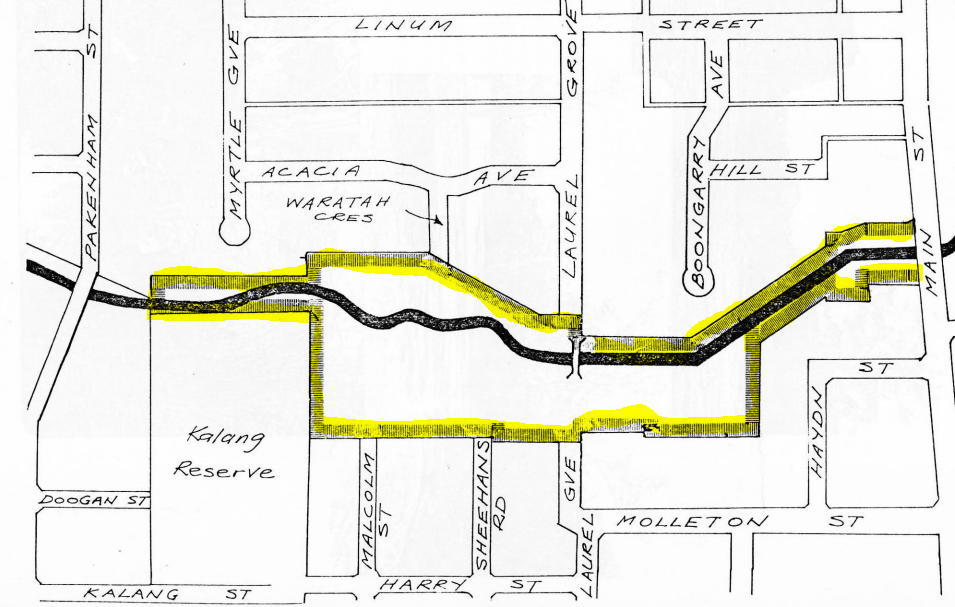
Most of today’s Kalang Park was under threat The community discovered that the MMBW planned to sell “excess” land along Gardiners (KooyongKoot) Creek. The Blackburn Creek Conservation Group (BCCG) was formed in response by the community – with the objective of using the land to integrate local parkland instead.
Local residents were formally notified by the MMBW in March, 1981.
1983: MMBW sells land to the Council
The BCCG “Up the Creek” campaign was successful – with the then Nunawading Council buying the excess land from the MMBW so that Blacks Walk, Kalang Park and Furness Park could be consolidated into a “linear park” following the creek.
May, 1984: Committee forms
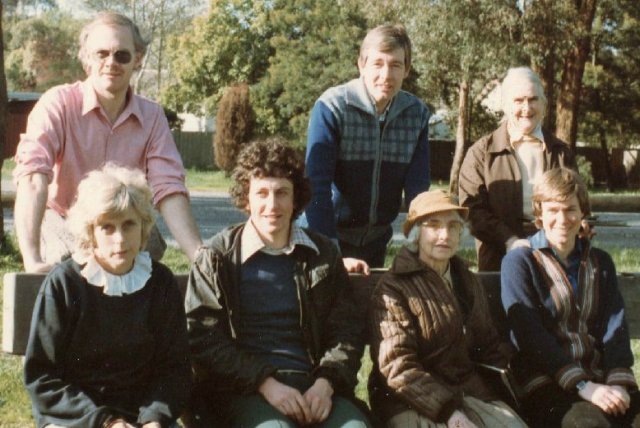
Nunawading Council formed The Linear Park Committee of Management at a Council meeting on the 28th May, 1984 to manage the new park. The original Committee was composed of 11 members of the community (including a Bowls Club rep), Cr Helen MacFarlane and Council Officer John Brandenburg who was Director of Parks.
Our photo shows 7 of the original members. Standing (L-R) are Brian Crouch, Richard Elvins and Hilda Zappe. Seated are Helen MacFarlane, Geoff Lodge, Thelma Osborn and Megan Short. Sadly, Mr Elvins, Mrs Zappe and Mrs Osborn have since passed away.
Several members of the BCCG action group became community reps on the Committee of Management.
June/July, 1984: Informal meetings
Early meetings were chaired by Cr Helen MacFarlane – no doubt to get organised – but, importantly, to discuss the best location and layout for the proposed Bowls Club Car Park and the future of the MMBW house at 62 Main Street on the southwest bank of the creek. The new Committee was put straight to work !
The MMBW house was demolished in 1984. The Bowls Club car park was reconstructed in 1985-86 based on a design by Committee member Thelma Osborn.
September, 1984: Appointment of Office Bearers
On the 6th September, the first formal meeting of the Committee occurred with John Brandenburg explaining roles and procedures which included the election of Office Bearers.
Megan Short was elected Chairperson. That name may seem familiar – the very same Megan Short is our current Chair !
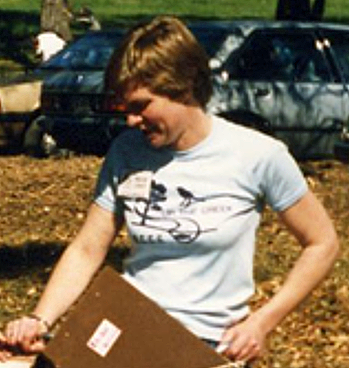
The Committee voted to change the name of the integrated park to the “Blackburn Creeklands” and the name of the committee to the Blackburn Creeklands Committee of Management.
1980s: Community Working Bees commence
Improving the park and its corridor as a bushland reserve is one of the main reasons we exist.
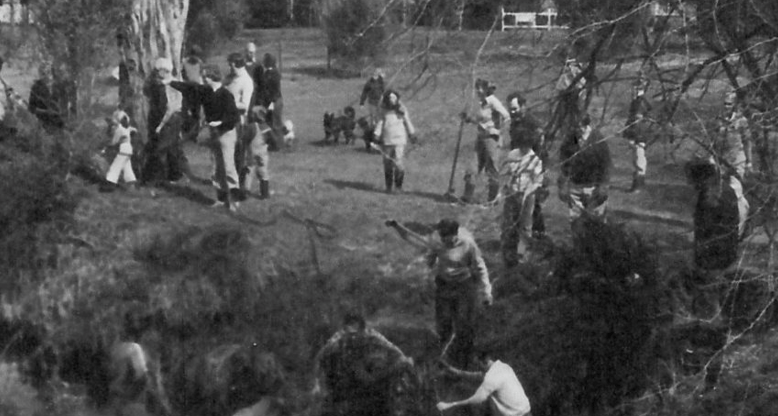
From the very early days, Committee organised community working bees to clean up the creek, remove old fencing and begin the regeneration process.
1986-1987: Project Regeneration
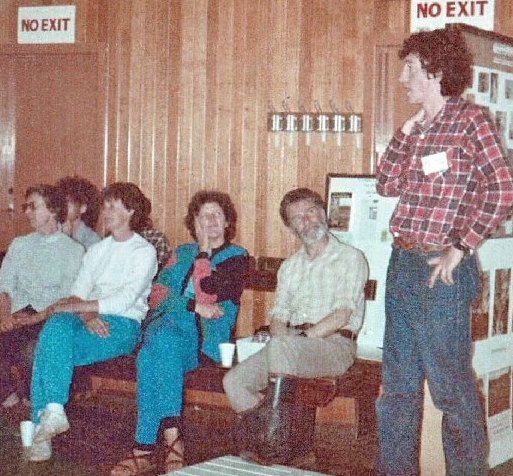
Young committee member, Geoff Lodge, ran a project to plant using indigenous stock in our park. The culmination of the project was a planting day in October, 1986 followed by a second day in September, 1987. On the first day, about 300 people planted 3,000 plants – and, on the second, 200 people planted 2,000!
In the photo, Geoff is addressing a public meeting concerning the project.1987: Waratah Wetland
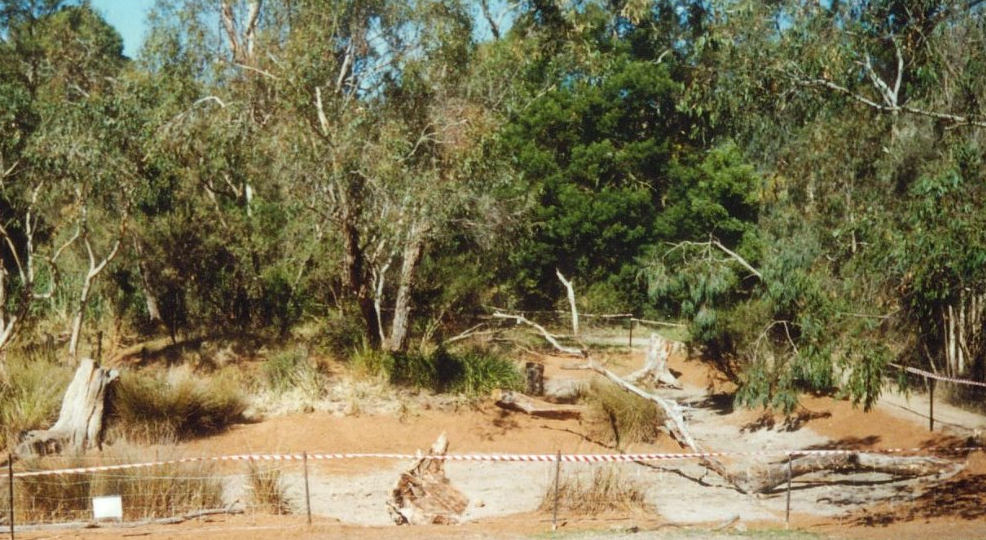
The BCAC Committee received a Bicentennial Grant to restore the wetland habitat below Waratah Crescent and a Land Protection Incentives Scheme Grant for its revegetation.
1994: The City of Nunawading was no more!
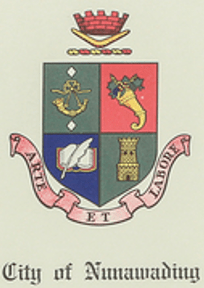
The Cities of Box Hill and Nunawading merged on 3rd November, 1994 to form Whitehorse City Council.
This was a Kennett era merger designed to make Councils larger and able to deliver services more efficiently.
We are not sure, but the 1989 Local Govt Act incorporated the “Advisory Committee” concept and our Committee would have become the Blackburn Creeklands Advisory Committee at about this time.
1999: Noticeboard Installed
Community representation, advocacy, engagement and education are also important roles for our committee.
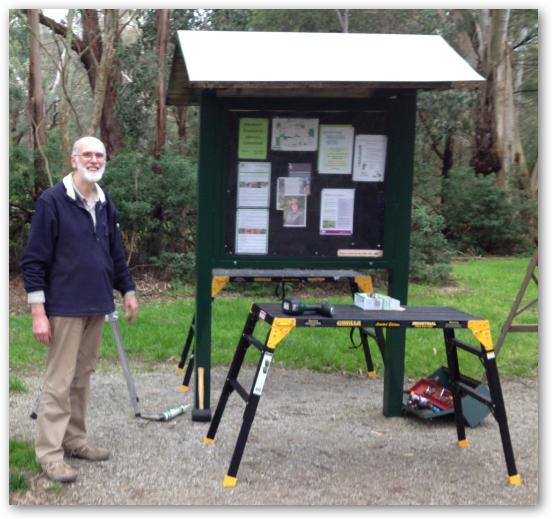
Our Noticeboard was installed in 1999 with funds provided by Council. It had been on our project list to self-fund since 1996. Anthea Swann, who currently manages the Noticeboard, has been involved with it since its inception when a sub-committee was formed to manage the project.
Our photo shows former Committee member Jim Lambert who led a project to replace the Noticeboard’s roof in 2012. It hasn’t leaked since!
The first display featured aerial photos taken in 1951 and 1999 for fascinating comparison.
2000: Newsletter launched
“New Year, New Century, New Newsletter” – the Blackburn Creeklands & Blackburn Lake Sanctuary Advisory Committees teamed together to publish a quarterly newsletter covering park plans/events, neighbourhood news and articles about local fauna and flora.
Like a “Green Guide” to the local parks and corridor, the newsletter was hand delivered throughout the nearby corridor by volunteers until late 2014 when Internet technology made it easier to deliver the news electronically – more frequently while avoiding printing and shoe leather costs.
2010: Web-site Created
Megan Short and her son Chris (an IT guy) kicked off the BCAC web-site using WordPress technology and hosting.
The site has gradually grown and has since subsumed the newsletter function and the Friends Group – which now numbers more than 300 individuals and families.
We are very fortunate that several local photographers and other contributors (eg of local history and articles on nature) are more than willing to share their work with us.
2011: Weekly Maintenance Working Bees started
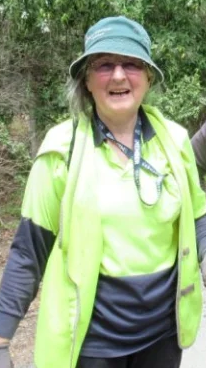
Mary Crouch and Alan Lodge started regular maintenance bees in the park after a long history of ad-hoc work in the park as individuals and also working together with locals at Community Working Bees.
These became Monday working bees, then Mondays and Thursdays, back to Mondays before settling on today’s weekly Thursday events.
Mary moved away from Blackburn in 2018. Sadly, Alan passed away in November, 2020 – attending a working bee as late as July that year.
The inspiration and legacies of their work live on!
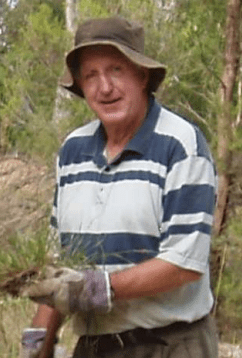
2012: Bird Walks Commenced
Variously named Bird Walks, Bird Surveys and Bird Counts, these events have run from 2012 in Spring and Autumn – led by Pat Bingham (Birdlife Australia) and Ian Moodie (formerly of Whitehorse Council – still going strong in his retirement).
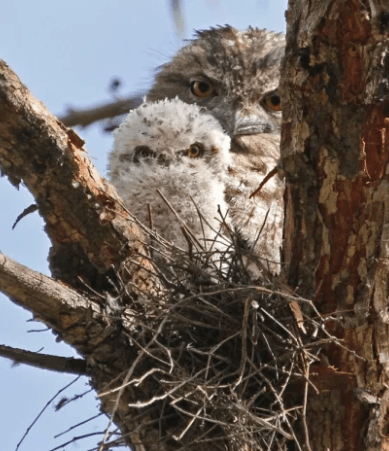
Prior to 2012, birdwatchers on Committee contributed to lists for the Creeklands. John Humphreys drew up the original list in 1986 after recording sightings in the Creeklands over a significant period.
His work was later revised by Dr David Grounds and published as a leaflet called Birds of the Blackburn Creeklands in 2002.
Our most recent Bird Walk was run on Saturday 27th, April. Please click here for the results.
2024: 40th Birthday!
May, 2024 sees the 40th Birthday of the Blackburn Creeklands Advisory Committee.
You’re invited!
What is an Advisory Committee ? Back in the day, a Council Advisory Committee had special status – for example, if a Councillor were present at an Advisory Committee meeting, the meeting had the status of an official Council Meeting. In the early days, Councillor(s) did attend. Over time, that special status was eroded in the Local Government Act 1989 to the point that, by the time the old Act was completely replaced, the definition of an Advisory Committee remained – but with no defined special status or powers. The current Local Government Act 2020 makes no mention of Advisory Committees at all – so now it is simply part of our name.
Have the Bellbirds returned?
The “Back Story”
Bellbirds, also known as Bell Miners (Manorina melanophrys), were once common around the park and its corridor – leading to central Blackburn being called the “Bellbird Area”. Bellbirds make a bell sound (a “ding”) as their species name suggests. They share their genus Manorina with Noisy Miners (M. melanocephala) which dominate the park these days along with Rainbow Lorikeets. They are a lot smaller than their noisy cousins, largely olive-green in colour and hard to spot in the eucalypt woodlands with dense understorey they prefer.
The “Bellbird Area” concept seems to have developed around streetscapes classified by the National Trust in the 1970s which eventually became otherwise recognised as belonging to Significant Landscape Overlay (SLO) 1 and as belonging to the Bush Environment Precinct – NRZ1 zone’s Neighbourhood Character.
The Bellbird Residents Advocacy Group (BRAG) is doing a great job devoted to preserving the significant treed area within central Blackburn through educating local real-estate agents and potential buyers in the area who may not be aware of its significance. BRAG defines the Bellbird Area as the SLO1 overlay properties and their adjacent SLO2 neighbours thus:
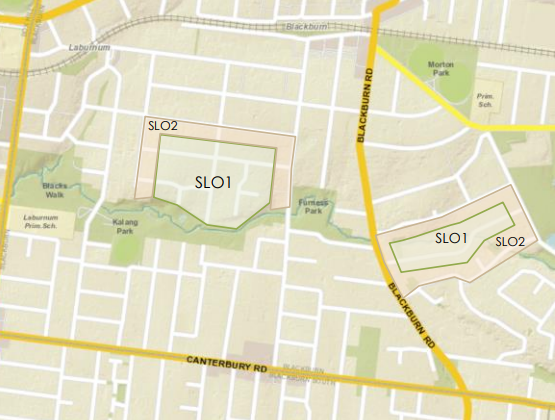
Perhaps oddly in the case of the Significant Landscape Overlay (SLO) in that its name refers to “landscape”, these planning concepts tend not to relate to parks and reserves. They do not cover the Blackburn Creeklands bushland reserve which is obviously a major contributor to the character of the area and provides both habitat and corridors for the movement of wildlife – as well as significant landscape features.
So, where are the Bellbirds now ?
April’s Bell bird Observations
Early in April (not April the first which you might justifiably think…), the following observations were made high up in Blacks Walk (thanks Ken):
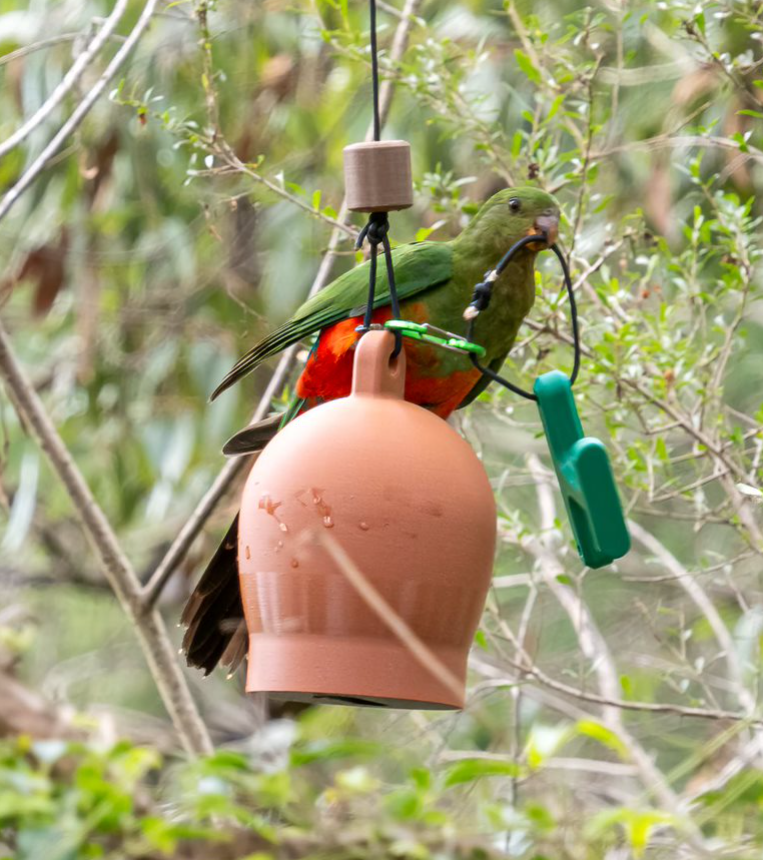

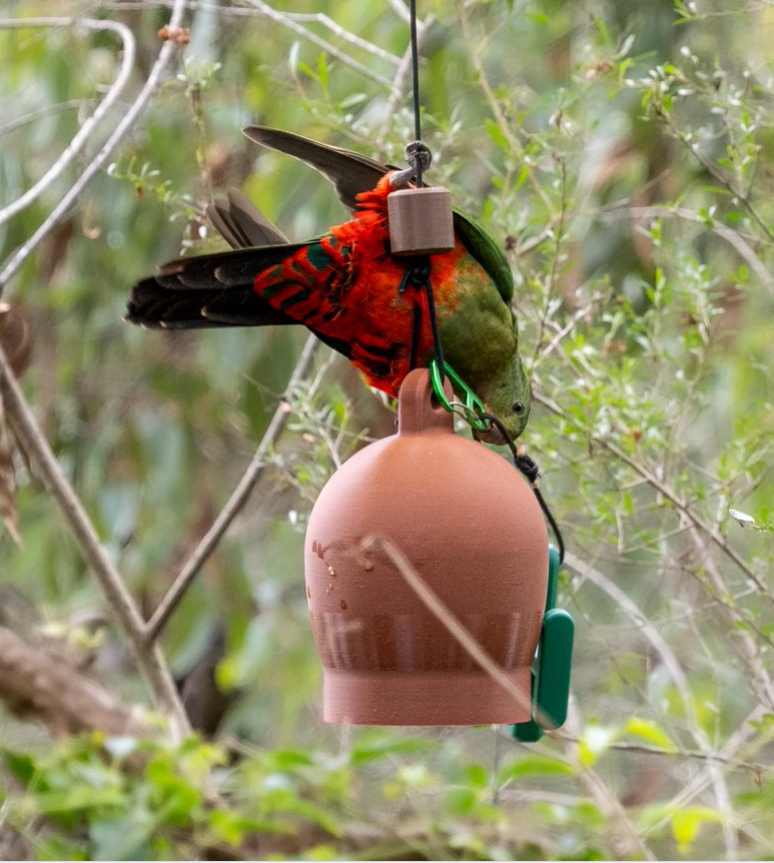
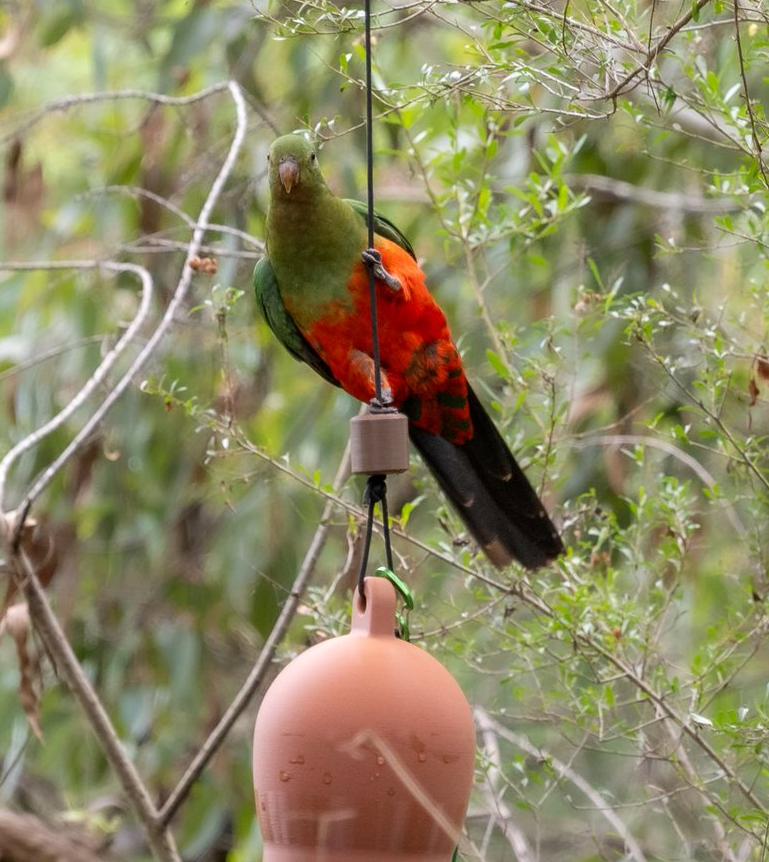
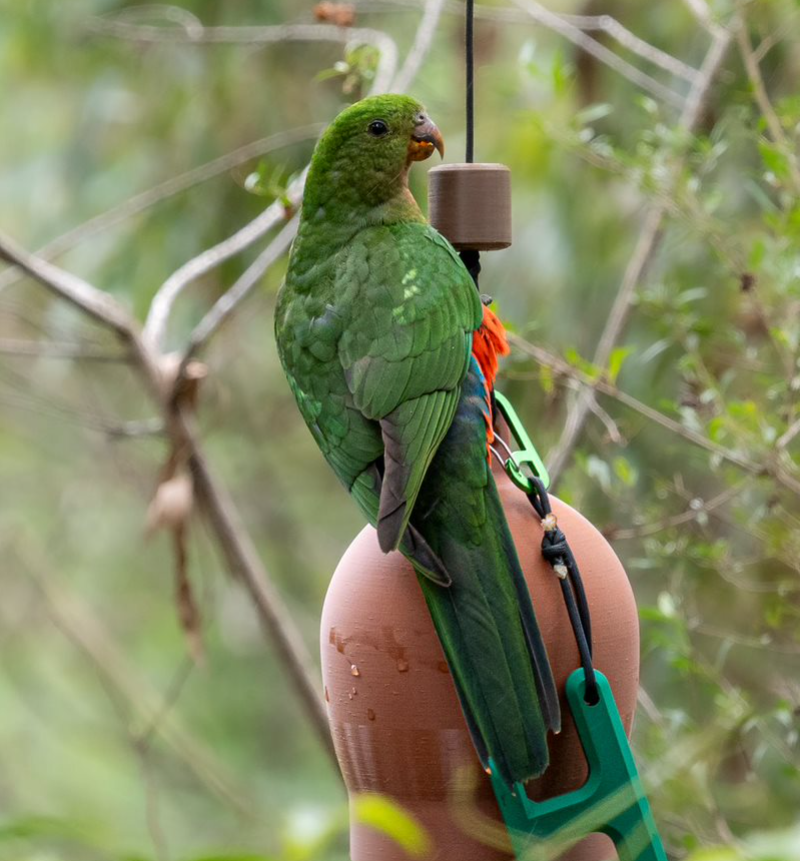
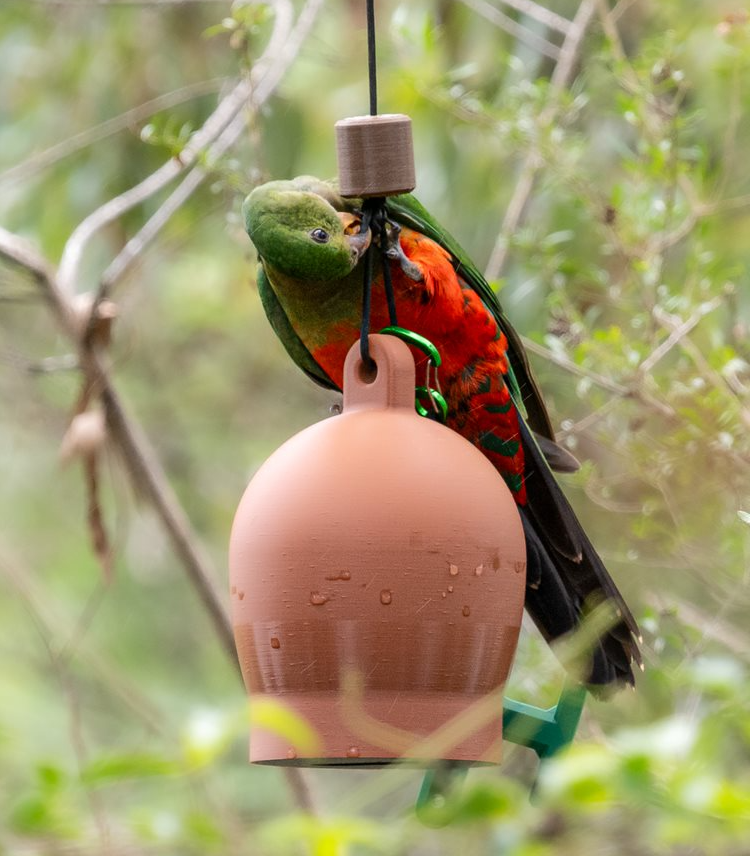
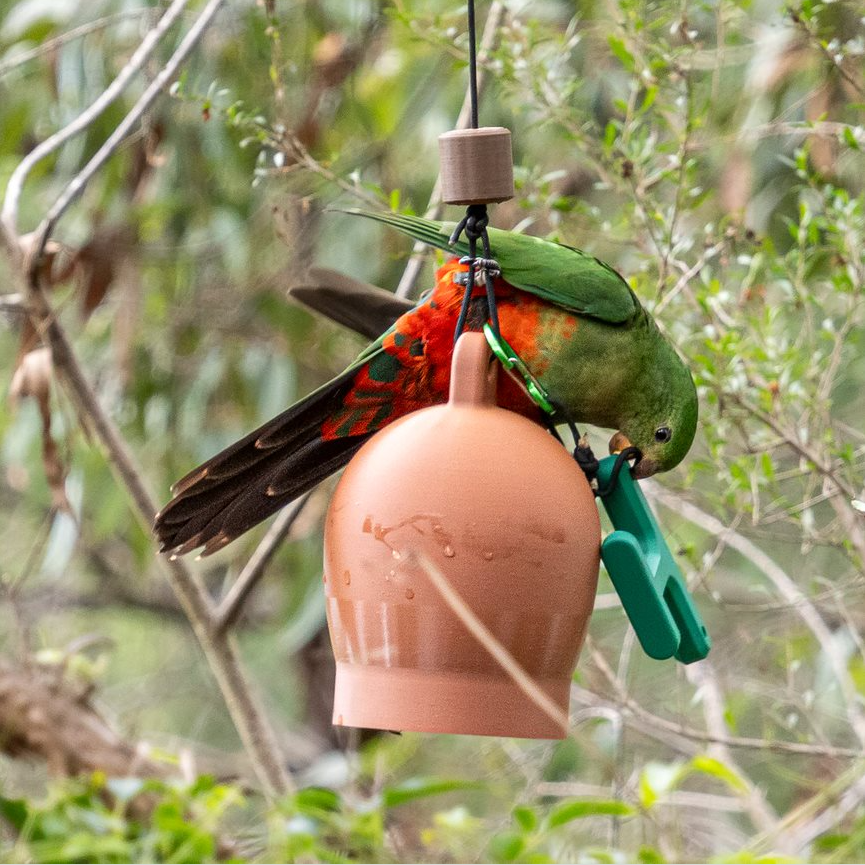
Click on a photo to expand, scroll via > and <, click on the X when finished.
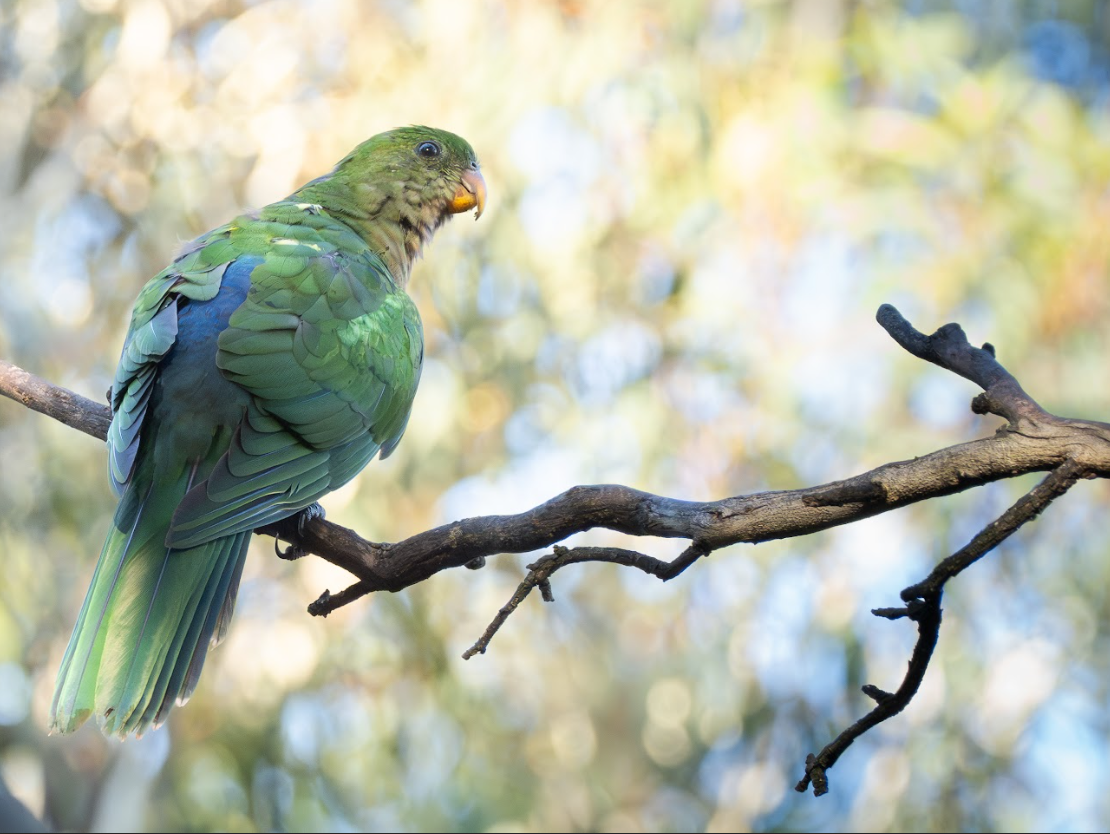
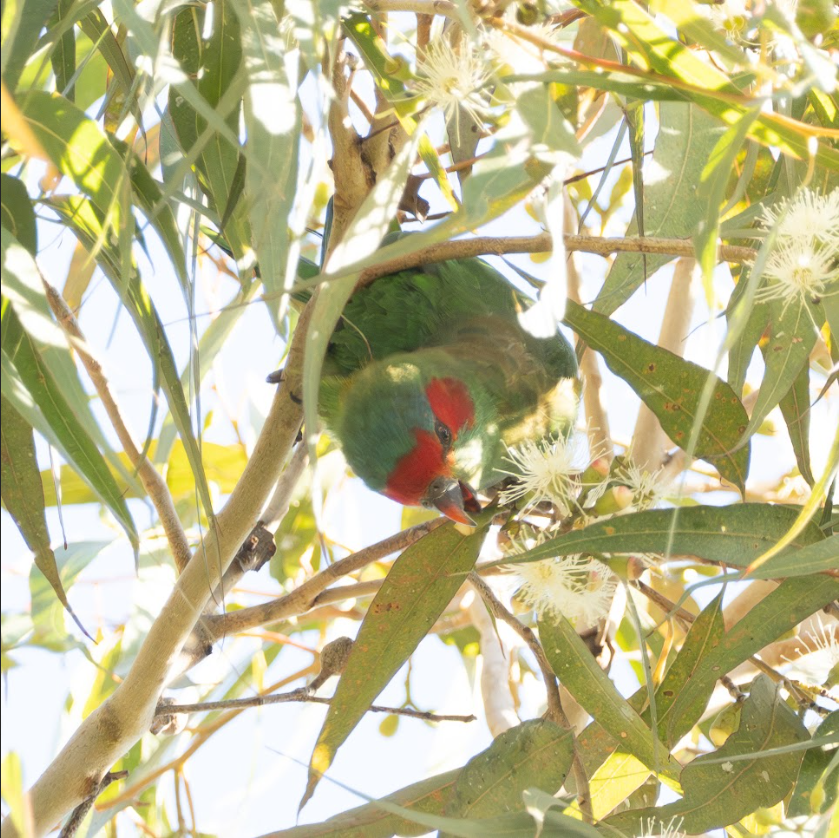
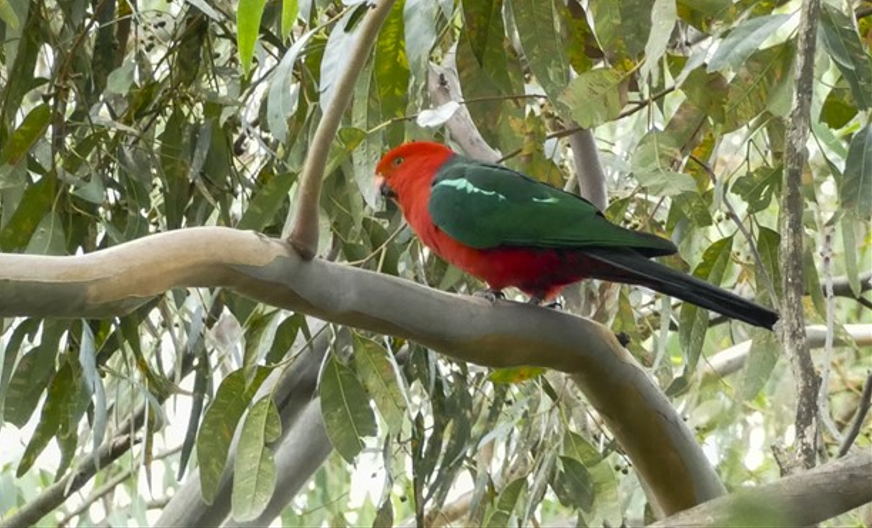
The “bell bird” is actually a female King-Parrot intrigued by a bell (?) which seems to be a part of one of those geocache puzzles or the like. We think the bird may have encountered a bird feeder of similar appearance earlier in its life and was very keen to make it deliver food by pushing the right button – whatever that may be. So, Bellbirds have not returned !
Bellbirds are a cooperative breeding bird and live in colonies. They have a tendency to just up and leave an area – which is what happened. The Jeffery Street colony lasted longer as did the Blackburn Lake one. It is thought the loss of middle-storey in which they nested might have been the problem. If so, they won’t be back !
Autumn Bird Walk
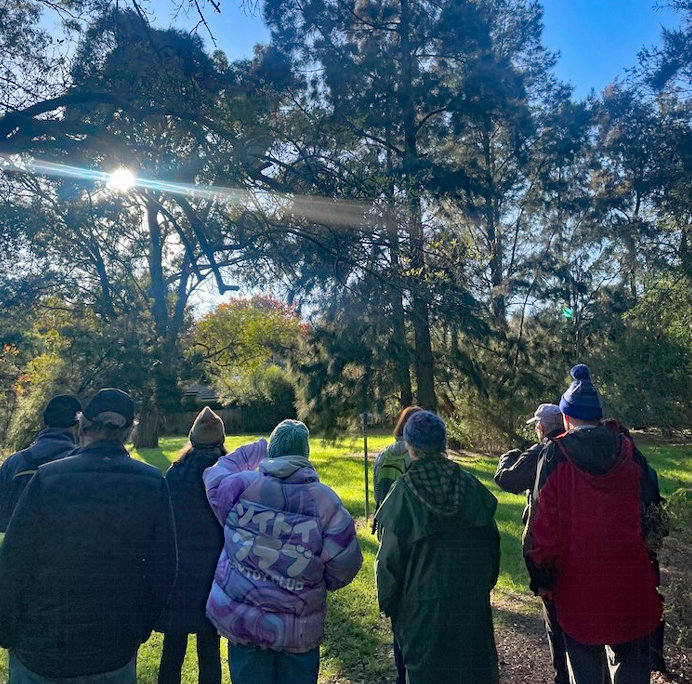
Twenty-four people saw twenty-four bird species on the best day in Blackburn this Autumn!
The conditions were ideal with excellent light, blue skies and no wind. Two teams led by Ian Moodie and Pat Bingham (Birdlife Australia) visited Blacks Walk flat and hill on both sides of the bridge and from Pakenham Street to Furness Street Bridge on both sides of the creek.
On Saturday, 27th April, two teams headed off at 07:40 and returned to the Scout Hall at 09:15 for a well-earned cuppa and to combine results.
Results
The official results are listed here. Although the number of species was down a little on the usual, the number birds was astounding. Greg, Michael and other local photographers have shared some photos for those who could not be there:
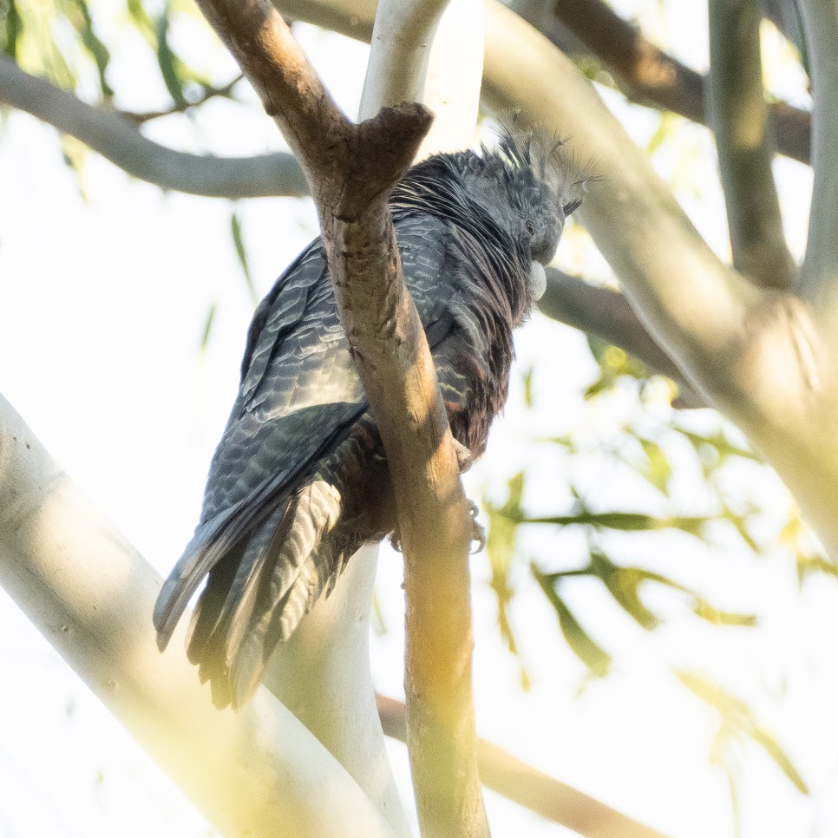
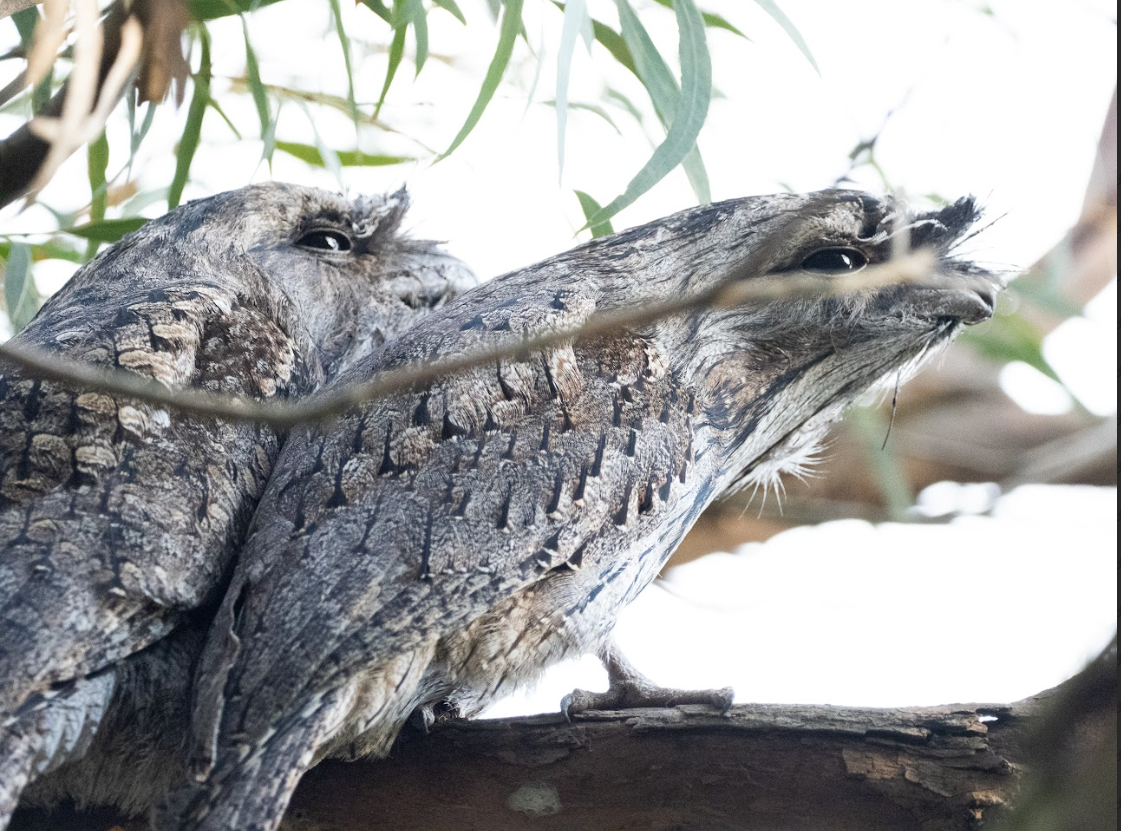
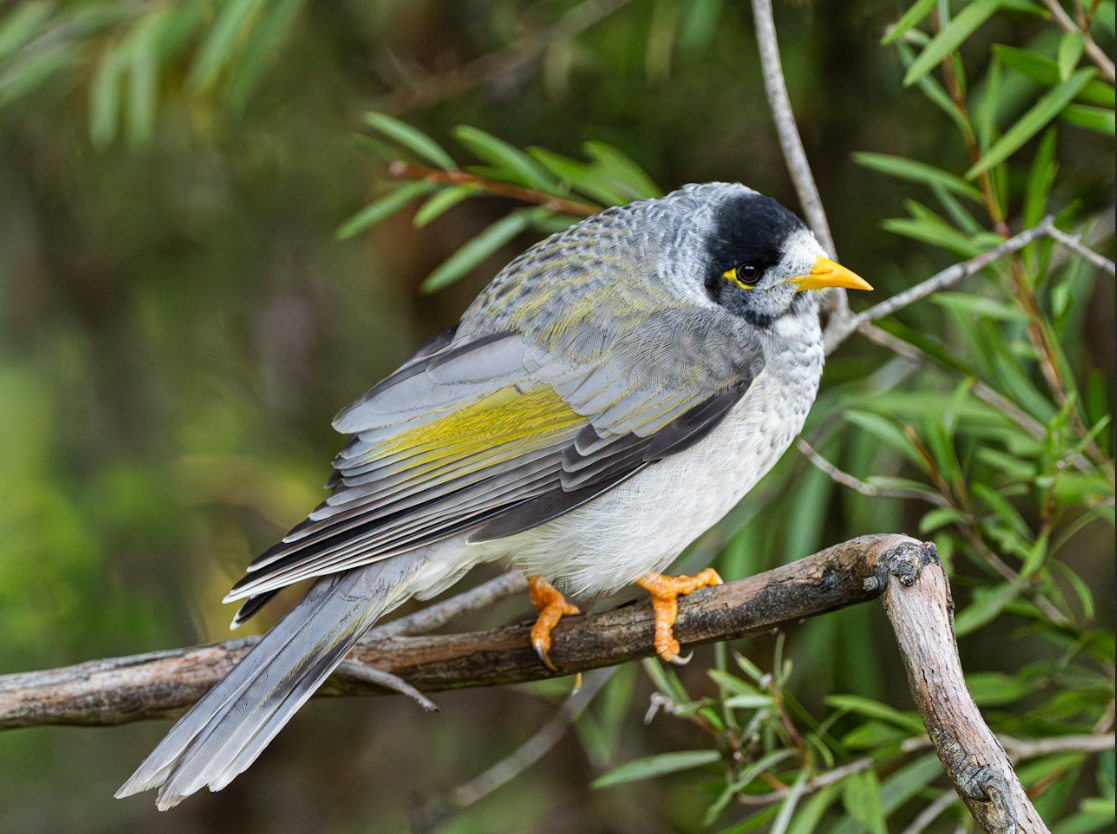
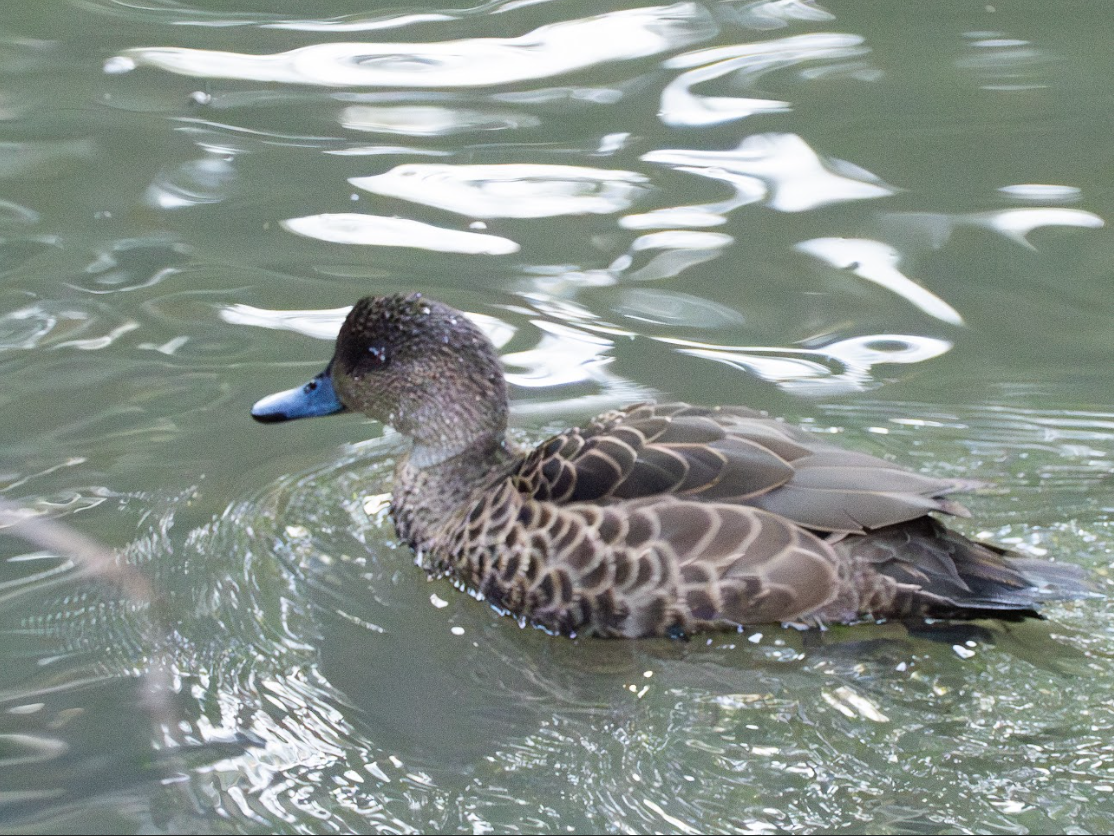
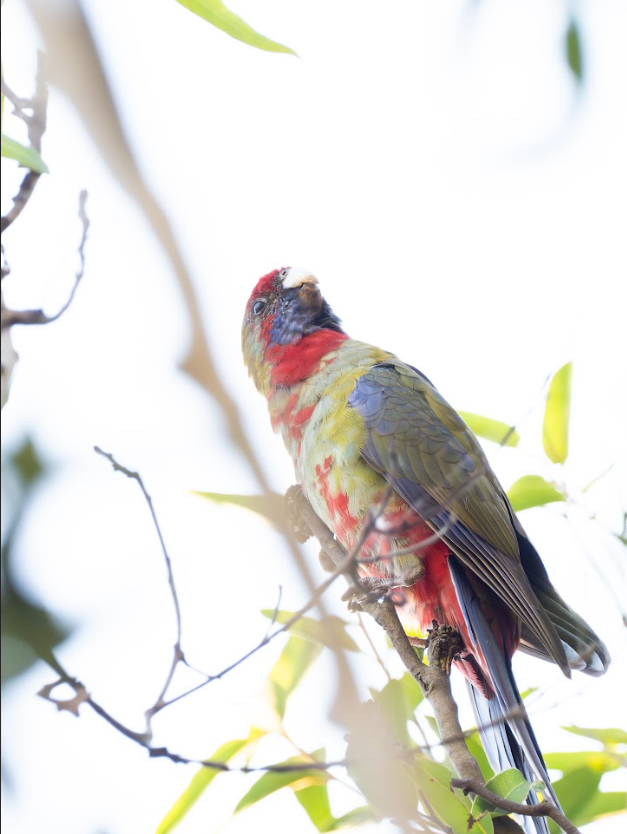
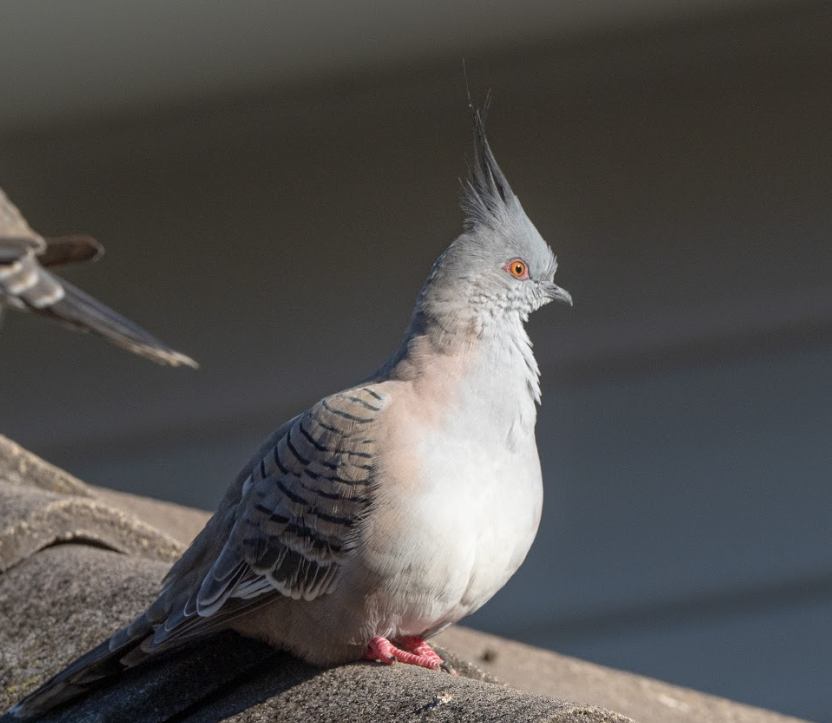
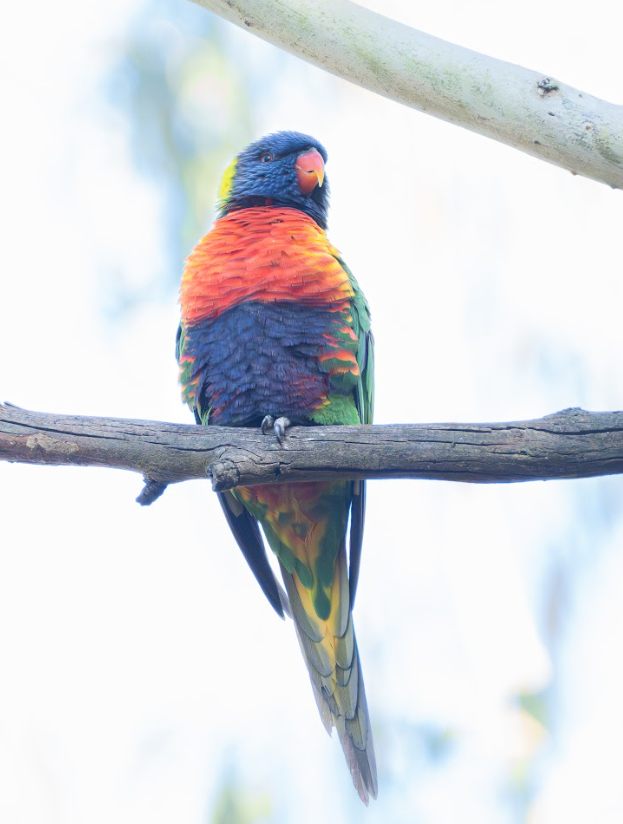
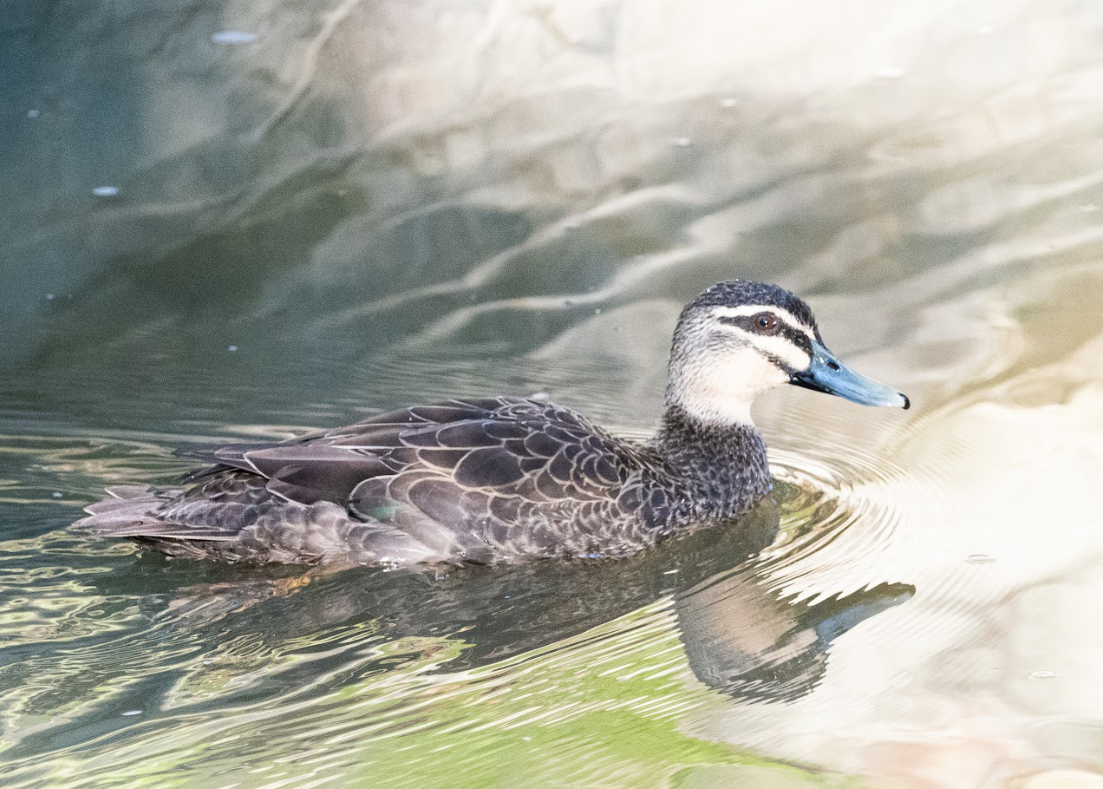
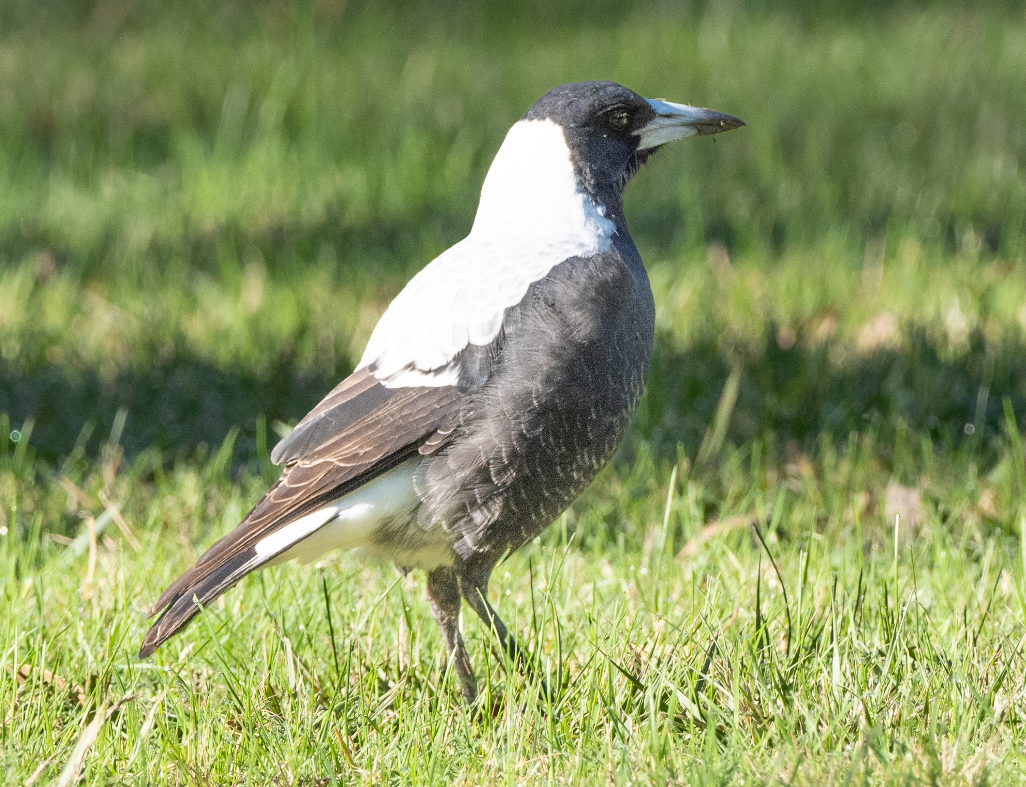
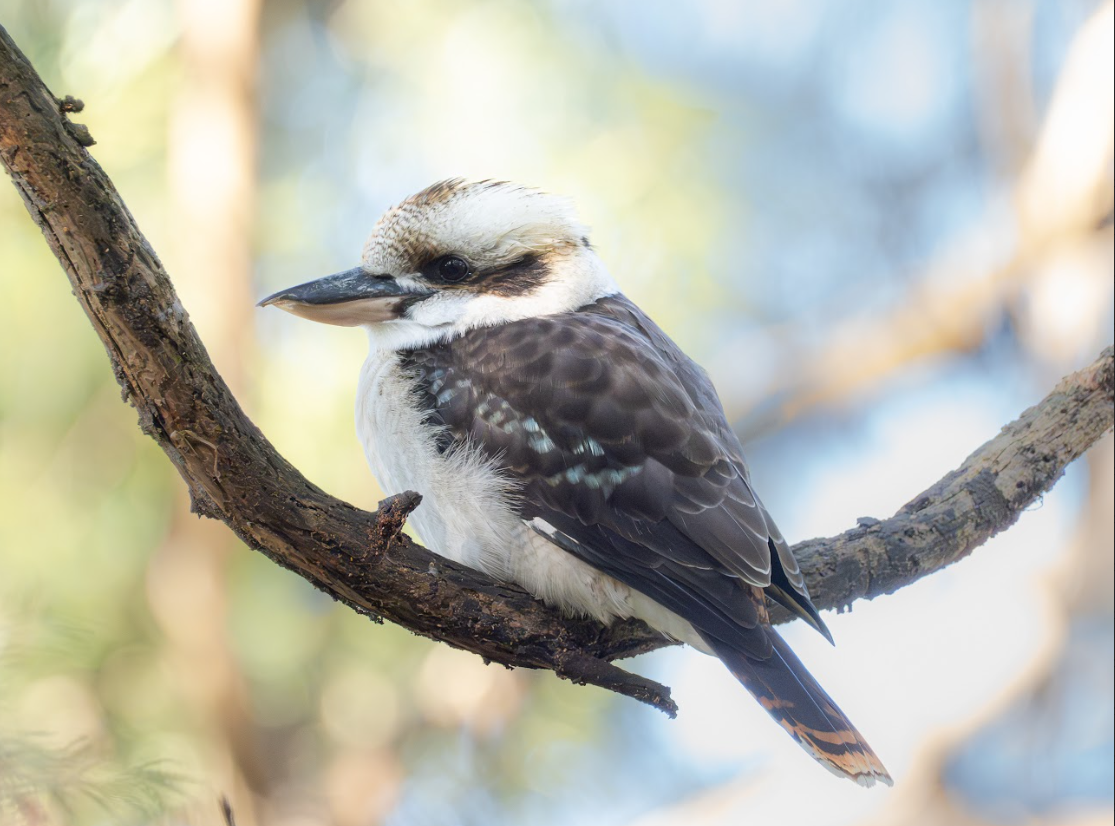
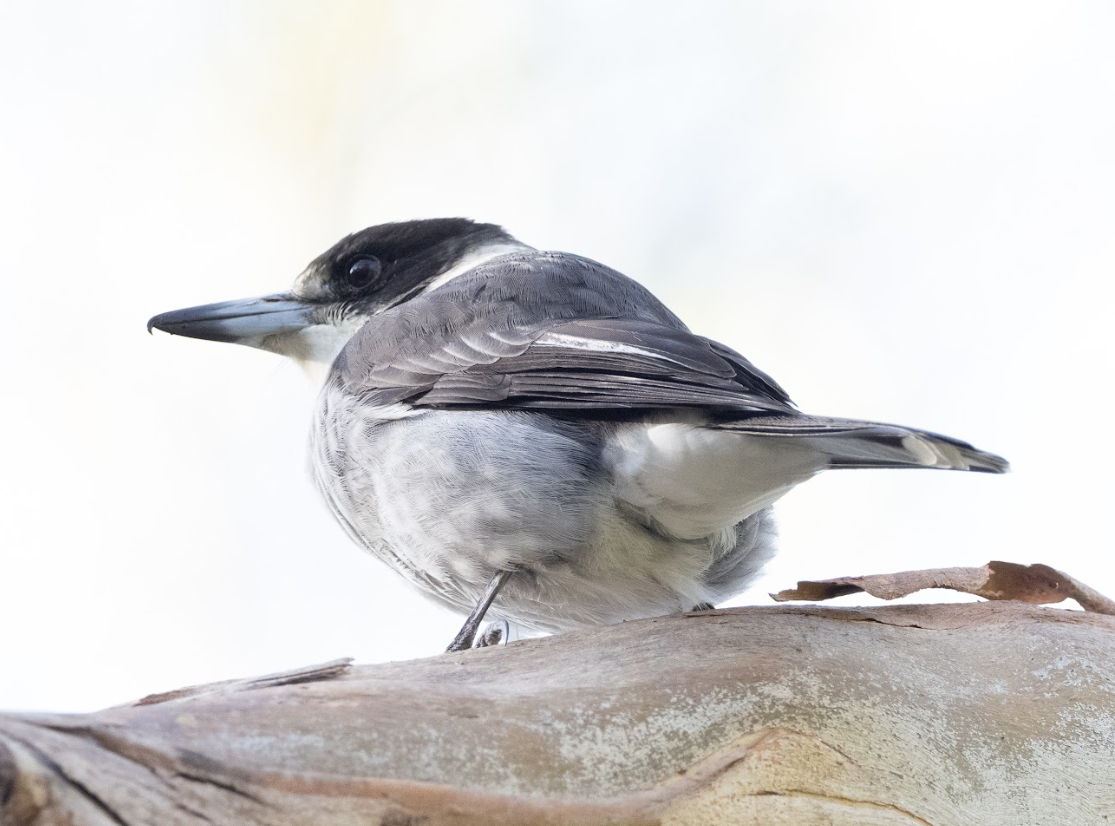
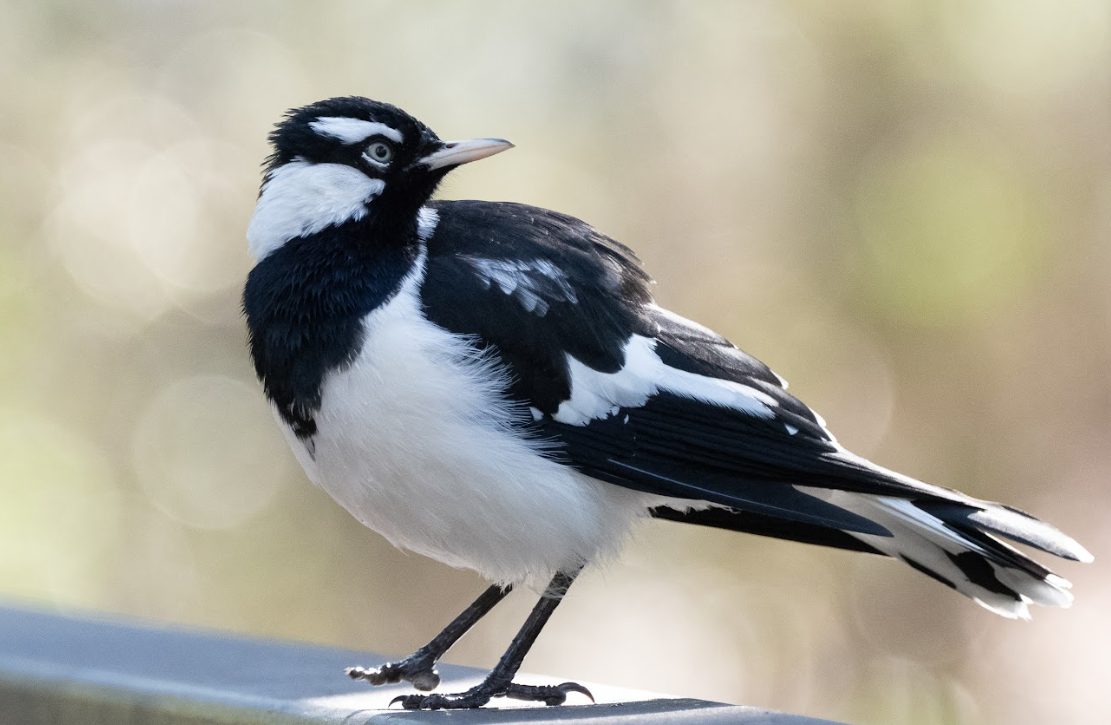
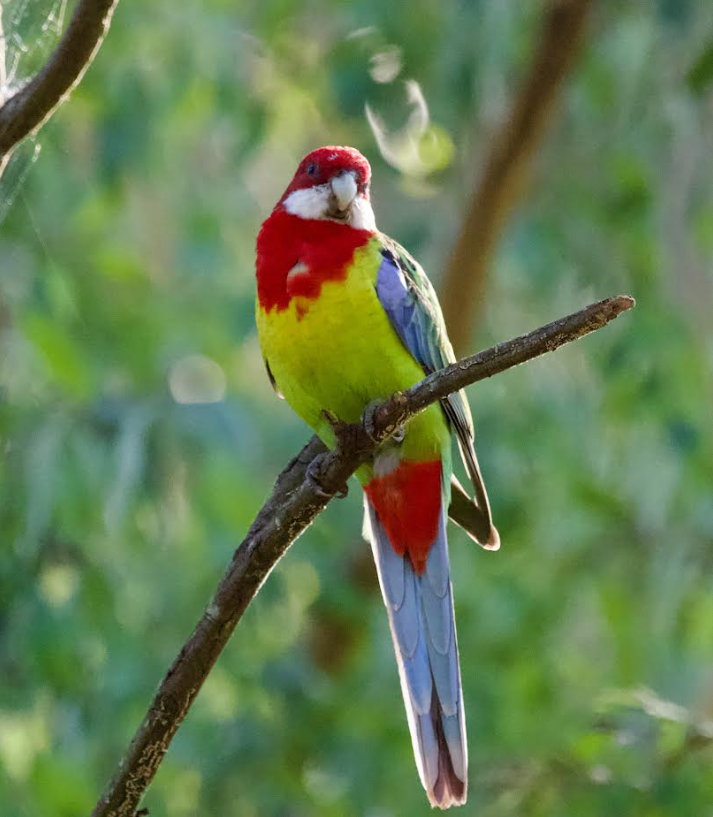
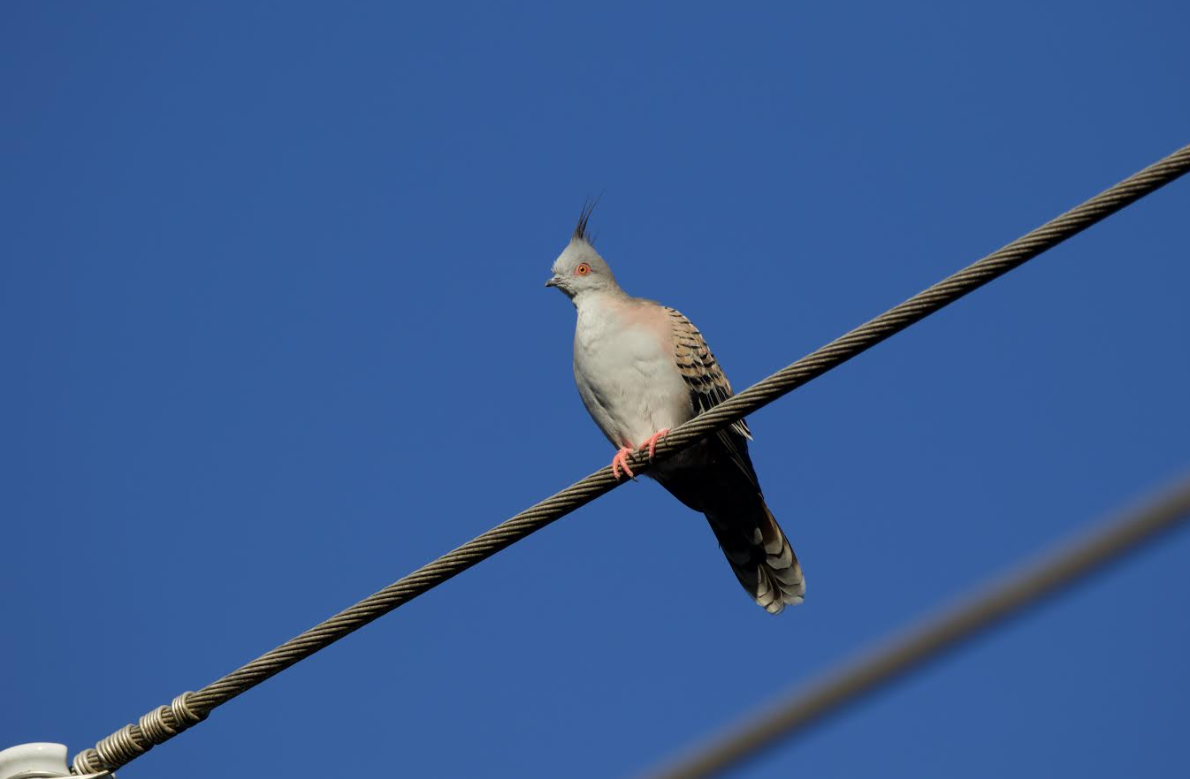
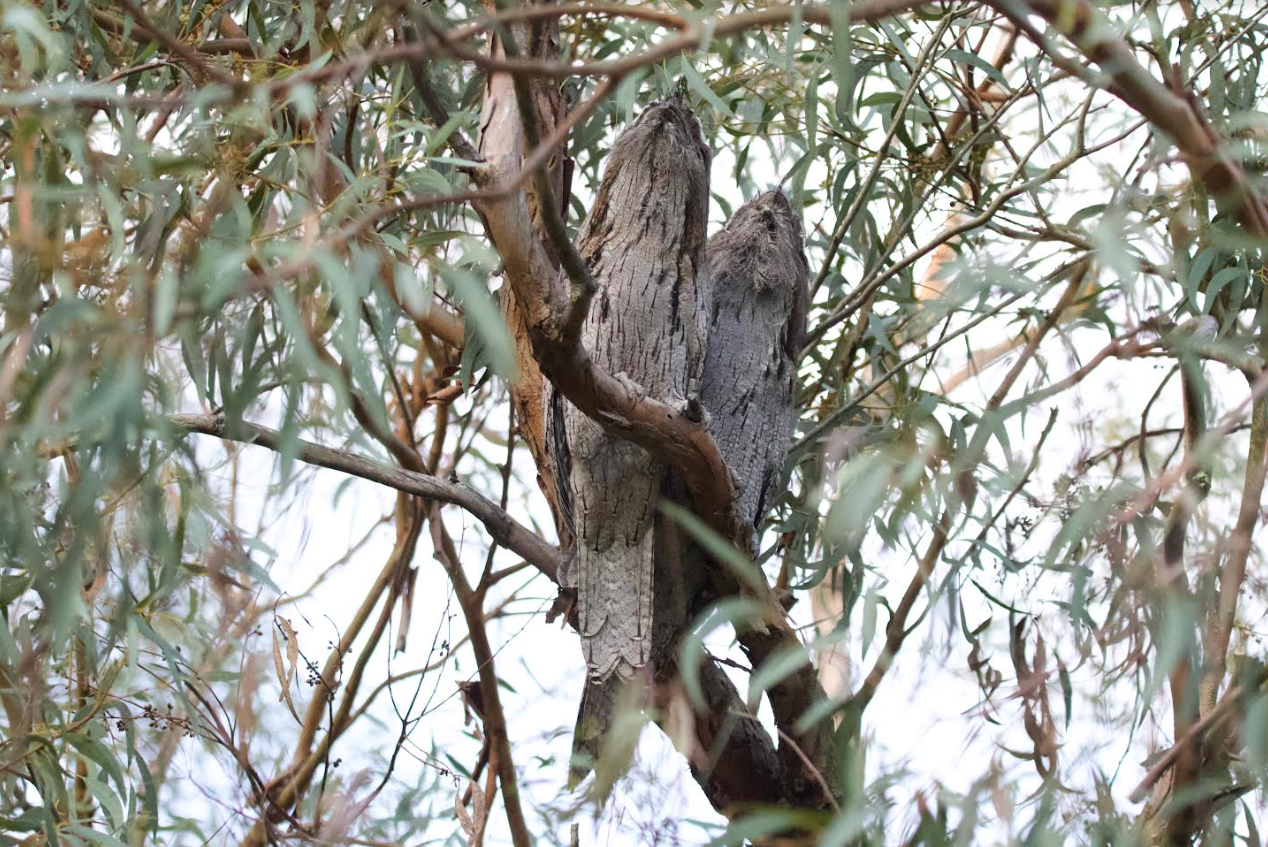
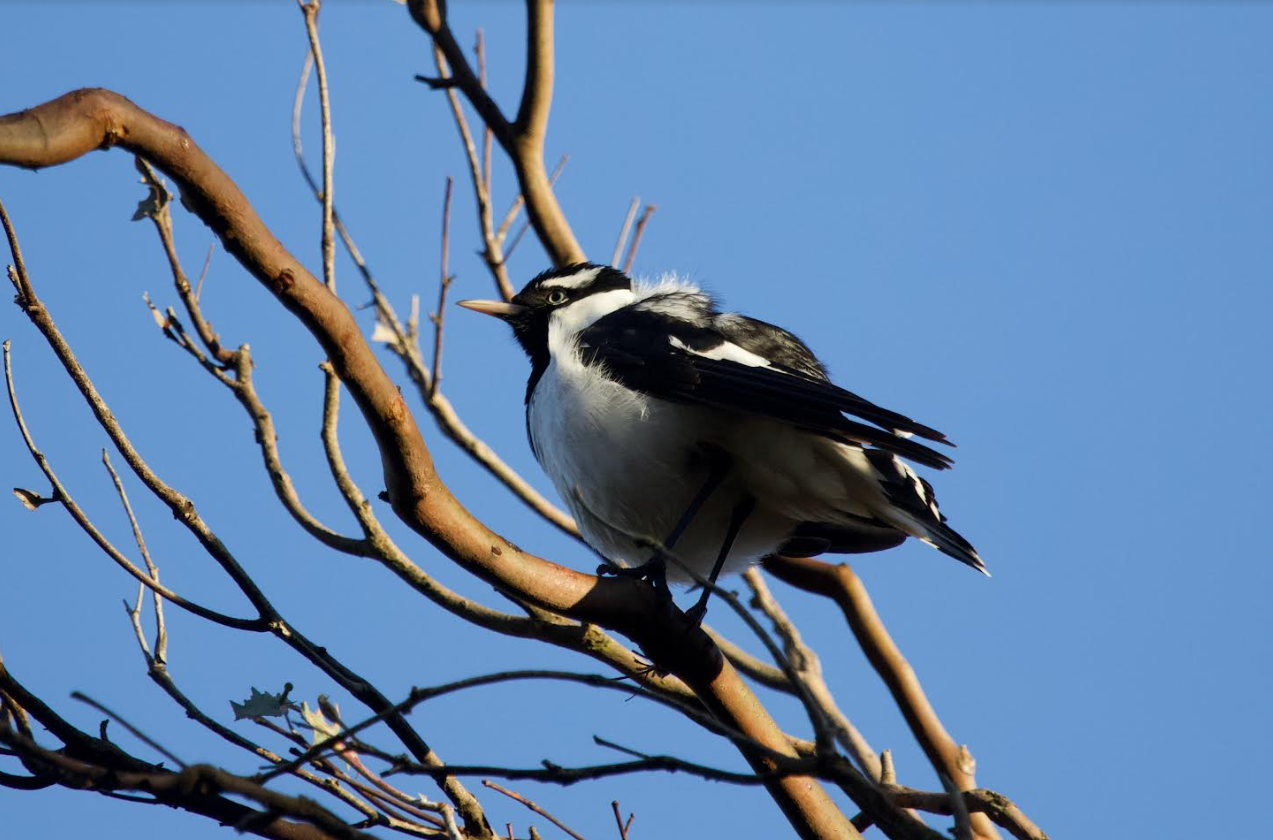
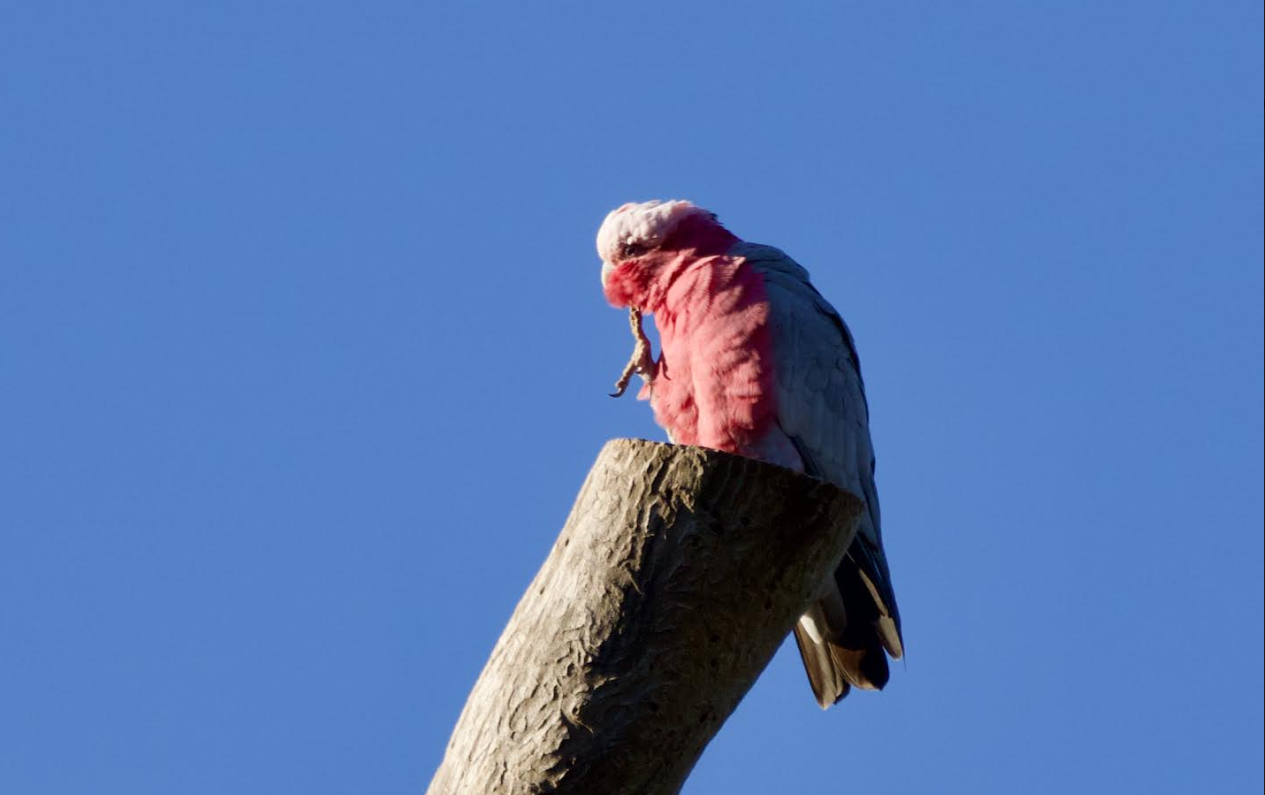
Click on a photo to expand, scroll via > and <, click on the X when finished.
Actually, Greg went a step further and logged all of his shots with the City Nature Challenge using iNaturalist.
Our citizen scientists didn’t see the following species we usually see in Autumn: the Common Myna, Welcome Swallow, Little Pied Cormorant, Grey Fantail and Little Corella.
It would be great news if the invasive Common Myna has been eliminated from the park. They have had a small foothold in Blacks Walk since we began our walks in 2012. The seasonal Grey Fantail has been seen this month (see Other Creeklands Sightings below) as have the other “missing” species. A Little Pied Cormorant was snapped hunting in the pond at the Laurel Grove bridge the very next morning:
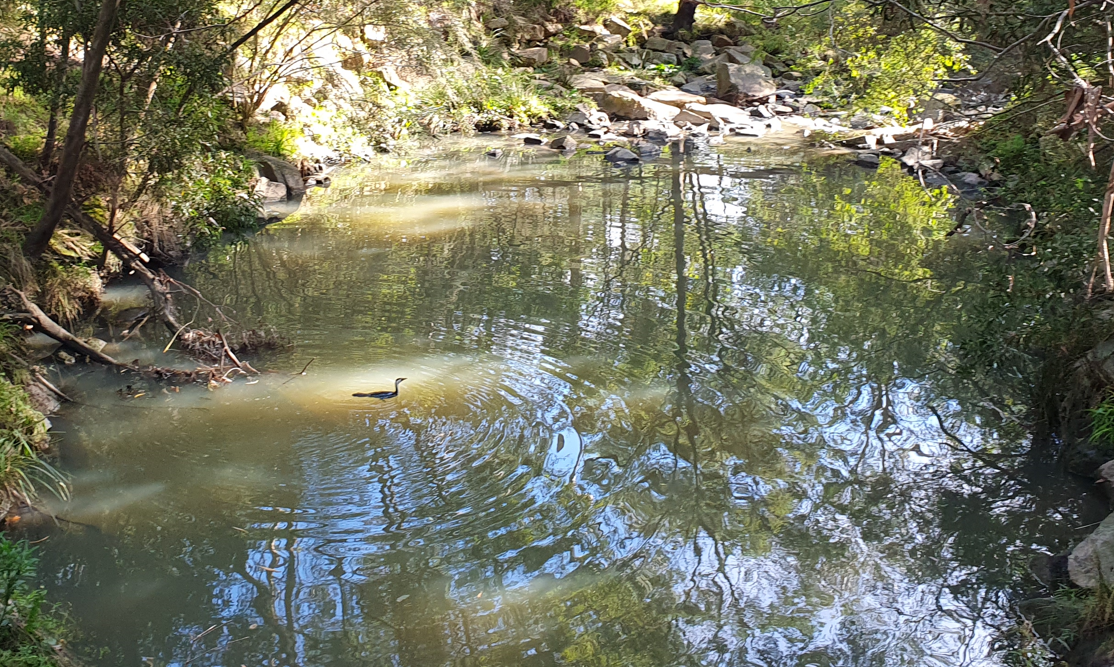
The Welcome Swallow and Little Corella are commonly seen too. So we are not concerned that any of the “missing” species have left permanently.
Thanks
We thank all our participants for their contributions and making the morning such a success. We especially thank our group leaders Pat and Ian for their time, enthusiasm, expertise and passing what they could on to us mere mortals. We also thank the Scouts for providing the venue and our Committee people Megan, Graeme (with Jen) and Anthea for coordinating, setting up the venue and providing morning tea to our hungry scientists.
SRLA Box Hill – potential impacts on our park
The State Government’s Suburban Rail Loop East project has revised plans for Box Hill and the precincts around other SRL railway stations in the project’s first stage.
Readers may remember our January article in which we reported that an artist’s “indicative only” impressions suggested towers of about 20 storeys in the significant change areas, 12 storeys in higher-change areas and triple-storey flats in medium-change areas. The map below shows things have become more concrete and bigger at that – the central core precinct can now host up to 40 storey buildings with 15, 7, 6 and 4 storeys allowed away from the inner precinct.
How tall is 40 storeys ? – currently, the tallest building in the Box Hill skyline is 36 storeys (although a 51 storey building has been approved by the Planning Minister!).
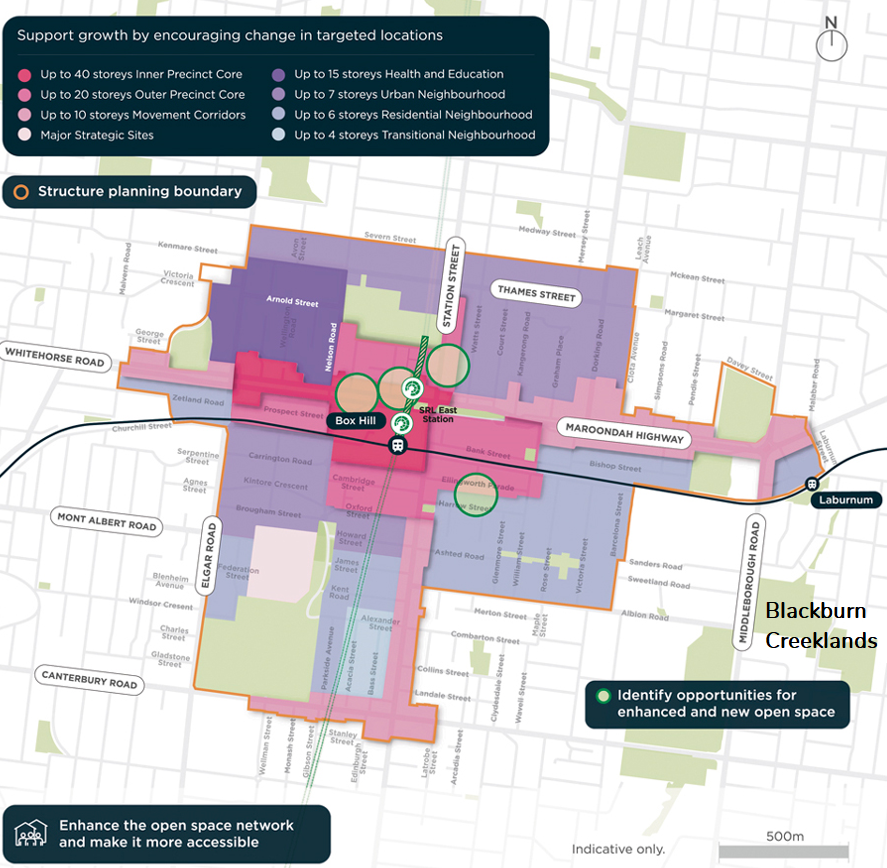
Click on a map to expand.
In a recent interview on ABC radio Melbourne (listen to this progam at about the 47 minute mark), Whitehorse Mayor Denise Massoud voiced concerns about the infrastructure needed to support the planned higher population density – specifically in relation to Open Space. She says that the current ratio will shrink from today’s 30 square metres per person to only 5m2/person. She also noted that “pocket parks” are ineffective solutions for the problem given they are prone to over-shadowing and wind-tunnel effects as well as their being very limited per se. There was no discussion on schools, road improvements, parking and so forth.
Although there are many challenges, Mayor Massoud would like to see the only suitably-sized site in the precinct provide Open Space for the precinct. This is the former Federation Brickworks – currently designated an SRLA “Major Strategic Site” (shown on the map in pale pink near the Mont Albert/Elgar Roads intersection).
However it plays out, significant increases in the use of the nearby Blackburn Creeklands seem inevitable – which will create management and maintenance challenges. We are reminded of the “over-loving” of our park during the lock-downs…
Thursday Team
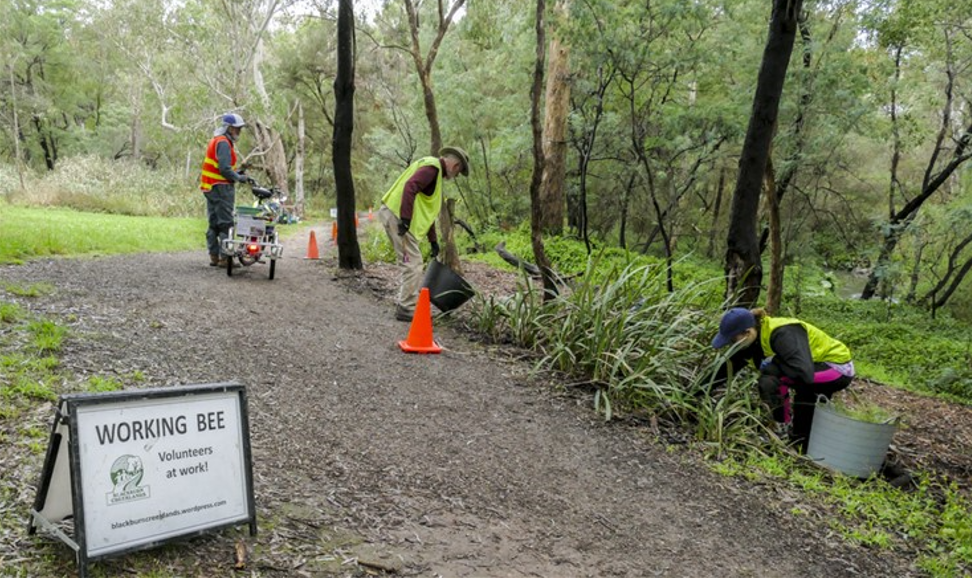
Excepting for Anzac Day, our Thursday team has been hard at work in Kalang Park (below Waratah Crescent), in Kalang Park east of the noticeboard and adjacent the car park near the Bowls Club and also to the north of the Blacks Walk bridge.
The team has been dismayed by how quickly a green fuzz of weed germinants has appeared after all the rain – even at their recent work sites!
Council Works
New Seats
Quite a number of seats in the park have been replaced recently. The seats (or their timber) seems to be recycled.
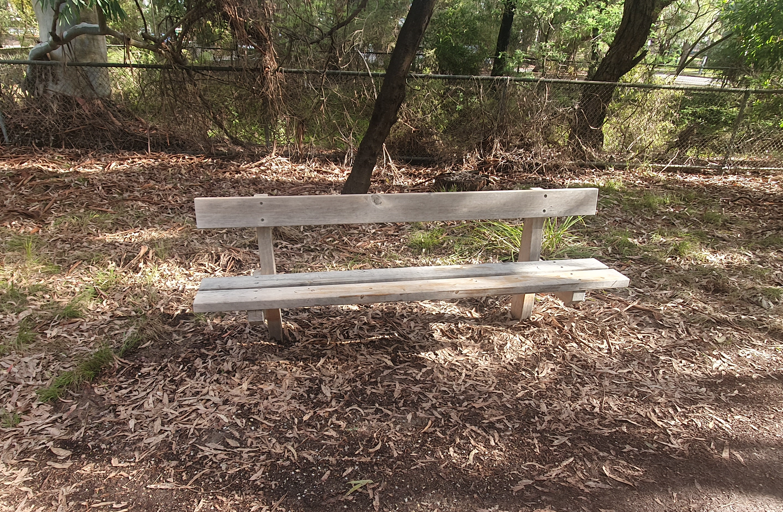
Council has replaced several of the older “sleeper” type seats in the park with the newer type of seat. These have backrests and are set a bit higher – which make them more suitable for older people who need accessible seating. We now have only three of the old sleeper seats left (two in Furness Park and one in Kalang Park at The Billabong).
Asbestos Find

Asbestos finds in western suburb playgrounds’ mulch grabbed the news earlier in the month.
The EPA described the discovery of building rubble in the parks as alarming, but said the asbestos chunks were only dangerous if broken down into dust (one would have thought a mulch chipper would do some of that!).
Asbestos pollution is something our weeders routinely look for when working in the park. One of our weeders, Andy, found what appeared to be a single small piece of asbestos-cement sheet late last month as the team was finishing up at one site. Our process is to report such finds to Council and fence off the site if necessary. Its specialist contractor came to investigate and found one other piece only. They appeared to be old building off-cuts – possibly in fill used when the creek was redirected. The material hasn’t been used in construction since about 1990.
We accept Council’s assurances that our mulch is only sourced from Whitehorse parks and gardens which would make asbestos contamination unlikely.
Community Working Bee bed mulching
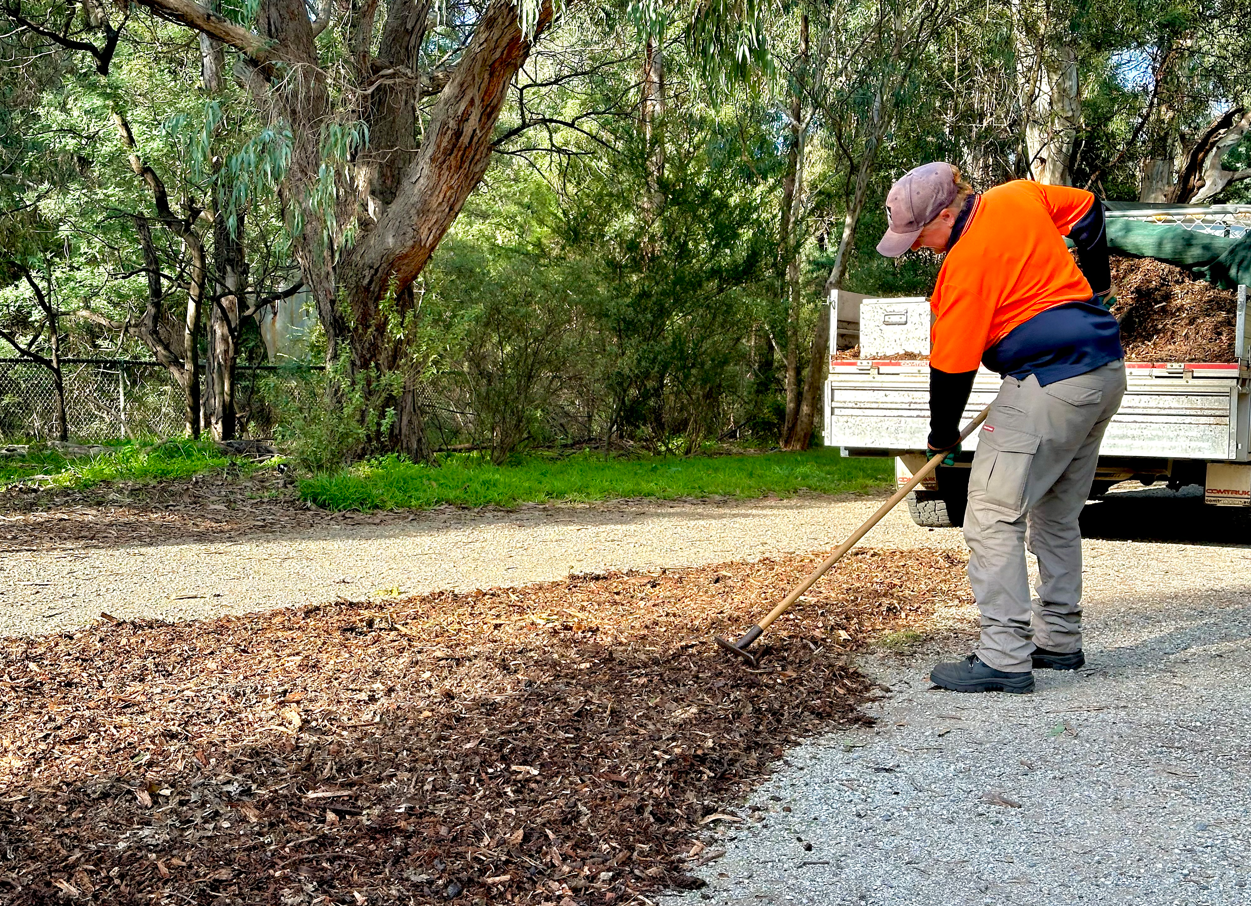
Council has recently topped up the mulch in beds planned for community working bees coming up soon. This year’s dates are:
- 2 June – World Environment Day – north of Laurel Grove bridge.
- 7 July – NAIDOC Week.
- 28 July – National Tree Day.
- 1 September – Wattle Day.
Other Creeklands Sightings
We have had reliable reports of sightings of the Pink Robin Petroica rodinogaster. It has been seen by at least two of our expert birdos – but not photographed as yet. The species has not been seen for at least a decade in the park.
Ken did snap this bird in mid April which seems to have a pinkish tinge:
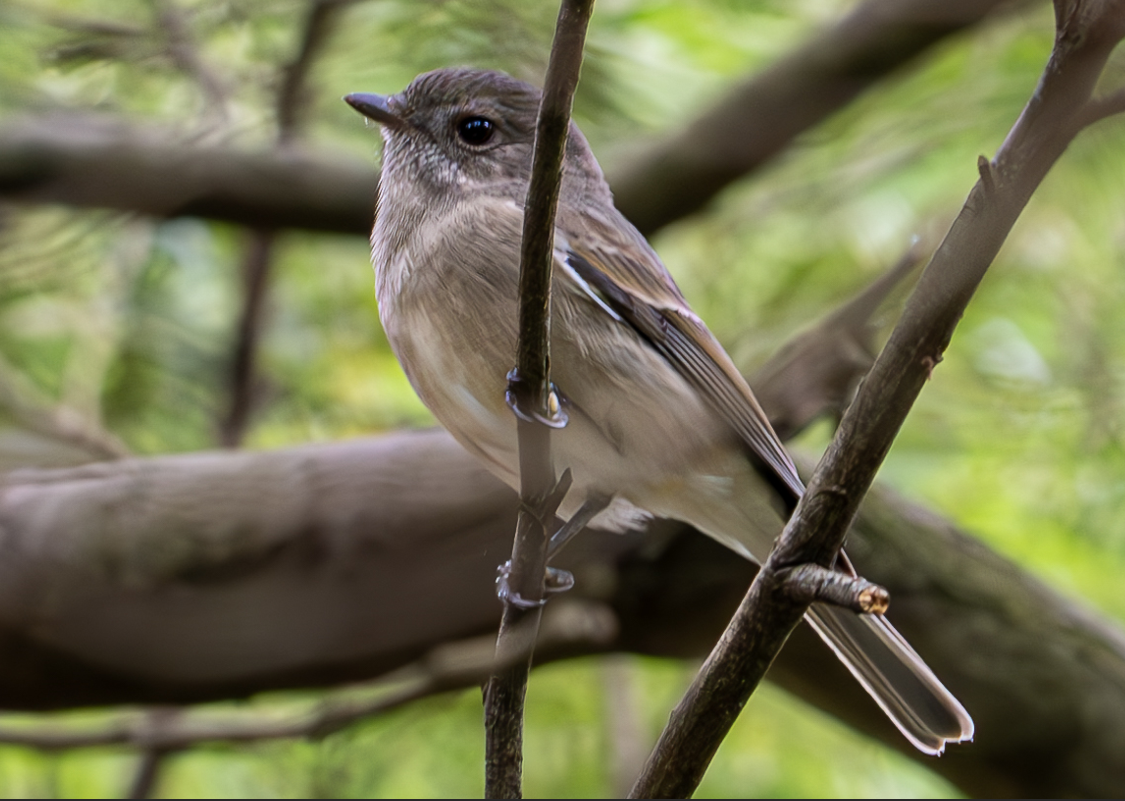
This is a juvenile / female Golden Whistler!
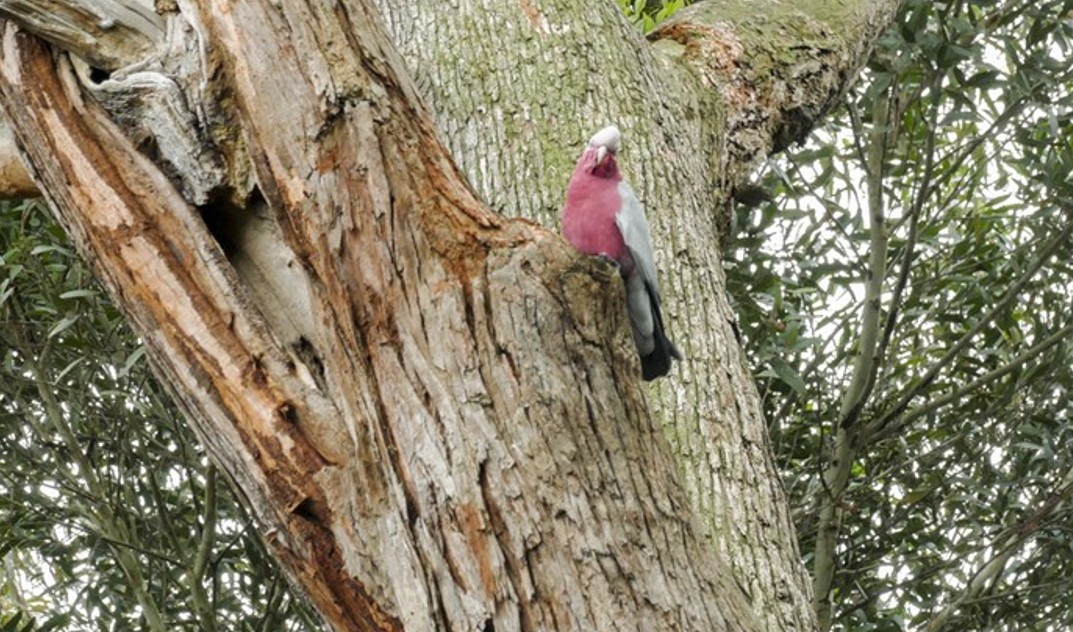
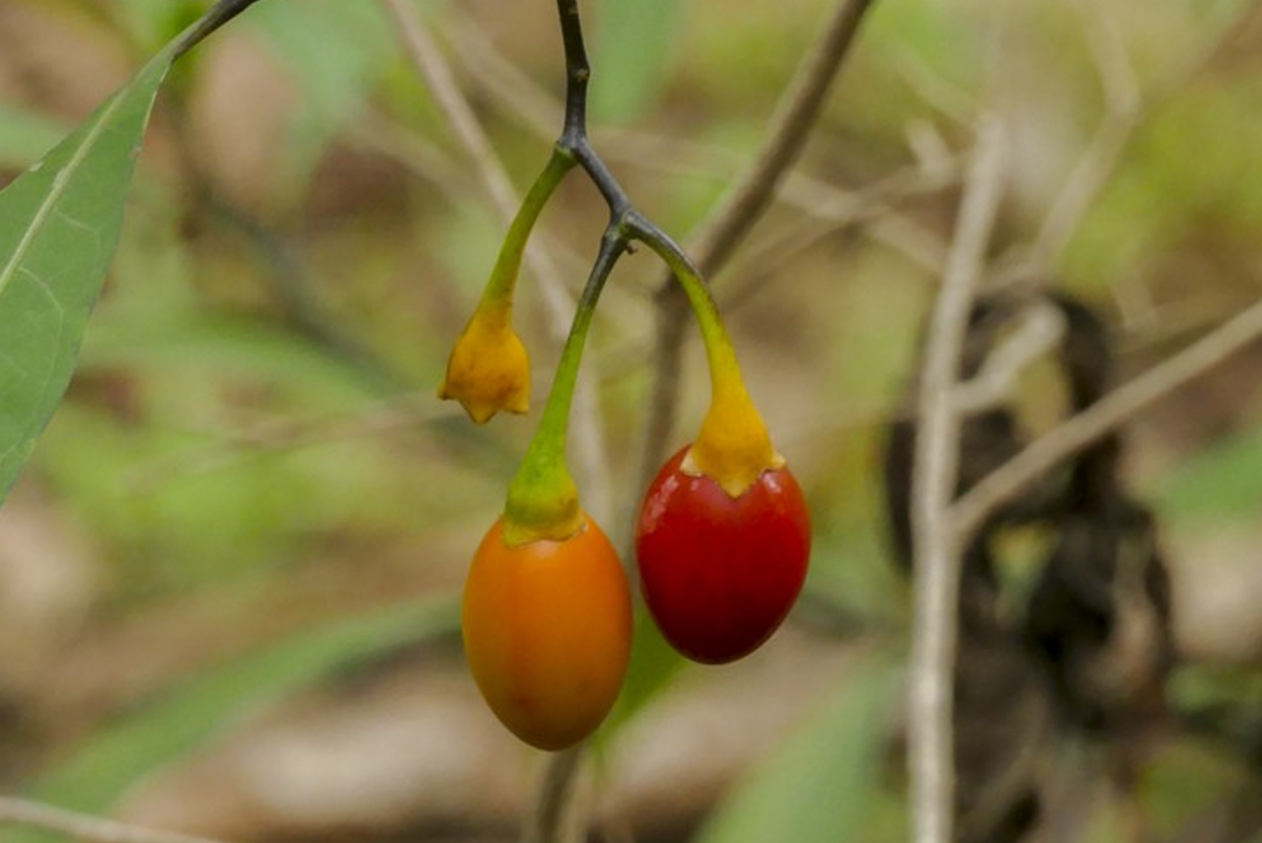
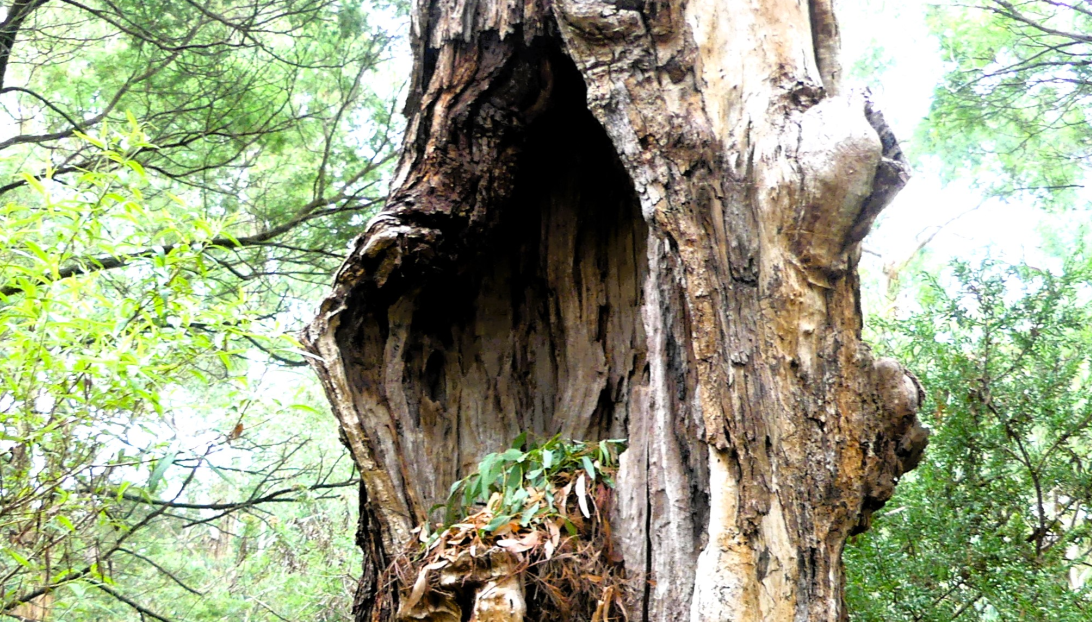
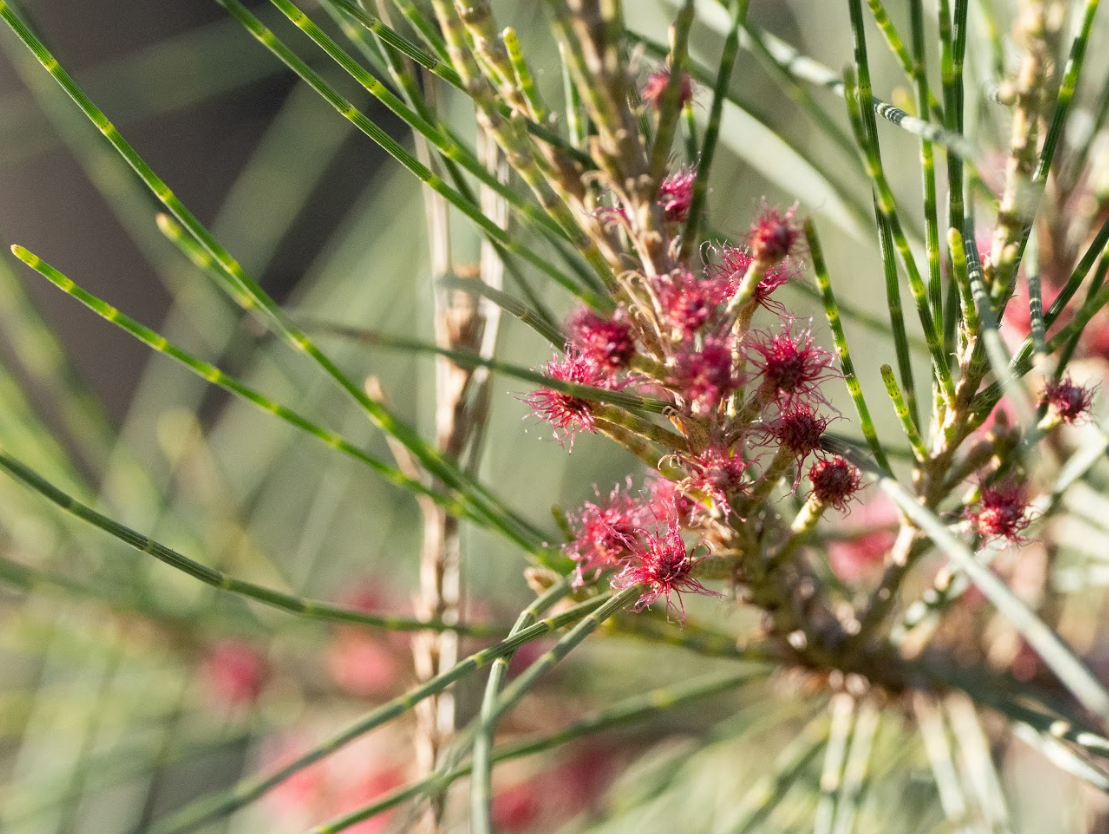
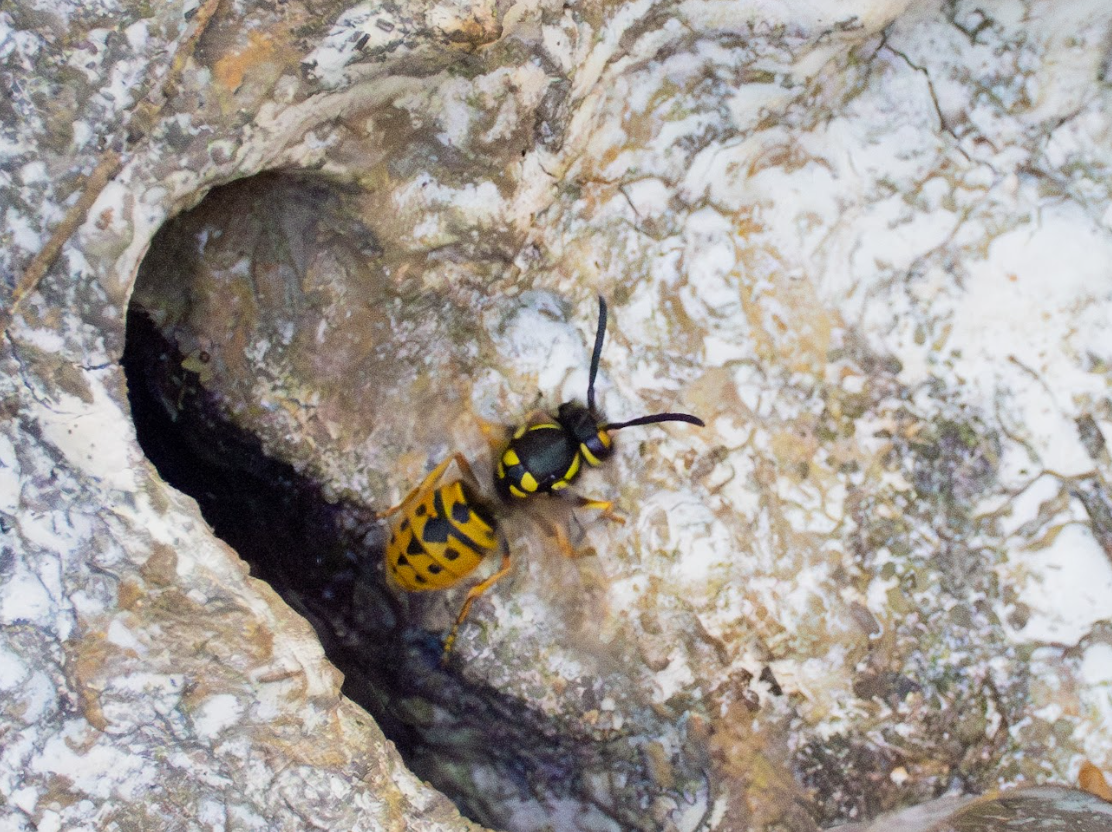
Other sightings during the month include more birdlife, night shots of possums, interesting flora and some wasps – the interesting grass carrying Isodontia sp wasp and the pest European Wasp:
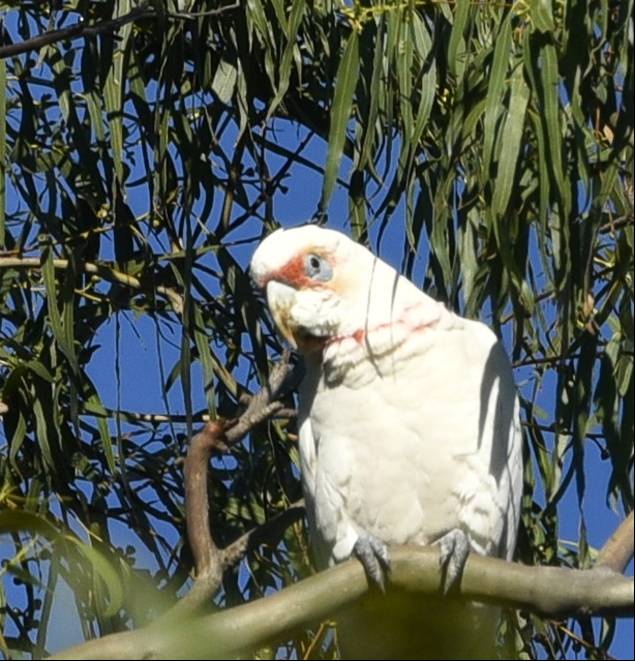
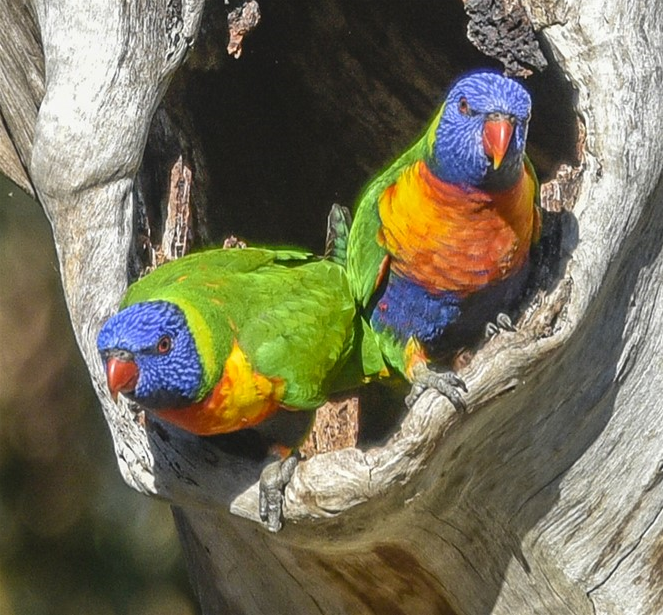
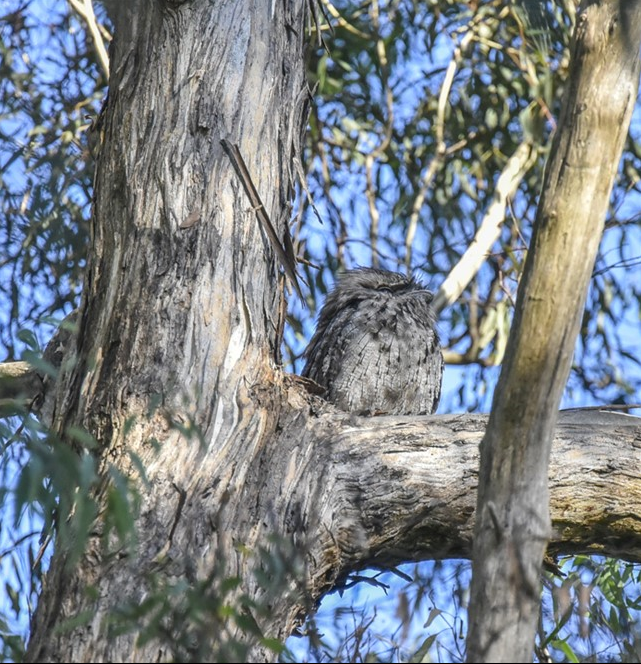
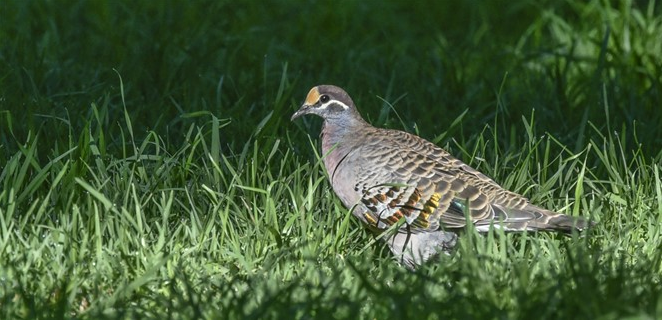
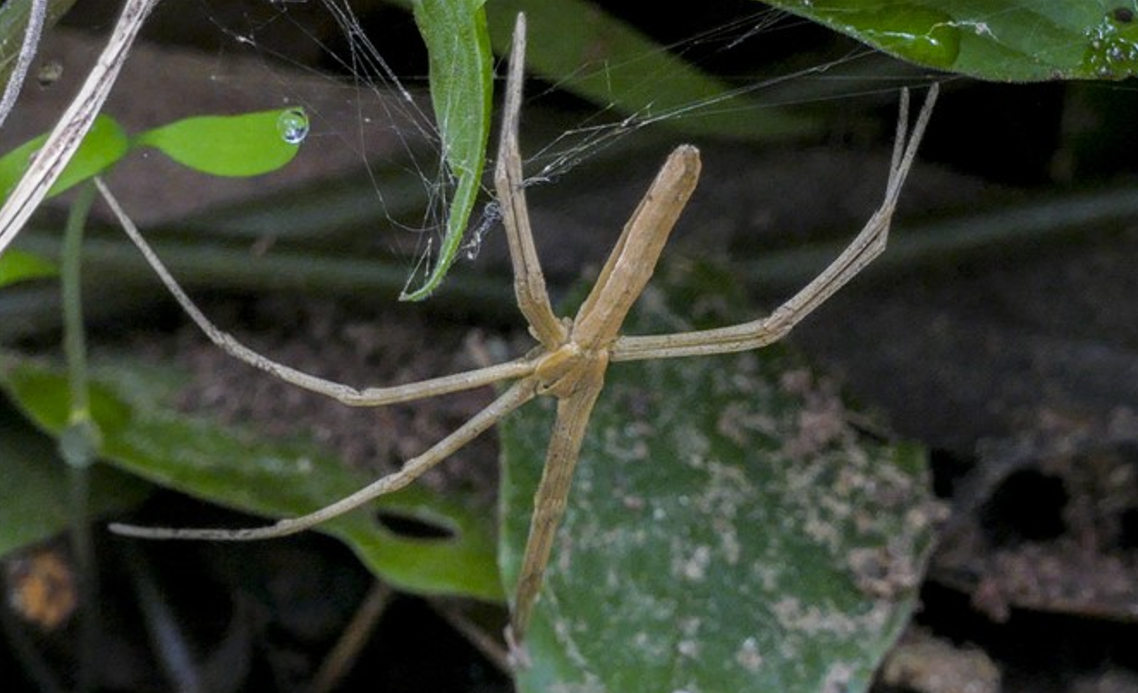
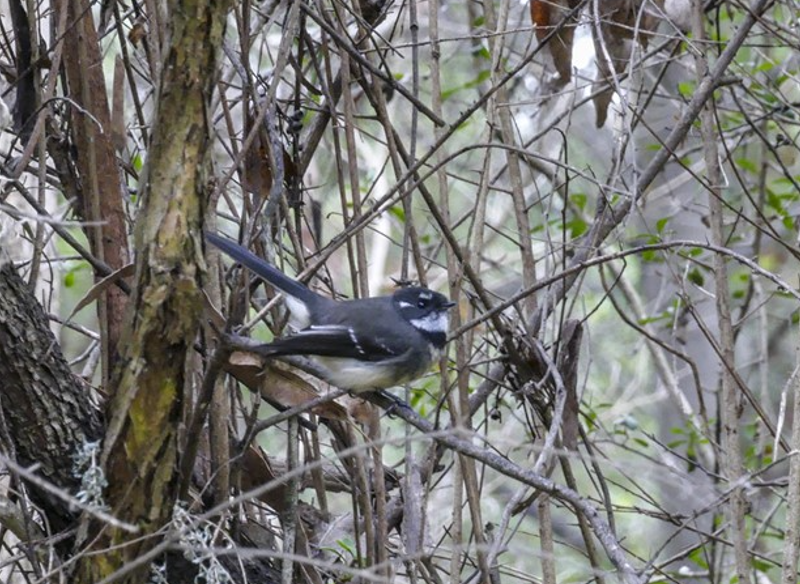
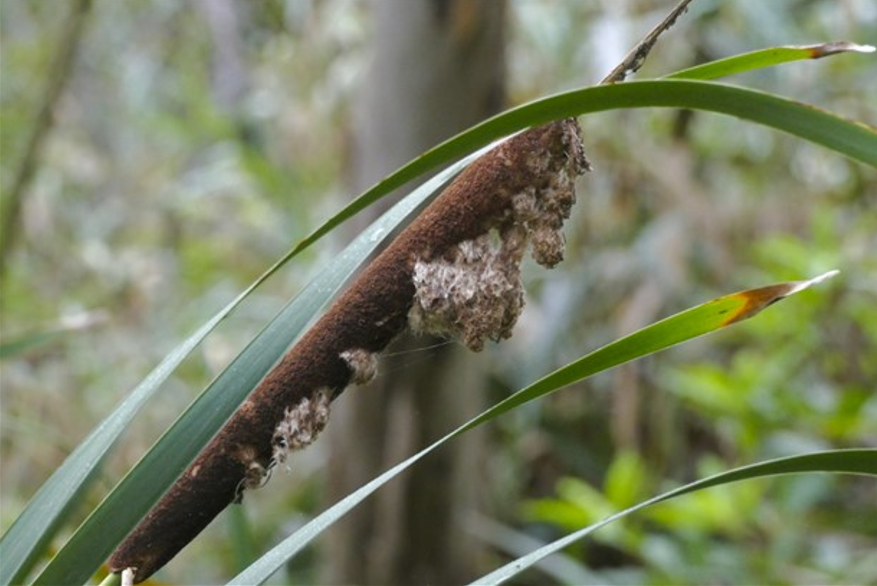
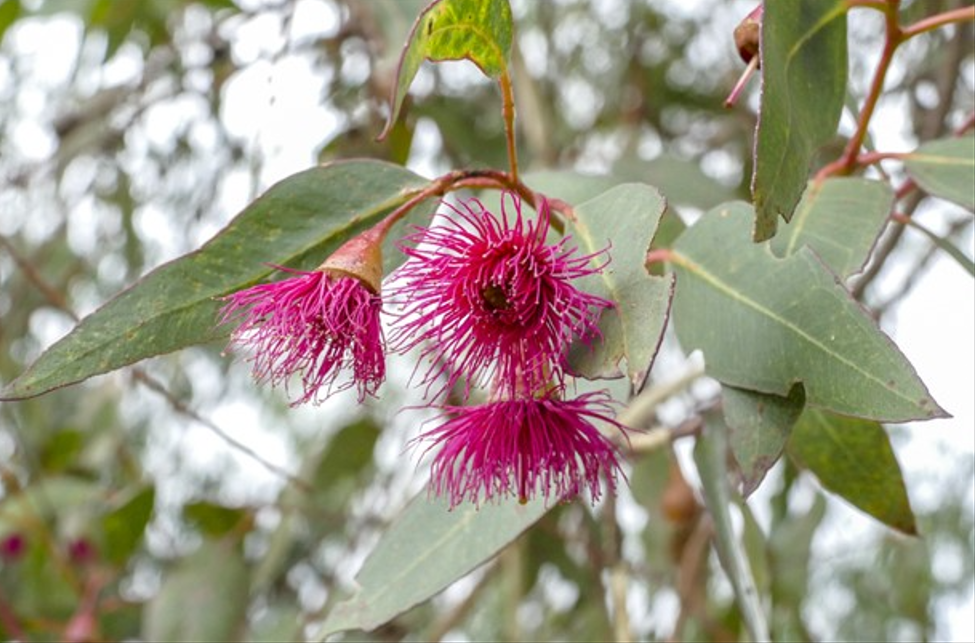
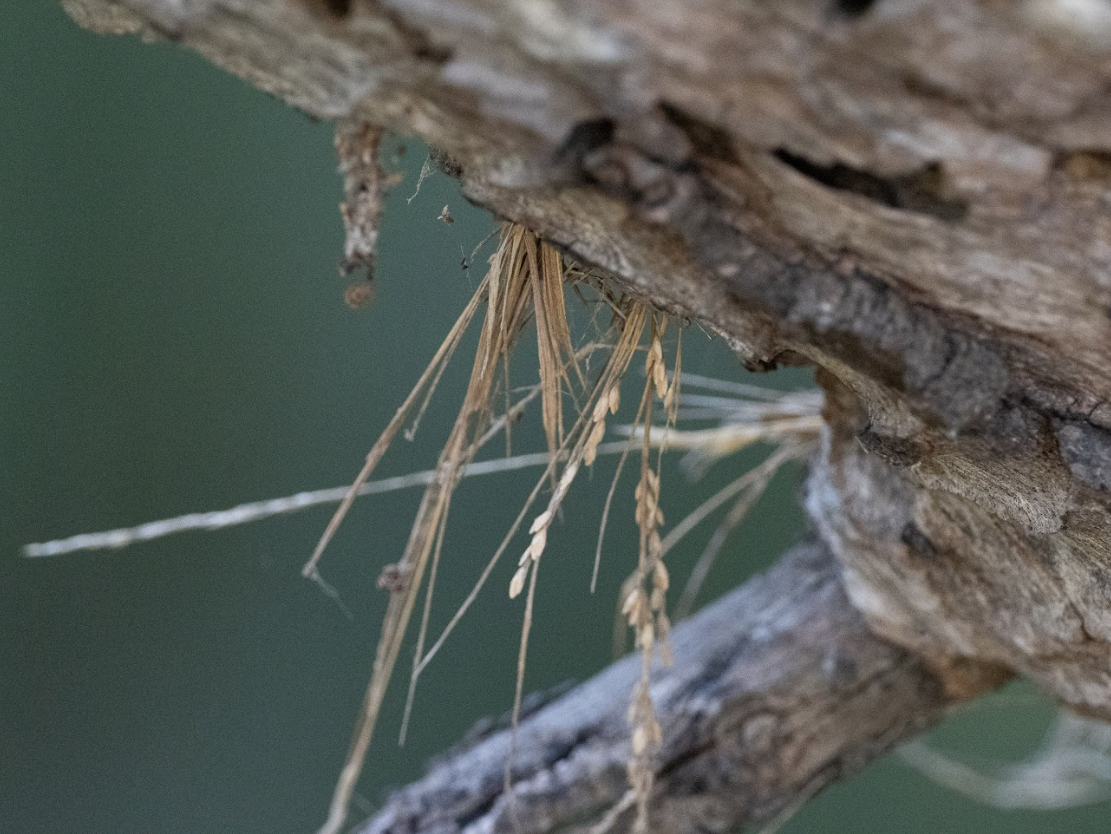
Click on a photo to expand, scroll via > and <, click on the X when finished.
European Wasps
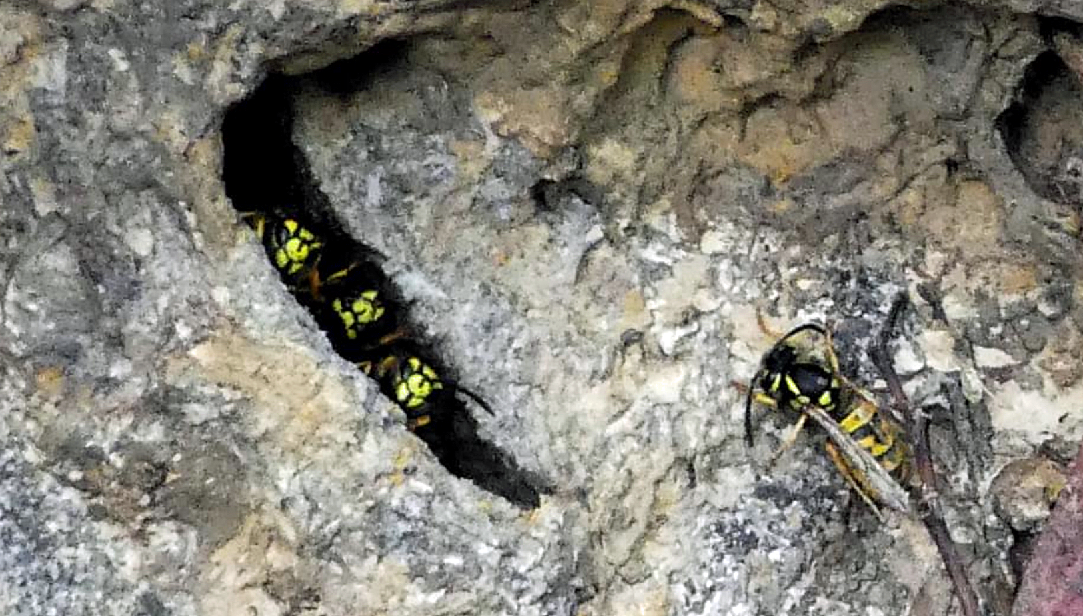
A young participant in a recent bird survey noticed an unusually situated insect nest – in a crack in the concrete abutment to the outlet of Blackburn Creek. Russell’s close-up photo (from a respectable distance) revealed the ferals to be European Wasps:
The youngster sketched the location of the pest from memory for reporting to the authorities:
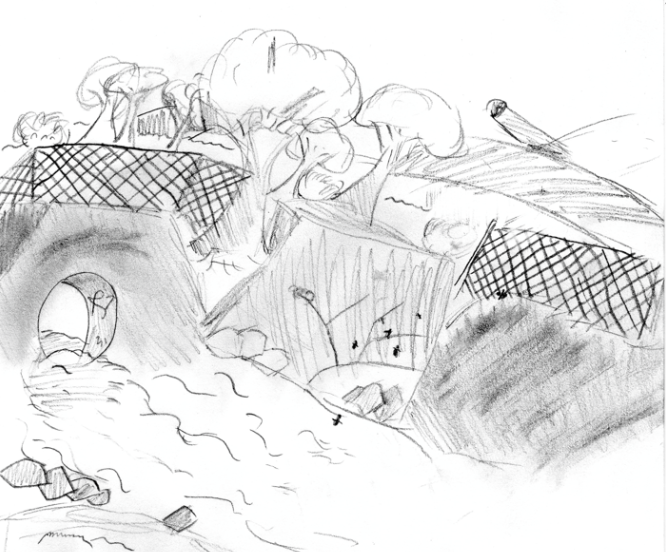
He admitted having trouble remembering where the vegetation was due to his focus on the insects – which were initially thought to be feral honey bees. In any event, it is clear where they were and the authorities have been notified.
Key features of European wasps:
- Similar in size to a honey bee though a little larger.
- More yellow on the body, and a brighter yellow at that – plus yellow legs.
- Two long black antennae, much larger than a bee’s.
- Wings folded in when at rest.
The European Wasp was first sighted in Melbourne in 1977 and within 5 years it colonised much of the greater Melbourne area. It is a scavenging insect that coexists with us to share our food and crops – particularly the sweeter varieties. In Europe, where winters are colder than ours, only the queen survives. However, in Australia (particularly in warmer parts), the entire nest can survive – resulting in nests that contain huge numbers of wasps.
Bees can only sting once and leave their stingers behind in the skin – a true Kamikaze attack, they soon die afterwards. In contrast, the European Wasp can sting repeatedly. Also, they signal other wasps to attack by emitting a scent (pheromone). Multiple stings are bad enough – but they can also trigger very dangerous allergic reactions in us.
Council’s policy is to have the wasps/bees eliminated if they are determined to be a danger to the community – eg they might be close to a path or frequently accessed public area. Being on a creekbank though, this was an issue for Melbourne Water.
If you see a European wasp, please leave it alone – it will only attack if provoked. If you see a nest in the park, report it to Council (eg via Snap-send-solve) – but please stay well away – nests will be strongly defended.
Fungi
Lots of fungi have been coming up following the soaking rains – including those “dangerous” fairy rings. Unfortunately, these also include the highly invasive Orange Pore or Orange Ping-Pong Bat (Favolaschia calocera) fungus. That fungus is believed to have originated in tropical Africa but has invaded many parts of the world including non-tropical Switzerland !
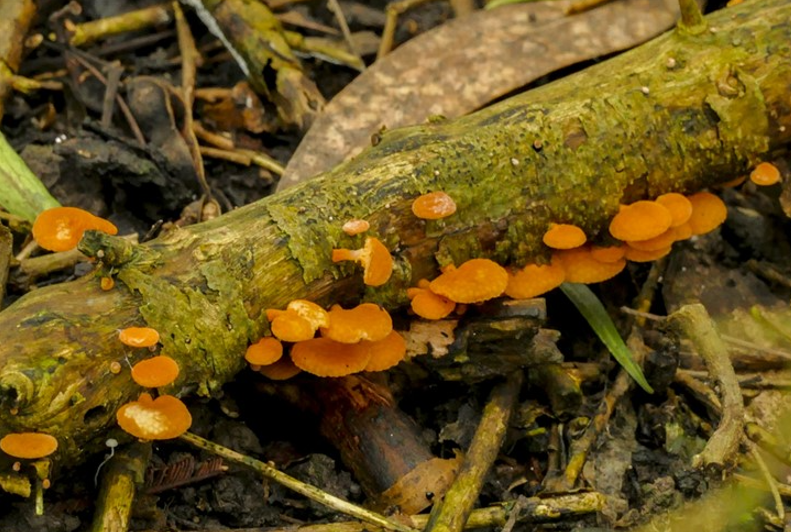
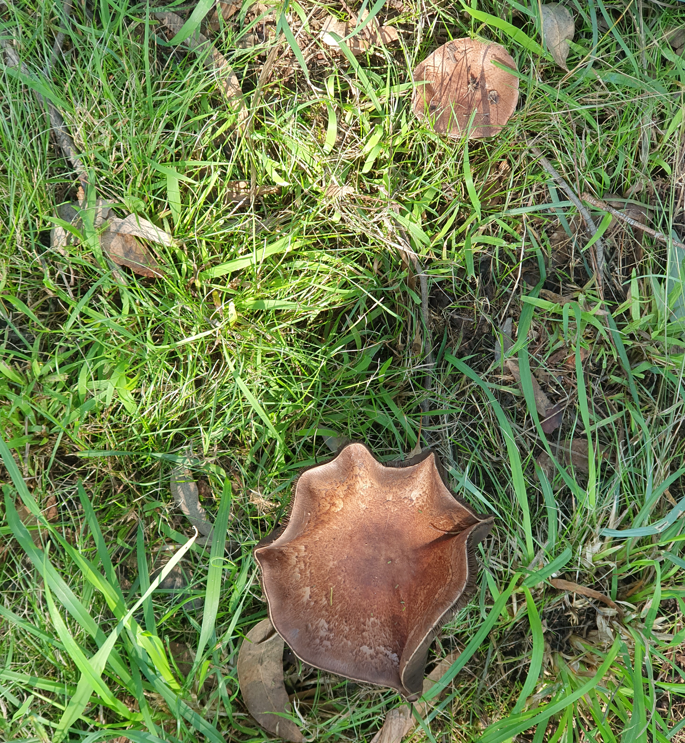
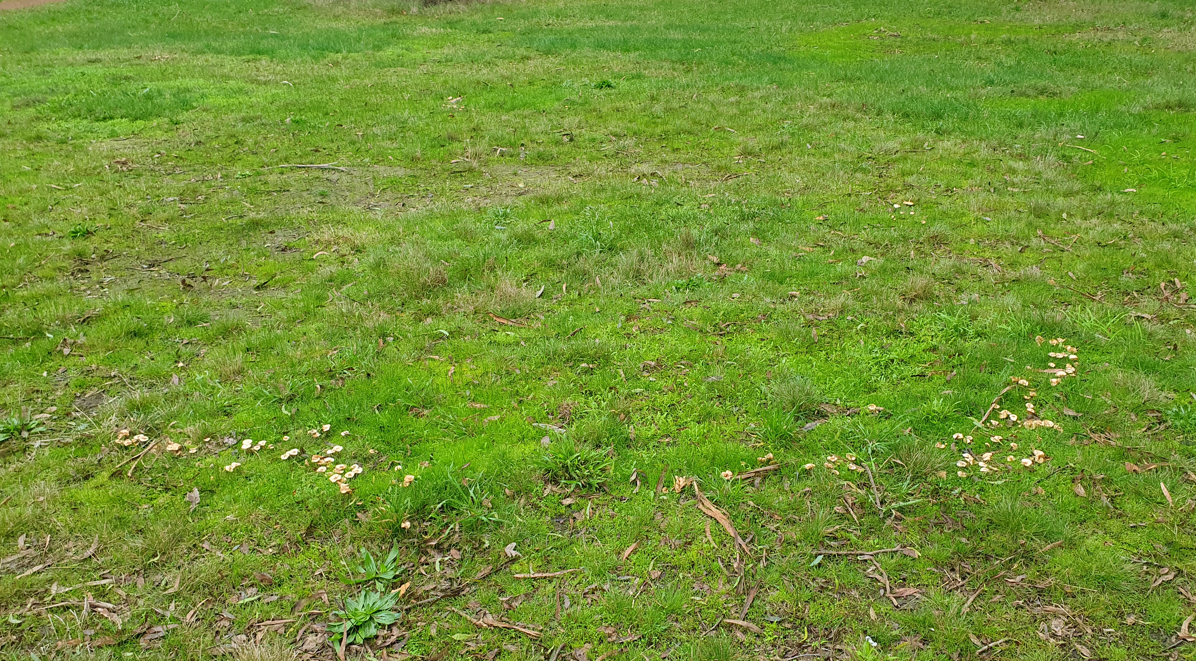
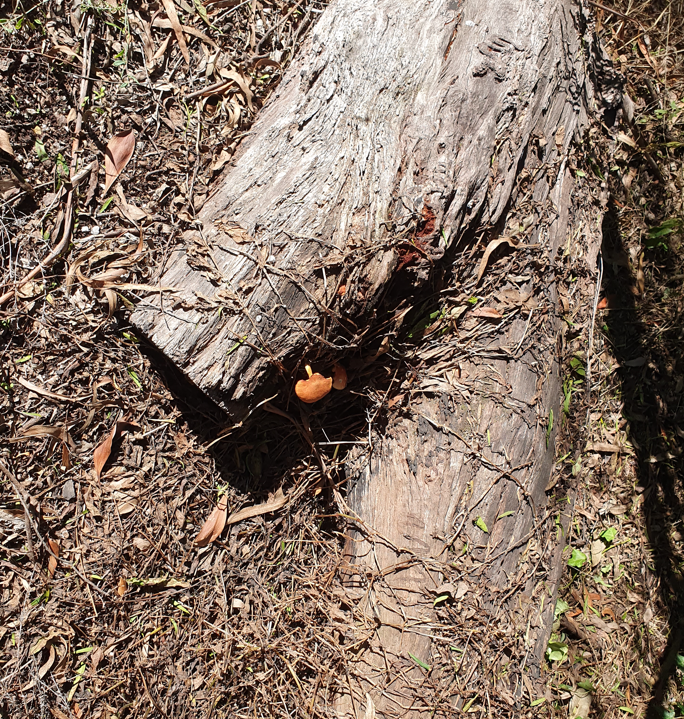
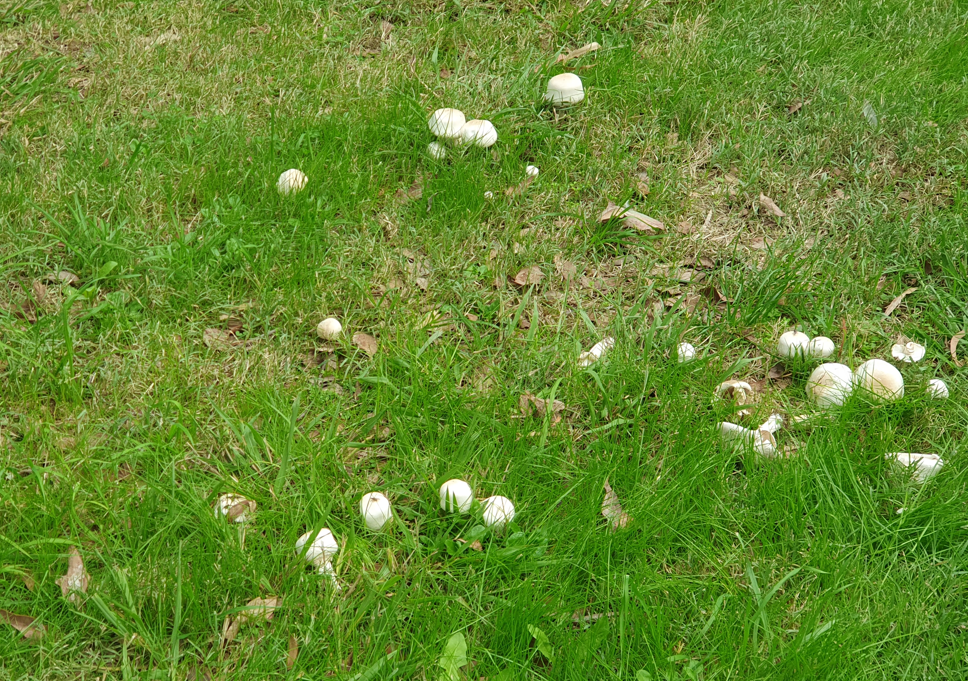
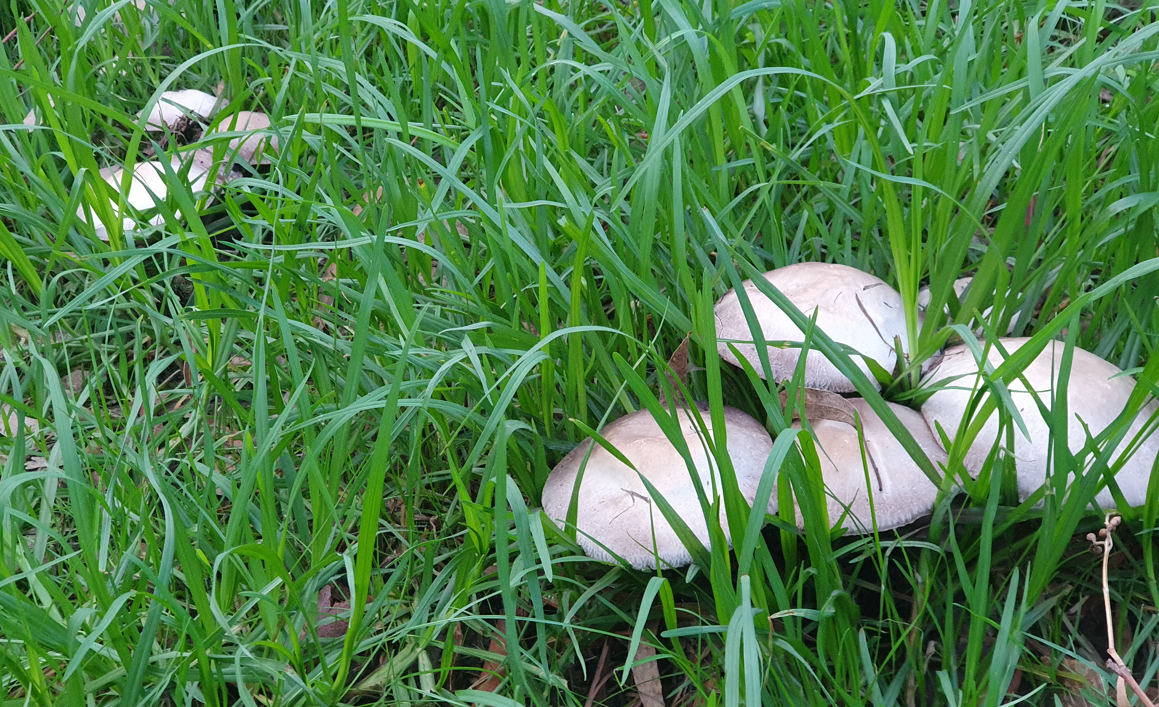
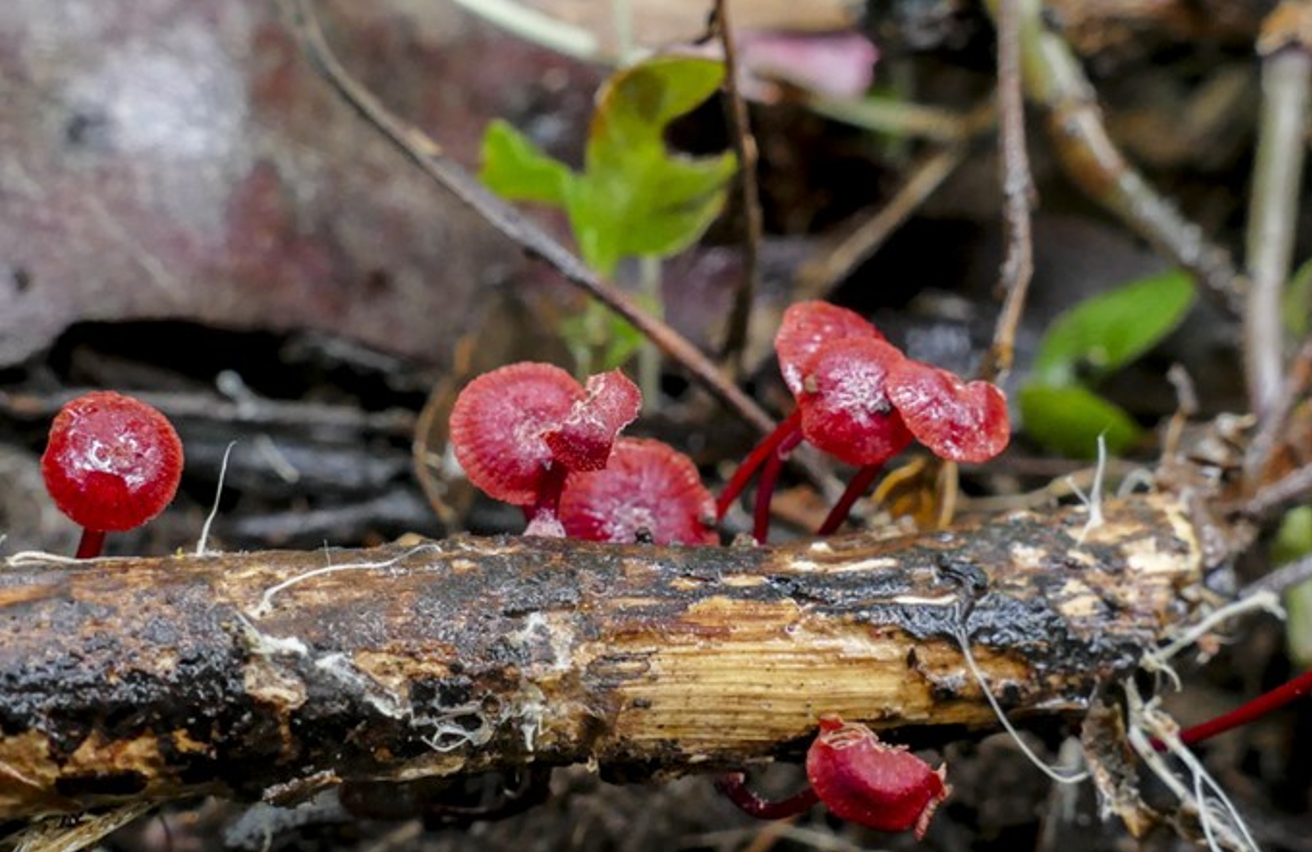
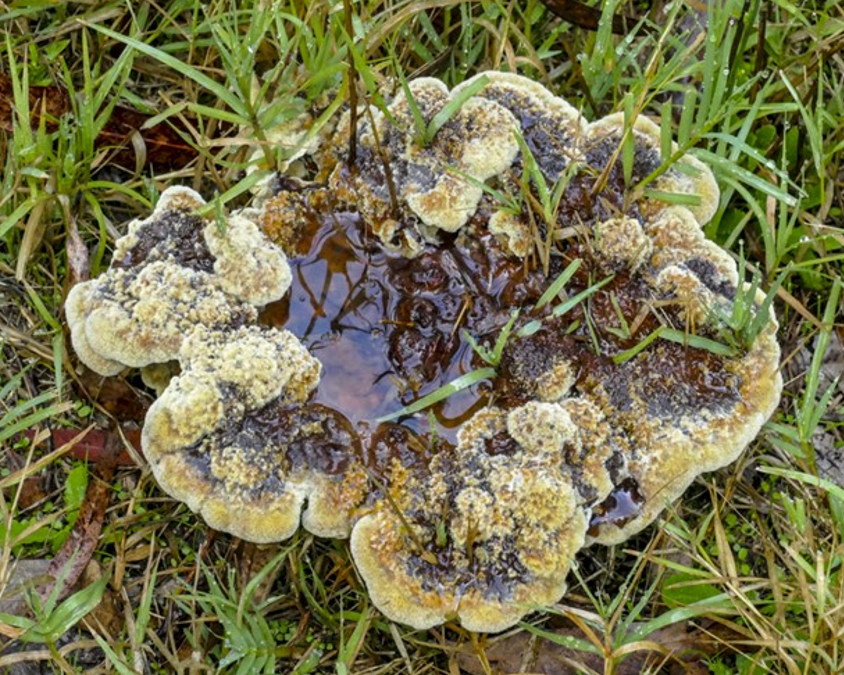
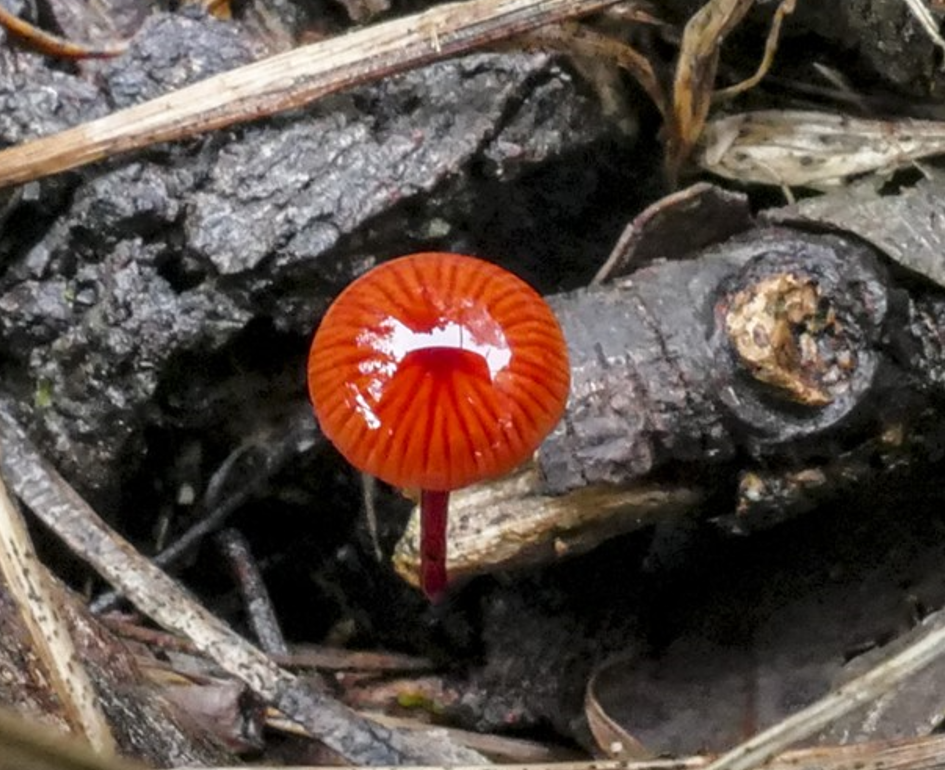
Click on a photo to expand, scroll via > and <, click on the X when finished.
Corridor Matters
Graeme, one of our local friends, reported that the Tony Slater event (27/4) at Wurundjeri Walk went very well with some very keen locals of all ages uploading their observations via the iNaturalist app. Our congratulations to the newly formed Friends of Wurundjeri Walk on the success of their function.
Birthday Party Quiz
It’s amazing how the park has changed since the early days – with lots of work done by the Committee, the community, Council, Melbourne Water and their respective contractors on improvements and maintenance.
So much so, some of the park is difficult to recognise from earlier times. We’ve made a list of ten sites which we challenge you to identify from multiple choices on a map. Correct answers will be revealed at the party and we’ll also publish them in next month’s newsletter for those who can’t make it on the day.
How to participate
- You can answer the quiz on-line from now on via the Google Form below.
- OR wait for a printed version to appear in the brochure caddy attached to the noticeboard in a week or so
- OR print your own quiz pamphlet.
- If you are using the on-line submission, your response will be e-mailed back to you. There is also a bonus super-hard photo for you to describe…
- If you are using the pamphlet, don’t forget to bring it along to the party to check your answers!
 Blackburn Creeklands
Pingback: Park News, June 2024 | The Blackburn Creeklands
Pingback: Park News, August 2024 | The Blackburn Creeklands