Events coming up:
- International Volunteers Day – Thursday 5th December incl Thursday Team “thank-you” at 09:30
- KooyongKoot Alliance (KKA) AGM – Wednesday 13th November, 2024 at Blackburn Lake
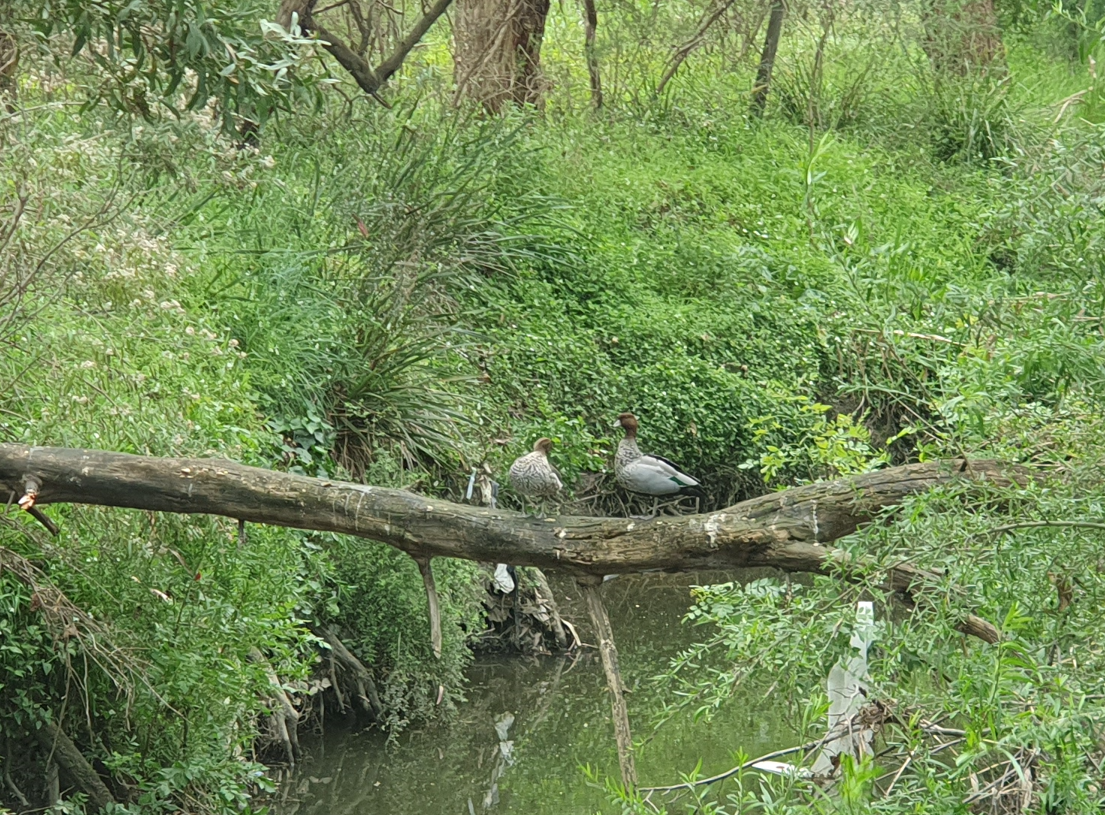
Twins!
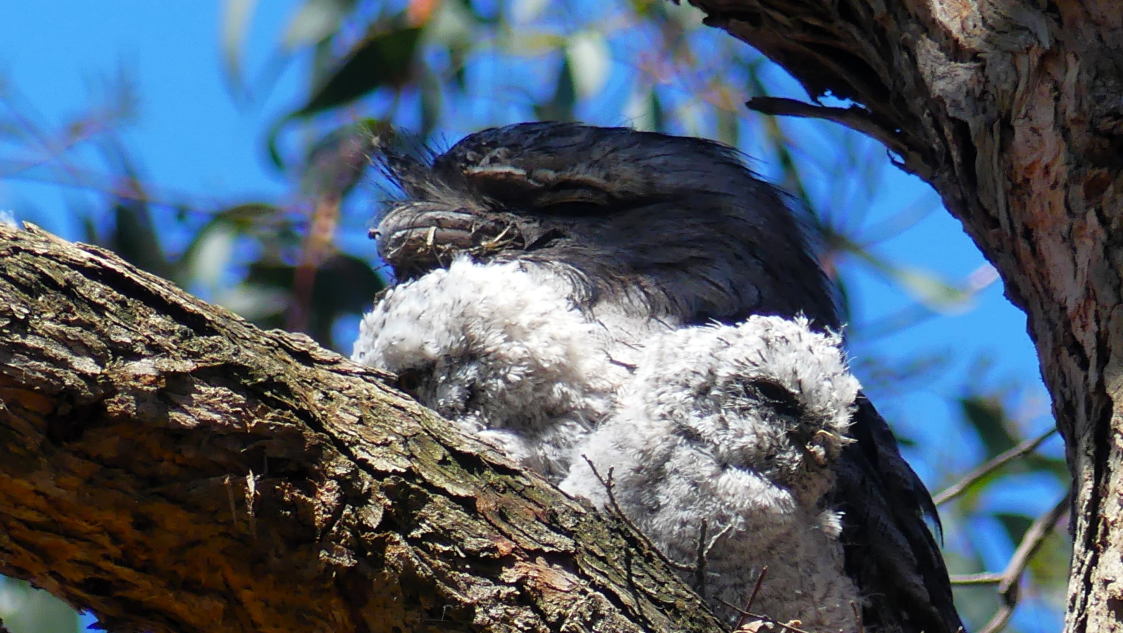
Russell took this baby photo on 30/10 in Kalang Park – a proud and protective dad with two beautiful fluffy chicks (mum was nearby – probably getting some food in).
Bird Walk report
Our Spring Bird Walk was conducted on 19th October, 2024 from 7.30 – 9.10 AM followed by morning tea. Two groups were led by the wonderful Ian Moodie and Pat Bingham respectively. Total number in attendance was 23 people including several new faces. Pat’s group focussed on the flat parts of Blacks Walk on both sides of the bridge while Ian’s group walked through Kalang Park to Furness Park and back on either side of the creek.
As per normal procedure, the groups convened immediately after the walks to compare and consolidate their results – facilitated by a fabulous morning tea managed by Anthea. The combined results are available here.
Observations
The weather was windless but cloudy – making for lower light (good for bird silhouettes but not so good for viewing their colour) – with a few patches of drizzle:
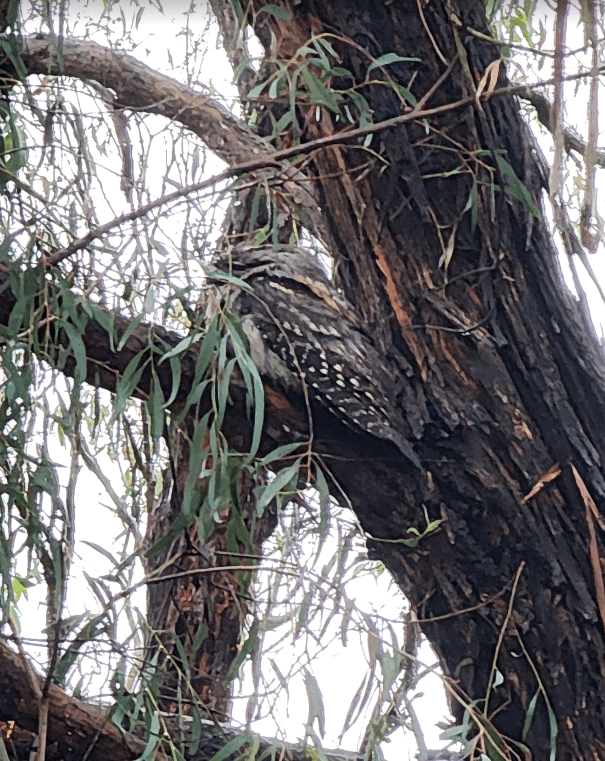
Ruby’s mobile-phone shot at left gives you an idea of the challenging grey light. Given the conditions, most of our photographers (understandably) decided to leave their cameras at home.
Nevertheless, the sightings were typical of our more recent Spring surveys and our intrepid bird watchers were well satisfied with the walk.
Russell did manage to get some nice shots despite the challenging conditions:
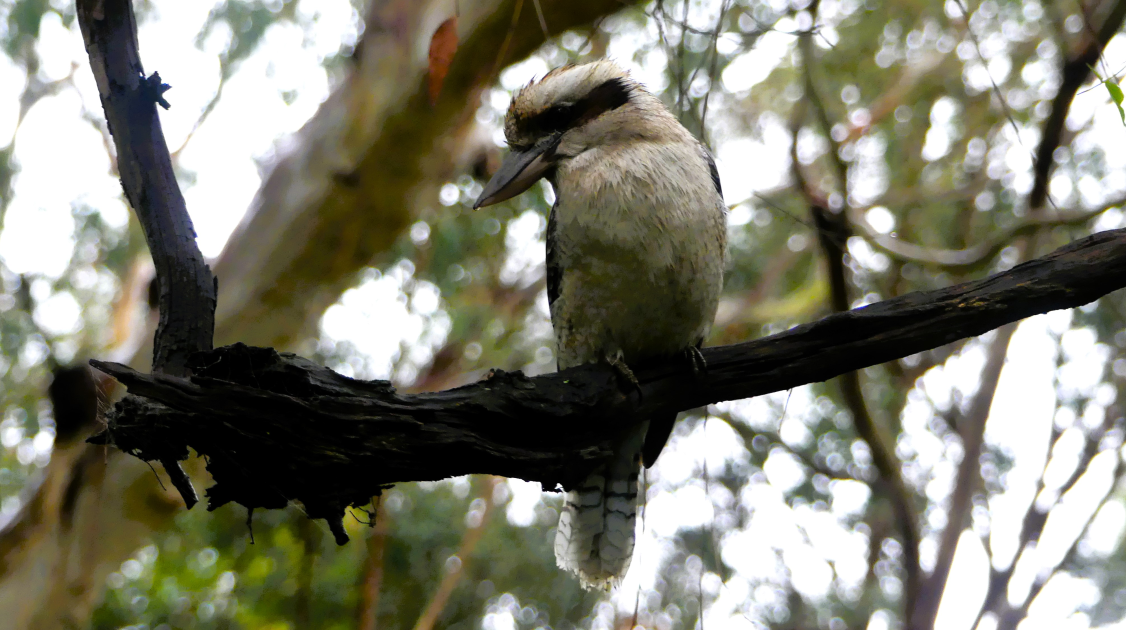
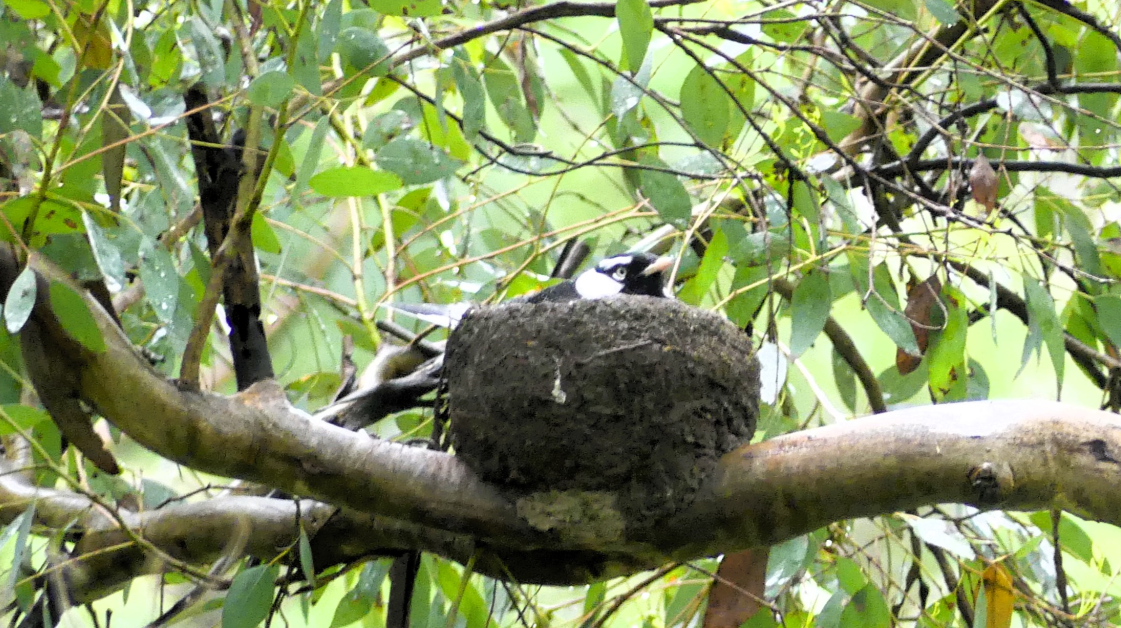
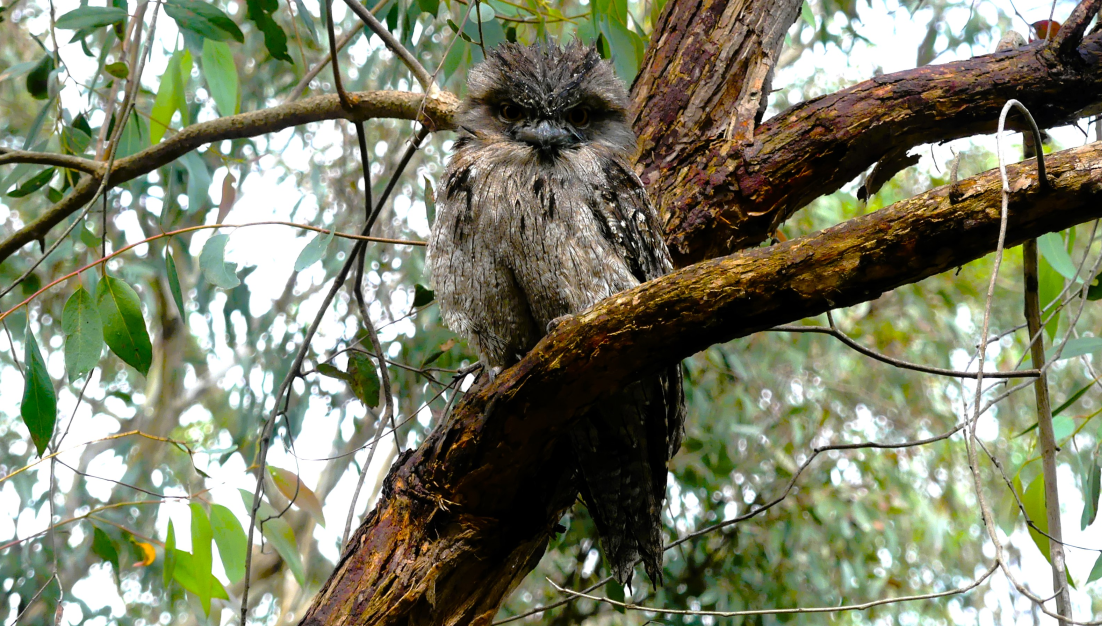
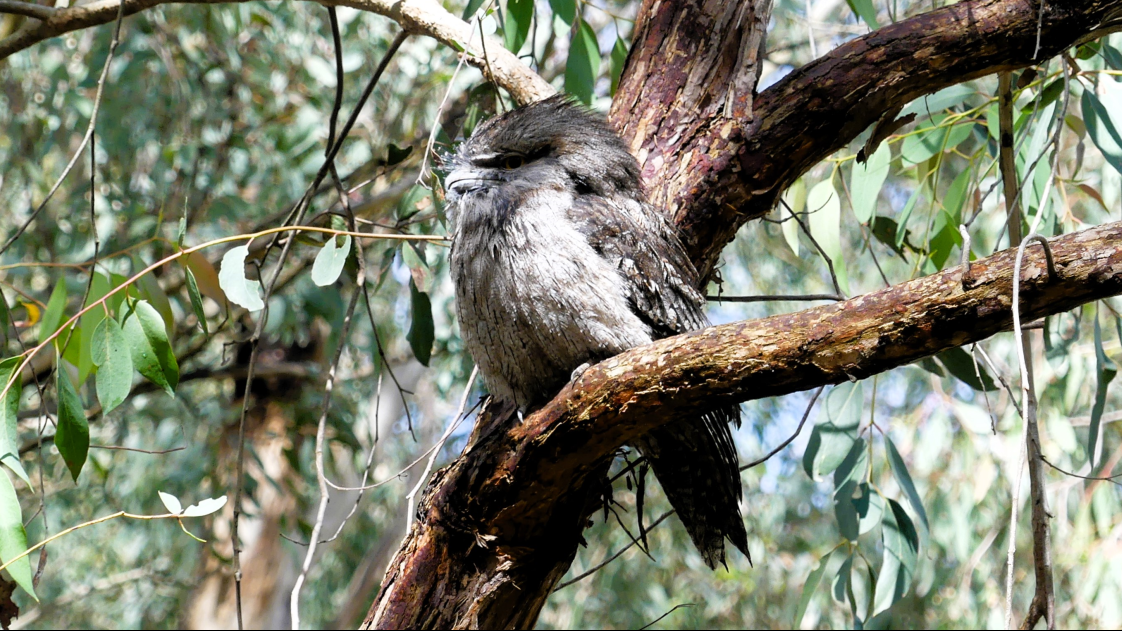
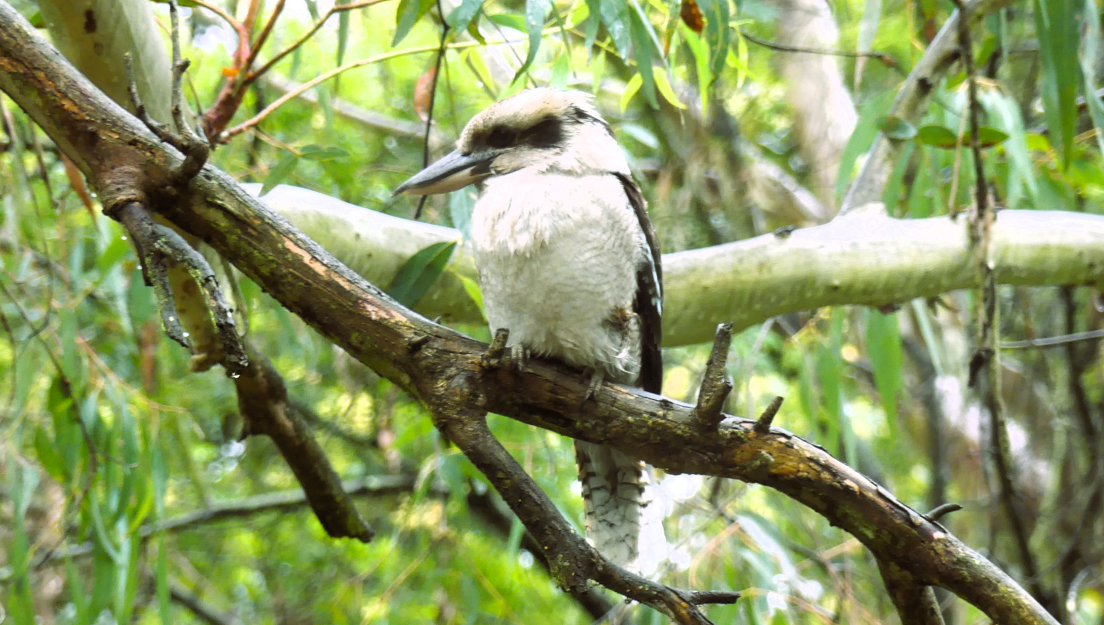
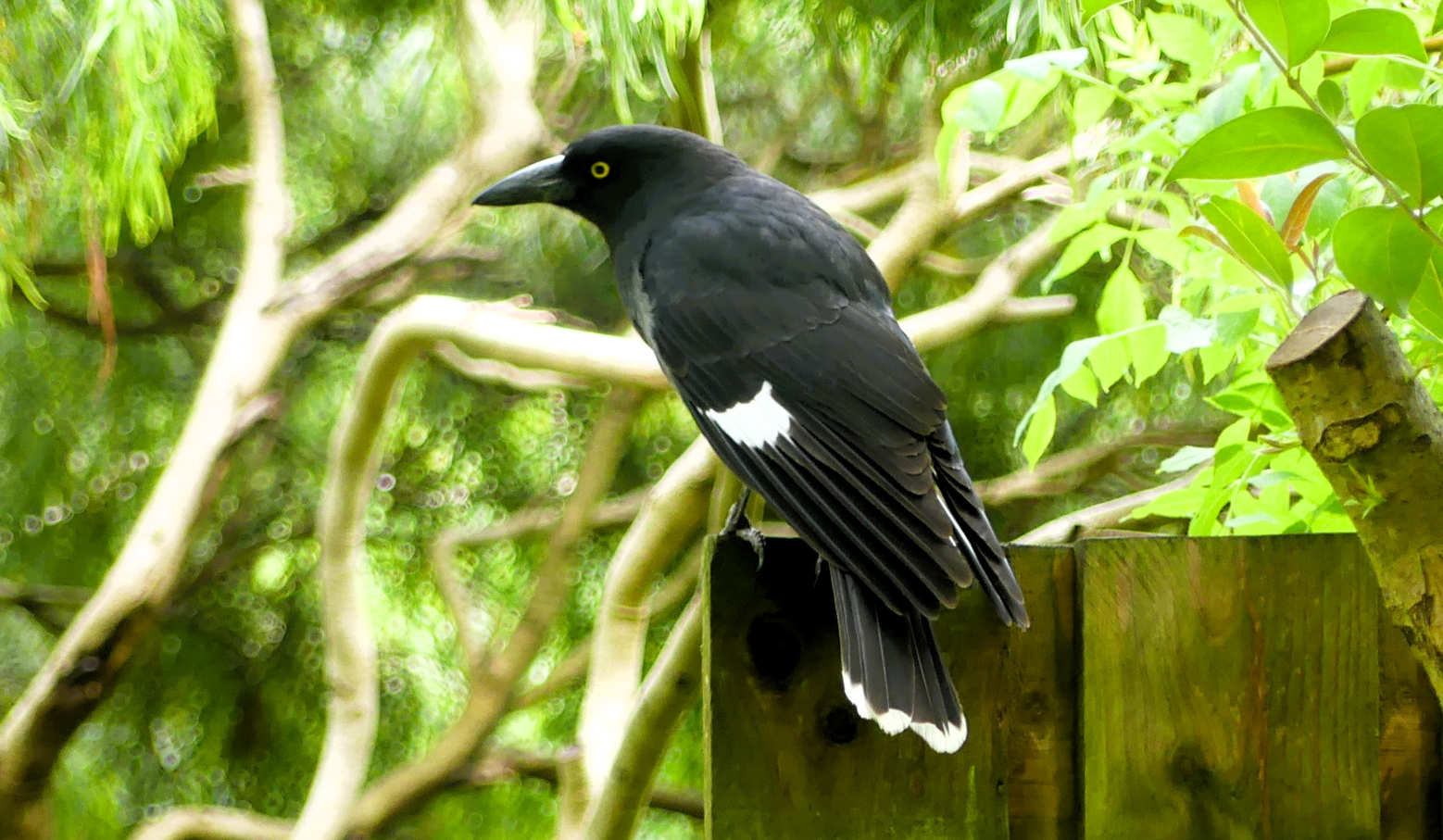
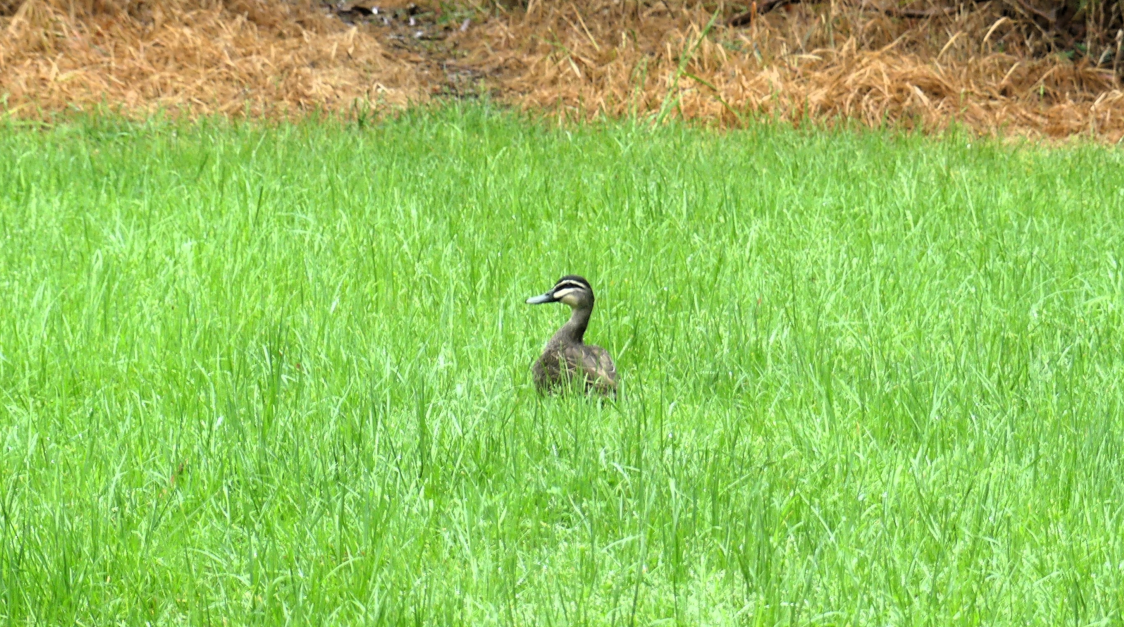
Please click on image to enlarge; click on the X to return
The weather fined up later in the day so Michael graciously returned to the park to take some snaps of the birds we saw to share with those who couldn’t make it:
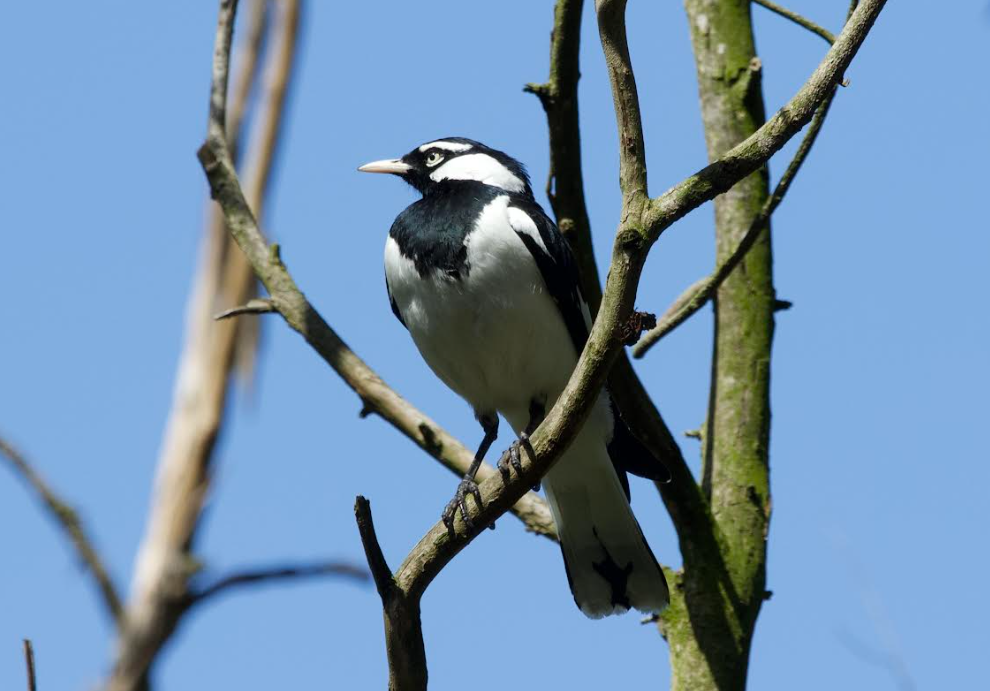
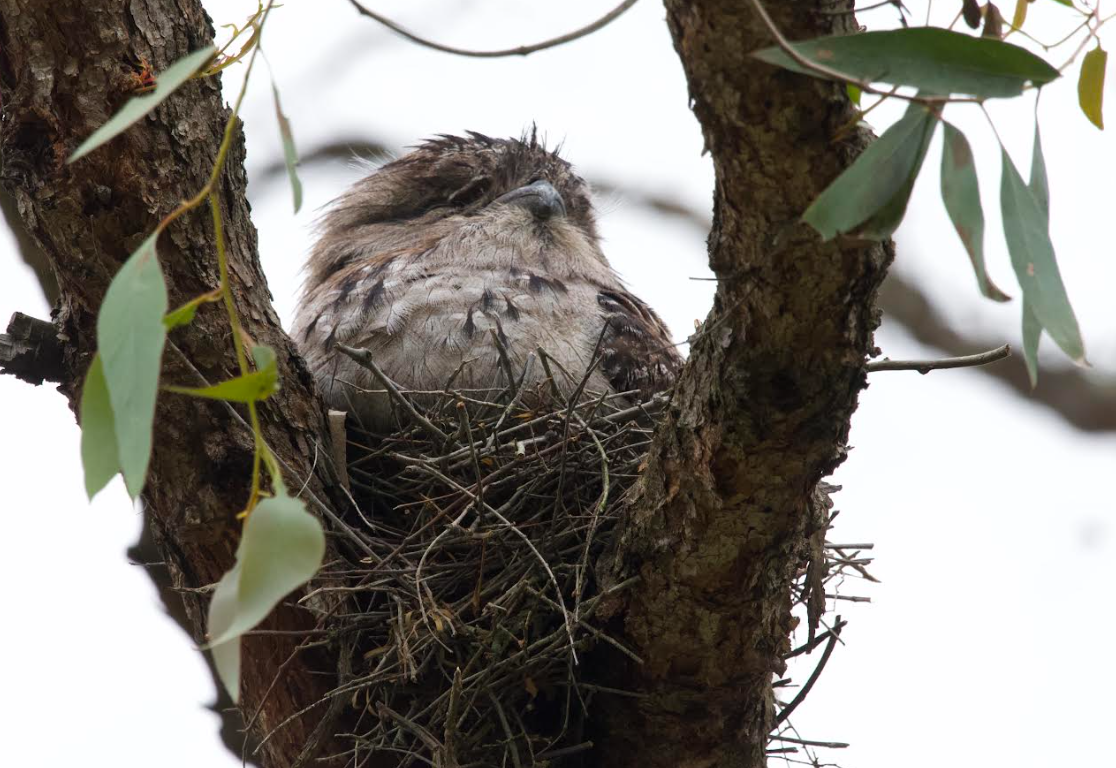
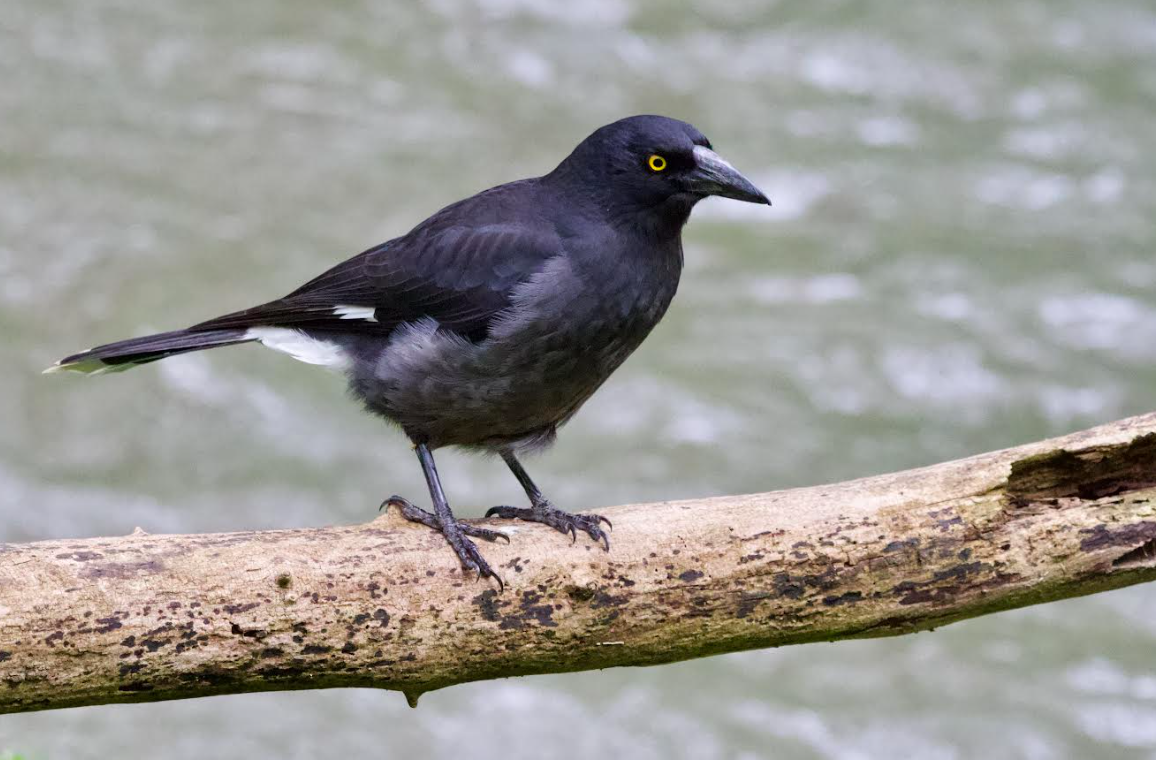
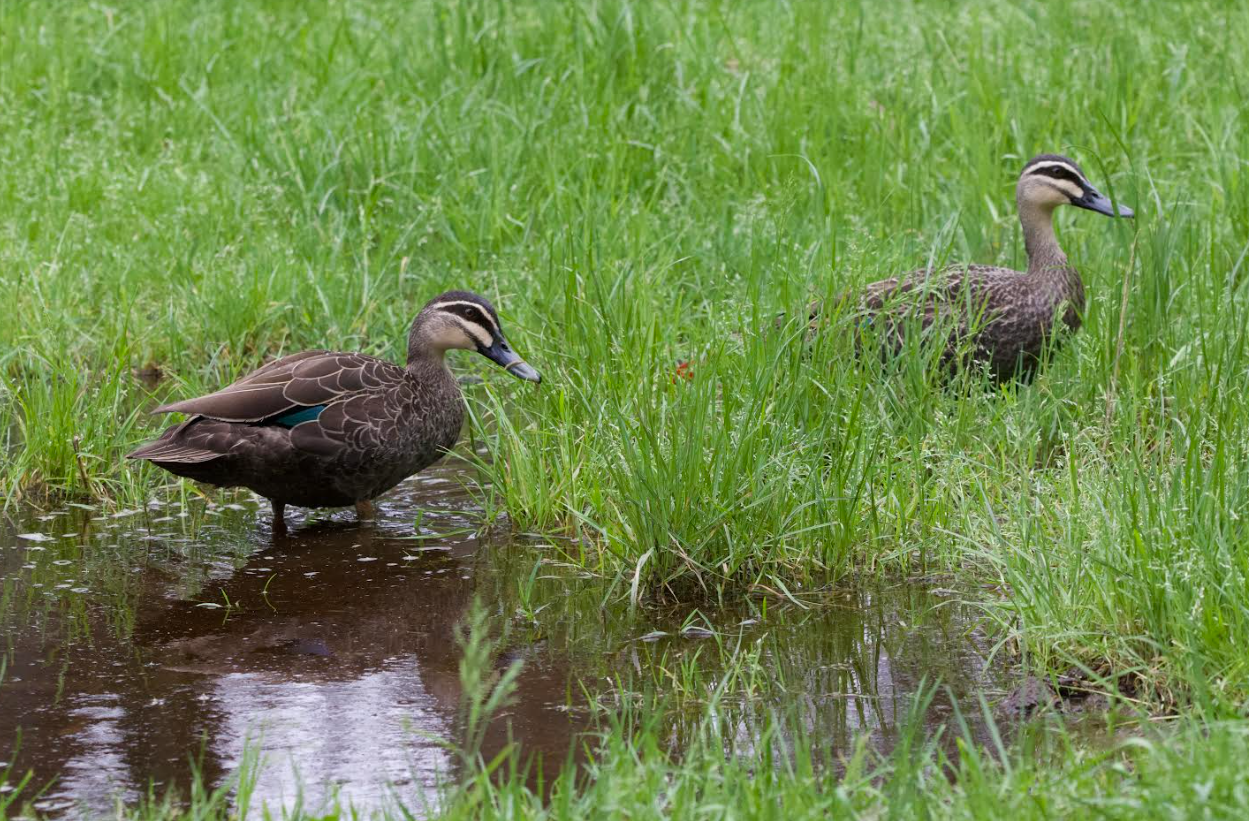
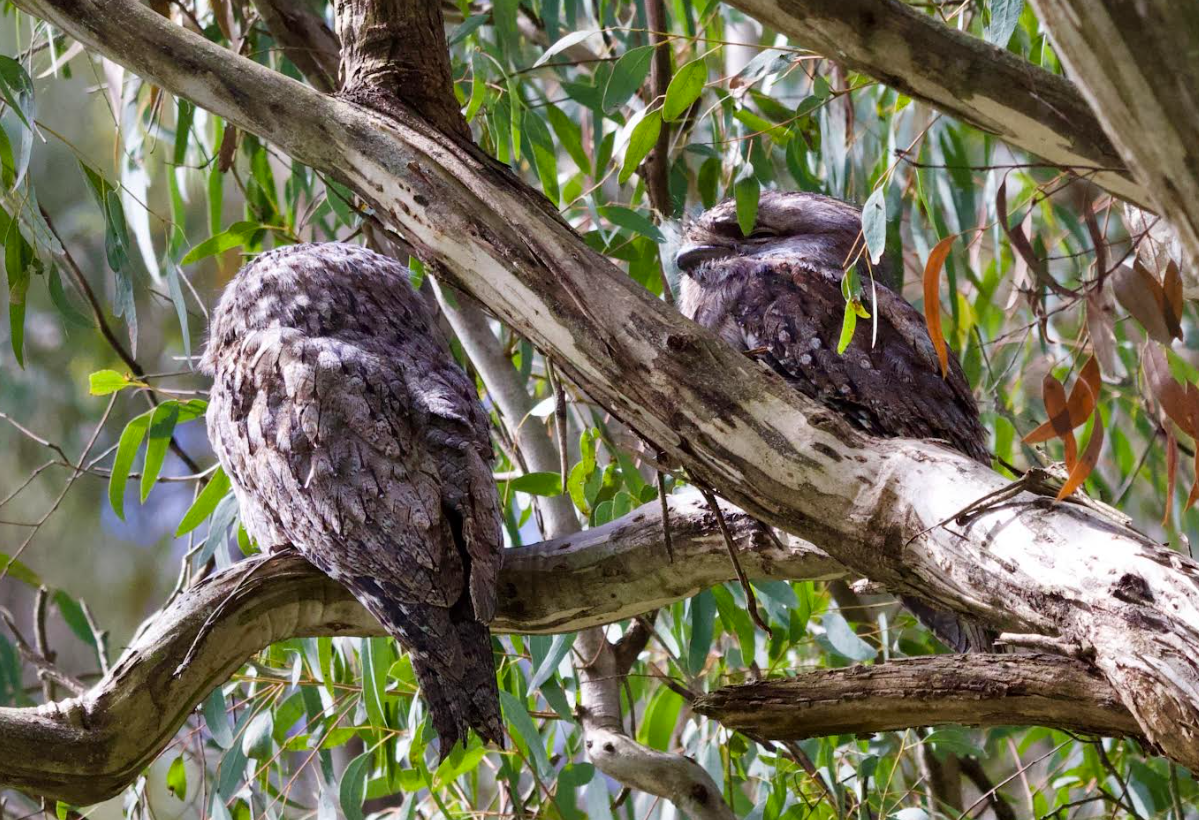
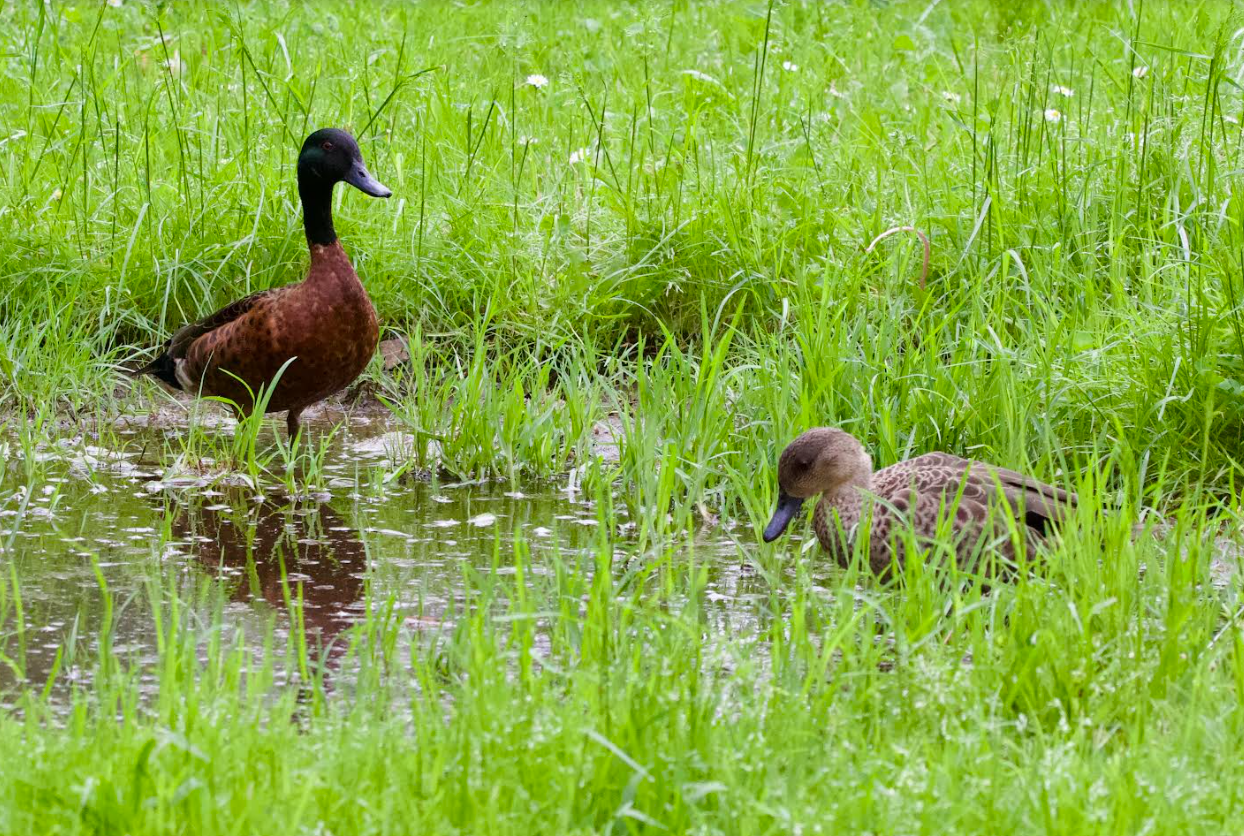
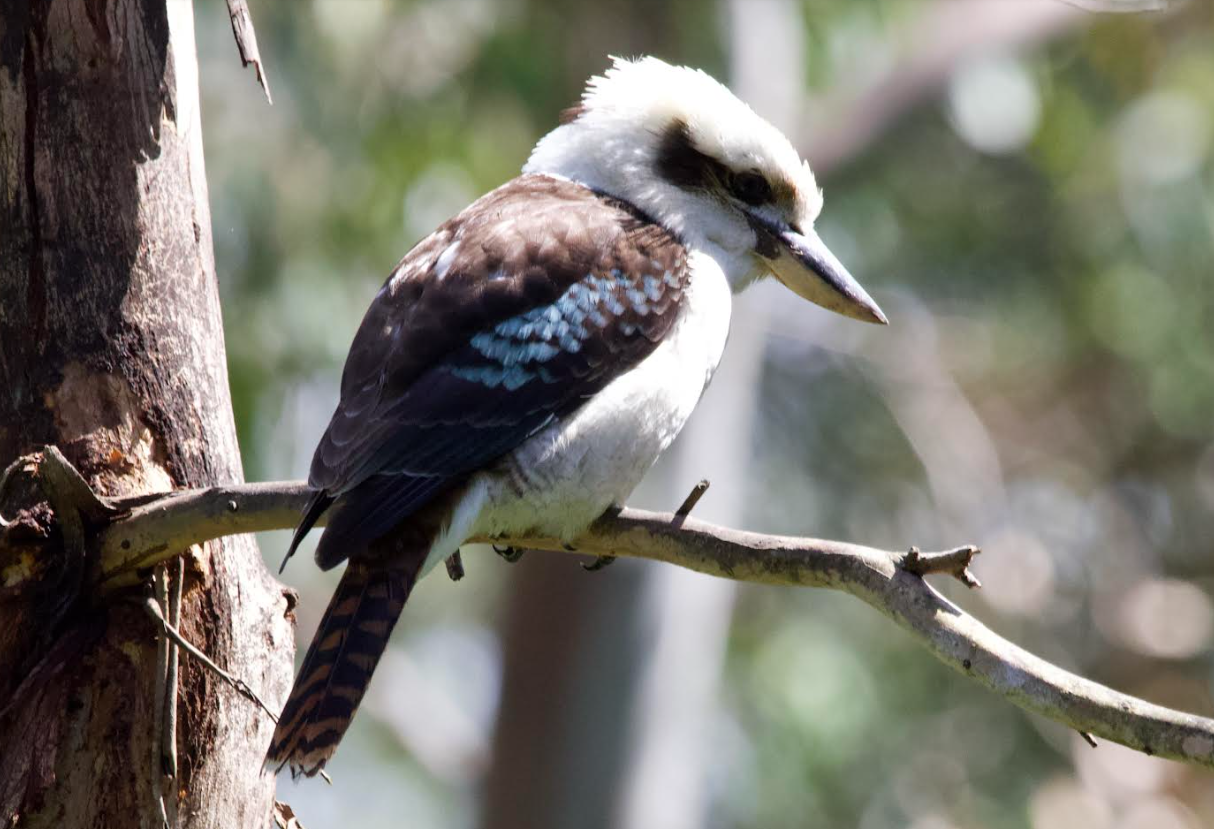

Please click on image to enlarge; click on the X to return
On the positive side, no introduced species at all were seen! We often see the loathsome Common Myna, Spotted Turtle-Dove and the Common Blackbird in Spring…
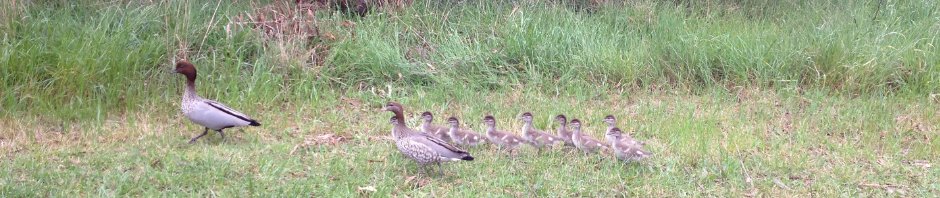
Also “gone missing” were our Wood Ducks and Red Wattlebird. At least two families of Wood Ducks (parents and ducklings) have been delighting park visitors lately – so they must have been hiding. Wattlebirds are still seen occasionally (see Sightings) but their numbers do seem to be well down on the past.
Trends
We’ve now been running our bird walks, counting the bird species we see, for 12 years (2020 surveys could not be run due to Covid-19 restrictions) – so we thought it might now be time to look at our overall trends in more detail.
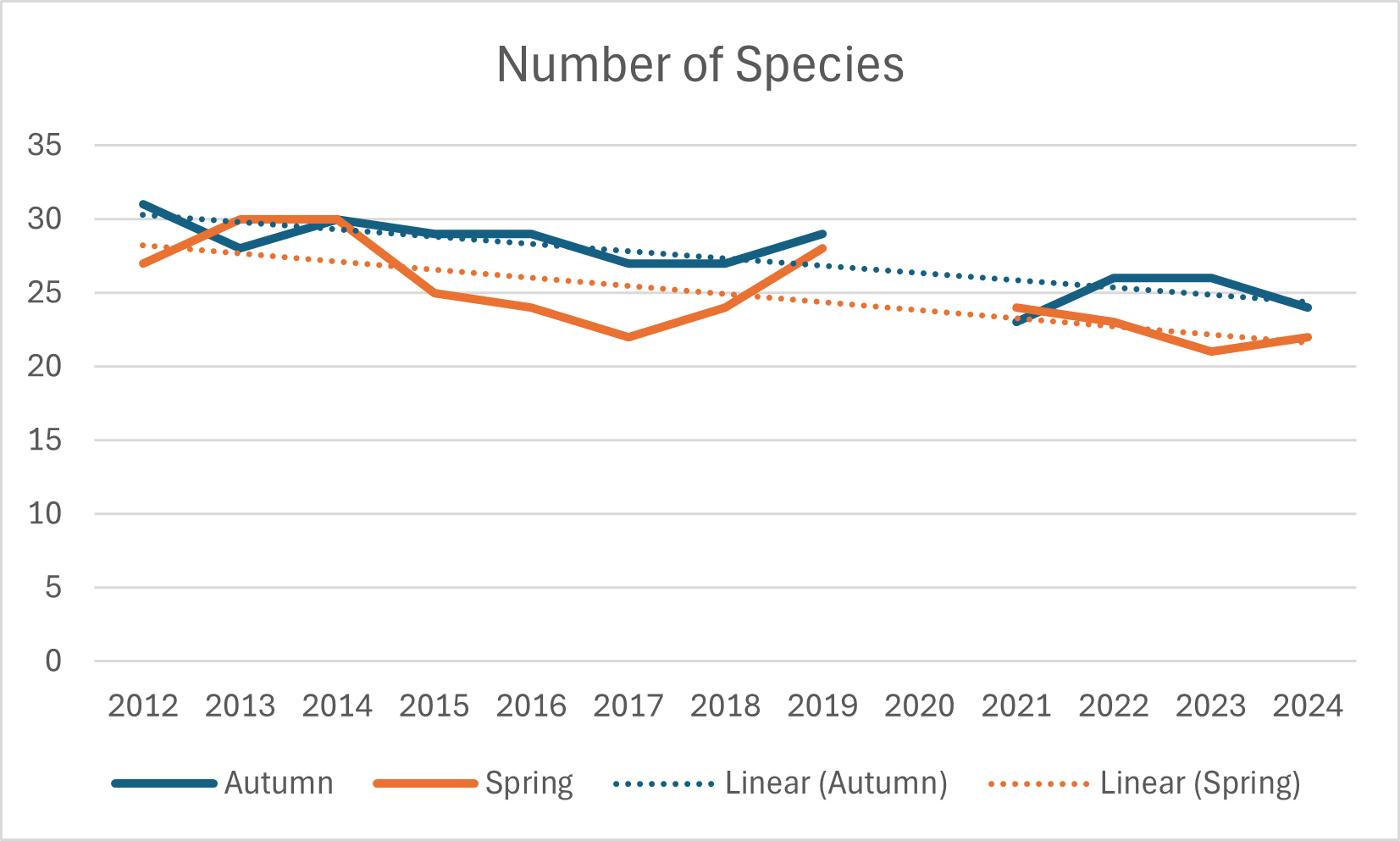
Sadly, declining diversity does seem to be the trend in both Autumn and Spring in the Creeklands – despite the uptick in 2019 (trend lines are shown by the dotted lines). It is likely that:
- habitat destruction due to climate change and urbanisation,
- multi-unit developments and large homes in the private domain reducing garden space,
- weakening of biolinks, and
- over-dominance by some species are all playing a part.
Other interested groups are reporting similar findings nationally. Indeed, Birdlife Australia reports:
…the diversity of our birds is declining, regardless of where we live. Many of our most familiar birds are disappearing before our eyes.
Thursday Team Report
Our Thursday team’s numbers have received a shot in the arm over the past two months – with four new very welcome volunteers joining us – Cath, Greg, Delldint and Shelley. Although numbers vary widely, we have had attendances of up to a dozen people a couple of times on Thursdays enabling the prolific weeds about to be tackled more effectively.
We are always on the look-out for new people – if you are interested, please let us know at BlackburnCreeklands@gmail.com. We work on Thursday mornings between 08:30-11:30 – any contribution between those times would be most welcome !
Council has reconfigured our tools store at the Kalang Pavilion as promised.
The longer space allows us to store our barrows used for mulching and carting buckets of water with our regular work-a-day cart full of tools and PPE ready for action.
Barrows and the like were previously stored in inappropriate places or, very inconveniently, off-site altogether.
We thank Council officers, Cr Munro and our co-tenants for their cooperation in this matter.
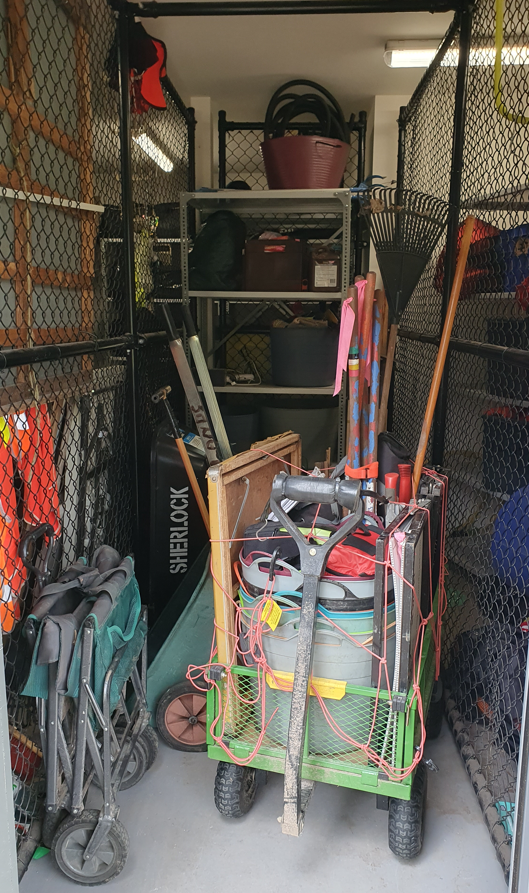
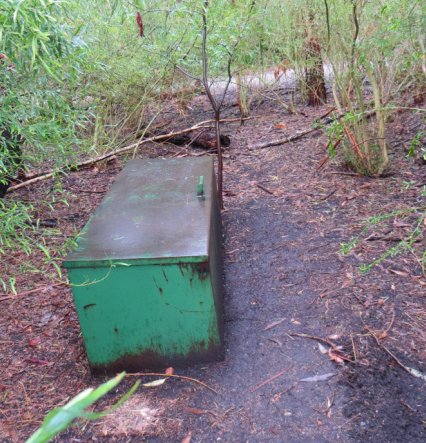
The additional space also allows us to consolidate the contents of our “coffin“. Street drainage changes nearby had made the siting of the old toolbox untenable.
Our colleagues at Yarran Dheran in Mitcham have expressed interest in our redundant toolbox. We support its reuse there – but, as Council property, Council needs to approve the change and relocate it.
Otherwise the group has been busy weeding and in-fill planting at two sites in Furness Park and two in Kalang Park. The weather has been warming up – one sure sign is that our first bull-ant bites for the season occurred on 10th October (ouch!).
Our Projects – quick update
Inclusive Seating
As reported in our August and September newsletters, linear parks (parks shaped in a long line such as ours following the creek) can be very good for walking by people of all abilities – although inclusive seating is a required enabler.
Kalang Park‘s seats were evaluated this month. Blacks Walk and Furness Park are scheduled for November.
Regen Projects
Our regeneration project proposals for next year have been with Council for a few weeks now for final approvals. These will drive our Community Working Bee sites for next year.
Drainage Destruction
The 60 Main Street drainage issue turned out to have quite a lot more impact than expected – the northern path between Laurel Grove and Main Street was blocked for more than a week and even involved a half road closure of Main Street at times. Impacts on the park due to the pipe trench were also considerably worse and took a longer time than expected.
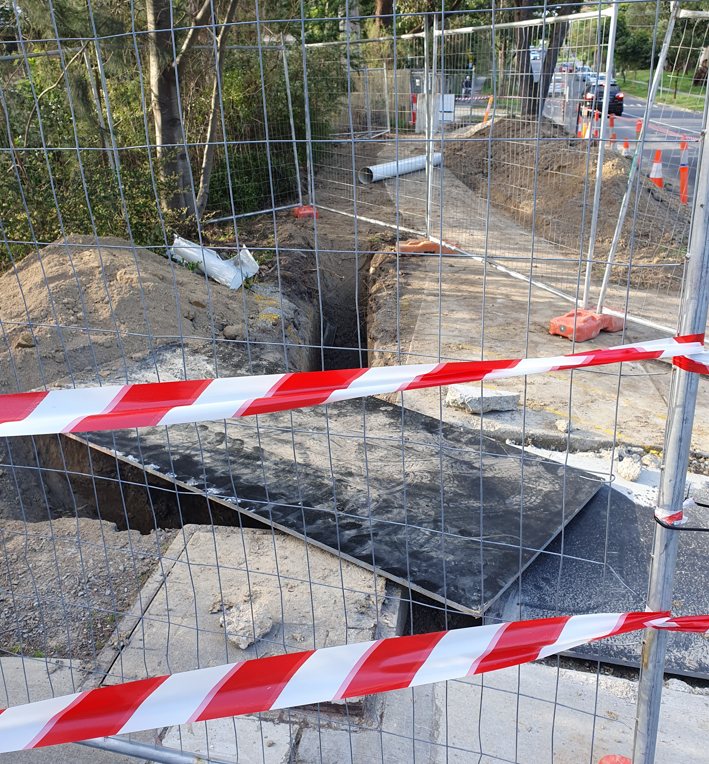
We have contacted Council with an offer to assist in replanting there. One of the neighbours has generously volunteered to provide water – an absolute must when planting so late in the season.
The sales process for the units has begun. It has been more than 11 years since the development process for the former residence of the late Mr T (Tommy) Ayres started with the yellow signs going up.
Sightings
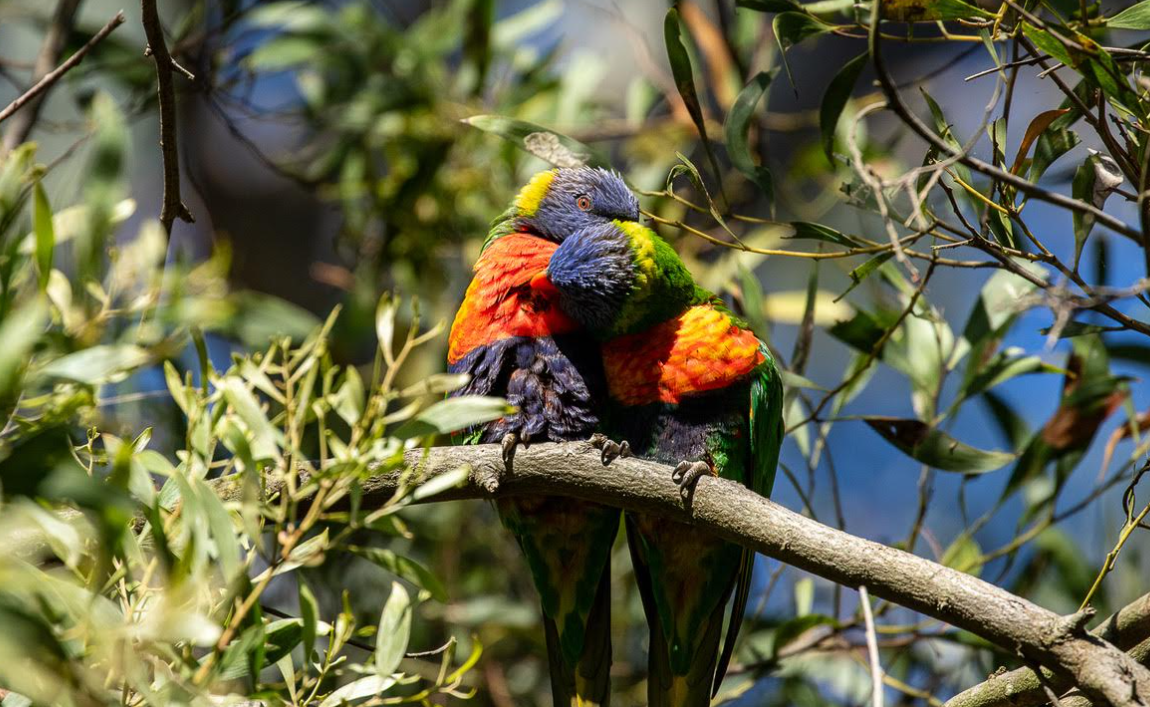
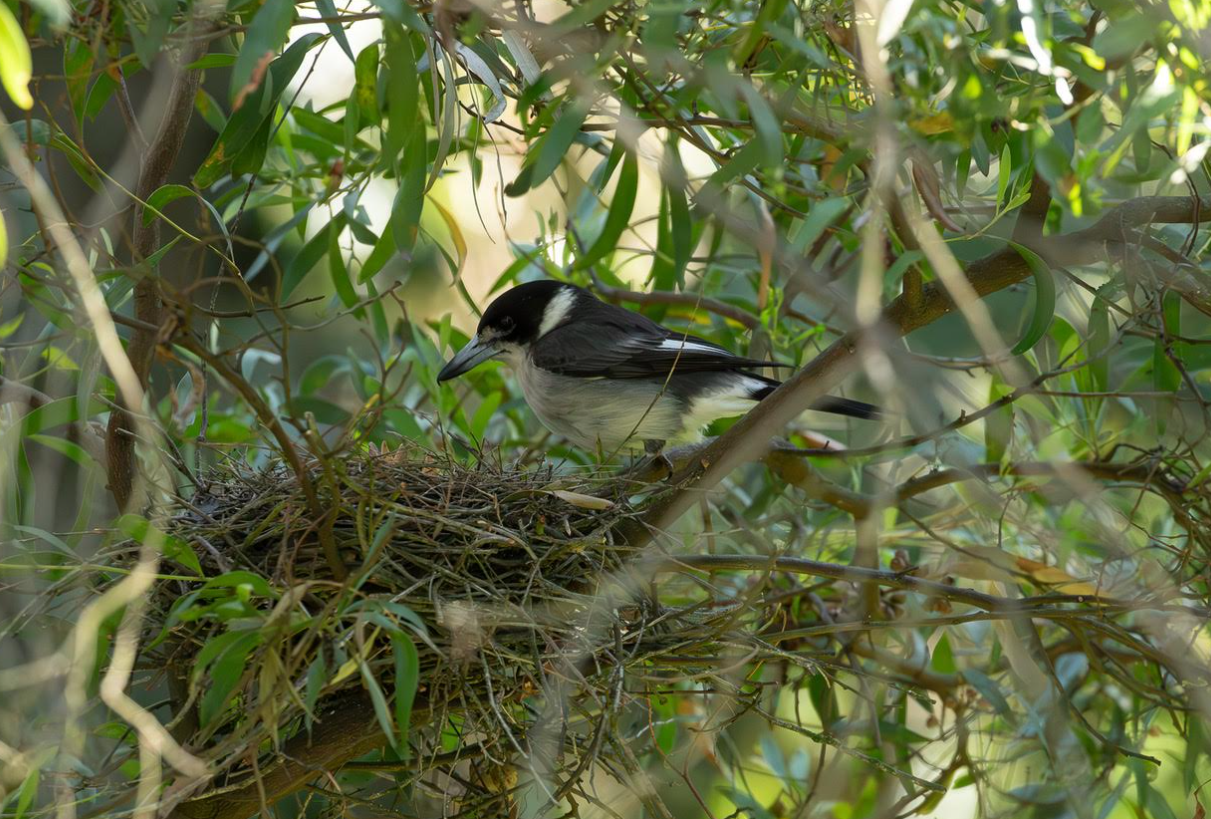
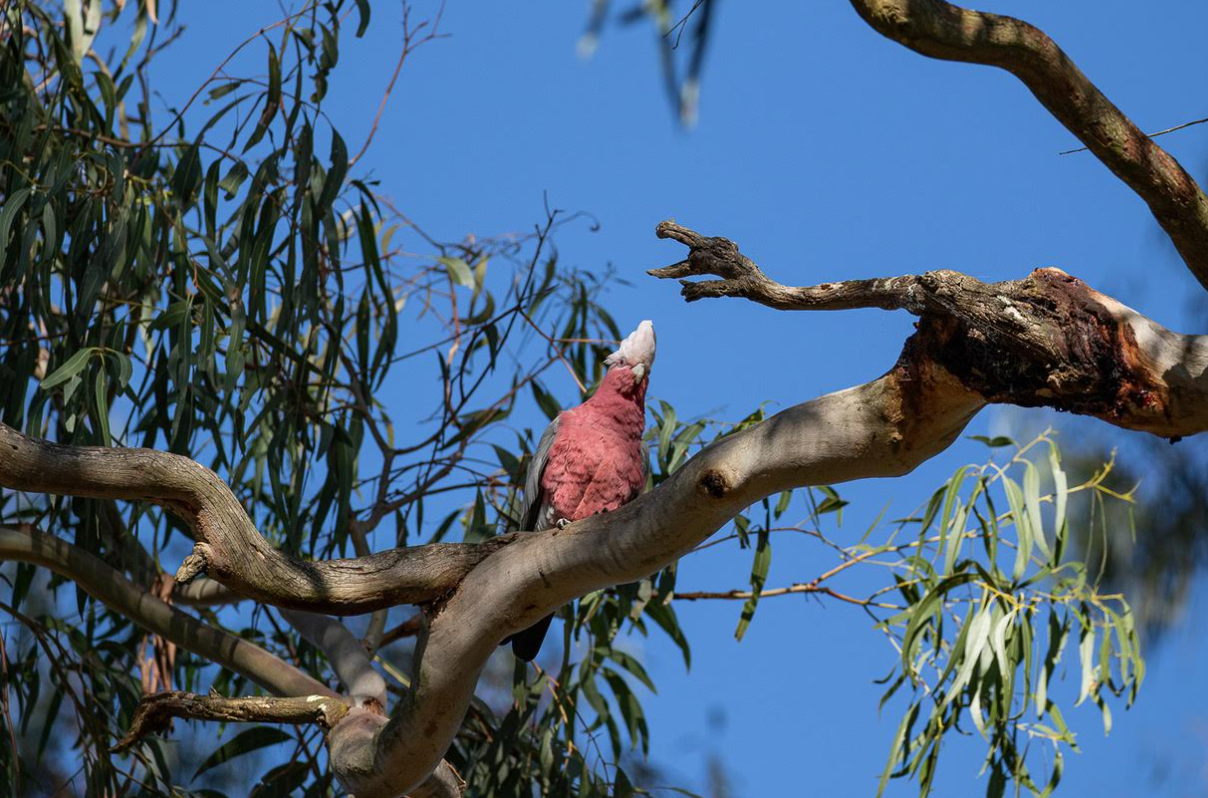
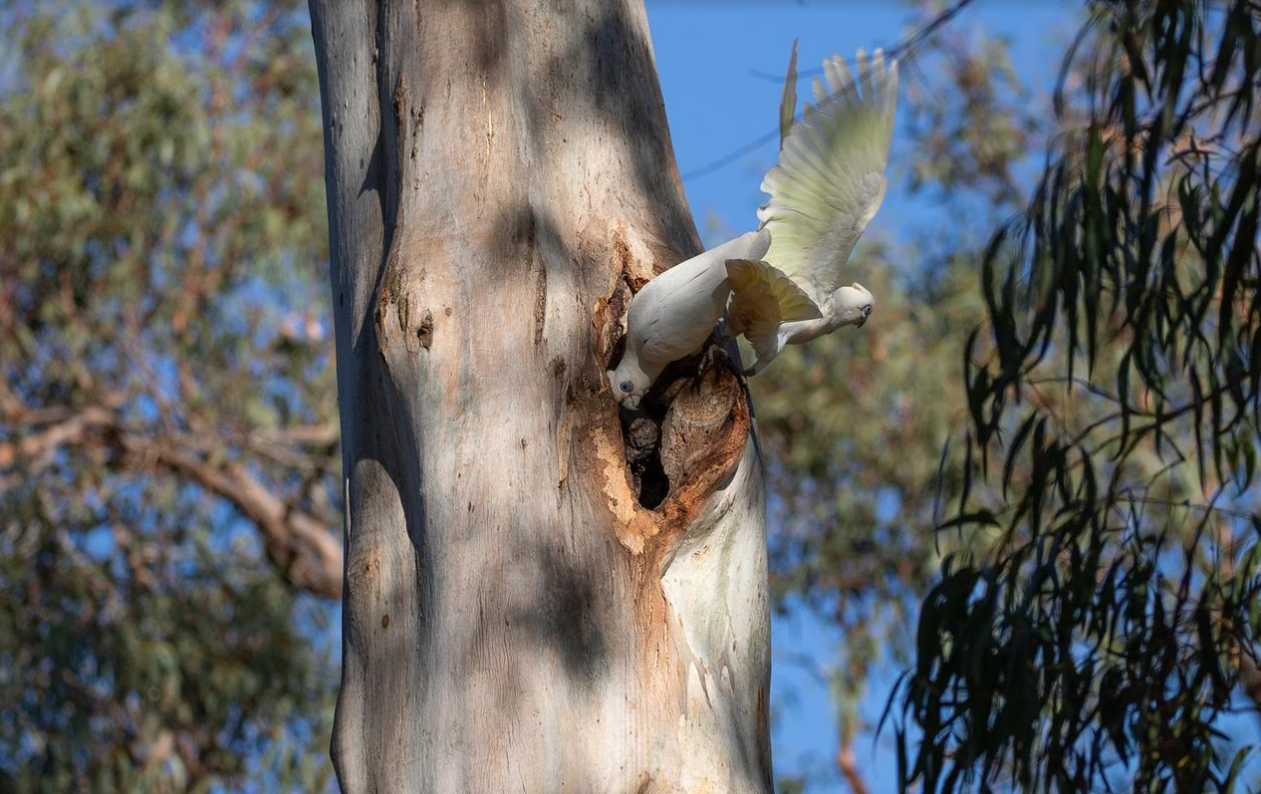
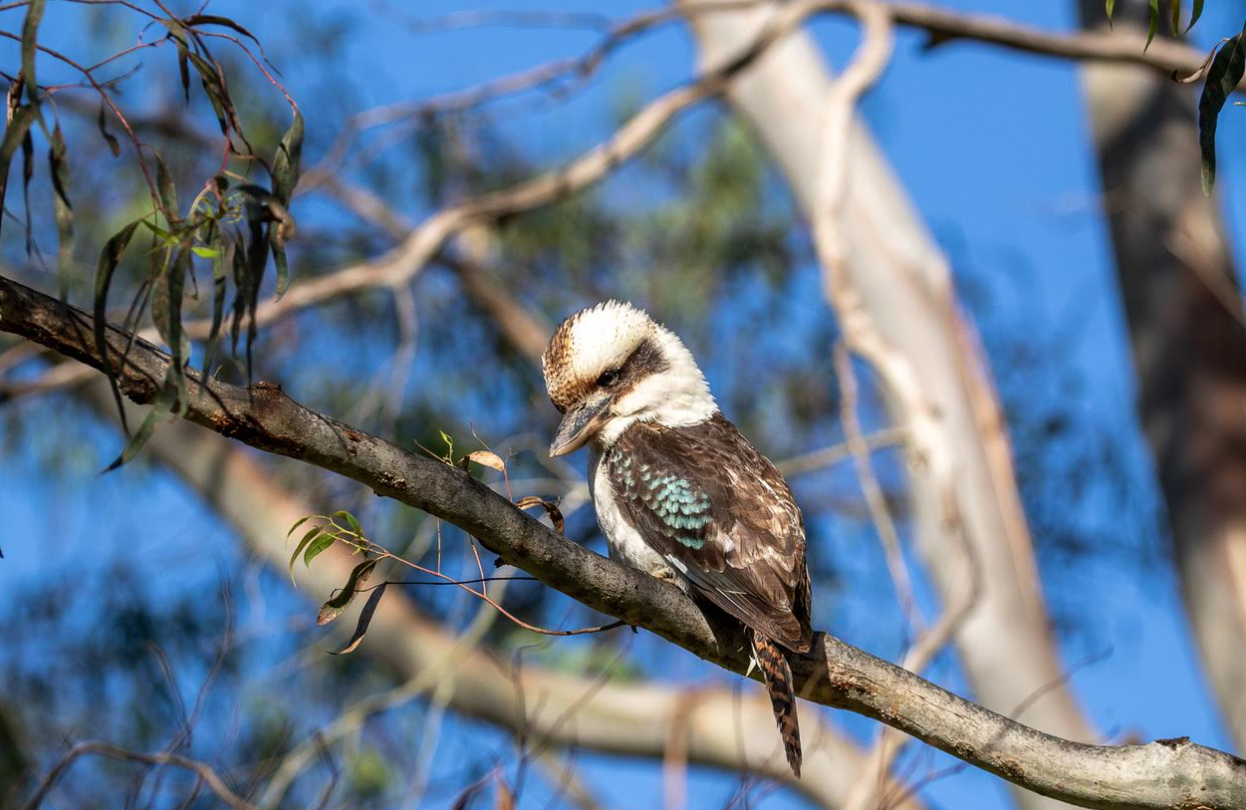
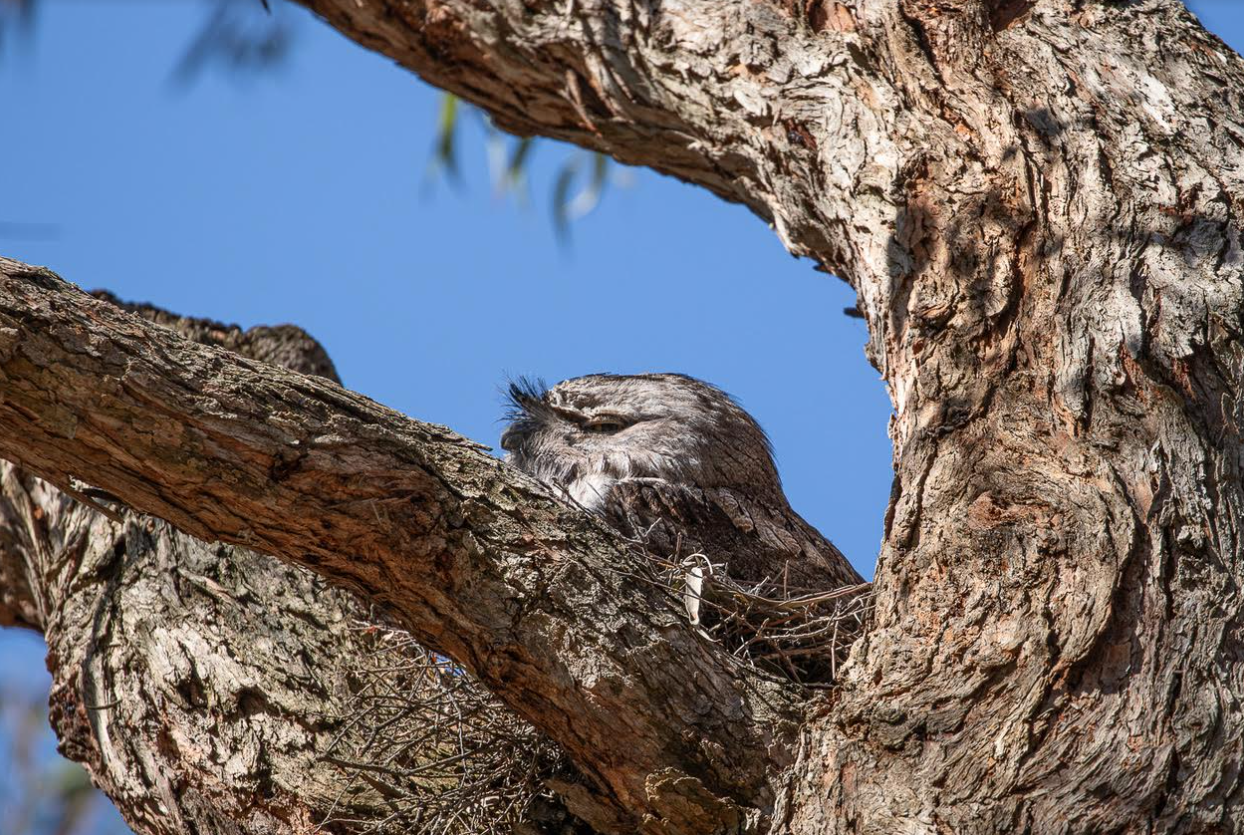
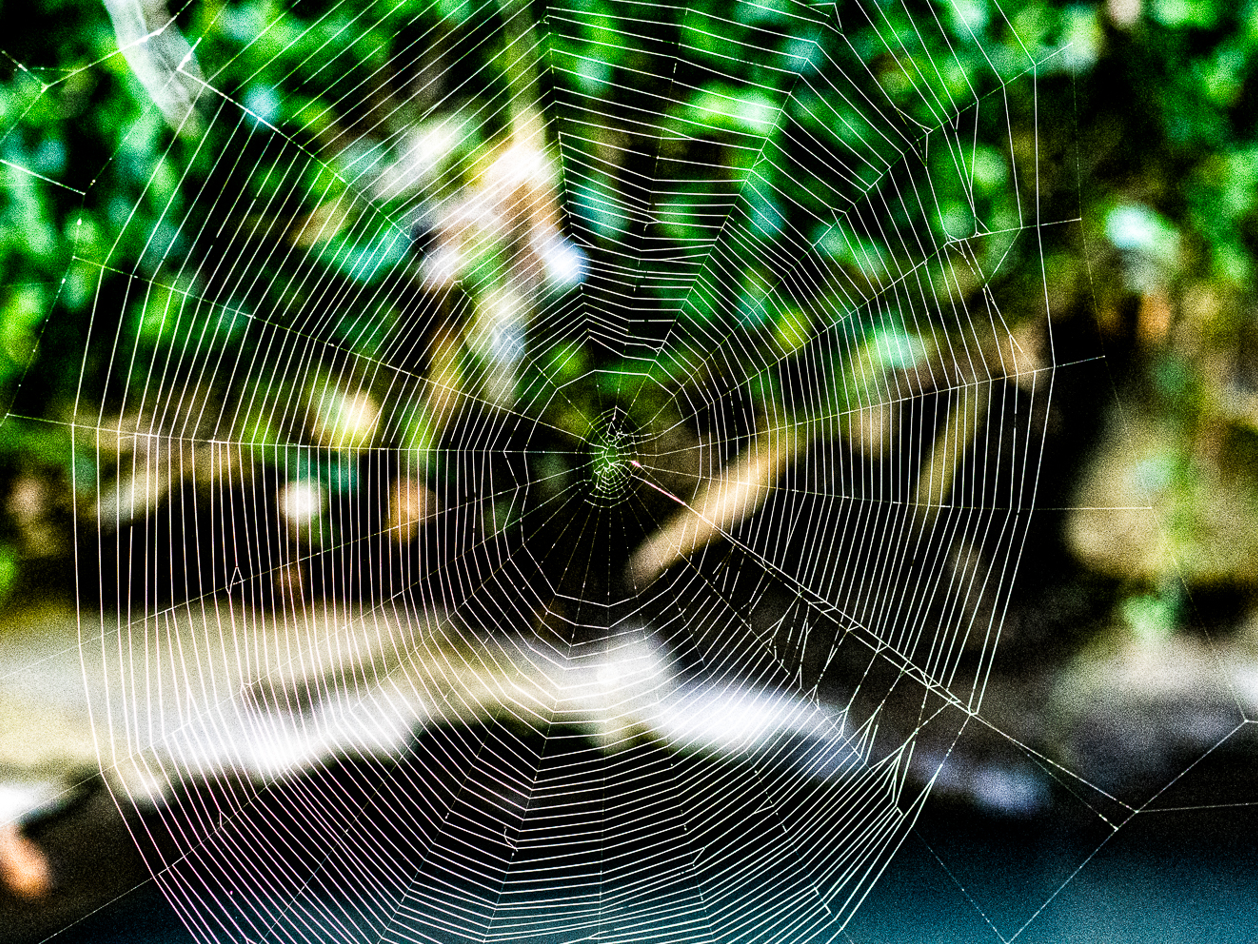
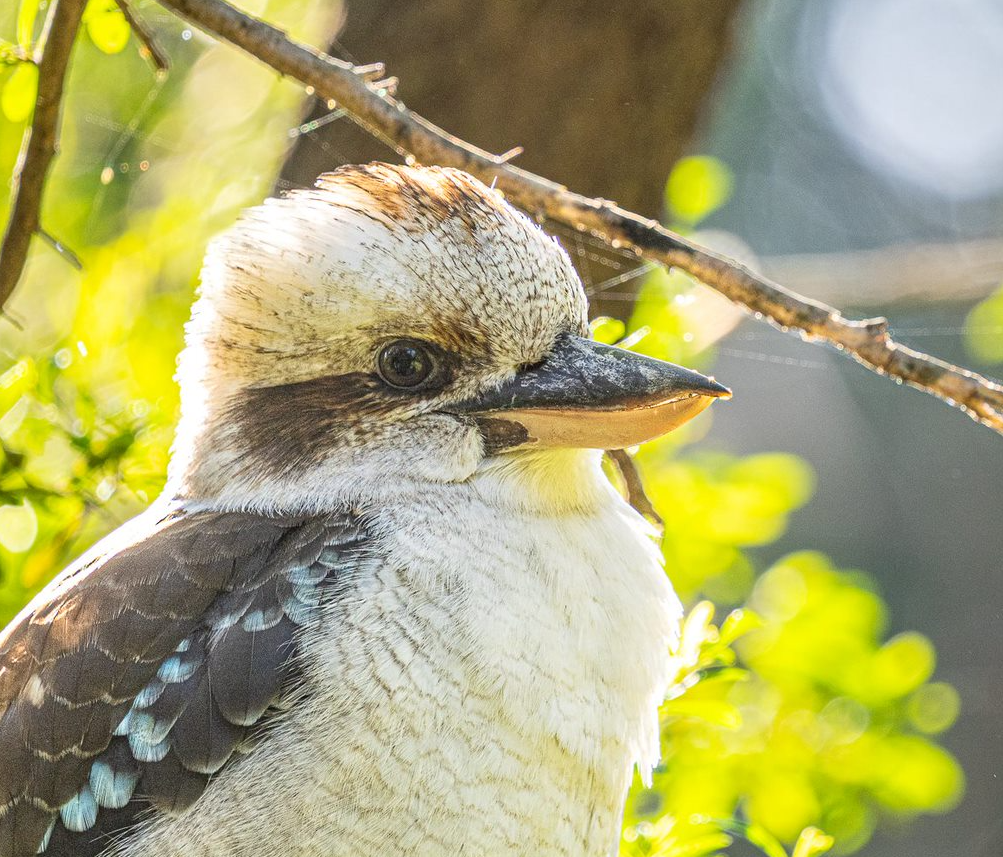
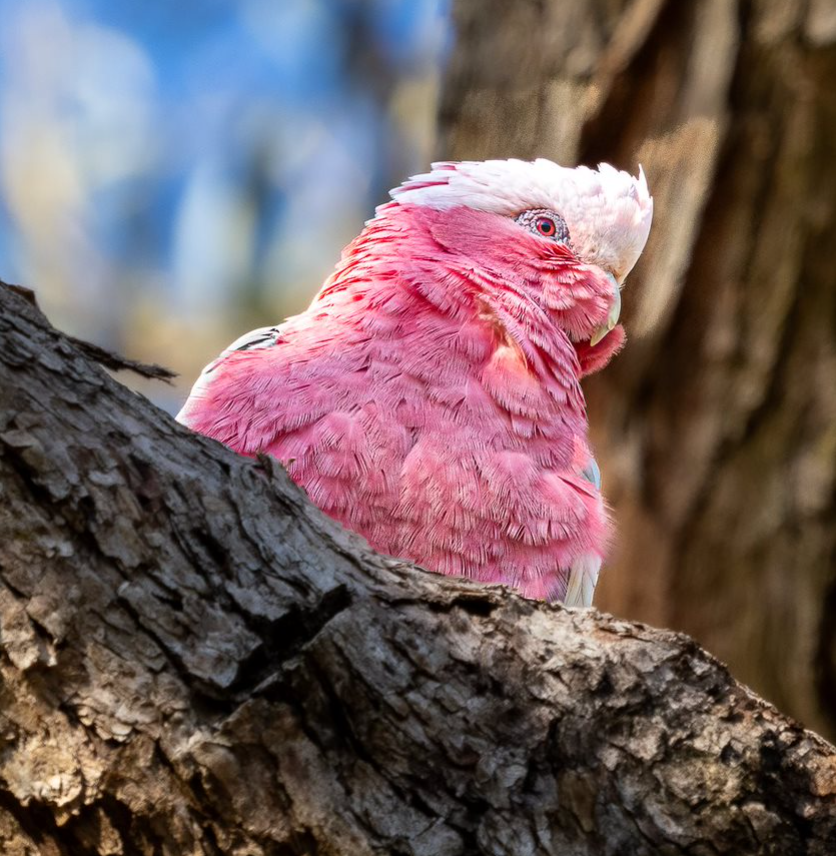
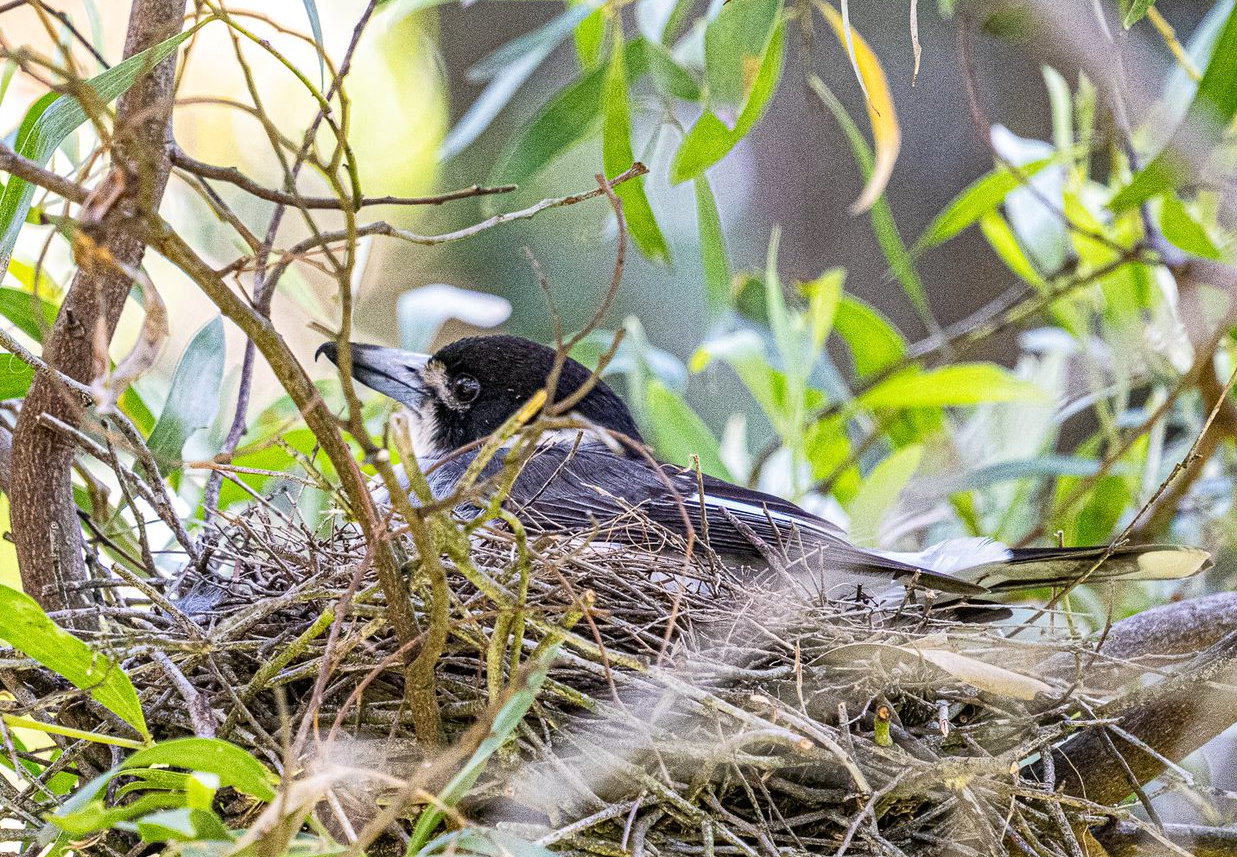
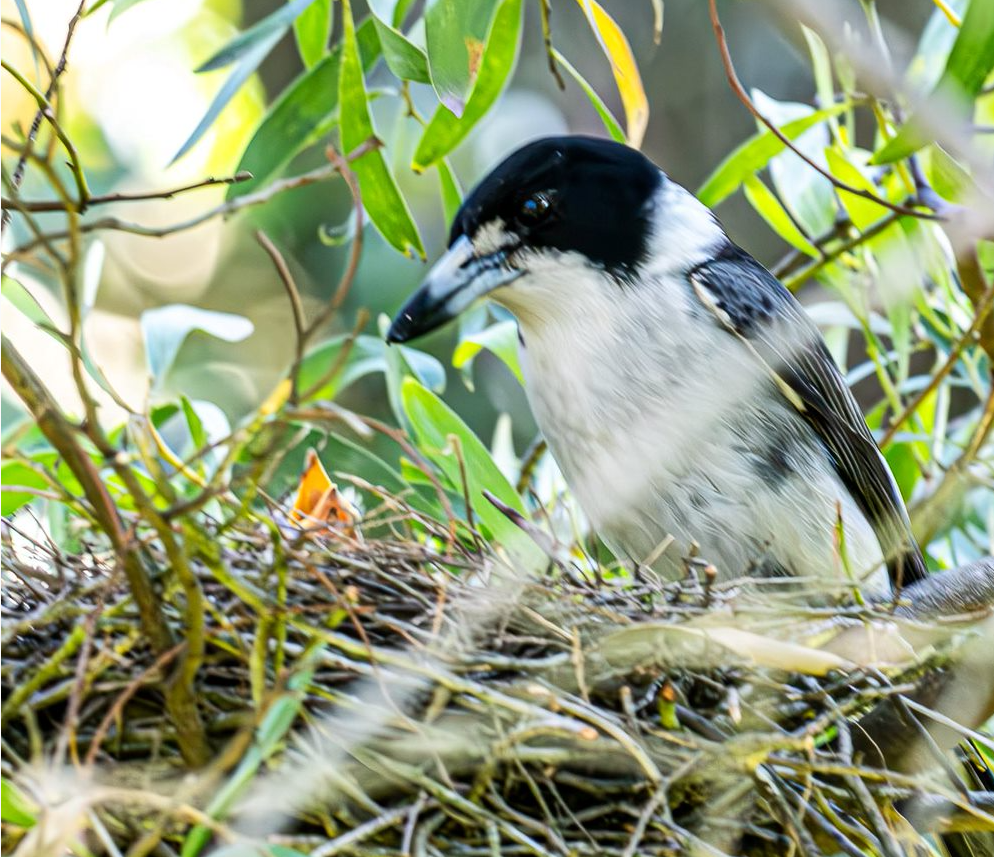
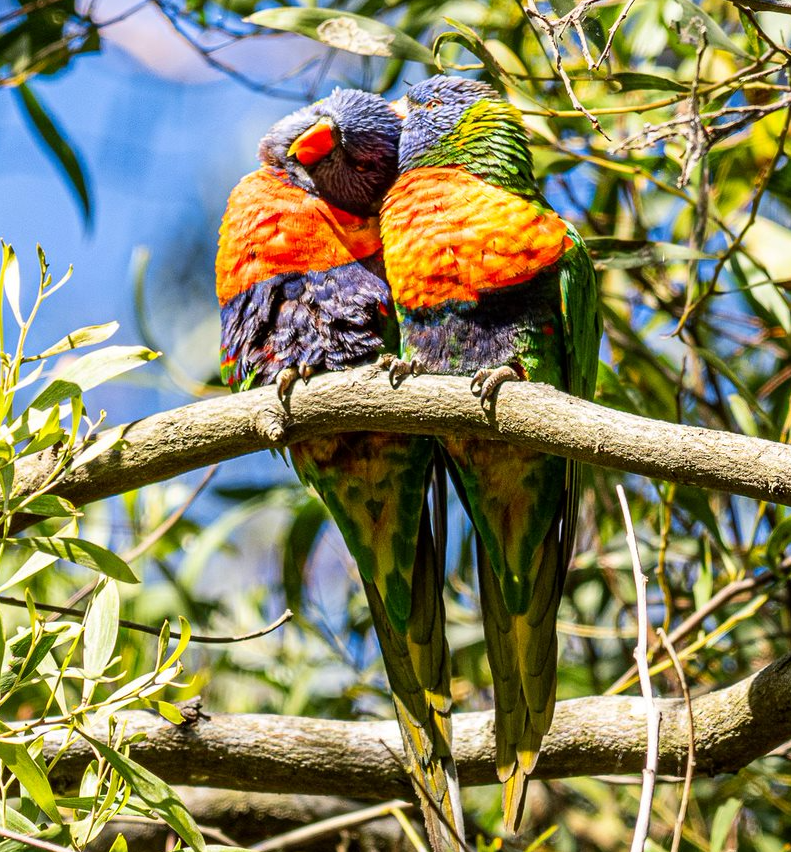
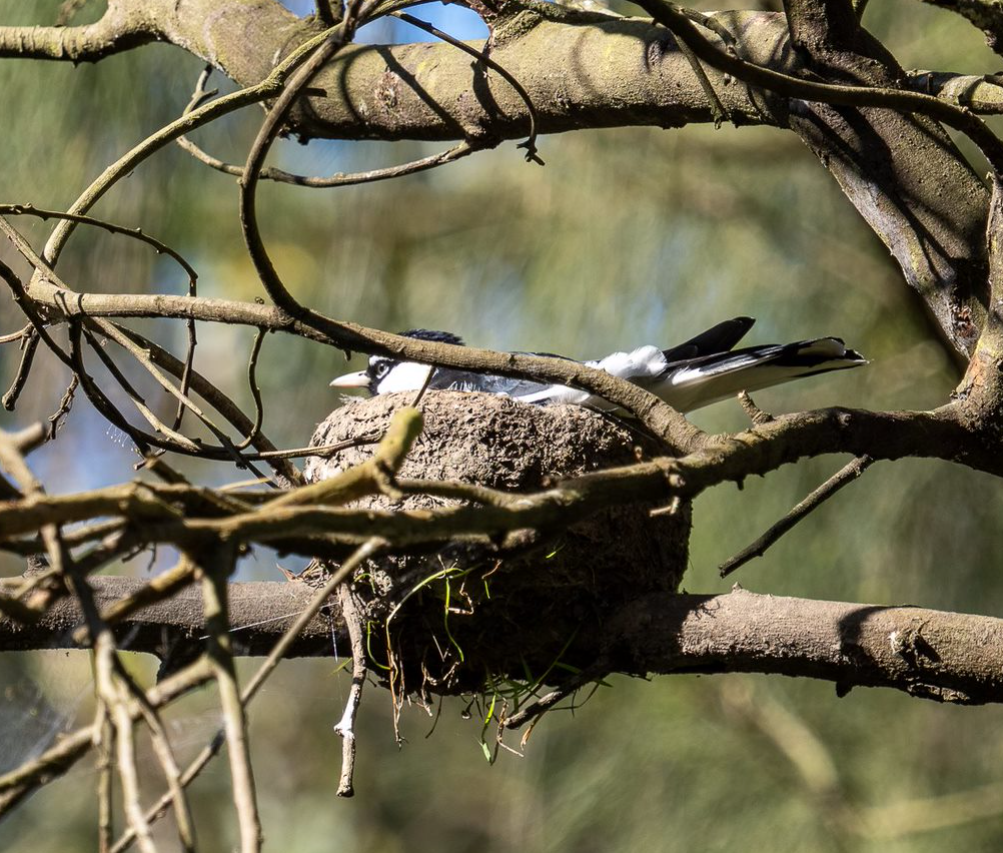
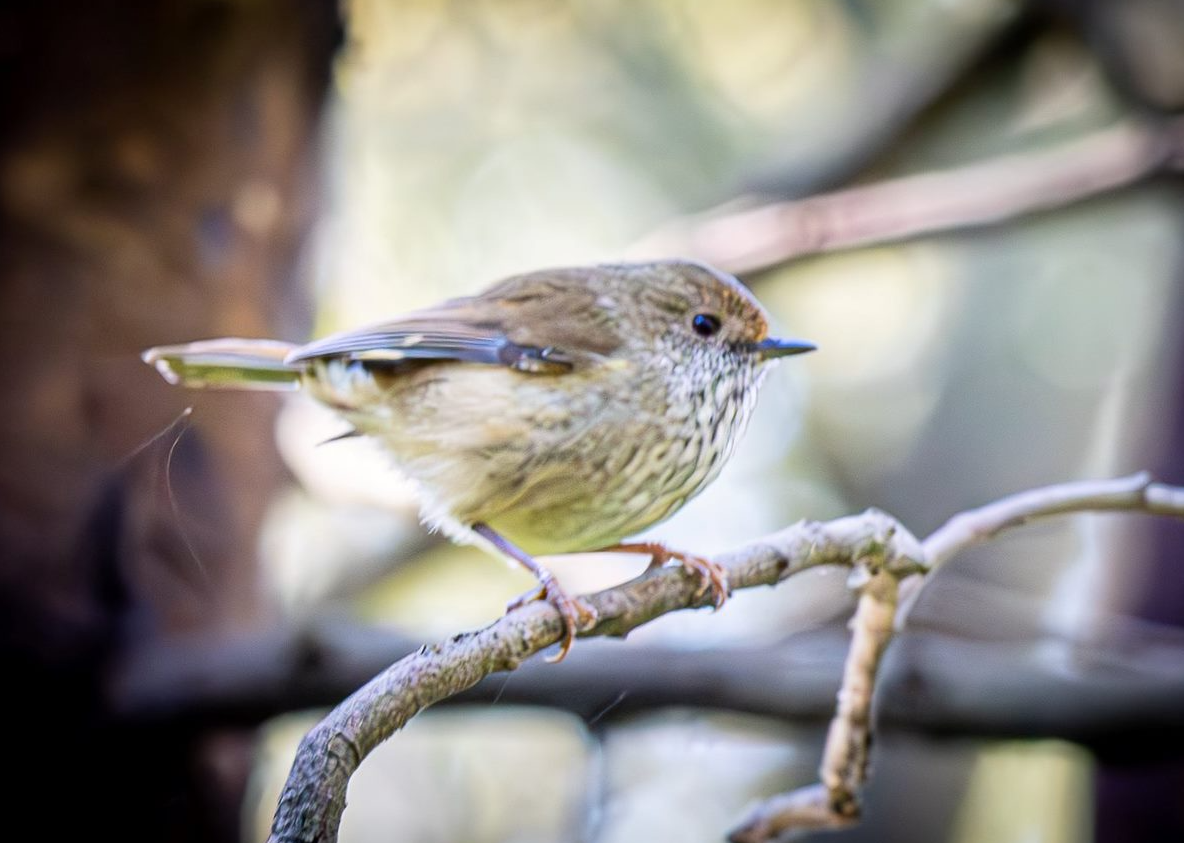
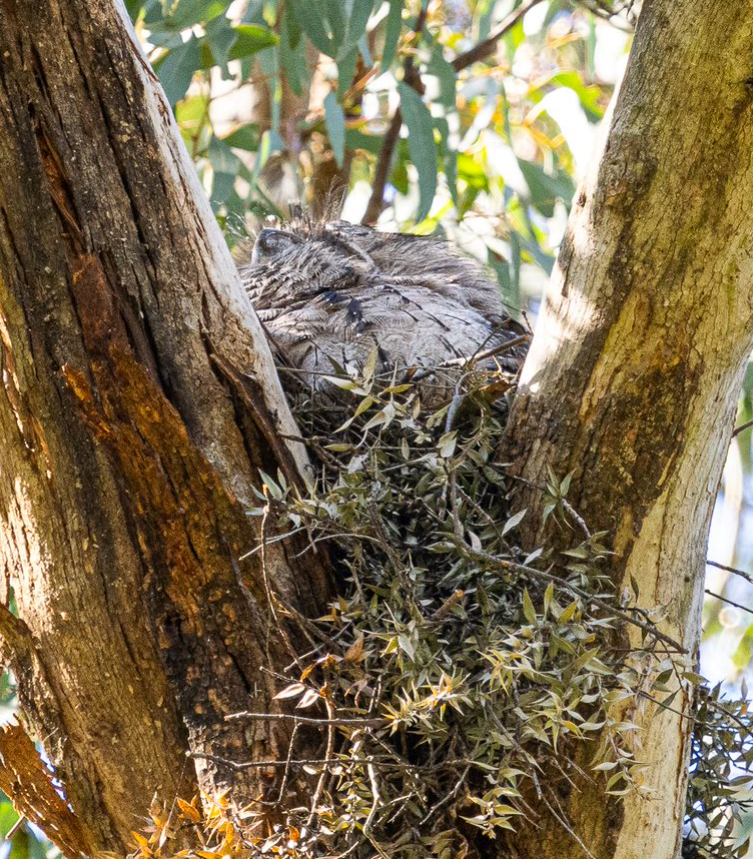
The dedicated bird watchers had better light on their monthly walks through the path (9/10). Here’s a selection of their sightings (thanks Lindy and Ken):
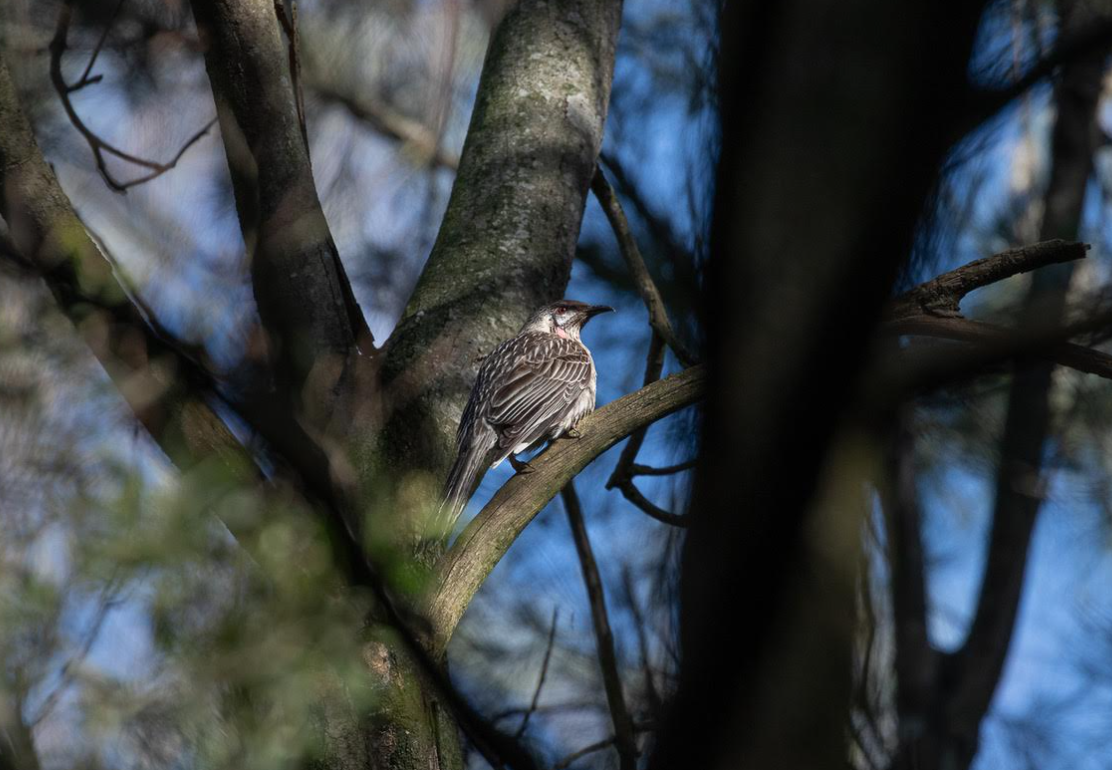
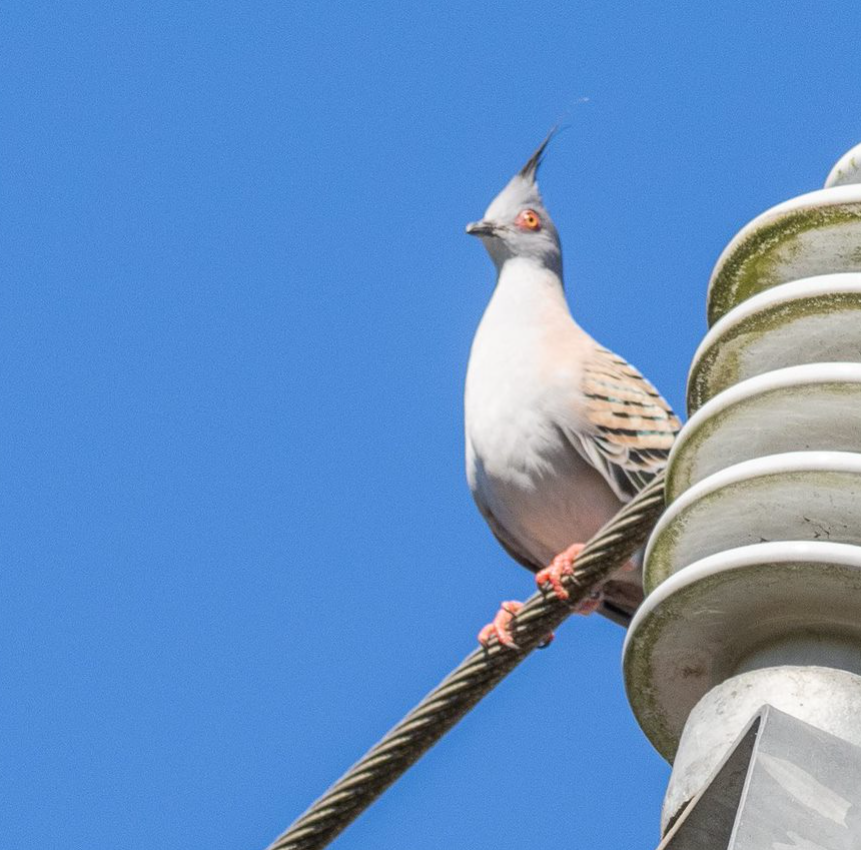
Please click on image to enlarge; click on the X to return
One of our favourite old stags on its knees in Blacks Walk:
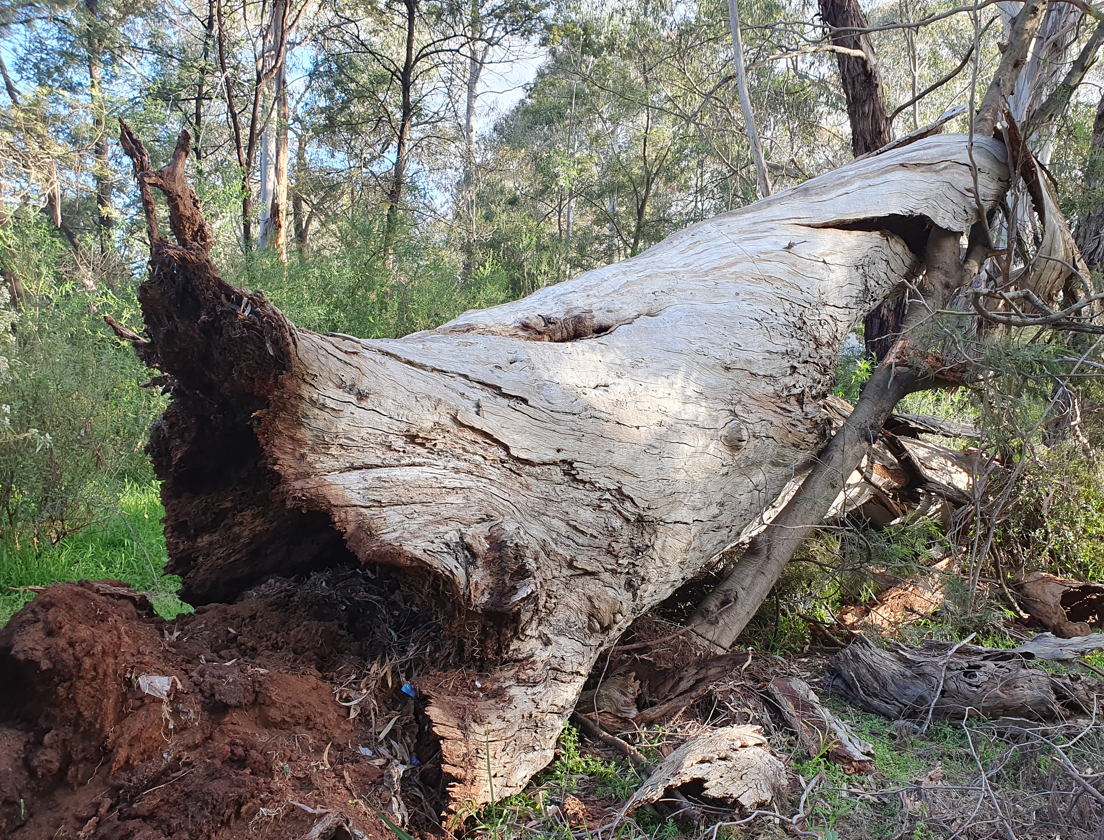
We also lost another large wattle in Blacks Walk – a Gosford Wattle (Acacia prominens). As its common name suggests, it is not indigenous here – but it has left rather a large gap in the canopy.
Miscellaneous sightings
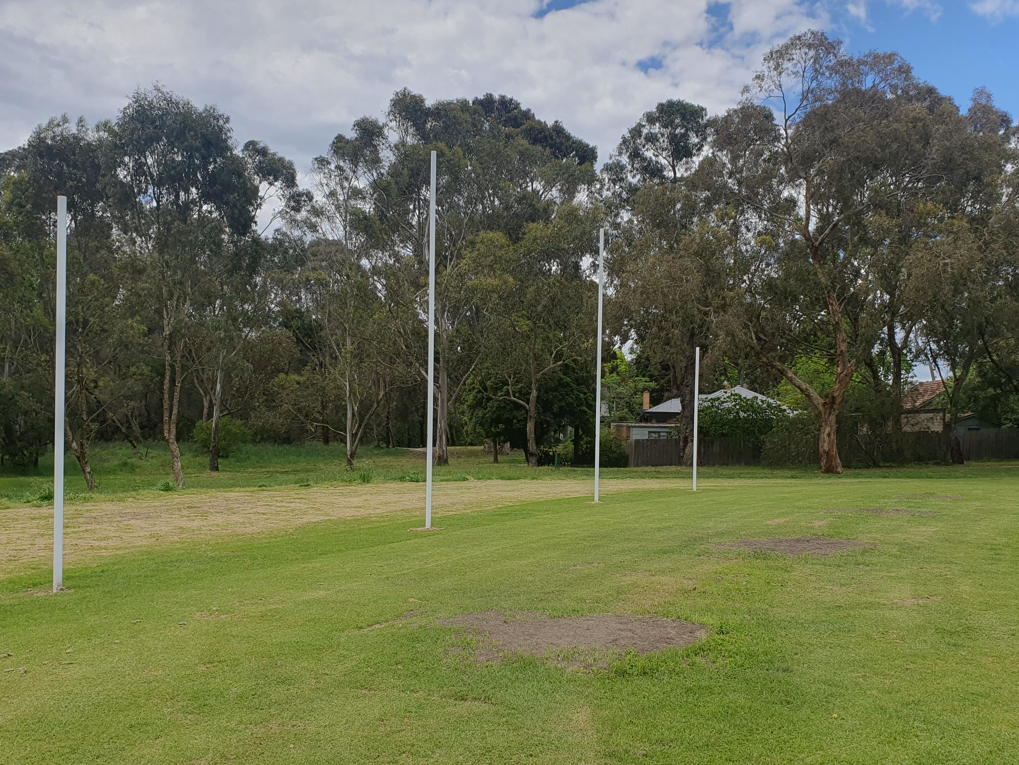
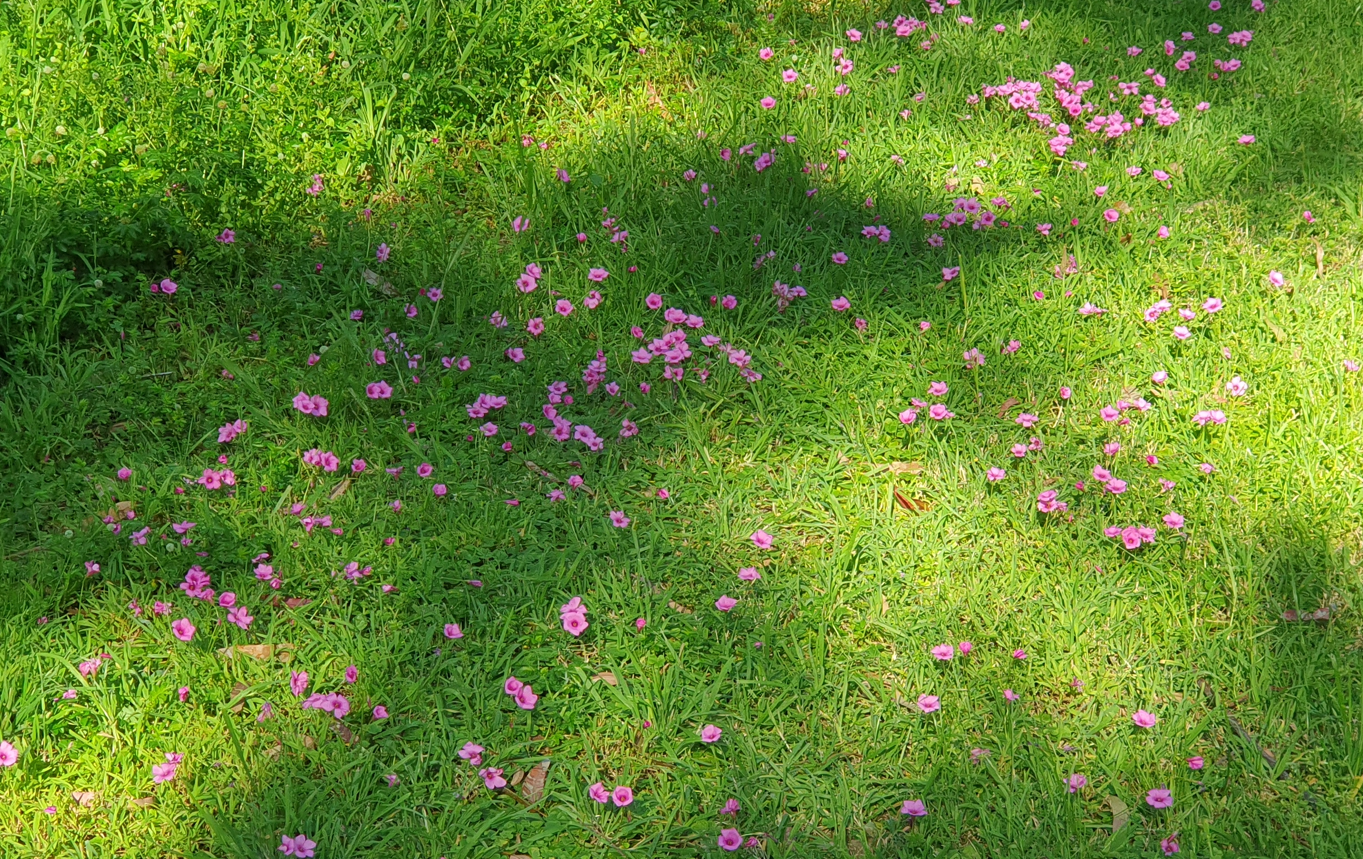
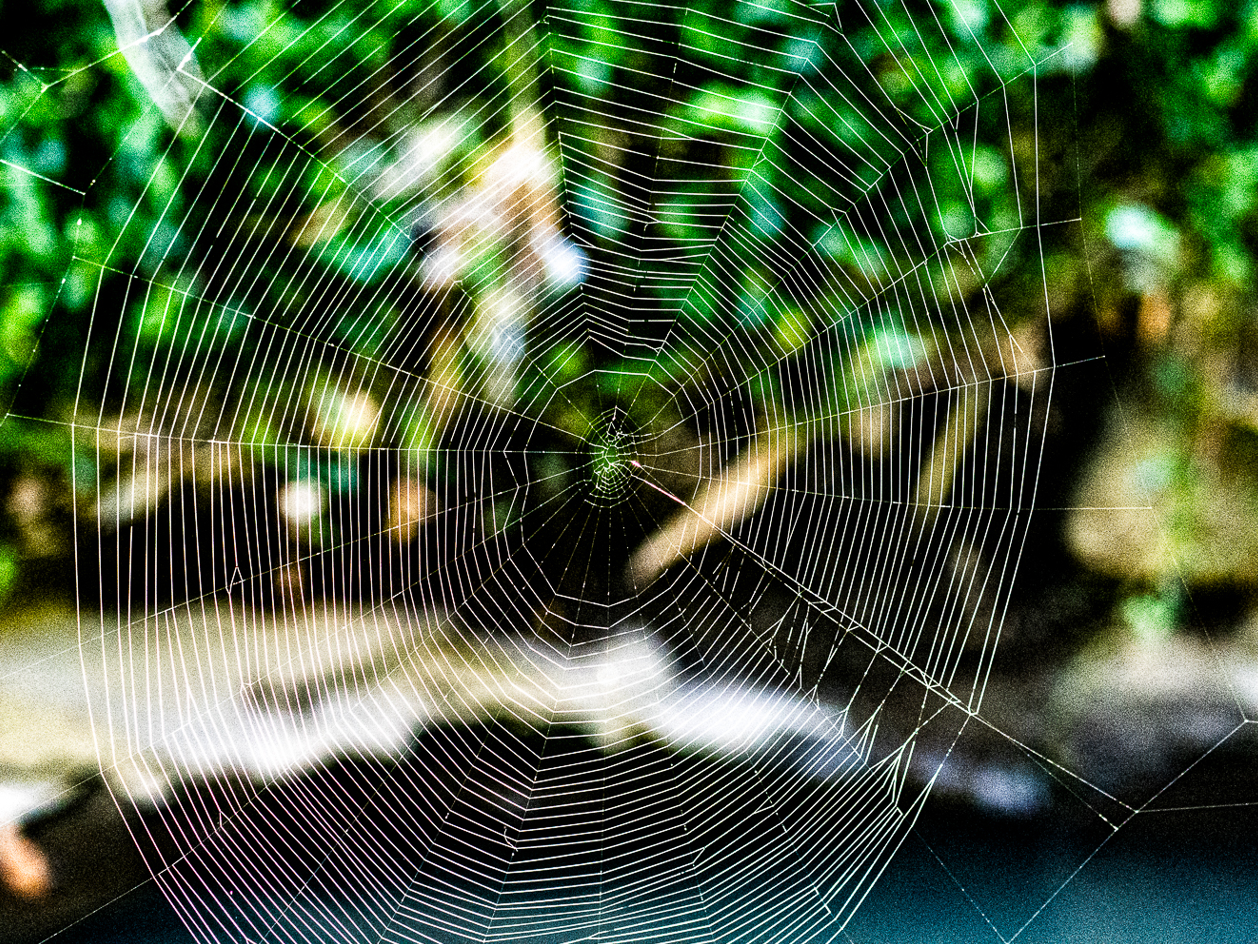
Here are a mixture of other sightings – plants flowering in all sorts of ways including a starburst of Bulbine Lily flowers, a Common Flatwing damselfly and others:
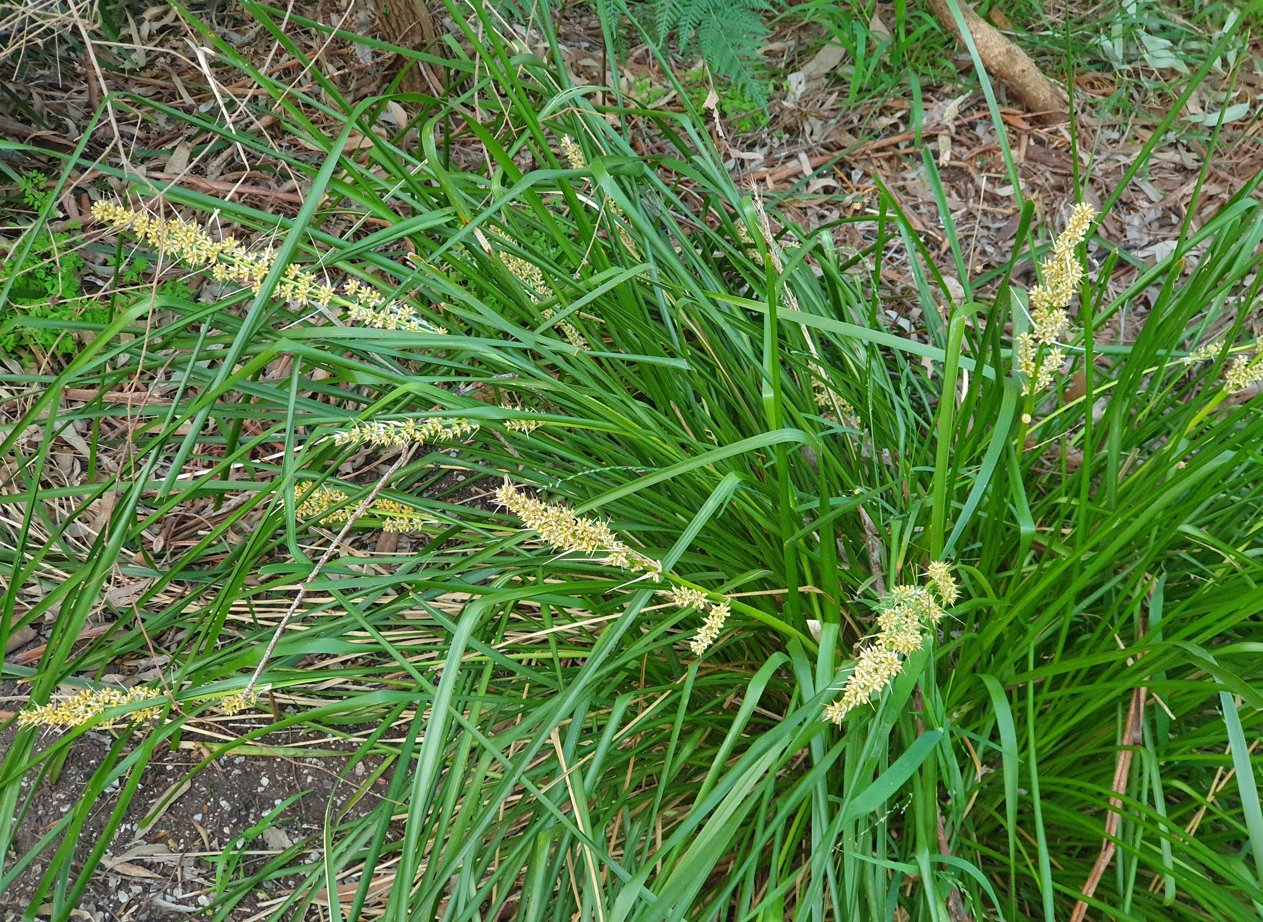
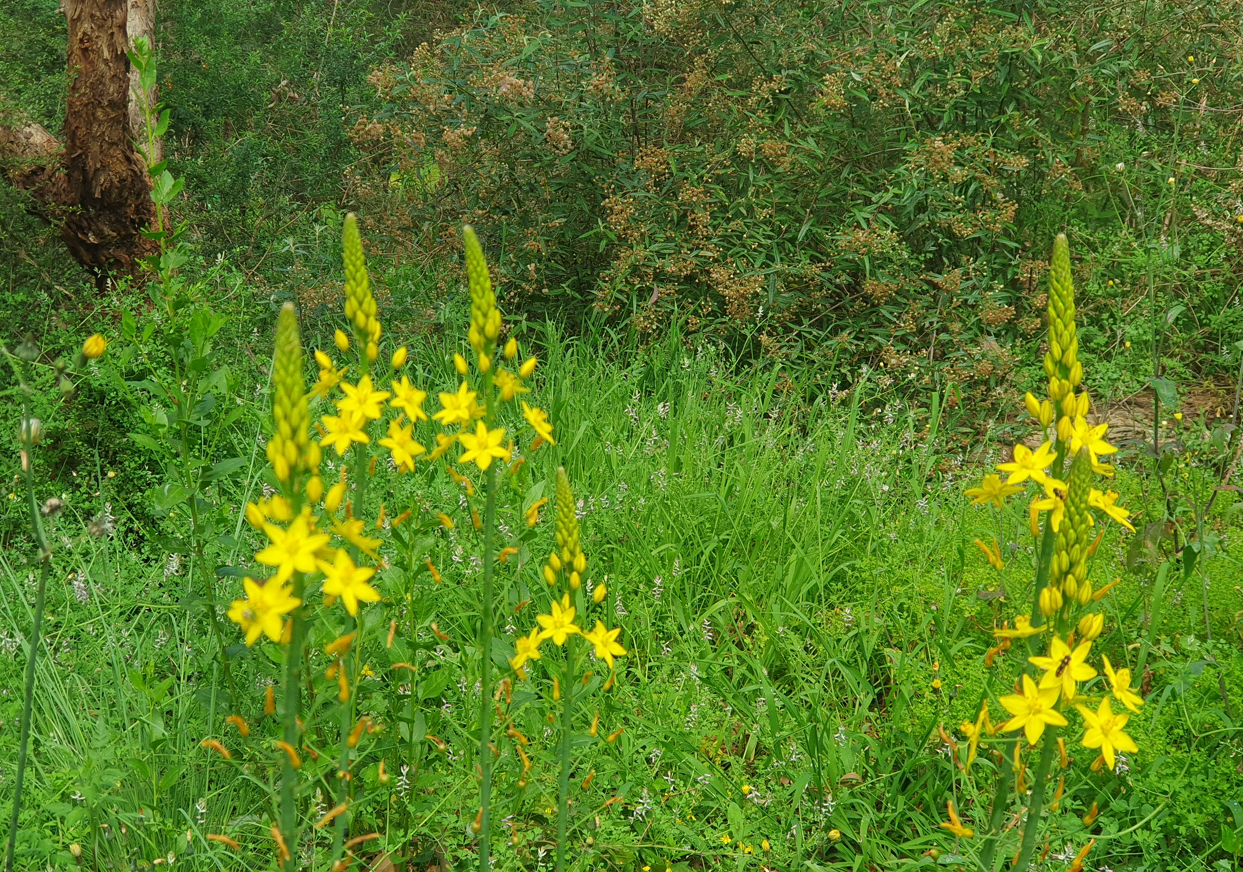
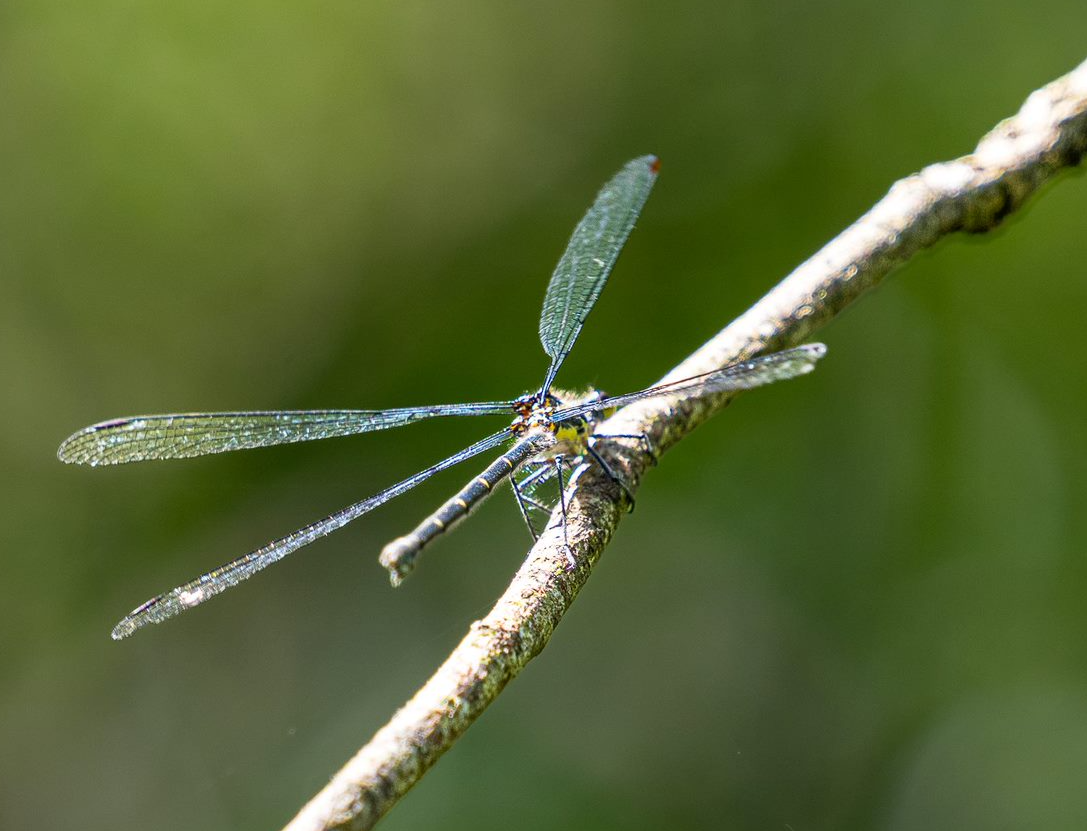
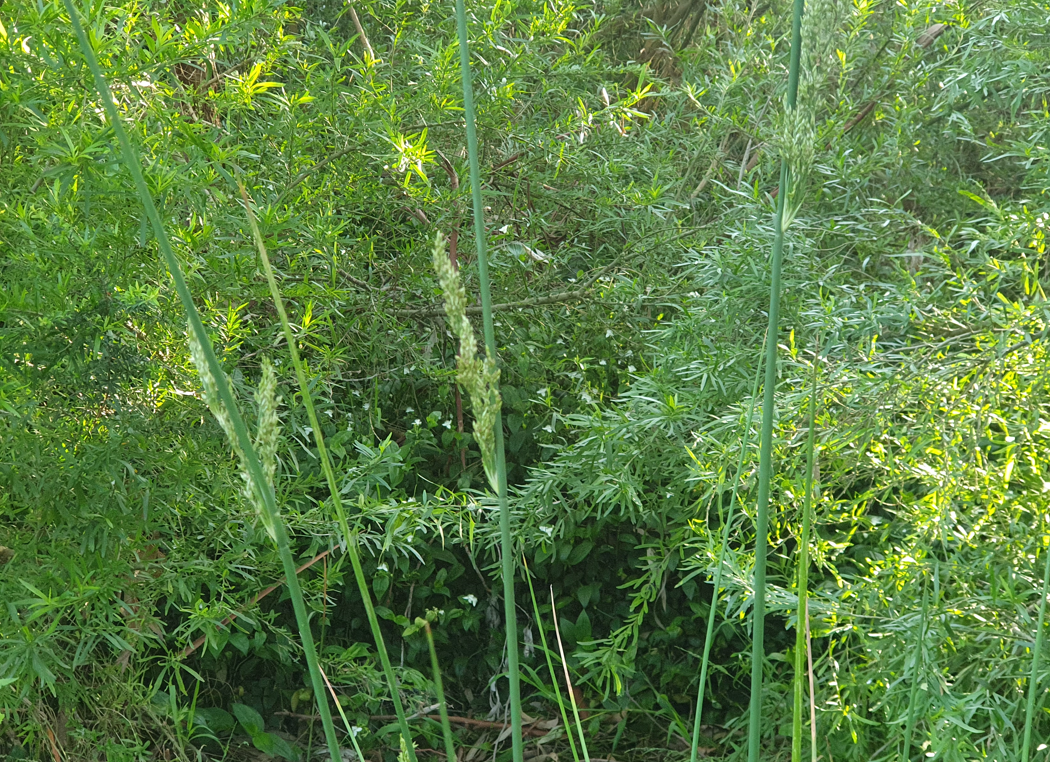
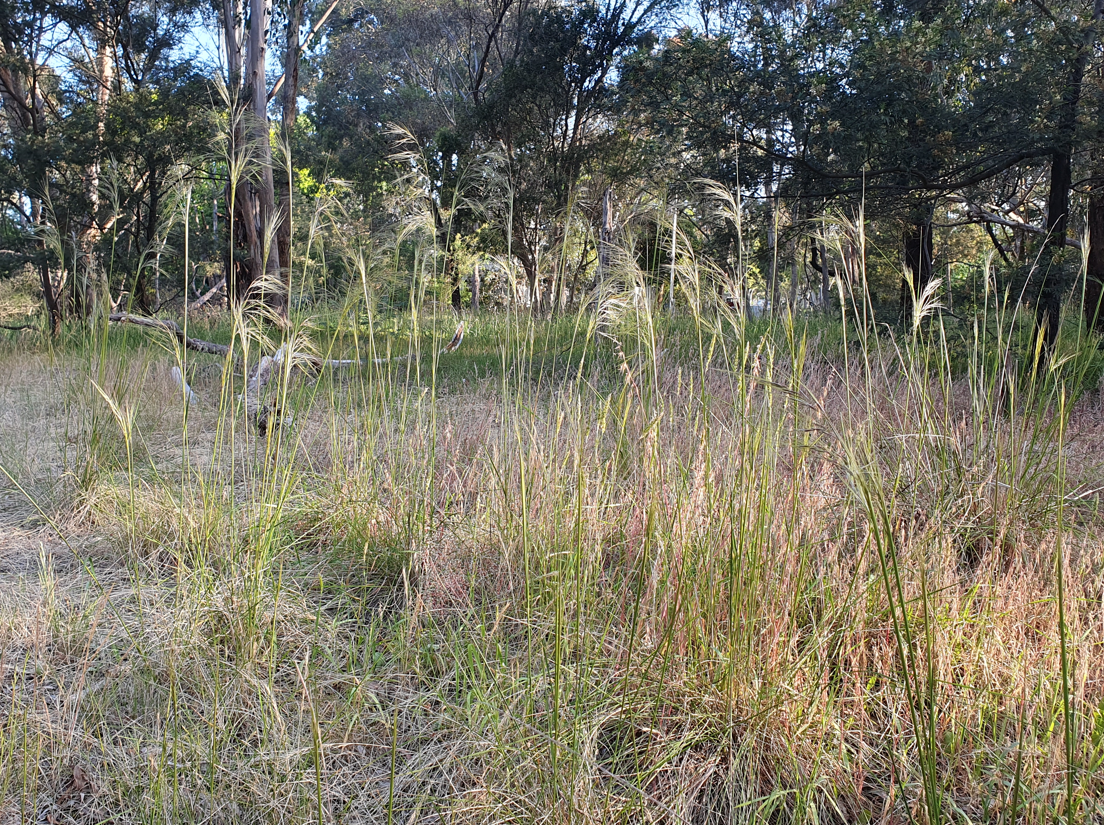
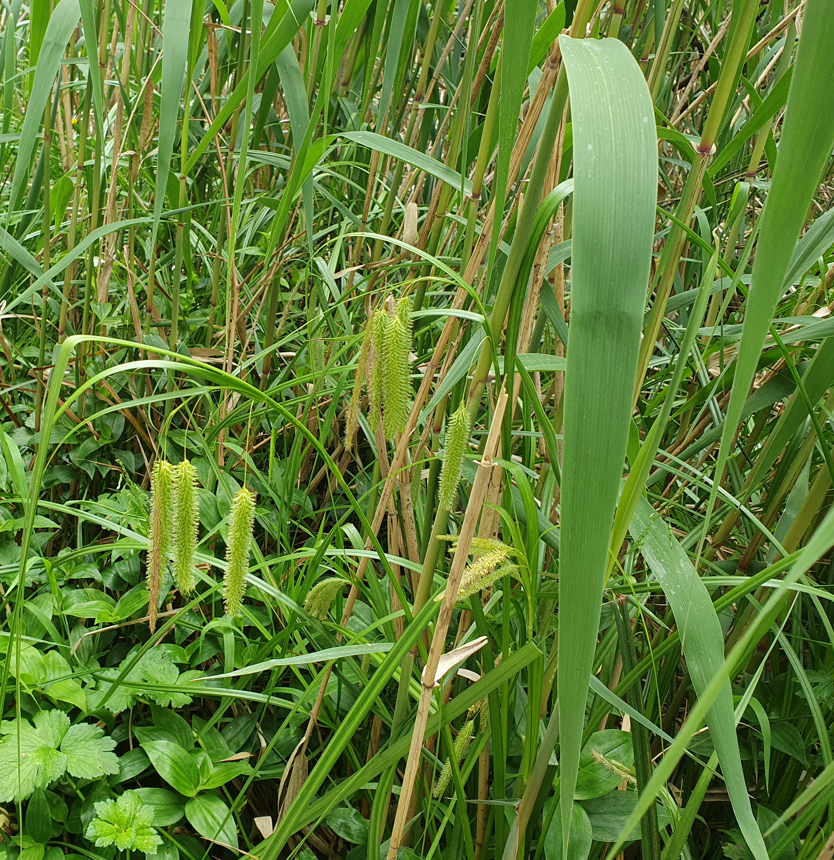
Please click on image to enlarge; click on the X to return
Another interesting sighting was a Caper White butterfly trying to trick us that it was the earliest ever hatching of an Imperial Blue. The butterfly happened to be resting on a young wattle well known for the Imperial Blues and their symbiotic relationship with ants.
Caper Whites only occur in Melbourne when strong winds blow them in from semi-arid NSW or SA, usually in Spring. Caper White Butterflies feed on plants belonging to the caper family (Capparis spp) which include native capers and the Warrior Bush – these do not occur in Victoria, let alone the Creeklands.
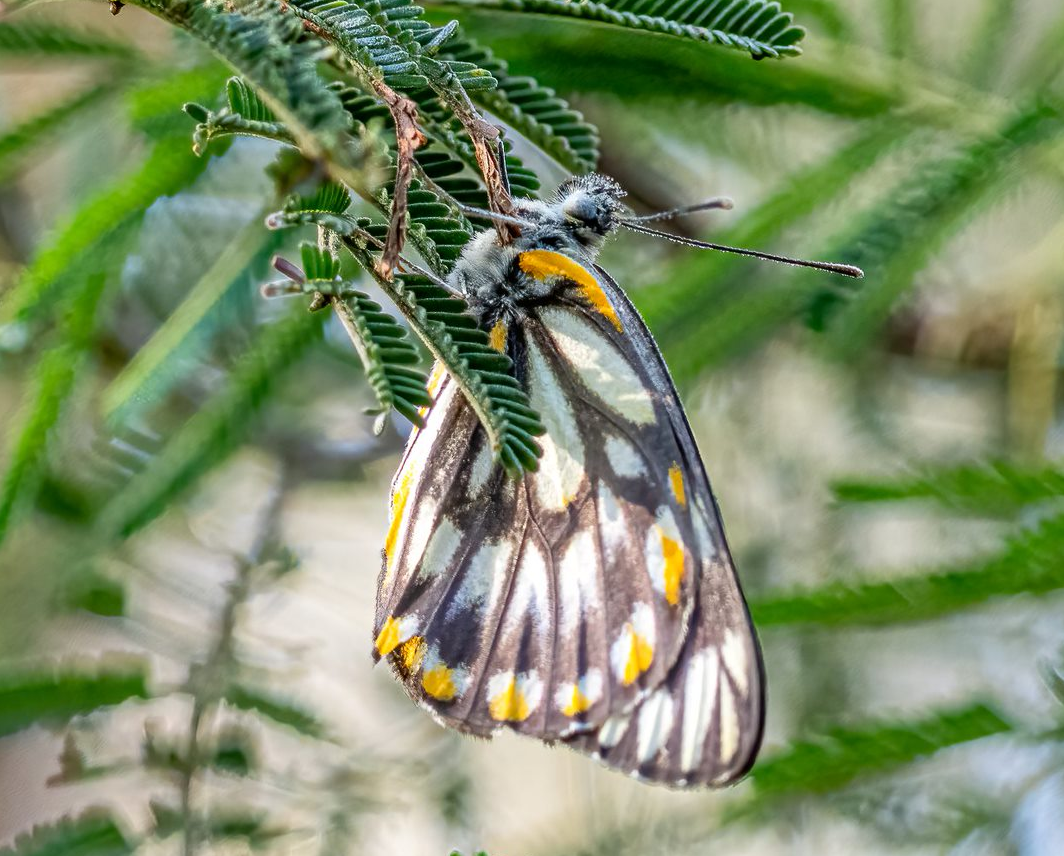
The underside of the wing has quite a lot of yellow as well as a bluish tinge. The upper side (partly visible at the bottom right) is white with quite a lot of black around the ends of its four wings.
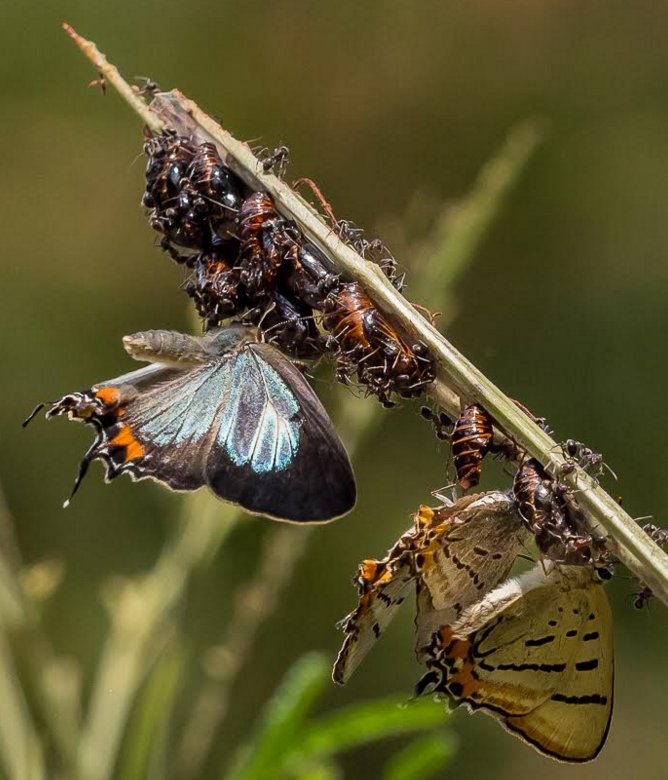
Ken (our photographer) noticed that the butterfly lacked the “dangly” parts of the hind wings of the Imperial Blue (see Ken’s 2018 photo of a Imperial Blue metamorphosing at left for comparison).
These amazing events do not usually commence until November / December. The upper/lower colour differences are very marked in this species – sky blue with black edges with an orange flash on top and buff with orange and black streaks underneath. Another common name “Hairstreak” reflects the underside view.
Corridor Matters
Neighbours
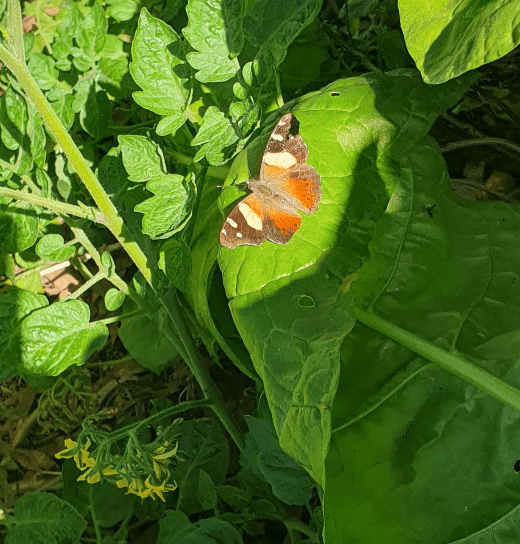
Speaking of butterflies, park neighbours sent us this photo of an Australian Admiral (Vanessa itea) butterfly resting in their vegie patch. This butterfly is sometimes called the Yellow Admiral. The “white” patches on the forewings caught in bright sunlight are actually yellow.
This species is not a “blow in” like the Caper White – but reasonably common at this time of year.
Their larvae usually feed on nettles – hopefully not on the neighbours’ spinach or tomato plants!
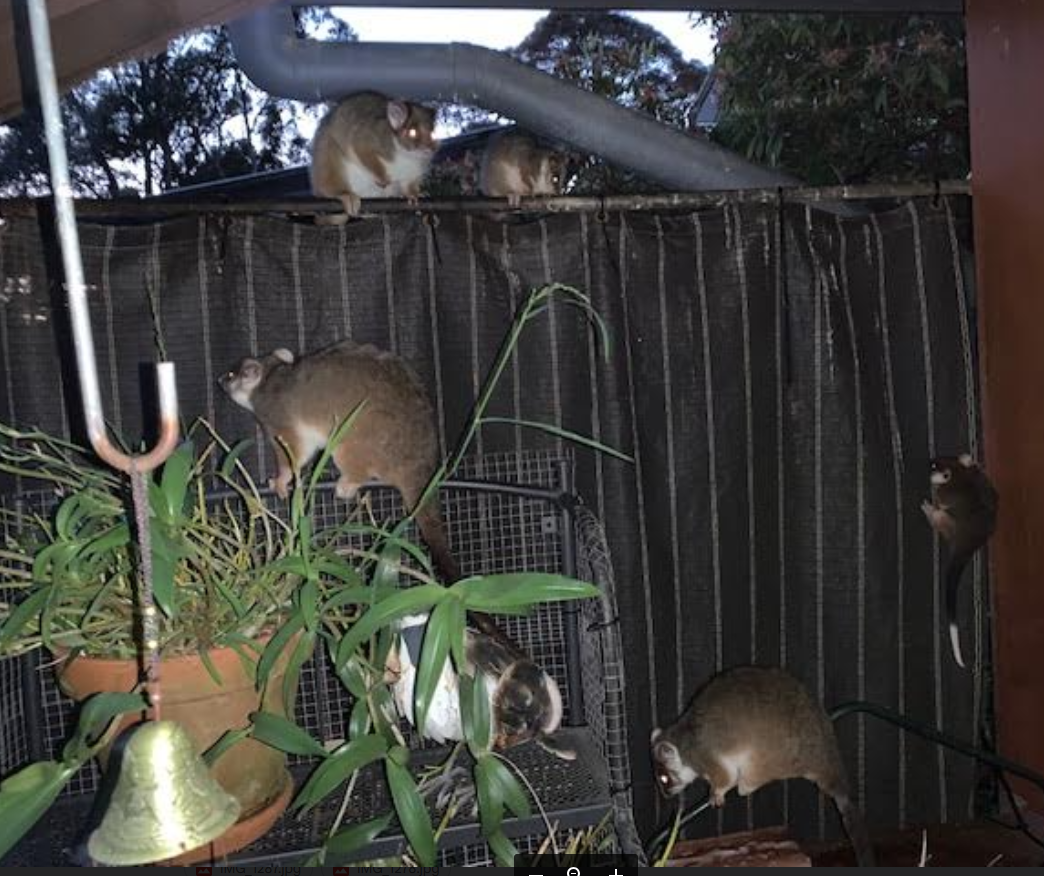
Also coming to the neighbours for a feed, Mike’s garden is very popular with Ringtail Possums of all ages! Seems like someone rang the dinner bell! Apparently, they have adopted a policy of removing exotic plants…
Superb Fairy Wren study
The Superb City Wrens project is a Melbourne University based urban citizen-science project – now researching the Superb Fairy Wren throughout suburbs of Melbourne. They are planning a November blitz looking for the wrens in the City of Stonnington. Our friends at the KooyongKoot Alliance (KKA) are facilitating the project covering all of the KooyongKoot (Gardiners) Creek catchment – which includes our park.
Although sightings in the Creeklands are very rare, local bird watchers have reported sightings of a female Superb Fairy Wren here in February and July 2022 and April/May, 2021.
There is a small resident population at the Blackburn Lake Sanctuary. We think our sightings are possibly isolated birds following the creek corridor down to the Blackburn Creeklands.
Please let us know if you are interested in participating in the study if our park is included. We would then pass on your contact details to the project manager or the KKA depending on who coordinates the groups.
They are small birds – having a wingspan of 47-56mm. Here’s what they look like:
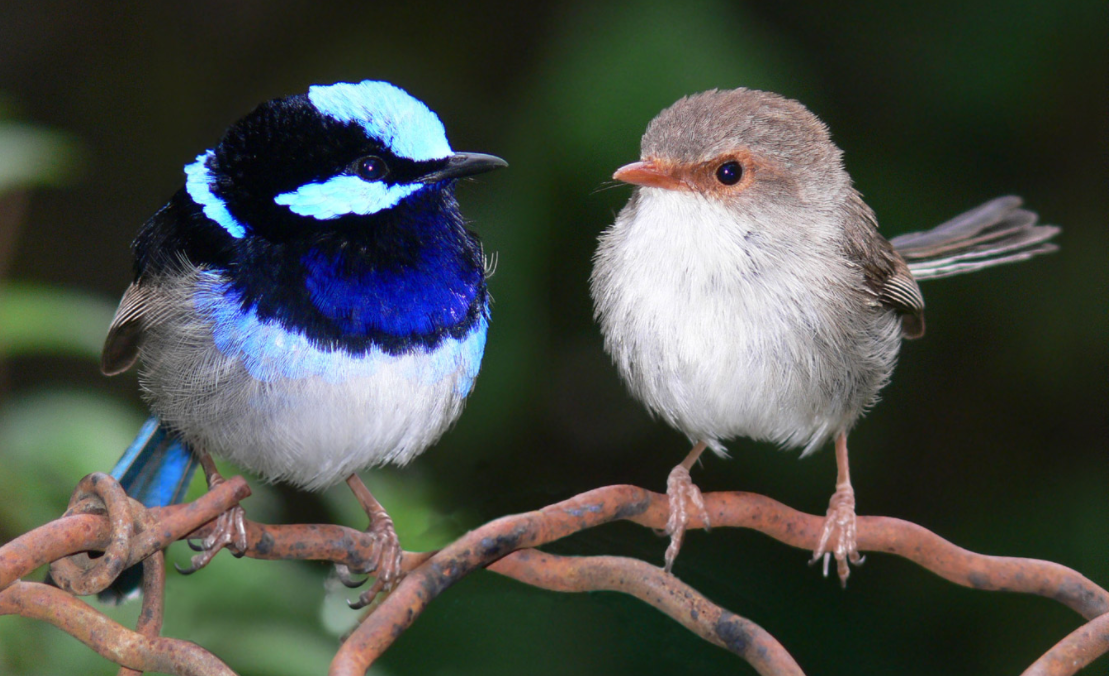
The species is strikingly “sexually dimorphic” – which means the males and females look quite different from each other. In the bird world, females and juveniles are often better disguised and less brightly coloured than the males. This helps them avoid predators – eg when birds are vulnerable when nesting – and, on the other side of the coin, helps the males to be noticed by potential mates.
KooyongKoot Alliance (KKA) Annual General Meeting
The KKA AGM (apologies for the alphabet soup!) will be held at 6.45 for 7.00pm start on Wednesday 13th November, 2024, at Blackburn Lake Sanctuary Visitor Centre, Central Road Blackburn. The meeting will:
- receive and consider the Annual Report and submit the Financial Statements for consideration
- update the Model Rules as required to be an official Taxation Office Deductible Gift Recipient
- to elect members of the committee.
The guest speaker, Dr Dimity Williams, will speak on integrating nature into healthcare including her book “Nature, Our Medicine: How the natural world sustains us.”.
More pressure on the park !
Agencies of the State Government are taking control of many aspects of planning in our municipality. These will have impacts on our park, KooyongKoot Creek and our trees – our first line of defence against climate change.
Suburban Rail Loop Authority
In April, the Suburban Rail Loop Authority (SRLA) announced plans for 40-storey buildings in the central Box Hill precinct, with shorter buildings of 15, 7, 6, and 4 storeys in surrounding areas. This followed a February announcement from the State Government about the “future homes” initiative, which aims to increase Melbourne’s housing stock by over 2 million through three-storey apartment blocks.
Premier and Ministry of Planning
Then, in June, the State Government proposed that Whitehorse should accommodate 79,000 new dwellings by 2051, more than doubling the 74,200 dwellings listed in 2023. Later that month, Planning Minister Kilkenny approved the seven-tower Vicinity project in Box Hill, with buildings ranging from 19 to 50 storeys.
Then followed announcements in August relating to the “structure planning” process in 10 new activity centres being fast-tracked – from up to five years down to about 12 months in suburbs such as Broadmeadows, Camberwell Junction, Chadstone and Ringwood.
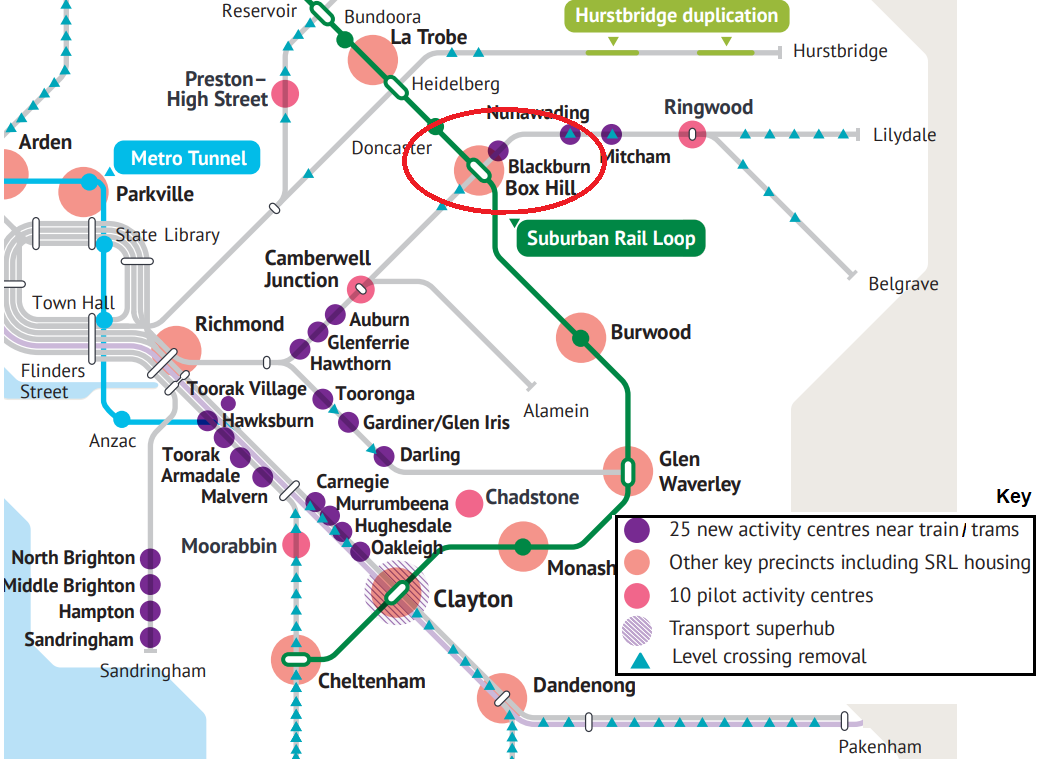
The State Government announced further densification in our area on 20th October: Blackburn, Nunawading and Mitcham are three of about 50 Activity Centres where taller blocks of flats will be fast-tracked – here is an excerpt of a map which shows some eastern and southern suburbs:
Premier Allan has also rolled out a 12-month “stimulus” plan to slash stamp duty for off-the-plan apartments, units and townhouses. Experts appear to be skeptical that there will be much impact – given our high construction costs and high interest rates environment. One wonders where the replacement income would come from too!
On the 24th October, came the news that people will be able “build an extra home on a block without planning approval” as long as they meet the existing heritage, flood and other rules.
In yet another announcement (27/10), the Victorian Government says it will speed up the approvals of new townhouse and low-rise flats that are designed to address specific criteria from 2025. The objective is that new developments will be approved in four months – instead of the usual 12 months.
Impacts – Park usage
Clearly, there will be further usage pressure on our park from nearby relentless densification and population increases – spreading eastwards from Box Hill into Blackburn, Nunawading and beyond.
More flats, approved more quickly with lower government taxes, and more houses will mean more people needing parklands for their physical and mental health.
Impacts – Our creek
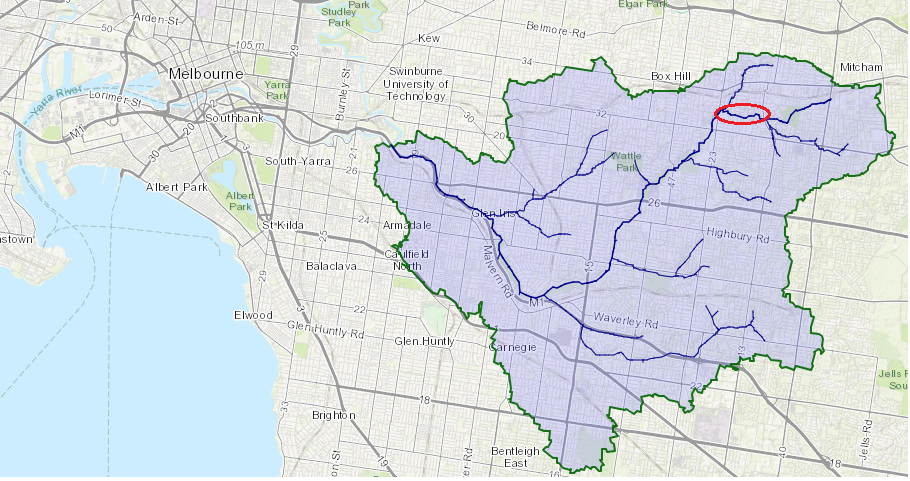
There will also be more pressure on KooyongKoot (Gardiners) Creek too (not to mention all the other parts of our infrastructure – health, roads, education etc). Higher density construction will likely increase stormwater flows, erosion and litter/pollution coming into the creek. This will occur from the creek’s headwaters in Blackburn/Nunawading/Mitcham, in the Burwood/Glen Waverley area (SRLA), also from Darling to Tooronga, Chadstone-Carnegie-Malvern and then on to the Yarra and Port Phillip Bay.
Impacts – Our trees
Tree canopy is so important for climate regulation, our health benefits, biodiversity, air quality and water management.
All of these changes will also combine to accelerate the continual diminution of canopy and mid-storey cover on private land that we are already seeing. The dreams of Urban Forests are becoming a reality of concrete jungles.
The connectivity along our Corridor – the all-important biolink for diversity – is likely to be strewn with obstacles.
 Blackburn Creeklands