Our Compliments of the Season!
Not learning our lesson, we went back to an AI to create another Christmas card for you for this year – we asked for something like “Santa and a Tawny Frogmouth in the Blackburn Creeklands”. This was the result:
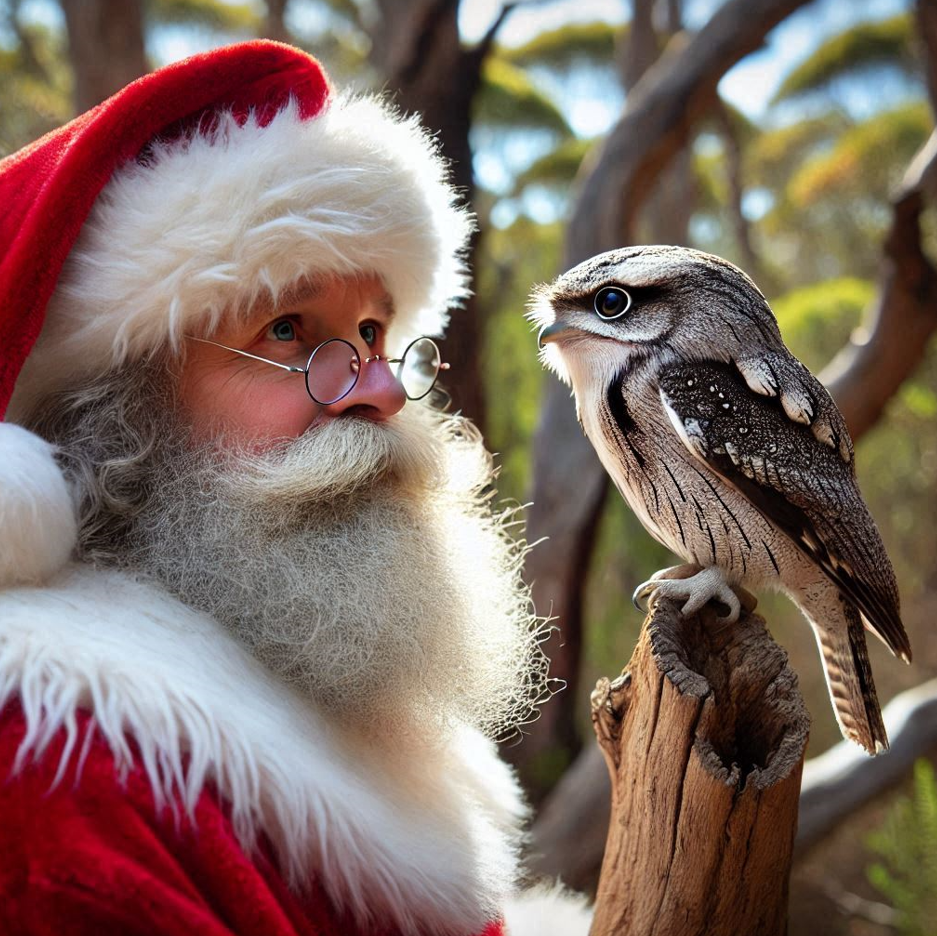
OK… Santa is dressed inappropriately for an Aussie summer Christmas. Furthermore, Santa is clearly looking out for predators while being perplexed by the Tawny’s feet being wrong, the eyelid looking over-emphasized and the beak/mouth not looking very froggy… although, credit where it’s due, the tufts above the beak are a nice touch even if a bit short!
We wish all our Friends and your families a safe and happy holiday period – and all the best for 2025!
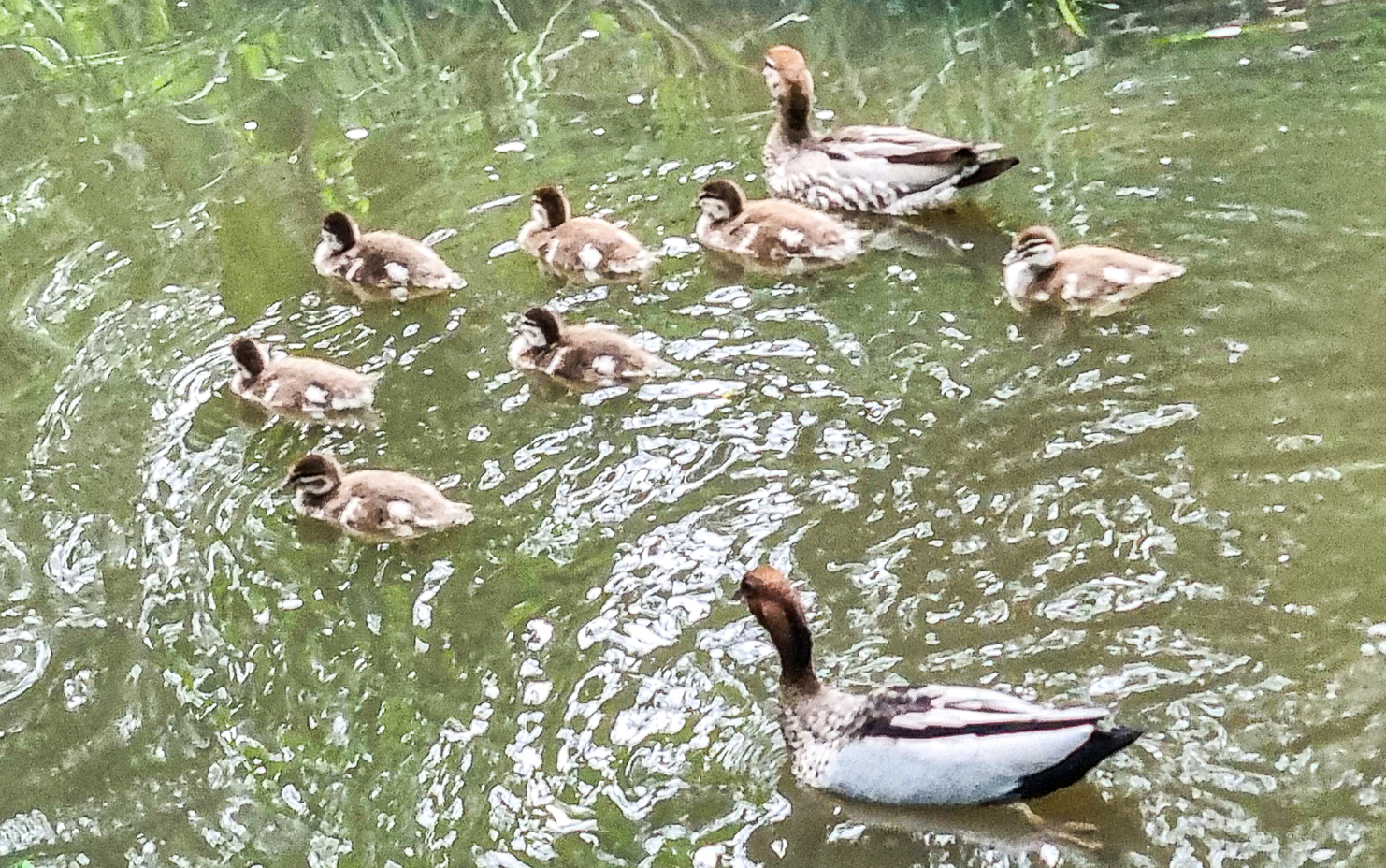
Whether you are staying at home or going for a swim like these park residents, stay safe, do what mum and dad tell you – and have an excellent time. Don’t forget your sun and heat protection!
A Christmas Story
The following photos show an amusing interaction between our keen birdos/photographers Greg and Barb – and a Christmas beetle.
Greg was keen to go and try out his spiffy new lens camouflage cover in the park. Those covers are designed to blend in with vegetation so subjects do not “twig” to the paparazzo being there.
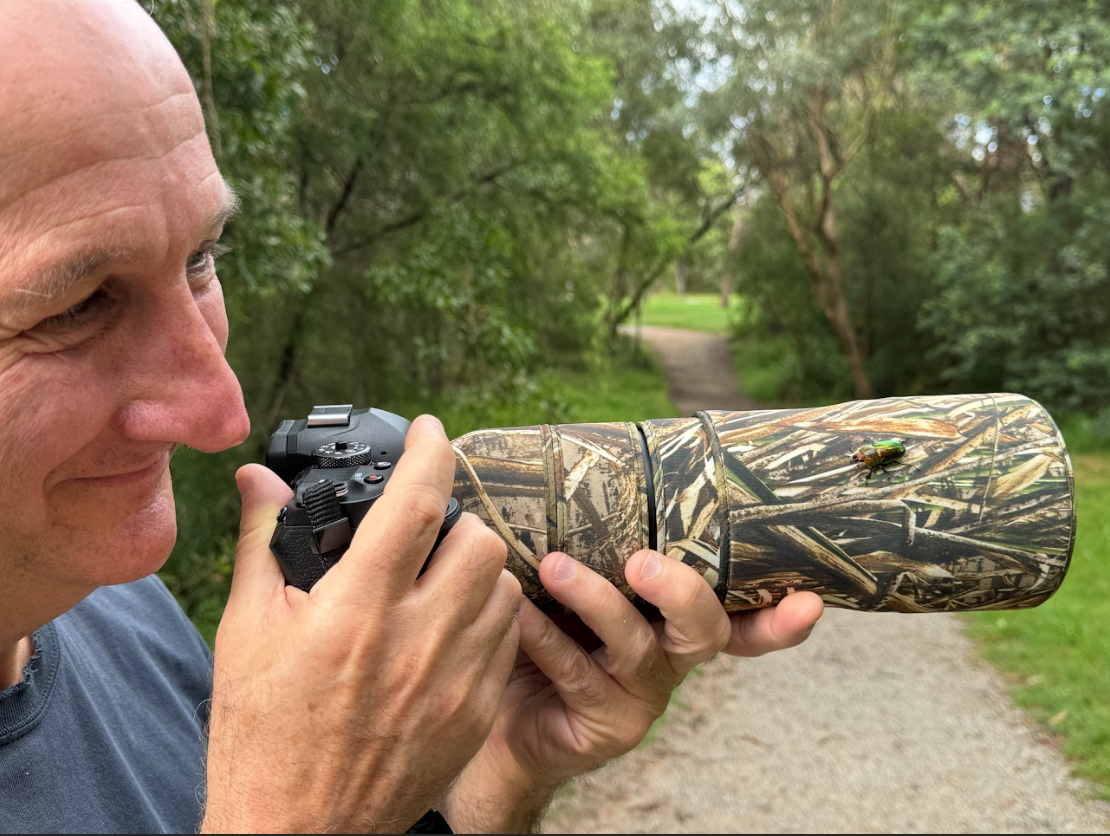
Barb’s photo shows Greg’s amusement when he notices that a Christmas beetle has taken a shine (sorry!) to the lens cover and shows no intention of finding actual foliage elsewhere in the park.
Photographers have to be opportunists – and luckily Barb and Greg live near the park. As Greg says:
The beetle was quite tenacious; it sat on the camera lens all the way back home and waited patiently while I set up my camera with a macro lens flash and diffuser to get those shots!
The lightbox below shows the extraordinary photos that followed before the beetle resumed its life in the park:
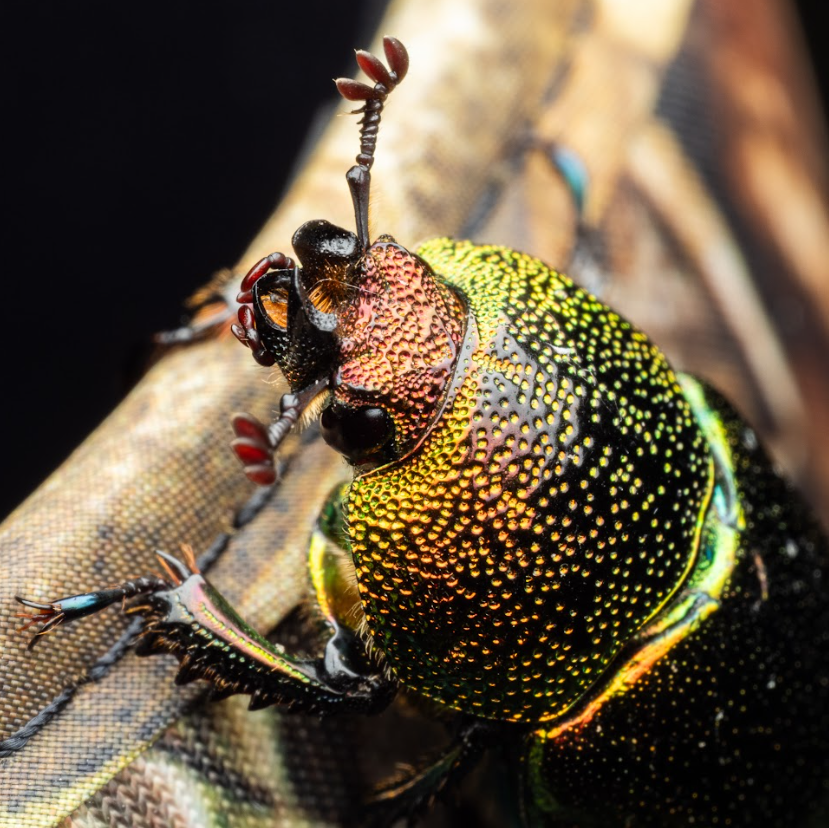
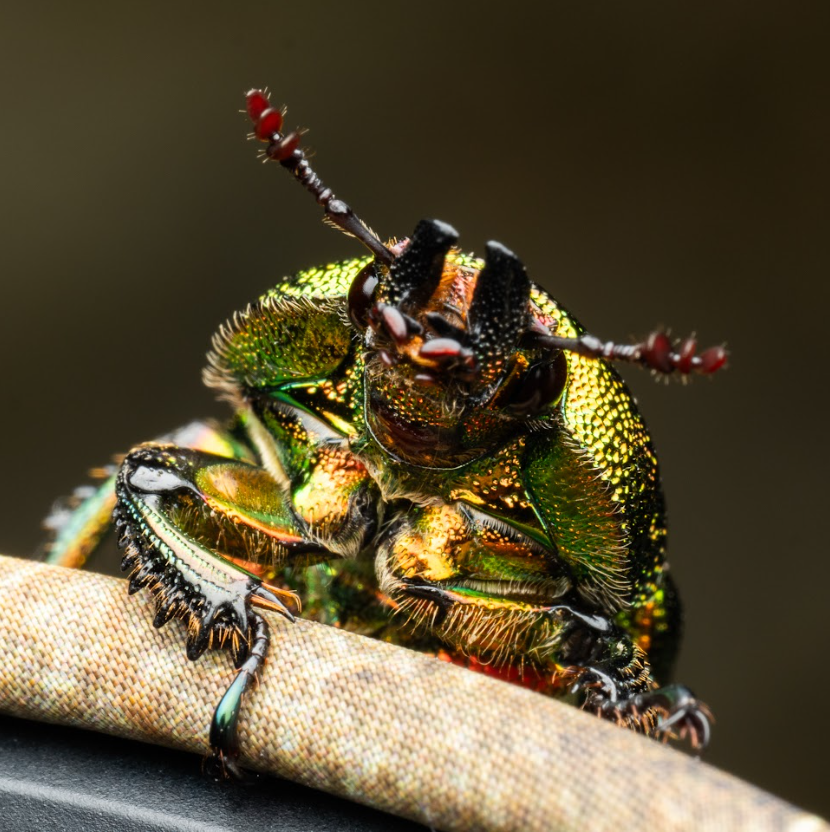
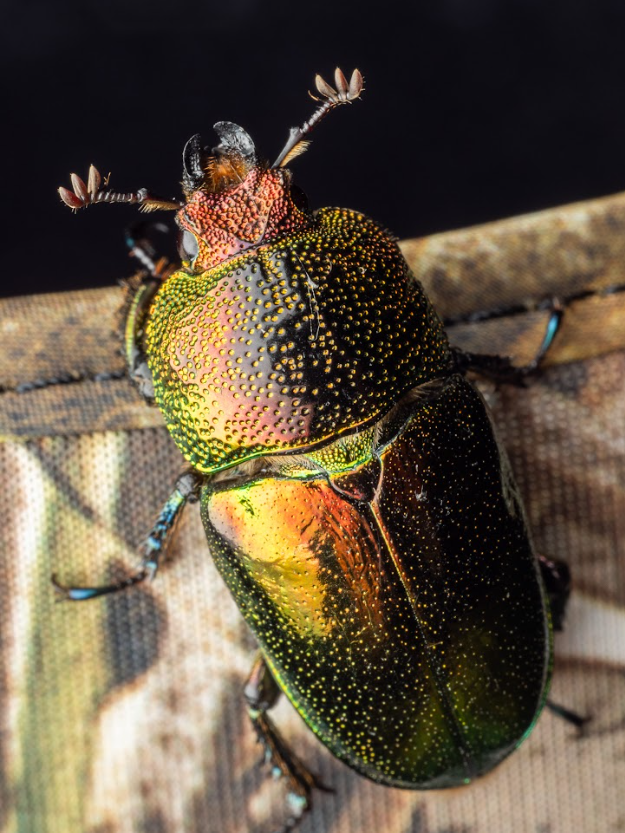
Please click on the amazing images to enlarge; click on the X to return
The common name “Christmas Beetle” is somewhat generic – basically applying to any beetles that appear around Christmas time and especially those looking like Christmas baubles with their shiny, metallic appearance. The dimpling is not obvious to the naked eye – but shows up very clearly via Greg’s macro lens.
Our specimen is a “Golden Stag” (Lamprima aurata) in honour of its beautiful golden-green colours. Interestingly, their stunning colours arise from interference and reflection of light from the nanostructure of the beetle’s exoskeleton – rather like how you see brilliant colours on soap bubbles or from oil on water.
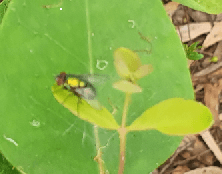
Other insects appear to use the same trick – here’s a shiny fly we coincidentally found recently – resting atop a eucalypt seedling. We think it is a Common European Greenbottle fly (Lucilia sericata).
The “stag” part of the beetle’s “Golden Stag” name would refer to the mandibles which can be quite large on the males. Male stags tend not to eat much – other than feeding on eucalypt flower nectar energy drinks in the canopy. Their mandibles are mostly used for fighting other males when competing for females – much like European deer would.
Although they spend most of their time in the canopy, sometimes you might find them on the ground. They start life as sapro-xylophagous white grubs. That mouthful of a hyphenated adjective means “feeding only on dead wood” – one habitat reason it’s so important that some stumps and dead logs are left standing or on the ground after a tree is felled or falls in the park. The females lay their eggs in the dead wood. In due course, the grubs hatch and bore into the wood where they stay as large white grubs for about two years. They metamorphose into beetles in Autumn in the wood – staying put until around Christmas when they emerge fully-formed ready to start their three year lifecycle again.
What happened in 2024 ?
It is customary for us to review the year in our December edition – this year is no exception!
40th Anniversary
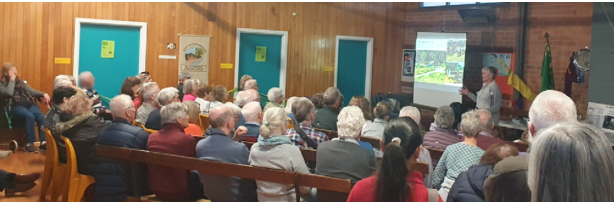
One big event for us was our 40th Anniversary as a Committee in May. We were so pleased by the incredible support from the community for the event and also the fun guessing park locations from old photos. Hopefully, you did not notice that we quietly had to double the seating capacity as the crowd rolled into the Scout Hall !
New Committee
We were shocked and a little embarrassed at our AGM in July to find our numbers depleted and our not being able to fill the important Office Bearer role of Treasurer.
Once again, we were incredibly pleased with the response from the community with Jenna, Greg and Delldint joining us for the first time, Mark re-joining after an absence and agreeing to take on the Treasurer role and by further offers of assistance in specialty areas. That left the old-timers (Megan, Evelyn, Bec, Anthea, Graeme and John) breathing a collective sigh of relief!
Whitehorse Open Space Strategy
Our new Committee was put to work immediately responding to Council’s draft Open Space strategy – the ability to comment closed on 30/8.
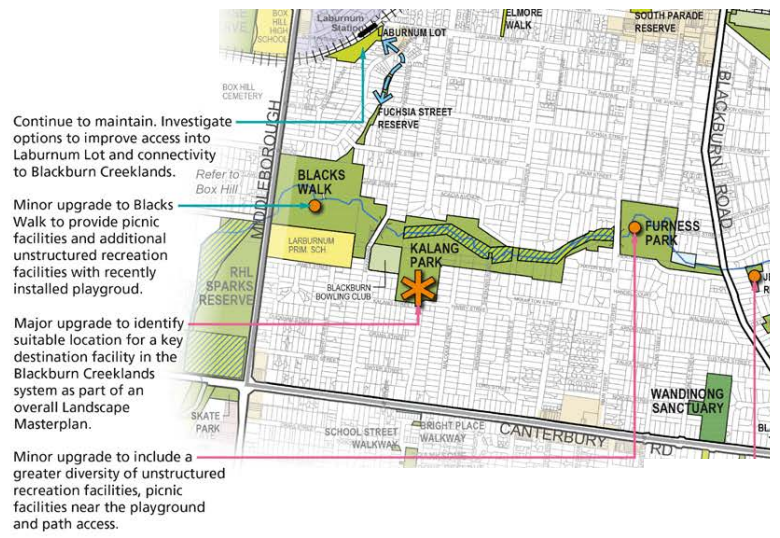
The revised strategy has not gone back to Council yet. An overall Master Plan is overdue and very welcome – but we do hope the “bushland park” feel will not be lost in inappropriate changes to priorities or developments. In particular, we do hope the “key destination facility” is not overblown.
60 Main Street flats
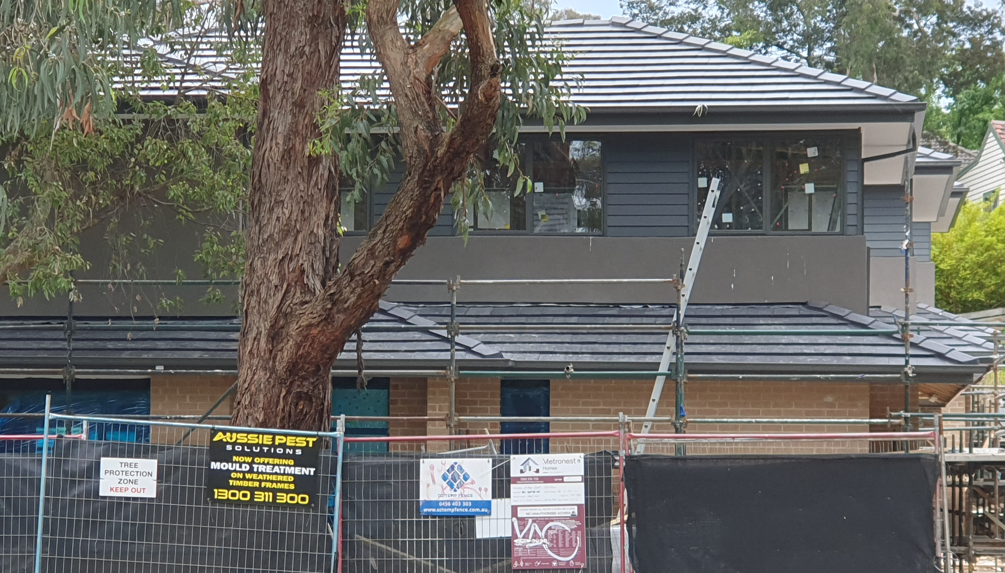
The 60 Main Street flats have finally been finished and are being sold. Thus ends a saga that started in 2012 with multiple visits to VCAT and ended up with the park’s Main Street frontage being dug up late this year because the development’s storm water system was non-functional.
SRL East
The Suburban Rail Loop’s “purple haze” (see below) has been looming ever larger to the east and north of the park throughout the year. Government announcements have gradually increased the size and impacts of the built form in the proposed plans. The SRL plans also dovetail into the general State Government planning changes which aim for Melbourne to become as large as London is now by 2050. Somehow, we are reminded of the frog-in-hot-water analogy as the planning changes kept rolling out with seemingly taller and taller blocks of flats encouraged…
This map, provided in early December, shows the implicit impacts on the park from population growth in Box Hill to our west and Laburnum to the north – and from vehicular traffic on the Middleborough Road side.
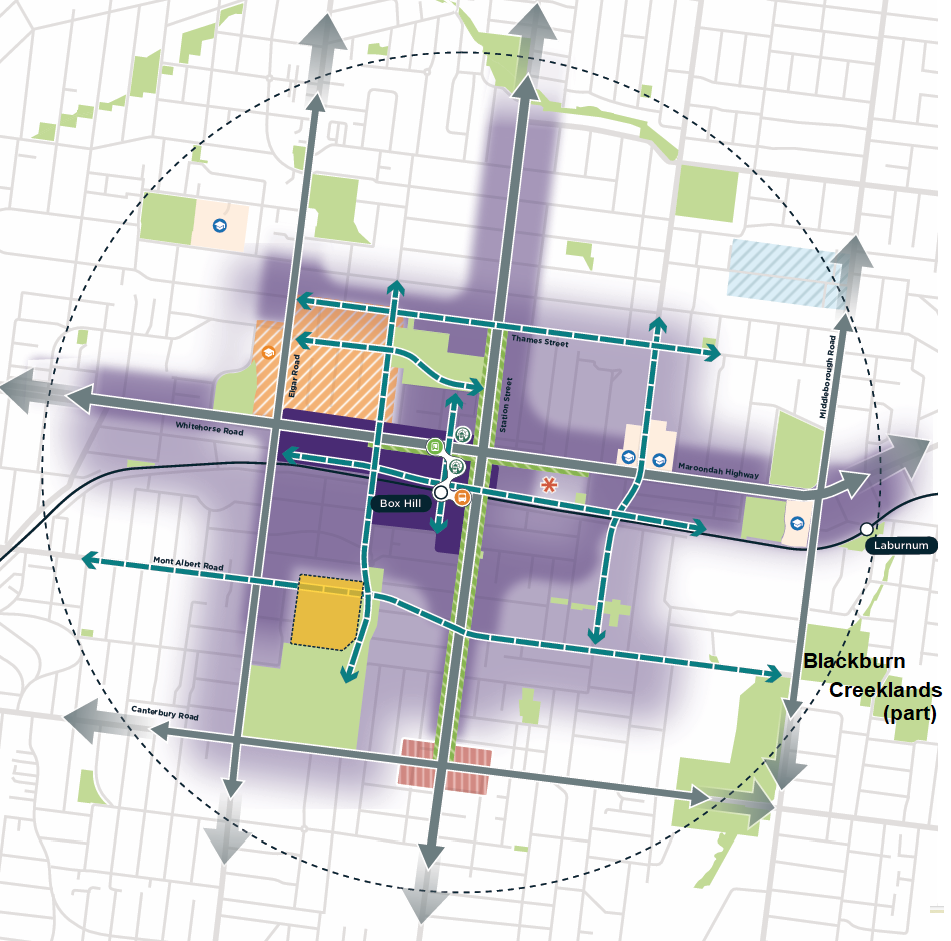
The SRL map above (from early December) shows Albion Street potentially joining with Mont Albert Road creating an east-west alternative to Whitehorse Road – ending at the Creeklands !
After a long silence on the success or otherwise of the campaign to save the Box Hill brickworks site as green space (shown in orange on the map) – Richard Welch MP has advised us that:
The Government’s Big Build and SRLA have confirmed high-to-mid-rise apartments and redevelopment at the Box Hill Brickworks site; Box Hill’s last open space is set to be turned into apartments.
Here’s the latest map excerpted from the just-released SRL documentation:
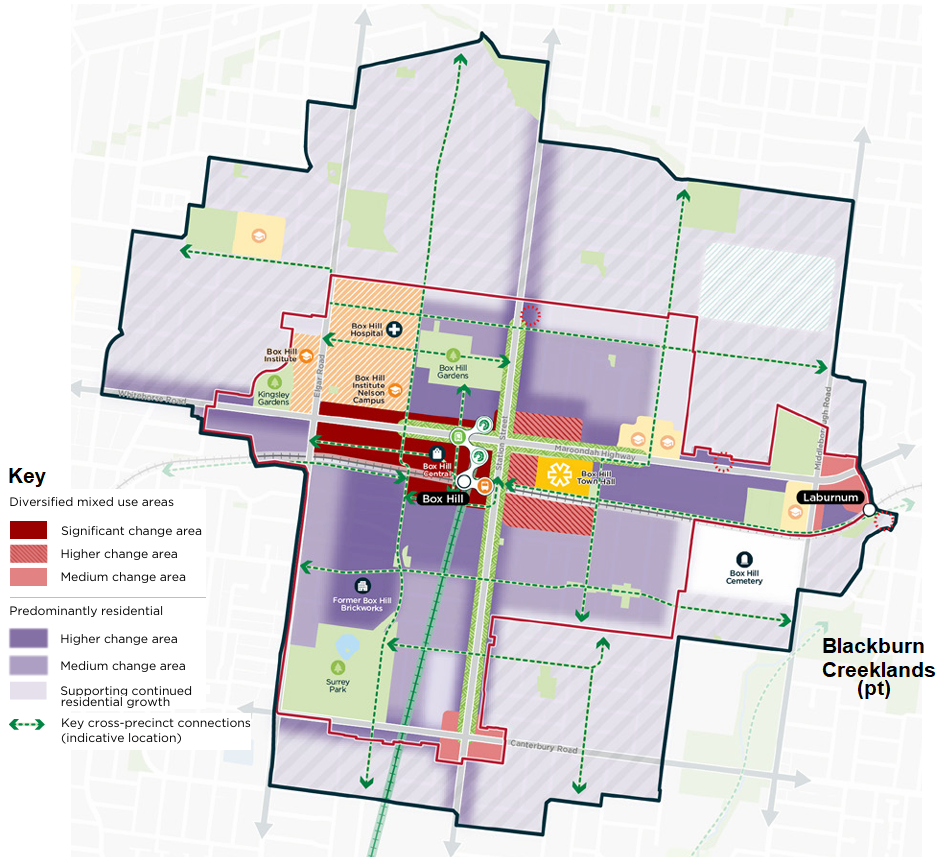
The Box Hill brickworks is defined as ‘Higher Change’ – so up to 50 storey tower blocks could ensue.
The indicative “key cross-precinct connections” often cut across parkland – presumably these are pedestrian/bicycle links (?) with a link finishing on Sweetland Road. One such link is also shown crossing Blacks Walk. The Mont Albert Road extension is not shown.
Laburnum Primary School is already expanding and can be expected to take the brunt of further population growth – unless additional schools are planned (?). Box Hill High School already seems to be bursting at the seams.
We can only defend, where we can, against the unwelcome impacts of these decisions and policies. For instance, we could plan for screening plantings along Middleborough Road to reduce pollutants, dust and rubbish entering the park and also to reduce the visual and noise impacts of even more vehicular traffic.
Whitehorse residents do seem to be “between a rock and a hard place”! Increased frequency and severity of climate change related events such as heatwaves cry out for improvements to our urban environment such as more tree canopy cover (which even now seems to be going backwards). However, higher density development seems destined to ensure further destruction of our natural defences! It is sobering to reflect that trees do not need us, but we definitely need trees!
Successful Breeding in the Park
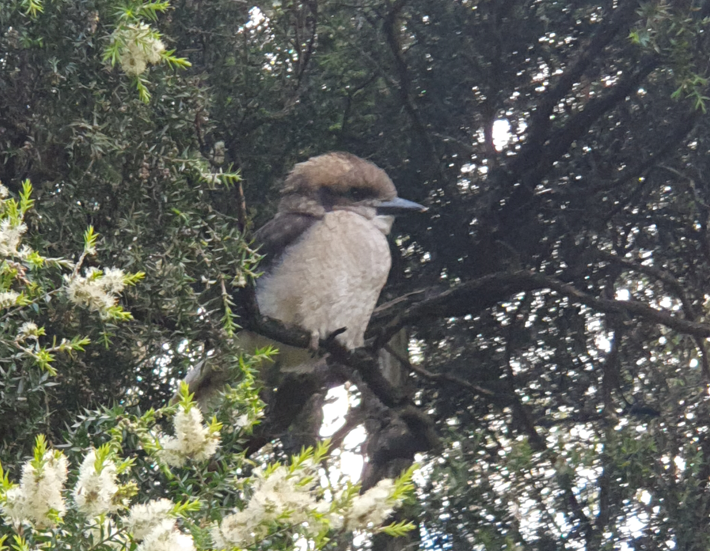
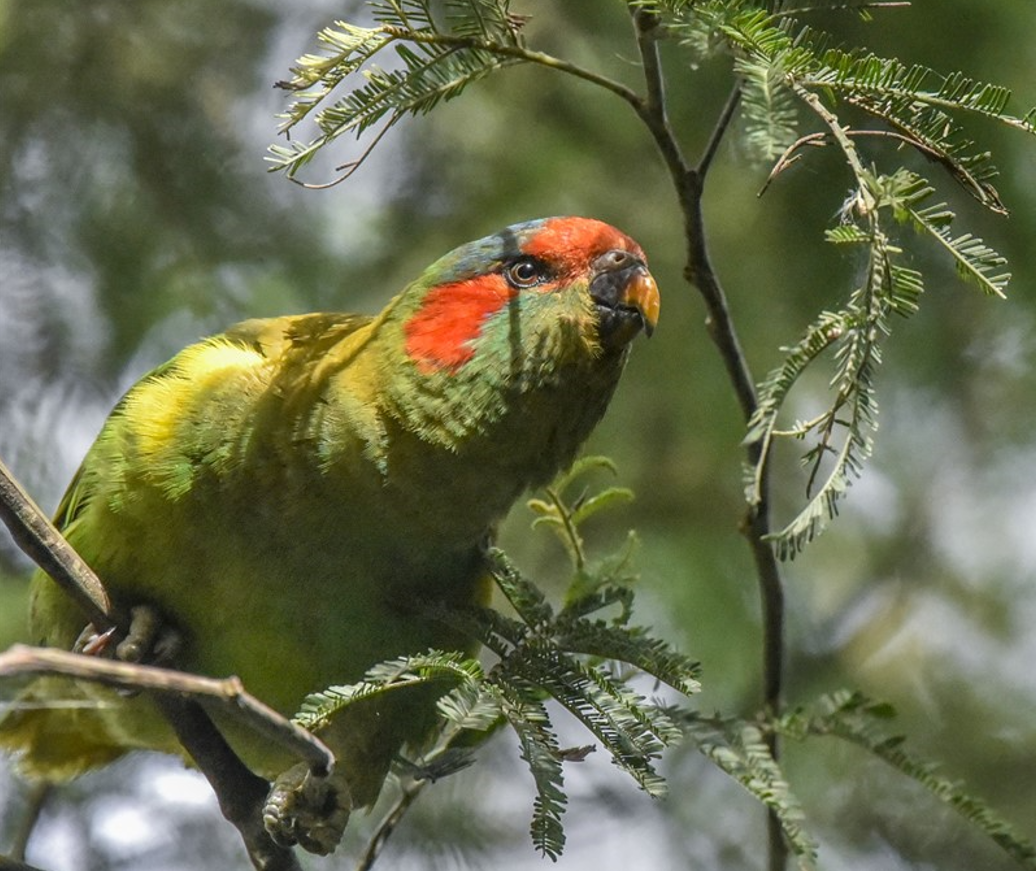
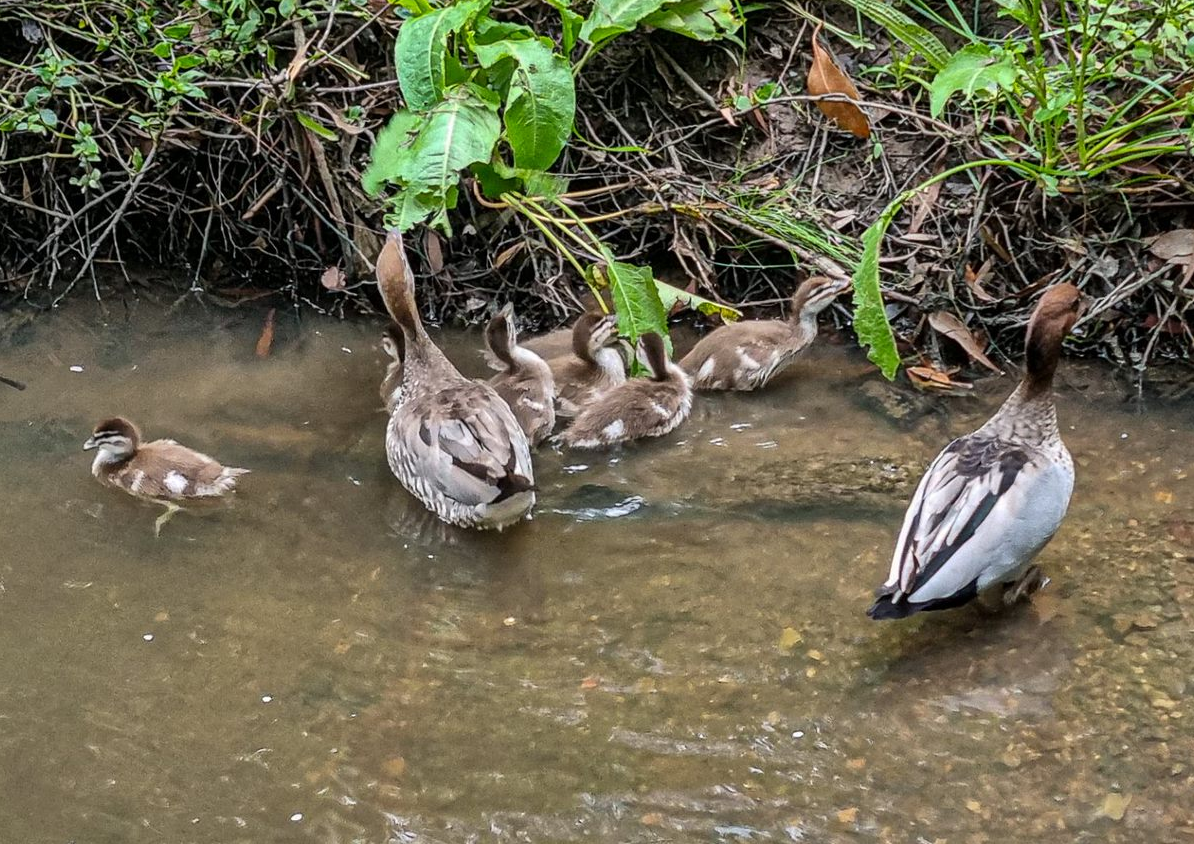
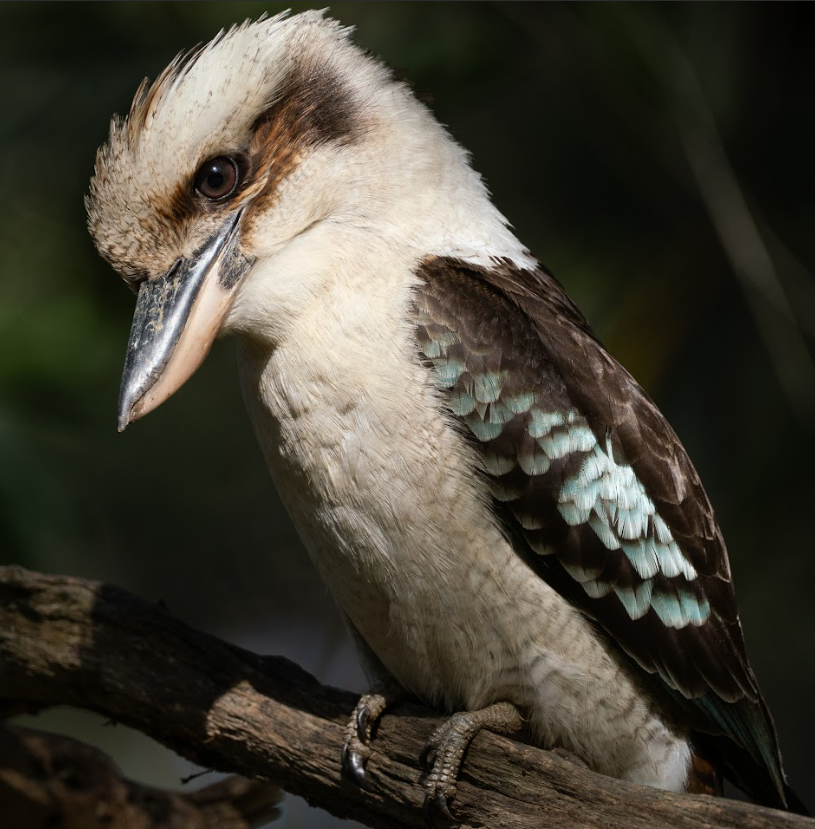
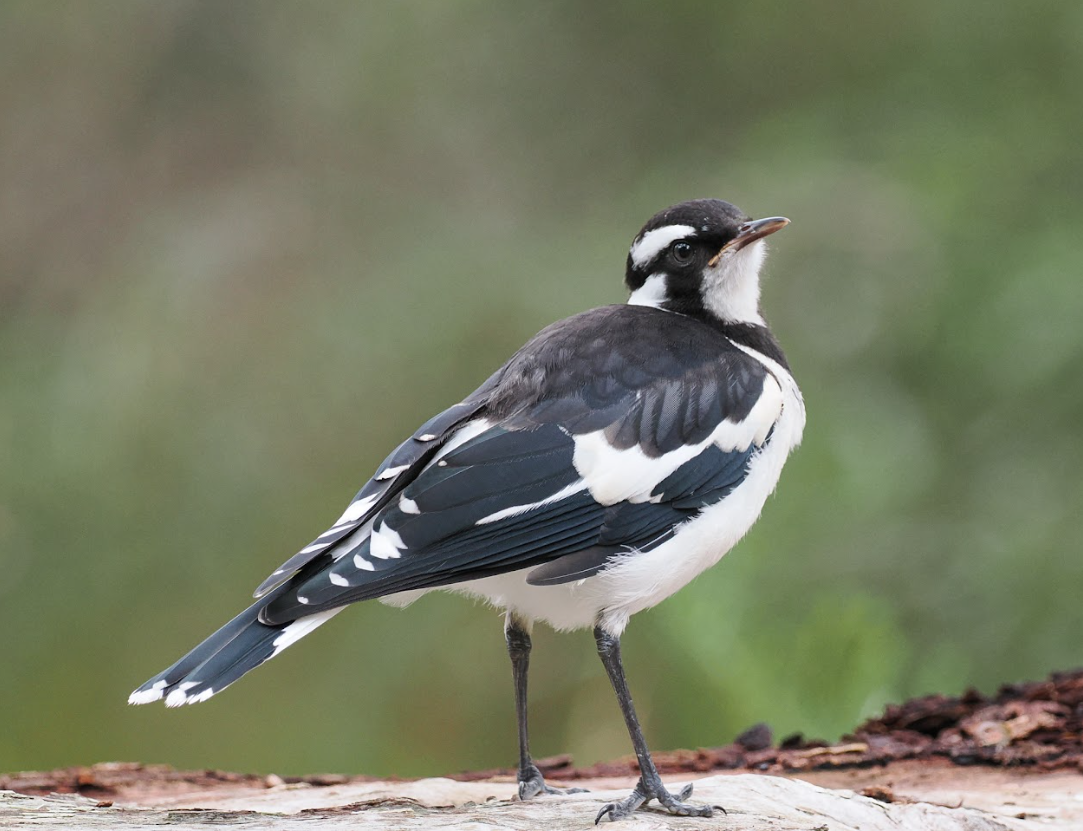
We’ve been heartened by successful breeding in the park by indigenous species. That includes Kookaburras, Tawny Frogmouths, Mudlarks, ducklings… Our birdo friends do caution us that the new Tawnies, for example, are barely keeping pace with lost adult pairs. It’s hard to say whether the former might have been killed by rat poisons or cars – or simply relocated.
Here are some “juvenile” photos from Greg, Russell and others:
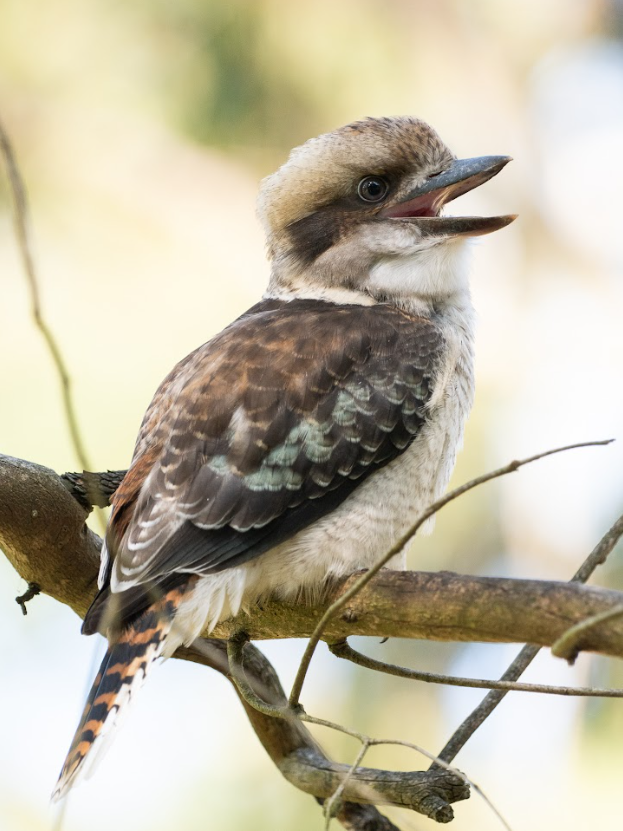
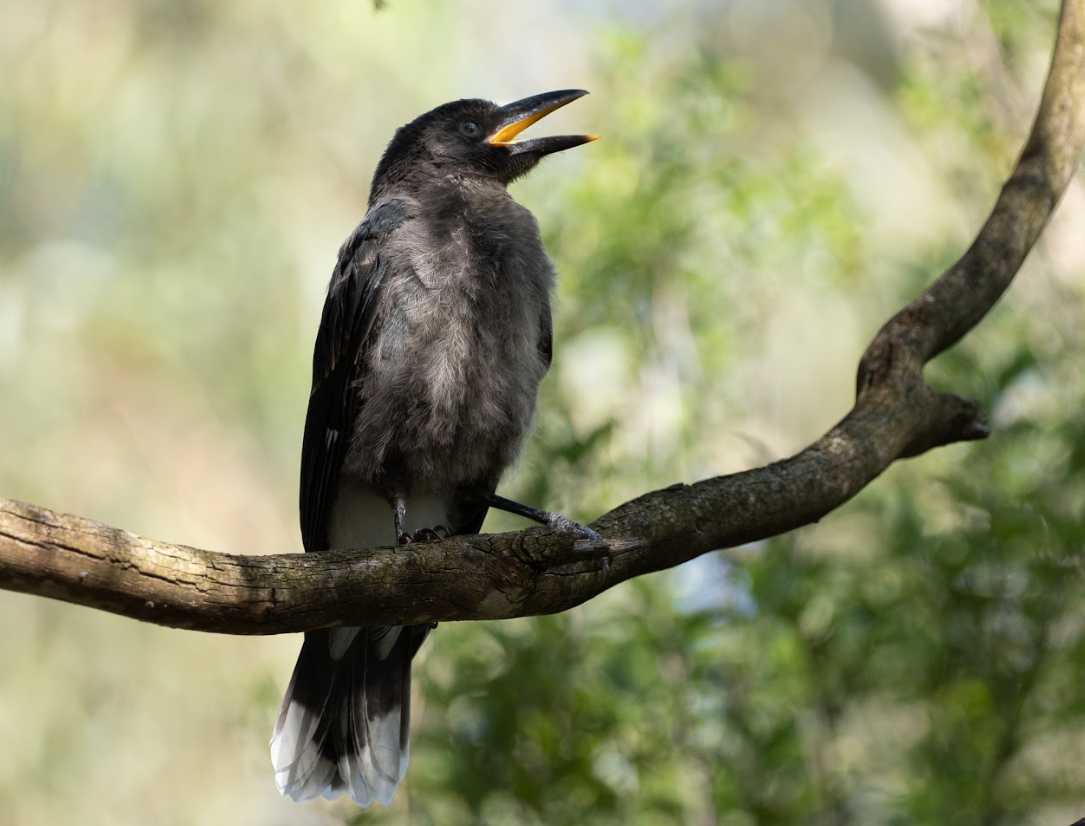
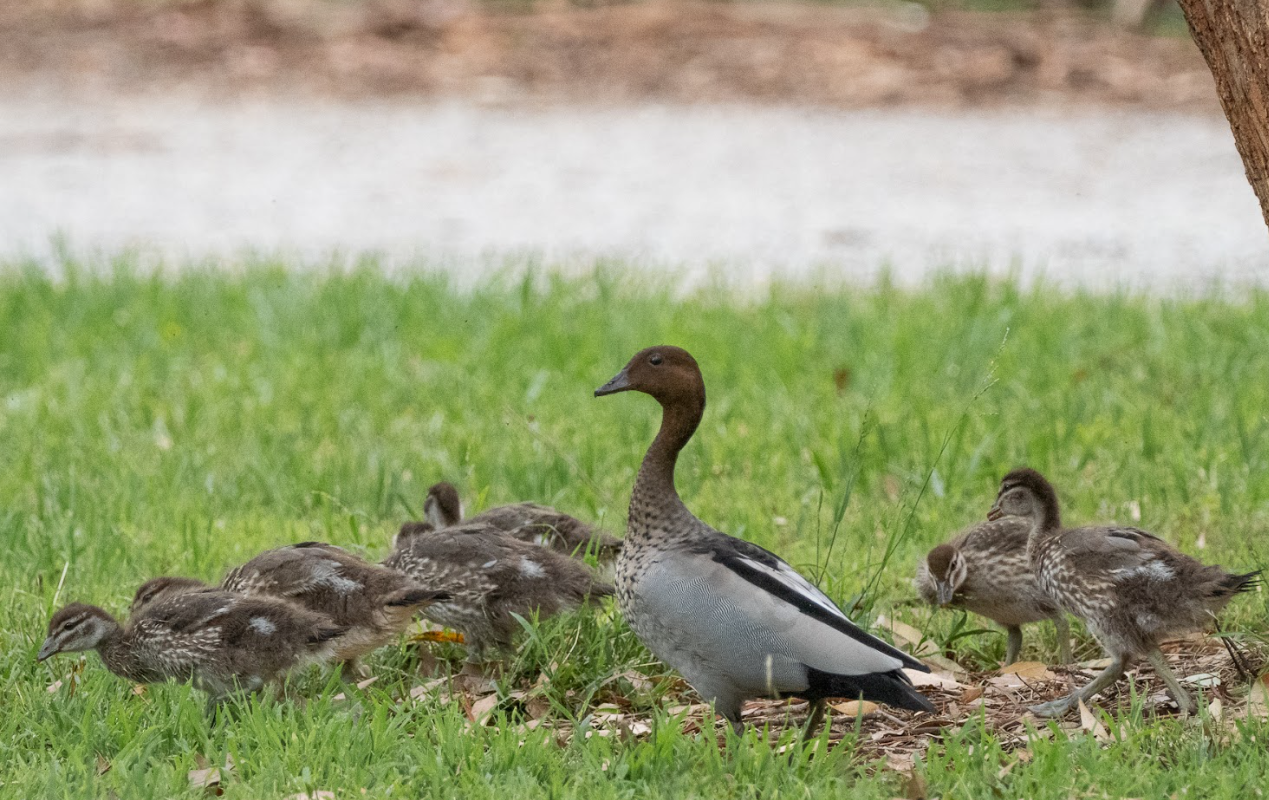
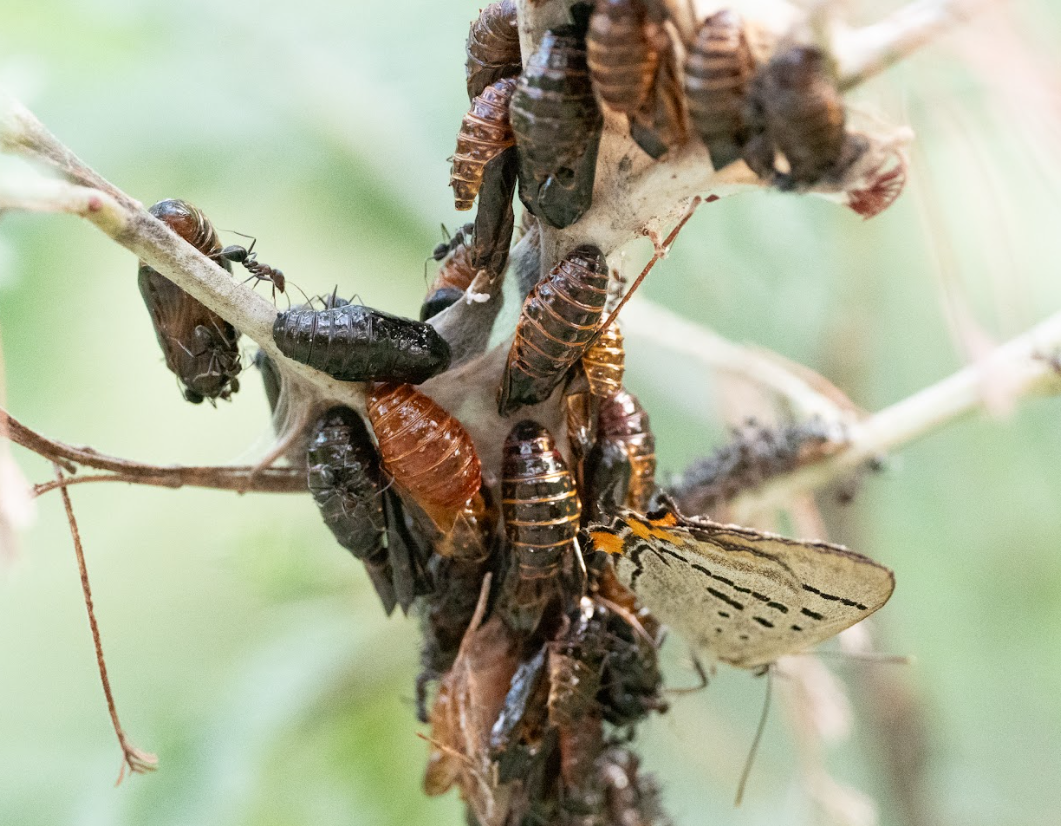
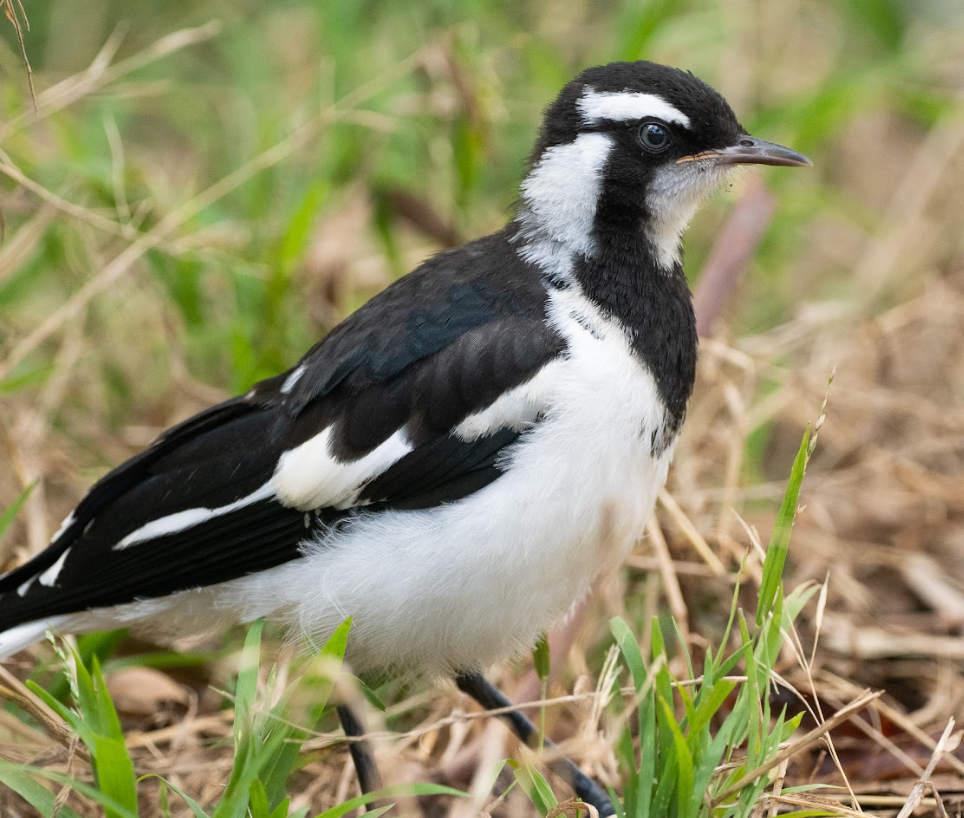
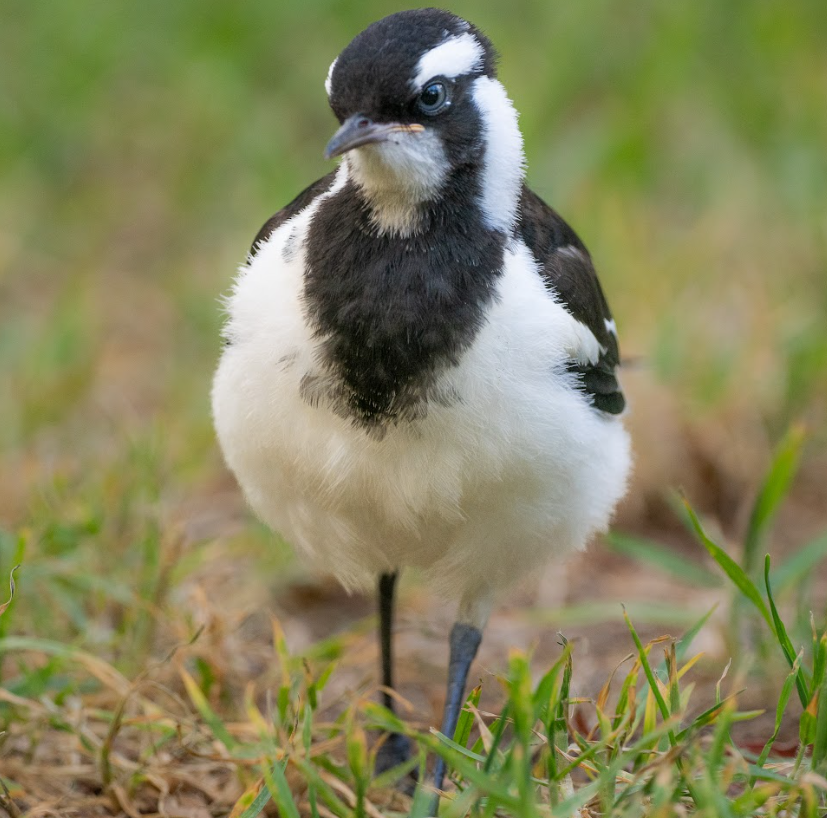
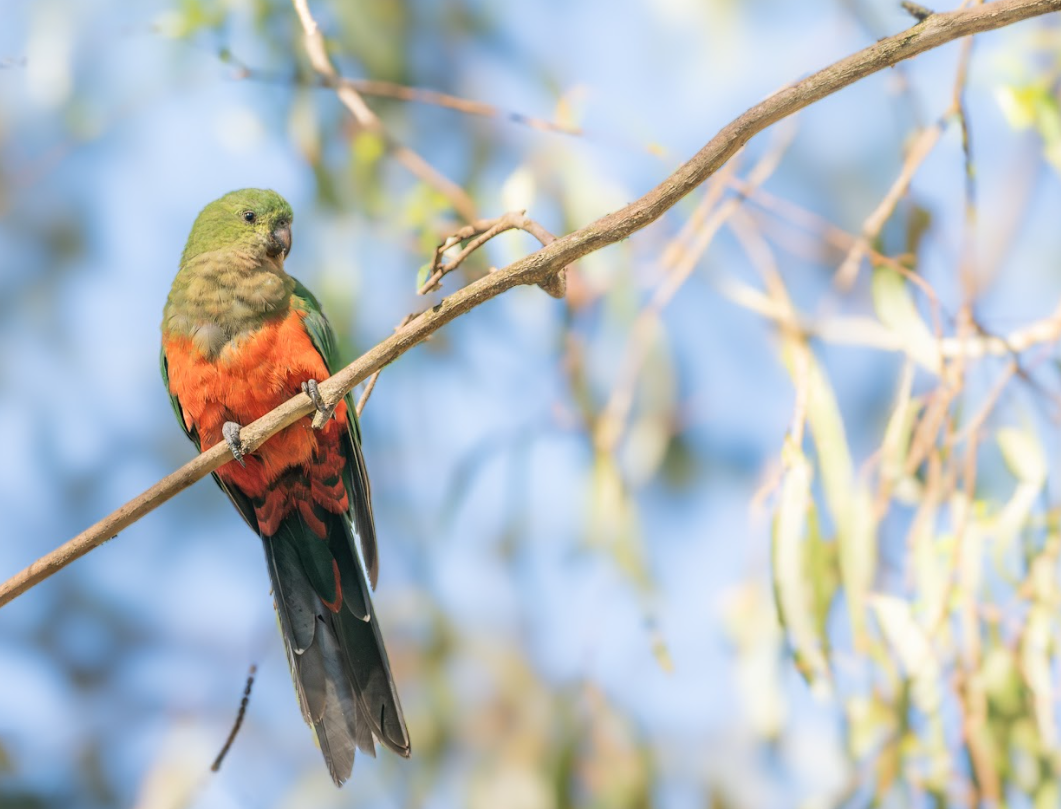
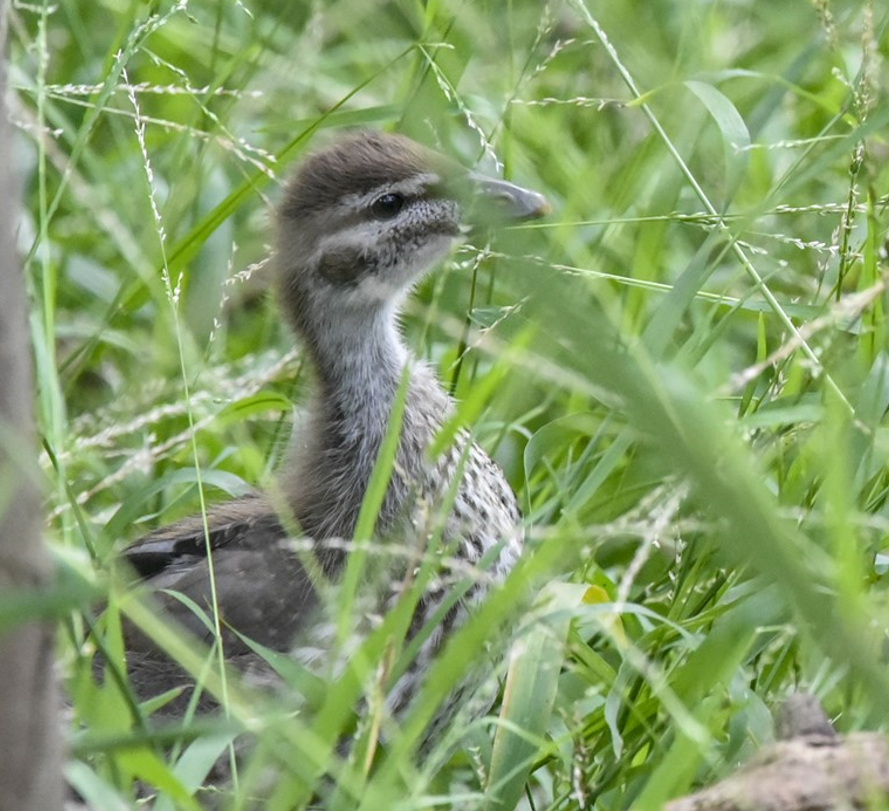
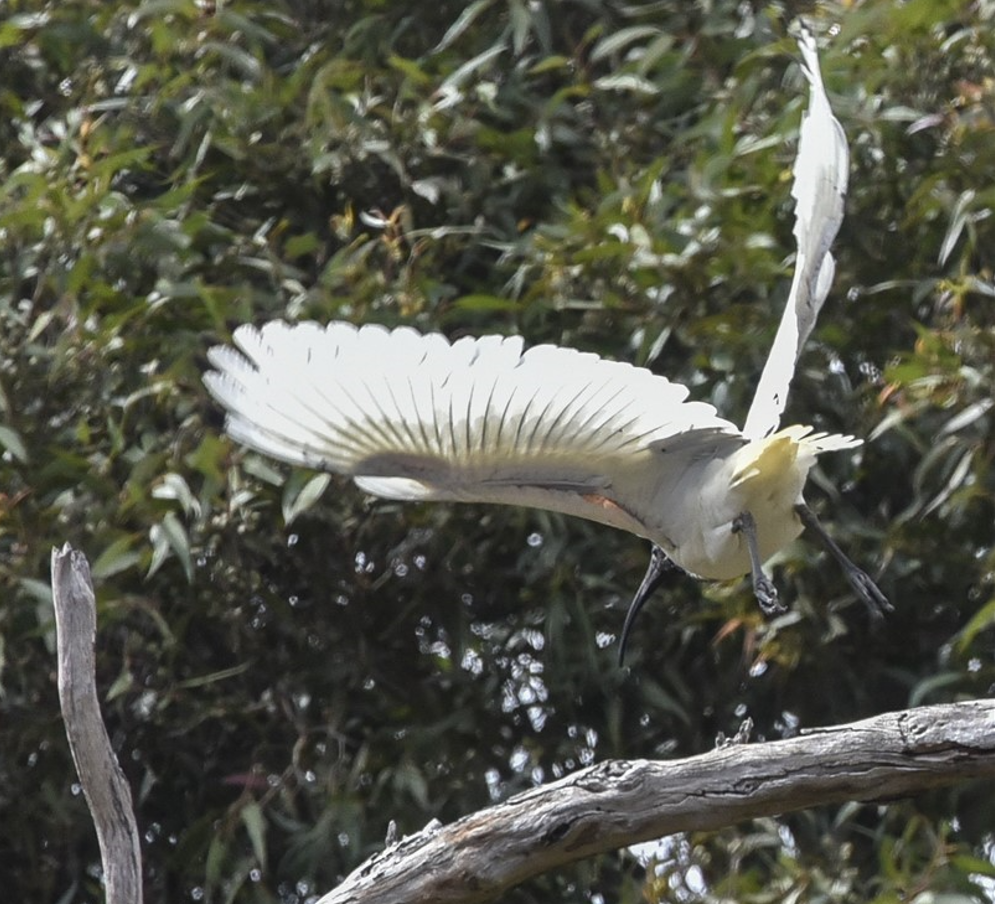
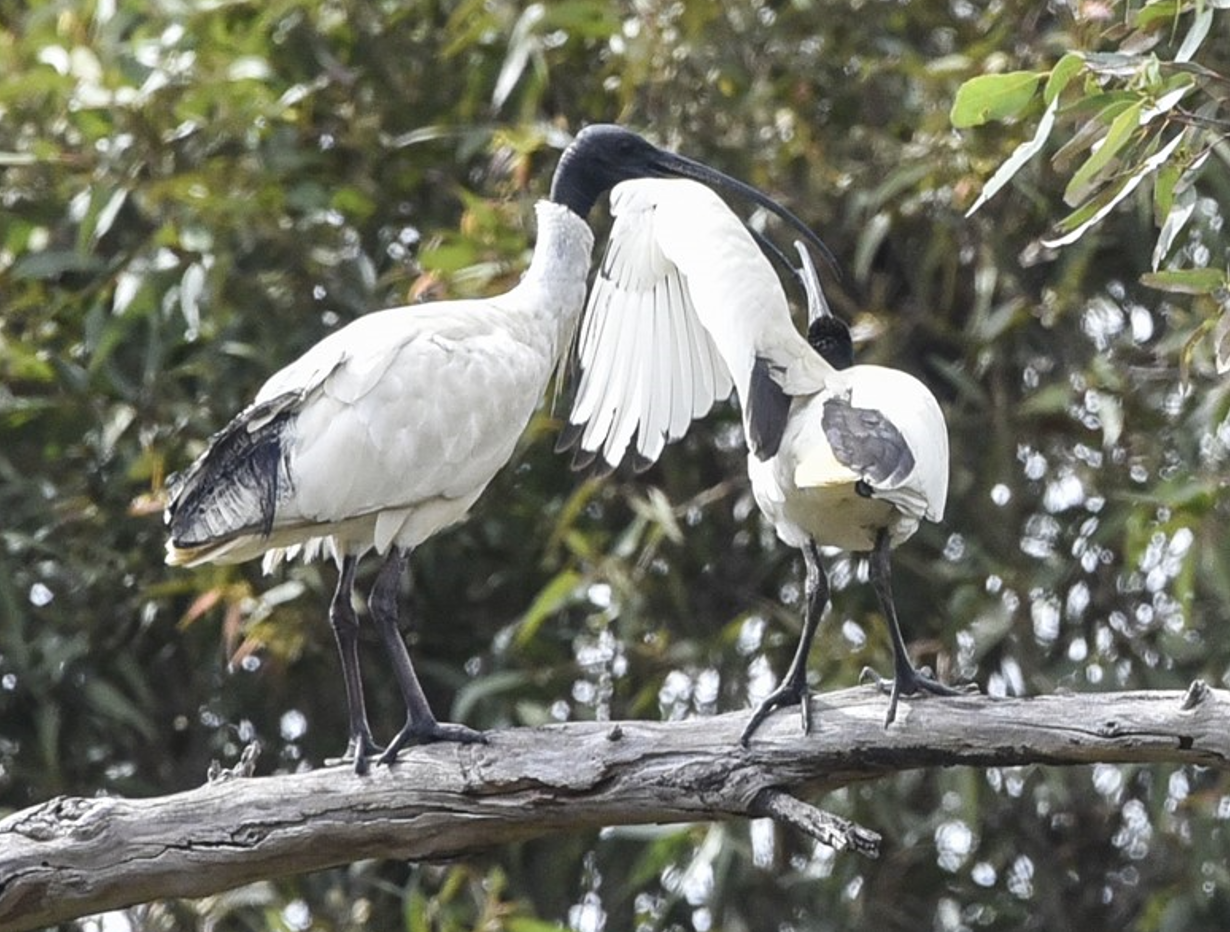
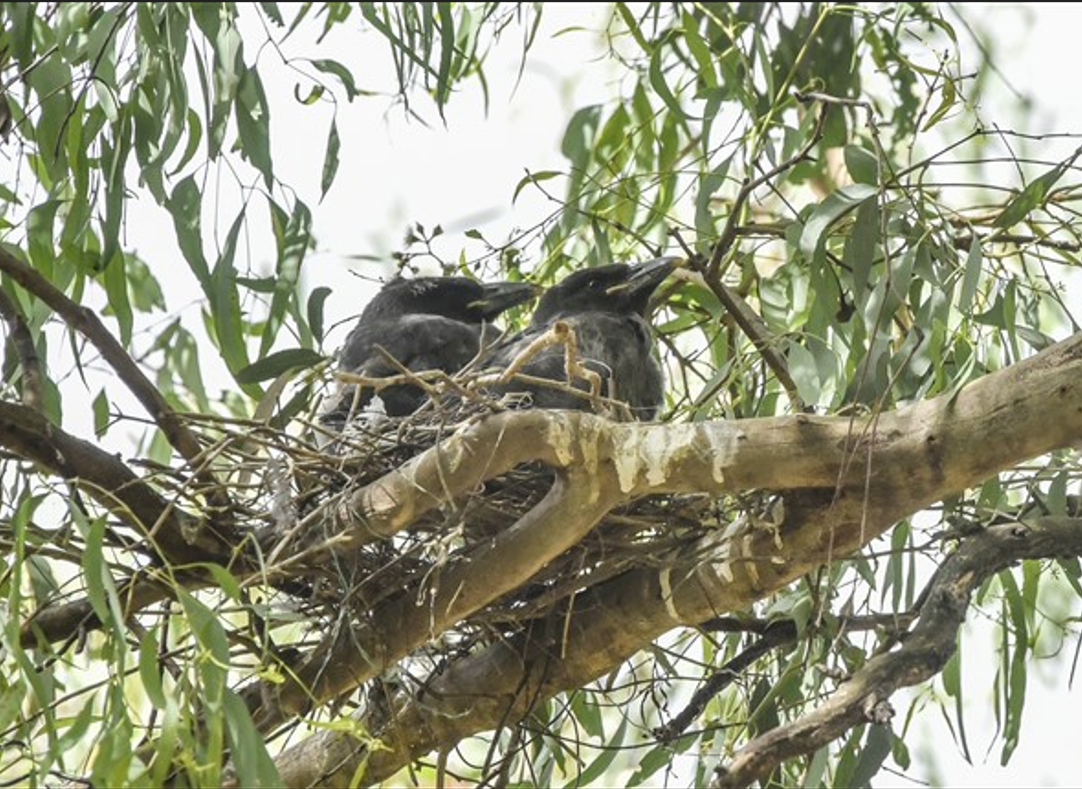
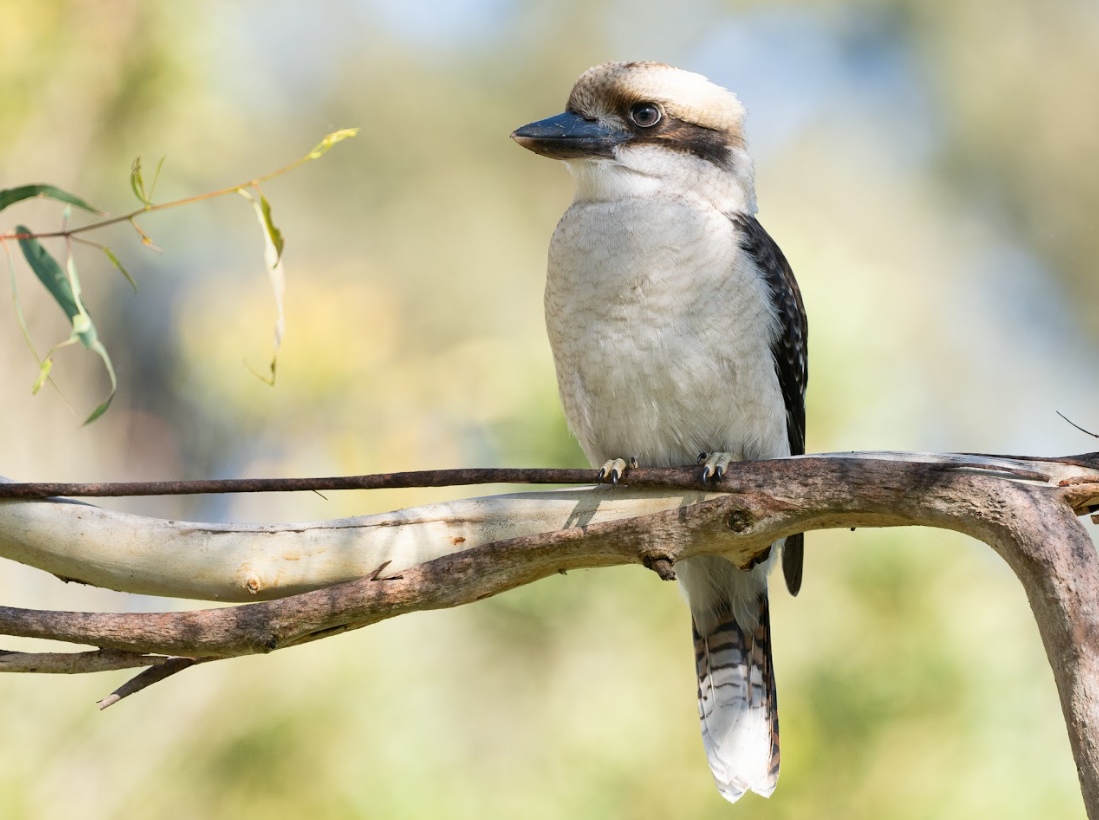
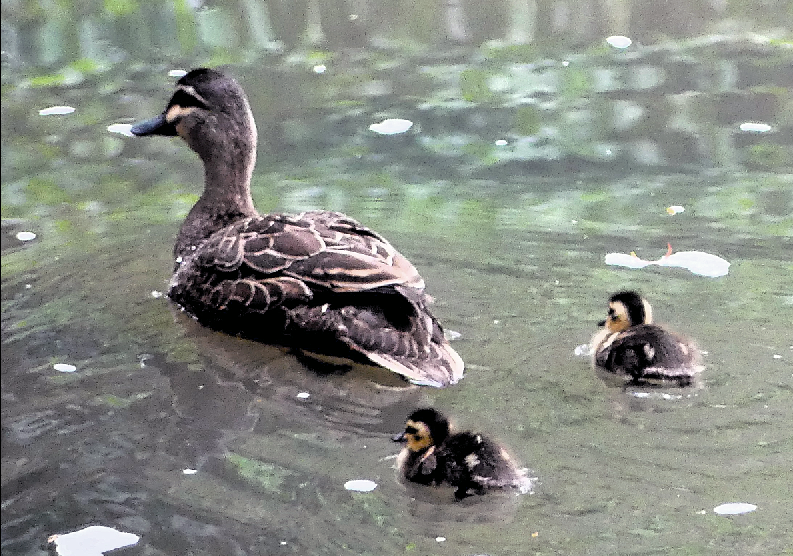
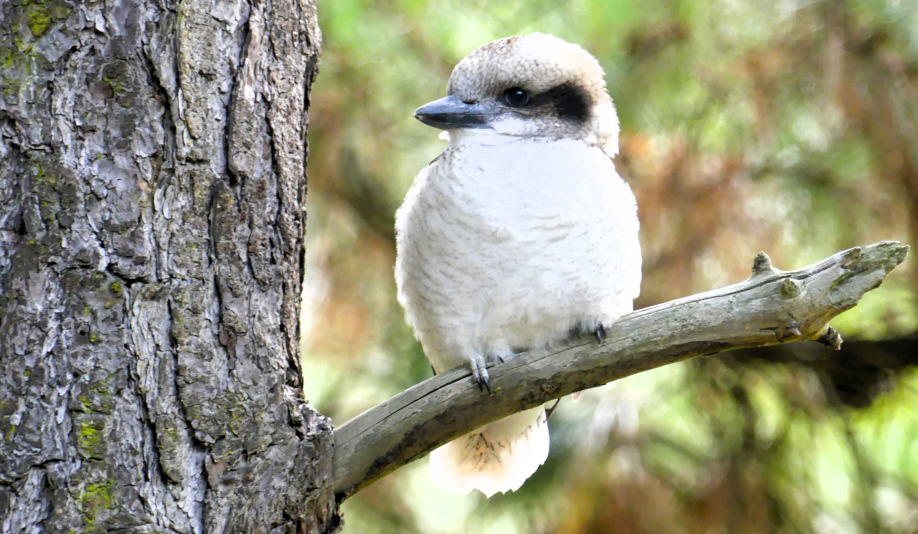
Please click on image to enlarge; click on the X to return
Biodiversity-wise, the trend is not good – we do seem to be gradually losing bird species diversity in the park based on our 10+ years monitoring in Spring and Autumn.
Councillor Changes
Council elections generally occur every four years. In October’s elections, many Council wards gained new Councillors and we welcome Kieran Simpson as the new Councillor for park’s ward. We also thank former Councillors Denise Massoud and Andrew Munroe for many years’ service and the help they’ve given our Committee and the Blackburn Creeklands in the past.
Inclusive Seats Project
Our Inclusive Seats Project has been a major project of ours running since last August. It involved assessment of the current seating in the park with a view to improving accessibility for as many people as possible in our community – whether toddlers, people with disabilities or the aged.
Evelyn, Megan, John and former committee member Nic (who is a mobility professional) have put in the hard yards (metres?) towards recommending changes to our existing seating. We are looking forward to Council’s response in the new year.
Bird Surveys
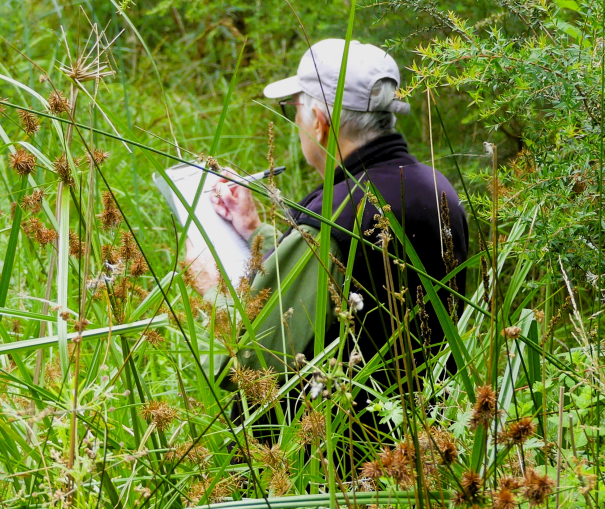
Our Autumn and Spring Bird Walks were a great success again this year. Another group also conducts monthly surveys in our park. Our picture shows one of the leaders keeping score.
Stand by for next year – we are planning to “branch out” (ahem) into Possum Prowls and tree identification activities to broaden our role in community education.
SLO9
From mid-year, Denise Massoud, as our Mayor, worked very hard to convince the State Government that our SLO9 tree canopy protection planning control should be retained (it was due to expire this month). One way or the other, an extension to the expiry of the SLO9 overlay control for another 6 months has recently been announced (15/12). This enables the control to remain in effect while the Department of Transport and Planning continues to develop its consistent statewide tree protection. Let’s hope a significant diminution of the control does not result.
International Volunteer Day
International Volunteer Day is a UN sanctioned event designed to promote volunteerism, encourage governments to support volunteer efforts and to recognize volunteer contributions.
We have done our bit! We thanked our stalwart Thursday Crew – plying them with coffee and scones at local Laburnum village cafe Gourmet Girl on the big day. Our Thursday volunteers’ skills, teamwork and “can-do” attitude make volunteering a pleasure. They love their work – doing their bit for nature, getting exercise and working with like-minded people. This year, they would have put in about 1,300 hours in 48 working bees. That’s about $60K the ratepayers have not spent !
Council also celebrated the event at The Round with its registered volunteers invited to lunch and speeches. Committee members, Megan and Anthea, were honoured for their long service to the community as volunteers.
We also need to publicly thank:
- Our committee volunteers – our Committee met 11 times this year to keep things ticking along. Special shouts out go to our new and re-appearing committee members – who commenced this financial year – and also to Andrea, our long-standing former Treasurer, who finished up last July. She served as Treasurer for 13 years – longer than Tim Pallas did!
- Our unofficial Committee members who help with their special skills and insights. A special shout out to Ruby who did a fantastic job of our 40th Anniversary on-line quiz!
- Our community volunteers who came along to our special Sunday Community Working Bees celebrating National Tree Day and the like while planting tube-stock funded by Melbourne Water.
- Thanks to Melbourne Water and Whitehorse Council for supporting us with the funding we need to keep going.
- The community in general for your support – it was very pleasing indeed to receive those offers of assistance in July when we needed help – and we know the Thursday crew like to hear your “thanks” when you walk past them hard at work!
Thursday Team Report
December’s working bees have been in Kalang Park and Blacks Walk doing general maintenance weeding. The team is now on a break until the 9th January.
At this time of year, the sun is very strong and we all have to be careful about UV exposure. The team’s strategy is to work in the shade on sunny days after 10:00 am. This is the Bureau’s recent forecast for the peak time of day on Sunday, 22nd December:
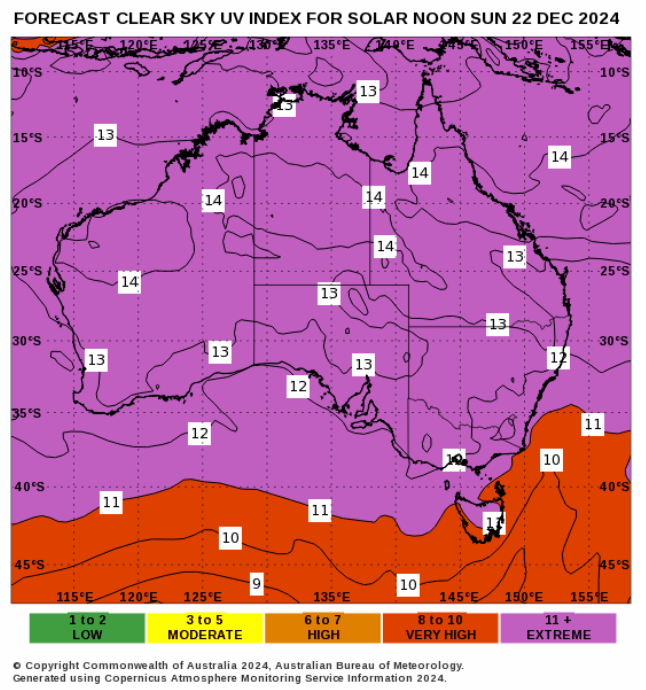
Two points to be made:
- All of Australia, excepting a minority of Tasmania, was predicted to be “Extreme“. No wonder Australia is reputed to be the worst place on earth for Melanomas!
- The strong sun explains why it feels hot and tiring working out in the sun – even when the ambient temperature is not very high.
We recommend long sleeves, long trousers, gloves, hats and sunscreen. Maintaining good hydration is also extremely important.
Sightings
One interesting set of sightings were two Black-faced Cuckoo-shrikes on 11/12 by our birdos group – a pair flying overhead. They are on our bird list for the park but are rarely seen these days. They come to the area in summertime to breed – so, hopefully, we’ll be hearing juveniles too in due course.
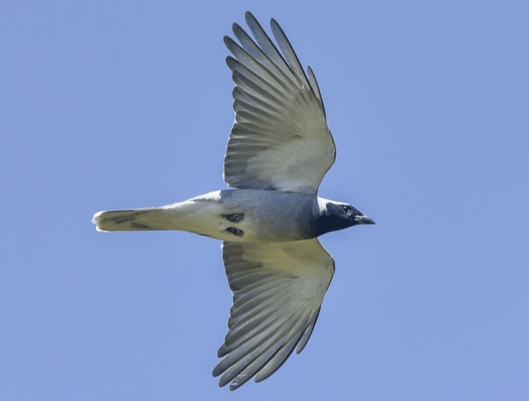
Sadly, no photo from the park to show you – but this photo at left was taken recently in northern Victoria by one of our photographers.
Note for the unaware (such as this author!) – they are not cuckoos who lay eggs in other birds’ nests leaving the surrogate parents to raise the chick. They make their own nests which are quite small for their size (a little smaller wingspan than a pigeon – but much more svelte).
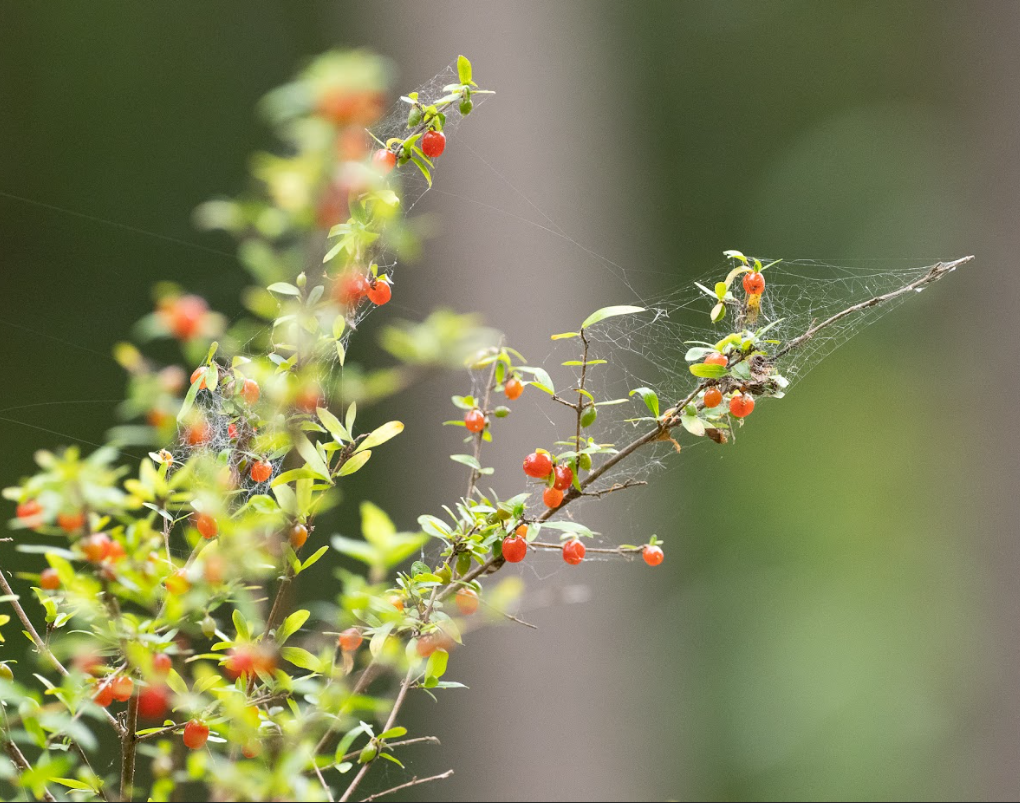
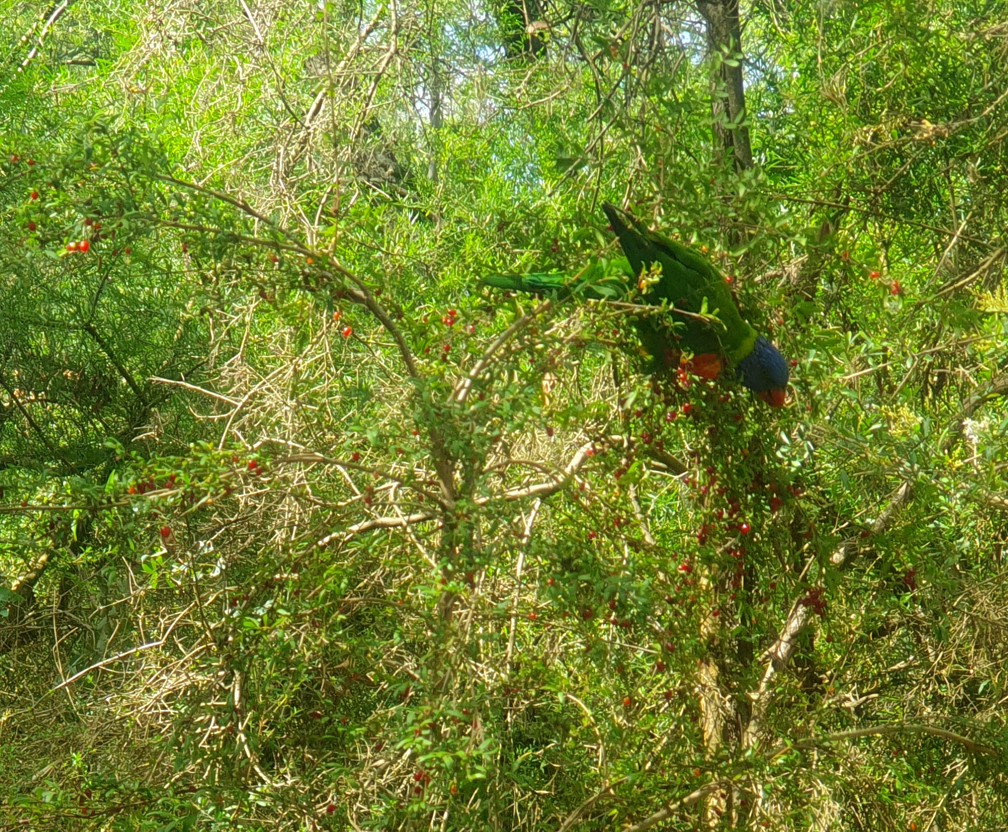
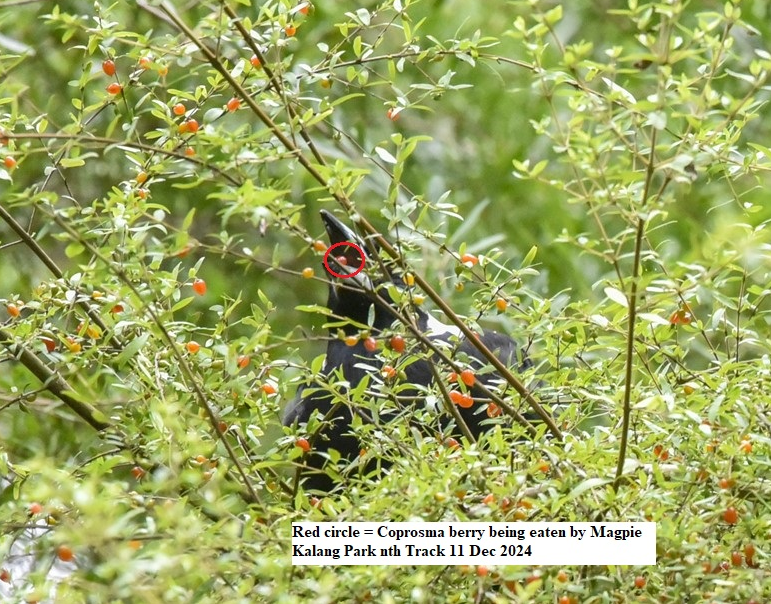
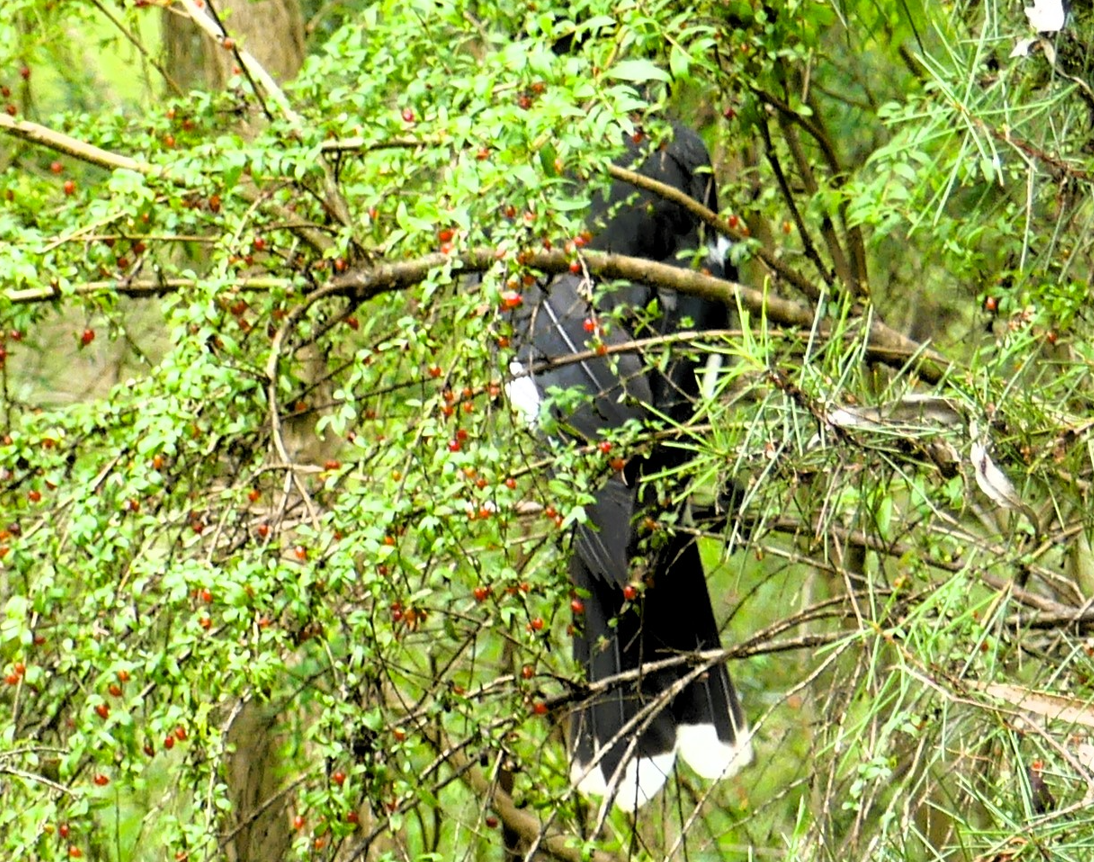
The following photos are miscellaneous assortment ranging from the demise of a fluffy white Plant Hopper to a Little Raven levitating out of harm’s way.
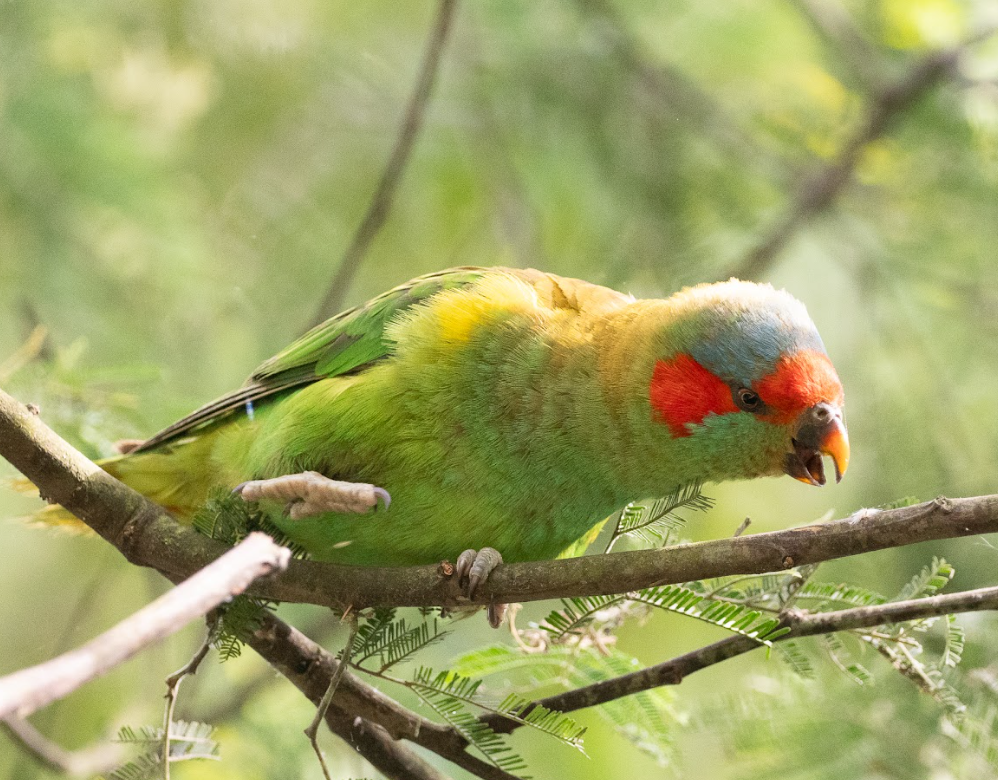
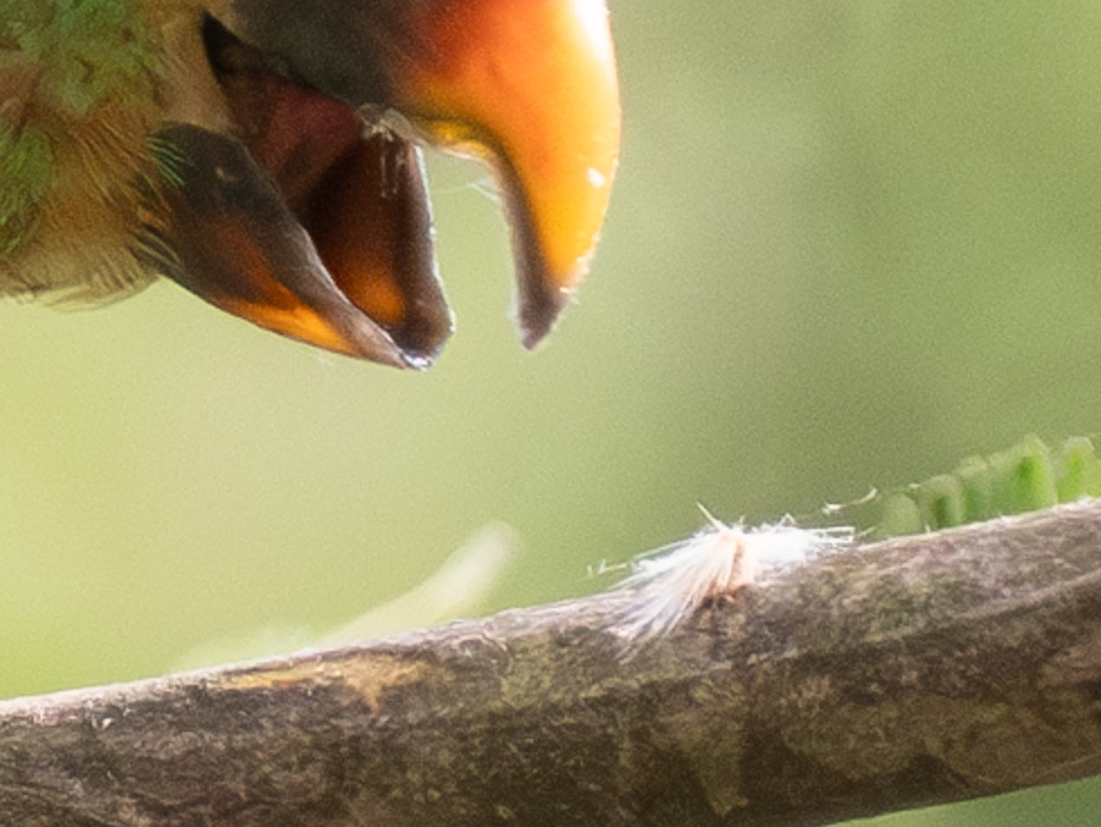
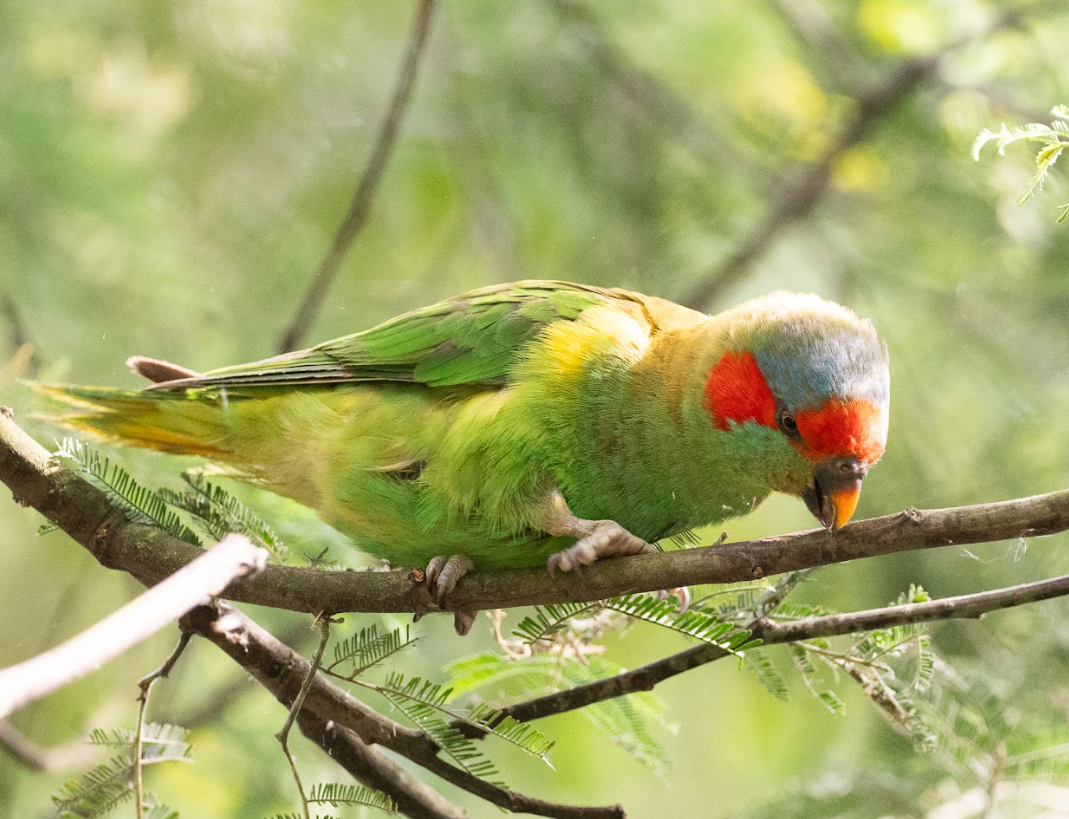
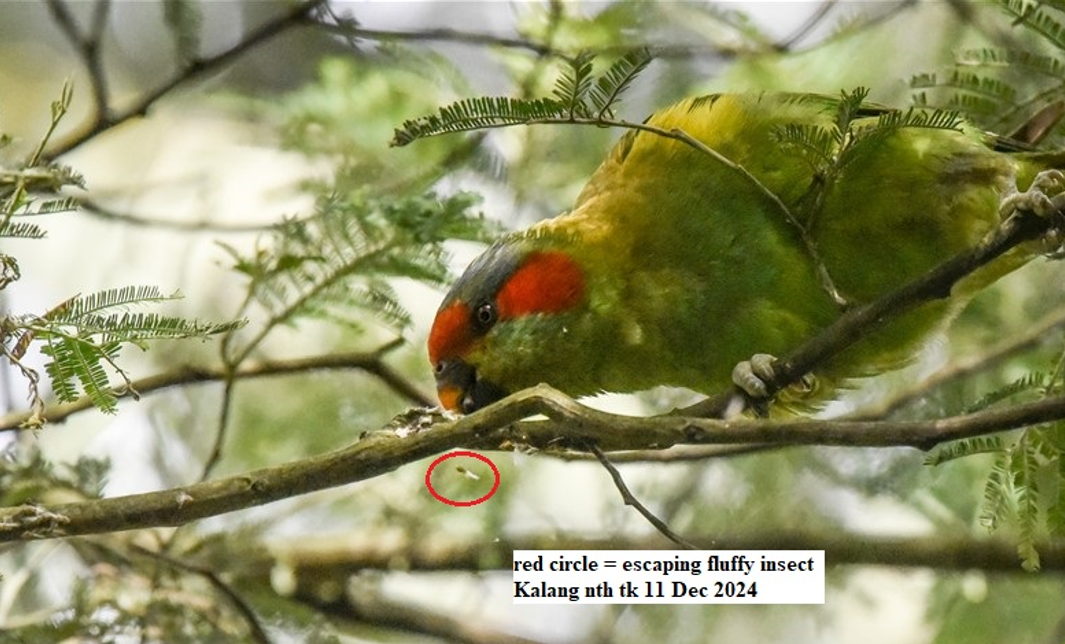
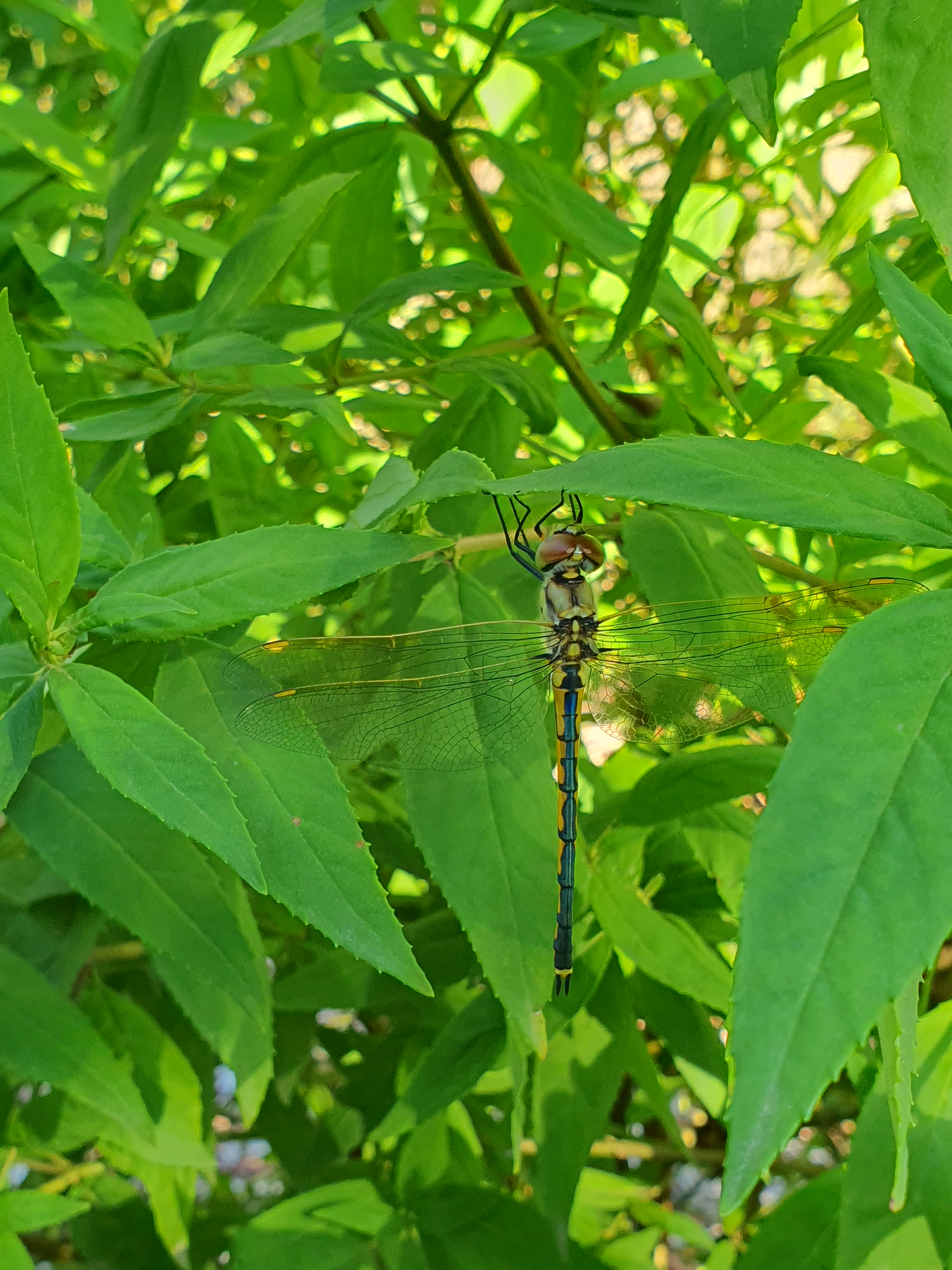
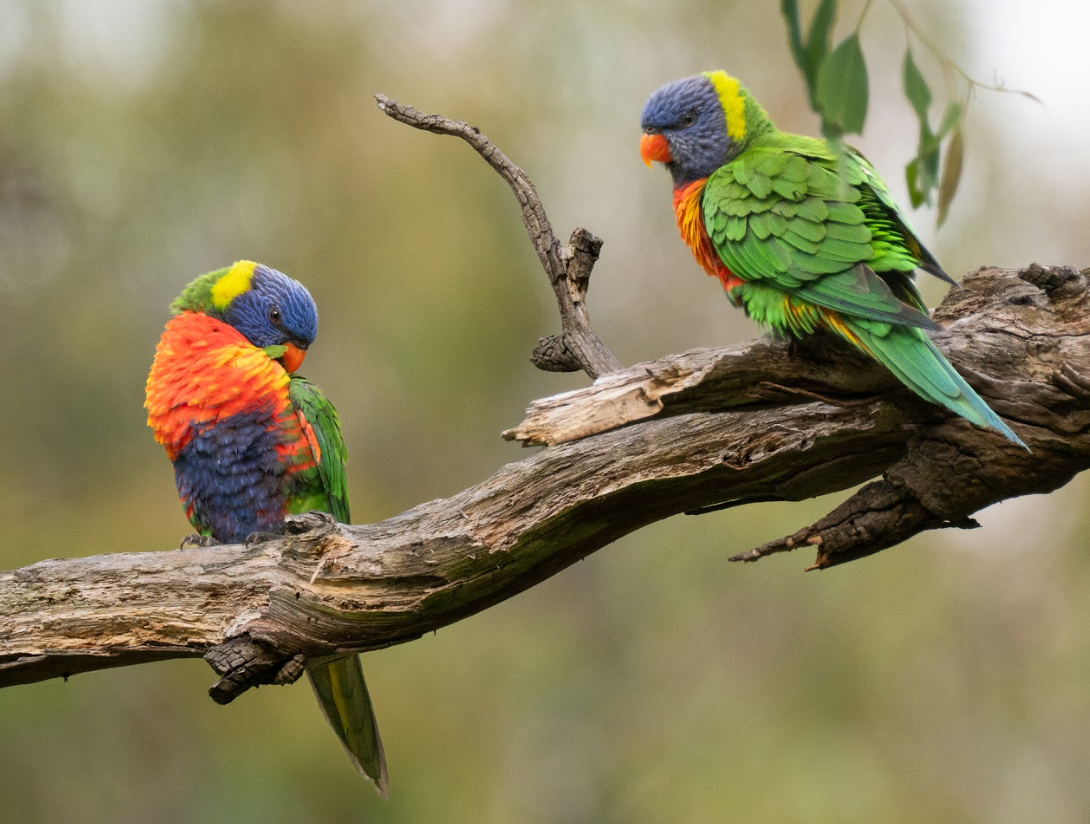
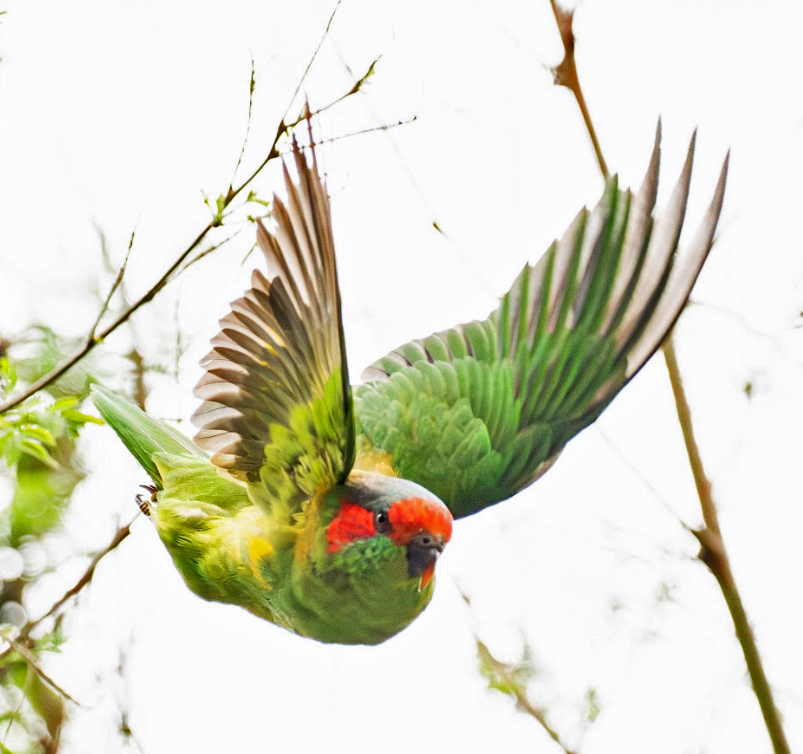
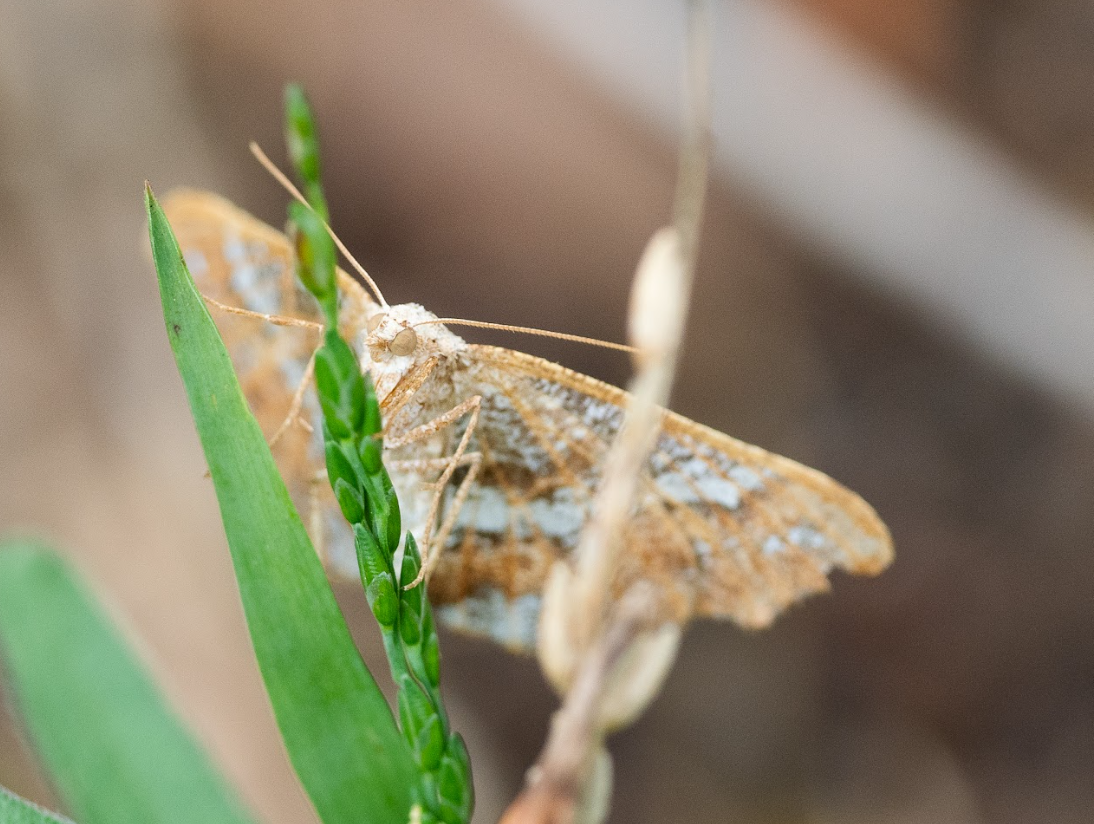
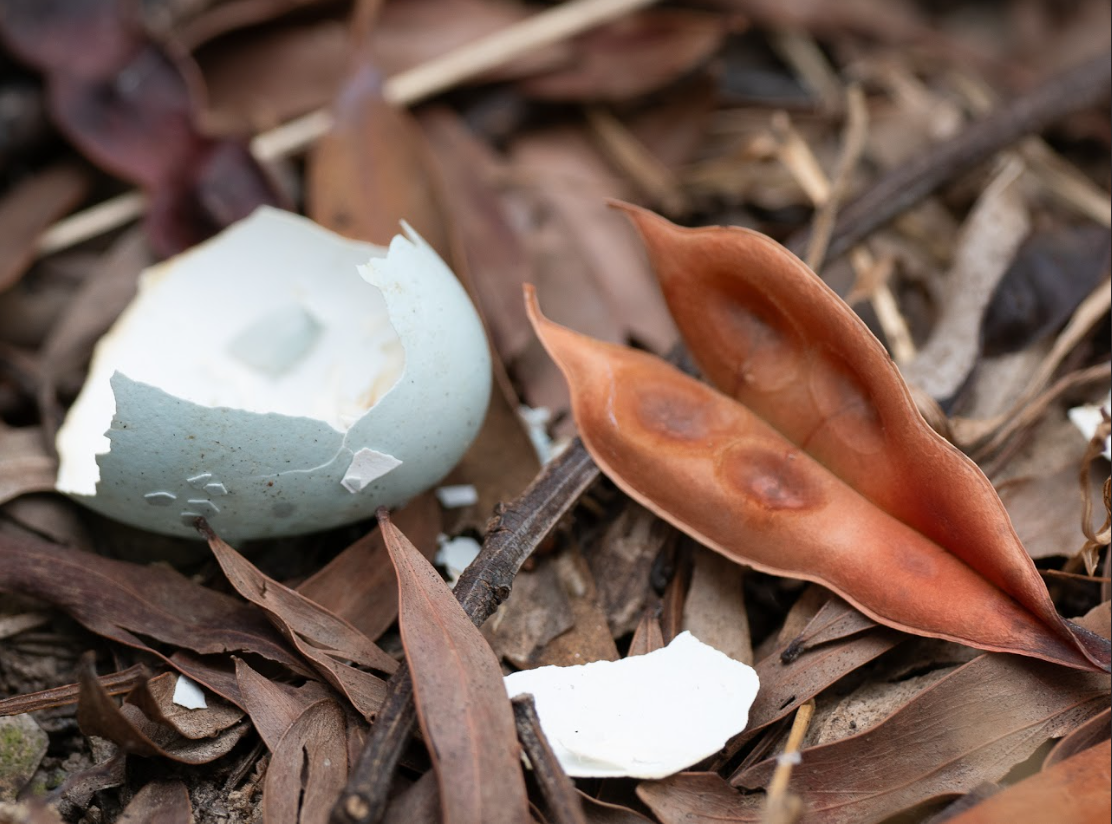
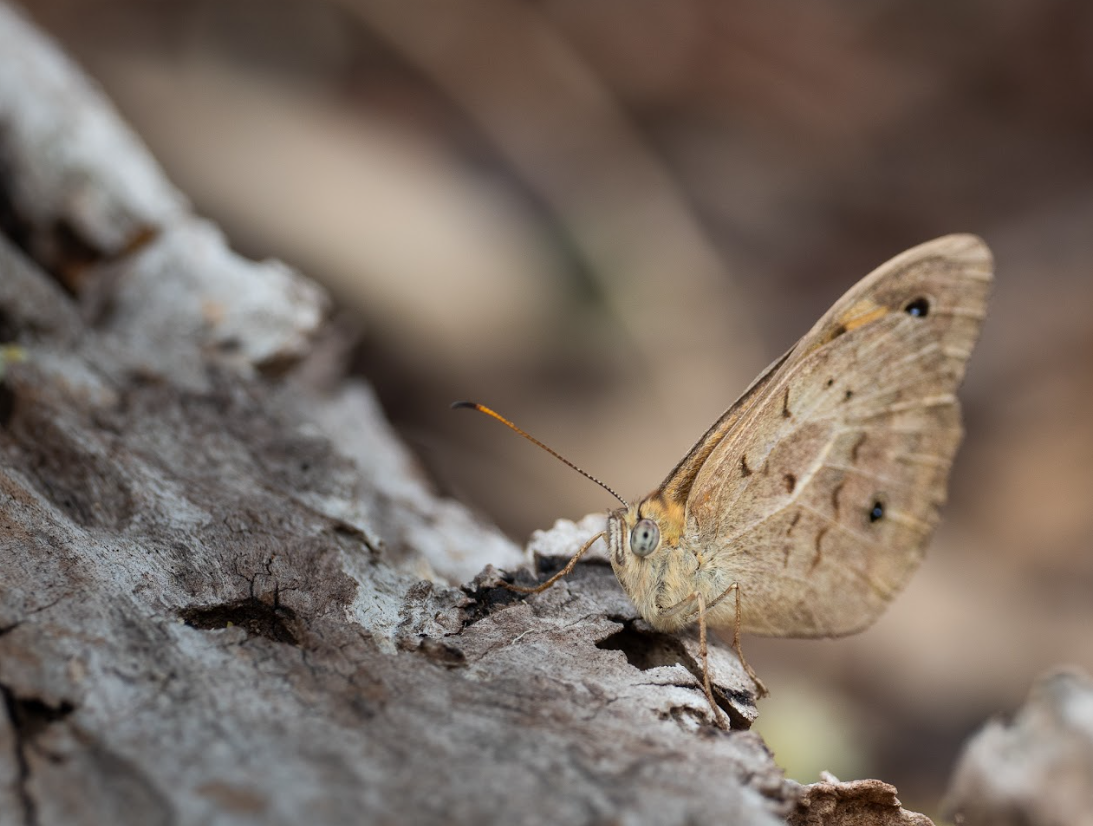
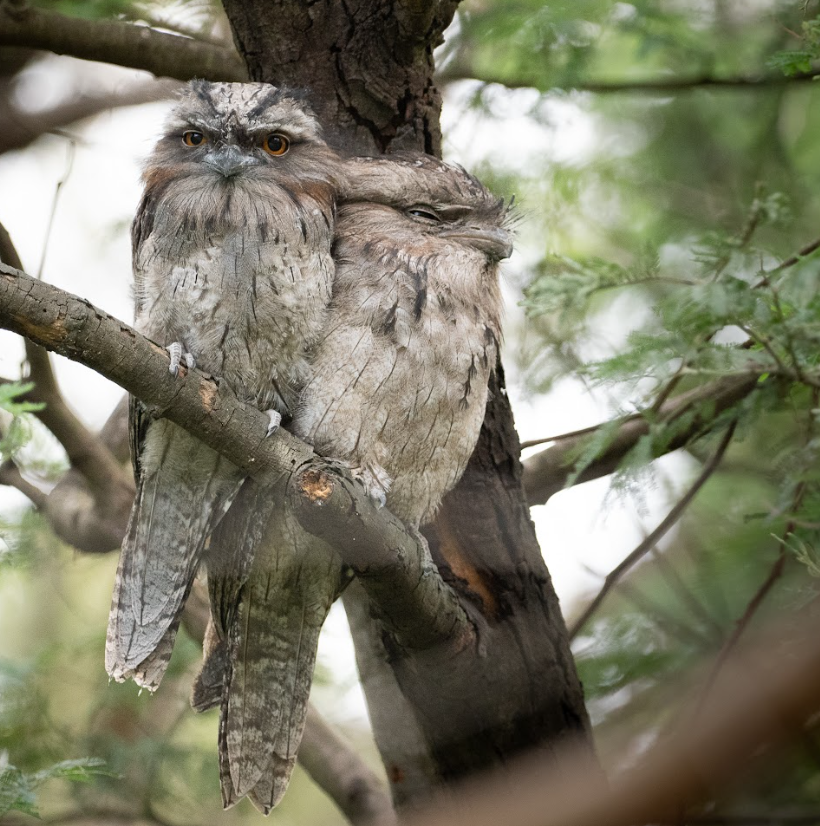
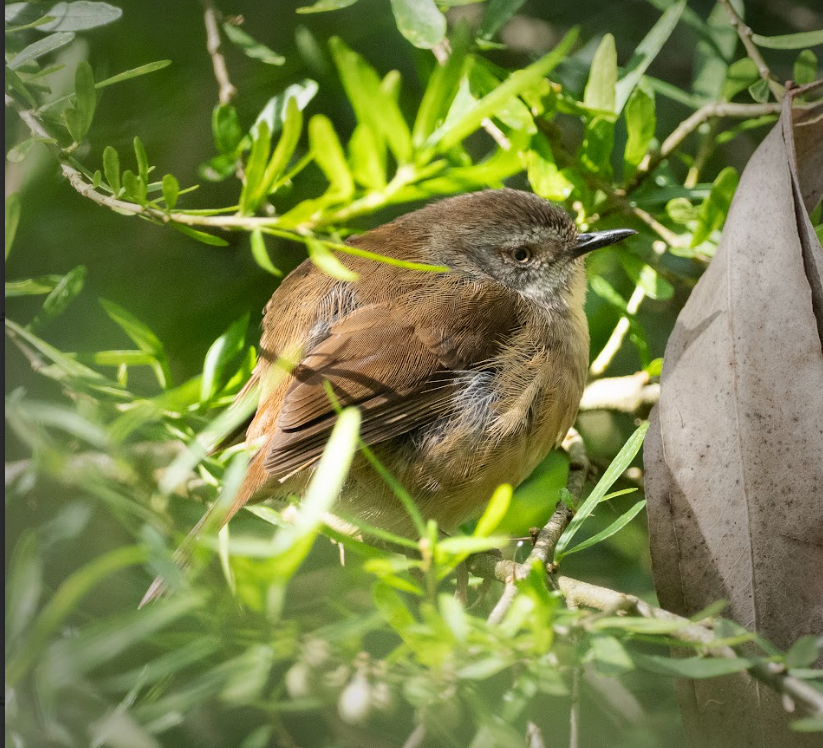
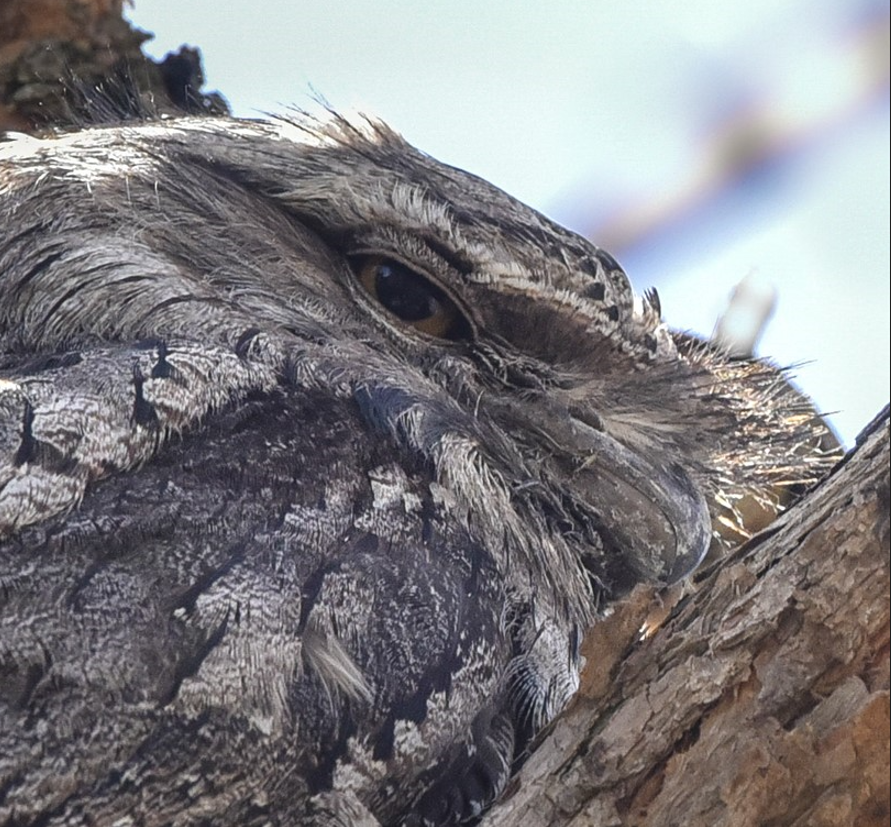
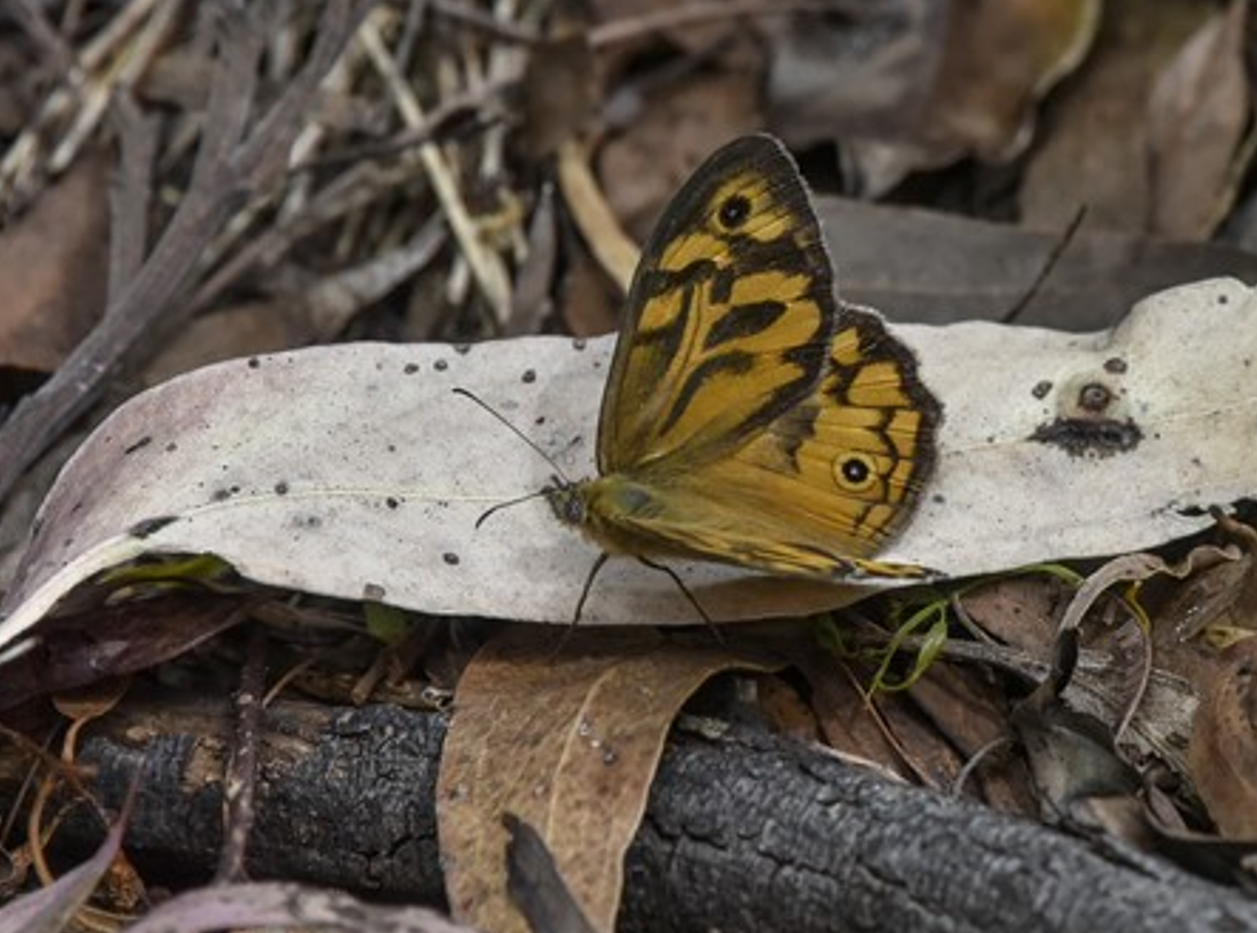
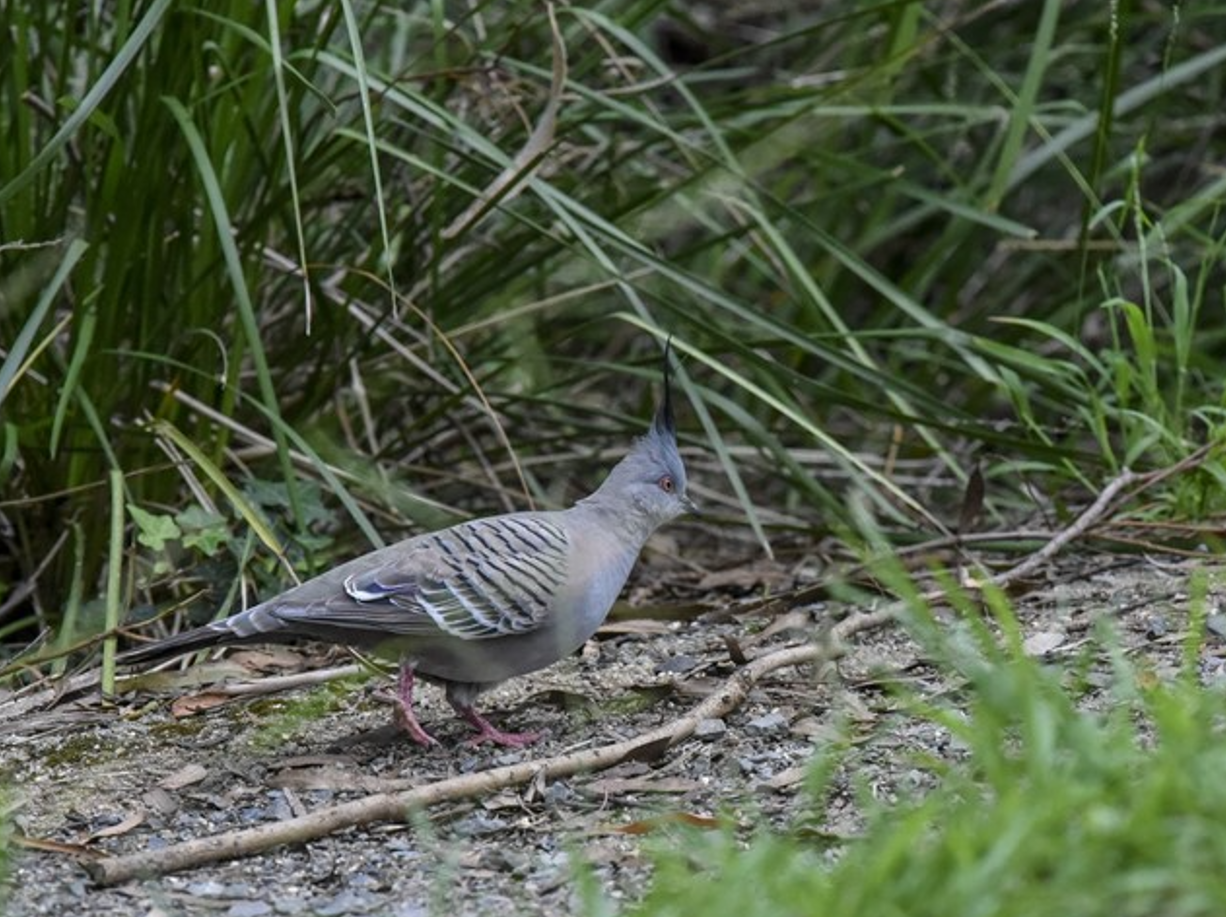
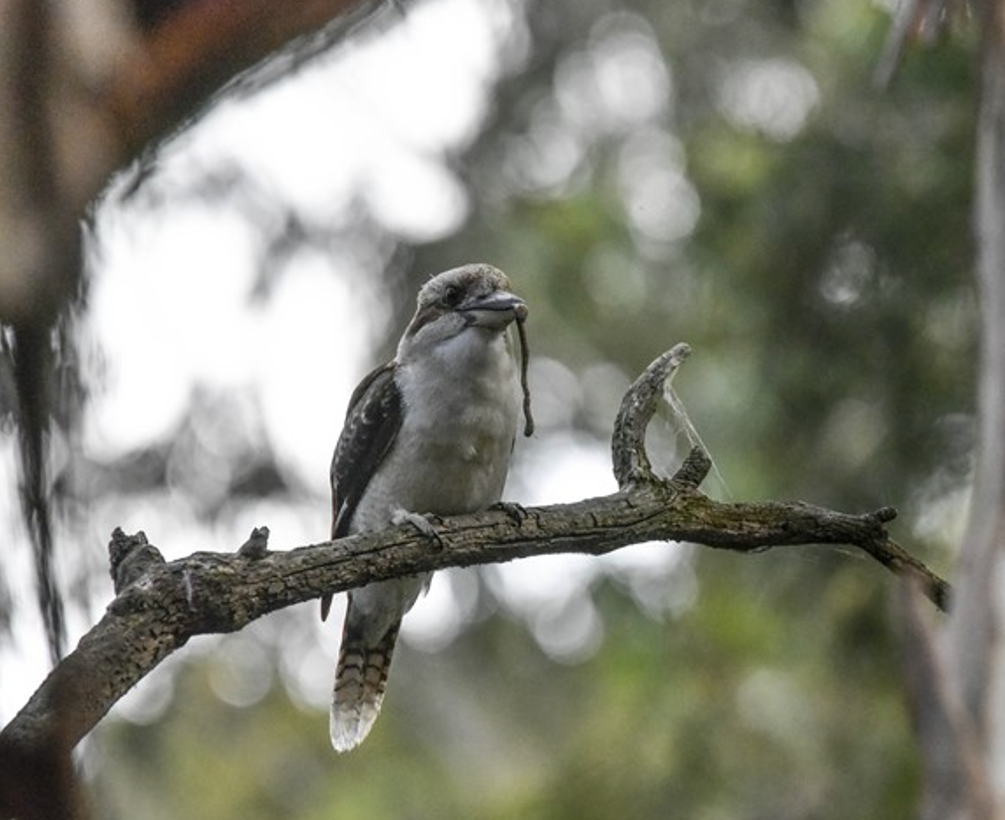
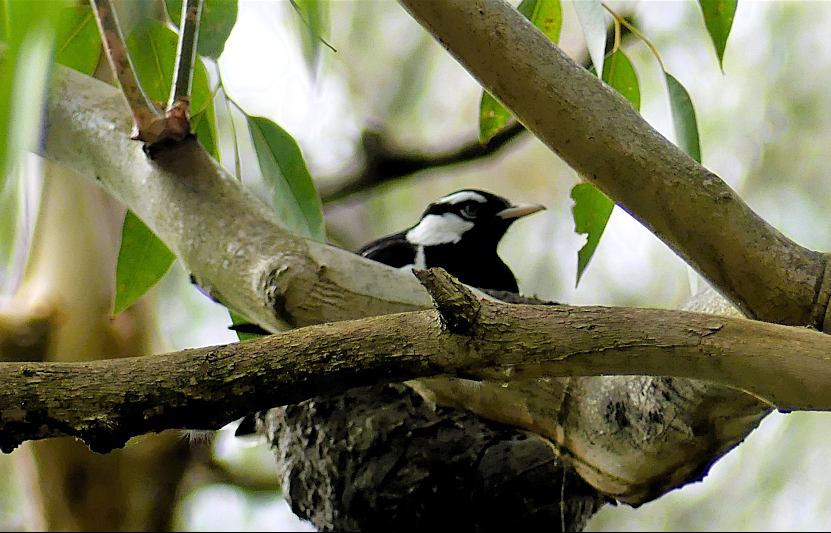
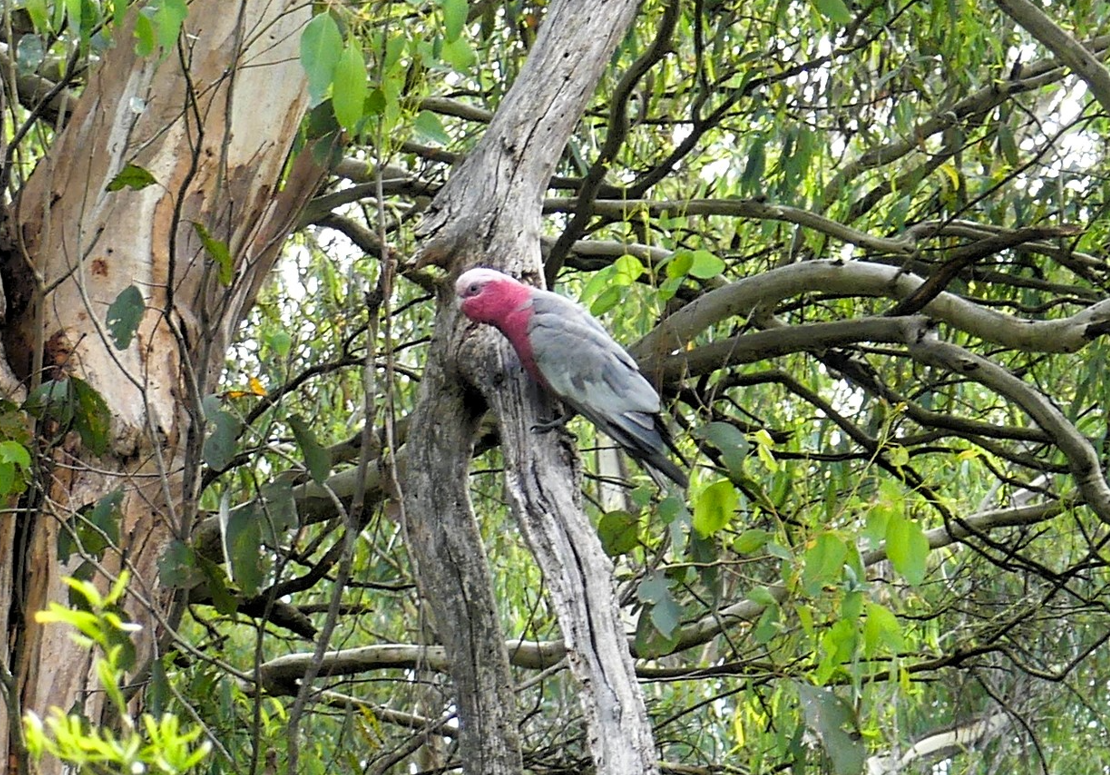
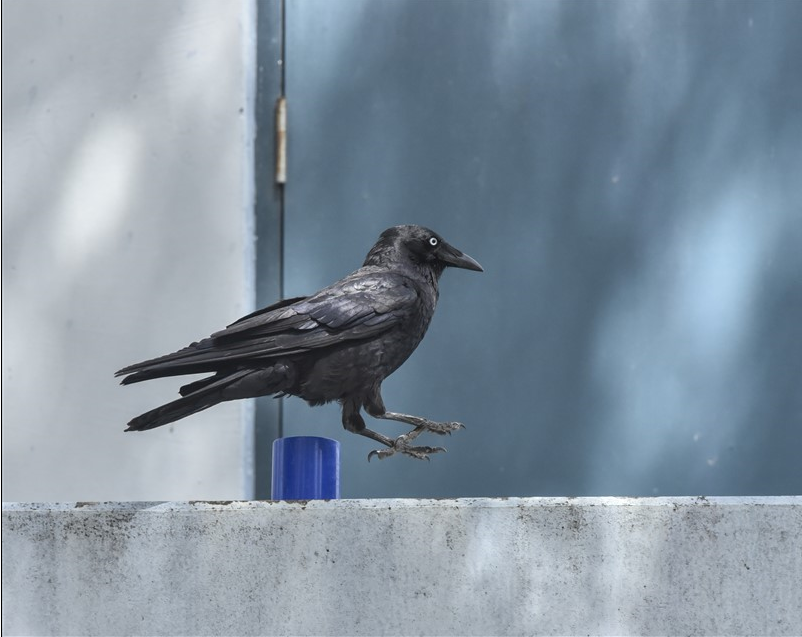
Please click on image to enlarge; click on the X to return
Our Invertebrates
Invertebrates are animals that do not have a spine or backbone. This group excludes politicians but does include insects, arachnids (eg spiders), molluscs (eg snails and octopi), crustaceans (eg crabs, yabbies and prawns). Even though we don’t usually give them a lot of press in this newsletter, invertebrates make up the majority of animal species on Earth. Wendy, in past editions, and Ken, in this edition, are doing their best to redress that problem:
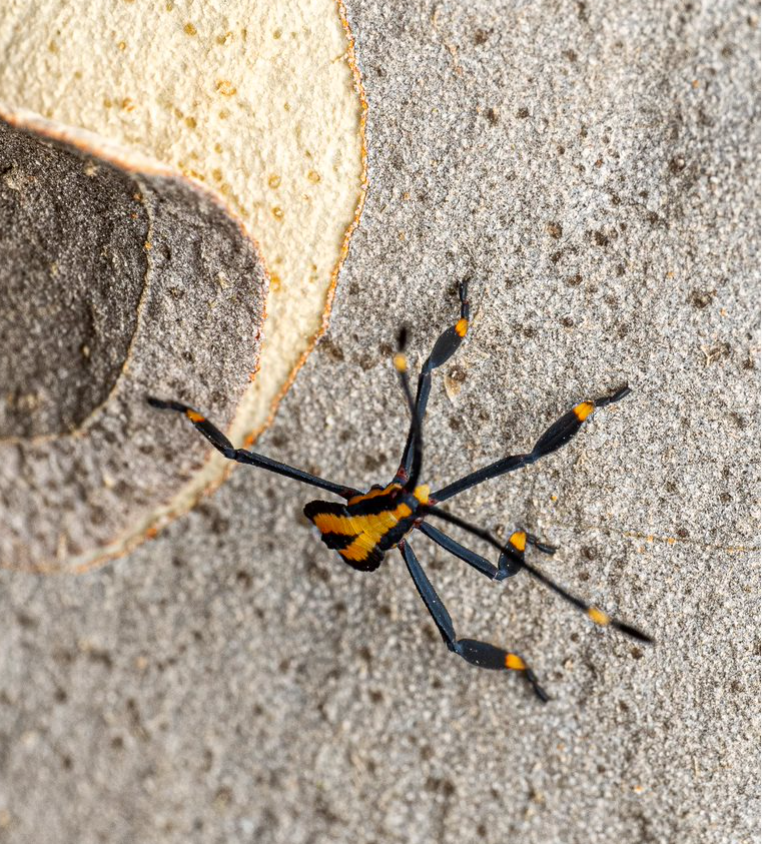
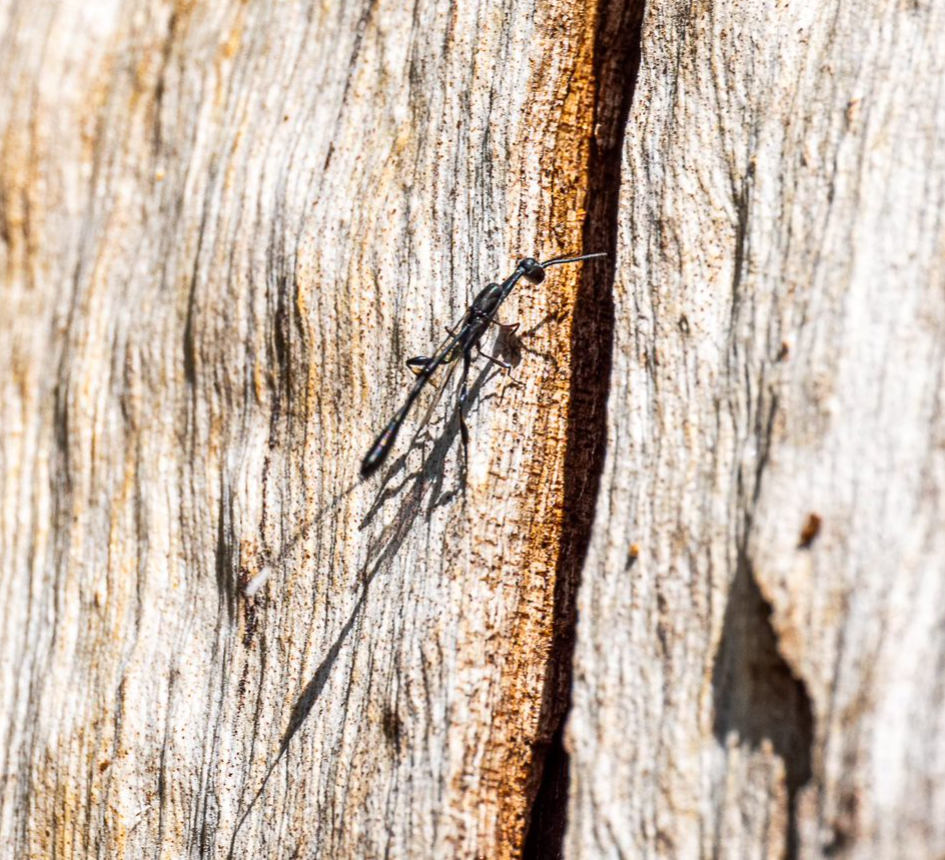
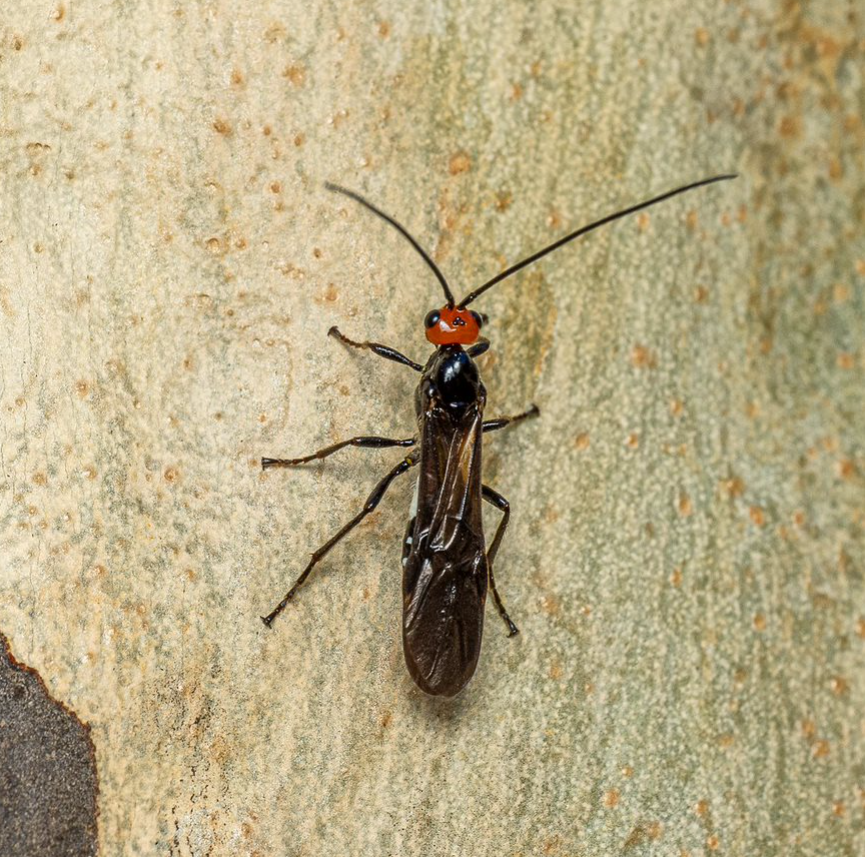
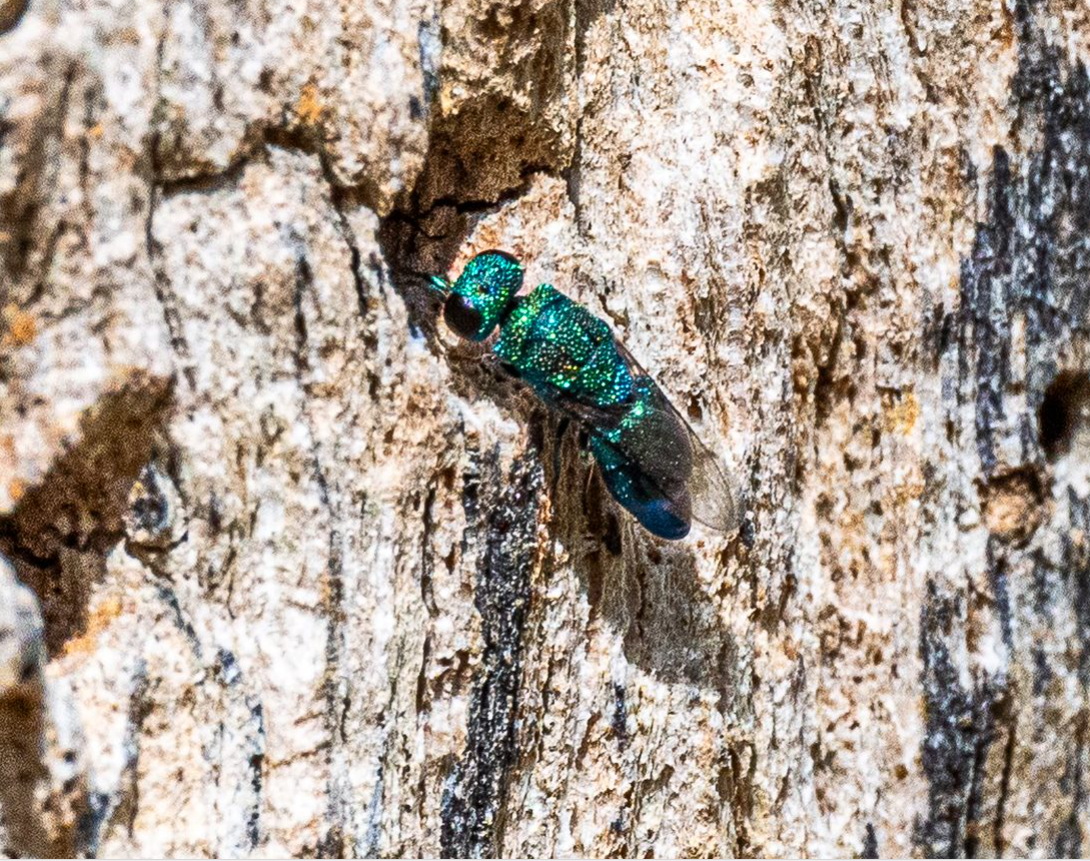
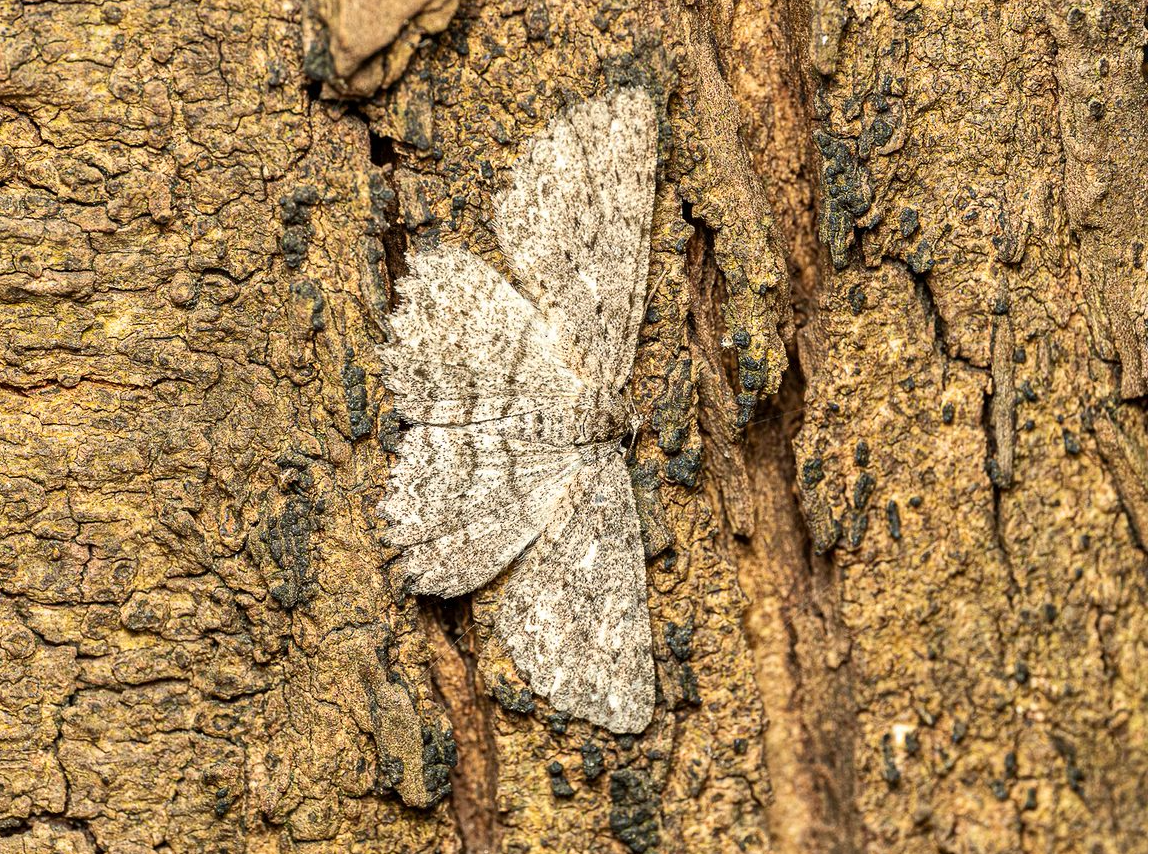
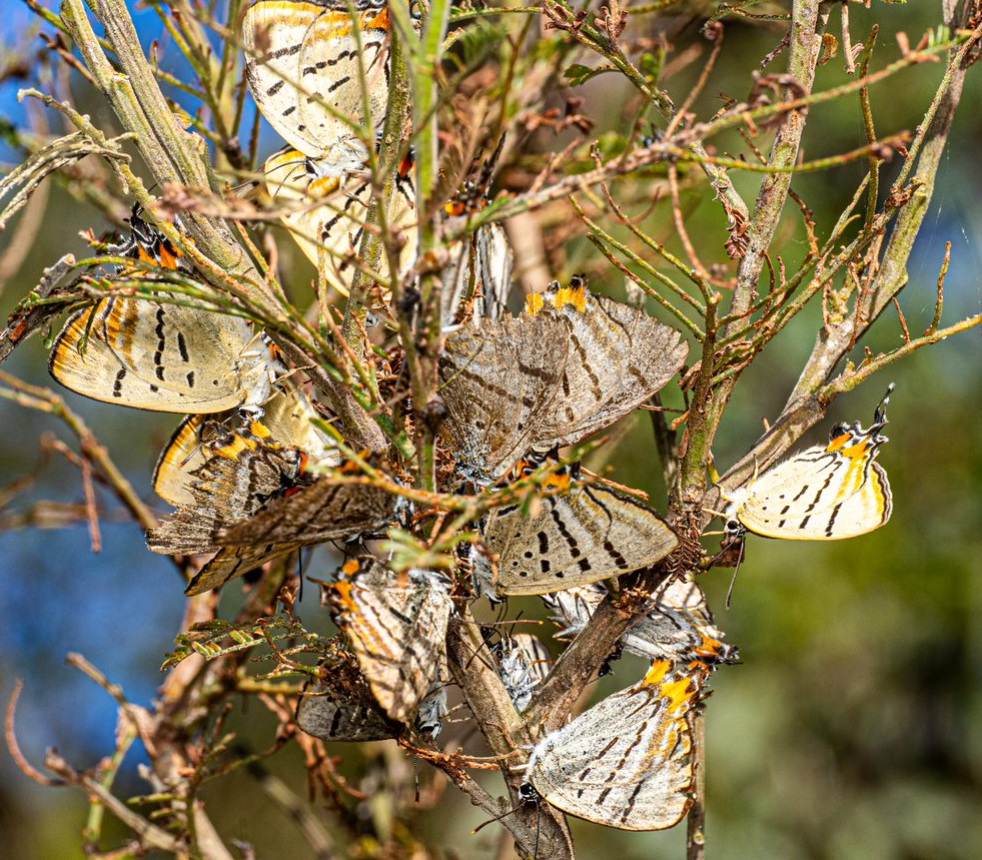
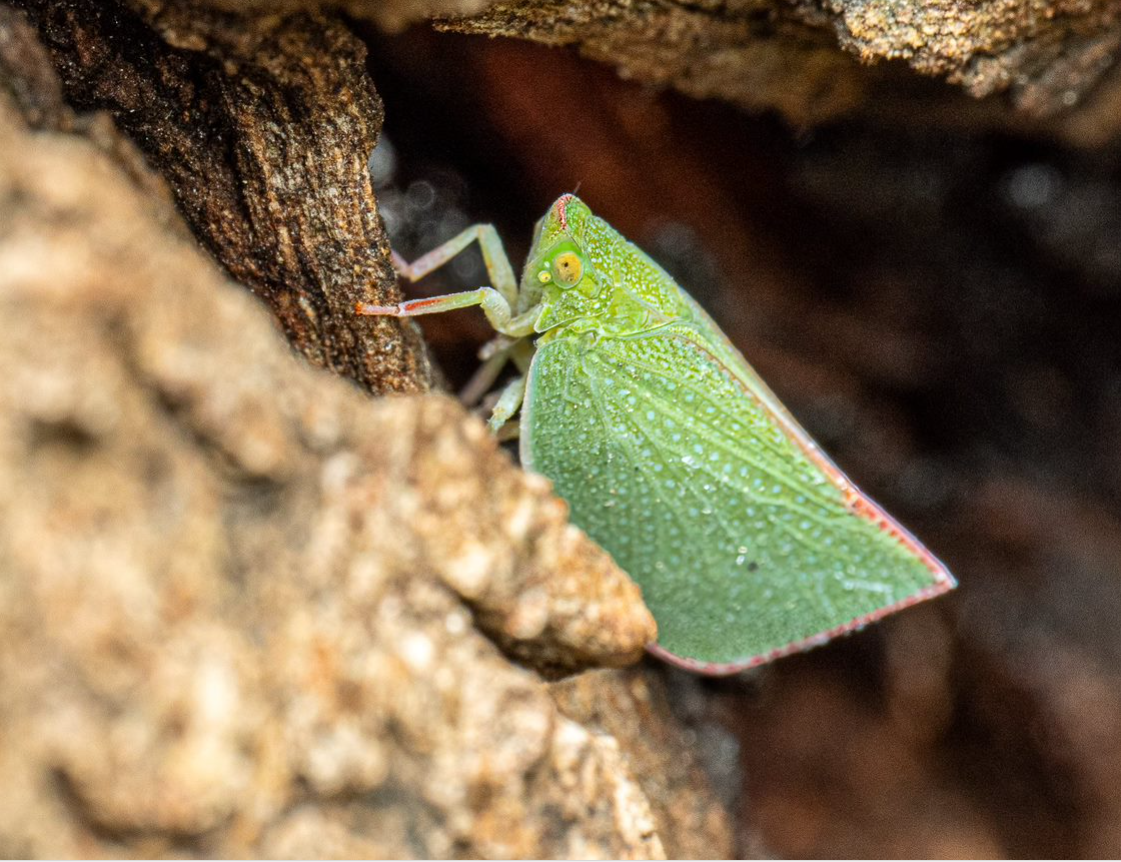
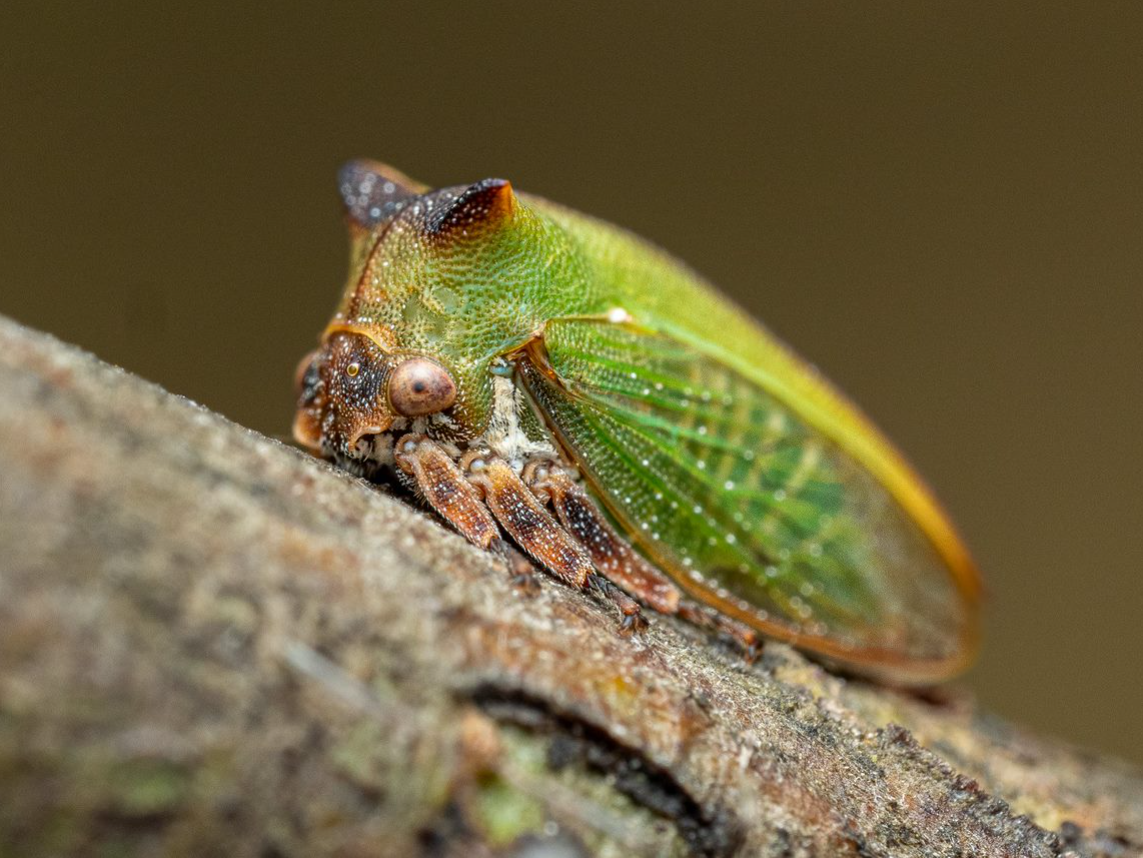
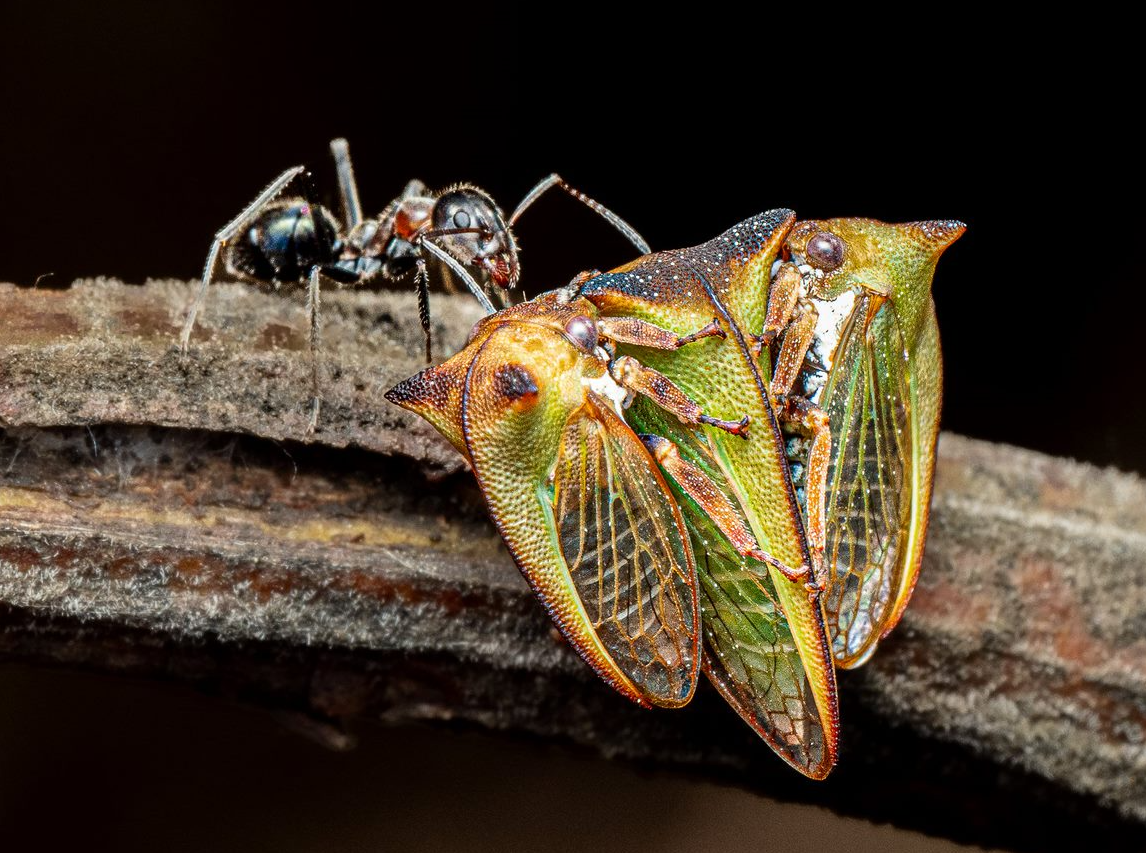
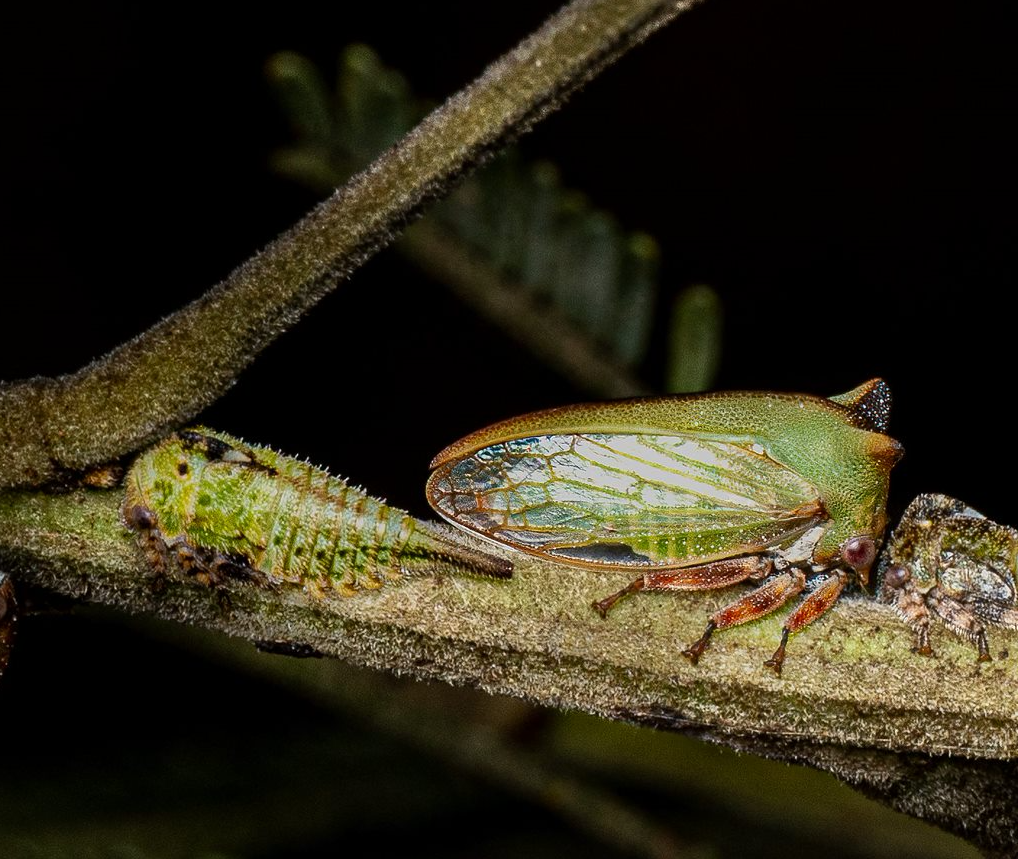
Please click on image to enlarge; click on the X to return
The following notes applying to the photos are based on notes Ken supplied (thanks Ken!):
- Amorbus – part of the true “bug” genus and are described as ‘leaf footed bugs’. Generally associated with Eucalypts.
- Callibracon – a genus of parasitic wasp found on Eucalypts. Those who have been following our work on Bull Ants recently would immediately recognise the ocelli (rudimentary eyes).
- Cuckoo wasp (Emerald wasp) – one of a large group of parasitic wasps. Like its equivalent in the bird world (Cuckoo), it lays eggs in the nests of other wasps.
- Carrot Wasp – very slender wasps – the “carrot” seems to refer to the appearance of the lower section of the wasp’s body. Another wasp having “cuckoo” behaviours. The females have a very long ovipositor to lay eggs in hard to get at places (eg nests of solitary bees).
- Ectropis moth (Engrailed moth) – masters of disguise and lying low.
- Imperial Hairstreak butterflies – we have written much about these beauties before but very special to have them appear annually in the Creeklands.
- Planthopper – these are essentially sap suckers and are widely distributed – often seen in local gardens.
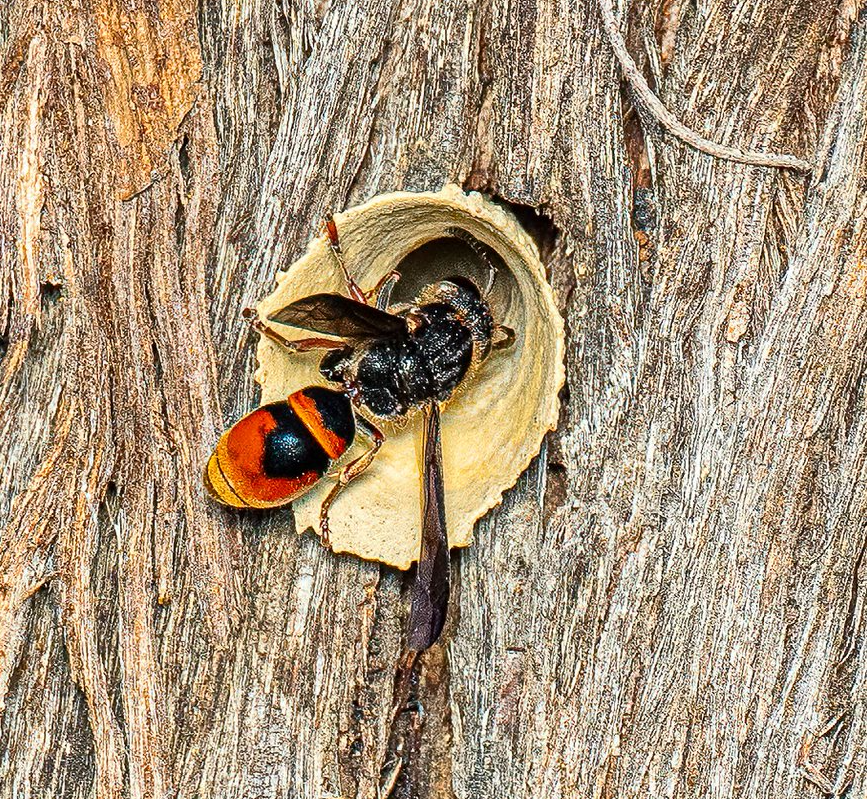
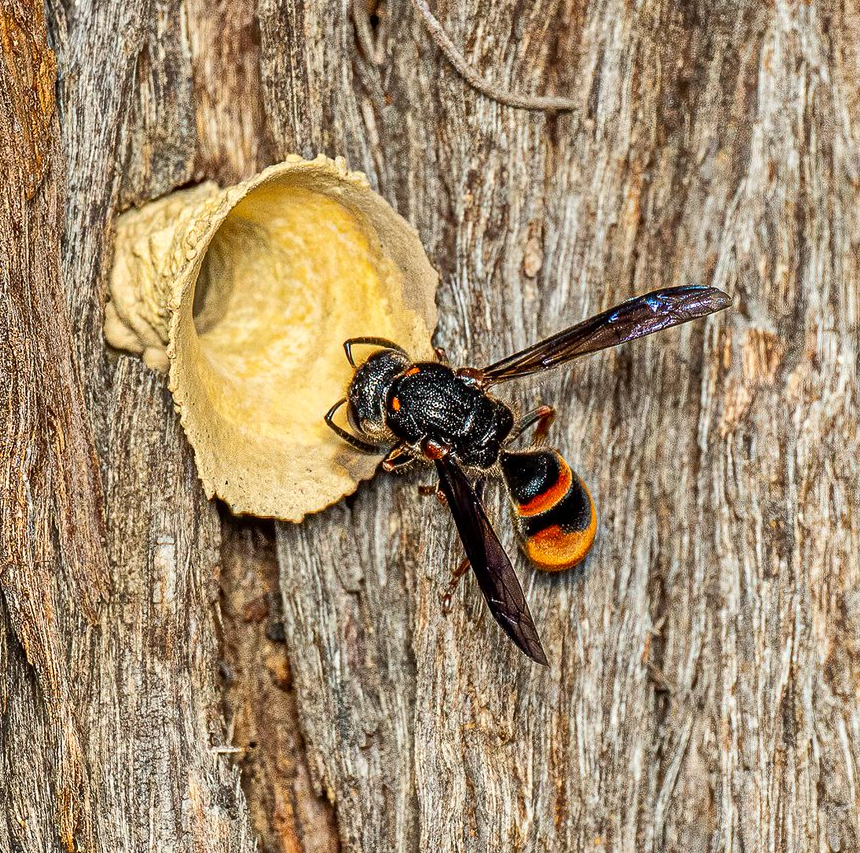
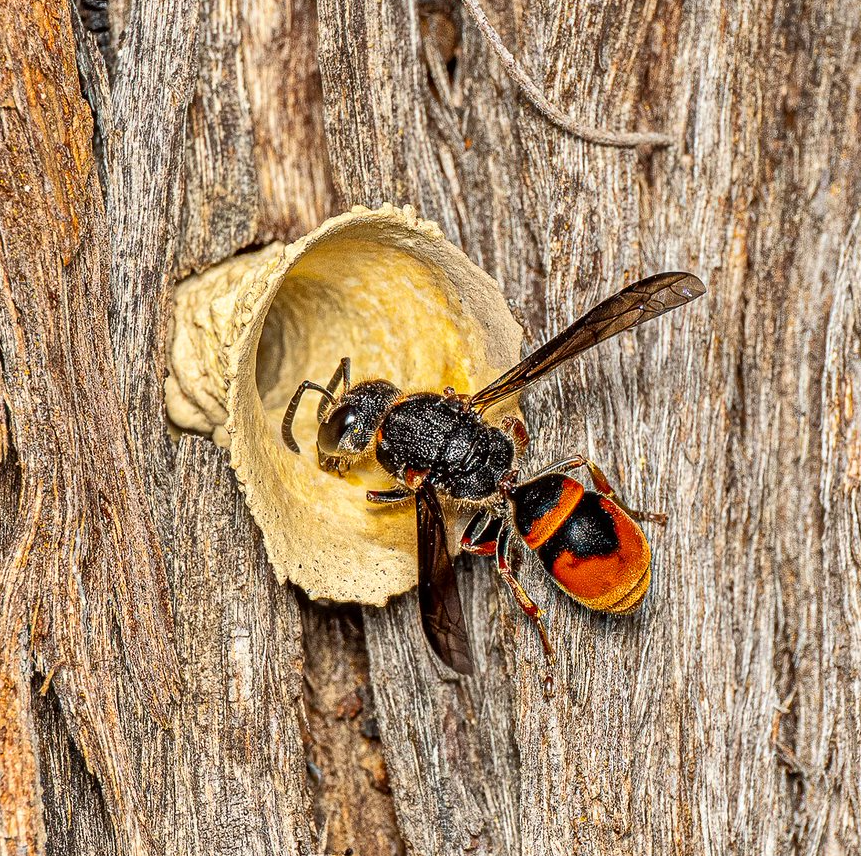
- Potter and Mason wasp (Sometimes called the Australian Hornet) – Australia has a number of Potter wasps but this specimen is one of the more spectacular ones. It is solitary and makes its flared nest from mud for protecting its young.
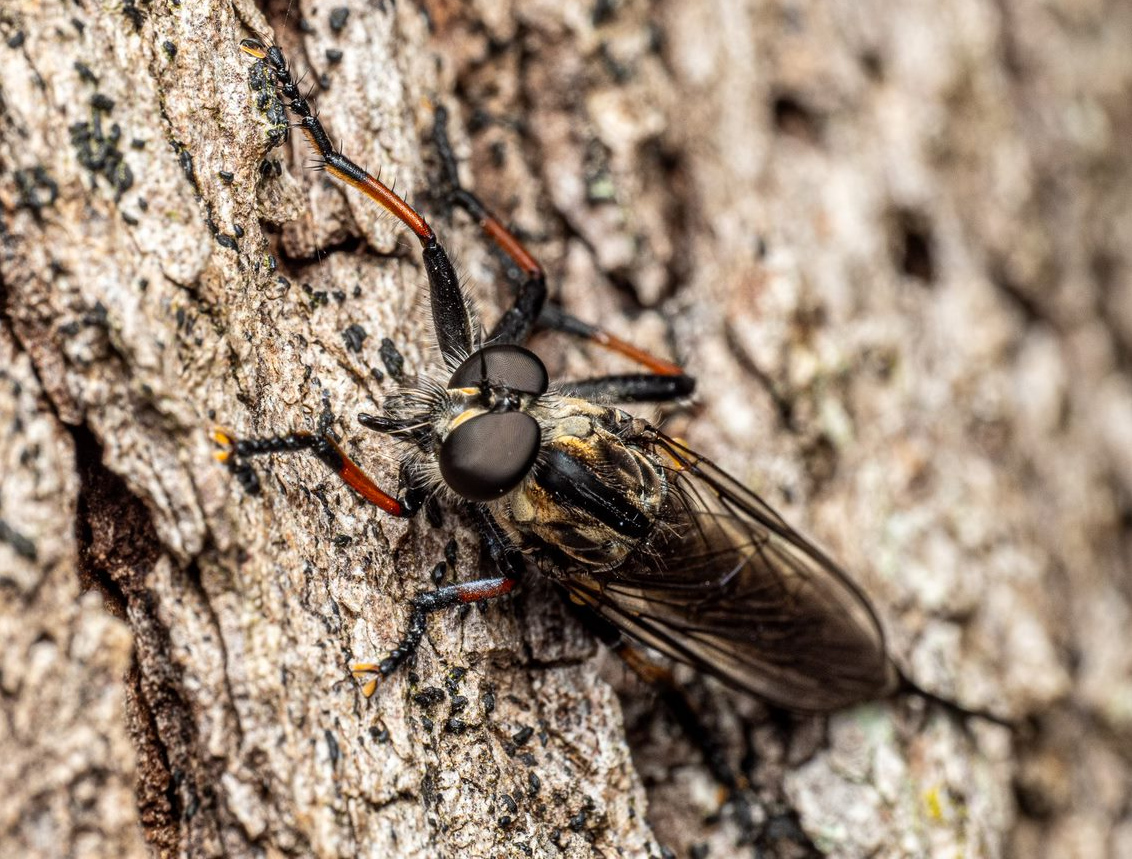
- Robber fly – these are tough, well-built flies that feed on other insects they catch in flight. Interestingly, they characteristically have a usually dense moustache of stiff bristles on the face called the mystax (“moustache”) – thought to be a defence from prey fighting back.
- Tree hopper – these tiny creatures (10mm long) feed in groups on plant shoots. They excrete honeydew which attracts ants.
In other sightings for the month, we’ve heard reports of a Kookaburra taking a yabbie from the creek. Corie the Cormorant will not like the competition!
Epilogue…
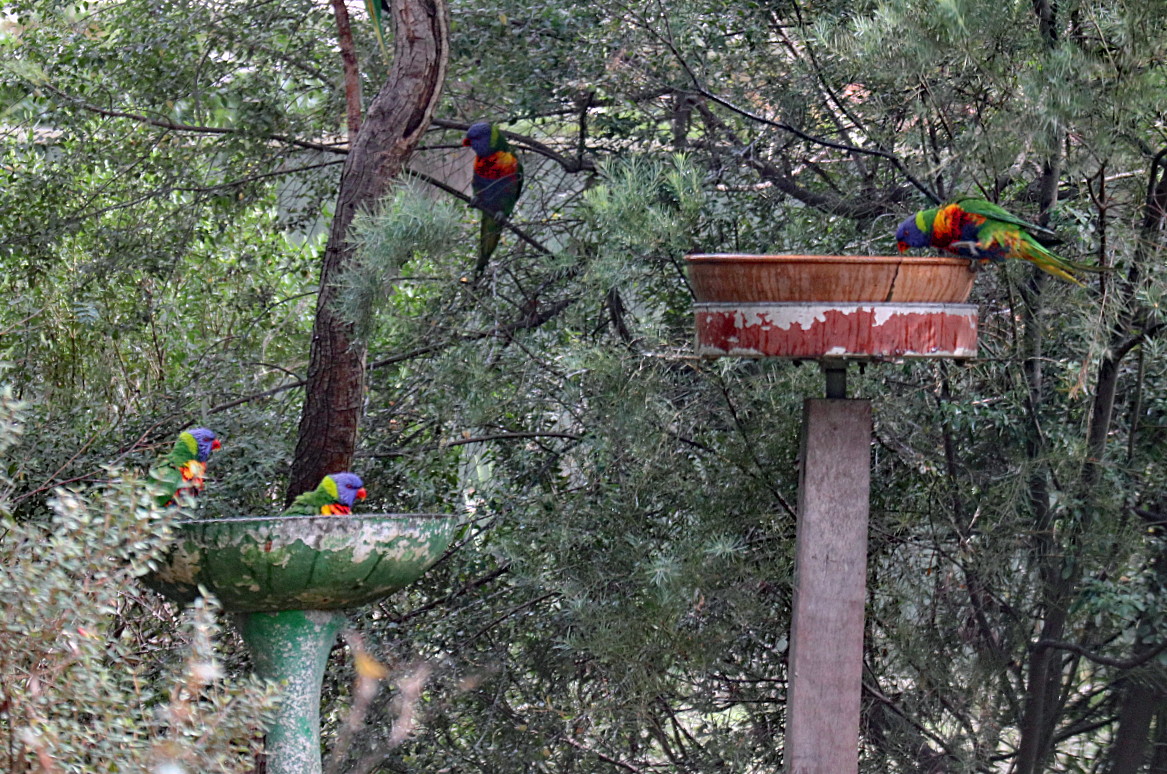
In addition to food and drink for Santa, please don’t forget to put some clean water out for the local wildlife – especially on our very hot days. It’s good to have different levels. This park neighbour has a ground level for lizards – but also used by Magpies when on patrol and even Gang-gang Cockatoos in season. The upper baths are protected by overhanging foliage – which provides safety and also serves as a perch while waiting to drop a belly-whacker or while drying off.
 Blackburn Creeklands
Pingback: Park News, February 2025 | Blackburn Creeklands