Events coming up:
- Blackburn Lake Wetlands Regeneration Info – Sunday, 23rd February 2025 at 4 pm
- Community Planning forum QnA – Thursday 27 February 6:30 PM at The Round
- Clean Up Australia Day – Sunday, 2nd March 2025
Welcome and all the best for 2025!
Welcome to our Blackburn Creeklands Newsletter for January, 2025. Now that life is returning to normal after the festive season, kids are going back to school and the summer holidays are coming to an end – we wish all our Friends all the best for a happy and successful 2025!
We also wish all the best for the Lunar New Year to our friends celebrating Asian culture in this Chinese Year of the Snake – wishing you prosperity and wealth!
Weatherwise, we’ve had it all in January: heatwave warnings, thunderstorms, two more total fire ban days, high heat, high humidity, storms and heavy rains.
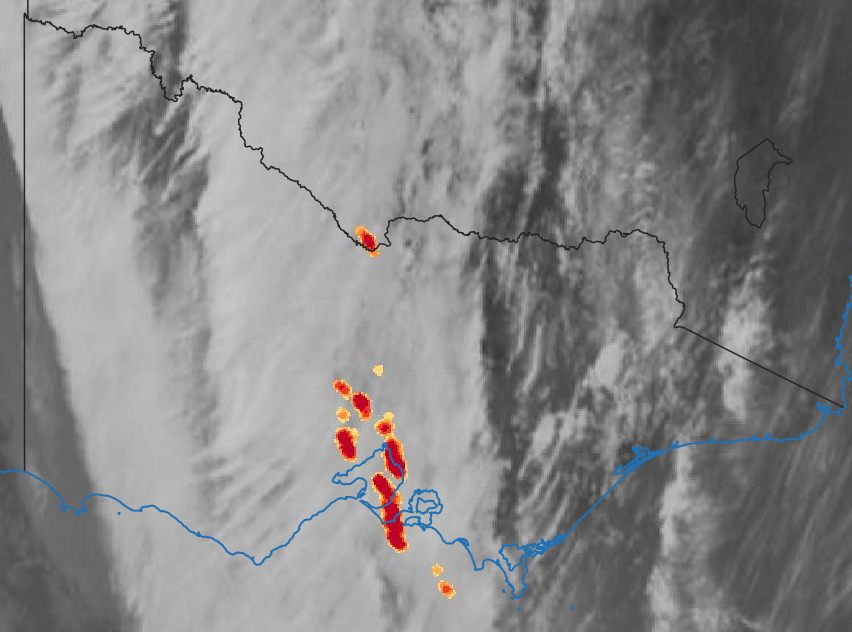
Luckily for the park (so far), the worst periods of high heat have mostly been followed by heavy rain. The park is dry but not suffering excessively (so far….).
Thursday Team Report
January Works
Our Thursday Team has been busy in Furness Park in January. Despite the wildly varying weather, we’ve been fortunate to enjoy good working conditions on our Thursday mornings.
At this time of year, the weedy grasses (and many other species for that matter) are carrying a lot of seed. Mindful of that, our team has being taking a lot of care to snip off seed from the plant first before removing the plant carefully – so as to disturb the soil underneath the weed as little as possible. The plan is to:
- capture as much of the seed as we can
- disturb the soil as little as possible. This will hopefully help prevent any seed we may have missed from taking hold.
The going is slower but we expect to have less weed to remove in the longer term.
Our Safety – Ultra Violet (UV) Rays
At this time of year, our weeders, like everyone else, should be extra cautious about exposing themselves to harmful UV rays from the sun.
UV rays are simply a naturally occurring part of the sun’s rays. However, we cannot see them by eye – and so can tend to underestimate their strength and effects. They contribute to skin damage, sunburn, eye damage, premature ageing, and skin cancers including the very dangerous Melanoma – but, nevertheless, are needed for our skin to produce Vitamin D.
Does the UV index relate to time of day?
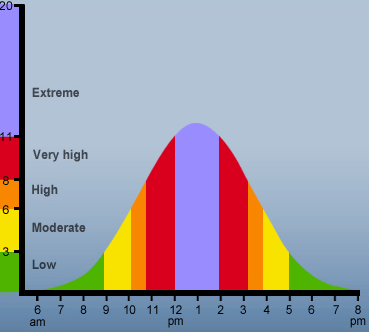
Yes, the diagram at left shows how UV varies with time-of-day in Summer.
The SunSmart experts advise that we should use sun protection once the UV level is above 3.
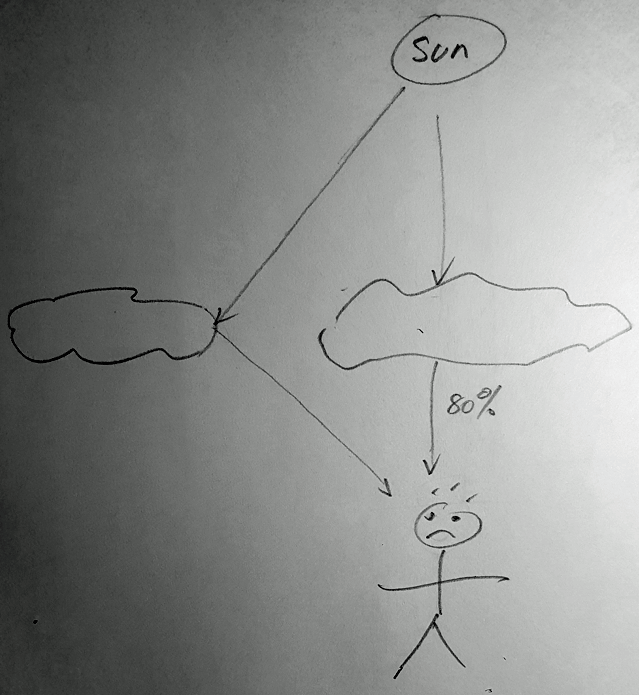
Does cloud cover help ?
Maybe: as a rule of thumb, clouds reflect only 20% of incoming UV rays – but that varies – depending on the thickness of cloud, type of cloud and so on.
However, patchy clouds can also intensify UV levels because radiation is reflected off the clouds’ “edges” giving you an extra dose…
Does the temperature matter ?
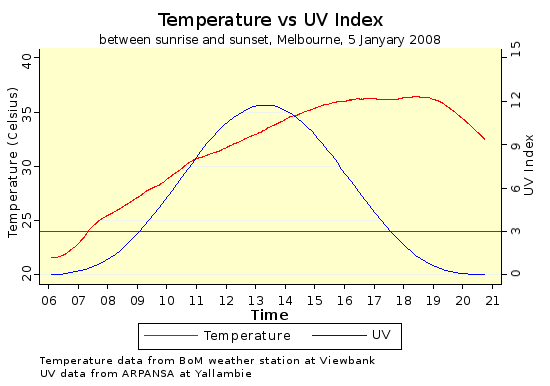
No, the BoM graph at left shows temperature and UV index on a hot summer’s day in our area.
Obviously sunrays warm the earth and contain UV. However, UV levels are not directly correlated with temperature.
To protect our weeders, we encourage:
- Broad-brimmed hats (our recent new model from Council has been very well received).
- Long sleeved shirts, long trousers and gloves (all of which also help protect against scratches, bites etc).
- Team members to apply sunscreen before leaving home (we have an emergency supply if someone forgets).
- Our team members to follow the shade when working. Our canopy trees do a great job protecting us!
- Everyone to be back home having lunch before the Extreme levels occur.
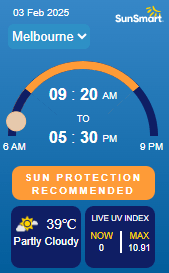
For more information on UV-rays, please visit the SunSmart Australia web-site – they even have an app for your smartphone or web-site to show when you need sun protection.
Sightings
Milk Tea Creek
Several Friends and park users were alarmed by the colour of the creek on the morning of the 9th January. The creek looked like milk tea and we know at least one park user reported the incident to the EPA.
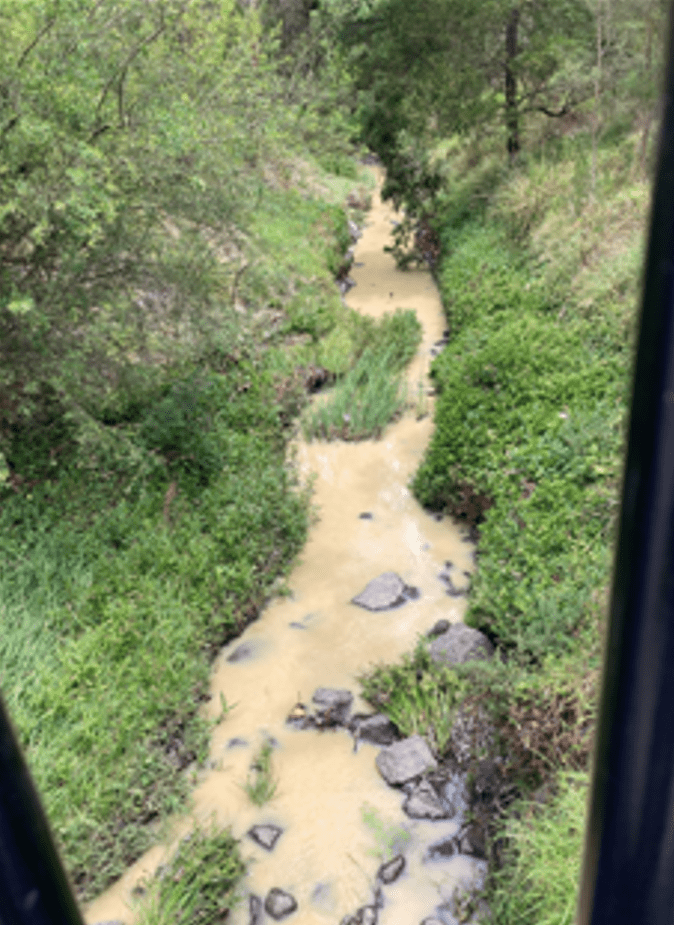
Sometimes a builder might illegally pump out a flooded pit into the stormwater system, but these events are usually due to an upstream water mains burst.
The yellowish colour comes from the clay not far under our topsoil which is flushed out by the force of the water in a mains burst.
You can check Yarra Valley Water on-line to review what faults might exist in our area. Just zoom into the Creek’s catchment via the map link above.
Our thanks to Renee and Lisa for the photo.
In this particular case, the culprit seems to have been a major water main burst in Naughton Grove – in the creek’s catchment area.
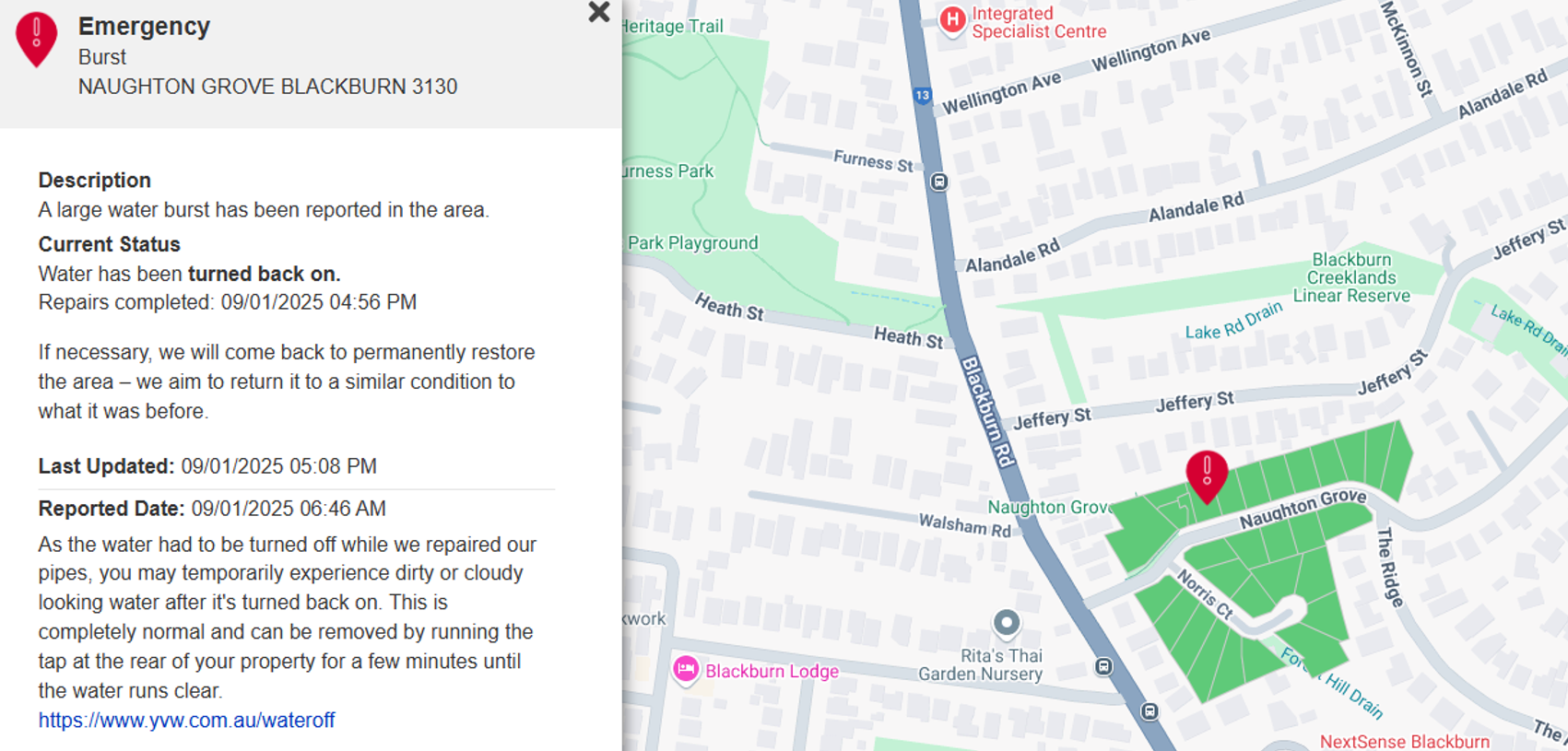
The above shows the YVW map for that day with the highlighted incident expanded.
Fauna and Flora
Highlights over recent weeks have been:
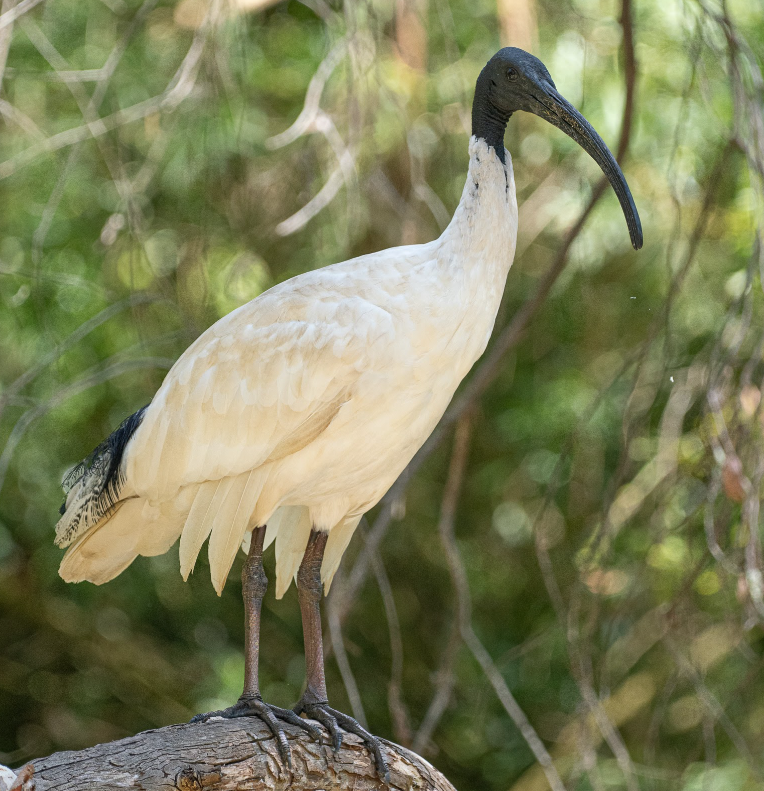
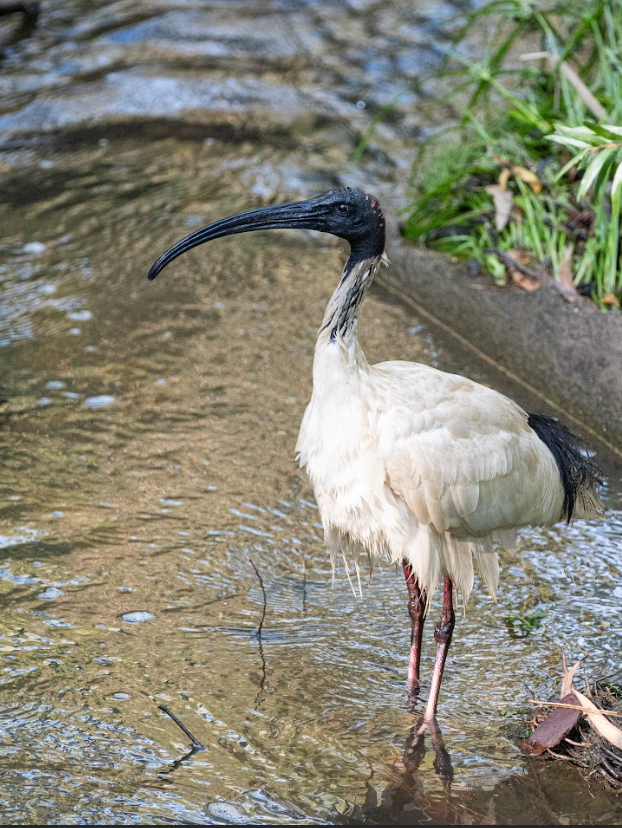
- Australian White Ibis commonly seen foraging along the creek in January.
- Grey Fantail seen in Black Wattles in Furness – not a rare bird but not seen much of in recent years.
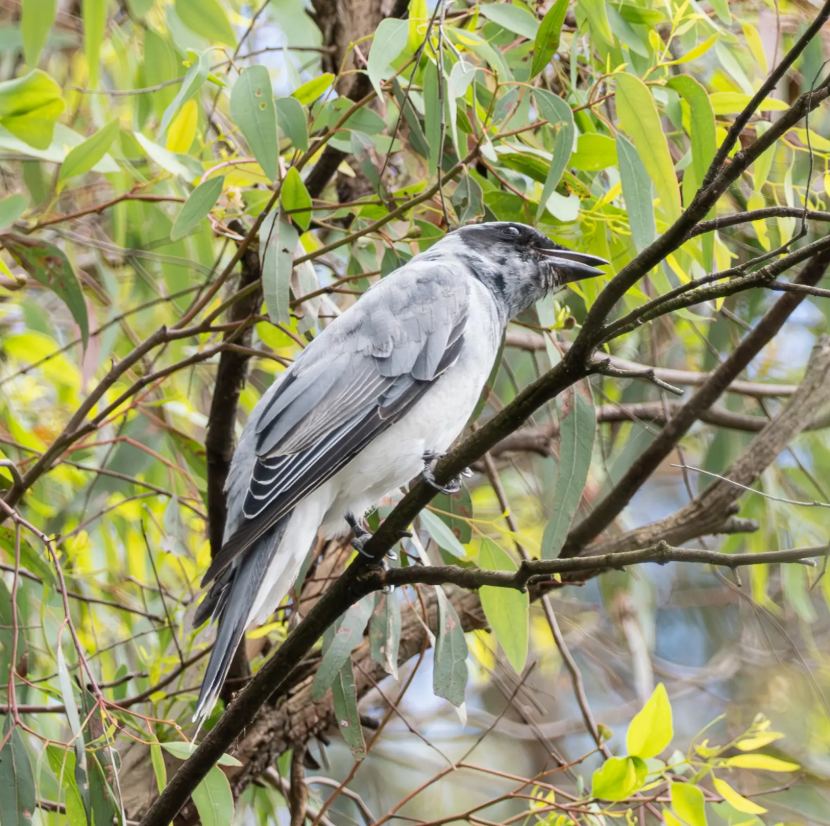
- Another welcome return is the Black-faced Cuckoo-shrike. This species has been seen and heard in Furness Park where it has been observed occasionally in the past. It has quite a distinctive call that this YouTube video enables you to hear:
One of our local photographers has submitted an interesting study of Furness Park in the evening light – taken on the 14th January:
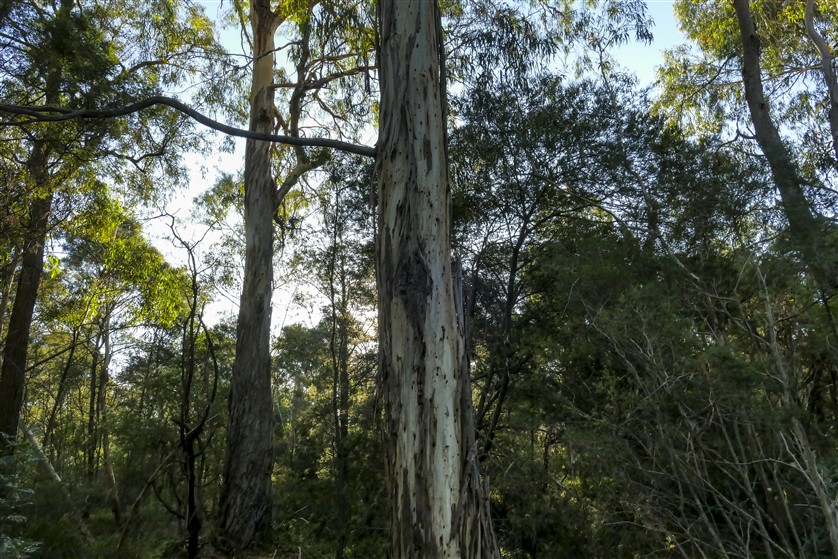
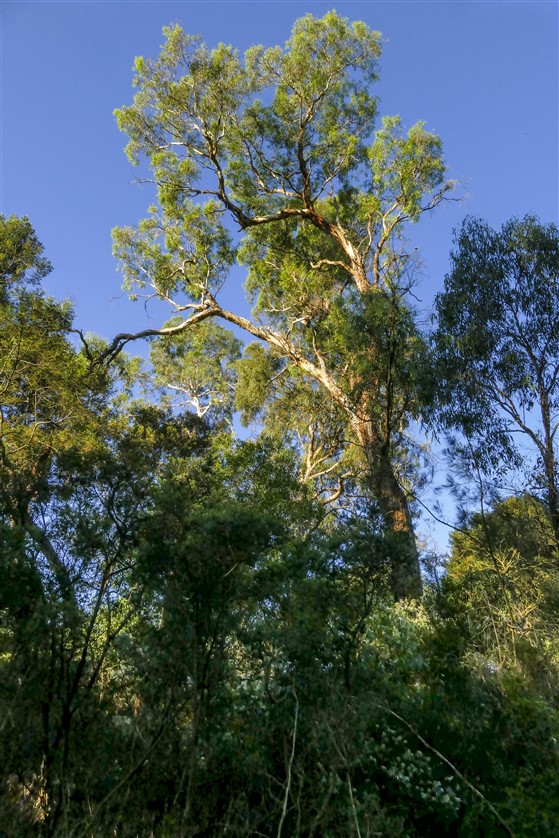
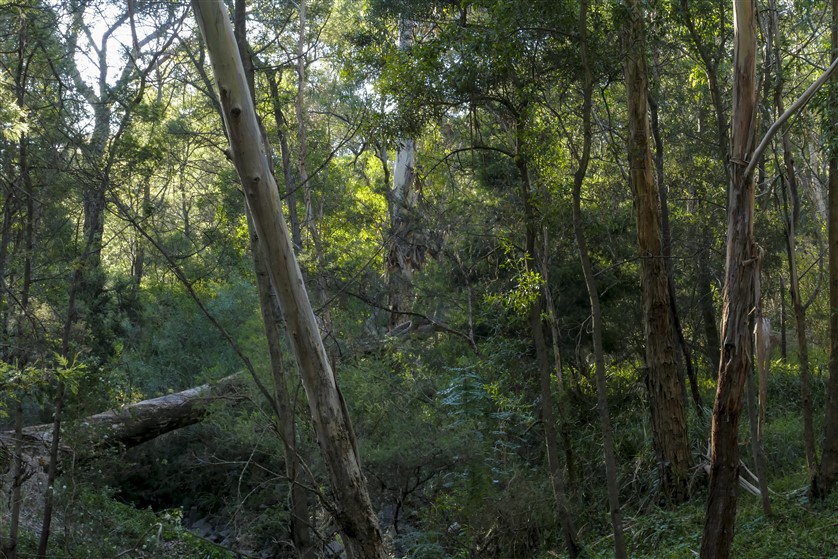
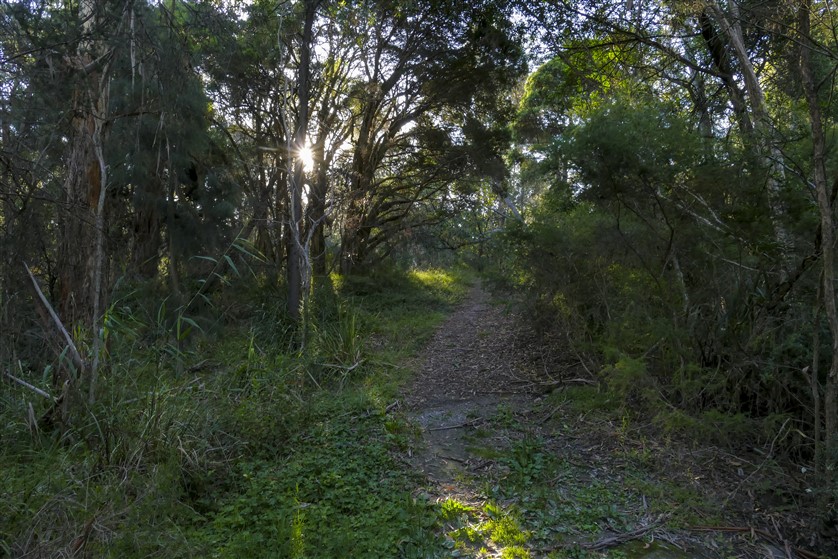
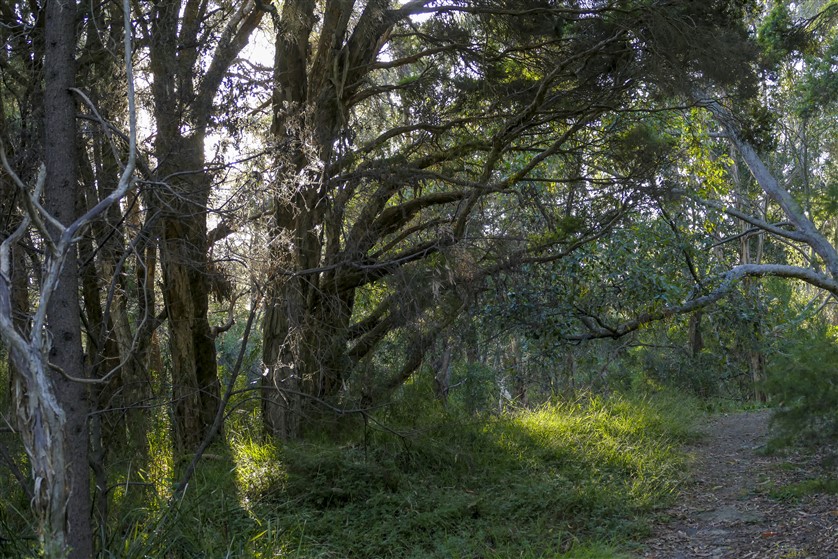
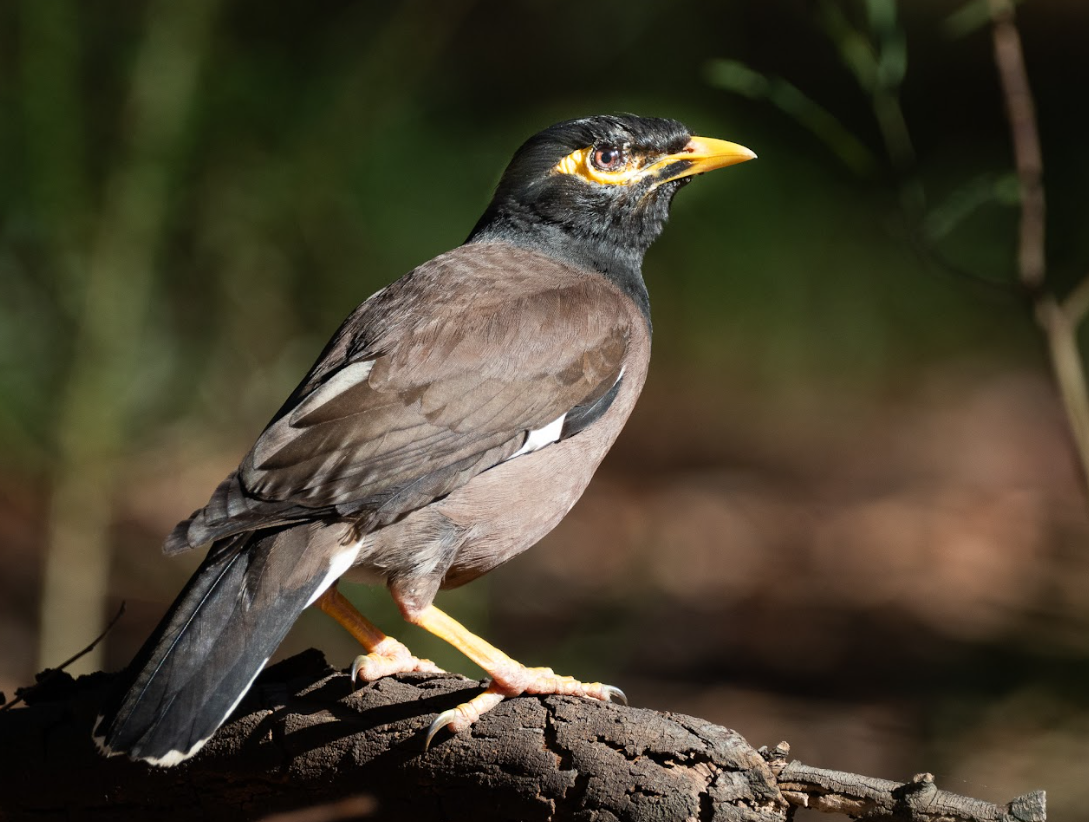
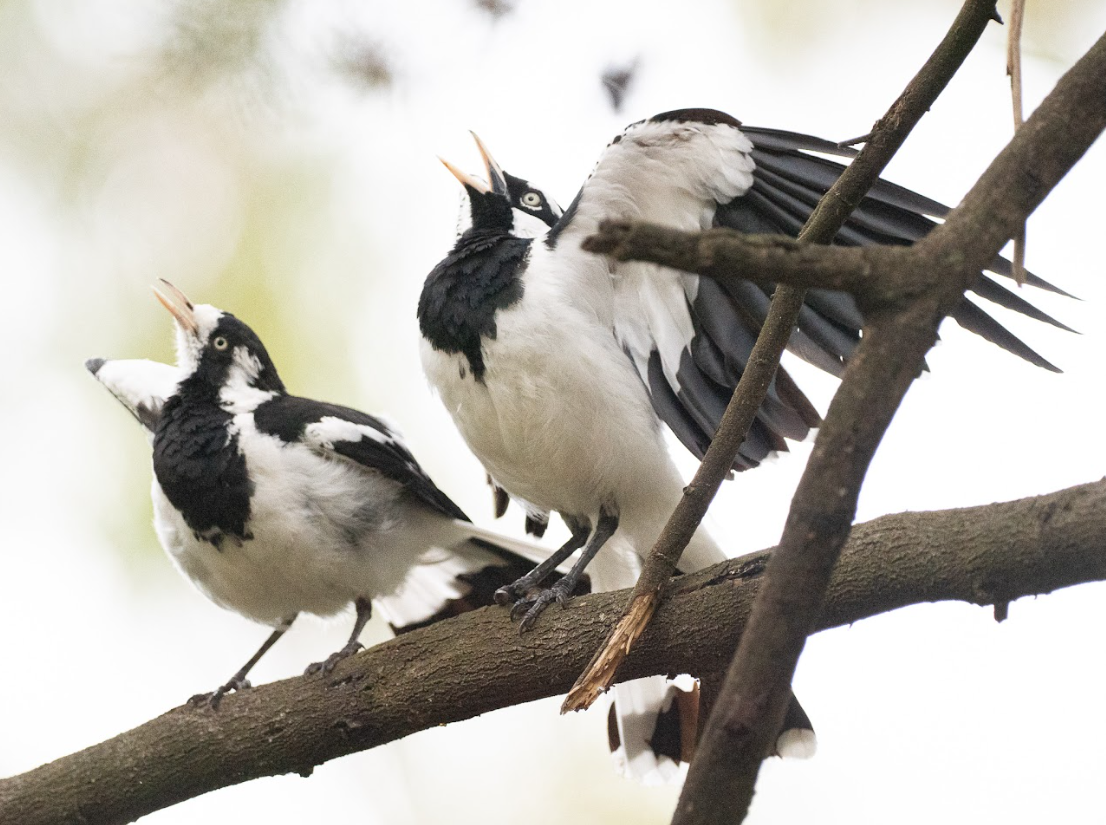
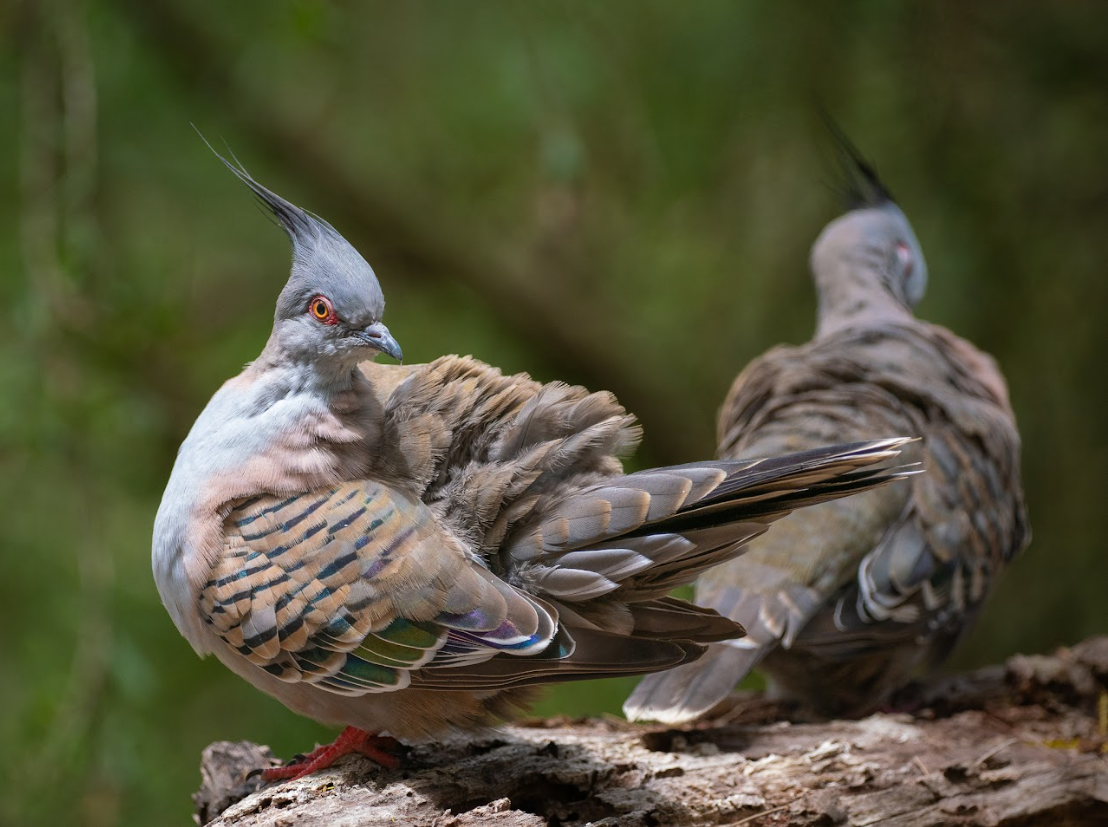
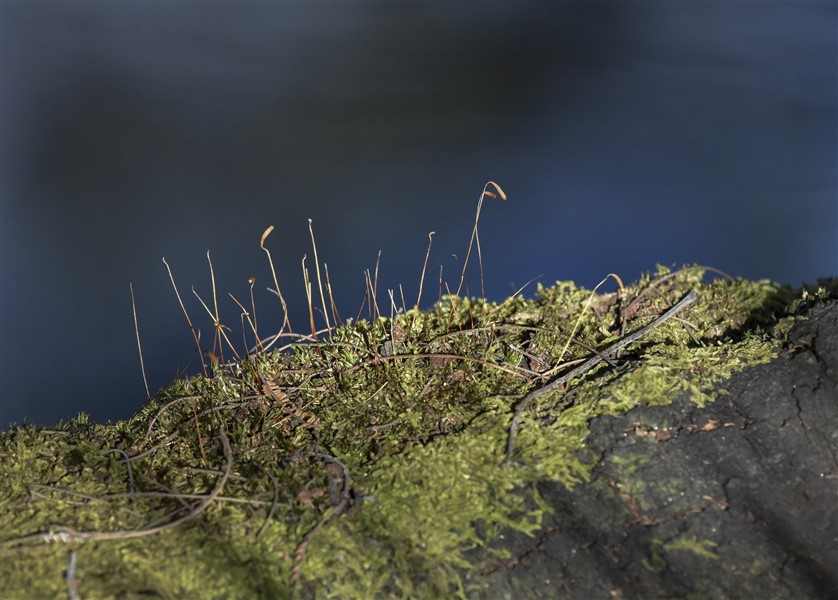
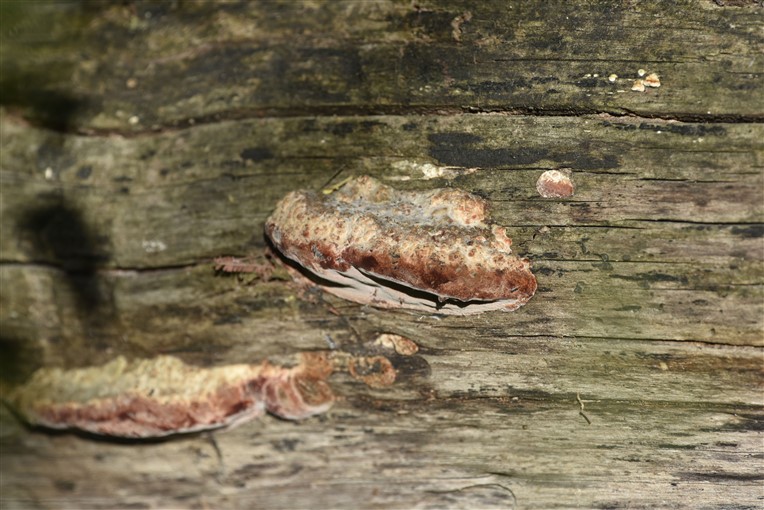
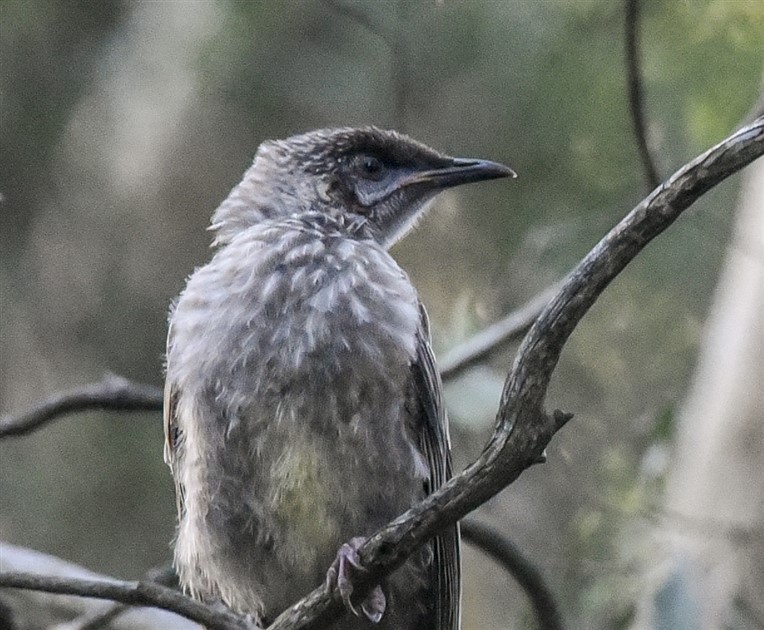
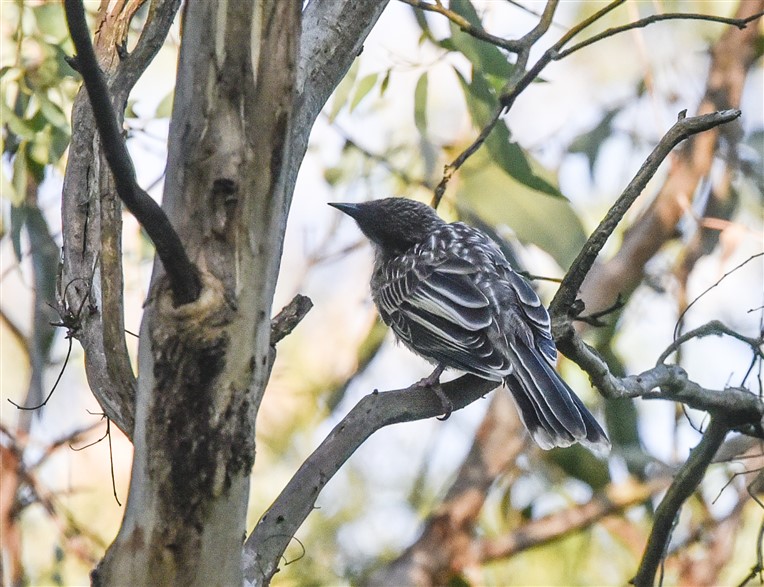
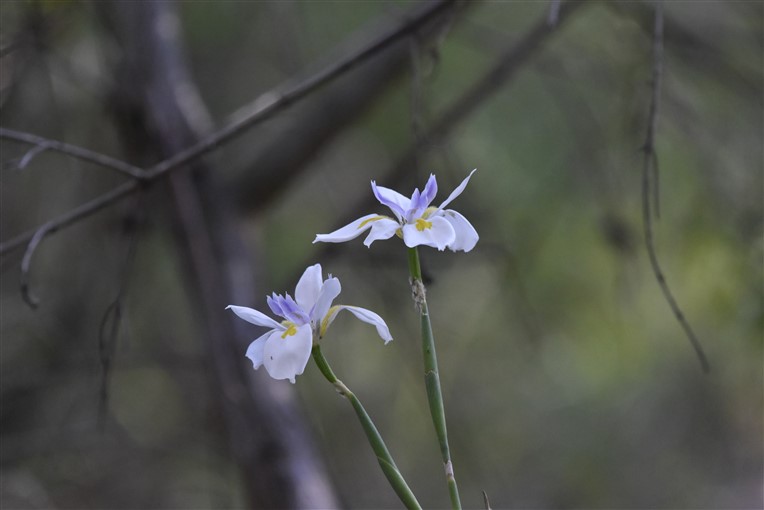
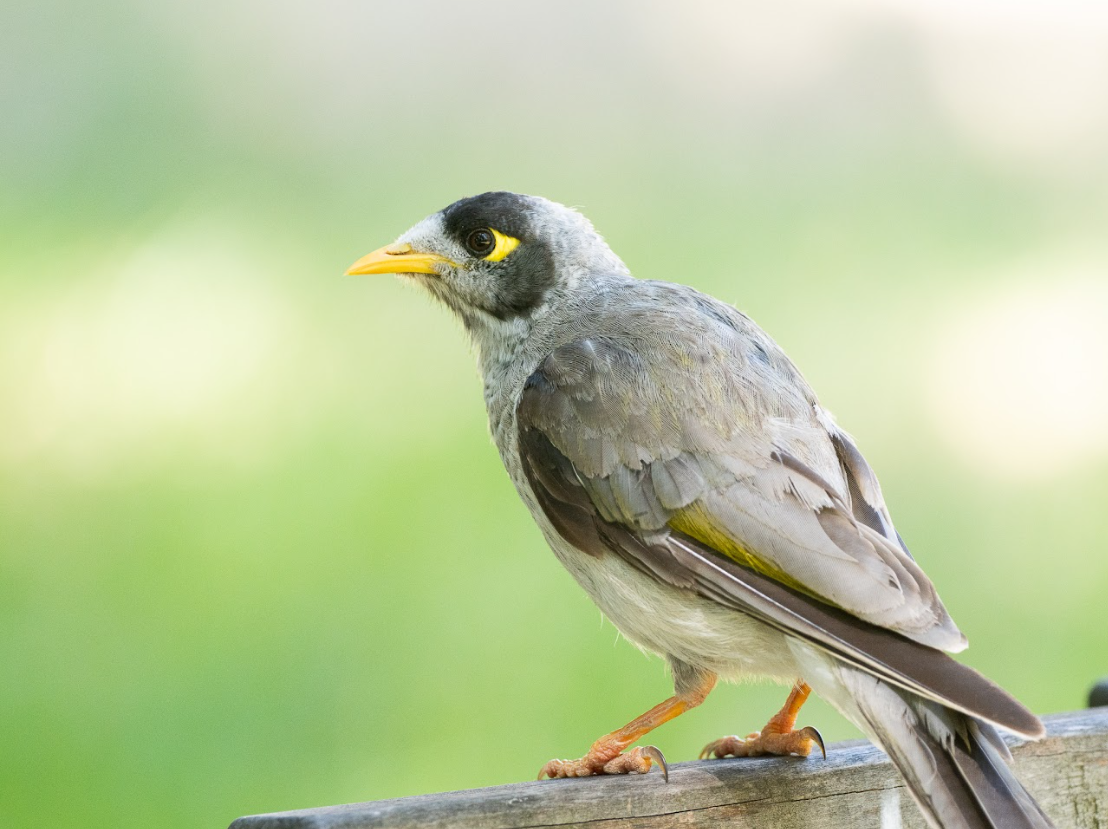
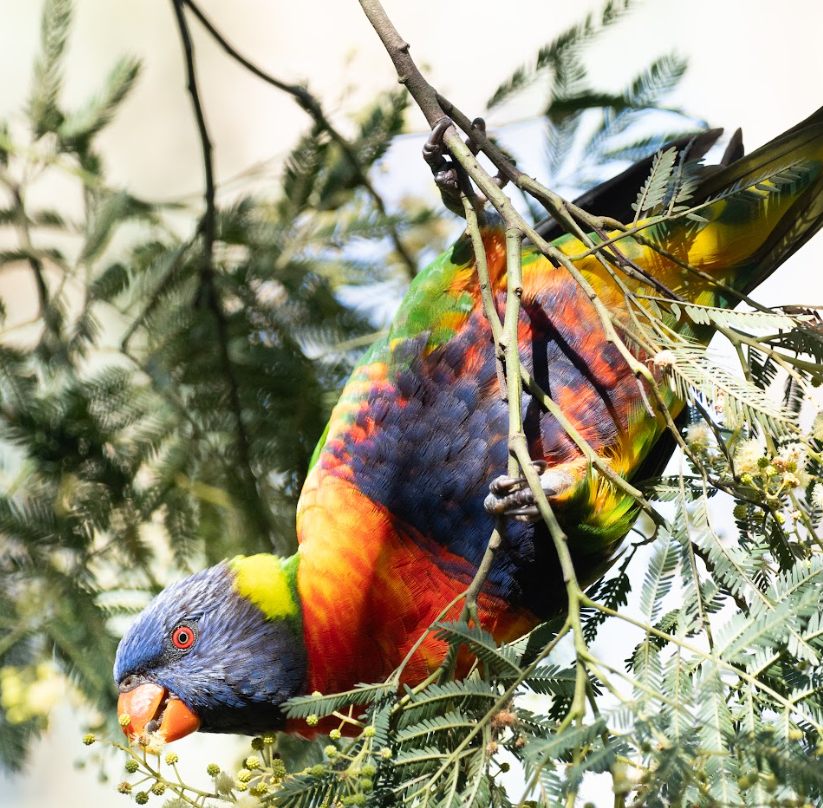
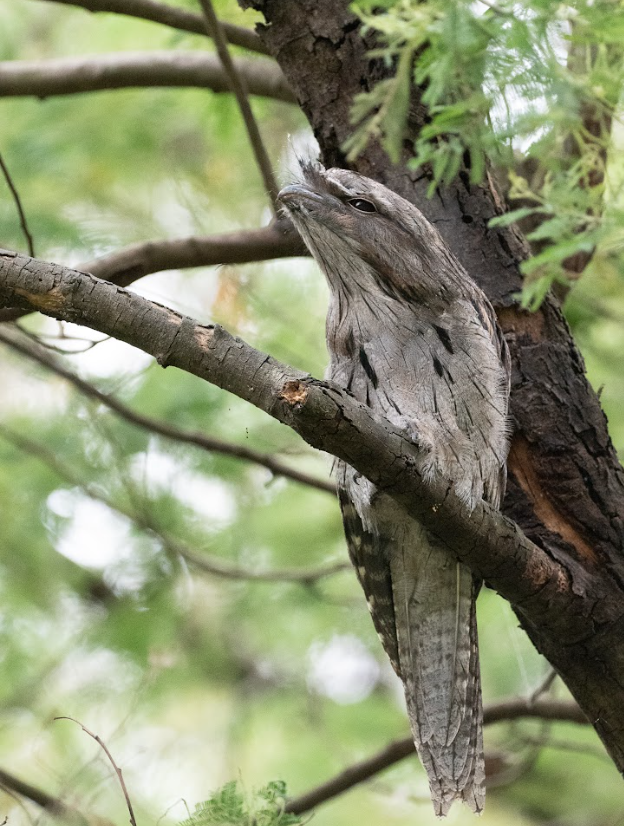
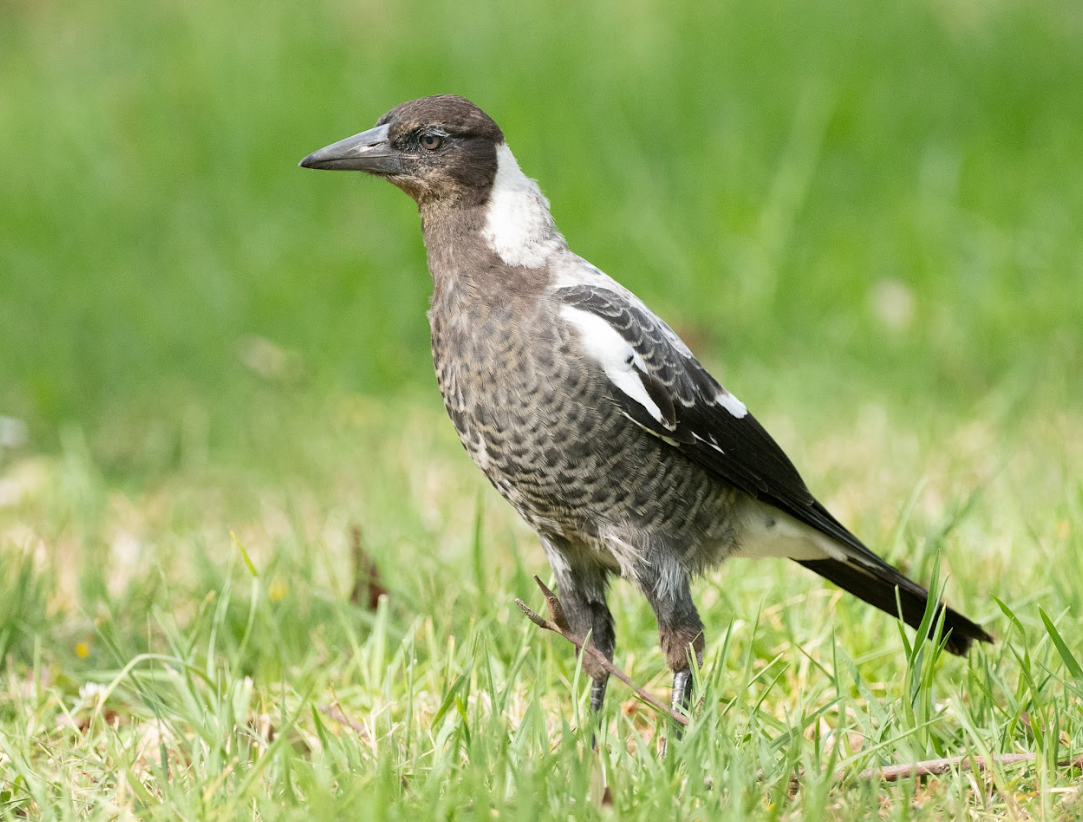
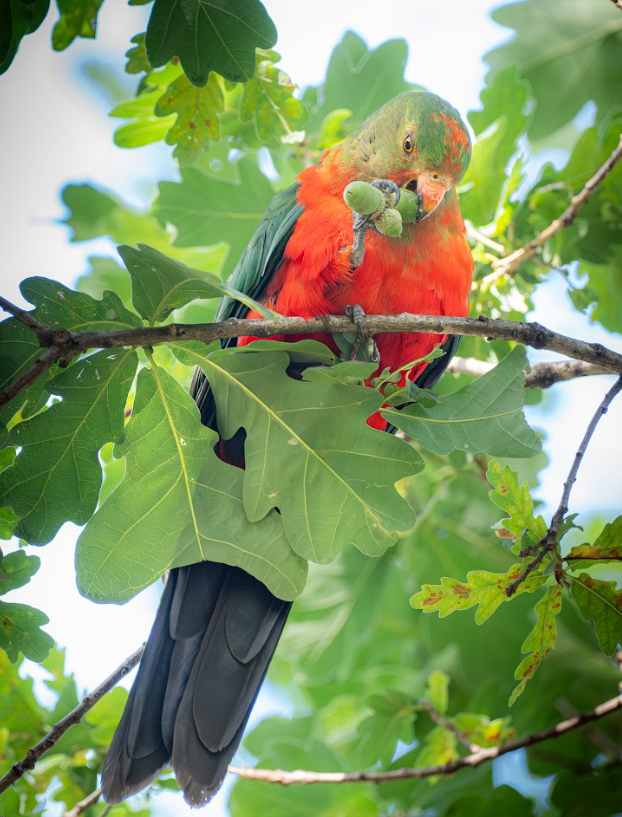
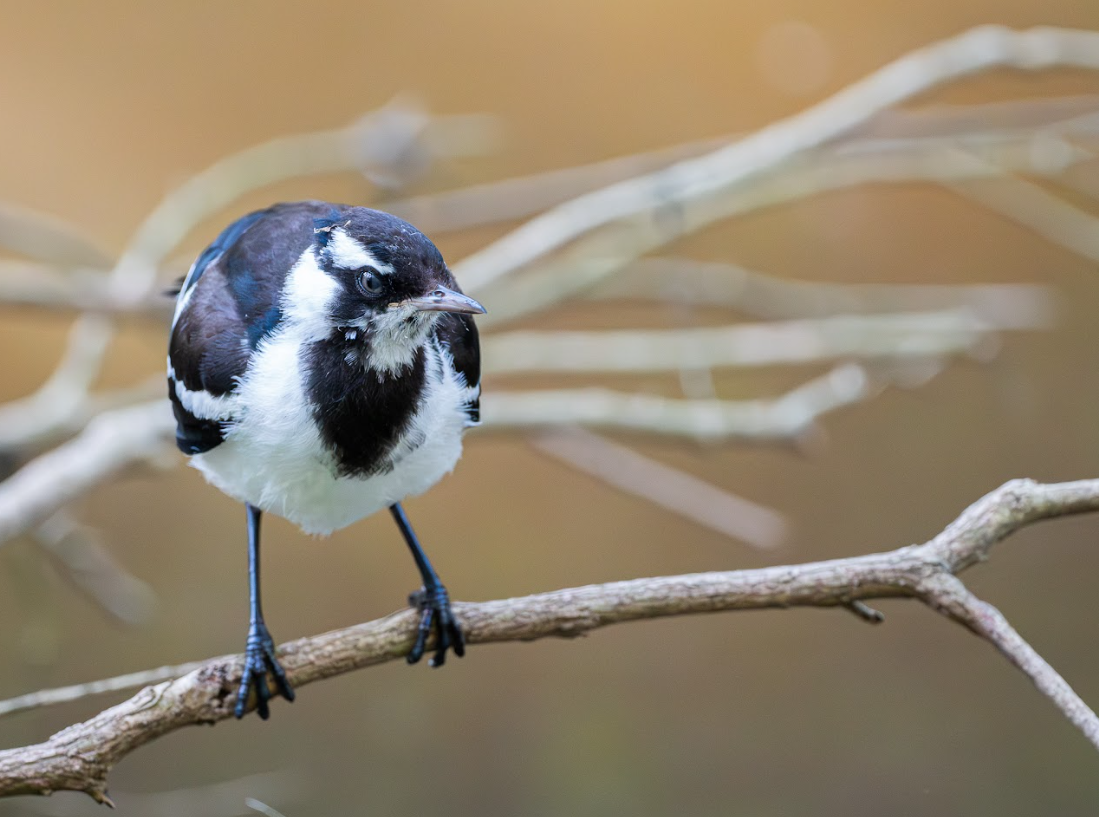
Here are some miscellaneous sightings of the fauna, flora and astronomical objects you might have seen in the park over the past month:
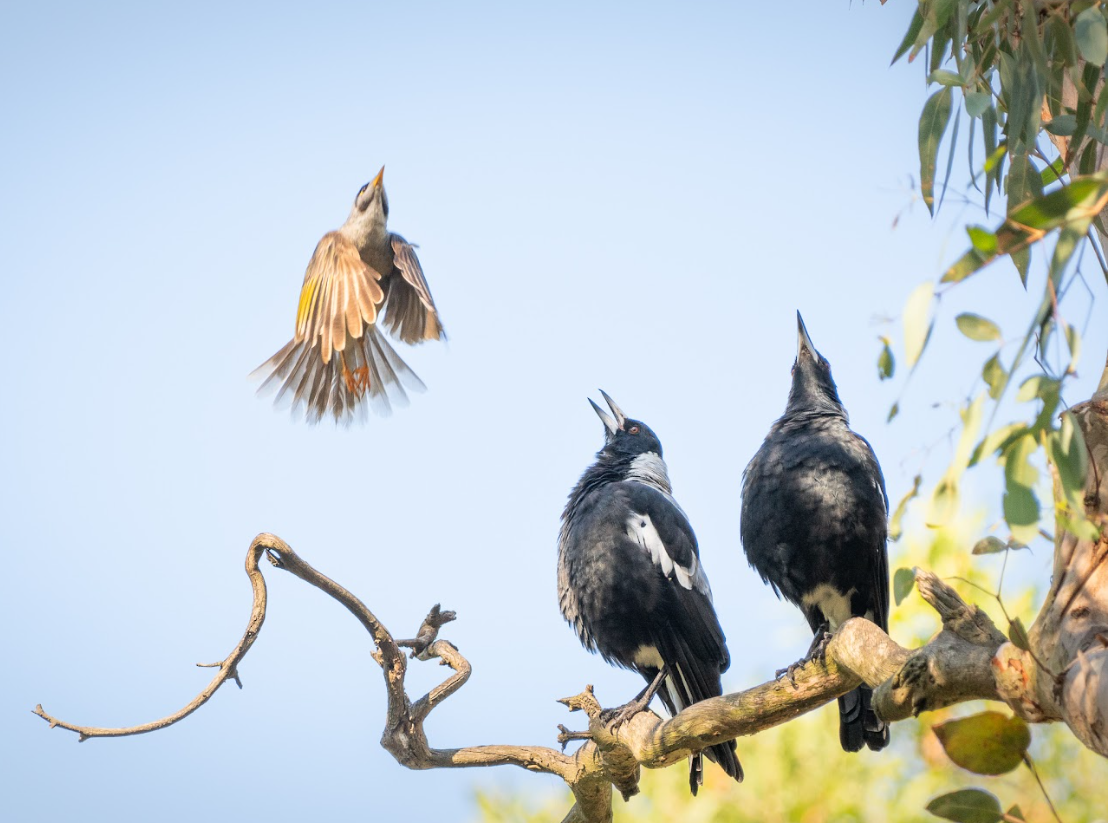
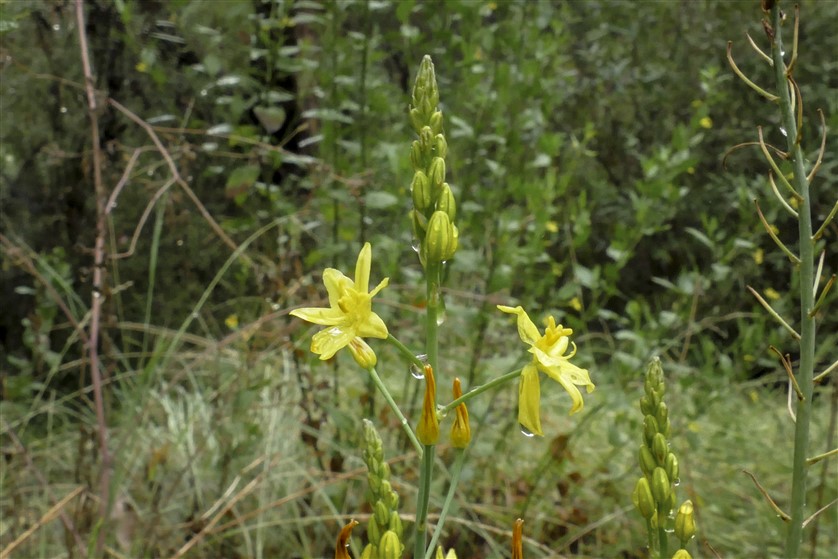
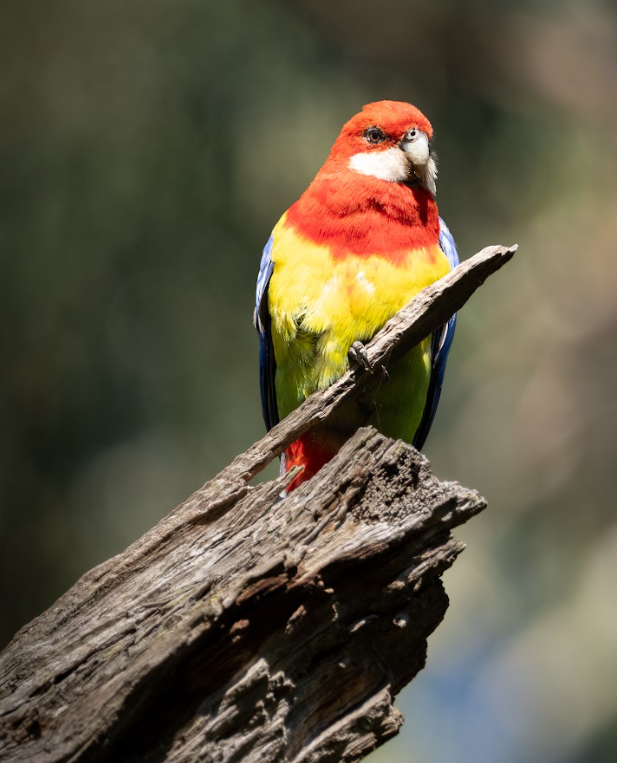
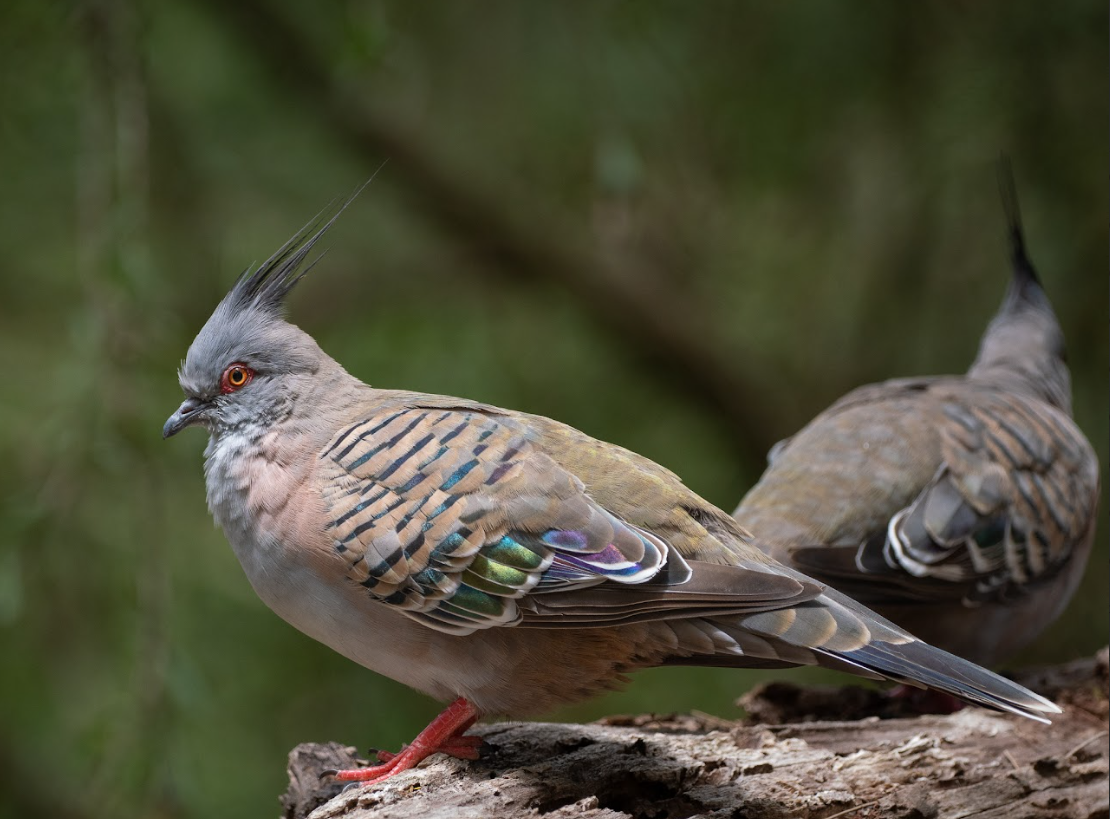
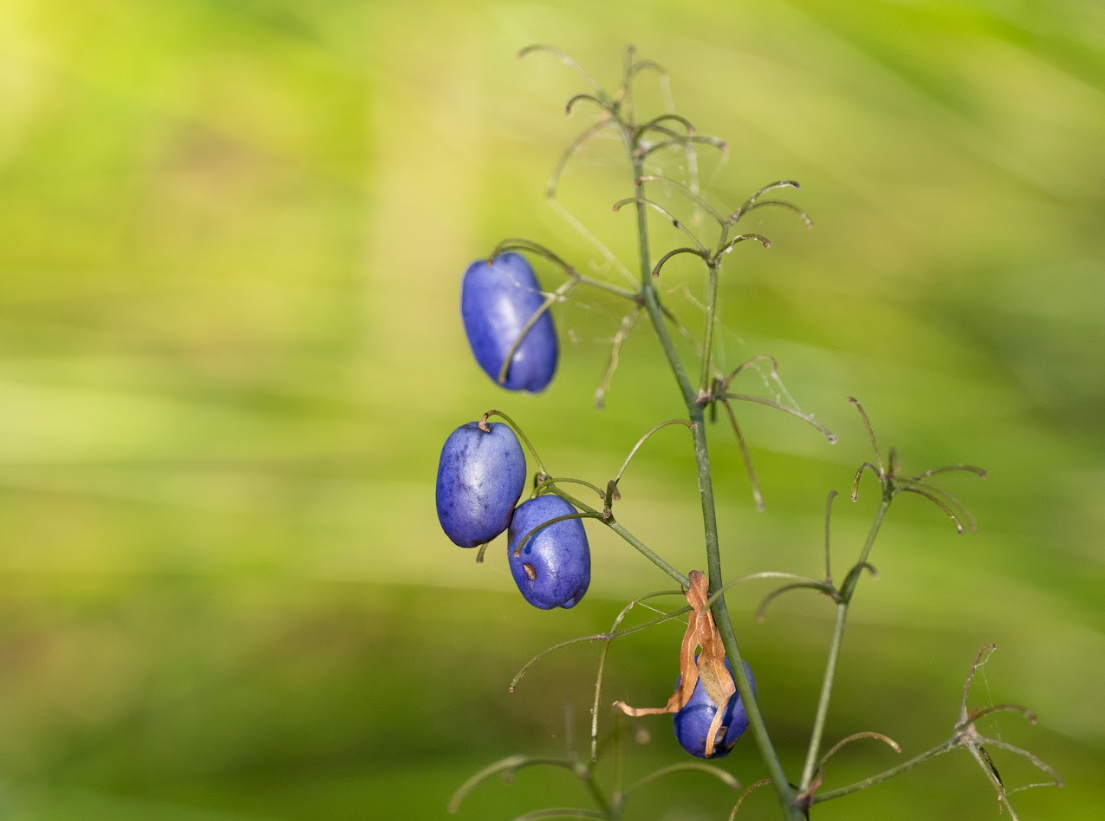
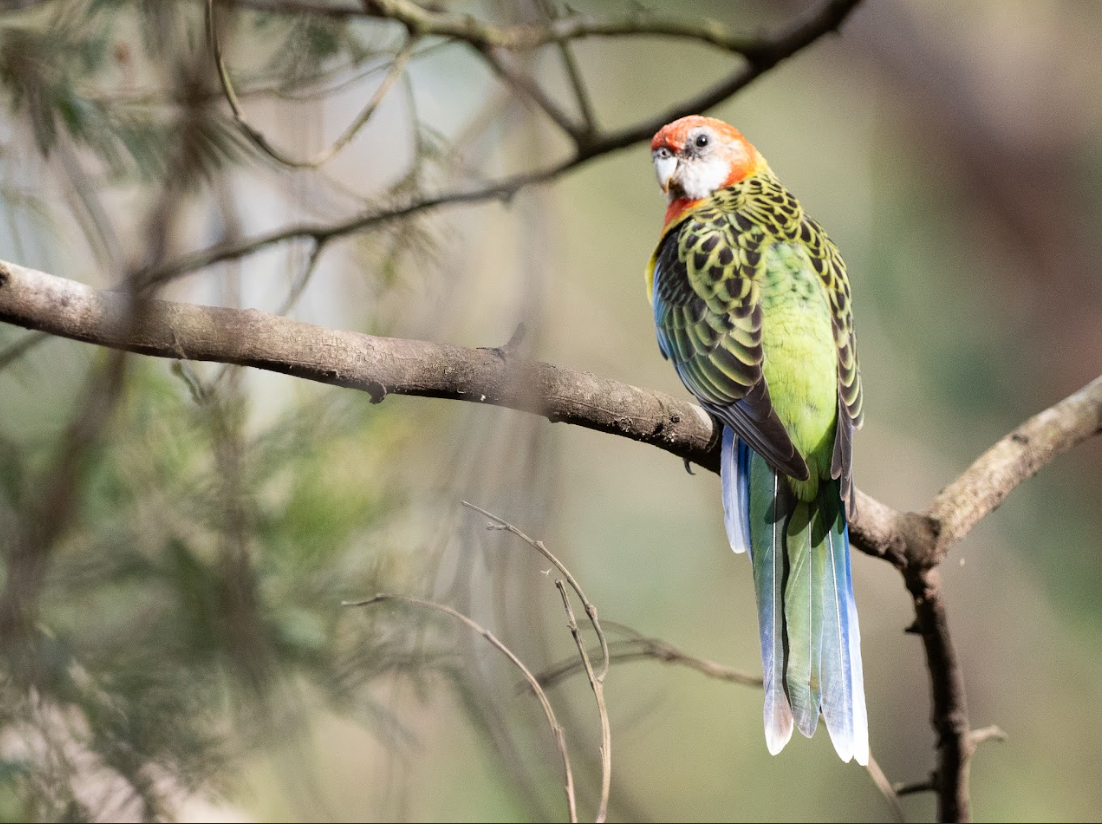
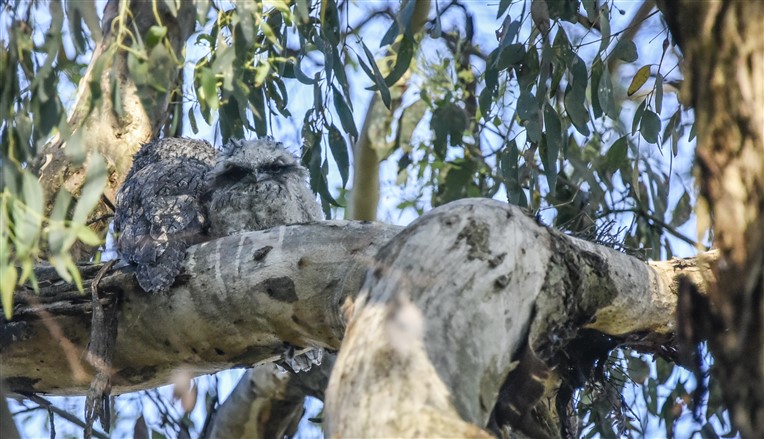
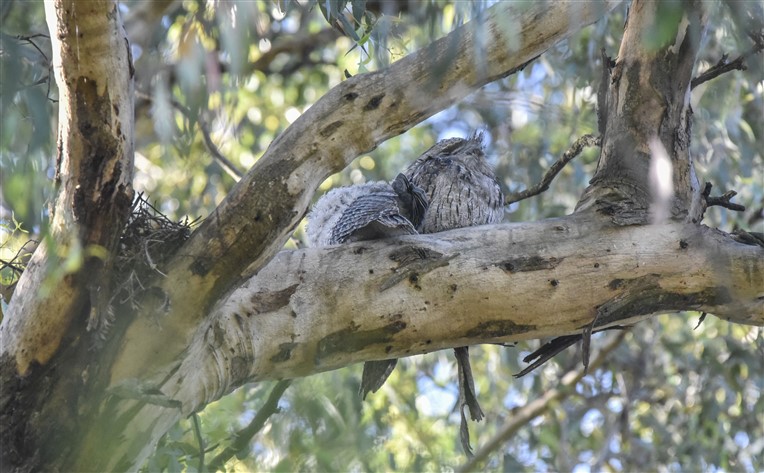
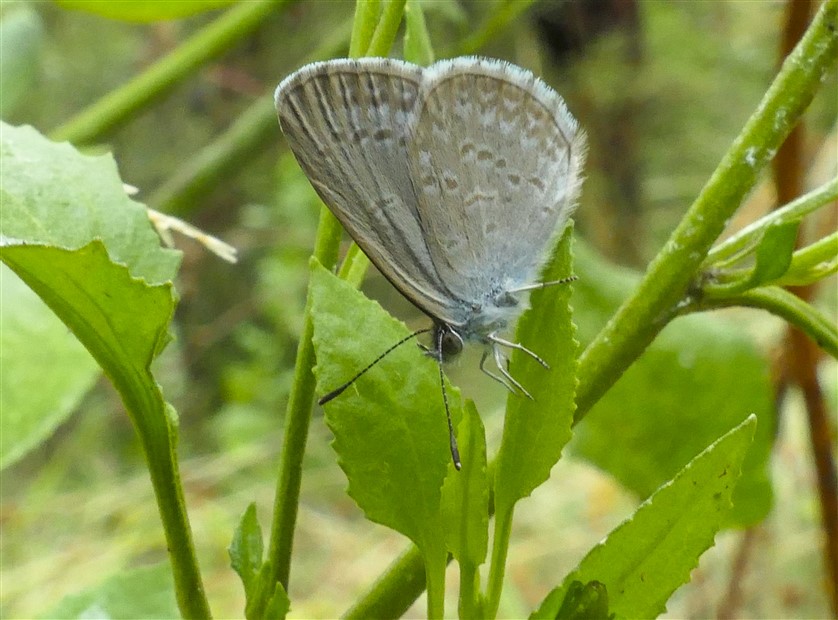
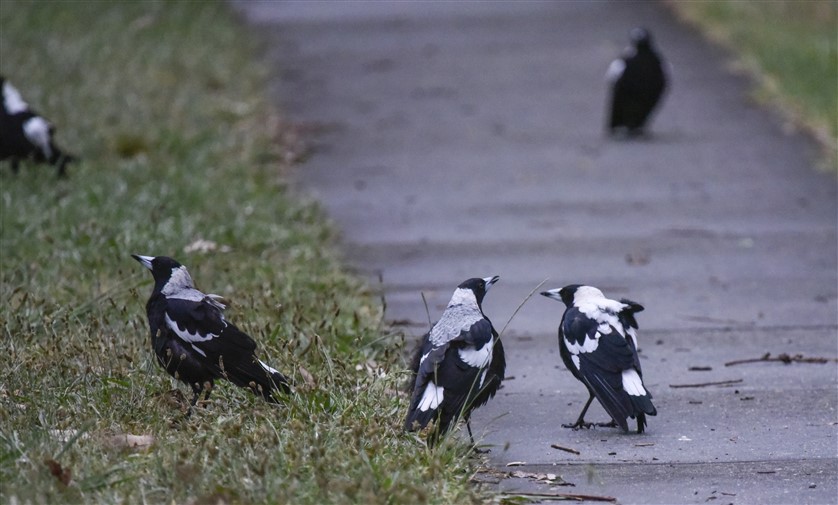
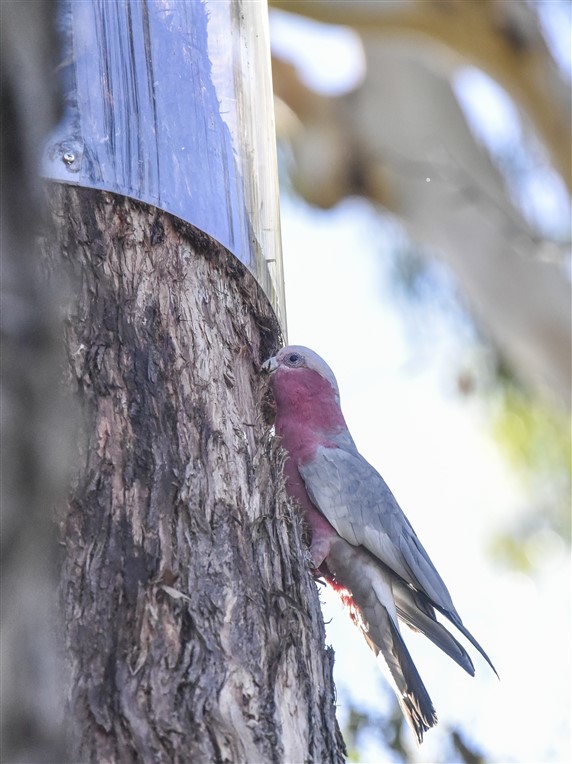
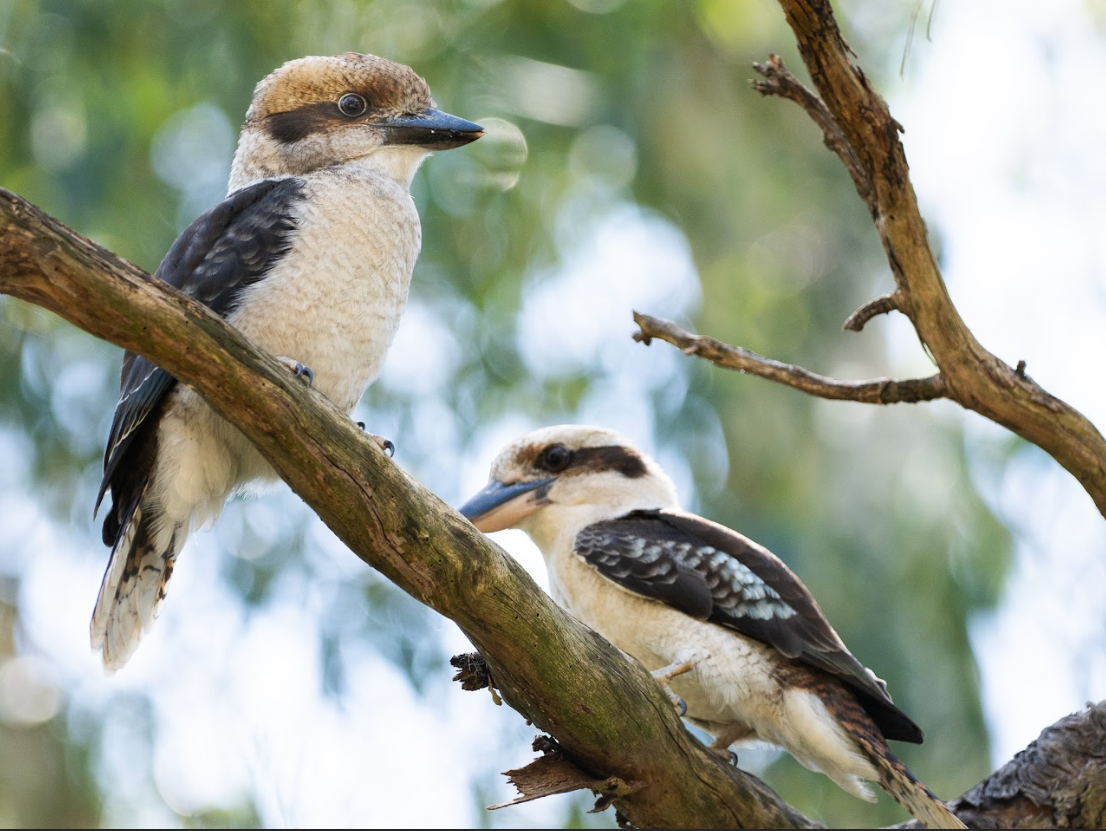
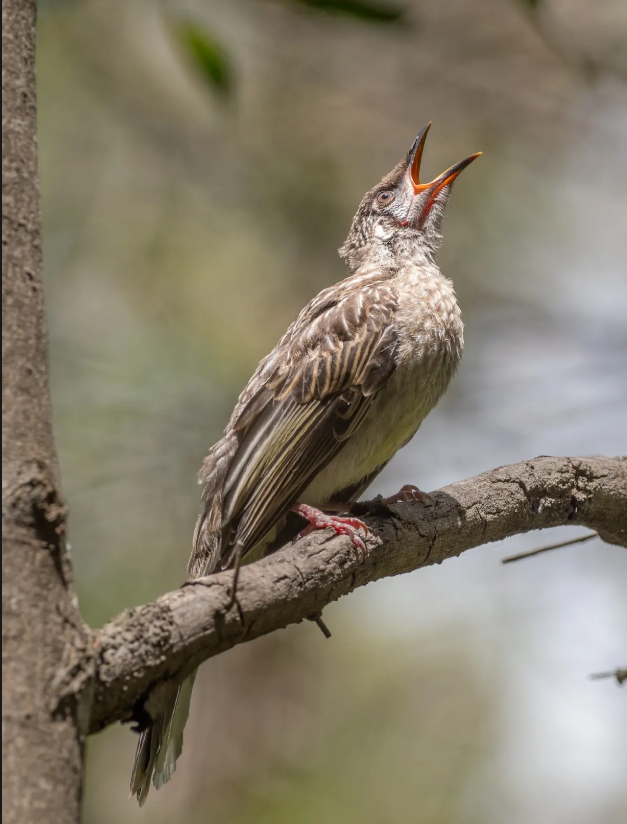
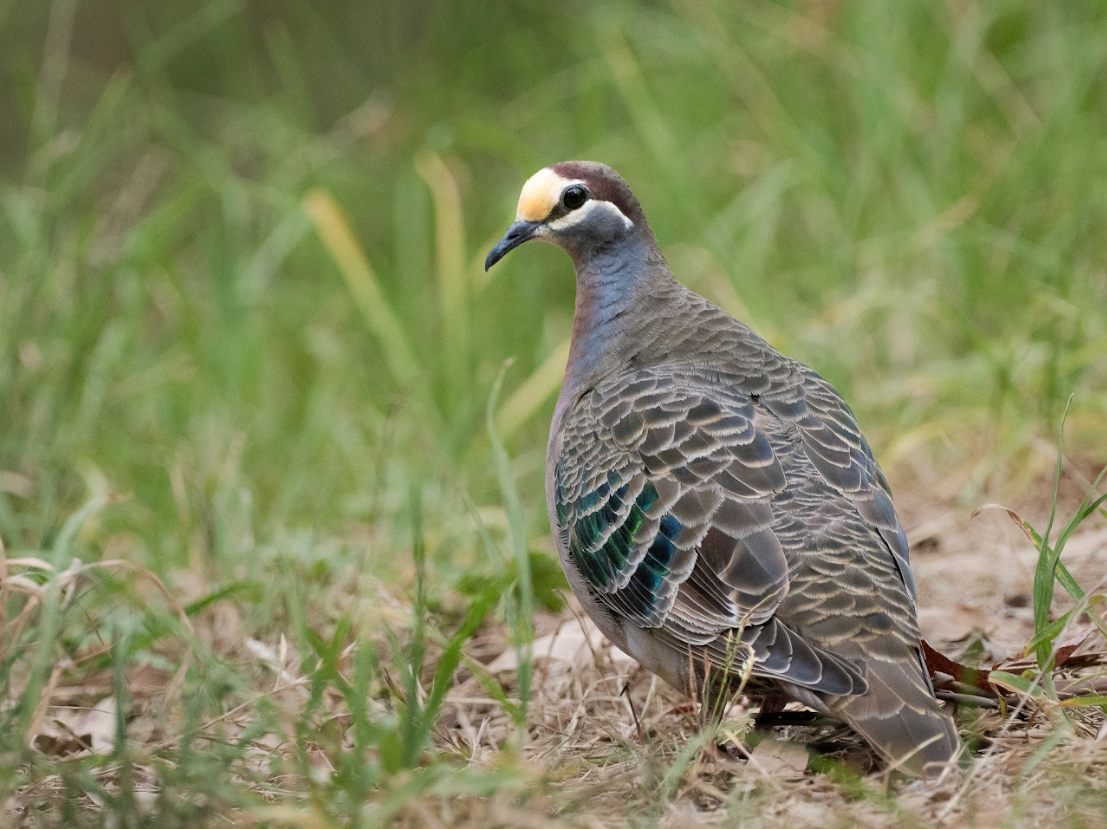
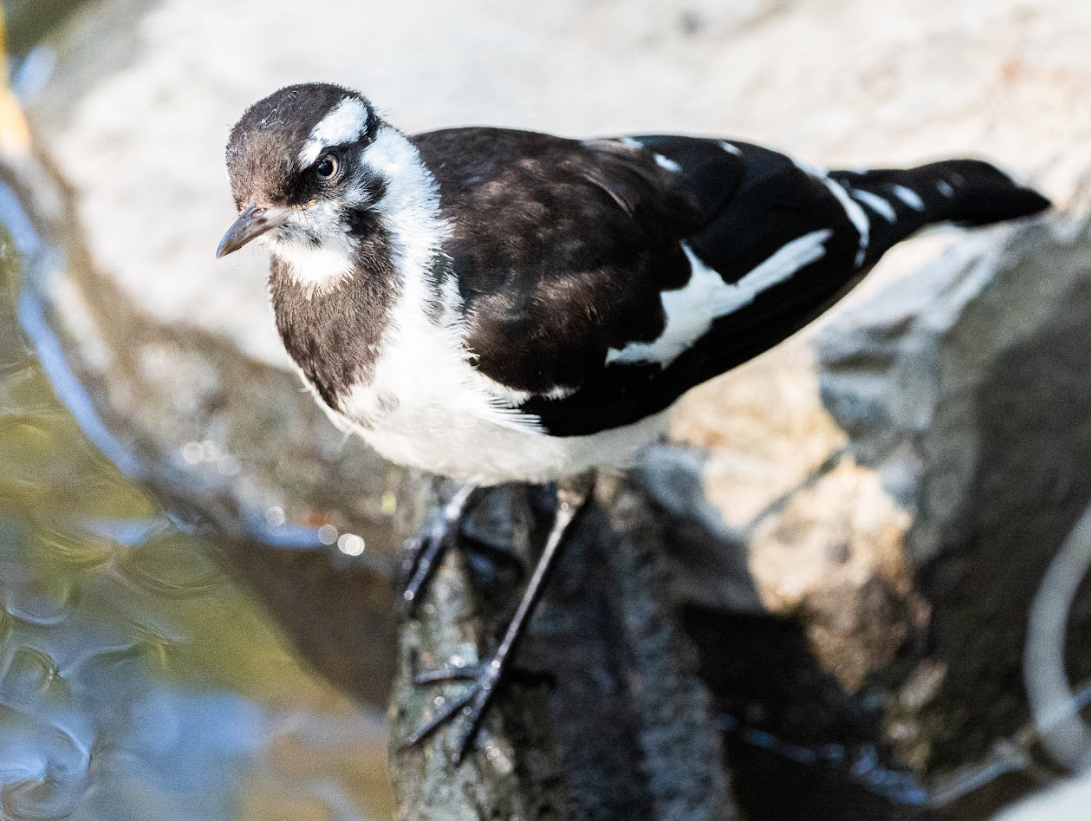
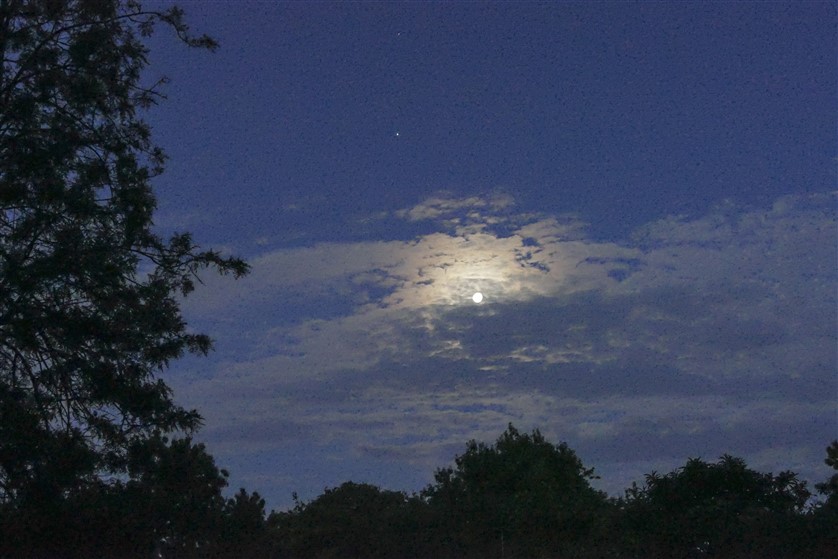
Comments:
- Apparently, the Noisy Miner found the Magpies‘ carolling rather uplifting!
- It’s great to see so many juvenile birds of varying species in the park – a great indicator of successful all-round breeding this season – likely in the park or its surrounding corridor.
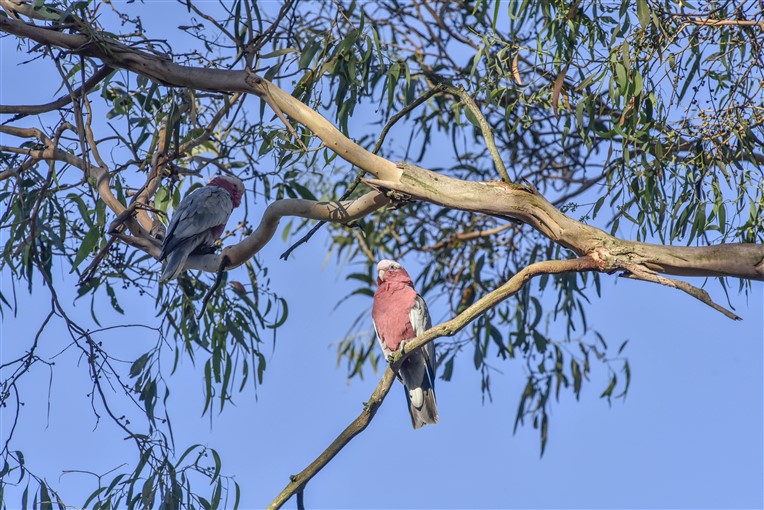
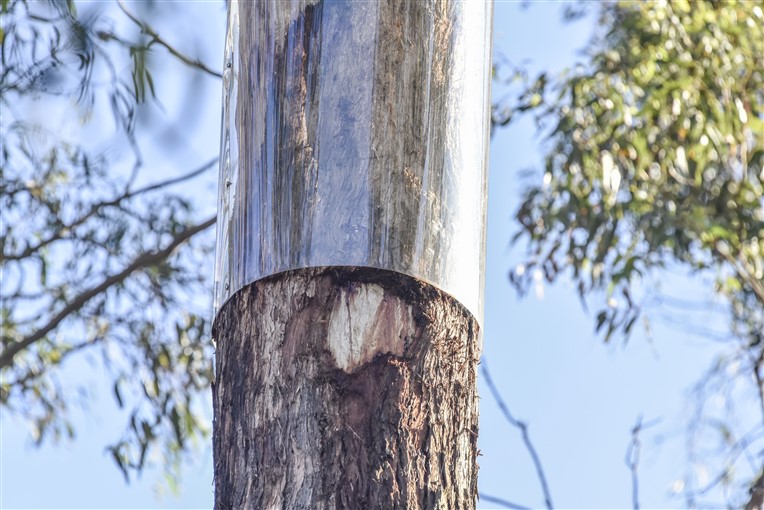
- It’s no wonder Galahs were named so – they seem to be doing their level best to ringbark some trees in Furness Park – despite Council’s best efforts to deter them using tree guards.
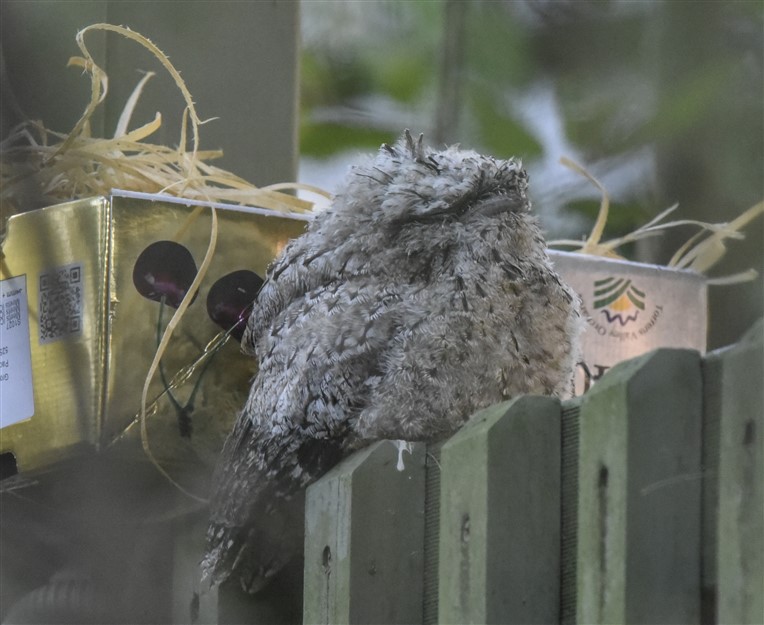
- We hope the baby Tawny Frogmouth spotted next door to the park recovered from its mishap.
We’ve published this photo before – showing a male Mudlark at left and a female partner at right:
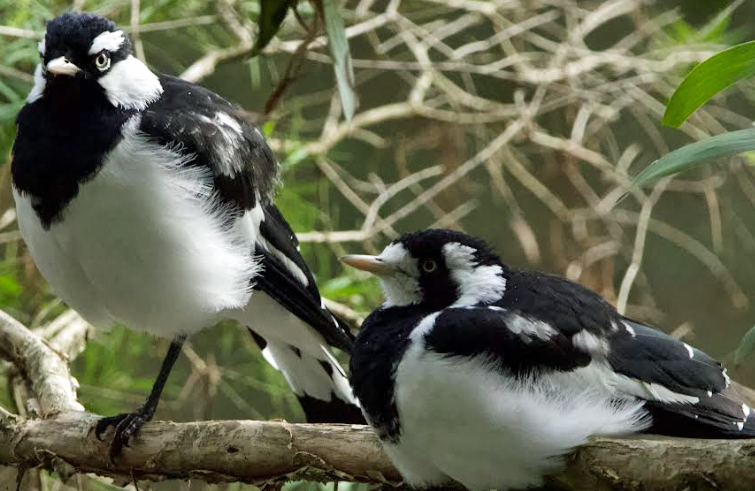
Adult males have a black face and throat, a white eyebrow and white eye-liner under the eye. Adult females have a white face and throat, no eyebrow and no eye-liner.
So what do you make of these mudlarks?:
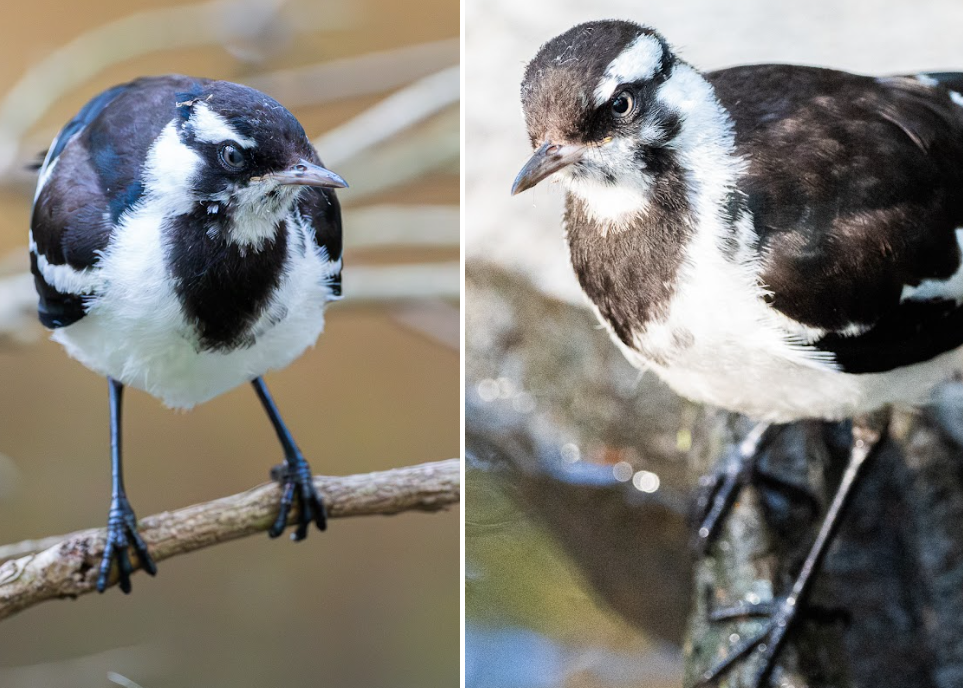
They seem to have big eyebrows, no eye-liner, white throats but a black face above the bill.
You got it – yes, these are the juveniles shown towards the end of the photo gallery above. Young Mudlarks have a mixture of both sexes’ features. Q: So how do you tell whether they are boys or girls ? A: It’s not easy! It is not a question of parting a few feathers as this author once blithely suggested to the great amusement of our birdos… Birds have a cloaca (shared cavity with single opening to the exterior for passage of products of reproductive, urinary and digestive systems) but generally no external genitalia. There are exceptions – for example, domestic chickens can be sexed by experienced workers reasonably reliably.
Amazing Camera Technology
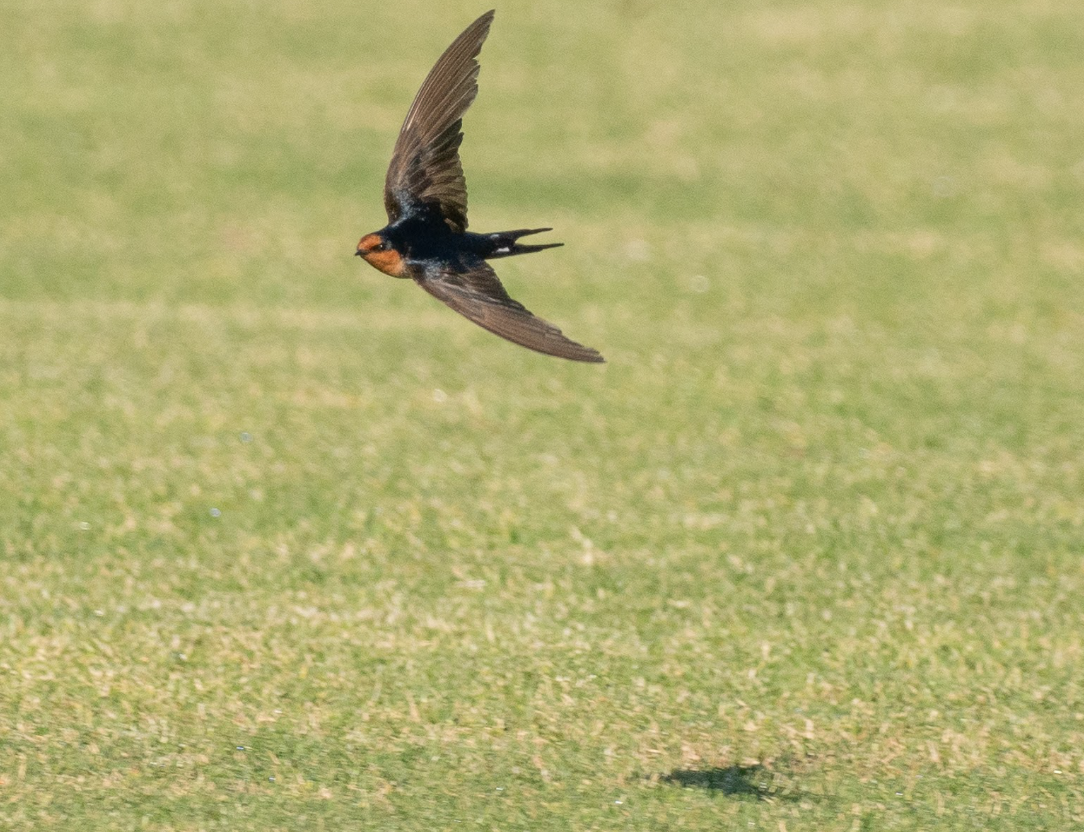
Greg, one of our regular photographers, has created a custom setting on his camera to capture fast flying birds on film. If you’ve seen the Welcome Swallows zipping around Kalang Oval (stirring up insects for food ?), you’ll appreciate just how fast that shot is – notice there’s little sign of blurring due to movement:
Many of the best photos are opportunistic. The photo below was taken by Greg when he observed a fly hovering in Furness Park – more or less stationary with the full sun on it, but with a dark background – a wonderful opportunity for his fast-flying-bird setting. Here’s the result:
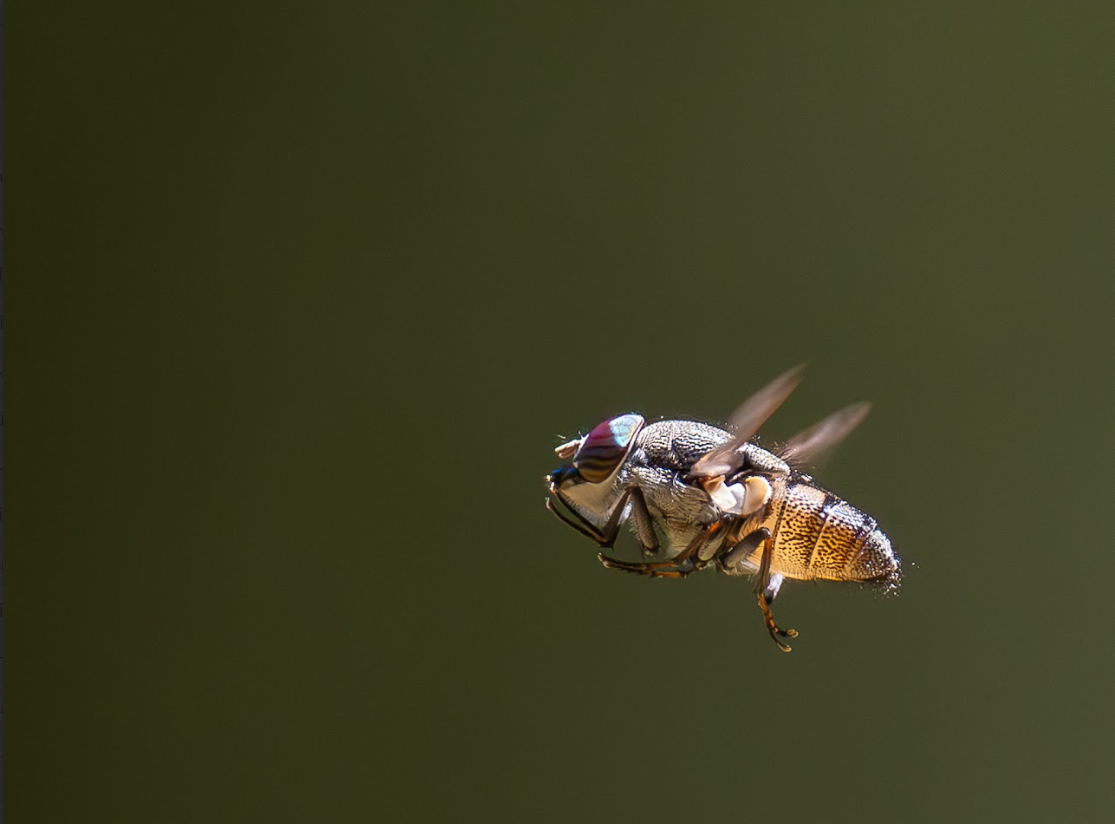
Compared to a bird, the fly’s wings look far too small (at least relatively, given that bulk). Notice the blurring of the wings? – they have to flap them so fast to even hover (1/3200 sec was the shutter speed – about a third of a thousandth of a second!). Flies do not reach a high speed (say 8 Kph) compared to a bird (40-150 Kph) – but they obviously have to work hard for it!
Young Kookaburras
We seem to have had a bumper crop of young Kookaburras this season:
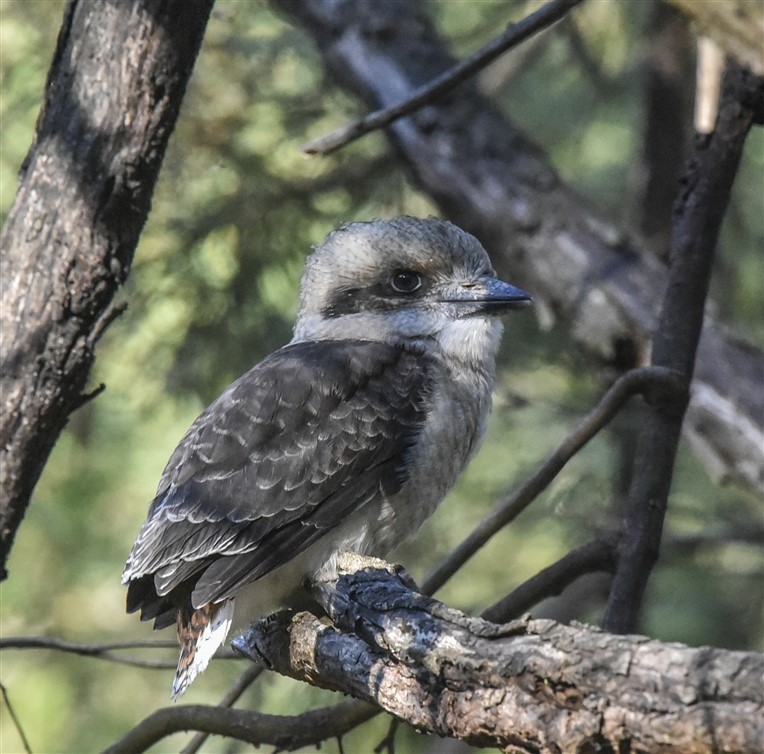
However, the following series of photographs underscores why certain rodent poisons should not be sold over the counter.
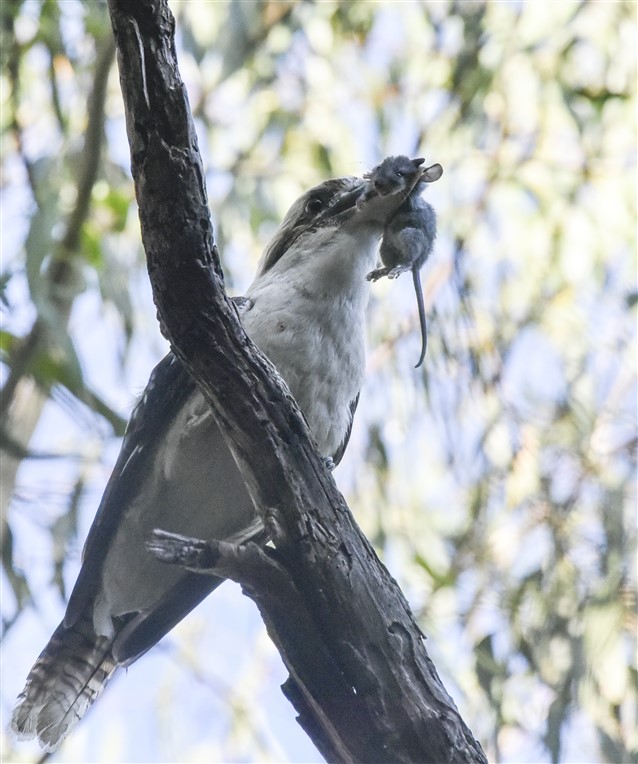
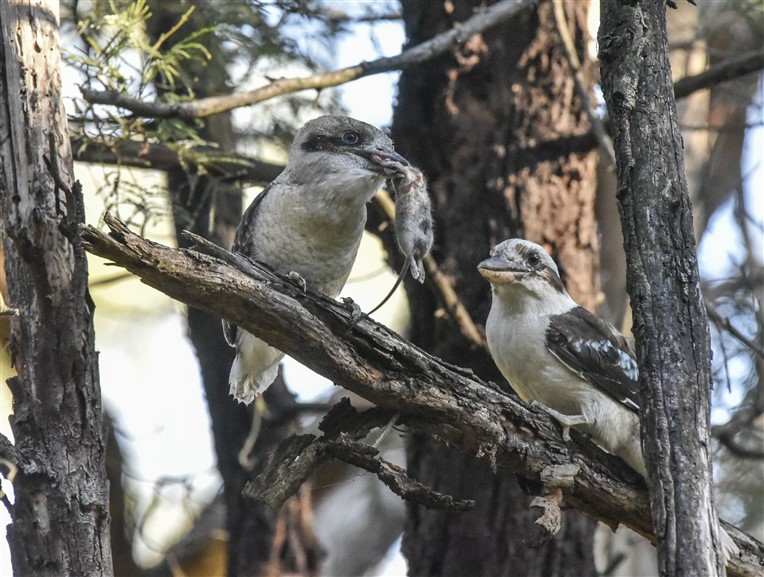
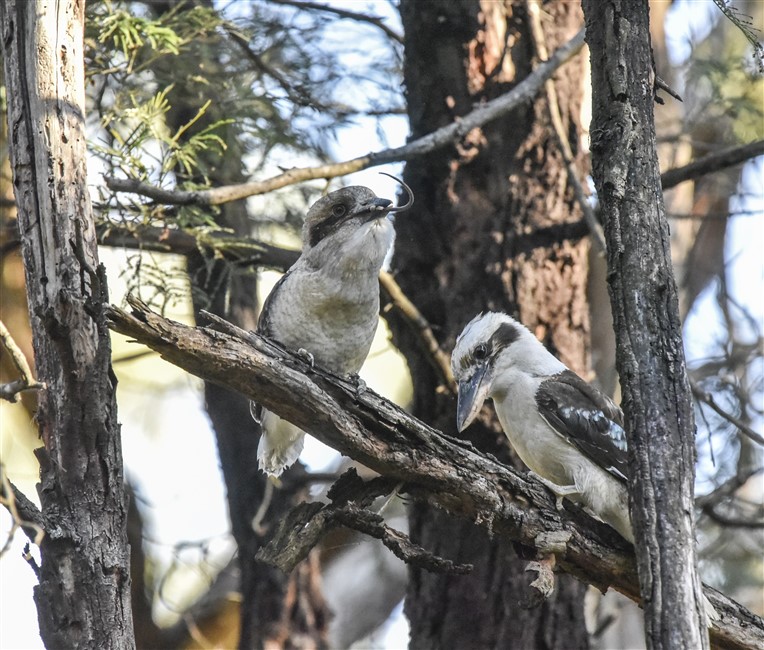
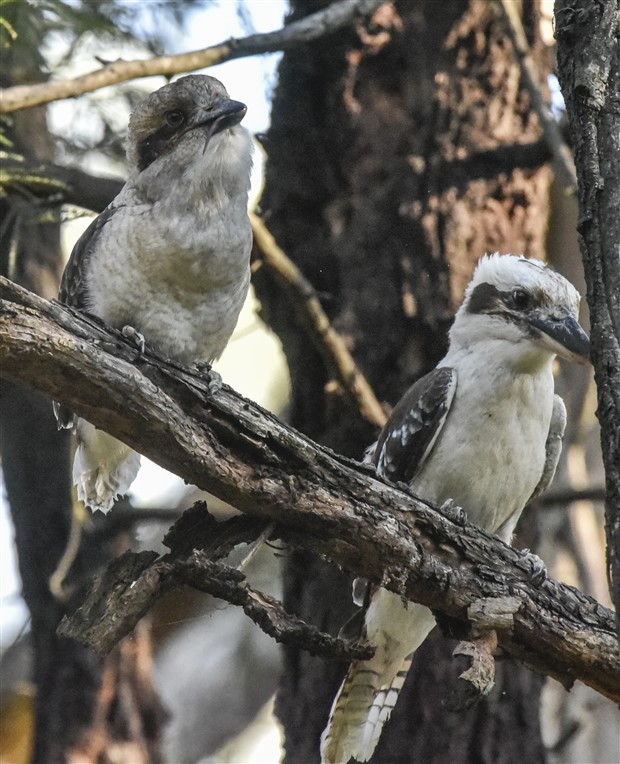
Our sequence shows a Kookaburra parent bringing a rodent meal to one of its young. Some of today’s retail household rodent baits contain poisons called Second Generation Anticoagulant Rodenticides (SGARs) which break down very slowly – so remaining in the food chain for long periods. The rodents are not killed instantly by the poison – they may live for a week, often becoming weaker and more disoriented as the poison acts – thereby making them easy prey. Birds such as Kookaburras might then eat a poisoned rat or mouse and become poisoned themselves. Also, SGAR poisons tend to accrue in the body. As we can see, the poisoning might commence before a bird is even able to hunt for itself.
For further information, including which products are worst, please visit https://www.actforbirds.org/what-to-buy-and-avoid
Watch out for ducks crossing Main Street !
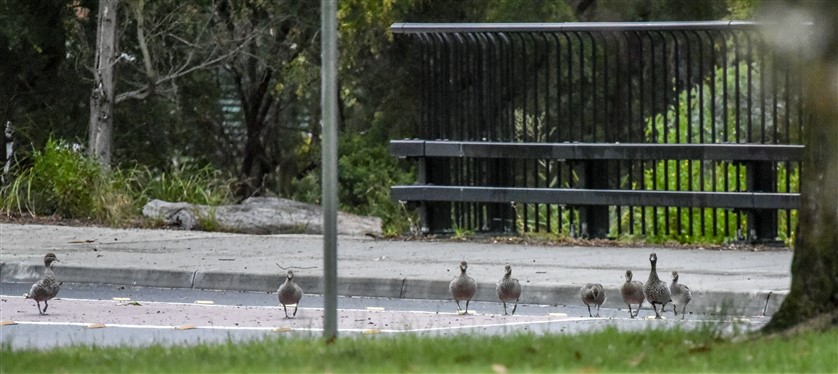
Wood Ducks do seem to make excellent parents – tending and marshalling their young very attentively. However, we regret to advise that they still haven’t quite learned how to use the newish crossing in Main Street! They’ve nearly got it right – it must be confusing given there are tracks on either side of the bridge – but only the southern side is protected by the zebra crossing – not the middle!
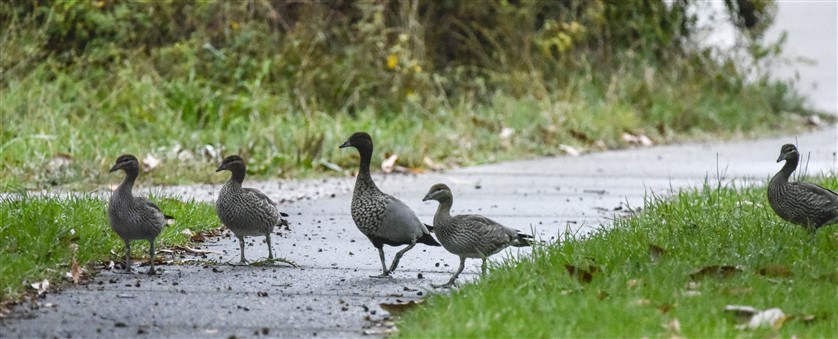
We are pleased to report that the family made it across to the other side safely – where the grass was clearly greener!
POO DUN IT?
We have recently noticed an increase in a strange blight on our beautiful Creeklands that we previously reported only months ago – DOG POOP, NEATLY BAGGED (in a distinctive bag) BUT THEN THROWN INTO OUR BEAUTIFUL BUSH !!!!
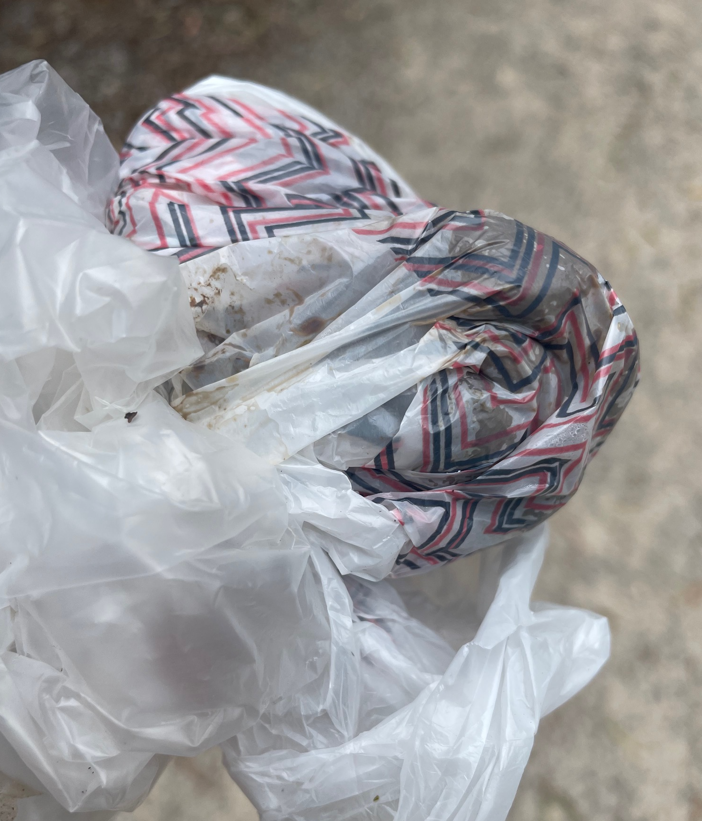
This is about the worst form of litter pollution imaginable in a bushland setting and is causing upset among park lovers.
Some dog poop bags are biodegradable, but they may not break down in the environment as you might expect:
- The plastic bag stays in our environment for a long time.
- If it degrades, it reveals a handful of fermented dog poop.
- Apart from the biological and health implications, each of these full poop bags is a sizable piece of individual litter – in other words, an eyesore.
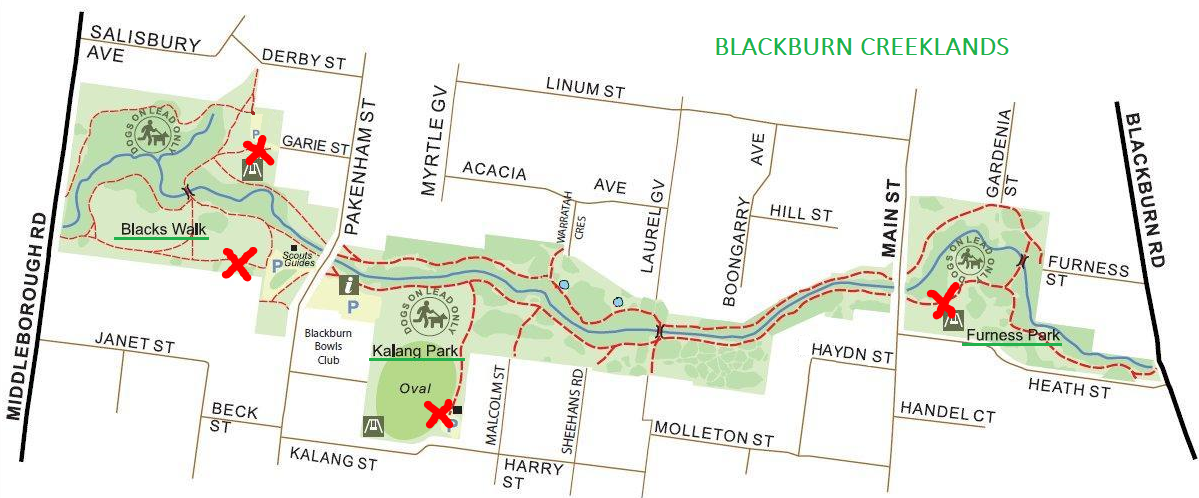
There are four Council bins in the park – near the Laburnum Primary School /Scout & Guide Hall carpark, one adjacent to the Garie Street playground in Blacks Walk, another near the seats adjacent Kalang Oval and, finally, one near the Furness Park playground.
It would be enormously appreciated if all dog owners could please use these bins and please never leave bagged dog poop anywhere in the park other than in a bin.
OUR BEAUTIFUL PARK DESERVES BETTER
The article above was supplied by Mark – one of our passionate rubbish collectors who work tirelessly to help keep our park clean and rubbish-free. Please spare a thought for them and for our weeders – who, sometimes, encounter items (in a bad way) that Mark and his friends have not yet located.
Planning Changes vs the Park
To increase housing density in middle-ring suburbs, the State Government announced snowballing plans throughout 2024 to (re)develop “Activity Centres” as a high-rise “core” and medium-rise “catchment” areas to a radius of 800 metres from the core – often centred on railway stations. Blackburn is one of them.
In effect, this plan would allow demolition of much of the established metro areas of Melbourne to replace them with high and medium rise flats. This reminds one of the slum reclamations in inner suburbs in the 1960s – excepting that the target areas are not slums!
Protecting the Park
Some of us have been thinking the precious areas around our park would be protected from the worst of the State Government’s planning changes – because most of our park is surrounded by Neighbourhood Residential Zone (NRZ) properties – the exception being the western boundary of Blacks Walk over Middleborough Road. Last year’s “Future Homes” were restricted to General Residential Zone properties unaffected by Heritage Overlays.
This NRZ buffer around the park and its corridor should allow for the protection of our environment including both habitat and biodiversity – including the ability of the park to “extend” into the surrounding corridor to mutual benefit.
Both the General Residential Zone (GRZ) and the Neighbourhood Residential Zone (NRZ) are zones within the planning system used to regulate planning in residential areas. To protect our heritage, our way of life and defend against unwelcome developments, the NRZ (lower heights, lower density, conservation of heritage, neighbourhood character etc) is more highly protected than the GRZ.
However, the highly qualified and credible Charter 29 group states that it is public knowledge that:
The government has developed a draft new zone, the Walkable Catchments Zone (WCZ) for these areas [catchment areas around railway stations etc]. This would allow residential building heights up to 6 storeys compared to the 2 storey limit of the NRZ and 3 storeys for the GRZ. The WCZ is intended to replace the NRZ by acting as a transition area between the core activity areas and the broader residential zone outside the 800m radius of the catchment area.
Source: CHARTER 29 Bulletin 2 December, 2024 (amended 8/12/2024)
What effect would the WCZ have?
This Walkable Catchments Zone (WCZ) is something to be monitored! The 800m catchment around Blackburn Station is large! To illustrate, the map below shows an as-the-crow-flies-800m-view:
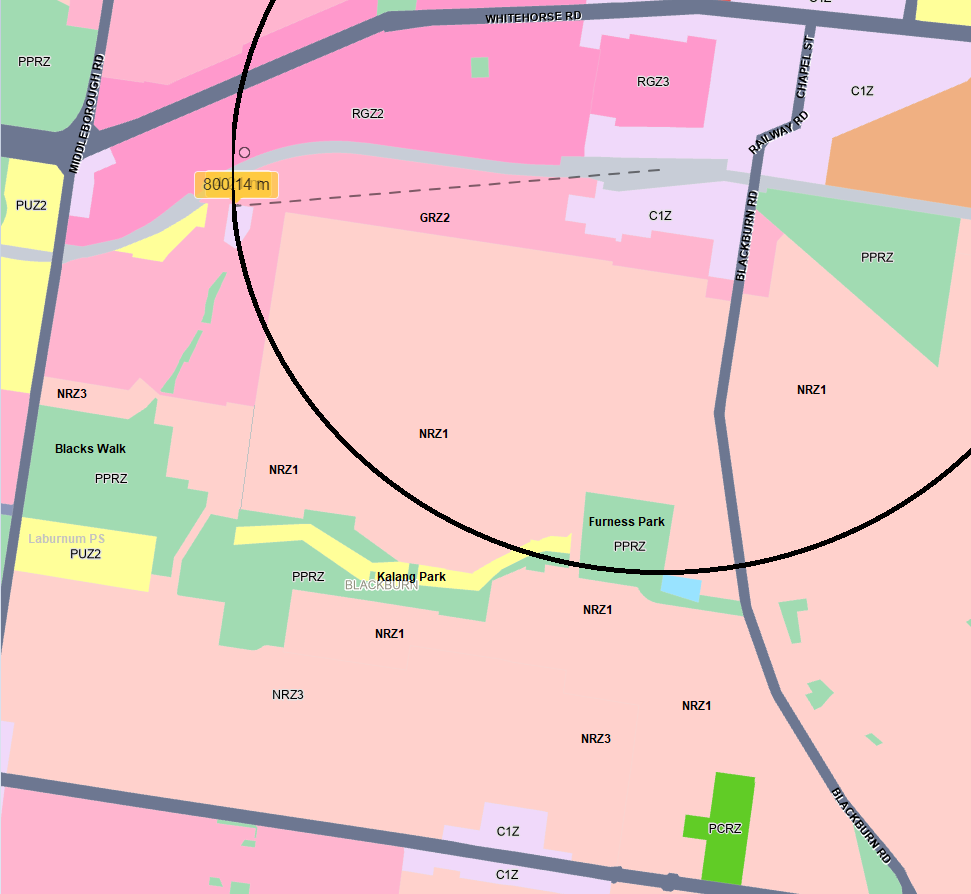
This shows the worst case view if it’s to be 800m or 10 minute walking distance. Nevertheless the zone would inevitably reach Furness Park given that walking routes along Gardenia Street and Main Street are virtually straight lines at moderate slope. We don’t know what the details of the effects of other overlays like the SLOs would be, but the risk is that most of the NRZ1 land (and GRZ2 land for that matter) to the north of Kalang and Furness Parks will be available for 6 storey developments instead of the 2 storey limit of the NRZ!
“neighbourhood character”
In the City of Whitehorse, “neighbourhood character” definitions are implemented as schedules to the relevant zone (eg NRZ1 is Schedule 1 to the NRZ zone). Whitehorse does not use “Neighbourhood Character Overlays” as some municipalities do. Relevant cases for Blackburn are:
- NRZ1 = Neighbourhood Residential Zone – BUSH ENVIRONMENT AREAS
- NRZ3 = Neighbourhood Residential Zone – TRADITIONAL BUSH SUBURBAN AREAS
- GRZ2 = General Residential Zone – BUSH SUBURBAN PRECINCT 2
Significant Landscape Overlays also play a significant part in protecting neighborhood character through vegetation and canopy tree protections, through limiting building dominance over the landscape and the like.
In Blackburn, Heritage Overlays tend to be individual schedules protecting a specific property such as an Elmore House or a church – rather than precincts such as the National Trust streets like Linum and Jeffery Streets.
In Whitehorse, residential properties will have a Zone, a schedule to the zone and a variable number of overlays including the relevant SLO and schedule. If you’d like to check your own property, you can get a free planning report by going to:
https://www.planning.vic.gov.au/planning-schemes/planning-property-report
and entering your street address. You can view the report on-line and/or download it as a PDF file.
The WCZ Blocks-of-Flats dormitory zone is likely to be cookie-cut all over Melbourne without fit into the local character and environment. It is the logical coup de grâce of the State Government’s communications plan. However, it is not final yet – but “on the cards”. We notice that the State Government has said the public release of the final tranche of Activity Centres did not meet its target (the end of 2024) due to the level of feedback from the public.
The places we live, and/or like to live, generally have a “character” we like. So much for a bushland character, the corridor, biodiversity and nature in general!
For more information
Whitehorse Council is planning to run Community Planning forum QnA session on all the recent changes as follows:
- Date: Thursday 27 February
- Time: 6:30 PM – 8:00 PM ; Doors open at 6PM when light refreshments will be served
- Location: The Round, Function Rooms 1 & 2.
- Free event, light refreshments provided.
Please visit the Council’s web-site here for more information and a link to make bookings.
In the Corridor
Blackburn Lake Wetlands Regeneration project
Our friends at the Blackburn Lake Sanctuary are having an information update for the community regarding their major Blackburn Lake Wetlands Regeneration project.
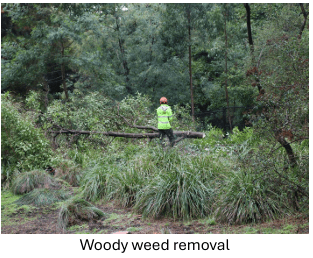
The update will cover:
- How you can get involved in this exciting project
- Project aims recap
- Progress to date
- The aims for 2025 and 2026.
All are invited to come along and find out more:
- Sunday, 23rd February 2025 at 4 pm at the Blackburn Lake Sanctuary Visitor Centre
- Afternoon tea provided.
Clean Up Australia Day (Sunday, 2nd March 2025)
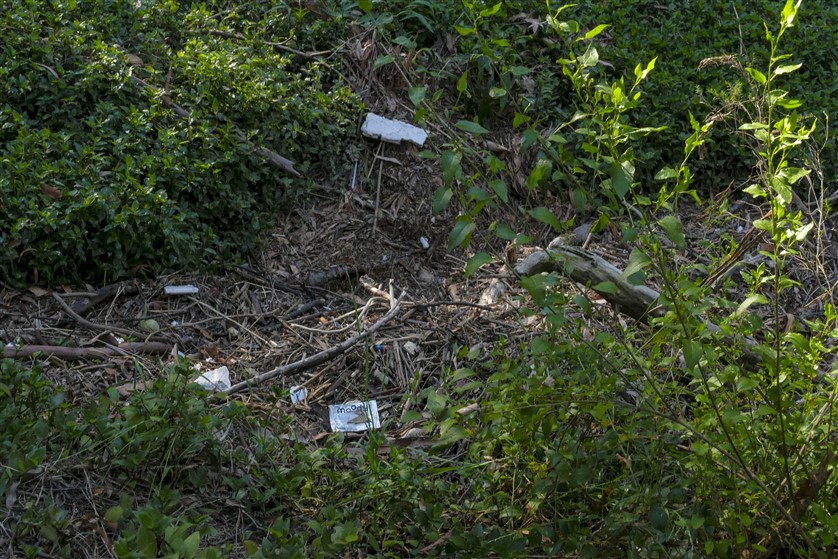
Because the Creeklands park is fairly clean except at the water level (where access is risky), we are not running a Clean Up Australia Day event in the Creeklands this year. However, the Blackburn Lake Sanctuary is registered for the event. We are sure anyone interested in participating in the event would be most welcome there. Some of us will be there!
Do birds sunbake ?
Moira and Jim sent us this photo of a Tawny Frogmouth on their back lawn:
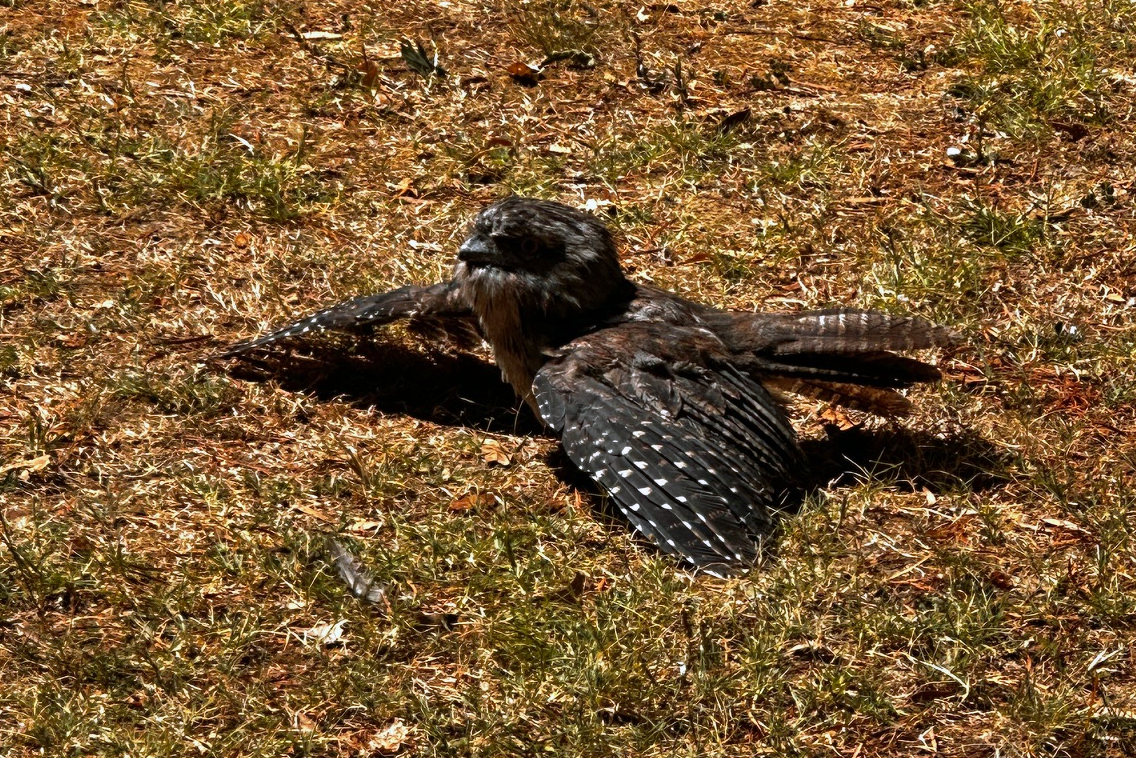
At first they were very concerned that the bird was injured – or worse… They said the bird “was spread eagled, absolutely flat as a pancake, on our back lawn on its front with wings spread out head (& tail) on the ground between its wings”. It turned out that the bird was not distressed or wobbly when it stood up. It flew away easily with no hesitation.
One of our local birdos thinks that the bird was sunbathing. Other species of birds do sunbake – but it would seem unusual for a nocturnal bird like a Tawny Frogmouth, to be doing that. All this happened in full sun around midday. Maybe it’s a way of getting rid of parasites ?
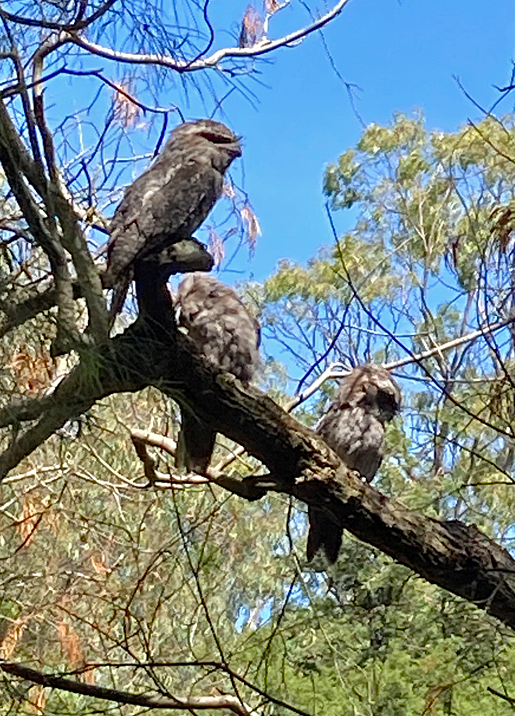
The bird is now back with its family – all are enjoying their normal roosting spot on an Acacia stag nearby…
 Blackburn Creeklands
Pingback: Autumn Update March 2025 – Bellbird Residents Advocacy Group