Events coming up:
- Nocturnal Possum Prowl – Friday 23rd May from 5.30-7.30 pm
- Community Working Bee #1: Kalang Park – Sunday 1st June 09:00-12:00
- Community Working Bee #2: Blacks Walk – Sunday 29th June 09:00-12:00
- Eucalyptus ID walk with Tony Slater: Furness Park – Sunday 13th July at 2pm
Welcome to our April, 2025 newsletter. Our main story is a report from our Autumn Bird Walk and a dive into matters arising. We conclude that the Blackburn Creeklands park acts as a biodiversity factory for the region !
We also update you on the impacts of the Suburban Rail Loop’s proposed plans on the park and beyond. Of course, we also present our usual features on sightings and news from the park and our corridor.
Bird Walk Report
We had 29 people (including 3 children) to this Autumn’s Bird Walk which was excellent – especially due to the inclement weather and poor light – also the fact that, sadly, some of our regulars couldn’t make it. However, we love it when new people come along – including several children with their parent(s)!
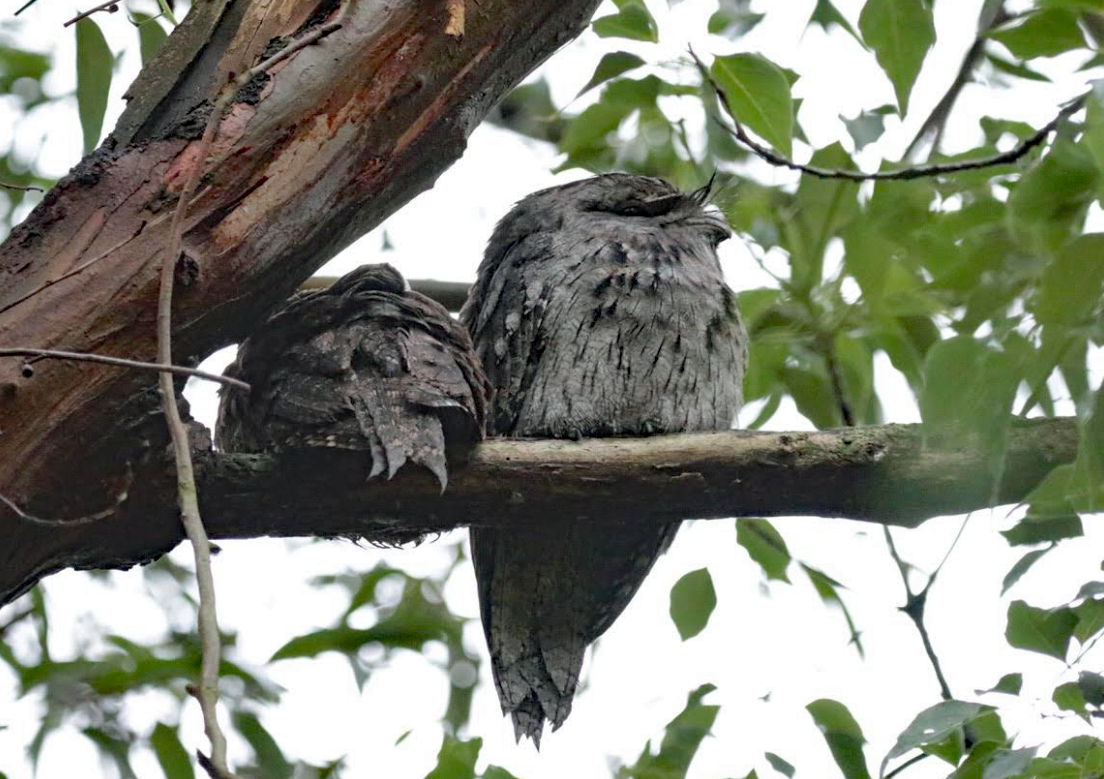
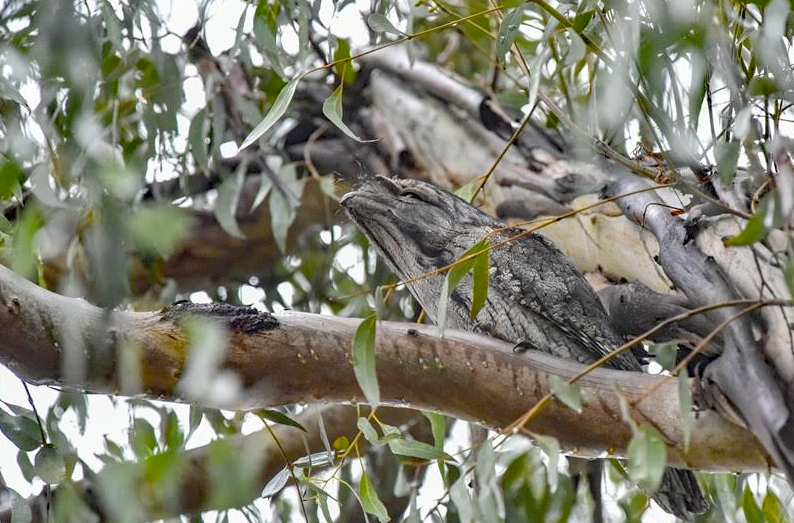
As usual, one group went east to Furness Park via Kalang Park and back to the base at the Scout/Guide Hall. The west group looped around Blacks Walk with a short incursion into Kalang Park north of the creek looking for Tawny Frogmouths where recently sighted. Actually, they did have to return to the Garie Street playground to see their single Tawny Frogmouth.
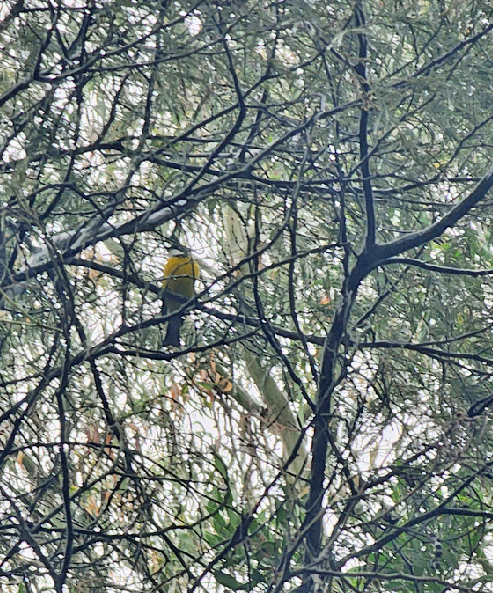
The “East” group’s highlights included a pair of Golden Whistlers and a group of three Spotted Pardalotes in Furness Park.
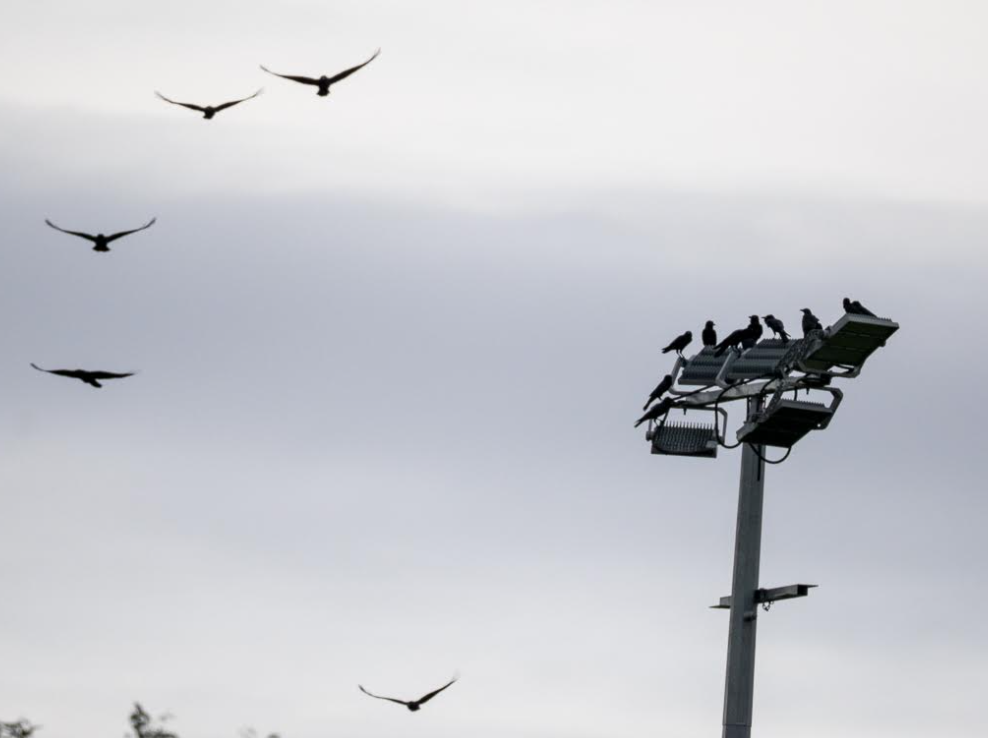
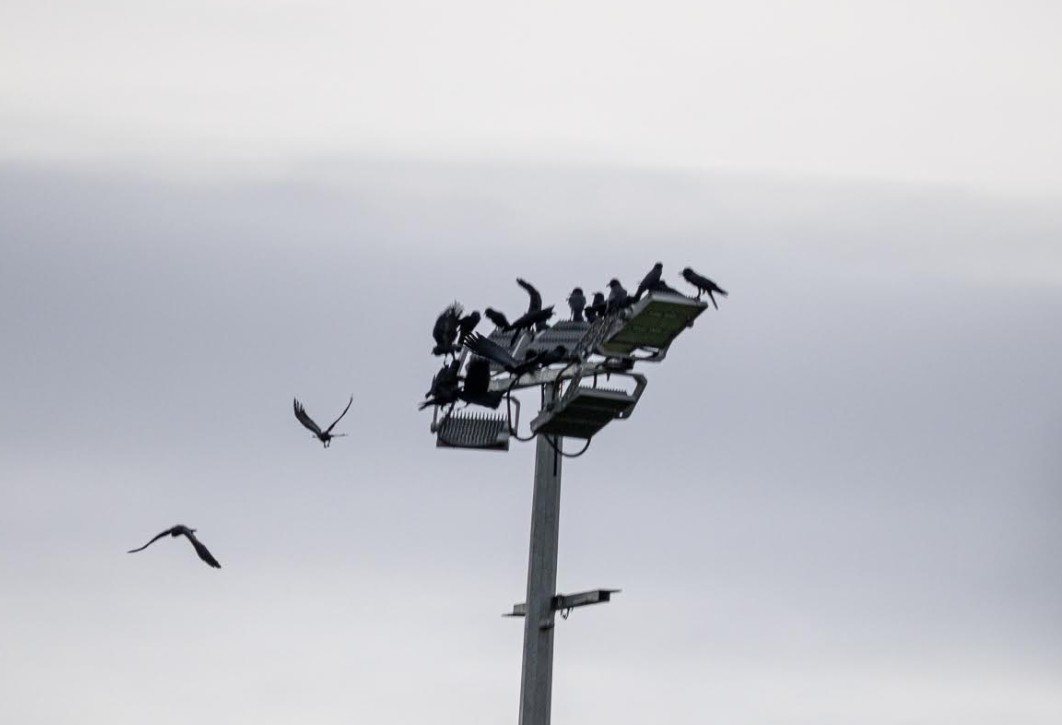
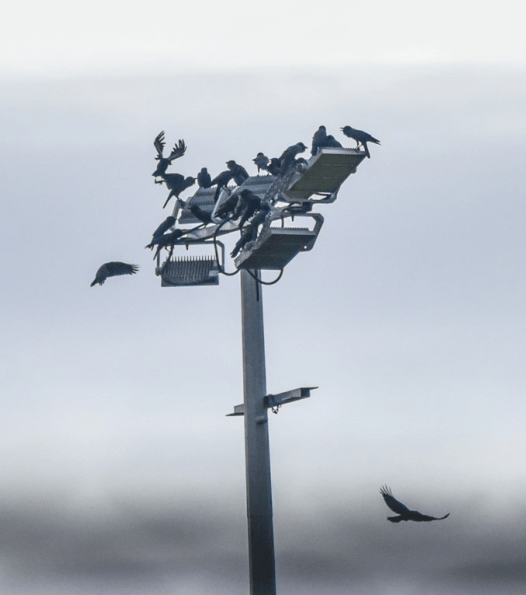
The “Westies” had earlier spotted the bizarre sight of 30+ Little Ravens vying for a spot on top of one of the light towers at RHL Sparks reserve – visible from Blacks Walk. The ravens broke up as the group watched – with groups of half a dozen flying in all directions after their confab concluded.
We thank our group leaders, Ian and Pat, the Scouts/Guides for the loan of their hall and all the participants on the day.
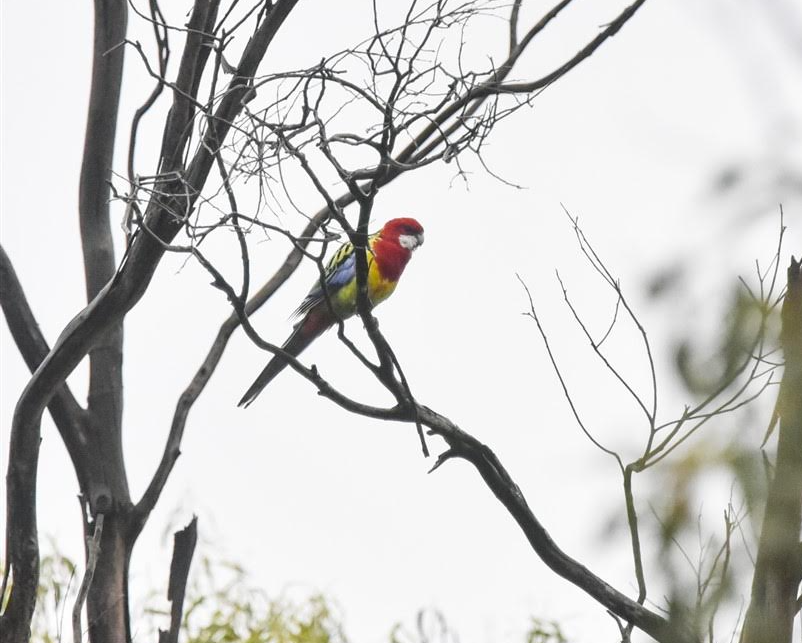
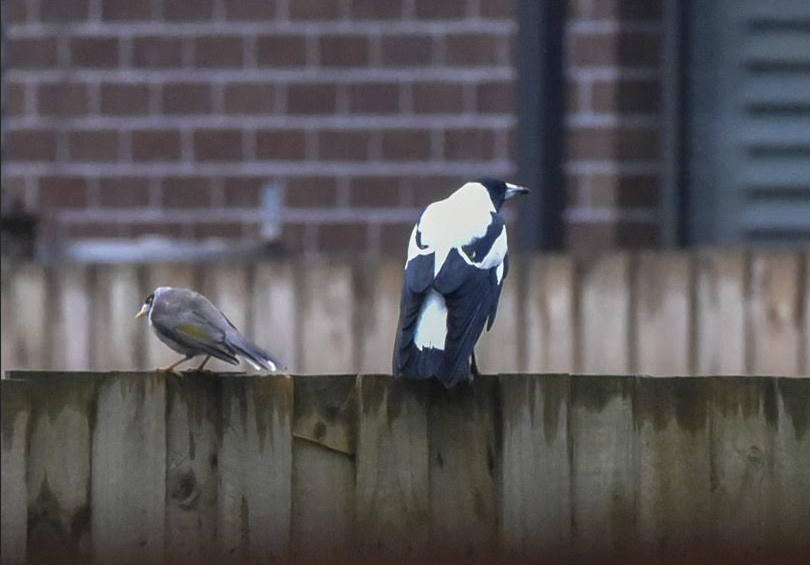
Photos of some of the birds we saw on the day follow. Our photographers have done a great job considering the grey day – which is amply captured in the background in many shots:
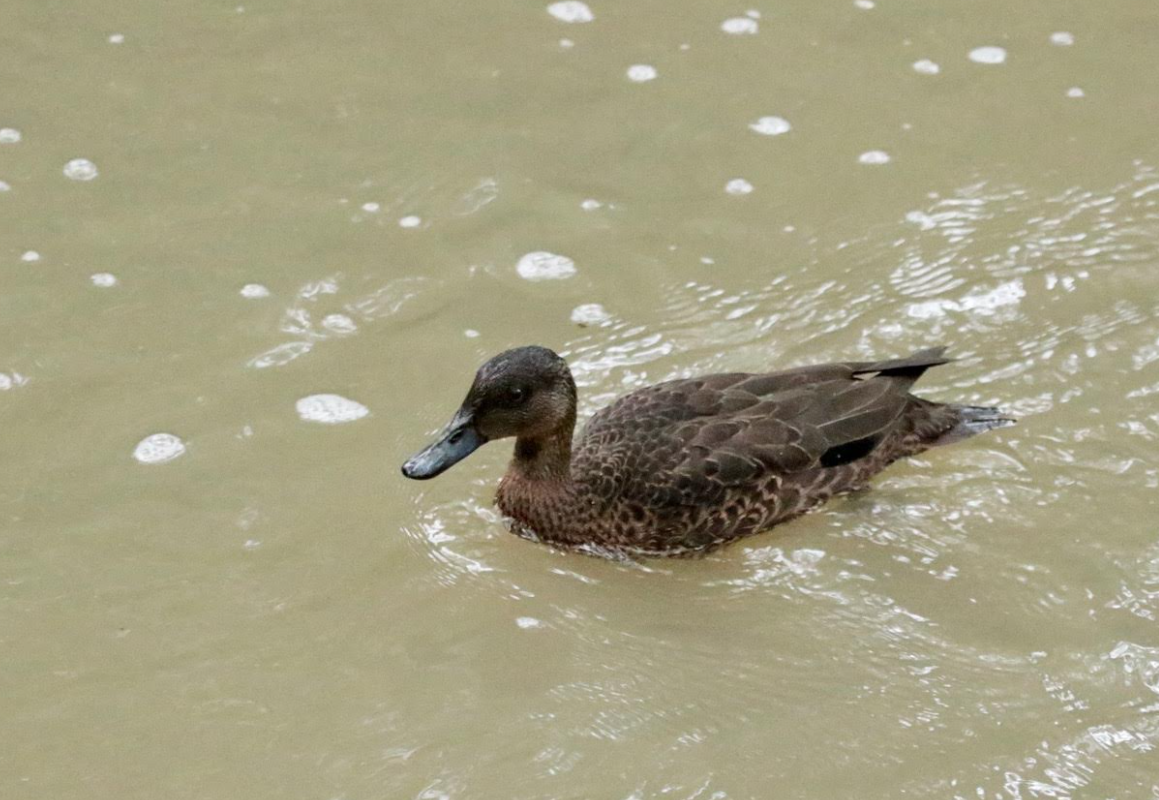
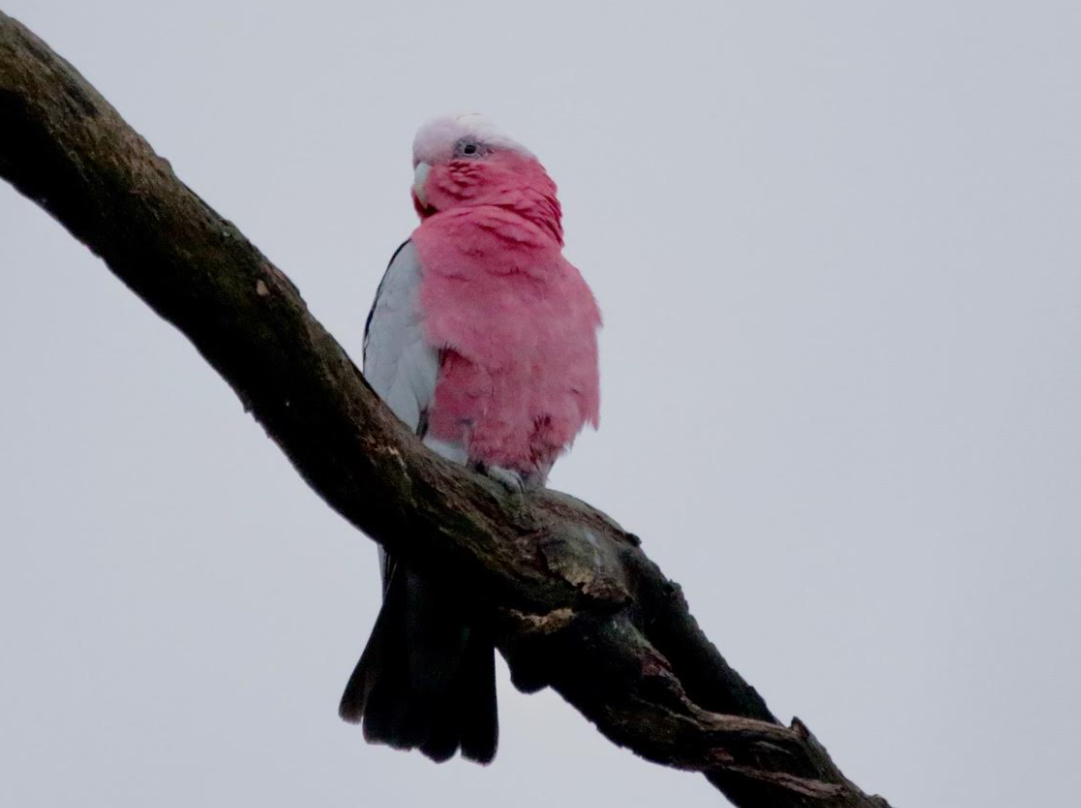
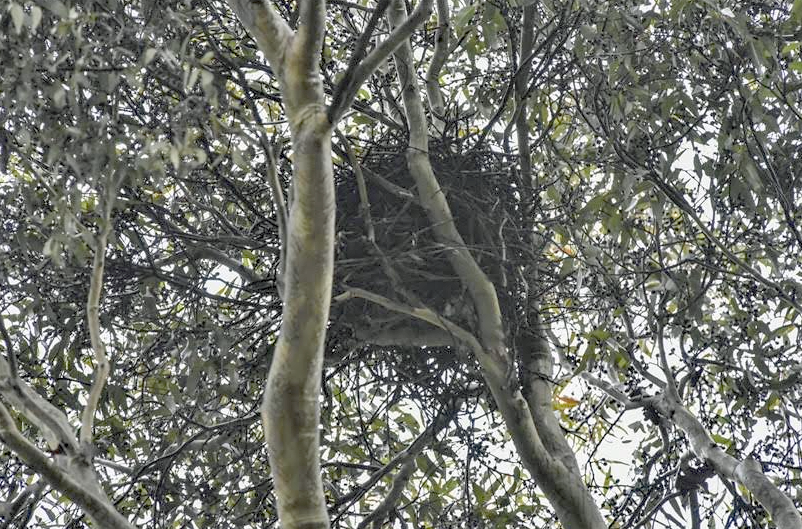
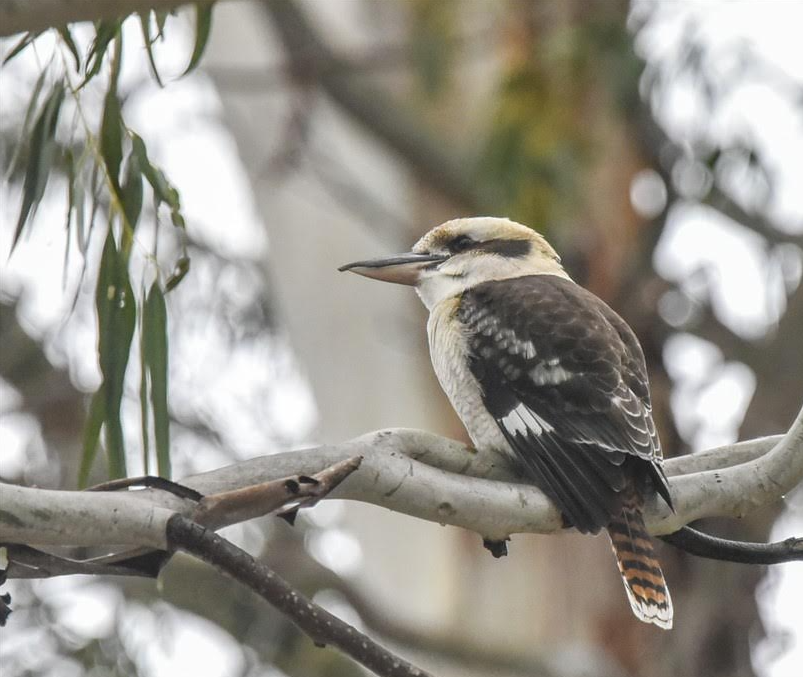
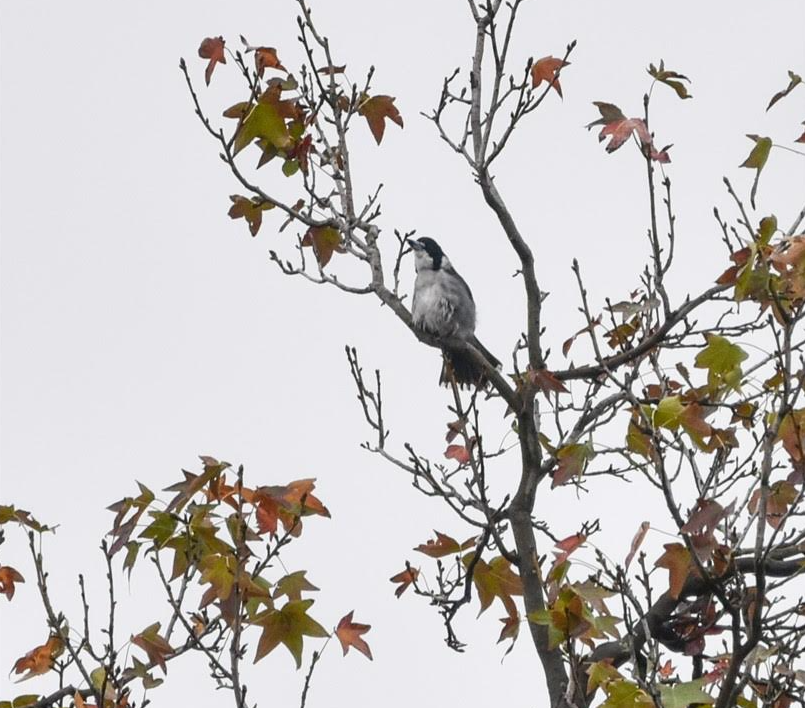
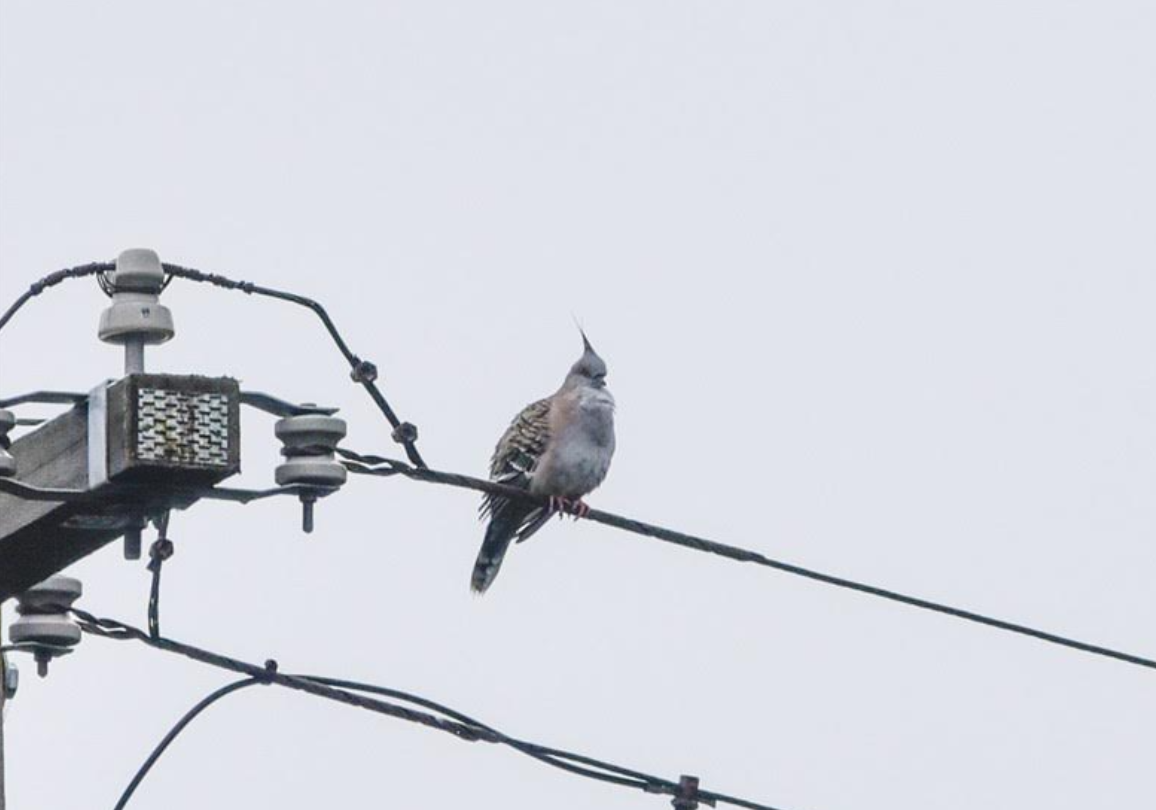
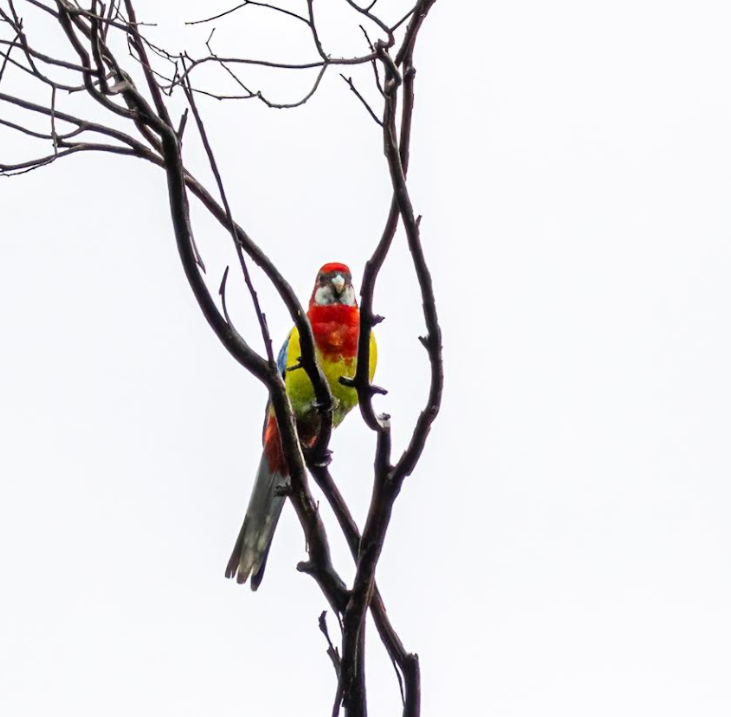
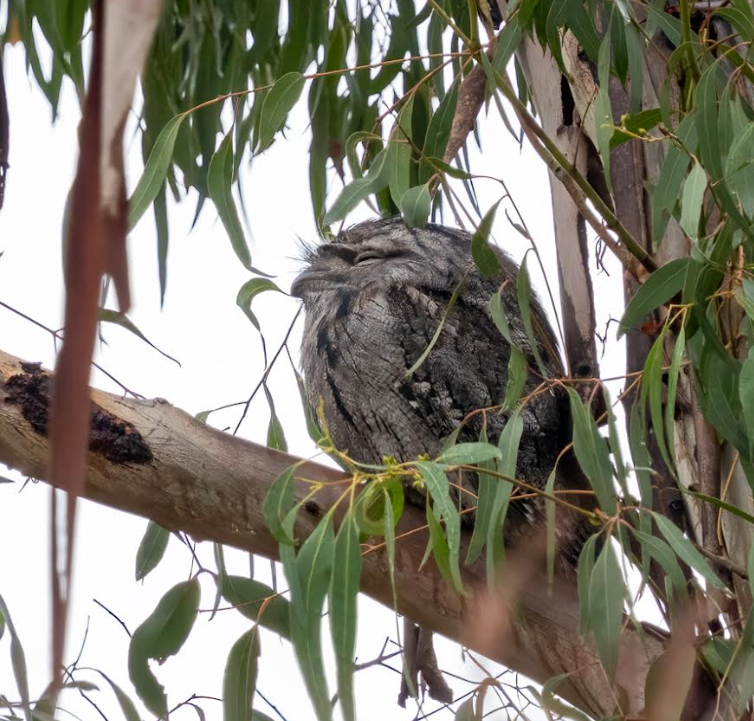
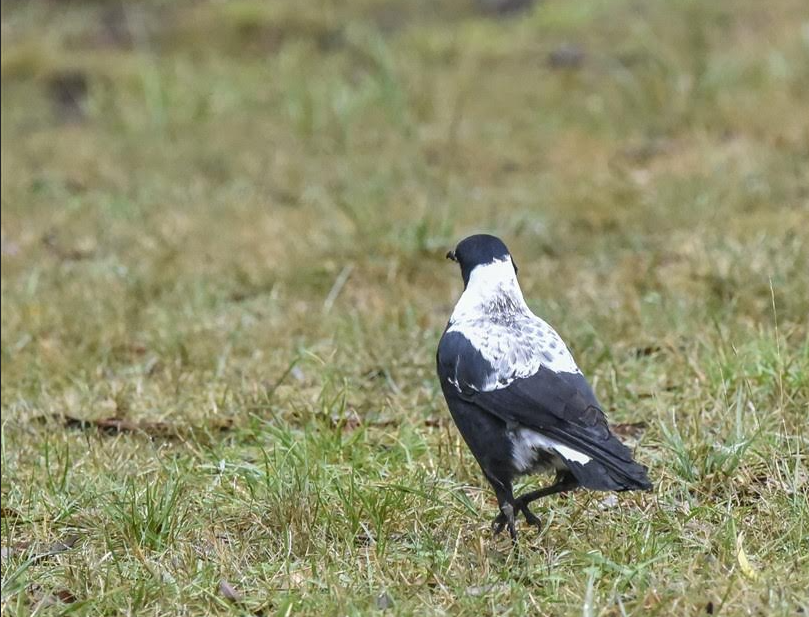
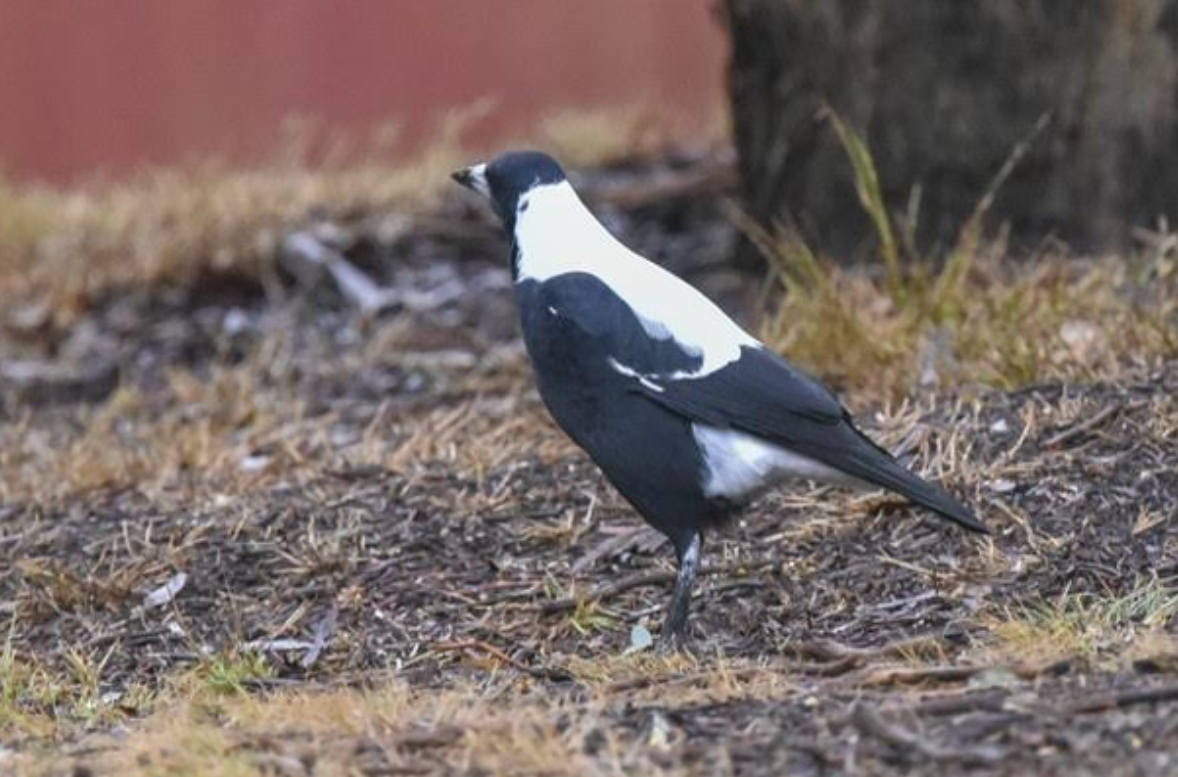
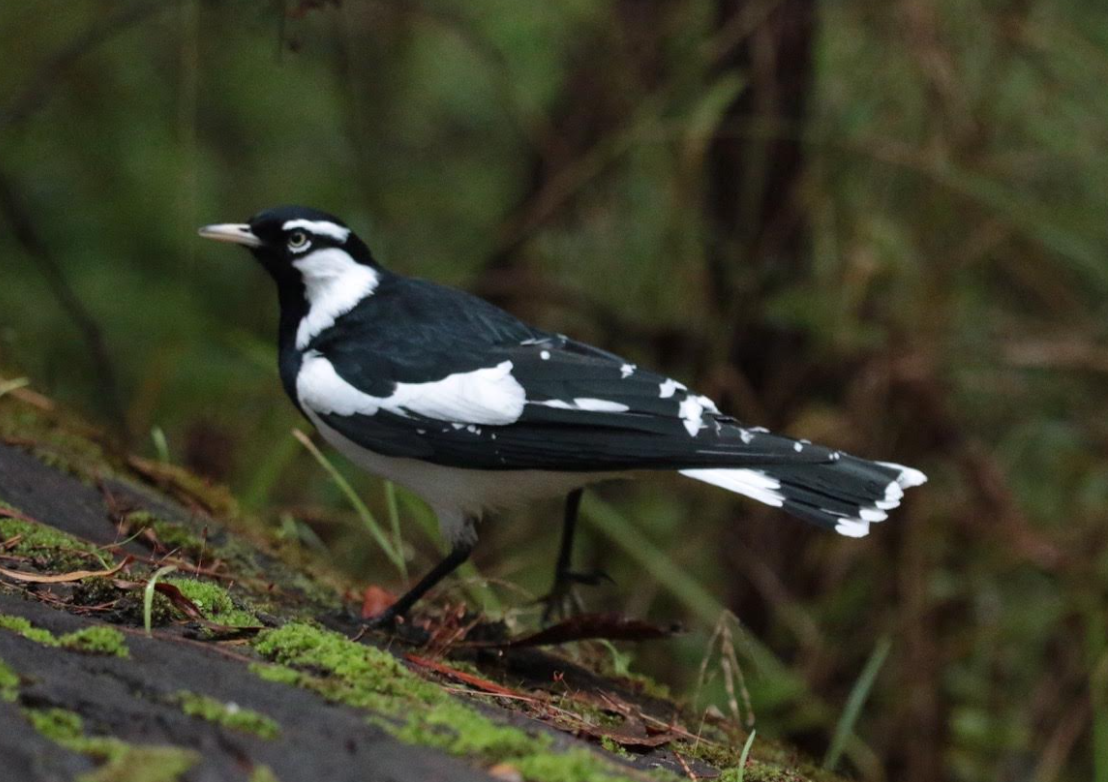
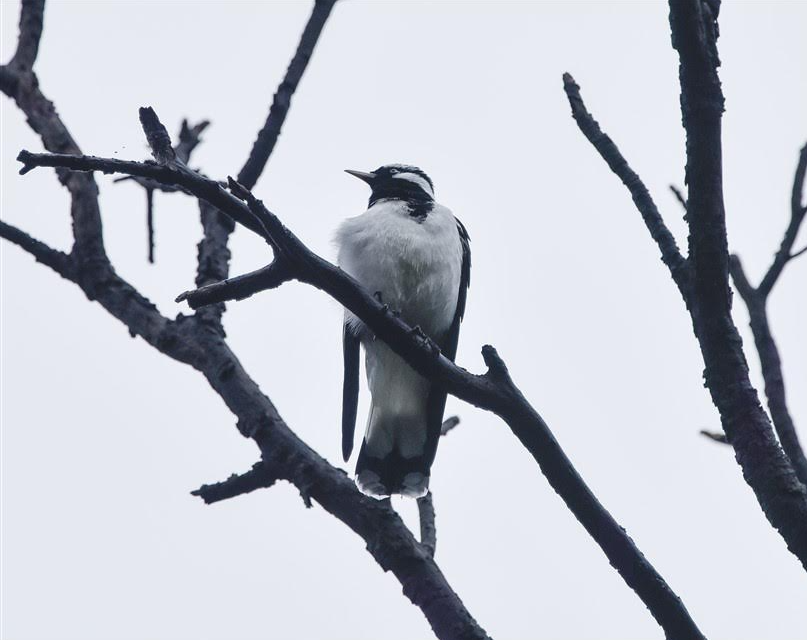
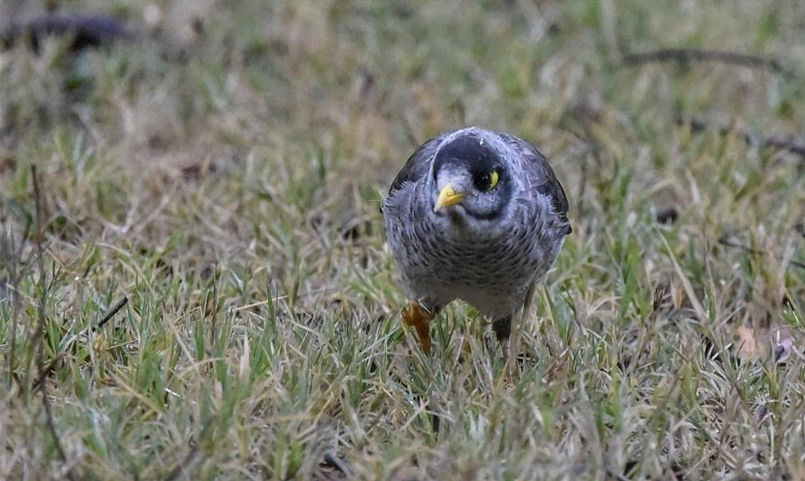
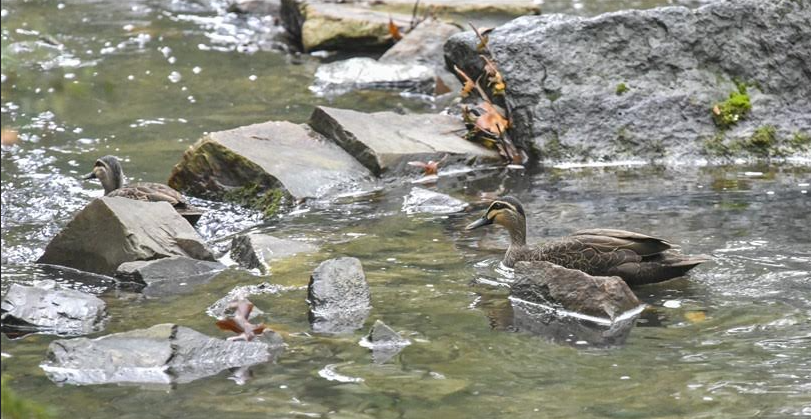
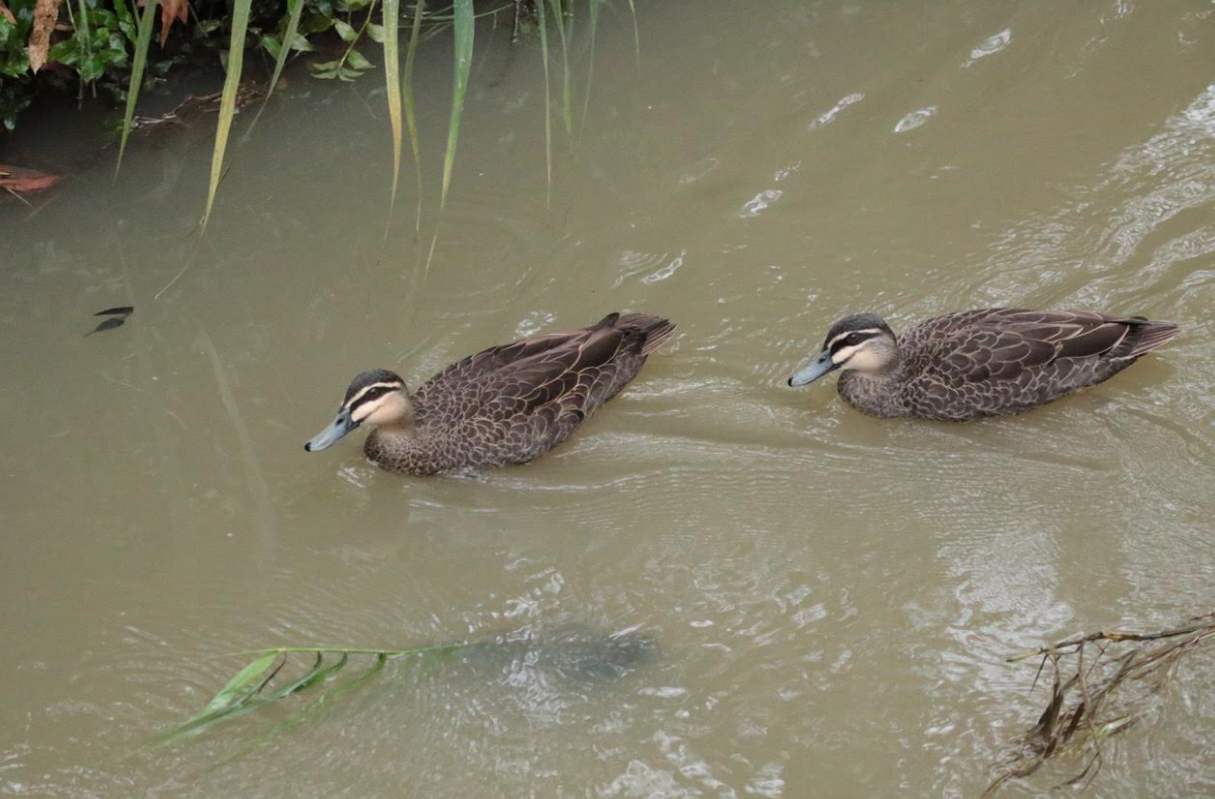
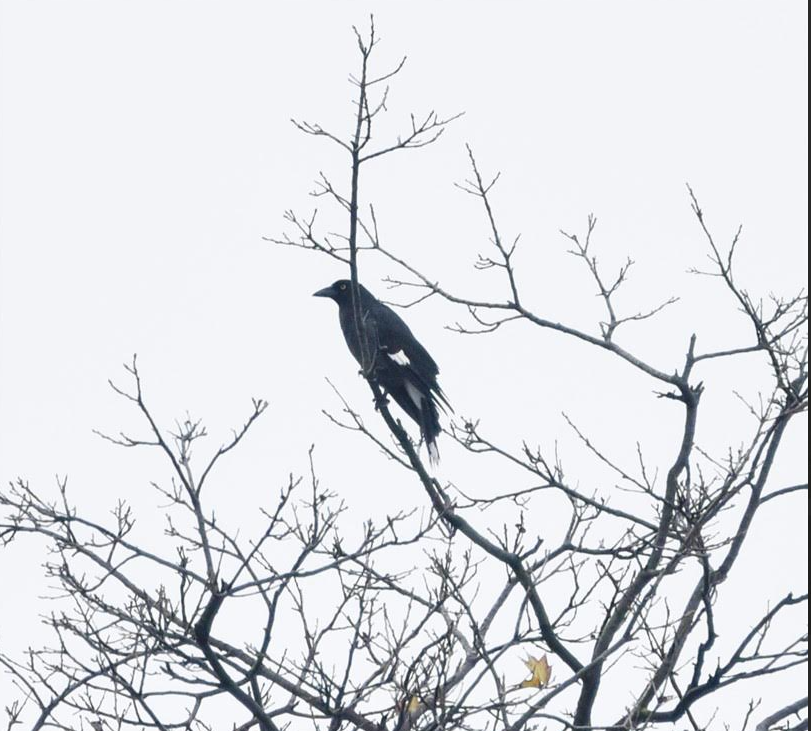
Please click on image to enlarge; click on the X to return
Our experts theorised that, at this time of year, birds like the Little Ravens and Pied Currawongs are flocking together ahead of dispersal elsewhere.
Bird Dispersal
Bird dispersal in ecology refers to the movement of birds from their breeding grounds to new locations, often driven by competition for resources like food, nesting sites, mating opportunities or predators etc.
This movement can range from short-distances to long-distance migrations across continents.
In stable environments like our Blackburn Creeklands, populations of birds we commonly see probably have naturally “maxed out” over time to reasonably stable populations. Populations start to rise exponentially but then tend to flatten out to their limit due to competition, predation etc – something like the green line below – unless something drastic (eg a bushfire) happens:
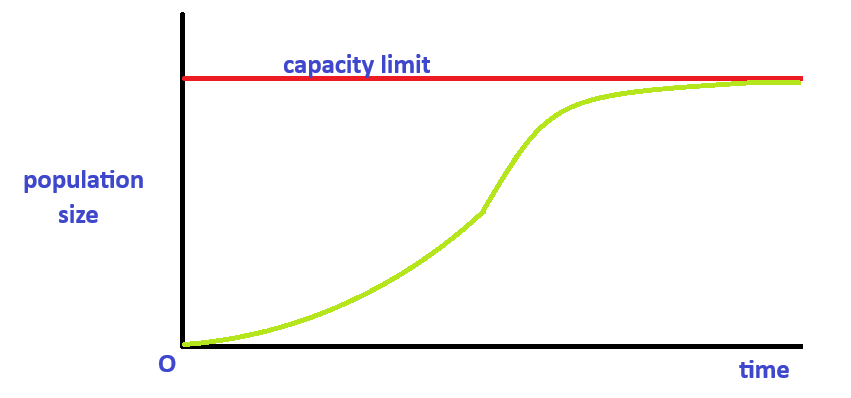
The capacity limit would apply to the community of bird species – not a single species. Sometimes there is disruption – for example, when the Pied Currawongs arrived in Blackburn during the millennium drought. Their consumption of resources other species need and their direct predatory nature on nestlings would have forced a recalibration of the mix/populations of the species already present.
How fast populations grow depends on many factors:
- how long they live, how long they actively reproduce, how quickly they mature,
- the average number of chicks in each brood, and the number of broods raised in each breeding season as well as the length of the breeding season,
- how quickly chicks can fend for themselves, what the mortality rates are (perhaps influenced by predators or diseases, unintentional pollution [eg fishing lines, elastic ties, building site chemicals washed into the creek, and intentional poisons [eg see SGARs below]
- the size of the territory,
- changes in weather (eg droughts), climate change and so on.
Once the limits are reached, it means that most juveniles need to move on – out of their parents’ territories. Where they go is unclear – but we’re confident they would tend to follow the bio-links we have to potential new territories.
Size of the territory
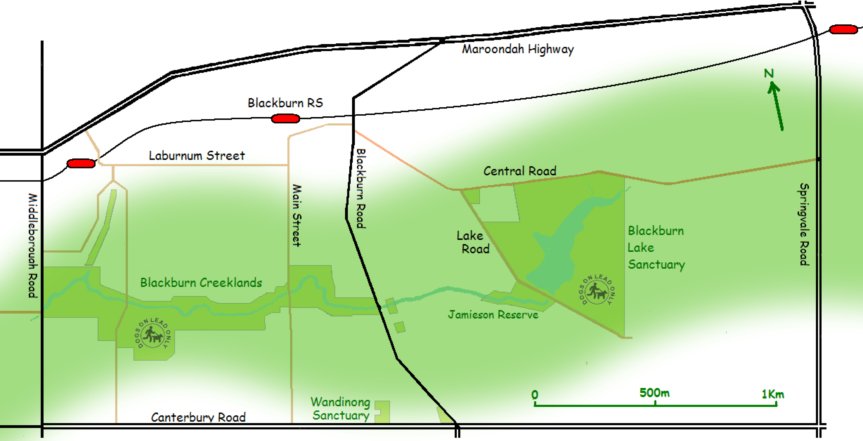
The park is approximately 21 hectares in total. However, compatible areas around the park – those having our “bush” neighbourhood characters – effectively widen and extend the “territory” significantly to other natural resources such as Blackburn Lake and along the corridors to the east and southwest.
Block moon-scaping and increasing human population density would tend to diminish the size/capacity of the neighbouring territory.
So, what about our birds?
The data below was gleaned from the document Victorian Wildlife Rehabilitation Guidelines – Part B General Birds – which is part of DEECA’s guidance to wildlife rehabilitators who provide an invaluable service for wildlife welfare and conservation in Victoria. We selected the native birds from those listed which occur in our park. Almost all are listed as non-migratory or resident – except the Red Wattlebird (nomadic) and Long-billed Corella (Resident within 3 km). The photos come from our collection provided by our wonderful local photographers.
Looking at the Common Bronzewing below, that species lives in the fast lane – leaving home at one month and ready to raise a family from the age of one year ! Nevertheless, they have a longevity of 25 years!
Pat thinks that 70% of birds would not survive their first 12 months. Ian would not be surprised if the figure is 80%. Given this startling mortality, the ages quoted by DEECA cannot be averages – but perhaps the age of the oldest birds.
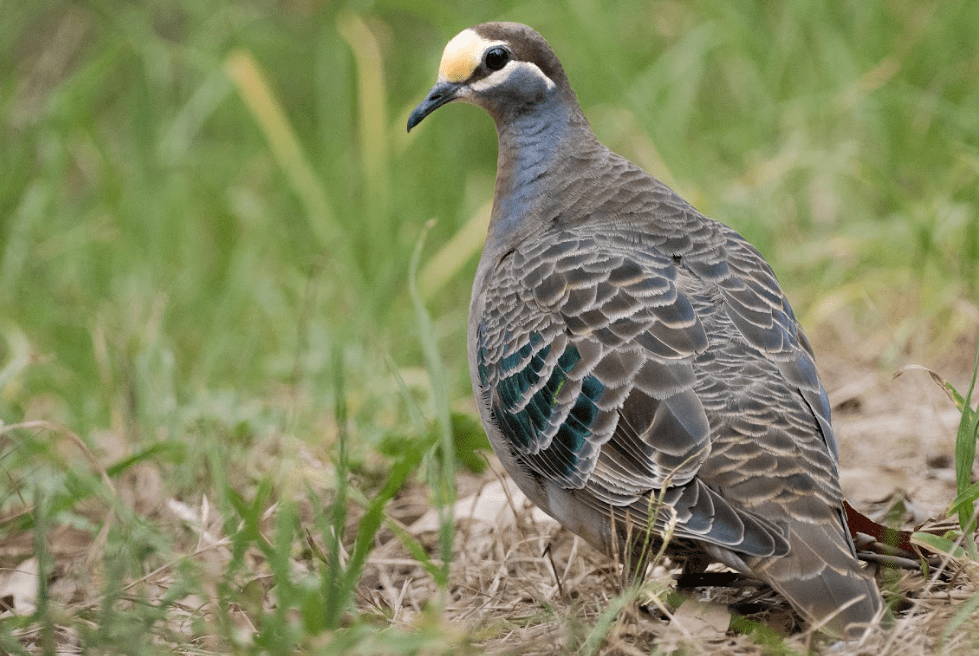
Common Bronzewing
25 years
Phaps chalcoptera
Breeding season: July–January
Age at dispersal: 1 month
Age at maturity: 1 year
Home range: 0.2 birds/ha
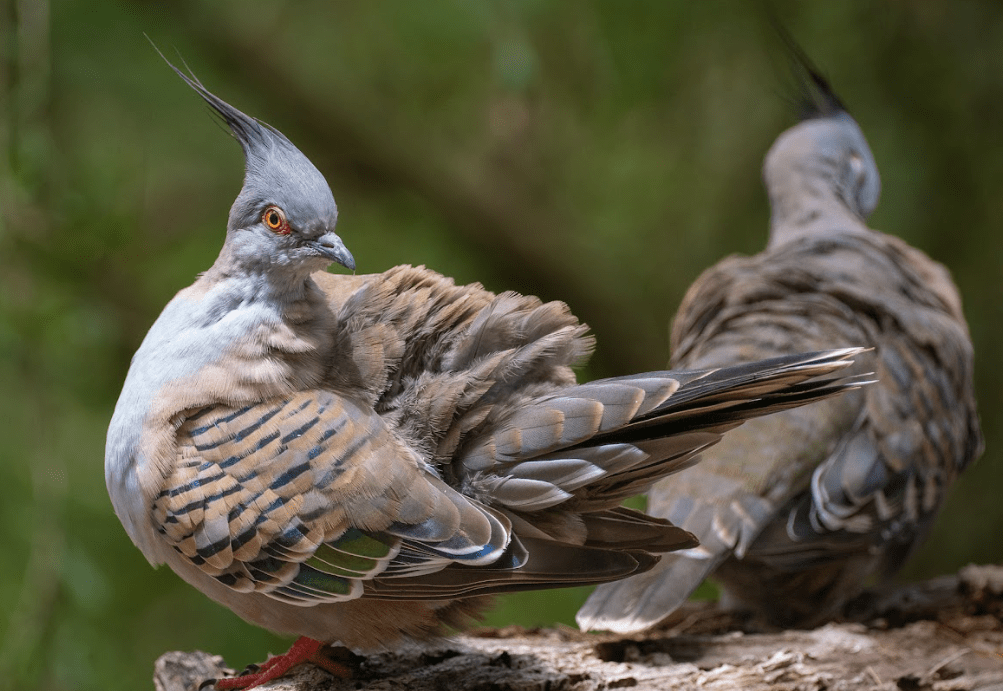
Crested pigeon
25 years
Ocyphaps lophotes
Breeding season: Commonly spring-summer
Age at dispersal: 1 month
Age at maturity: 1 year
Home range: 0.1-1.6 birds/ha
Crimson Rosella
27 Years
Platycercus elegans
Breeding season: October–December
Age at dispersal: 2–3 months
Age at maturity: 18–24 months
Home range: 0.1-6.0 birds/ha
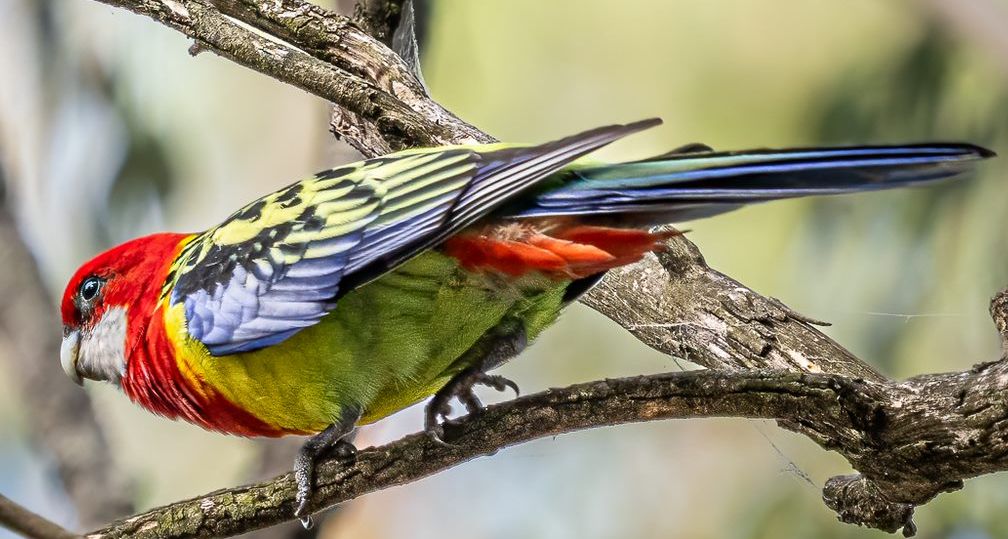
Eastern Rosella
27 Years
Platycercus eximius
Breeding season: August–January
Age at dispersal: 2 months
Age at maturity: 1 year
Home range: 0.1-5.5 birds/ha
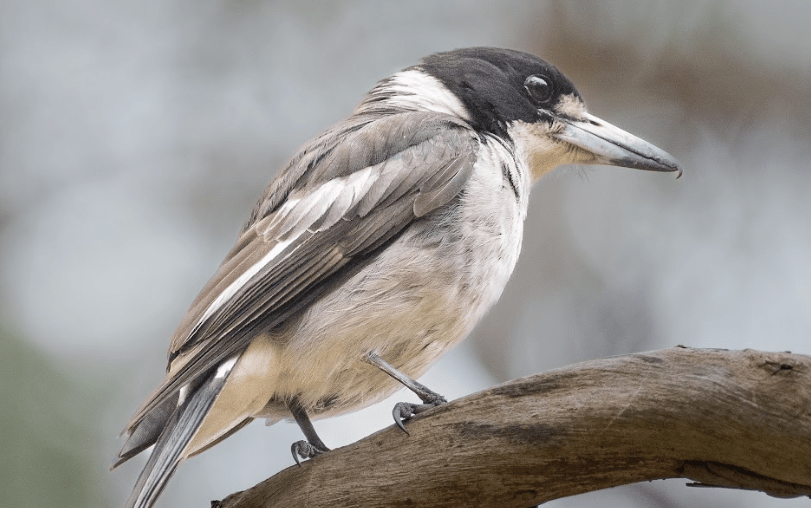
Grey Butcherbird
8-15 Years
Cracticus torquatus
Breeding season: August–October
Age at dispersal: Up to 1 year
Age at maturity: 2 years
Home range: 4.5–7 ha
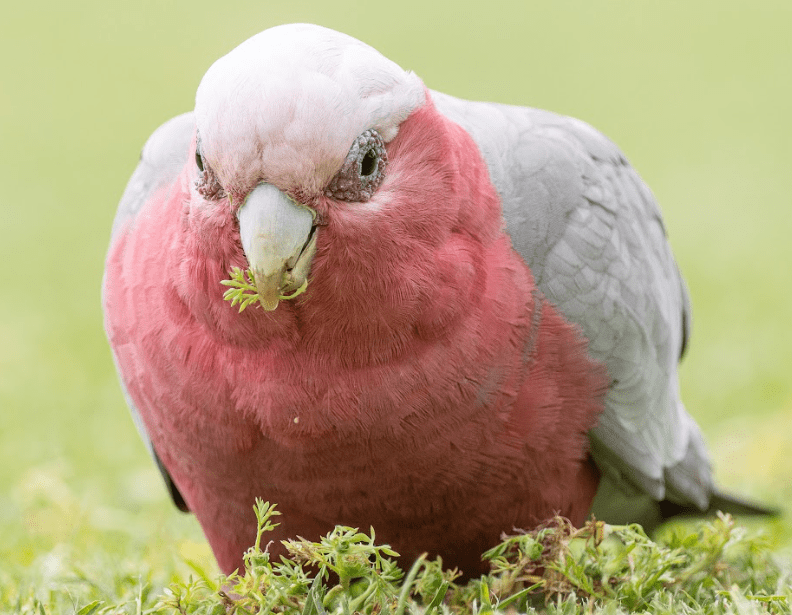
Galah
30 Years
Eolophus roseicapilla
Breeding season: August–October
Age at dispersal: 6–8 weeks
Age at maturity: 3–4 years
Home range: 0.1 birds/ha to 1 bird/15 ha (?)

Laughing kookaburra
10 Years
Dacelo novaeguineae
Breeding season: August–December
Age at dispersal: 3–4 months
Age at maturity: 1 year
Home range: 0.04–0.8 birds/ha
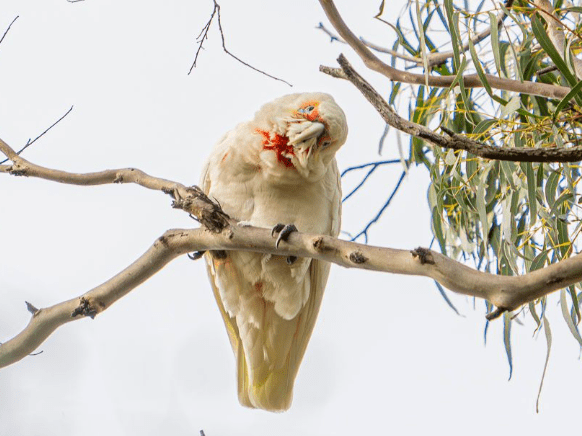
Long-billed Corella
10 Years
Cacatua tenuirostris
Breeding season: July–November
Age at dispersal: 3–4 months
Age at maturity: 1 year
Home range: not stated
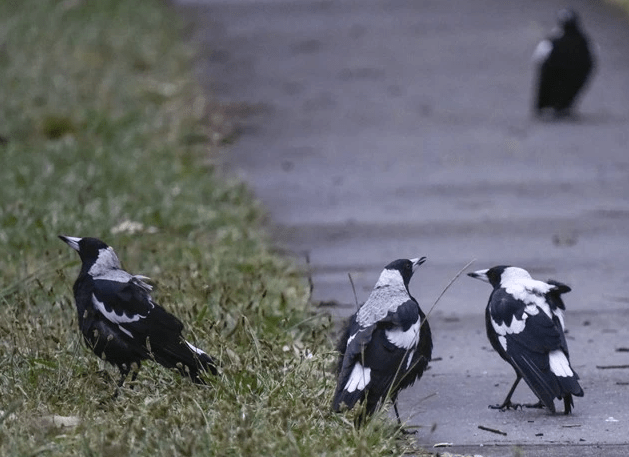
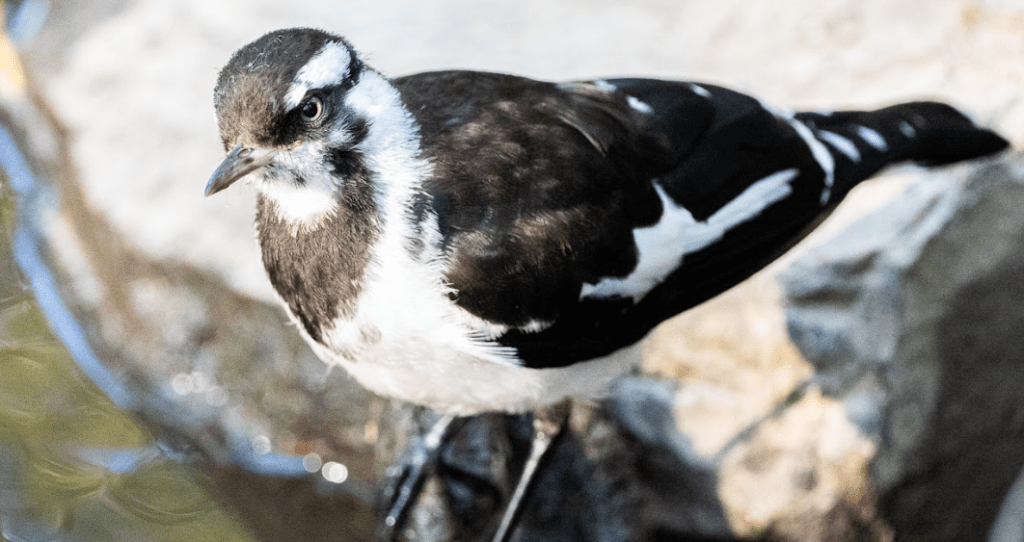
Magpie
25 years
Gymnorhina tibicen
Breeding season: August–November
Age at dispersal: 3 months
Age at maturity: 1 year
Home range: 2–18 ha
Magpie lark or Mudlark
10 Years
Grallina cyanoleuca
Breeding season: August–December
Age at dispersal: 2–4 months
Age at maturity: 2 years
Home range: 8–10 ha
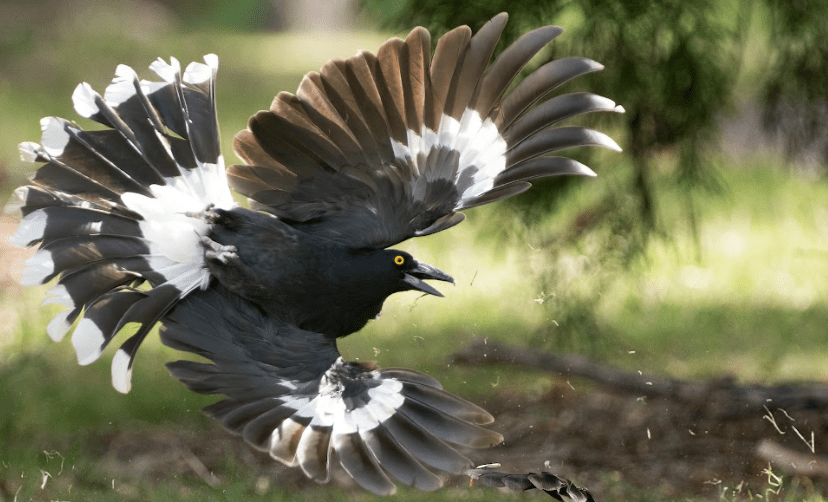
Pied currawong
15 Years
Strepera graculina
Breeding season: August–November
Age at dispersal: 2 months
Age at maturity: 1 year
Home range: 0.7-16 ha
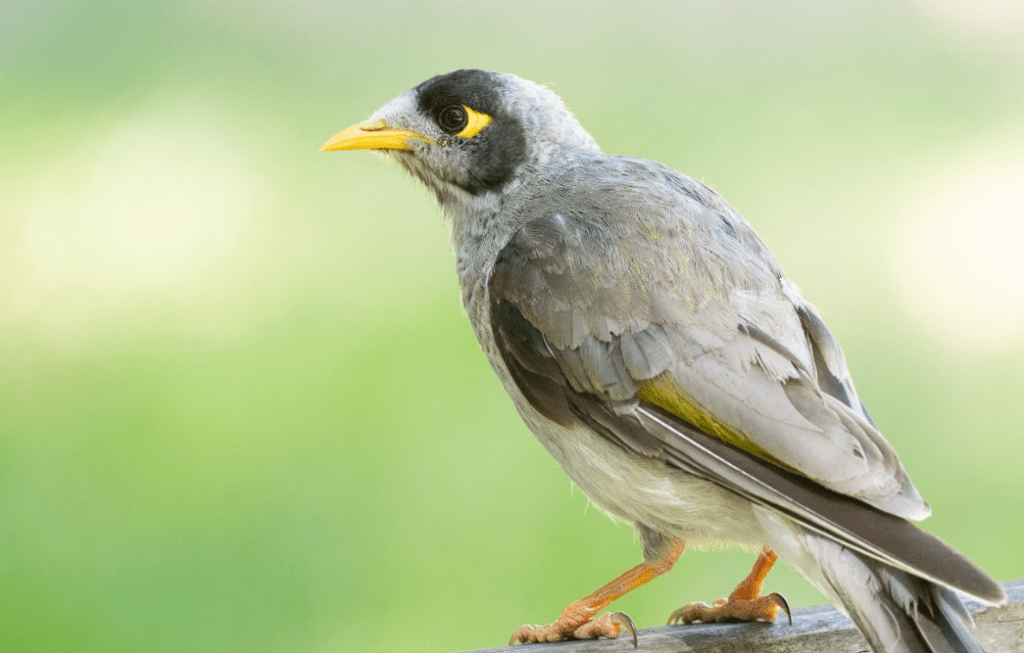
Noisy Miner
7-9 Years
Manorina melanocephala
Breeding season: August–January
Age at dispersal: 2 months
Age at maturity: 1 year
Home range: 0.01–10 birds/ha
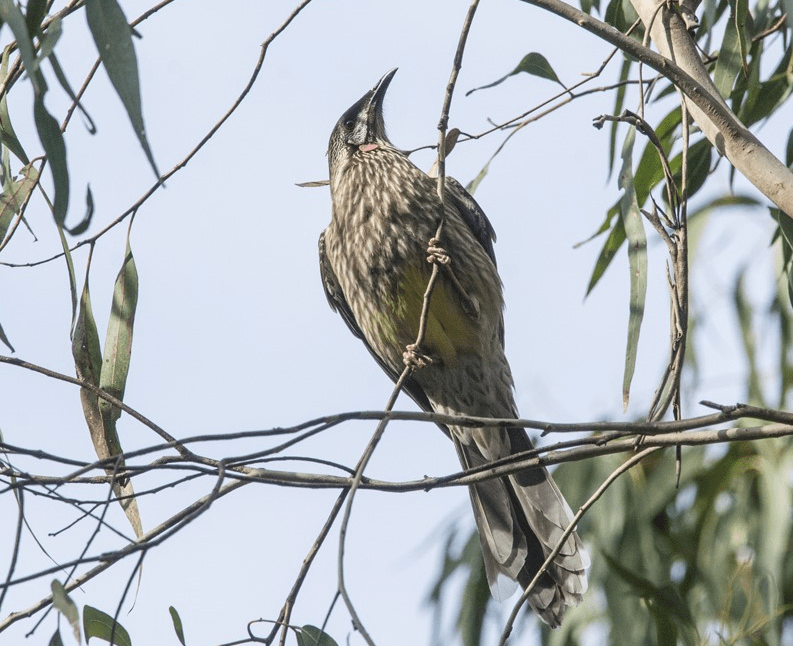
Red wattlebird
5–7 Years
Anthochaera carunculata
Breeding season: July–December
Age at dispersal: 2 months
Age at maturity: 1 year
Home range: 0.05–3 birds/ha
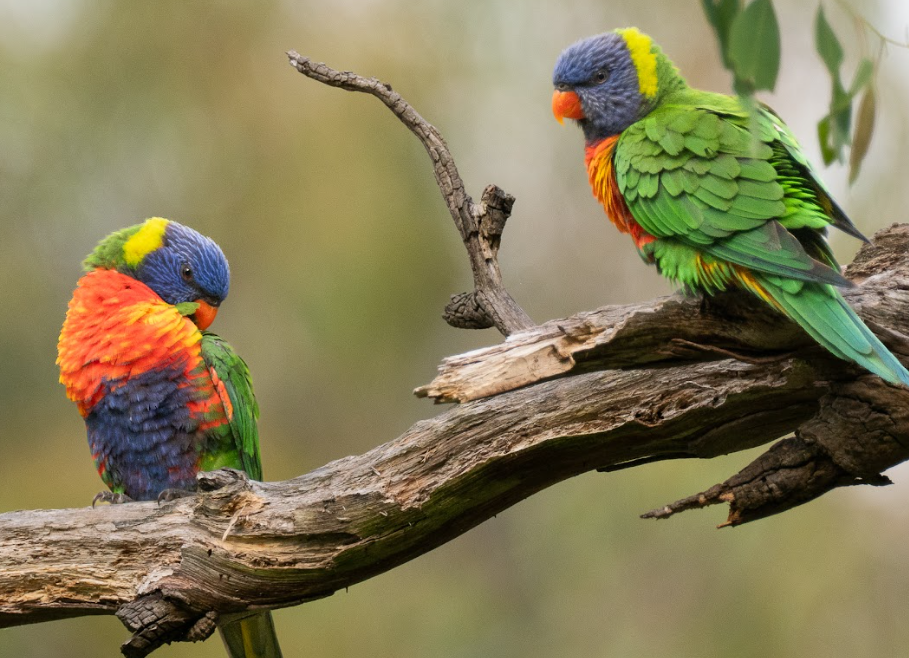
Rainbow Lorikeet
15 Years
Trichoglossus molucannus
Breeding season: August–November
Age at dispersal: 2-3 months
Age at maturity: 18–24 months
Home range: 0.05–5 birds/ha
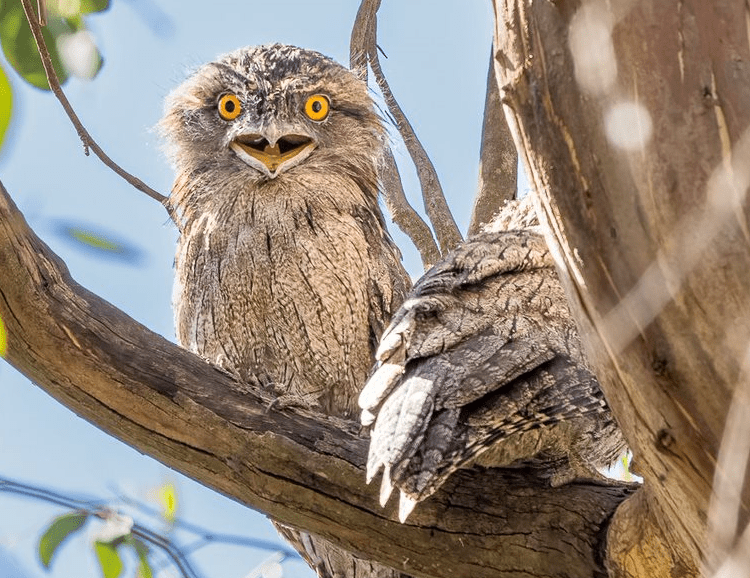
Tawny Frogmouth
30 Years*
Podargus strigoides
Breeding season: August–December
Age at dispersal: 2 months
Age at maturity: 1 year
Home range: 0.1–0.2 birds/ha
*corrected from 14yrs by advice from acknowledged expert G Kaplan.
Wow ! Most have longer lifespans than many of us would have expected. Because of these long lifespans, we conclude that many of our young have to relocate to other areas via our bio-links. It is likely the same thing would be occurring with other park fauna (insects, micro-bats etc) and also flora – with seed carried by birds, bats and wind (for example).
In other words, the Blackburn Creeklands park acts as a biodiversity factory for the region.
CAVEAT – some of our local experts are not satisfied that the DEECA data is “reliable” – sources are not described nor are the terms defined/described in detail. Finding alternative sources for comparison has not been easy though. One source – the Human Ageing Genomic Resources (HAGR) does report ageing data on some of our species which seems to have come from bird banding work – and the data is significantly different from DEECA’s as follows:
| Species | DEECA longevity | HAGR Maximum longevity |
|---|---|---|
| Common Bronzewing | 25 years | 5.1 years (wild) |
| Crested Pigeon | 25 years | 17.3 years (wild) |
| Grey Butcherbird | 8-15 years | 20.2 years (wild) |
| Magpie Lark | 10 years | 12.1 years (wild) |
| Pied Currawong | 15 years | 24.2 years (wild) |
| Noisy Miner | 7-9 years | 12.4 years (wild) |
| Red Wattlebird | 5-7 years | 13.3 years (wild) |
| Tawny Frogmouth | 30* years | 17.9 years (wild) |
The data for the Common Bronzewing is a case of significant concern. Interestingly, the HAGR figure for longevity is less than the DEECA figure only for the two pigeons – the reverse is true for all others. Setting the Common Bronzewing case aside, the species’ lifespans of our local birds are generally quite long.
SGARs
Just a reminder that Second-generation Anticoagulant Rodenticide poisons (SGARs) are one reason birds like our Tawny Frogmouths may not reach their full expected lifespan.
SGARs remain largely unregulated in Australia unlike elsewhere. Despite the known risks and known solutions, the relevant Federal regulator (the APVMA) has again delayed announcing the findings of a review into these dangerous silent-killer poisons. We need to get dangerous rodent poisons under control – please see Birdlife Australia’s helpful information here.
Please immediately dispose of any rodent carcasses you find to prevent harm to wildlife and pets.
Nocturnal Possum Prowl
We’ve organised with Council’s Environmental Education Program team to have a Possum Prowl on Friday, 23rd May at 5:30pm to observe our nocturnal fauna in their natural habitat. We’ll meet outside the Scout/Guide Hall on Pakenham Street (Blackburn).
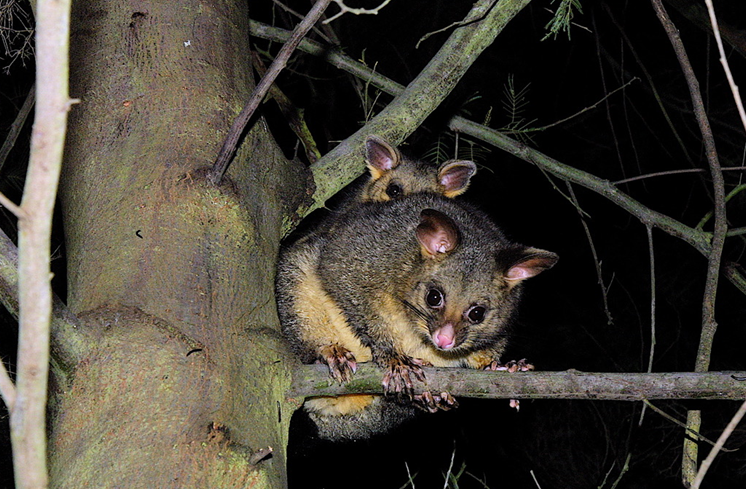
Council’s Environment Education Officer Tanveer will lead the walk. Please register for your ticket(s) here.
We use red-light torches so as not to worry our wildlife. We will provide some redlight torches – but, if you have one, please bring it along. You can also DIY using a regular torch with the lens covered with a couple of layers of red cellophane.
Children are most welcome but need to be accompanied by an adult.
Thursday Team report
Numbers of worker bees attending were well down on 3/4 and 10/4 – mainly due to Easter, school holidays etc. Numbers bounced back later in the month – although we had help from a young couple from Gainesville, Florida inflating our numbers – they proved to be very enthusiastic and personable people. New people are always welcome!
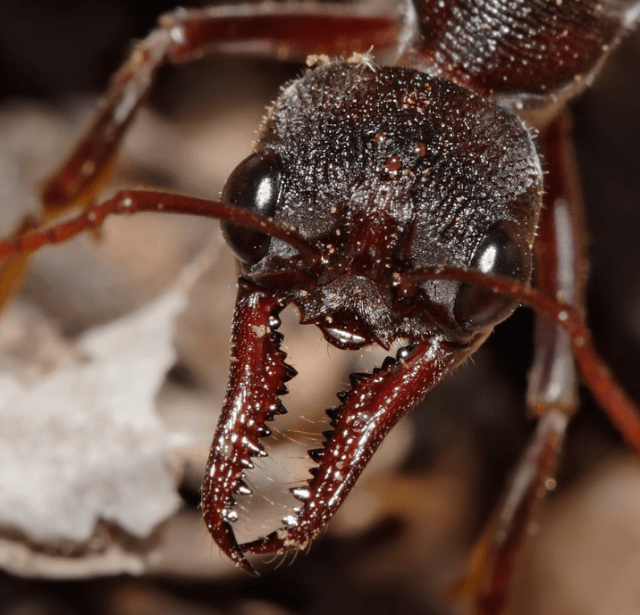
We inadvertently disturbed Bull-ants (specifically, Inch Ants – Myrmecia pyriformis) at two of those events – without anyone being stung.
It seems our policy of cordoning off the nest area after discovery is helping our team avoid stings (touch wood!).
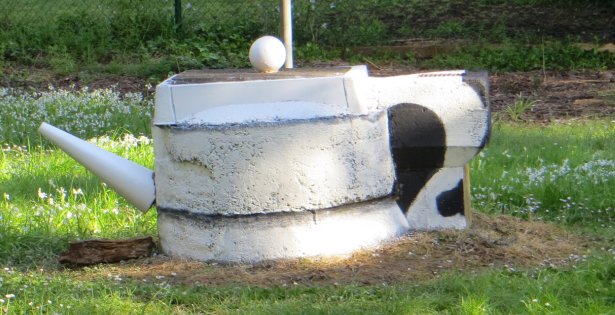
The first three April working bees were all in Blacks Walk from the “bridge to teapot“. The last March working bee was spent in the Billabong area. The team is grateful to have received extra equipment from Council – more tools and hats.
Sightings
In addition to our gallery of shots taken at the Bird Walk, interesting sightings during the month include Grey Fantails (Furness Park) and Silver Gulls along Middleborough Road – headed south, no doubt off to the beach. Sorry – no photos!
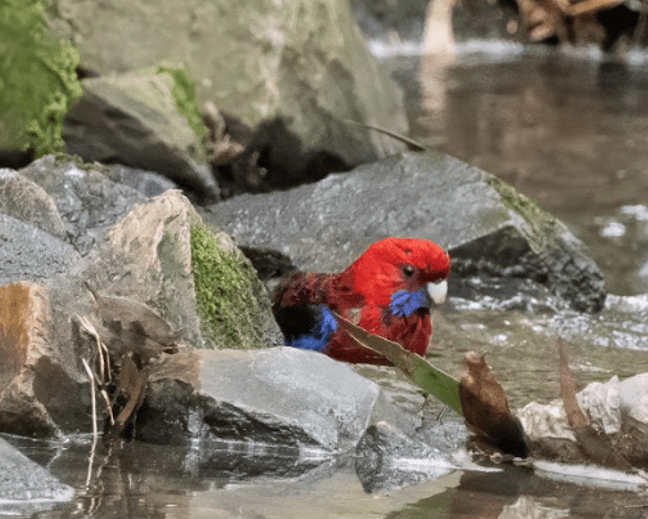
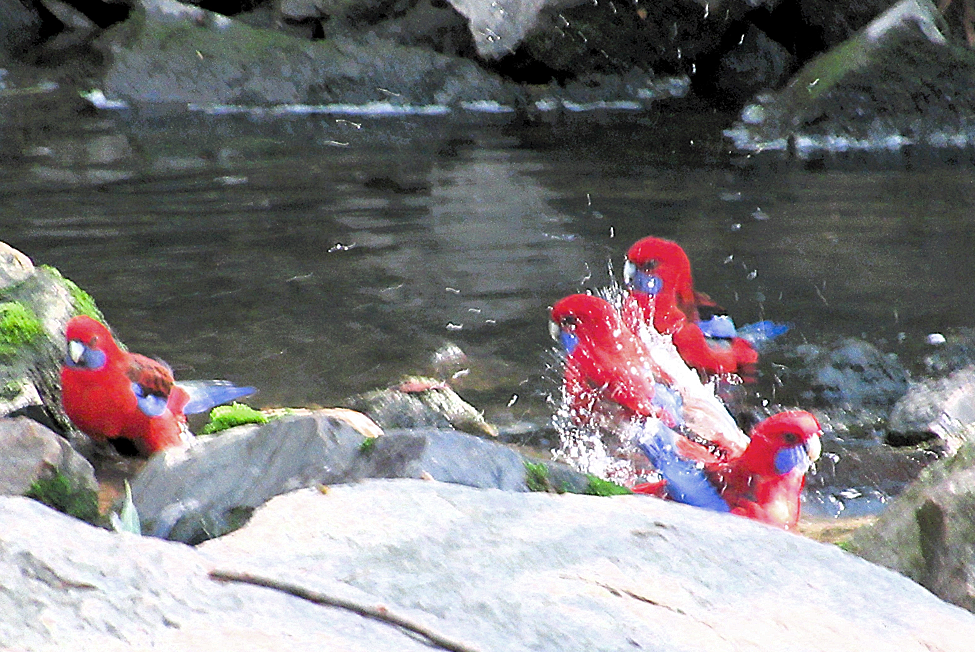
Russell’s grandson Harry (Grade 5) took this charming action photo of Crimson Rosellas enjoying a communal bath and shower in the creek during the monthly bird survey on 9th April (during the school holidays).
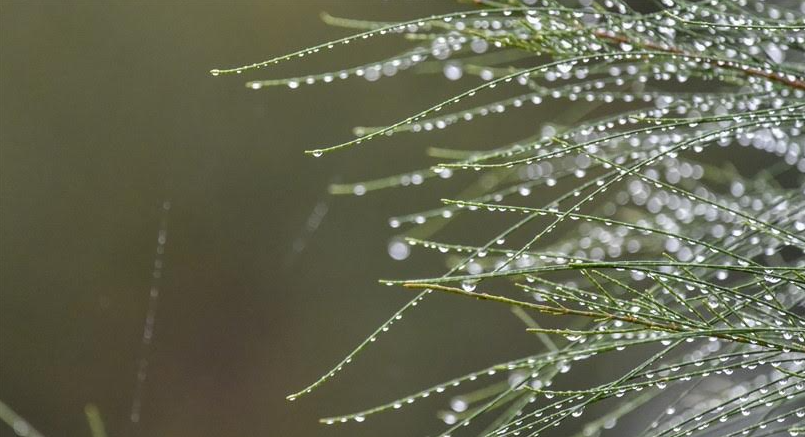
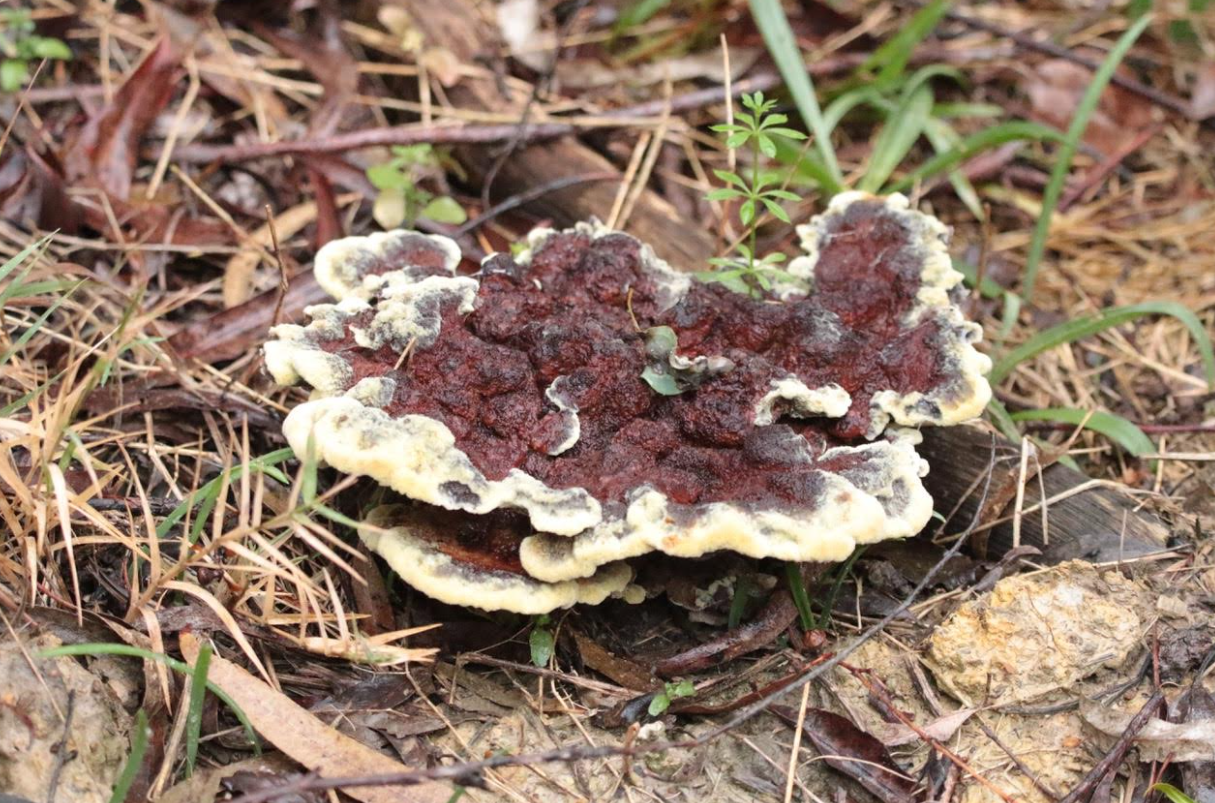
Here are more shots taken by Harry, Russell, Michael and other locals:
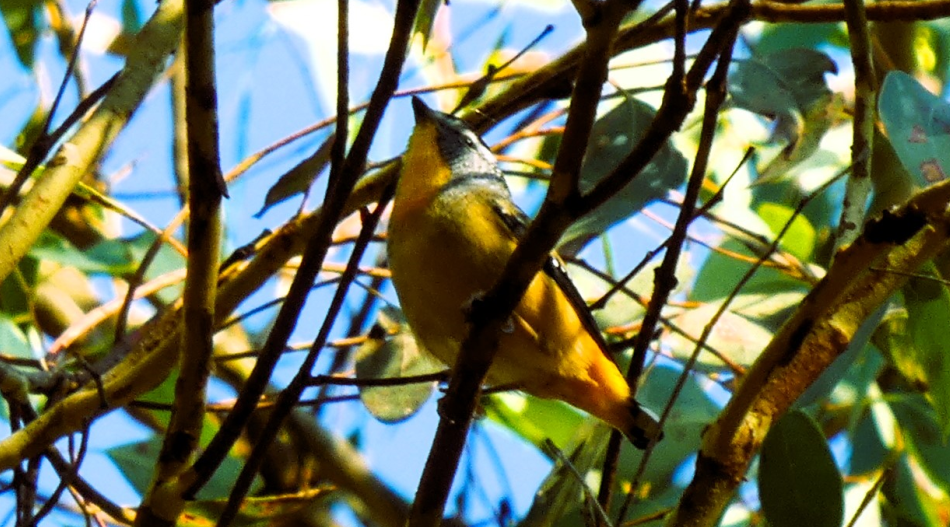
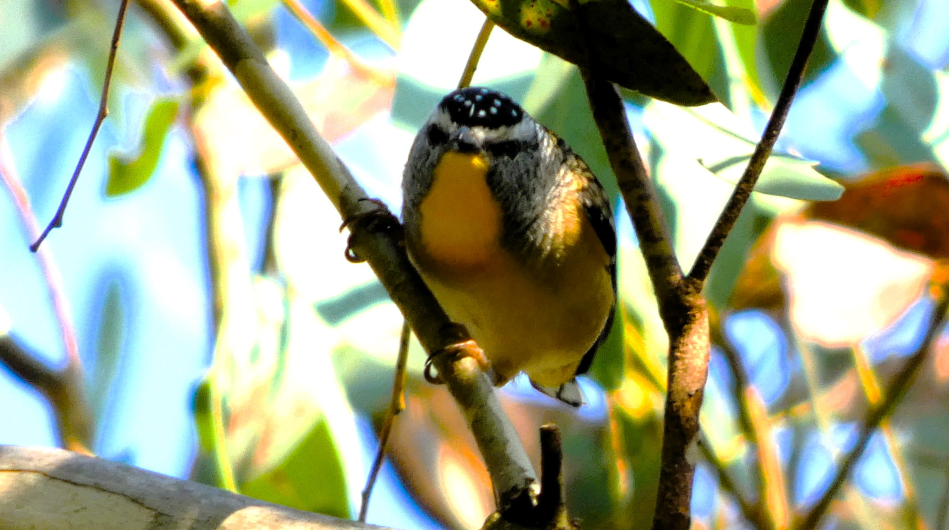
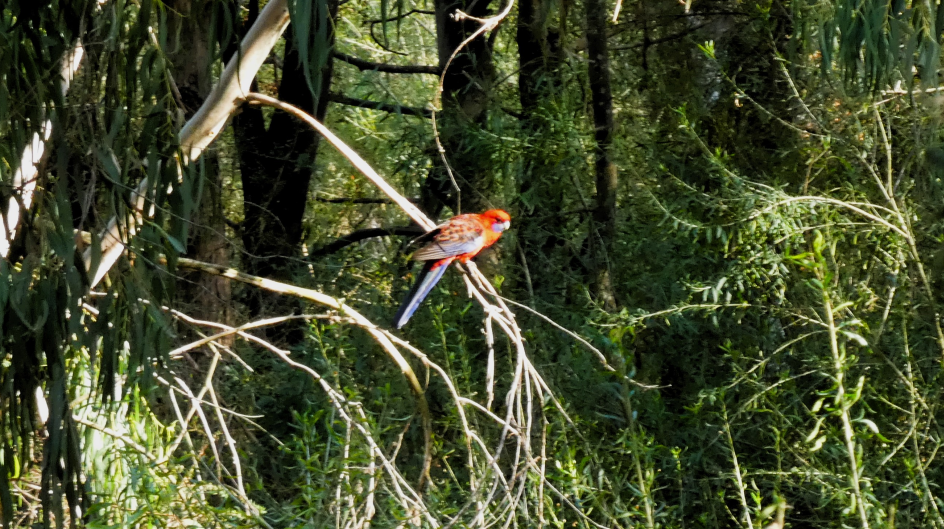
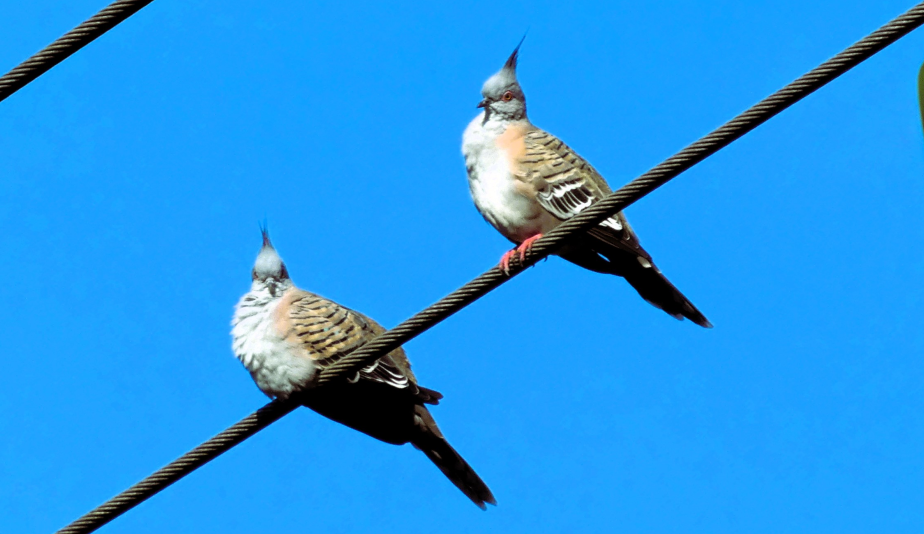
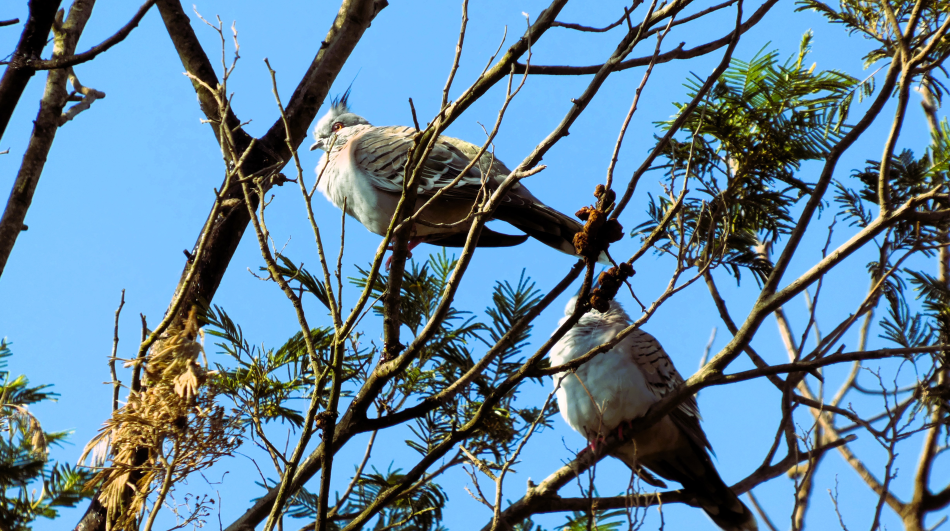
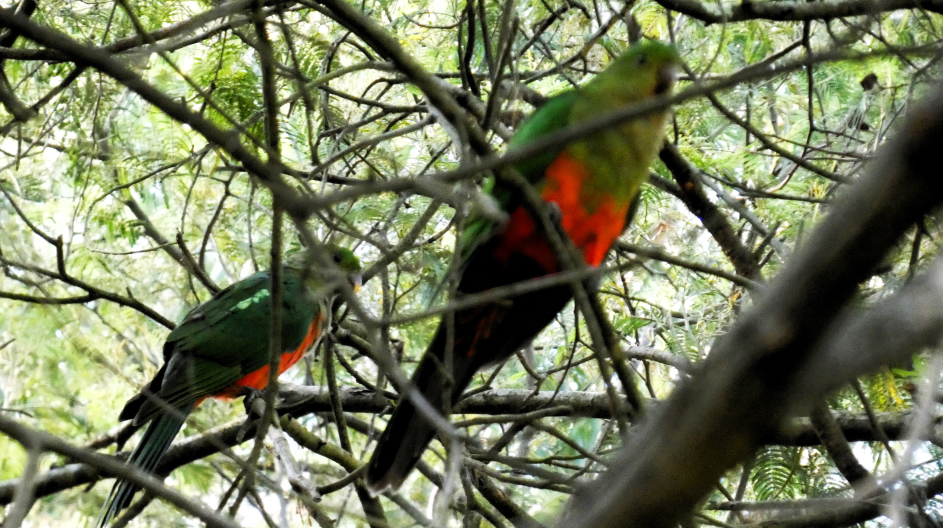
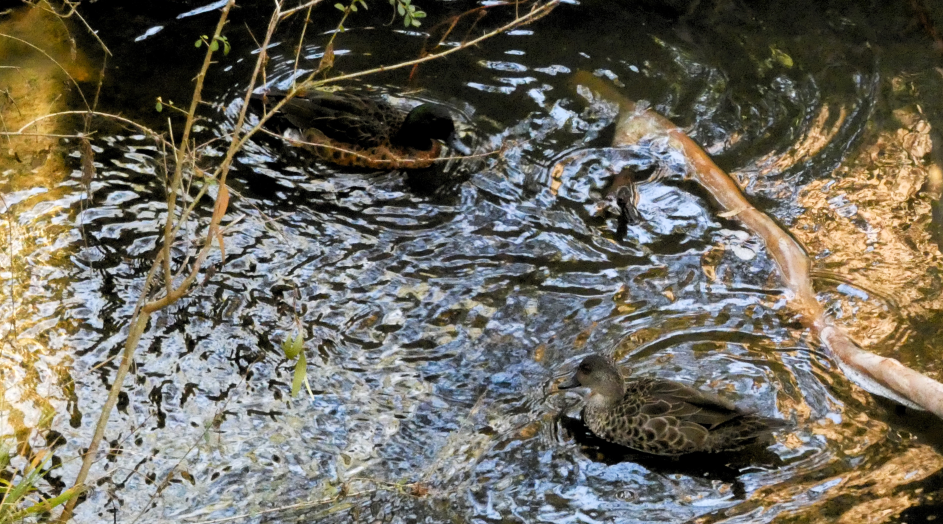
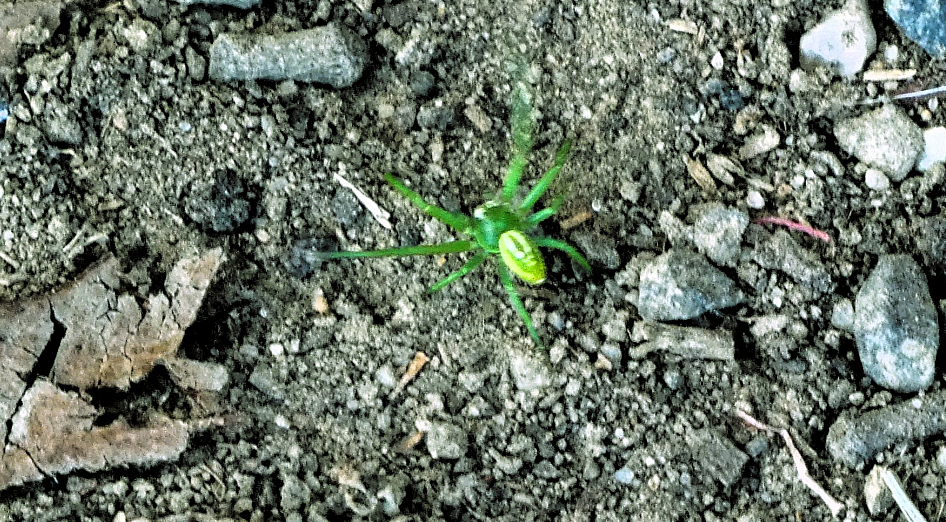
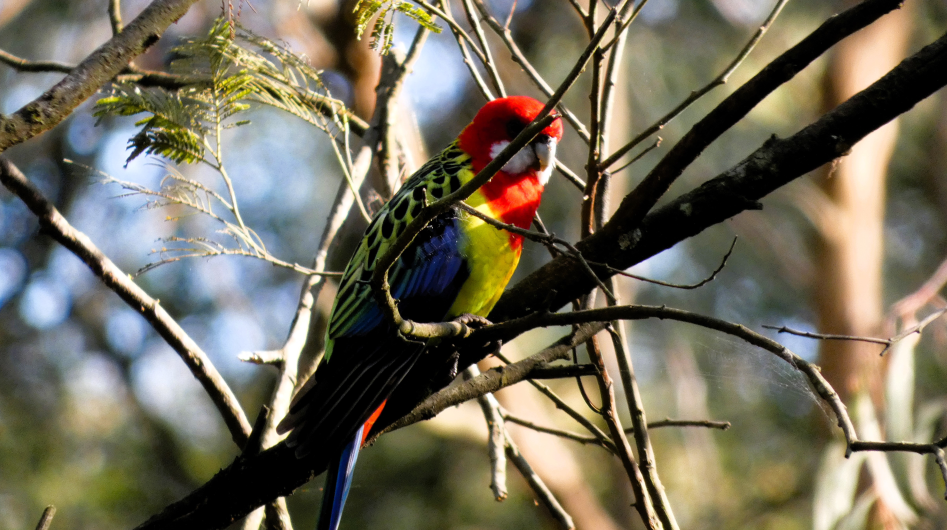
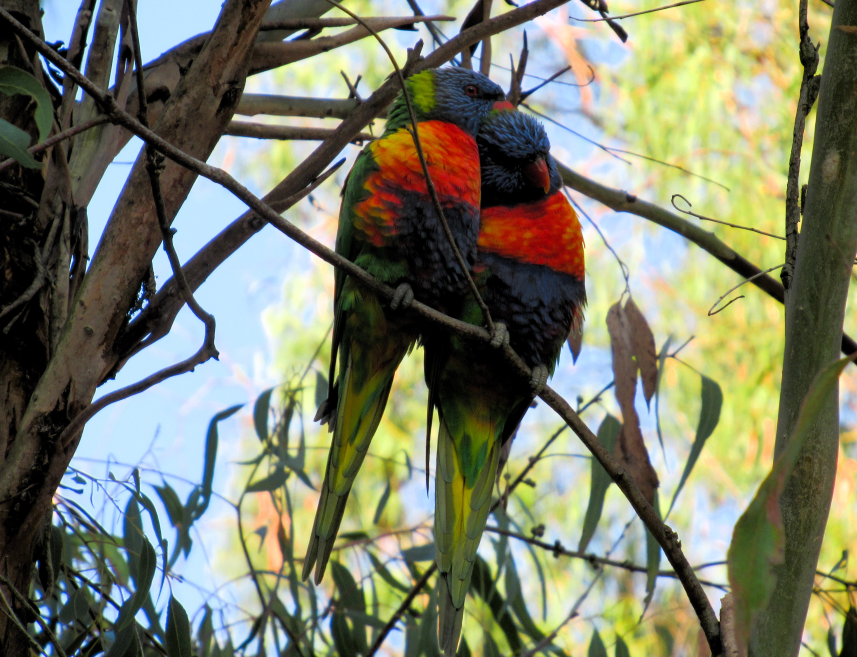
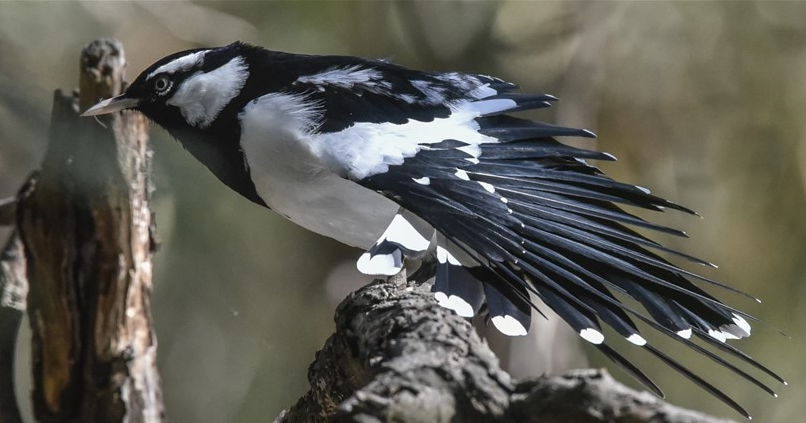
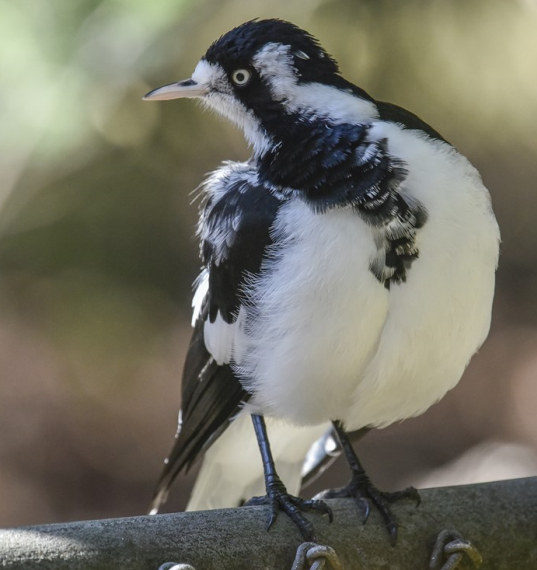
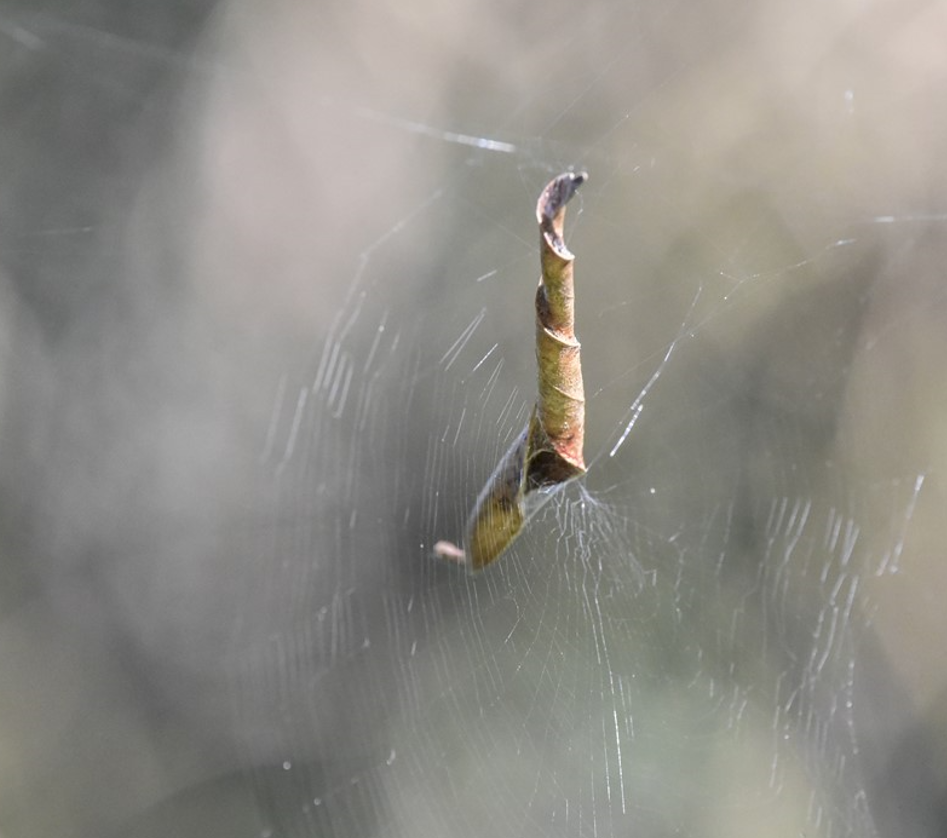
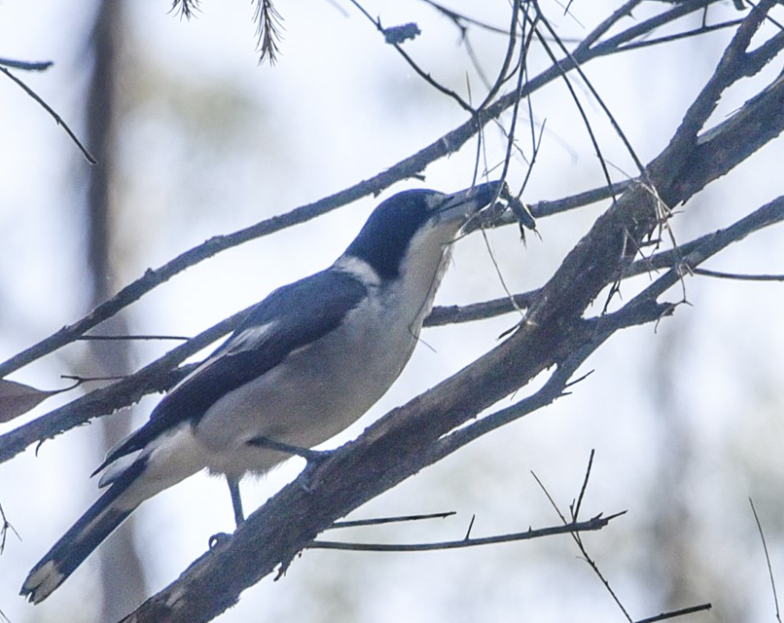
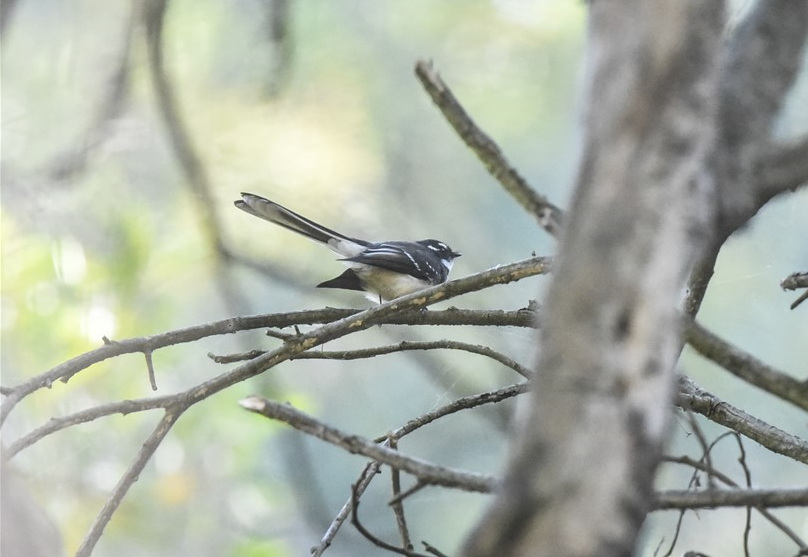
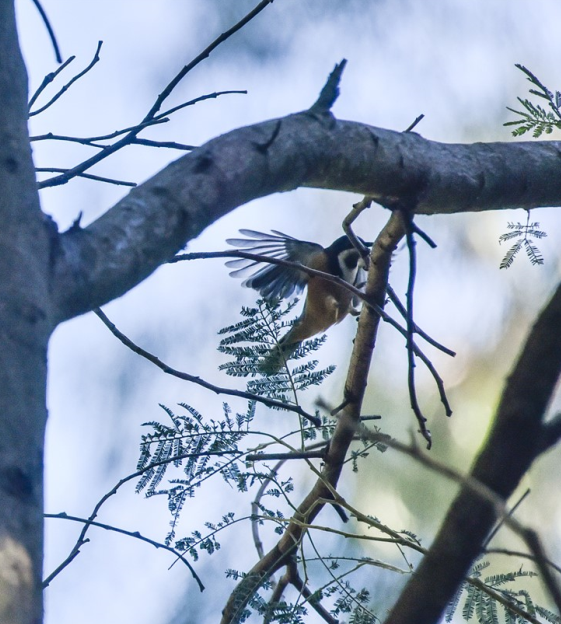
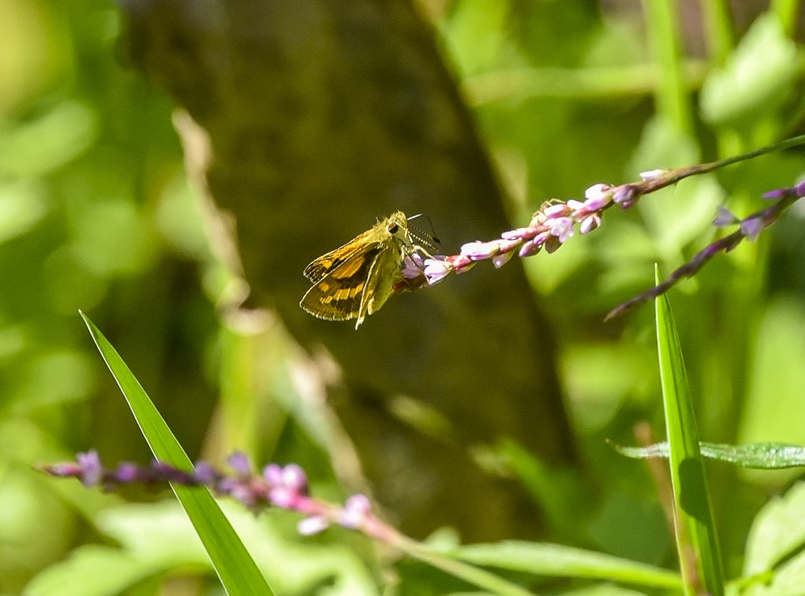
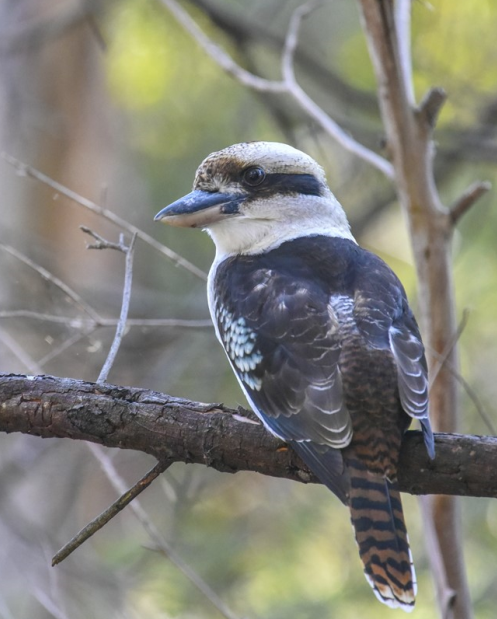
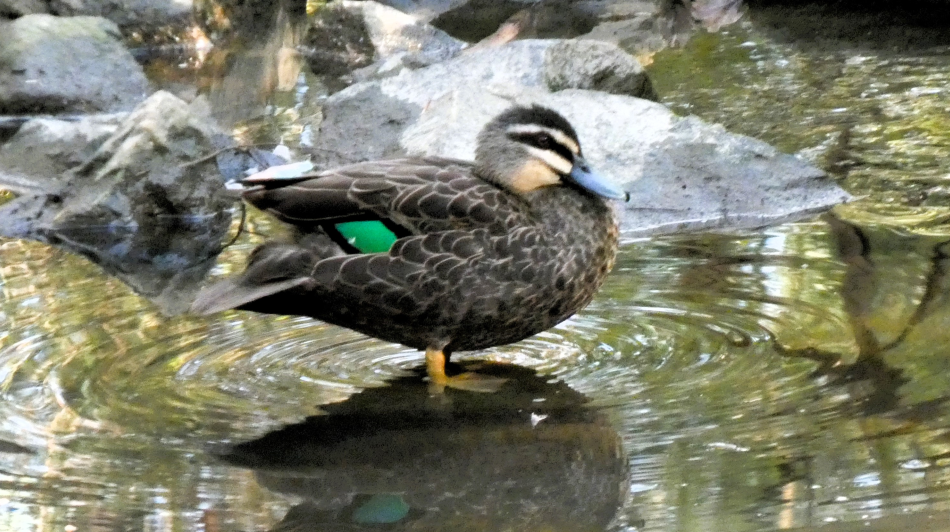
Please click on image to enlarge; click on the X to return
With reference to the bottom right photo, the speculum (from the Latin for a mirror made of plates of metal) is a feather patch, often distinctly coloured and iridescent, on the secondary wing feathers of some birds. It’s a visual signal that assists in species recognition (rather like military aircraft insignia) – especially in flight.
Oddly enough, the New Zealand Air Force uses a bird in its insignia – but it is the flightless Kiwi !

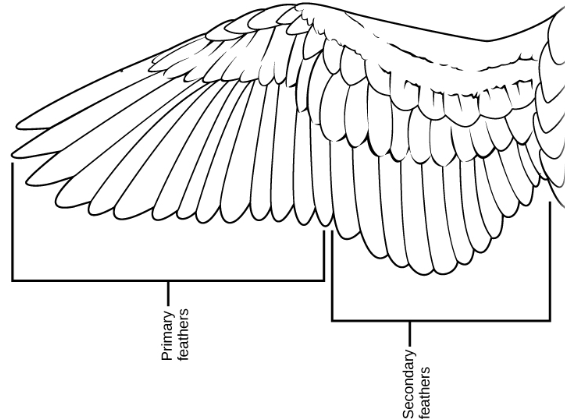
In bird wing feathers, primaries are the outer flight feathers attached to the “hand” bones – providing steering and thrust. Secondaries are the inner flight feathers, attached to the “forearm” bones – providing lift and stability.
Corridor News
Basil-flavoured Rosella tomato sauce?
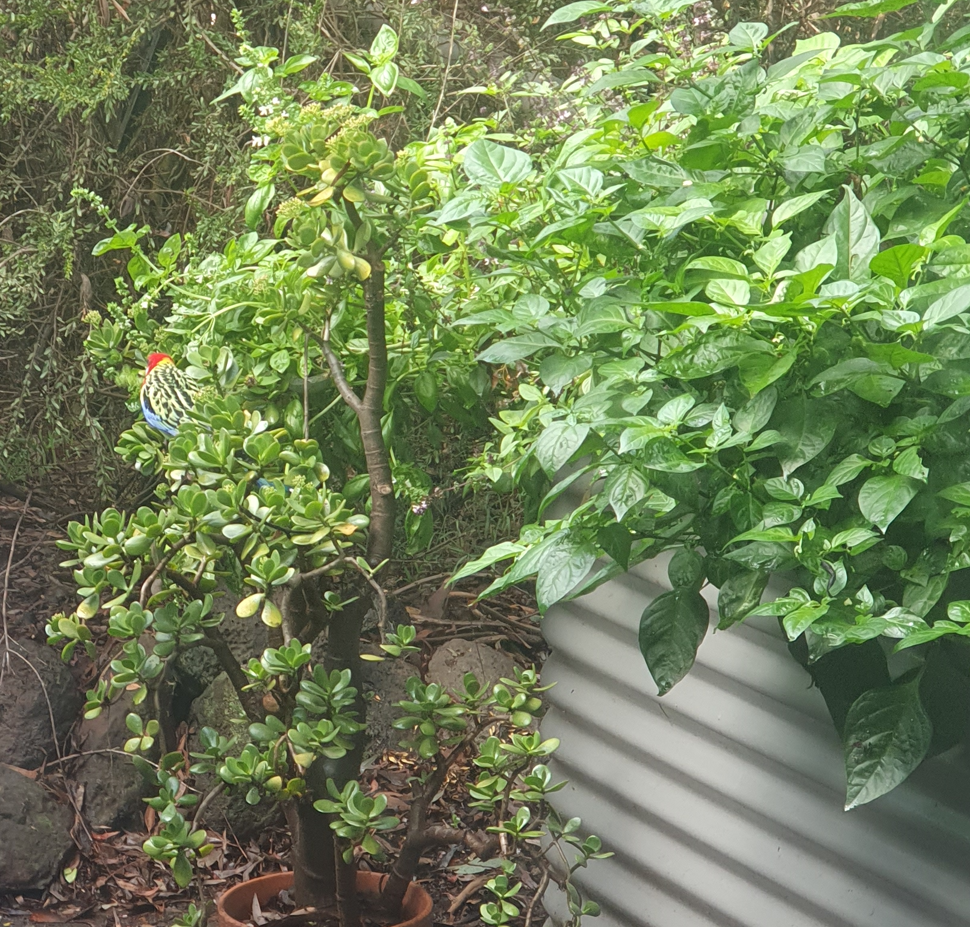
One of our park neighbours gave us this shot of an Eastern Rosella using a pot plant to reach basil flowers/seeds hanging out of the raised vegie bed. We reckon there might be a basil-flavoured Rosella tomato sauce on the supermarket shelves soon ! Oddly enough, the bird left the chillis on the right well-alone…
An echo of last year’s gecko?
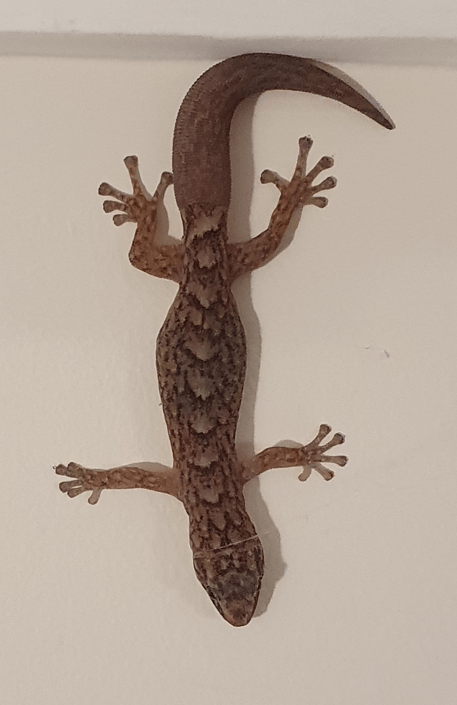
You might remember this photo from September last year which shows a lizard in a home quite close to the park ?
We speculated it was a possibly pregnant Marbled Gecko (Christinus marmoratus). A thick-tailed lizard – about 10cm long – in this case with a regenerated tail.
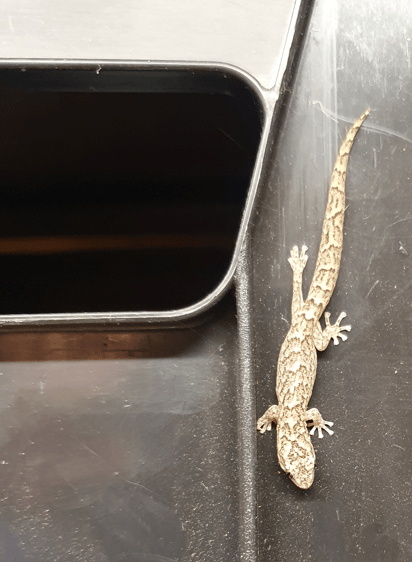
Well, the same park neighbour sent us photo this during the month:
This 7cm long creature was found in a garden shed defying gravity on the side of a plastic utility cube. Even though its colouration is lighter and the lizard is somewhat smaller, it seems quite likely to be of the same species – maybe a juvenile ?
There’s been no tail replacement – so it’s not the same fellow as last year bleached and shrunken. To cut a long tale (sorry!) short, our neighbour now says he’s a “grandfather” (!).
Suburban Rail Loop Updates
Park Tree Canopy
In good news for the park, SRL funding will improve the canopy throughout the Gardiners Creek Corridor – and 110 new canopy trees are proposed for the Blackburn Creeklands.
Structure Plans
We have made a submission to the Suburban Rail Loop Authority (SRLA) based on :
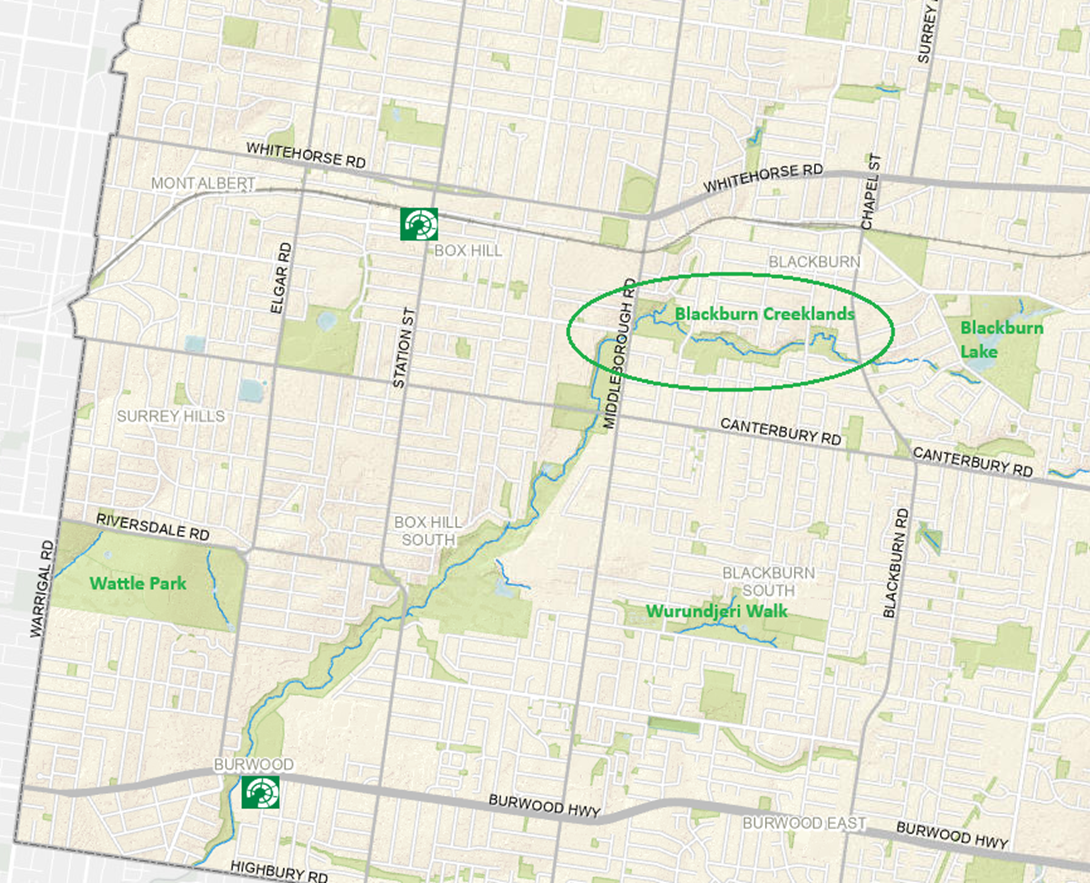
- how we can maintain the bio-link corridor along KooyongKoot (Gardiners) Creek
- coping strategies with the planned population growth in our area as the park becomes an increasingly important resource for the Box Hill community.
Current bio-links are clear below:
We’ve recommended:
- Improving the capacity and safety of the Blackburn Creeklands – eg through the addition of another bridge in Blacks Walk on the western side so that people can walk the perimeter of the park without having to go out onto Middleborough Rd and back into the park.
- Addressing loss of amenity through visual, noise, dust and air pollution along the frontage with Middleborough Road eg by undertaking more plantings along that boundary.
- Improving accessibility and inclusivity eg by fast-tracking inclusive seating.
- Fostering the ambience of a bushland park for safe usage, both by people and wildlife.
- Improving park vegetation, habitat, biodiversity and bio-links – especially to the parkland downstream between Middleborough and Highbury Roads.
Concrete Canyon?
Our friends in the Gardiners Creek Reserve (downstream from us) have achieved great recognition of the value of our creek in the Burwood-Box Hill South area – but they are very worried that the resource will be over-exploited in the SRL zone due to:
- dominating high-rise developments allowed very close to the creek – including over-shadowing concerns
- development of an inappropriate concrete path through their park
- increased run-off into the creek.
This map (adapted from The Age 29/4) shows the maximum storeys allowed near the creek as proposed by the SRLA:
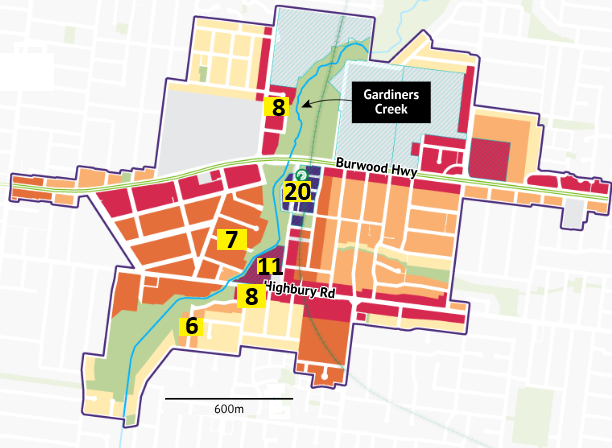
Within the Structure Plan maps, the SRLA indicates areas of preferred building heights shown in different colours. We’ve added the preferred maximum height (in storeys) to make the impacts easier to understand. It seems like the creek would be passing through a man-made concrete canyon.
 Blackburn Creeklands