Events coming up:
- Community Working Bee #2: Blacks Walk – Sunday 29th June 09:00-12:00
- Clean Waterways Expo: Blackburn Lake Sanctuary – Sunday 29th June 12pm to 3pm
- Eucalyptus ID walk with Tony Slater: Furness Park – Sunday 13th July at 2pm
Welcome to our May, 2025 newsletter.
In this edition, we span from Blackburn’s nightlife to the potential impacts of the latest planning changes from the State Government on our Urban Forest. Naturally, we also include some interesting sightings in the park as well as all the recent news locally and from the park corridor!
Discovering Blackburn’s nightlife
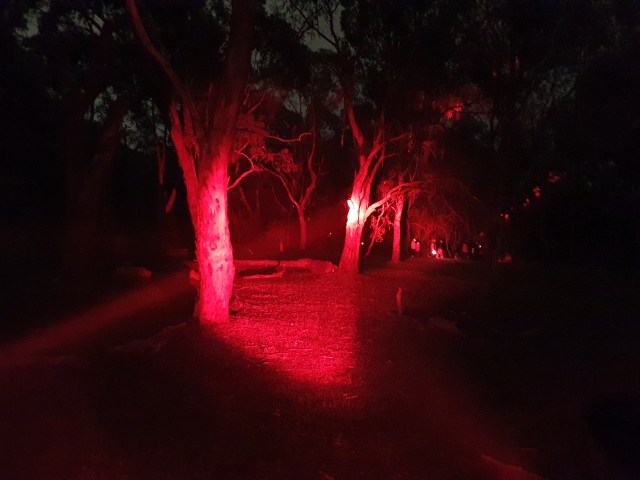
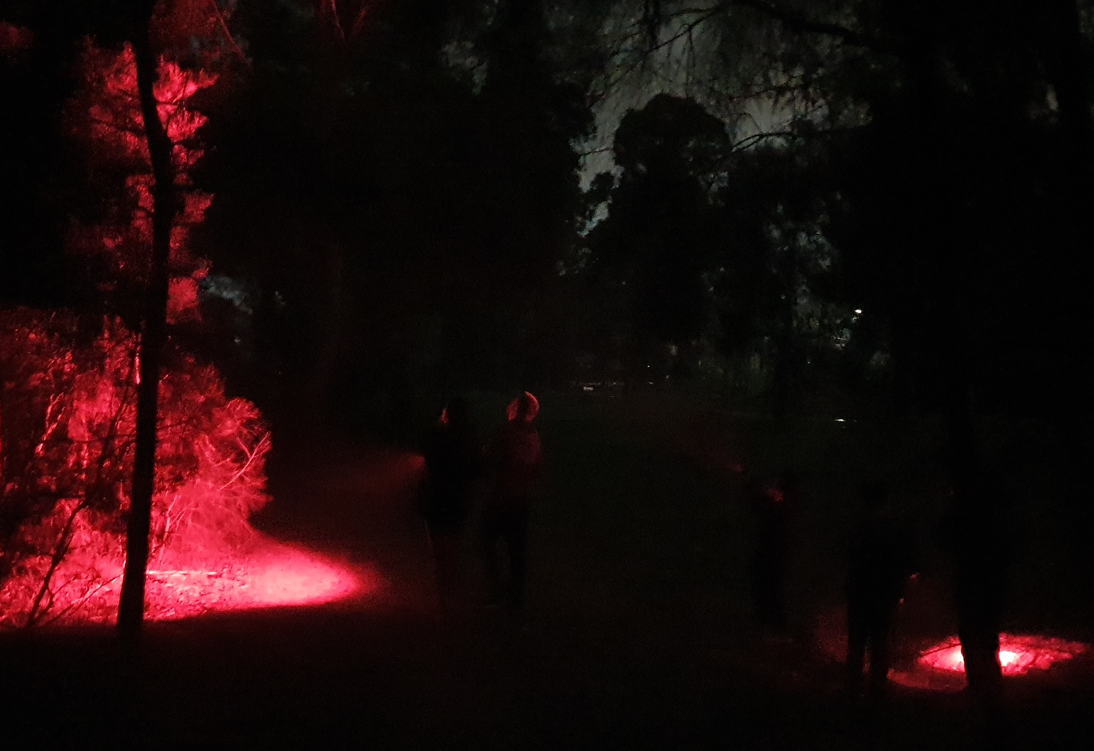
The objective of our “Possum Prowl“, on Friday evening 23rd May, was to discover Blackburn’s night life in the park. Some of our local fauna are “nocturnal” – meaning they are mostly active during the night (feeding etc) and sleep during the day. Nocturnal animals generally have highly developed senses of hearing, smell and eyesight adapted for low-light conditions.
This was the first Possum Prowl we’ve run. Tanveer from Whitehorse Council helped organise the event and was one of the two group leaders on the evening. The other was Ian Moodie who is well known to many of us through his work leading our Bird Walks over many years. We were also very fortunate to have Su from Blackburn Lake Sanctuary assisting and providing some of the wildlife torches. Despite the initially threatening weather, the evening became mild, windless and dark – ideal for learning about the park’s night life. We are most grateful to the Scouts/Guides for the use of their hall – it was very convenient for our participants to be able meet there and reconvene later.
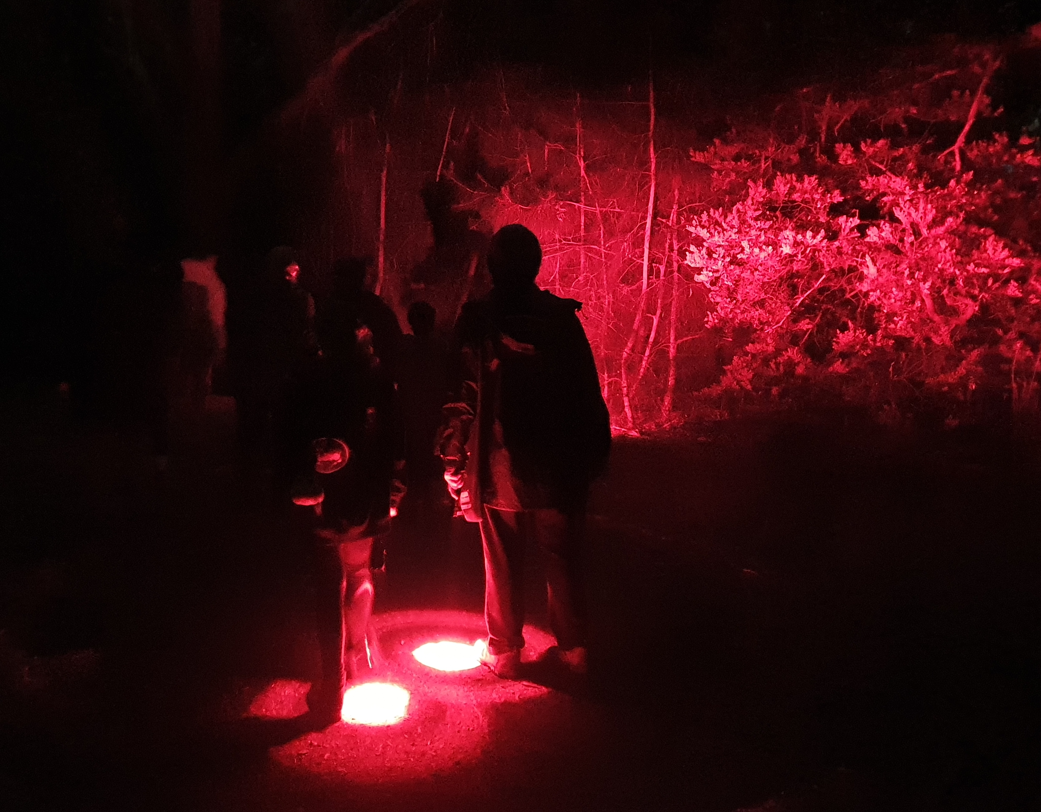
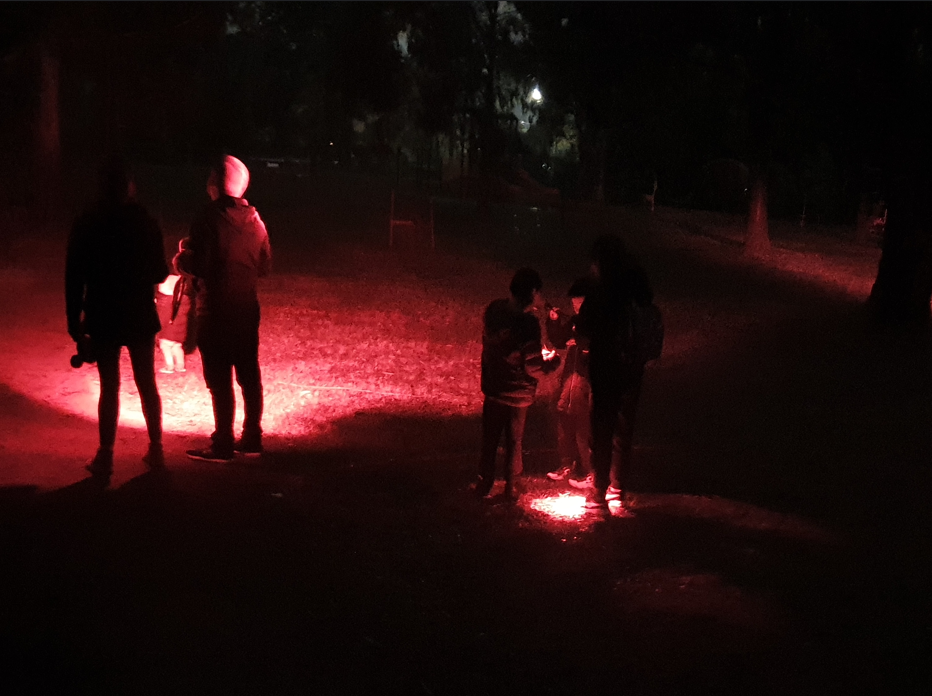
We used red light torches to find our nocturnal friends because red light is thought not to startle/dazzle the wildlife as much as white light.
After some quick training on how to use the torches, recognising eye-shine and not shining torches in fellow prowlers eyes, young and old saw:
- many Brush-tailed and Ring-tail Possums,
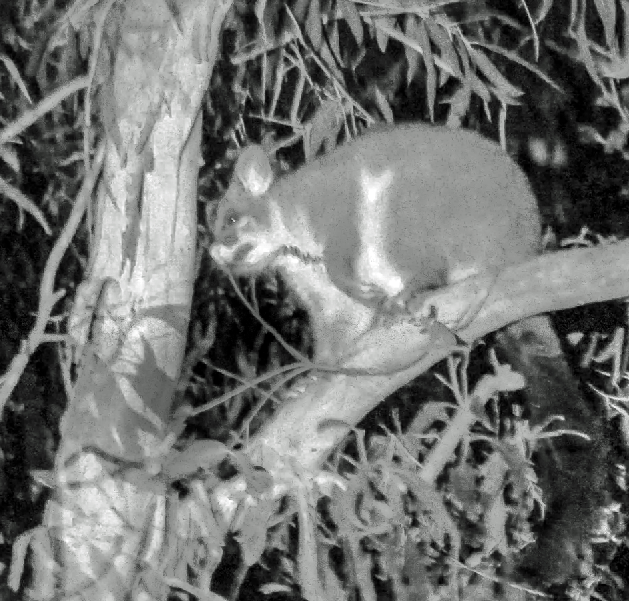
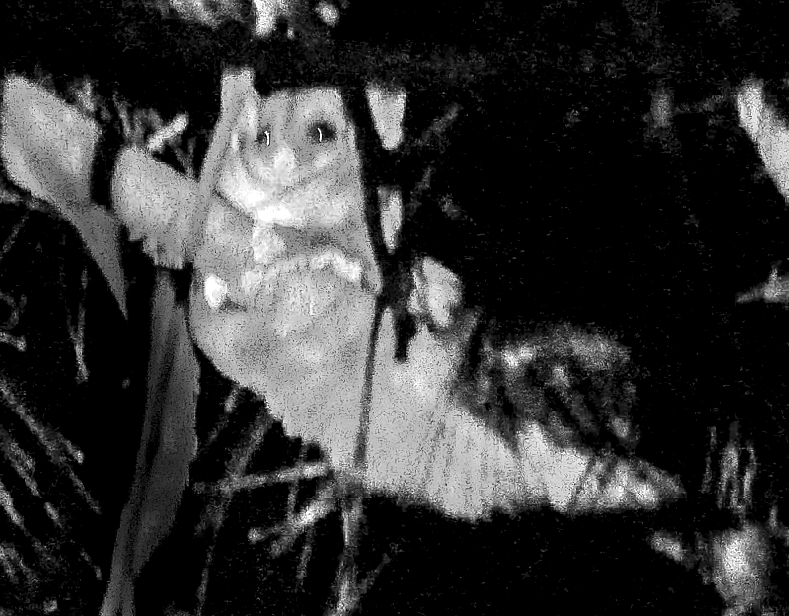
- a couple of Kreffts Gliders (formerly known as Sugar Gliders),
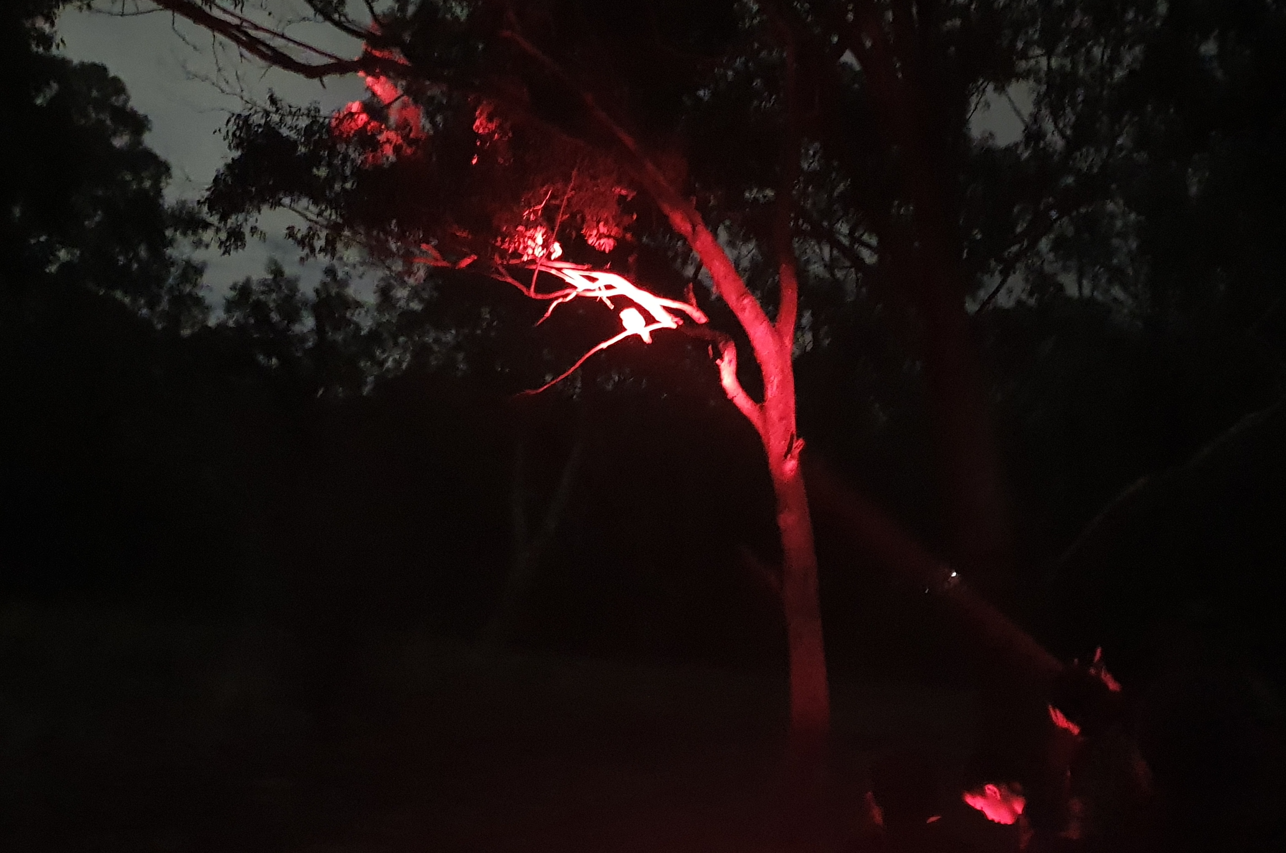
- family of Kookaburras roosting for the night,
- a baby stick-insect,
- spiders including a small Huntsman,
- a Carp in the creek,
- many Grey-headed Flying Fox (fruit bats) flying over, and
- a Tawny Frogmouth hunting.
We were also pleased NOT to see cats disobeying the cat curfew and any four-legged, non-flying foxes!
Here is a gallery of photos taken on the night by local participants (including some close-ups – modified from the red light to shades of grey):
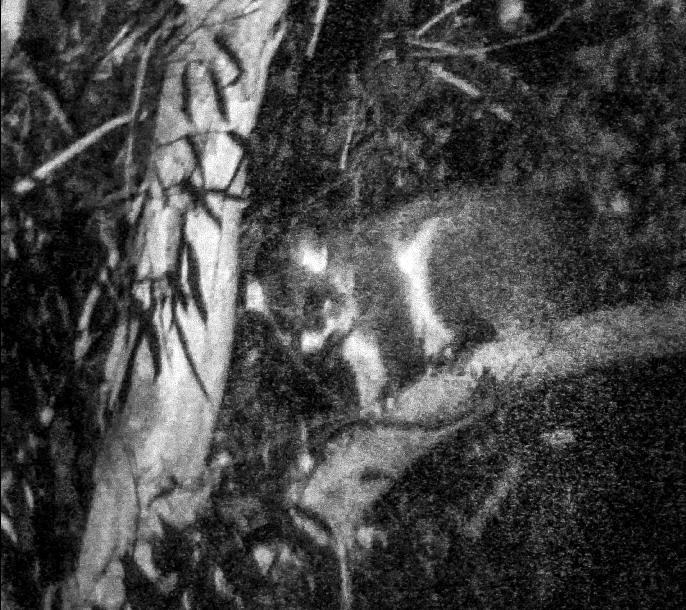
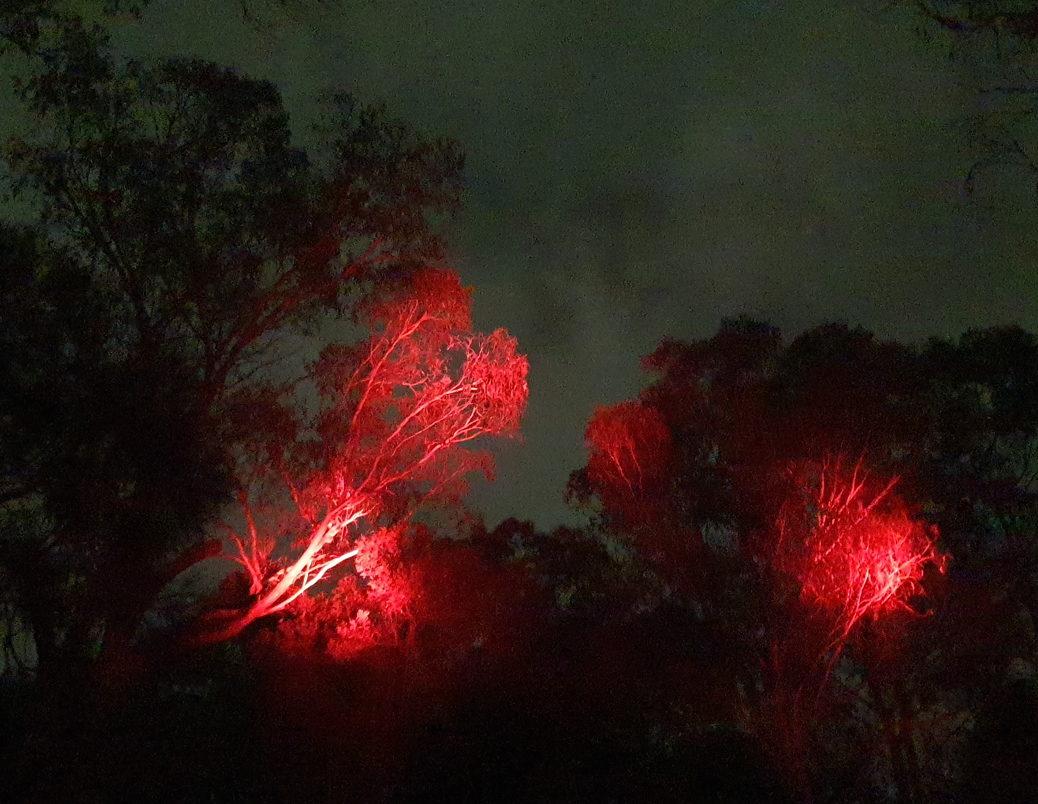
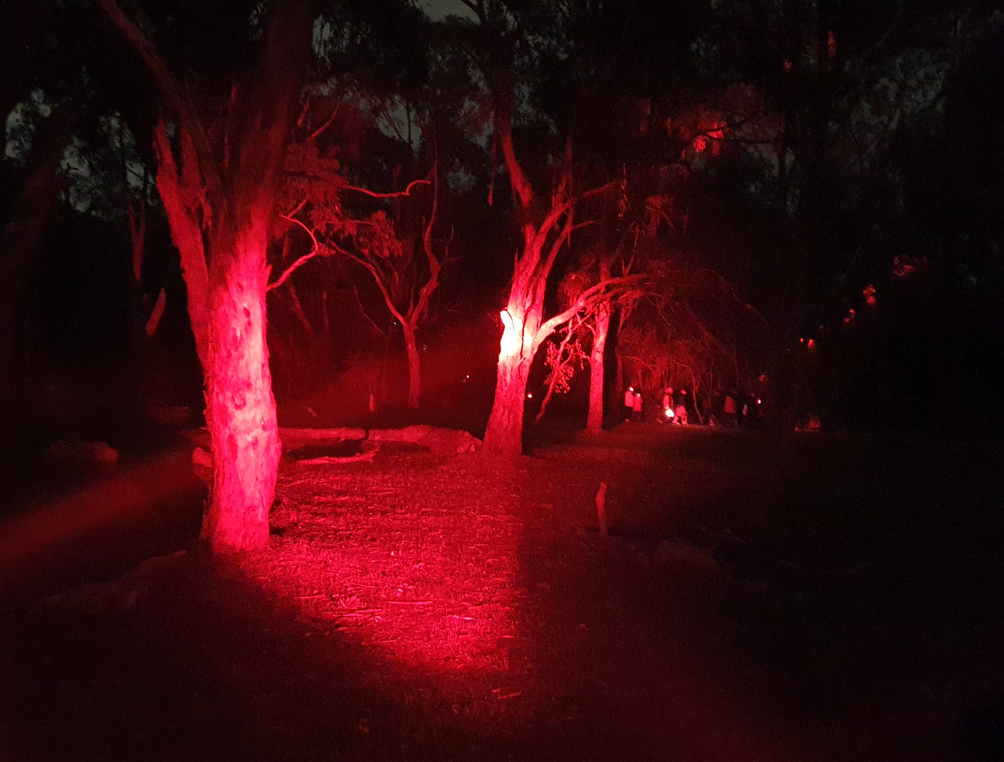
Please click on image to enlarge; click on the X to return
Ian asked the audience what frog calls sounded like – and the younger folk enthusiastically answered with “RIBBIP” or similar. Ian noted that there is only one frog having that call in the world – a Californian species endemic to the Hollywood area. Oh well – correct but not exactly local – one young fellow did offer a good rendition of our local Southern Brown Tree Frog (Litoria ewingi) – which received Ian’s tick of approval.

The funny thing was that Tanveer spent a lot of time trying to find a tree frog in the Lomandras etc to make sure that our younger folks were not disappointed to miss out on seeing one.
We think she might have been looking far too close to the ground: check out the huge “Freddo” high in the tree canopy pictured below:
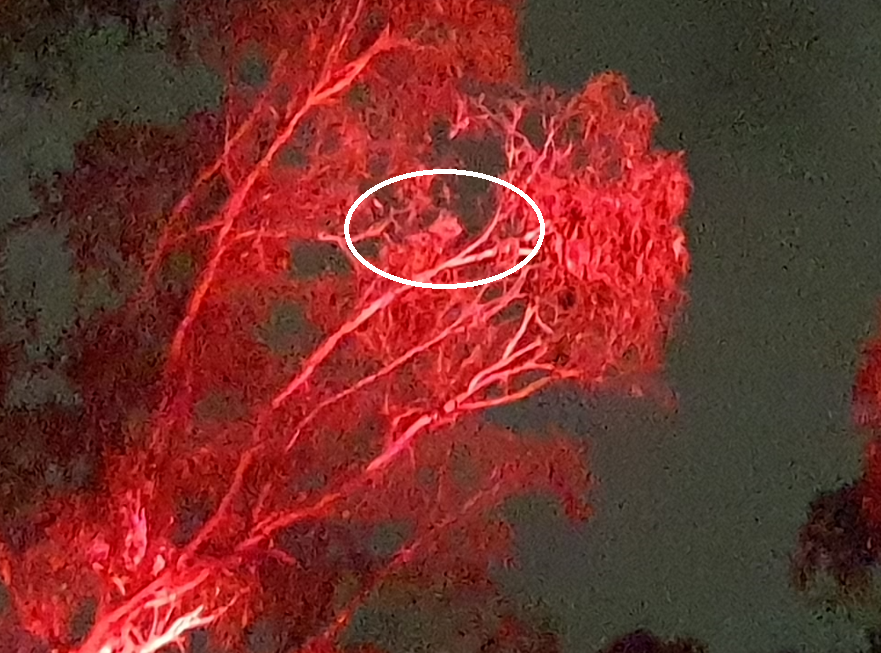
Some of the people who booked in for the session were disappointed that they could not make it on the night due to colds etc.
So to the question: Blacks Walk – the red light district of Blackburn ? – yes, it was such fun we’ll definitely do it again!
Happy National Volunteer Week !
Speaking of red-lights, we understand that Box Hill Town Hall was lit up red during National Volunteer Week as “a visible tribute to the tireless efforts of all the volunteers that share their time and knowledge to enhance our community“.
We’re not too sure we approve of the light pollution involved in the gesture but we do appreciate the sentiment. Perhaps Council did not want to disturb the Town Hall possums ?
We sincerely thank all our volunteers for their contributions to our park and to the community.
Congratulations Megan – 45 years of advocacy and 40 years as Chair (astonishing!)
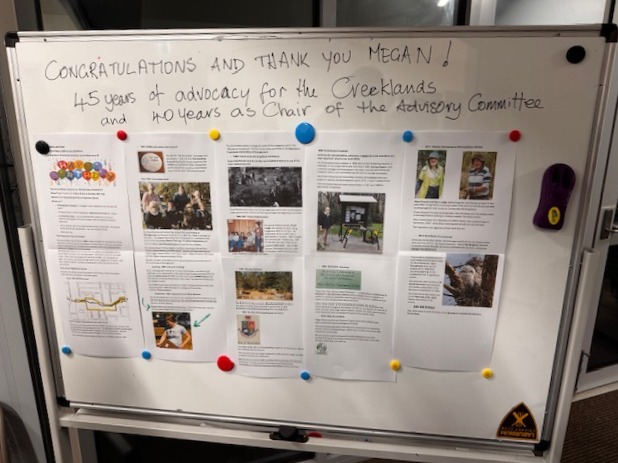
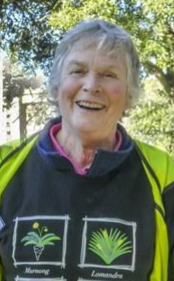
One volunteer’s contribution of note is that our Chair, Megan Short, who recently clocked up 40 years as Chair of the Blackburn Creeklands Advisory Committee.
A “Short Celebration” (sorry!) preceded our last Committee meeting (27/5) to honour Megan’s incredible achievement as Chair of BCAC for 40 years – and still going strong!
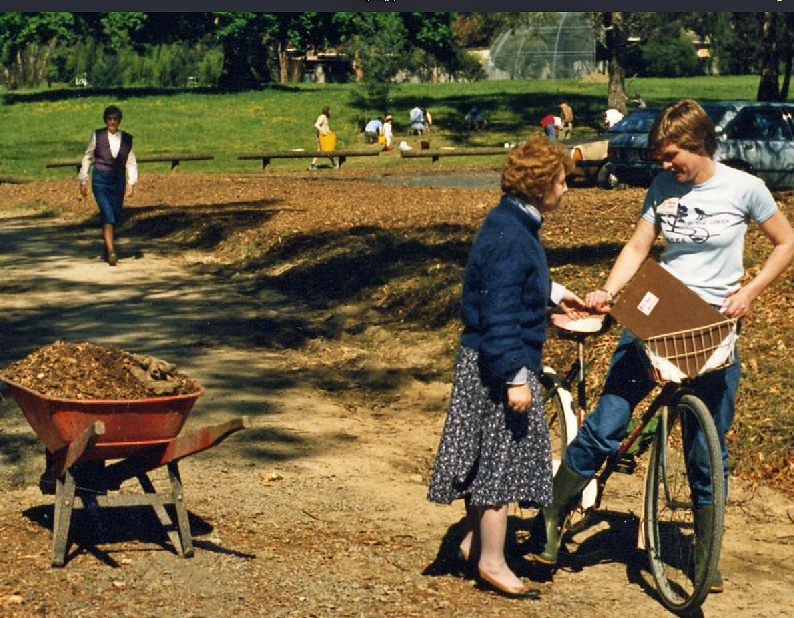
Back in the old days, Megan’s role in some of the major working bees was sometimes to act as Communications Director – aka bicycle courier between groups – relaying needs and other information via her trusty, pre-computer clipboard. Obviously, all this was before the times of mobile phones, e-bikes and even bicycle helmets!
Thanks Delldint
On the other side of the ledger, Committee member Delldint Fleming is relocating away from Blackburn. We will miss Delldint’s extensive plant knowledge, her assistance with weeding tasks, and her support and unique perspectives in discussions. If you, or someone you know, might be interested in joining our Committee, please contact us at BlackburnCreeklands@gmail.com.
Thursday Team Report
Numbers attending the weekly working bees have been variable in May. Focus has been on weeding throughout the park – it’s been too dry for planting and mulching.
However, the last working bee in May was used for site preparation for the first 2025 Community Working Bee on June 1st (news of that event in our next (June) edition). Because of the park’s dryness, a lot of holes were dug and watered at least twice to help make sure our new plants get off to the best possible start after additional watering when planted.
Class is in!
Instead of having their usual Thursday working bee on the 1st May, the team arranged for a workshop with George Paras through Whitehorse Council. George is a larger-than-life character – a great speaker, very entertaining and knowledgeable having had a long association with Latrobe Uni – he is a volunteer himself – very practical and down-to-earth !
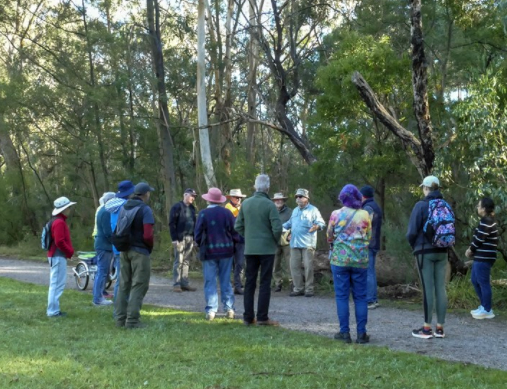
As well as being an experienced Ecological Restorationist and Environmental Educator/Trainer, George was just what the team needed to review our plant selections, independently evaluate the current condition of the park, offer advice on new project areas and how to get the best “bang for buck” as volunteers. Running the event on a Thursday morning meant that most of our active weeding team could participate.
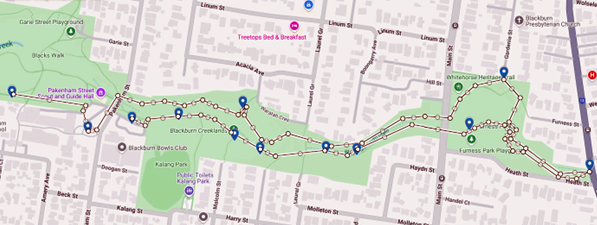
The format of the workshop was a “walkthrough” – a circuit from the Bowls Club car park to the “headwaters” at Blackburn Rd and back – with a special extension to the two Community Working Bee sites near the school in Blacks Walk as shown above – the blue dots being stopping points for discussion.
Dry Conditions
Delving into the dryness issue, our park is more-or-less on the western edge of the “Very much below average” zone to the east of the Melbourne CBD on the map below. It has shown up in the park particularly as very dry soil, thin foliage and later than normal fungal activity.
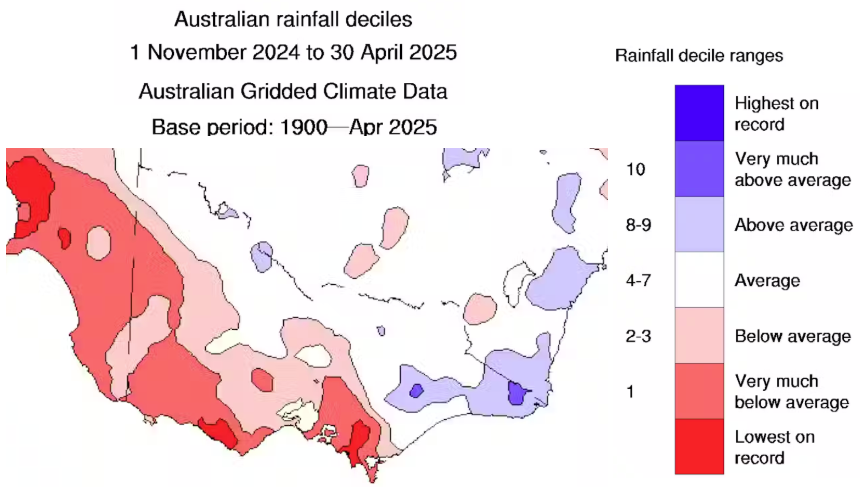
Nationally, it is well known that parts of South Australia are experiencing record droughts whereas the opposite is true for parts of Queensland and northern New South Wales. The map above, excerpted from the Bureau of Meteorology map for Australia for Nov 24 – Apr 25, shows the extremes we are seeing even in Victoria. Some parts of Victoria in the south-central and south-west parts are having record breaking dry periods – while parts of eastern Victoria are seeing very much above average wet periods over the past six months ! Our climate really does seem to be changing radically.
Fungi
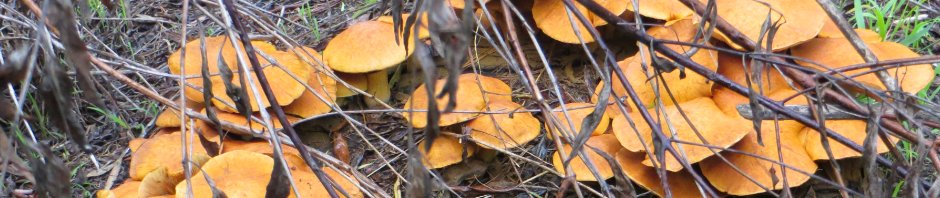
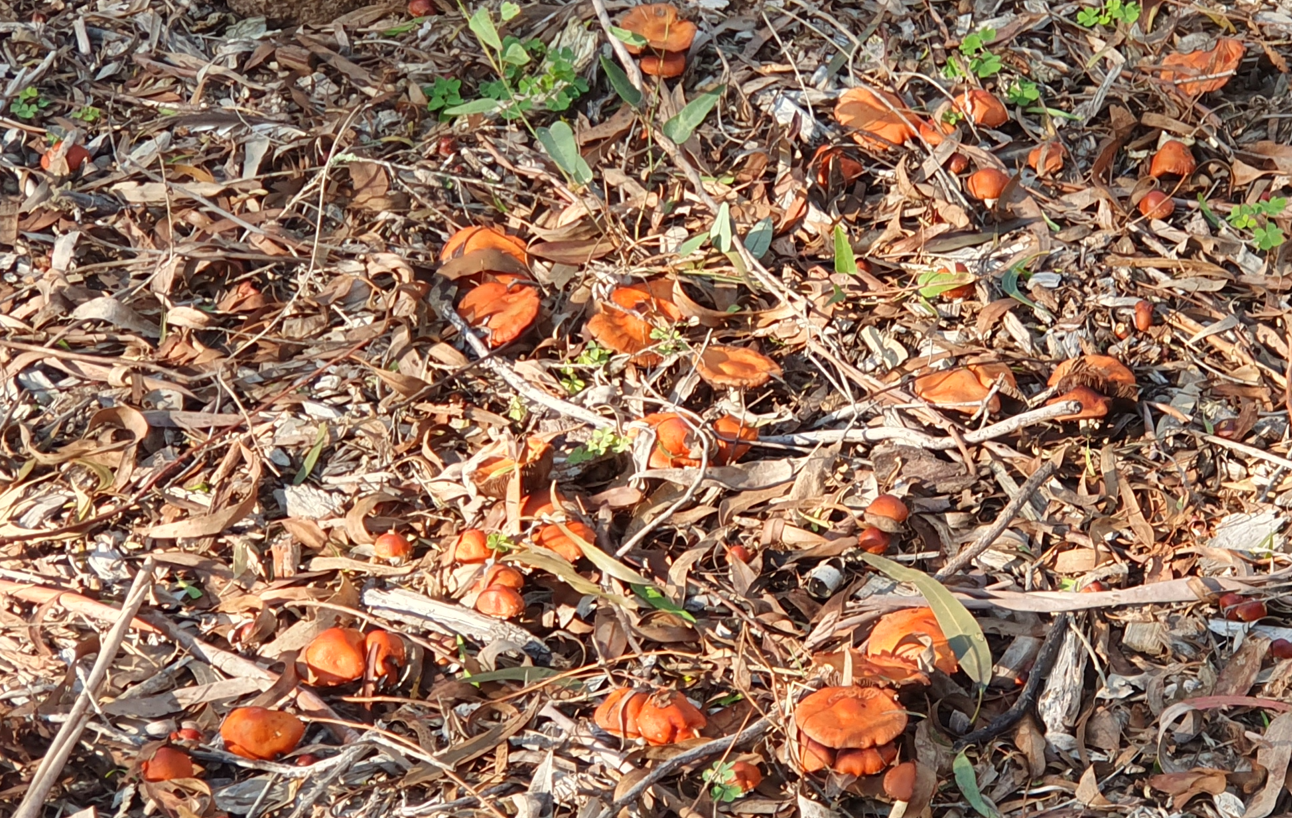
Despite the dryness, recent rains have help trigger fungal growth. We came across a “haunting” of Ghost Fungus (Omphalotus nidiformis) in the last week of May:
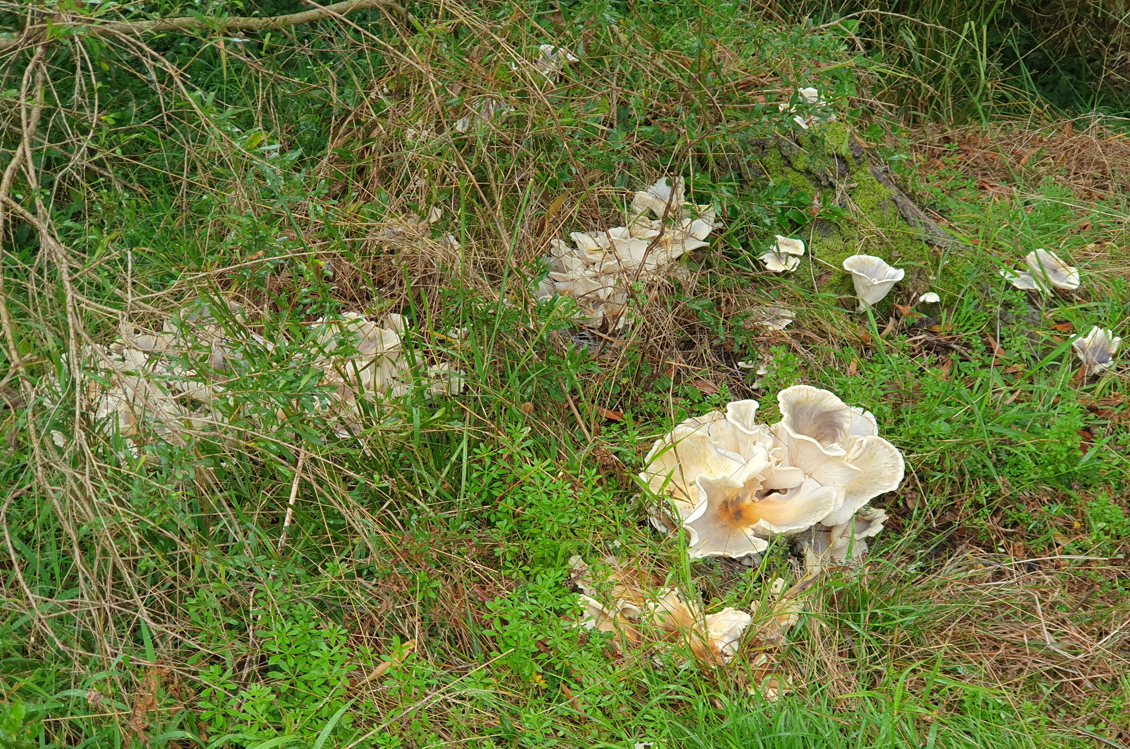
Their soft bioluminescence is due to a reaction between enzymes inside the fungus and oxygen (ie they don’t need to be exposed to sunlight during the day to absorb light to release again at night).
Given the public interest in a case currently being conducted in the Latrobe Valley Law Courts in Morwell, most of us know just how dangerous some species of fungi can be. Park users should not collect or consume mushrooms and other fungi growing in the park. Parents should be vigilant in relation to children in this respect. Just in case: the Poison Information Centre’s phone number is 131 126 (available 24/7).
Council Works
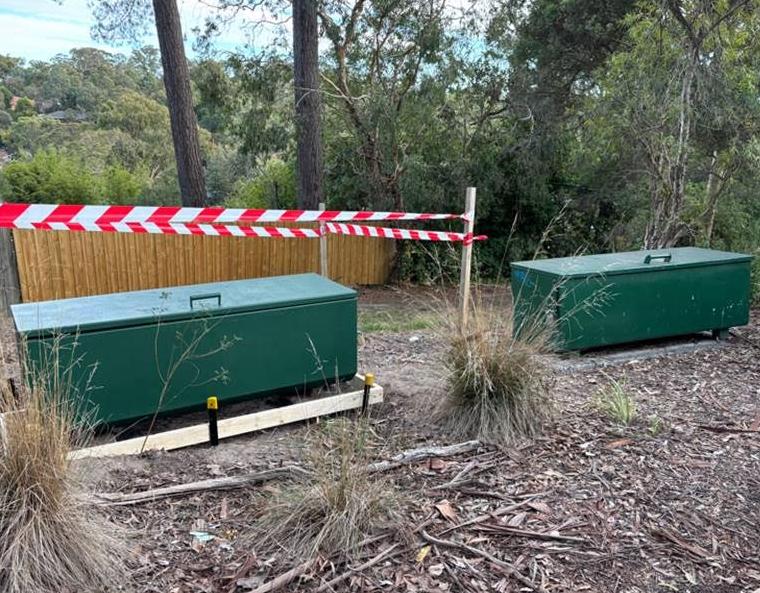
“Coffin” relocation – Council has relocated our redundant, large metal tool-box to Yarran Dheran. Our Mitcham colleagues have thanked us for our role in handing it over where it will be put to good use.
Kalang Park Path Upgrade – The current informal path between Kalang Street near the playground, behind the cricket safety nets, to Doogan Street has recently commenced.
A CSIRO research experiment to test the effectiveness of identifying rubbish in the creek using a camera and AI has concluded.
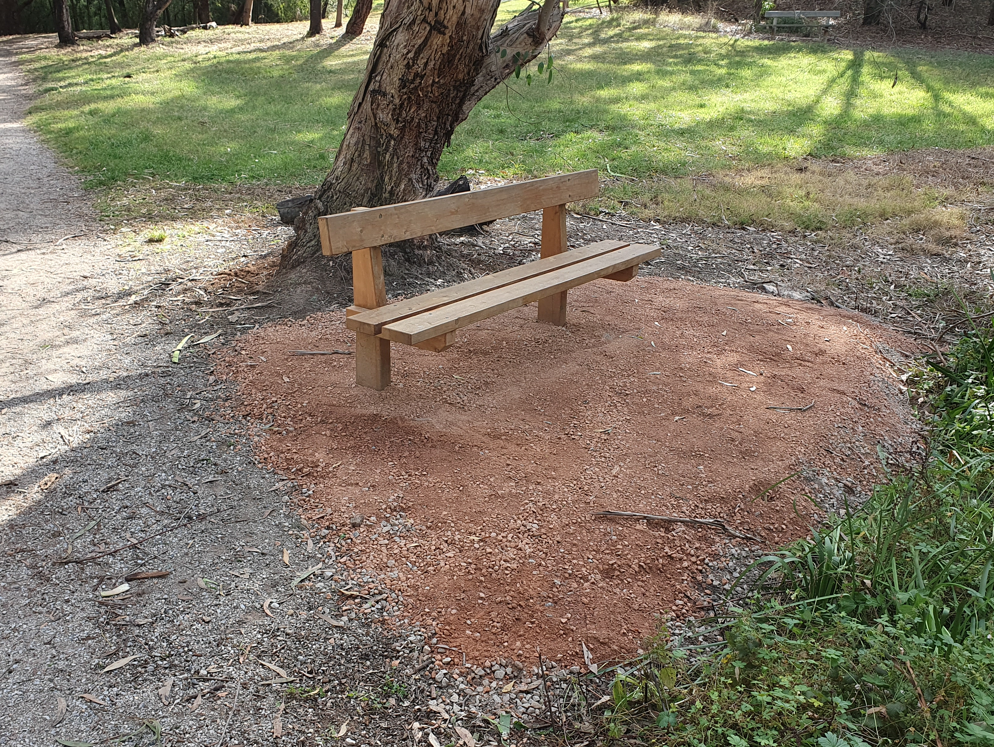
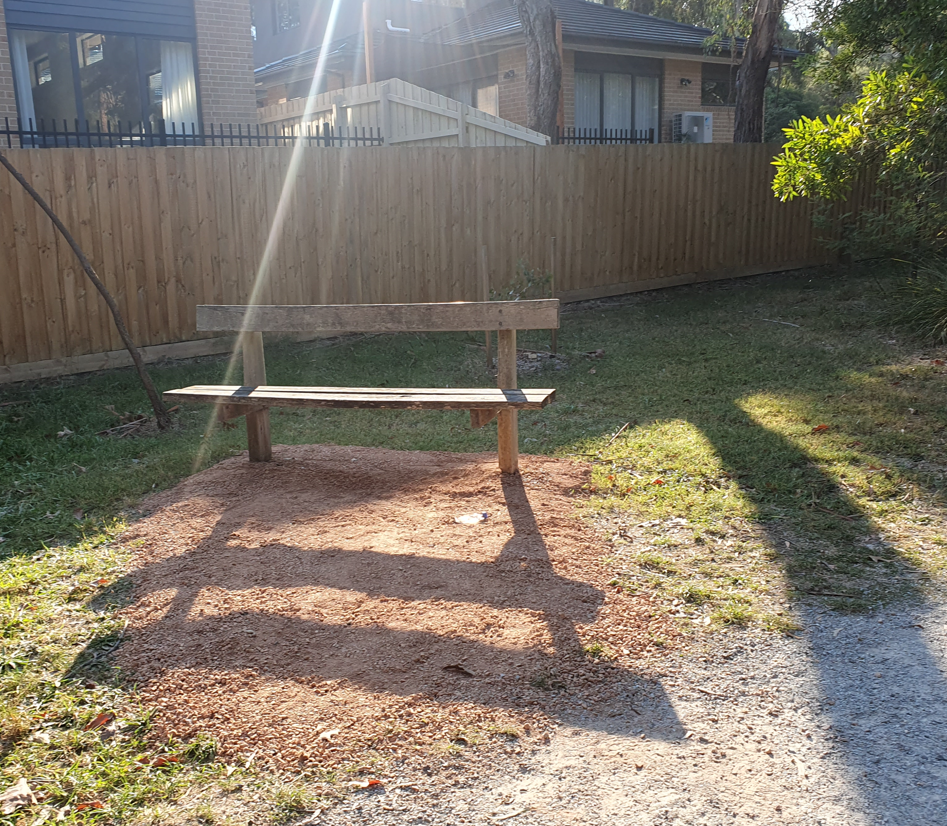
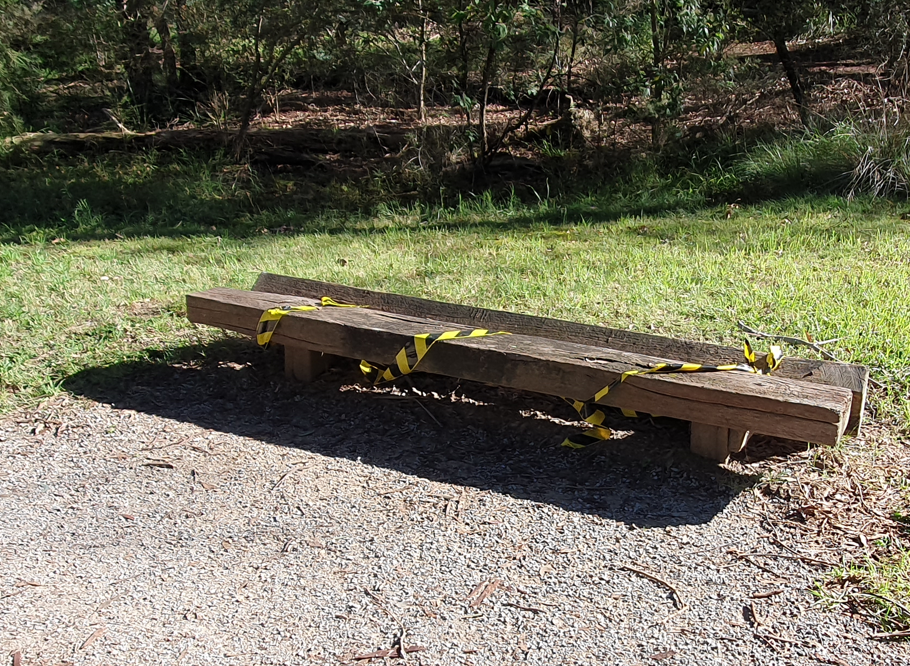
Council has commenced implementation of our Inclusive Seating recommendations – with levelling under existing seats and replacing an old-style sleeper seat :
Please click on image to enlarge; click on the X to return
Whither (wither?) Whitehorse’s Urban Forest
Many will know that the City of Whitehorse has set a goal of 30% canopy cover for the municipality by 2050 (27% by 2031). Although this target is challenging, it is completely consistent with the same goal being set for urban areas by the State Government’s Plan for Victoria (see action 12).
While Council has been busy planting trees on public land (eg in nature strips and in parks like ours), one major problem is that tree canopy on private land has been declining for years – probably since the 1990s. Private open space is disappearing – as multi-unit developments continue and as preferences for larger houses with less garden space prevail.
In the past, the State Government’s DELWP (now DEECA) provided local councils with LIDAR based data which showed alarming decreases in tree canopy. Curiously, DEECA no longer provides the data to Councils.
LIDAR is a remote sensing system that uses pulsed laser light from an aeroplane to measure distances to the earth below which can include the height of vegetation.
We have had no updates on how we are tracking for 7 years!
We heard in June 2024, at Council’s Managing Our Urban Forest presentation, that Council decided to acquire its own data – but this has proven difficult to analyse. We are awaiting an update from Council, but the data we have from LIDAR data shows:
| Year | Box Hill | Blackburn | Source |
| 2014 | 18.5% | 28.5% | DELWP |
| 2018 | 15.5% | 24.8% | DELWP |
| 2025 | 10% ? | 20% ? | Complete guess – awaiting Council |
Council appointed a contractor to assist with interpretation etc of the data and that work is complete. Council officers currently plan to release the 2024 data, first to Councillors in June/July and then to the general public.
Changes to the Planning System’s ResCode aim to expedite the approval of development projects -presumably reasoning that faster approvals will mean more projects to increase population density in the municipality. The State Government has released guidance on the new standard for Townhouse and Low-Rise Code Guidelines which you can read here.
The crunch with these changes is that meeting the standard means the application is “deemed to comply” and must be approved by Council and that there is no capacity for an affected neighbour to object. Right now, all of Whitehorse is protected by Significant Landscape Overlays which protect trees in specific areas (SLO1-8) with SLO9 protecting the rest. However, SLO9 is temporary, and in our opinion, likely to be removed by the State Government. The result would be that the new standards are likely to prevail in GRZ zones in Blackburn.
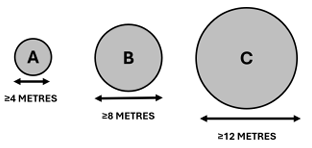
One very surprising change, relevant to this article, is that a development of 1000 square metres or less requires a Canopy Cover of at least 10% of site area. A paltry 10% seems inconsistent with Council’s objectives for the Urban Forest and with the Plan for Victoria. Here’s what it looks like for a 860 square metre site with 10% tree canopy:
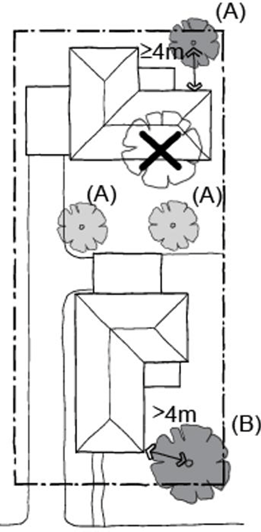
Developers must provide at least one new or retained tree in the front setback and also in the rear setback.
In the example at left, 10% tree canopy is met through:
- One retained Type B tree with a trunk located more than 4 metres from the development.
- One retained Type A tree with a trunk located 4 metres from the development.
- Two new Type A trees.
- An existing tree located less than 4 metres from the development will be removed.
Type A, B and C refer to different size trees – AT MATURITY ! Actual tree canopy cover therefore may take quite some time to reach even the measly 10%.
One wonders how compliance would work…
Planning expert, Dr Stephen Rowley has analysed the changes and raises the following points in his analysis :
- The 10% figure is a really poor tree canopy outcome.
- The diagrams in the guidelines show only dual-occupancy development, reinforcing the concern that the government has not properly worked through all the possibilities (eg higher density developments).
- Having a 10% canopy cover standard on private land is not necessarily at odds with the objective of setting a high-level target of 30 per cent tree canopy cover – clearly, a great deal of canopy will be expected to be provided on public land such as parks and road reserves.
- The provisions make it far preferable for developers to use new trees to meet the standard than to rely on existing trees – encouraging more moonscaping and removal of existing mature trees.
- The new provisions are now purely about tree canopy – all previous references to other aspects of landscaping have been dropped.
- As a positive change, the new decision guidelines do mention greening, cooling and habitat/biodiversity. However, the decision guidelines can only come into play if the Standard is not met.
- The process rules are complex and need to be much simpler to be workable. There are particular complications to do with trees with part of their canopy over boundaries, existing trees versus distance rules and so on.
The outlook seems bleak – we should be monitoring tree canopy routinely !
Sightings
Welcome Back !
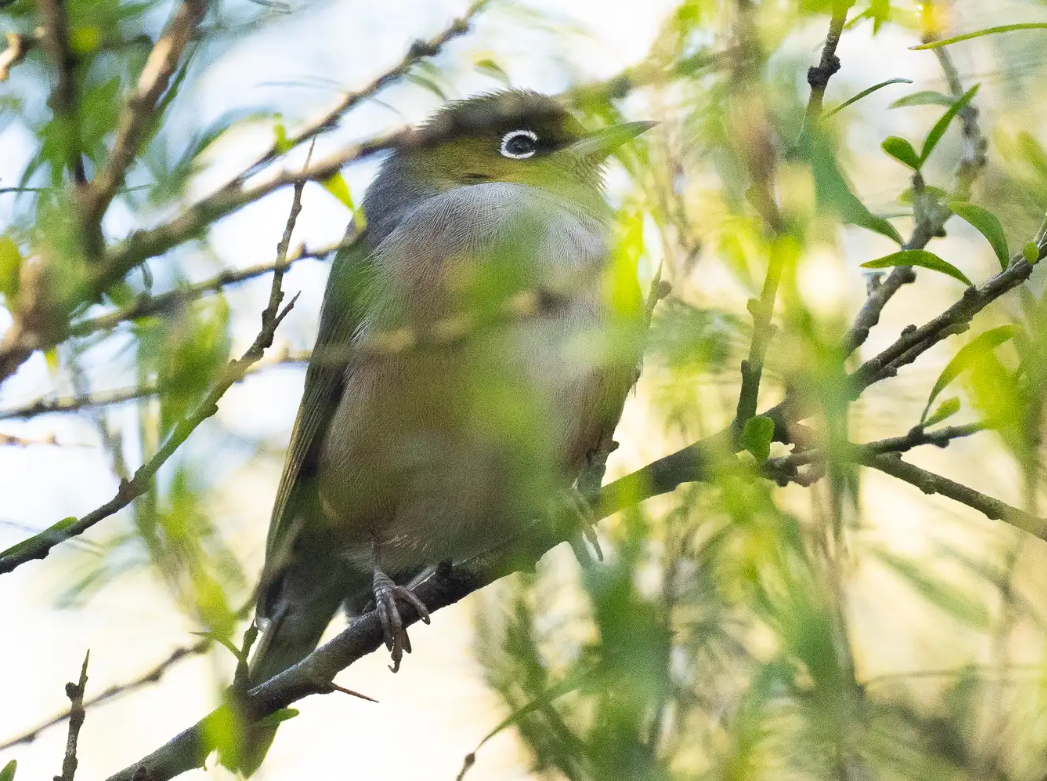
This little fellow is a Silvereye (Zosterops lateralis) that Barb and Greg spotted in the “new” wetland in the first week of May. Apart from some tantalising hints, there haven’t been any live sightings that we know of in the Creeklands for more than ten years. They are a small bird – larger than a Brown Thornbill but a lot smaller than a House Sparrow- around the same size as a Spotted Pardalote.
The Silvereye is a widespread native of Australia, New Zealand and south-west Pacific islands. In nine sub-species, it ranges from the tip of Cape York through fertile areas of eastern Australia, Victoria, Tasmania, southern South Australia to the southern parts of Western Australia.
Silvereyes are omnivorous having a diet that includes insects, spiders, fruit and nectar. Not liking open grasslands, they live in forest, scrub, urban gardens and horticultural areas. They are migratory – often heading north over winter – like those who can in our community! The Tasmanian birds actually fly across Bass Strait to reach sunnier climes – not bad for a 10-15 gram bird!
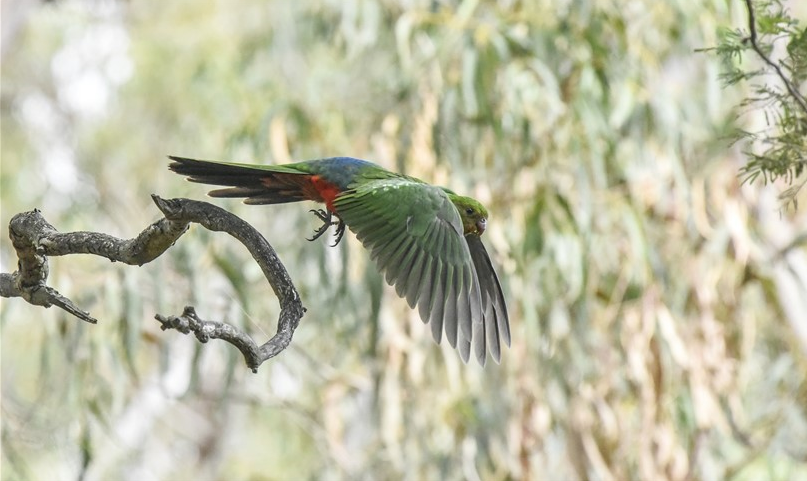
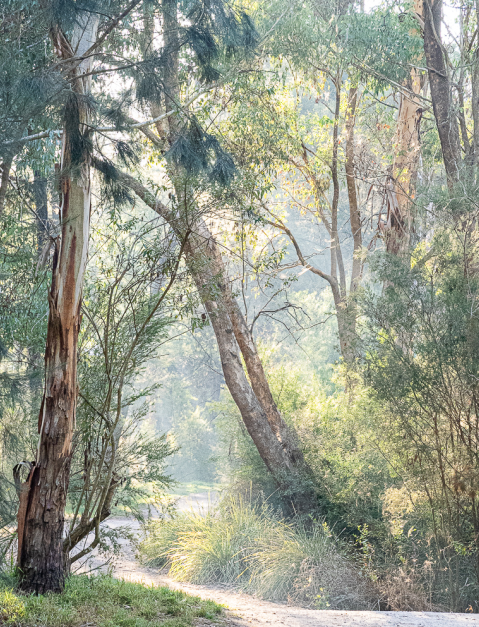
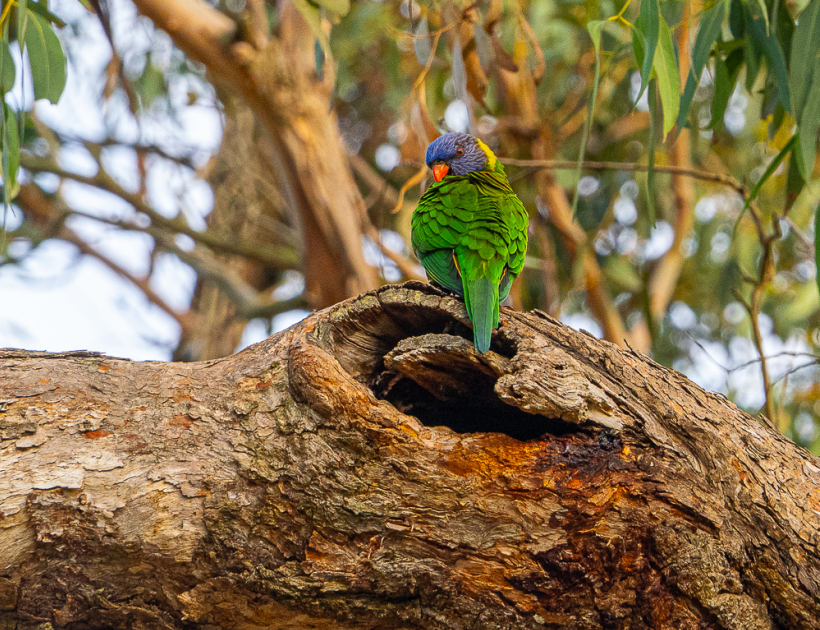
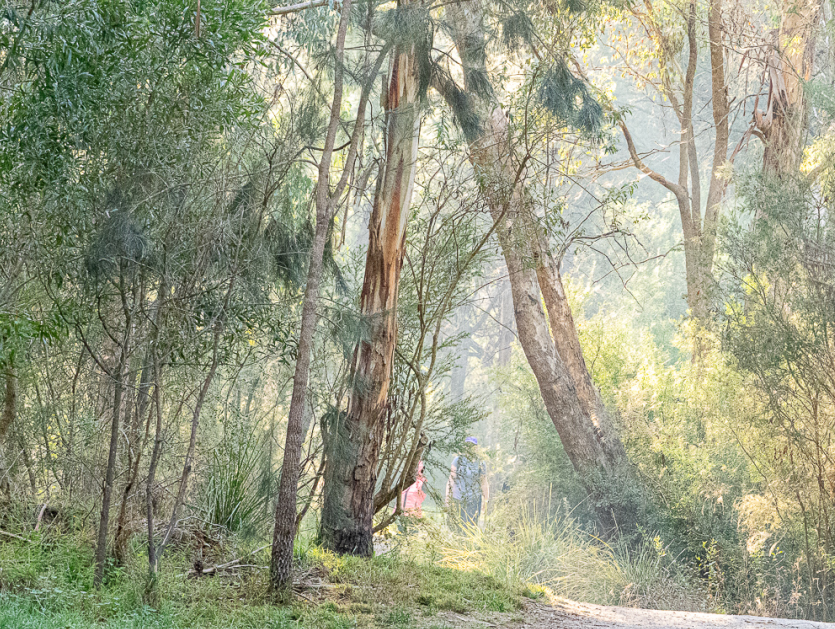
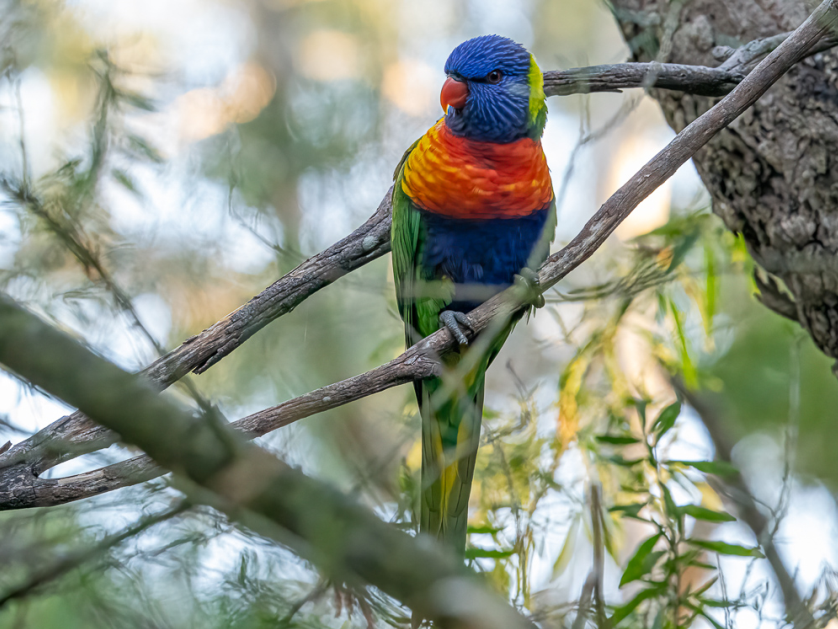
Here is a gallery of photos submitted during May:
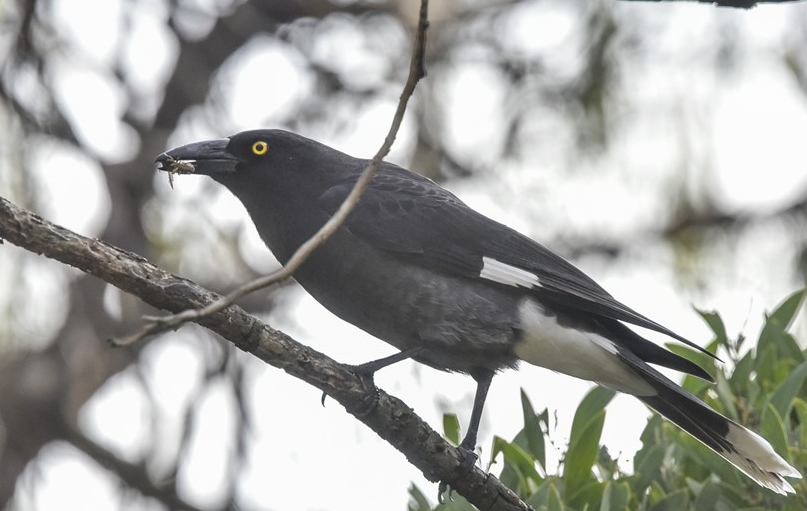
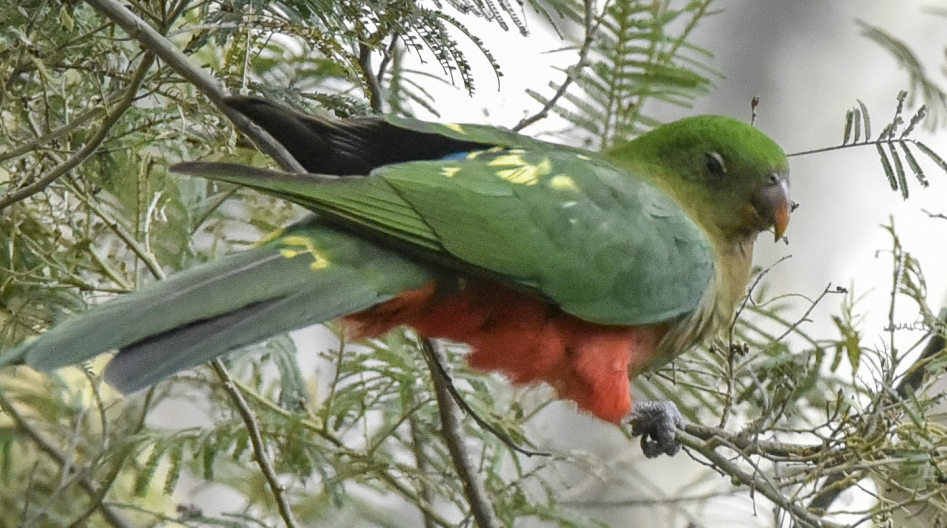
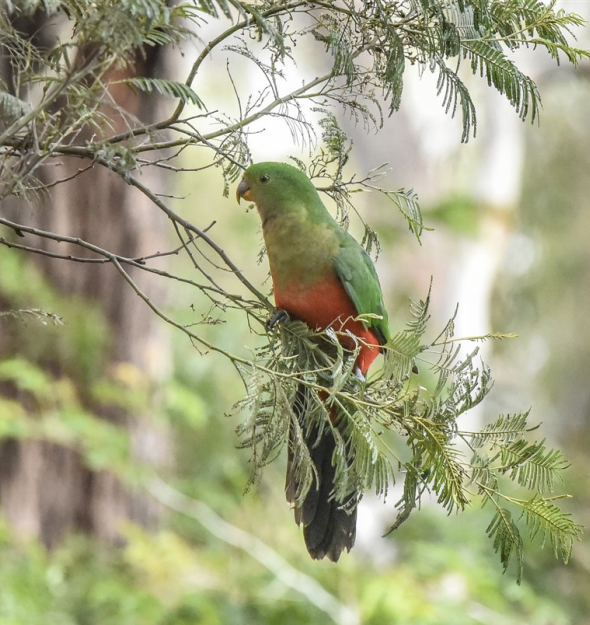
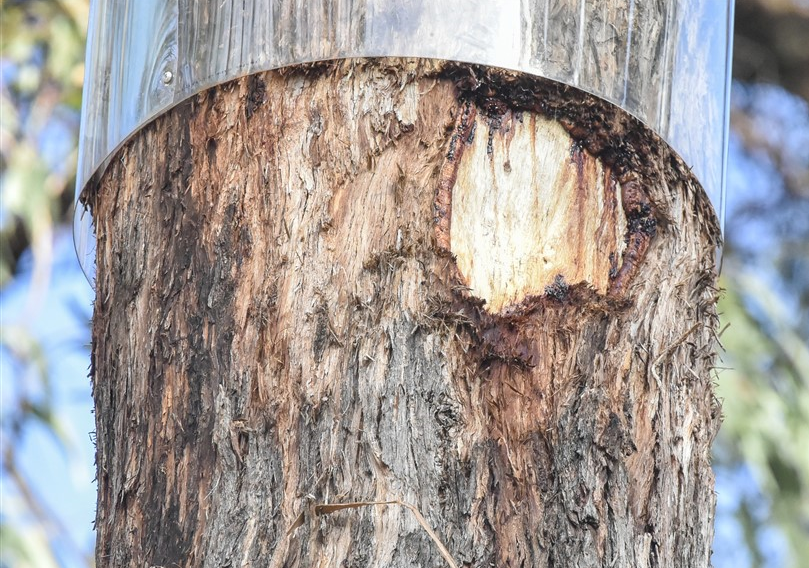
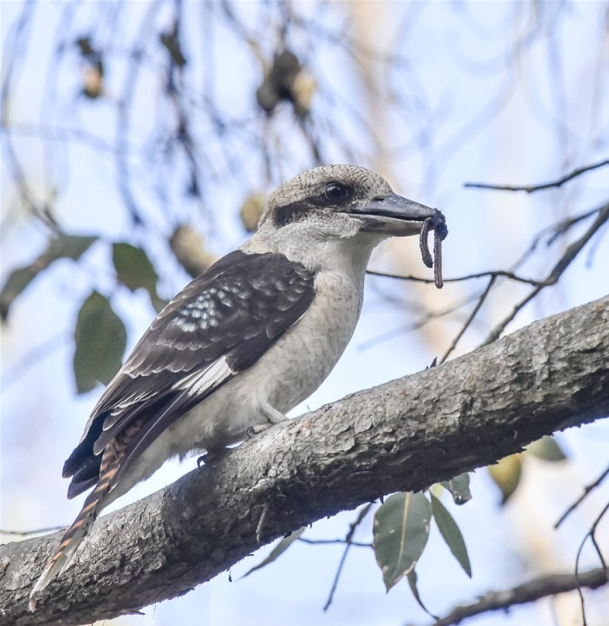
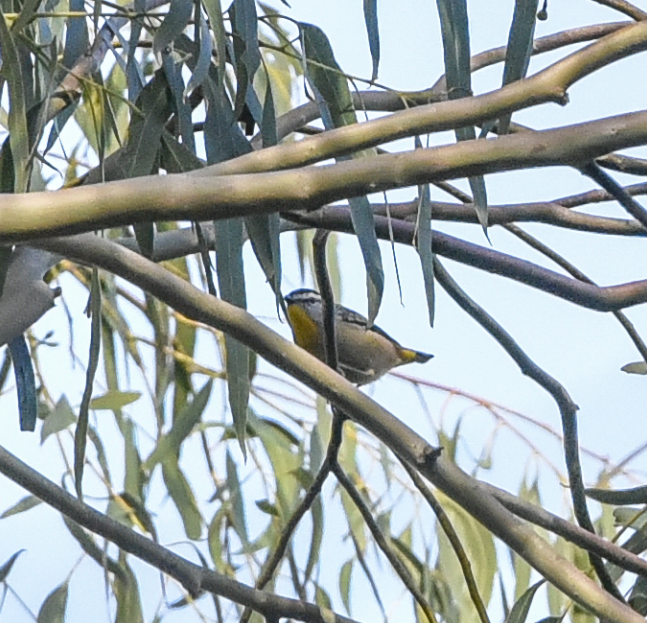
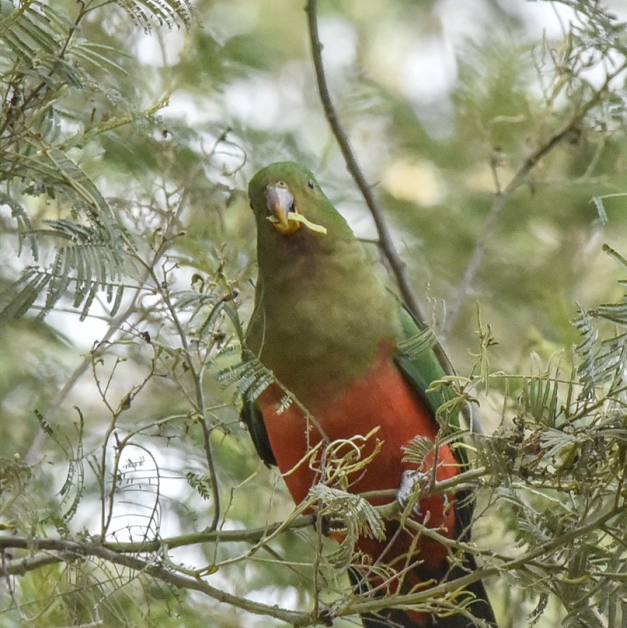
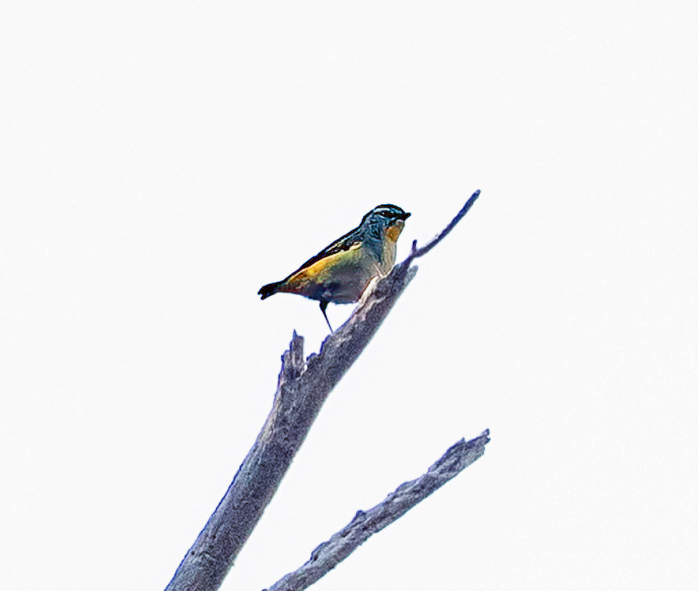
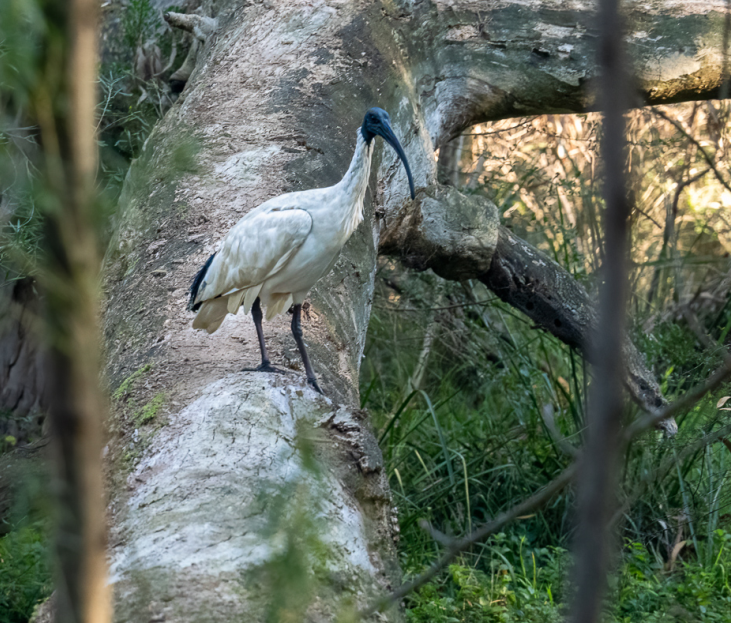
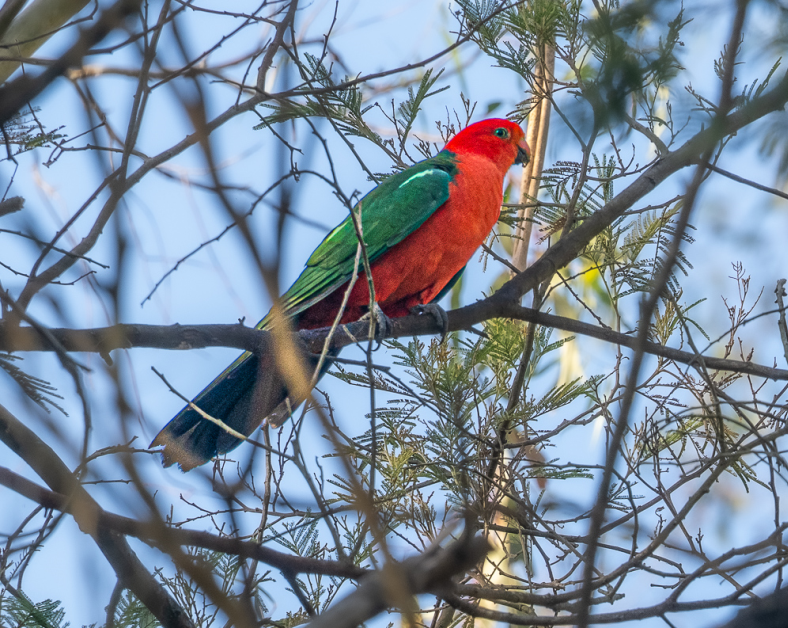
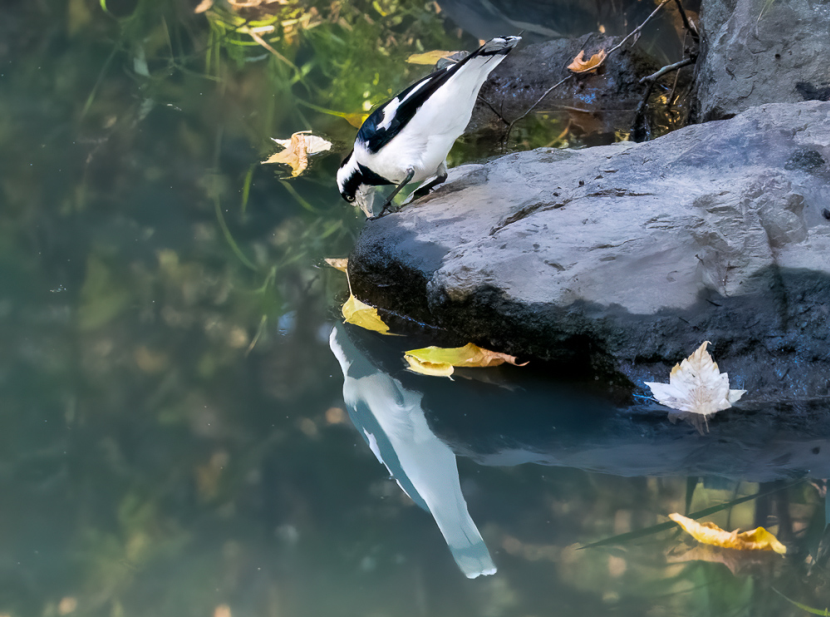
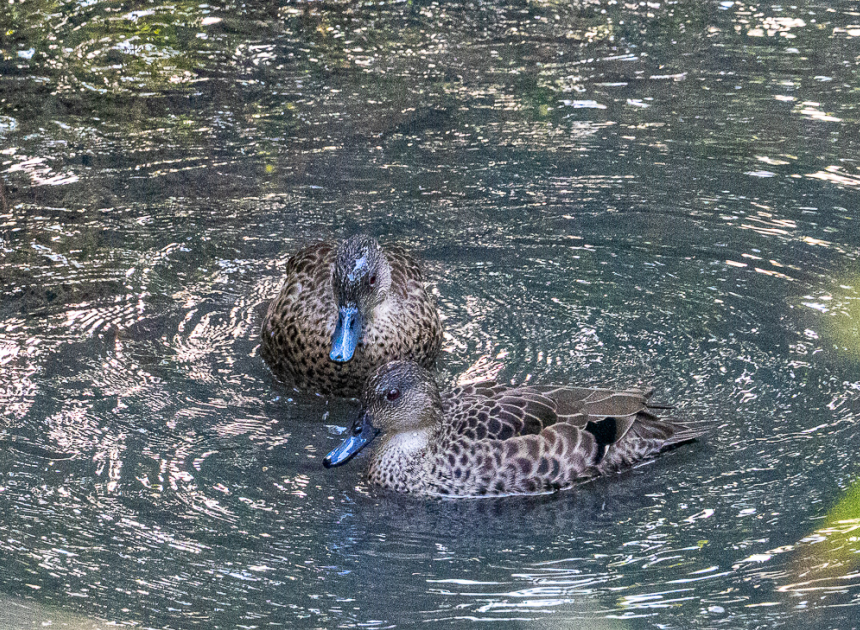

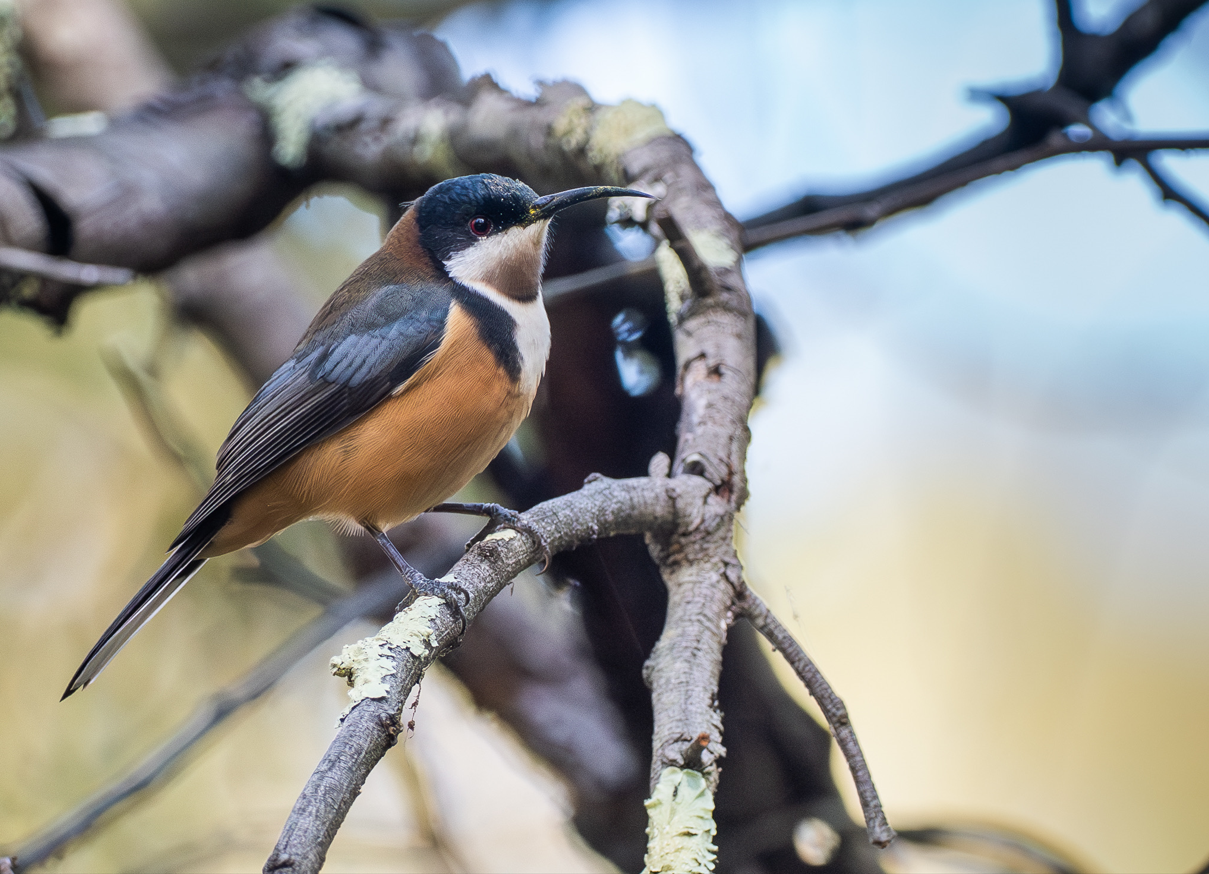
Please click on image to enlarge; click on the X to return
We thank Ken, Barb and other local photographers for their kind generosity in sharing their work with us.
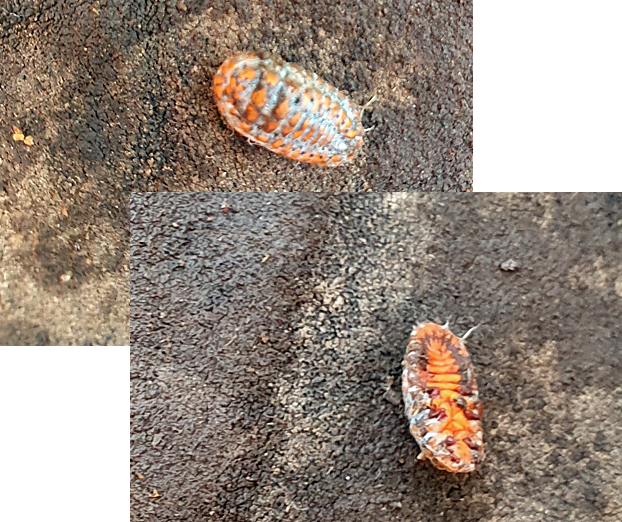
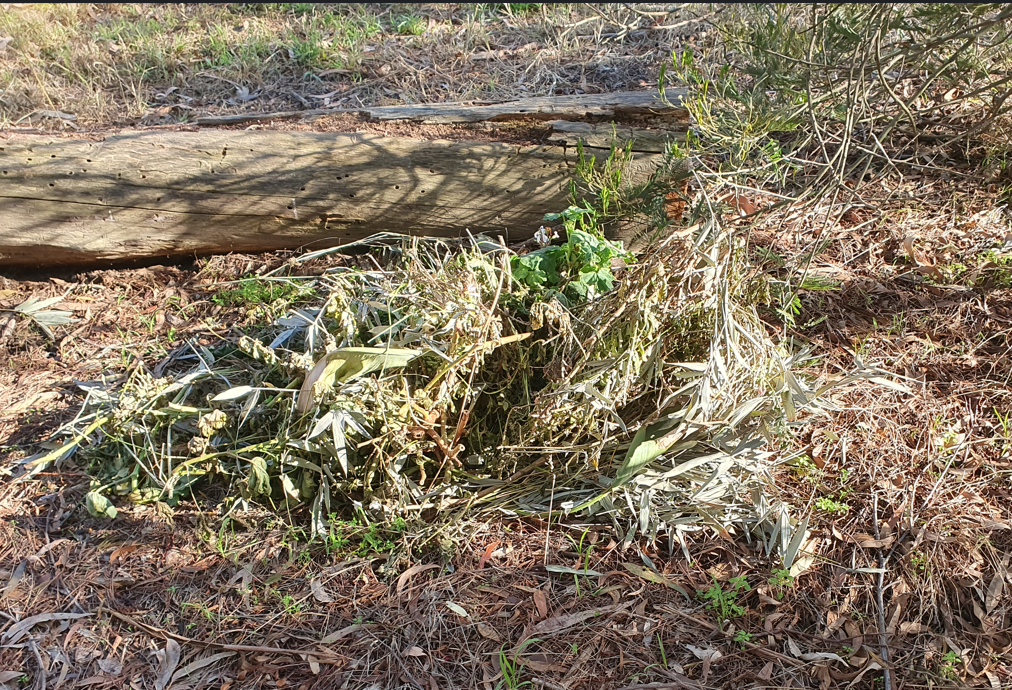
Cath’s find of the Monophlebulus is in the Pseudococcidid family (like Mealy Bugs). They are sap suckers and have an interesting life cycle. When they mature, the female becomes sedentary and the male is smaller, thinner and blue/purple in colour – and can fly. He mates with the female who then incubates the eggs within her and they hatch out from her.
In the Corridor
Some of the water birds at Blackburn Lake venture down to the Creeklands for sightings.
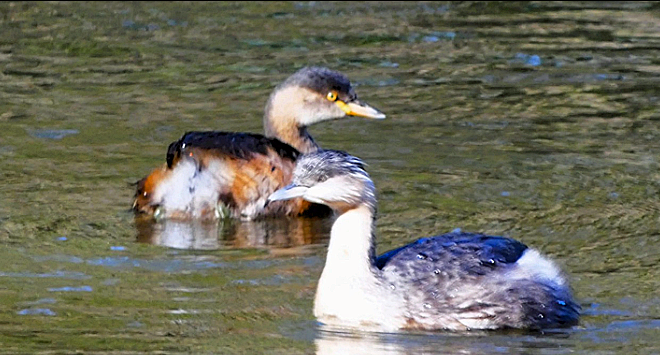
Russell’s photo shows the two local species of Grebes together on Blackburn Lake: the Australasian Grebe, also known as the Little Grebe, (Tachybaptus novaehollandiae) at rear and the Hoary-headed Grebe (Poliocephalus poliocephalus – not a typo!) at front.
They are understandably very reluctant to leave their sanctuary of open water – though we do have Tachybaptus novaehollandiae on the Creekland’s bird list as a rare visitor.
The Hoary-headedness refers to the latter species’ slicked-back white plumes. It’s only a bit bigger than its “little” black and brown cousin – though tends to look bigger on the water because it swims with its head erect (“up periscope!”). The two species often cohabitate despite having different habits – for example, the Australasians are comparatively noisy, breed in pairs and dive when there are signs of trouble – whereas the latter are very quick to fly away and they breed in colonies !
Regarding the scientific name Poliocephalus poliocephalus, the Polio– prefix in Latin means polished and the root of Cephalus in Greek (κεφαλ), means head. So an amateur translation of the scientific name might be polished head, polished head. Hmmm…to be sure, to be sure as the Irish would say!
Speaking of goings-on at the marvellous Blackburn Lake, the Clean Waterways Expo is on again at Blackburn Lake Sanctuary on Sunday 29th June from 12pm to 3pm – hosted by the KooyongKoot Alliance (KKA),
The KKA is an alliance of Friends groups along the KooyongKoot (Gardiners) Creek – which includes the Blackburn Creeklands Advisory Committee.
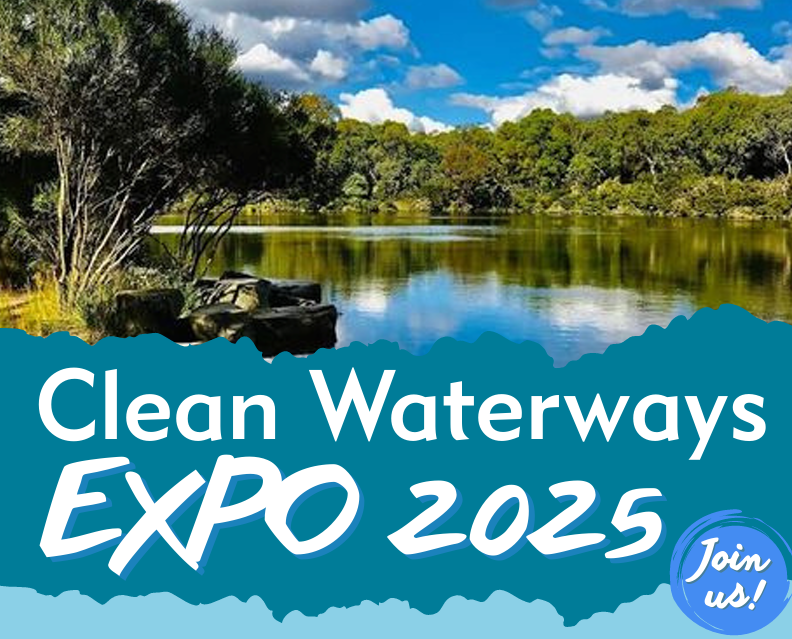
Whitehorse City Council, the KooyongKoot Alliance, Melbourne Water and the EPA, along with many other organisations, will be on hand to help us reduce our waste, and stop litter and pollution at its source – in our homes and the catchment!
Take a plastic-free pledge, participate in kids activities and more!
When: Sunday 29 June, 12pm to 3pm
Where: Blackburn Lake Sanctuary
Cost: Free – and No registrations required
Click here for further information.
 Blackburn Creeklands