Events coming up:
- Eucalyptus ID walk with Tony Slater: Furness Park – Sunday 13th July at 2pm
- Community Working Bee #3: Blacks Walk – Sunday 27th July
Winter is upon us! June is the first month of our traditional Winter. The good news is that there are only two more months of Winter to go now – and we’ve already passed the shortest day of the year!
Although June seems to have been very cold this year, it seems (fingers-crossed) that the long drought may have broken at last.
Community working bees are a good way of warming up – our next event explores a new direction for us and we report on two(!) conducted in June. Our special feature this month reports on eDNA testing in the creek. In addition to our DNA detections, we also report on old-technology sightings (eyes and ears!) here and in the Corridor as usual.
Eucalypts of the Blackburn Creeklands Event
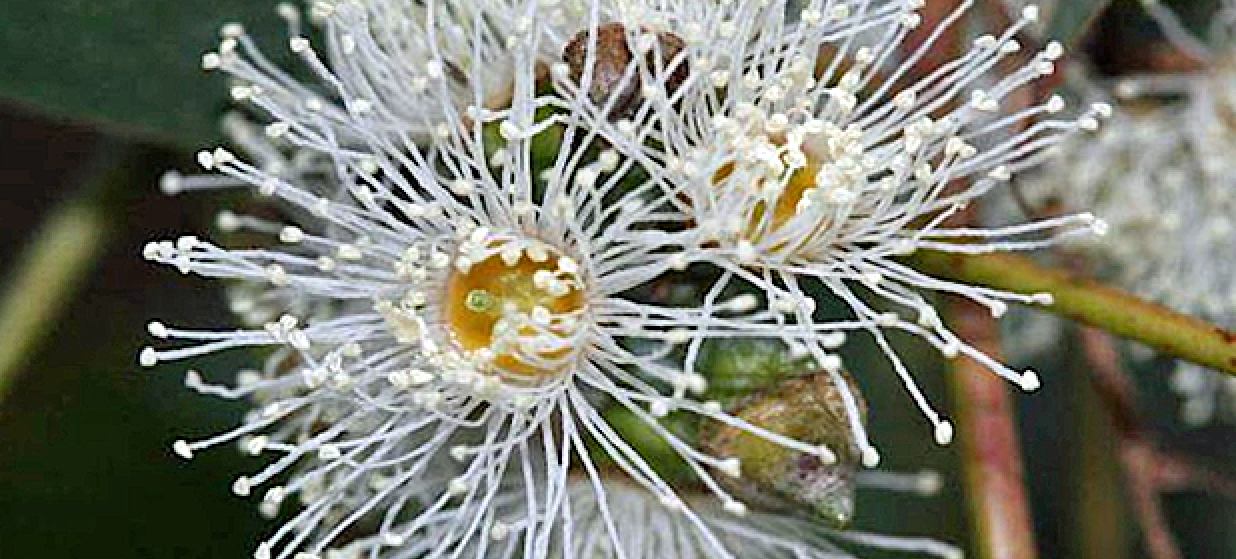
In a first for the Creeklands, we have organised a walk with experts so we can learn how to identify local Eucalypts.
Botanist Tony Slater will be leading the event to explore the characteristics used to identify our local eucalypts. Kirsten Raynor, one of Whitehorse Council’s Planning Arborists, will also be participating.
| When: | Sunday, 13th July from 2.00 – 4.00 PM | |
| Where: | Furness Park. Meet at the playground in Heath Street. | |
| Bring: | Binoculars if you have them. Please wear waterproof shoes and dress for the weather. | |
| Cost: | Free, but you need to book as places are restricted and for notifications – eg the weather may cause the event to be delayed. | |
| RSVP: | Via e-mail: BlackburnCreeklands@gmail.com – please include the number of people who will participate. Children are welcome but must be accompanied by an adult. |
Tony is the author of the invaluable ‘Guide to Eucalypts of Whitehorse and Surrounds’. We recommend you having a look at Tony’s guide before booking because some may find the material too technical for their needs. Copies can be viewed on-line/downloaded free from the Whitehorse Council website here. Some hardcopies will be made available to use on the day.
Community Working Bees
Next Community Working Bee: “School Gateway to Nature“
Our next Community Working Bee – planned for Sunday 27th July – is to plant up an area adjacent to the Laburnum Primary School gateway into Blacks Walk. This work will provide:
- our contribution to National Tree Day – greening the gateway and access paths by augmenting the good plants there with appropriate new plants
- convenient access for kids who cycle to school to the bike-shed
- access for school community members who come from the Middleborough Road school crossing area and those who journey from points north including the Garie Street car park.
All welcome!
First Community Working Bee – 1st June
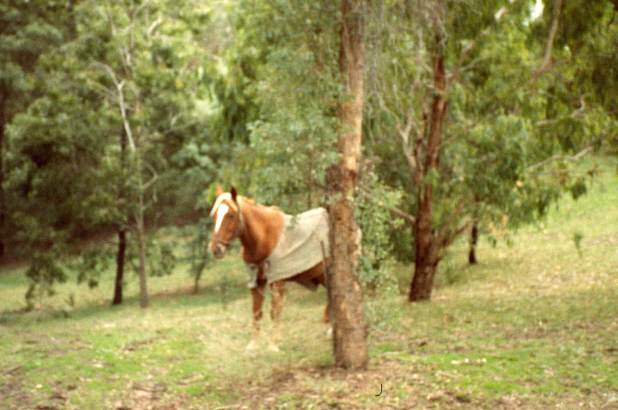
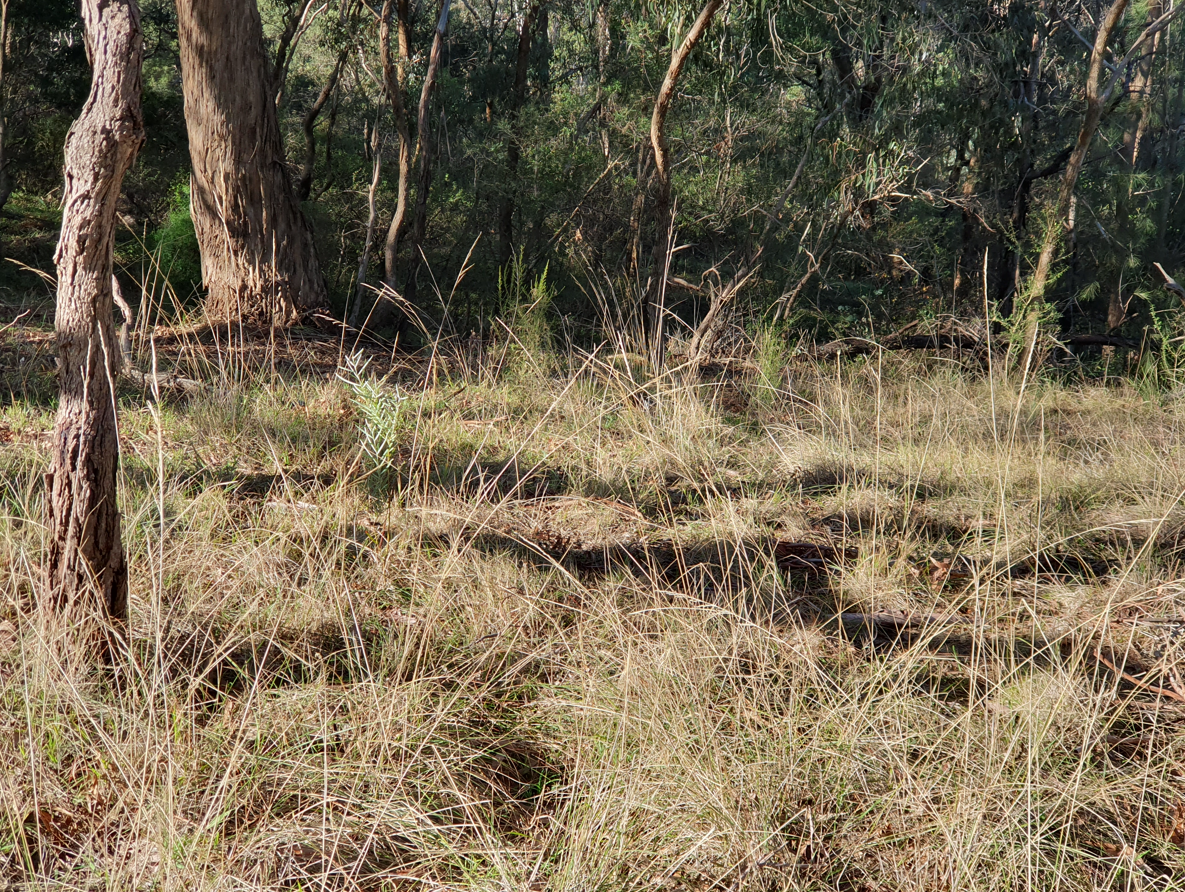
This is what we think our first Community Working Bee site looked like back in the days when the property which became part of our beloved park was used for horse grazing:
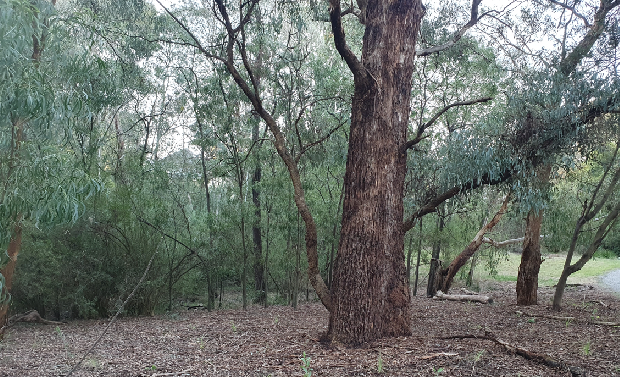
More recently, the area was very weedy. Council and its contractors have done a great job restoring the site over the past few years to be ready for planting up by the community.
Fun for young and a bit older
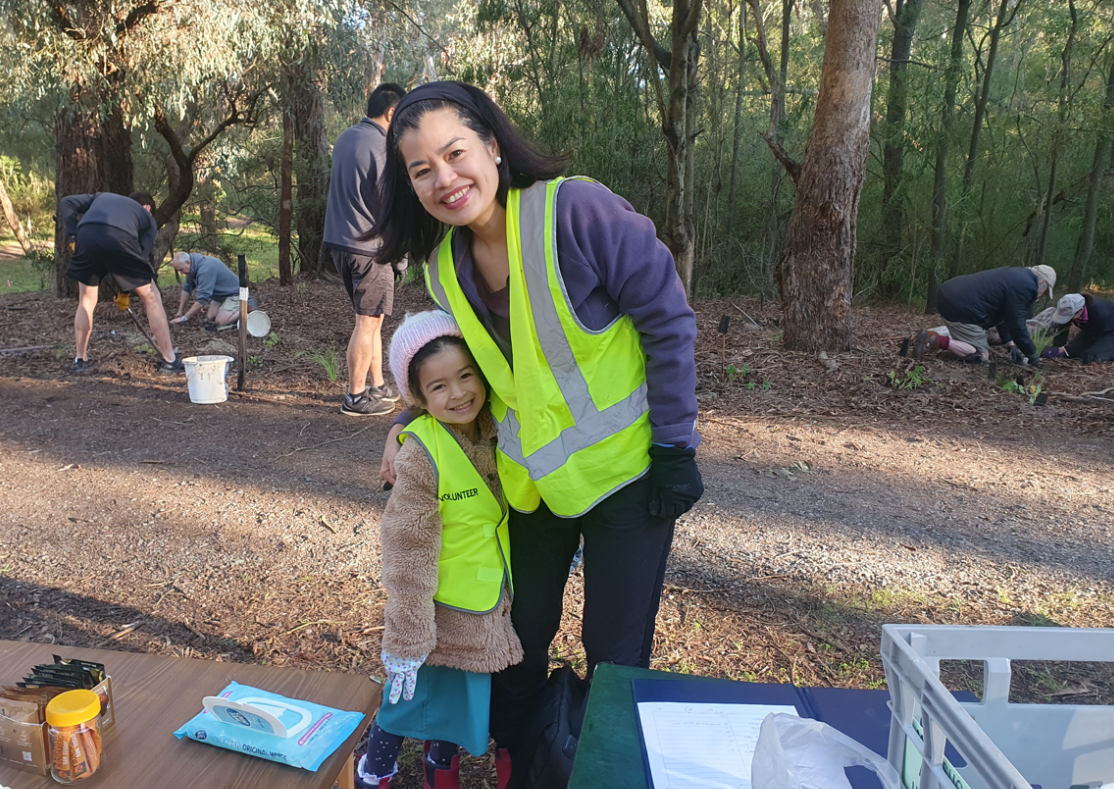
Our community working bee team planted about 200 plants in the area below Waratah Crescent. As our picture shows, we now have fluoros for younger volunteers!
Second Community Working Bee – 29th June
Bookending the month, our Second Community Working Bee targeted replacement plantings in an area where a very large wattle came down a couple of years ago. Despite a discouraging weather forecast, another excellent turn-out arose and 270 plants went in.
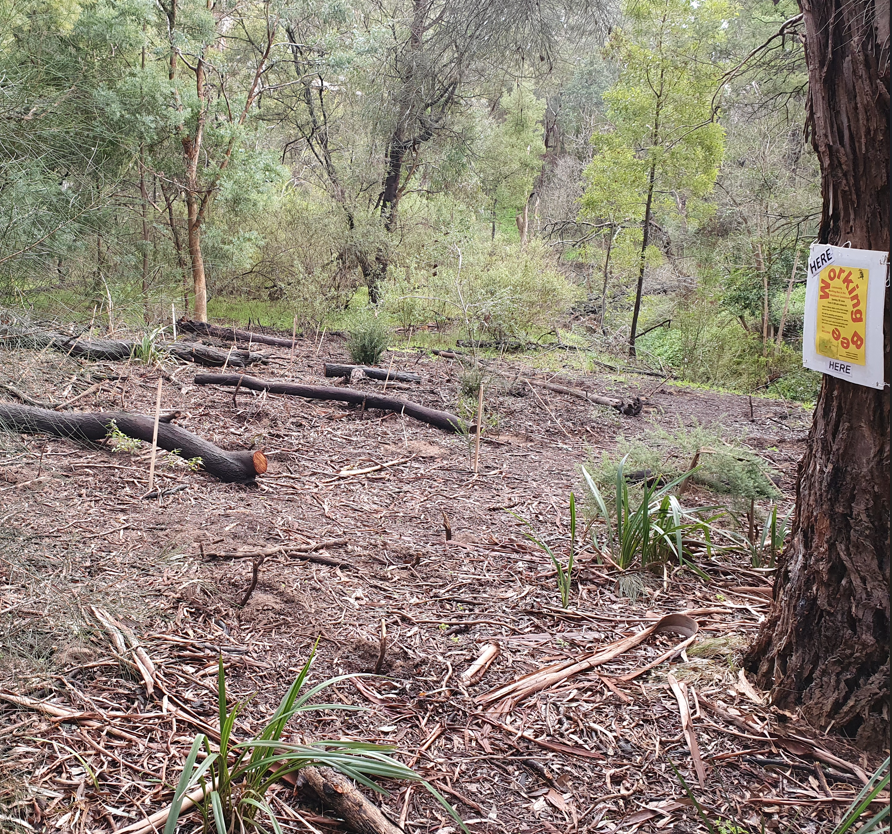
Helpfully, Council’s arborists/tree workers left a substantial amount of the fallen tree to provide habitat and help protect the young plants put in.
We especially thank our community participants for their help in further improving our park !
Council Works
Offset Tree Planting
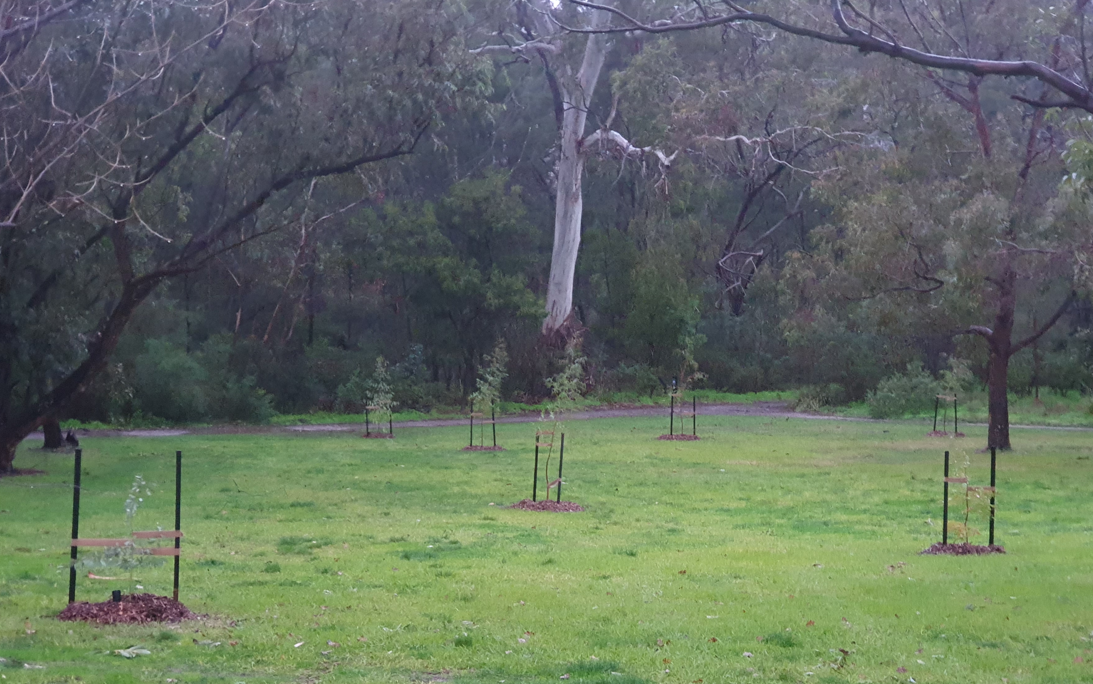
Council has continued to plant more trees for the Suburban Rail Loop Authority (SRLA) tree offset program. This program is to compensate for the removal of a lot of trees within the municipality – especially around the proposed stations.
Plantings are occurring throughout the municipality – it is certainly good for our community that the Creeklands is getting a good share of them. Council has grown the trees at its nursery and is planting them for the SRLA.
Kalang Park Path Upgrade
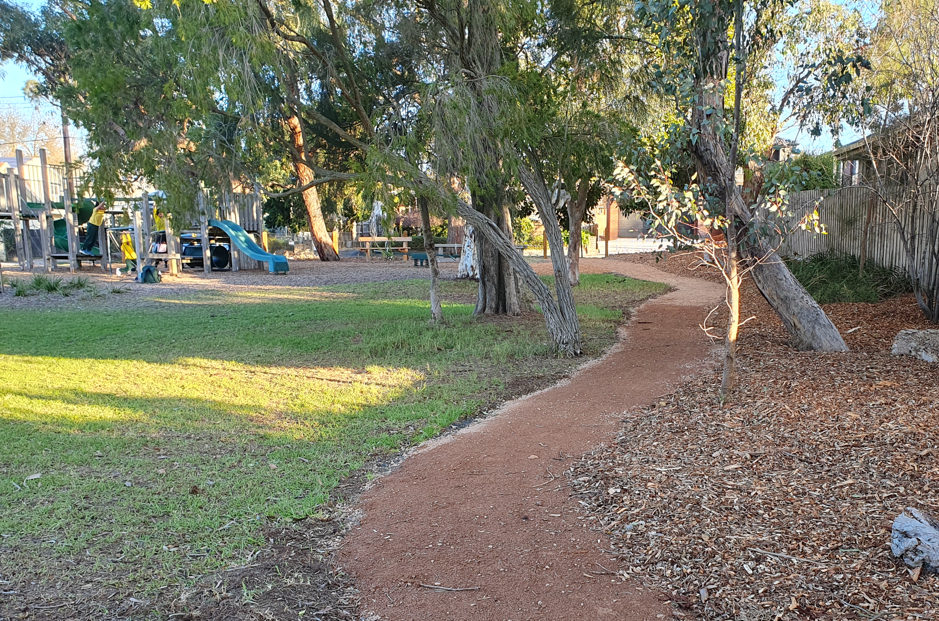
Council has formalized the track running from Kalang Street (adjacent the kids playground) to Doogan Street along the western side of Kalang Oval. The track provides a popular access to the Pakenham Street school crossing to Laburnum Primary School.
eDNA in the Creek – who’s there?
Environmental DNA, or eDNA for short, is DNA material that is collected from samples such as soil, water or air from the environment – rather than from sampling from a specific organism such as a person’s cheek à la crime investigations.
DNA (deoxyribonucleic acid – no wonder that’s abbreviated!) carries the genetic instructions for the development, functioning and reproduction of every known living organism. Apart from clones, every plant or animal has different DNA – and any individual and its species can be identified from a DNA sample.
As organisms live in their environment, their DNA is discharged and becomes detectable in their surroundings. These days (possibly courtesy of wastewater testing developed during the Covid pandemic), this eDNA can be mass-“sequenced” to reveal information about many of the species that are present in an ecosystem. Incredibly, the presence of animals or plants in an environment can be confirmed without even seeing them !
How is this testing done ?
Our (limited) research indicates the process is broadly:
- A sample is taken.
- Part of the organisms’ DNA within the sample is isolated and then amplified (ie copied many times) using PCR (sound familiar?) technology over 20-40 cycles. This work is fully automated. After 30 cycles of copying, there would be about 1 billion copies !
- The results are then detectable and matched with data from known species.
- A list of species present in the sample is produced.
What if we tested in the Creek ? What would it show ?
One of our friends has shared the results of eDNA sampling from creek water in Blacks Walk. The samples were taken on 26th October, 2022 (A) and on 5th April, 2023 (B). The table below shows detections in those A and B samples.
| Group | Scientific name | Common name | A | B | Comment |
| Rodent | Mus musculus | Mouse | Y | Introduced | |
| Rattus norvegicus | Brown rat | Y | Y | Introduced | |
| Rattus rattus | Black rat | Y | Y | Introduced | |
| Rattus fuscipes | Bush rat | Y | Y | ||
| Frog | Limnodynastes peronii | Striped marsh frog | Y | Y | |
| Bird | Corvus coronoides | Australian Raven | Y | Y | Little raven expected |
| Streptopelia chinensis | Spotted dove | Y | Y | ||
| Microcarbo melanoleucos | Little pied cormorant | Y | Y | ||
| Trichoglossus moluccanus | Rainbow lorikeet | Y | Y | ||
| Ocyphaps lophotes | Crested pigeon | Y | |||
| Grallina cyanoleuca | Magpie-lark | Y | Y | ||
| Ardenna sp. | a Shearwater | Y | Unexpected – perhaps a Blackburn Lake visitor? | ||
| Acanthagenys rufogularis | Spiny-cheeked honeyeater | Y | Unexpected | ||
| Cacatua sanguinea | Little corella | Y | Y | ||
| Chenonetta jubata | Australian wood duck | Y | |||
| Anas sp | Duck | Y | Y | We have 2 species of Anas | |
| Manorina melanocephala | Noisy miner | Y | Y | ||
| Coturnix chinensis | King quail | Y | Unexpected | ||
| Gallinula tenebrosa | Dusky moorhen | Y | |||
| Podargus strigoides | Tawny frogmouth | Y | |||
| Gymnorhina tibicen | Magpie | Y | Y | ||
| Columba livia | Rock dove | Y | Y | Introduced | |
| Gallus gallus | Chook | Y | Y | Introduced | |
| Sturnus vulgaris | Common starling | Y | Introduced pest | ||
| Reptile | Saproscincus mustelinus | Southern weasel skink | Y | ||
| Chelodina longicollis | Eastern long-necked turtle | Y | |||
| Fish | Philypnodon grandiceps | Flathead gudgeon | Y | ||
| Galaxias brevipinnis | Climbing galaxias | Y | Y | ||
| Gambusia holbrooki | Eastern mosquitofish | Y | Introduced to control mosquitoes (without success) | ||
| Cyprinus carpio | Common carp | Y | Y | European carp were introduced to Australia both deliberately and accidentally. | |
| Misgurnus anguillicaudatus | Pond loach | Y | Y | Imported into Australia in the 1960s as an aquarium species. | |
| Marsupial | Wallabia bicolor | Swamp wallaby | Y | ||
| Pseudocheirus peregrinus | Ringtail possum | Y | Y | ||
| Trichosurus vulpecula | Brushtail possum | Y | Y | ||
| Bat | Pteropus poliocephalus | Grey-headed Flying-fox | Y | ||
| Domestic animal | Canis lupus familiaris | Dog | Y | Only in first sample ? | |
| Sus scrofa | Pig | Y | Y | ||
| Bos taurus | Cattle | Y | |||
| Capra hircus | Goat | Y | |||
| Ovis aries | Sheep | Y | |||
| Oryctolagus cuniculus | European rabbit | Y | Introduced pest | ||
| Other | Vulpes vulpes | Red fox | Y | Introduced pest |
Could traces be historic? DNA samples in water tend not to last long (perhaps, days). We’re not so sure about traces in sediments and soil. On the other hand, DNA traces in permafrost last millions of years!
Interpretation
The technology is amazing – but there are nevertheless a few surprises in the detections.
We should firstly note that not every species has to actually be in our creek – traces could come from anywhere upstream in the catchment and could be released from sediment or soil in the area – or, for example, by a predator carrying traces of prey or carrion found elsewhere.
The samples in our case were taken near Middleborough Road – so the catchment concerned is the quite large area shown below:
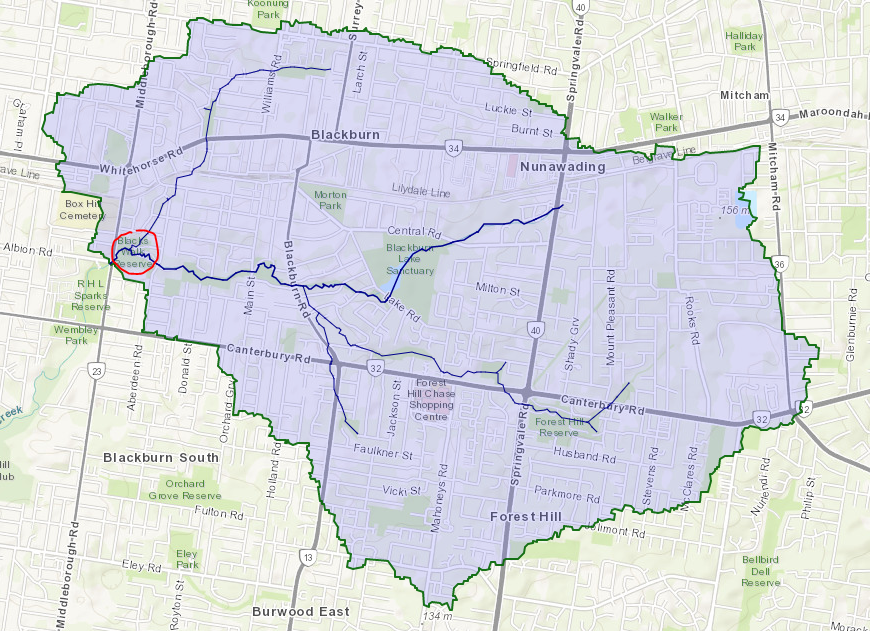
The map shows the surprising reach of our part of the KooyongKoot (Gardiners) Creek’s catchment. The stormwater system extends east to Mitcham through Nunawading including the “Megamile”, north to Springfield Road including the Blackburn North shopping centre, west into Box Hill and southwards into Blackburn South, and a substantial part of Forest Hill, including the Forest Hill Chase shopping centre, down to East Burwood.
Domestic animals
The apparent farm animals (sheep, goats etc) reported present a problem. Even though the catchment is a large area, it is almost (?) completely urban. The most recent grazing in the Creeklands (albeit decades ago) was by horses as seen in our earlier photo – which do not appear in the list.
Could it be that a restaurant’s plumbing incorrectly sends wastewater to the storm-water system instead of the sewer ?
There were no detections of cats – great if they have no perceptible impact on the catchment!
Bird Species
The Spiny-cheeked honeyeater (Acanthagenys rufogularis) and the Australian Raven (Corvus coronoides) are both normally seen north of the Great Dividing Range. DNA matching at the species level cannot be exact. We think they may be “close enough” matches for another honeyeater – the Red Wattlebird (Anthochaera carunculata) and the slightly smaller Little Raven (Corvus mellori) respectively. However, the honeyeaters do not share the same genus….
The King Quail (Coturnix chinensis) is another oddity – perhaps an aviary escapee or another product of the restaurant industry (?).
The Ardenna sp is an unidentified Shearwater species – again not easy to explain. The Shearwaters are marine and coastal birds.
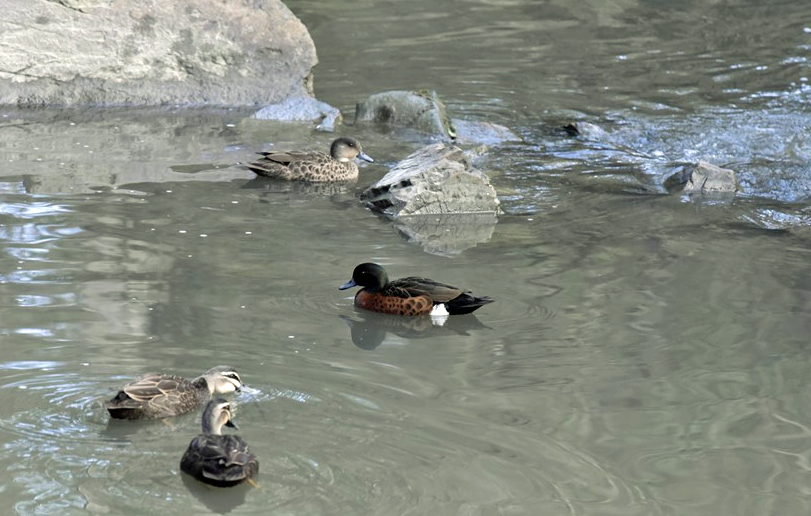
It is odd that our Anas species are not identified to the species level – both the Chestnut Teal (Anas castanea) and the Pacific Black (Anas superciliosa) ducks are commonly seen in the water in our park. Perhaps the two species are too alike genetically for the test methodology to discriminate?
Knowing our environment, we are surprised that there were no detections of Kookaburra or from either of our Rosella species. Here’s a shot of both of the latter in Blackburn Creek from last September:
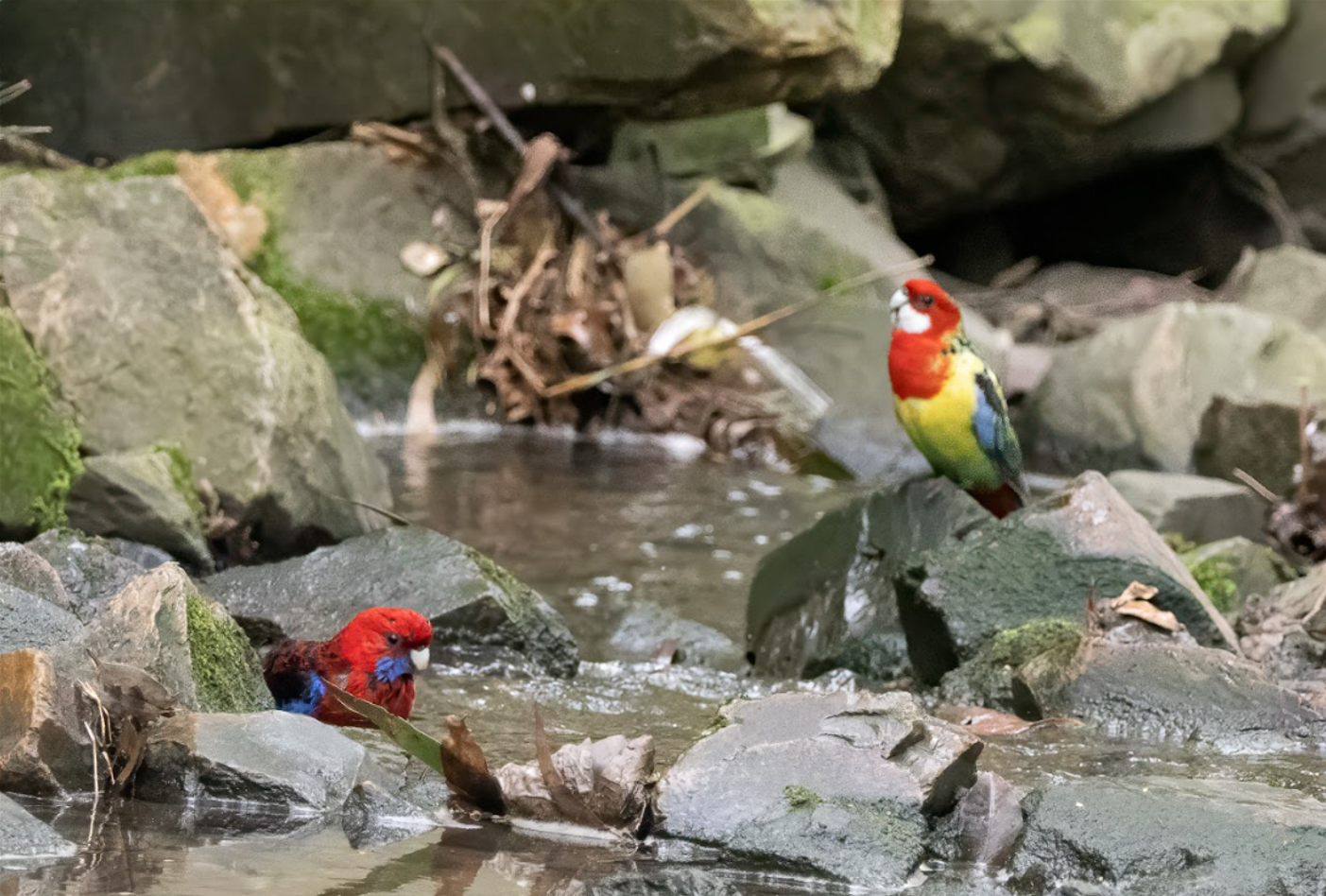
Both species belong to the same genus Platycerus (Rosellas) – they are closely related (P. eximius and P. elegans are the scientific names for the Eastern and Crimson Rosellas respectively).
Fish
Carp in the creek are often visible. Other than those unwelcome invaders, we know very little about other fish in the creek – we should be asking “Cory the Cormorant” (below) who is an expert!
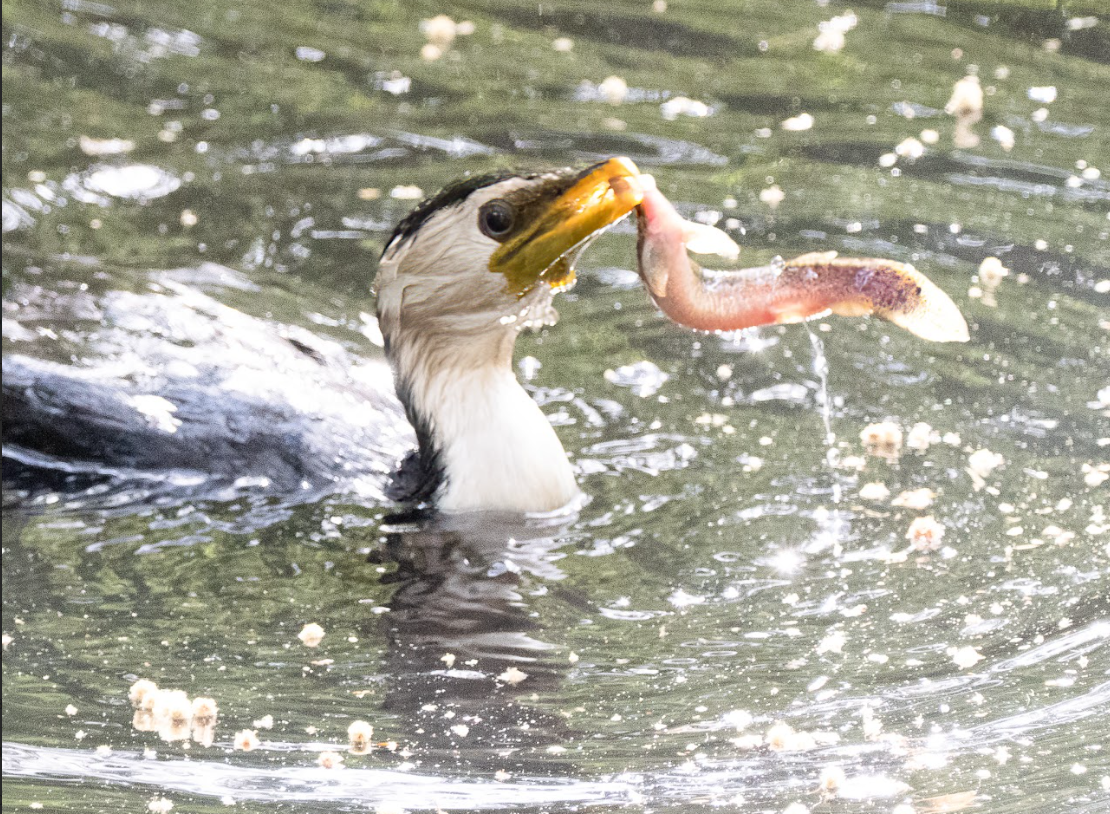
The Little pied cormorant‘s prey above (November, 2024) was identified as an Oriental Weatherloach fish – which is another common name for the Pond Loach (Misgurnus anguillicaudatus) shown in the table of detections. Satisfyingly, DNA traces of both the bird and the fish species were found in both samples.
Others
The Swamp wallaby (Wallabia bicolor) is also difficult to explain. On rare occasions, we have seen Grey Kangaroos in the park. The photo below was taken in Furness Park in March, 2019:
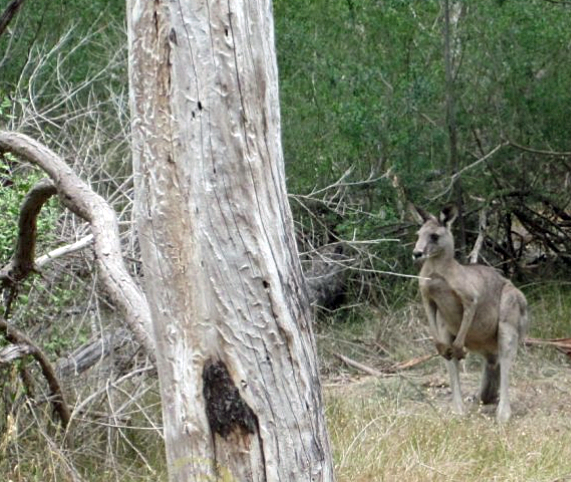
The Greys are thought to come down from or through Antonio Park, Yarran Dheran and surrounds in Mitcham. There have also been regular sightings of Swamp wallabies at Yarran Dheran.
Our colleague Gay from up there tells us they have kept records in their Wildlife Sightings register since 2002 and there have been sightings every year from 2013-2025 as well as earlier sporadic sightings. Although we haven’t recorded them ourselves, perhaps the swampies have also migrated westwards into our catchment occasionally? Alternatively, the Swamp wallaby could be a case of carrion from road kill.
We want to discover more about eDNA technology – its benefits and limitations, survey techniques and so forth. We hope to have more information for you in later editions.
Sightings
Thanks to our amazing photographers, here are some miscellaneous sightings of the fauna and flora you might have seen in the park over June:
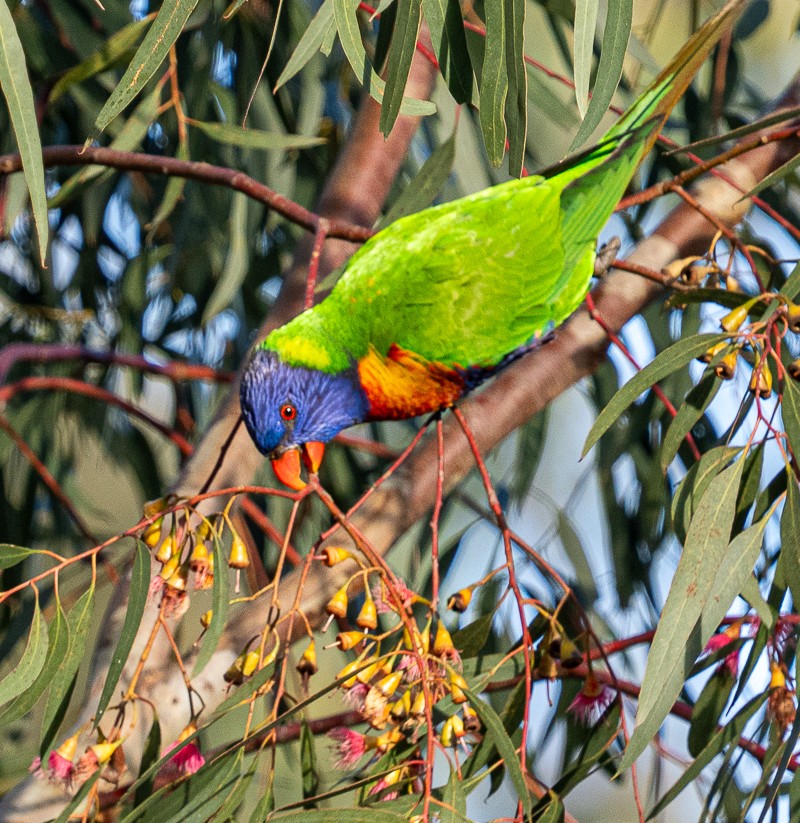
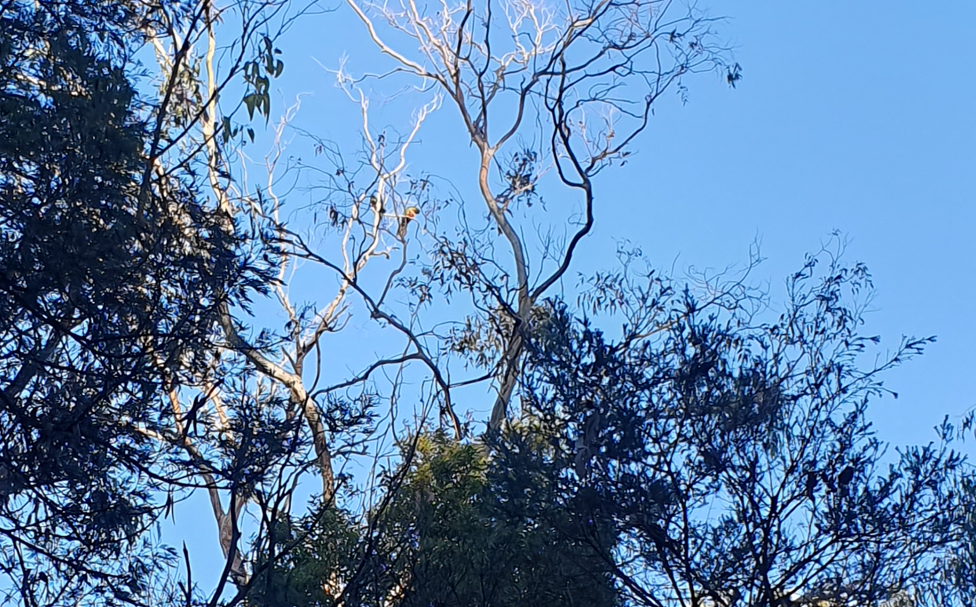
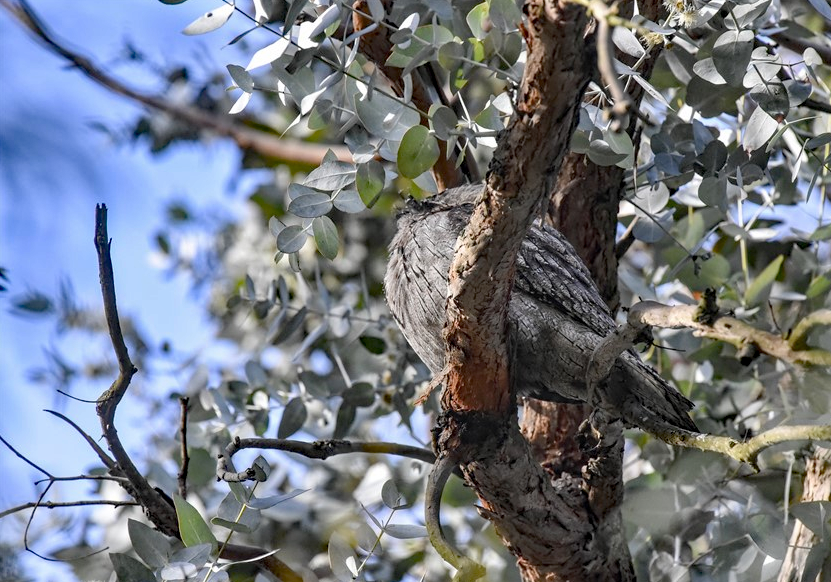
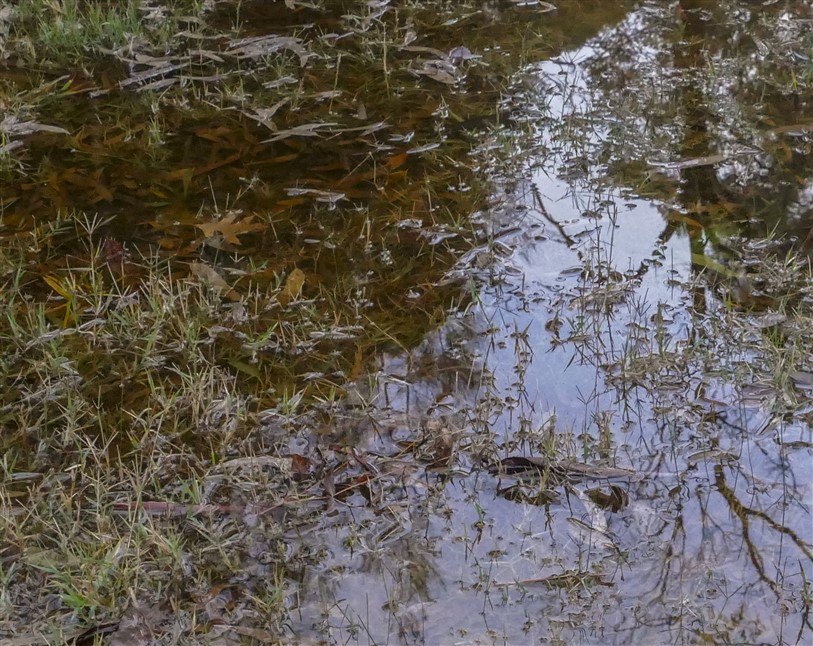
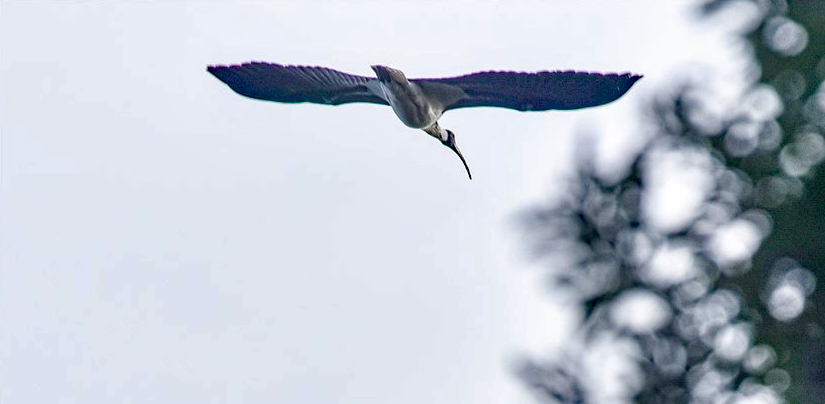
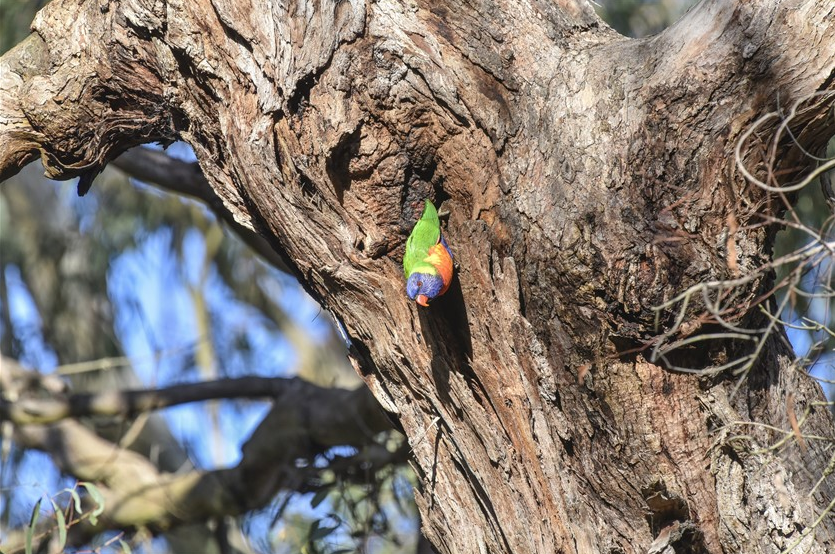
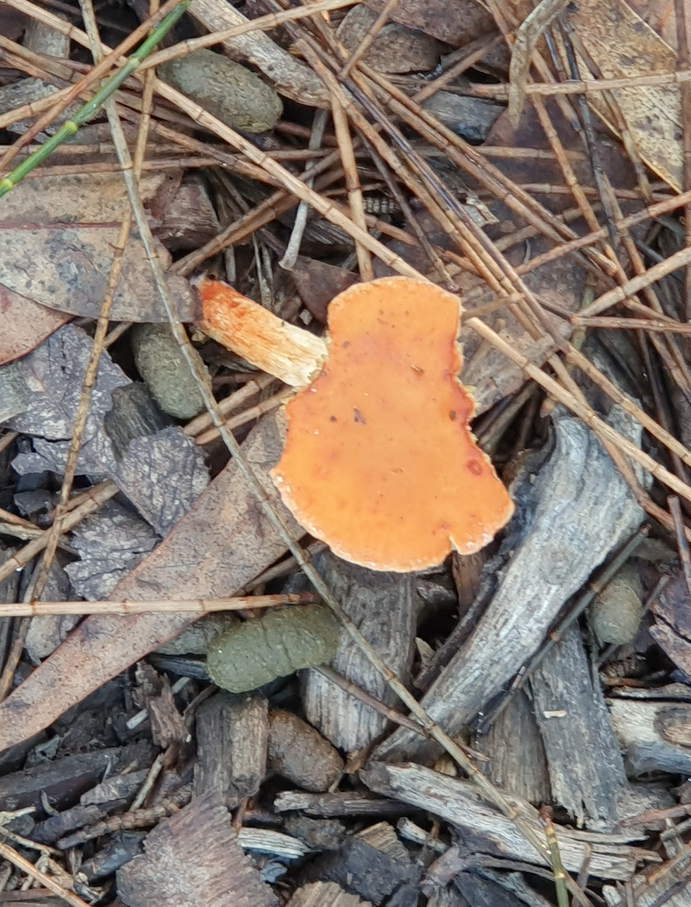
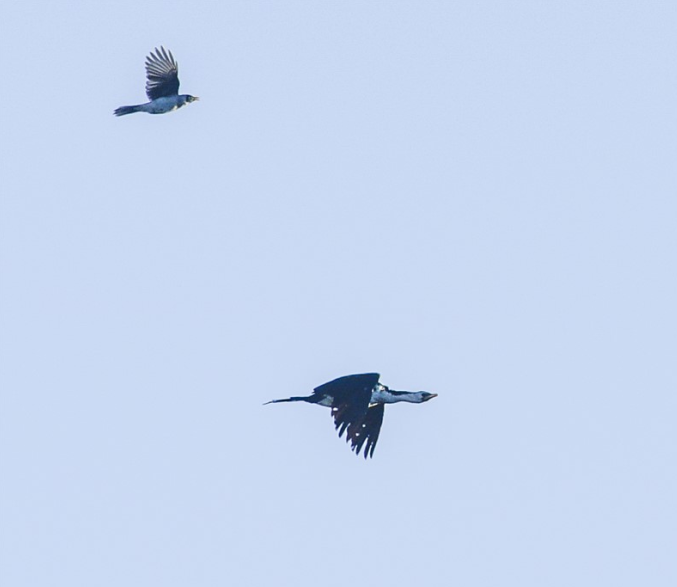
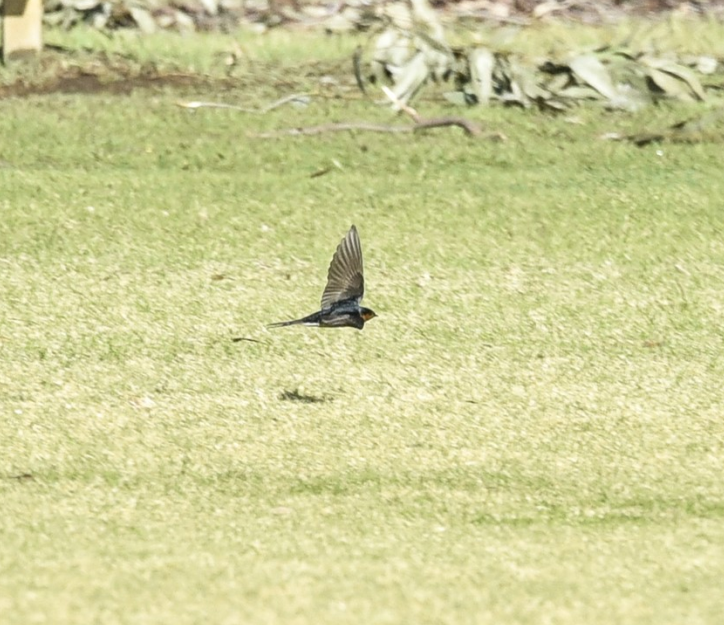
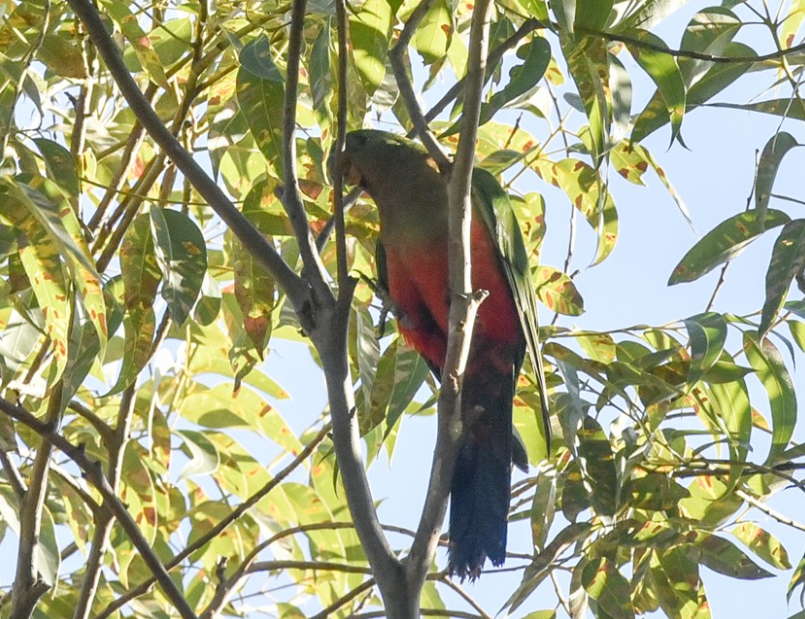
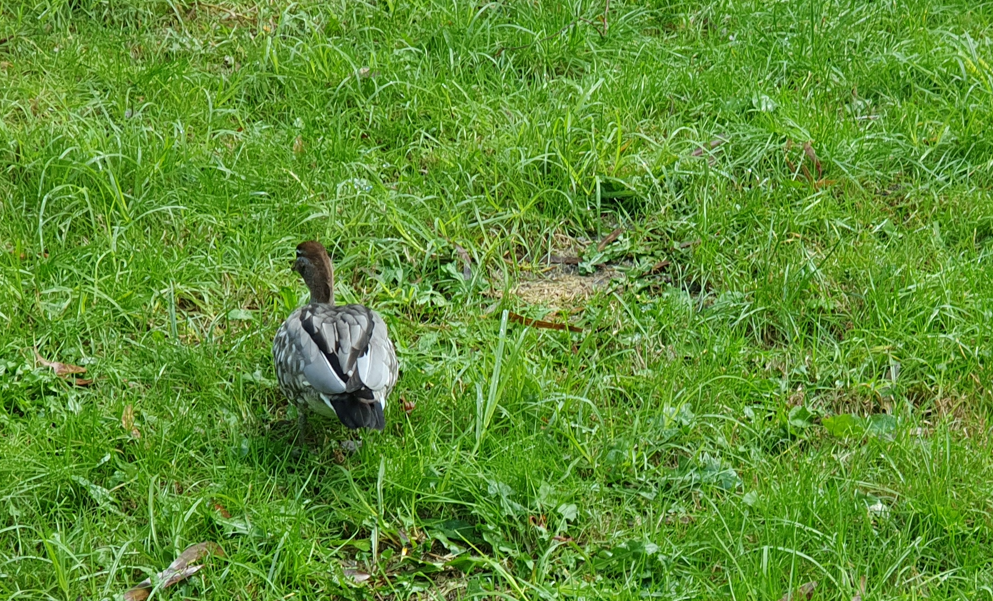
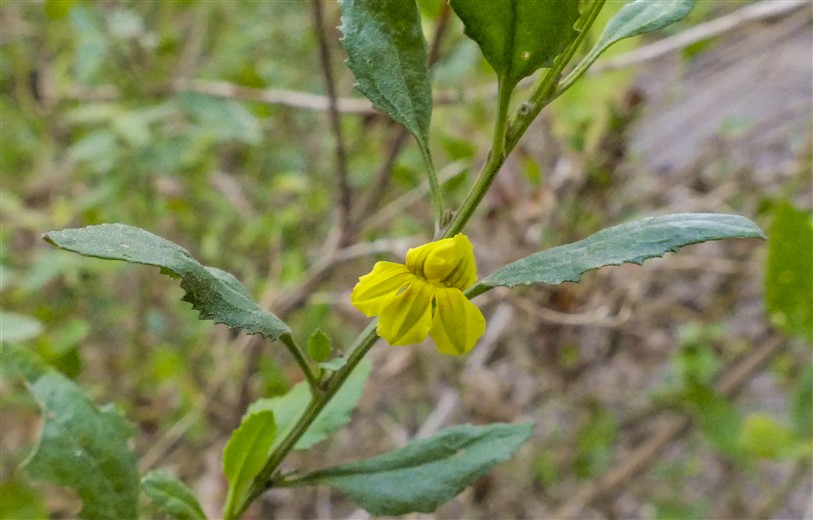
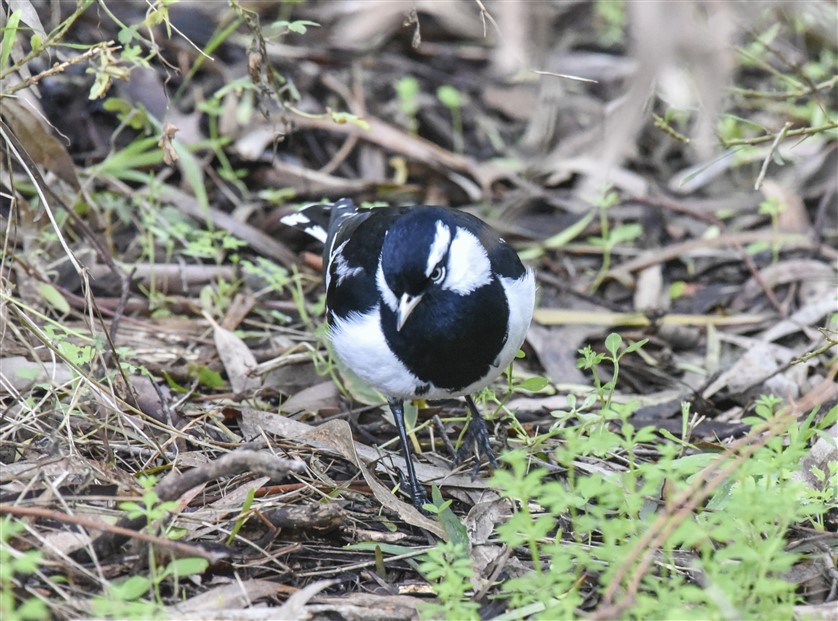
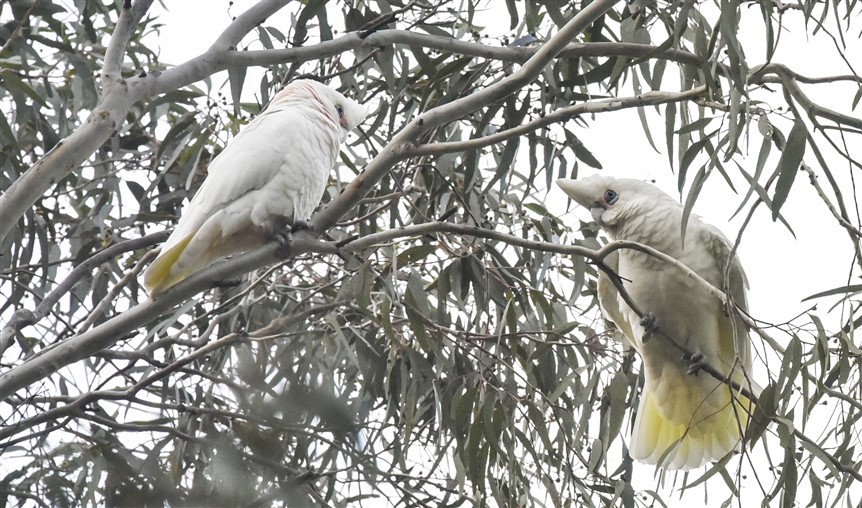
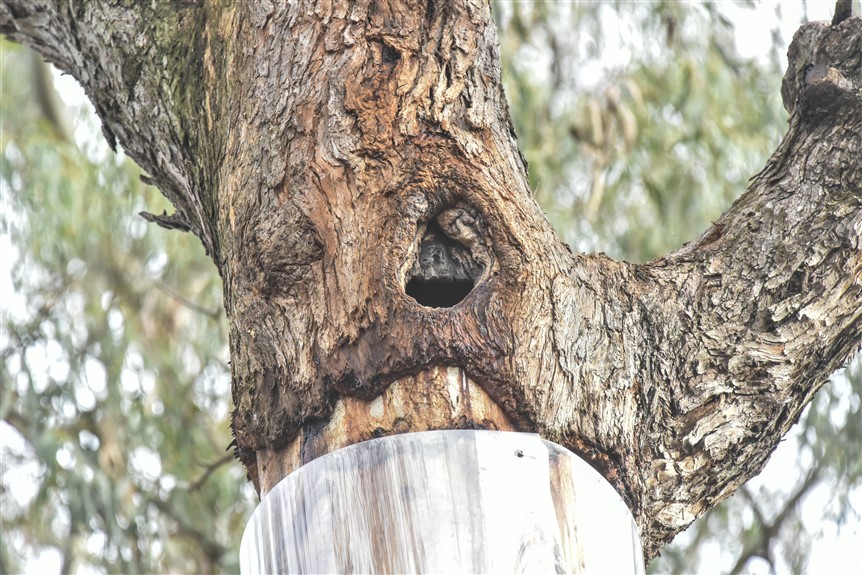
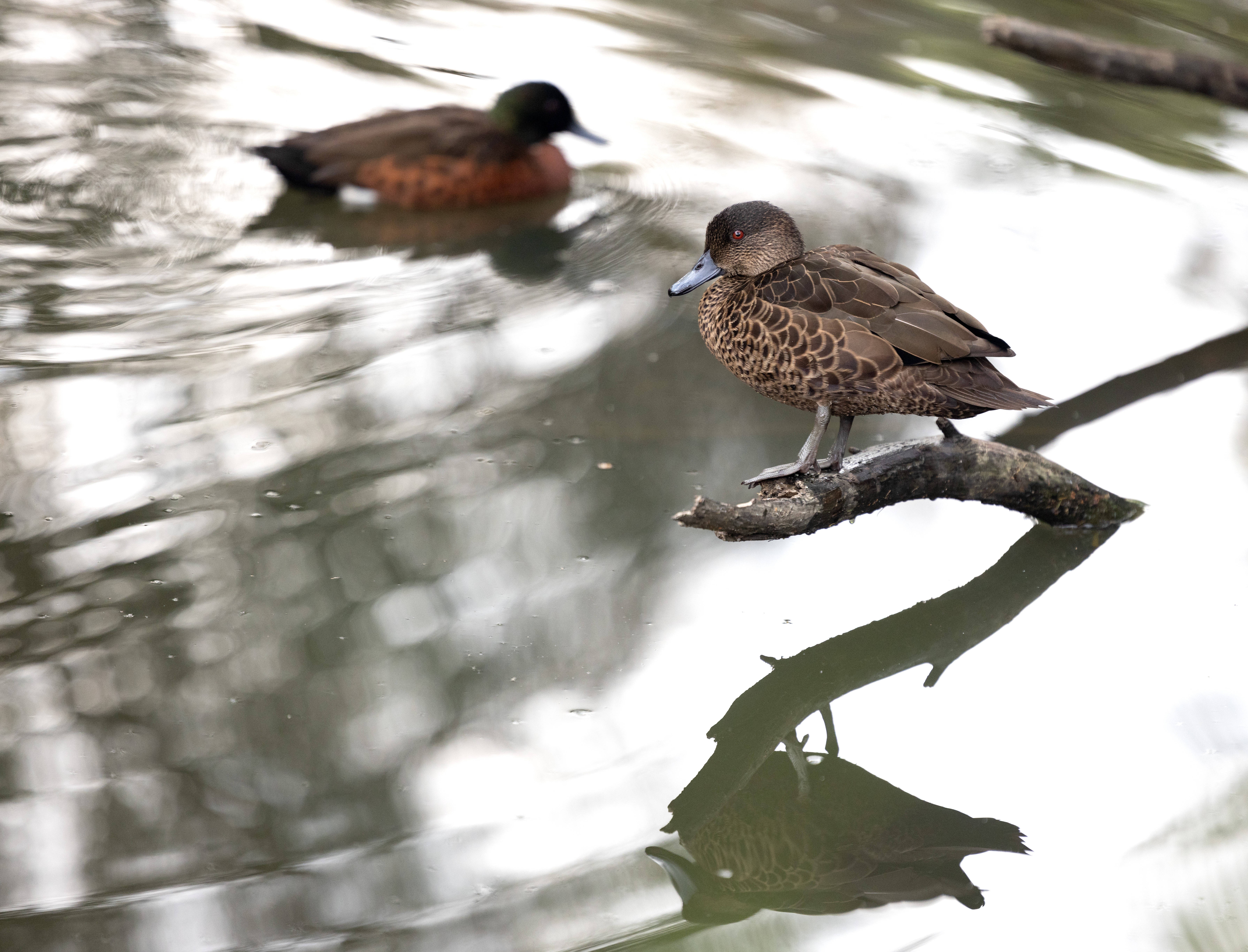
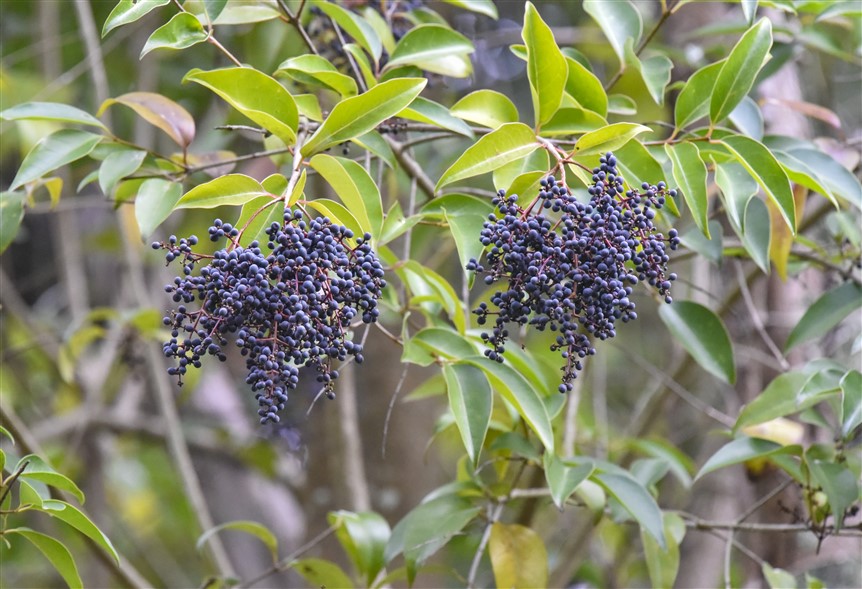
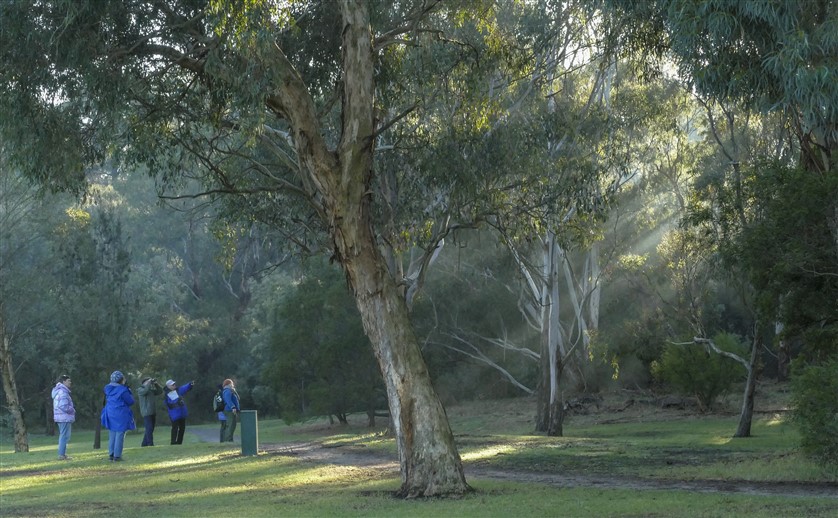
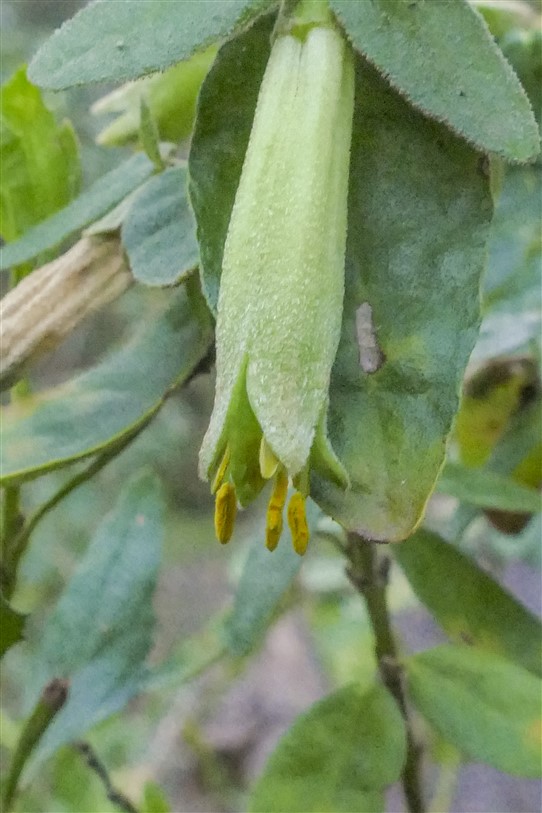
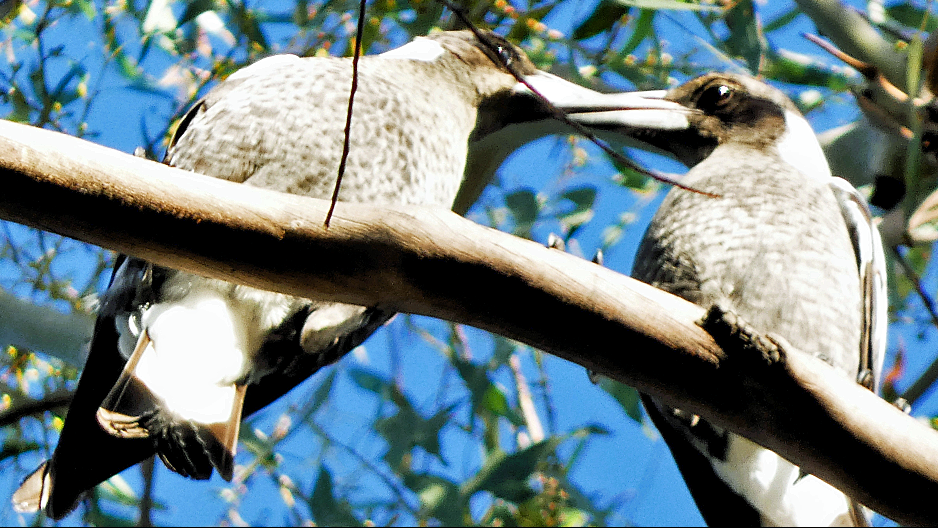
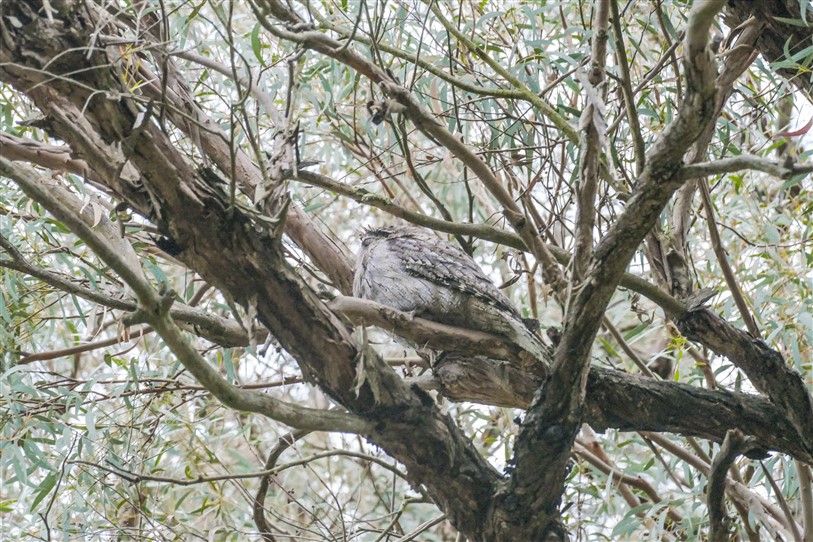
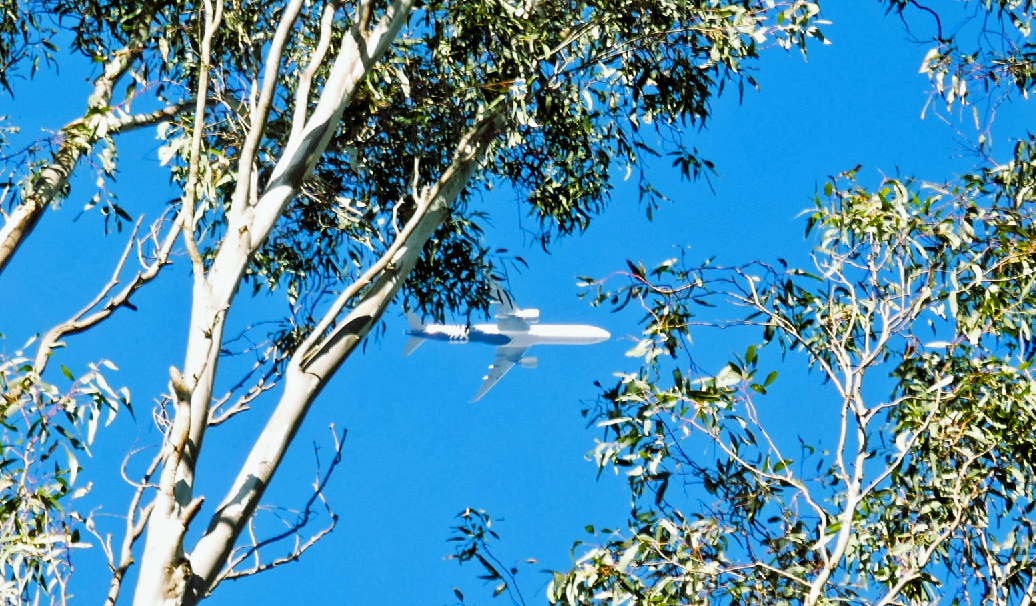
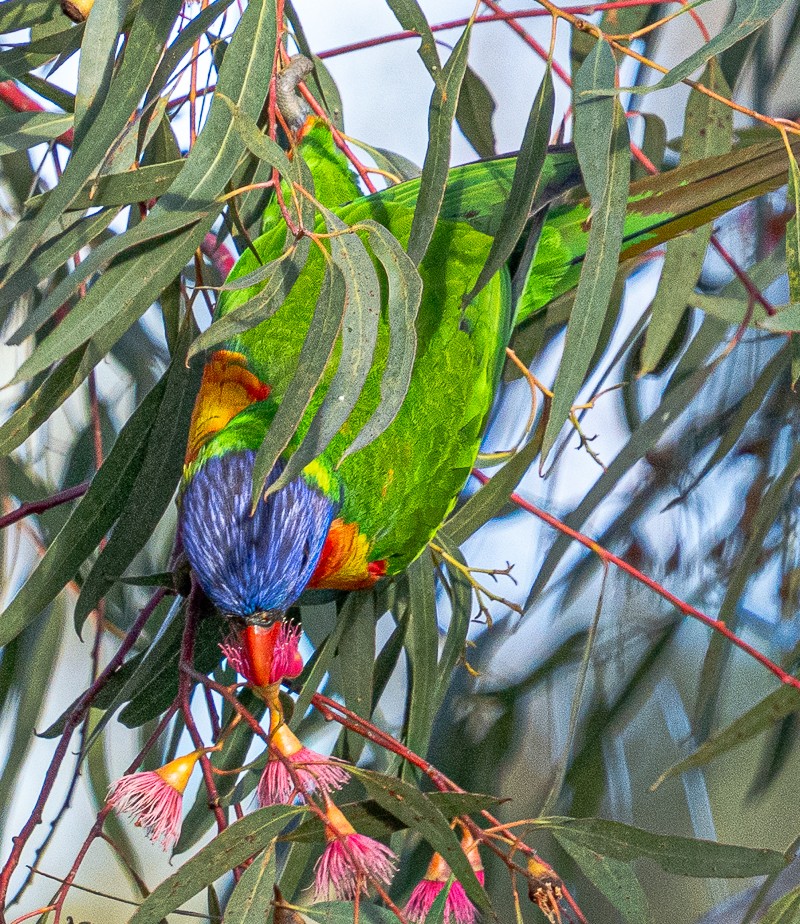
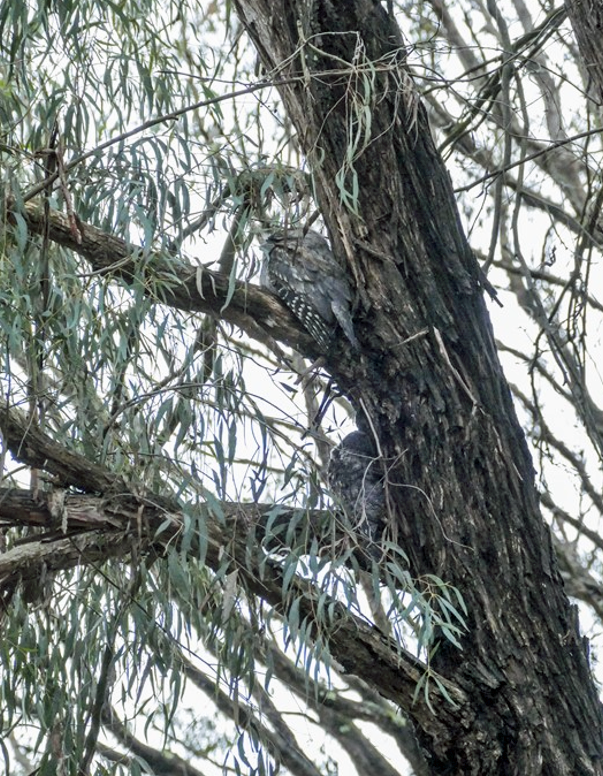
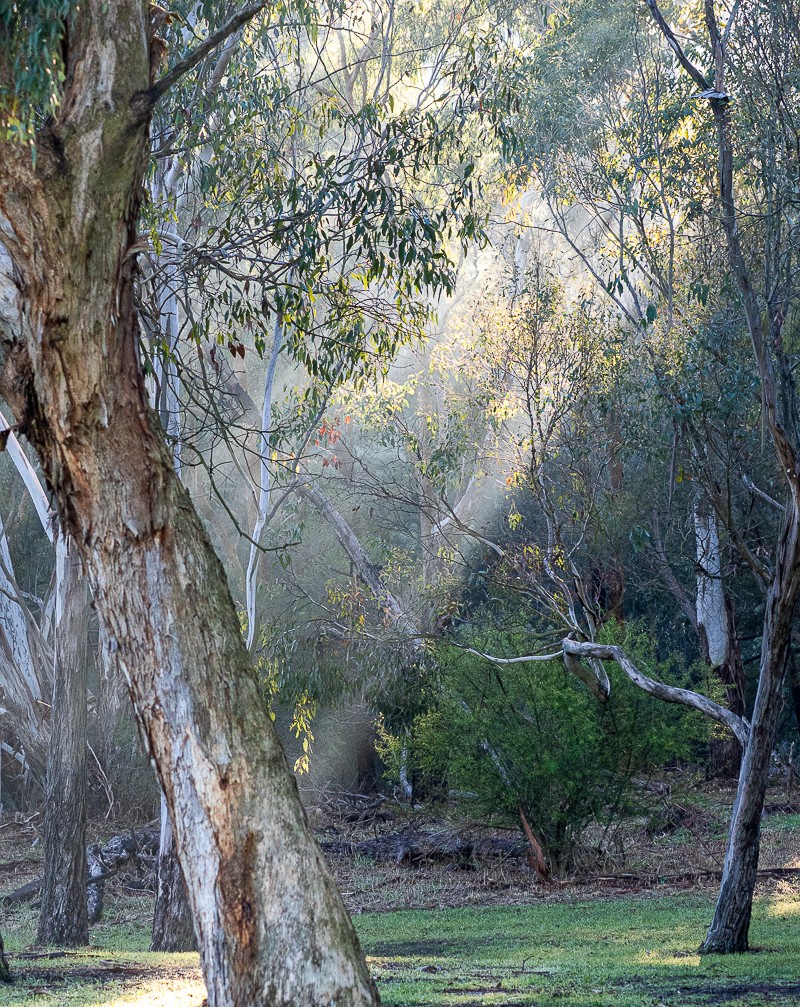
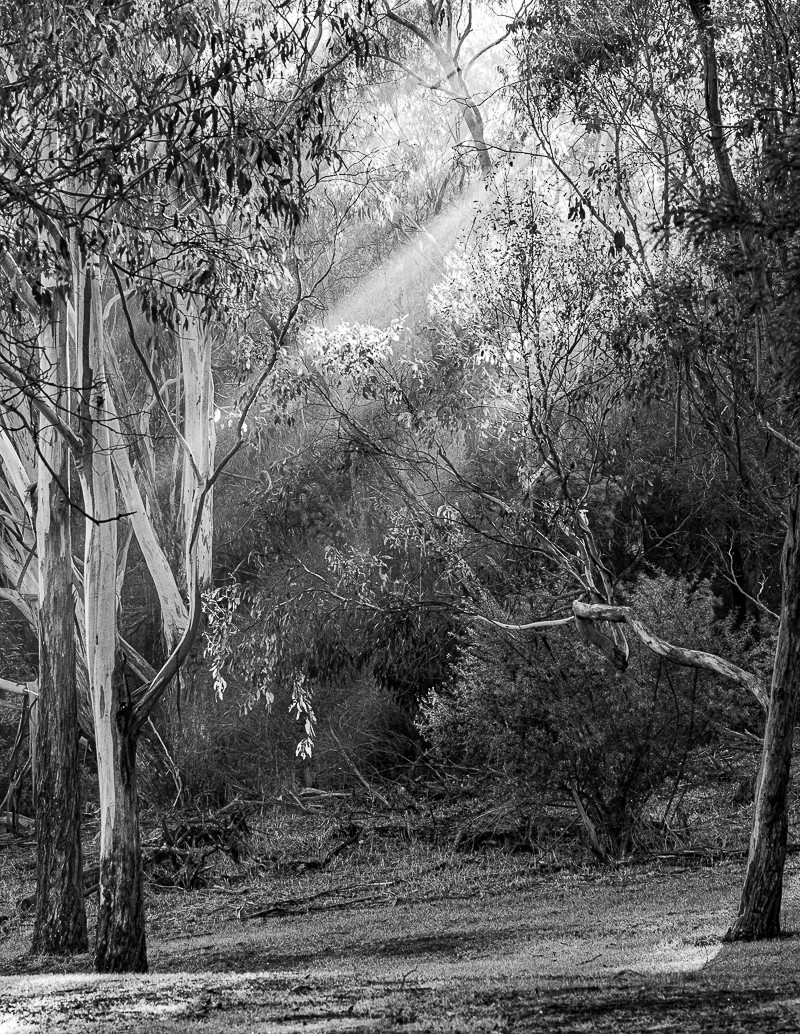
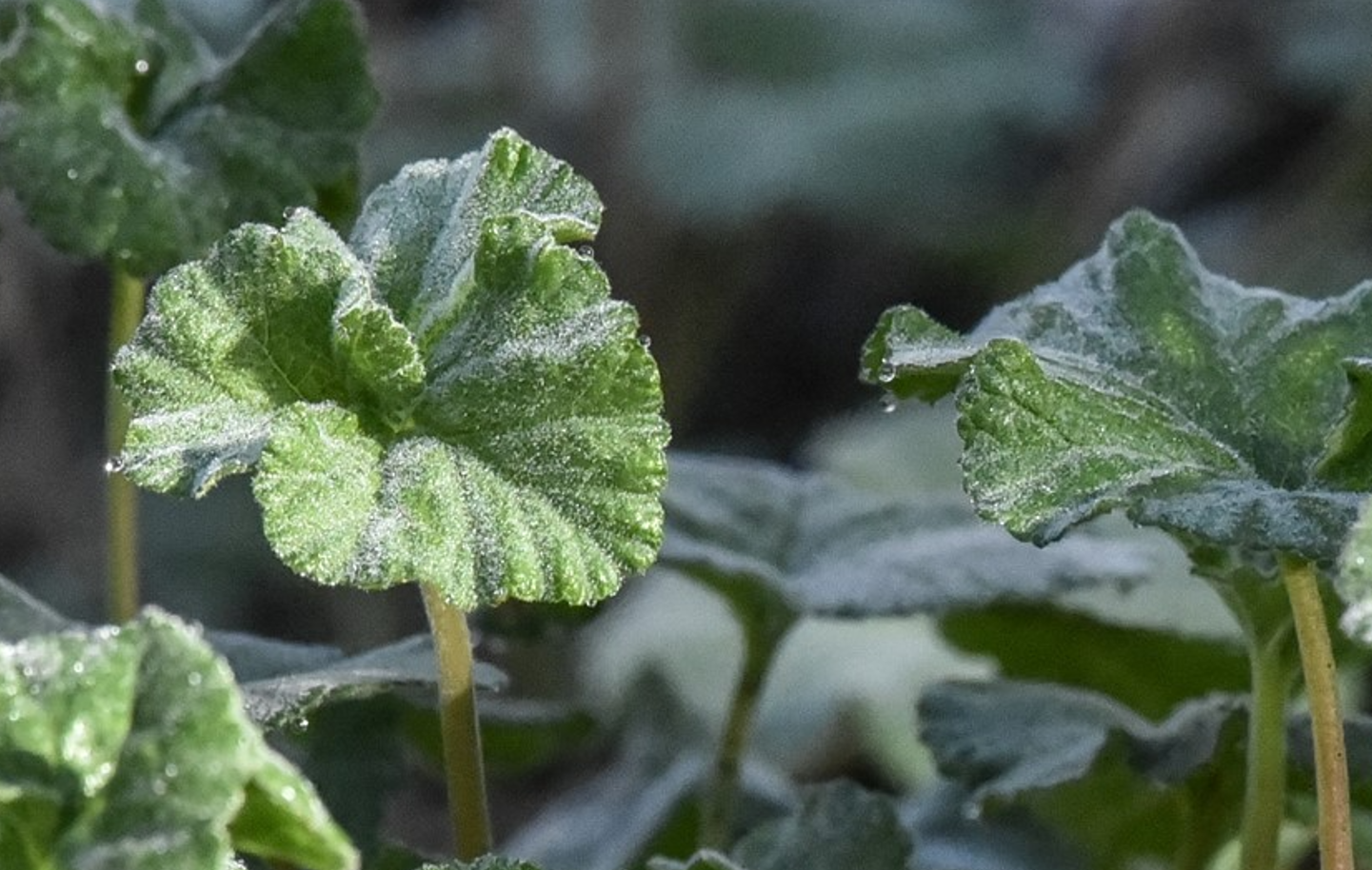
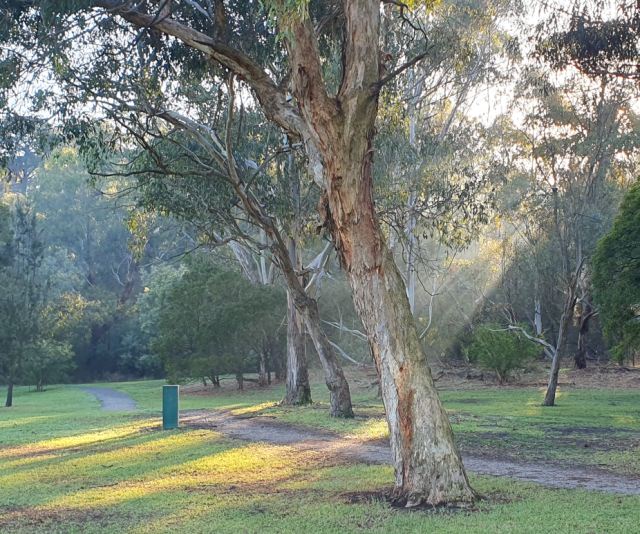
We don’t often see the Straw-necked Ibis in the park (NOT the “bin chicken”). We’ve also had reports of more Eastern Spinebills (reported last month) in Furness Park. Regarding the shafts of light, Pat, one of our bird watching leaders, recalls that a friend’s brother (an English vicar) used to call them ‘holy beams’.
Down the Corridor
Guess who’s coming for dinner ?
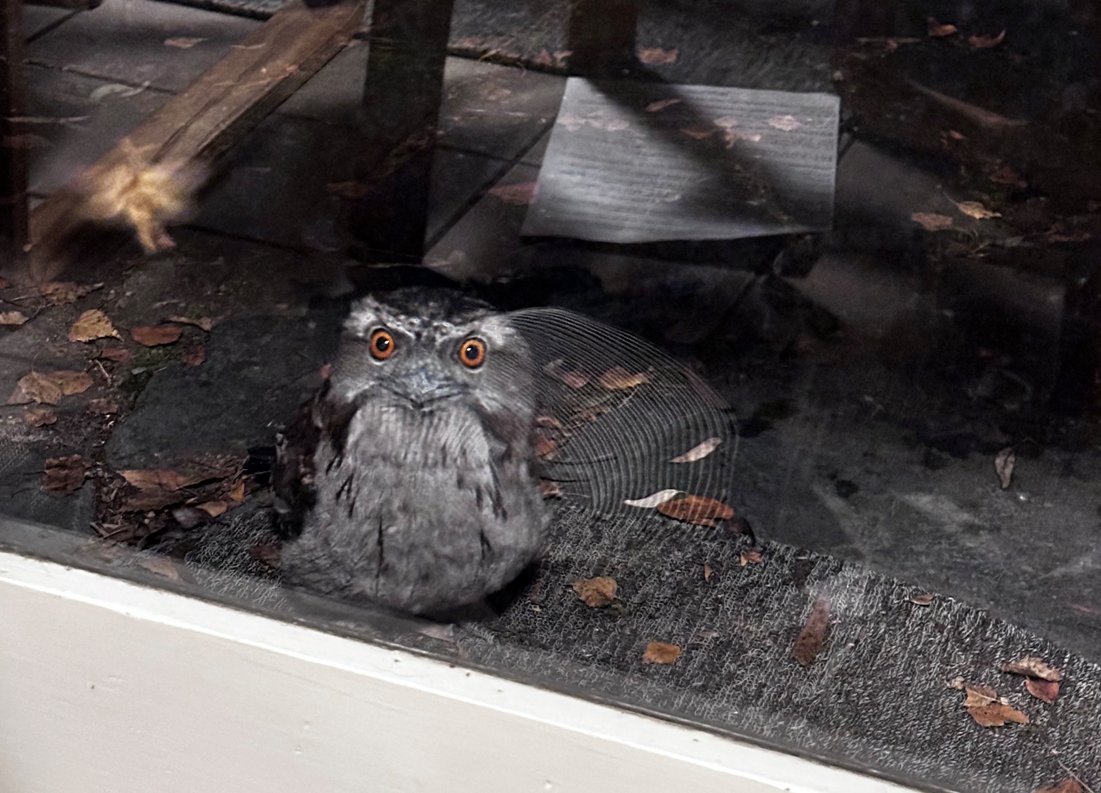
Moira, our informant, said:
While sitting watching TV last night in my chair about 1 metre away from the back door I looked sideways to see the above. It was watching a very large moth that was flying at the glass trying to get into the light. [contrary to our expectation, the bird did not have its eyes on Moira’s cosy sitting room! – ed.]
The moth is presumably the yellowish blur on the upper left – we can see an interesting motion effect in the image as the Tawny is whipping its head around following the moth. Another effect is the reflection caught in the action too… the paper is inside the house.
David Berry OAM
Sab, from our sister group the Friends of Wurundjeri Walk, has let us know the great news that the late David Berry, has been posthumously awarded the Medal of the Order of Australia (OAM) in the 2025 King’s Birthday Honours List.
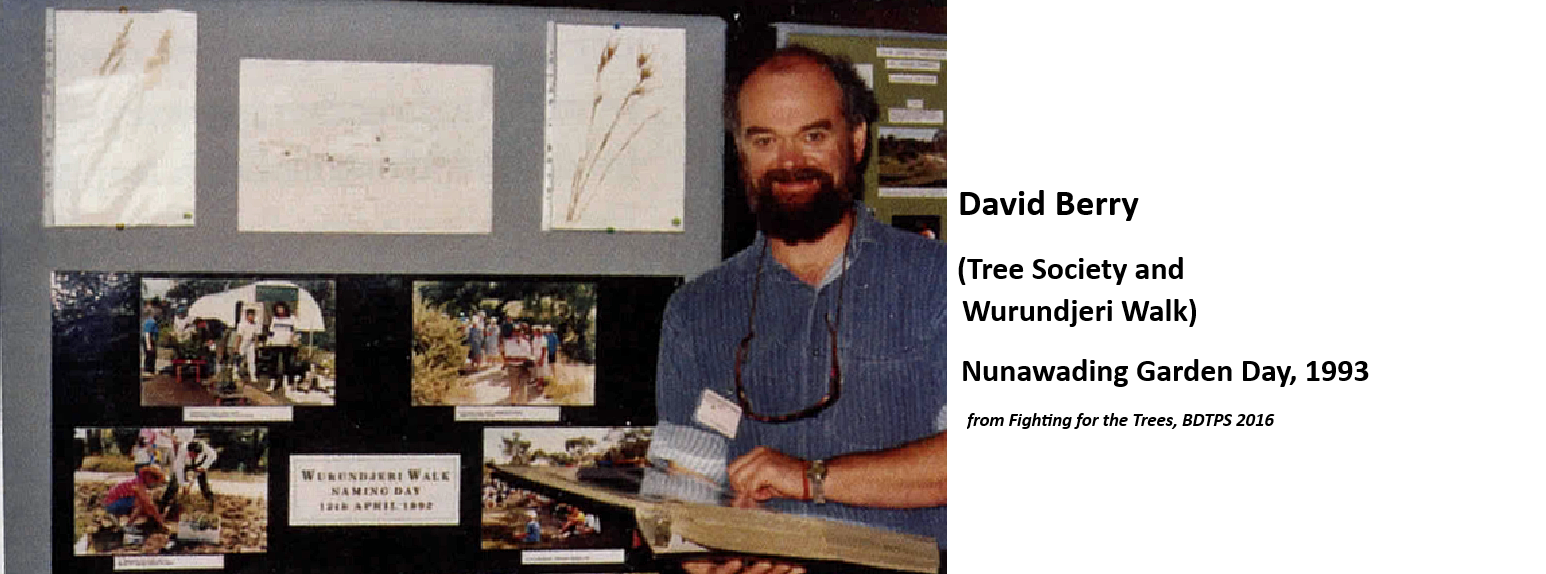
David has been recognised for his decades of service to conservation and the environment. He gave almost 40 years of service to Wurundjeri Walk in Blackburn South, through the former Wurundjeri Walk Advisory Committee and today’s Friends of Wurundjeri Walk.
His contributions and activism in the Blackburn area also included significant roles in this amazing list: the Blackburn and District Tree Preservation Society for 20+ years, the Blackburn and District Environment Protection Fund, the Combined Residents of Whitehorse Action Group, Bungalook Nursery, the Blackburn Lake Sanctuary Action Group (which secured McCubbin Park), the Whitehorse Active Transport Action Group and several City of Whitehorse committees including the Bicycle Advisory Committee.
Sadly, David died on 22 November 2024. His widow Sally and his family, colleagues and friends must be very proud of this well-deserved national honour. He gave so much to our community!
News from the KooyongKoot Alliance (KKA)
The KKA is the alliance of Friends groups along the KooyongKoot (Gardiners) Creek – which includes the Blackburn Creeklands Advisory Committee.
The KKA hosted the excellent Clean Waterways Expo 2025 at the Blackburn Lake Sanctuary on Sunday, 20th June.
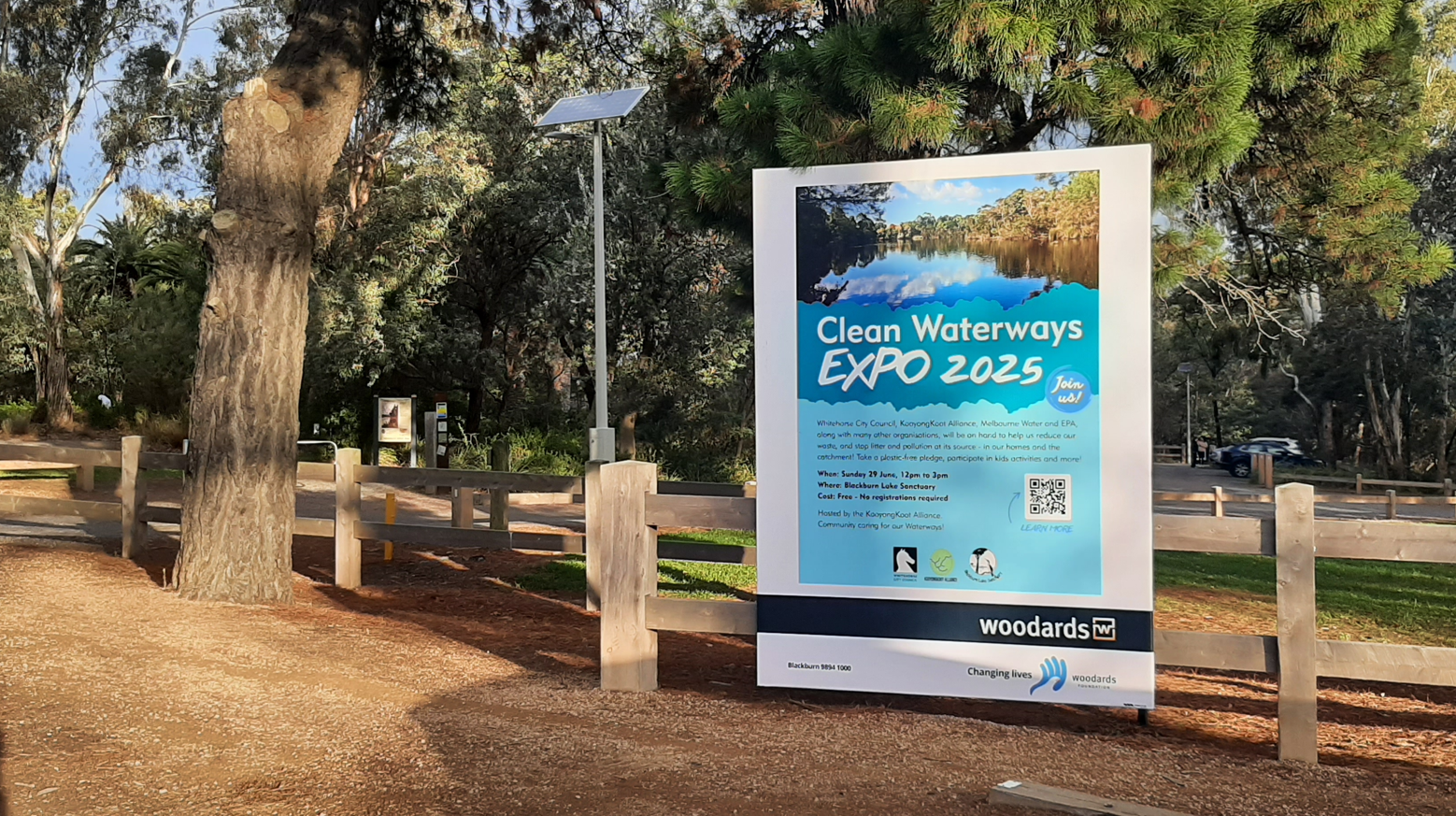
Along with the KKA, the Whitehorse City Council, Melbourne Water, the EPA and other organisations were on hand to help the community:
- understand our water-related systems and pollutants,
- reduce our waste
- stop litter and pollution.
The KKA has also been very busy continuing its major revegetation projects further down the creek in the Gardiners Creek Reserve (between Station Street and the Deakin Uni precinct in Box Hill/Burwood).
KKA DGR Endorsed
The Kooyoongkoot Alliance (KKA) has recently attained Australian Tax Office Deductible Gift Recipient (DGR) endorsement. This means that donations of gifts and contributions to the not-for-profit KKA are tax deductible. Gaining that status is difficult – yet so important for corporate donations (especially from the philanthropic trusts).
 Blackburn Creeklands
Pingback: Park News, August 2025 | Blackburn Creeklands