Spring has definitely sprung!
Upcoming events:
- Bird walk on 25th October 2025
Welcome to the September edition of our Blackburn Creeklands newsletter.
Spring is one of my favorite times of the year. The days slowly grow longer, the air begins to warm, and you can almost feel the energy returning to the landscape. Sap flow is rising, new growth is appearing, and flowers are beginning to bloom. It’s the perfect season to get outdoors – especially if you’ve been ‘hibernating’ through winter and enjoy the changing beauty of the creeklands.
In this edition, we have:
- Spring Bird Walk
- Wattle it be?
- New park brochure
- Planning changes
- Mulch dumped illegally
- Weed of the month
- Monthly bird survey
- Sightings
- New editor
Spring Bird Walk
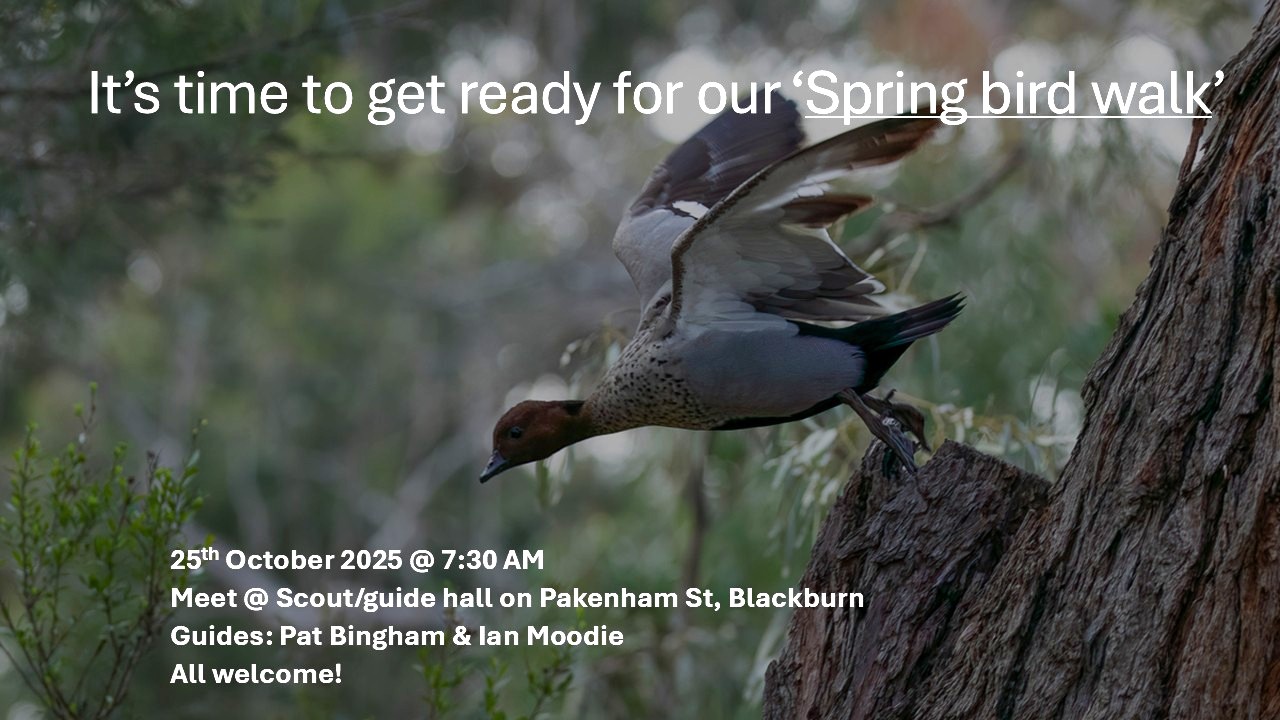
Our annual spring bird walk is to be held this year on Saturday 25th October, starting at 7:30 AM at the Scout/Guide Hall in Pakenham St. Once again, we are lucky to have Pat Bingham (Birdlife Australia) and Ian Moodie (formerly from Whitehorse Council) as our leaders for the morning. The plan is to casually walk around the park for about 1 hour and record all of the birds we encounter along the way. We will then return to the Scout/Guide Hall for a sociable morning tea and to combine all bird sightings.
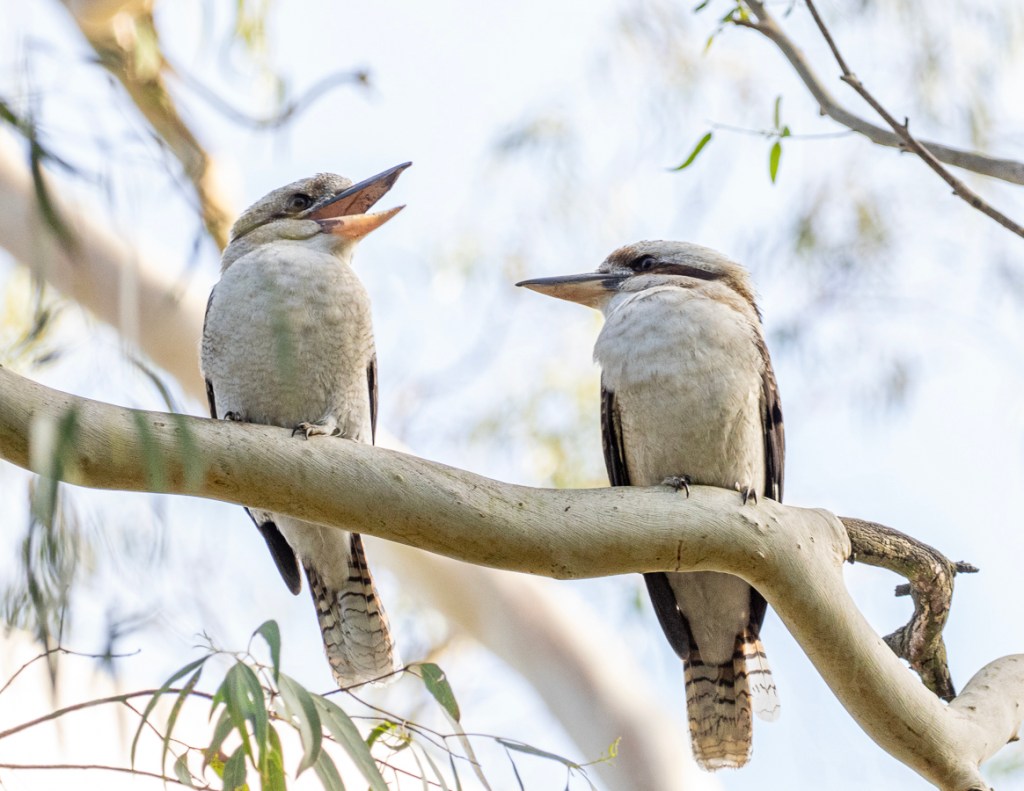
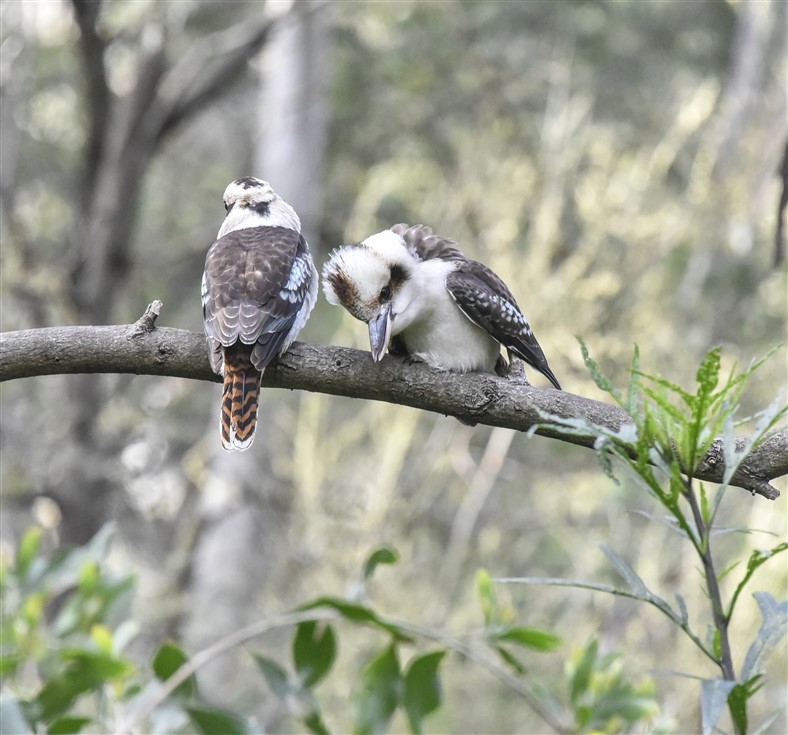
If you wish to start learning about the amazing birdlife of the Blackburn Creeklands, this is the place to start. Do you know how to tell a male kookaburra from a female? If not, this bird walk is for you! Children are especially welcome, as are experts with cameras.
Record the date in your diary now. No registration needed, just turn up on the morning. Please dress appropriately for the weather and we look forward to seeing you ‘bright-eyed and bushy tailed’.
Wattle it be?
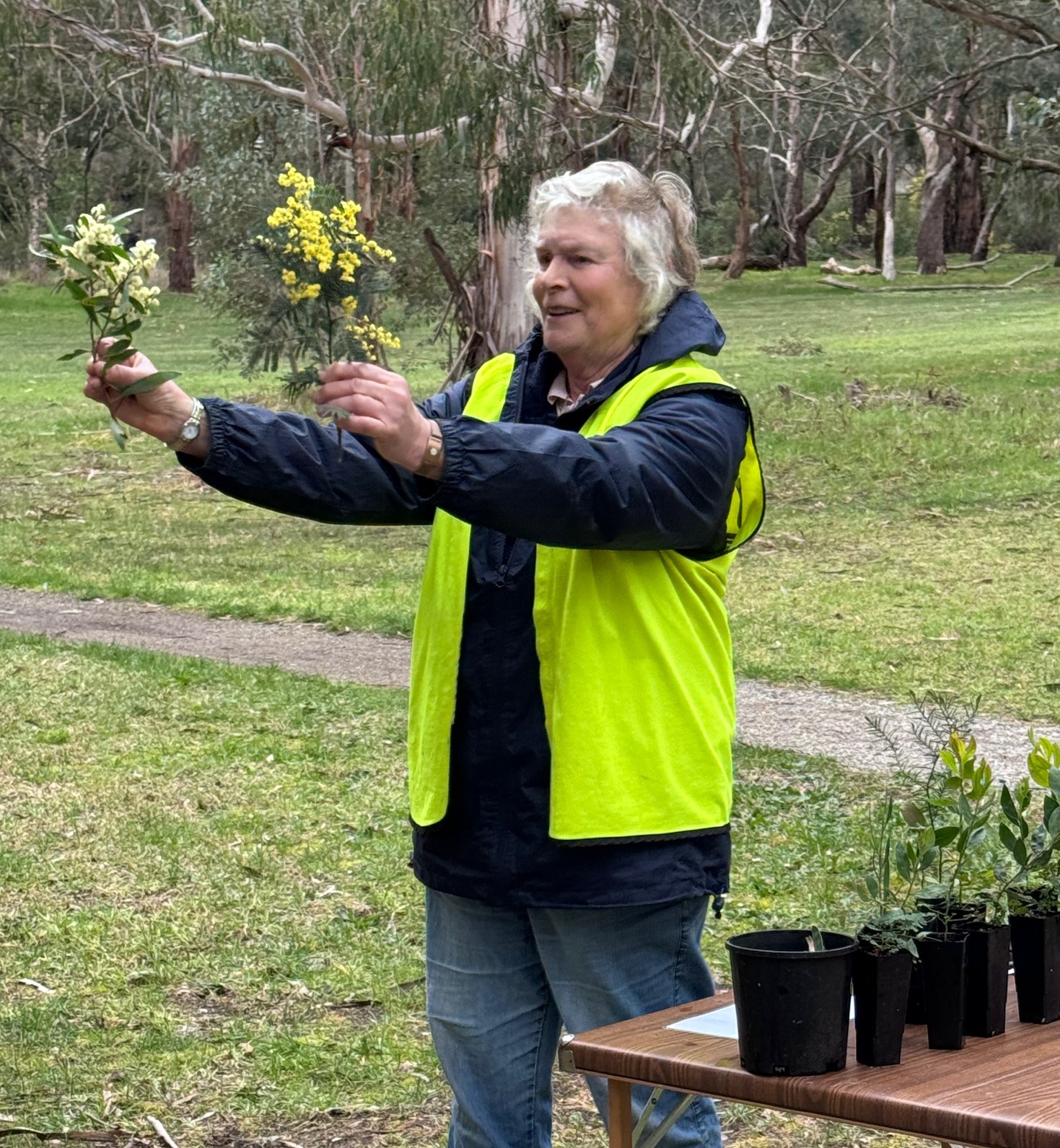
Thanks to Megan for a very informative and engaging presentation on wattles at our last community working bee (CWB) of the year in Blacks Walk. Forty people attended and we managed to finish planting out around the school gate, middle section of Blacks Walk and adjacent to the Scout/guide hall car park. Thanks also to Evelyn and Anthea for a well catered morning tea.
“Wattle Day” is celebrated annually on the 1st of September to mark the beginning of Spring and honors the Golden wattle (Acacia pycnantha). Did you know it is our national floral emblem, and the flower also symbolizes resilience and unity?
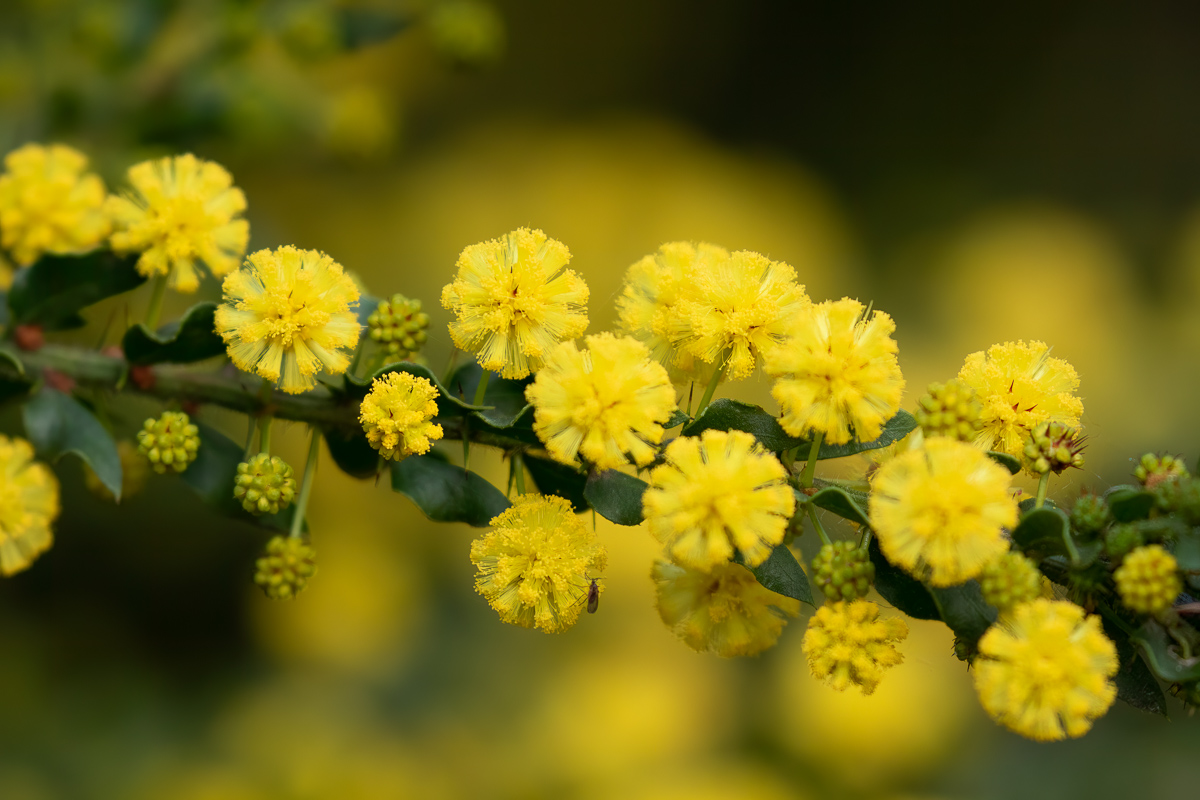
Furthermore, Australia is home to over 1,000 species of wattles (genus Acacia), making them the nation’s largest plant group. They thrive in diverse habitats from arid deserts to coastal regions and they play a vital role in ecology by fixing nitrogen, helping to stabilise soil, and providing food and shelter for wildlife. Wattles are culturally significant to First Nations peoples for tools, medicine and food. Wattles flower in winter when a lot of other plants don’t so their brilliant golden-yellow blooms tend to stand out as you can see in the photo above.
New park brochure
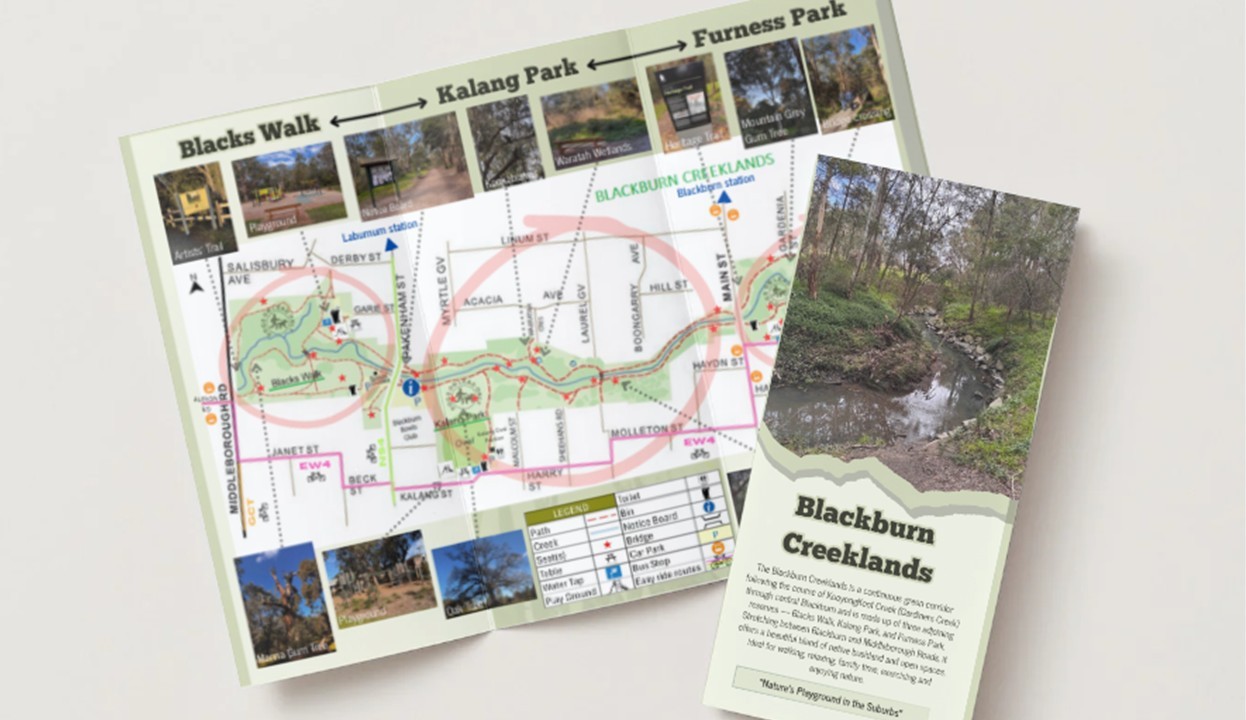
Our committee has been hard at work designing and updating a new brochure for the Creeklands. The brochure is an amalgamation of three older style pamphlets (“Blackburn bushland corridor”, “Blackburn Creeklands” and “Stepping stones for wildlife”) that were printed 10 to 35 years ago. The updated version includes a map, photos, points of interest, reference to our notice board and other relevant information and our contact details. It will look something like this… so stay tuned as we are in the final stages of approval!
Planning Changes vs the Park (reprise)
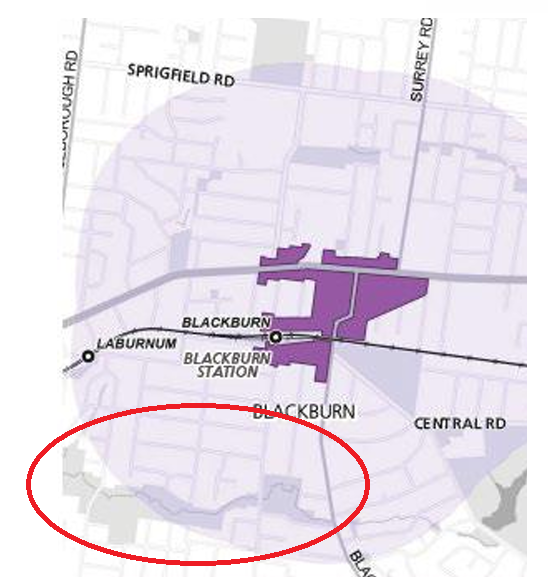
In our January edition, we noted State Government plans to develop “Activity Centers” as a high-rise “core” and medium-rise “catchment” areas to a radius of 800 meters from the core – often centered on railway stations including Blackburn.
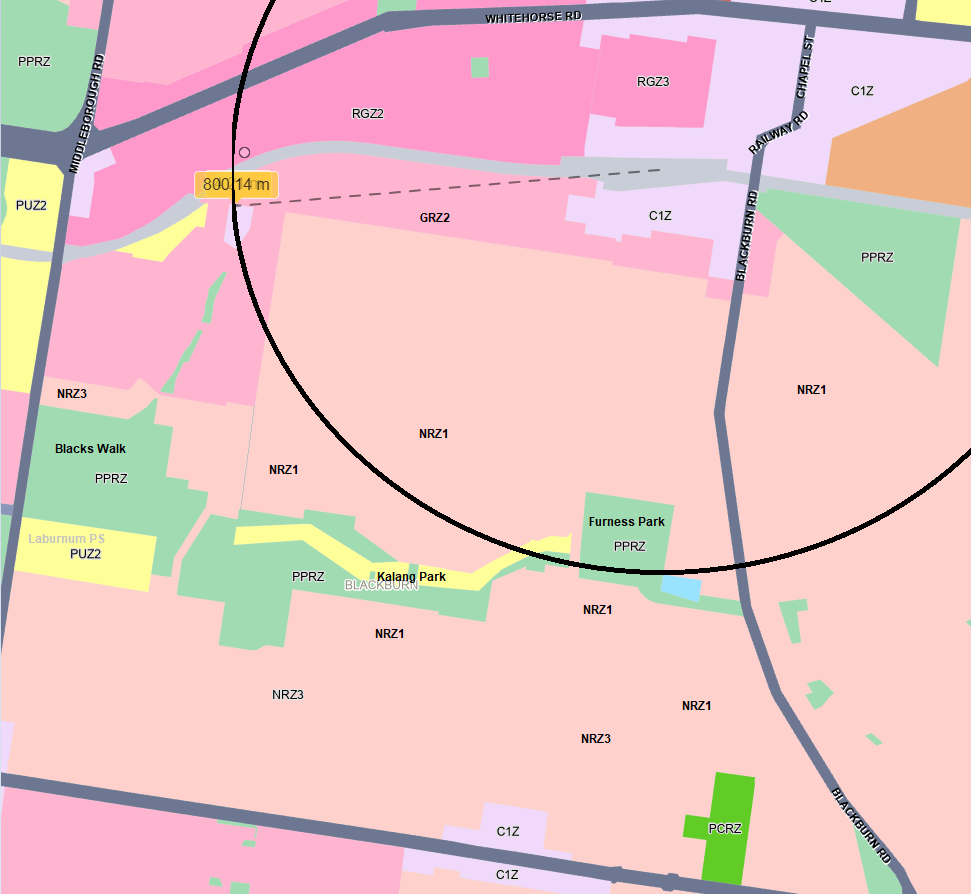
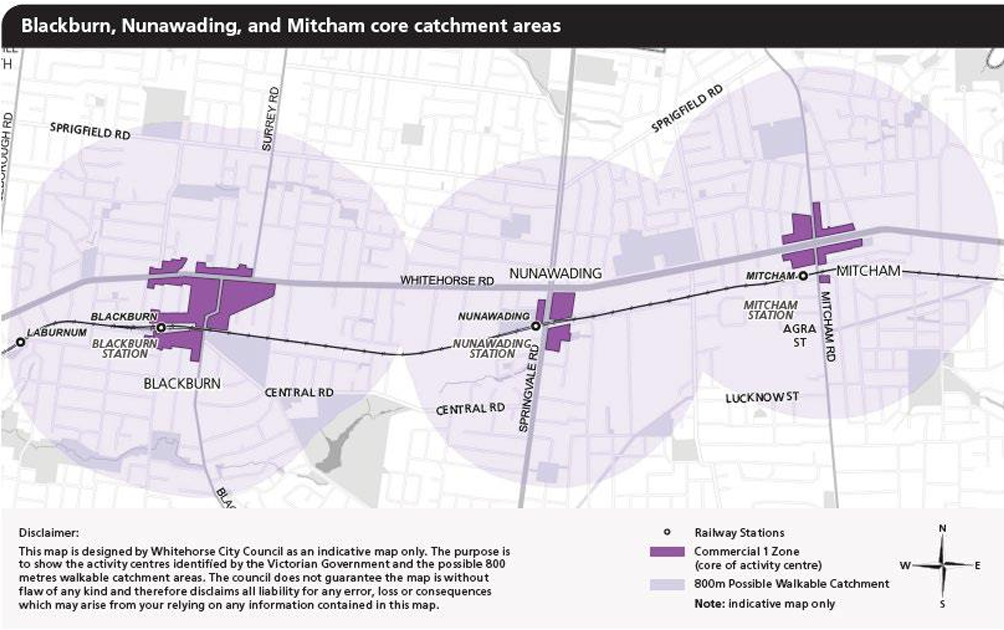
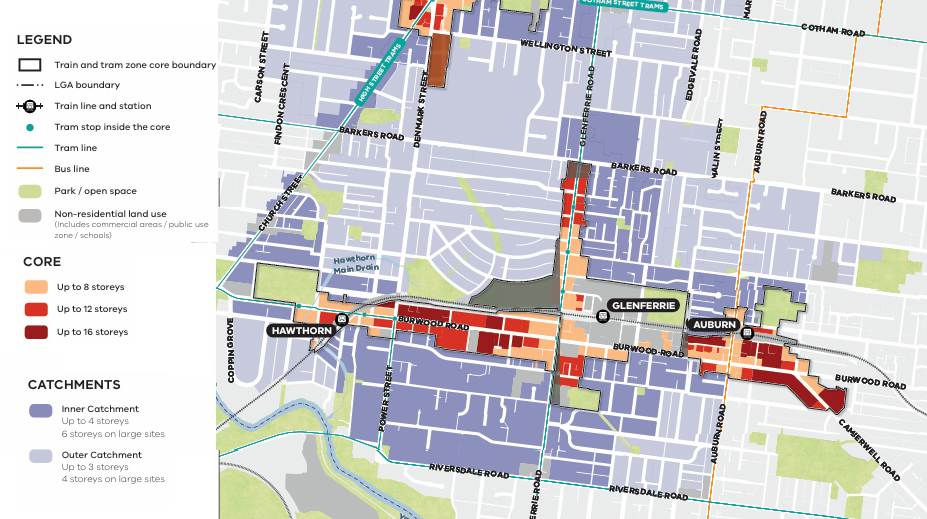
We’ve recently become aware of a more recent Council interpretation published by our friends at the BVRG. Map 1 shows the original version which underestimates the impact on the park whereas Map 2 shows the full Council map along with its important disclaimer – so we thought we should bring you up to date.
Most of Kalang and Furness Parks are surrounded by either the SLO1 or SLO2 (Significant Landscape Overlay) controls – strong controls compatible with our bushland park that are designed to provide for a significantly treed environment.
So, what’s in store for us?
We are not sure – it is unclear whether the new planning controls will override the SLOs or whether the SLOs will influence the Activity Centre plans. We understand our friends at BRAG recently demonstrated the importance of the SLO areas to Minister Kilkenny when she visited the area earlier in the month.
No maps for our area have been produced by the State Government as yet – excepting the Box Hill/SRL set which affect Blacks Walk. The Age recently published (10/09/2025) draft maps for a new tranche of Activity Centres including Kew, Hawthorn, Glenferrie and Auburn (Map 3) which shows a merged version of those maps and may be instructive. Points we note are:
- Intense development follows the major roads – and also the railway precincts (though less so for Glenferrie).
- The Activity Centres tend to merge into each other. This also includes the Hawthorn and Glenferrie activity centres merging with Kew to the north.
- The highest density areas are not necessarily surrounded by tapering off lower density 3 or 4 storey areas (see south and east of Auburn).
Mulch dumped illegally
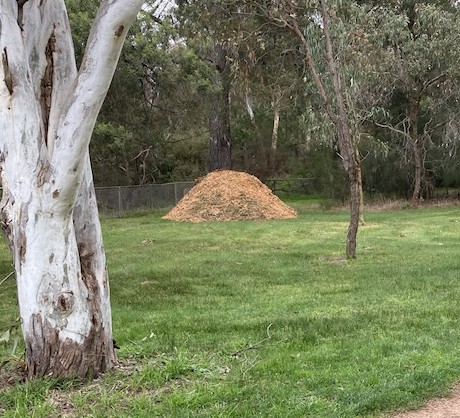
In early September we discovered a pile of fresh mulch that was illegally dumped near the Scout/Guide Hall on the north side of the creek in Blacks Walk. Fresh mulch like this can introduce unwanted pests, diseases and weed seeds as its source was unknown.
Council was quickly notified and the mulch promptly removed… at the rate-payers expense! Please keep an eye out for any non-council trucks or trailers in the park and if seen please record vehicle registration plates and notify us or council authorities immediately.
Applying fresh mulch like this at home is generally not recommended as it can draw nutrients, in particular nitrogen out of the soil as it decomposes and starve plants of essential nutrients which will ultimately effect plant growth. The first sign will be yellowing in plant leaves.
However, several benefits of applying mature mulch to the garden – adding organic matter back into the soil, helps to suppress weeds, maintain soil moisture levels, reduces evaporation and regulate soil temperatures so that you don’t need to water as often, especially in warmer weather. Now is the best time to apply a 5 to 8 cm layer of mature mulch to your garden and remember to keep it away from plant stems and tree trunks to prevent collar rot.
Weed of the month… is back!
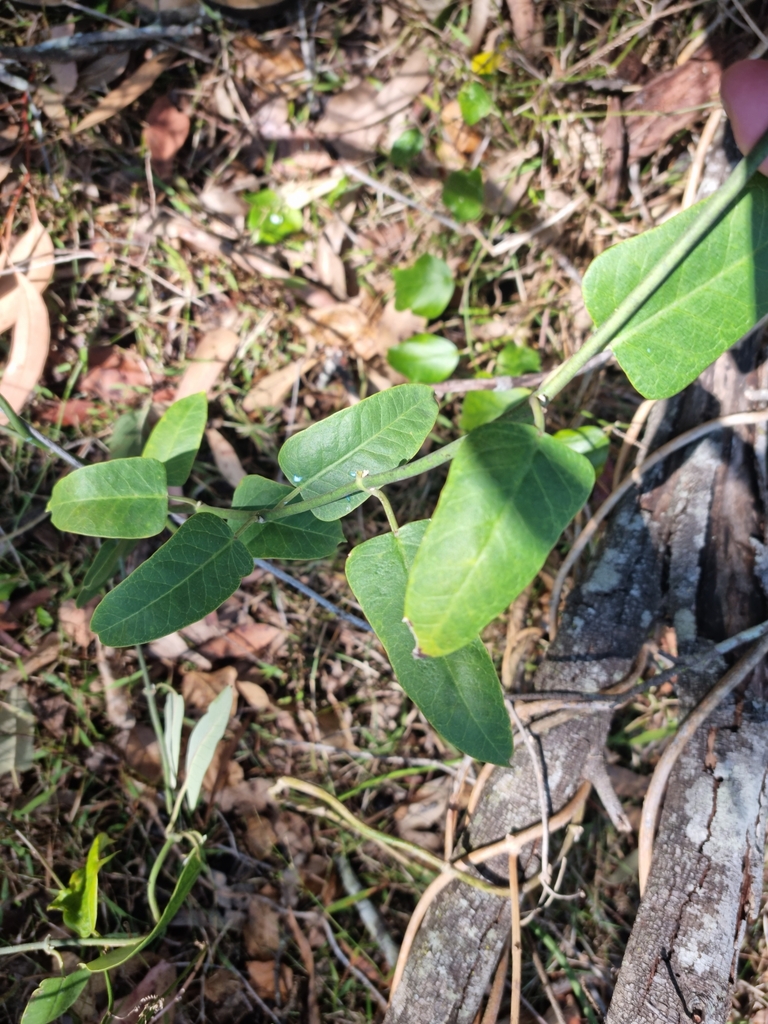
Thanks to John who recently spotted a Moth vine growing along the creek near the bridge in Furness Park. We shall endeavour to have it removed before it spreads or self-seeds. Please be vigilant with weeds growing in and around your property so as they don’t spread into our beautiful parklands.
The Moth Plant (Araujia sericifera), also called False Choko, Common Moth Vine or Cruel Vine, is a fast-growing South American twining vine that can climb up to 10 metres, smothering native plants and reducing habitat for other flora and fauna.
The plant is toxic to people and animals, and its white sap can irritate the skin and may cause breathing issues so handle carefully! Its soft pods resemble chokos but ripen into woody capsules that can release hundreds of seeds via wind and water dispersal. The fragrant flowers are pollinated by moths and can also trap insects. Watch for heart-shaped leaves and remove before it establishes itself and spreads.
This vine is sometimes grown ornamentally, though is highly invasive and not recommended near open parklands. Tip: always remove or dead-head old flowers to prevent seed pods forming and dispersing unwanted weed seeds. The old proverb often used in an agricultural sense is “one year’s seed is 7 years weeding” and who wants that?
For more information on common weeds found in the Creeklands and in your garden, please see our new display in the noticeboard – thanks Anthea!
Monthly bird survey
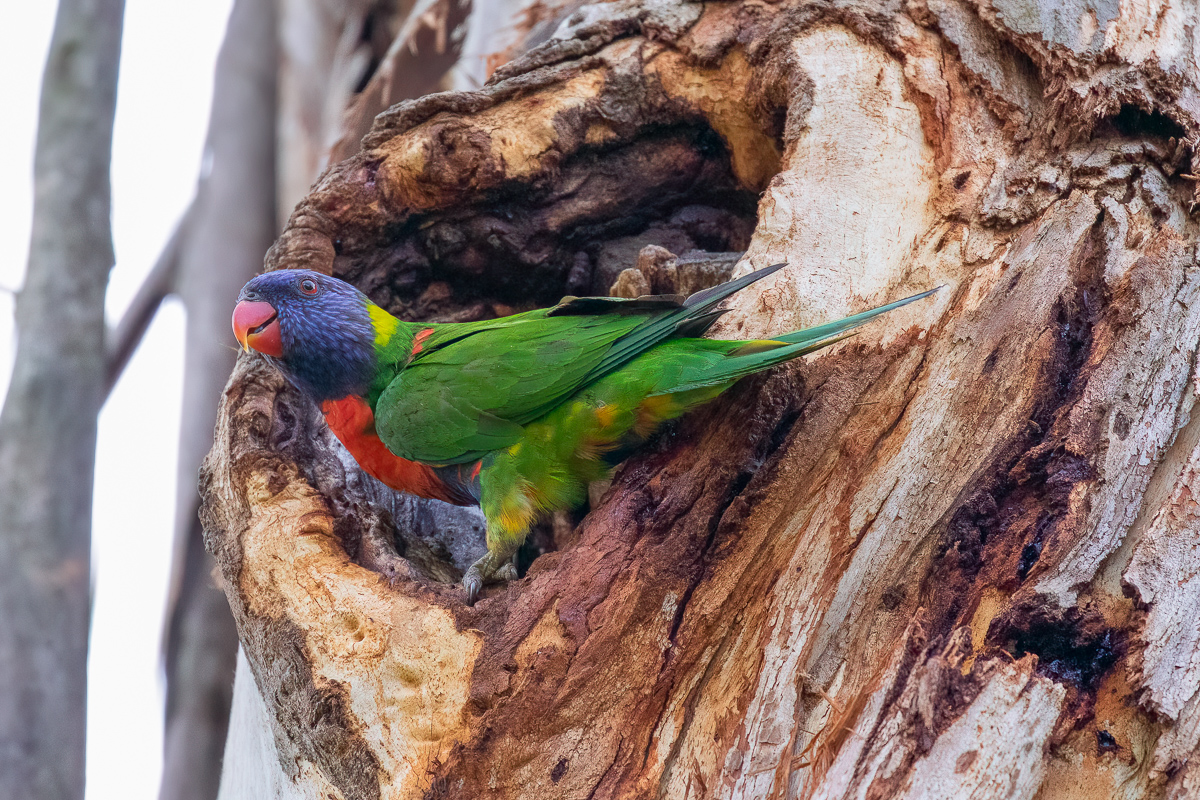
On the second Wednesday of each month, Pat and Ruth together with interested bird watchers conduct a survey of the birds present in the Creeklands. Here is the report from the September survey:
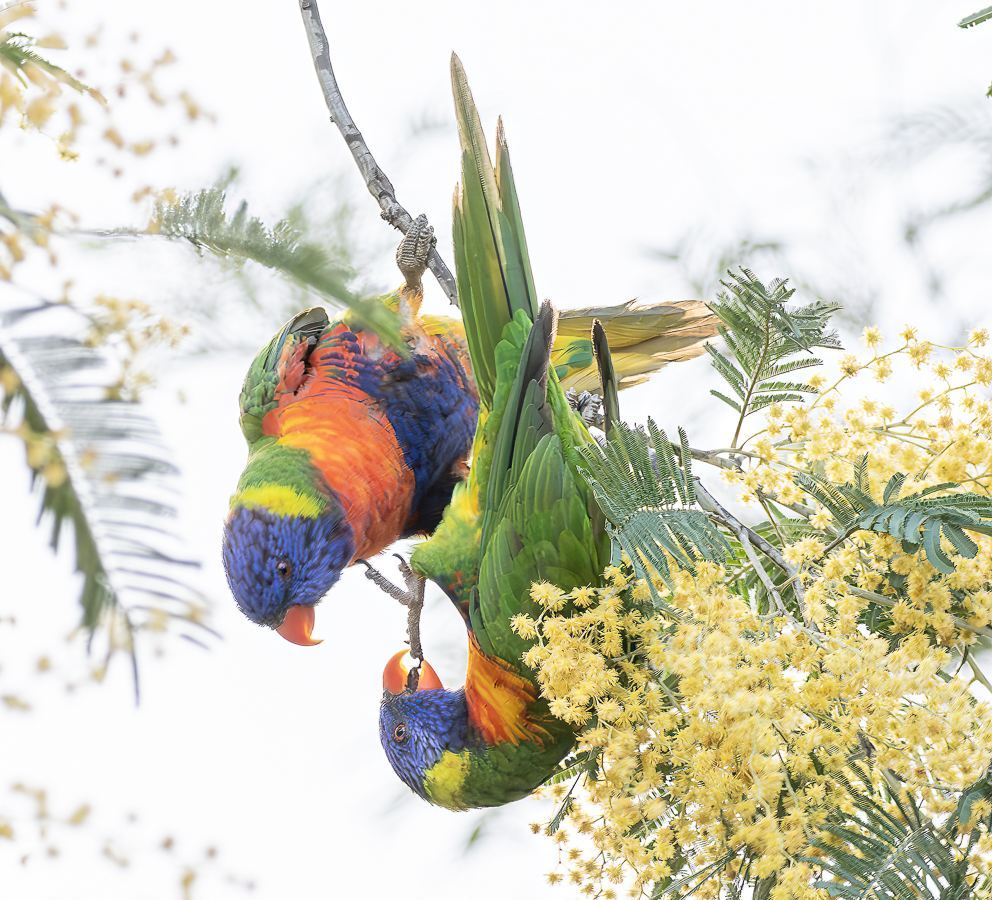
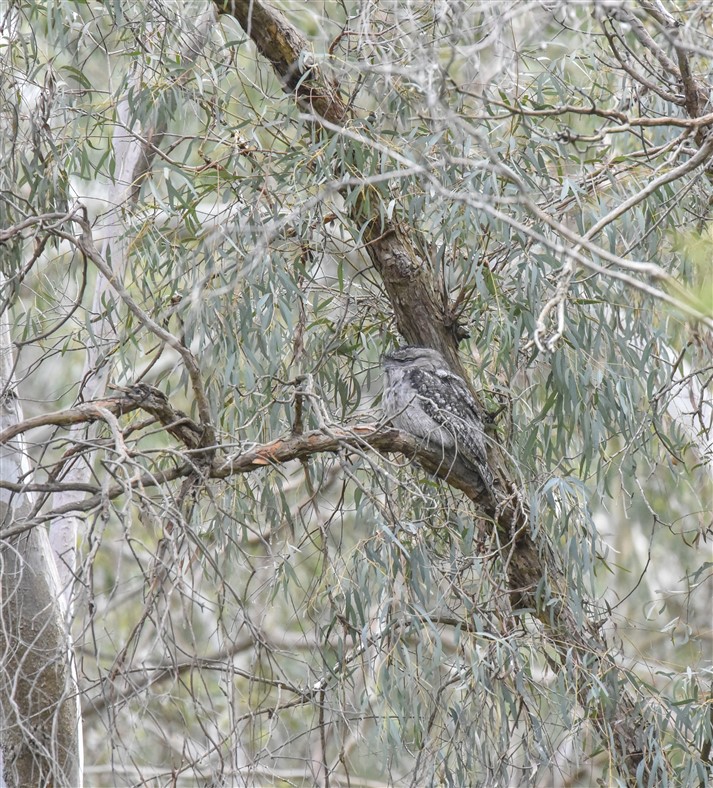
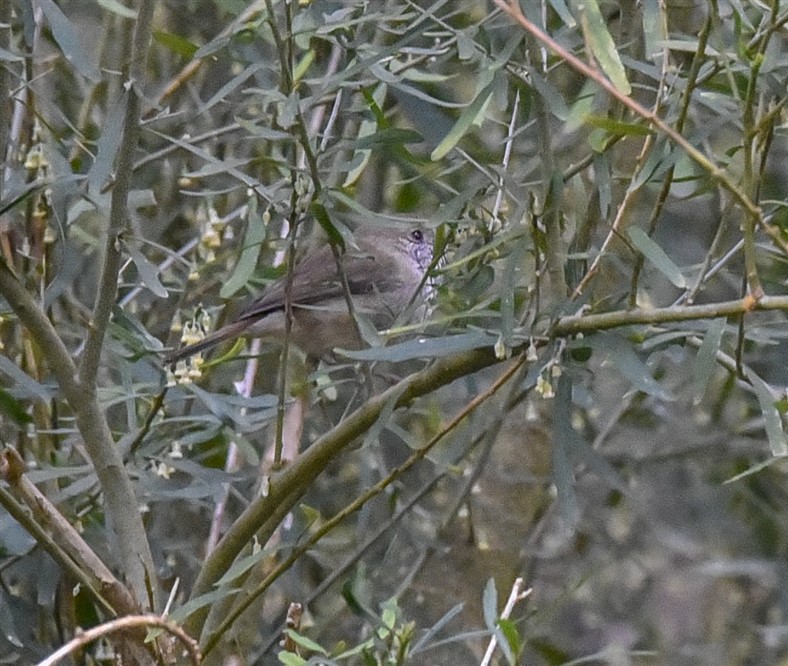
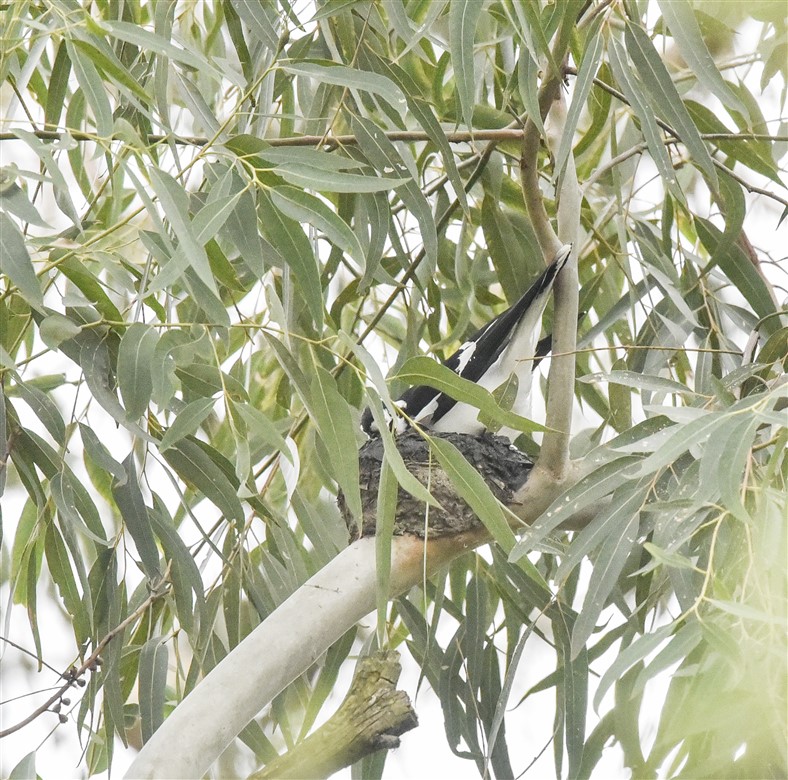
September is bird nesting time in the Blackburn Creeklands for those species which nest once a year. Some species such as the Noisy Miner and the Rainbow Lorikeet are breeding and nesting throughout most of the year and thus maintain their high numbers. Other species such as Pied Currawongs will routinely raise 2 broods in the one nest season and bolster their numbers that way. Tawny Frogmouths and Brown Thornbills on the other hand will generally only attempt a second nest after calamity has struck the first nest (see photos below in ‘Sightings’).
On 10th September, we had plenty of evidence of breeding – Rainbow Lorikeets investigating nest hollows, Pied Currawongs building nests, Noisy Miners already feeding fledglings and Tawny Frogmouths sitting on nests – a good beginning to the new Spring breeding cycle.
The top three bird species observed on the day are shown in the table below and a full copy placed in our noticeboard.
| West Section | East Section | |
| Total no. birds | 206 | 199 |
| No. bird species | 19 | 22 |
| Rainbow Lorikeets | 59 | 30 |
| Noisy Miners | 32 | 37 |
| Little Ravens | 18 | 15 |
| King Parrots | 4 | 24* |
| Others | 93 | 93 |
| *18 flying east |
Keen to help out or learn a bit more about ornithology? Bird Surveys take place in the Blackburn Creeklands on the second Wednesday of each month. For more information, please email Ruth: blackburncreeklands@gmail.com
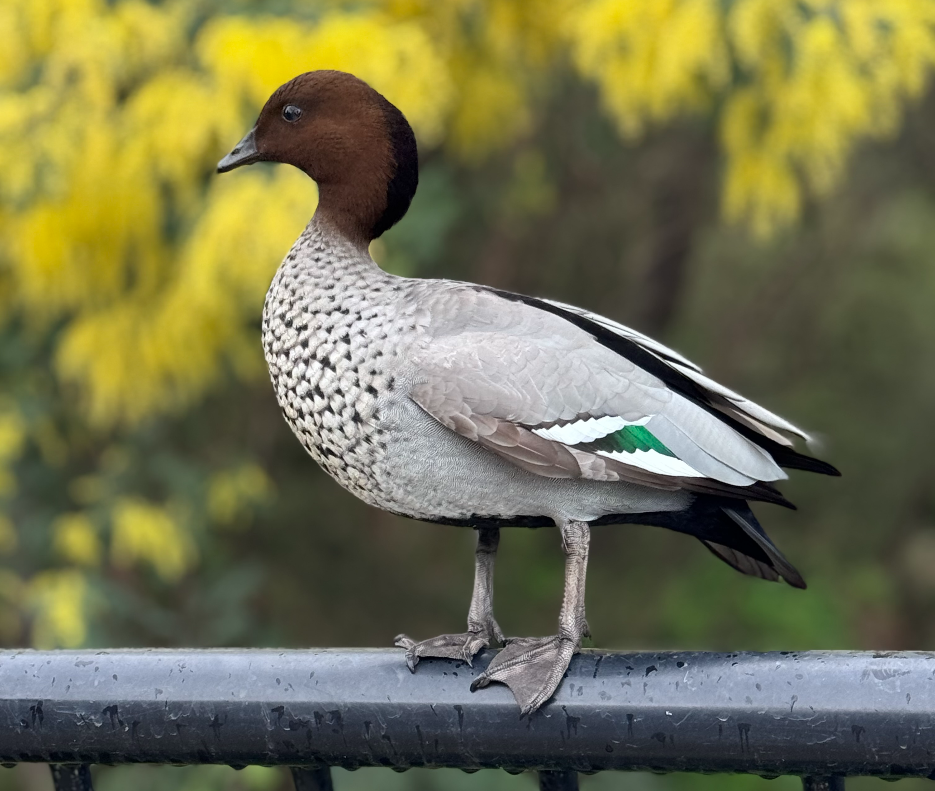
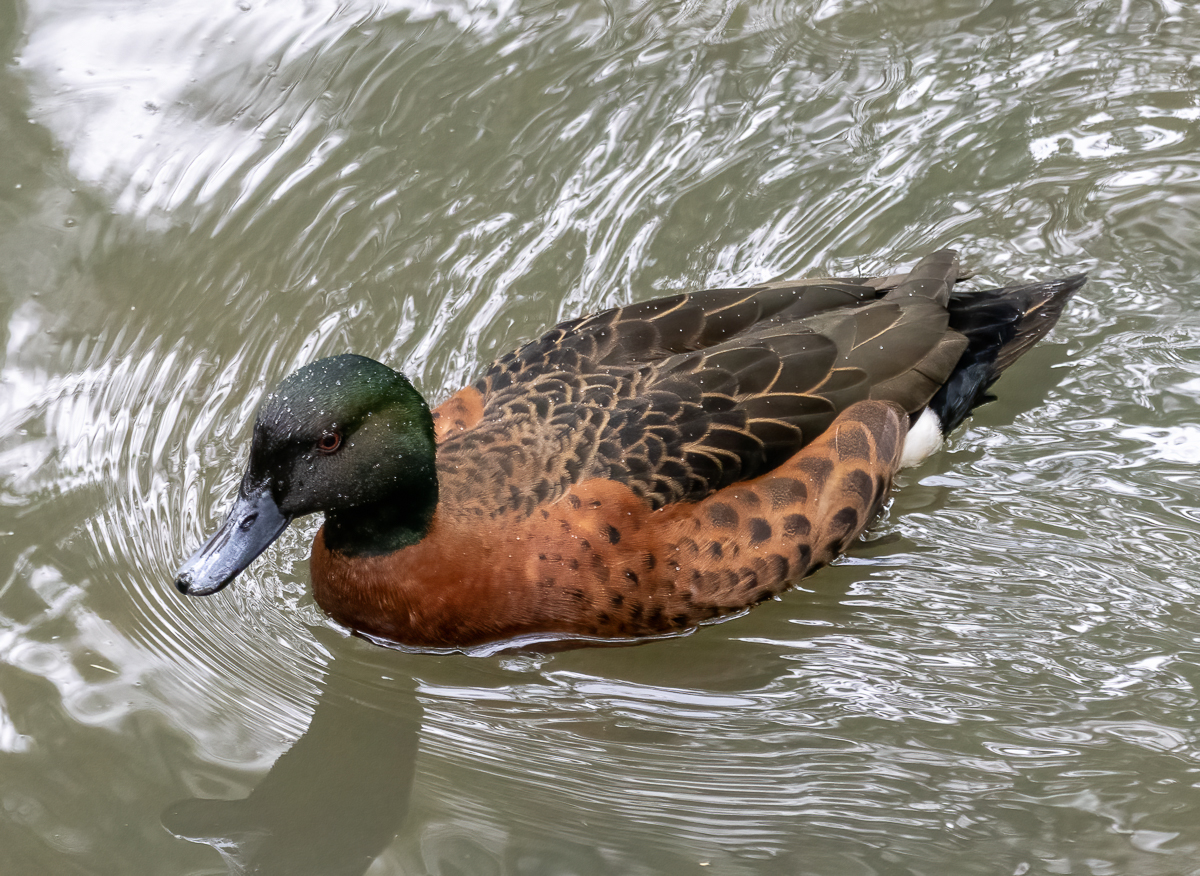
Sightings
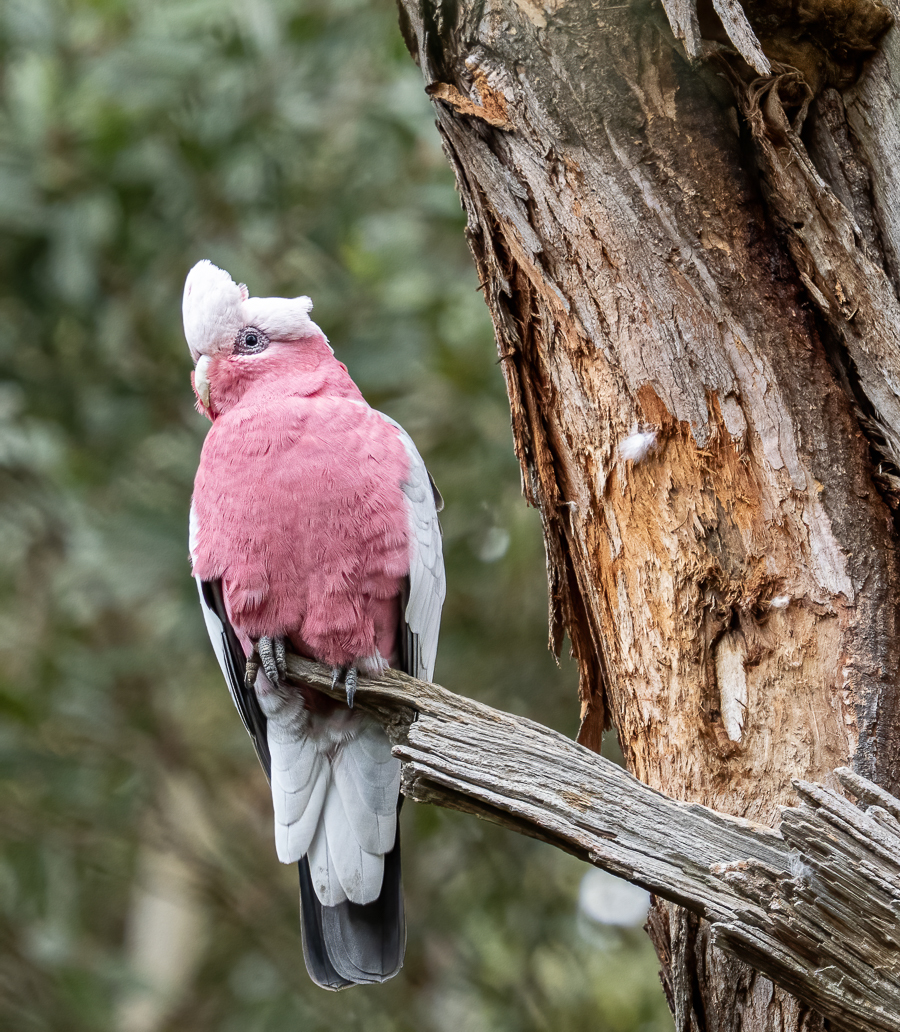
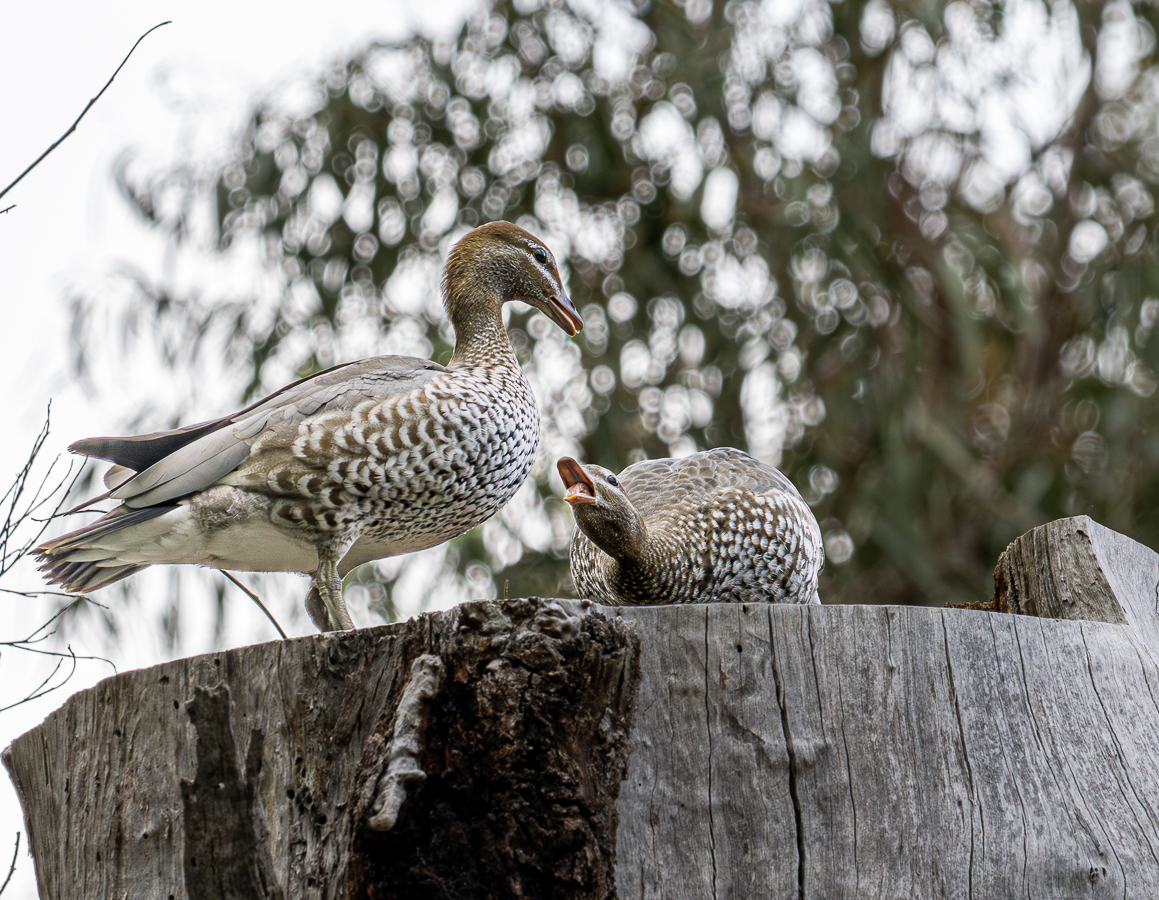
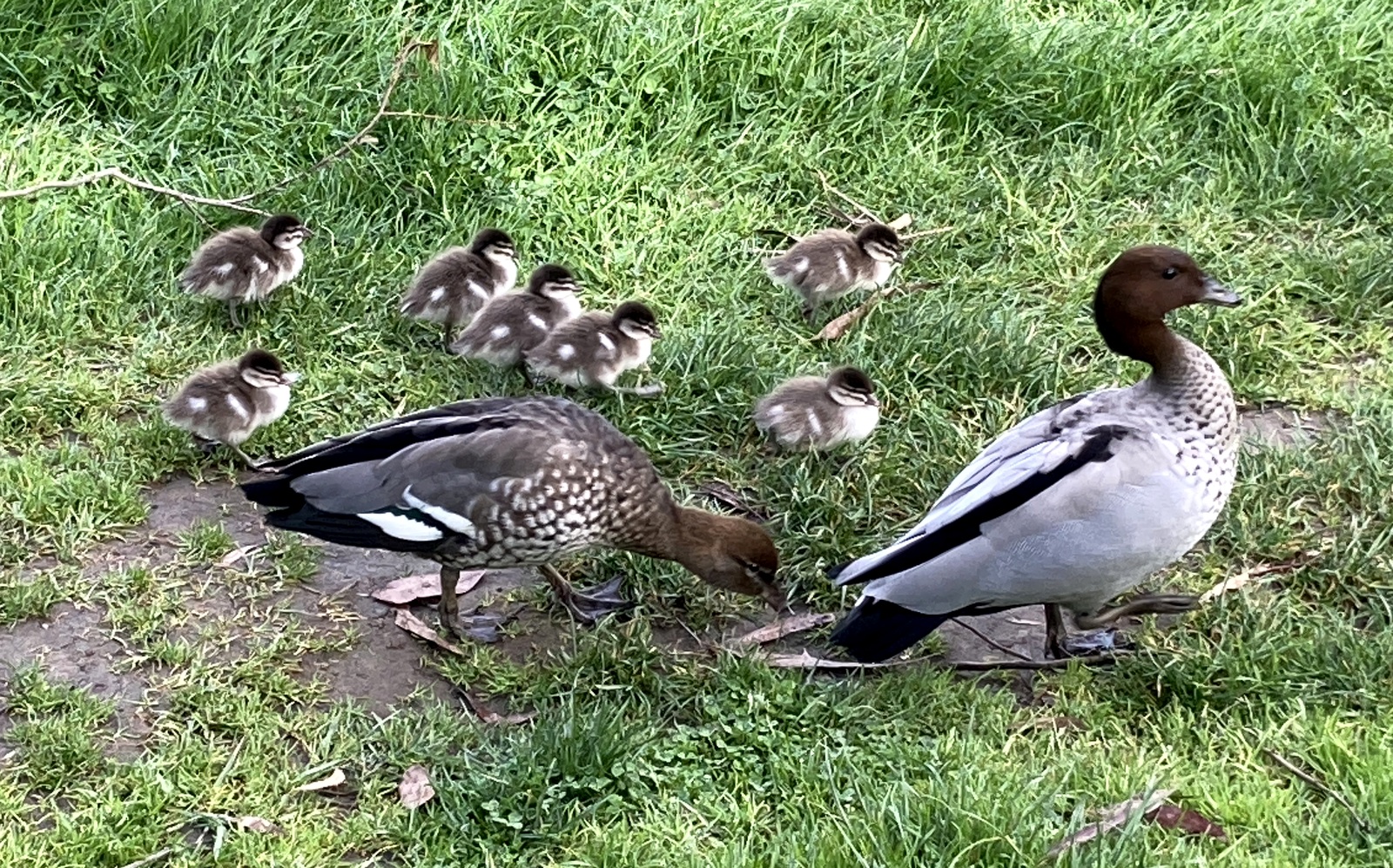
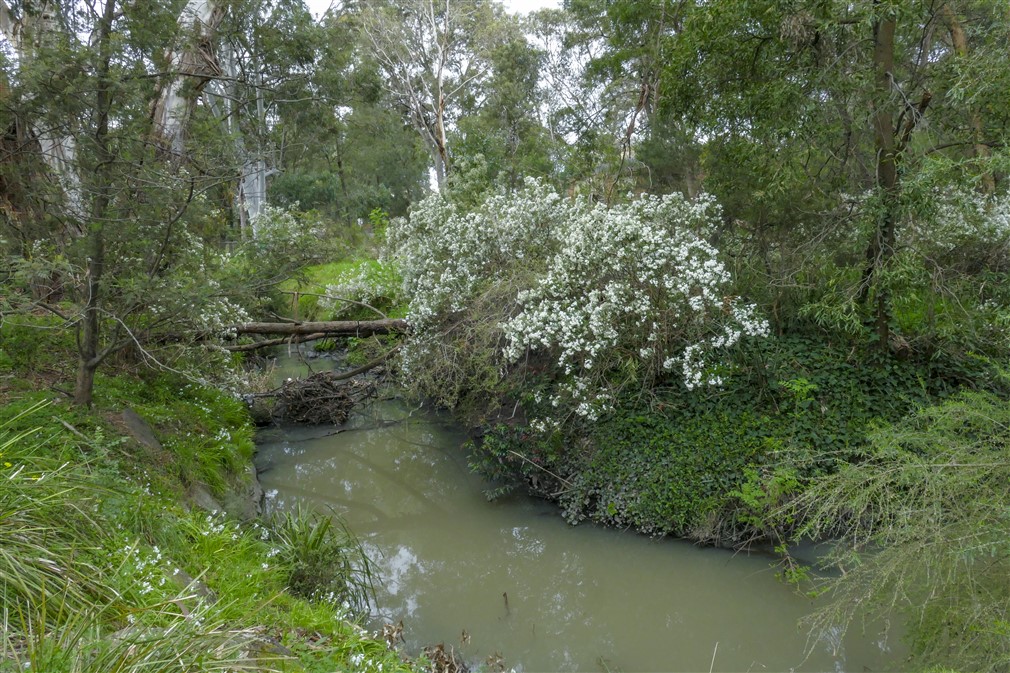
We thank our wonderful photographers for sharing their amazing images with us. If you would like to contribute, please send your photos to: blackburncreeklands@gmail.com
Click on image to enlarge photo and then scroll through gallery using the ‘right arrow key’.

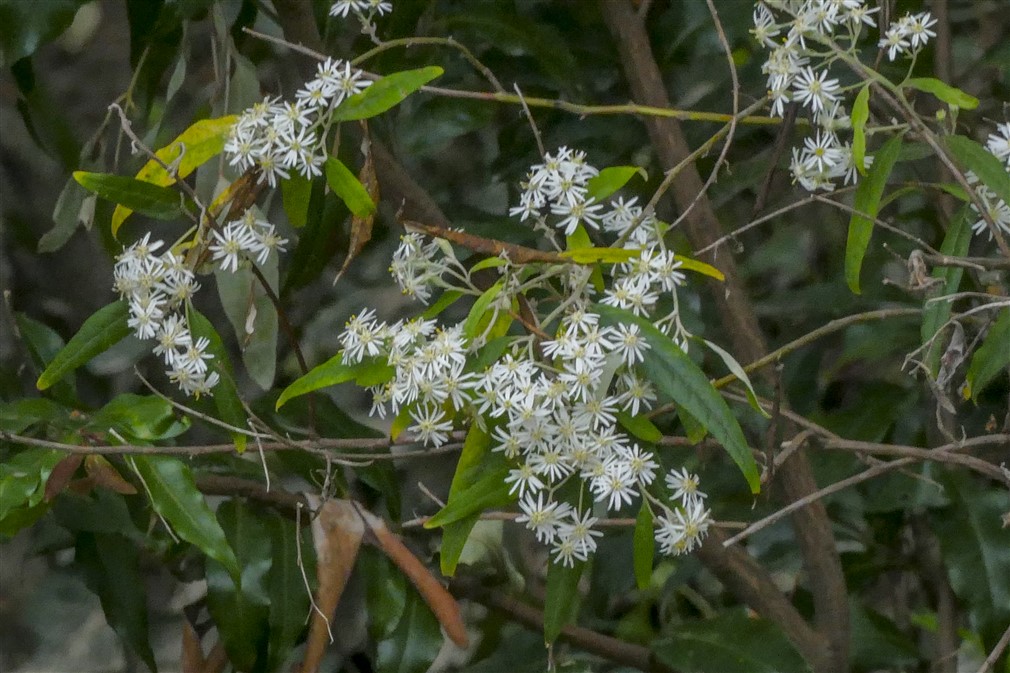
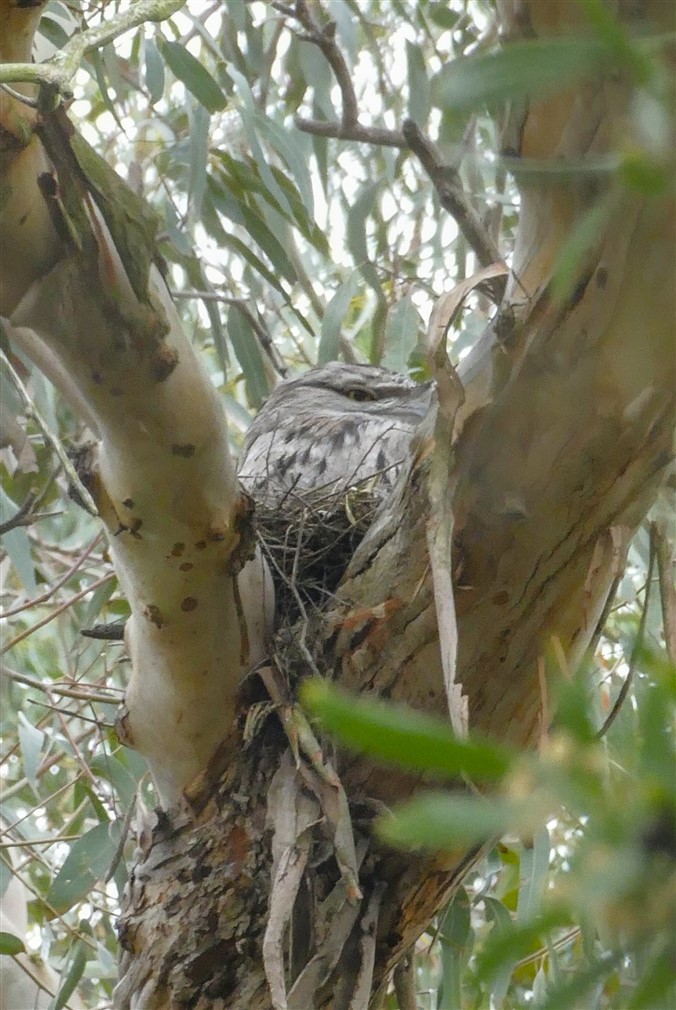
New editor

Finally, a huge thanks to John for producing our newsletter over the last 12 years. What a tremendous and great contribution you have made not only to our committee but the Whitehorse community and all our readers. Enjoy your ‘agistment’ and remember the grass is always greener on the other side… 😉
 Blackburn Creeklands