SPRING TIME!
Upcoming events:
- CROWAG meeting on 9th November 2025
Welcome to the October edition of our Blackburn Creeklands newsletter.
Daylight savings has arrived, ushering in longer evenings, brighter days, and a renewed sense of energy across the creeklands. Whether you’re catching up with friends, taking a stroll through the creeklands, or simply enjoying the extra daylight, this season offers plenty to look forward to, so make the most of it before the summer heat arrives.
In this edition, we have:
- CROWAG meeting
- Spring bird walk
- Insect of the year – Voting closes soon!
- Whitehorse’s canopy cover
- Poo bags
- Plant of the month!
- Bird of the year 2025!
- Sightings
CROWAG = Combined Residents of Whitehorse Action Group Inc.
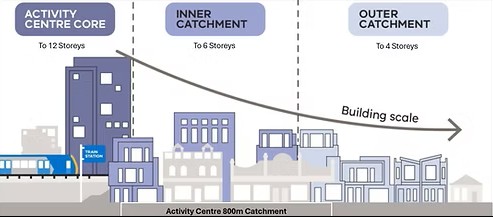
The State Government has designated Blackburn as one of 60 new “Activity Centres”. This permanent zoning change allows for higher and denser development – and removes your right to appeal against planning decisions. Join us at a public forum hosted by local community groups to learn more about what this means for Blackburn. Hear from speakers with expertise in local government, architecture and planning, ecology, and local residents who will share their insights. You’ll gain the knowledge and tools to make a powerful submission that tells the State Government what you value most about Blackburn, and why it deserves protection.
Click here for more details and to reserve your seat at the CROWAG meeting on Sunday 9th Nov. at 1:30 – 4:30 PM at Blackburn RSL: https://www.crowag.com/
Spring bird walk soars to new heights!
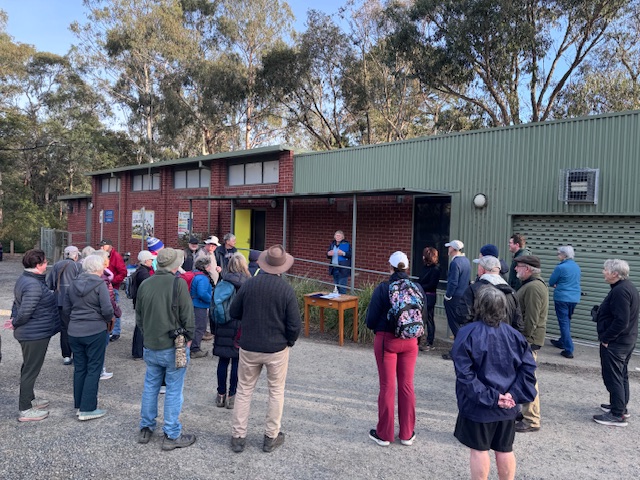
Keen birdwatchers flocked to the annual Spring Bird Walk on Saturday, 25 October, bright and early at 7:30 AM. With binoculars and cameras in hand, and ears tuned to the treetops, participants set off in two groups led by bird experts Pat Bingham (BirdLife Australia) and Ian Moodie (formerly of Whitehorse Council).
Pat’s group migrated west through Black’s Walk flat, while Ian’s group flew east along the northern side of the Creeklands before looping back over the Furness Park bridge. The weather couldn’t have been better with clear blue skies, still air (7 degC), and a symphony of birds that were about to play!
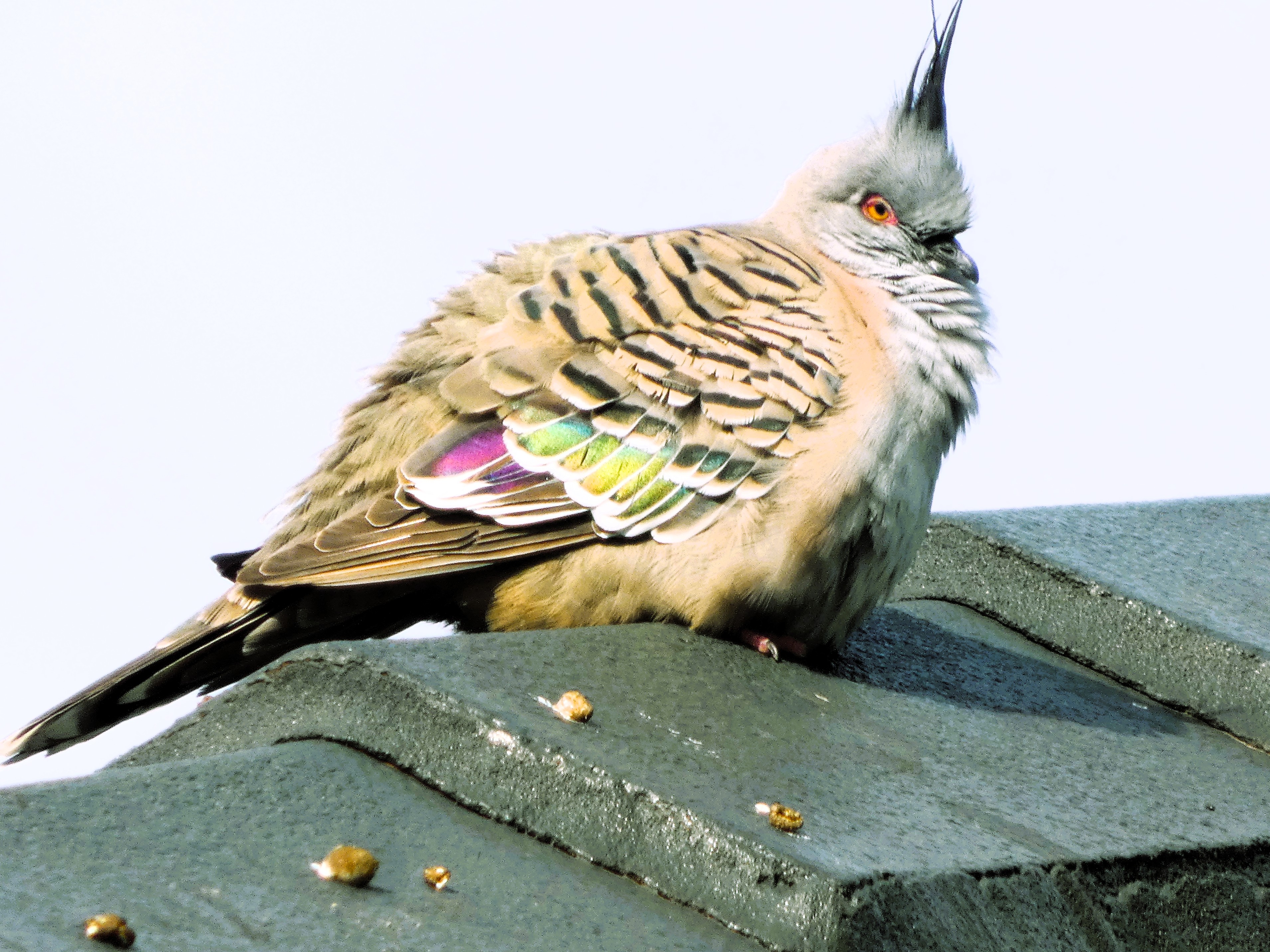
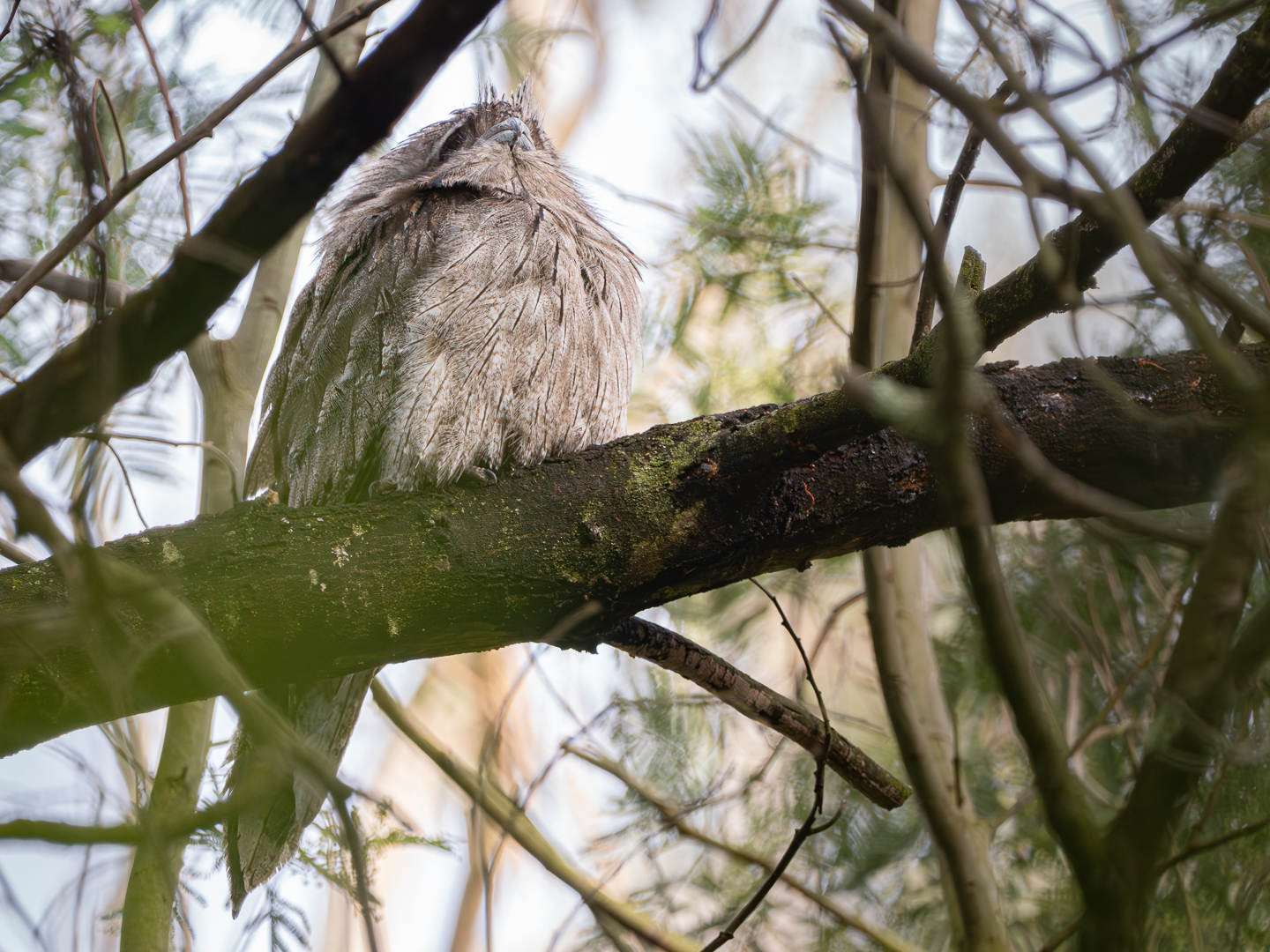
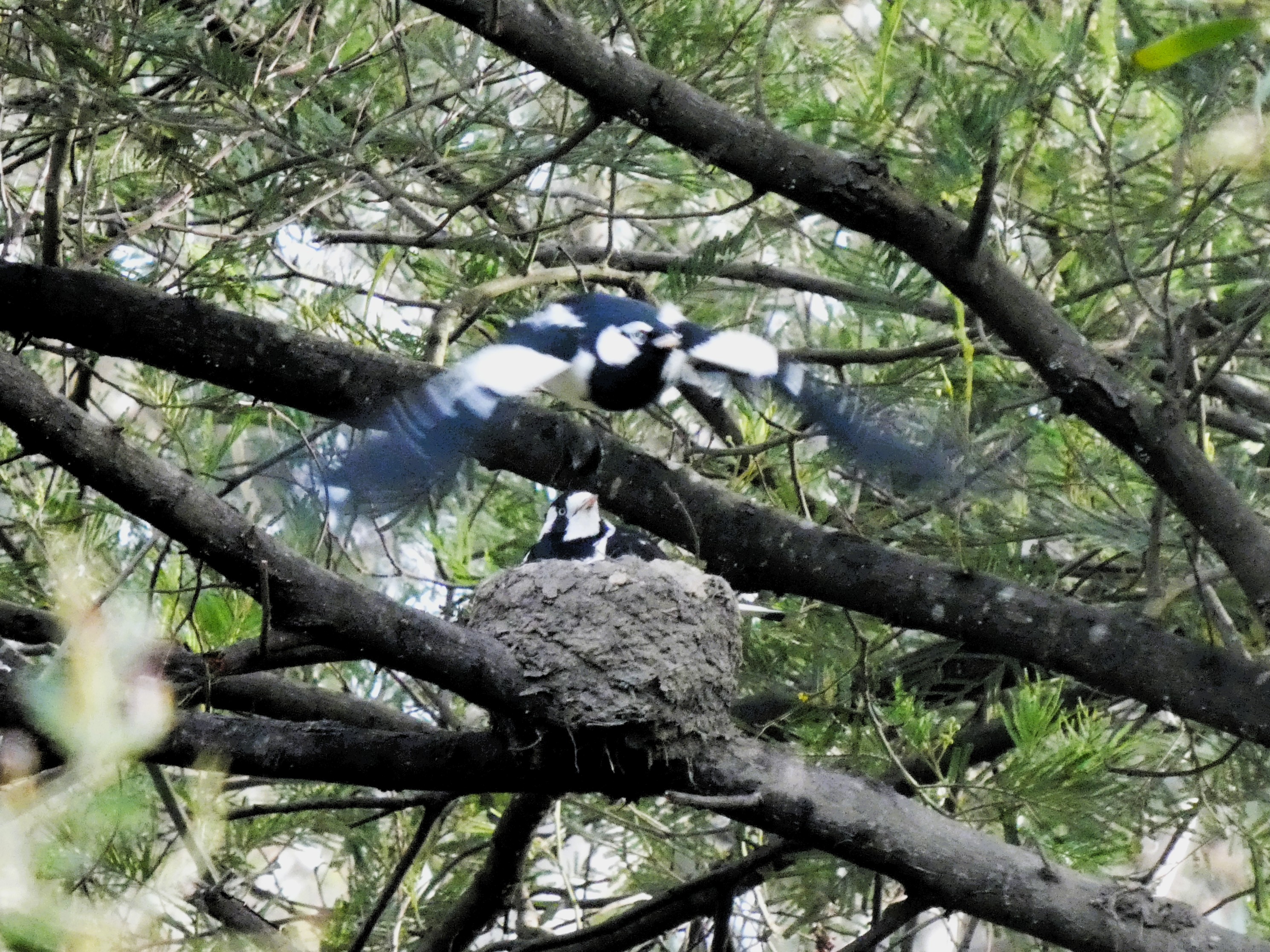
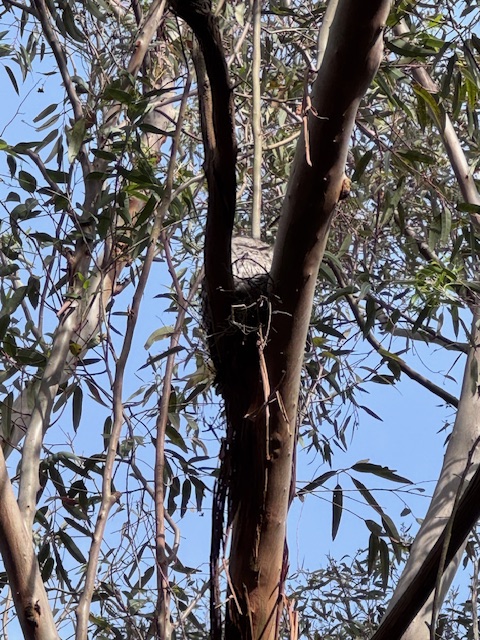
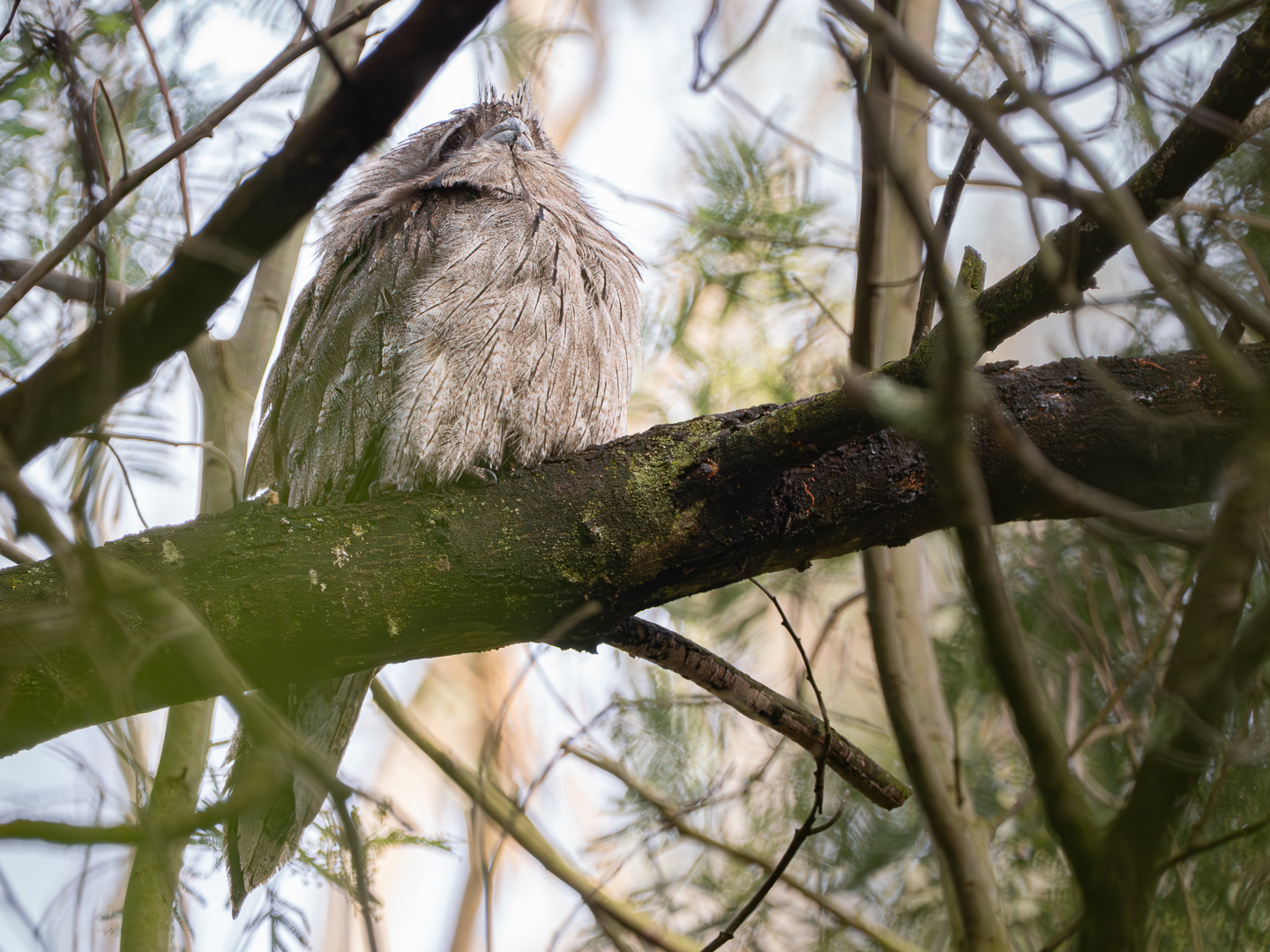
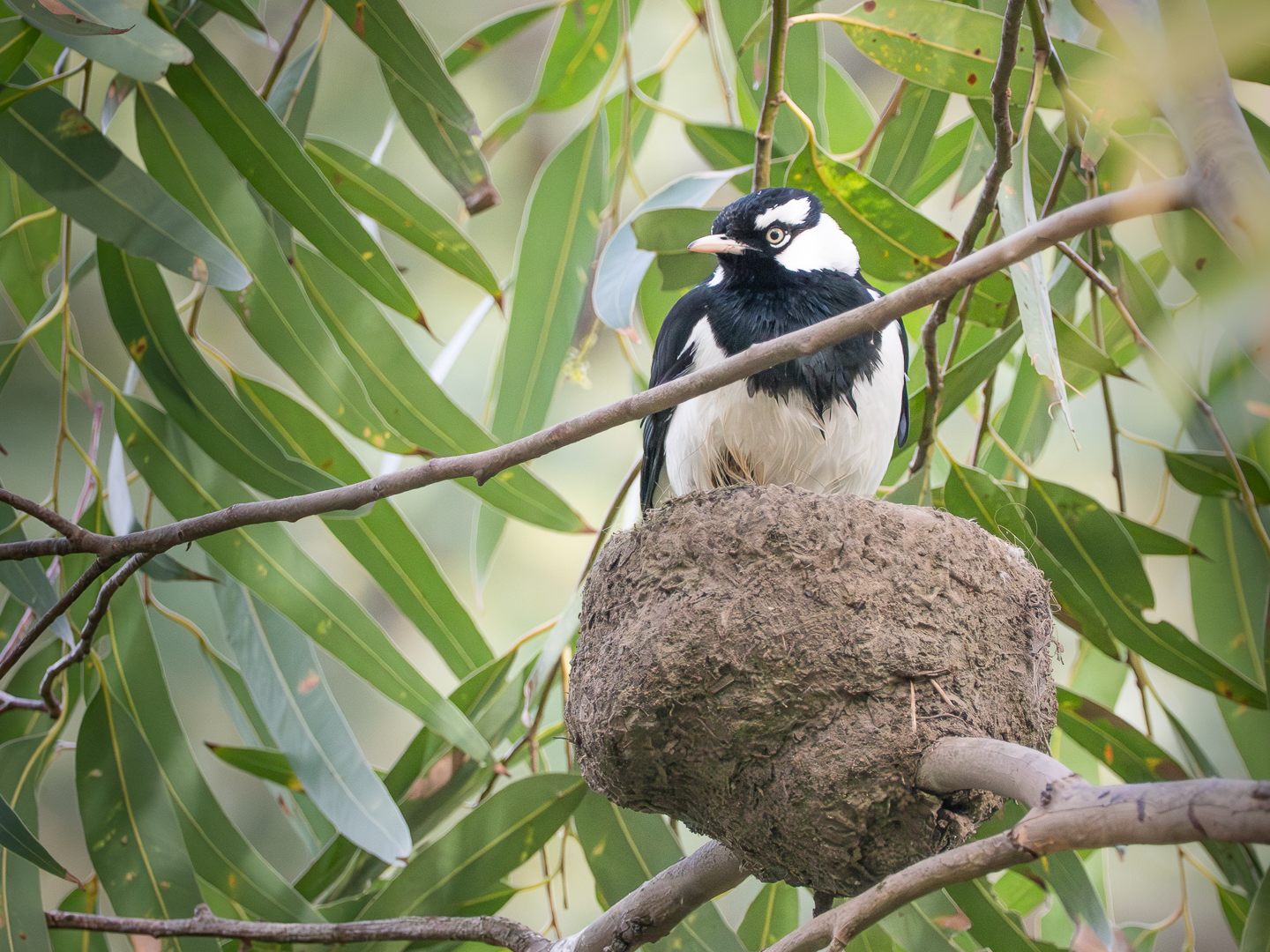
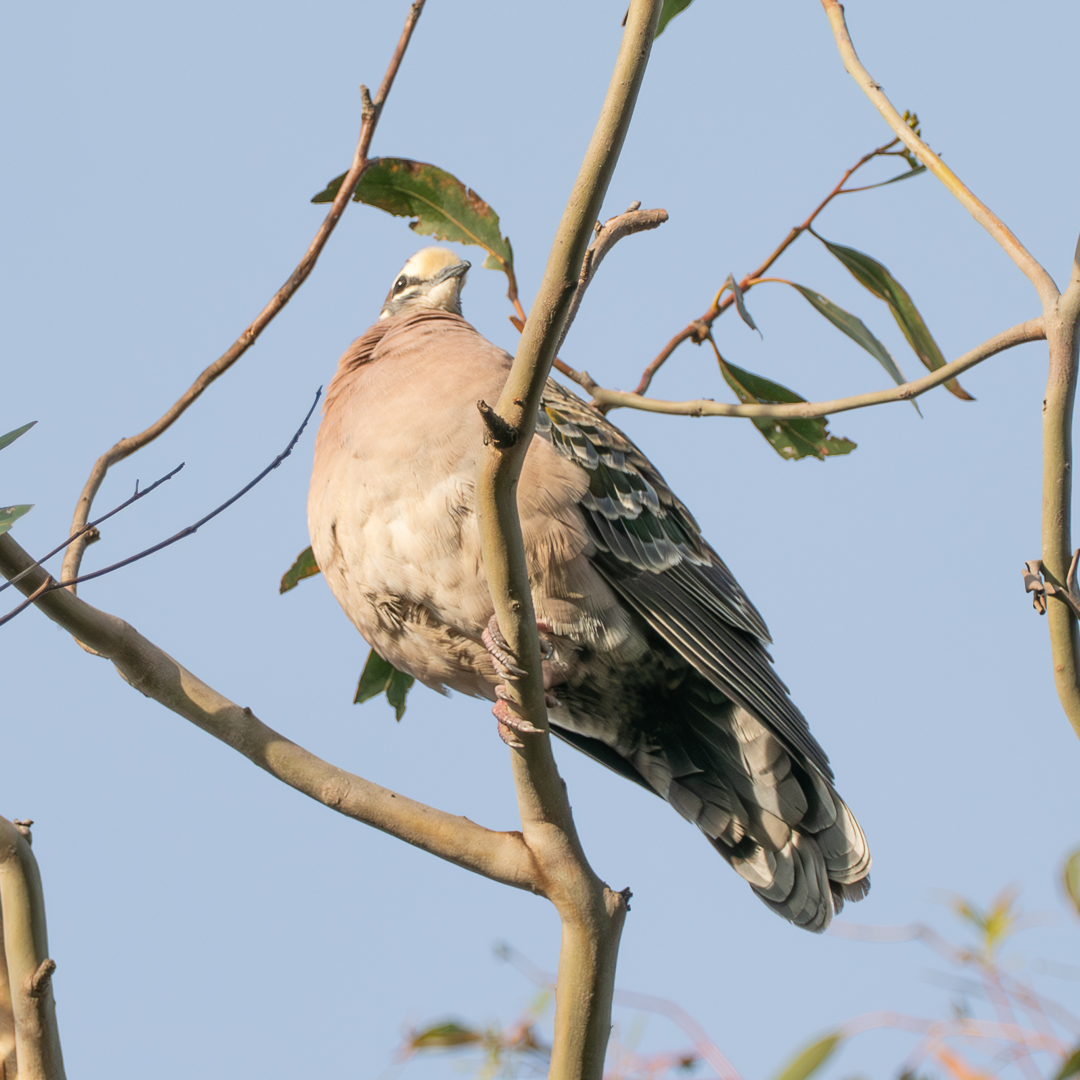
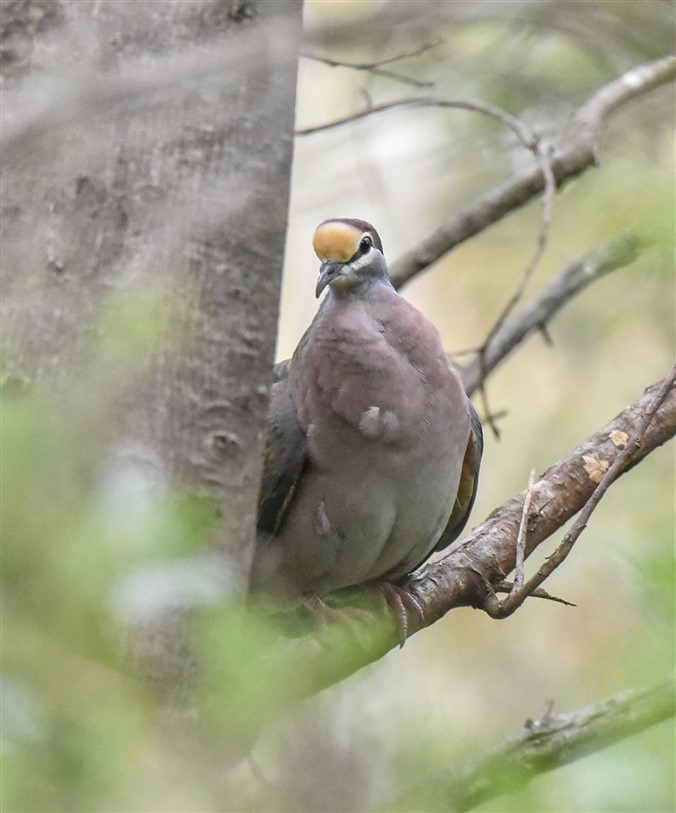
Highlights included Tawny Frogmouths and Mudlarks nesting, the soft but steady call of a Crested Bronzewing echoing through the Creeklands, and the common sighting of an Australian White Ibis (aka bin chicken) soaring overhead towards the city. Keen eyes spotted a Brown Thornbill flitting among dense shrubs near Waratah Wetlands, while the elusive Spotted Pardalote teased us from the treetops… heard but not seen!
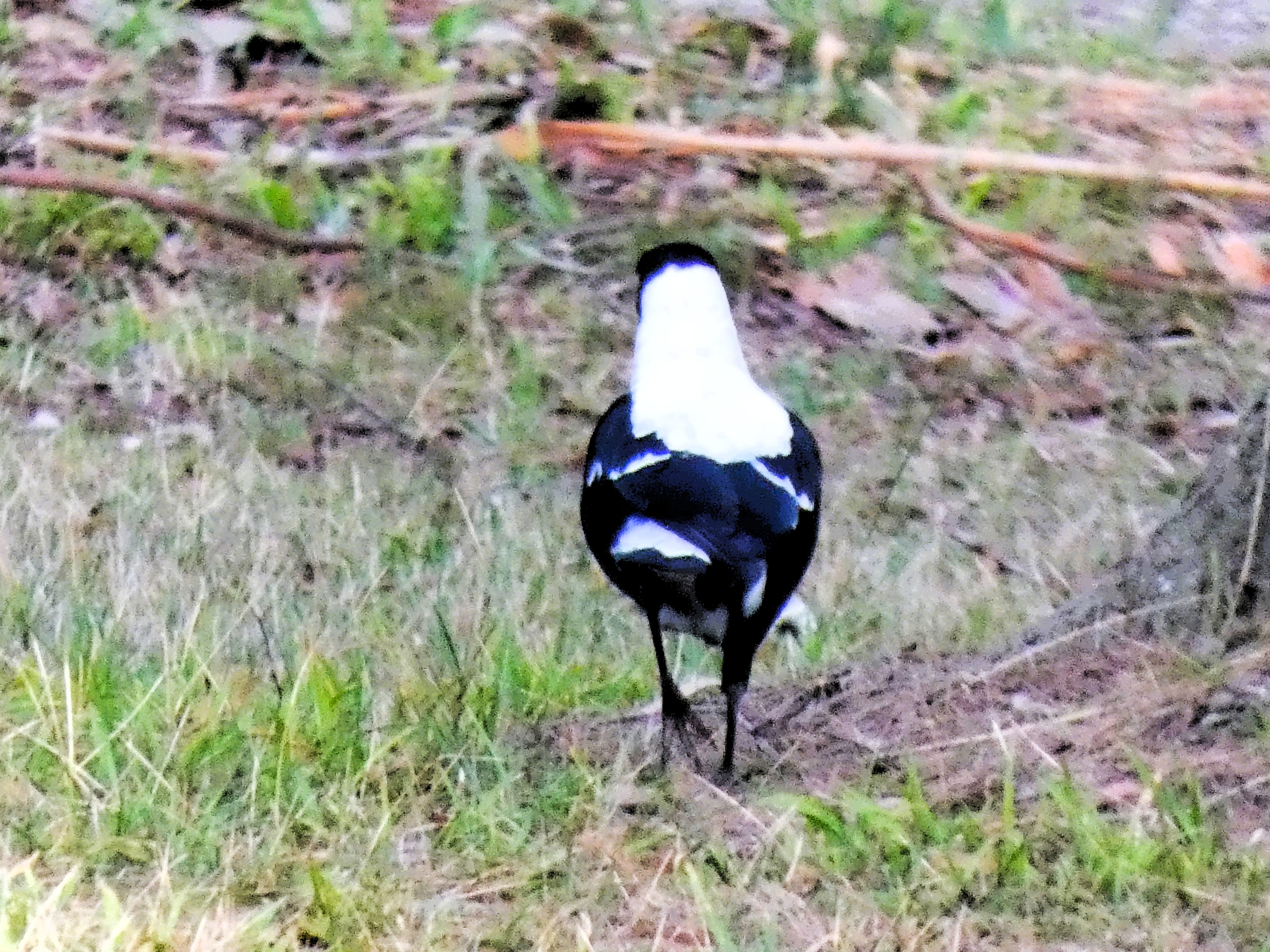
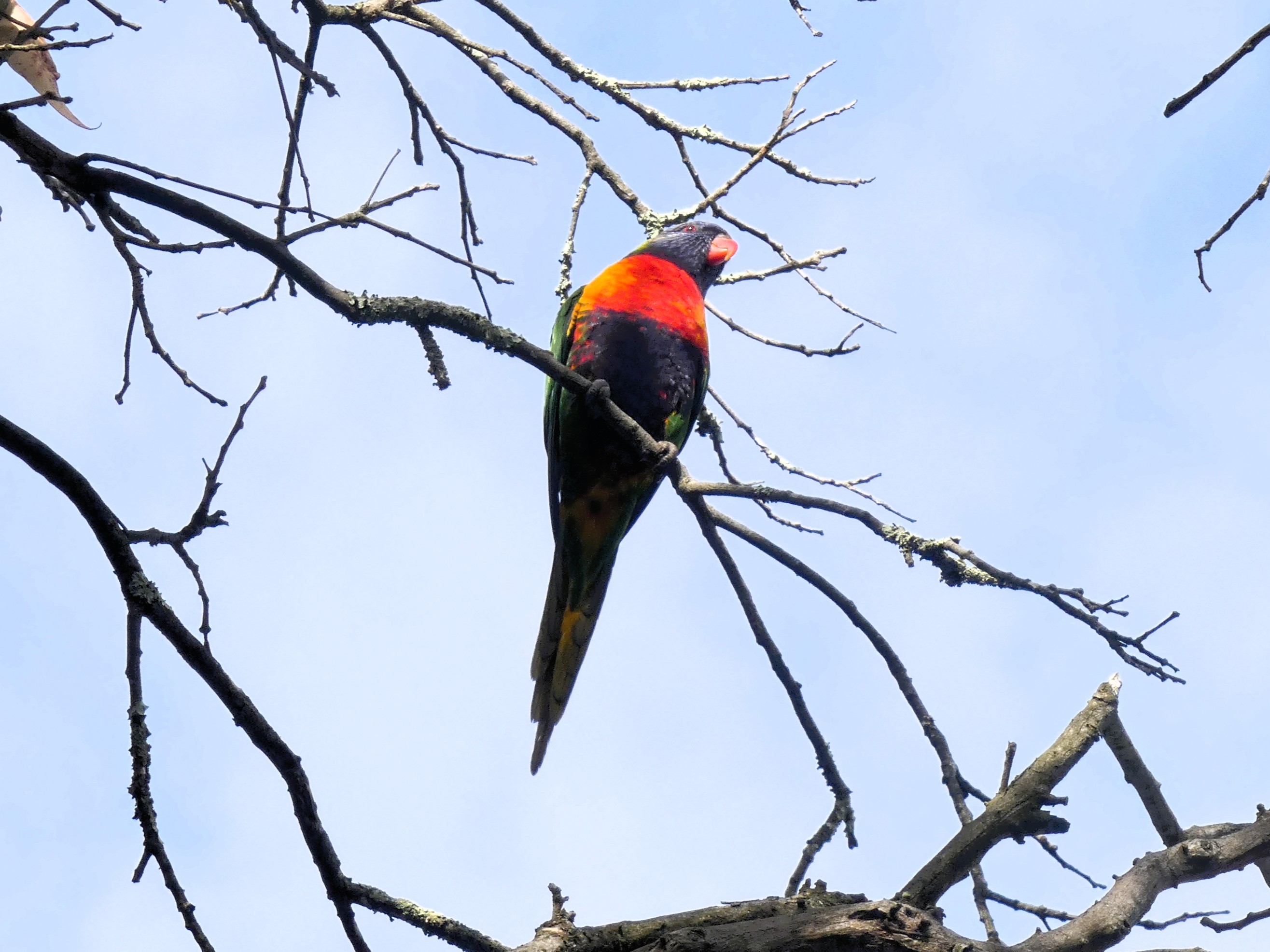
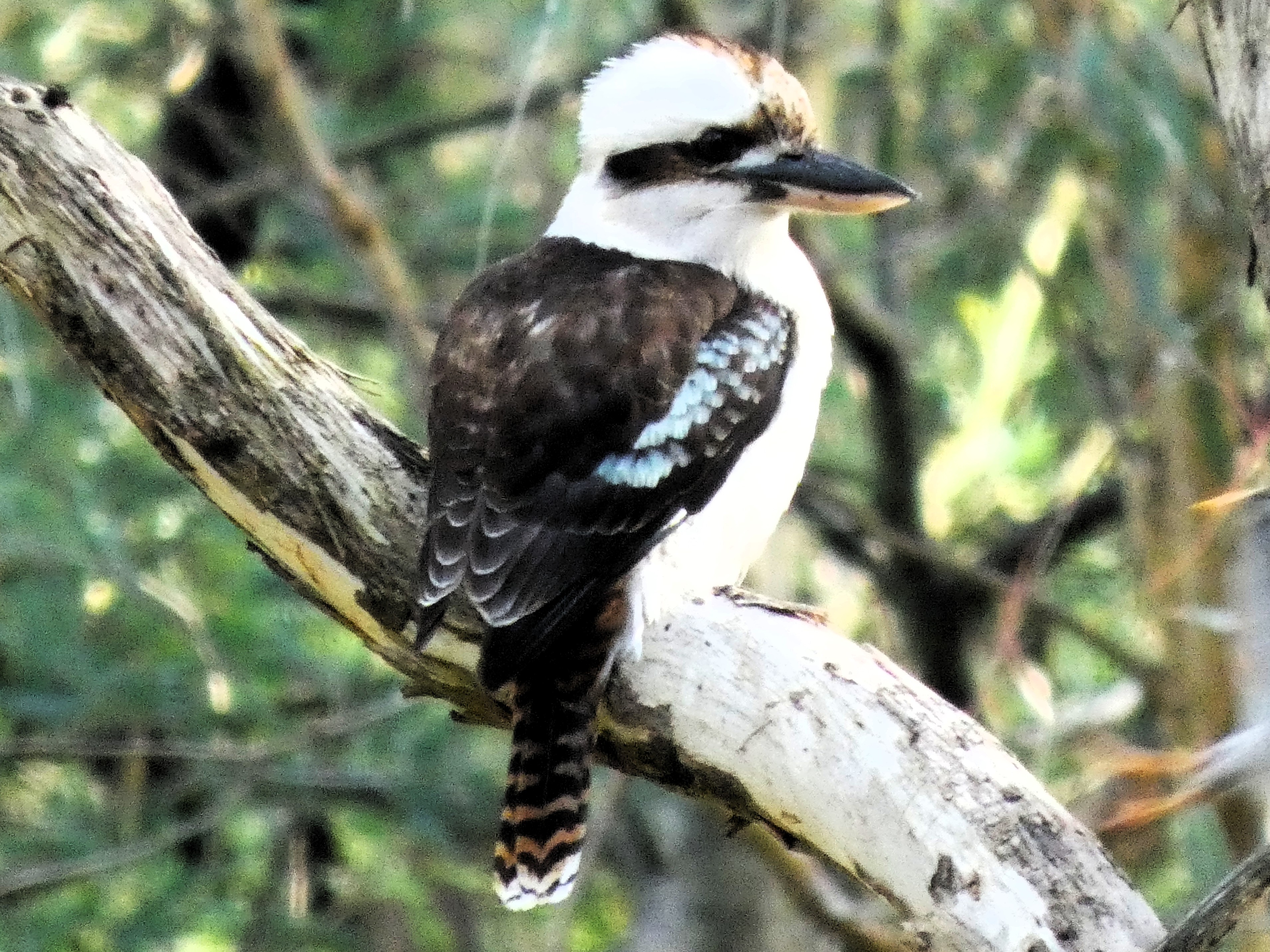
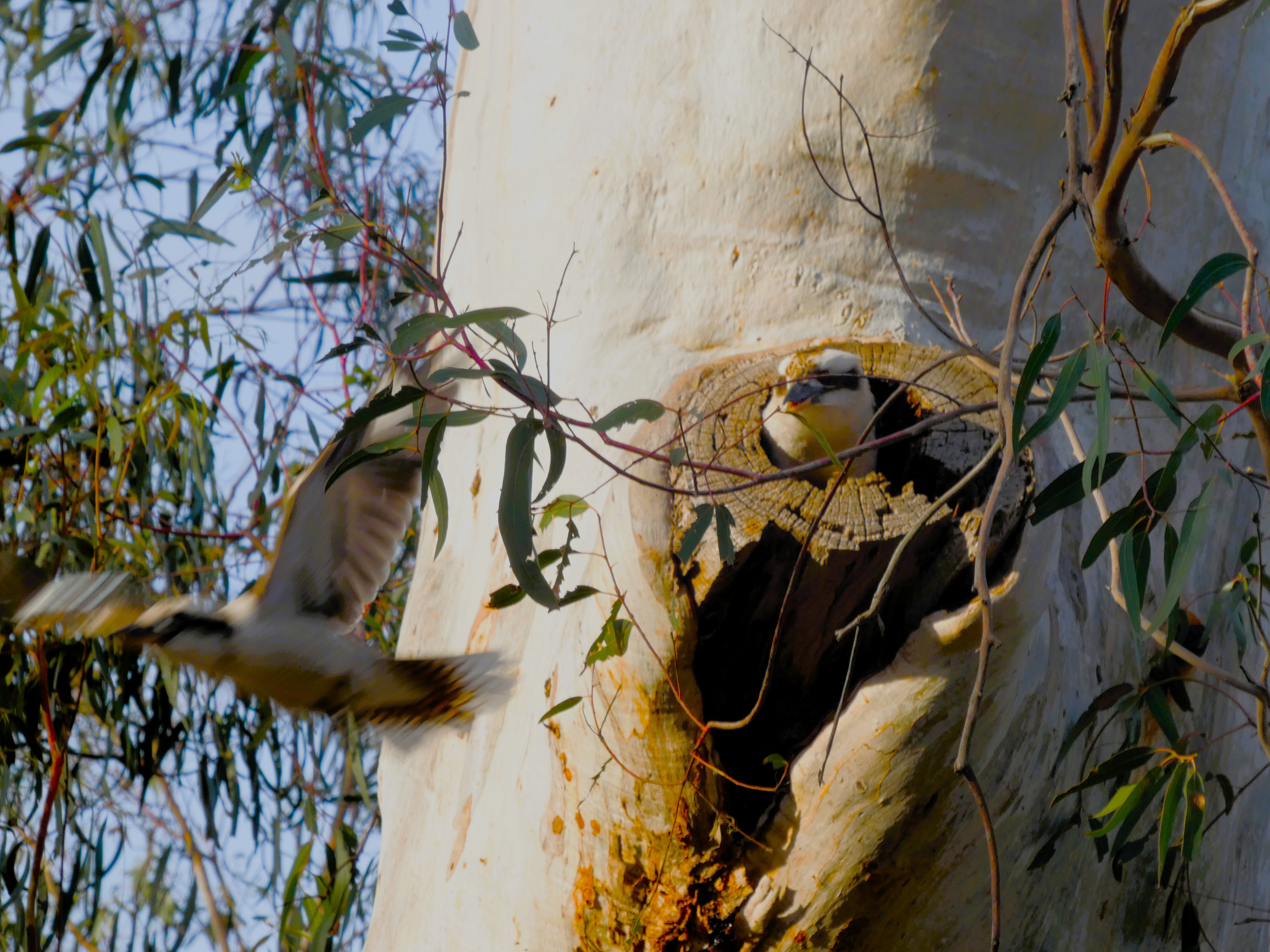
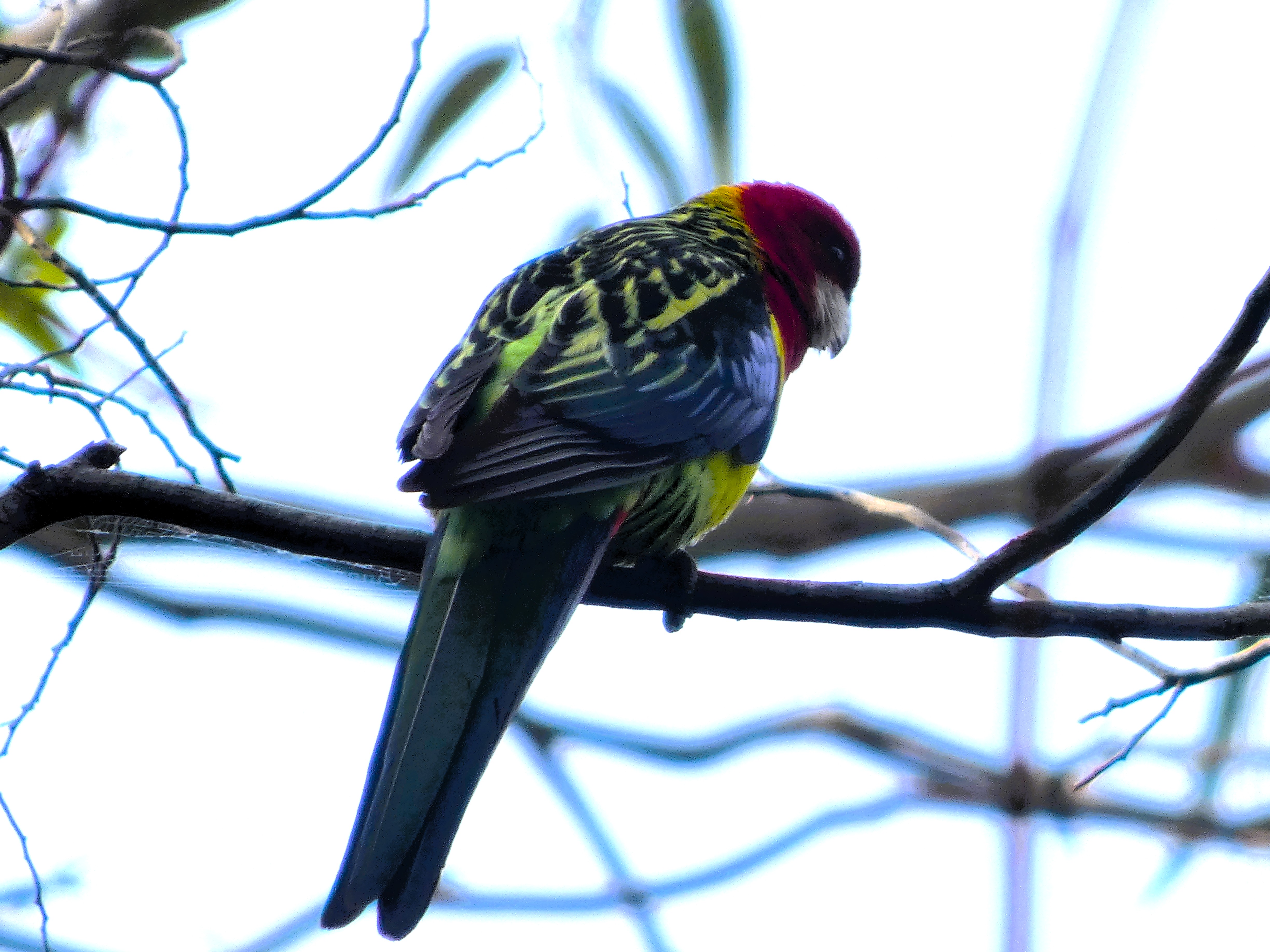
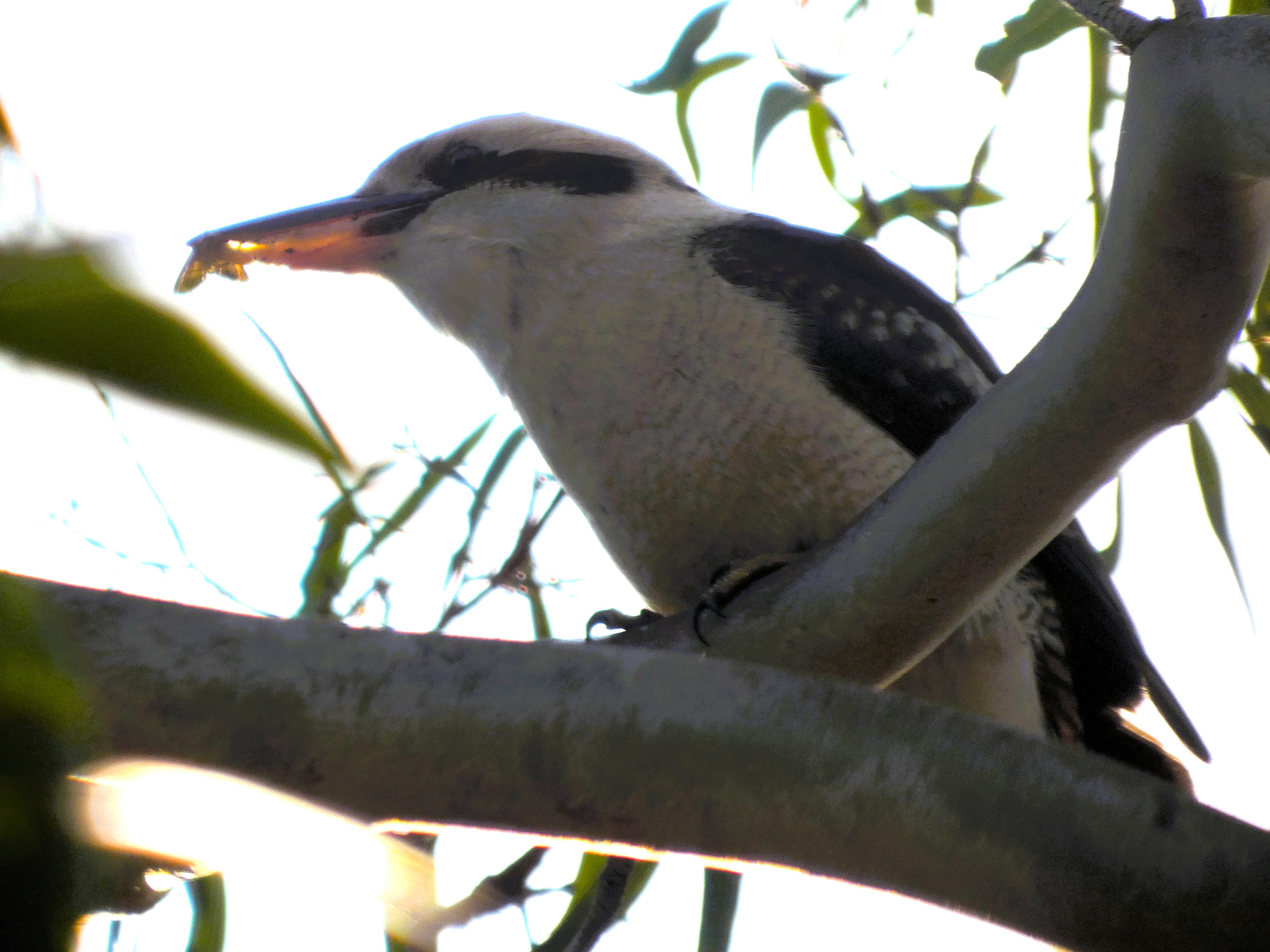
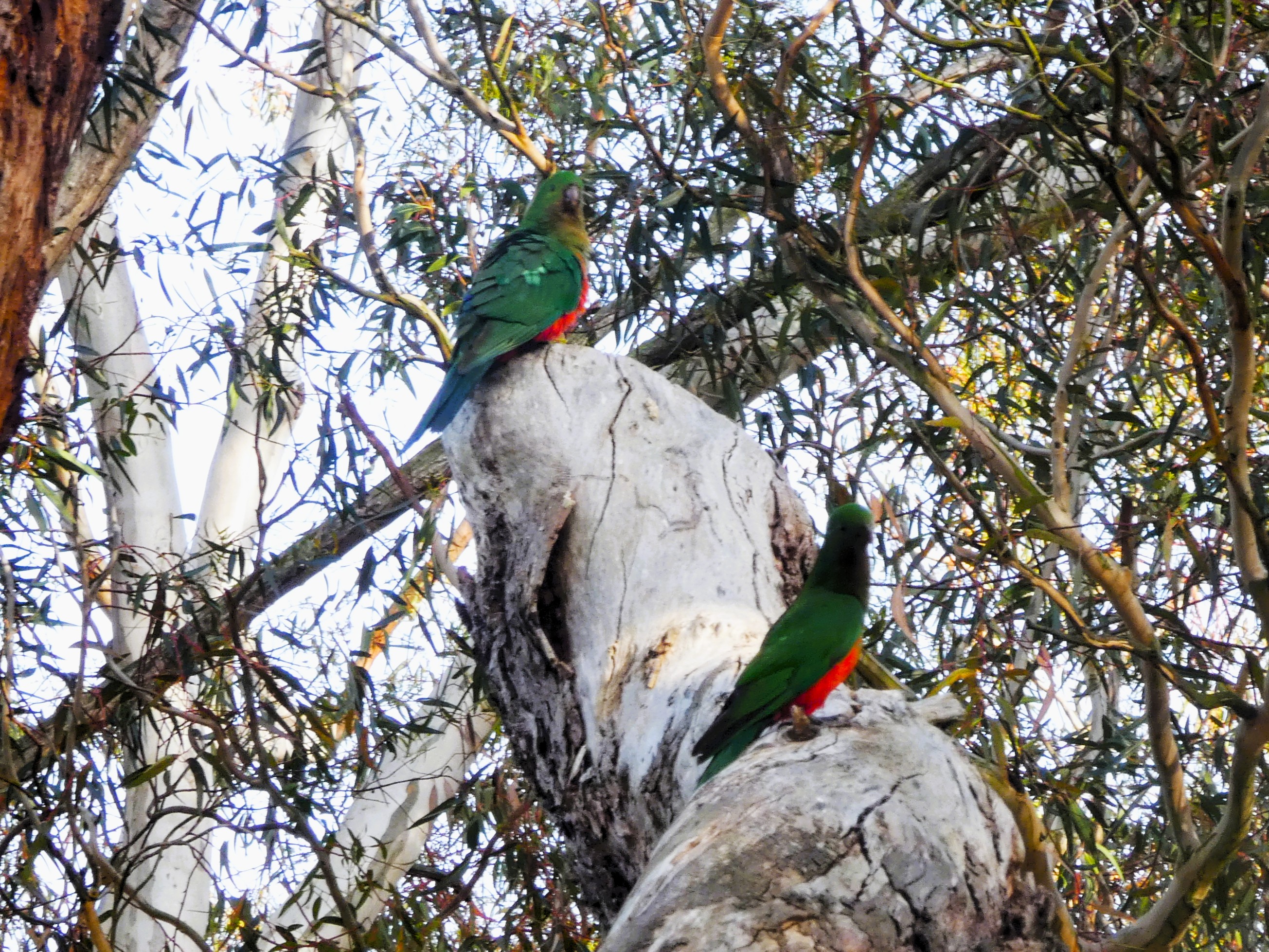
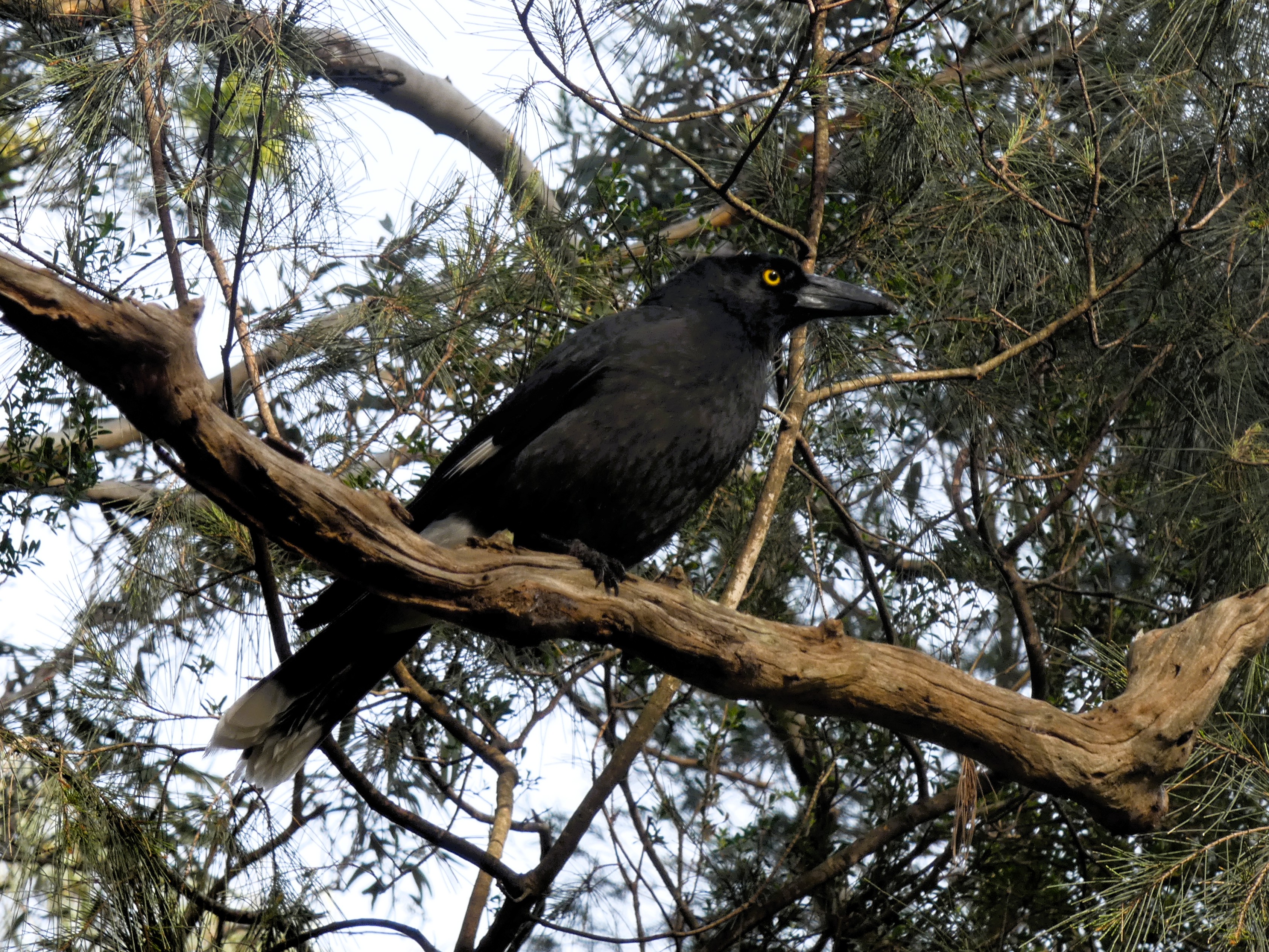
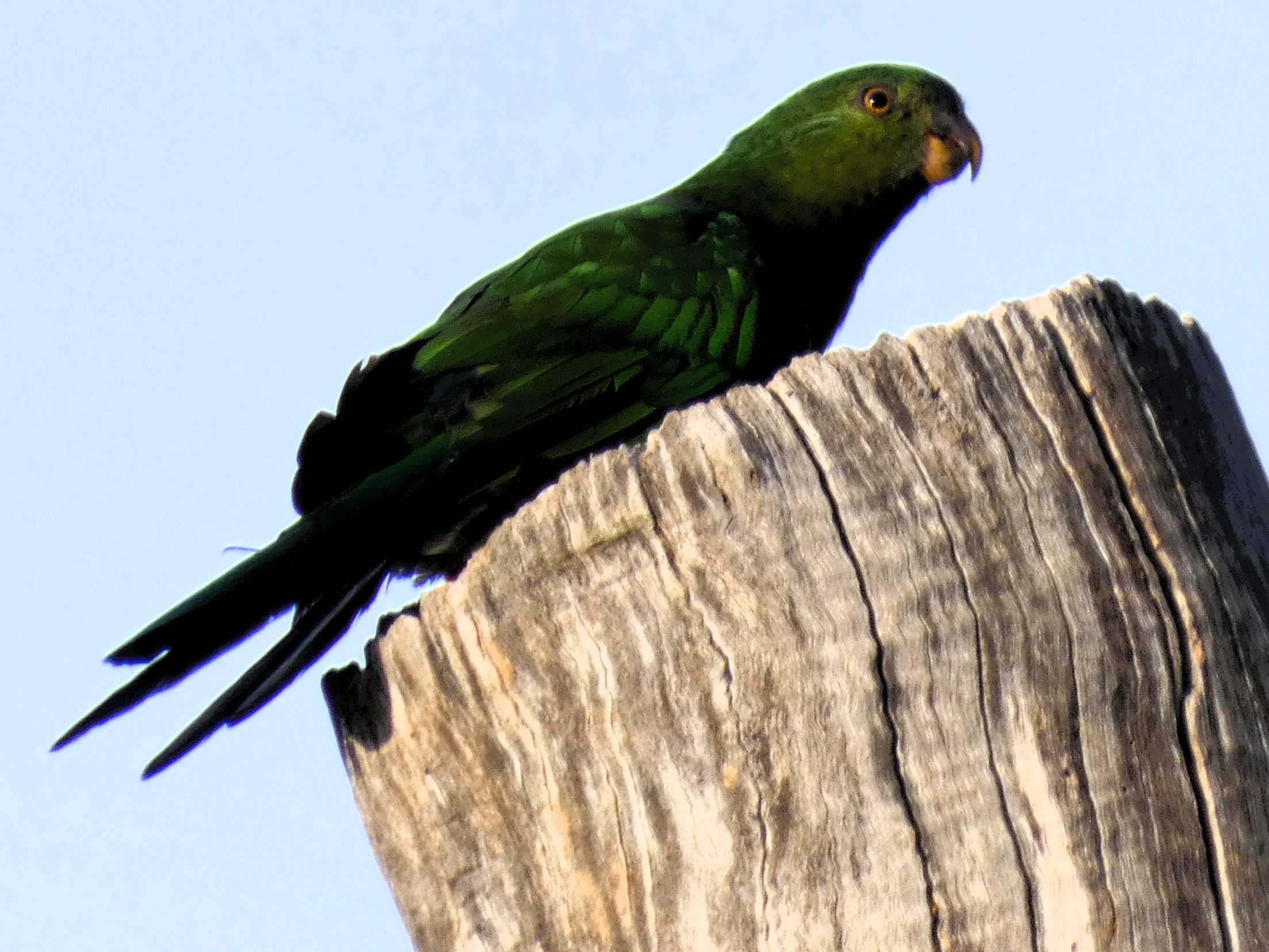
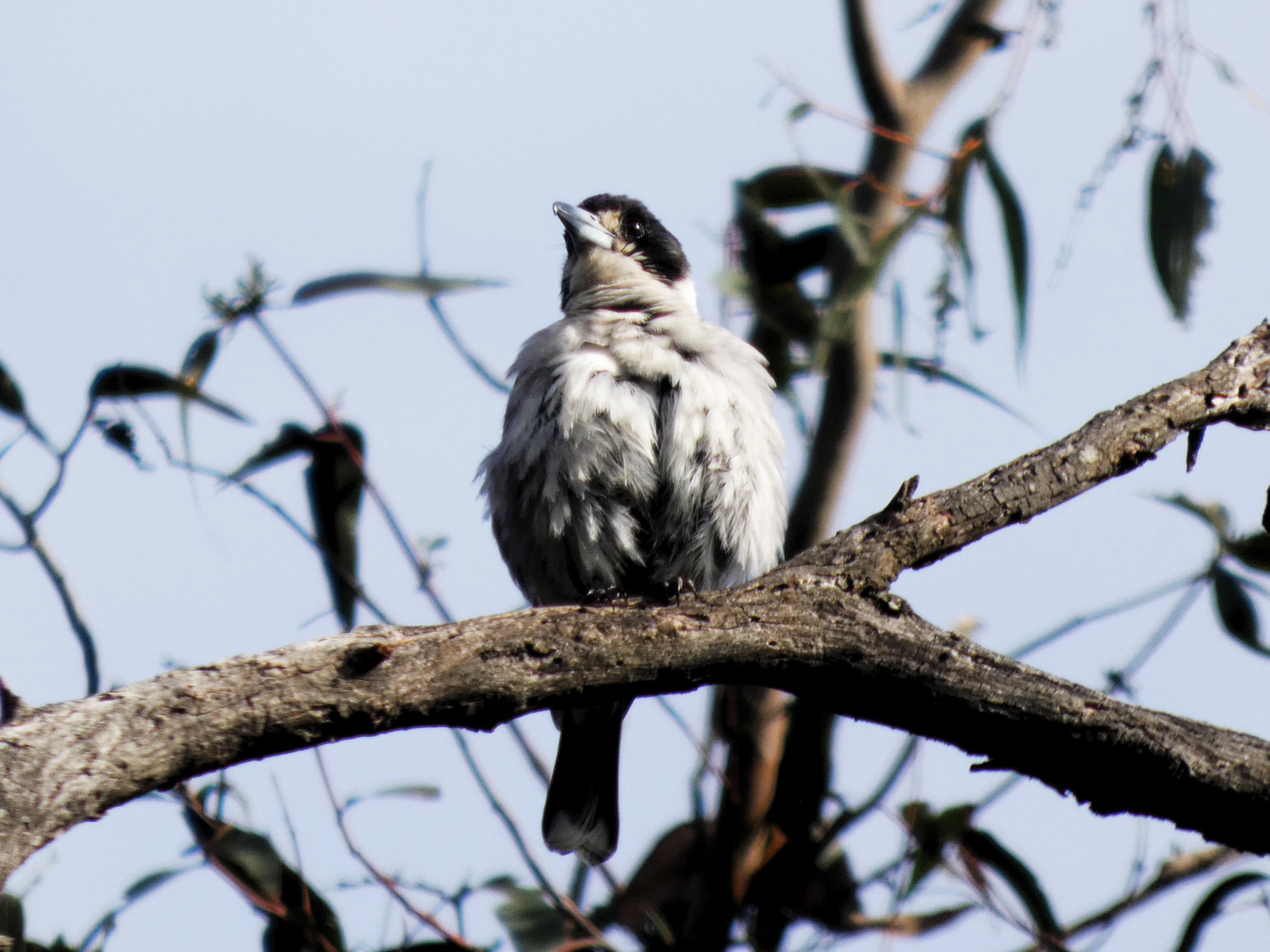
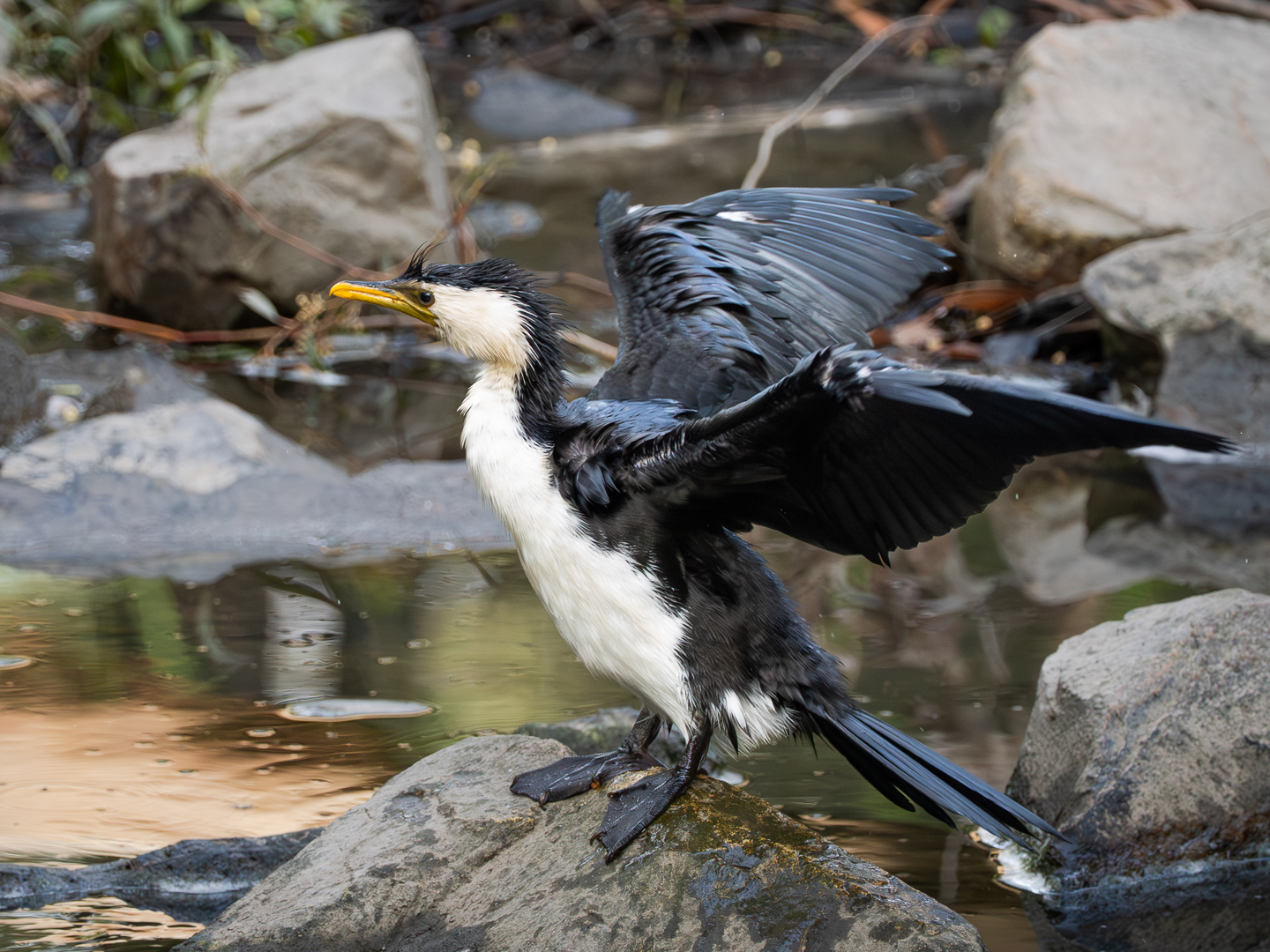
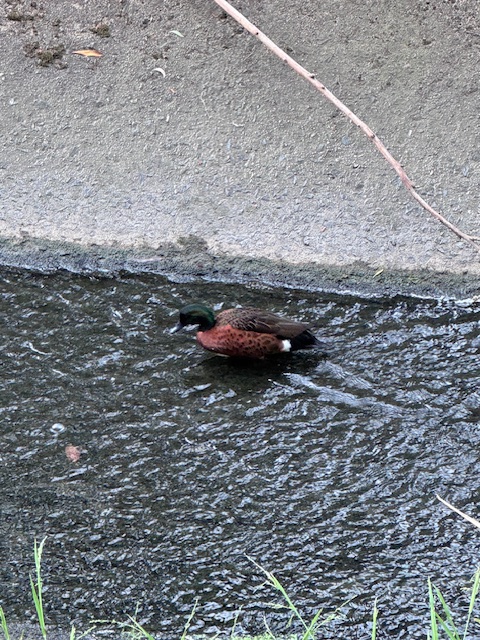
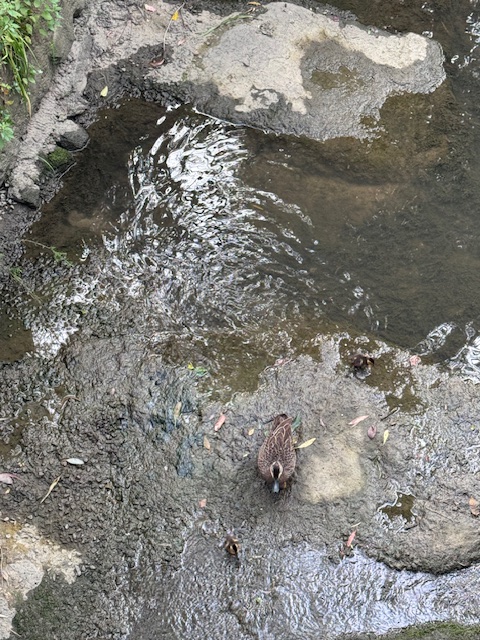
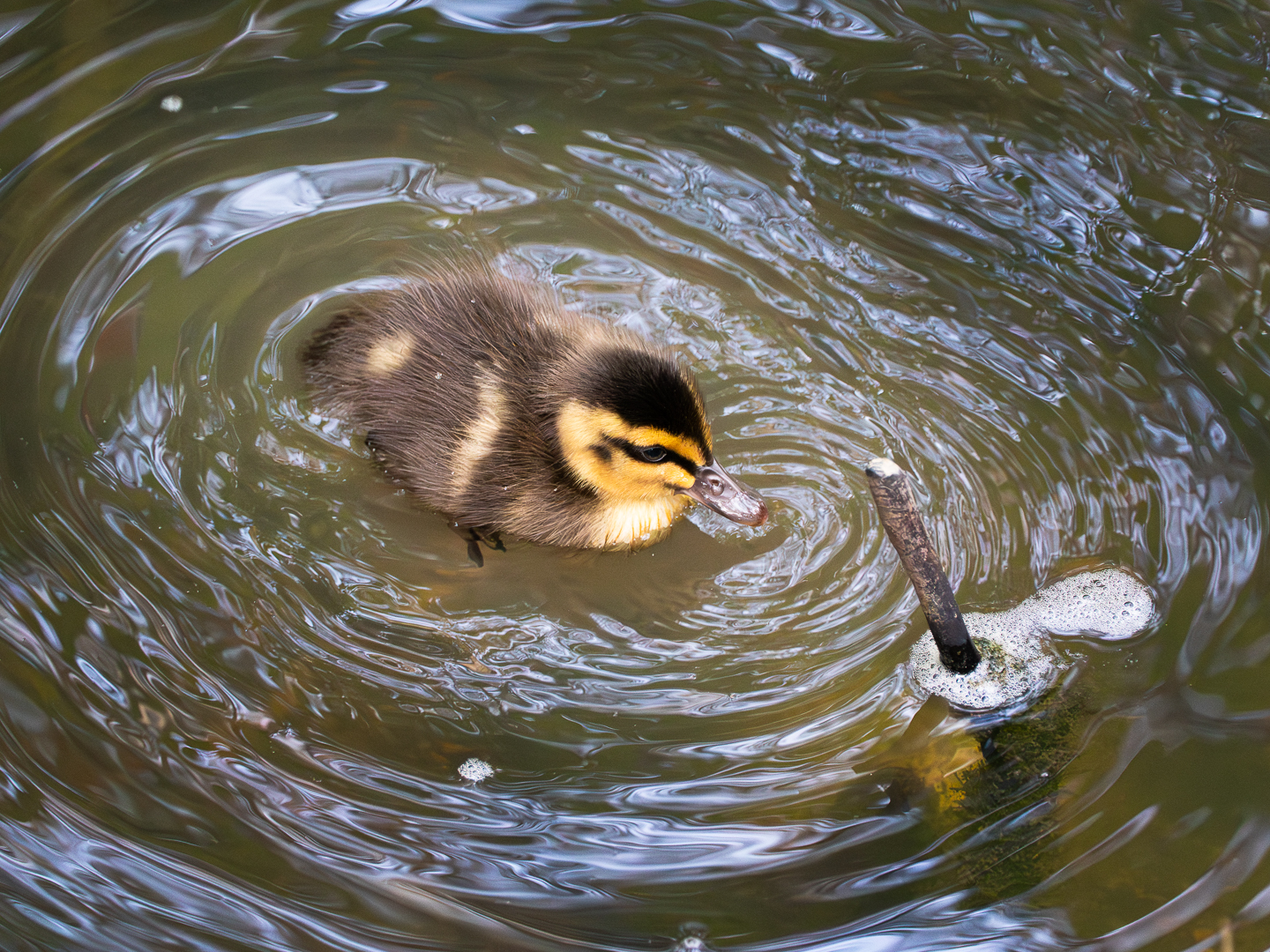
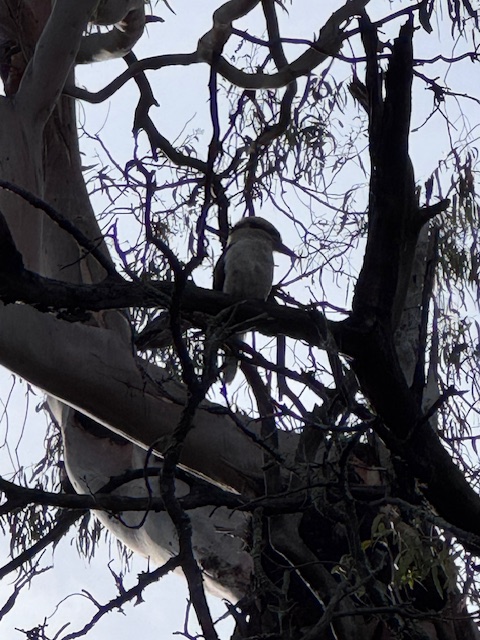
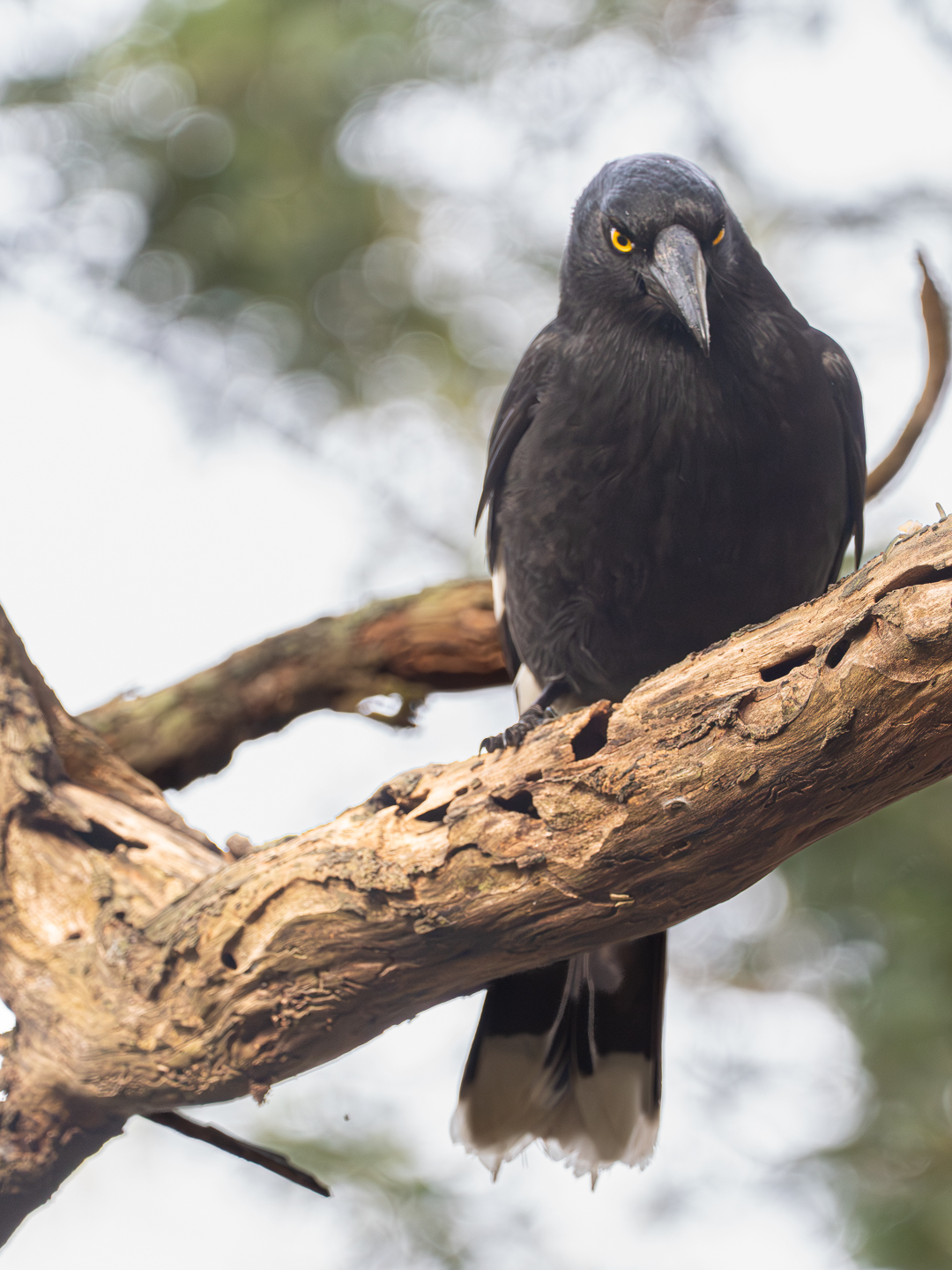
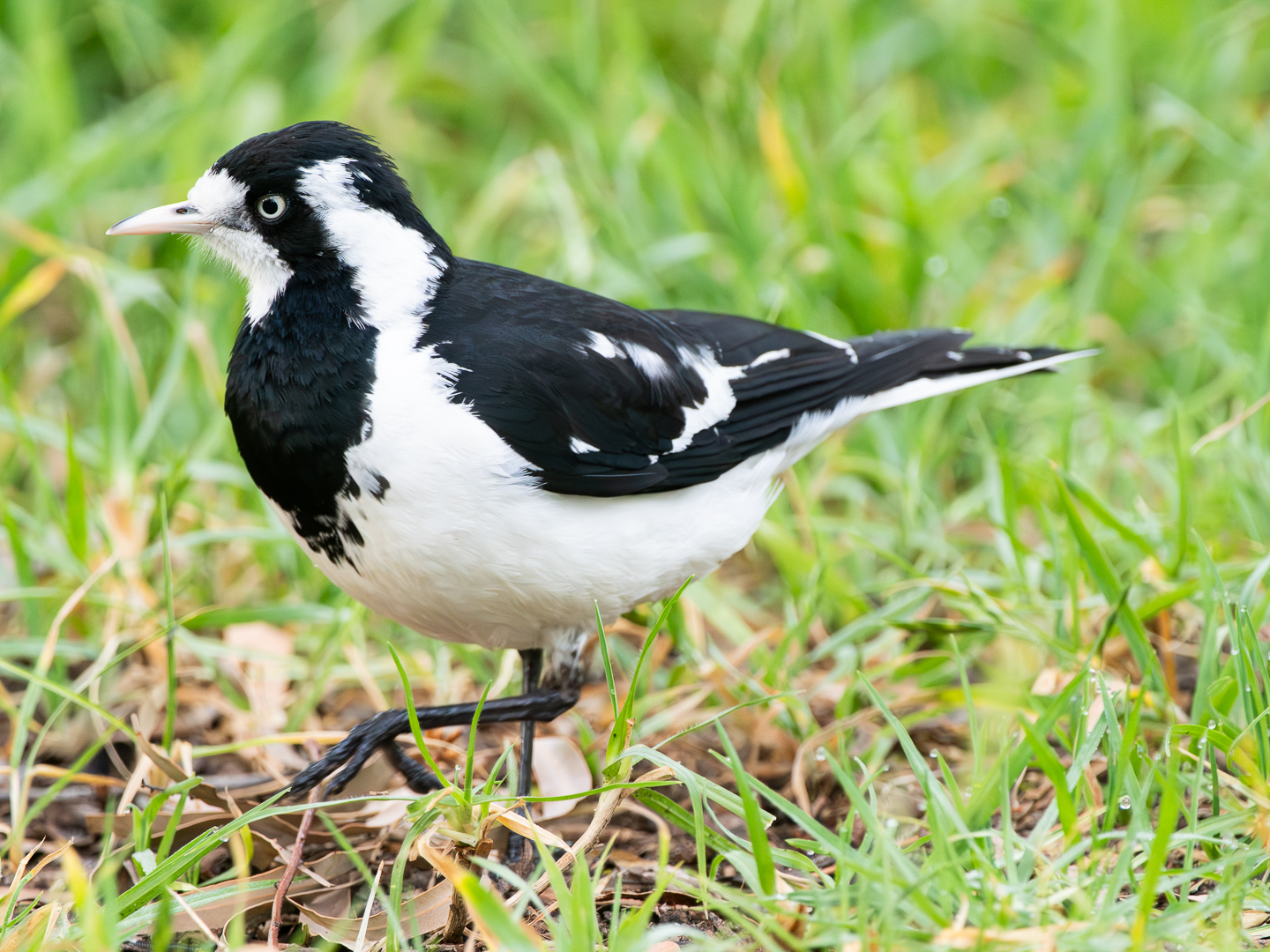
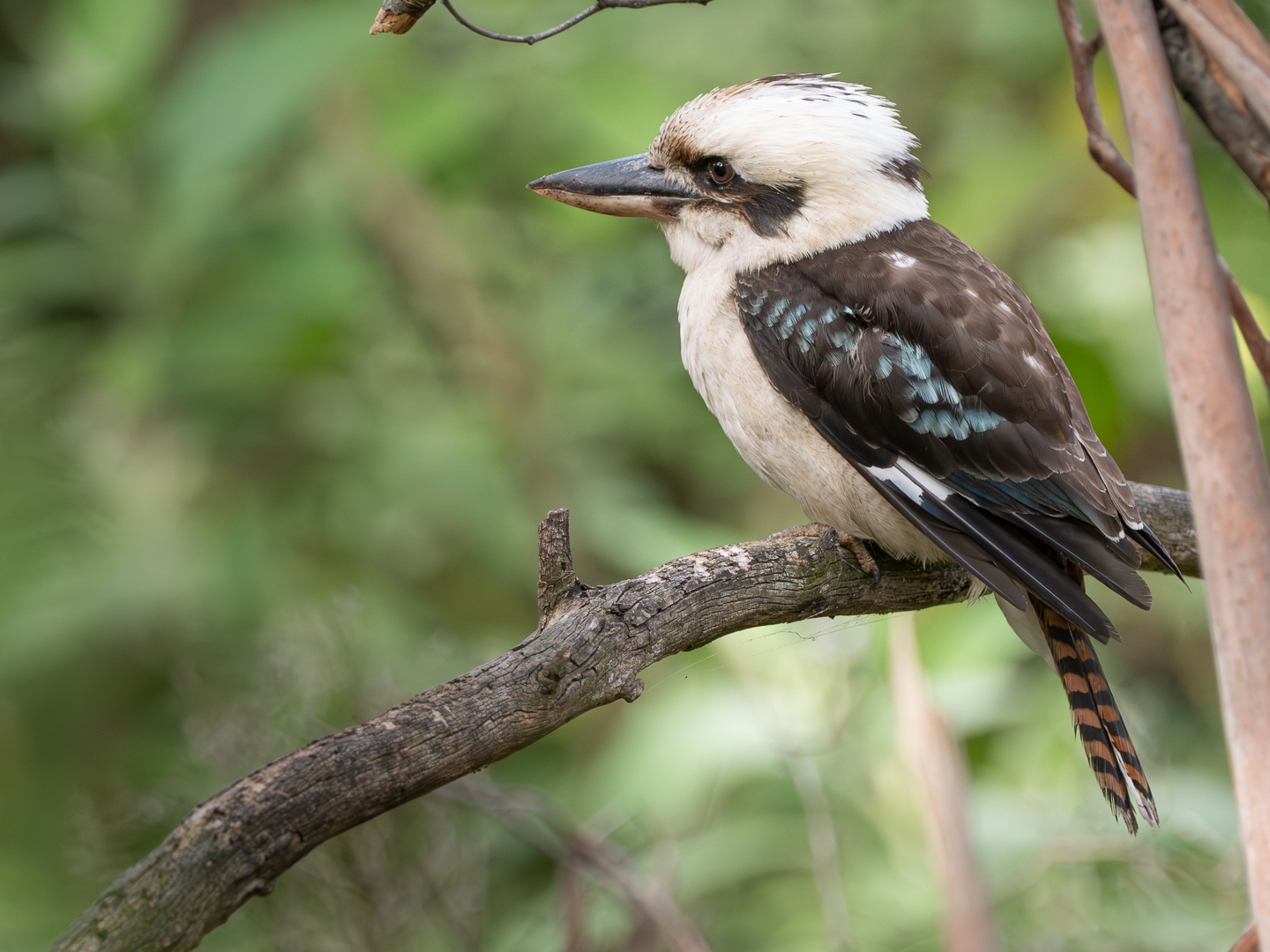
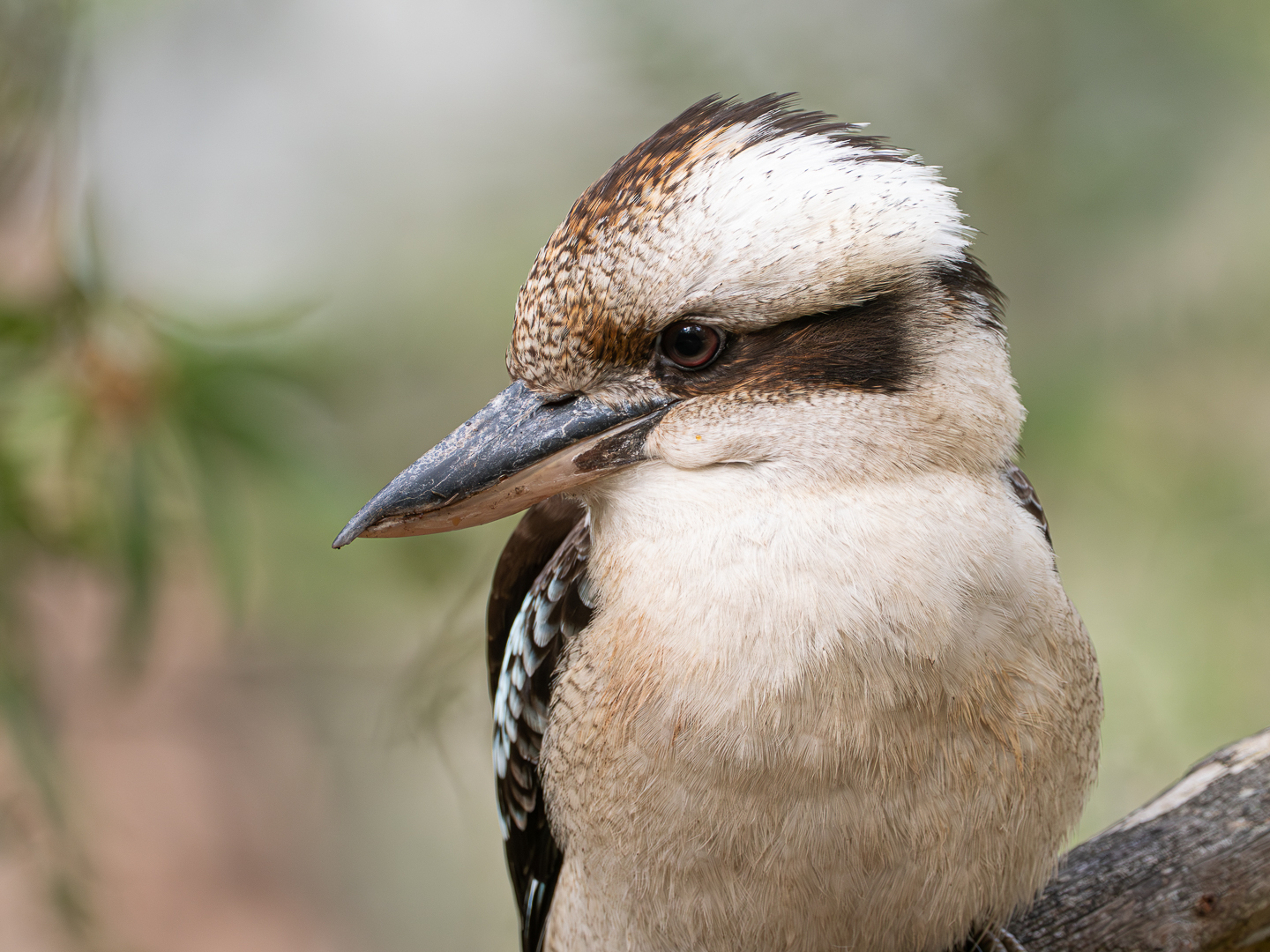
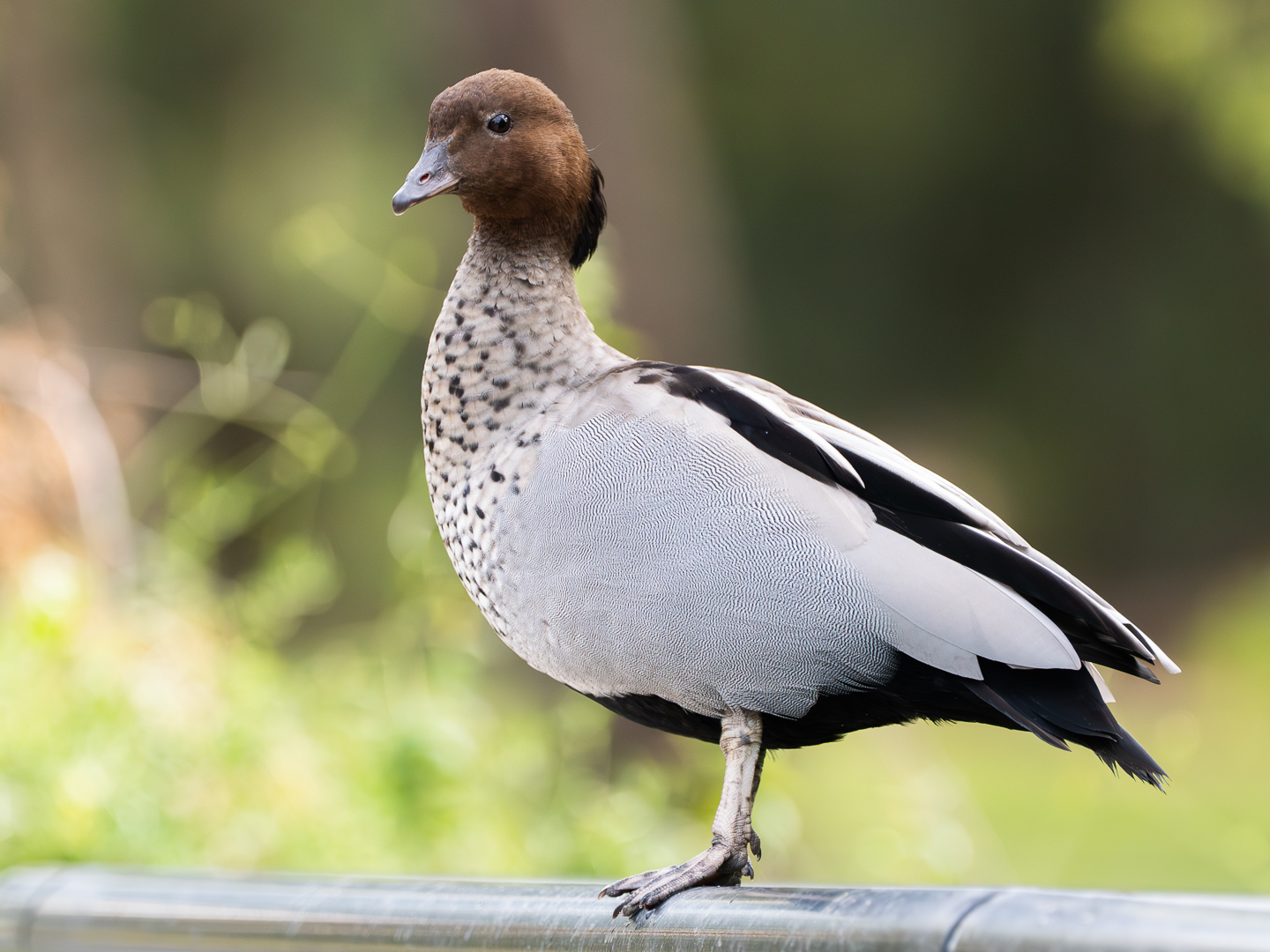
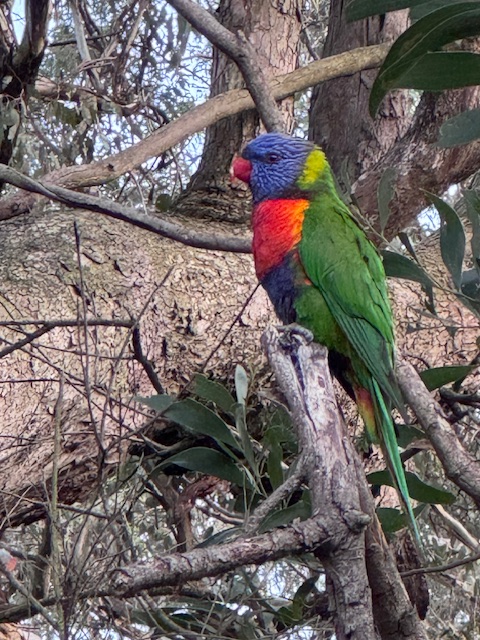
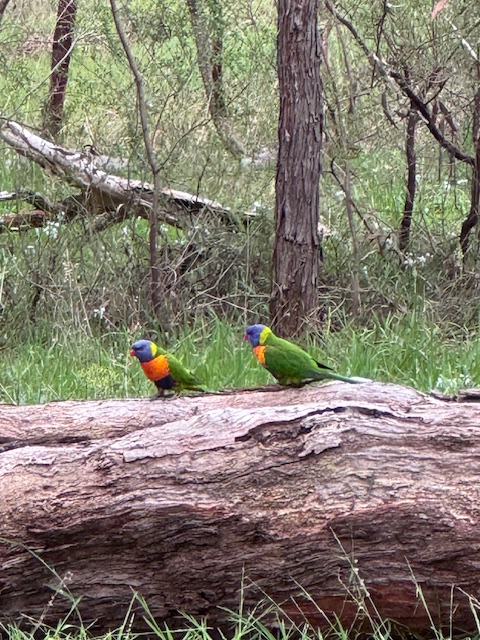
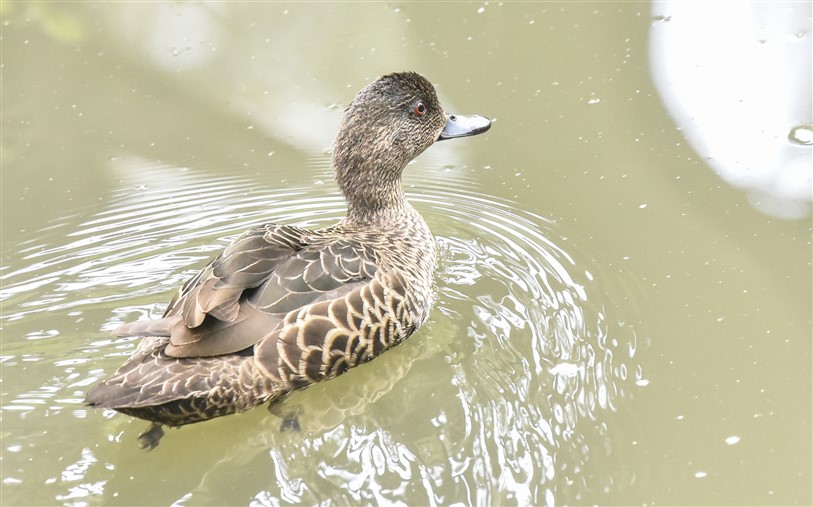
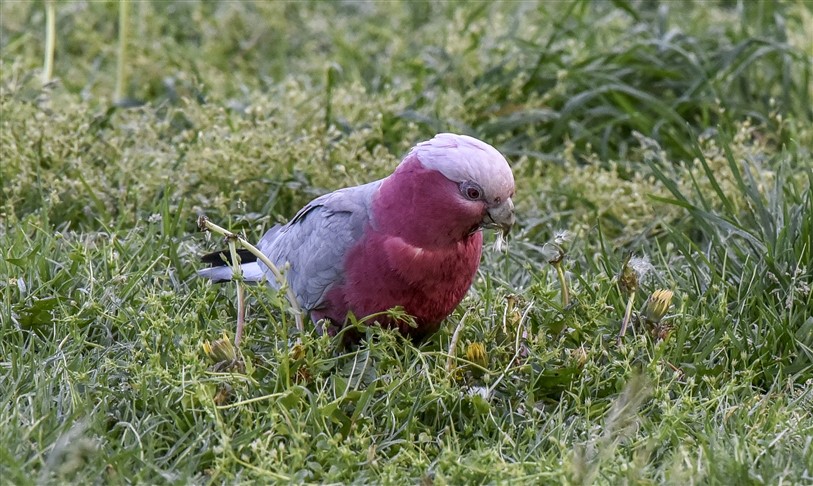
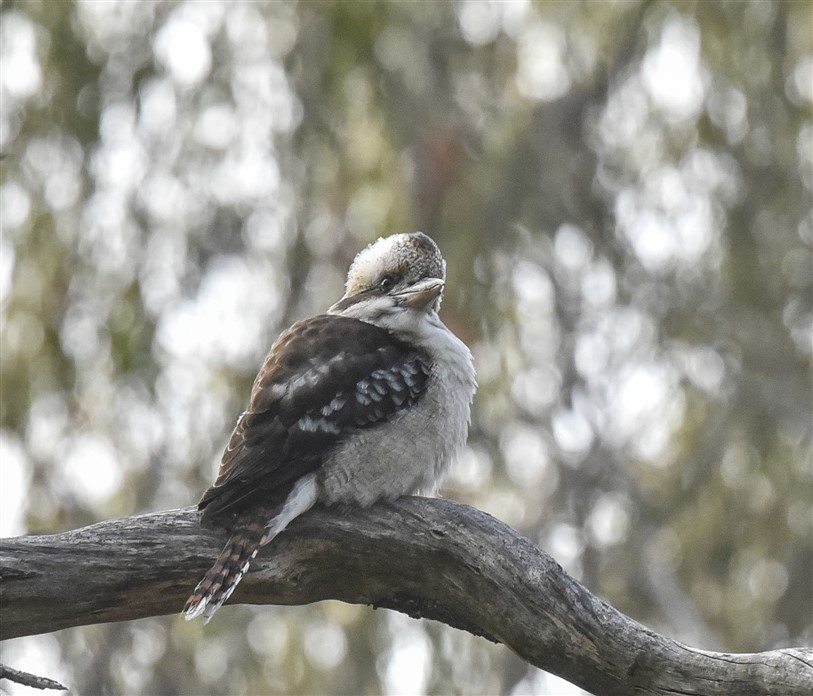
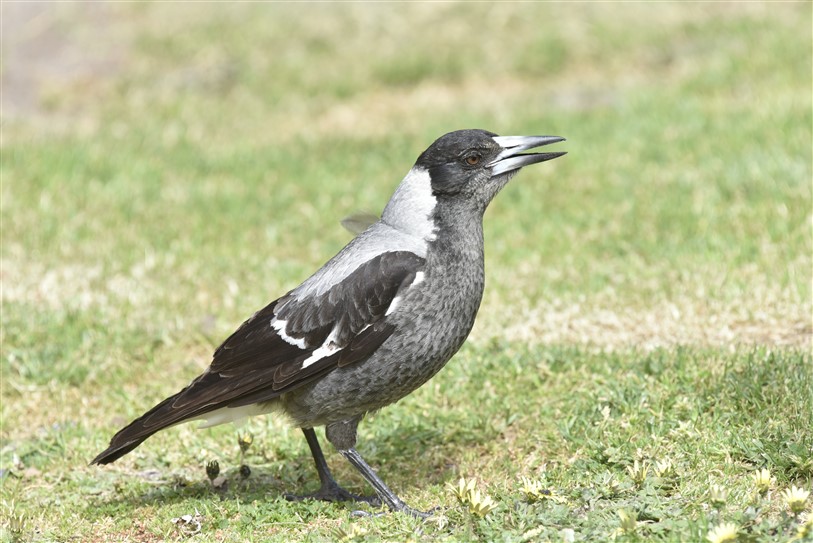
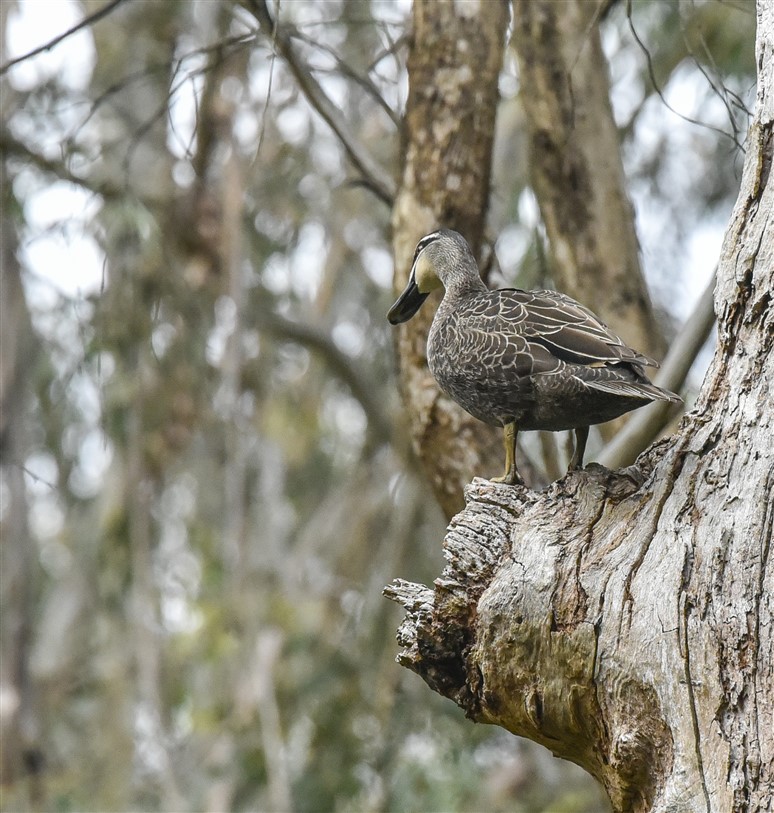
Along the creek, we spotted a Chestnut Teal, a pair of Wood Ducks, and a Pacific Black Duck mother with two ducklings paddling upstream. A show-stopping moment came when a Pied Cormorant glided in for a perfect landing on the rocks near the Laurel Grove bridge, followed by what looked like a double wave to our group! Other birds seen in abundance included Rainbow Lorikeets, Eastern Rosellas, Pied Currawongs, King Parrots, Galahs, Magpies and Kookaburras to name more than a few (see images from our amazing photographers).
As it was almost 9:00 AM, we briskly headed back to the Scout/Guide Hall for a warm cuppa and delicious snacks. We then tallied up both bird counts. In total, 24 bird species were identified – up from 22 last year, which is a positive sign for our local biodiversity. A full list of sightings will soon be displayed on our community noticeboard.
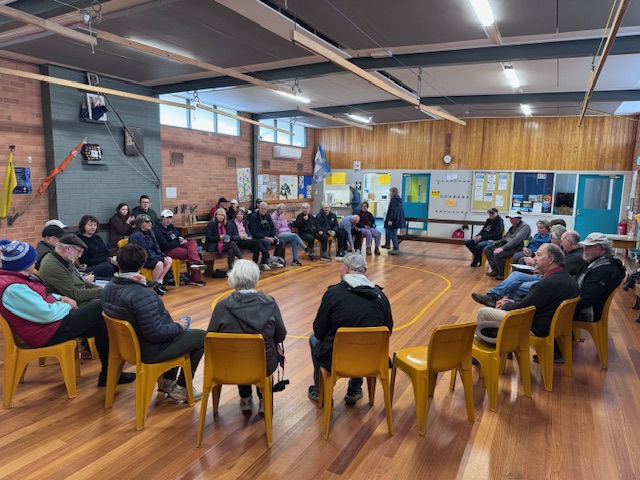
A big thank you to our bird experts Pat and Ian for an enjoyable morning as well as to Anthea and the team for your hospitality.
It was wonderful to see a record turnout, with both new and familiar faces joining the group. Thank you for your enthusiasm and support. We hope you learnt something new and interesting that you can share with your family and friends.
Pat’s tips to invite native birds into your home garden:
- Provide clean water in the garden: Offer a birdbath, pond, or shallow dish in a shaded spot at varying heights so birds can drink and bathe safely and refresh water every 48 hours.
- Plant native flora: Choose plant species indigenous to your area (See Bungalook indigenous nursery in Blackburn Sth) as they will provide essential food, shelter, and nesting sites that local birds depend on.
- Don’t feed them: Feeding native birds can disrupt their natural diet leading to malnutrition and health problems, disease spread, species overabundance and reduced foraging ability.
- Avoid chemicals: Pesticides, herbicides, and synthetic fertilizers can harm birds or eliminate their insect food sources. Opt for organic or natural gardening methods instead.
If you are interested to learn more about birds and help out with surveying our wonderful birdlife in the Creeklands, Ruth and Pat hold a bird survey once a month (on the second Wednesday) starting at 7:50 AM at the Kalang Pavilion, Kalang Oval. If you are interested in joining them, please email Blackburncreeklands@gmail.com to let them know you are coming.
Tip: I joined the group for the first time earlier this month, and I can honestly say I learnt more in 30 mins of bird watching than I have passively in the last 20 years, so I highly recommend coming along. Thanks to Ruth and Pat (and others) for the invite and for making me feel welcomed 😉
Insect of the year – voting closes end of the month!
Australia’s fascination with its smallest creatures continues as six insects have been shortlisted for the 2025 ABC Australian Insect of the Year, celebrating diversity, adaptation, and ecological importance.
Experts emphasize that such recognition highlights the ecological value and conservation needs of insects, which make up about 95% of all animal species and underpin key processes such as pollination, nutrient cycling, and pest regulation.
Drum roll please…… the six finalists are:
- Graphic Flutterer Dragonfly (Rhyothemis graphiptera) – known for its iridescent, patterned wings and role as an aquatic ecosystem indicator.
- Duck-billed Christmas Beetle (Anoplognathus monatus) – a distinctive scarab beetle linked to native eucalypt ecosystems.
- Bird Dropping Beetle (Exastra albopilosa) – a remarkable example of defensive mimicry.
- Greengrocer Cicada (Cyclochila australiasiae) – among the world’s loudest insects, a hallmark of Australian summers.
- Mountain Katydid (Acripeza reticulata) – famous for displaying colours to warn and repel predators.
- Giant Rainforest Mantis (Heirodula majuscula) – one of Australia’s largest predatory insects.
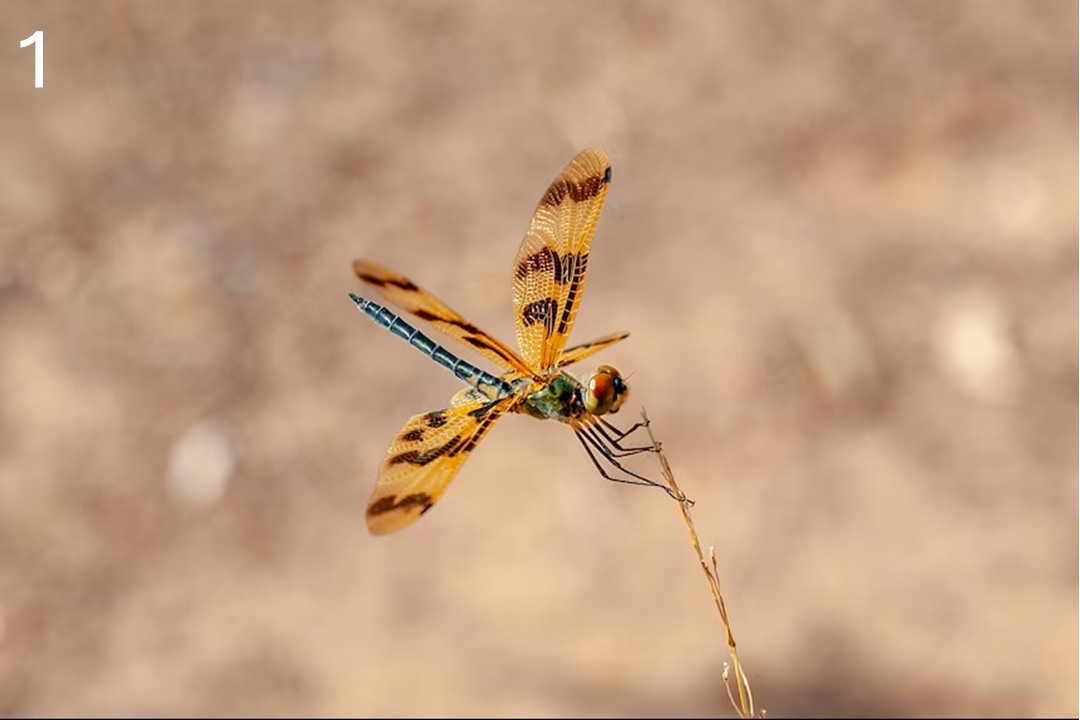
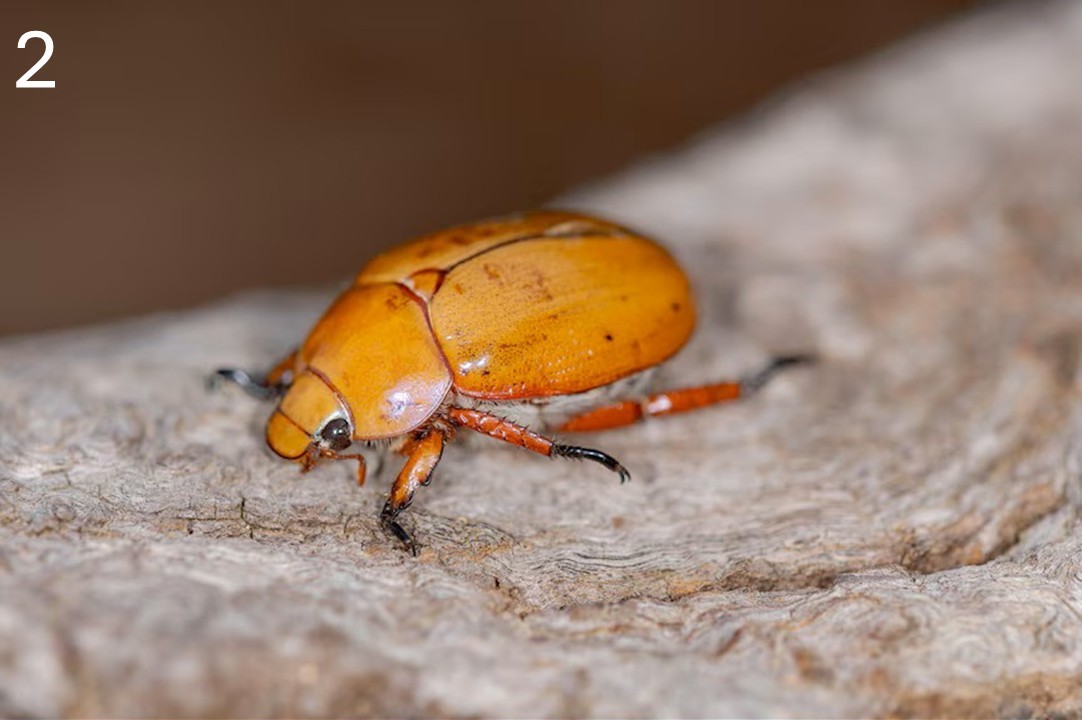
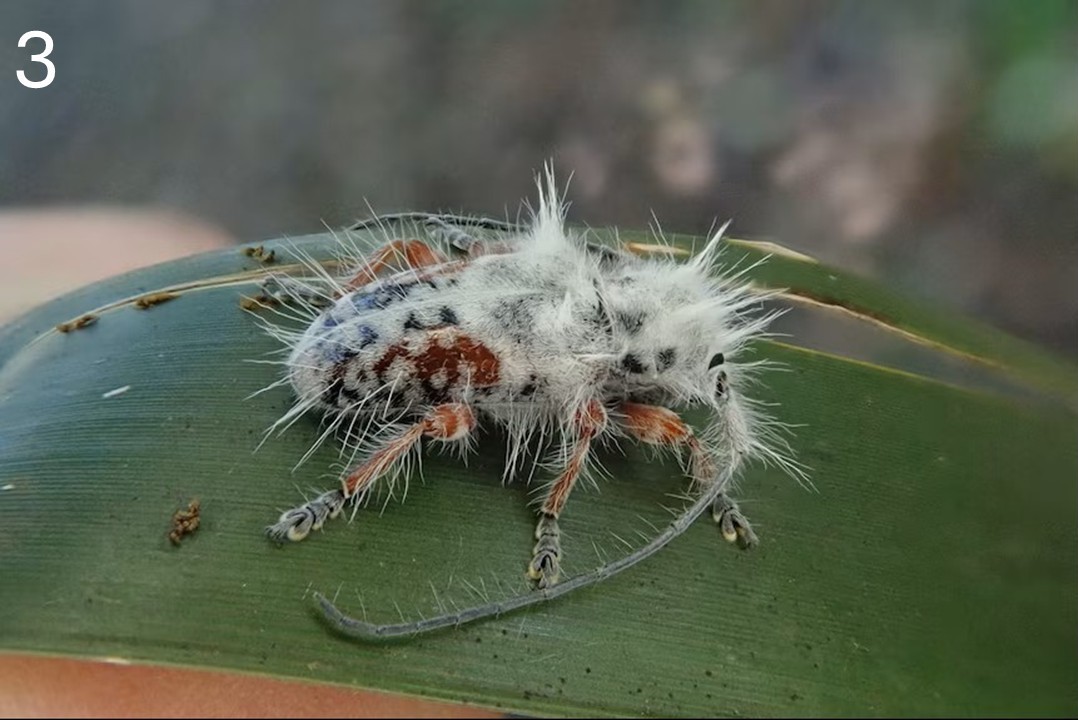
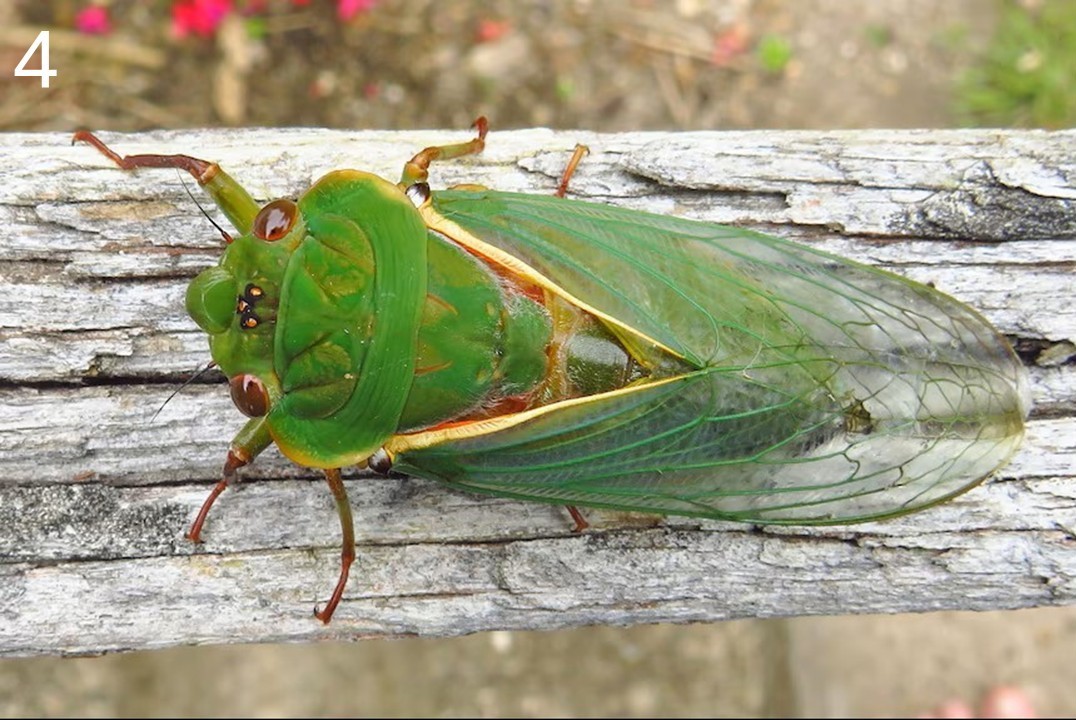
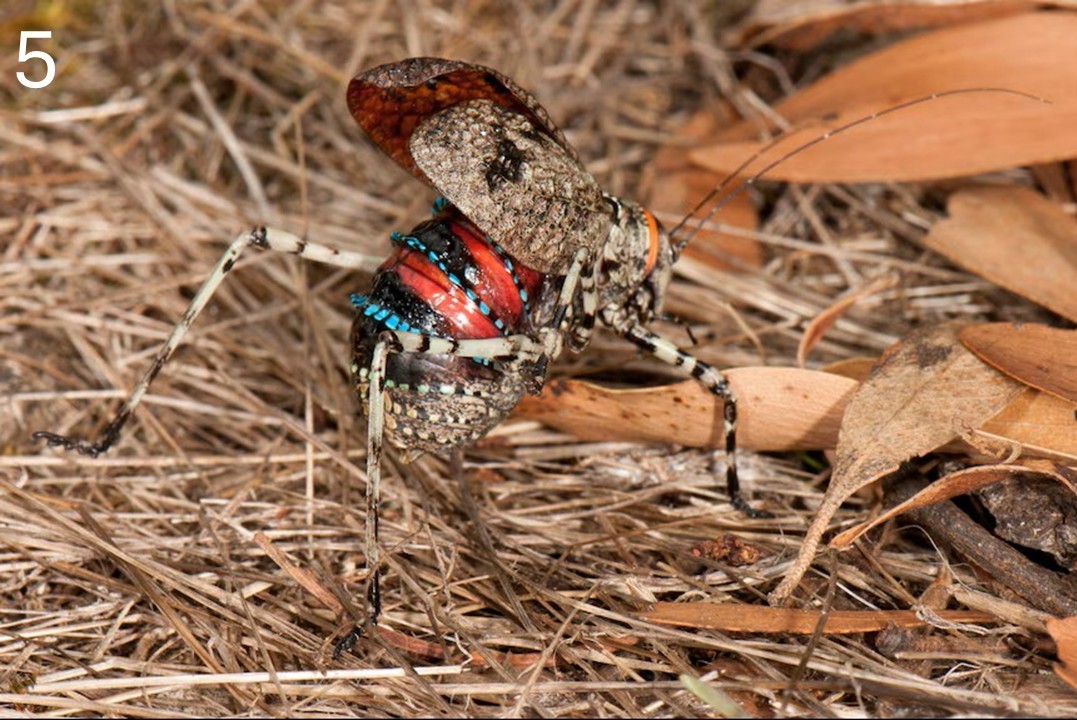
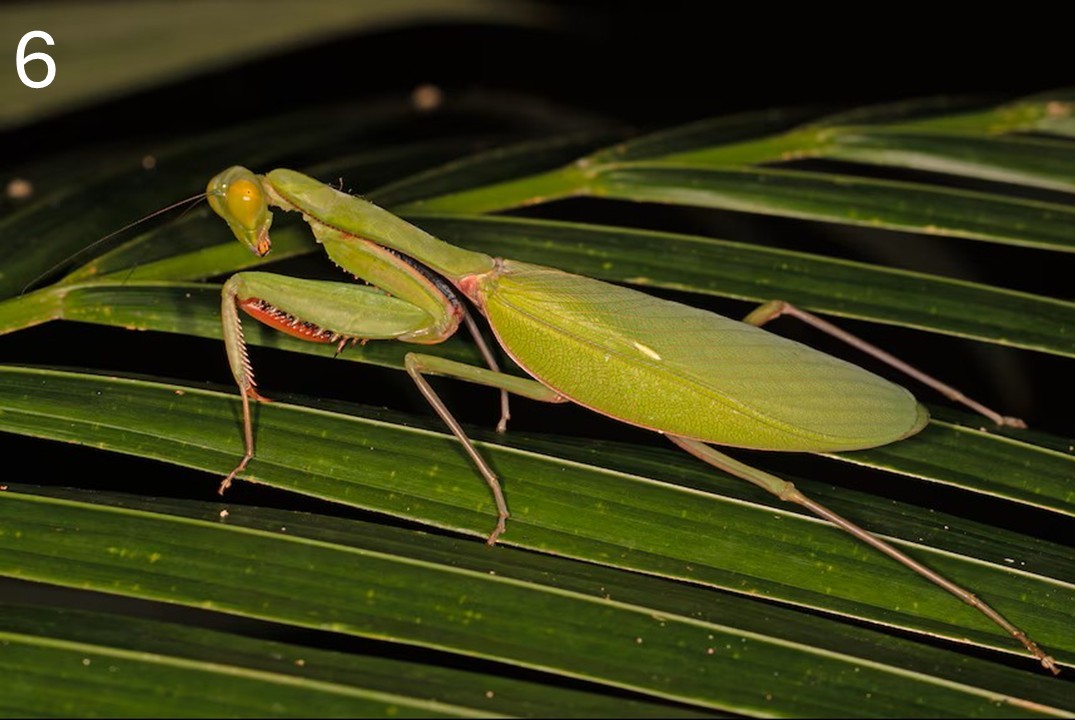
Public voting finishes at the end of October on the ABC website, with the winner to be announced on 8 November, coinciding with Australian Pollinator Week.
It takes <10 seconds to vote via this link: You can vote for the winning insect via an online poll during October.
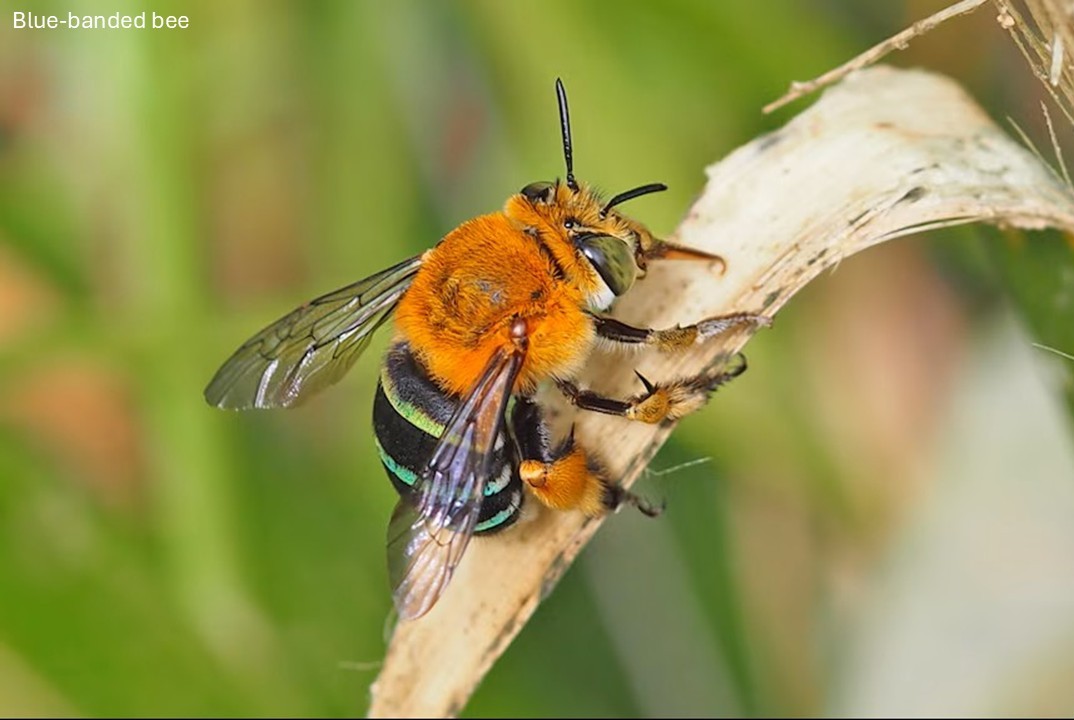
Congratulations to last year’s winner, the Blue-banded Bee (Amegilla cingulata), who helped raise awareness of insect decline which is a timely reminder that up to 150 insects (invertebrates) may be going extinct each year 😦
Whitehorse’s Canopy Cover
The City of Whitehorse has set a goal of 30% tree canopy cover for the municipality by 2050 (27% by 2031). Although this target is challenging, it is completely consistent with the same goal being set for all urban areas by the State Government’s Plan for Victoria (Action 12). Tree canopy cover is essential for all liveable cities and is very important for our physical and mental health – especially regarding the adverse effects of climate change, heat, air quality and habitat for wildlife, birds and insects.
Canopy cover is measured using LiDAR (think of “Light” and “RADAR” combined) – LiDAR is a remote sensing system that uses pulsed laser light from an aero plane to measure distances to anything below (eg. plants, buildings, the ground) which can reveal both the height of vegetation and extent of canopy. The LiDAR analysis defines foliage above 3 meters as “canopy”.
Council has recently publicly released new Canopy Cover figures for the municipality. Prior to the results being available, we had no updates on how we were tracking for the last 7 years.
Old Data Released
| Canopy cover (%) | |||
| Year | Box Hill | Blackburn | Capture date |
| 2014 | 18.5 | 28.5 | unknown |
| 2018* | 15.5 | 24.8 | 28-11-2017 |
Note that there was a significant negative downward trend in the historic results. While Council has been busy planting trees on public land (eg. in nature strips and in parks like ours), one major problem is that tree canopy on private land has been declining as multi-unit developments continue and as preferences for larger houses with less garden space prevail. So, many of us feared the negative trend in canopy loss would have continued in the seven intervening years, however new data bucks this trend.
New Data Released
| Canopy cover (%) | ||||
| Project | Box Hill | Blackburn | Municipality | Capture date |
| 2018 results recalculated* | 18.3 | 30.1 | 21.6 | 28-11-2017 |
| WCC 2023 | 22.2 | 34.5 | 25.8 | 29-12-2023 |
*Interestingly, Council’s contractor has ‘reprocessed’ the 2018 data to a higher level of accuracy -resulting in there being about 20% more canopy cover reported for both Box Hill and Blackburn (!). We are not suggesting this is “data washing” – but a 20% error in 2018 is surprising. Council has promised to respond to our questions of detail, so we’ll update you once we receive them.
Further to our surprise, the WCC 2023 data shows sizeable improvements (ie. Blackburn up 15%, Box Hill and Municipality up 20%) over the five-year period from 2018-2023.
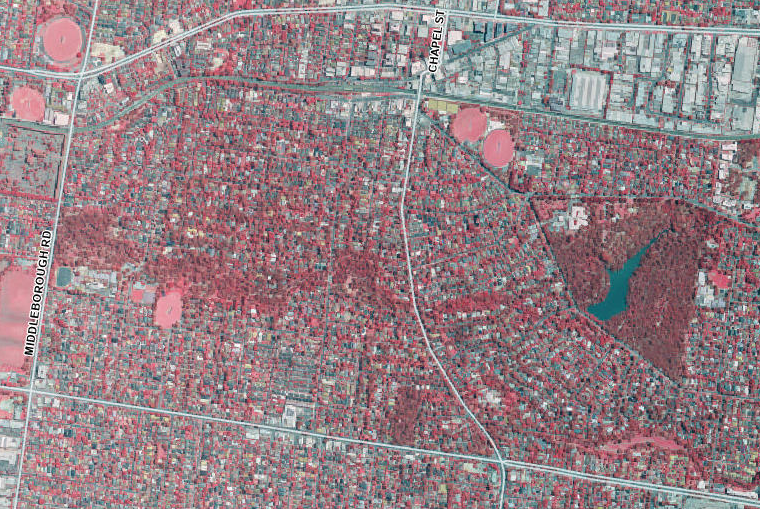
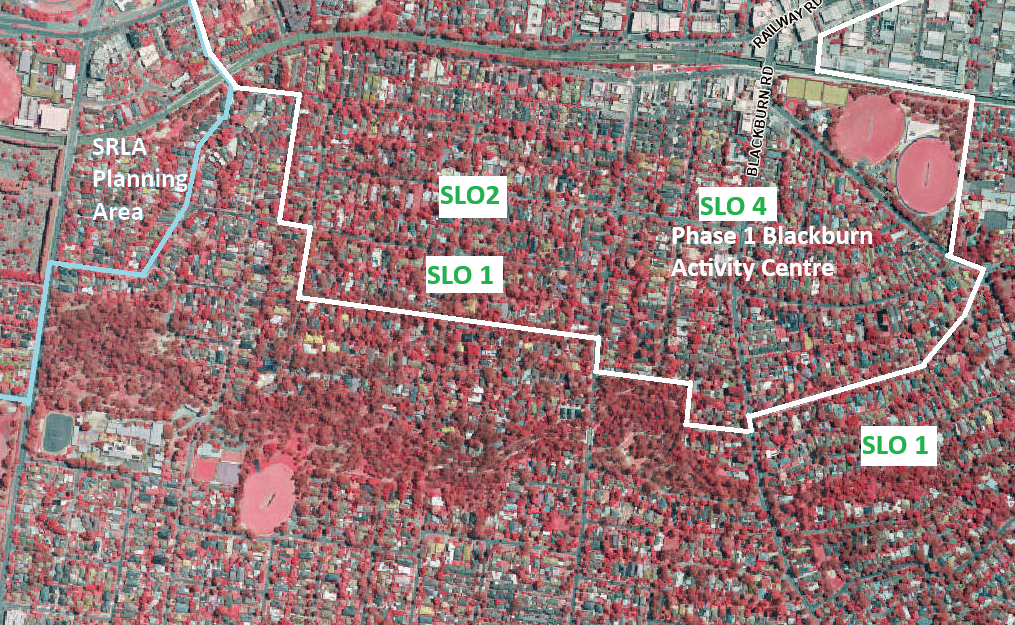
Council has published maps below which show changes in the level of vegetation within the municipality. We show a segment for Blackburn along with 2024 Near Infrared (NIR) photography in the slider:
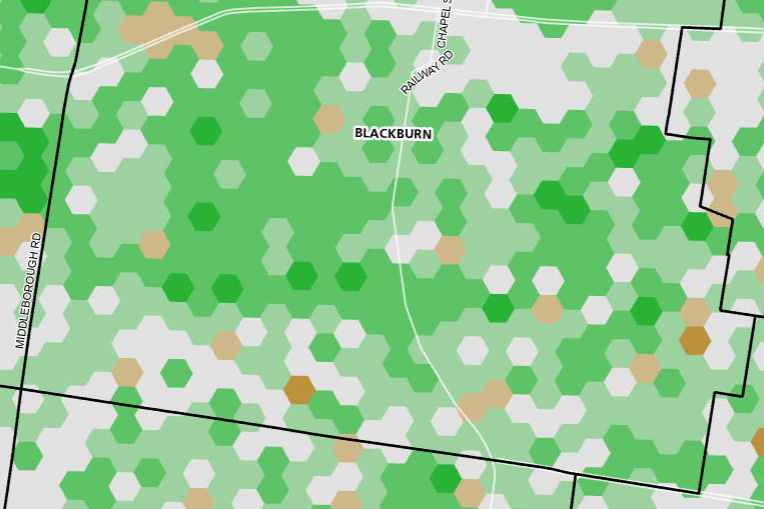

The hexagons show the level of change in small areas. Note that the hexagons show change – not the actual densities, so a >10% improvement might look good (in bright green) – but may represent very little canopy if starting from a low base. We have asked Council for maps showing the densities and will include them in any updates.
NIR photography is used to highlight vegetation. Grassed sports grounds such as Kalang Oval show up as light pink, whereas Blackburn Lake appears “teal” (on RHS) and Blackburn Creeklands show up as the denser, deeper pink swathe (roughly in the middle). The photo also highlights the denser canopy in private land around the Wandinong Sanctuary, the Masons Road retarding basin and SLO1 & 2 areas to the north of the Creeklands. The SLOs strongly protect vegetation.
Threats
However, a very serious concern is that significant portions of the SLO1 & 2 and all of SLO4 overlays fall within the draft Phase 1 Blackburn Activity Centre area. This area is destined for high density development which will inevitably destroy significant parts of the tree canopy. The boundary for the proposed Activity Centre is shown in white – it bumps into the SRLA Planning Area (pale blue) to the west.
The Victorian Government wants to “hear local views on how to improve access to housing, while enhancing the things that make these areas great places to live“. You can visit here to find out more and have your say – including completing a survey and attending on-line sessions. Also, see reference to CROWAG topic above.
For more information:
- Blackburn-Nunawading-Mitcham draft Activity Centre maps
- Council’s LiDAR data, conclusions and methodology
- SRLA Structure Plan and Planning Area Declaration (PAD) Maps – Box Hill
- Whitehorse maps, zones, overlays and aerial photography (including NIR)
Poo bags
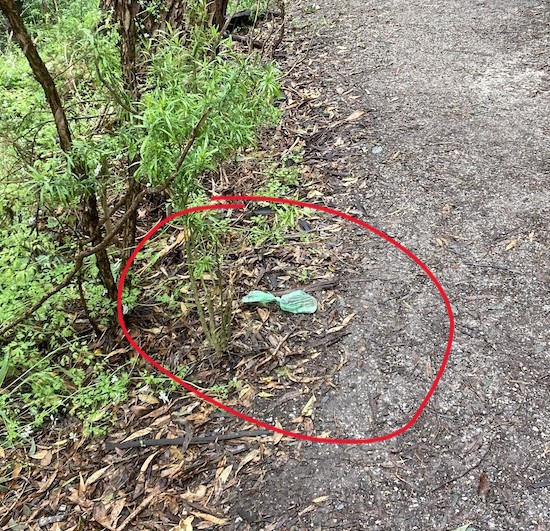

A friendly reminder to please pick up after your dog and dispose of waste responsibly. Let’s all do our part to keep the park clean, safe, and enjoyable for everyone. There are at least four bins located throughout the park and playgrounds so please take note of where they are and use them!
Plant of the month – Weeds!
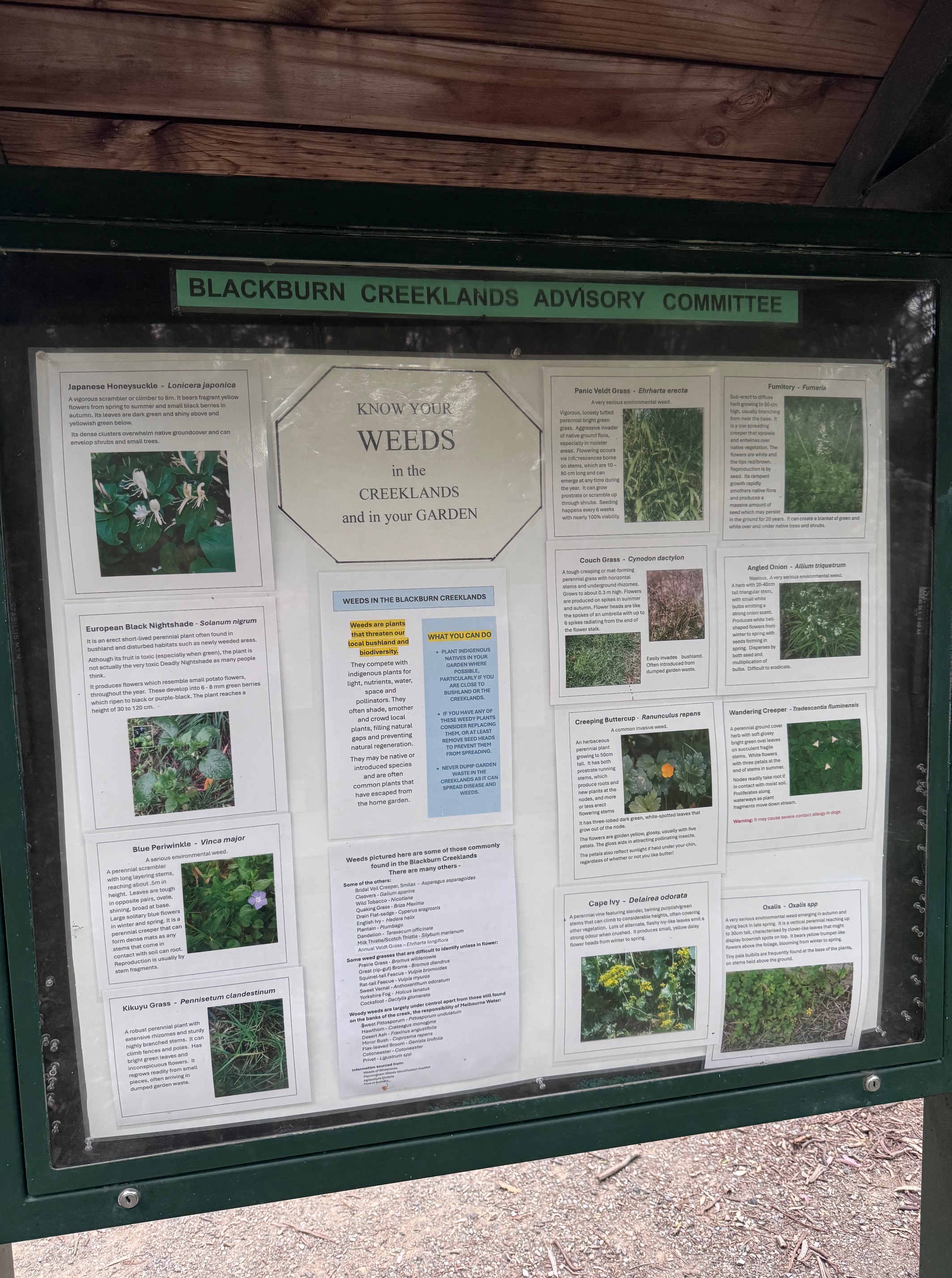
Thanks to Anthea for organising ‘Know your weeds in the creeklands and in your garden’ that is displayed in the back of the noticeboard this month. By definition, weeds are plants growing where they are not wanted and in competition with cultivated plants.
Weeds threaten our local bushland and biodiversity and can compete with indigenous plants for water, light, nutrients, space and pollinators. They often shade, smother or overcrowd local plants, filling natural gaps and preventing natural regeneration. Species may be native or introduced and are often common plants that have escaped from the home garden. Boo!
Twelve images on display include:
- Japanese Honeysuckle (Lonicera japonica)
- European Black Nightshade (Solanum nigrum)
- Blue Periwinkle (Vinca major)
- Kikuyu grass (Pennisetum clandestinum)
- Panic Veldt grass (Ehrharta erecta)
- Couch grass (Cynodon dactylon)
- Creeping Buttercup (Ranunculus repens)
- Cape Ivy (Delairea odorata)
- Fumitory (Fumaria)
- Angled Onion (Allium triquetrum)
- Wandering creeper (Tradescantia fluminensis)
- Oxalis (Oxalis spp.)
Please take a look at the presentation and keep a close eye on them if you have any of them at home. Tip: deadhead old flowers before they set seed and disperse to prevent seven years weeding!
Australia’s bird of the year has been crowned!
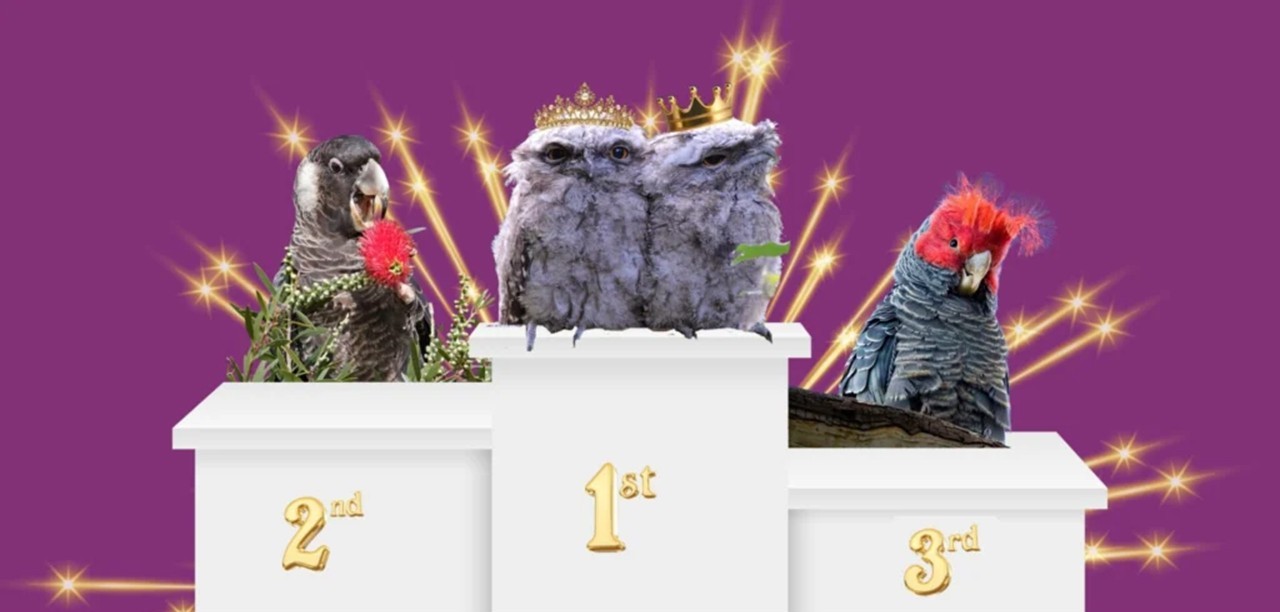
Australia has spoken! After three years as runner-up, the Tawny Frogmouth has finally been crowned the 2025 Bird of the Year, soaring ahead to take home the gold medal with over 11,800 votes. Known for its wide eyes, surprised expression and perfect tree-trunk camouflage, this quirky bird has finally captured the nation’s heart.
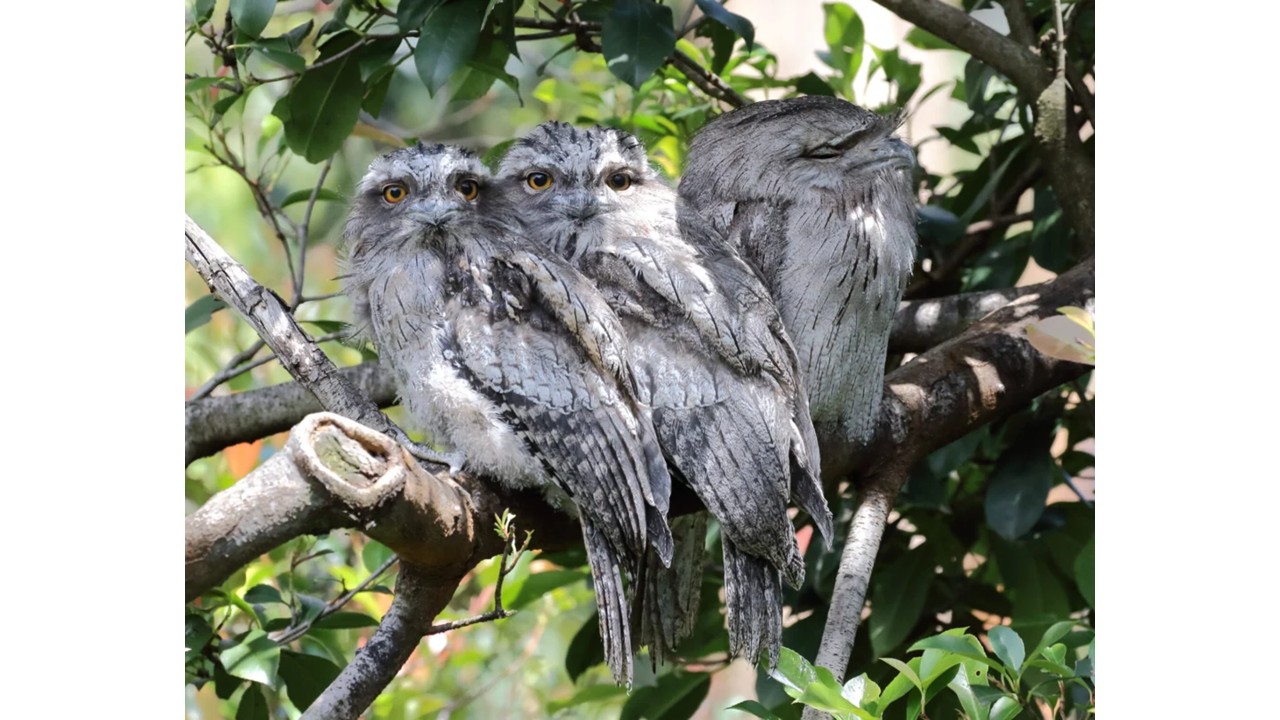
During the day, they seamlessly blend into their surroundings, perching motionless on branches with bodies stretched upright and eyes closed to mimic a broken branch. Their silvery-grey plumage sneakly matches the texture of tree bark so much so that you could easily pass by without even noticing them.
Often mistaken for owls, Tawny Frogmouths are actually relatives of nightjars and feed on insects, rodents and frogs. Found across Australia, and in several sites within our Creeklands, they face growing threats from habitat loss and rodenticides. Their win is a timely reminder to protect even our most familiar and beloved backyard birds.
Cockatoos took out the minor placings with the silver medal awarded to the Baudin’s Black-Cockatoo and the bronze medal to the Gang-gang cockatoo. How lucky are we to have both the Tawny Frogmouths and the Gang-gangs as residents in the Blackburn Creeklands?
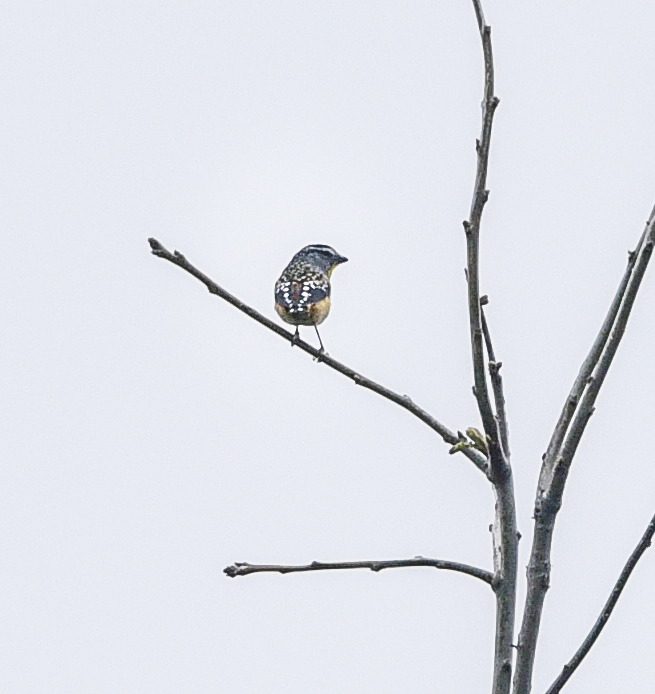
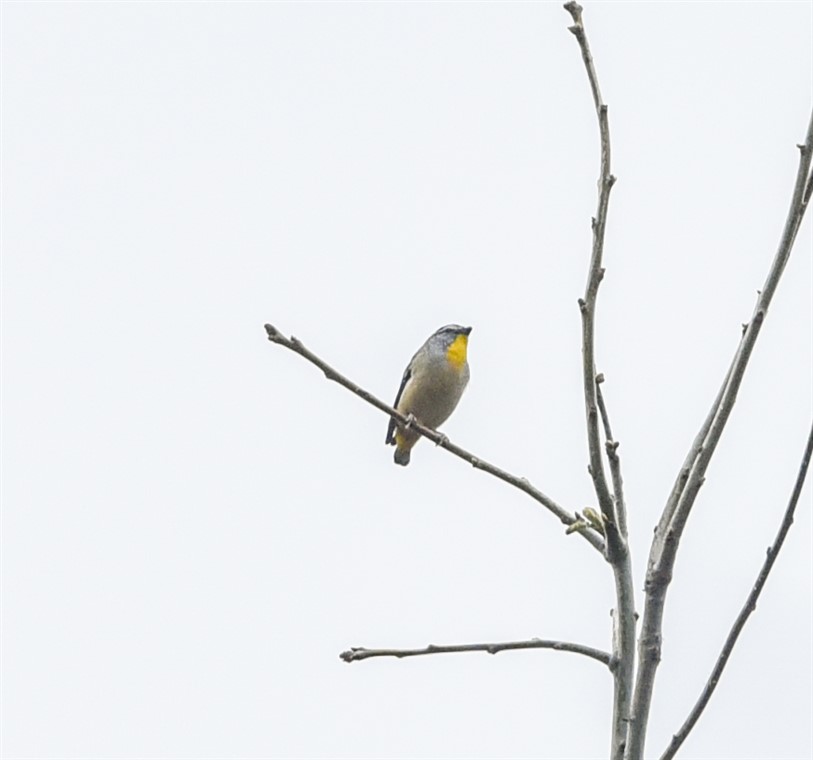
Sightings
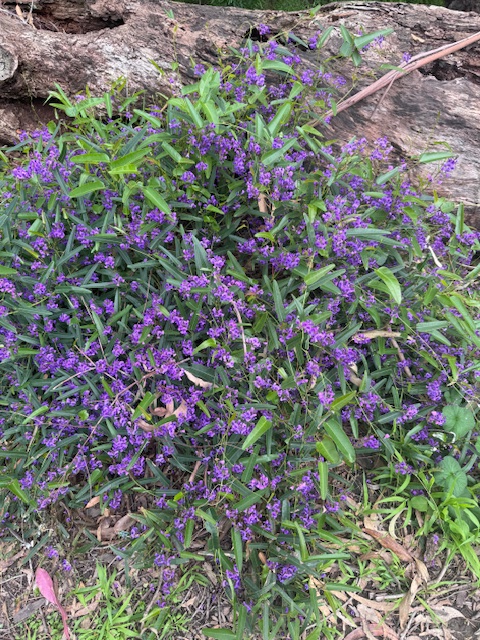
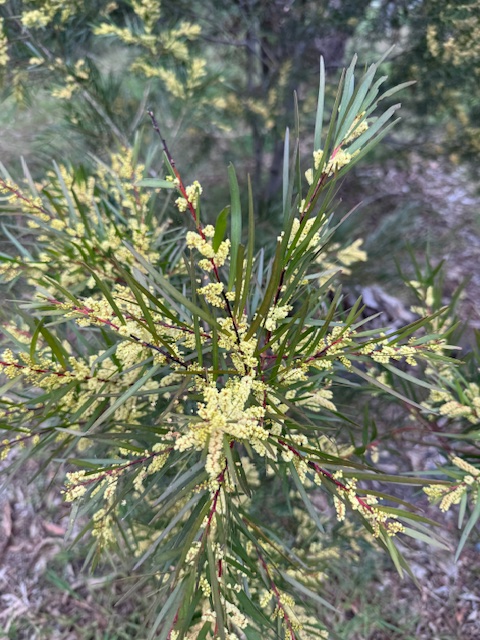
We thank our wonderful photographers for sharing their amazing images with us. If you would like to contribute, please send your photos to: blackburncreeklands@gmail.com
Click on image to enlarge photo and then scroll through gallery.
For more information, please visit our website at https://blackburncreeklands.org/ or email blackburncreeklands@gmail.com
Catch you next month!
 Blackburn Creeklands