Upcoming events:
- Weekly Thursday weeding at 8:30AM on 5, 12, 19 & 26 February
- Monthly Wednesday bird survey at 8AM on 11 February
Welcome to the January edition of our Blackburn Creeklands newsletter.
We trust you all had an enjoyable Christmas and NY period and are keen to hear what we are up to and our plans for the coming year.
In this edition, we have:
- Park plans for 2026
- New planning protections
- Rainwater gardens
- Attracting native wildlife to your garden
- New park signs
- Sightings – photos and videos
Park plans for 2026

As usual, we started planning all park activities for the year at our recent January committee meeting. Some confirmed and tentative days are recorded below so please add them to your diary now and for future reference. All activities will be confirmed closer to the date(s), so keep a close eye on our monthly newsletters and social pages (see links to join at the bottom of this page):
- Weekly weeding on Thursday at 8:30AM – email blackburncreeklands@gmail.com for more details.
- Monthly bird surveys on second Wednesday at 8AM – please register your interest on https://blackburncreeklands.org/contacts/ as the time and date may vary at short notice. All welcome.
- Monthly working bees on 3rd Sunday from March to December (TBC). From May through to September the focus will be on planting.
- Autumn bird walk on Saturday 11th April starting at 7:30AM. Meet at the Scout Hall.
- Possum prowl later in the year (TBC)
- Eucalypt ID walk (TBC)
If you have been considering helping out or volunteering, then there is no better time to join us at one of our friendly community activities. We look forward to welcoming new visitors as well as regular faces at our expanding list of activities 🙂
New Planning Protections for KooyongKoot
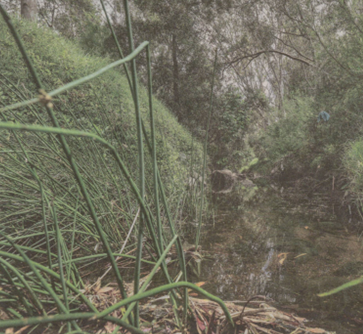
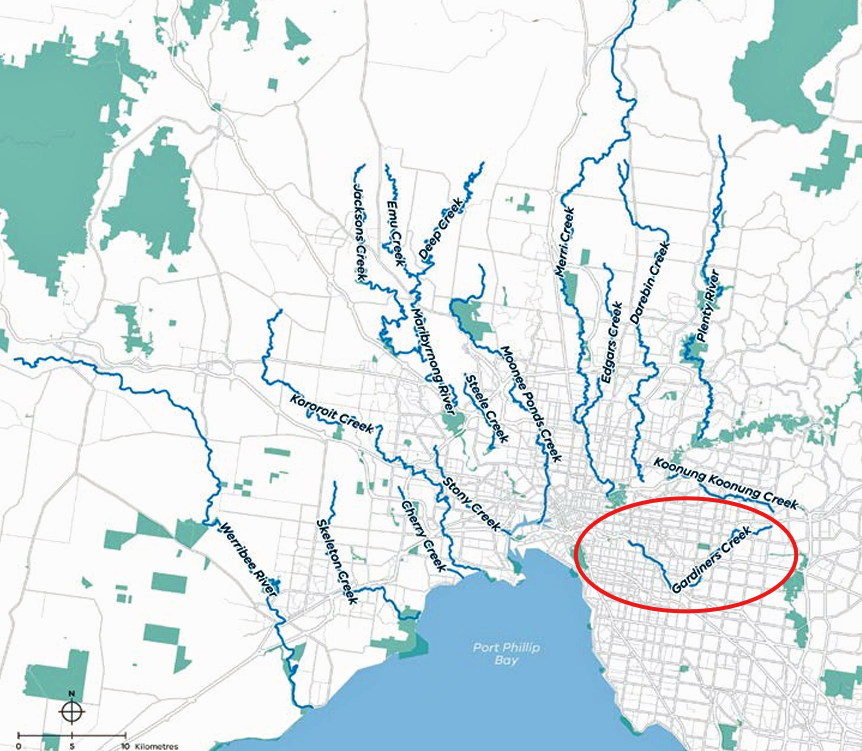
Our friends in the KooyongKoot Alliance (KKA) have let us know that a significant amendment to the Planning Controls for Waterways has been approved by the Minister for Planning. It introduces a series of Significant Landscape Overlays (SLOs) to 17 waterways across metro Melbourne, including KooyongKoot (Gardiners) Creek. Ours is the only south-easterly waterway to gain that protection.
Planning Amendment VC278 protects 17 urban waterways’ unique landscape character, cultural values, amenity and ecological health through the introduction of Significant Landscape Overlays (SLOs). The overlays apply to both public and private land within approximately 50 (or 200 metres in special cases such as cultural significance) to the following rivers and creeks :
Amendment VC278’s Significant Landscape Overlays in the relevant municipal schemes (such as the Whitehorse scheme) include planning permit requirements for a range of specified buildings and works, including development within 50 metres from the top of the bank of a waterway. This will impact many park neighbours’ properties. There are some carve-outs for Suburban Rail Loop precincts and Activity Centres – for example with respect to height limits. However, the intent is that the waterways should still be protected and SLO objectives are to be met.
Overall, the new controls extend the concept of waterways being a “living entity” – first used for the Yarra. It also strengthens the “corridor” concept too.
The Living Entity approach is about giving waterways and their surrounding parklands the respect they deserve and not encroaching on their space. It’s about giving them the space to move so they can provide the many ecological services they offer from flood mitigation to building climate resilience. A recent report, commissioned by the Concerned Waterways Alliance argues that Victoria’s waterways must be treated as “living, integrated natural entities” in planning law and policy.
We can take comfort too that it seems that SLOs will stay in the planning system – something not that clear in the earlier work being done on the State’s “improvements” to the planning system in general.
We thank the KKA for its advocacy and for keeping us informed.
Rainwater gardens help to reduce stormwater pollution
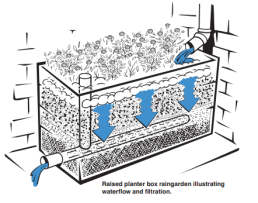
An interesting article on “Making use of rainwater” was recently published in the Eastern Climate Action Melbourne (ECAM) newsletter to help reduce pollution going into stormwater drains. They are also offering plant vouchers and a free workshop. To be eligible for a plant voucher from CRISP Nursery, please email them your plans of installing a new rain garden or photos of an existing rain garden at home.
For more info please visit: https://www.ecam.org.au/index.php/rain-gardens-and-bioswale-gardens-overview/
Attracting native wildlife to your garden
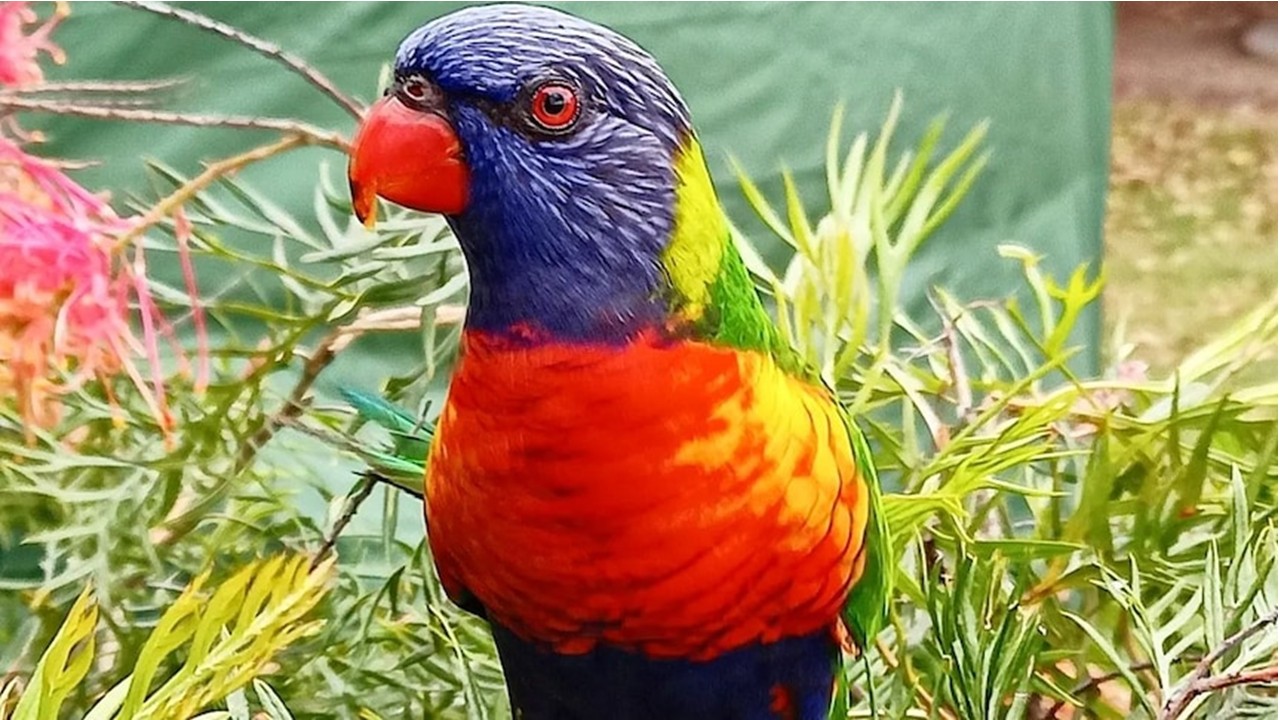
Australia’s native birds and wildlife can thrive in urban areas if gardens are designed with nature in mind. The first step is getting to know what species already live in your area and choosing plants and features that support them. Experts stress the importance of planting species that are indigenous to your local region, not just Australian natives, as local wildlife depends on familiar plants for food and shelter.
Did you know we have two local nurseries that sell indigenous native plants in Whitehorse?
- Bungalook nursery (https://bungalooknursery.com.au/) in Blackburn South, and
- Greenlink (https://www.greenlinkboxhill.org/) in Box Hill north
Both nurseries are run by volunteers and are a great source of information and a wealth of knowledge in terms of what to plant and where. They also run regular training events on propagation, plantings, seminars and workshops, so feel free to contact them directly for more information.
Flowering natives such as grevilleas and banksias attract lorikeets, parrots, wattlebirds and honeyeaters, while denser shrubs with smaller flowers provide safe refuge for smaller songbirds like fairy-wrens. Gardens can also support lizards, frogs and insects by leaving mulch, garden prunings, rocks and hollow logs in sunny, sheltered spots.
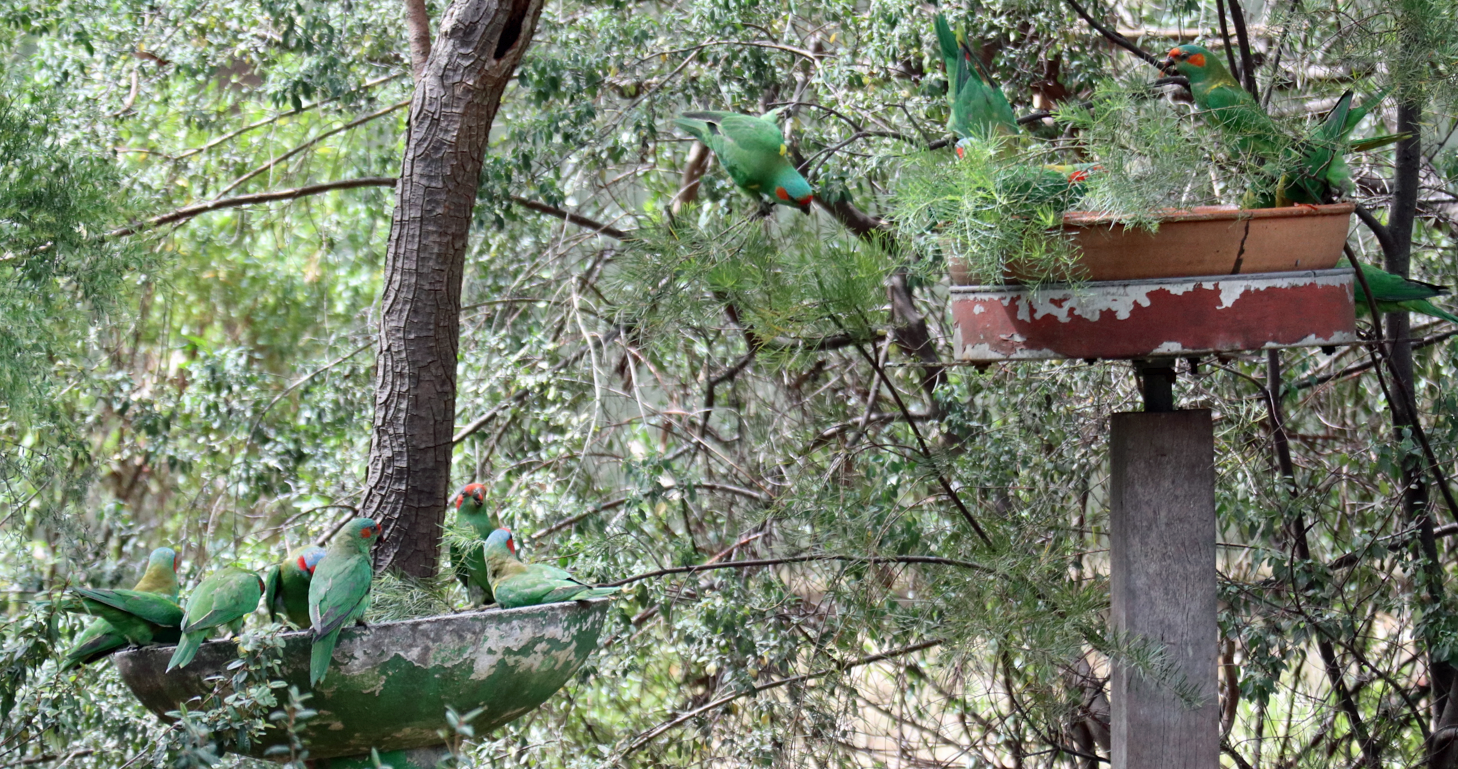
Providing clean, fresh water such as in water baths is one of the simplest and most effective actions, especially during hot weather when birds are vulnerable to heat stress. Even small courtyards, balconies and pots planted with native species can play an important role, acting as stepping stones for wildlife across urban landscapes.
New signs in the park
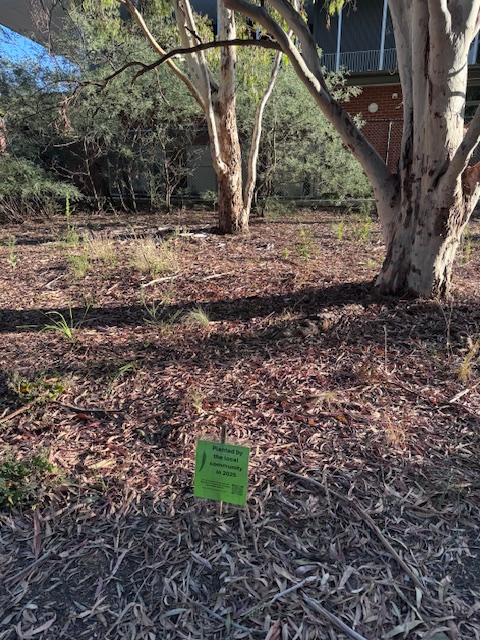
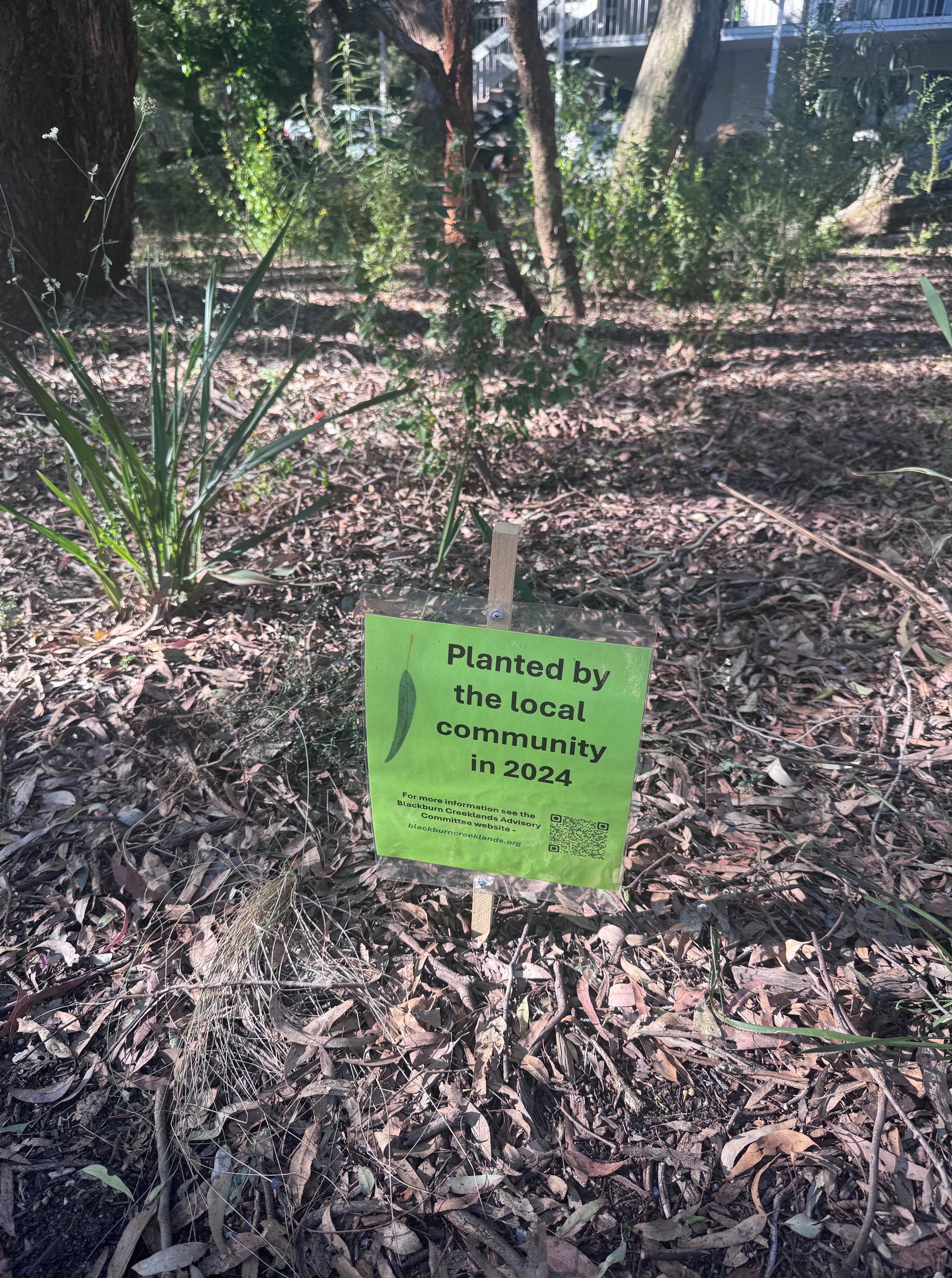
Have you noticed the new signs that have popped up in the park acknowledging the contribution of volunteers at our community working bees? As they say, “Many hands make light work” and we really appreciate the help and support of our family, friends and locals that take time out of their busy schedules to help plant, weed, mulch and water our beautiful park. Thanks Greg for installing them!
Sightings
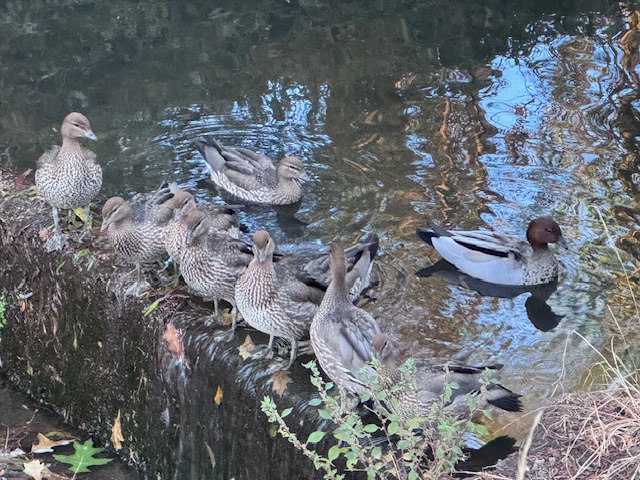
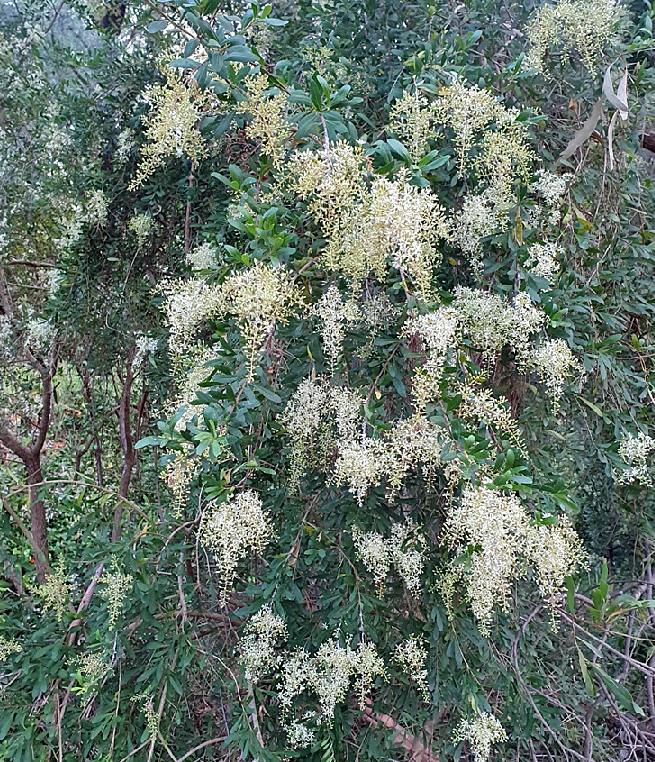
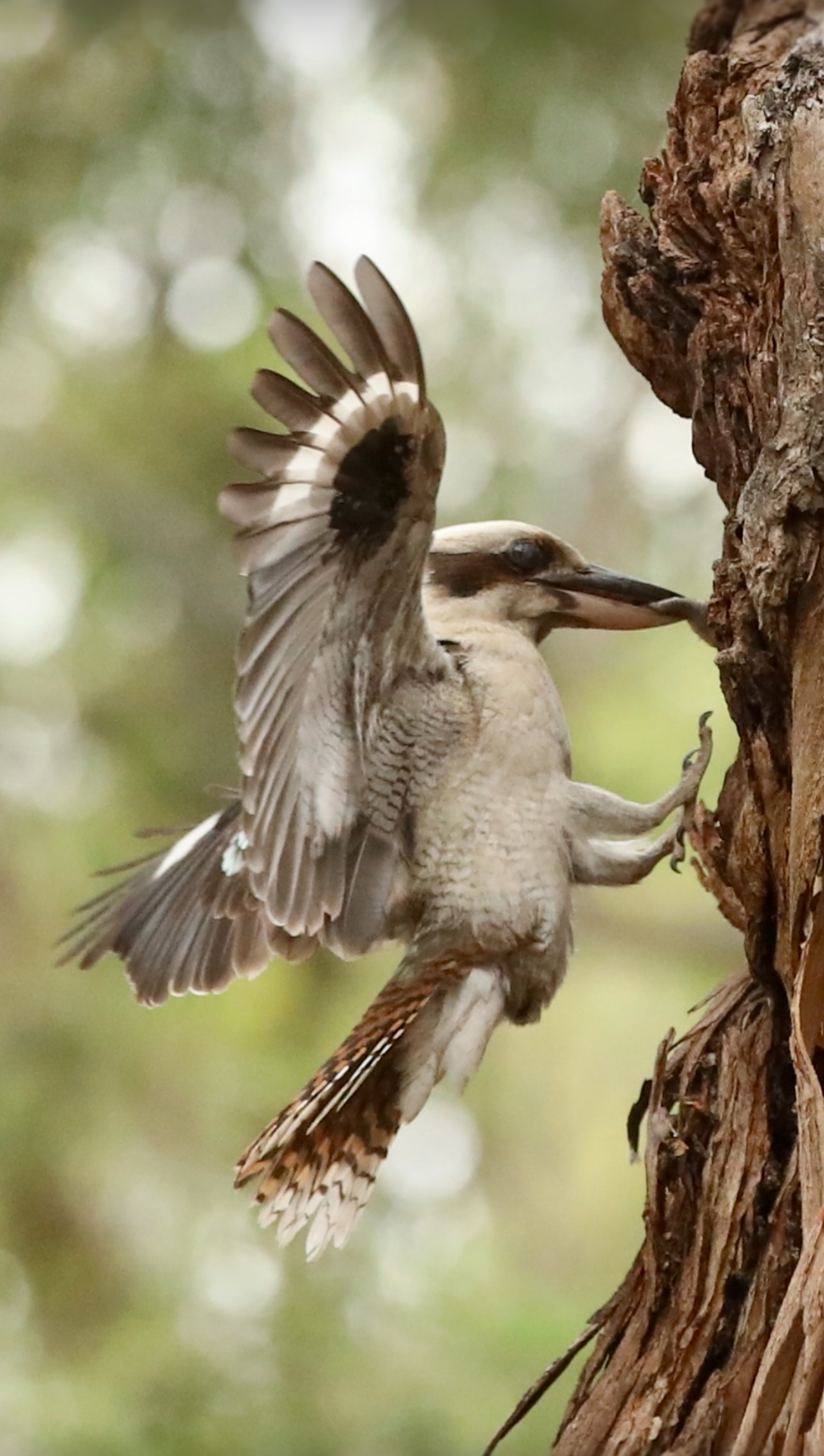
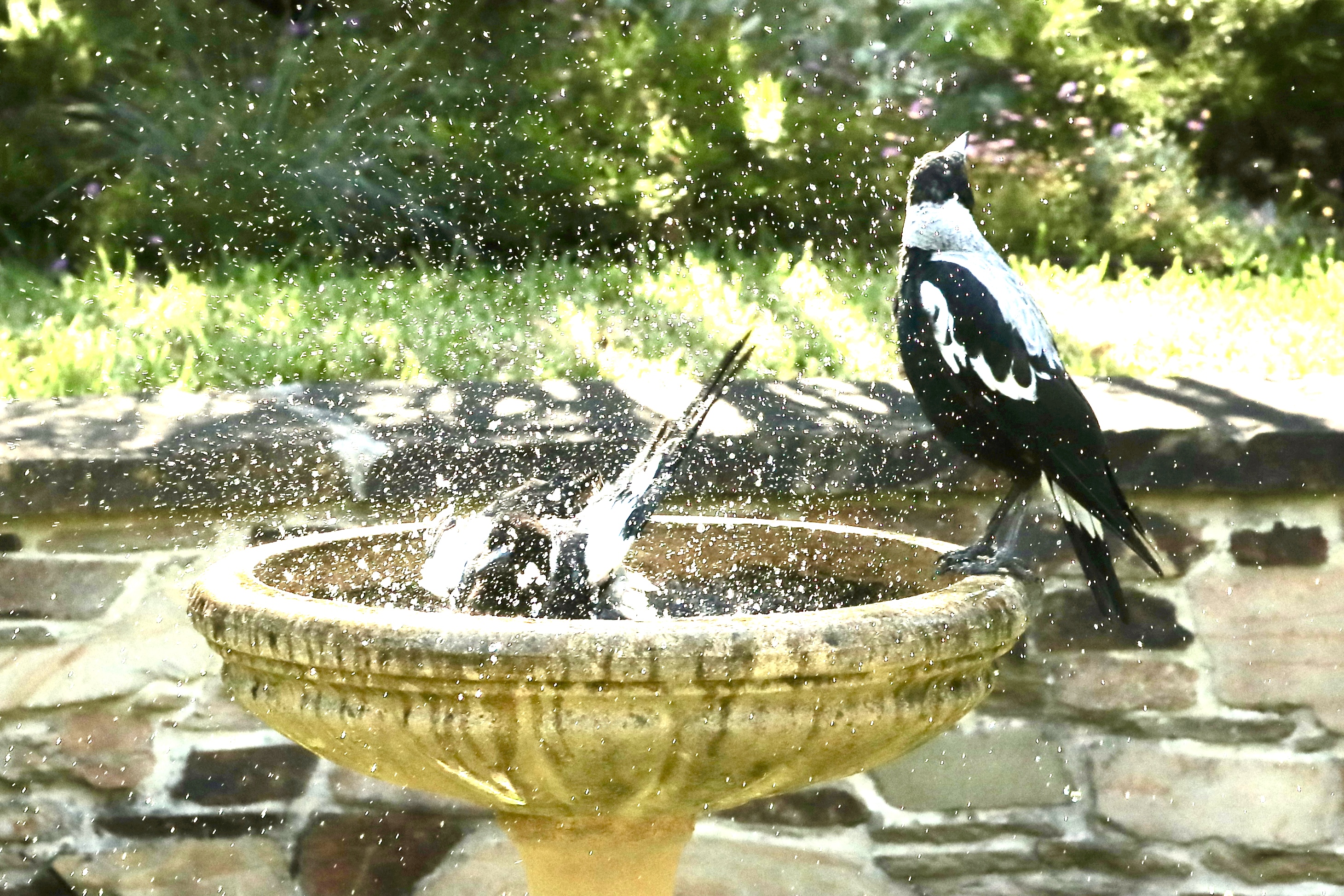
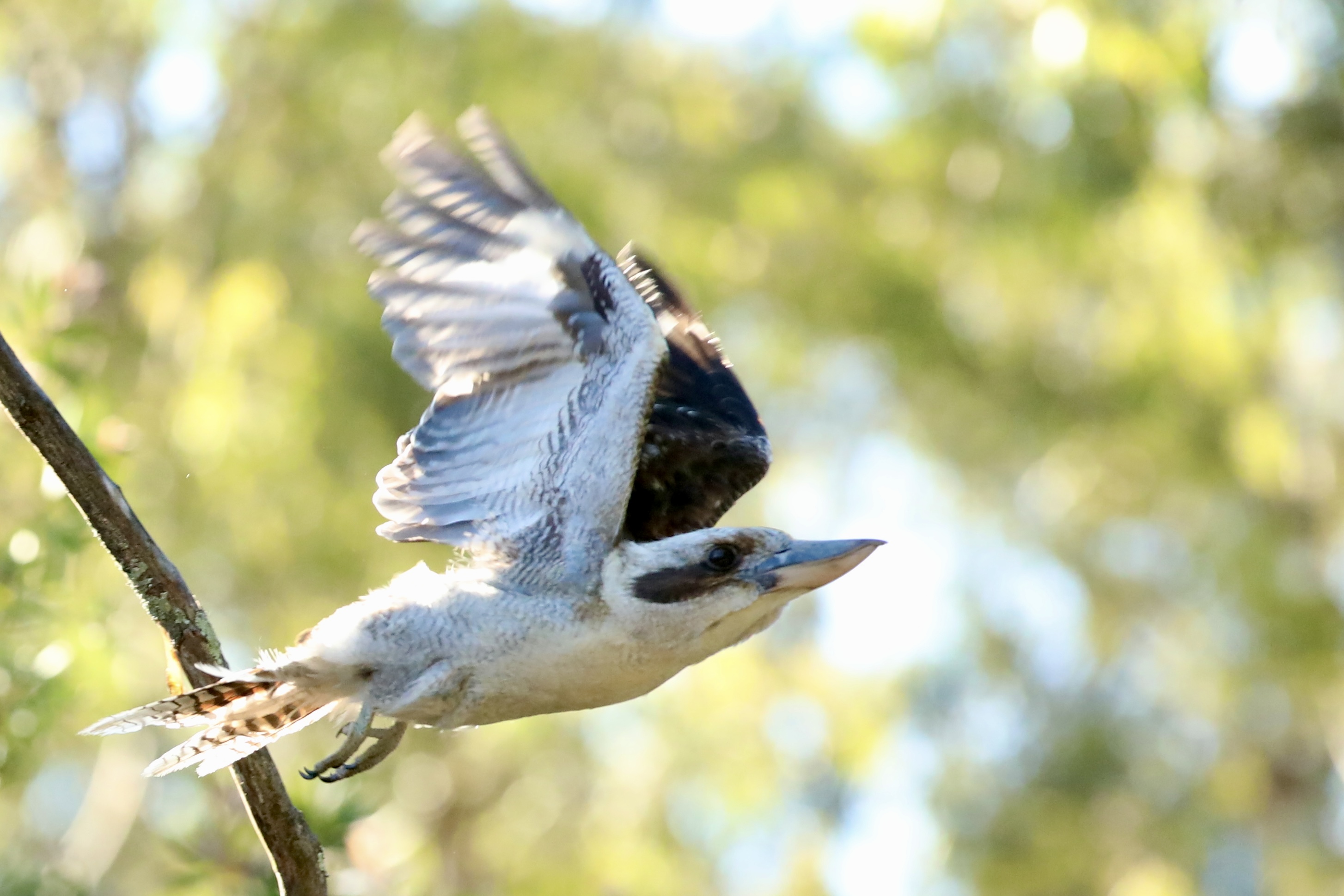
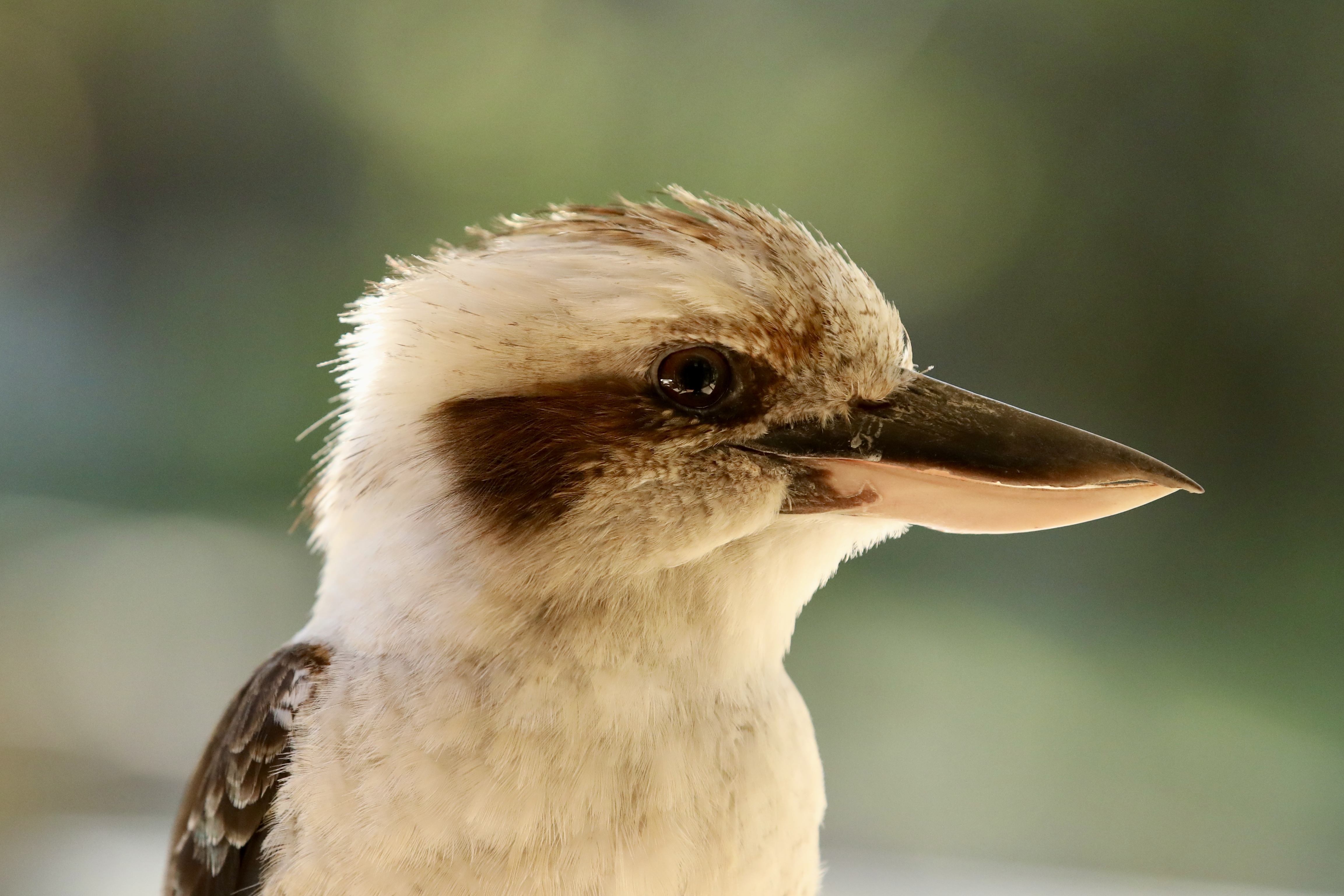
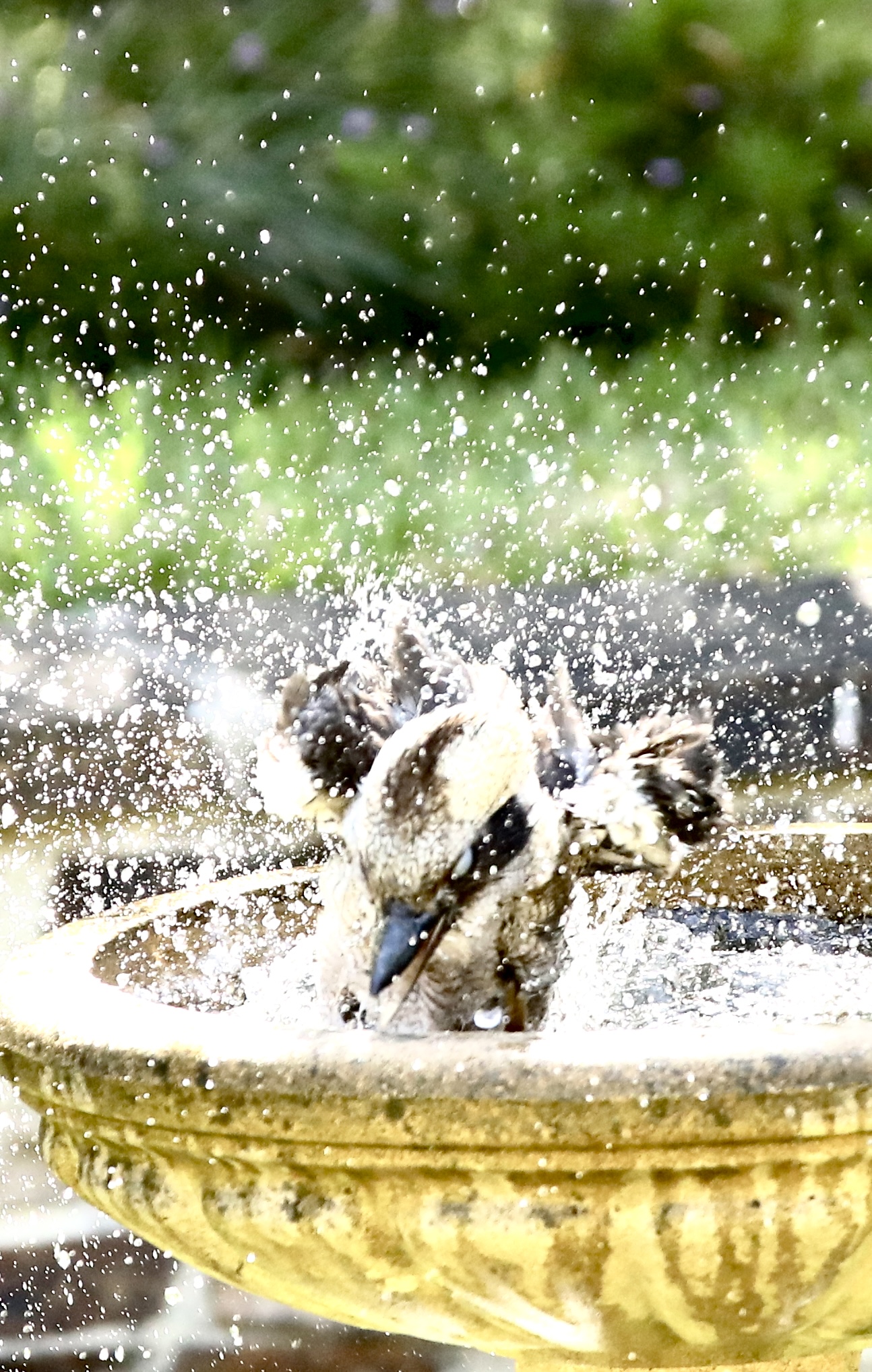
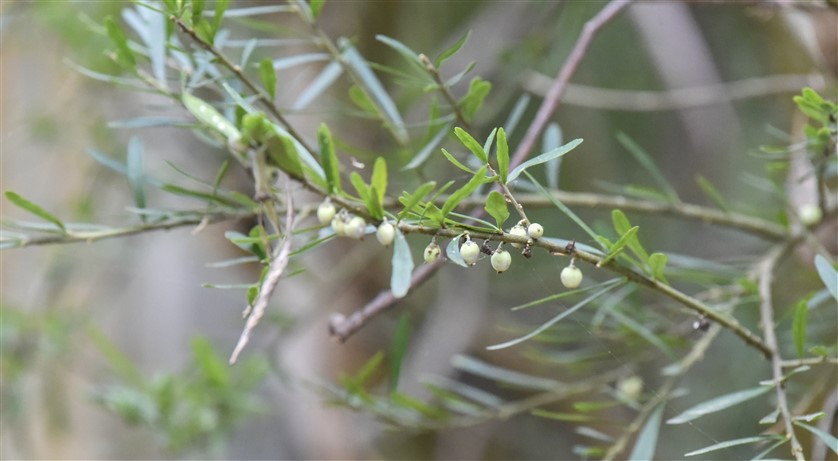
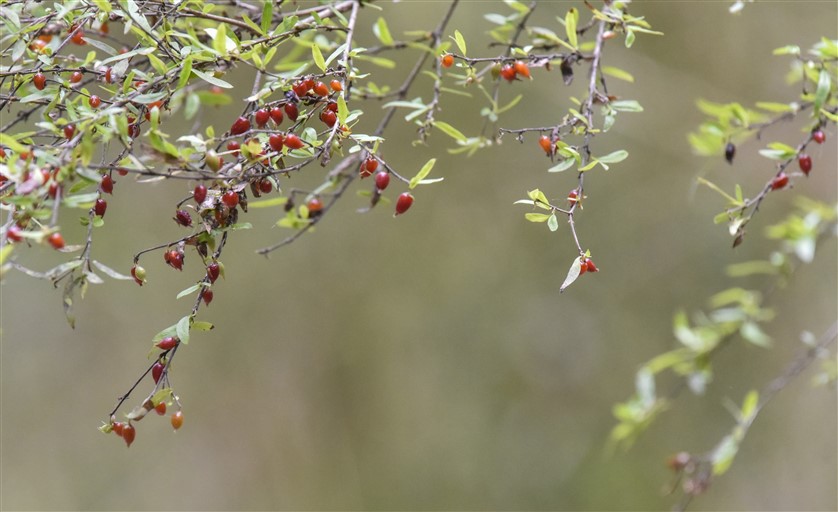
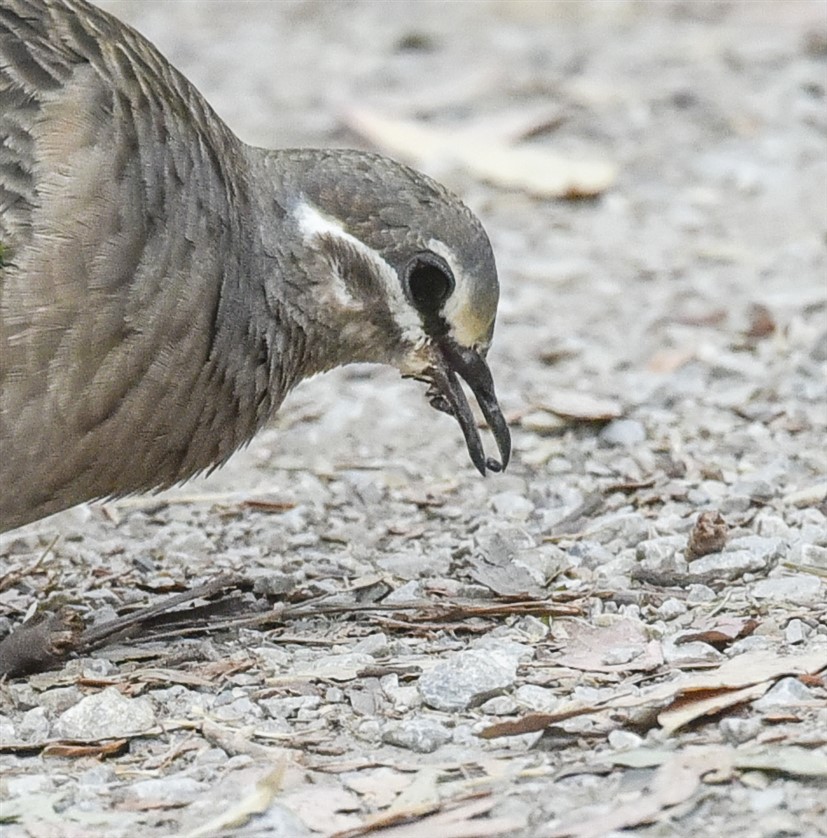
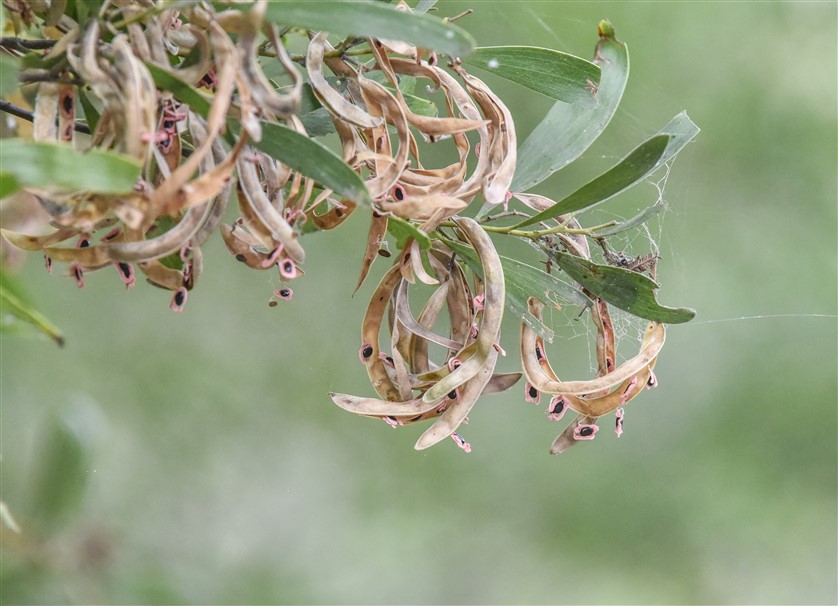
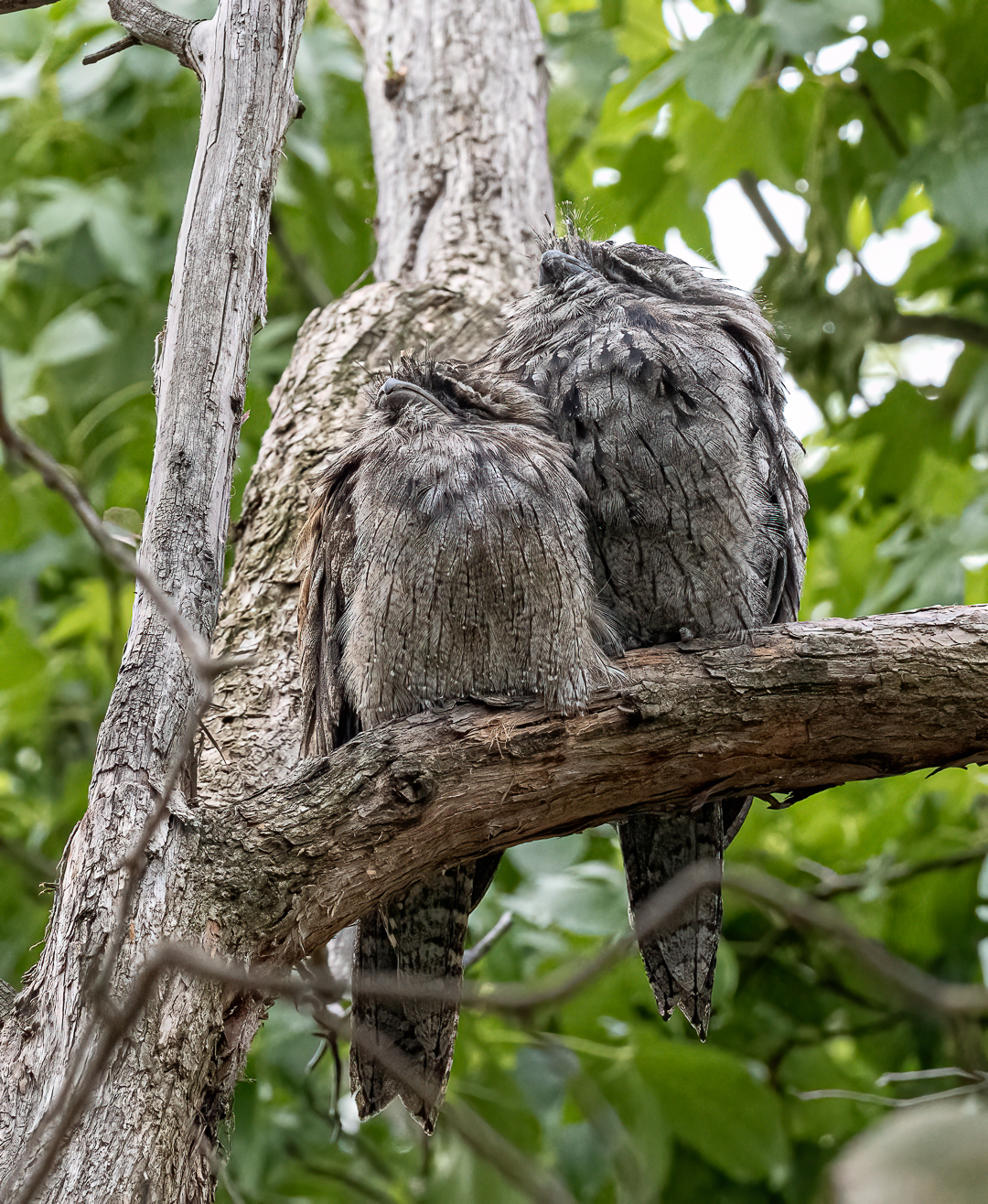
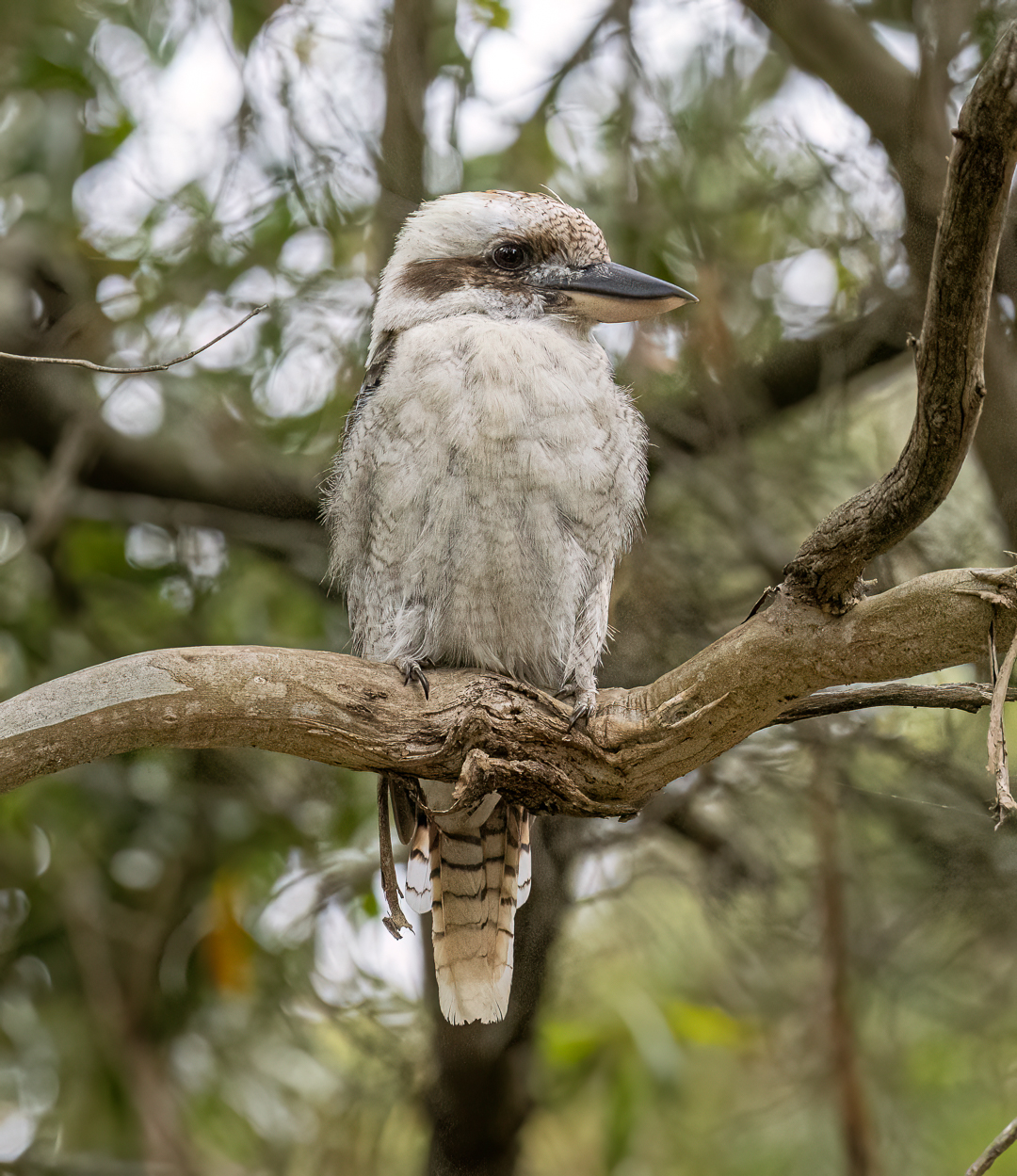
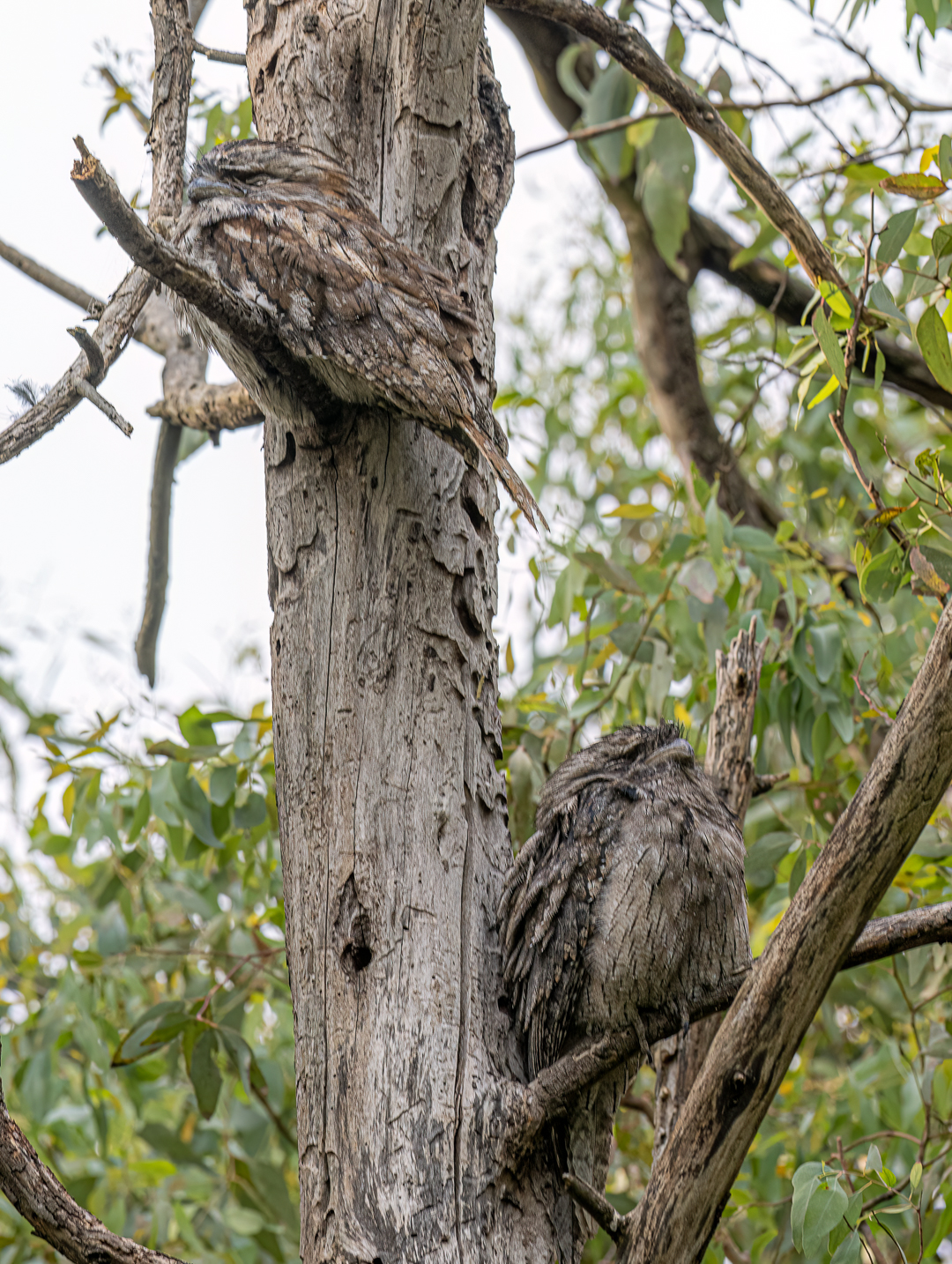
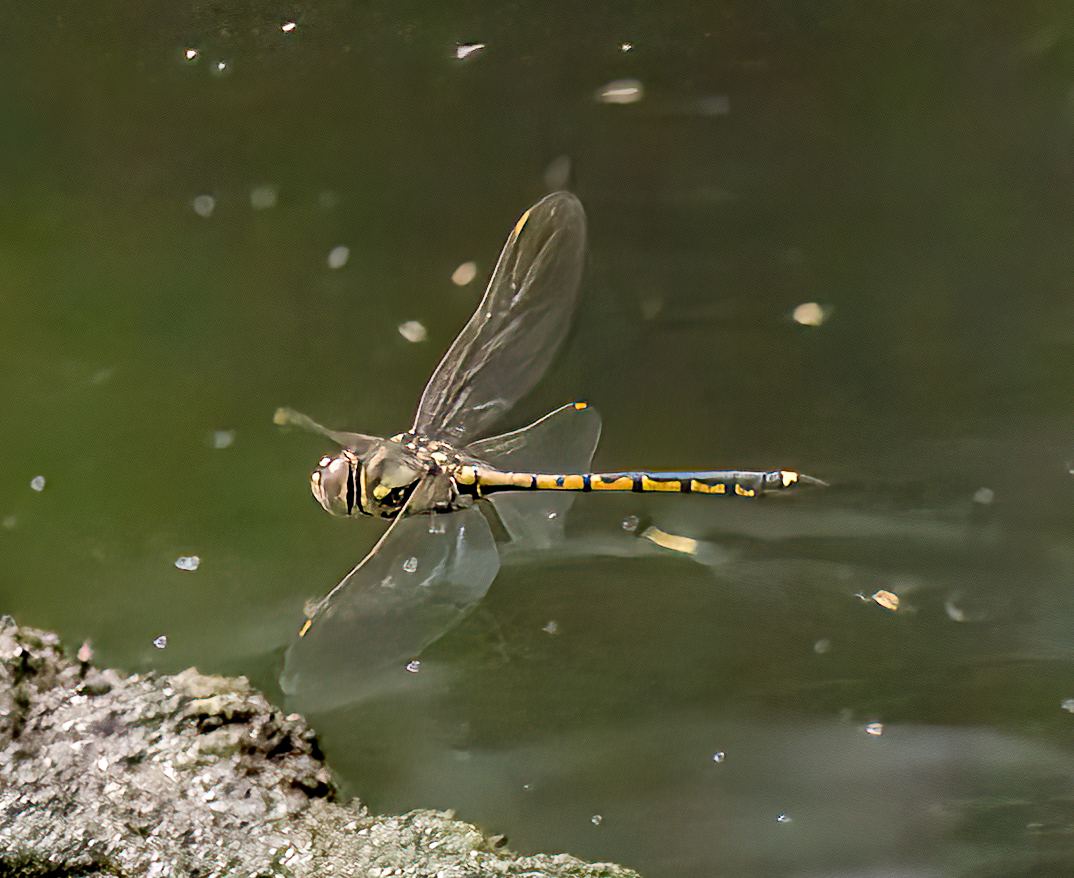
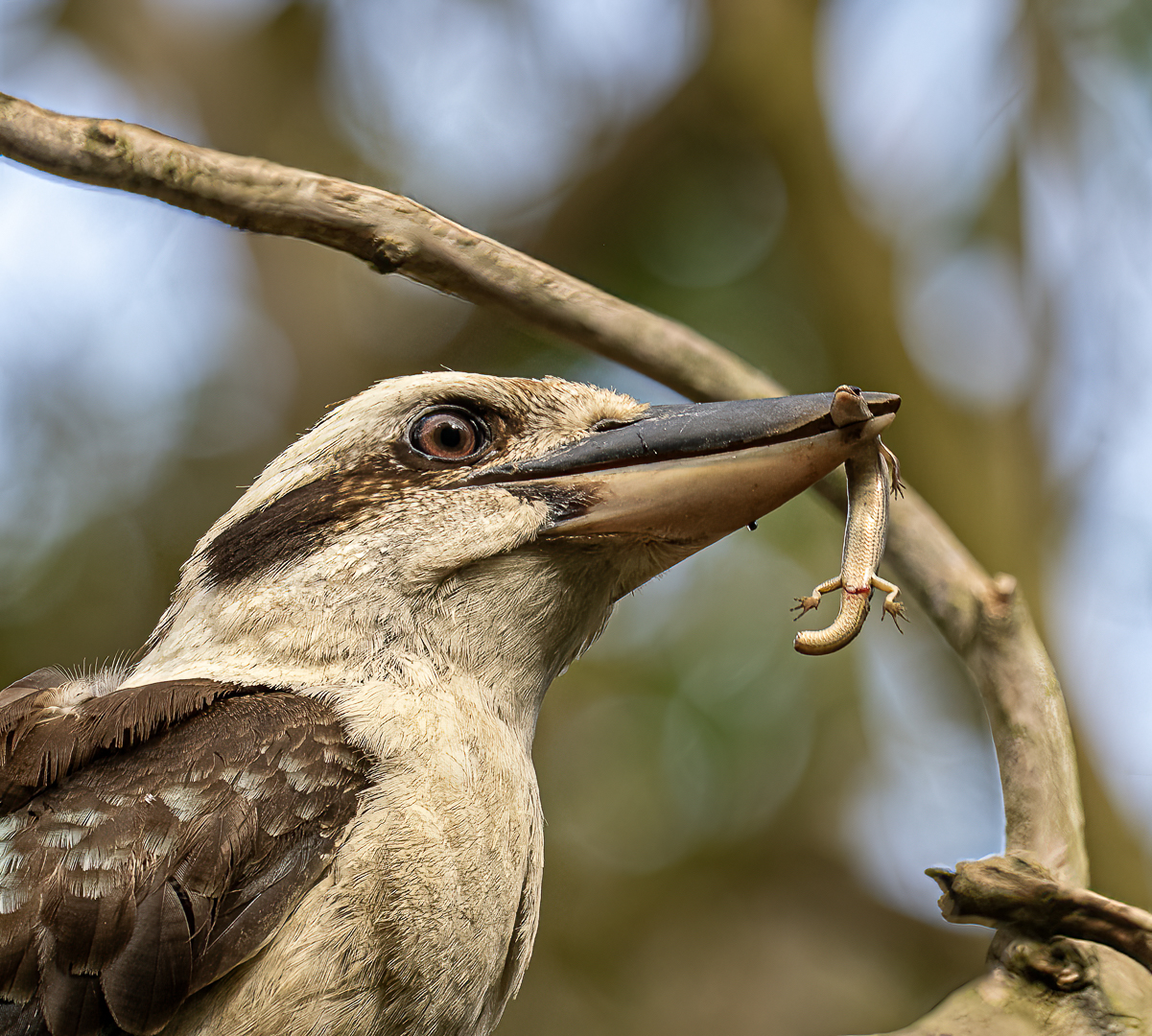
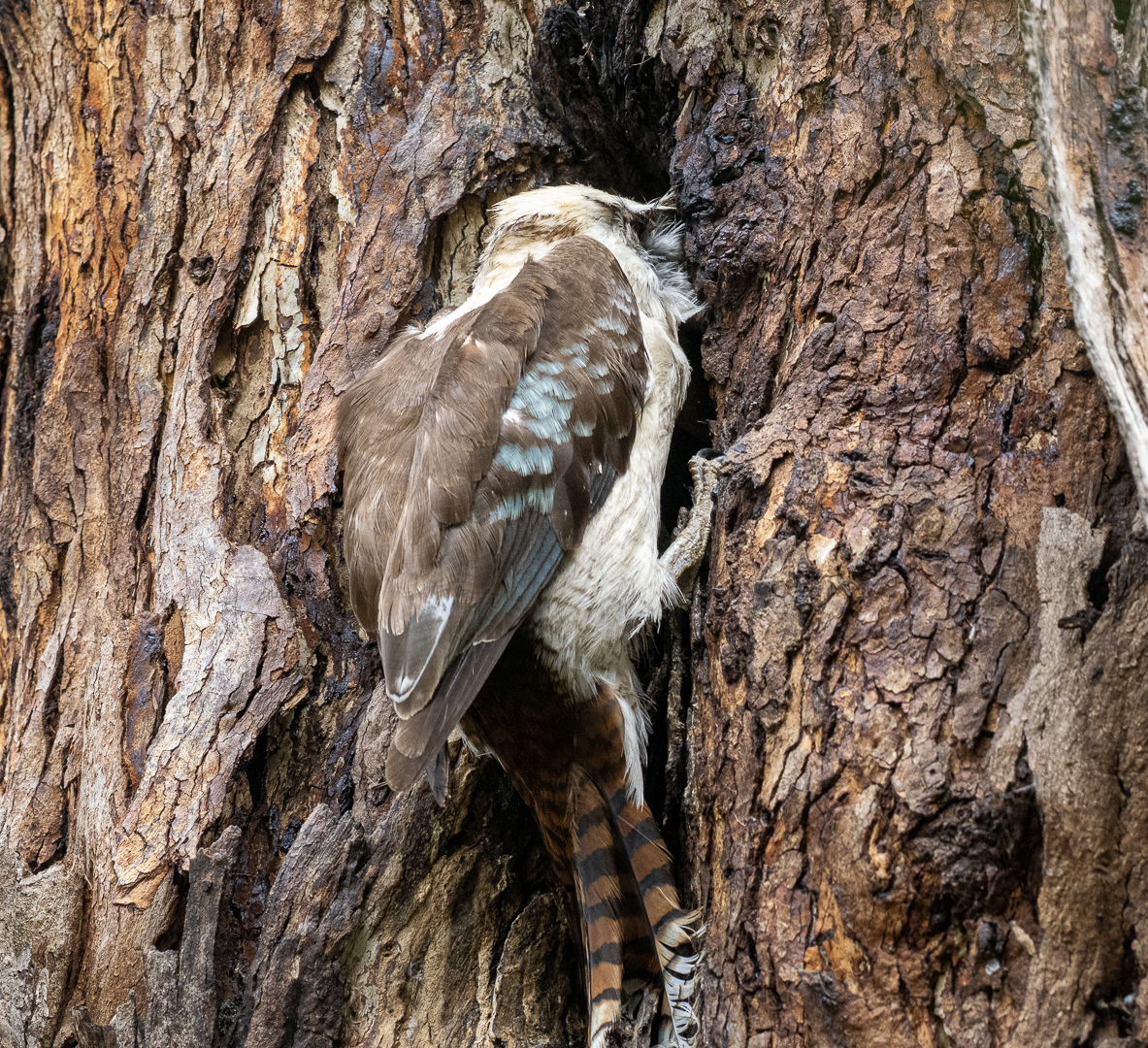
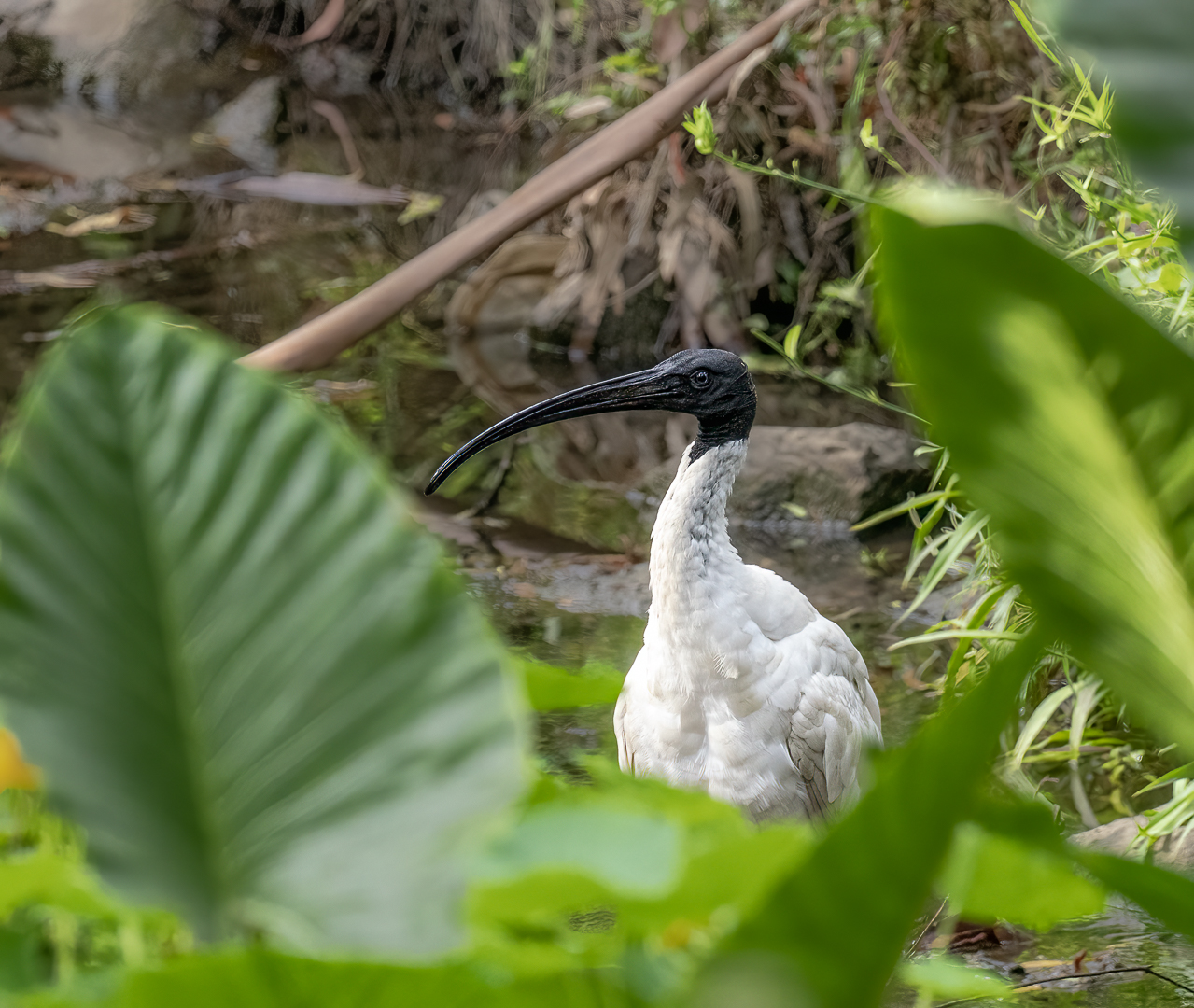
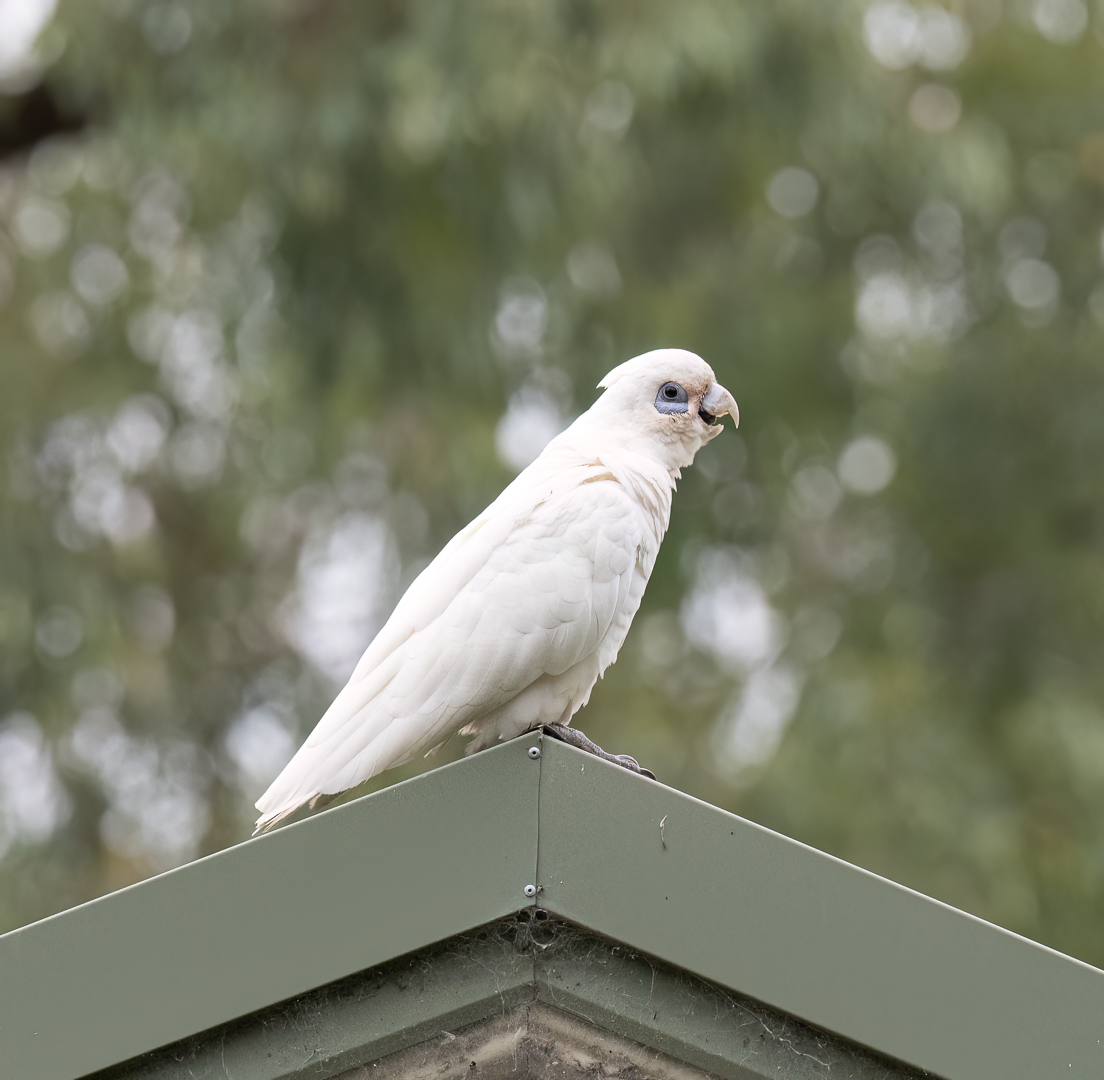
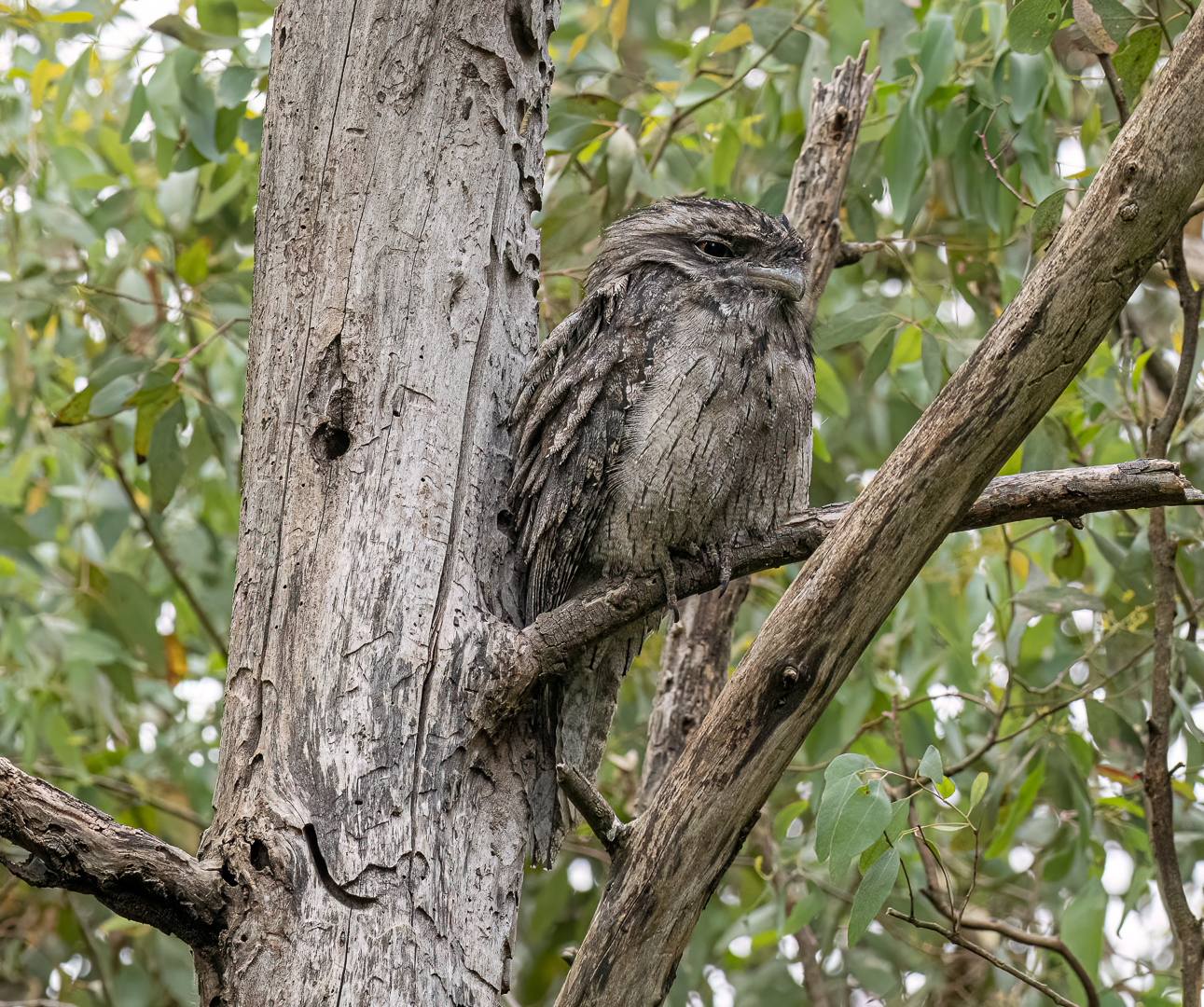
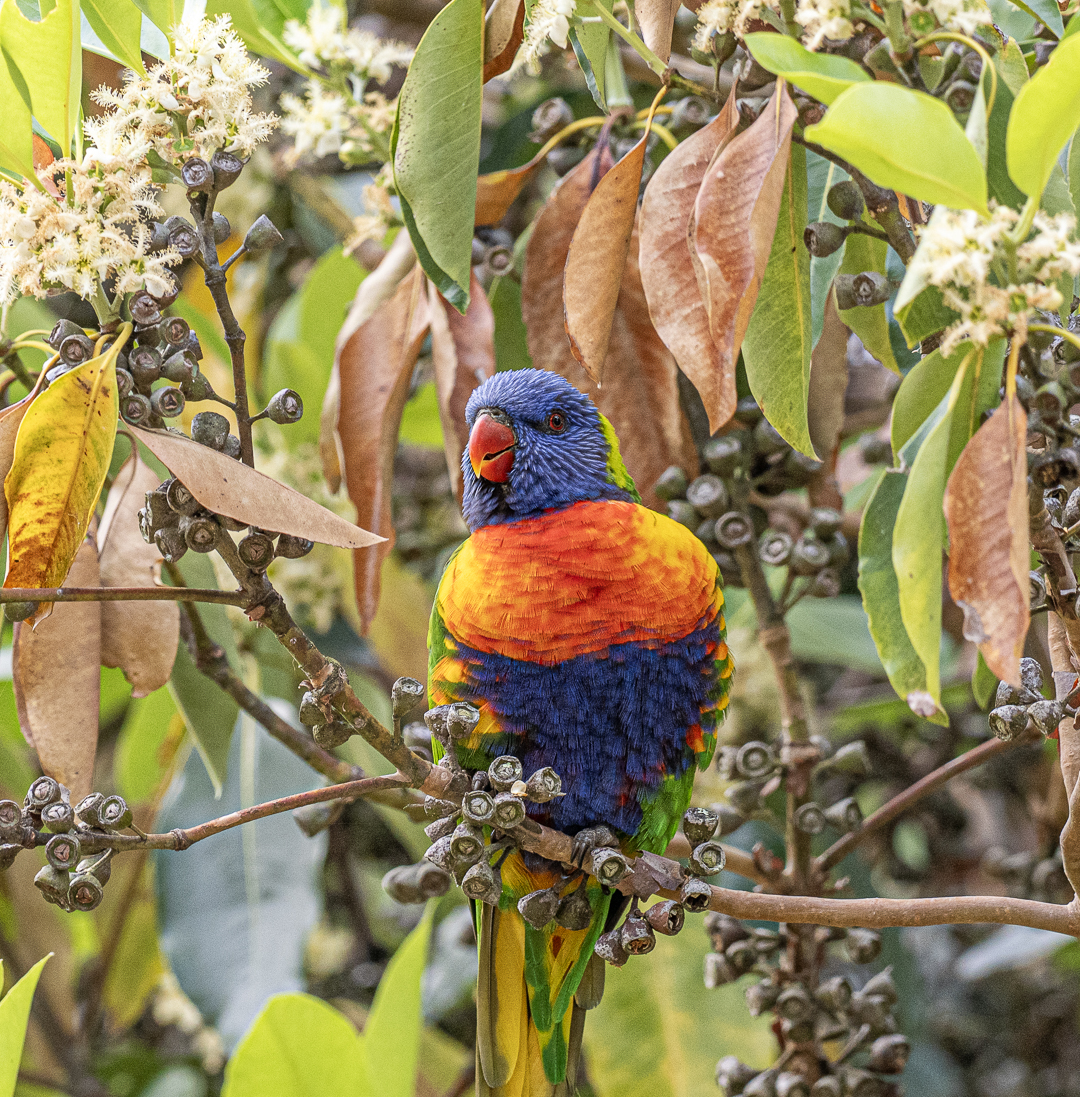
We thank our wonderful photographers for sharing their amazing images and videos with us. If you would like to contribute, please email your photos to: blackburncreeklands@gmail.com
Photo gallery:
Videos:
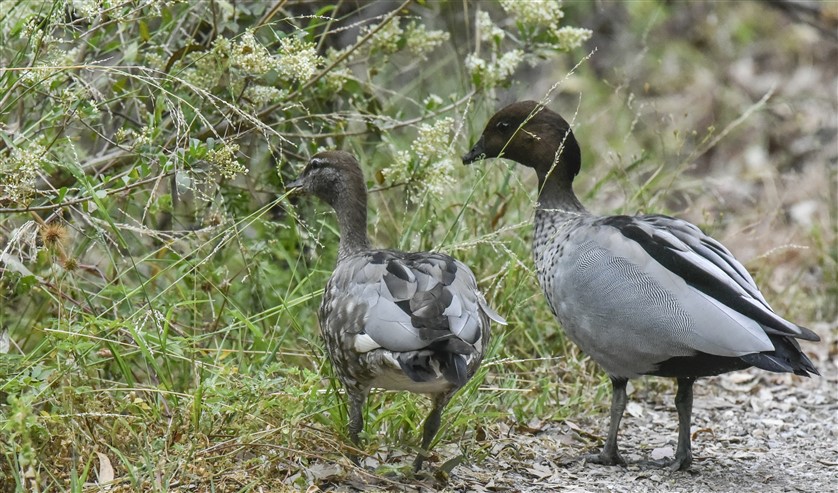
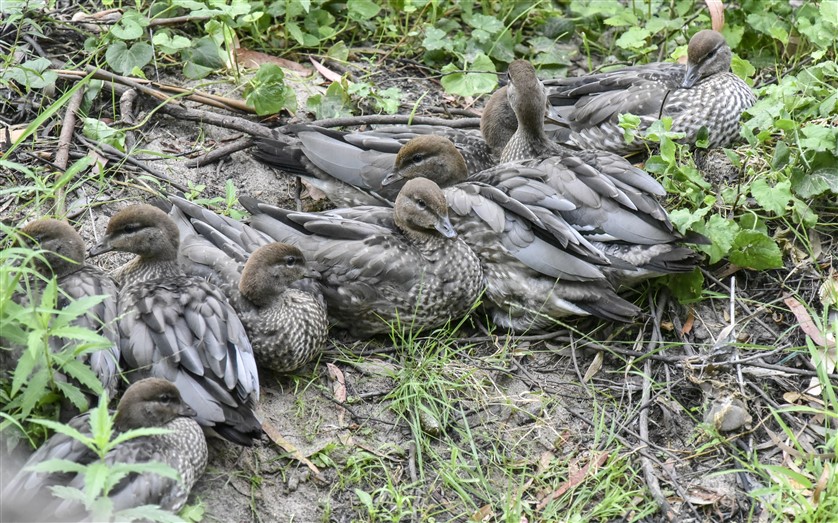
- A pair of Wood Ducks (Chenonetta jubata) and their nine ducklings were recently spotted on Gardiners Creek (KooyongKoot), swimming in the freshwater before emerging onto the creek bank. Here, the ducklings were seen preening, feeding on vegetation and briefly sheltering under their mother before being led into the undergrowth. Wood Ducks usually nest in tree hollows near water, laying around ten eggs incubated by the female. Ducklings face many threats from predators, yet this family still has all nine young. Parents actively defend them, using distraction and bold behaviour to guide ducklings safely away. Wood Ducks are also known as Maned Ducks or Maned Geese.
- Corellas (Cacatua sanguinea) eating wattle seeds
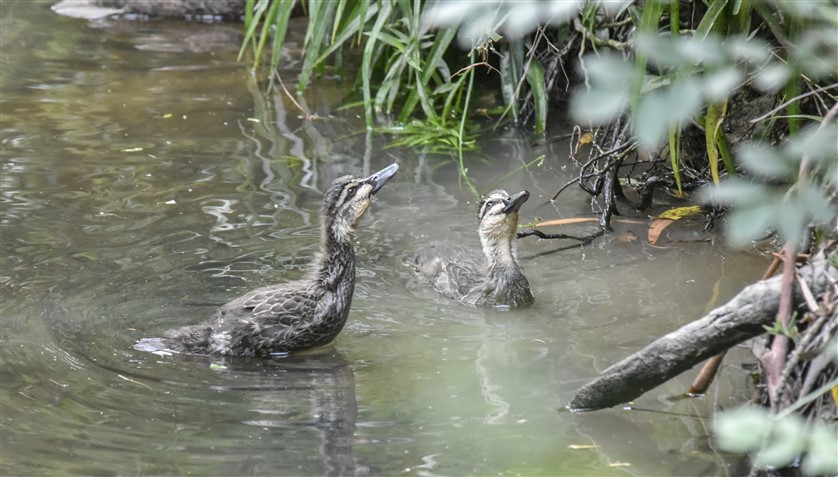
- A family of Chestnut Teals (Anas castanea) foraging in Gardiners Creek
Thanks for the interesting comments and videos Ruth 😉
For more information, please contact us on one of the options below:
- Email blackburncreeklands@gmail.com
- Website https://blackburncreeklands.org/
- Facebook https://www.facebook.com/BlackburnCreekies/
- Instagram https://www.instagram.com/blackburncreeklands/
Stay cool, safe and hydrated and we will see you all next month 😉
Your friends,
Blackburn Creeklands Advisory Committee
 Blackburn Creeklands