Upcoming events:
- Weekly Thursday weeding at 8:30AM on 5, 12, 19 & 26 March
- Monthly Wednesday bird survey at 8AM on 11 March
- NEW: Monthly Sunday weeding at 9:00AM on 22 March
Welcome to the February edition of our Blackburn Creeklands newsletter.
We hope you are enjoying the cooler weather and have time to relax and enjoy our beautiful Creeklands.
In this edition, we have:
- Monthly Sunday weeding (NEW!)
- Blackburn Activity Centre news
- Possum boxes
- Importance of trees
- Dogs in the park
- Is it OK to feed birds?
- Sightings – photos and videos
Monthly weeding in the park
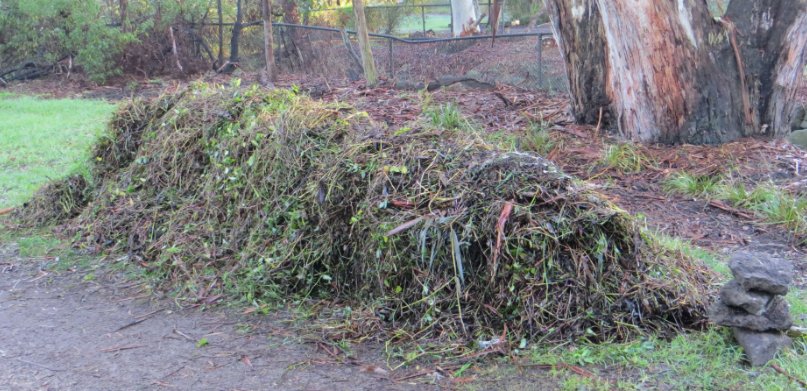
We are pleased to share that new community working bees will commence at 9:00 – 11:00AM generally on the third Sunday of the month starting in March through to November. These regular sessions are a great opportunity for locals to get involved, meet like-minded people and make a positive difference in the Creeklands. The working bees will be a combination of weeding and planting, with the focus on planting in the cooler months between May and September.
Sunday mornings provide a relaxed and flexible option for those who can’t attend weekly Thursday weeding activities. No experience is necessary as guidance, tools and plenty of ‘free’ encouragement will be provided! By working together to remove invasive weeds, we help native plants thrive and improve habitat for local wildlife.
We look forward to welcoming new and familiar faces as we continue caring for this special place together. Please dress appropriately and BYO sunscreen, gloves, hat, drinks and snacks.
Please register your interest at blackburncreeklands@gmail.com and we will notify you of the location prior to the event at 9:00AM on Sunday the 22 March.
Blackburn Activity Centre news
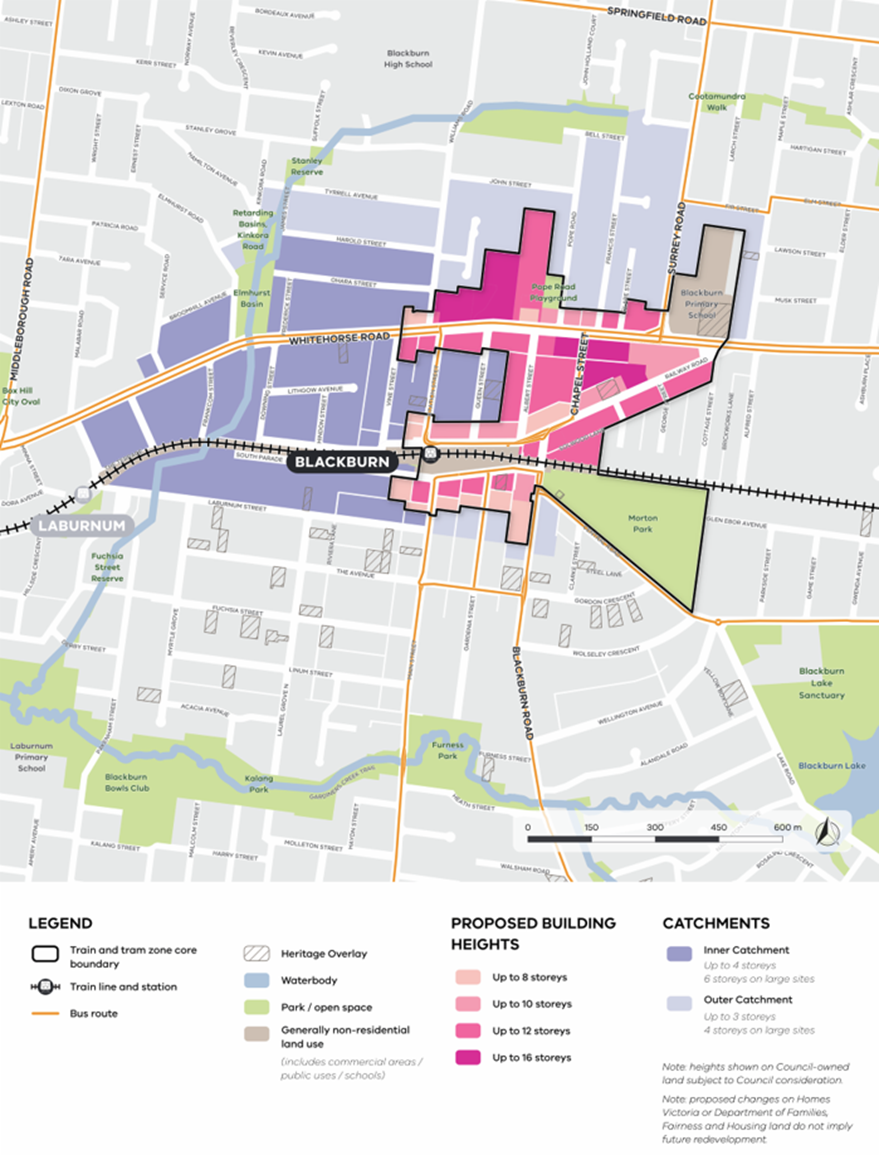
This month, the Department of Transport and Planning (DTP) released draft plans for the latest tranche of railway station/tram proximity-based Activity Centres which included Blackburn. Much to our relief as custodians of the Blackburn Creeklands, the areas slated for higher density, multi-storey development do not directly impinge on our park and its surrounding corridor (Phew)!
In relation to the southern border of the catchment zone, the result is consistent with the recommendations that we and several other groups and individuals made to the DTP to exclude the Significant Landscape Overlay 1-4 areas. These overlays protect environmental and cultural aspects of their respective areas.
This means that the KooyongKoot (Gardiners) Creek corridor and its biodiversity are well protected for nature (and for us) in the challenging future that lies ahead.
Megan, our Chair spoke at the Community meeting organised by CROWAG (Combined Residents of Whitehorse Action Group) on the importance of protecting the Blackburn Creeklands corridor for biodiversity and the environment more generally. The numbers at that meeting and also the turn-out at the later official DTP information session were very telling – and these translated to a large number of survey responses going to the DTP.
Rob from Bellbird Residents Action Group has reported that Blackburn to Mitcham (3 railway stations) accounted for 877 survey responses of which 679 were from Blackburn alone. He compared those numbers with Springvale to Dandenong (4 stations) with only 23 responses. The second highest level of responses was for Caulfield to Bentleigh (also 4 stations), which received 433 responses – only half of ours for presumably a greater catchment.
No doubt active bipartisan support from both of the major parties at the State and local level have also helped our cause.
On behalf of our local environment, thanks to all who participated in the talks and submissions – our collective efforts have no doubt made a real difference. We also thank the DTP for understanding our concerns/proposals and taking action accordingly. Finally, we thank Paul Hamer – State MP for Box Hill for his efforts in raising community concerns in parliament.
Phase 2 of the consultation with communities from the proposed train and tram zone activity centres will take place from Wednesday 11 February to 11.59pm Sunday 22 March 2026.
Some key dates and activities include:
- 11 March, 6:30pm – 7:30pm – Online information session
- 14 March, 12:00pm – 3:00pm – in person
- 17 March, 3:00pm – 6:00pm – in person
For more information, please see: https://engage.vic.gov.au/project/activity-centres-program-stage-two/page/blackburn-mitcham
Do we need possum boxes in the Blackburn Creeklands?
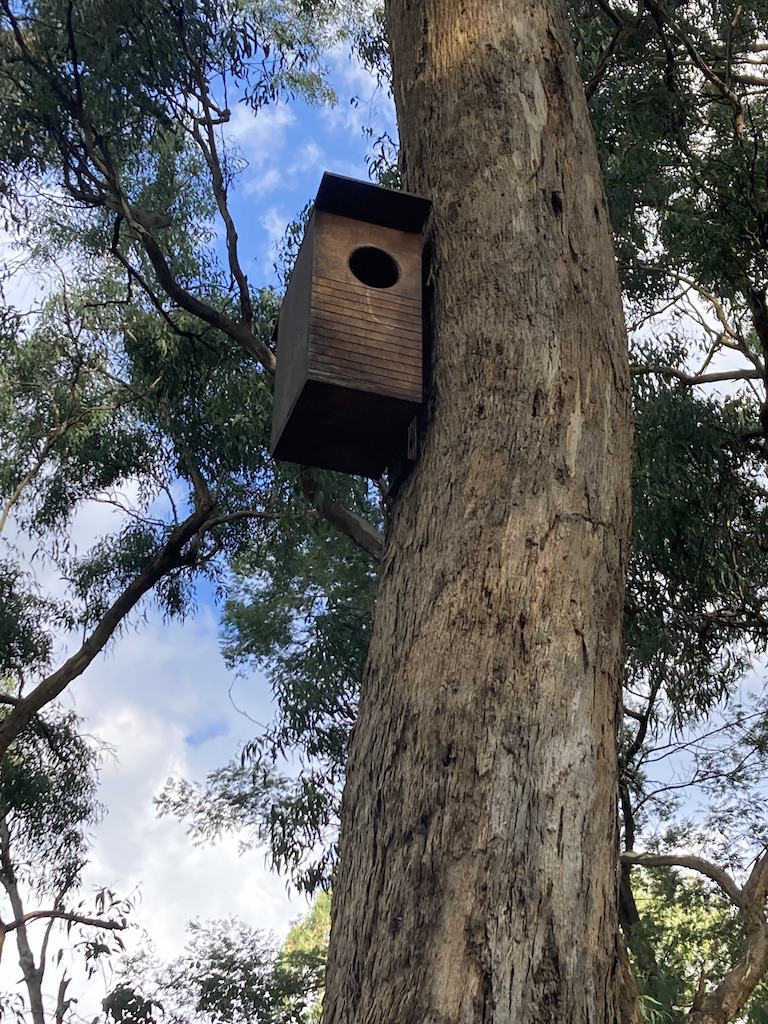
When we ran our possum prowl in the Creeklands in July 2025, we and our expert leaders were surprised at the high number of Brushtail possums encountered in the park. In one eucalypt tree we witnessed three large possums grazing on the leaves. On at least one occasion, Council has installed a plastic band around a tree trunk to prevent possums from overgrazing which can in turn slowly kill the tree.
The presence of extra possum boxes attached to trees in the park is not helping us as it is providing the opportunities for more breeding sites and an increase in the Brushtail possum population. We have good numbers of the smaller Ringtail possums, but they do not require hollows, instead making dreys out of bundles of leaves, grass and sticks to sleep and nest in.
We find it hard to understand why more and more illegal boxes, especially designed for Brushtail possums have appeared in the Creeklands over the last few years.
None of these boxes have been placed in the park with council permission. Unfortunately, boxes in the park mean more young are produced, leading to an over-population in the area. As it so happens at least one box in the park is now not inhabited by possums but by feral honeybees.
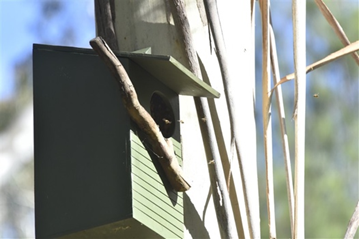
If you have a possum box – please DO NOT put it up in the Creeklands!
Is there ever an argument in favour of putting up possum or bird boxes?
This is a much-debated question. Boxes specifically designed for the little Krefft’s Glider possums have been placed in some parks but again if glider numbers increase too much, predation on the eggs of nesting birds increases as the eggs are a source of food for gliders.
In some areas where there is a lack of natural nesting hollows for specific species, boxes may be appropriate. More recently, hollows have been created in big old dead trees (stags). This requires skill and expertise to create the appropriately sized entry, as well as the right sized hollow inside for the target species.
Recently, a couple of artificial hollows were created in some dead tree trunks in a small local park that had no natural hollows. The photos below show how one of the nest hollows was created. The hole and hollow were designed for lorikeets or rosellas.
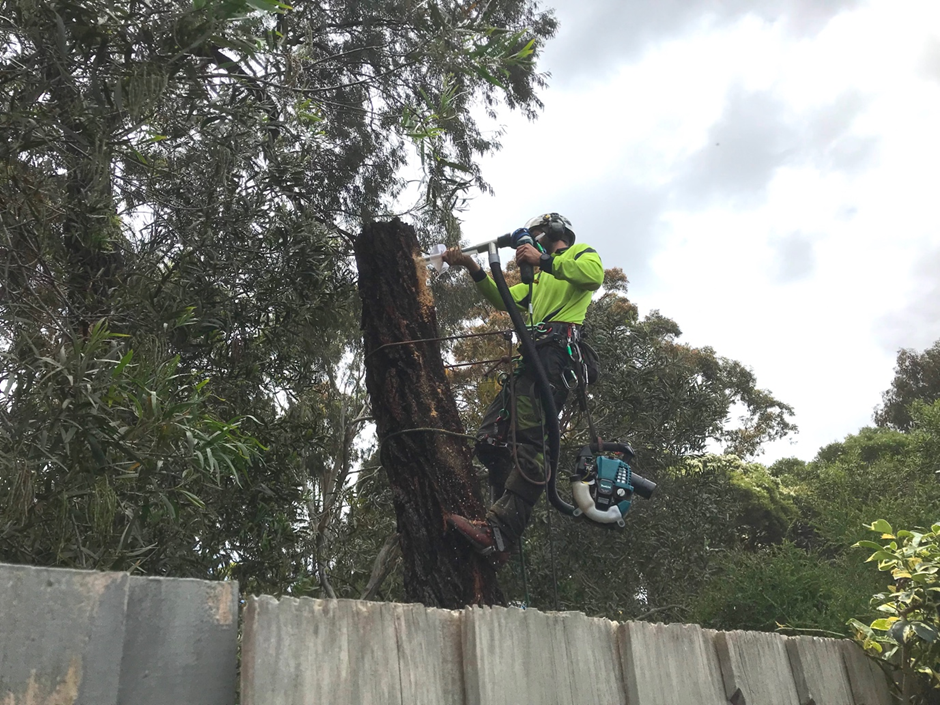
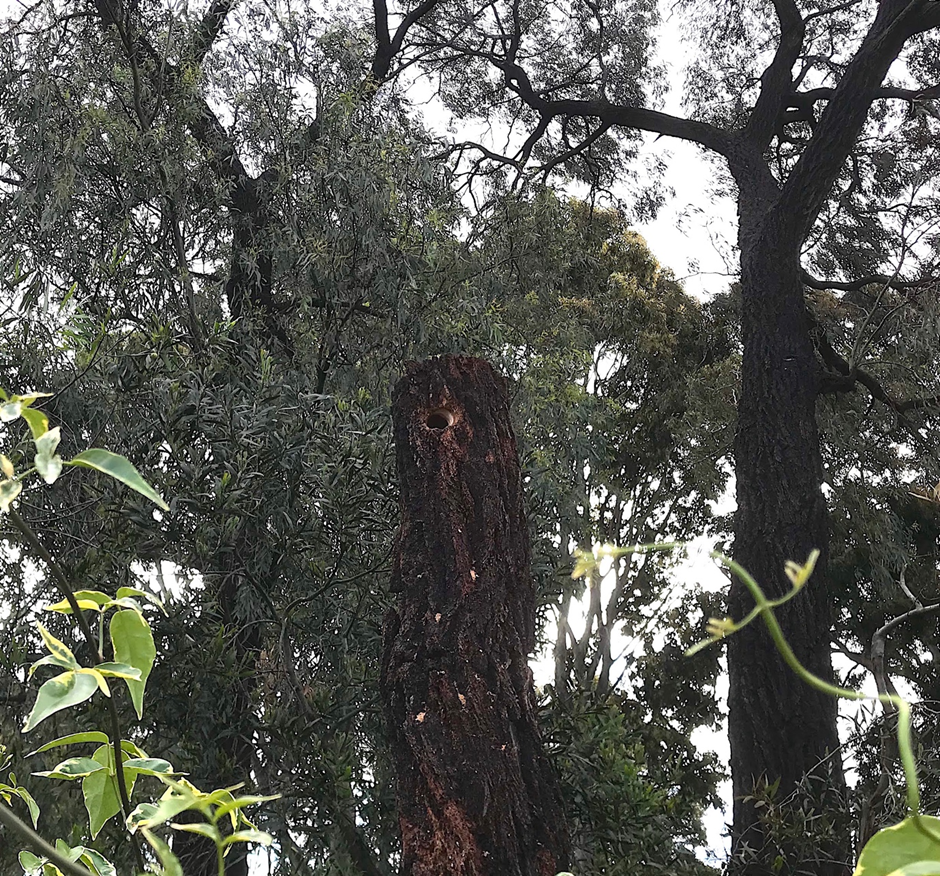
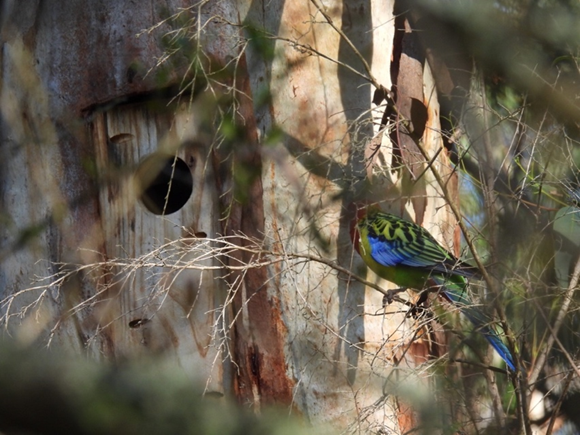
Another approach is to cut out a larger piece from a dead trunk and place a piece of timber with a smaller entrance to close off the cavity created behind it. Below is an example of a nesting hollow in a Whitehorse park that is now home to an Eastern Rosella.
The importance of trees
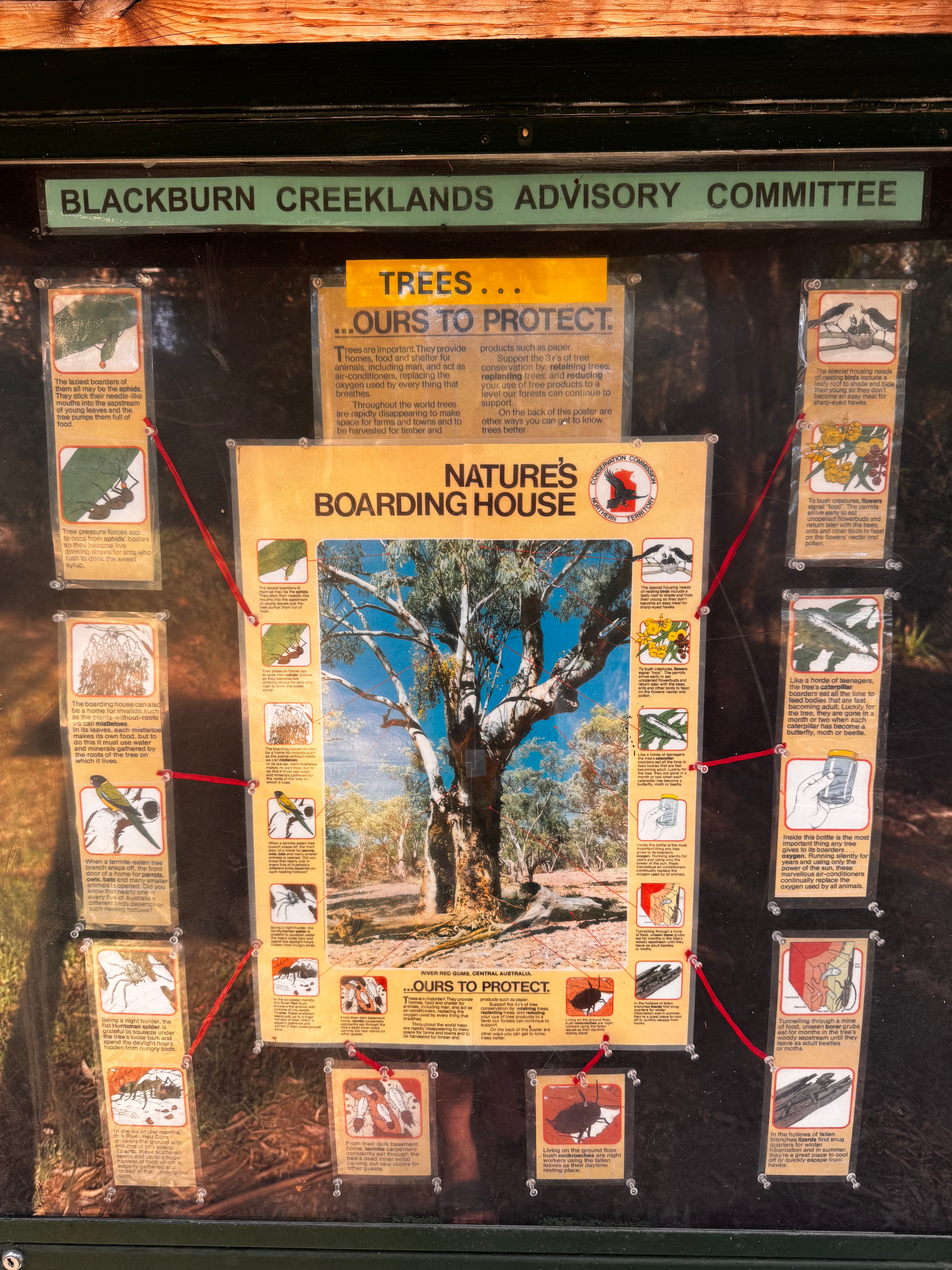
Have you seen our display on the importance of trees in our environment in the noticeboard?
Protecting and enhancing tree cover in the Creeklands is an investment in biodiversity, climate resilience and community health. Every tree planted and cared for strengthens the landscape for future generations, ensuring the Creeklands remain a thriving, shaded and life-supporting environment for people and wildlife alike.
Trees are the lifeblood of the Creeklands and play a vital role both locally and globally. In our Creeklands corridor, trees provide shade that cools walking tracks and waterways and helps to regulate air temperatures during Melbourne’s hot summers. Their roots stabilise soil, reduce erosion and improve water quality by filtering runoff before it reaches the creek. Trees also create essential habitat that offers food, shelter and nesting sites for birds, insects and small mammals that call the Creeklands home.
Beyond our local environment, trees are critical to the health of the planet. They absorb carbon dioxide, help mitigate climate change, and release oxygen that all living things depend on to survive. Urban tree canopies reduce heat island effects, lower energy use and improve air quality. Studies consistently show that access to green, tree-filled spaces supports mental wellbeing, reduces stress and encourages physical activity.
See a description of how different animals and other plants coexist with trees. Many thanks go to Anthea for organizing and setting up another great display!
Dogs in the park
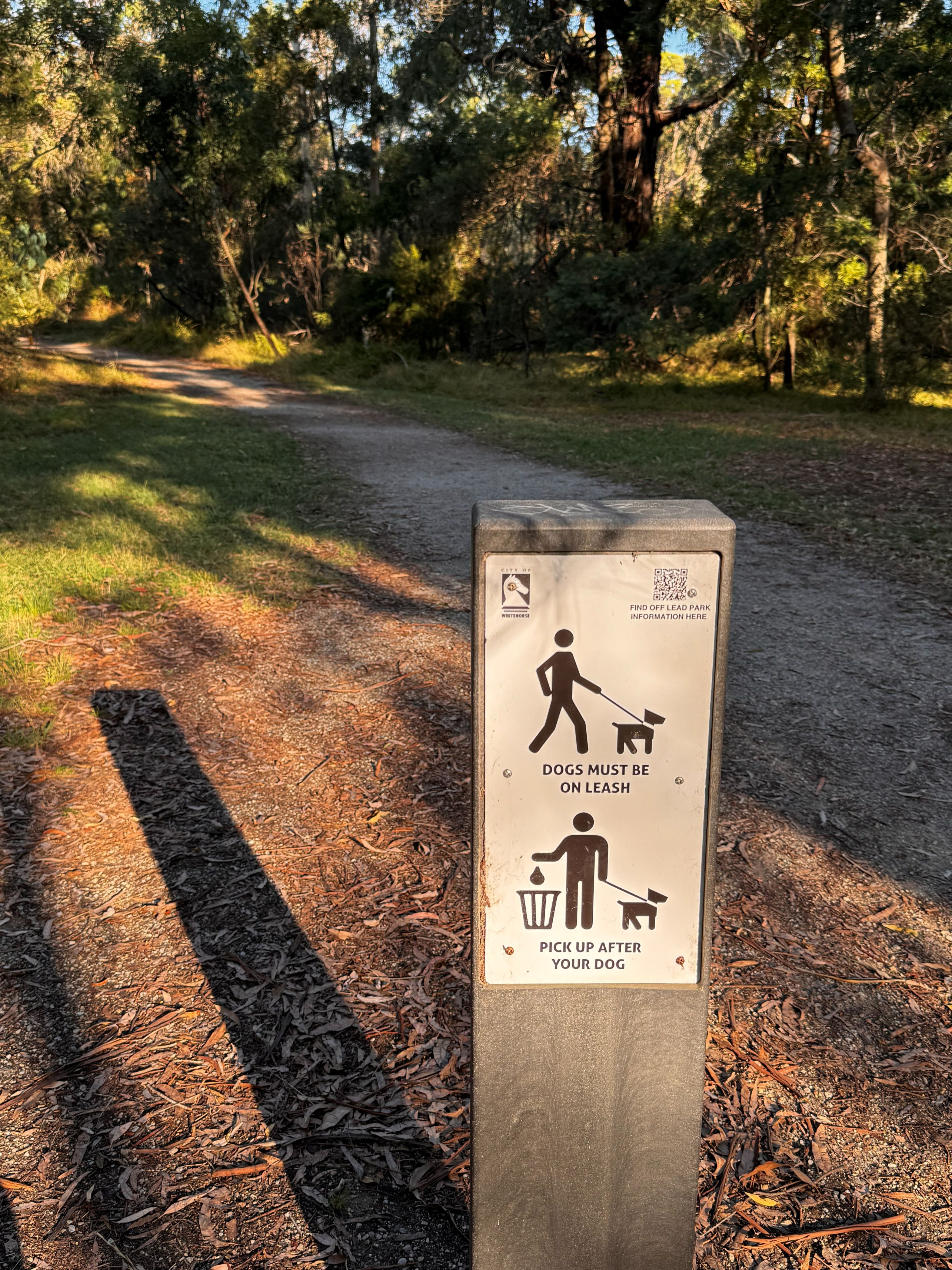
Blackburn Creeklands is a wonderful place to enjoy nature, exercise and time outdoors with friends and family, including our four-legged fur babies. As a designated dogs on leash park, we kindly remind all visitors to keep dogs restrained at all times.
This helps protect native wildlife, including birds and small animals, and ensures a safe and welcoming environment for everyone. Thank you for doing the right thing and helping us maintain a peaceful, respectful space for all park users to share and enjoy together.
Is it OK to feed birds?
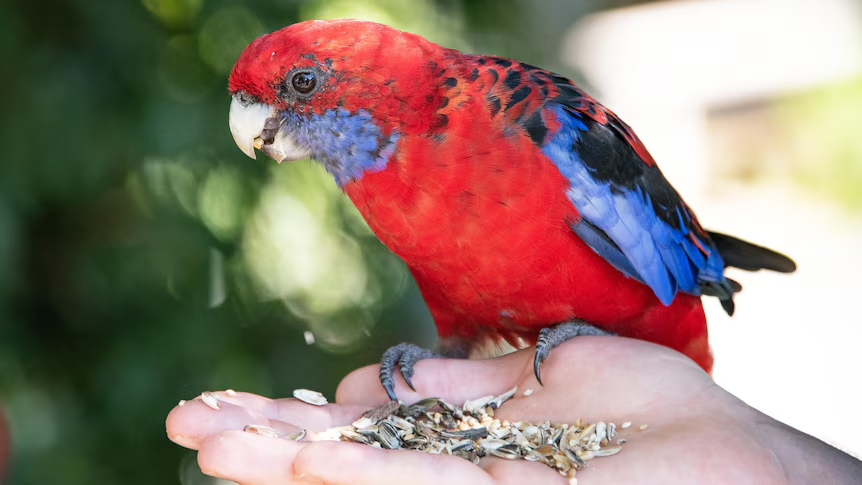
Feeding Australia’s wild birds is widely discouraged by councils and groups like BirdLife Australia, yet many people continue to do it to feel more connected to nature. Urban ecologists such as Kylie Soanes from the University of Melbourne and behavioural ecologist Darryl Jones say that, if done properly, feeding birds can foster meaningful engagement with the natural world. However, birds generally do not need supplementary food as they are more than capable of foraging in urban environments themselves.
If people choose to feed birds, it’s essential to avoid causing harm. Bread and processed foods offer little nutrition and can lead to disease. Feeding magpies mincemeat may cause calcium deficiencies. Instead, offer mealworms or crickets for insect-eaters, quality seed mixes for parrots and finches, and balanced nectar products for lorikeets and honeyeaters. For waterbirds, frozen peas or cooked rice (not uncooked) are safer options. Feeding should be occasional, more of a ‘snack’ than a main meal which will ensure wild birds remain healthy and independent.
A better way of feeding birds is to plant a wide variety of native endemic plants in your garden (see local nurseries listed in the January newsletter) and see who visits and when. As a bonus you can also cut some flowers and enjoy them in a vase!
For the full article:
Is it OK to feed Australia’s wild birds? – ABC News
Sightings
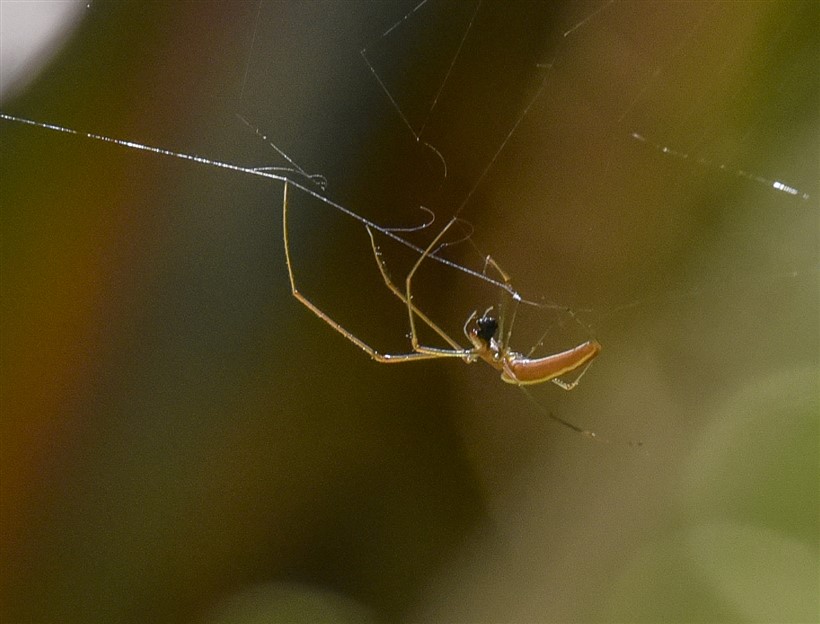
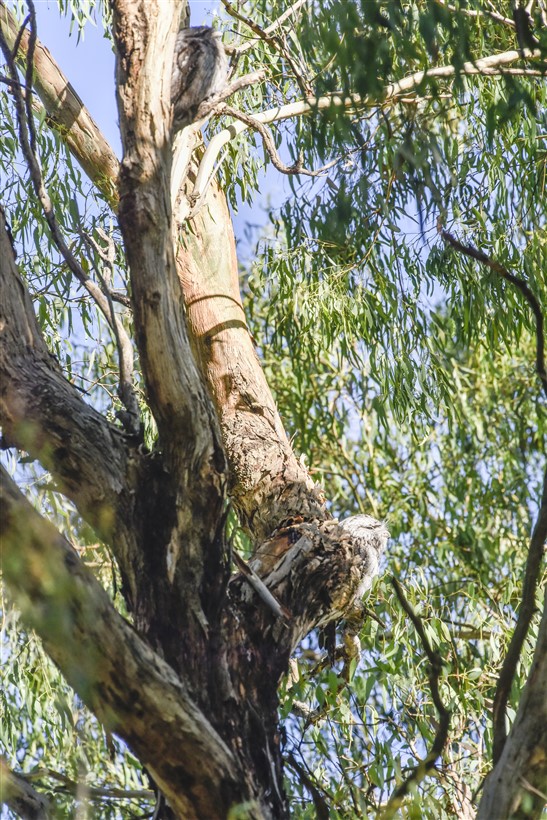
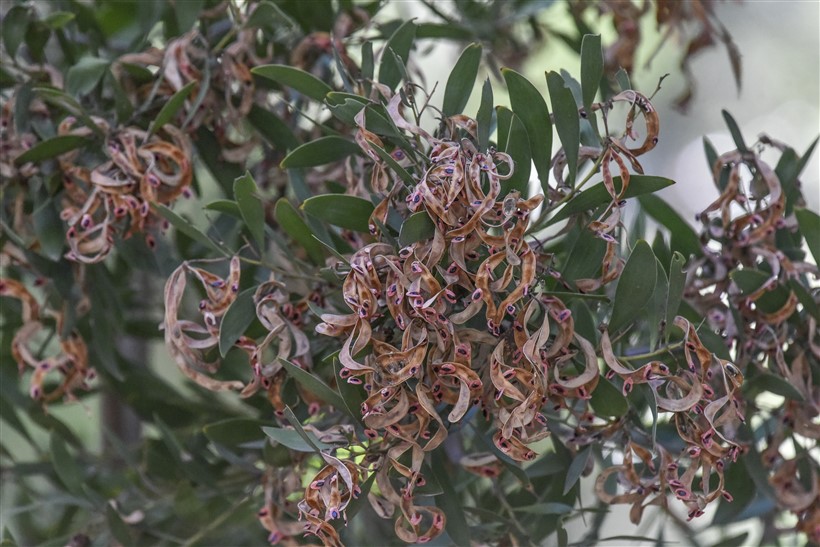
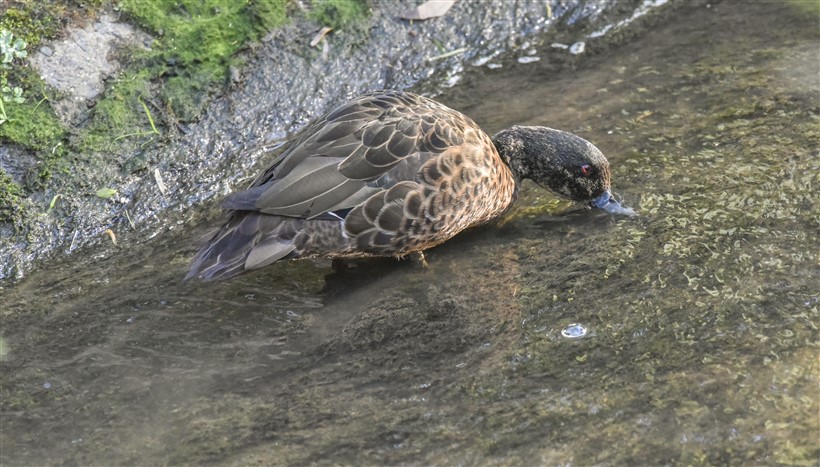
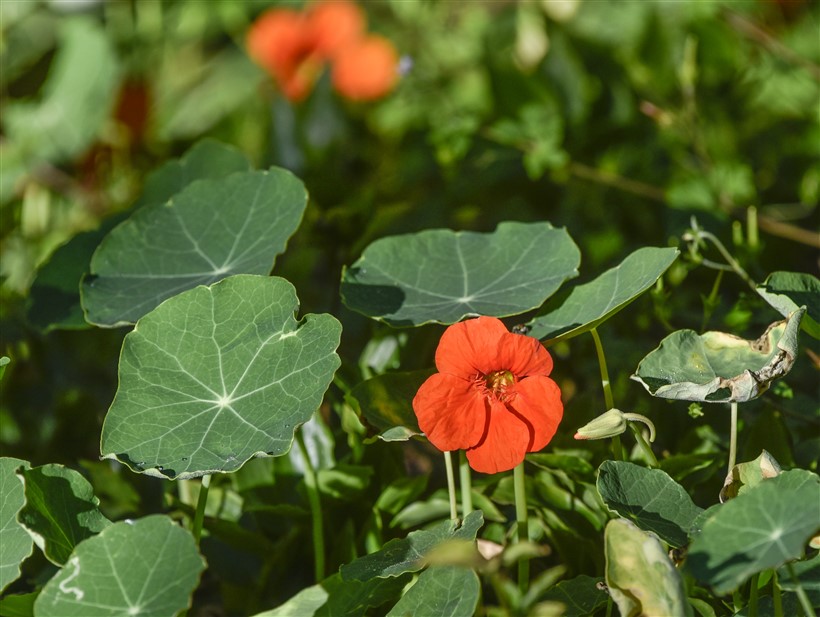
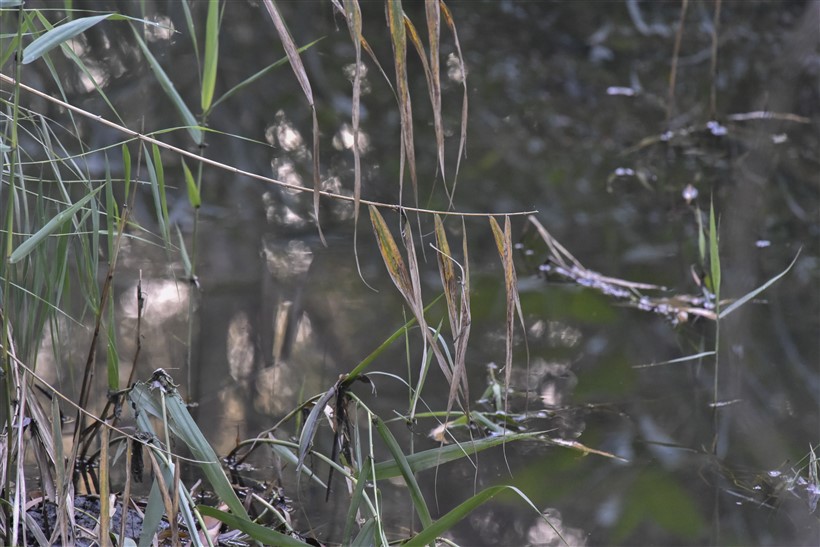
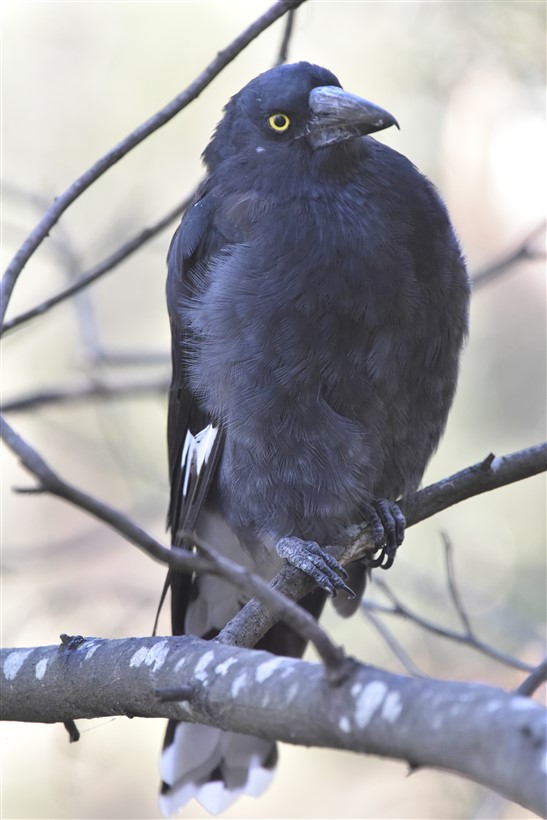
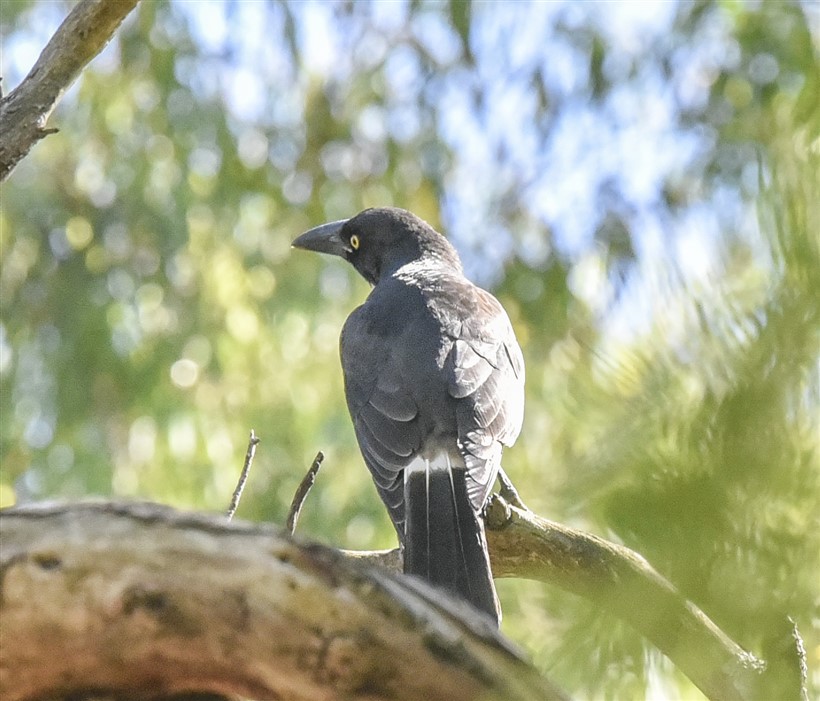
We thank our wonderful photographers for sharing their amazing images and videos with us. If you would like to contribute, please email your photos to: blackburncreeklands@gmail.com
Photo gallery:
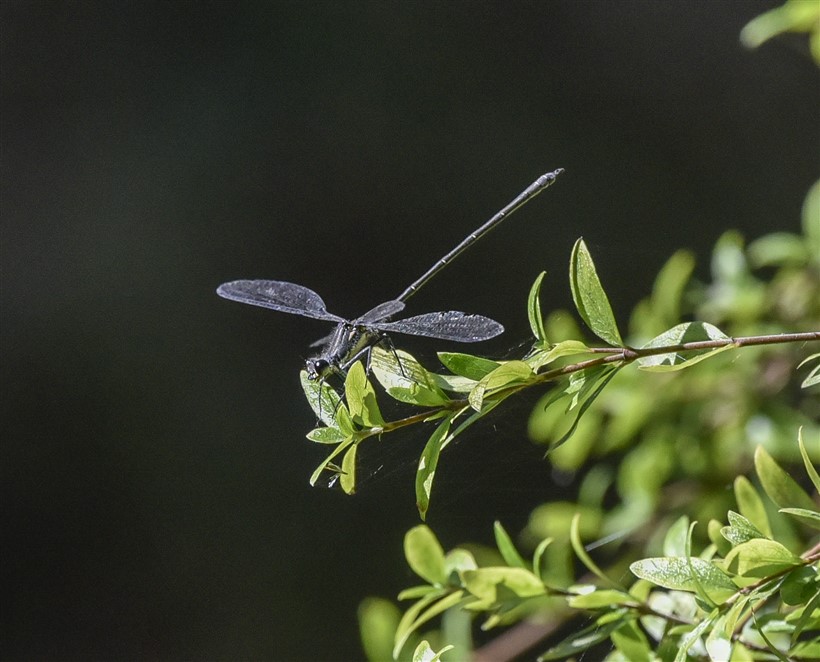
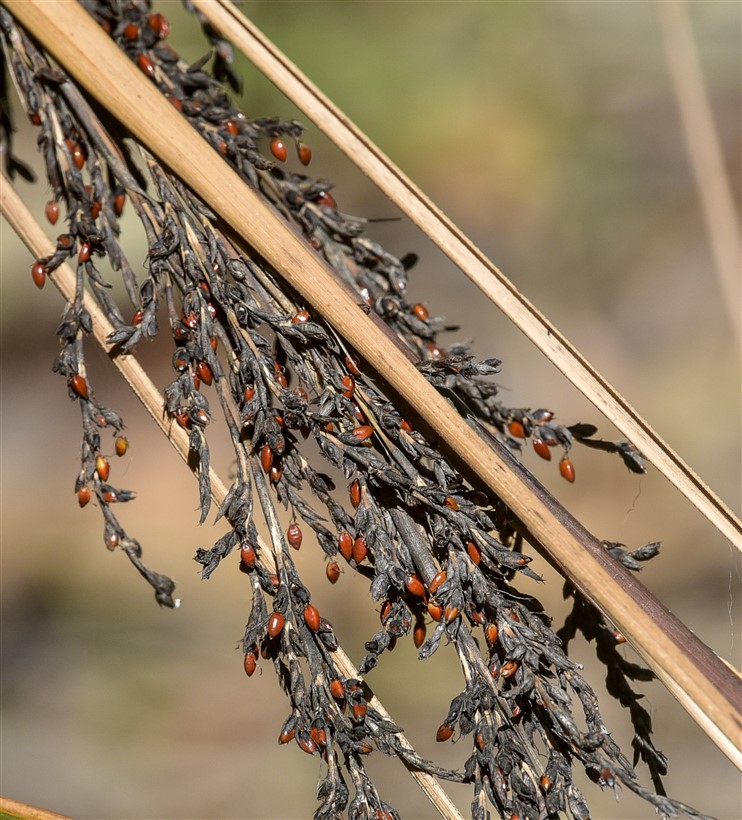
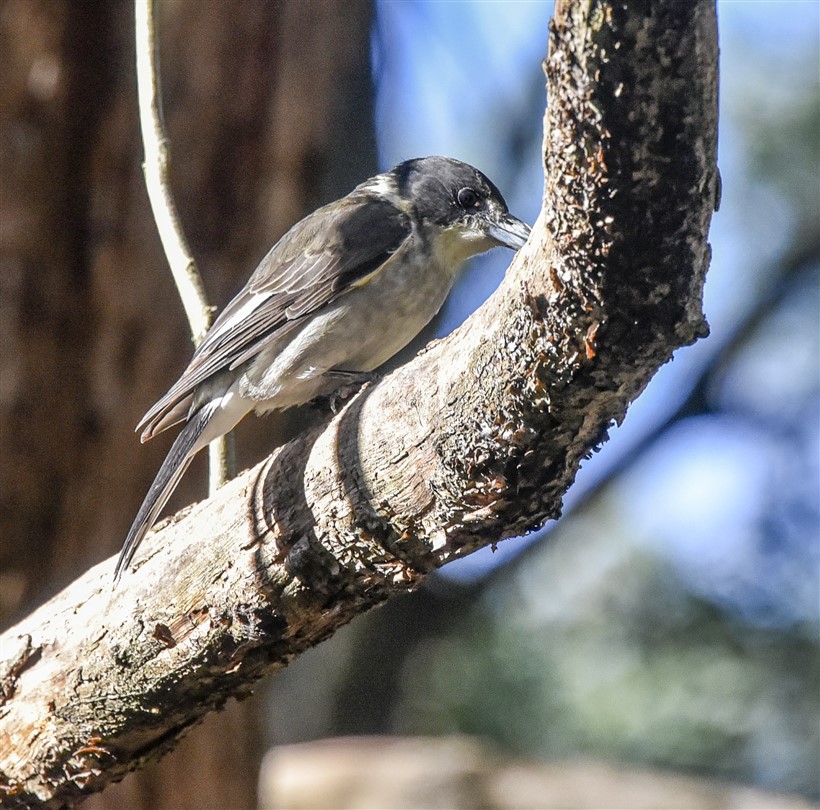
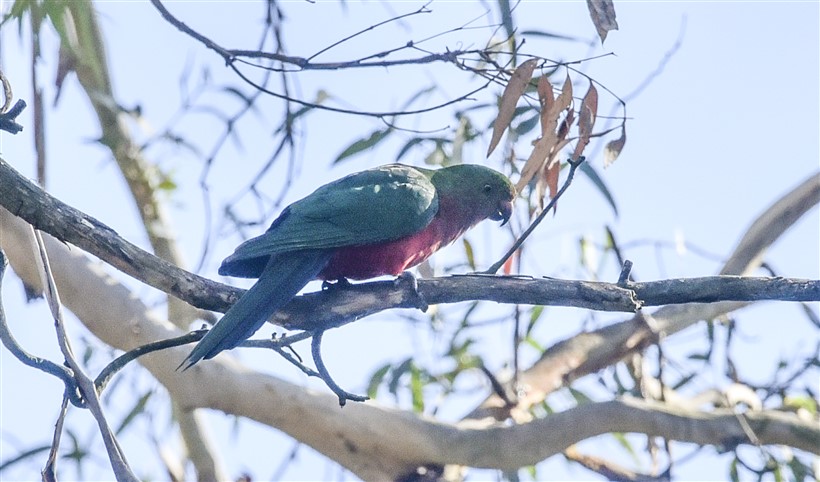
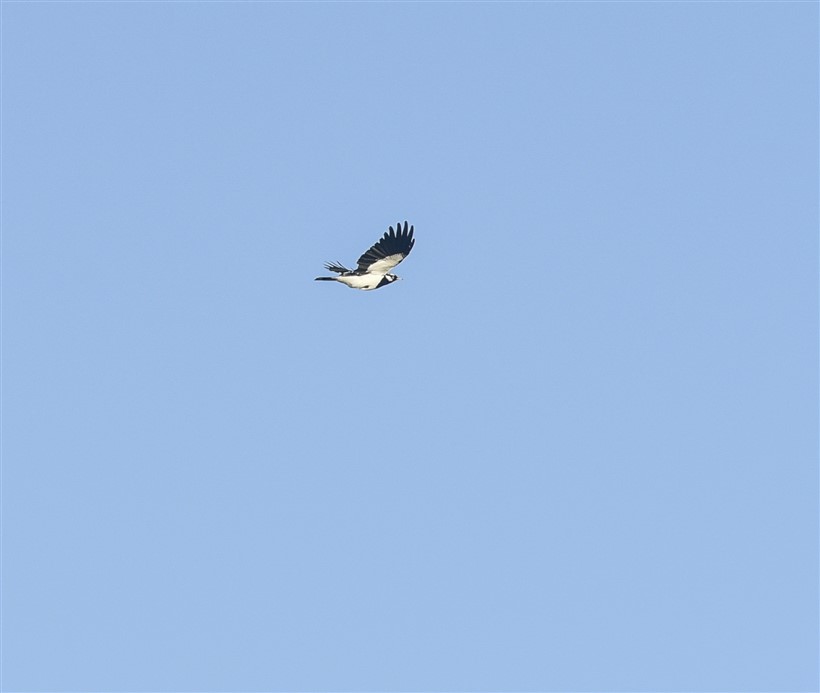
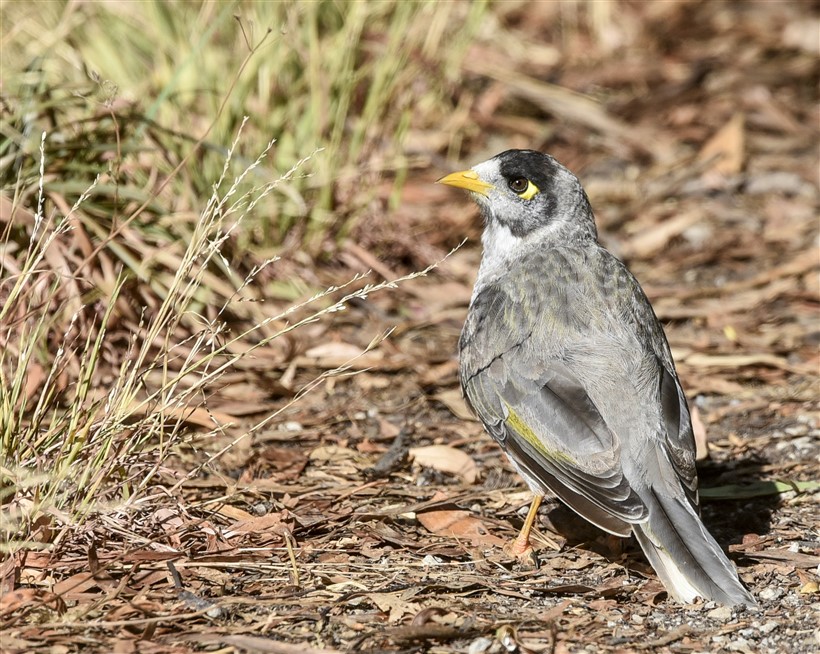
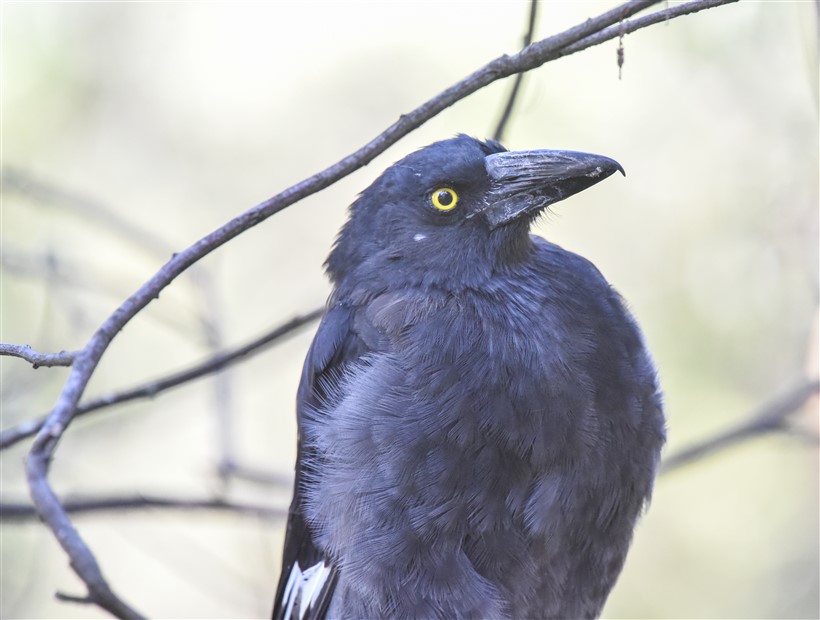
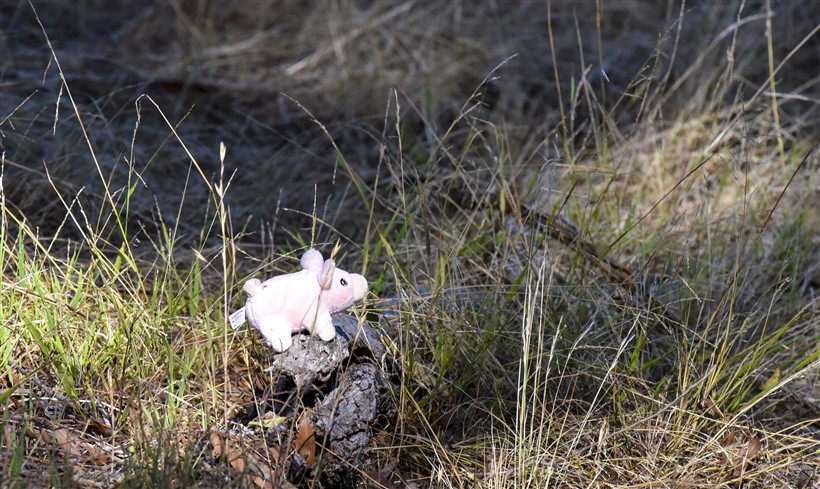
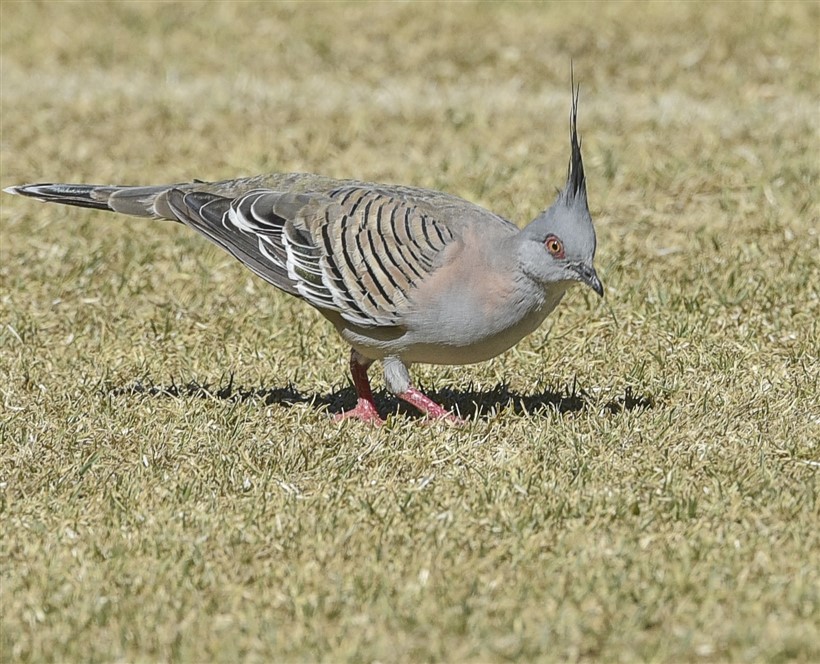
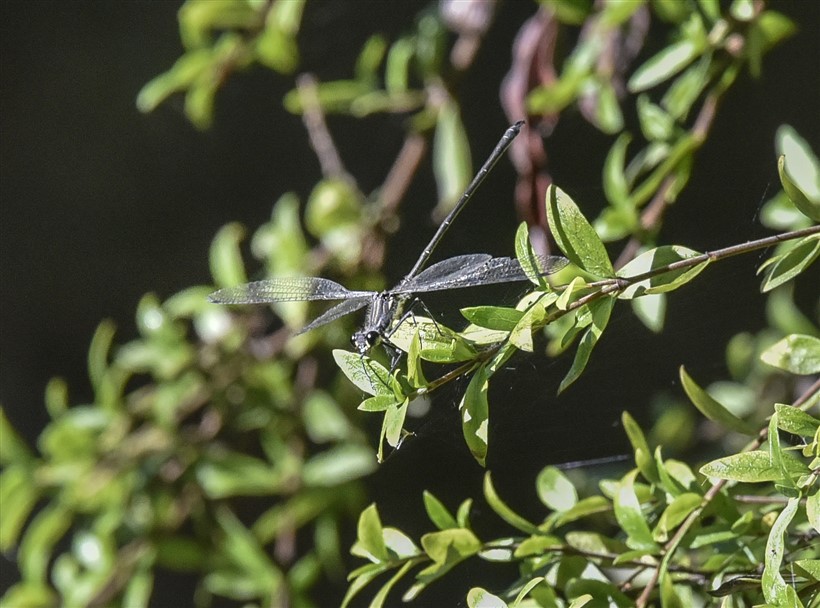
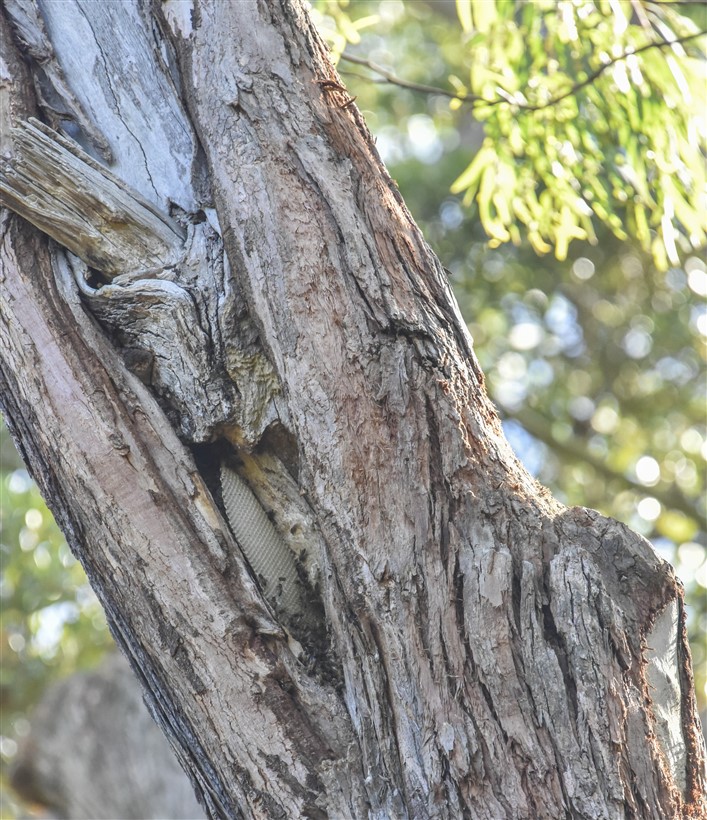
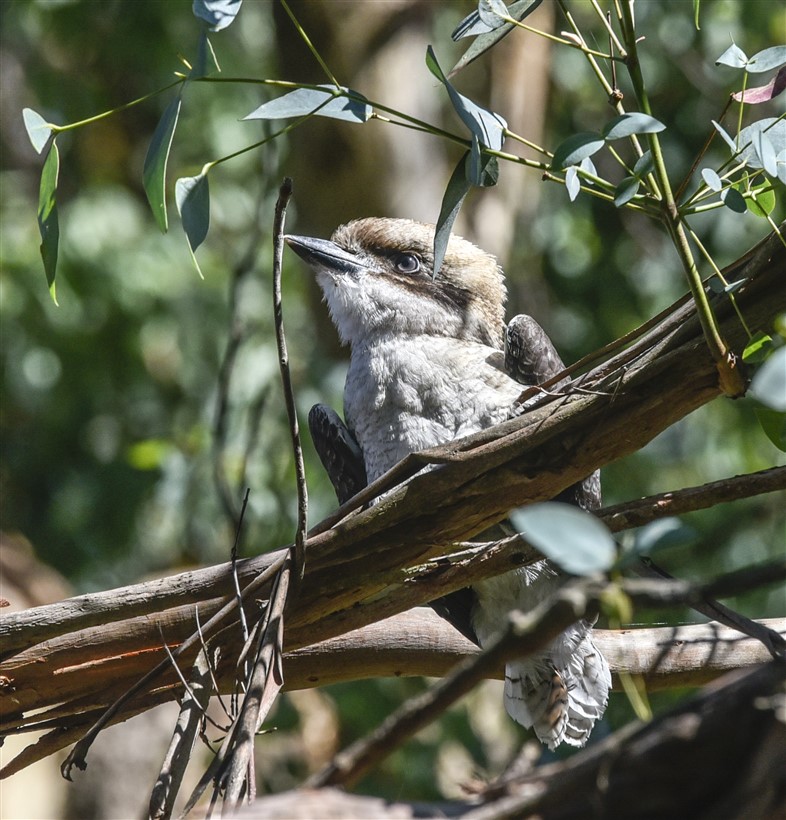
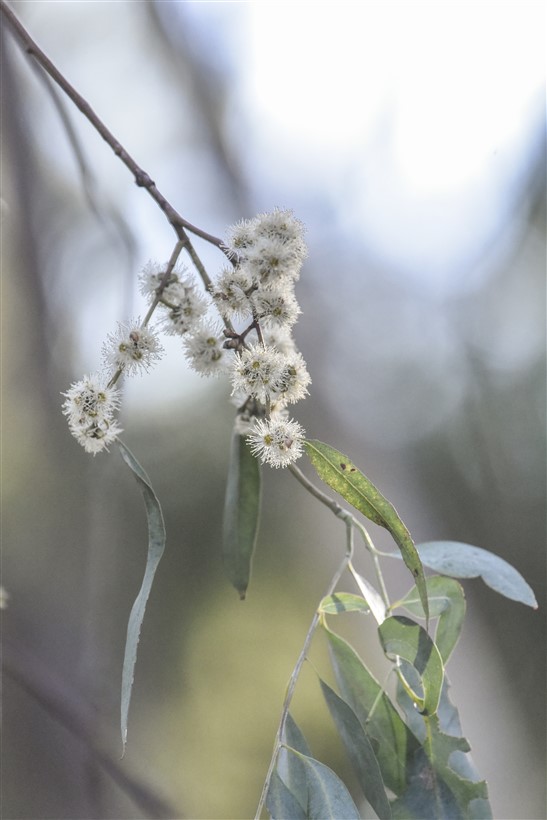
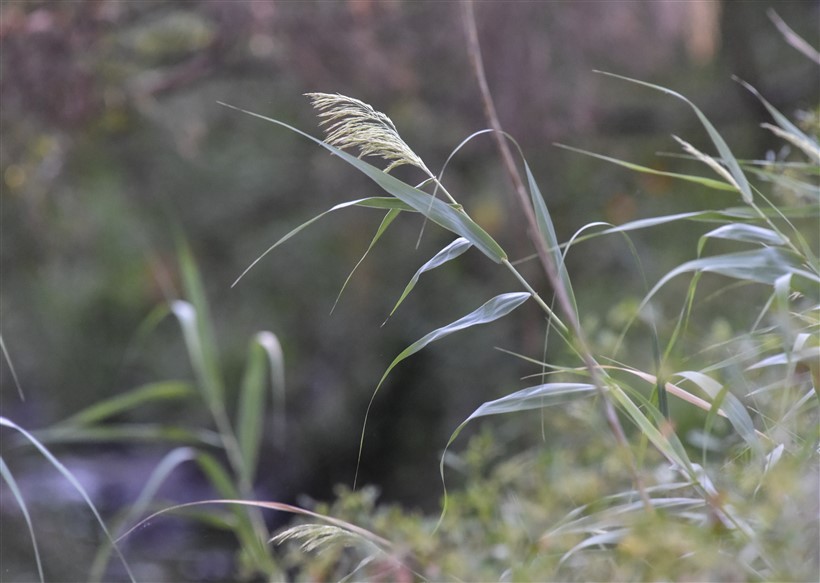
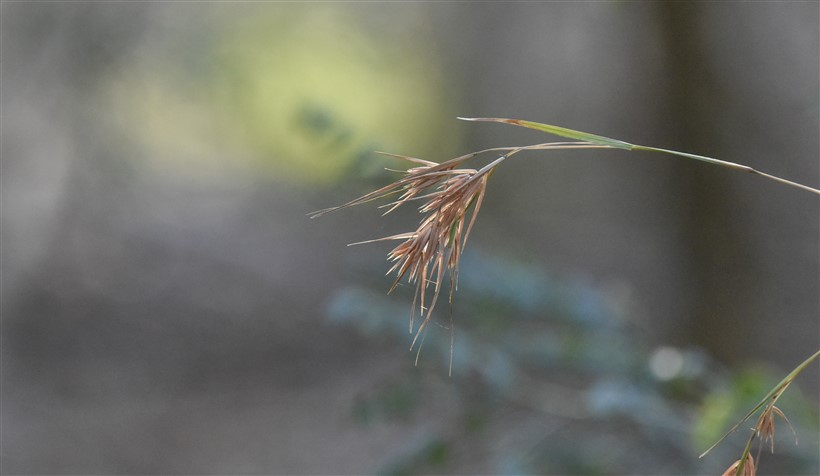
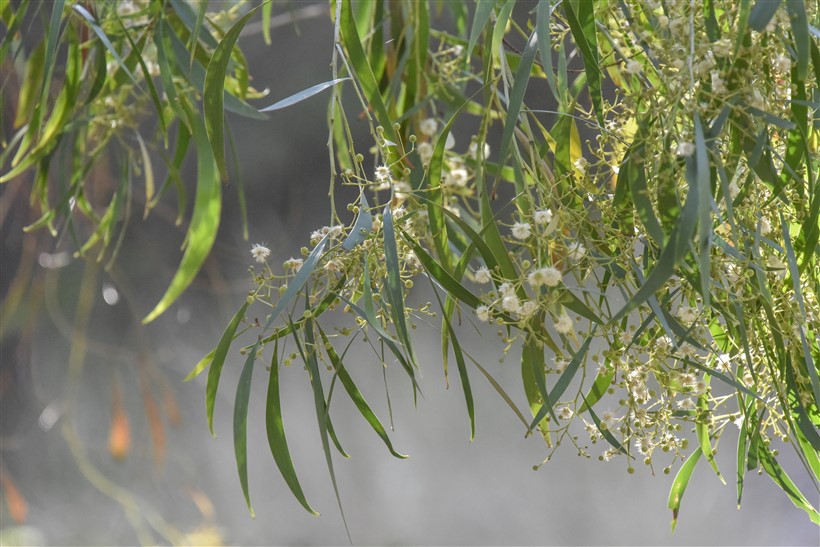
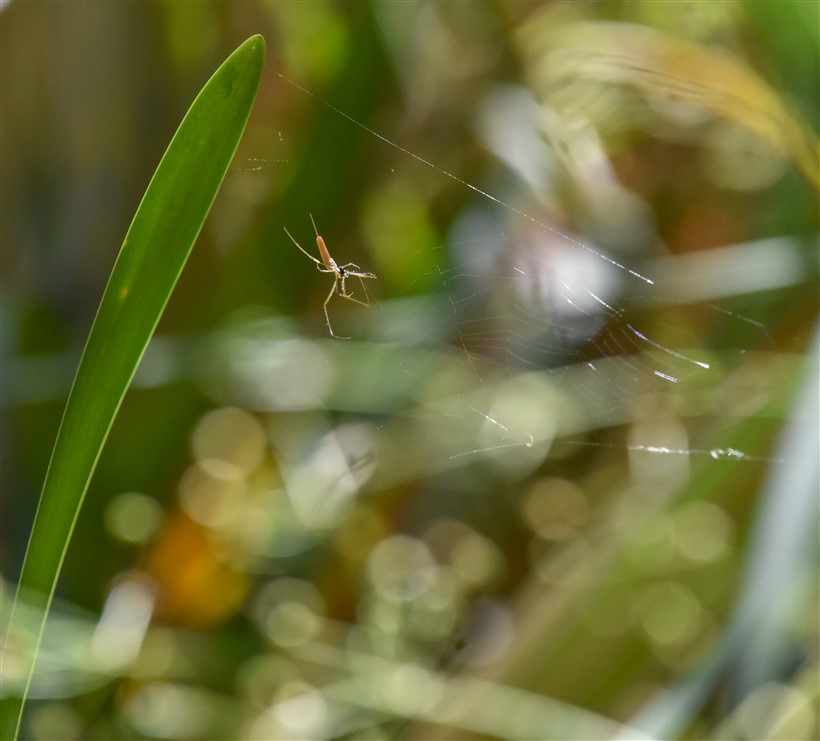
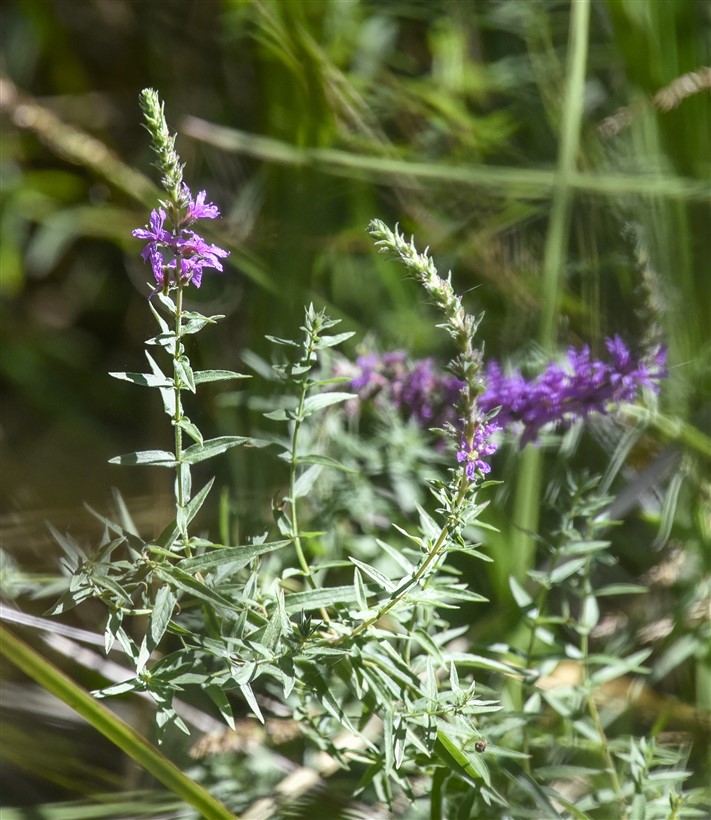
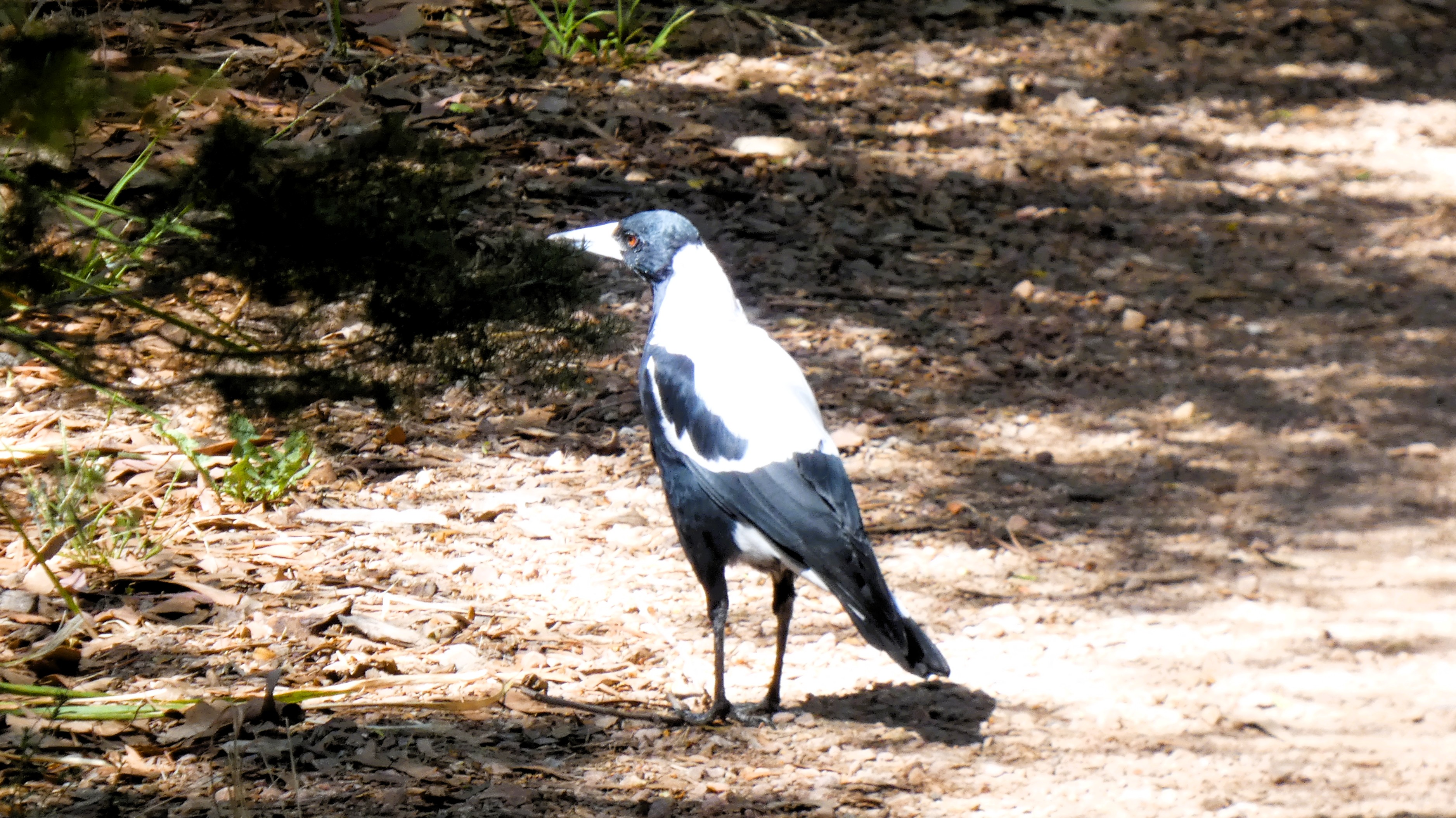
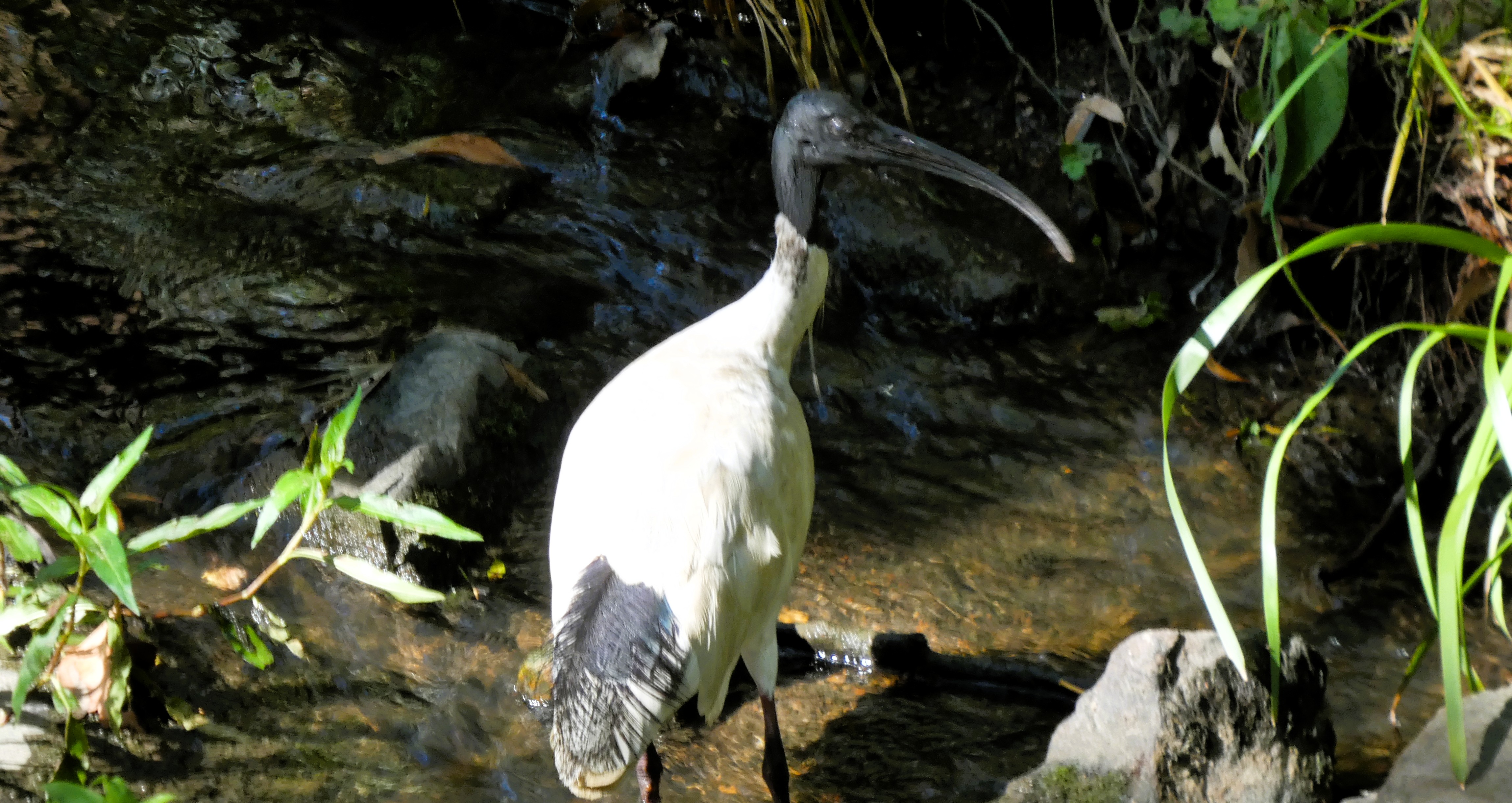
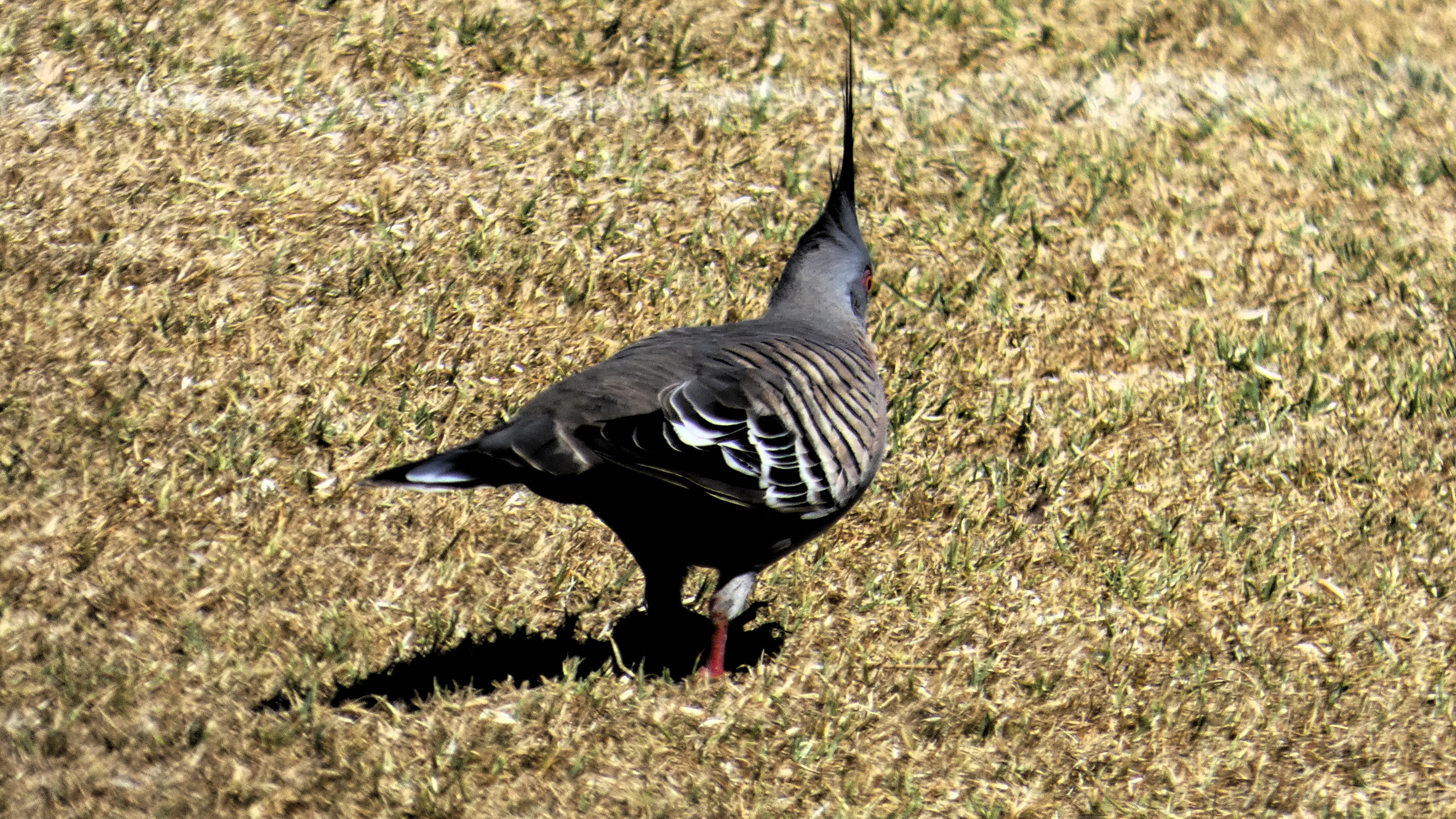
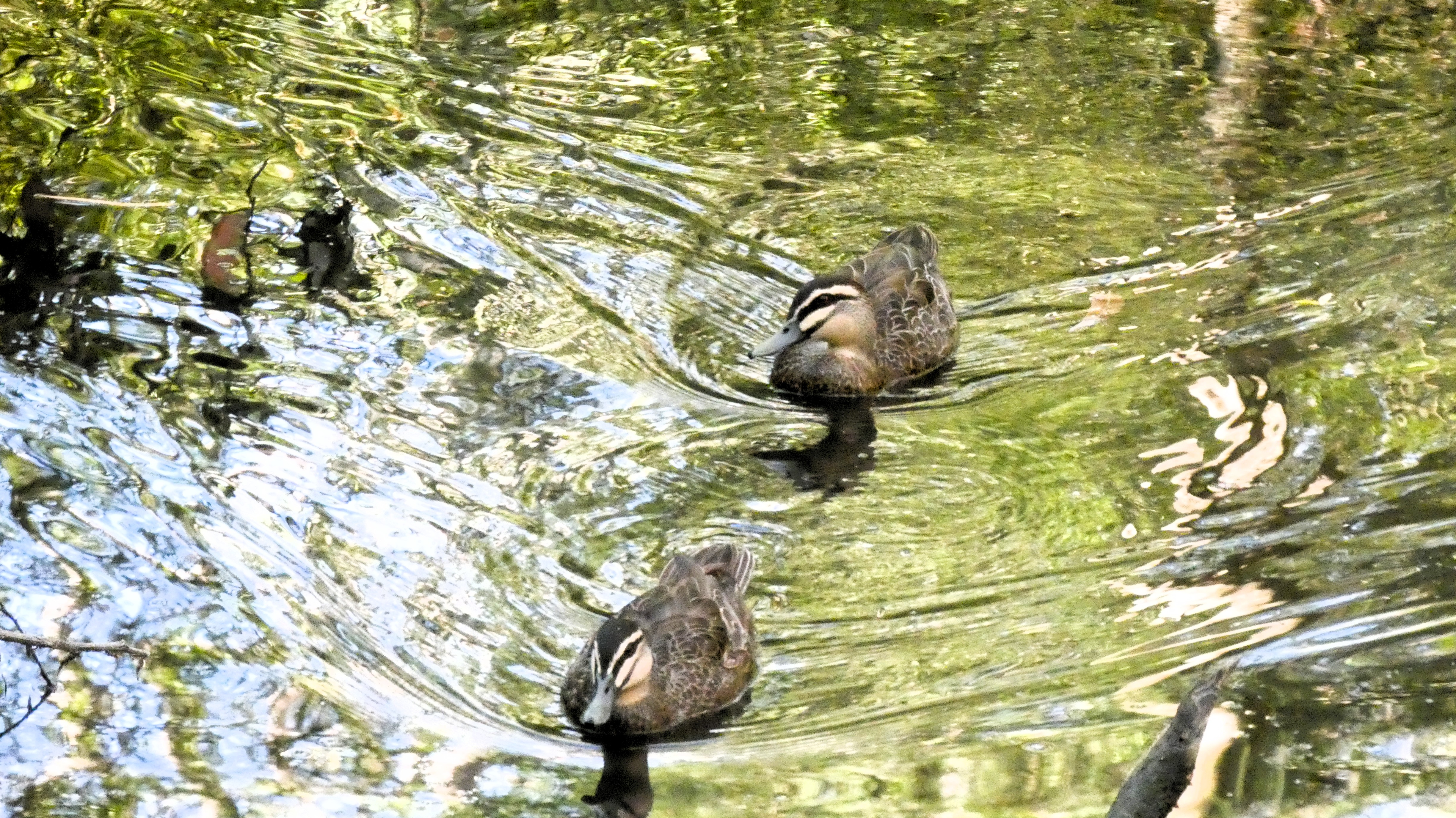
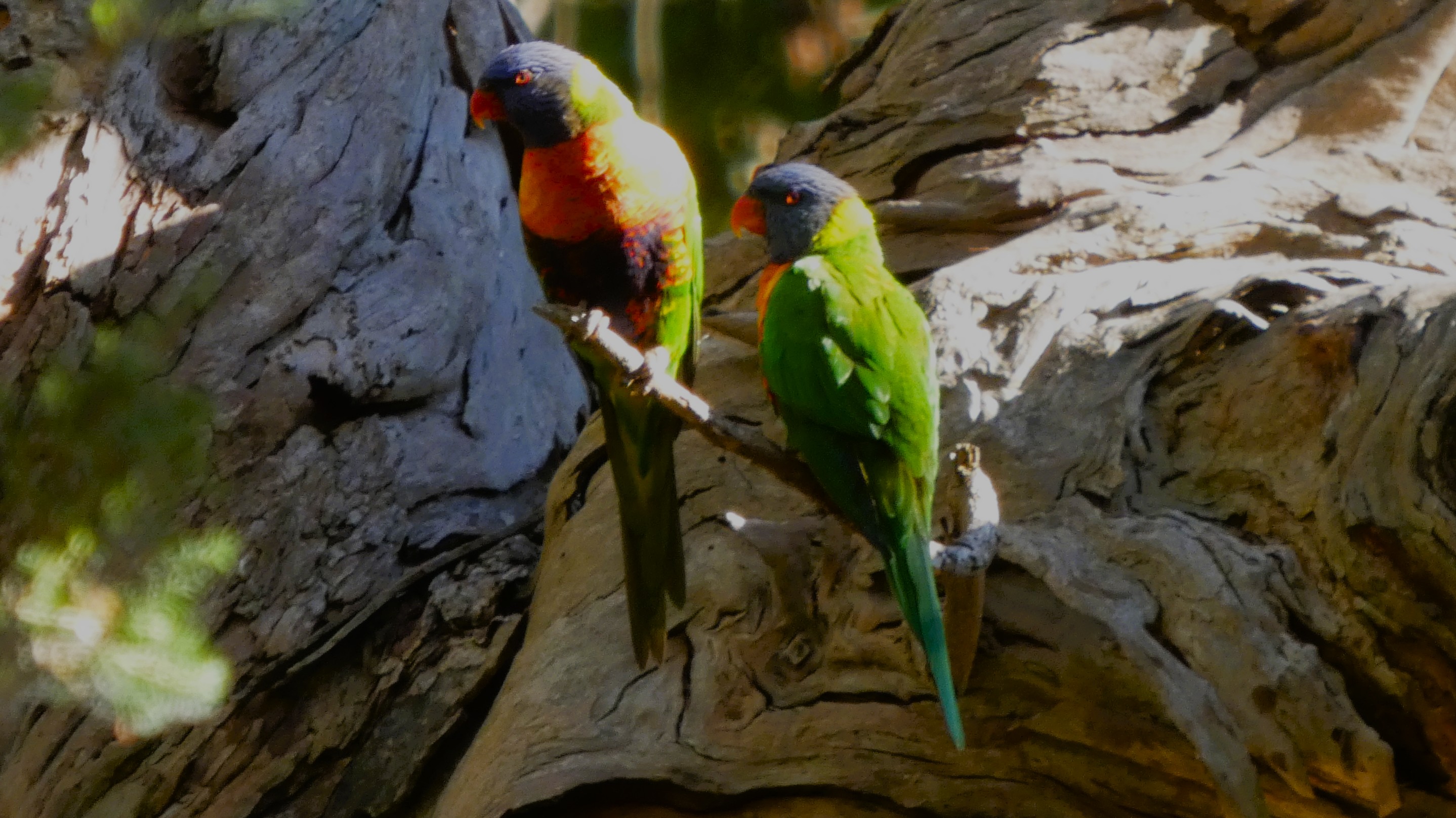
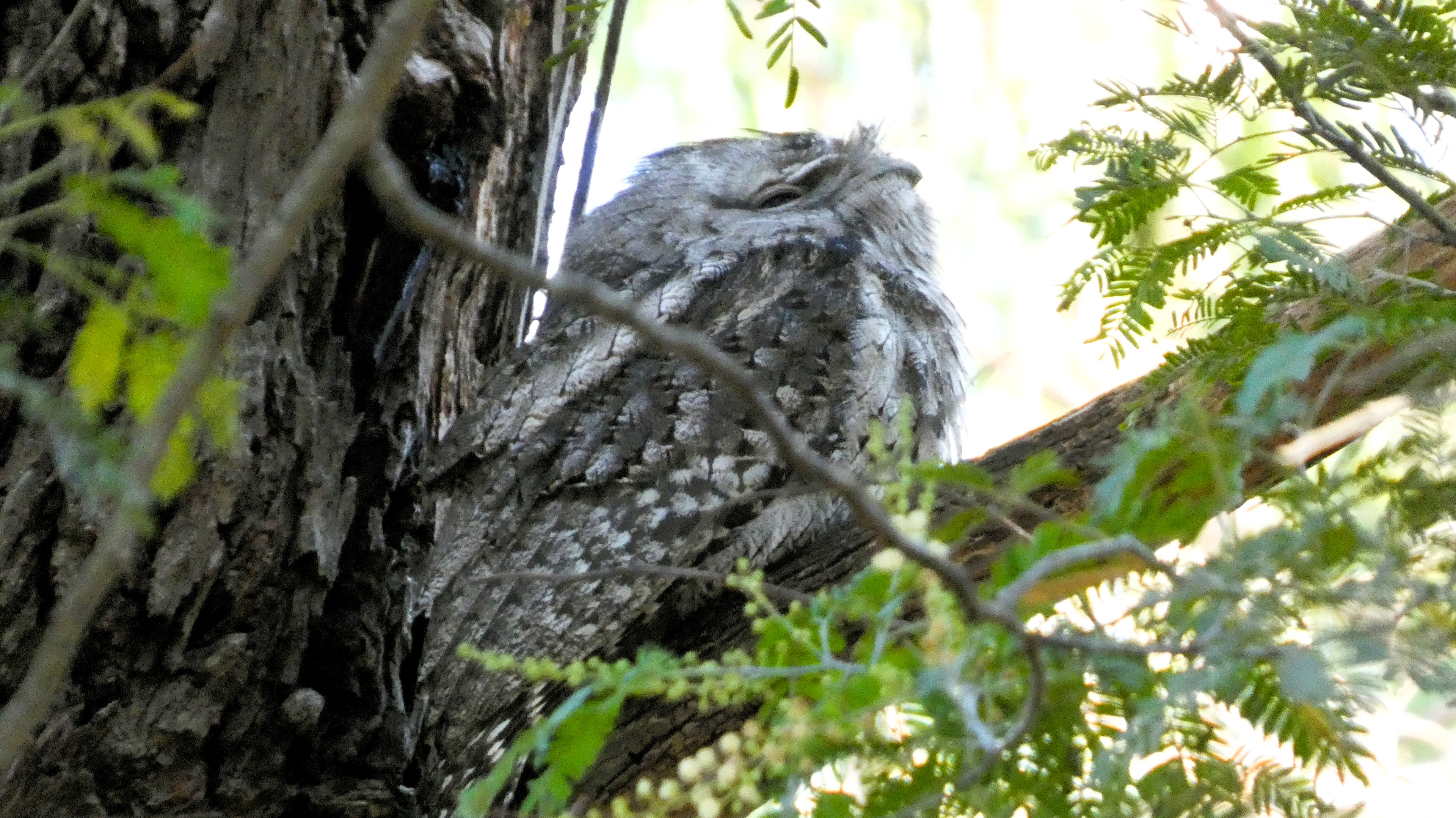
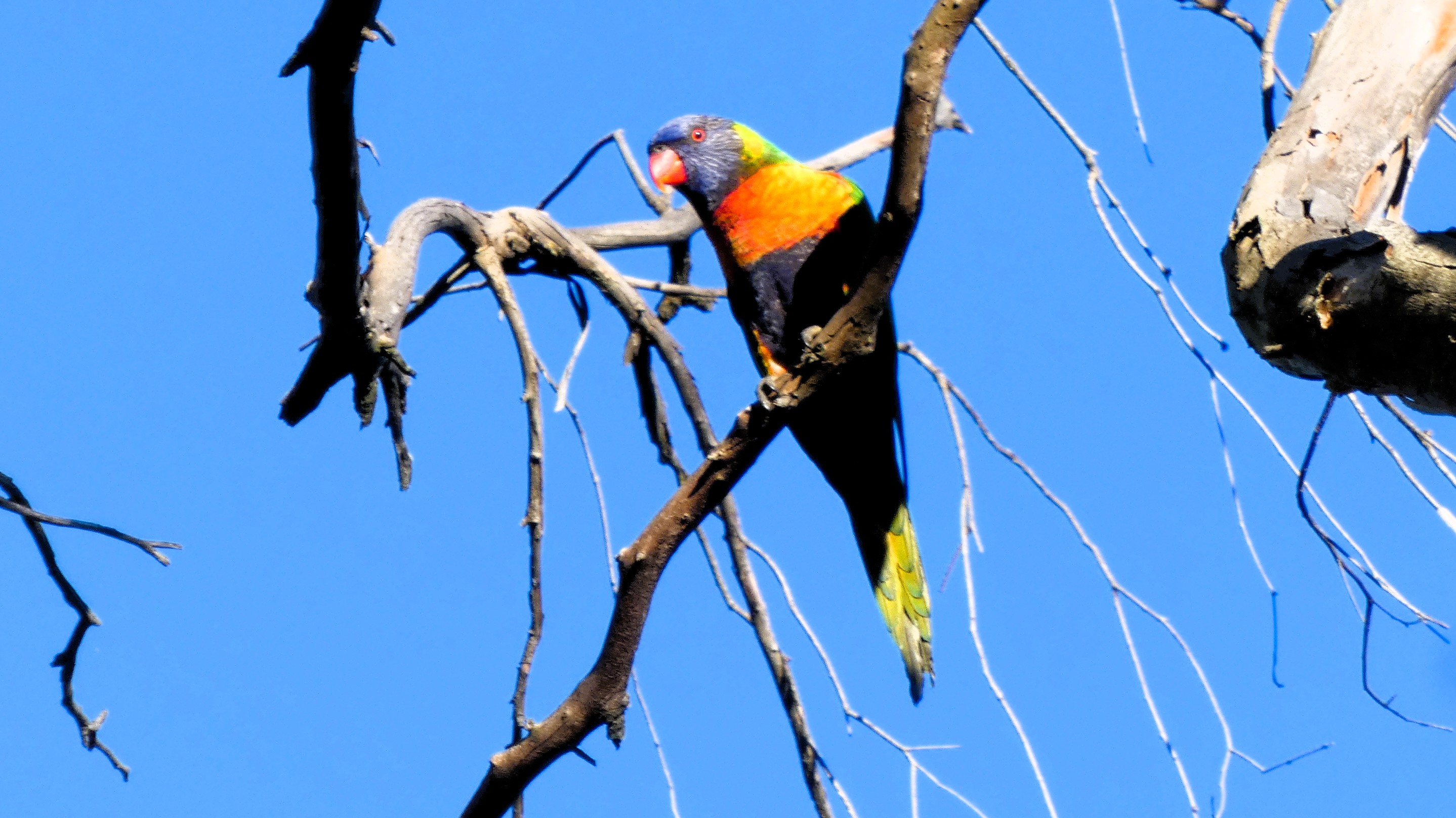
Videos:
- Striped Marsh frogs (Limnodynastes peronii) in the Waratah wetlands
https://youtube.com/shorts/ly9xncL1gPU
For more information, please contact us on one of the options below:
- Email blackburncreeklands@gmail.com
- Website https://blackburncreeklands.org/
- Facebook https://www.facebook.com/BlackburnCreekies/
- Instagram https://www.instagram.com/blackburncreeklands/
Enjoy the cooler weather and rain (fingers crossed) and we will chat again soon 😉
Your friends,
Blackburn Creeklands Advisory Committee
 Blackburn Creeklands