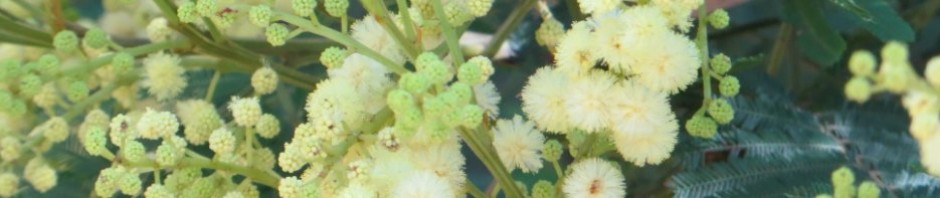
Happy Easter!
We wish all our Friends a nice Easter break with the start of the school holidays, the promised pleasant autumn weather and the Easter festivities all in alignment.
Autumn Fungi
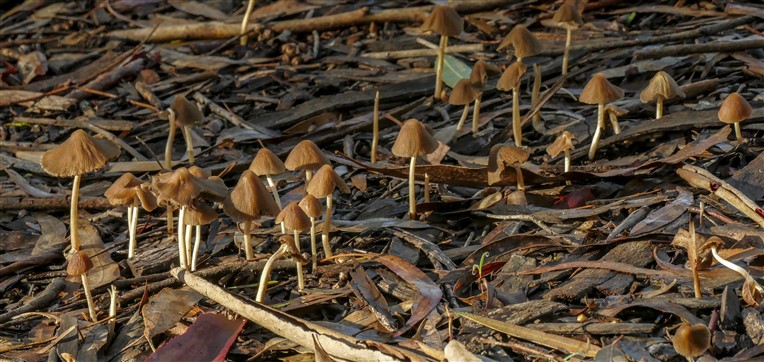
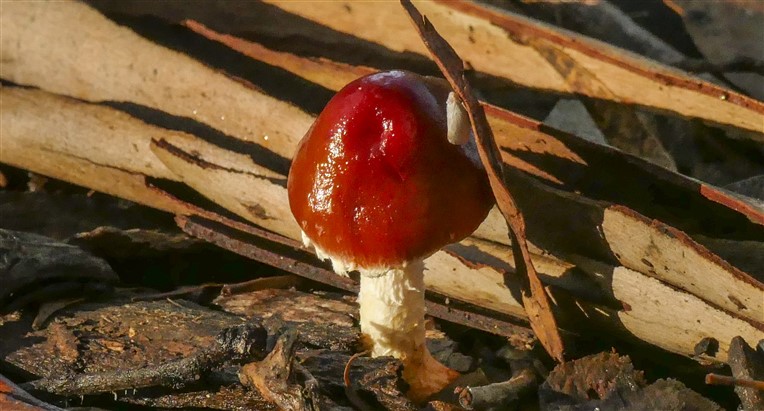
Autumn is always the best season to see fungi in the park when their fruiting bodies from many species appear as the above photos show. We are expecting they’re off to a good start this year with the comparatively moist Summer preceding our Autumn.
WARNING: people should never consume fungi growing in parks or gardens. Varieties can be very hard to identify accurately and eating one Death Cap mushroom, for example, is sufficient to kill an adult!
The Sad Demise of our “Scar Tree”
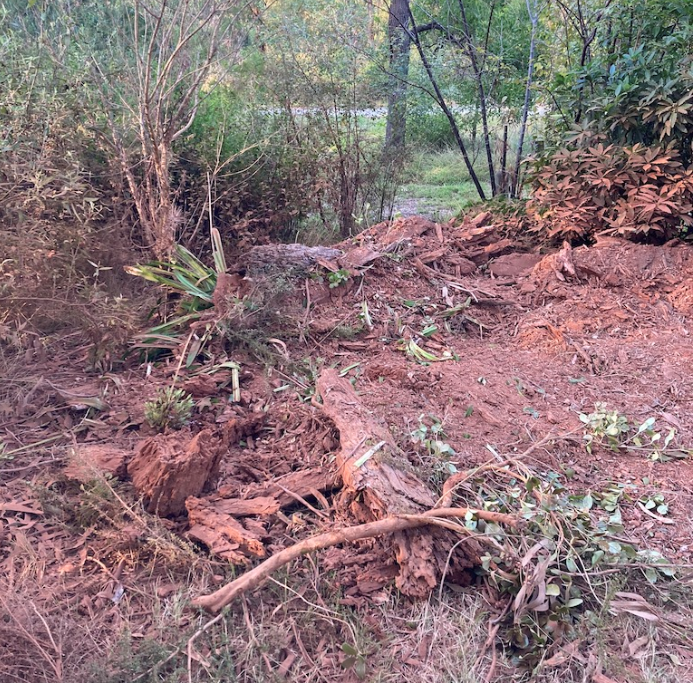
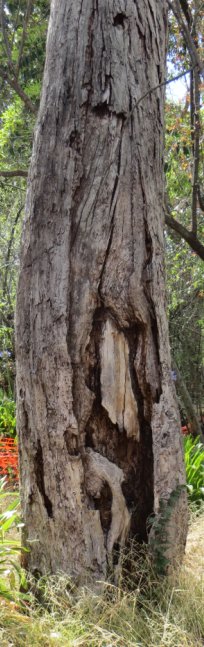
Many in our community long believed that the large stump straddling the park boundary in the northeast corner of Kalang Park was the remains of an Aboriginal “scar tree” – a remnant of pre-European history virtually in our back yard.
A scar tree is one where indigenous Australians created a utensil, weapon, canoe, shelter, hunting aid or ceremonial artefact from a tree – leaving a telltale scar and the tree alive. It was thought that a shield was made from our “scar tree”. Of course, trees can be scarred by many other causes such as fire or a nearby tree falling onto them.
Most authentic Aboriginal scar trees tend to be over 100 years old and are becoming rare as the trees age and die. Indeed, our tree was long dead and had become a danger to park users as it rotted away when it came to prominence in relation to a development proposal at 60 Main Street. Furthermore, the tree was assessed by elders of the Wurundjeri tribe and they did not believe the tree was a genuine “cultural” scar tree.
Our “faux” scar tree was on the boundary of private land which has been progressively and significantly cleared from 2012 exposing the community to the risk of the tree falling. With the agreement of the Wurundjeri people, Whitehorse Council cut the top of the tree off leaving the scarred part standing in late January 2013.
The land at 60 Main Street was recently sold. There are existing approved plans for three two-storey units on the site. Sadly, the remaining stump of the tree was knocked over and shattered in a rough clean up of the site immediately before the property’s auction. Apparently, it was a genuine mistake by the tree fellers who were operating on the basis of an unapproved landscape plan and may have confused tree numbers to boot. Council’s planning compliance officers are aware of the situation.
Kooyongkoot Alliance
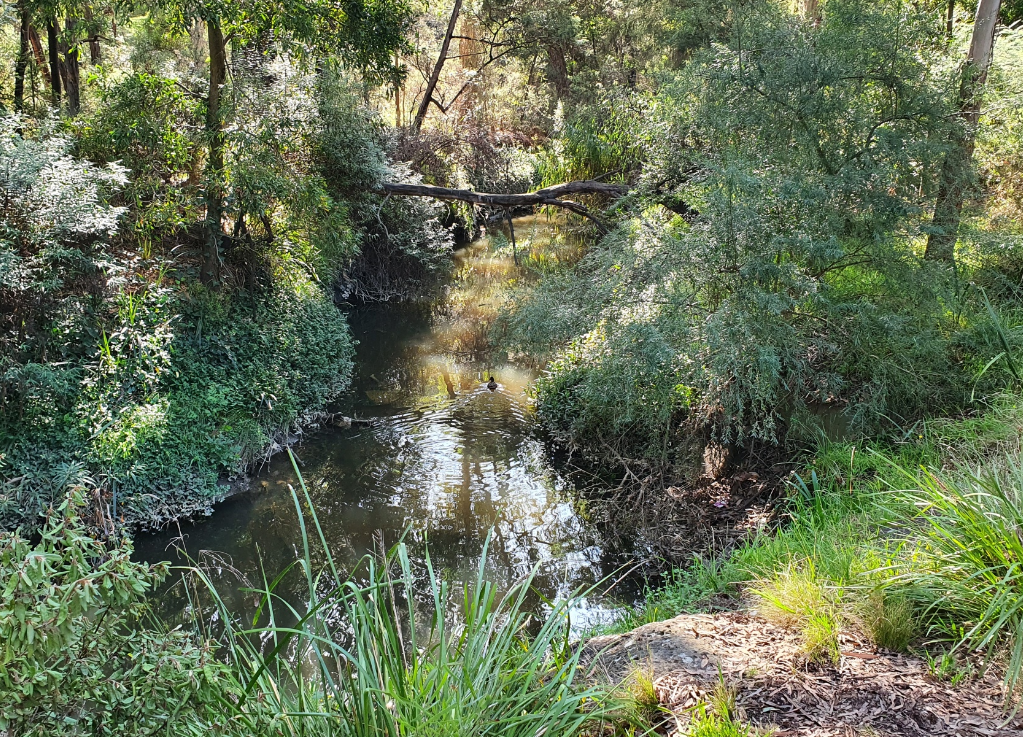
Our Committee has been participating in meetings setting up the Kooyongkoot Alliance (a new name adopted at its latest meeting). The Alliance is planning to develop a strategic plan for the whole of Gardiners Creek involving Melbourne Water, the local councils, Friends and parks groups such as ours. At present, the group operates under the umbrella of the Yarra River Keeper.
Gardiners Creek originates in Blackburn where small creeks, drains and gullies flow into Blackburn Lake. It then flows westerly through to our park, then through Box Hill South, Burwood, Ashwood, Ashburton, Glen Iris, Malvern and Kooyong before reaching the Yarra River where the CityLink/Monash freeway crosses the Yarra.
The Alliance takes it name from the original Aboriginal name for Gardiners Creek. Kooyongkoot most likely means ‘place of the water fowl’. Early settler, John Gardiner (for whom the creek is now named), established a settlement near the junction of the Yarra and Gardiners Creek in 1837 after cattle were driven through there a year earlier. Much of Hawthorn was his original cattle run! Interestingly, Gardiner’s homestead is called “Kooyongkoot” on surveyor Robert Hoddle’s early plans for Melbourne. Hoddle is best known for his design of the very orderly layout of the CBD of Melbourne (now known as the Hoddle Grid).
Coordinated litter management will no doubt be an important aspect of the Alliance’s work in future – so our litter collection projects described below will dovetail neatly into the work at the operational level.
Litter Collection Teams
We thank the team from Sai Baba that ran a clean-up event through the Creeklands on the annual Clean Up Australia Day (7th March).
Mark, who recently joined our Committee, is keen to organise on-going litter collection events particularly along the creek also under the auspices of the Clean Up Australia organisation.
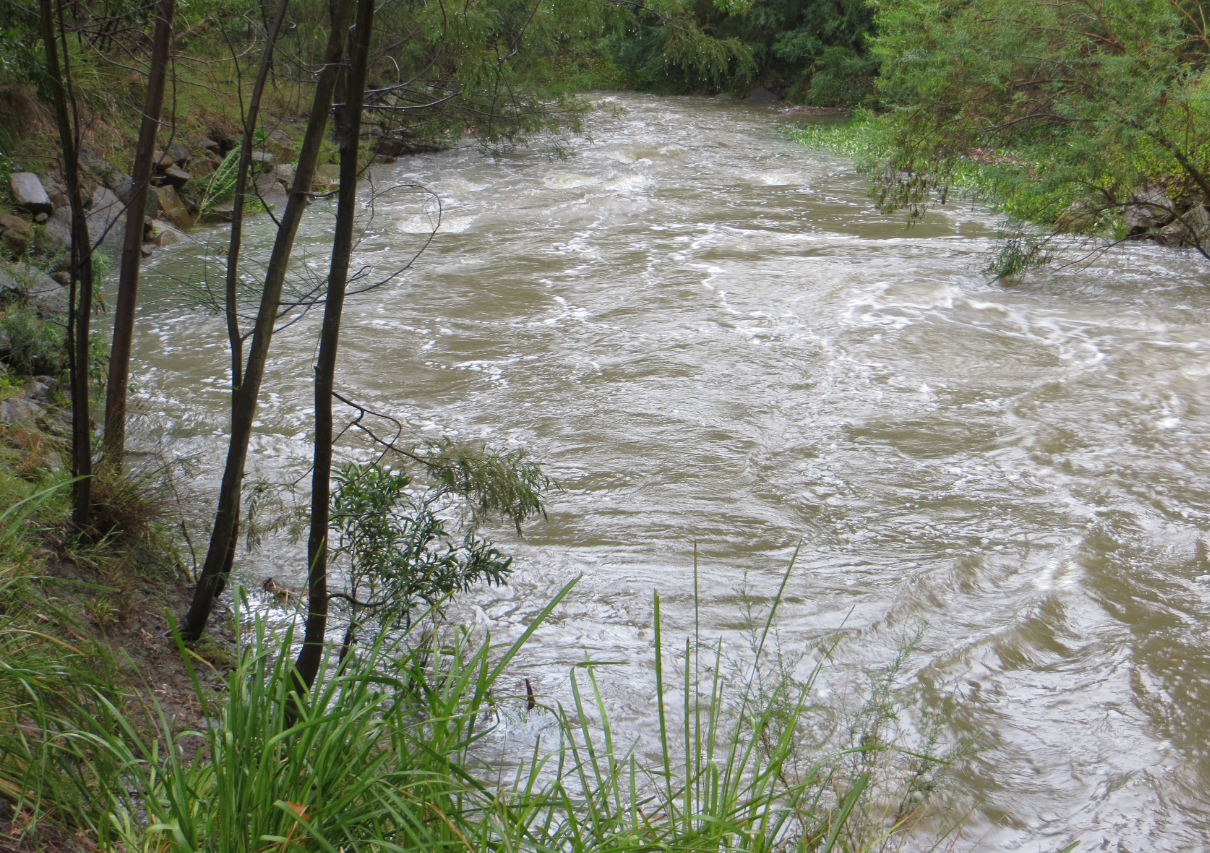
Studies at Blackburn Lake over the past few years have identified that polystyrene, packaging, and plastics are major pollutants in our environment. These are very evident in our park too – being very buoyant, significant amounts are left at the high-water mark after flooding events like those in our photo above. Of course, most of the pollutants are swept down our creek to eventually enter the Yarra River, Port Phillip Bay and the ocean! You can find an interview with the Yarra River Keeper, Andrew Kelly, on the polystyrene problem in particular here.
If you’d like to do your bit (collecting, rather than creating, we hasten to add!), please let us know via e-mail to BlackburnCreeklands@gmail.com with your contact details.
Maintenance Team Report
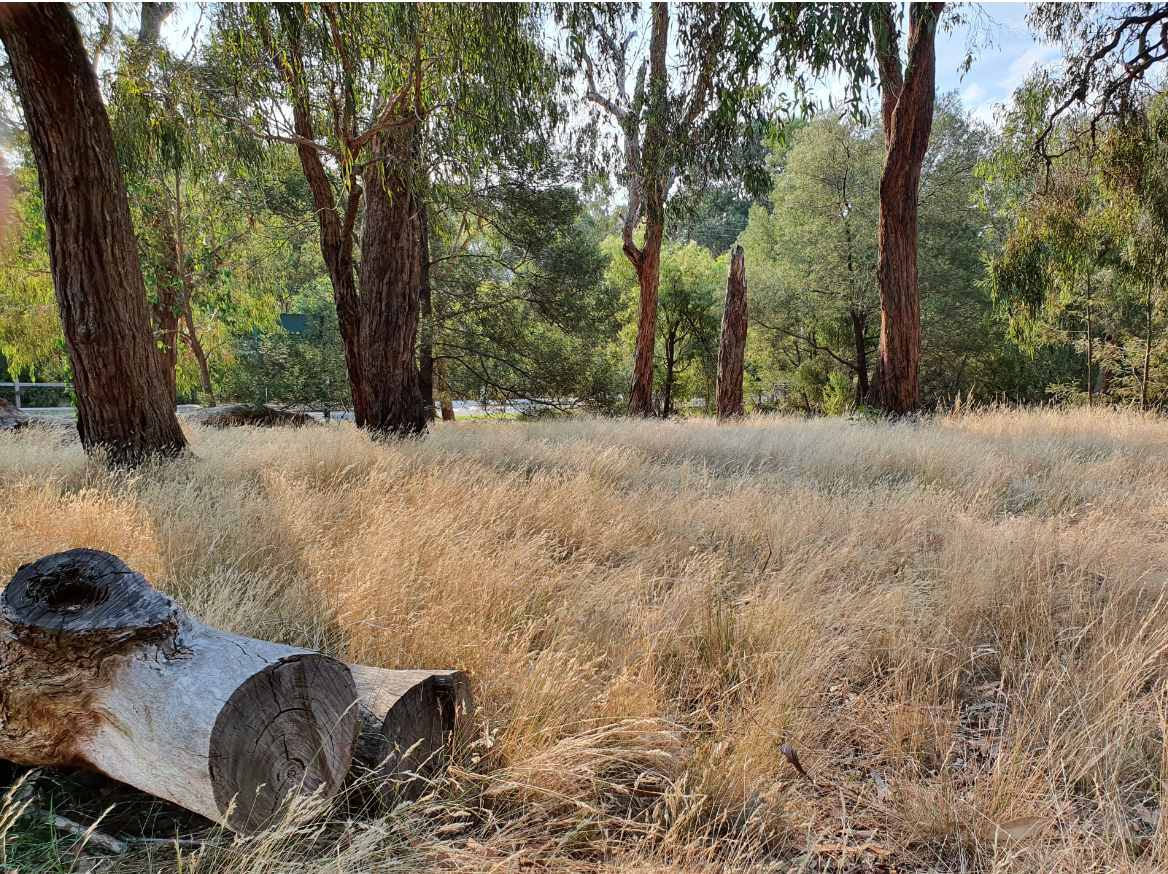
Our Maintenance Team has been busy in Furness Park in the no-mow area adjacent the children’s playground, across the creek along the path towards Gardenia Street at the Main Street end; also over the road in Kalang Park in the land adjacent 60 Main Street.
Guide Hall Demolition Imminent
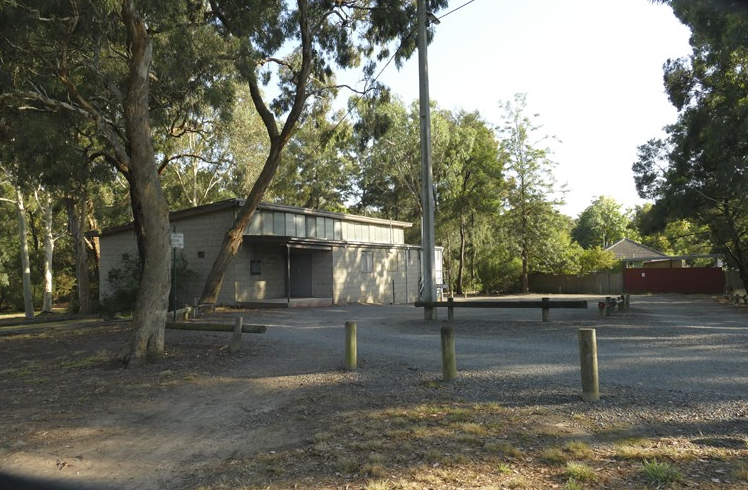
The Guide Hall in Blacks Walk at the end of Garie Street is likely to be demolished soon by Council. We understand neighbours have been notified and that services to the hall are being disconnected. The car park will remain to serve the children’s playground nearby.
Hardly an object of great beauty or elegance, the hall was originally constructed in 1964 – the same year that the Laburnum Primary School opened. Both events reflect the boom in house building and growing new families which occurred in that part of Blackburn and further south from around 1960.
Autumn Bird Survey
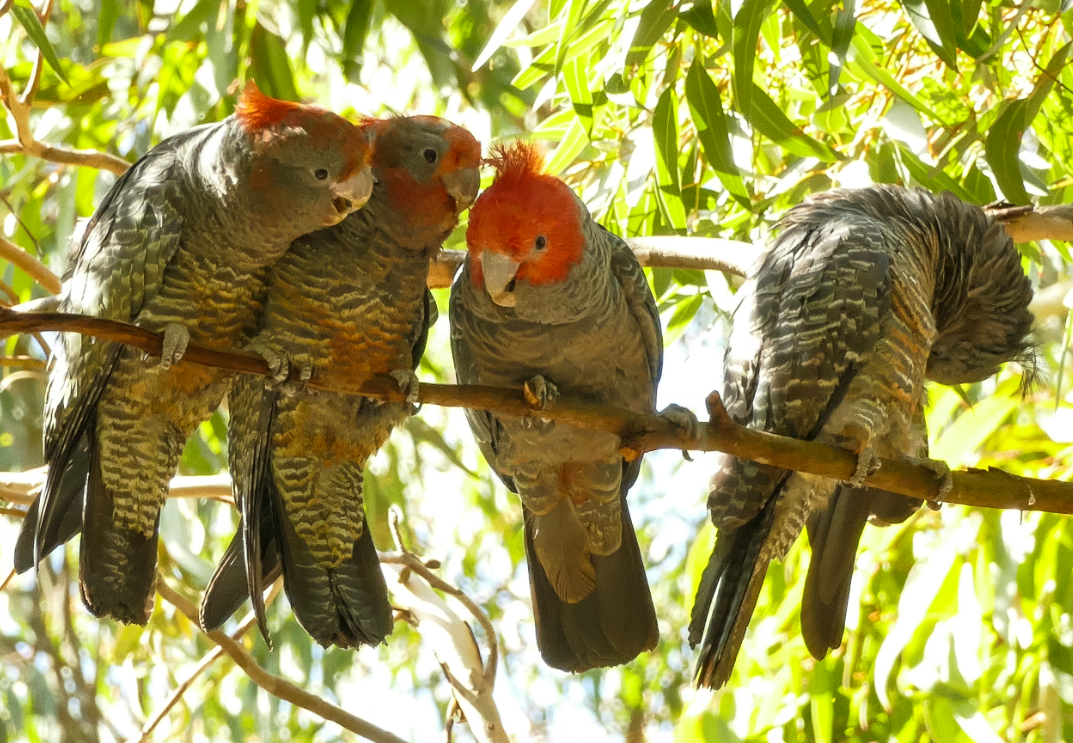
Subject to Covid-19 rules allowing us, we are planning to run our Autumn Bird Survey on Saturday, 24th April from 07:30. We’ll meet at the Scout Hall in Pakenham Street (near Laburnum Primary School). There should be plenty of parking available there.
Our bird surveys are family friendly – children are most welcome. The surveys are conducted outside in two small groups (of usually 10-15 people) from 07:30AM (to about 09:00). There is traditionally a morning tea provided by Committee afterwards where attendees are invited to stay for the tallying of the numbers for another half hour or so. We’re planning to use the Scout Hall for that part of the event given there is better opportunity for social distancing there than at the Kalang Pavilion (where the last events have been held).
Weekly Bird Surveys
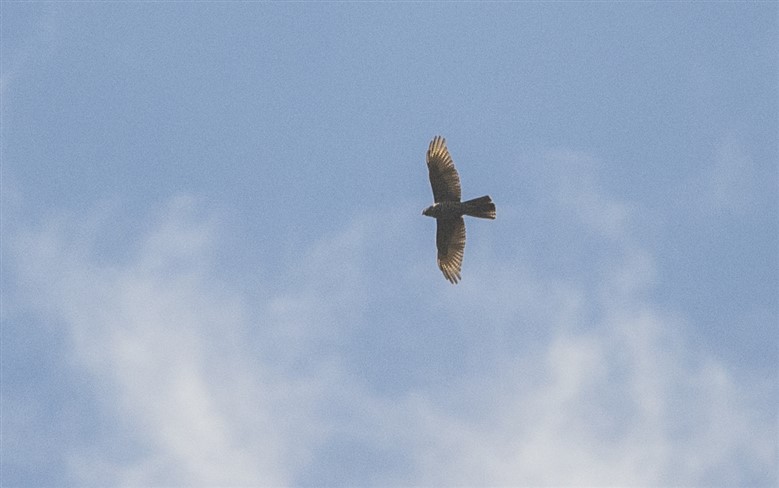
One of the primary reasons we have such interesting and high quality nature photography in our newsletter is that a group of interested people have been bird surveying every week in the Creeklands for the last 14 months. This group, some with cameras clicking away, has been taking part in a project to test what effects the development of the new wetland near Laurel Grove North had on birdlife in the vicinity – as compared to a benchmark area in Blacks Walk.
This project developed from suggestions made by BCAC committee members. From observers constantly being in specific places in the Creeklands each and every week, many interesting naturalist subjects have also been noted, photographed and reported to BCAC and often through this newsletter. All such photos are always welcomed by the editor of this monthly Newsletter. So as a “Call-Out” to all Camera Carriers out there – please remember to keep sending your photos to us at BlackburnCreeklands@gmail.com .
The weekly survey efforts weathered significant disruptions such as the Covid-19 pandemic and its ensuing restrictions, the benchmark area itself being severely disrupted by unexpected park weed clearance, the whole park entering a new level of human activity due to the lockdowns and the initial walk route being impacted by the unforeseen effects of construction activity. For example, during the lockdowns, participants kept things going as best they could as individuals – by using their daily exercise quotas to keep the project going.
We congratulate and thank them for their dedication and persistence in the face of adversity, the sheer magnitude of their contributions in terms of time and expertise and also on the results of their efforts. As park users and guardians, we have greatly benefitted from their work.
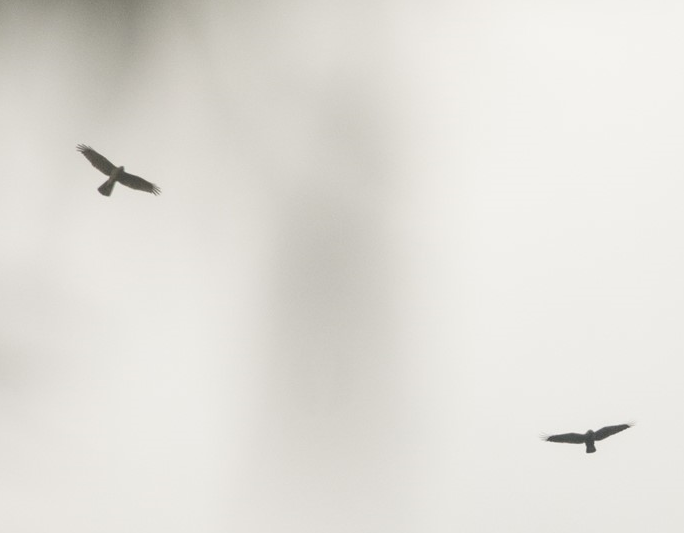
Sadly, all good things come to an end – the weekly bird surveys are likely to become monthly soon – as the studies enter a new phase. Details are still being finalised – but the good news is that the walks are likely to be extended to cover most of the park. In a striking final curtain call to the walks following the original study protocols, two raptors were observed:
2 Brown Goshawks provided a great finale over Blacks Walk. The raptor alarm response of the nearby birds sounded the alert for the presence of the Brown Goshawk hunting pair as their hunting behaviour, in survey parlance, “put all birds up… chased by 2 Ravens”. Brown Goshawks prey on smaller birds and flush them out of the habitat trees by flying lower through the tree canopies. Their potential prey, the numerous Rainbow Lorikeets flew up and around noisily as they dispersed, the Noisy Miners were noisy, as were the Magpies. The bird up higher flying near the Brown Goshawk was identified as a Little Raven and was thought to be probably chasing the Brown Goshawk. One Brown Goshawk disappeared from sight over the primary school and the other caught a thermal air current and circled gaining altitude for a few minutes. It went up so high so as to become a tiny T shape against the white clouds before heading west gliding in air currents along the Gardiners Creek valley…
City Nature Challenge and iNaturalist Training
For those interested not only in our birdlife, but all aspects of nature, don’t forget the 2021 City Nature Challenge running from 30th April to the 3rd May. The general idea is that people in their local communities all over the world take pictures of wild plants and animals within those dates.
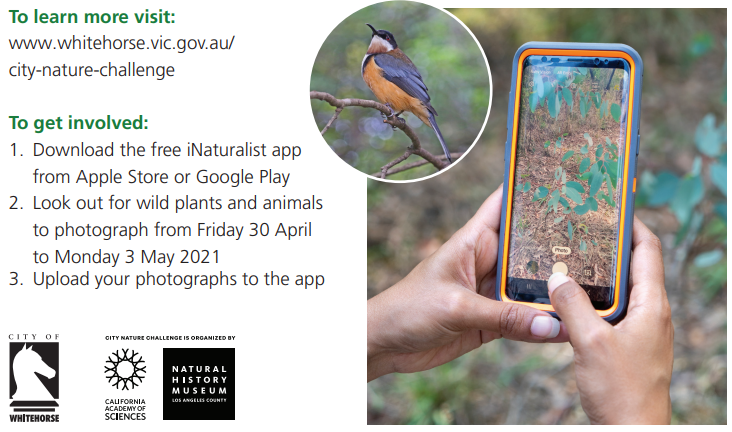
Further free on-line training (6:30-7:45pm, Tuesday 20th April) in the iNaturalist app is available. You can book here. For more information on the global City Nature Challenge, please visit: www.citynaturechallenge.org
Community Working Bees
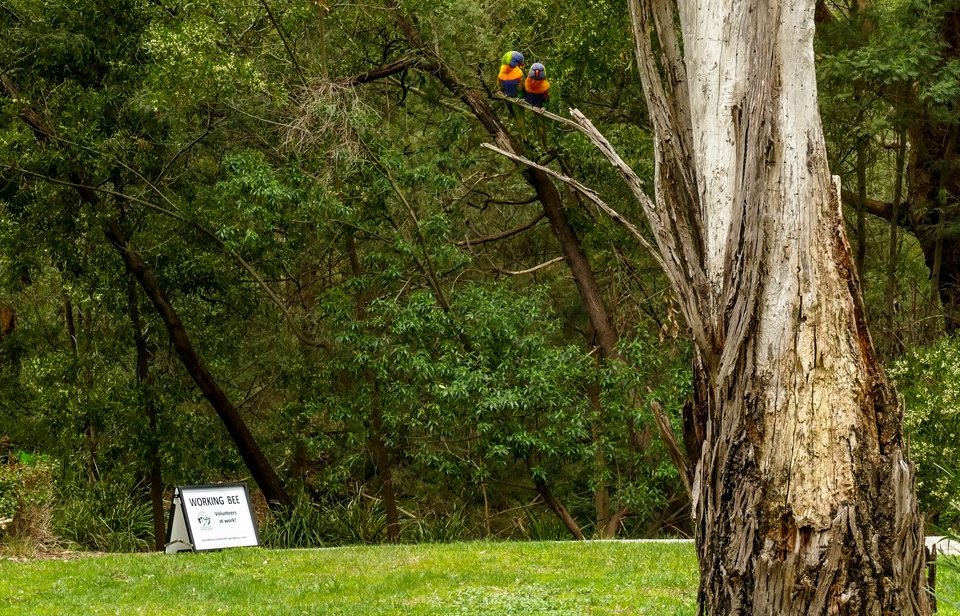
None of our community working bees could be conducted last year! Luckily, our Monday team could work part of the time between lockdowns and subject to strict precautions.
Again Covid-depending, we are planning to resume our community working bee program. These are held on the first Sunday of the month, May to October.
The first for this year is planned for the 2nd May and will run from 09:00-12:00. We expect it should be possible to share our customary morning tea at about 10:30 in a socially-distanced way.
Main Street Bridge Replacement
Subject to project approval by Council this month, the Main Street bridge will be replaced. Some Friends will remember its renovation in 2015/2016. Those repairs were expected to last 10-15 years. However, a subsequent engineering assessment gave the bridge a five year life. If approved, the work is likely to be done in the second half of this year.
This snippet from notices published on-site in 2019 shows that the bridge will superficially look much the same as the current bridge:
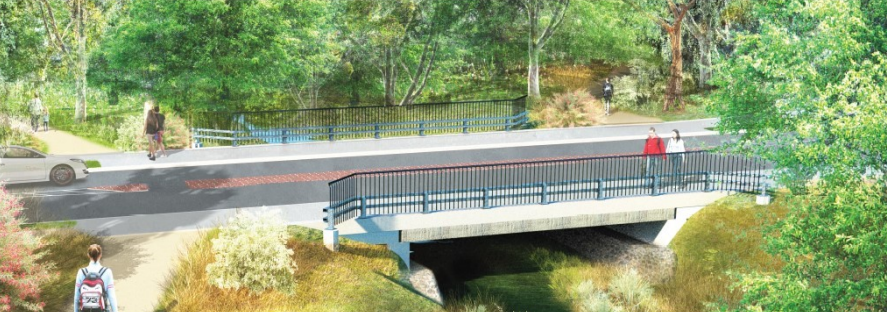
However, the substructure will be concrete and rock instead of brick and there will be no middle pier.
Obviously, road closure(s) and park track diversions will be required. We expect to contribute to the layout of the temporary diversions in due course.
Water Fountains
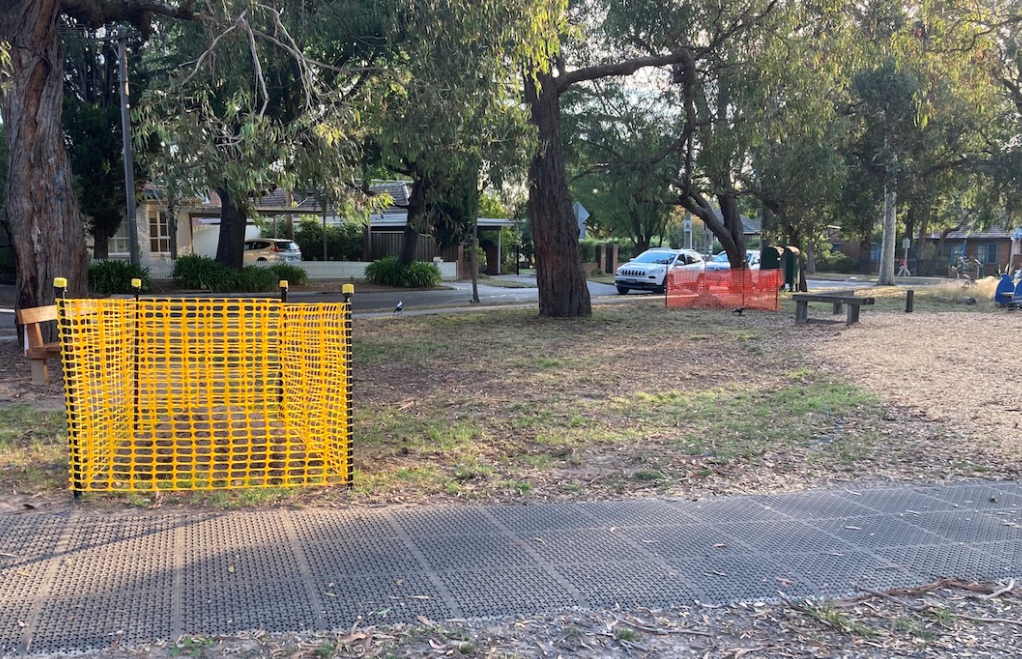
In the final stage of the Furness Park playground’s renovation, work has started on installing a new water fountain in the playground area. A new water fountain has already been installed near the Kalang Park playground.
The Blacks Walk playground is also slated for renovation soon. We have been assured that installation of a water fountain is planned for that project too (water supply is already present for the Guide Hall).
Park users will come to know that if you, your pooch or your water bottle need recharging in the park – you will be able to find water at any of the children’s playgrounds.
Other Sightings
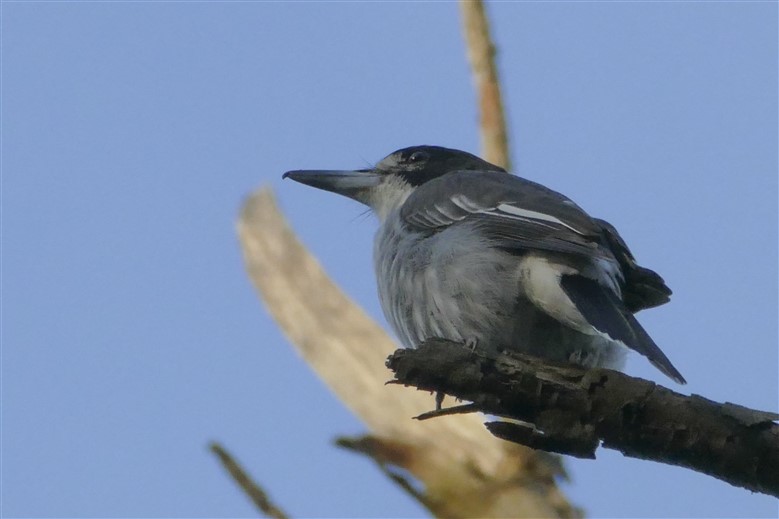
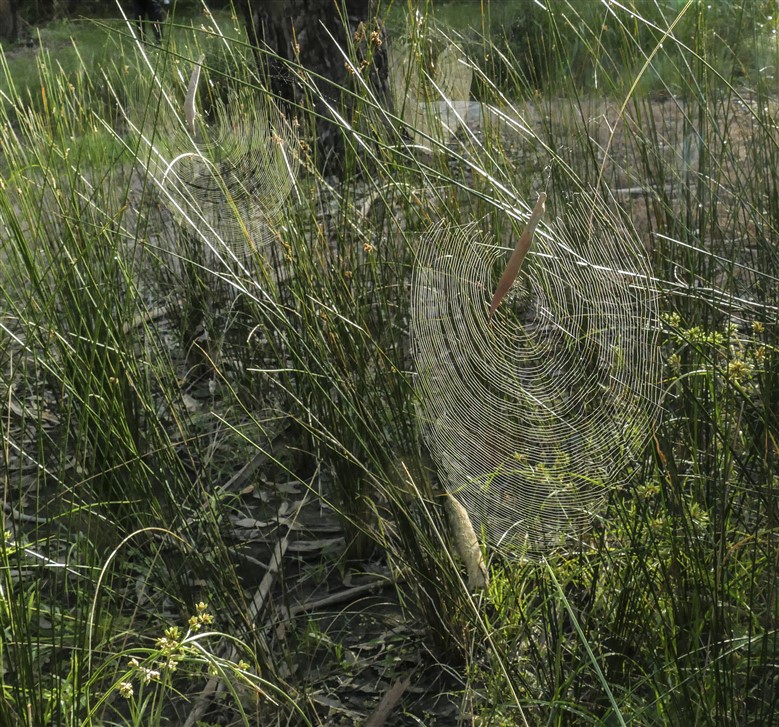
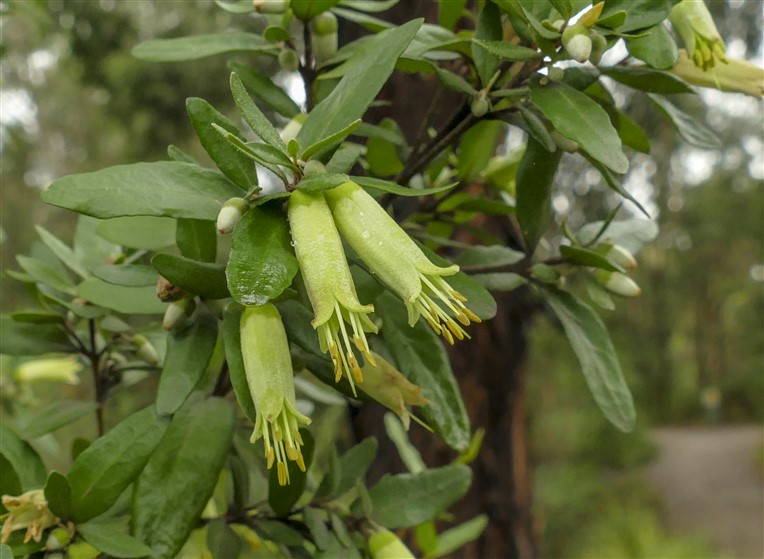
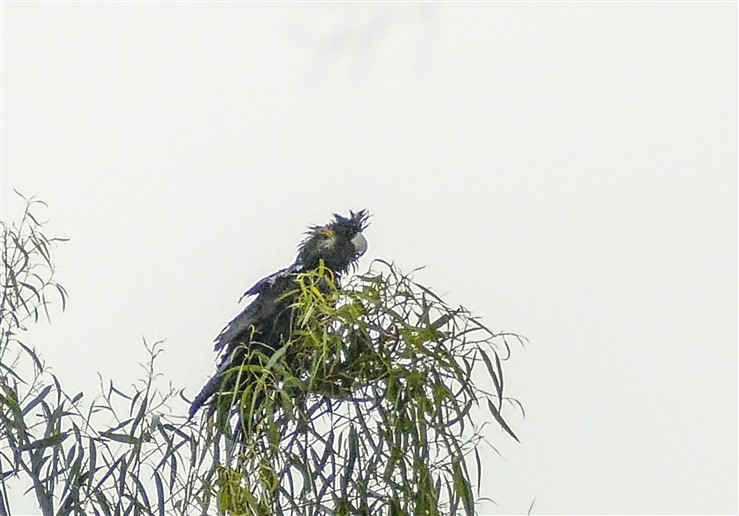
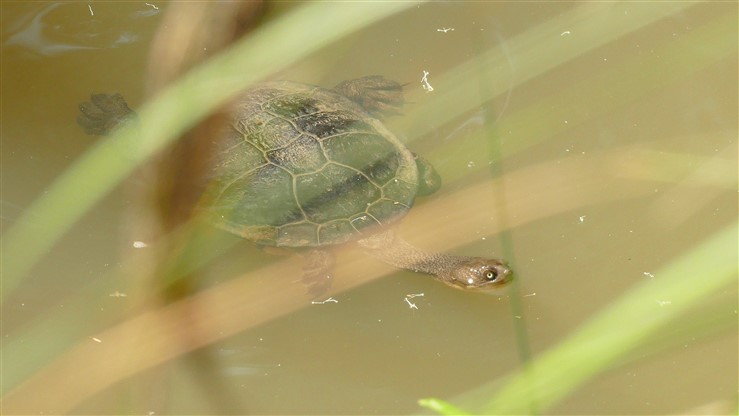
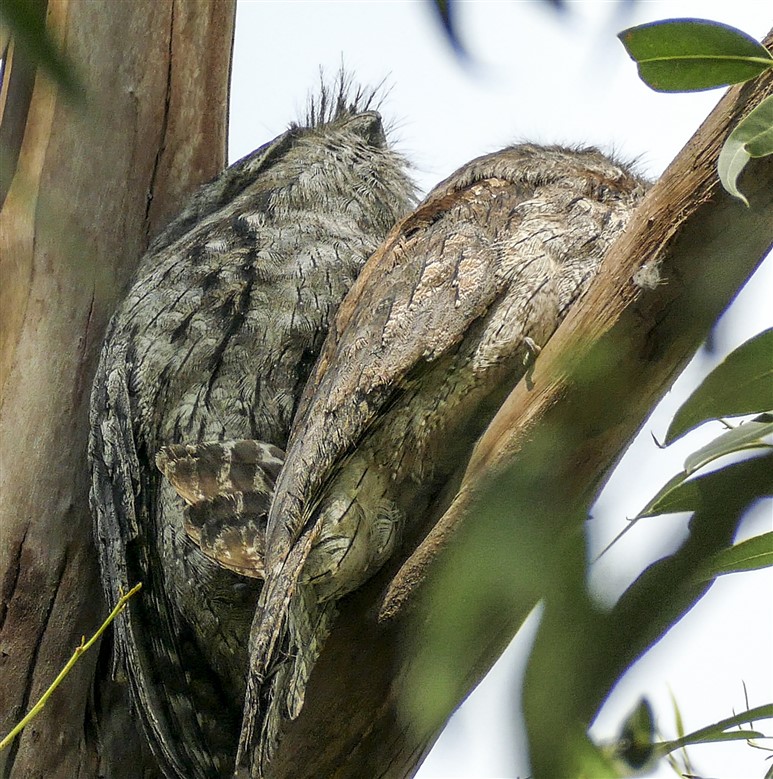
We will leave you with further photos – a mixture of sightings in the park in March:
 Blackburn Creeklands
Pingback: Park News – December, 2021 | The Blackburn Creeklands