Our Compliments of the Season!
We wish all our Friends and your families a safe and happy holiday period – and all the best for 2022!
What happened in 2021 ?
The year 2021 proved to be another eventful year despite our wishful thinking that 2020 just had to be a “one off”! As everyone knows too well, there were more lockdowns due to Covid-19 this year as well as the emergence of a new variant of that virus to keep us on our toes. Thankfully, the strong uptake of vaccinations by the community has allowed us to get back to normal-ish – though the new variant of the disease has definitely thrown a spanner into the works.
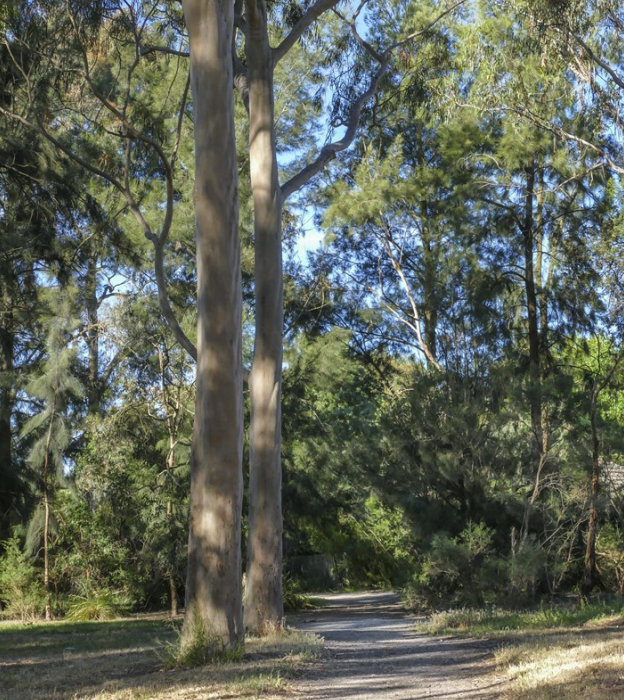
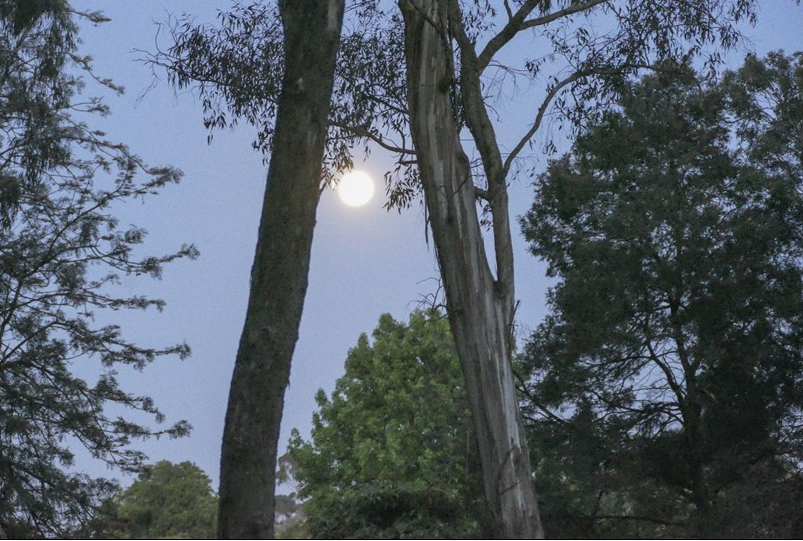
La Niña brought a very cool late spring as well as much rain at times – also the occasional very strong storms bringing many trees (and power lines) down in the area. In other events, we even had a significant earthquake! These photos, one from each month of our newsletter might bring back memories:
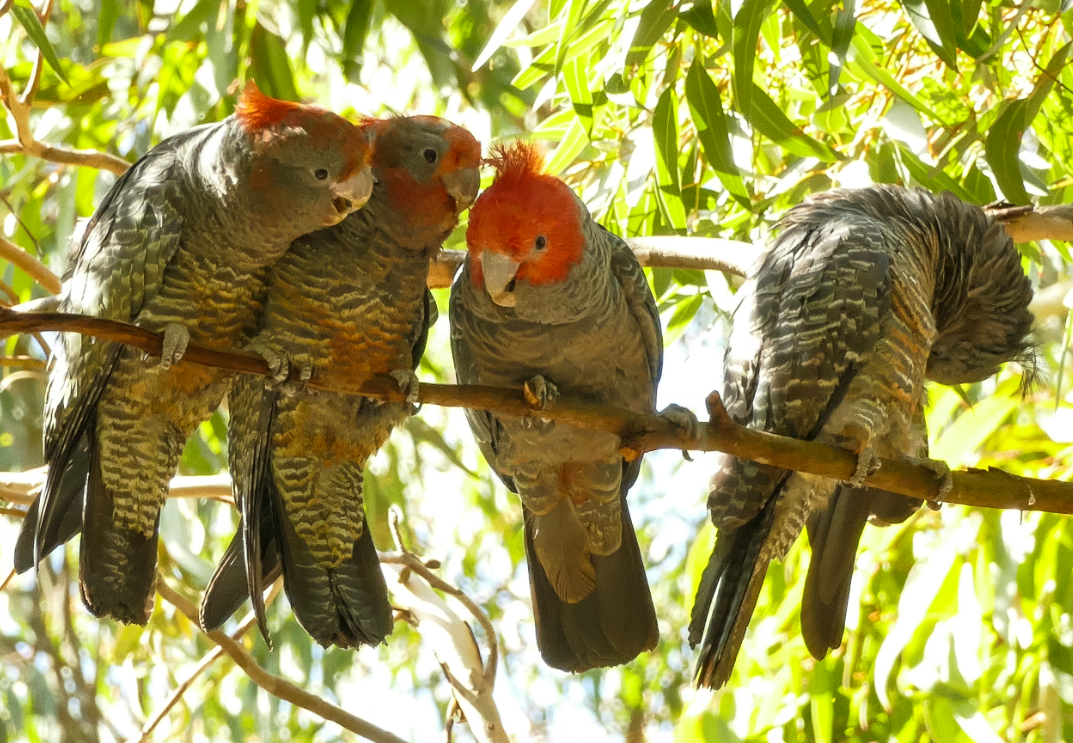
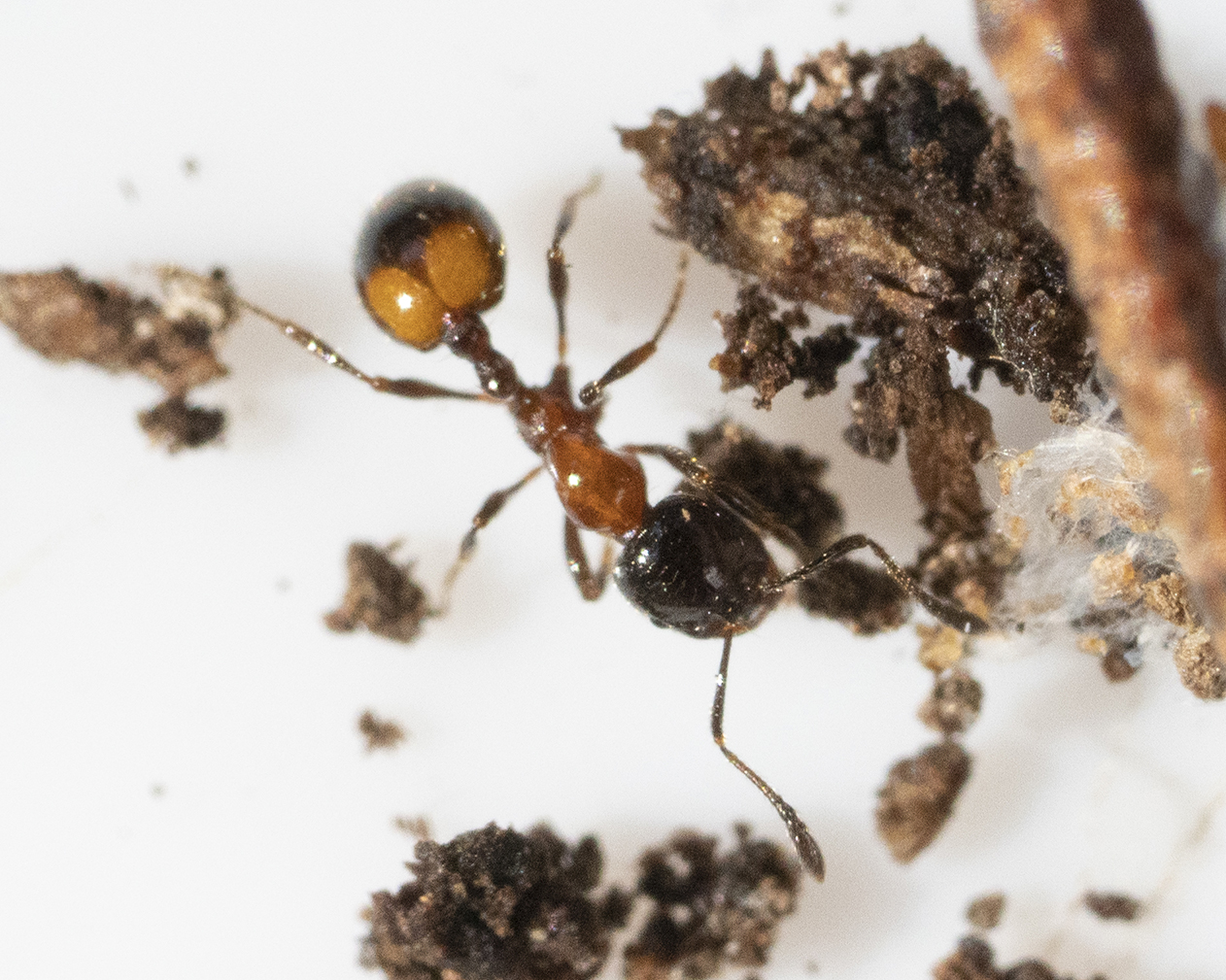
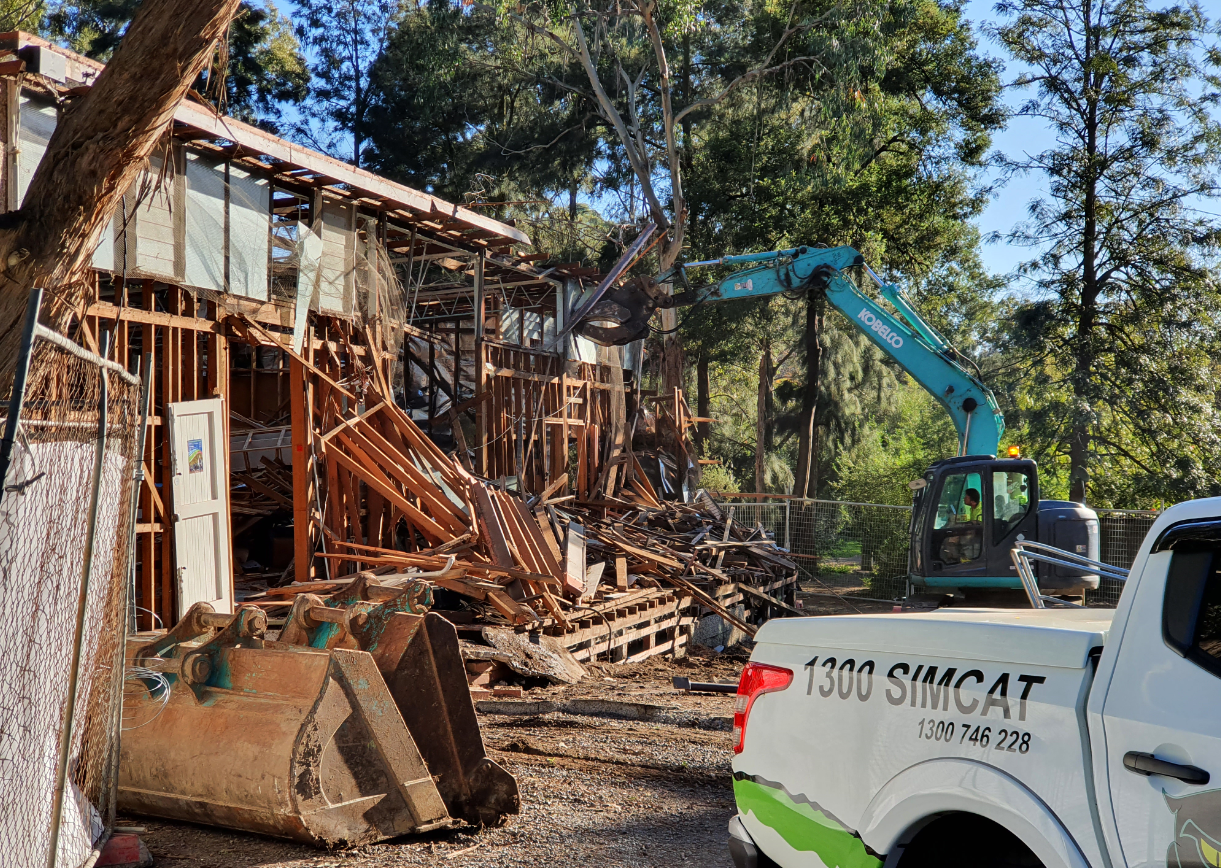
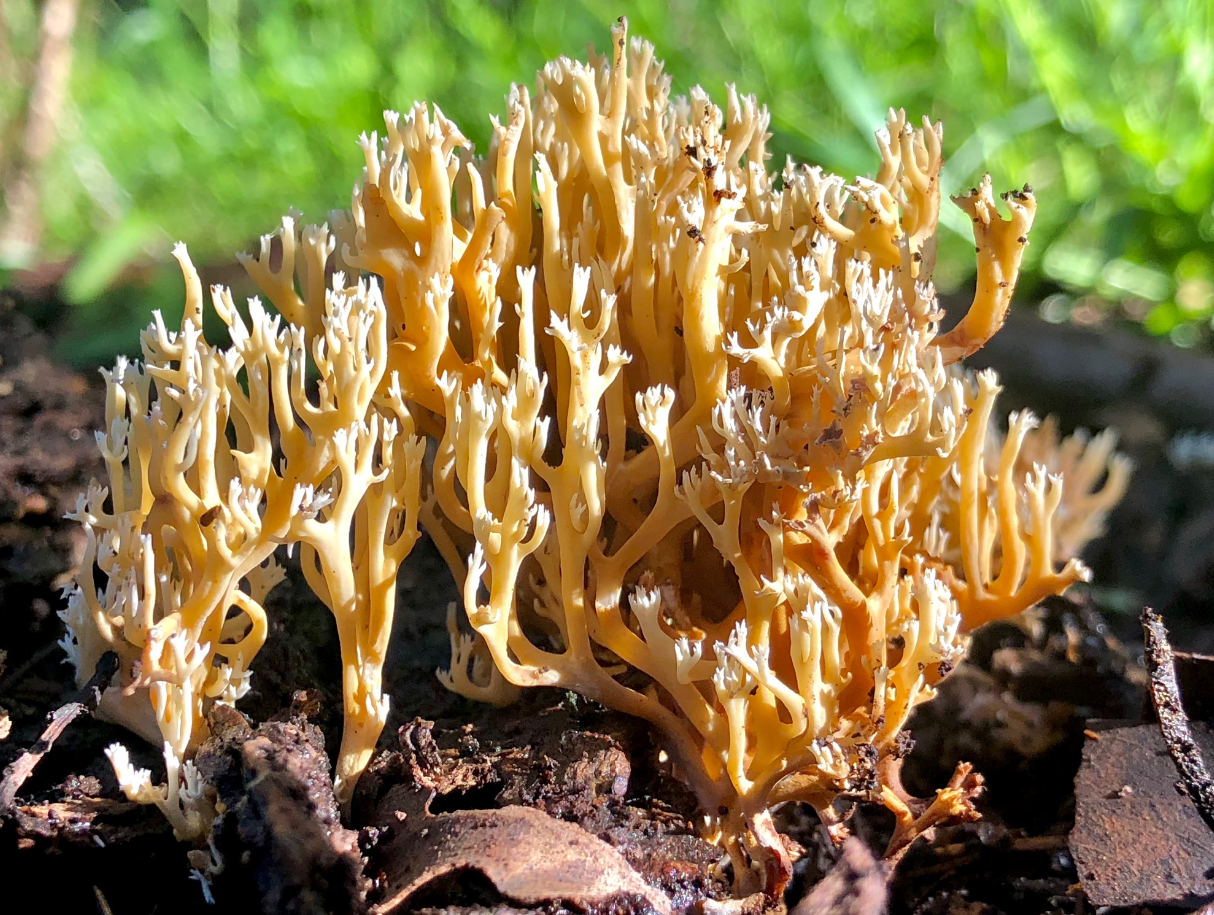
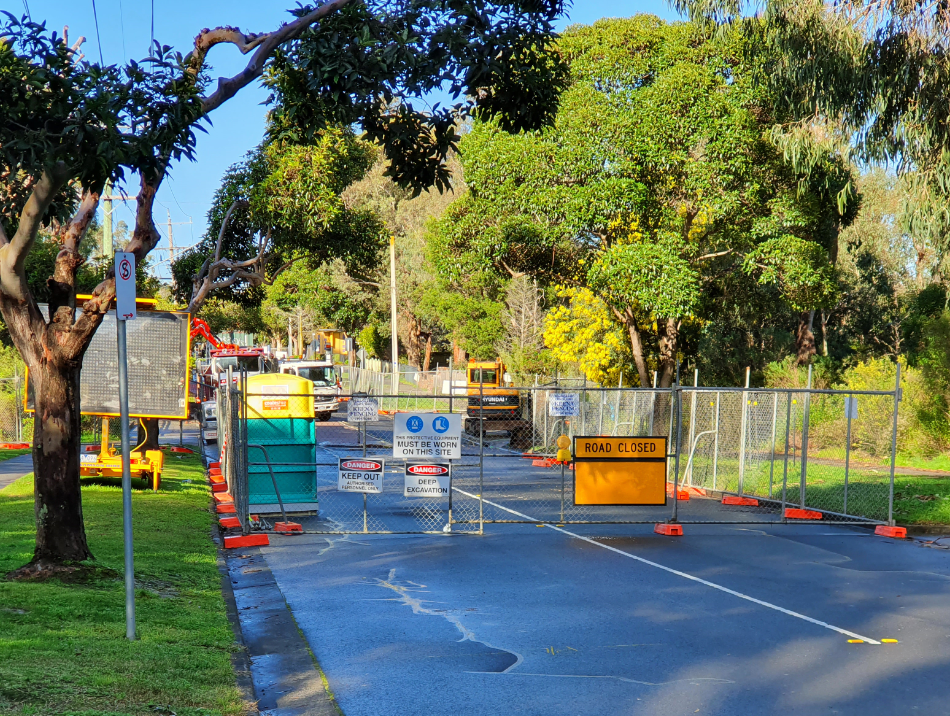
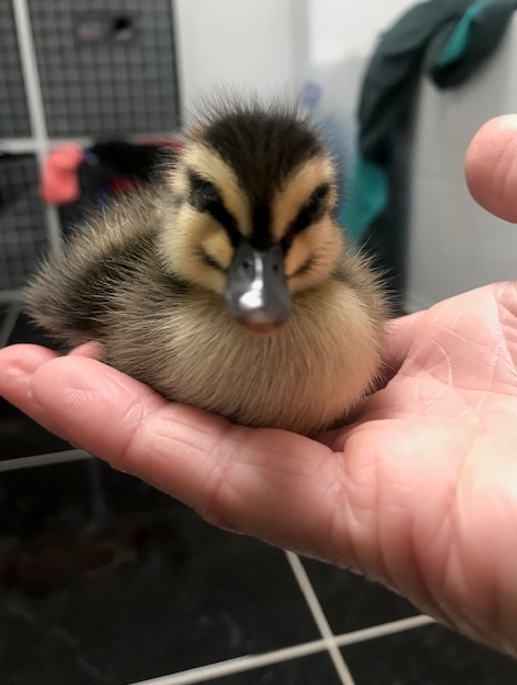
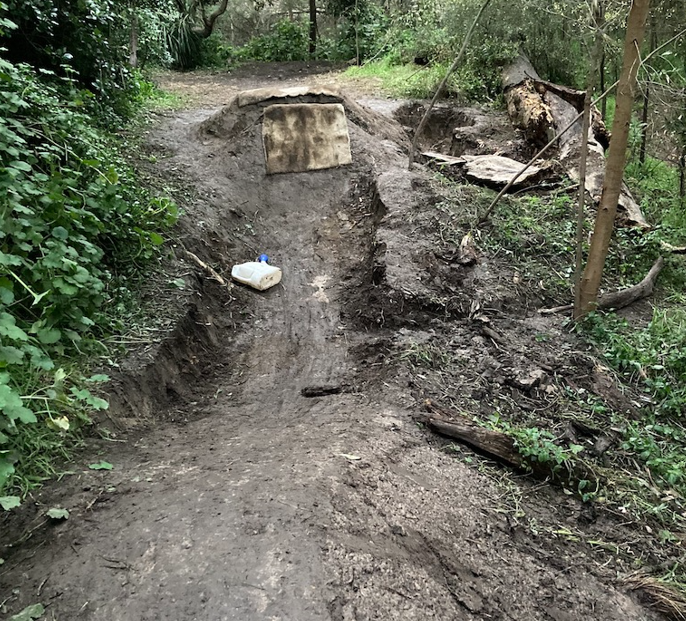
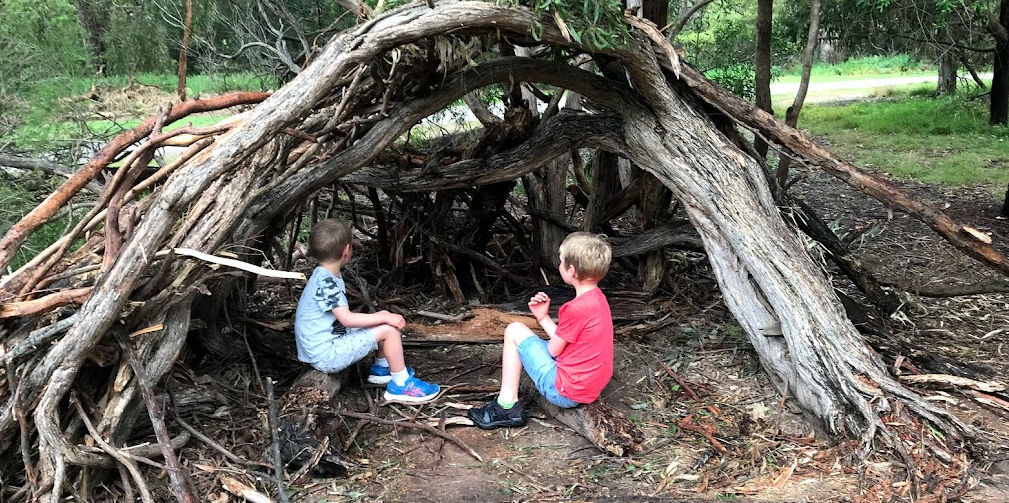
To scroll, click on one of the photos and scroll using the < > arrows. Click X when finished.
Municipality level
Significant changes are still expected to our structure and organisation – these were expected in the July/August timeframe – but the process has taken much longer than anyone expected.
Our future remains uncertain as Council officers work through some options that are (hopefully) more palatable to the thirteen Park Advisory Committees (PACs) including ours – while addressing Council’s needs in risk management and fulfilling its duty of care to properly train and protect its volunteers.
The PACs were pleased that motions in their support were recently passed by Council. Surprisingly, those in favour did not include Councillors in the central wards surrounding our park.
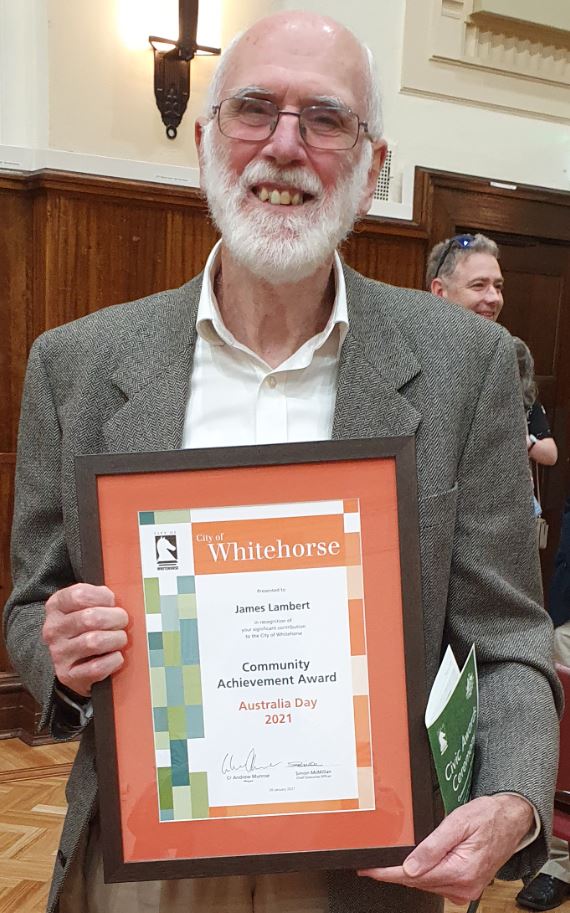
In January 2021, one of our Committee members, Jim Lambert, was awarded a Whitehorse Community Achievement Award on Australia Day – in recognition of the enormous contribution he has made over many decades to the Blackburn environment generally and to the Blackburn Creeklands in particular. Jim and his colleagues’ seminal work on planning controls that protect our most sensitive areas against over-development and from loss of tree cover are significantly responsible for our treasured Blackburn environment being what it is today.
Park Level
In a recent submission to go to Council, we did some number crunching on how much work we do annually looking after our park. The answers were surprising. We think, in a lockdown-free year, we, and community volunteers, would contribute more than 1,800 hours per annum on working bee activities like weeding, planting and mulching.
Almost the same again (1,700 hours) would be devoted to other activities – chasing grants, community education (eg producing this newsletter, maintaining our Noticeboard and conducting bird surveys), managing plant orders, nursing plants, planning, admin and so forth.
It’s difficult to put a monetary value on all that effort – but $150,000 pa is not unreasonable. Obviously, we wouldn’t be doing that if we didn’t enjoy our work and think it is worthwhile – nevertheless, it is a very substantial contribution to the benefit of Council and the community that we can all be proud of.
At the park level, 2021 saw the following changes:
- The old Guide Hall was demolished – and the site left vacant for later planting up with trees and indigenous grasses. Some have suggested a wildflower meadow instead. We’re expecting the nearby playground equipment to be replaced in the coming year too.
- The Main Street bridge was demolished and largely rebuilt (though not yet quite fully re-opened – see below).
- We regret that many of our regular community events had to be cancelled. This included four out of six of our Sunday Community Working Bees. We are so grateful for community support – and do hope you will stick with us in the coming year – despite the Covid restrictions.
- Our Spring Bird Survey had to be run in a more restricted form and later than usual.
- Our weekly working bees were also severely impacted – and have moved from Mondays to Thursdays. Sadly, the weeds do not obey lockdown rules, they keep on regardless – so there’s quite a backlog to take care of !
- Our Committee meetings continued throughout the year – mostly remotely on Zoom. Like many people, we became quite used to teleconferencing – but most people agree there’s no substitute for face-to-face meetings.
Nevertheless, one of the most satisfying things about the year for those working to support the park was reinforcement of just how important the park is for the community – especially during the lockdowns:
- Our park became increasingly popular as people of all ages regularly took exercise and escaped their “four walls”. This year, kids seemed to have rediscovered the park.
- There is a growing awareness that spending time in nature and away from “devices” (should that be “de vices”?) has significant benefits for both physical and mental wellbeing. Steadily increasing population density through redevelopment of housing to apartments and units also underscores the importance of having publicly accessible active and passive recreation spaces.
- Due to the unprecedented level of usage during the lockdowns, the park still shows some wear and tear due to its being “over-loved” and at the same time, unavoidably “neglected” by the volunteer workforce, for so long.
Maintenance Team Report
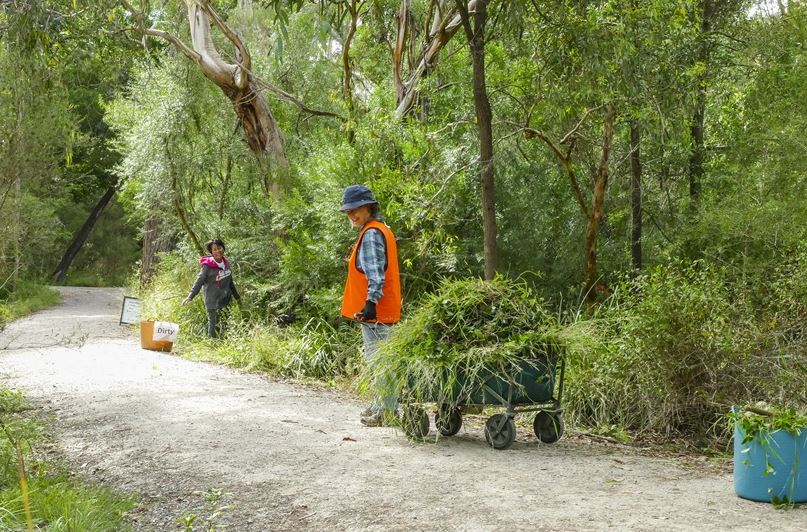
The team has slipped back into more-or-less its normal routine with weekly working bees returning every Thursday morning. Recent work has included weeding the creek side trail south of the creek in Blacks Walk and in the vicinity of the Noticeboard. Unfortunately our numbers of participants have not returned to pre-lockdown levels (yet). The change of work day to Thursday from Monday may have contributed to fewer people being available too.
Under a new Council regimen, the team’s work was inspected at every event for some weeks to ensure compliance with appropriate work procedures, safety practices and so forth. The team was very pleased the inspections are to be quarterly from December onwards. This was taken as a ringing endorsement that they are “doing things right”. These days, there is also more control on work site selection – lodgement of applications for proposed works are now required in advance for approval by Council. The team has taken on the extra bureaucratic procedures without missing a beat!
Urban Forest Strategy
The development of the Urban Forest Strategy is now in the hands of Leonie Gibson, Acting Co-ordinator of Natural Environment and Strategy. Leonie is new to the Parks and Natural Environment Department but not to Whitehorse Council. In the next few months, she will be assembling the policy documents and implementation plans for the Urban Forest Strategy.
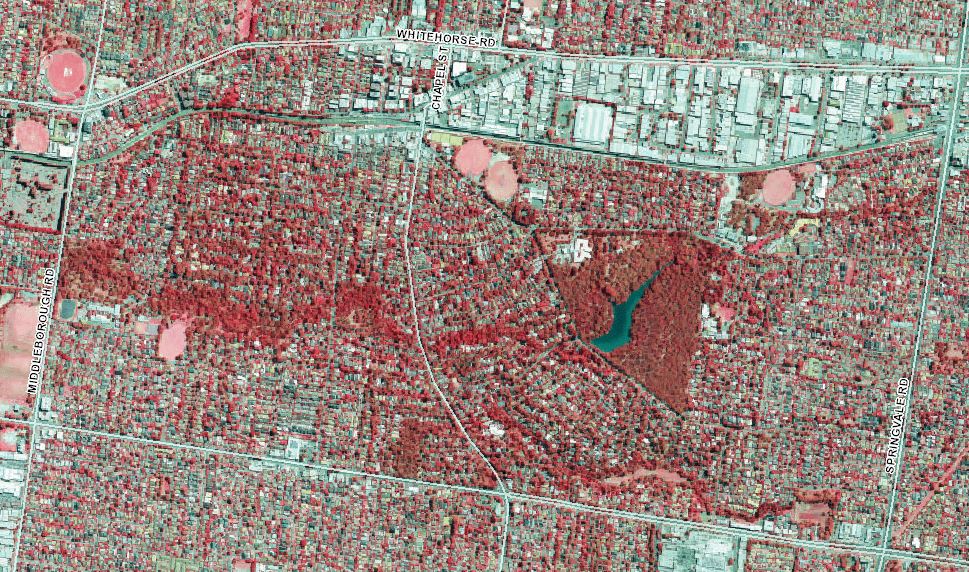
Over our past three editions, we have documented the history of the park based on 1945-2021 aerial photos available from the Whitehorse Maps site. One final item we can show you from the same source is the NIR 2020 map. Our snippet above shows the central Blackburn area rendered from NIR for visual inspection. “NIR” refers to Near Infrared photography and has applications in medical imaging and agronomy. In our case, it is used in helping to measure tree canopy cover. Tree foliage shows as red and grassy areas such as sports ovals as pink. Heavily built up areas like the “Golden Mile” (solid band at top right) and Forest Hill Chase (partly shown at the bottom mid-right) – as well as roads and railways – show up as light blue.
At a more general level, our photo illustrates why Blackburn is such a great place to live. Gardiners Creek (Kooyongkoot) is the focus of the wavy red band extending to the west from the deep blue/green Blackburn Lake. The Blackburn Creeklands extends from Blackburn Road (the bent road) to Middleborough Road on the left. The major tributary from the Masons Road Reserve is also obvious just north of Canterbury Road.
We expect the NIR technology is used to help measure tree canopy cover more accurately than can be done using ordinary (visible light) photography. The City of Whitehorse Council has set itself very challenging targets for the level of future canopy cover within the municipality: 27% by 2031 and 30% by 2050. Clearly, parks such as ours will play a significant role but there is not enough public land to reach those targets – private property will have to help!
It is distressing that some apparently quite egregious proposals relating to the destruction of older trees are getting through Council recently even after unprecedented community opposition. These decisions run completely counter to Council’s Urban Forest and Biodiversity objectives.
Main Street Bridge Update
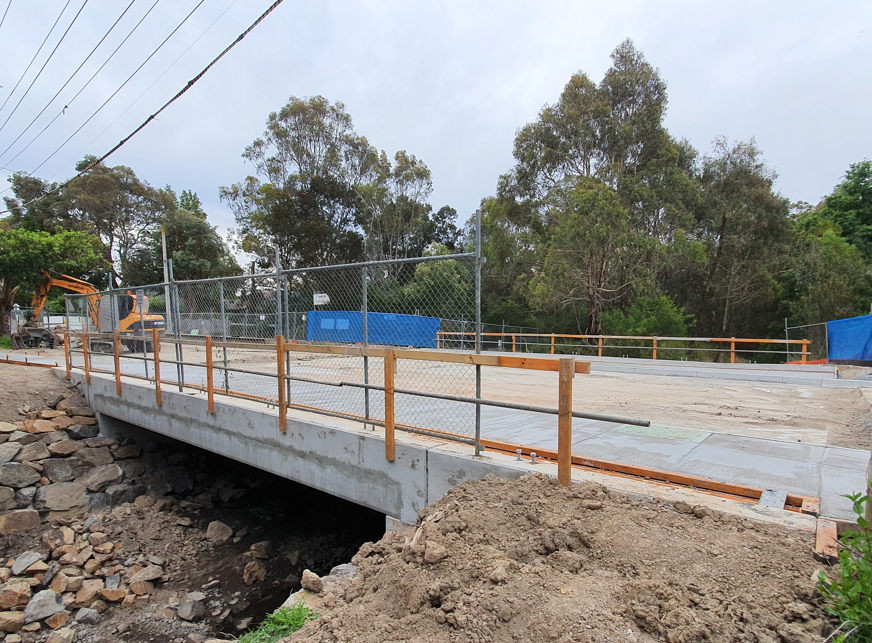
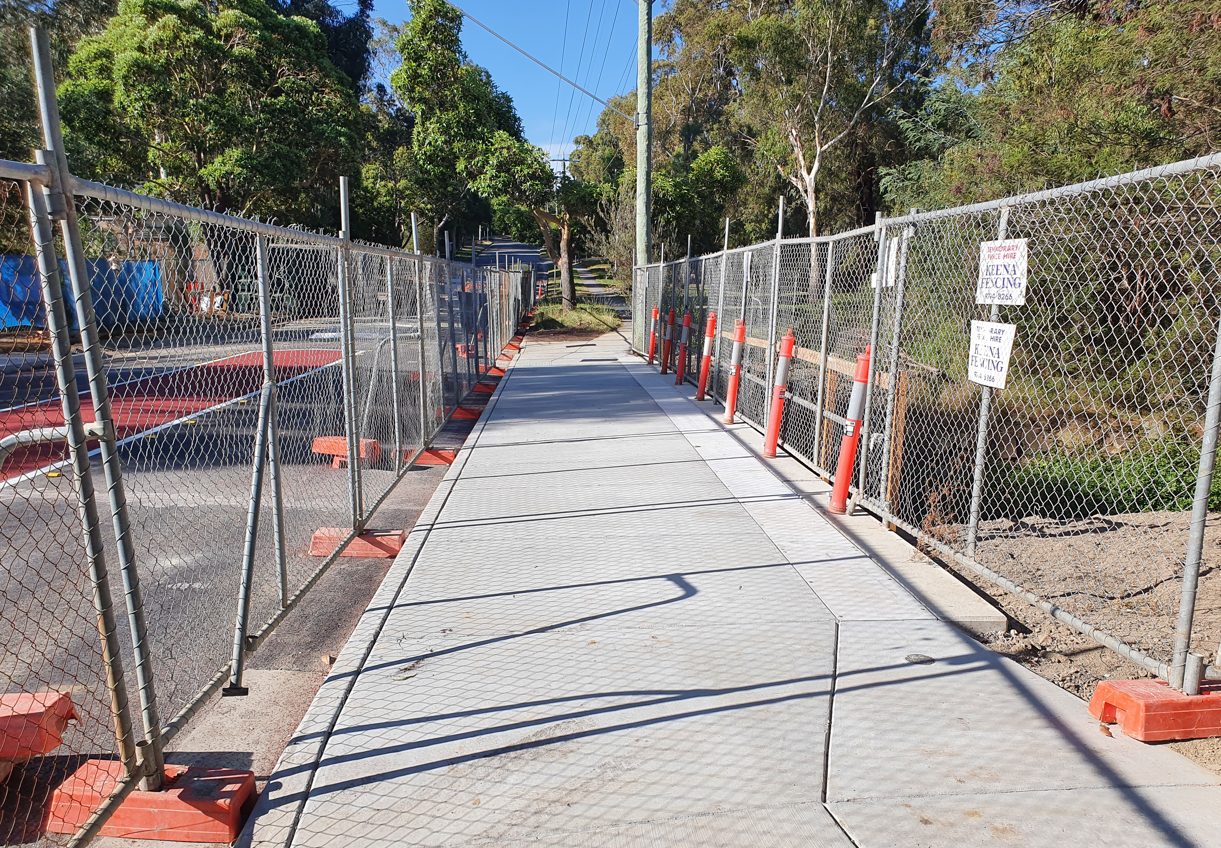
As advised last month, the bridge will not be fully open to all traffic until the end of January 2022 – following delays due to the Covid-19 industry shutdown, supply issues and in coordinating services.
Just in the nick of time for Christmas, the good news is that the footpath on the eastern side is now open to pedestrians (as of 23rd December) – council having understood the inconvenience of the pedestrian detour.
Excepting the public holidays, the contractors are working through December, 2021 and January, 2022 to meet their deadlines. There is still work to complete including:
- Fixing of permanent handrails on both sides.
- Reinstatement of the water main including concrete footpath works when the water main is installed on the western side of the bridge.
- Reinstatement of paths and vegetation – the latter will be done by Council. Revegetation of the affected areas adjacent the bridge won’t occur until there are suitable planting conditions (April/May).
Another positive is the recognized potential for a pedestrian crossing in the vicinity – although we have no further update, the prospect is still looking very positive.
Corridor News
Kangaroos
A kangaroo was spotted in the Rosalind Crescent / Cloverlea Court / Halley Street area around 7 o’clock on 17th December – in between our park, Blackburn Lake Sanctuary and Masons Road Reserve. This happens often enough in summer as the animals (probably from Antonio Park/Yarran Dheran and further afield) go out searching for greener pastures. Drivers should be aware they often have very poor road sense. We’d recommend you call a wildlife service for advice if you spot one nearby.
Development of Land at 60 Main Street
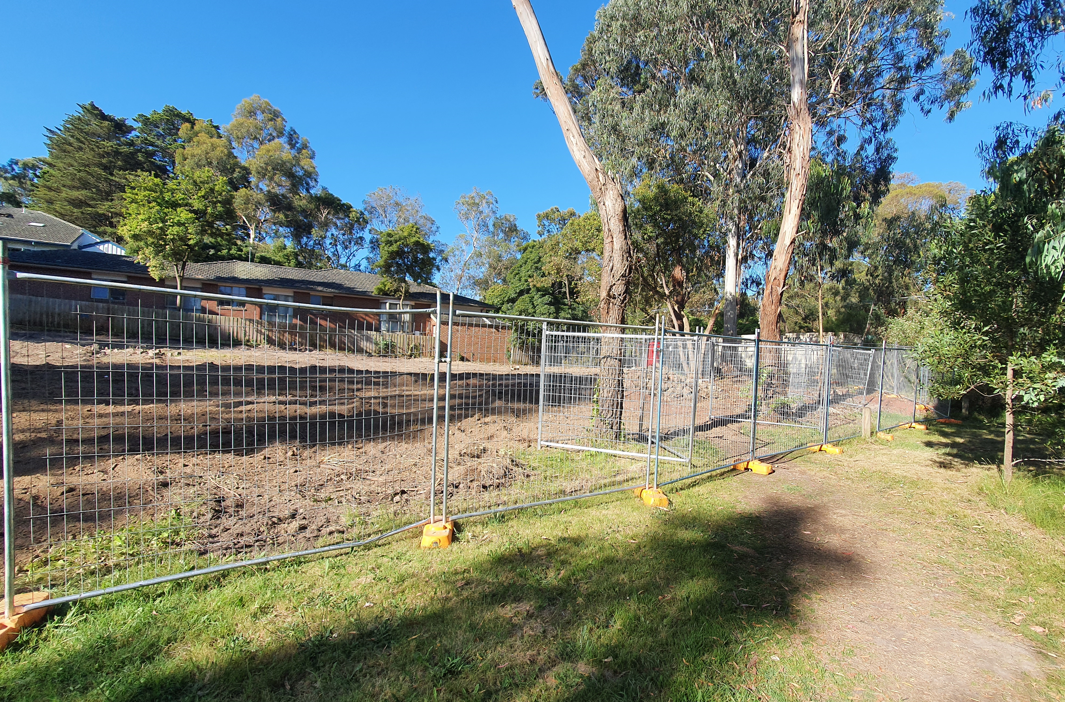
Many would have noticed that development of the land on the park boundary with 60 Main Street. We understand the forthcoming development is to be substantially the same as proposed by the previous owner with planning permits renewed many times by Council. This development is likely to have quite an unfortunate impact on the park. Readers will recall that Council declined the opportunity to buy the land to add to the park and that contractors subsequently destroyed the supposed Scar Tree on the site (along with all under-storey whether indigenous and valuable or weed). Hopefully, we can all be good neighbours once the development intrusion is over and the visual intrusion can be accepted like a vin ordinaire.
Kooyongkoot
Many of our readers will be familiar with the Eastsider News which is an initiative to counter the loss of our local newspapers in the eastern suburbs. The most recent edition carries an interesting article on our creek entitled The place of Kooyongkoot in the world of the Kulin by archaeologist and historian Dr Gary Presland. Click here to visit and read on-line. The article discusses the importance of our creek for the first peoples’ Wurundjeri Willam clan and notes how they looked after it.
Nowadays, the Kooyongkoot Alliance (KKA) is being set up with the aim of looking after the park in the modern context. This is an alliance of 17 advisory committees and friends groups along the length of Kooyongkoot/Gardiners Creek. The latest news from the KKA is that it has recently decided to incorporate as an independent entity to act as a strong voice for our Creek while maintaining strategic alliances with groups such as the Yarra Riverkeeper Association.
An interesting, if controversial, presentation on the source of Gardiners Creek is available here on the KKA page on the Yarra Riverkeeper’s web-site.
Sightings
Some interesting sightings from the park in December follow:
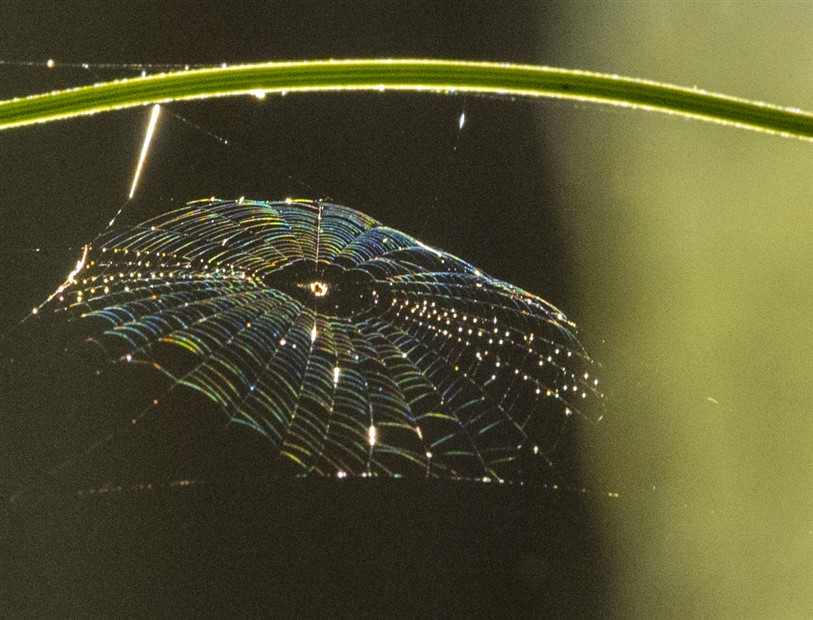
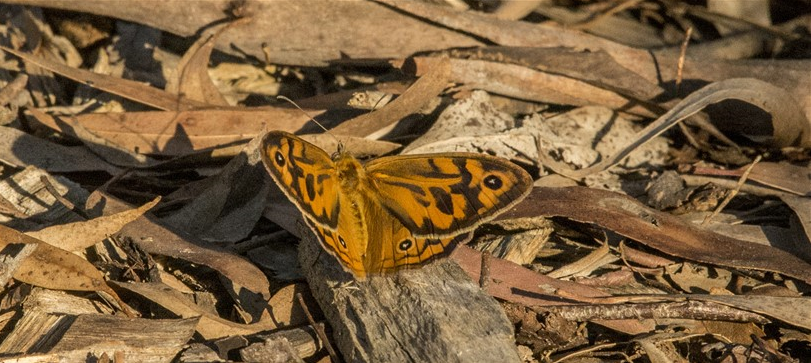
It’s butterfly season – our photo shows a Common Brown resting in Blacks Walk. Our Noticeboard currently has a great display of our local butterflies. Do take a look on your next walk!

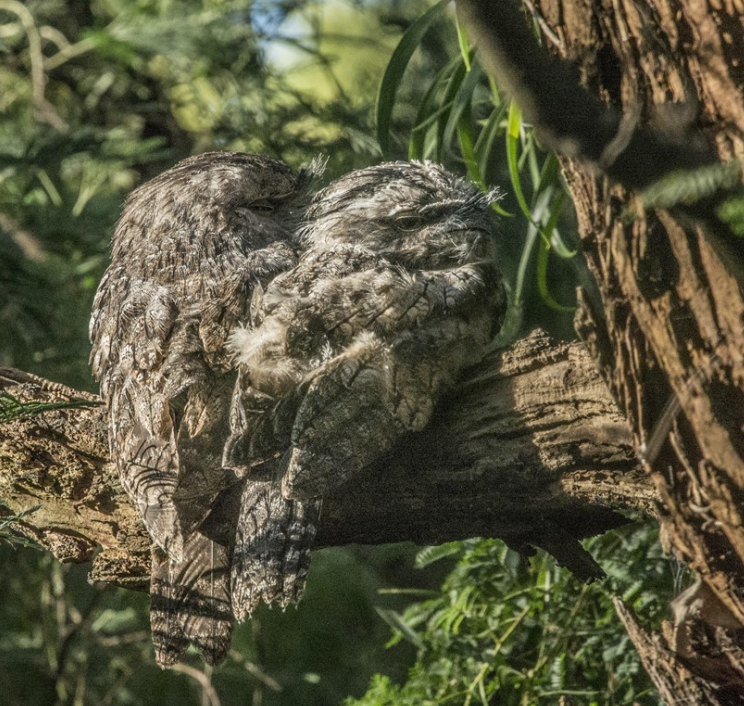
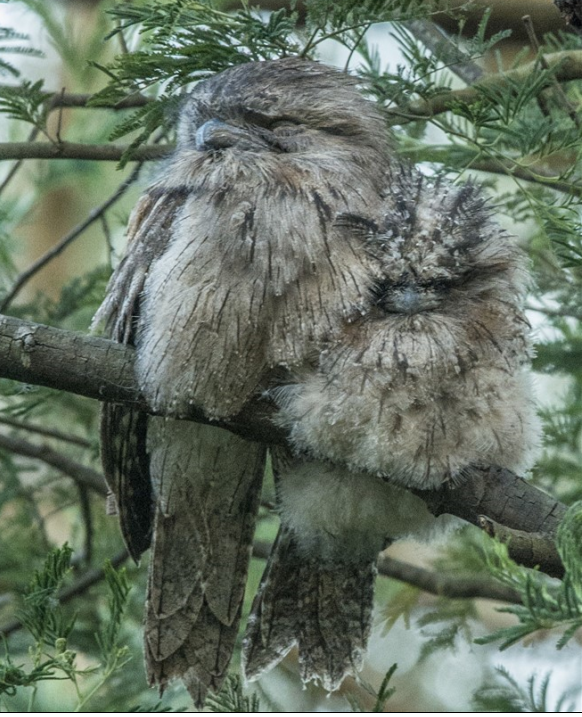
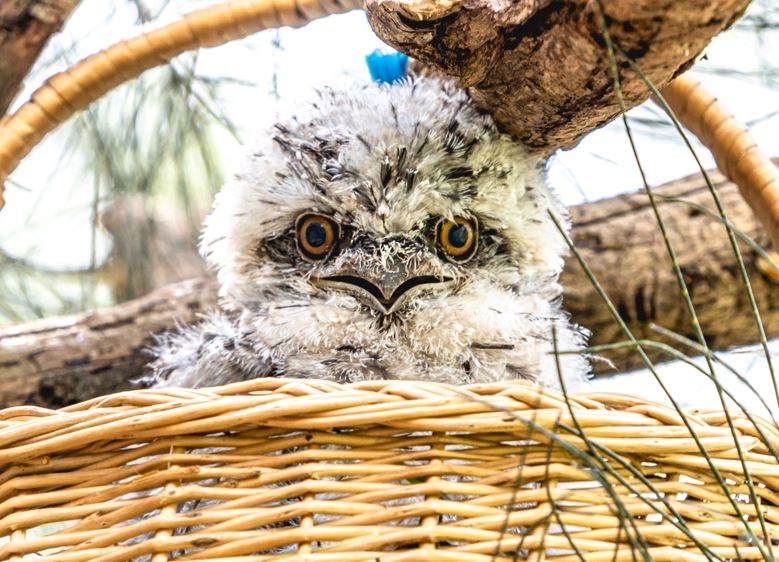
We’re convinced those 1960/70s hairy toys must have been modelled on baby Tawnies:
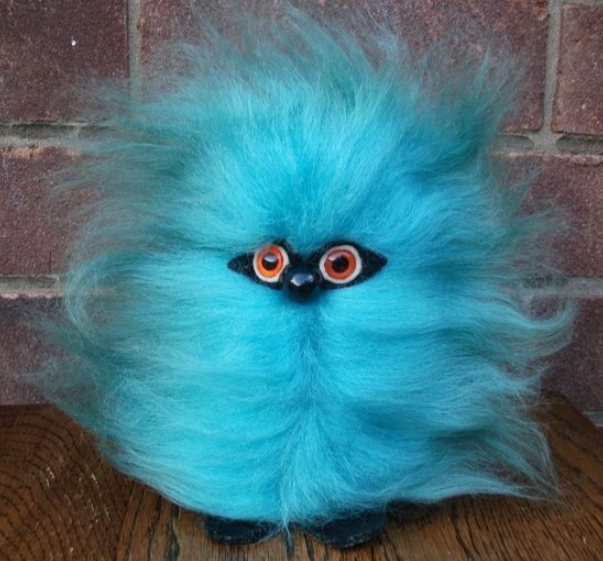
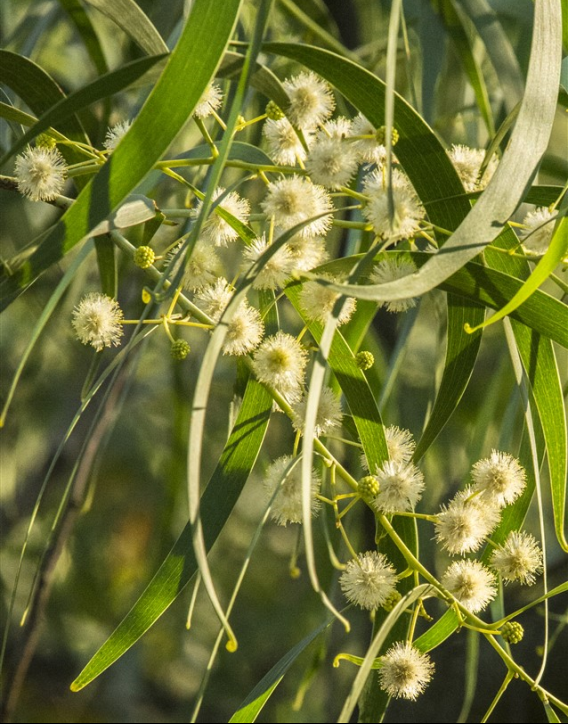
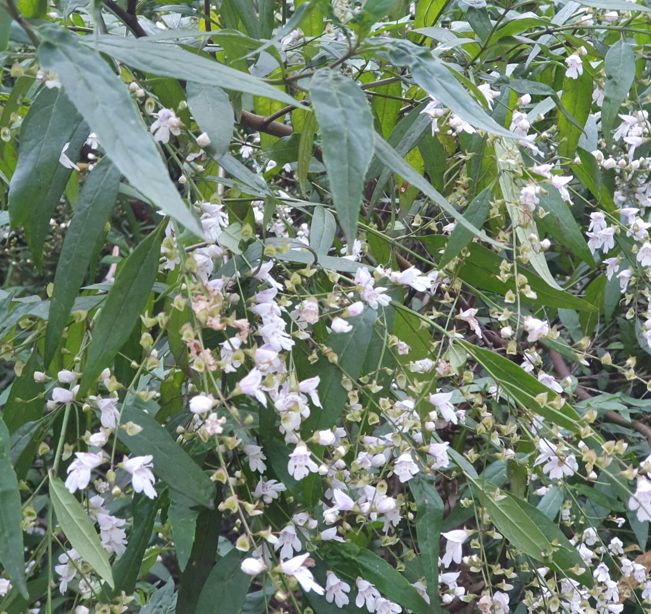
May you, your families and friends blossom in 2022:
 Blackburn Creeklands