Upcoming events:
– Monthly bird survey on Wednesday 13 May
– Community working bee on Sunday 17 May
Welcome to the April edition of our Blackburn Creeklands newsletter.
Looking forward, May in the Blackburn Creeklands brings cool, crisp autumn weather, with milder and shorter days, chilly mornings, colourful leaves and hopefully some regular light rain signaling the approach of winter. We have been busy weeding and preparing for another community working bee.
In this edition, we have:
- Autumn bird walk
- Bottom pond revealed
- Sunday weeding-bee
- Why do magpies sing to humans?
- Recruitment – would you like to join our committee?
- Sightings – photos
Autumn bird walk
From 7:30 AM on 11 April, 27 participants joined our bi-annual Saturday bird walk led by Pat Bingham (BirdLife Australia) and Ian Moodie (ex-Whitehorse council), followed by general discussions over morning tea in the Scout/Guide Hall. The two groups surveyed both sides of the creek in Blacks Walk, and from Pakenham Street to the pedestrian Bridge in Furness Park, in cool, mostly cloudy conditions with occasional sun, blue sky and light winds. It was great to see some familiar faces as well as some new ones especially given the unpredictable weather forecast leading up to the event.
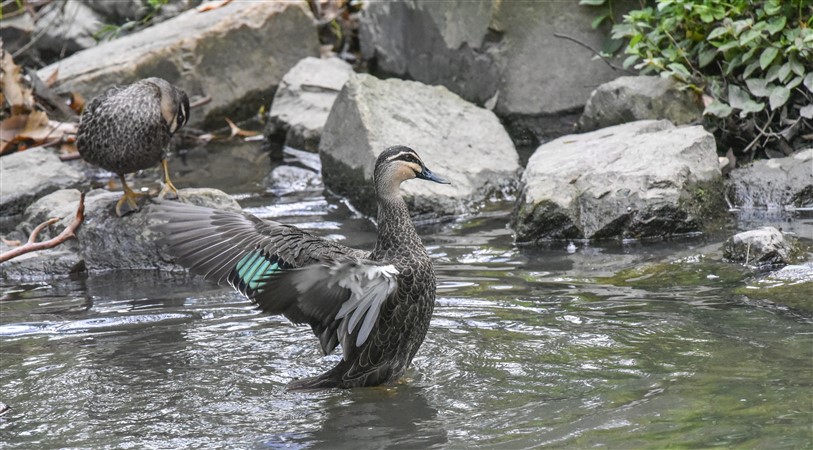
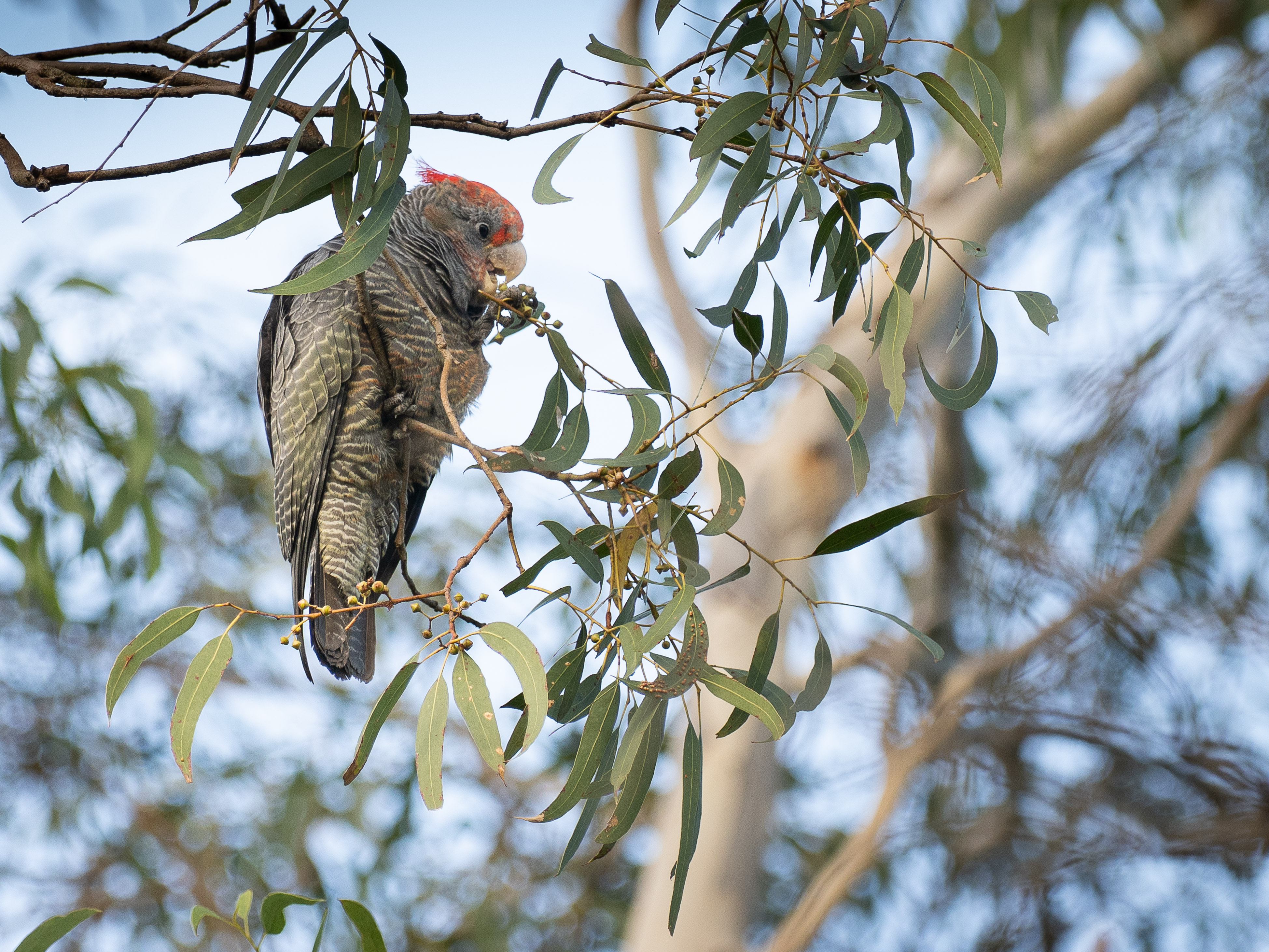
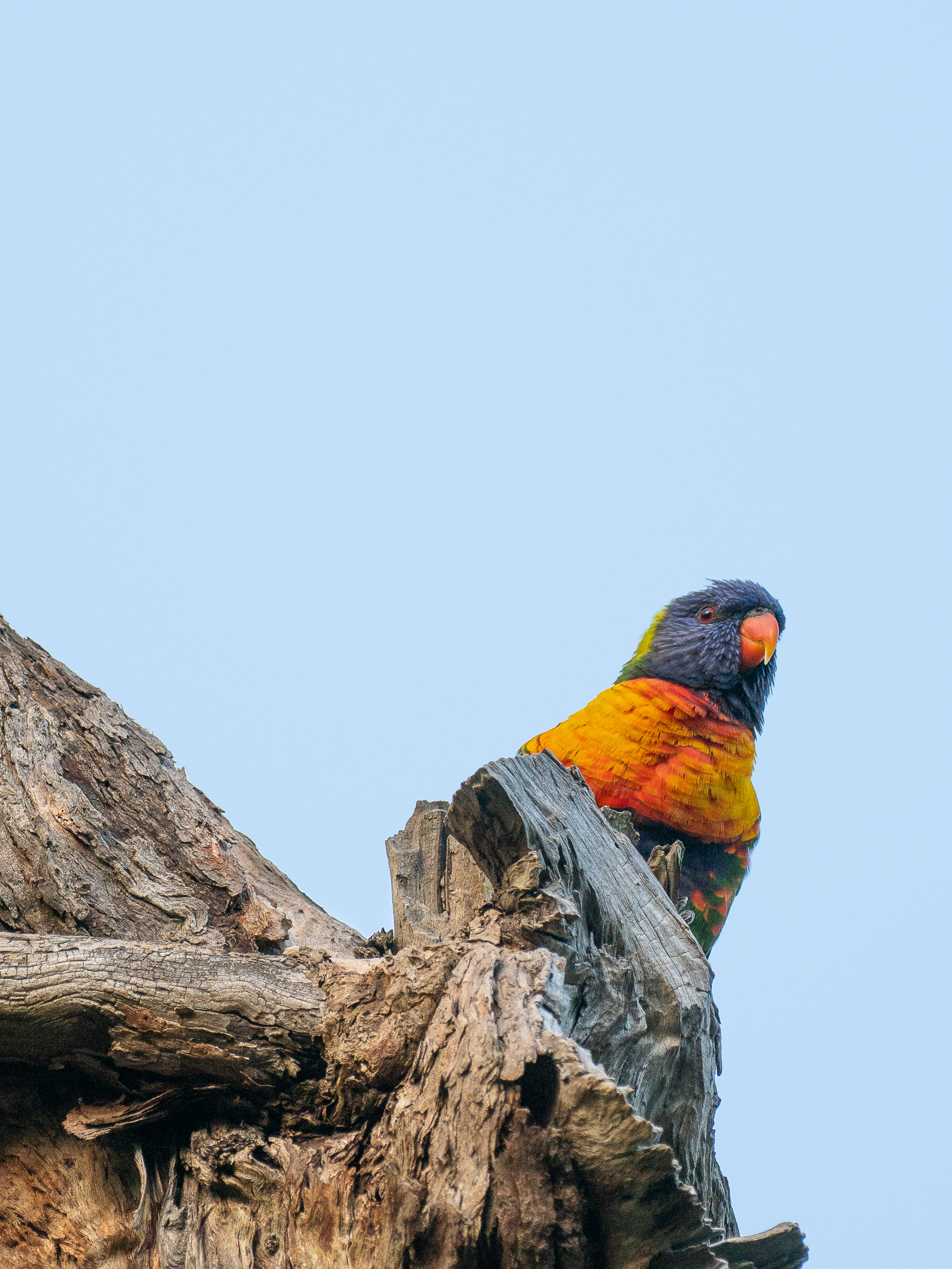
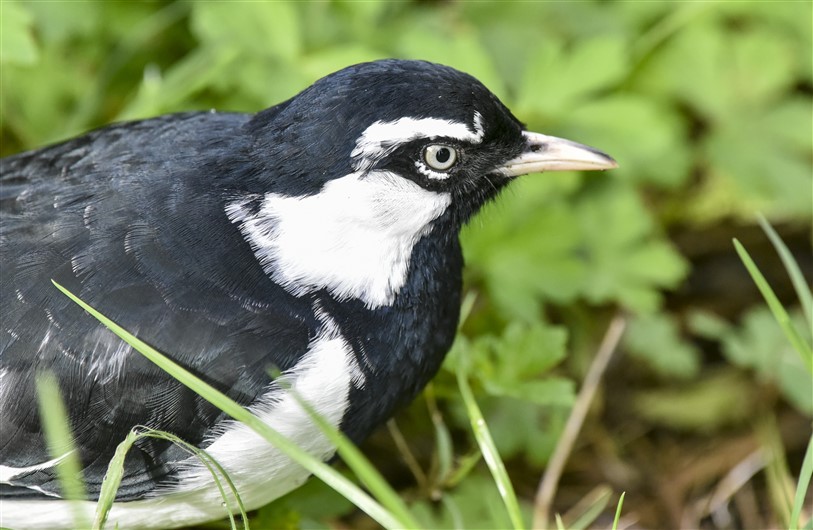
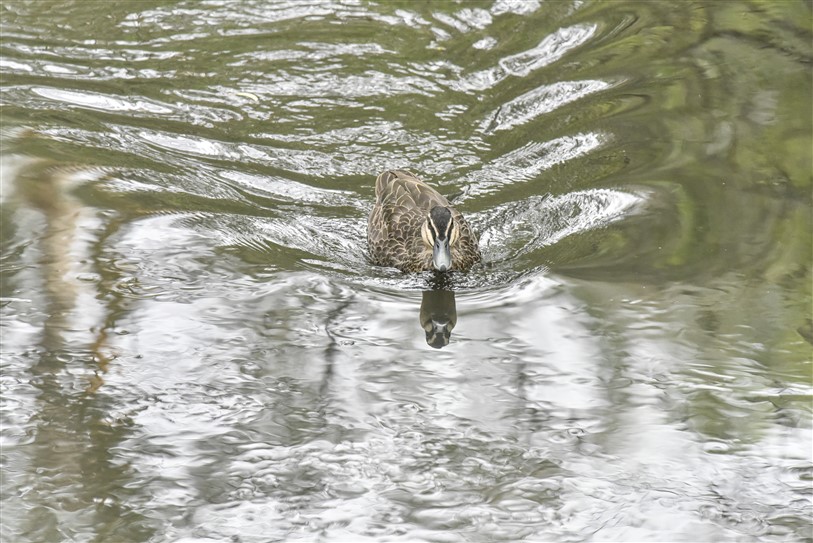
A wide variety of birds were recorded, with many species observed in good numbers across both survey groups. Common sightings included Noisy Miners, Magpies, Rainbow Lorikeets, Gang-gang Cockatoos, Pied Currawongs, Welcome Swallows and Pacific Black Ducks – one of which was captured having a bath in the Creeklands in Kalang park (see photo above).
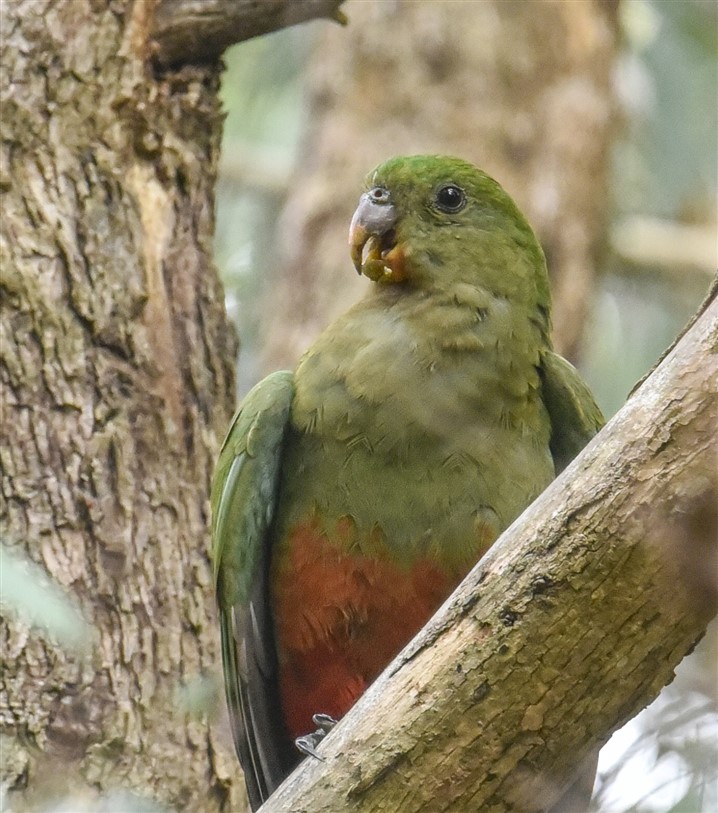
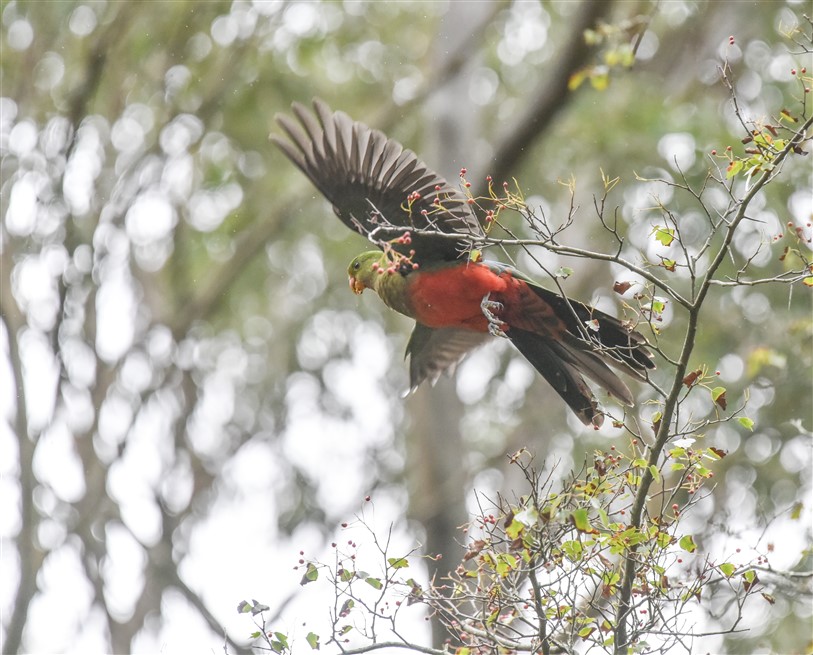
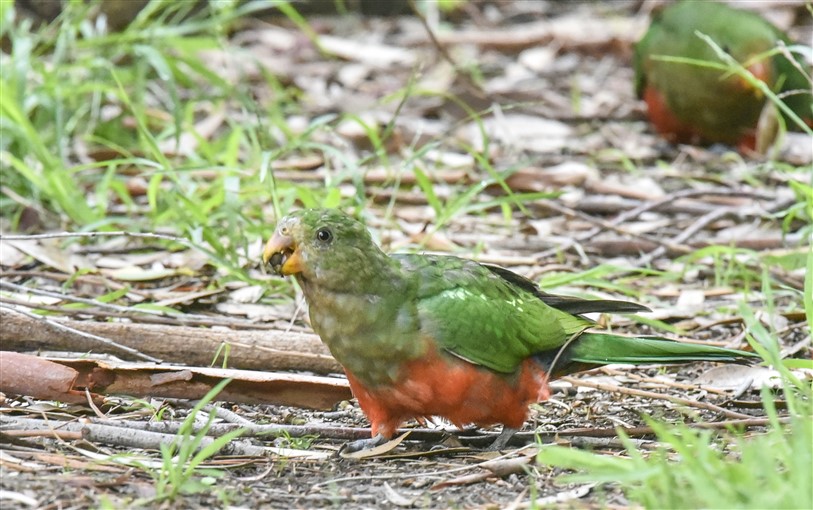
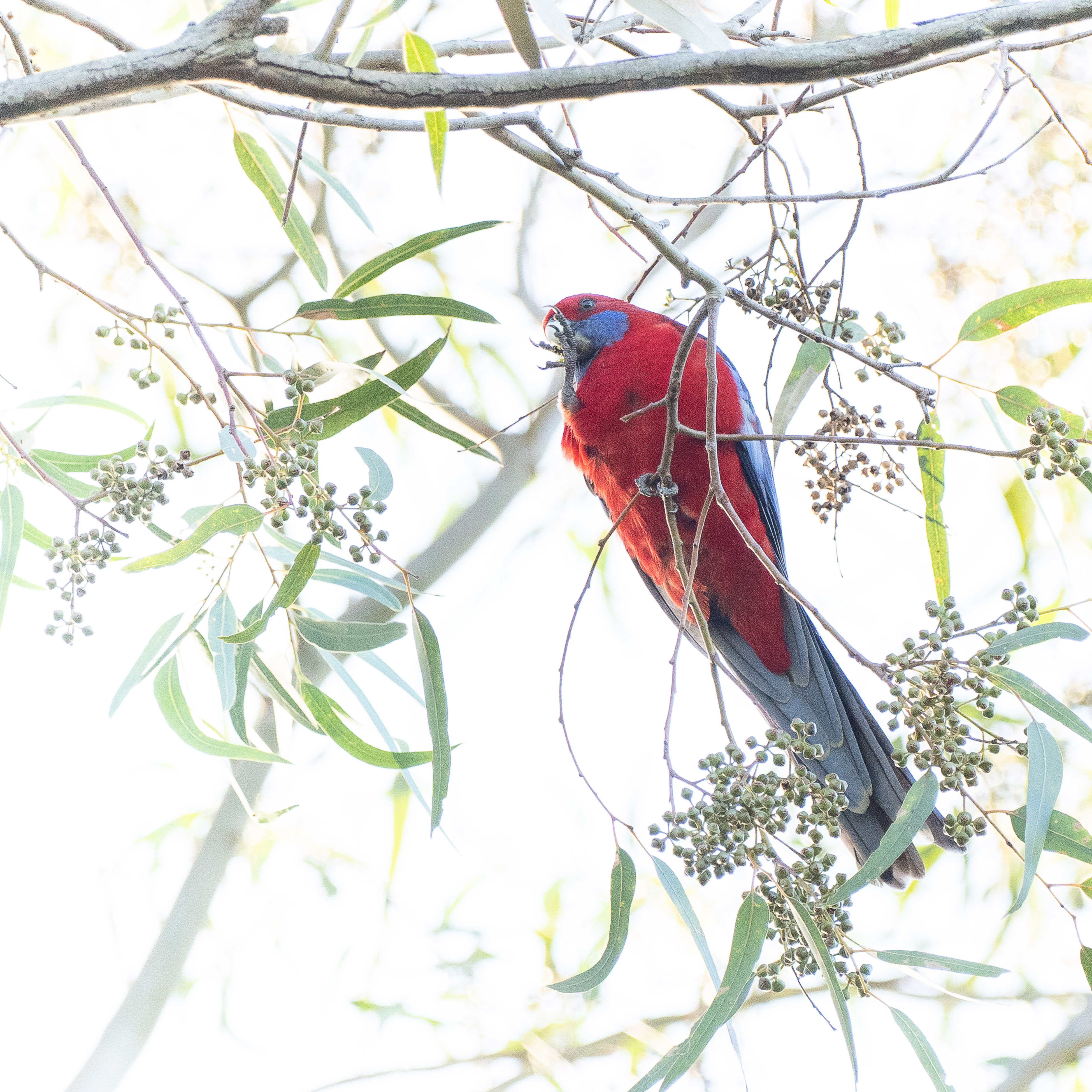
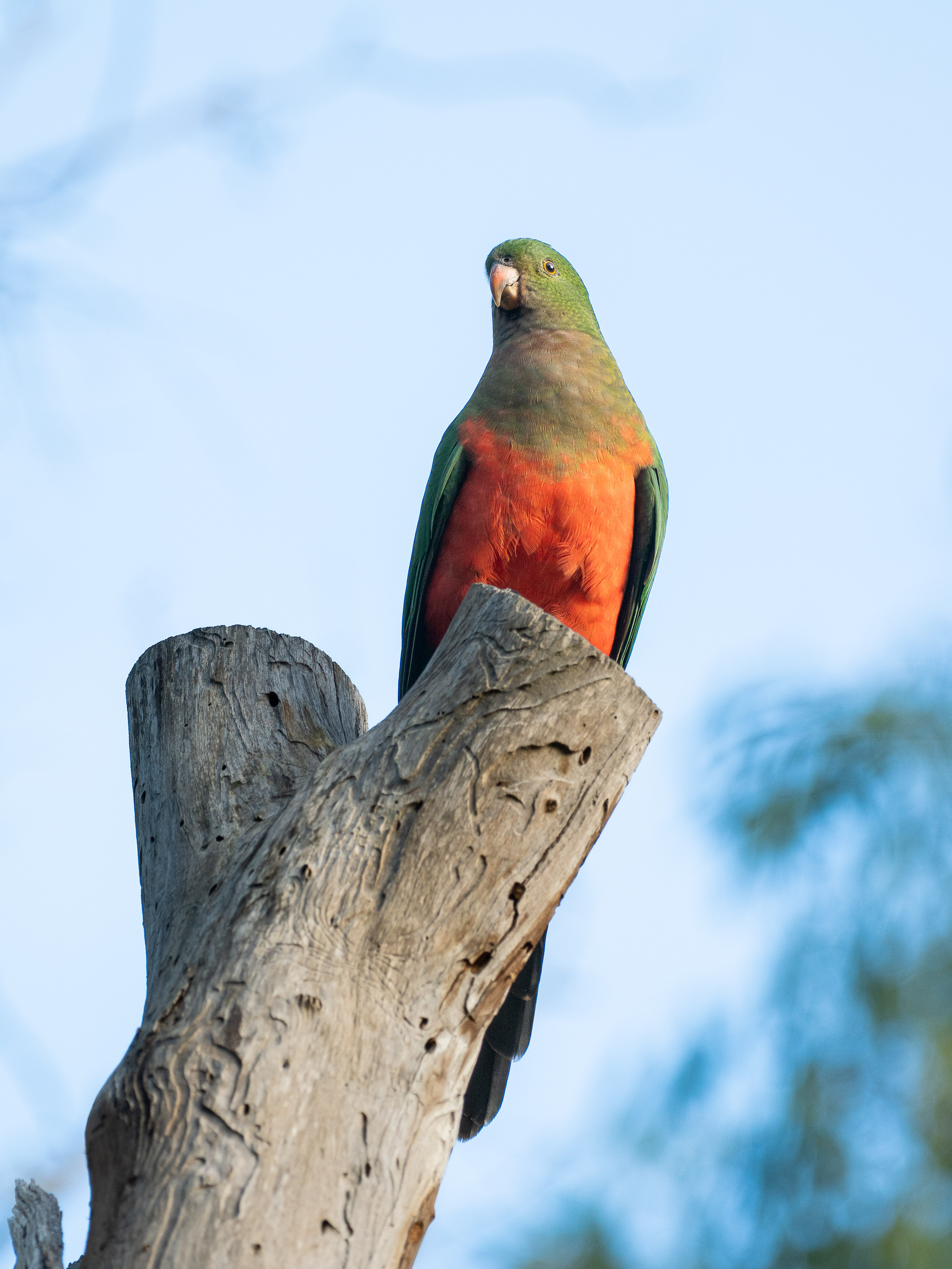
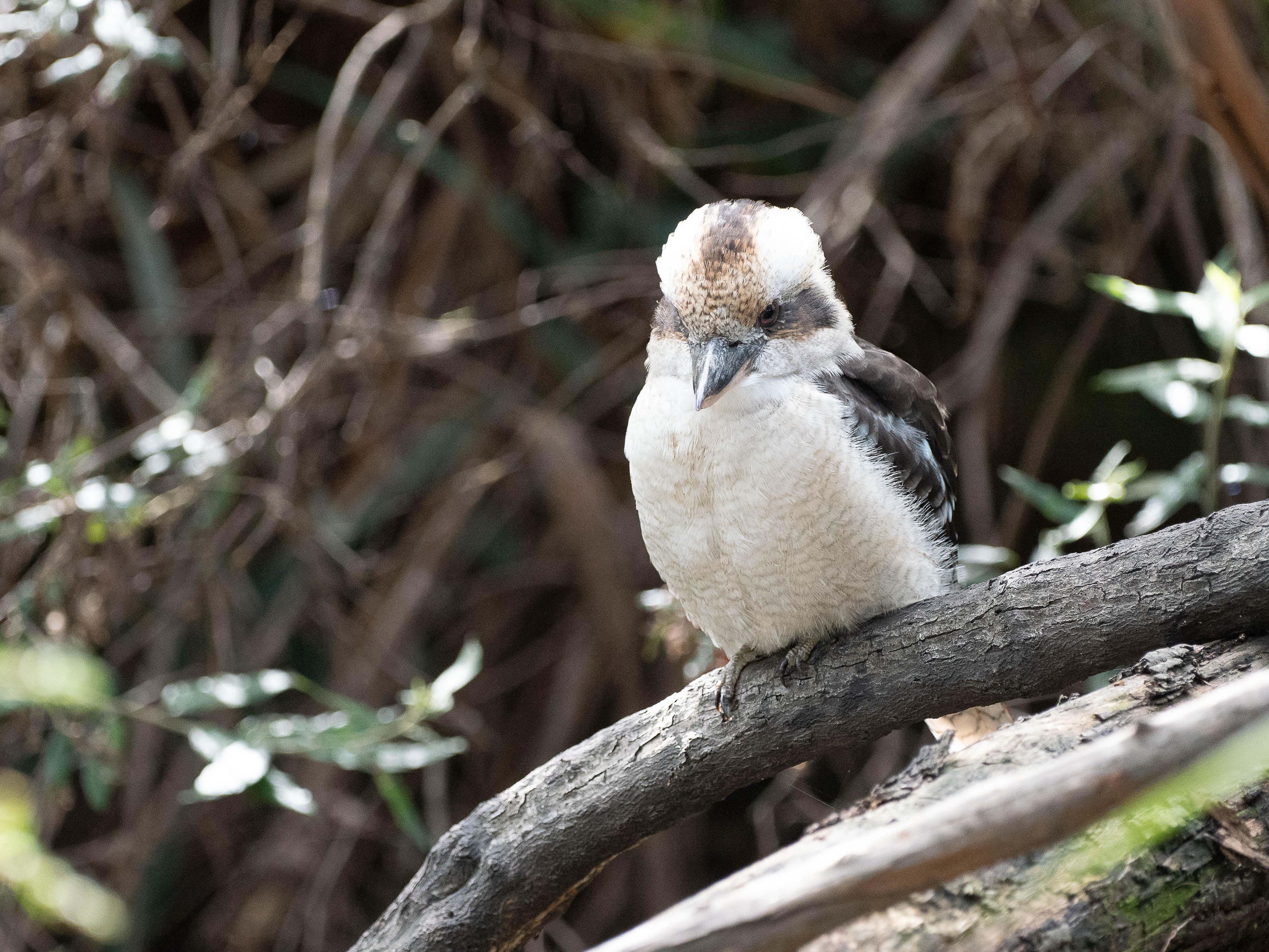
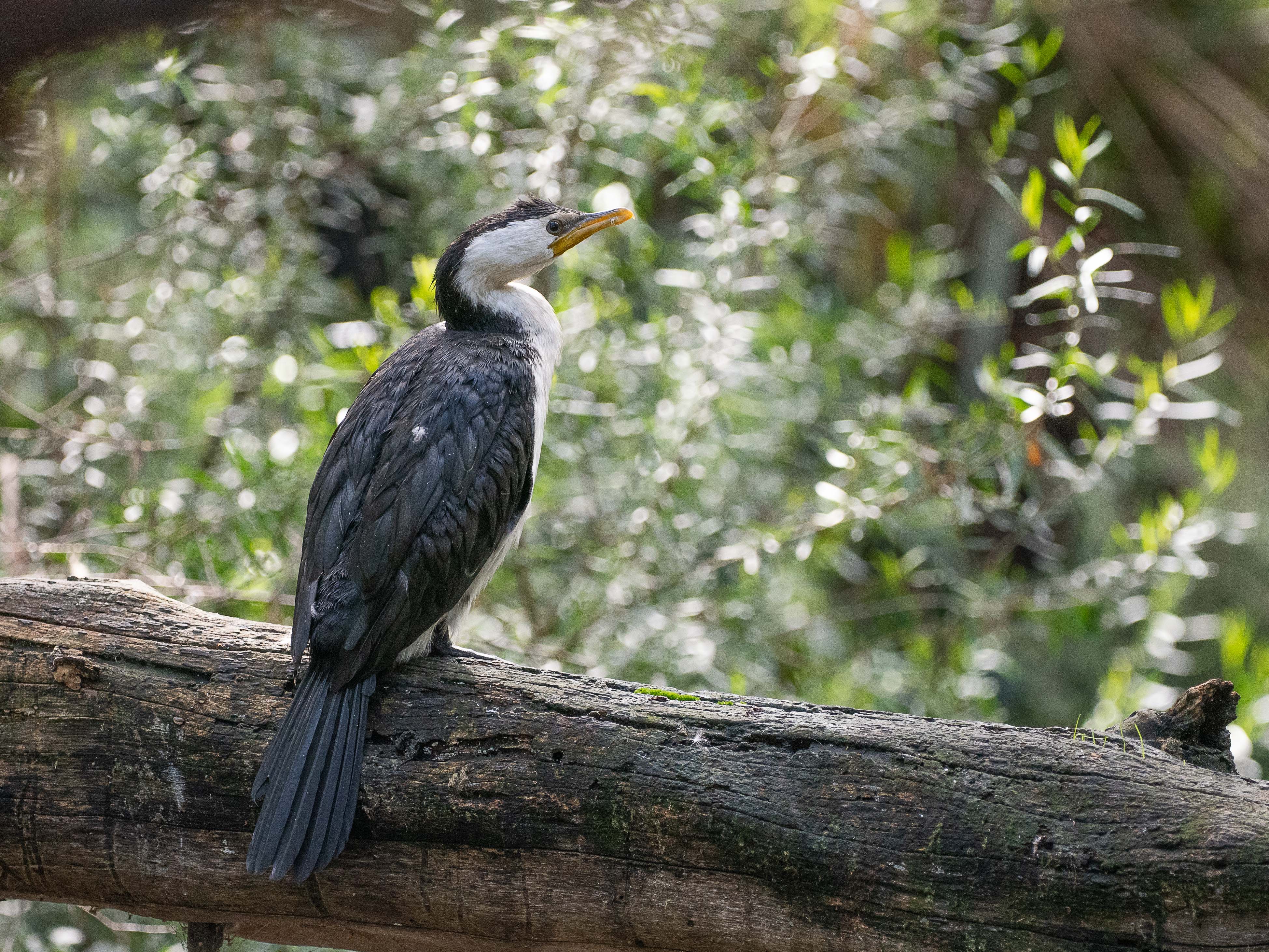
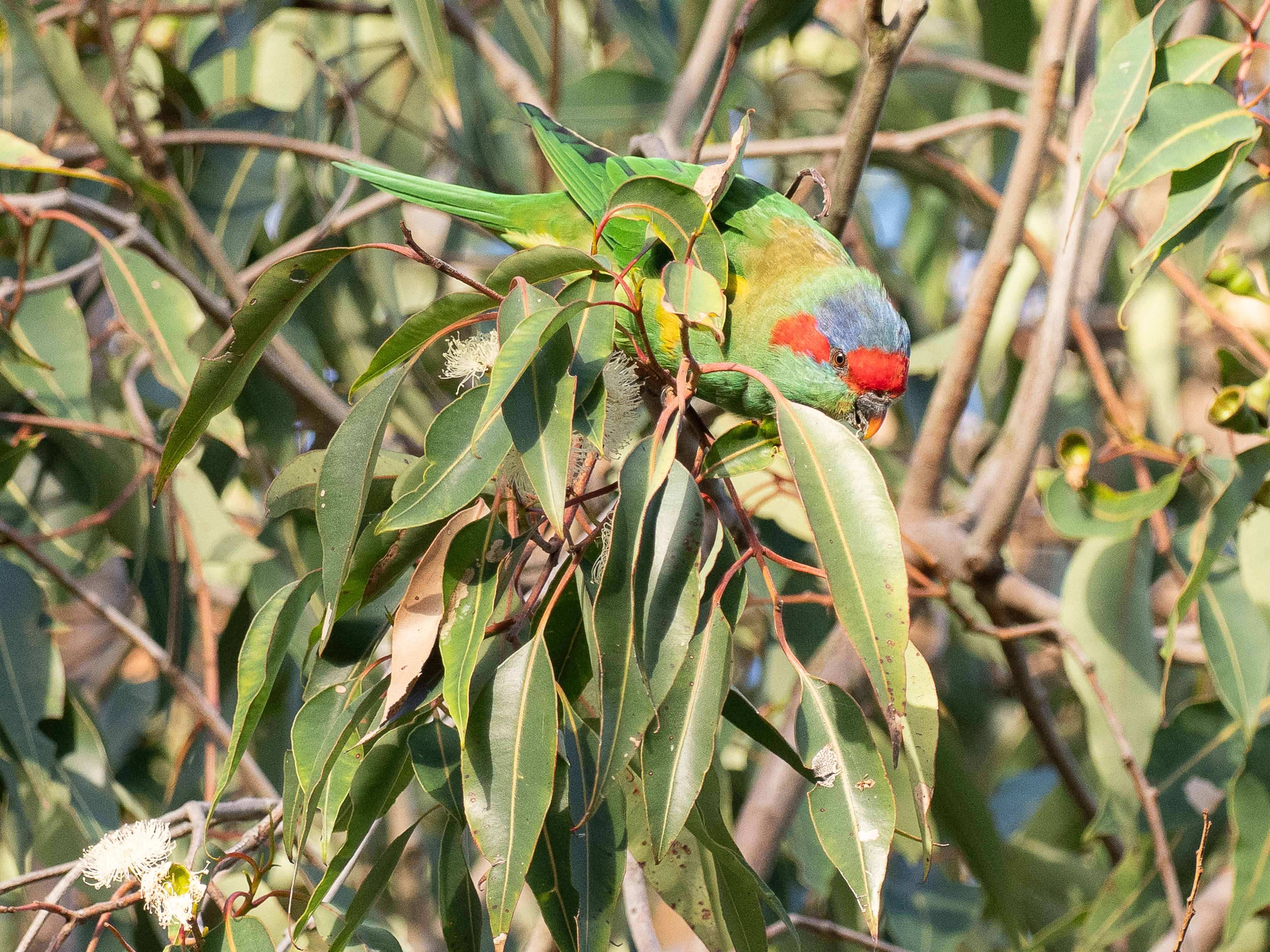
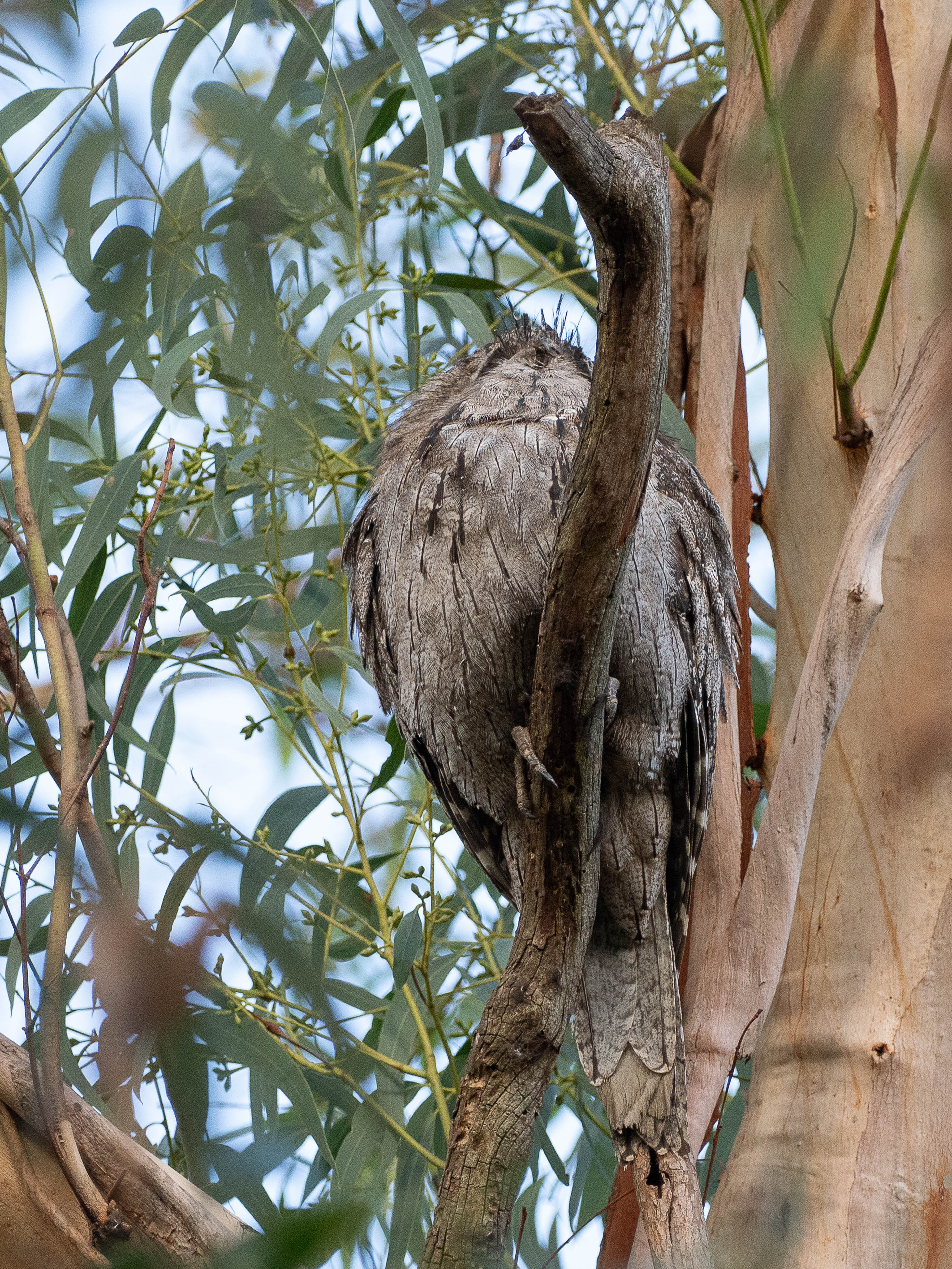
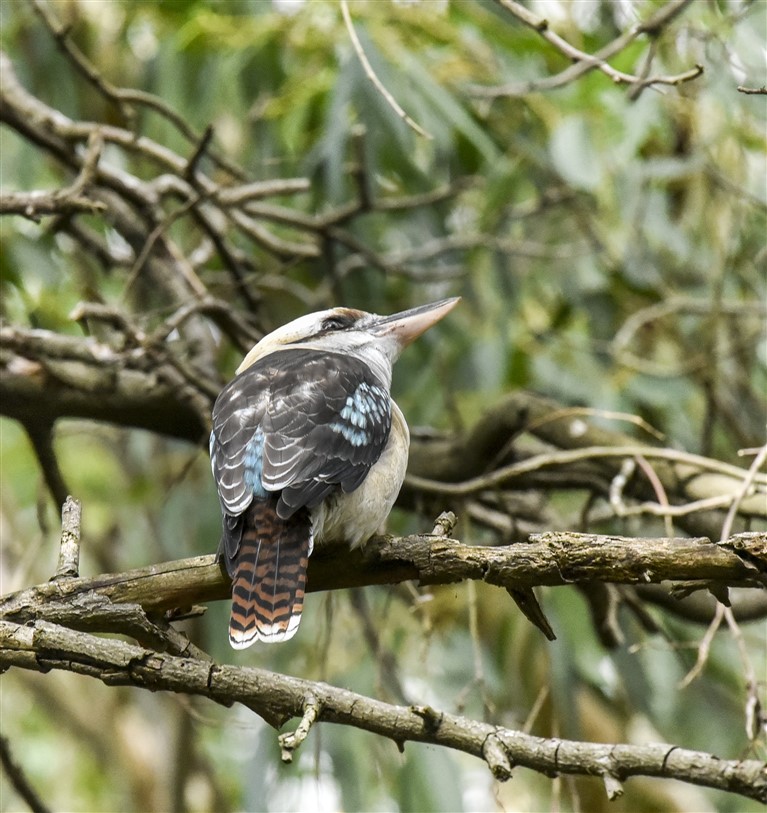
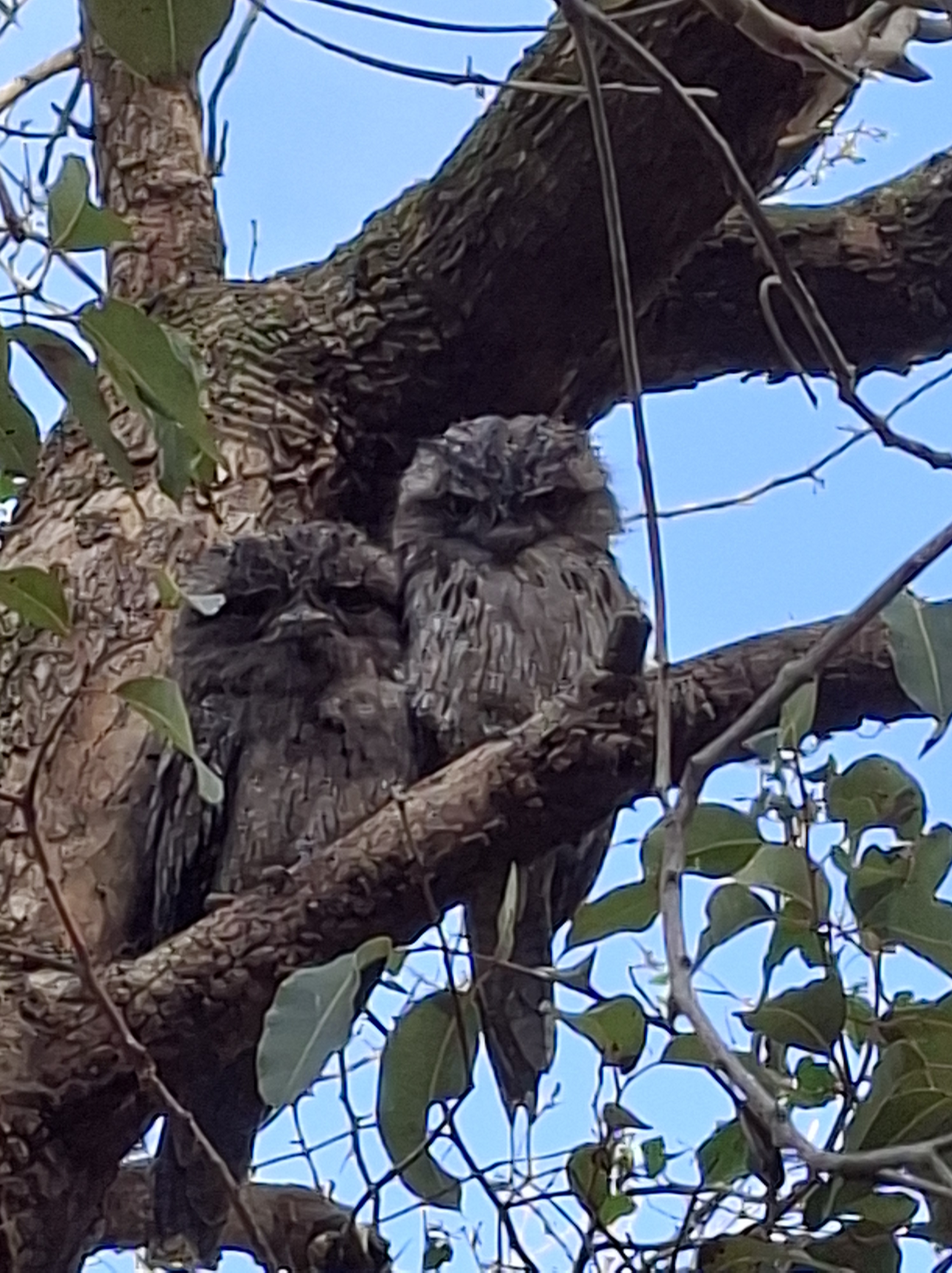
Other notable species included Tawny Frogmouths, Kookaburras, Grey Butcherbirds and Little Ravens. Parrots such as Eastern, Crimson, and King Parrots were also spotted, along with waterbirds like Little Pied Cormorants.
Overall, the survey highlighted the rich bird diversity along the creek corridor. Twenty bird species were counted this year compared to 24 last year. Interestingly, the east group (Furness park) observed less birds than the west group (Blacks Walk) which is the opposite of what we have recorded in the past. We trust everyone learnt something new and had an enjoyable morning.
To access the results from this survey and past surveys please visit: Bird Walks (or Bird Surveys) | Blackburn Creeklands
If you can’t wait 6 months until our next bird walk in Spring, then why not get involved in our monthly bird surveys held on the second Wednesday of each month? For more information, please email blackburncreeklands@gmail.com
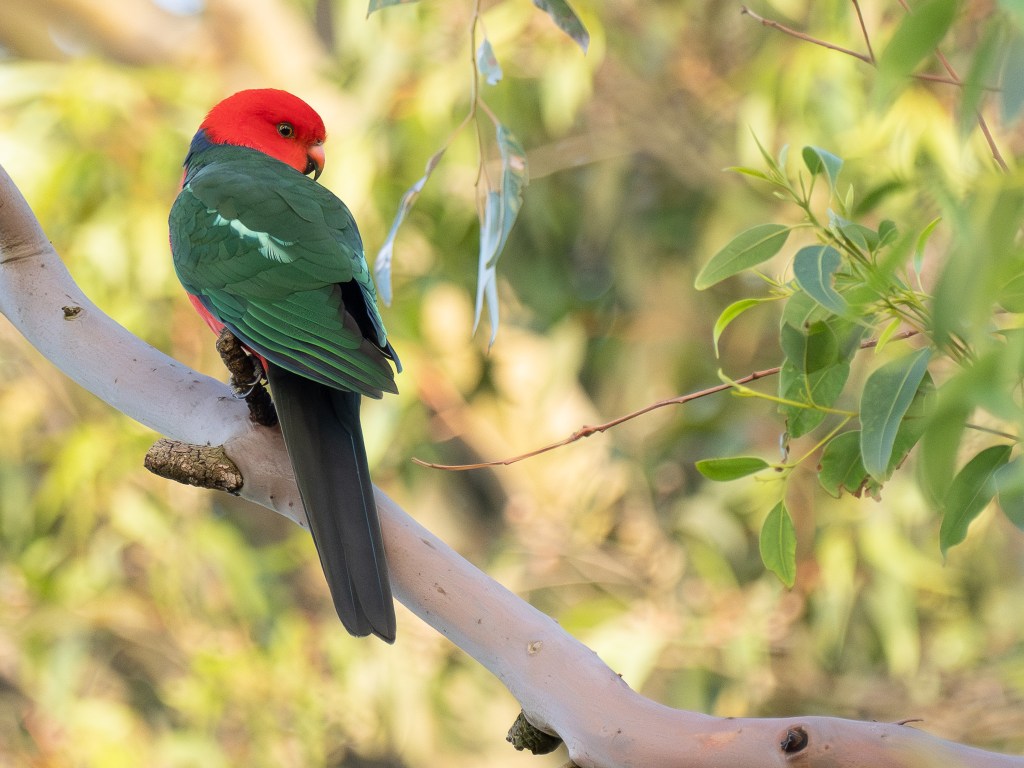
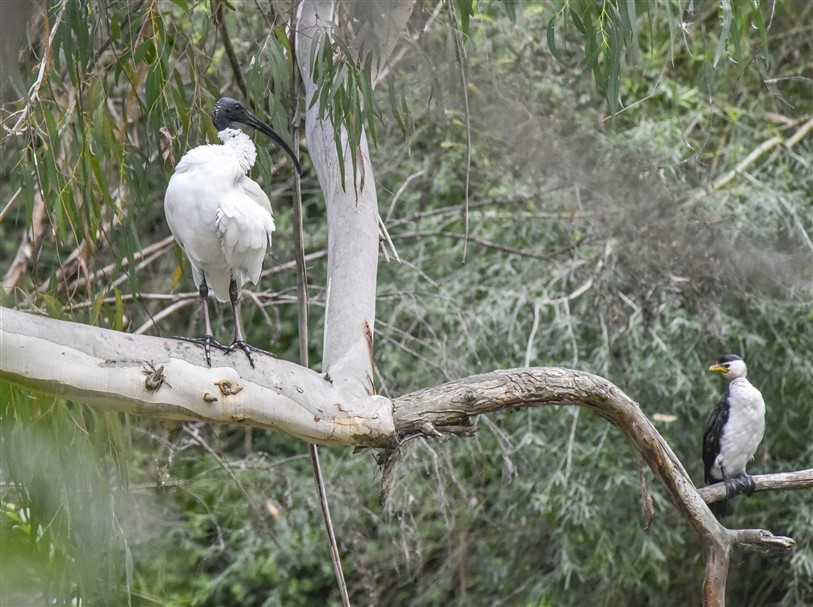
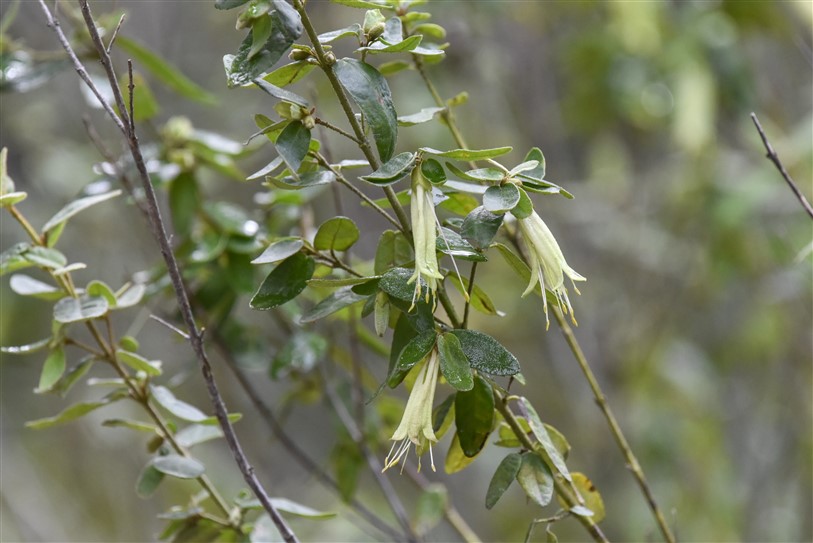
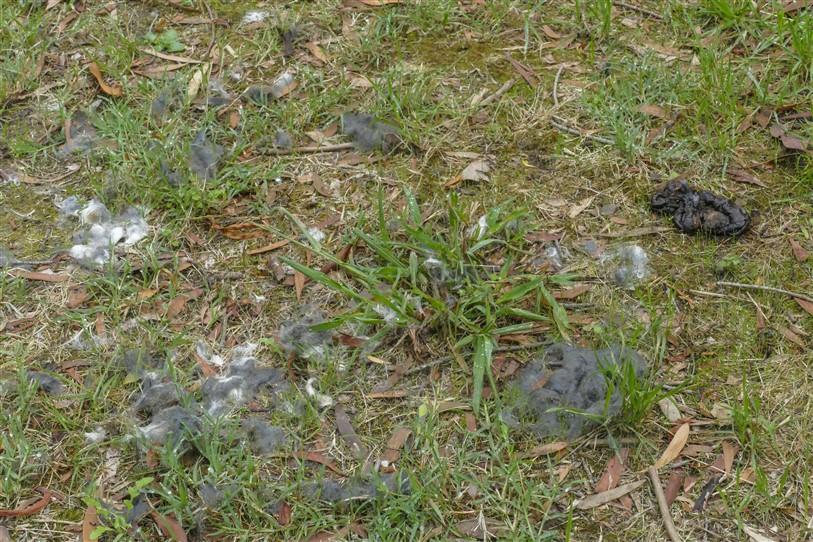
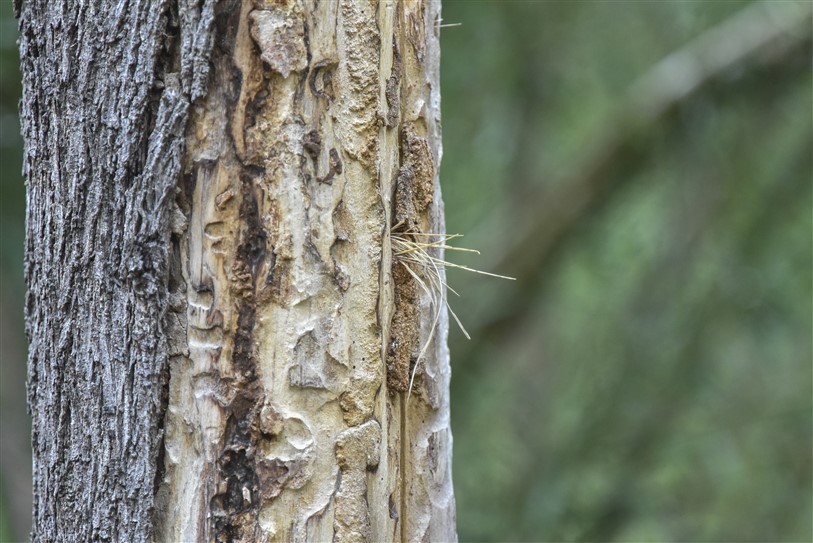
To see some of the birds spotted on the day, please scroll below to the ‘Sightings’ section.
Bottom Pond Revealed!
Some of you walking along the northern side of the creek between Laurel Grove and Pakenham Street may have noticed the impressive weed-clearing work carried out by the Thursday Weeding Team in late March.
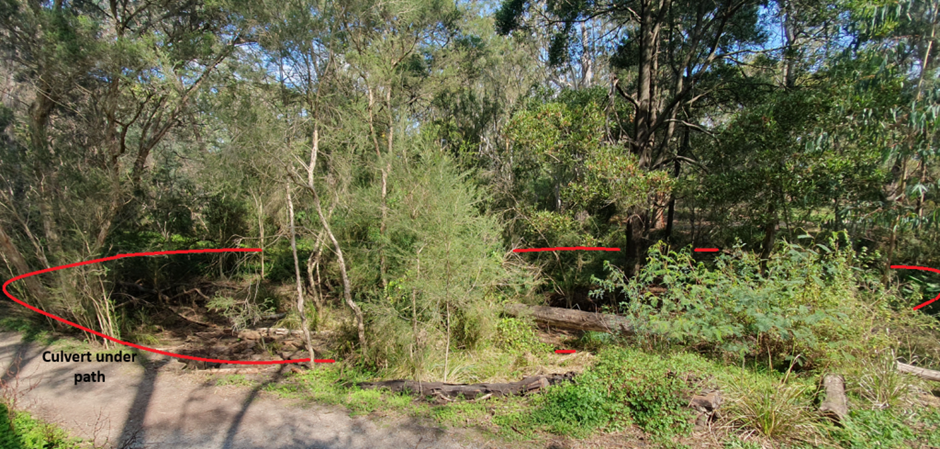
Their efforts have uncovered another pond within the linked stormwater treatment system that filters rainwater from Laurel Grove North and Waratah Crescent (as well as some runoff from Acacia Avenue) before it enters the creek (see map below). This pond is usually dry and only fills when the main wetland overflows and water flows through the culvert at the western end of the Waratah Wetland system.
Hidden by weeds for decades, the pond had only occasionally been glimpsed when volunteers ventured into the area to protect a few interesting native plants growing among the dense vegetation.
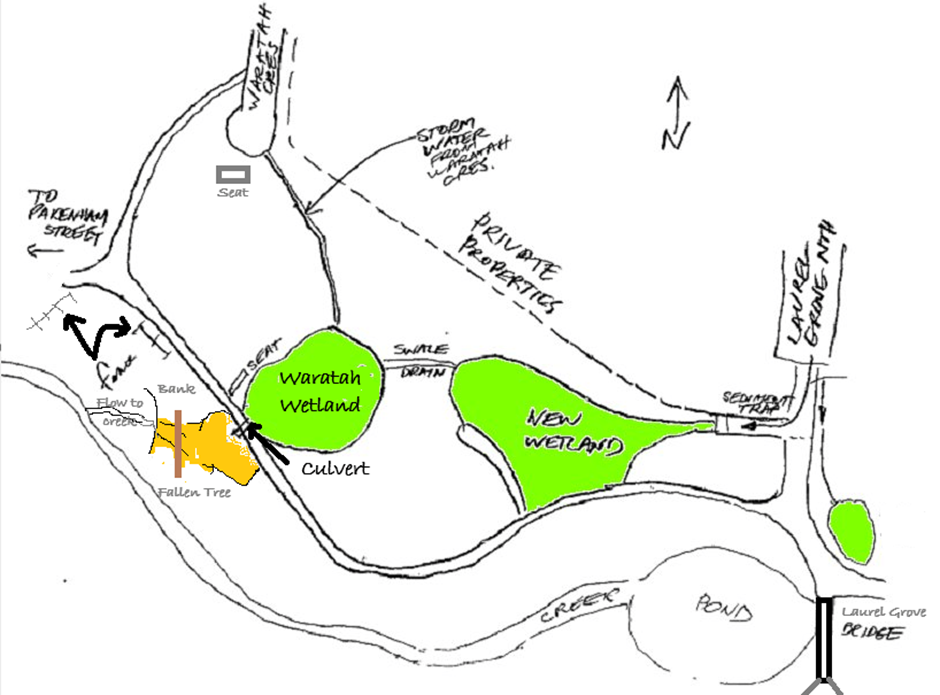
The Waratah Wetland was an old billabong that formed when part of the creek that was feeding it was naturally cut-off. In 1987 the Waratah wetland was restored after the committee secured a Bicentennial Grant (see photo below). In 2020, Council and Melbourne Water added a new wetland as part of a Water Sensitive Urban Design (WSUD) project associated with the Laurel Grove North and Linum Street upgrades. This system uses a sediment trap and wetlands to help clean stormwater before it reaches the creek, and ultimately the Yarra River and Port Phillip Bay, while also slowing water flow to reduce downstream flooding and erosion during heavy rain.
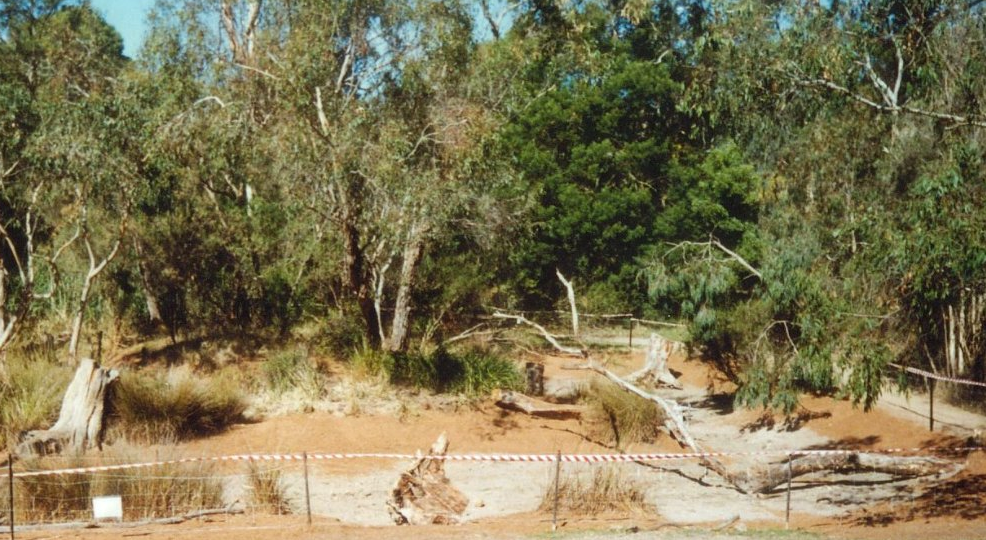
Water from the bottom pond only reaches the creek when the pond fills and spills over the bank onto a small floodplain before making its way to the creek. This path is currently hidden beneath Wandering Trad, nasturtiums and other weeds, which for now also help stabilise the bank and prevent erosion.
The next step for us is to develop a planting plan for the area. The team is very grateful to Janet from Greenlink, who recently inspected the site and provided helpful suggestions for planting in the seasonal wet areas, along with ideas to discourage the return of Wandering Trad. Stay tuned folks!
Sunday weeding-bee
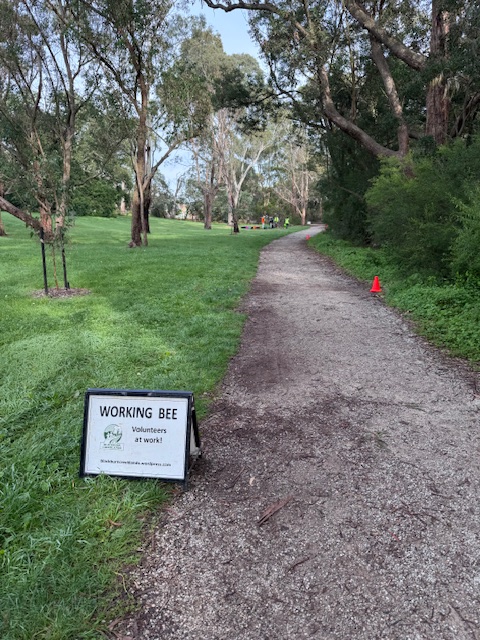
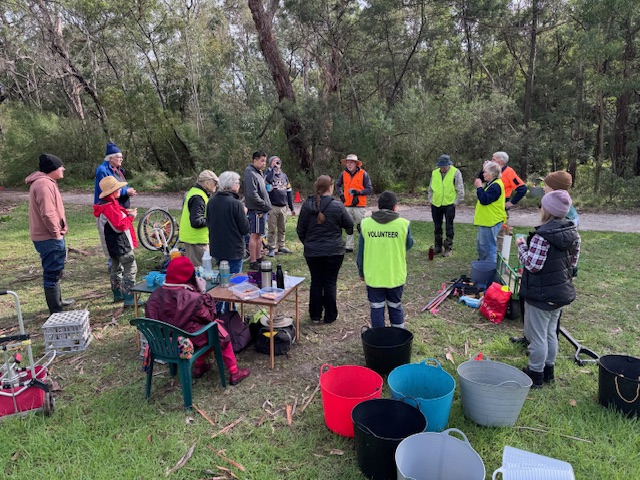
On 19th April we held our second Sunday weeding-bee in the Blackburn Creeklands, providing an opportunity for people who can’t attend the regular Thursday sessions to get involved.
Once again, 18 dedicated volunteers utilising different modes of transport joined us to tackle weeds along the southern side of the Creeklands near Kalang Park. Working side by side, the group made excellent progress, clearing several patches of weeds that will enhance habitat for native plants and wildlife. It was a rewarding morning caring for our local environment.
A big thank you to everyone who generously contributed their time and energy. Thanks also to Anthea and Evelyn for helping out with the morning tea. I do look forward to a hot ‘cuppa’ and a sweet biscuit!
We look forward to seeing you at our next session from 9–11am on Sunday 17 May where we plan to plant up to 400 native tube stock in Blacks Walk. To get involved or for more information, please email blackburncreeklands@gmail.com
Why do magpies sing to humans?
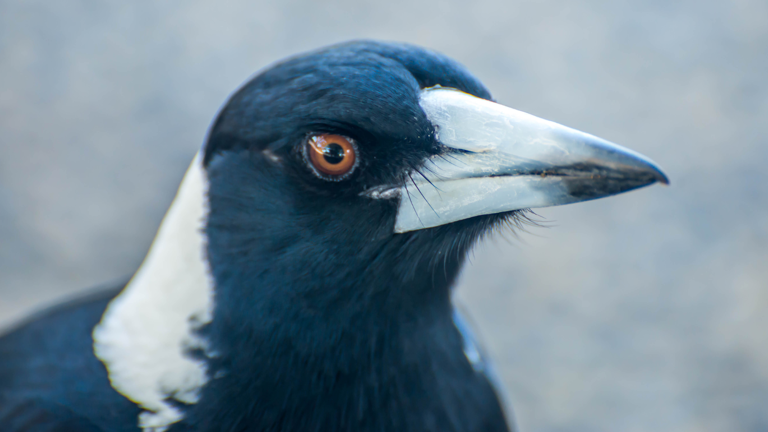
Australian magpies (Gymnorhina tibicen) are iconic birds, celebrated for their striking appearance, intelligence and remarkable vocal ability. They are among the most advanced songbirds in the world, producing a wide range of sounds including loud, musical carolling, soft warbling, harsh alarm calls and even mimicry of other birds and human-made noises. Each type of call serves a purpose, from warning of predators and coordinating movement to defending territory and communicating within their social groups.
Carolling, often performed as a duet or chorus, is particularly significant. It usually signals a successful defence of territory and helps reinforce bonds between mates or group members. Magpies are highly social birds, and vocal communication plays a key role in maintaining these relationships.
Their interactions with humans are especially fascinating. Did you know magpies are one of the few wild bird species capable of recognising and remembering individual human faces for years? This ability allows them to assess whether a person poses a threat. As a result, some magpies may swoop at certain individuals during the Spring breeding season, while appearing friendly or even affectionate towards others!
When magpies sing near humans, it is often a sign of recognition, curiosity or trust. In areas where they are treated kindly, their vocalisations may act as a form of greeting or social bonding. Some individuals even follow people or return regularly, suggesting a level of familiarity rarely seen in wild birds.
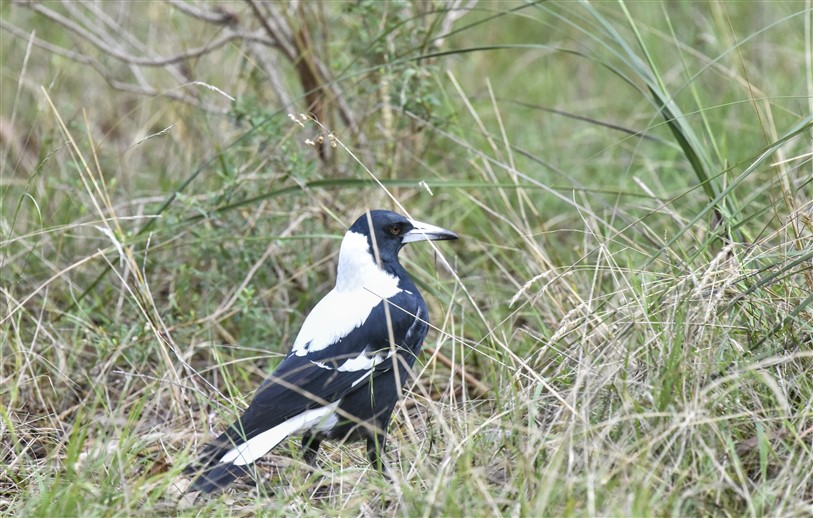
Although they can be defensive during Spring, magpies are generally social, intelligent and capable of forming surprisingly positive relationships with humans. As you can see from our bird surveys there are plenty of magpies that visit and call our Creeklands home.
Full article: Why do magpies sing to humans? The surprising science behind their songs
Recruitment

Would you like to join our committee? Since the 1980’s, the Blackburn Creeklands Advisory Committee (BCAC) has played a key role in caring for the Blackburn Creeklands which is made up of three parks (Furness, Kalang and Blacks Walk).
Members are appointed by Council from interested residents who volunteer their time to offer practical support and advice on the park’s use, maintenance, improvements and long-term plan. The three-year term of the current committee is coming to an end this financial year, so we are putting the call out for new members. If keen, then please register your interest by emailing BCAC on blackburncreeklands@gmail.com or through the Whitehorse City Council website: Parkland Advisory Committees | Whitehorse City Council
Alternatively, if you would like to meet the friendly team first, then please come along to our next meeting on 26 May. Visitors and new members are always welcome! Committee meetings are held at 7:30 PM on the 4th Tuesday of every month (excluding December) at the Pavilion on Kalang St in Blackburn.
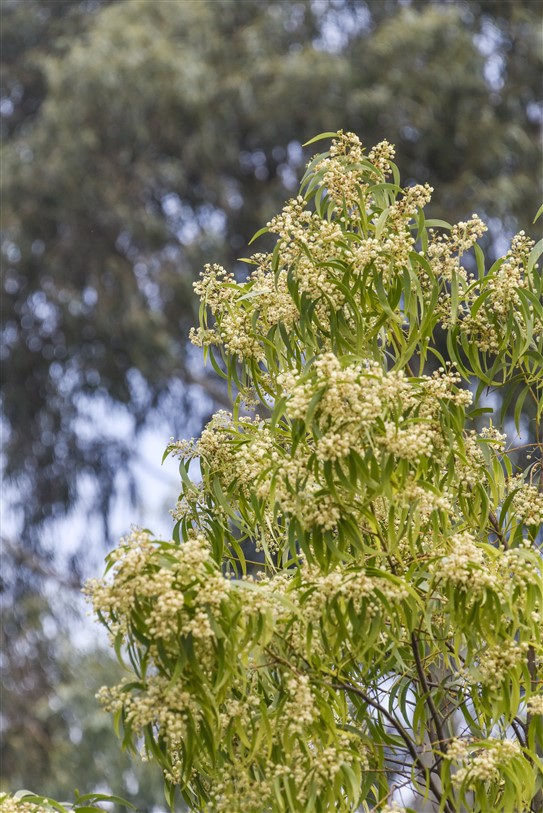
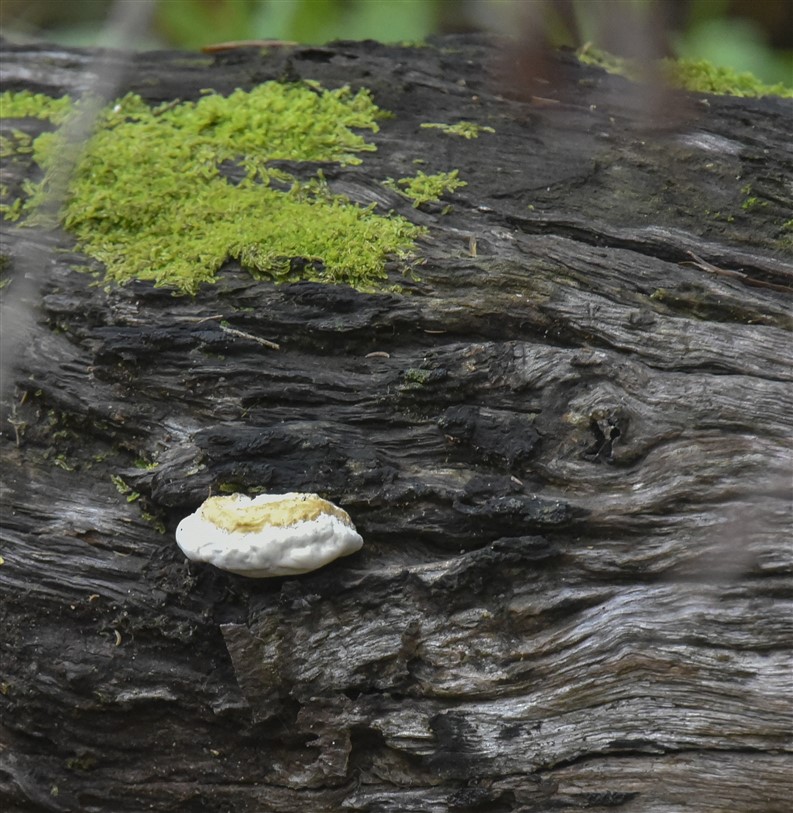
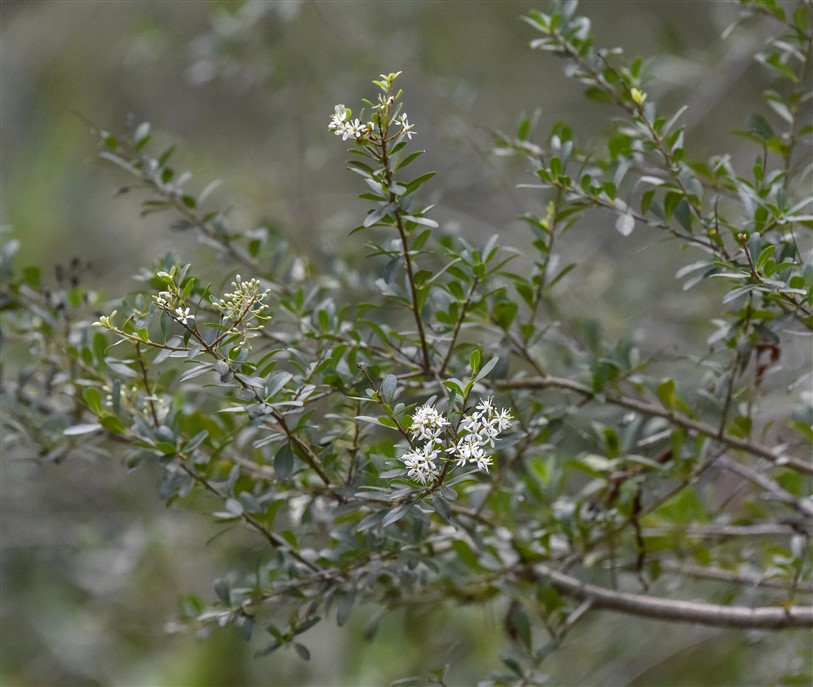
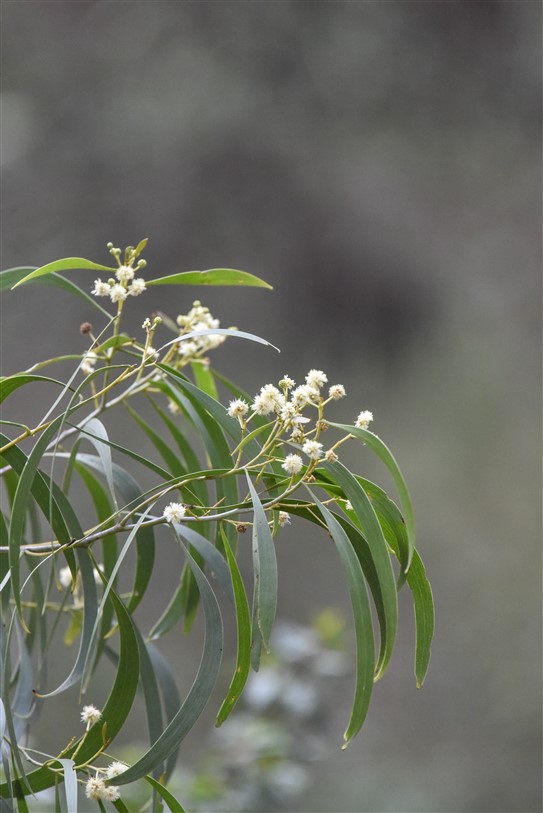
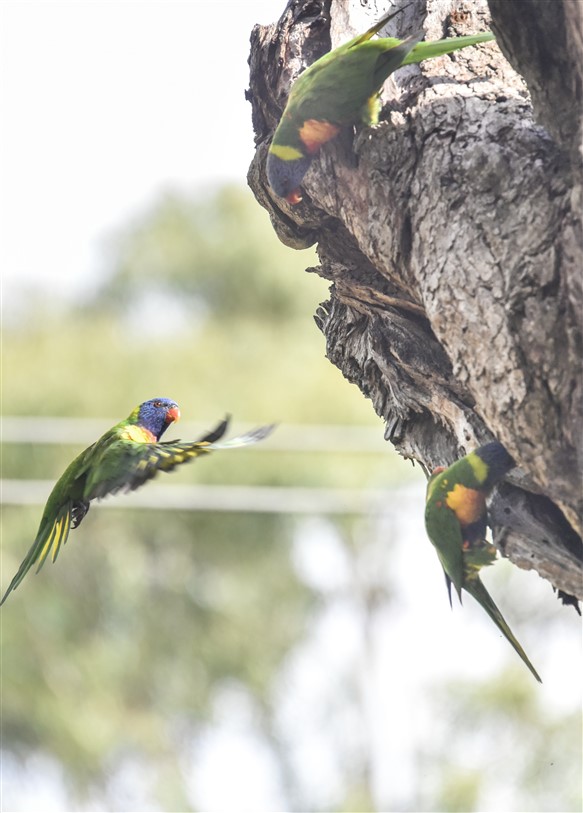
Sightings
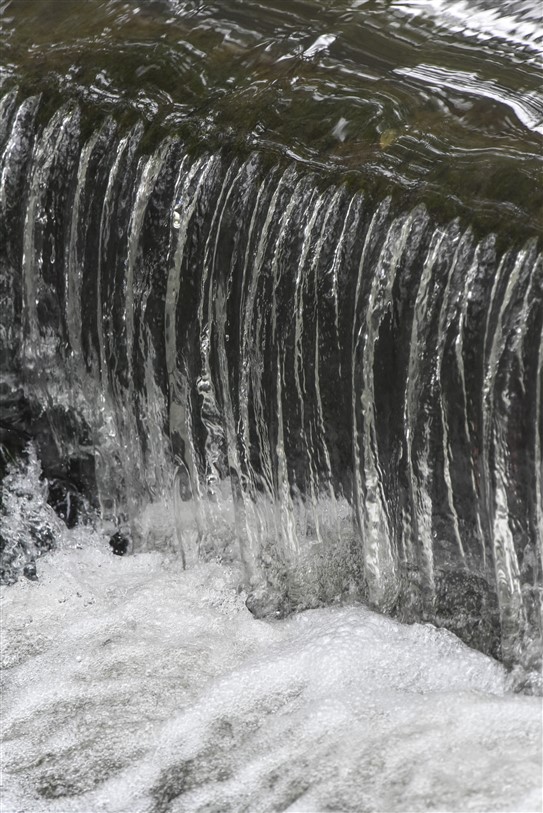
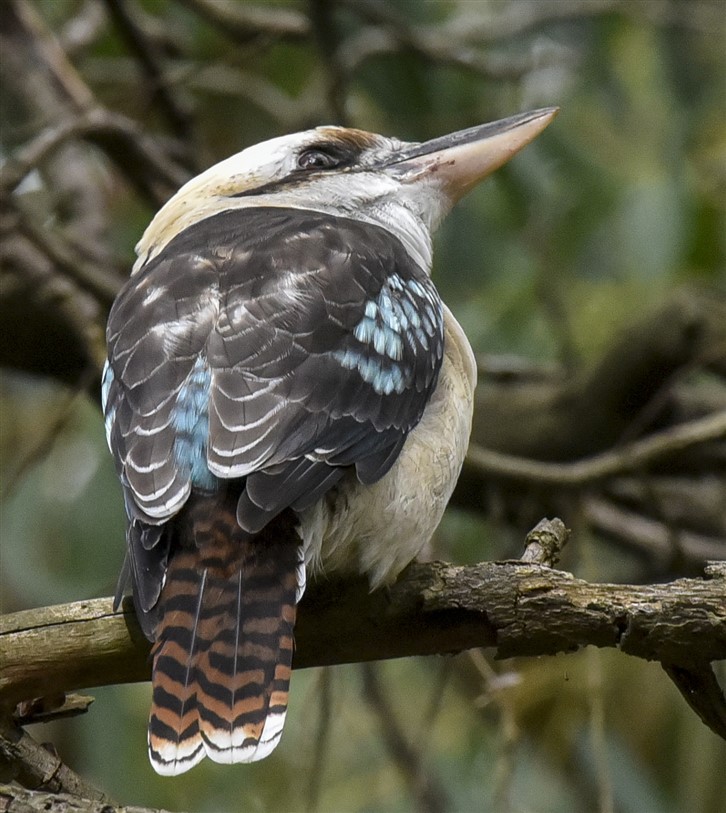
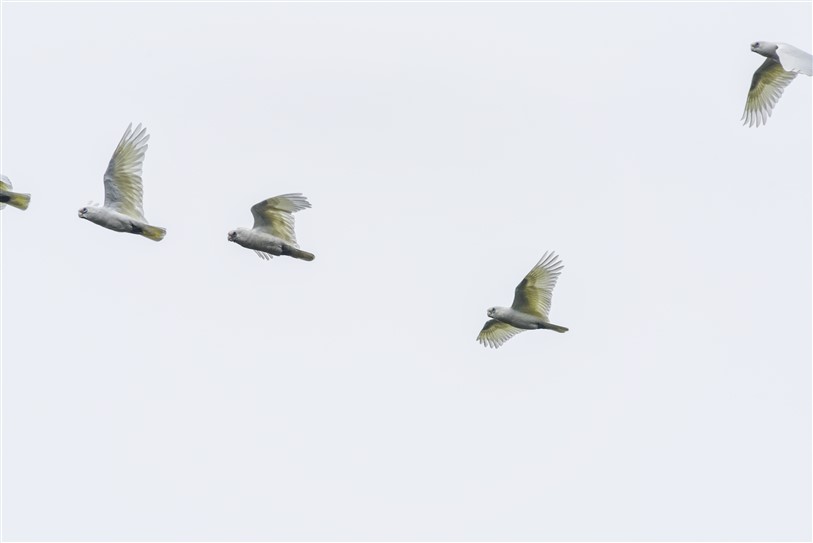
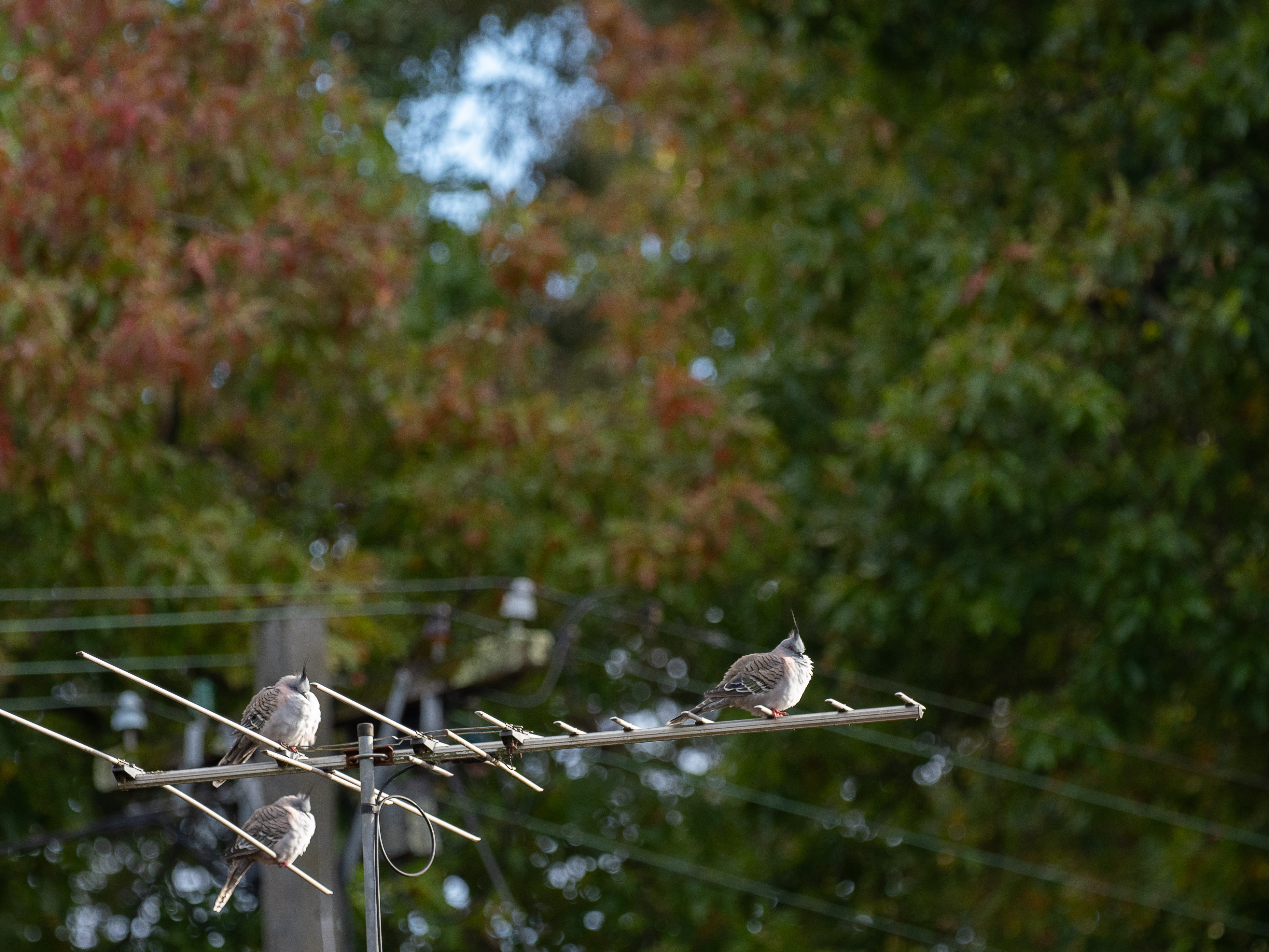
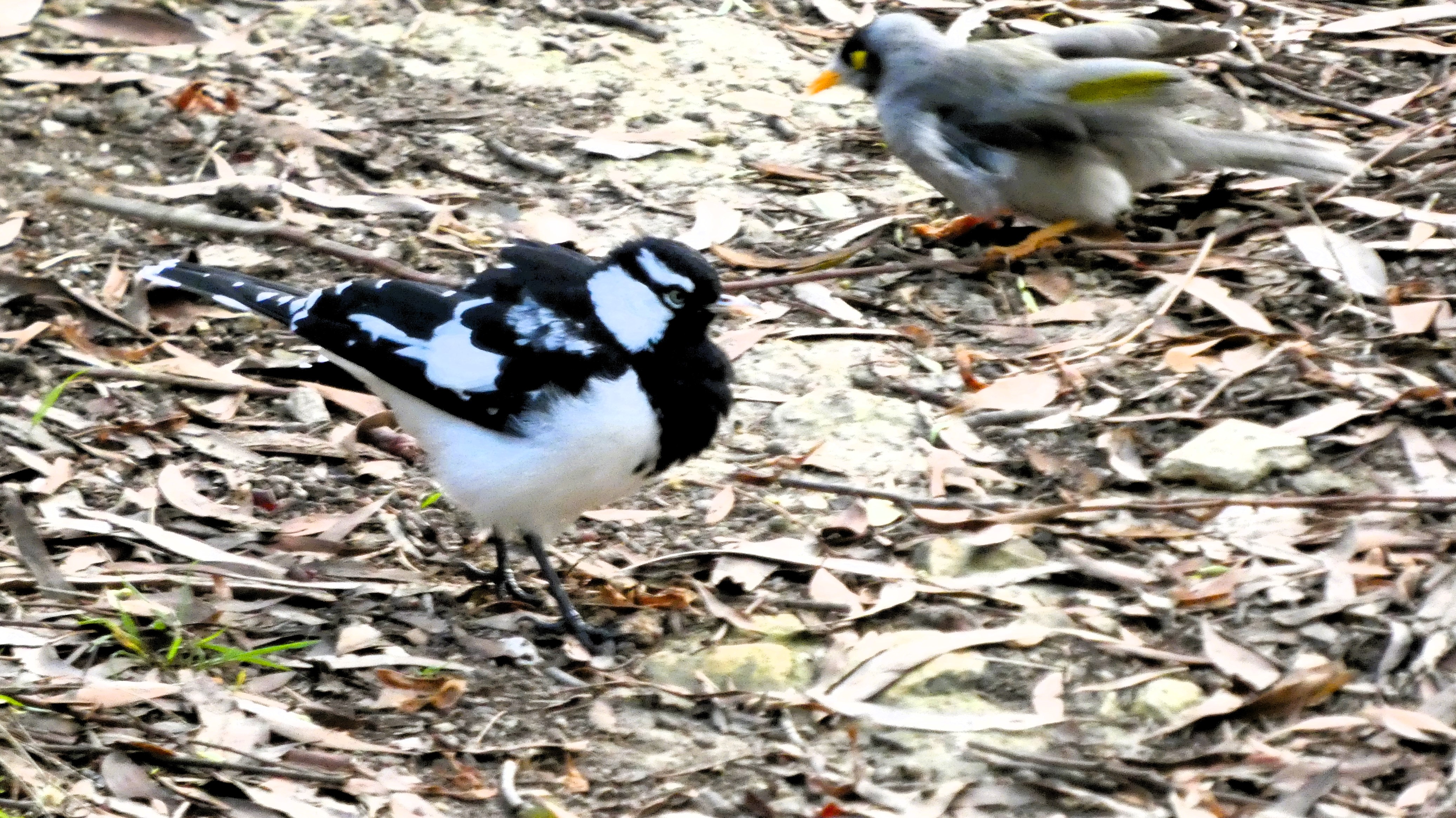
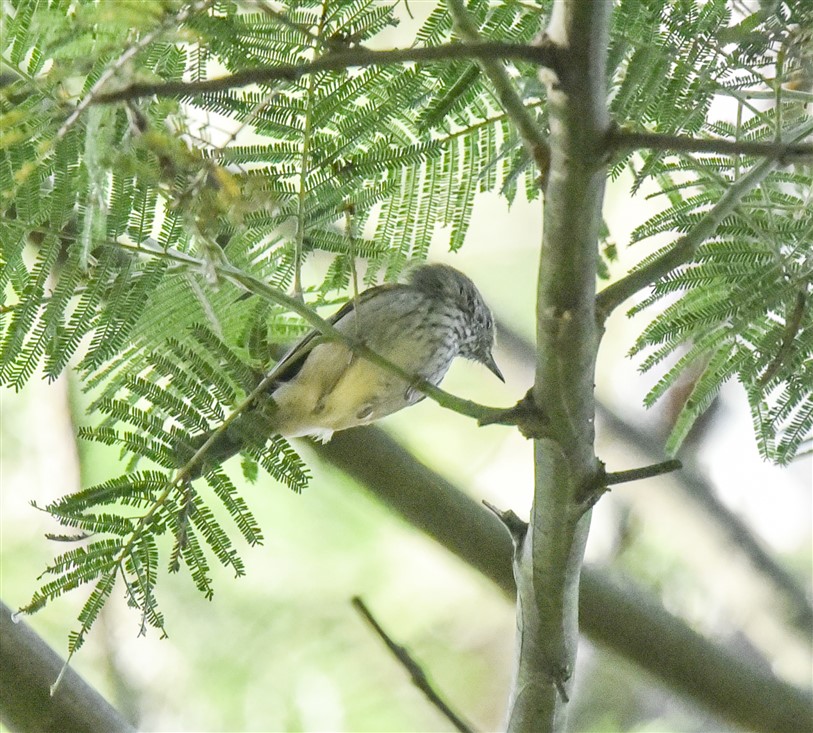
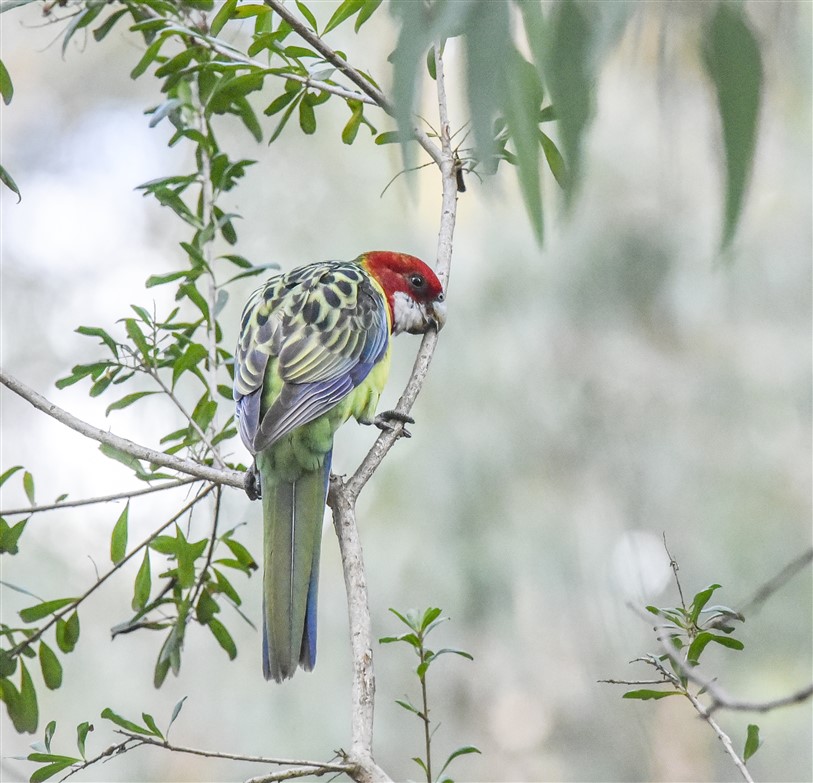
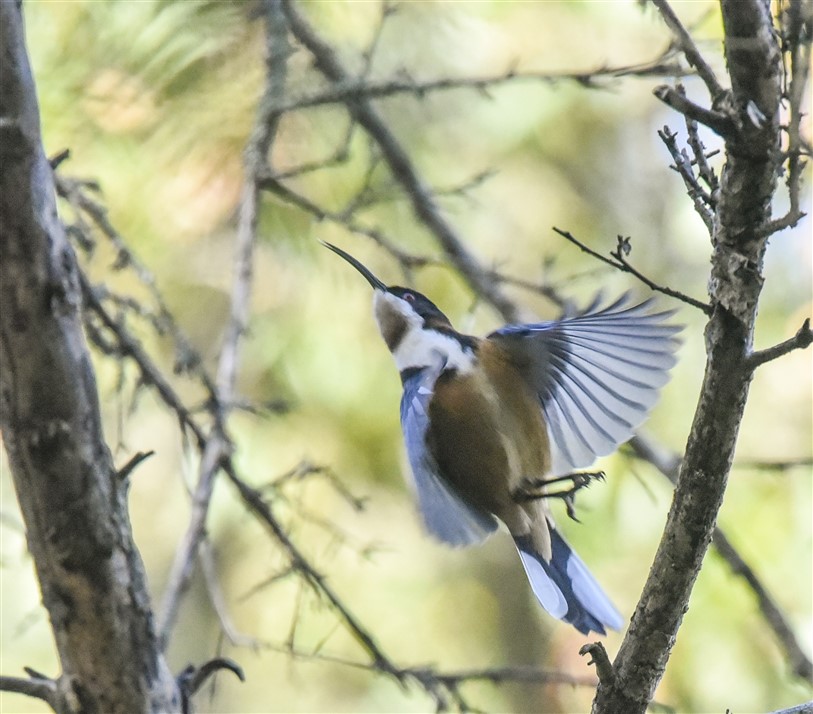
We thank our wonderful photographers for sharing their amazing images with us. If you would like to contribute, please email your photos to: blackburncreeklands@gmail.com
Photo gallery:
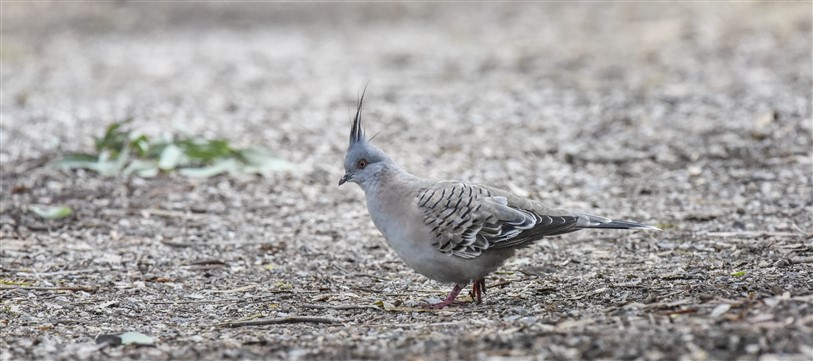
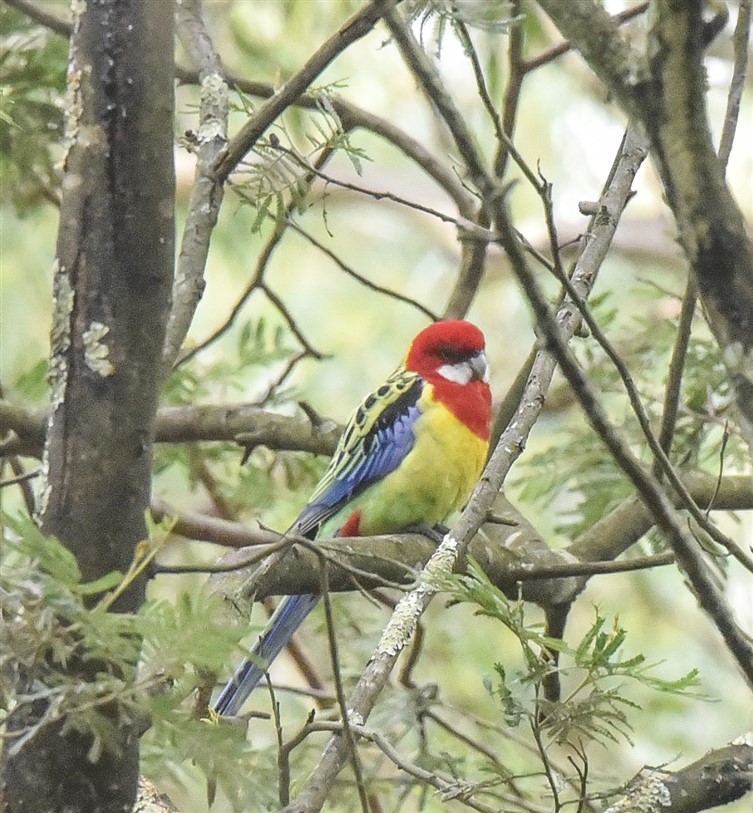
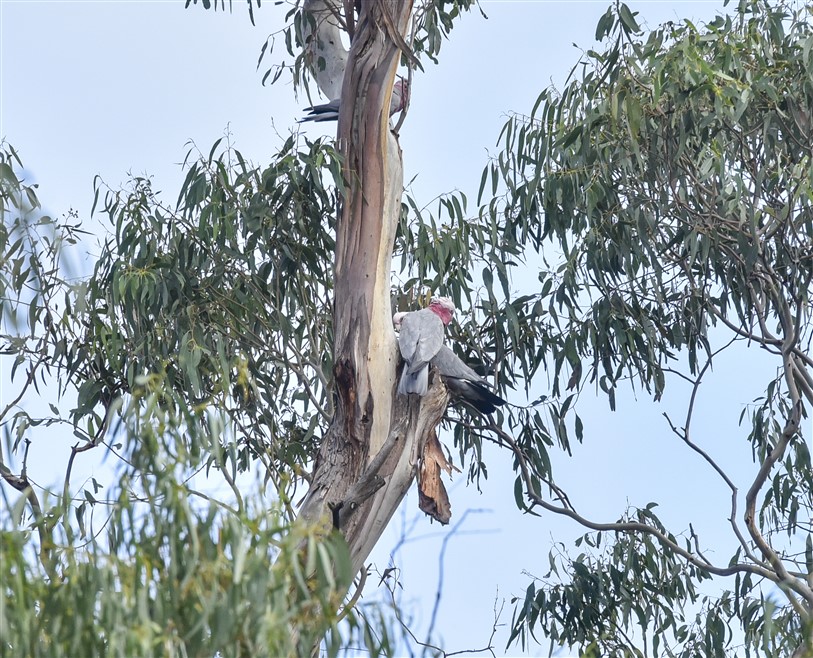
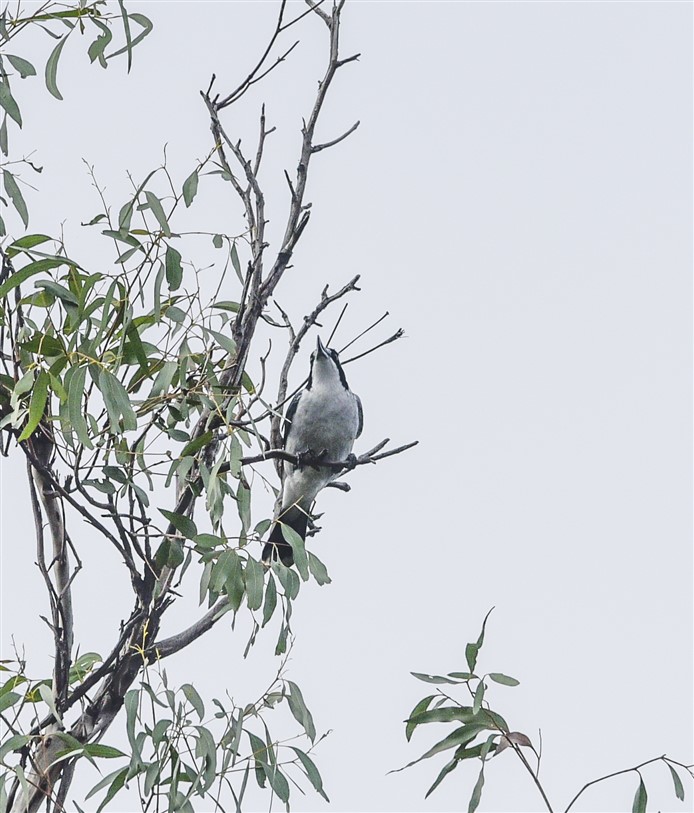
For more information, please contact us on one of the options below:
- Email blackburncreeklands@gmail.com
- Website https://blackburncreeklands.org/
- Facebook https://www.facebook.com/BlackburnCreekies/
- Instagram https://www.instagram.com/blackburncreeklands/
Hope to see you at one of our friendly activities soon.
Your friends,
Blackburn Creeklands Advisory Committee

