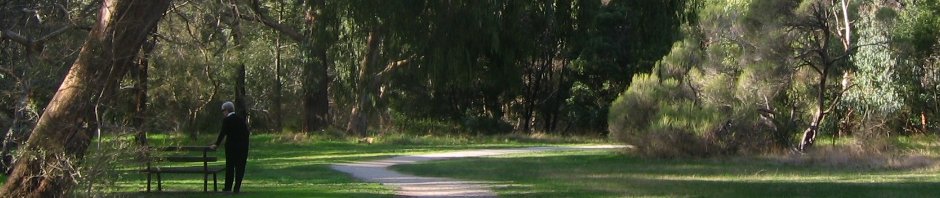
All the Best for a Happy and Prosperous 2021
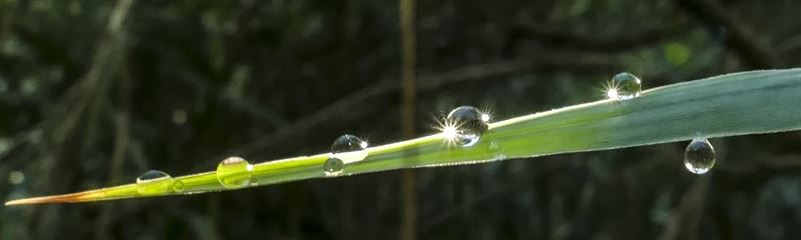
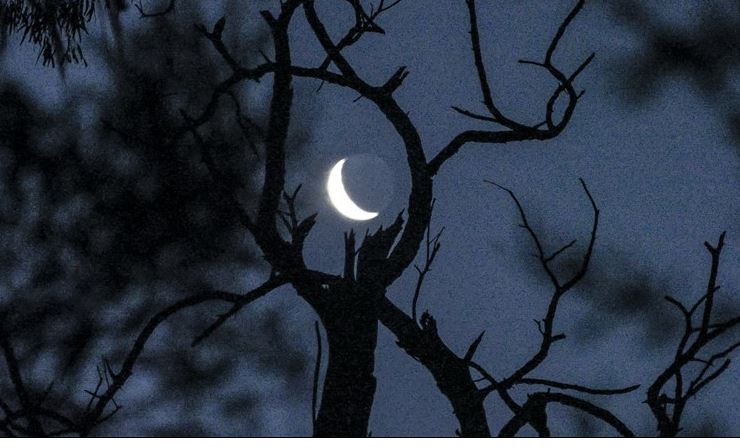
Now that life is returning to (Covid-)normal after the holiday season and kids are returning to school – we wish our Friends all the best for a stellar 2021!
Even though a five-star year may not be possible due to the pandemic lingering on, our photo hints that four stars might just be achievable.
Whitehorse Community Achievement Award 2021
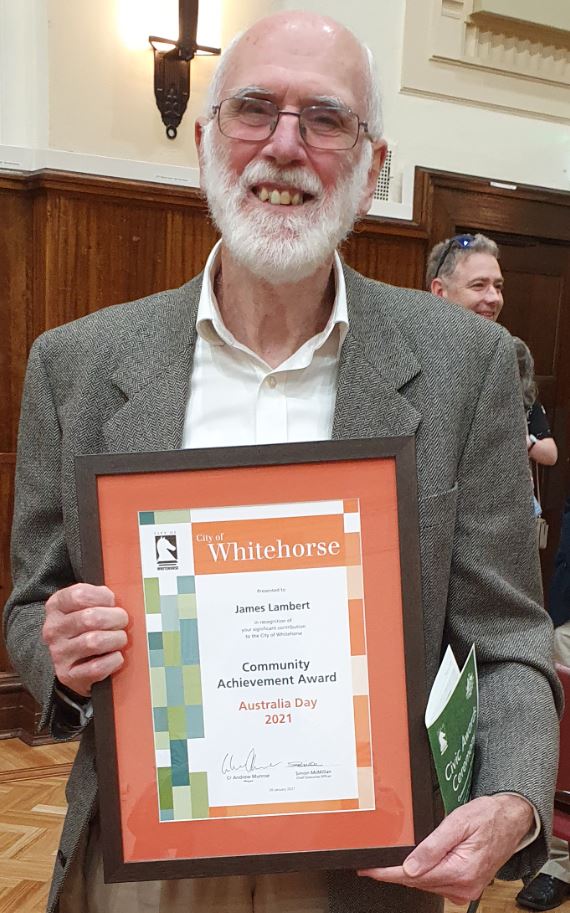
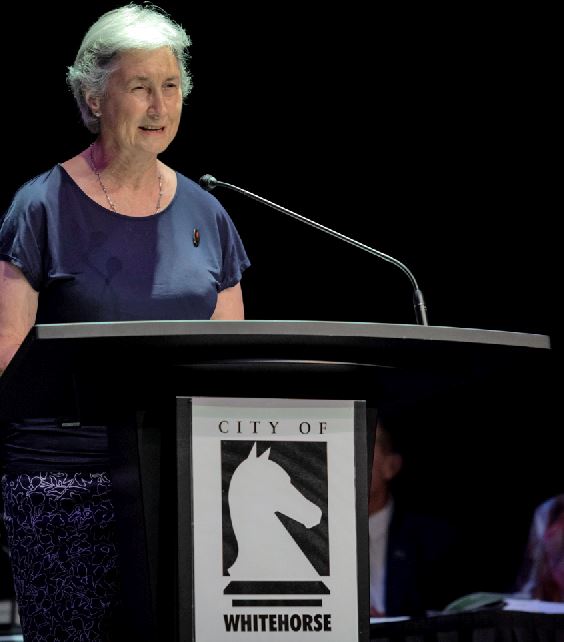
We are very pleased to report that one of our Committee members, Jim Lambert, has kicked off the year in fine style having been awarded a Whitehorse Community Achievement Award on Australia Day – in recognition of the enormous contribution he has made over many decades to the Blackburn environment generally and to the Blackburn Creeklands in particular.
Jim is also a long term member of the Blackburn & District Tree Society. On its behalf, he accepted the prestigious Sir James Barrett Memorial Medal in 1988, awarded by the Town and Country Planning Association. That medal recognized ‘the best contribution annually towards town planning in Victoria’.
This was all about initiating the planning controls that have protected our most sensitive areas against over-development and from the loss of tree cover. Jim and his colleagues’ seminal work has had a profound positive influence – not only on our treasured Blackburn environment – but also as a precedent for similar protections around the entire State!
Stop Press! – A Rescue Story Part two
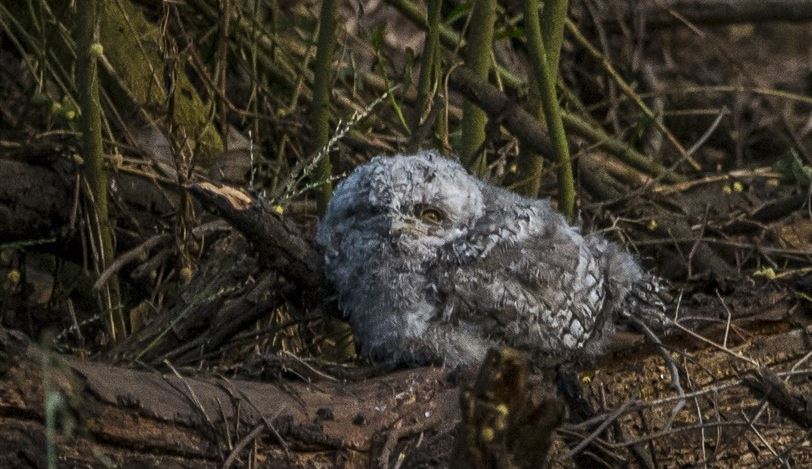
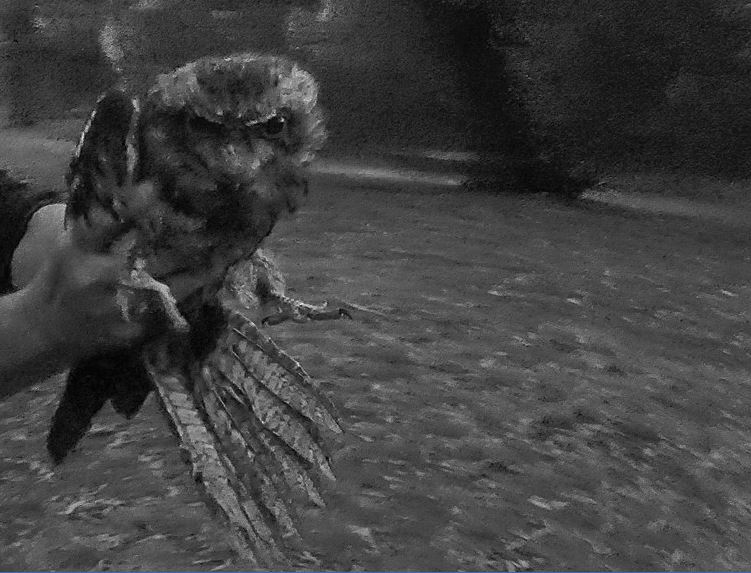
Readers may remember our story of an injured Tawny Frogmouth chick being rescued after a subsequent Currawong attack that we presented in our November news. In a happy ending, two birds, including the subject of our story, were released into the park on Sunday (31/1) evening after dark. Naturally, Ruth was there for the happy event – but the light was not great for a news photo:
Maintenance Team Report
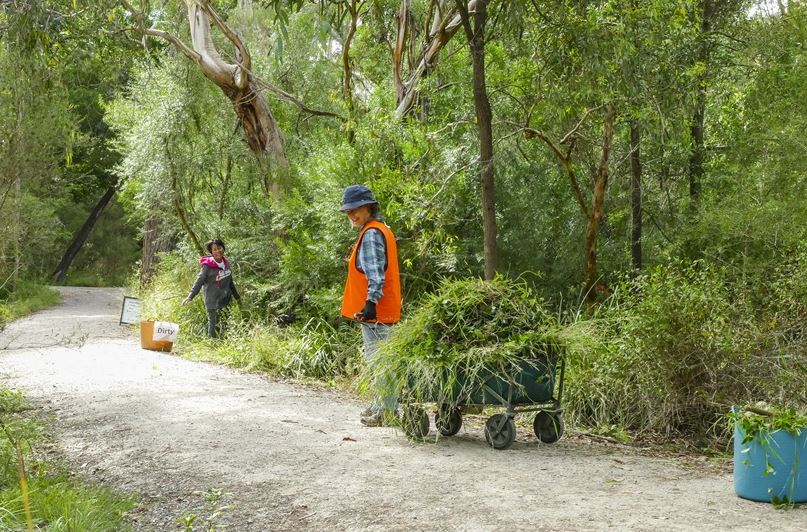
As luck would have it, the team ran into two very hot mornings during January – so the working bees were cancelled in the interests of the team’s health and safety. Otherwise, the team has been busy in Blacks Walk along the southern track, eastwards from the bridge to the Scout Hall. This followed late December work adjacent the new wetland in Kalang Park (pictured above).
Given the generally cooler and wetter weather associated with the La Niña event, the group took a gamble to plant groundcovers during November/December to specifically address Covid-19 related damage. Depending on conditions, we are hoping we can potentially commence planting in March instead of the usual May. This would help redress the dearth of planting in 2020.
Otherwise, under La Niña conditions, the weeds have thrived too! The bad news is that the long lockdowns mean that many of the weeds have already dropped seed before we removed them – so 2021 will be a busy year!
Plant Orders
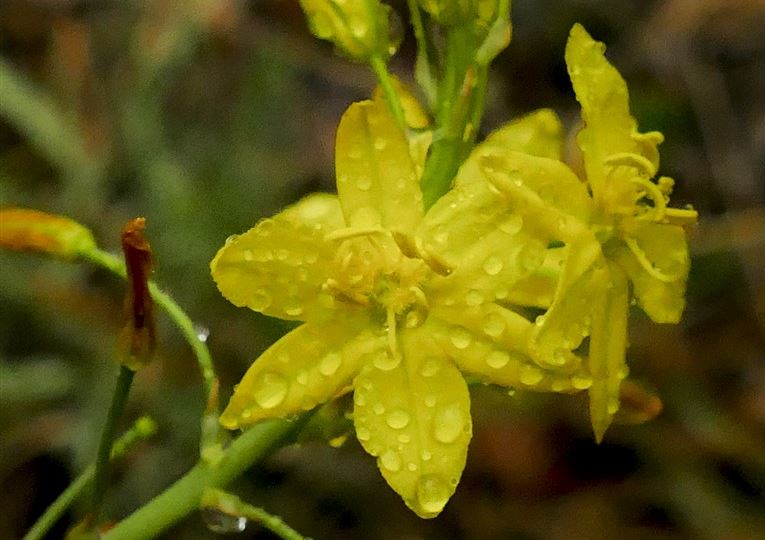
The group has submitted our main orders on the local indigenous nurseries (Bungalook and Greenlink) for our next planting season. These are effectively the same as last year’s – targeting the areas surrounding the Billabong – though reduced a little to account for the planting we did manage to undertake in between lockdowns.
We are hopeful that our orders can be fulfilled – though we do realise that the nurseries were also affected by the Covid-19 work restrictions.
By the way, we understand Bungalook has a new-look web-site designed to be accessible by computer, tablet or mobile phone. Please check it out! Its a great place to look for indigenous plants for your garden.
Other Maintenance
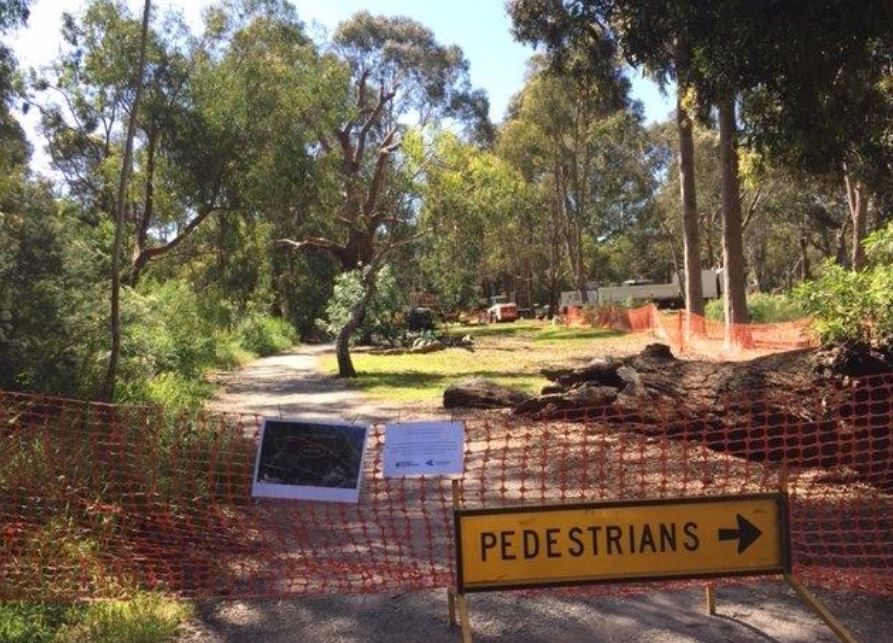
In other maintenance news, the gas main maintenance works in Blacks Walk were completed with the conclusion of the second stage in December.
Black Water Events
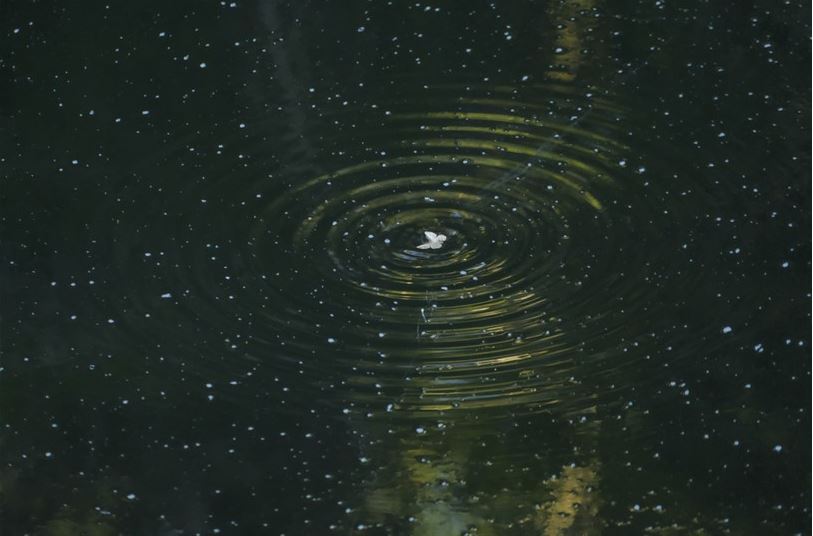
Some of our park users have been rather alarmed over the past 6 weeks or so at what seem to be two or three significant pollution events – when our creek’s water turns black. The blackness is not oil floating on top of the water, more the blackness is IN the water – clearly obvious in a bucket of water pulled from the creek.
Many park users would have seen the yellowish pollution that seems to be quite common. Although it could be caused by a builder pumping out a flooded excavation, many times it results from a burst water main in our surprisingly large catchment area. The yellow colour is due to the type of clay in our subsoil.
It turns out that Blackwater is a natural phenomenon which results from a high concentration of dissolved organic carbon in the water column. Blackwater events often result when organic matter (eg leaves and similar debris) enters water, followed by a still and warm period where the carbon isn’t “flushed away” and therefore accumulates.
The water can become hypoxic (deprived of adequate oxygen) so fish cannot survive. It was a huge Blackwater event that occurred in the Murray River after the 2011 floods that caused that incredible number of fish deaths.
Kookaburra cookin’
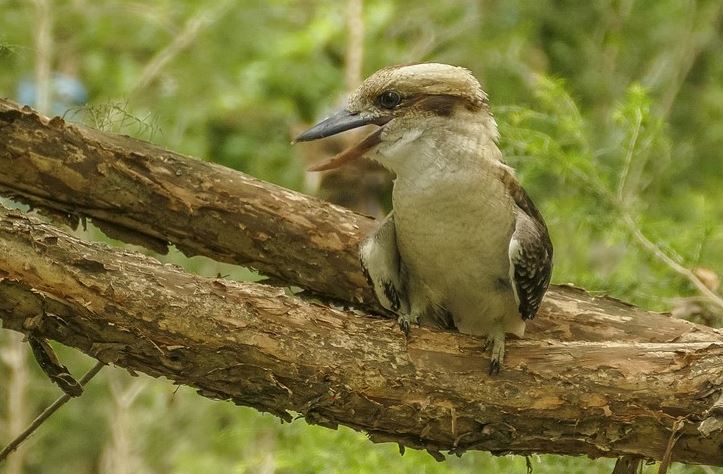
Ruth has sent in an interesting series of photos. The photo above shows one of our Kookaburras clearly stressed by the heat on a recent near-40 degree day. The solution?- take a swim in the creek and chill for a while:
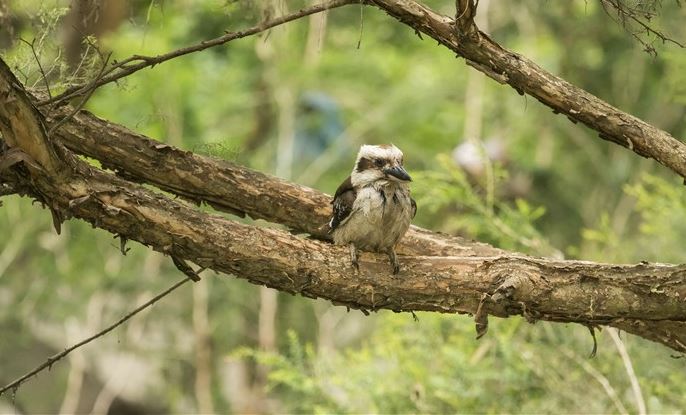
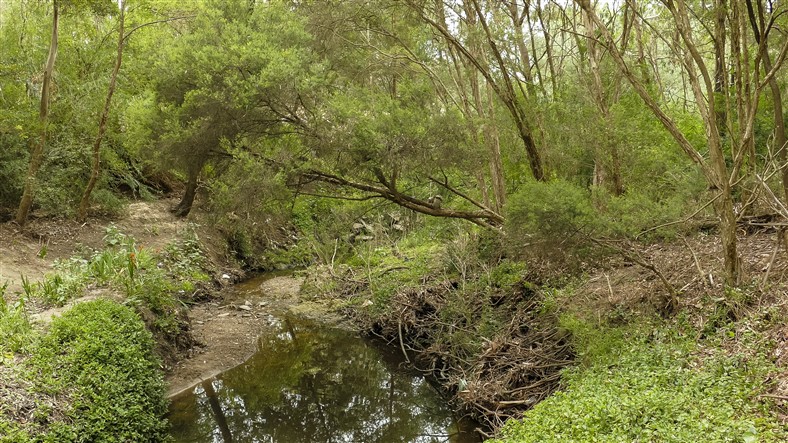
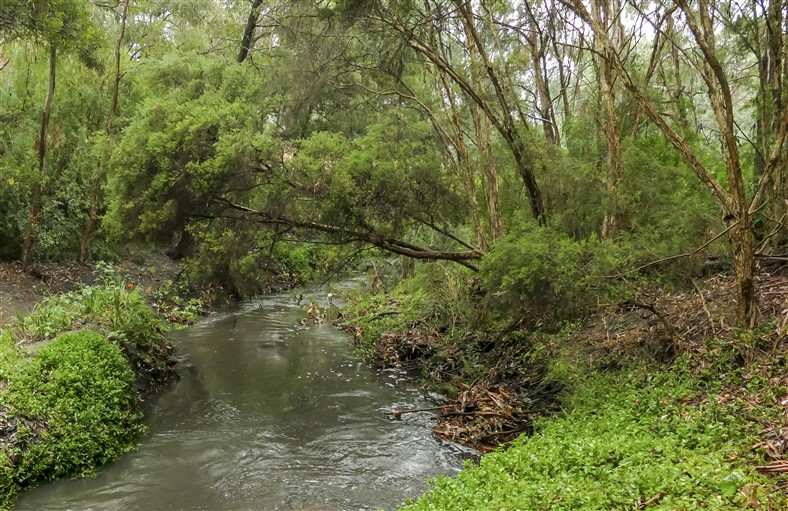
It is interesting to note how the water level in the creek changed after rain too (this is a bit of an excuse to try out a “slider” control – use that to see before and after views of the creek two days later.
Birdbaths
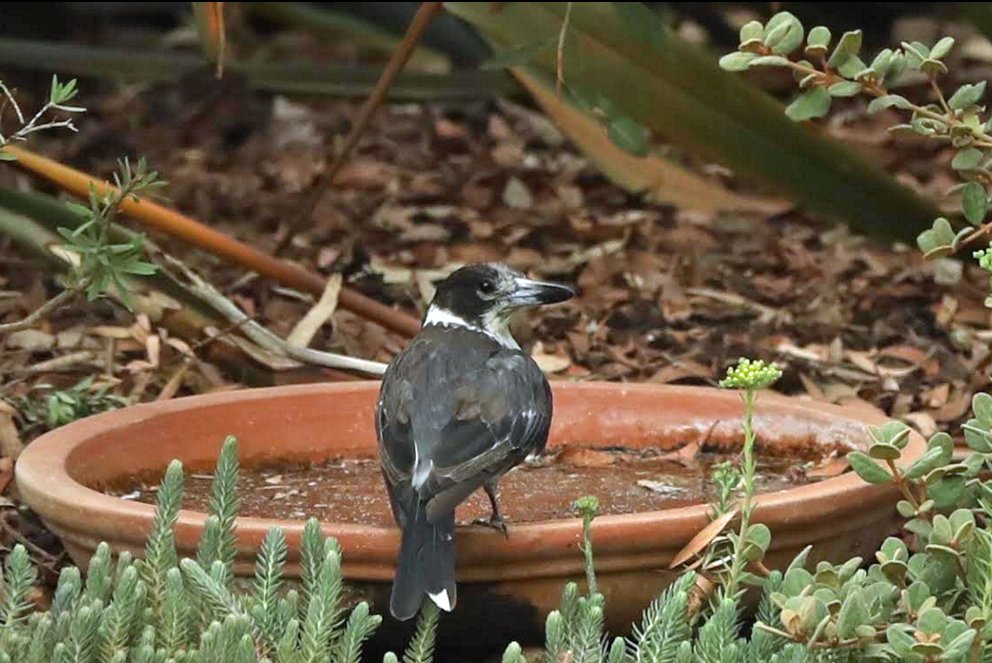
When we are hot, so are our feathered friends. Not all of them have a creek nearby – you can help by maintaining a pond or birdbath at your place. For best results, the water needs to be kept clean and topped up in extreme heat.
If you have no cats in your backyard, a pot saucer on the ground can also make a suitable bird bath:
Sightings
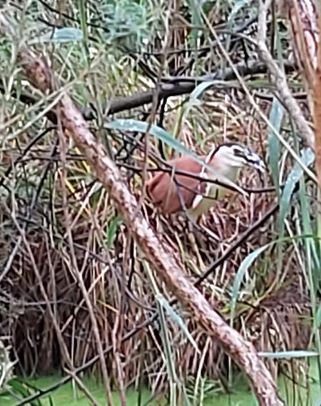
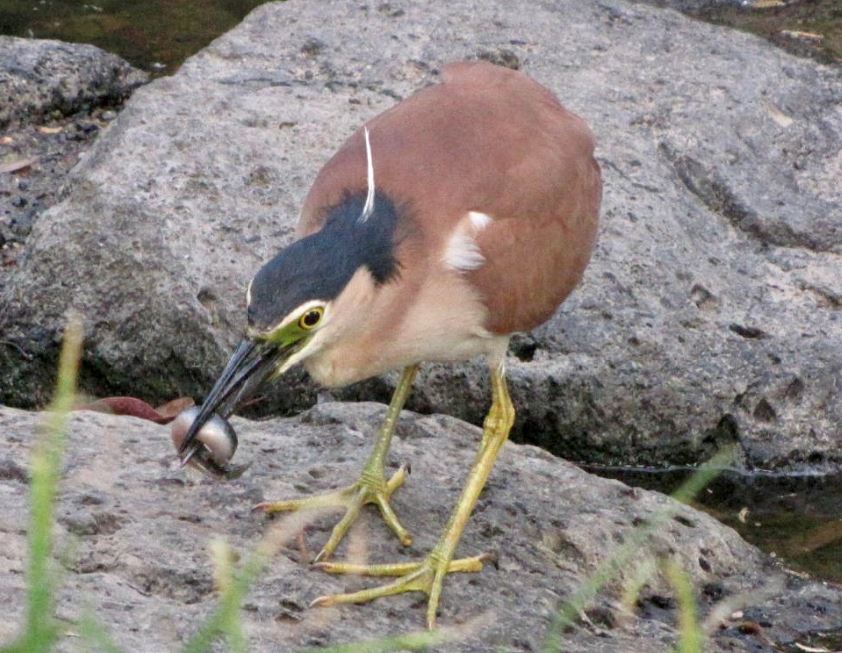
Victor forwarded his mobile phone shot (above) of a Nankeen Night Heron in the wetland – a fairly regular visitor to the park in Summer. It’s a fairly chunky heron with rich cinnamon brown upperparts (upper wings and back), white-buff underparts, a blue-black crown and yellow legs/feet.
It has a large head, a short neck and shortish legs giving it a stooped or hunch-backed appearance. You might encounter this fellow in the daylight hours patiently stalking our frogs at the Waratah Wetland or along the creek or flying overhead (quite a large bird which usually causes a ruckus with the smaller birds who see it and raise the alarm). We usually only see a single bird even though its breeding plumage is present (long white “streamers”) at the back of the head.
Victor and Geoffrey have both taken movies of the bird successfully hunting in the wetland – seemingly unconcerned about the attention from photographers recording its deplorable dining etiquette. Click here for Geoffrey’s movie on Youtube to see what we mean…
The species has been seen regularly since Geoffrey’s movie. Here’s a shot Hugh took of the bird in the creek:
Goodia lotifolia Seed Pods
Lisa took these artistic photos of Goodia lotifolia seed pods on a fairly young plant in Blacks Walk:
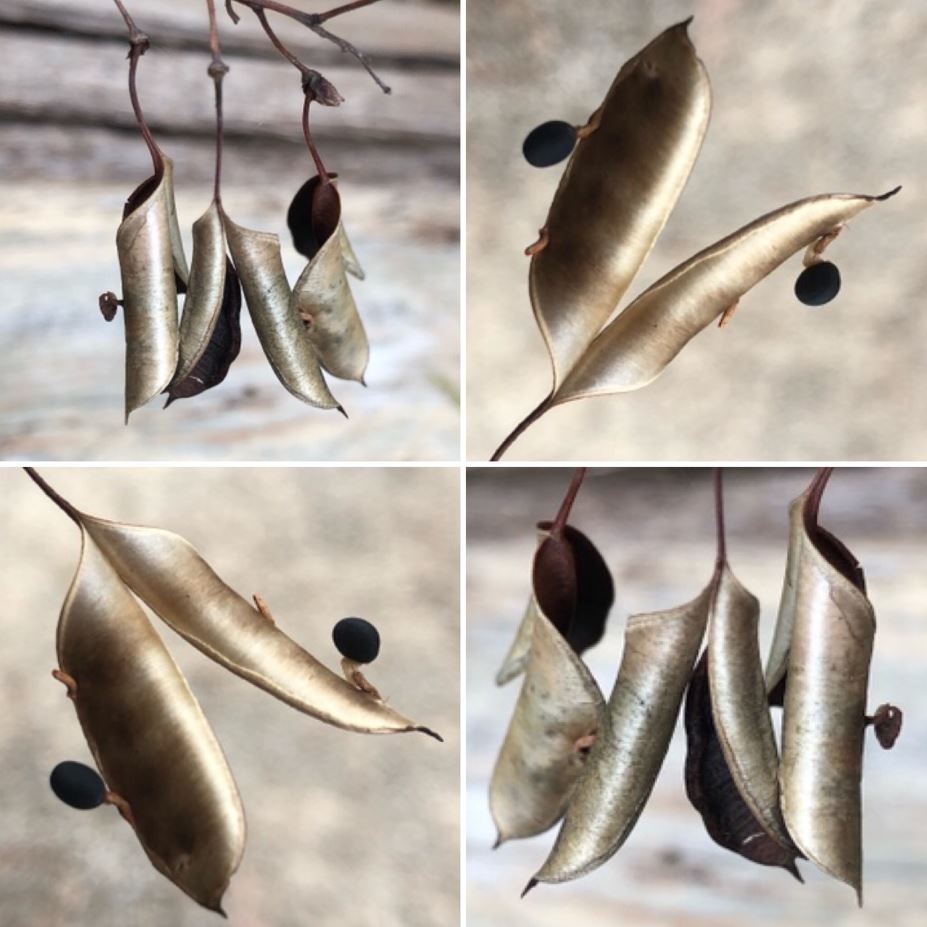
On hot sunny days, the seed pods audibly split open allowing the seed to be released. It seems that some of the seed hangs on a little longer to improve the dissemination of the seed.
Leopards in the Park
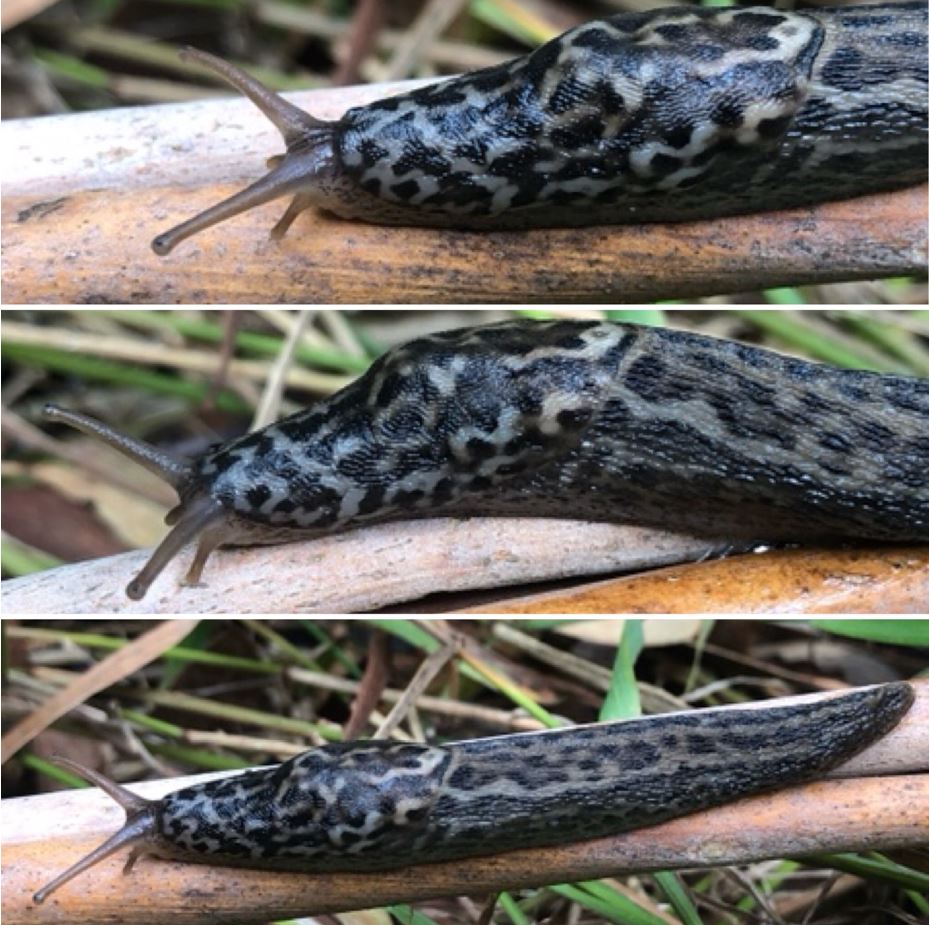
This is Linus maximus from the Latin meaning “biggest slug” – commonly known as a Leopard Slug. Though indigenous to Europe, this introduced species is indeed the largest terrestrial slug found in Australia.
It is often regarded as a “gardener’s friend” – it mainly feeds on decaying vegetable and animal matter and not living plants, though they will eat other slugs!
Fungi
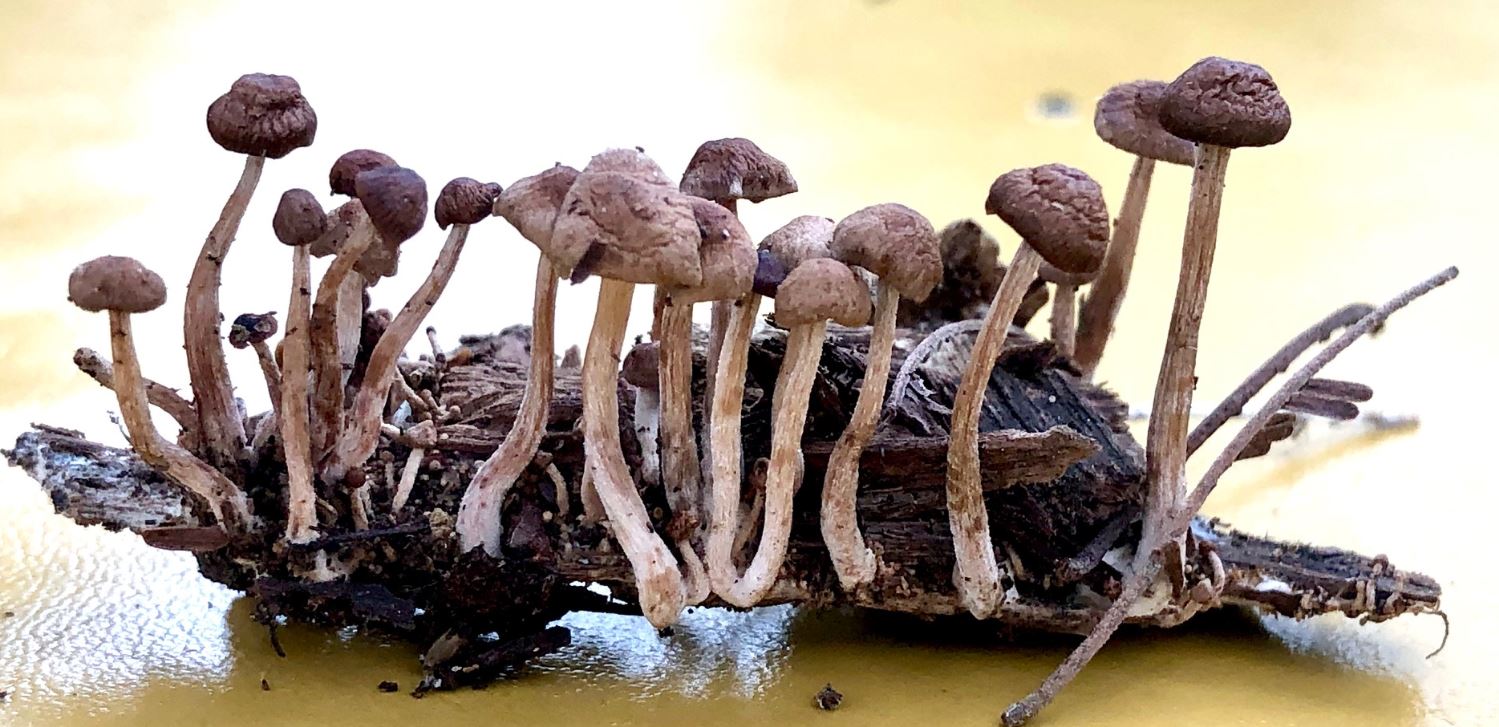
The wetter conditions, thanks to La Niña, have created conditions suitable for fungi – generally not apparent at this time of year. Lisa took photos of some she found during a recent Monday working bee:
Other interesting sightings:
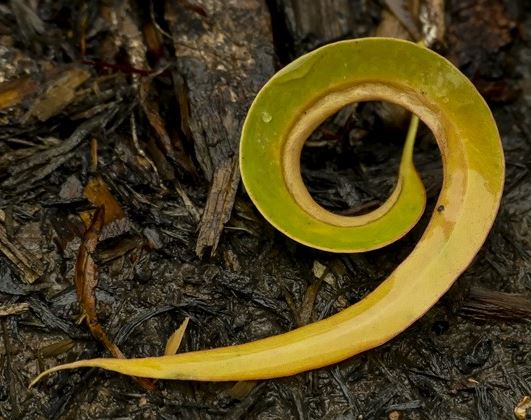

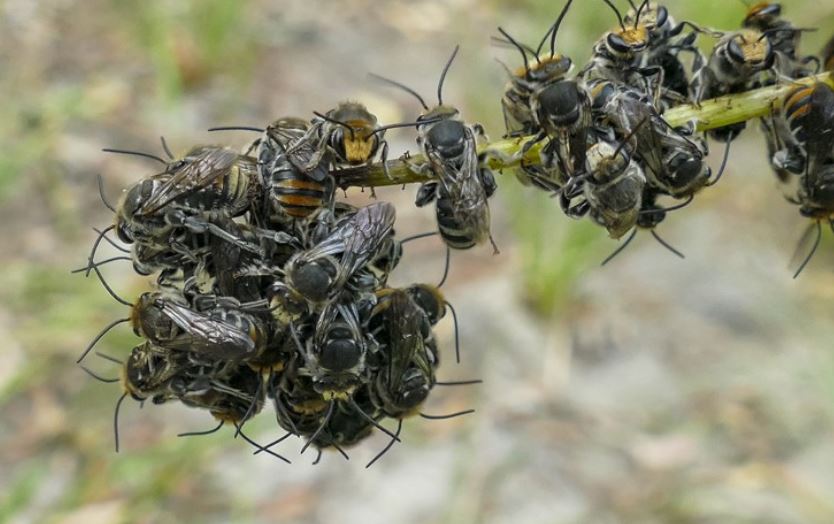
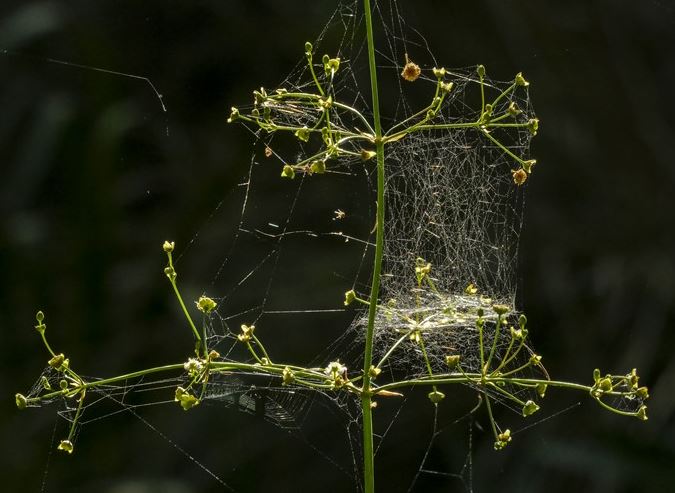
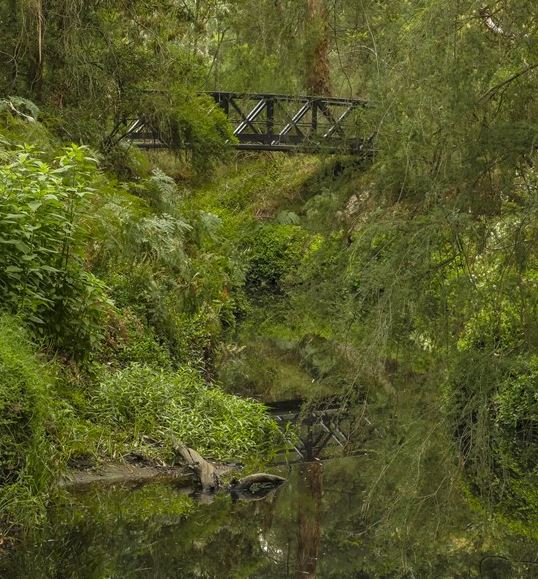
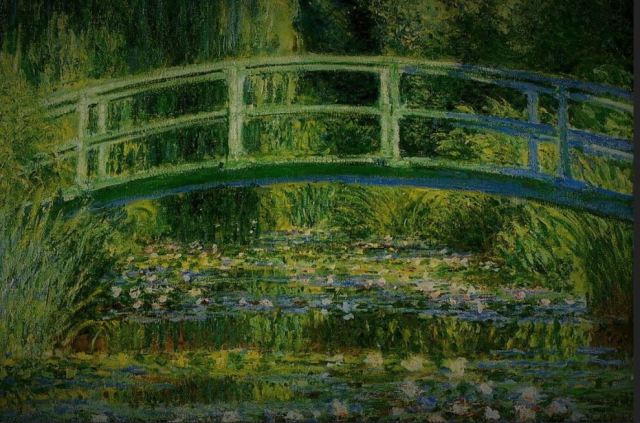
There’s no truth in the rumour that impressionist artist, Claude Monet, used our bridge as inspiration for his Water Lilies.
The bridge was built in 1985 – and his Water Lilies was painted in 1916! However, our bridge was indeed painted green before its last renovation in 2017…
What is the Difference Between Damsels and Dragons (flies)?
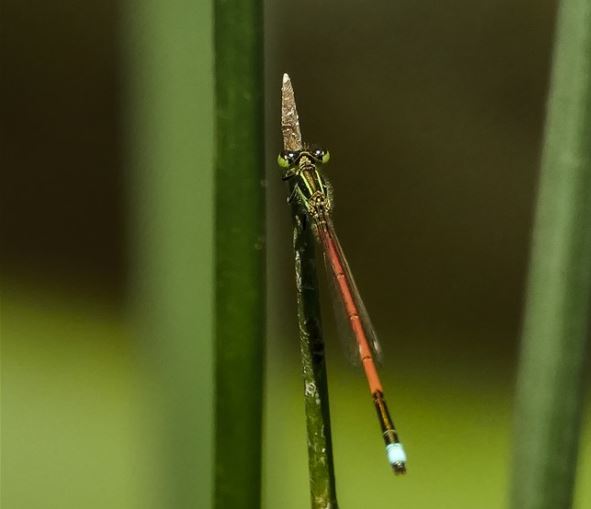
Ruth’s photos can help us with the answer – both belong to the same biological “order” (Odonata) and both are very strong and manoeuvrable fliers. However, Damselflies rest with their wings folded along their bodies while Dragonflies hold their wings at right angles to theirs.
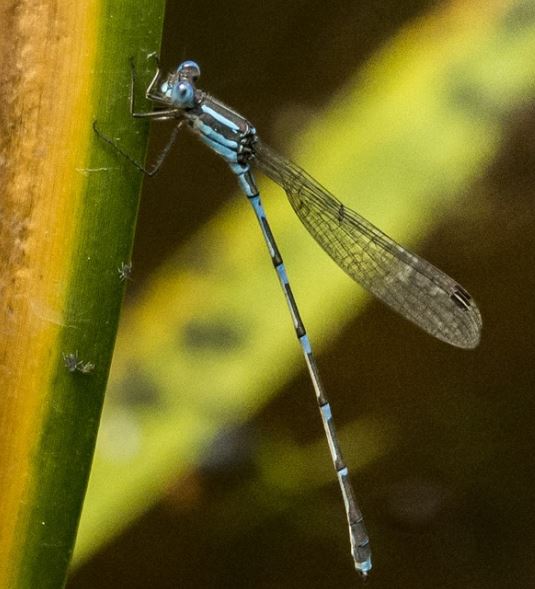
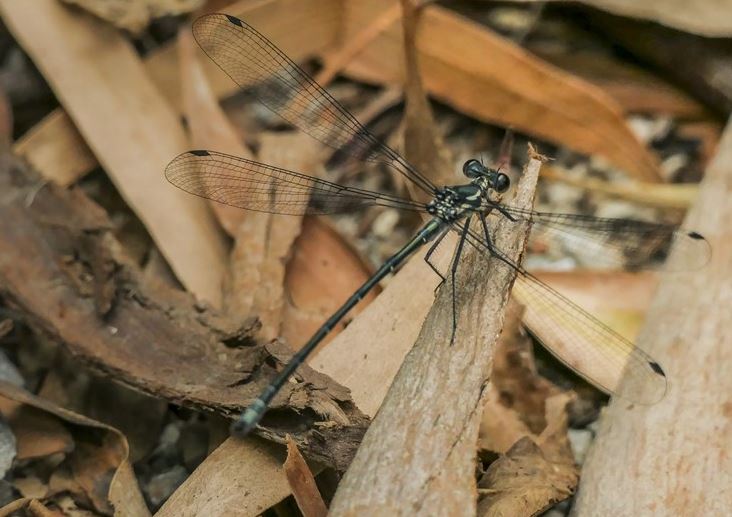
The black patches near the wing tips are not landing lights – but are pterostigma. The pterostigma, being heavier cells of the wing in comparison to nearby cells, assist in gliding by reducing wing flutter.
Agapanthus – Off with its Head!
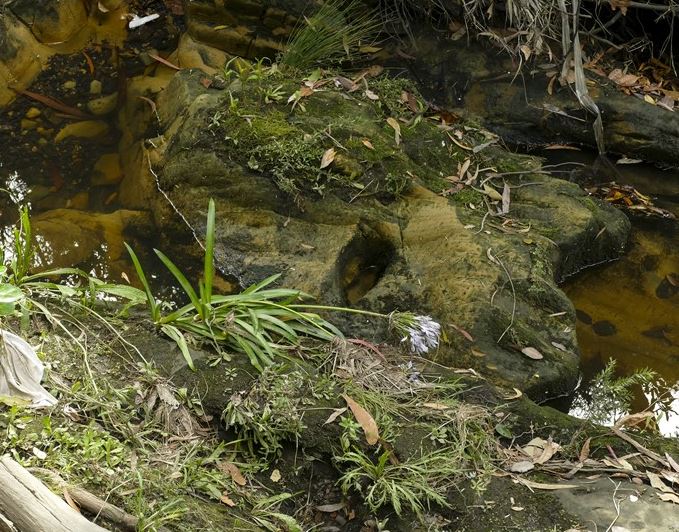
We definitely do not like finding Agapanthus growing in the Creeklands as Ruth’s photo depicts. It means someone has not “dead-headed” their garden flowers – and their seed has entered the creek via the storm-water system.
So, please dead-head your Agapanthus plants once flowering finishes! For those interested in removing their Agapanthus completely, here is a link to a very welcome and interesting article from the Southern Dandenongs Landcare Group about removing the pests – without herbicides, machinery or hard labour.
Various Birdlife Shots
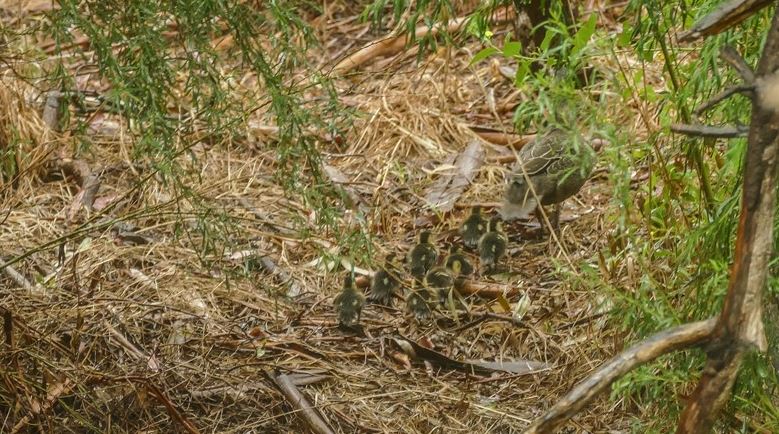
Lining up the Ducks
In the Corridor
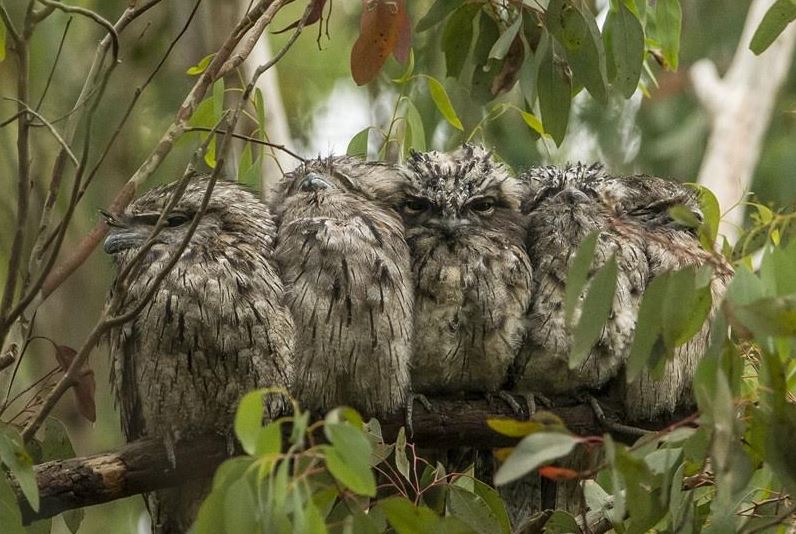
Ruth took the above photo further downstream from our park along Gardiners Creek towards Deakin University. It’s a single family group of Tawny Frogmouths – so no need for social distancing… Two parents, two chicks from this year’s nesting and one from last year. Each seems to have a role monitoring activity from different directions. The curious one in the middle is one of the latest fledglings.
Epilogue


Pingback: Park News – February, 2021 | The Blackburn Creeklands
Pingback: Park News – March, 2022 | The Blackburn Creeklands