Events coming up:
- Blackburn Lake Wetlands Regeneration Info – Sunday, 9th March at 4 pm
- FNCV Biodiversity Symposium – Saturday & Sunday, 15-16th March
- Our Autumn Bird Walk – Saturday, 26th April
The 2024/2025 summer has had its extremes. February had severe heatwave warnings early in the month, seven days with a max temperature over 35 degrees, significant storm/rainfall events, high winds, three Total Fire Bans, a Blackwater event and an air pollution event – even a a mini cold snap mid-month !
There’s been some damage (more on that later in the article) but good rains occurring after the hottest weather have kept most plants going – though we are overdue for another rain event now !
In this edition, we address the ongoing dumping issue in Furness Park, provide the latest version of our events calendar for the year, and describe our major community working bee project for the year.
Storm Damage
Not unexpectedly, the high winds and storms resulted in some damage in the park.
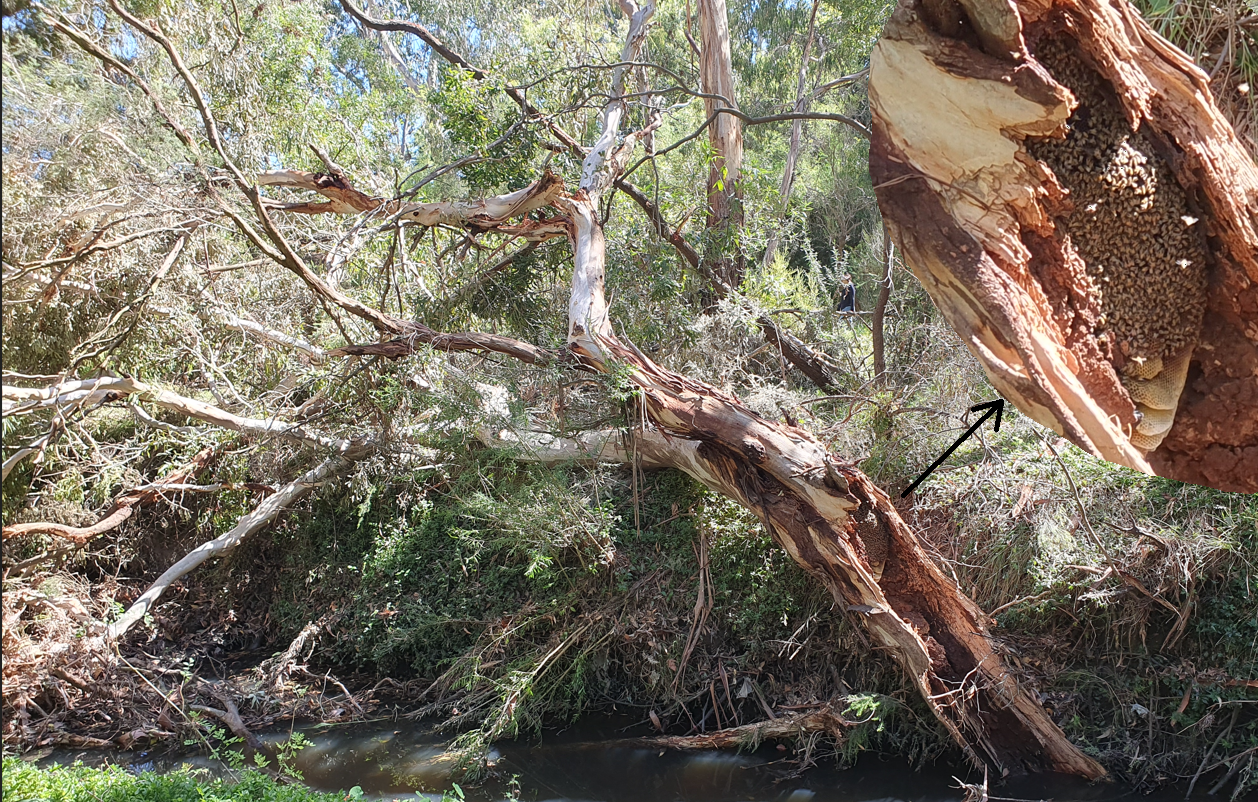
One significant loss was the top of this important Manna Gum coming down into the creek in Kalang Park (12/2). Because fallen branches are actually in the creek and impeding stormwater flow, we expect that Melbourne Water will dispatch a crew for the clean-up. One complication will be the (feral) honeybee hive in the trunk (shown enlarged at top right) which was immediately above where the trunk snapped. Interestingly, the bees do not appear to be too fazed by the damage to their home! The falling wood also knocked a tall stag over as well as some advanced saplings.
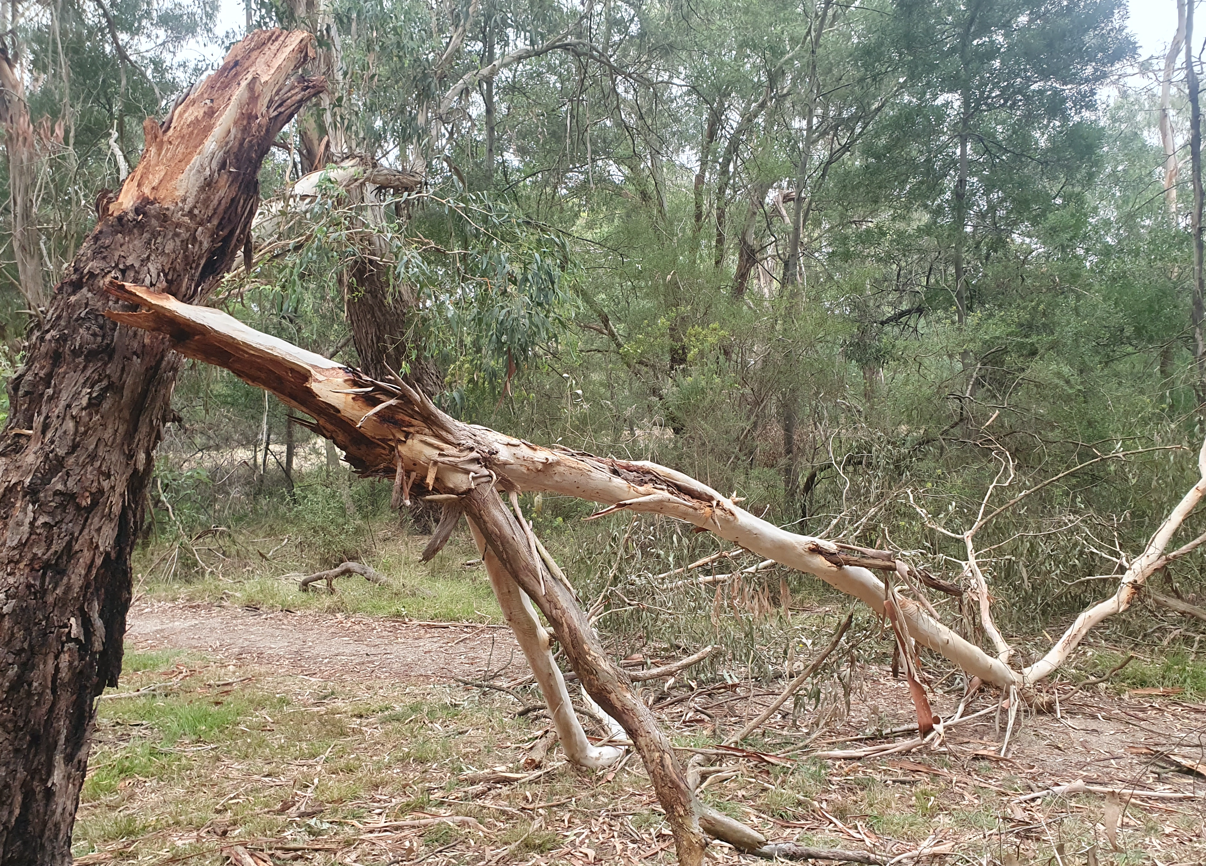
A similar situation on a smaller scale a little east of the above a few days earlier (7/2):
Events Calendar
Our calendar of events for the coming year is firming up. Here’s what we can give you for your diaries:
| Event | Date | Comments |
| Autumn Bird Walk | 26 April | Pat & Ian have confirmed |
| Revegetation training with George Paras | 1 May | Date to be finally confirmed with Council |
| Possum Prowl with Tanveer Alvi | 23 May | Date to be finally confirmed with Tanveer |
| Community working bee #1 | 1 June | Site to be finalised |
| Community working bee #2 | 29 June | Site to be finalised |
| Eucalyptus ID with Tony Slater | 13 July | |
| Community working bee #3 | 27th July (National Tree Day) | School gate area reveg |
| Community working bee #4 | 31st August | School gate area reveg |
| Spring Bird Walk | October | Date to be advised |
Thursday Team Report
Dare we say it? – with exceptions noted below, the weather and conditions on Thursdays have been comparatively good for our working bee events – especially in terms of temperature and rain.
The crew has been busy in Furness Park adjacent to Main Street – north of the bridge, in Kalang Park a little to the west of the Laurel Grove bridge and near the carpark adjacent the Bowls Club.
Air Quality and Total Fire Ban
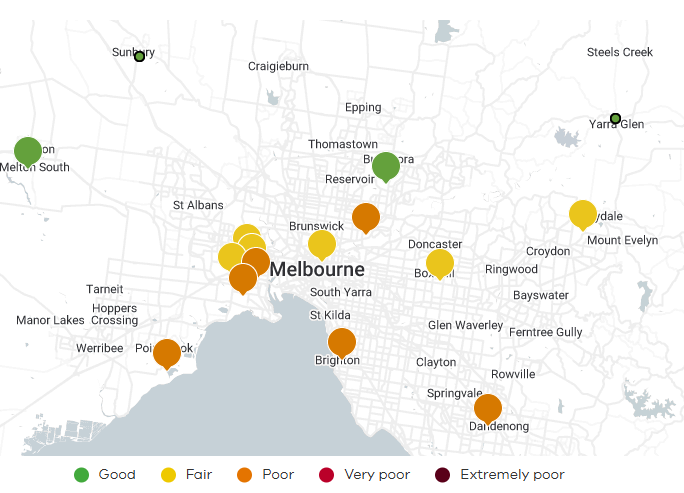
The weather and climate conditions have generally been kind to the Thursday Team excepting:
- There was an unusual Air Quality incident the evening before the 6/2 working bee – as shown in the EPA graphic above. It shows a potentially worsening situation caused by smoke being blown towards us from Tasmanian bushfires. Fortunately, the winds changed overnight and our normal “GOOD” quality air prevailed the next day.
- One of the Total Fire Bans mentioned in our introduction caused cancellation of our Working Bee on 13/2.
What does it take to cancel or postpone a Working Bee ?
To protect our volunteers, our working bee events will be cancelled or postponed if the weather bureau, fire authorities and/or EPA forecasts or observations include:
- Total Fire Ban (TFB) Day declaration in the Central District (includes Melbourne)
- Severe weather warnings – including Storms and High Winds
- Thunderstorm asthma forecasts during the grass pollen season (October to December)
- Extreme heatwave conditions
- Exceptional Temperatures (34 degrees and above or zero and below)
- Poor air quality or worse (Very poor or Extremely poor).

In the event that a Severe heatwave or Fair air quality are predicted, our volunteers will be notified accordingly – so as to assess their own situation before participating in the event.
All of those factors above are monitored from a few days before the event – through to the morning of the event so that notifications can be made if necessary. They are updated on a web-page for the event – for example, see https://blackburncreeklands.wordpress.com/2025/02/19/thursday-team-20-2-2025/
In the past 12 months or so, we have cancelled two working bees due to Total Fire Bans and have deferred the start time of another two by an hour due to very low morning temperatures.
Furness Park Dumper – “thanks” for trashing our home…
We experienced several instances of dumping in Furness Park during February – a very frustrating four instances in one week at one point.
Some people may think dumping lawn clippings in the park is fine – but it’s not. Lawn grasses like varieties of Couch, Rye Grass and Kikuyu behave as weeds in the park – they can spread easily from seed and runner cuttings collected by a mower in its catcher.
Other materials dumped in the park have been building debris including roof and bathroom tile fragments, tear-off strips from concrete expansion joints, a timber pallet from a building site, soil containing non-indigenous plant material capable of spreading unwelcome ferns and, finally, neatly bagged dog poo continuing to be regularly thrown into vegetation (!).
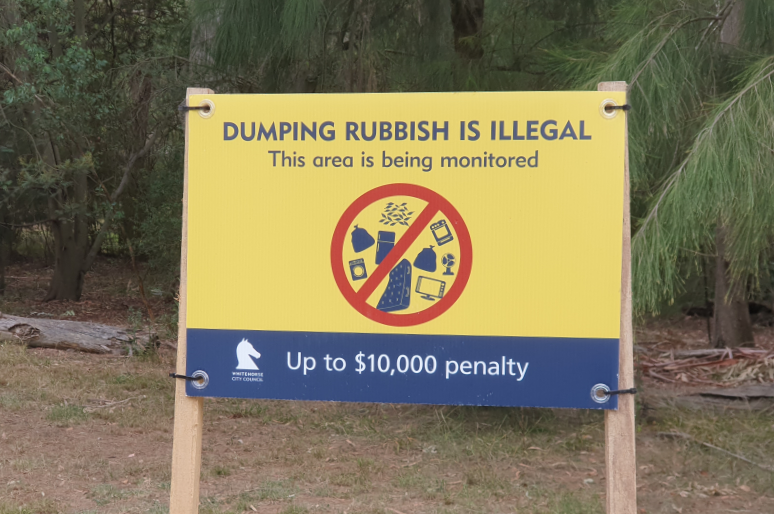
There may be an element of ignorance behind some of these problems. A Green Bin can be used for lawn clippings, other vegetation and (these days) food waste. Park bins or your Red Bin are great for bagged dog poo…
Blackwater Events – Tar Barrel Creek ?
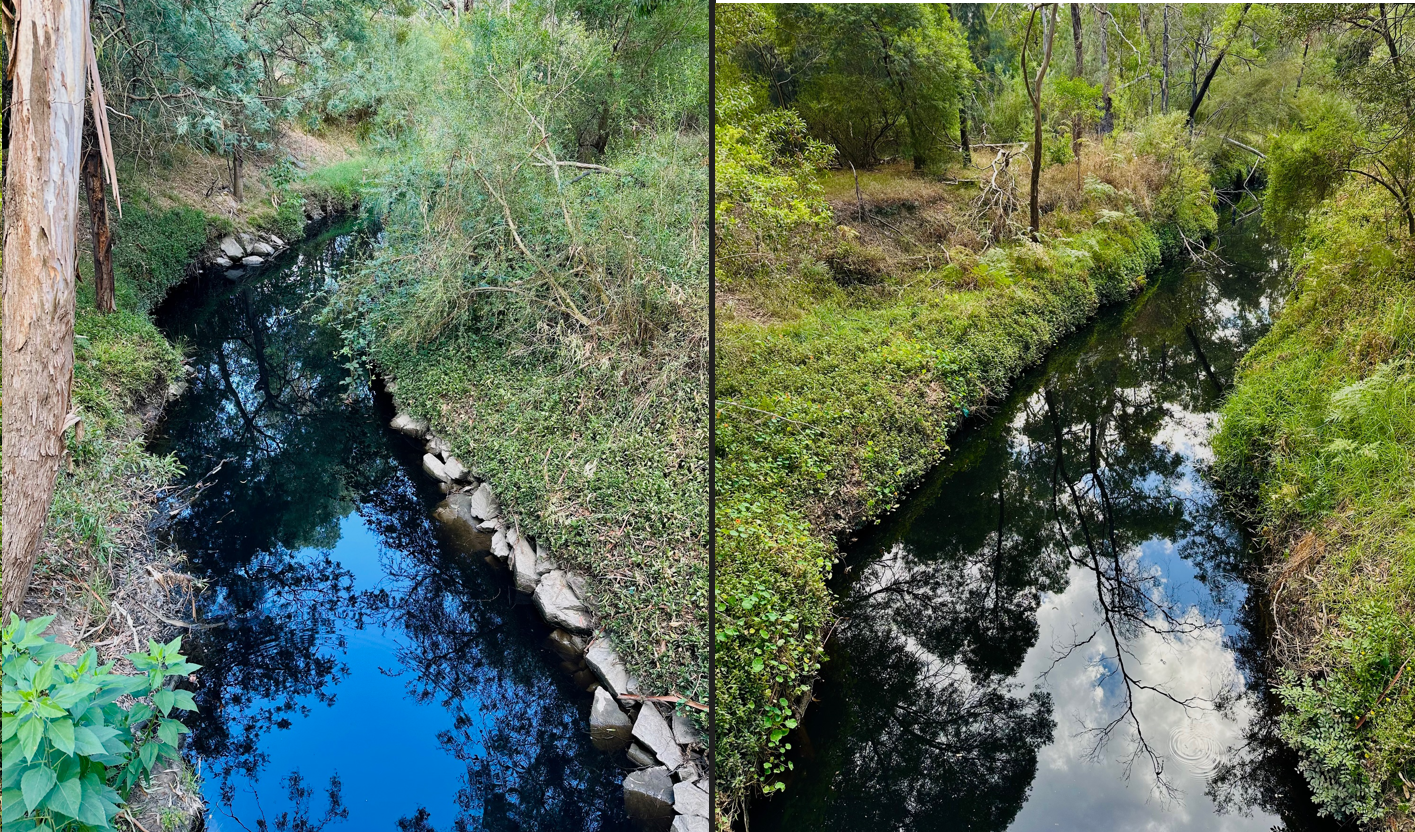
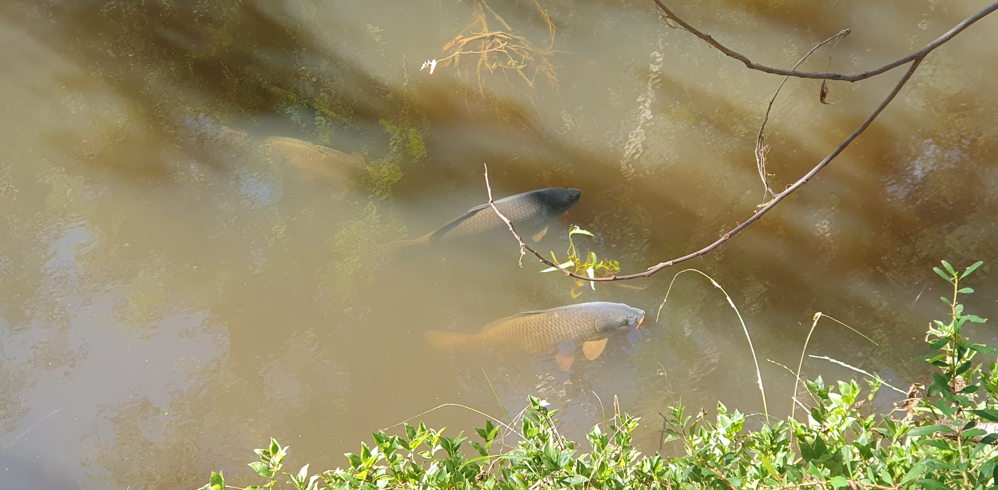
Following our Milk Tea look last month, some of our park users were rather alarmed over the past month at what seemed to be a significant pollution event – our creek’s water turned eerily as black as tar. The blackness is not floating on top of the water, more the blackness is IN the water – clearly obvious in a bucket of water pulled from the creek.
Blackwater events occur naturally and result when organic matter (eg leaves and similar debris) enters the creek [lots of that happening after high winds and hot weather], followed by a still and warm period where the carbon isn’t “flushed away” – so then accumulates. The water can also become hypoxic (deprived of adequate oxygen) so fish struggle to survive.
People had already noticed that the water level had dropped significantly and had lots of scum floating on top here and there. Heavy rains later flushed the carbon out to return things to the status quo.
School “Gateway to Nature” Project
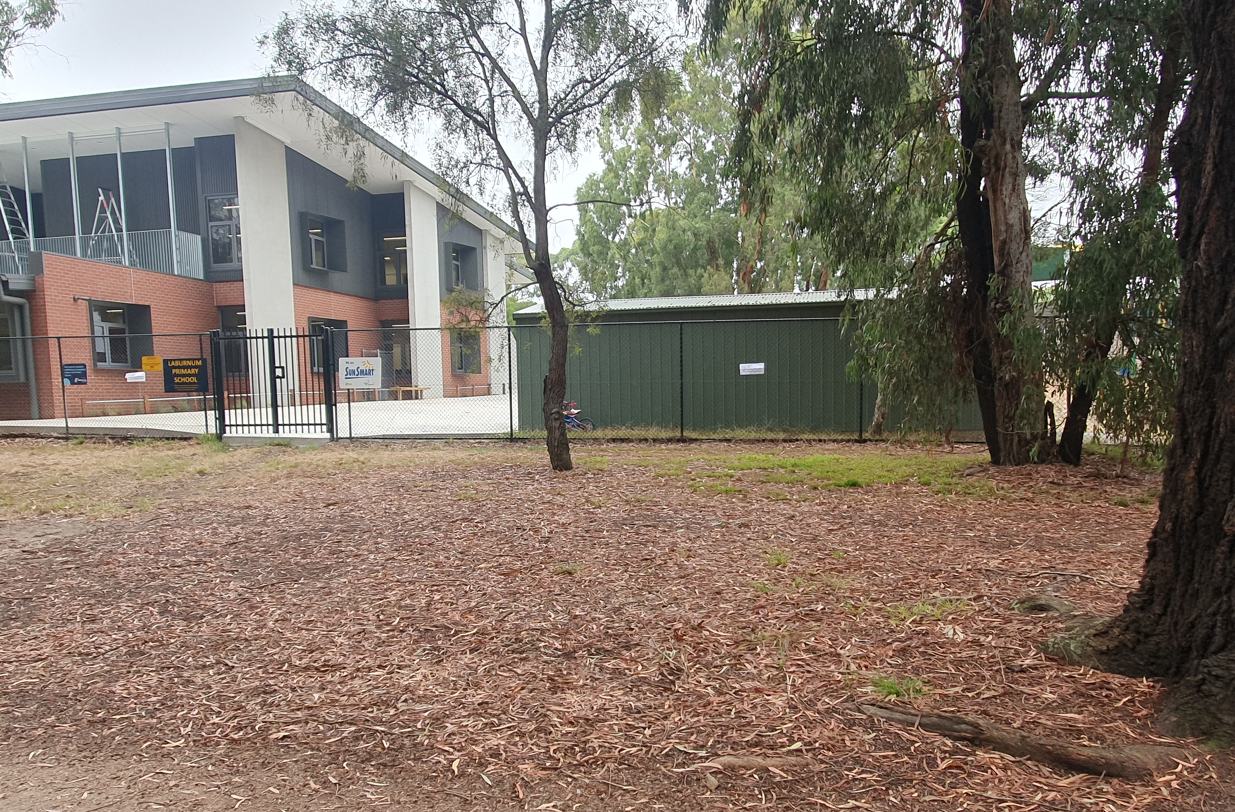
Council, Laburnum Primary School and parent representatives met with us on 12/2 to discuss opportunities for revegetation around school access to/from Blacks Walk – now that the new school building is in operation and paving works around the bike shed and new side gate are complete.
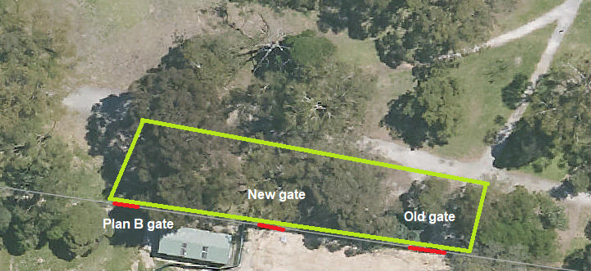
We will make planting work around the new gate the focus on our third and fourth community working bees in July-August. We hope to have the school community involved in those events along with the “usual suspects”. Leaving that work to later in the season will give Council time and budget to complete preparation works and to create a ramp up to the school paving level – given kids will be bringing bikes to the bike shed that way.
The light green polygon roughly shows the extent of the reveg area. There will be a pathway and seating near to the gate. The old gate will be retained for emergency access only – so we can’t plant up too much in front of it.
More Planning Changes
For those following the State Government’s saga on planning changes to increase Melbourne’s population density by pushing multi-storey developments, recent news (22/2 and following) shows some hope for a reduction in the potential impacts on the park discussed last month.
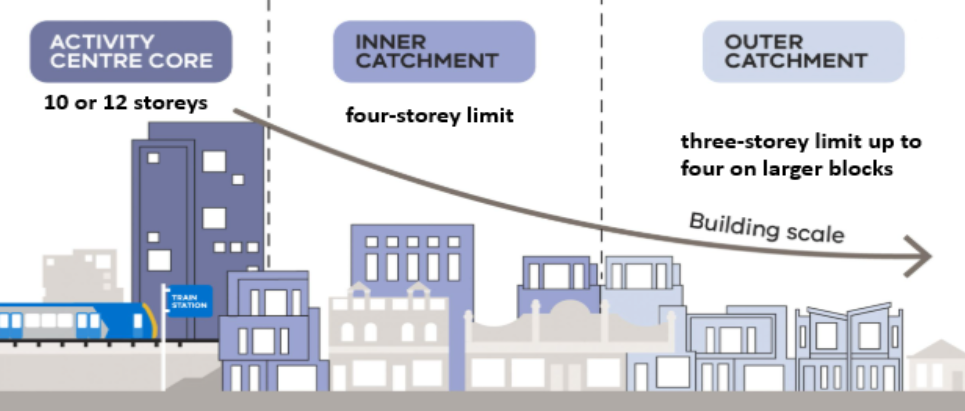
In the cases of ten pilot Activity Centres, the state government has reduced height limits for medium-density blocks of flats and shrunken the boundaries of the Activity Centres to better protect suburban amenity. Higher-density developments near train stations are still encouraged.
Here is a graphic based on one supplied by Government with proposed height limits in the pilot sites added by us:
Nothing on the boundaries and height limits for Box Hill, Blackburn, Nunawading or Mitcham and another 25 centres has been published yet. Names of a further 25 centres expected by last Christmas were released on 27/2 (see below). Names have changed too – the Walkable Catchment Zone (WCZ) we wrote about last month as likely to reach the park, must have gone through the marketing department and is now termed the Housing Choice and Transport Zone (HCTZ).
The changes to its 10 pilot Activity Centres probably provide guidance for our park community as to what to expect locally (excluding Box Hill). In other words, Furness Park could end up with 3 or 4 storey neighbours rather than 6! Not good – but less bad!
The government also says other changes include new rules to support tree planting on larger sites, and stronger controls to protect sunlight and prevent overshadowing of parks and open spaces. The timing of these additions suggests that access to green spaces is a nice-to-have, low priority for our Government urban planners – but at least they now seem to be listening to ideas for improvements.
The dark side of all this remains that developments “deemed to comply” with redefined RESCODE rules must be approved by Council, they do not have to consider neighbourhood character and there is no right of appeal for neighbours.
Targets for New Homes Reduced
The Government also reduced the targets for new dwellings across Melbourne on 23/2. However, despite the state government having reduced housing targets for Melbourne council areas by almost a quarter of a million homes, there are only to be about 3.2% less in Whitehorse. We still need to double the number of homes we currently have!
Townhouse Capital
On Tuesday 25/2, Premier Jacinta Allan and Planning Minister Sonya Kilkenny announced that they wanted Melbourne to be the townhouse capital of Australia through a “townhouse and low-rise code” designed to fast track planning approvals. Blackburn folks know all about townhouses already – we are already losing garden areas and tree canopy through relentless multi-unit developments. Our neighbourhood character, environment and both physical and mental health are the inevitable casualties.
Twenty-five New Activity Centres and Focus back on the Inner City
On 27/2, Premier Allan unveiled another 25 Activity Centres earmarked for higher-density living. The Government also announced that the City of Yarra and the City of Melbourne had “citywide” classifications.
Plan Victoria
Plan Victoria was released on 27/2 (in part?). This is the successor to Plan Melbourne, Melbourne 2030 etc etc. So far only snippets of information have come through – regional cities will need to offer higher density developments (decentralization is back ?) and car-park requirements per unit for high rise developments are to be reduced. There is, no doubt, much more to come…
Council Community Planning Forum
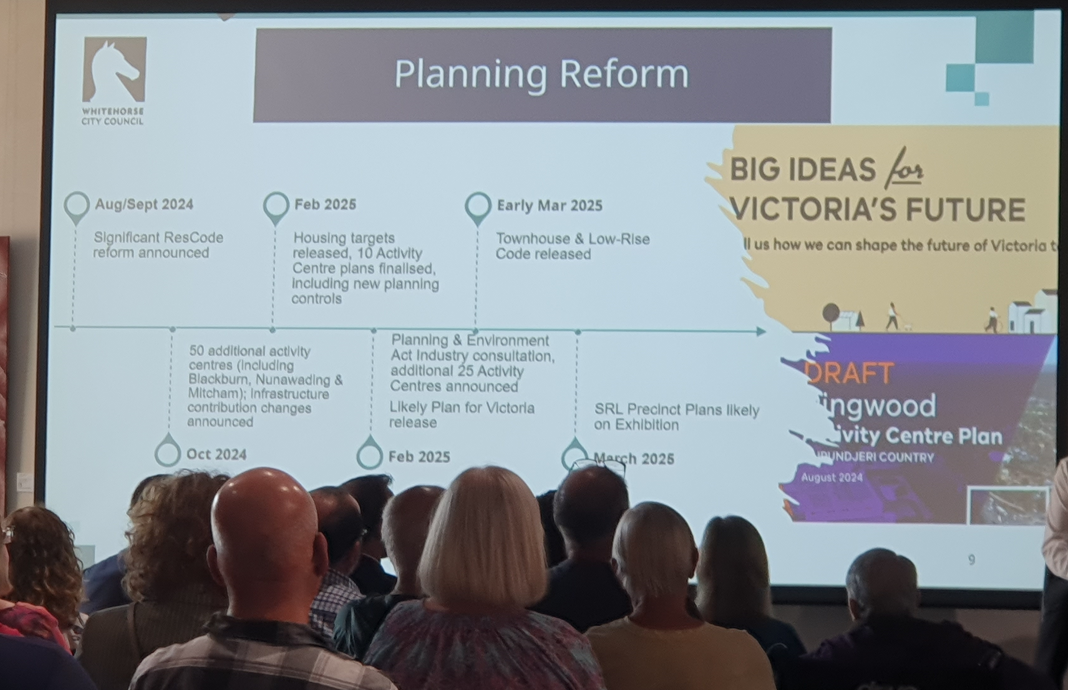
Whitehorse Council’s Community Planning Forum QnA on 27/2 was serendipitously well timed to include the latest barrage of changes from the State Government listed above – which has left many of us bewildered by the local implications. The State Government seems to be throwing everything it has in its armoury at the housing capacity issue. We are confronted by the most significant changes to our planning system in decades.
The expert panel at the Forum could only deal with a small proportion of the questions raised. Surprisingly, the panel could not answer many of these because the details are simply unavailable. The State Government seems to have made a mess of the messaging on these changes when even the experts are not in the loop – but at least it does seem to have started listening at last – if not for community information, then for the political implications.
One sobering point came from Council’s Jeff Green. The economic situation has to be right for all these interventions to take effect. The Age reported on 26/2 that, from the alarming “Future Homes” proposal we reported in our February, 2024 newsletter, only one building has resulted – in Shepparton – despite suitable properties being identified at the individual lot level all over Melbourne. Ironically, it seems that the State Government’s huge tunnelling projects have created supply issues for construction – especially in manpower. The uncertainty and lack of detail cannot be helping either.
Sightings
Our Invertebrates
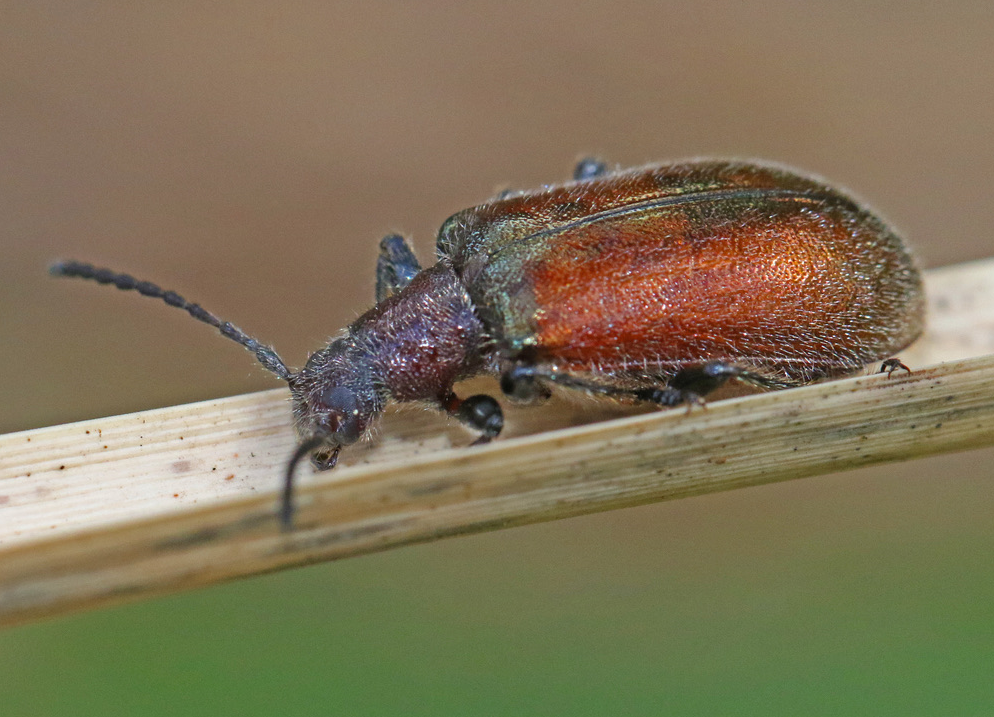
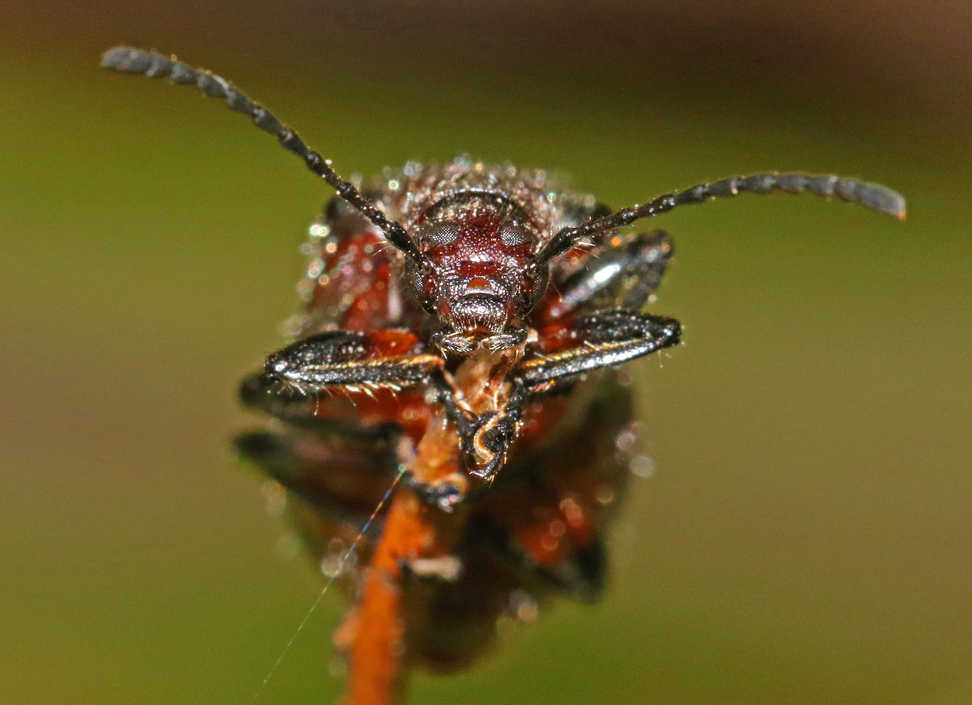
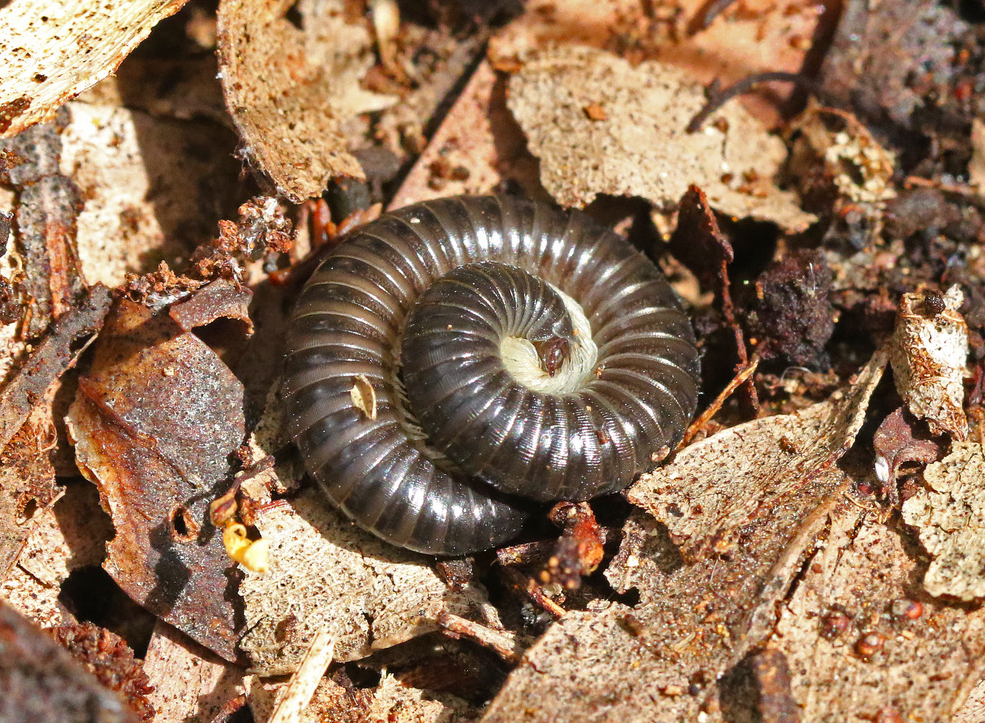
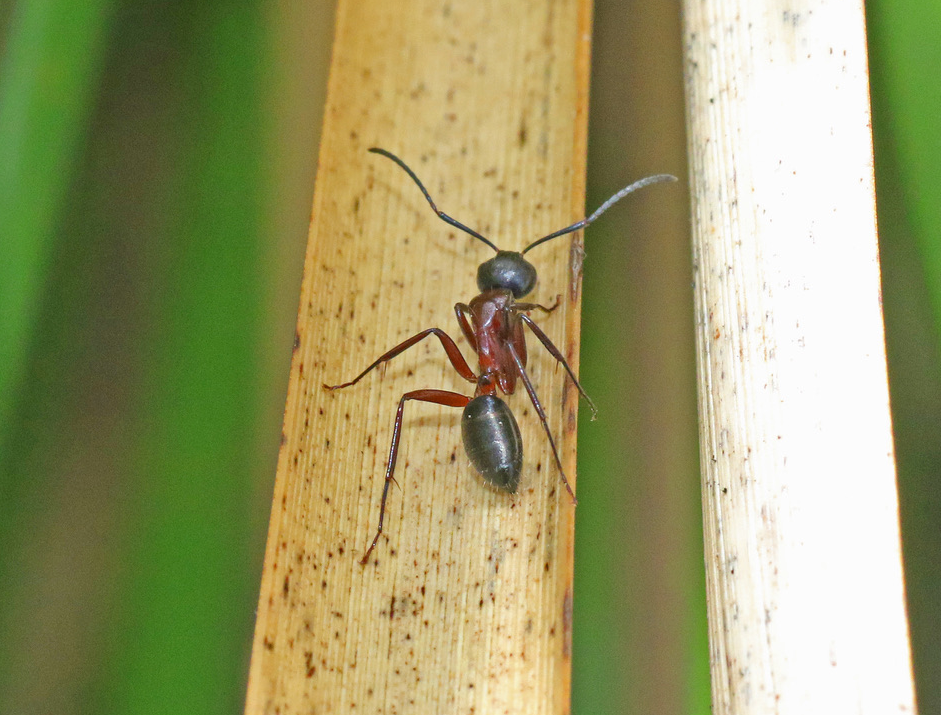
A valid criticism of our newsletter might be that we present too many photos of our birdlife to the exclusion of other fauna – especially our invertebrates (animals without backbones – spiders, insects etc). It’s forgivable though – the latter tend to be smaller, harder to see and arguably not as “cute”.
Anthea (who does a great job managing our noticeboard displays) reported to our last Committee meeting that there are gaps in the material we present and a presentation on invertebrates was one of them. Our meeting must have been “bugged” (sorry!), because, the very next day, Ian Moodie (one of our Bird Walk leaders and a legendary photographer) sent us a note saying he’d photographed a few ‘mini-beasts’ that he had seen in the past few days in the Creeklands – would we like them ? “YOU BET” was our response – perfect for our newsletter and noticeboard purposes.
Here they are:
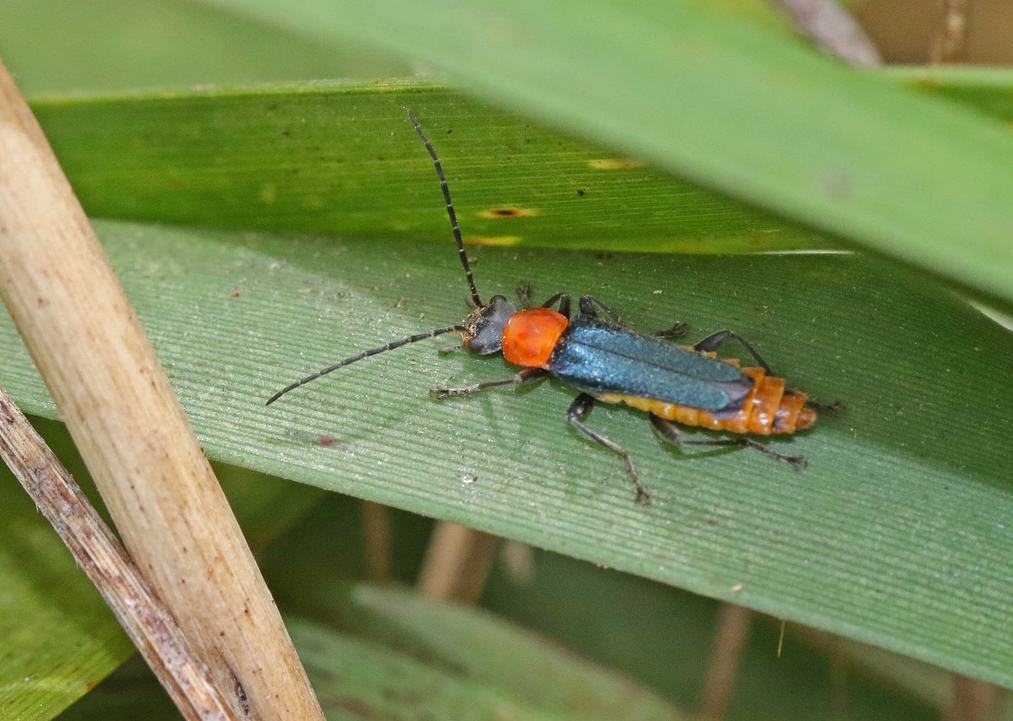
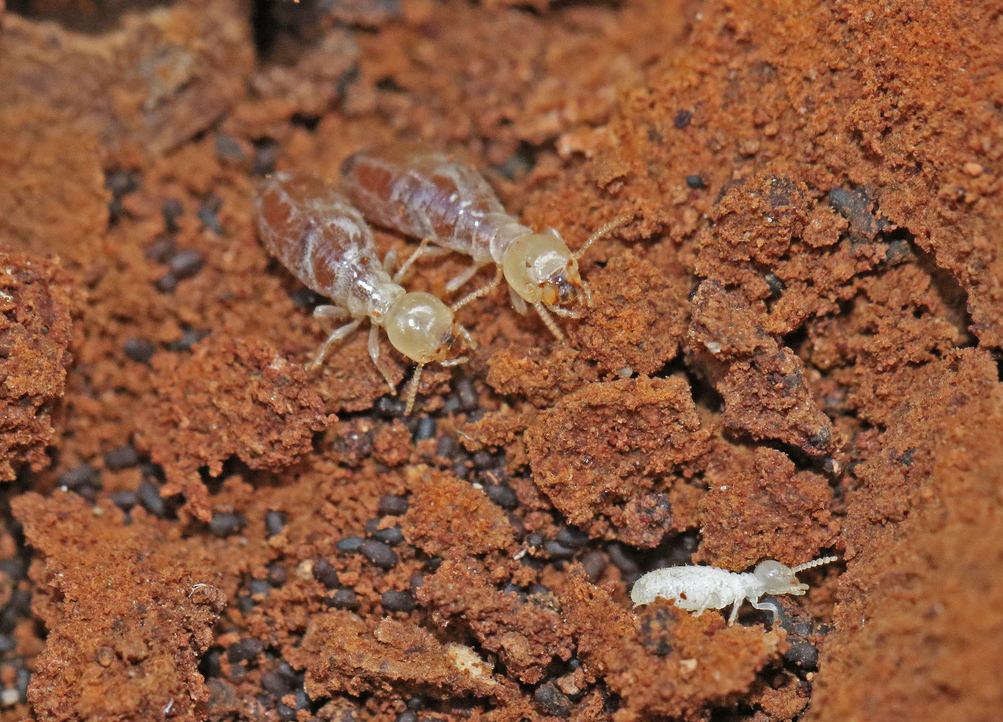
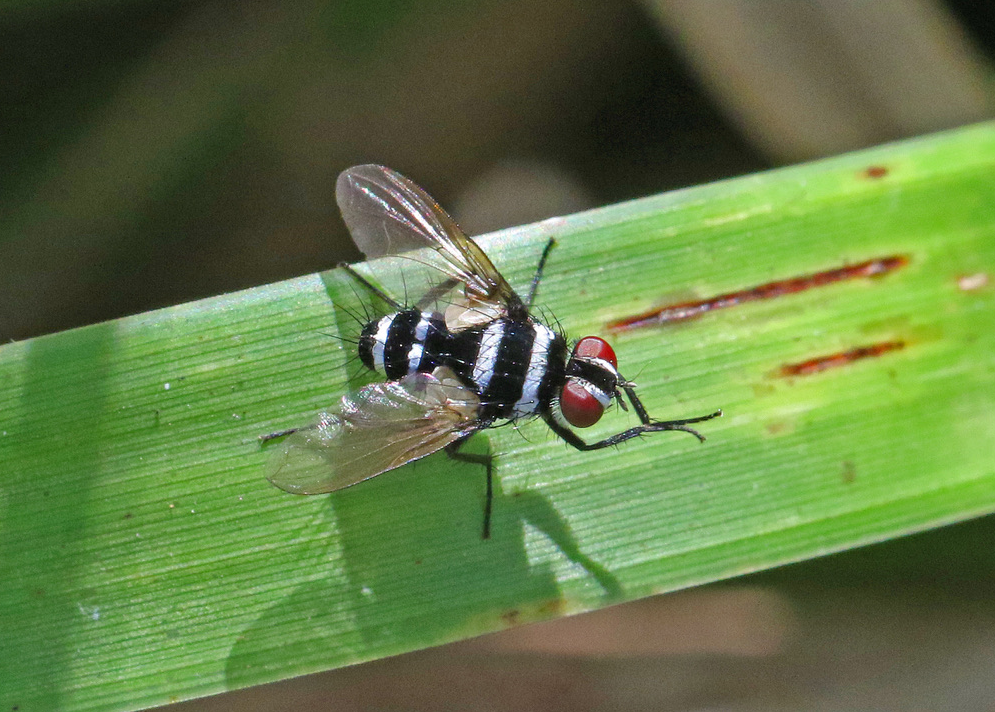
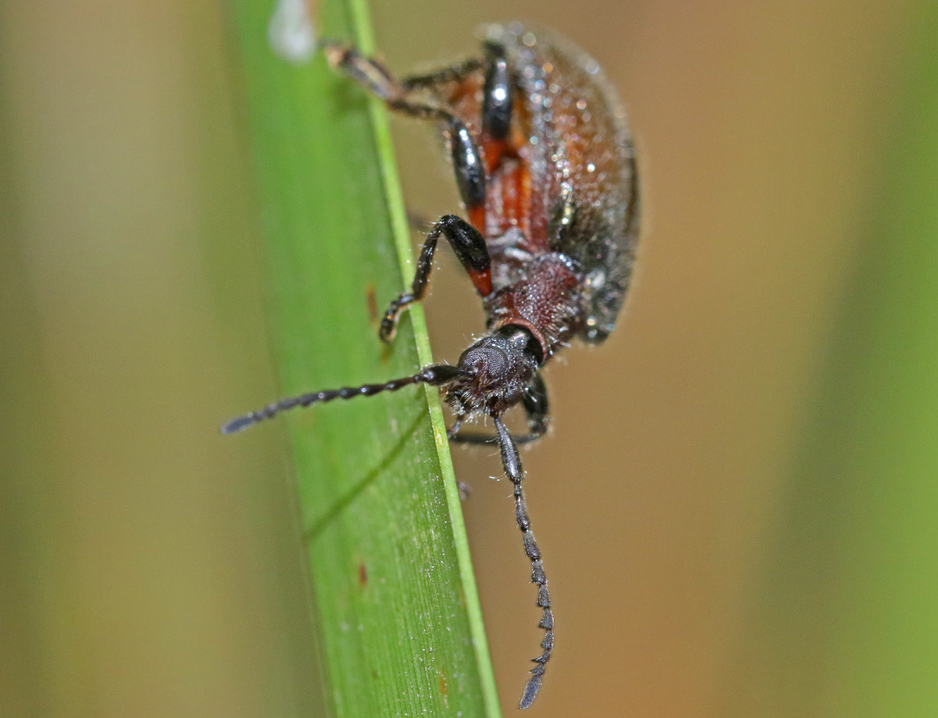
Please click on image to enlarge; click on the X to return
Here are Ian’s notes on each species:
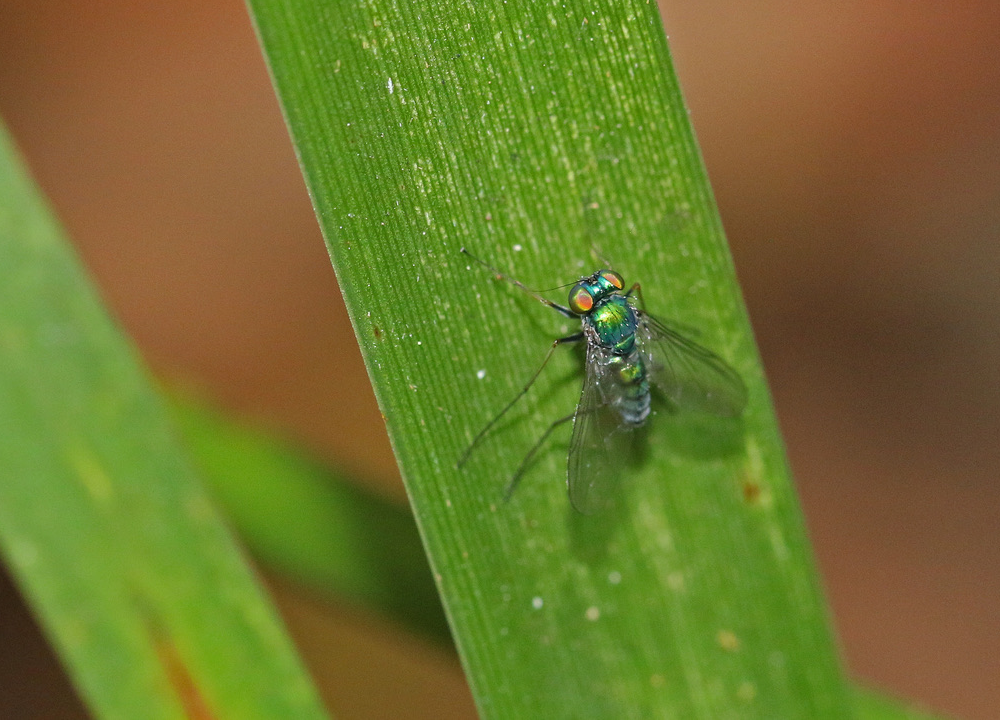
- Parentia sp. (possibly P. dispar), a member of the Long-legged Flies, Family Dolichopodidae. They are a small fairly common little fly, usually found near water. They eat small soft bodied insects such as aphids or thrips.
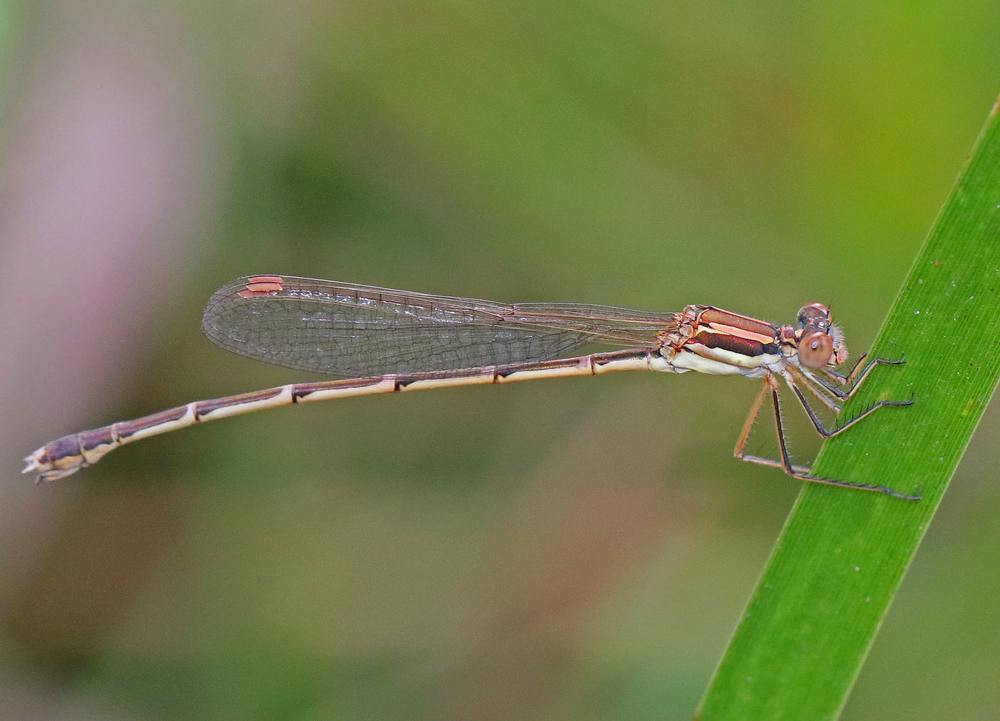
- Ringtail Damselfly (F), Austrolestes sp. (most likely A. psyche). A common damselfly around Melbourne; found near ponds, dams and slow moving streams. Like most Dragonflies and Damselflies, they are aerial hunters, catching such things as mosquitoes and flies.
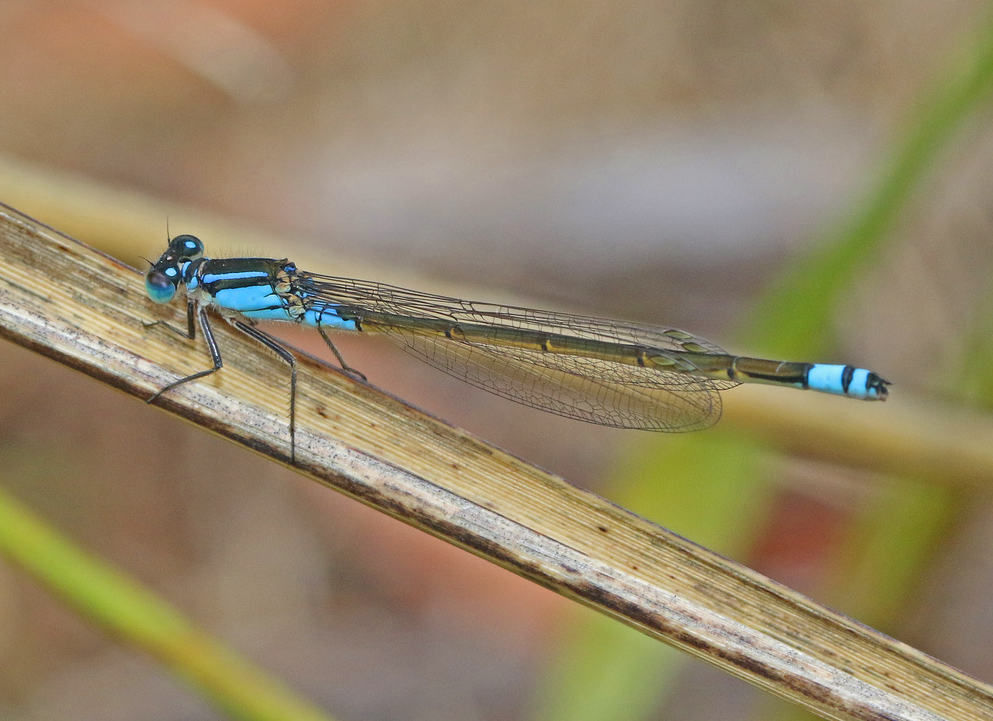
- Common Bluetail Damselfly, Ischnura heterosticta one of the most common Damselflies in southern Victoria.
- Tricolour soldier beetle, (Chauliognathus tricolor), a fairly common pollen eating beetle, they are related to the much more numerous Plague soldier beetle C. lugubris.
- Passionvine Hopper, Scolypopa australis. Sometimes mistaken for a small moth, they are actually a type of small sap-sucking bug (family Hemiptera) and they can be quite a pest in home gardens. They are a local native.
- Termites – there are nearly 3000 described species of termites of which 350 are known from Australia. They are very common throughout the greater Melbourne area. They feed on decaying vegetable matter, such as wood and leaf litter. They are important recyclers of soil nutrients.
- Trigonospila cingulata – (I don’t know of any common name. ‘Collingwood fly’ perhaps??). A distinctive small fly, its larvae are parasites on some local beetle species.
- Brown Darkling Beetle – Three pics of a Brown Darkling Beetle, Ecnolagria grandis, a very common small beetle in late summer. Their larvae feed on detritus such as dead leaves.
- Portuguese Millipede – Ommatoiulus moreleti. These introduced millipedes can be very common at times.
- Antarctic Sugar-ant – Camponotus innexus. These feed on a variety of sources including plant sap, fruits, insects, and even honeydew produced by aphids.
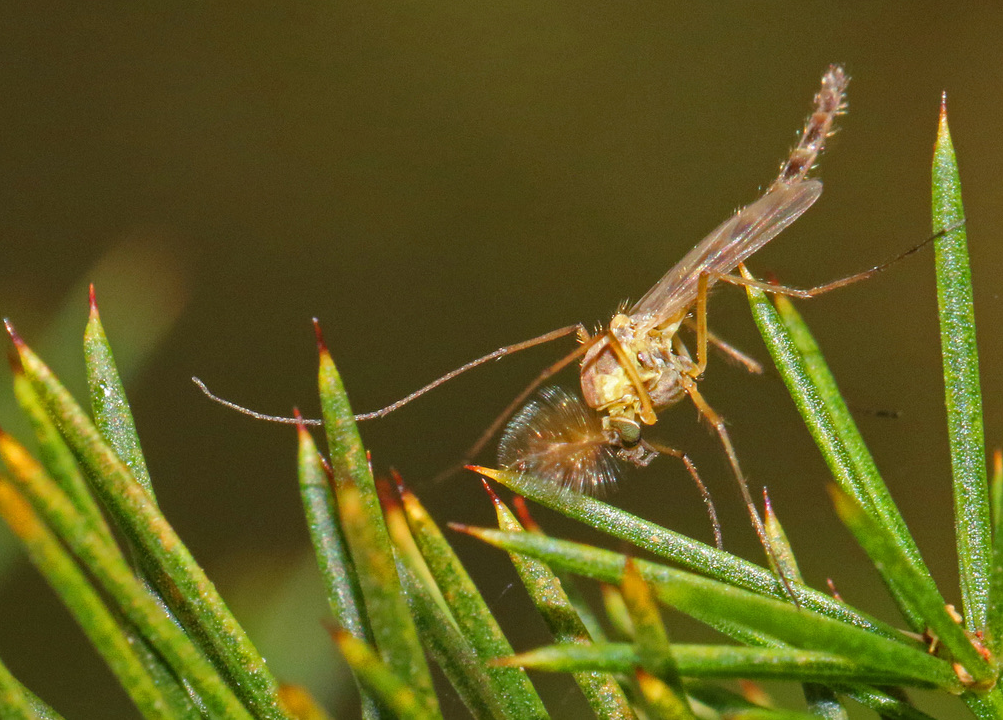
- Midge – One of a number of local non-biting Midges, Family Chironomidae.
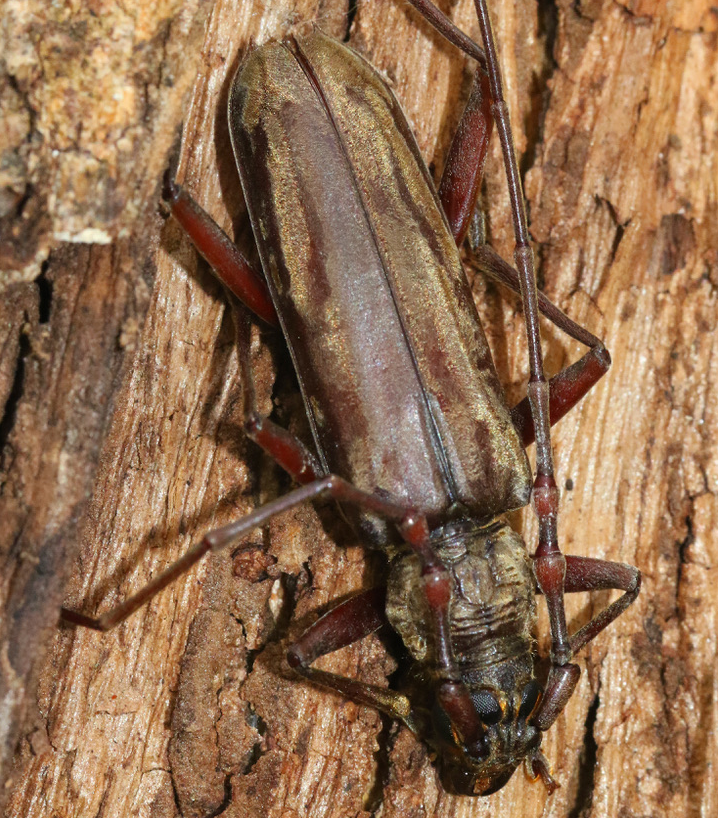
- Pachydissus sp. A type of wood boring Longhorn or Longicorn Beetle.
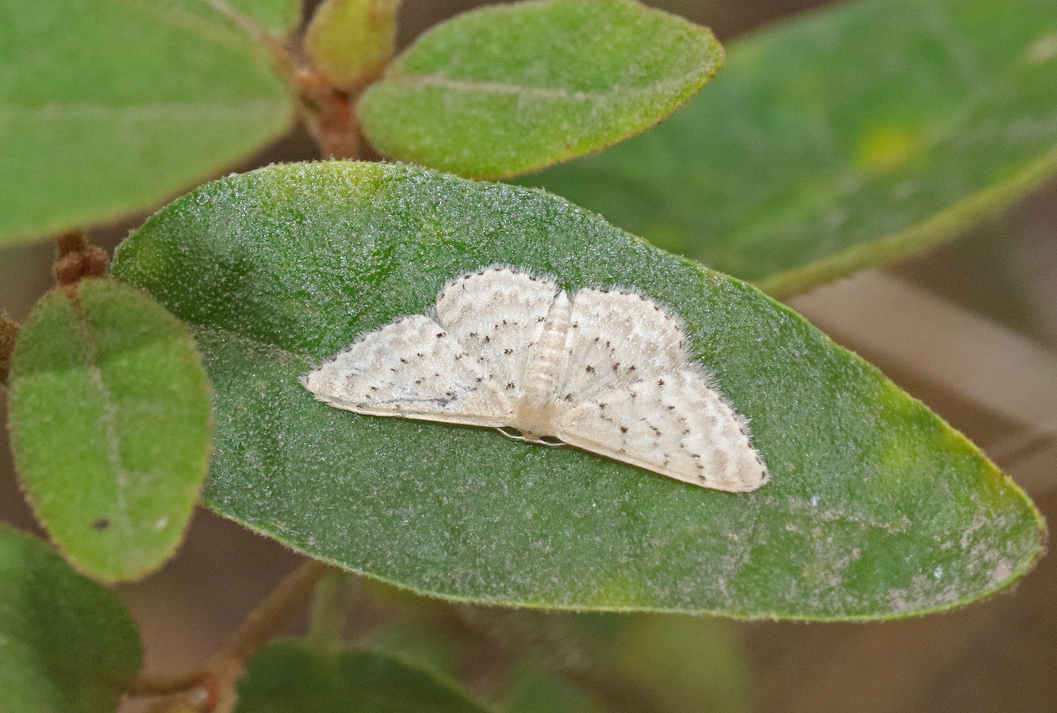
- Flecked Wave Moth – Idaea philocosma. A common moth found in most of Australia.
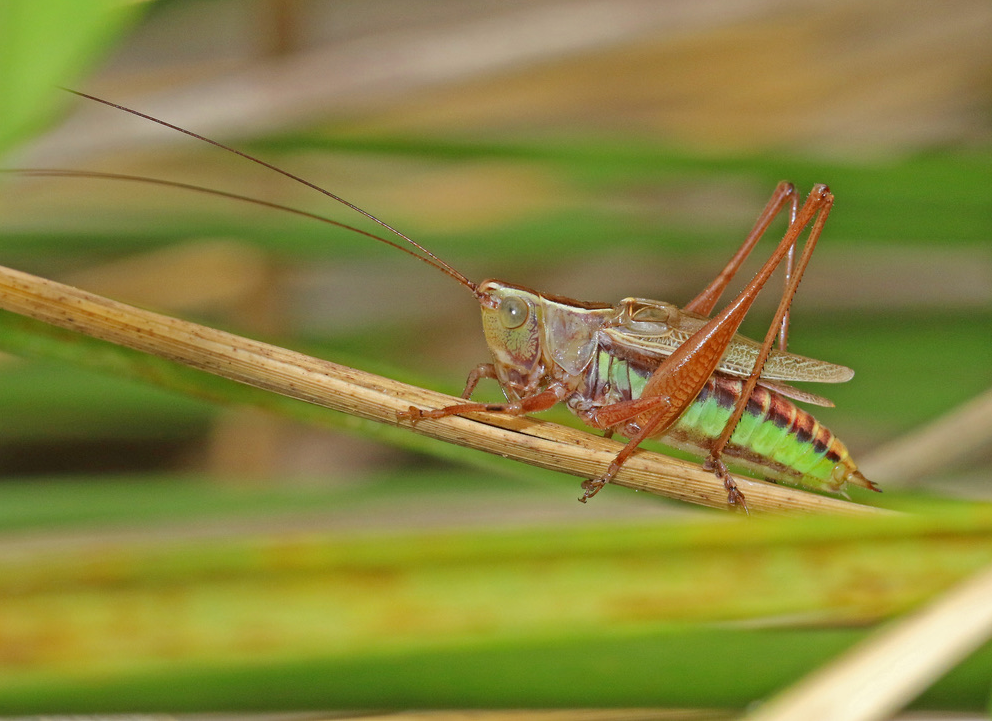
- Meadow Katydid, Conocephalus sp. a common insect, often mistaken for a Grasshopper. They are a plant eater.
We’re hoping to bring you more photos next month. If you would like to see more of our invertebrates in the meantime, Wendy was inspired to do a similar study in Kalang Park in late 2020 – see our November and December 2020 news for the details. Interestingly, there is no cross-over in the species Ian and Wendy have reported! Ken has also contributed an excellent set of photos to our December, 2024 newsletter. All this is testament to the wonderful biodiversity we have in our bushland parks…
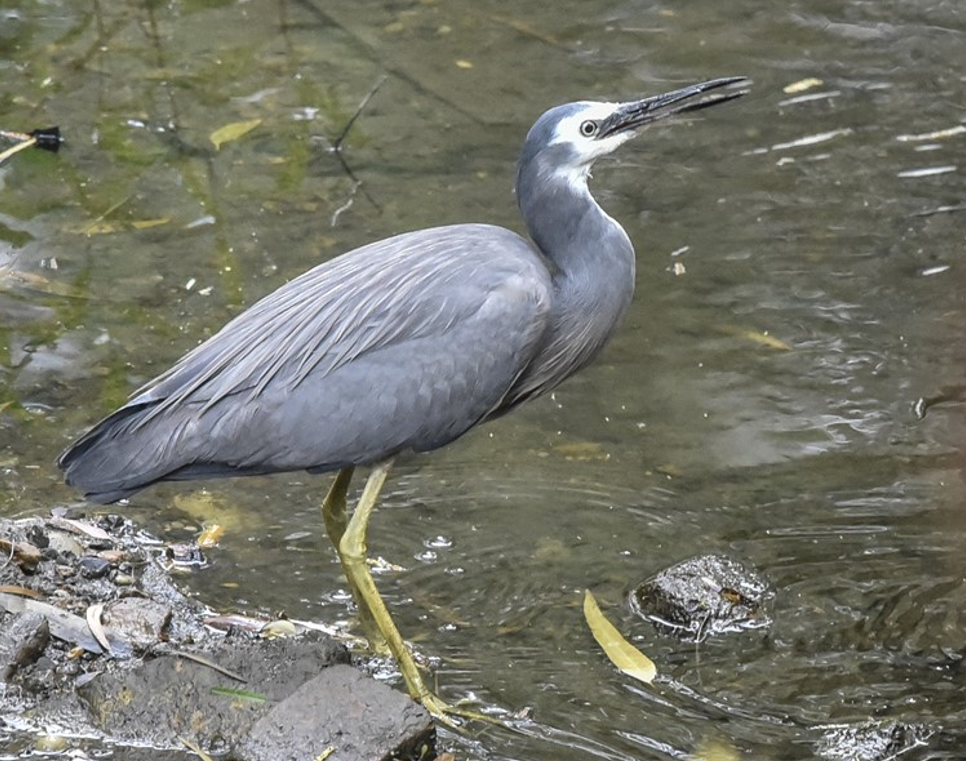
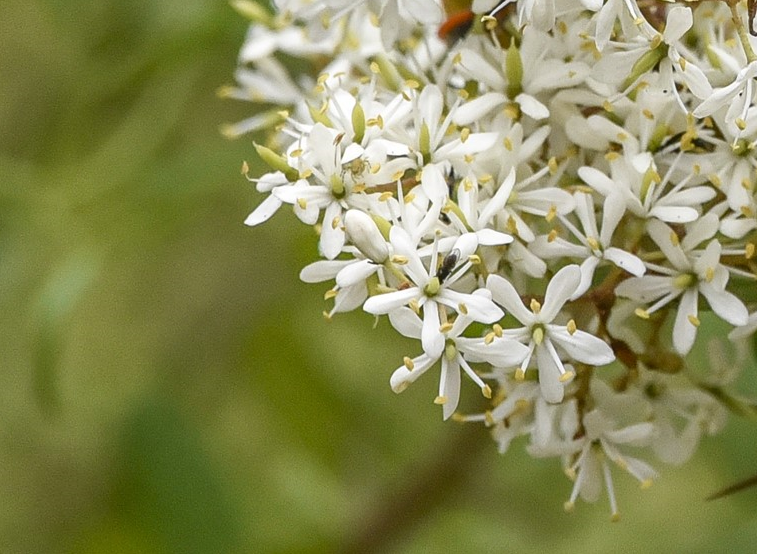
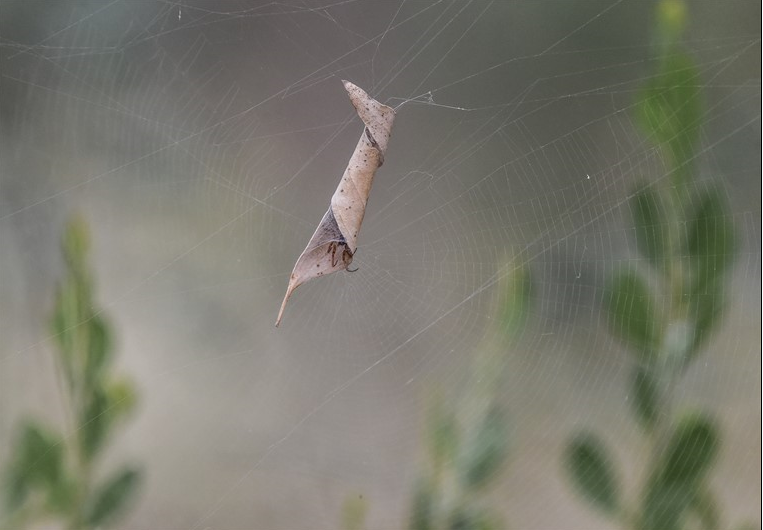
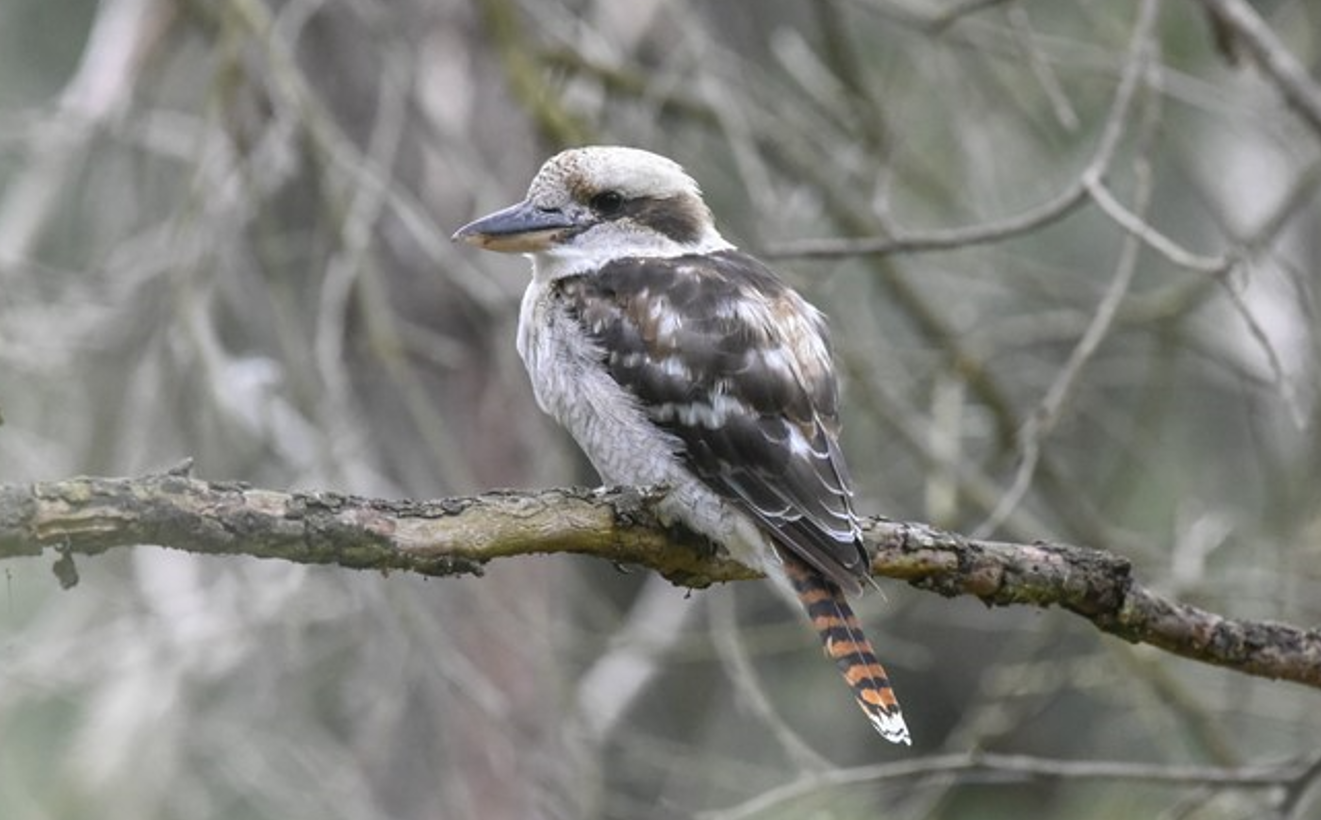
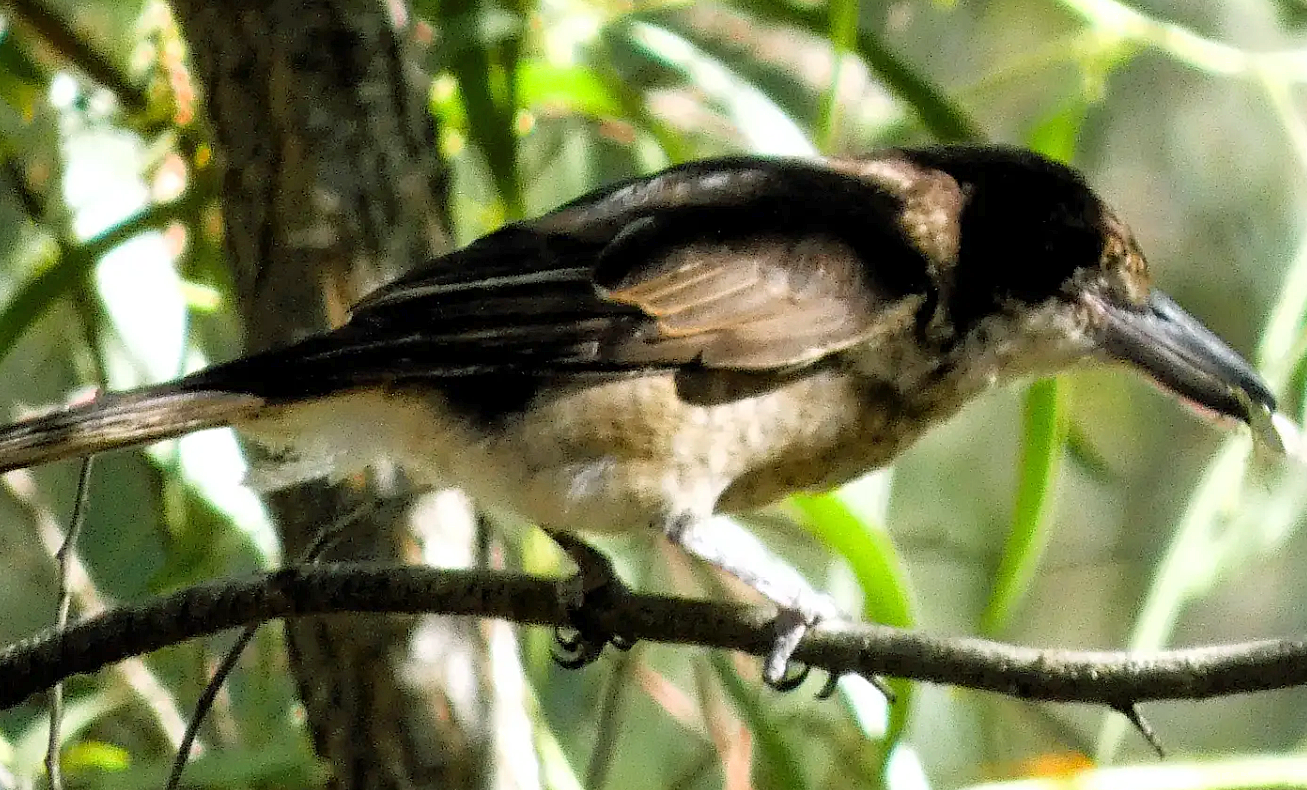
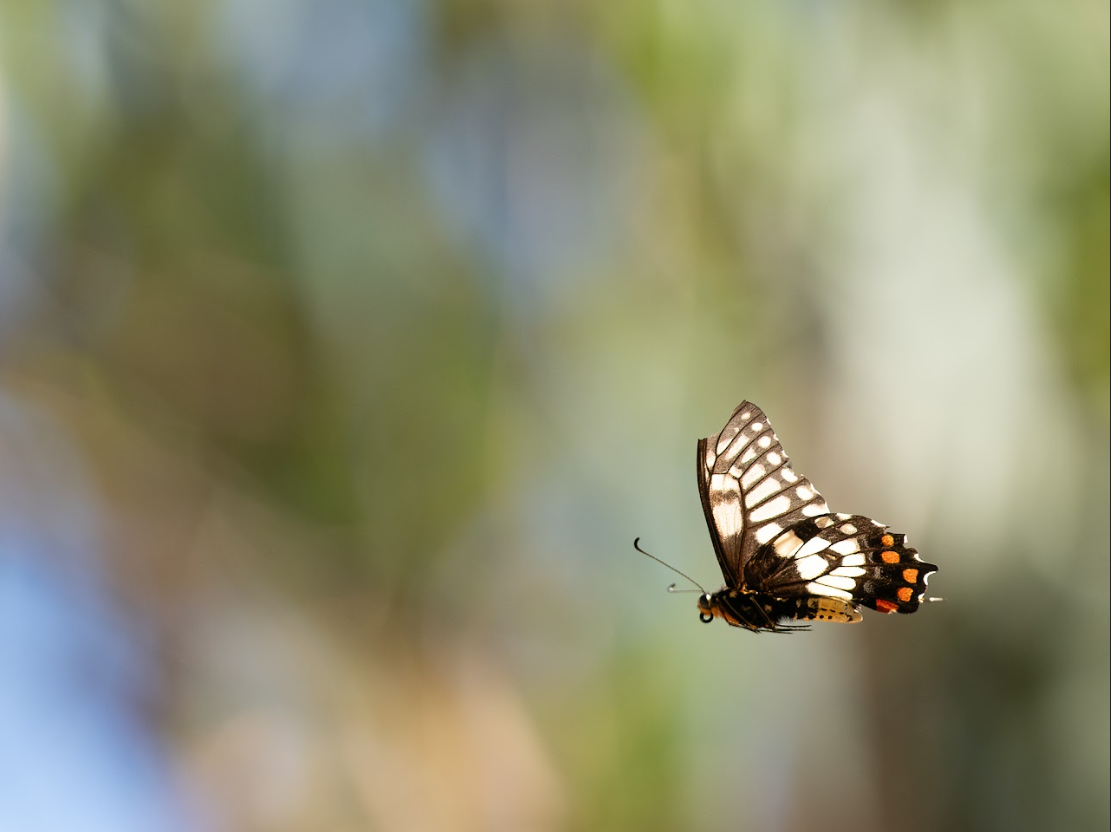
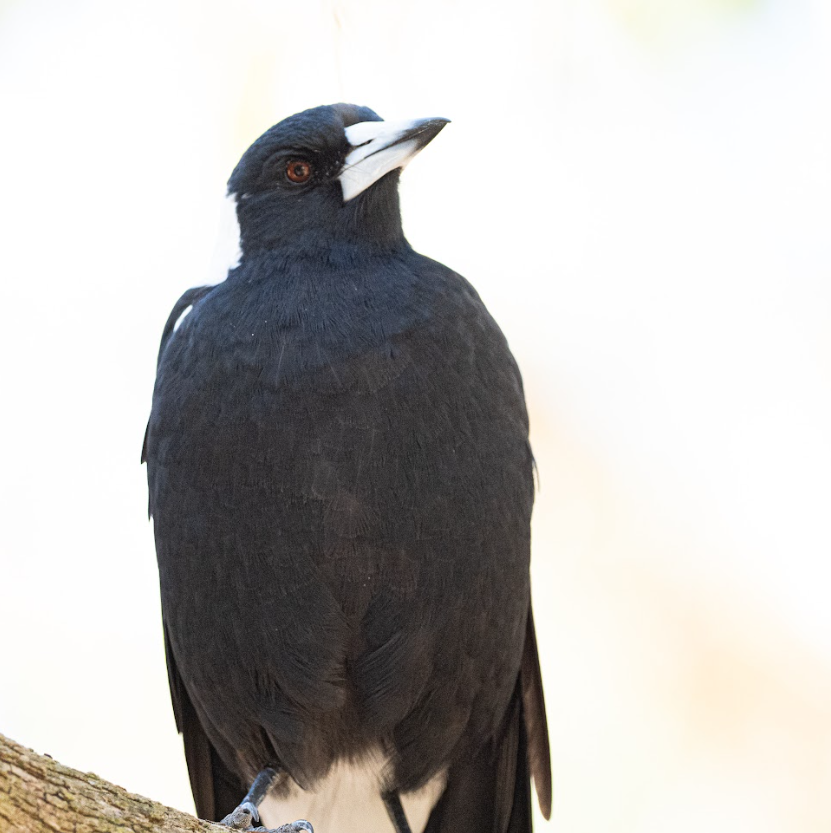
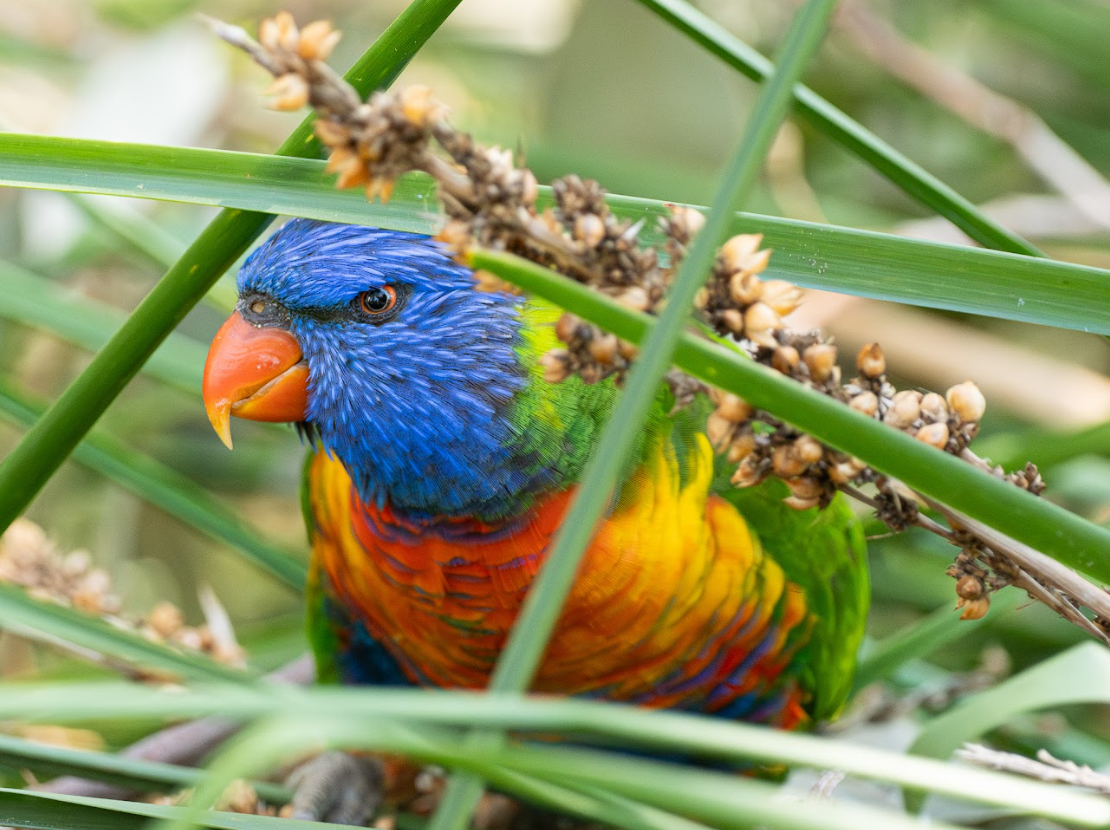
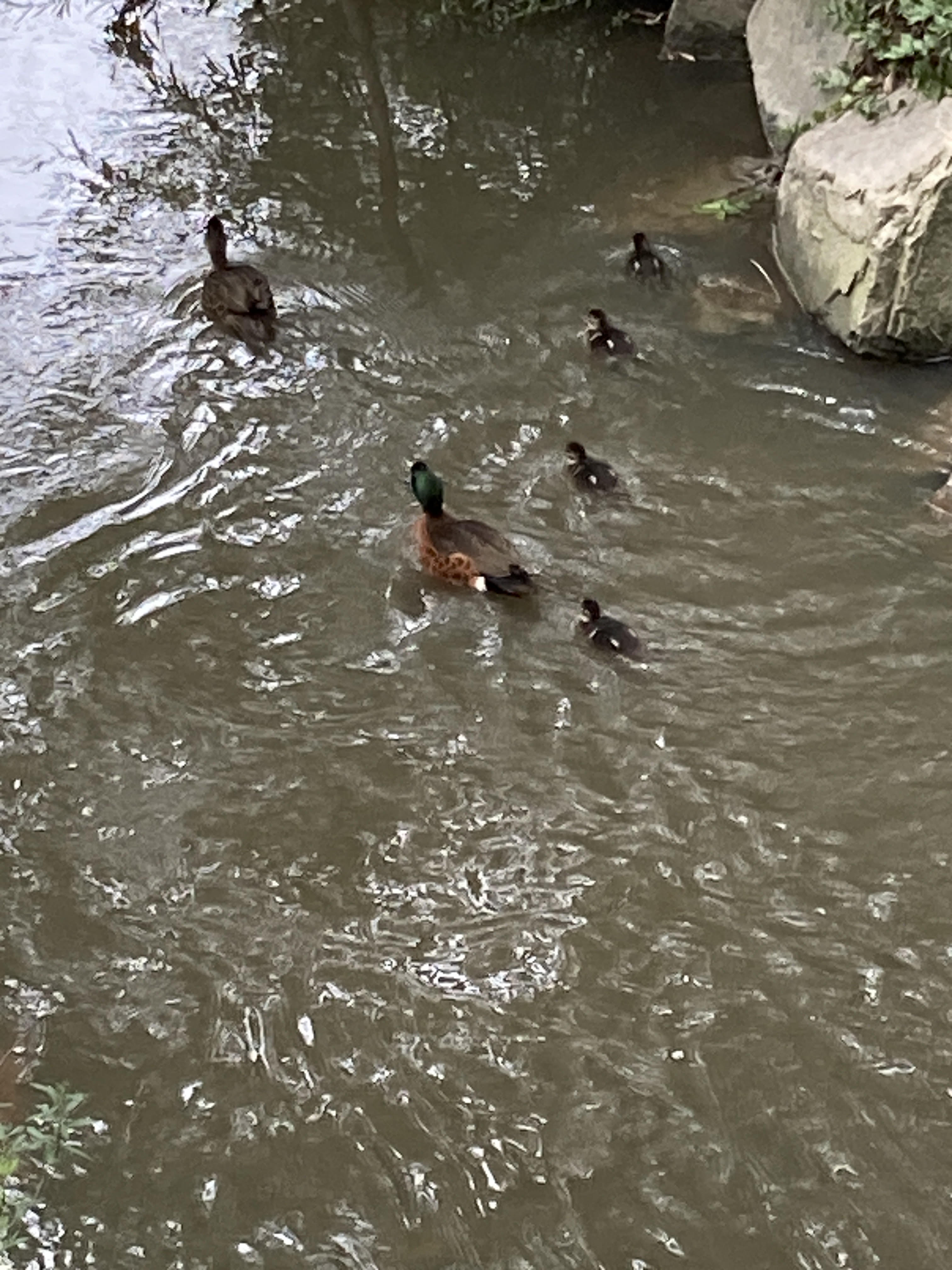
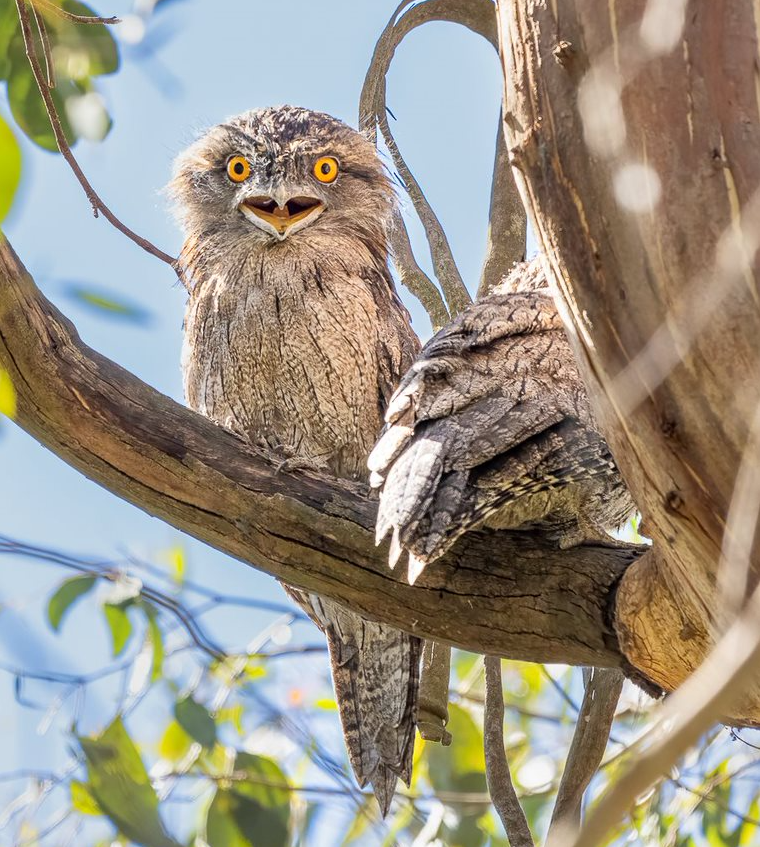
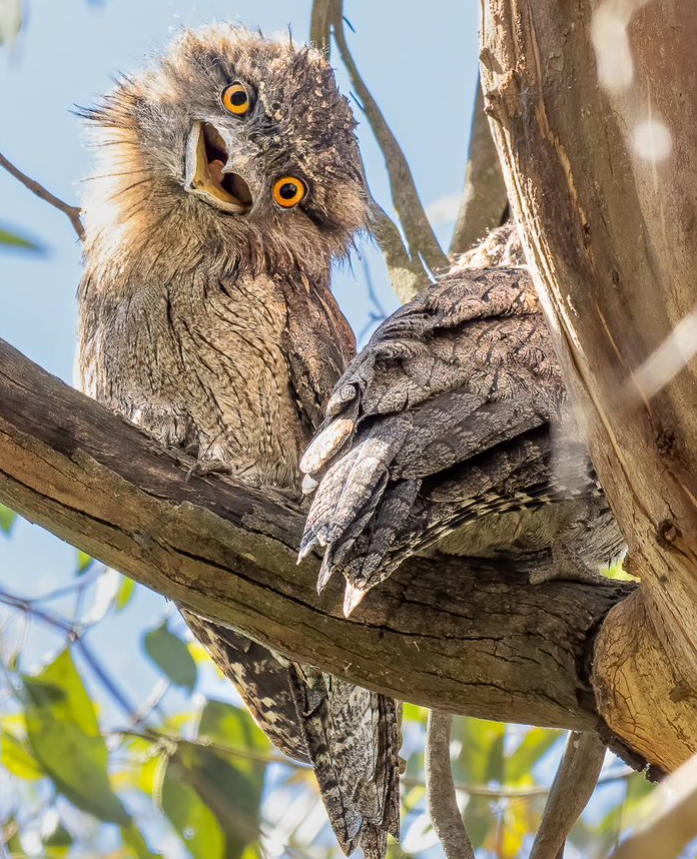
Needless to say, we do have great selection of snapshots of what you might see in the park in February from our regular contributors including Greg, Ken and others:
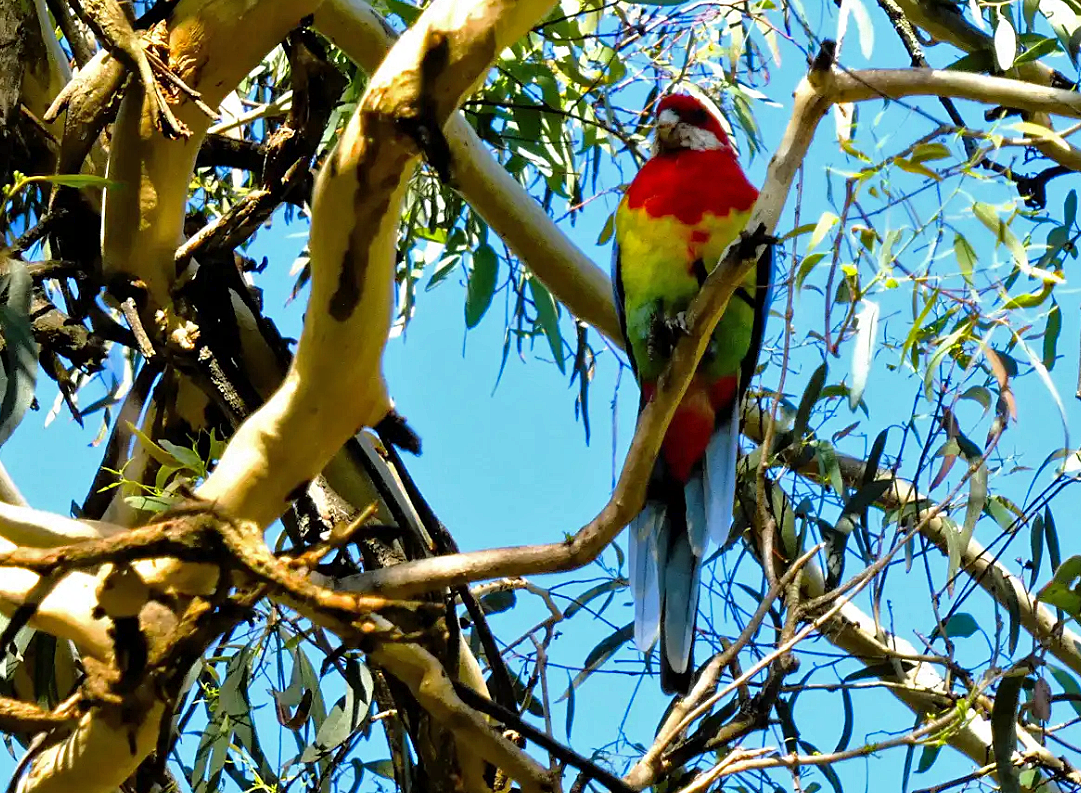
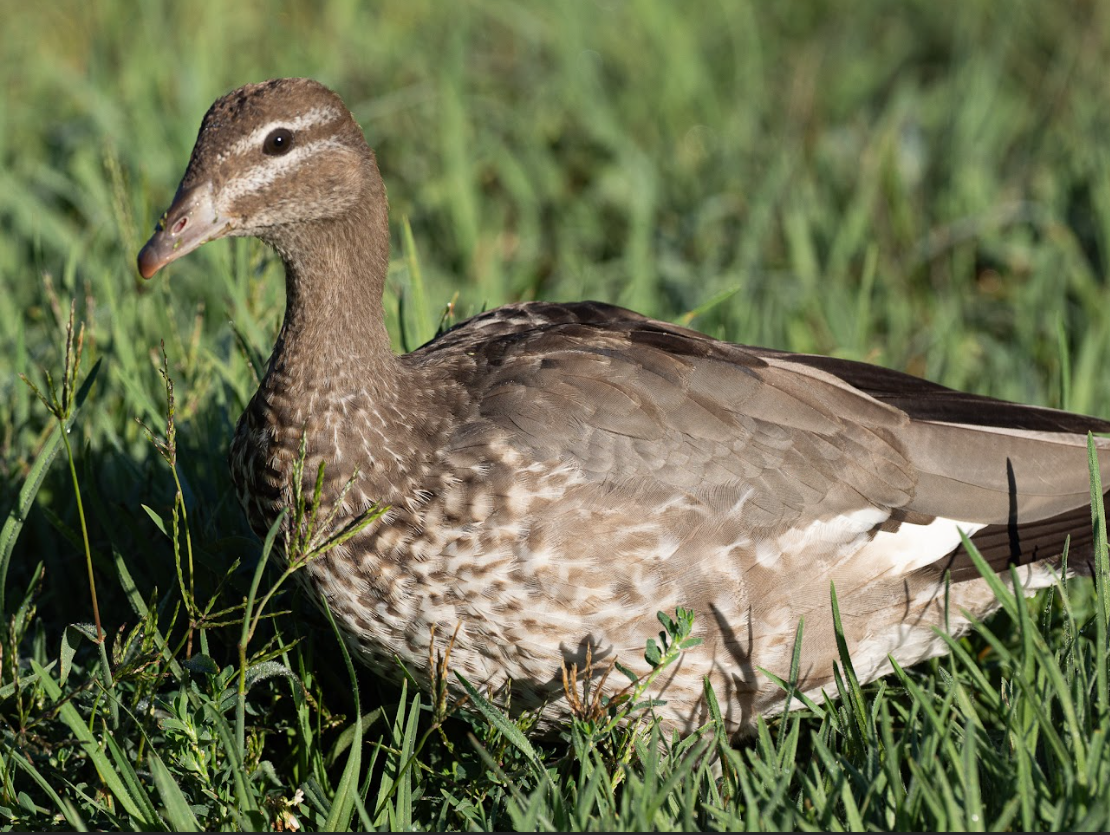
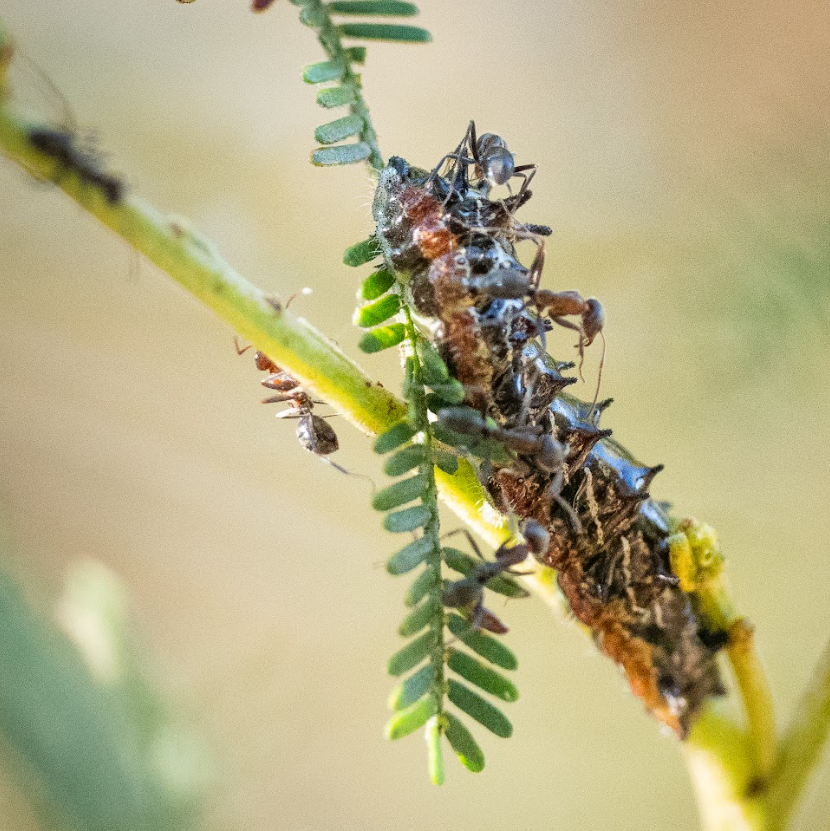
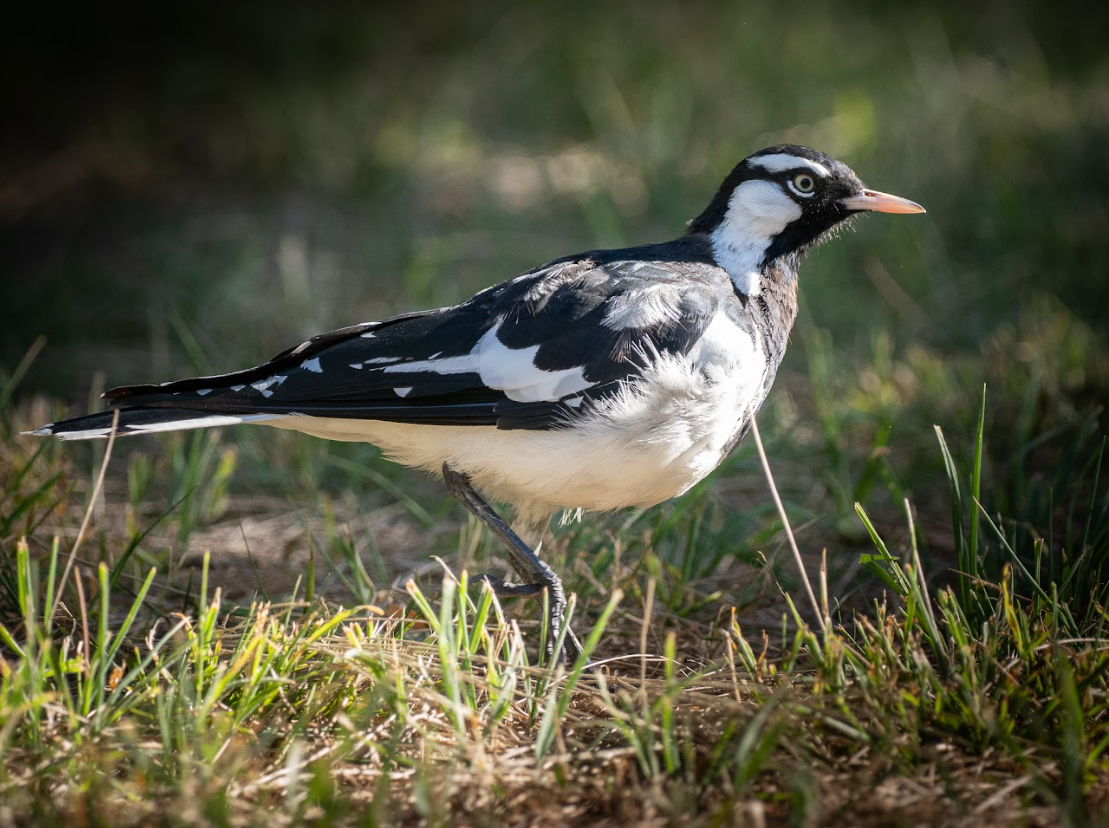
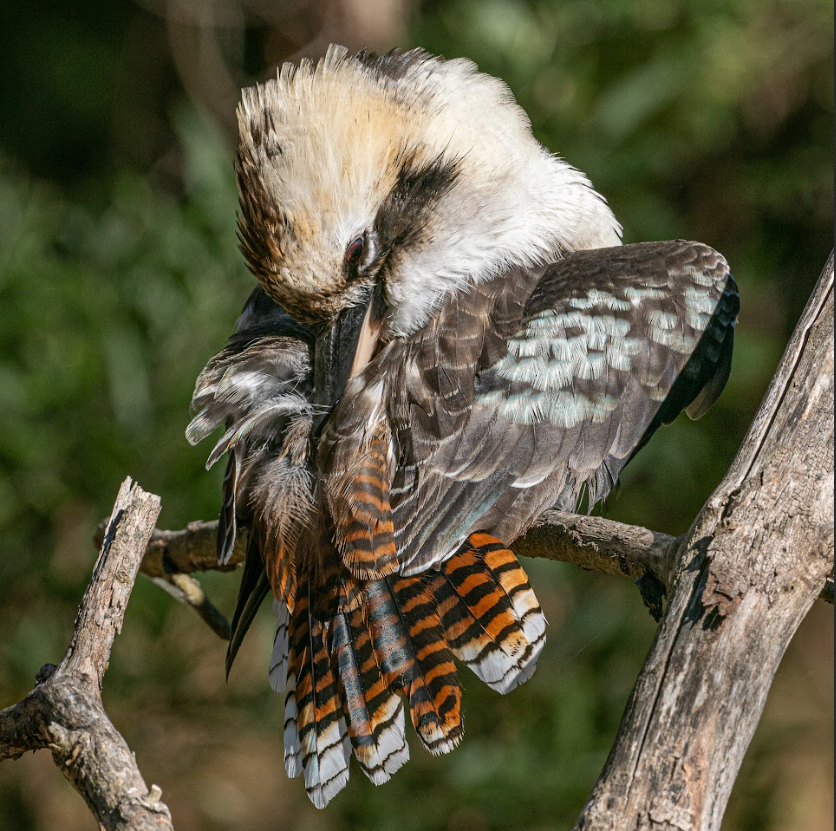
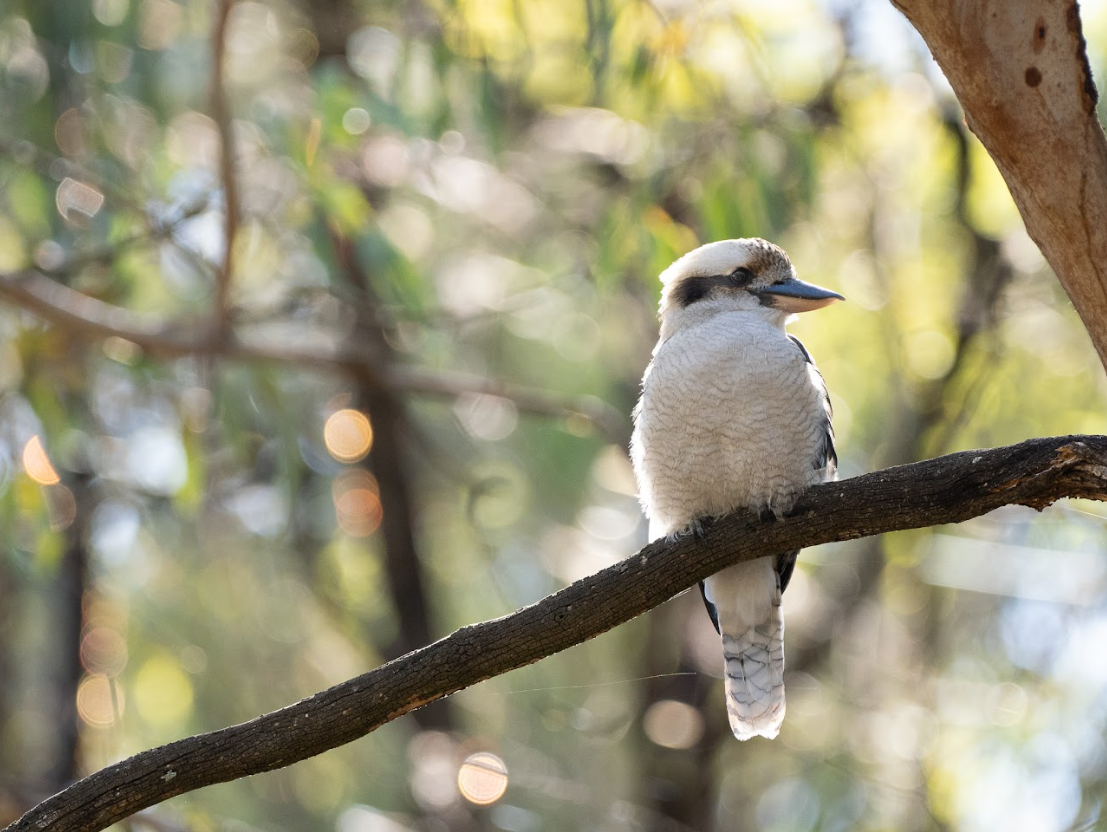
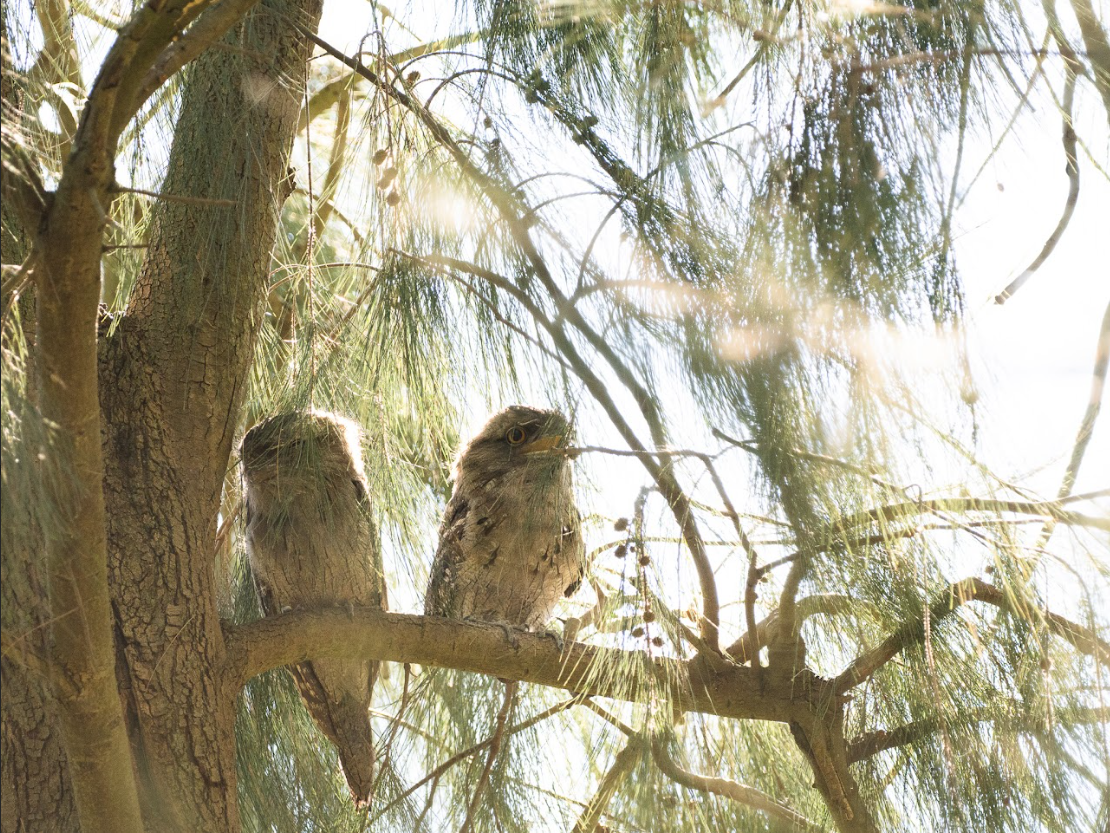
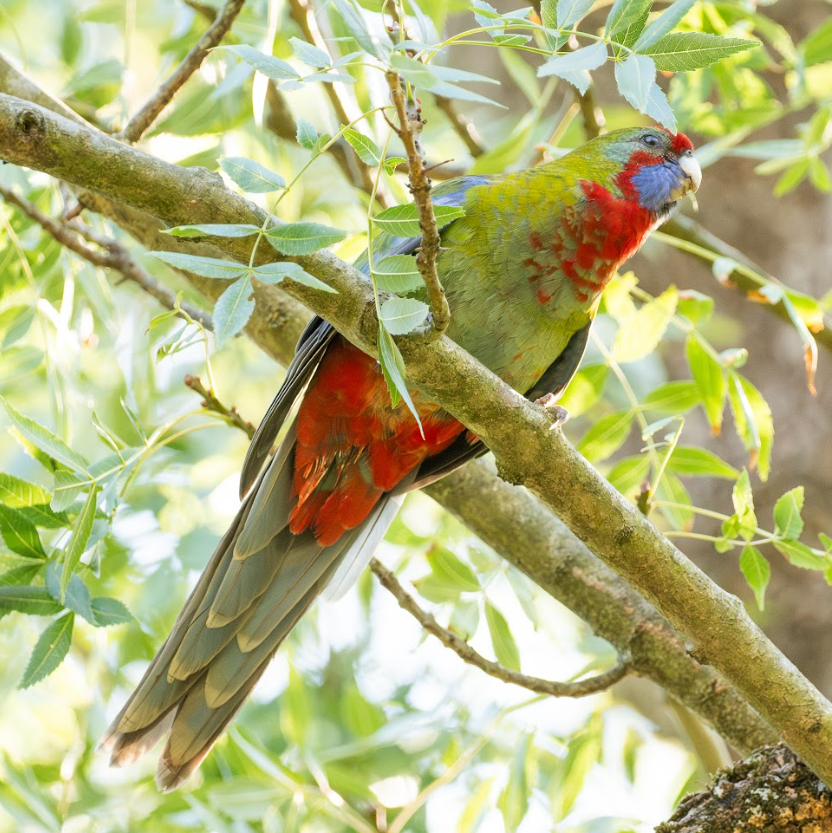
Please click on image to enlarge; click on the X to return
Great to see the White-faced Heron back in the park! They often breed around the Laurel Grove North/Acacia Avenue/Linum Street area – but seemed to have moved somewhere else more recently. We are so fortunate to have our wildlife so well recorded for the community. Thanks to all our photographers!
Our Corridor
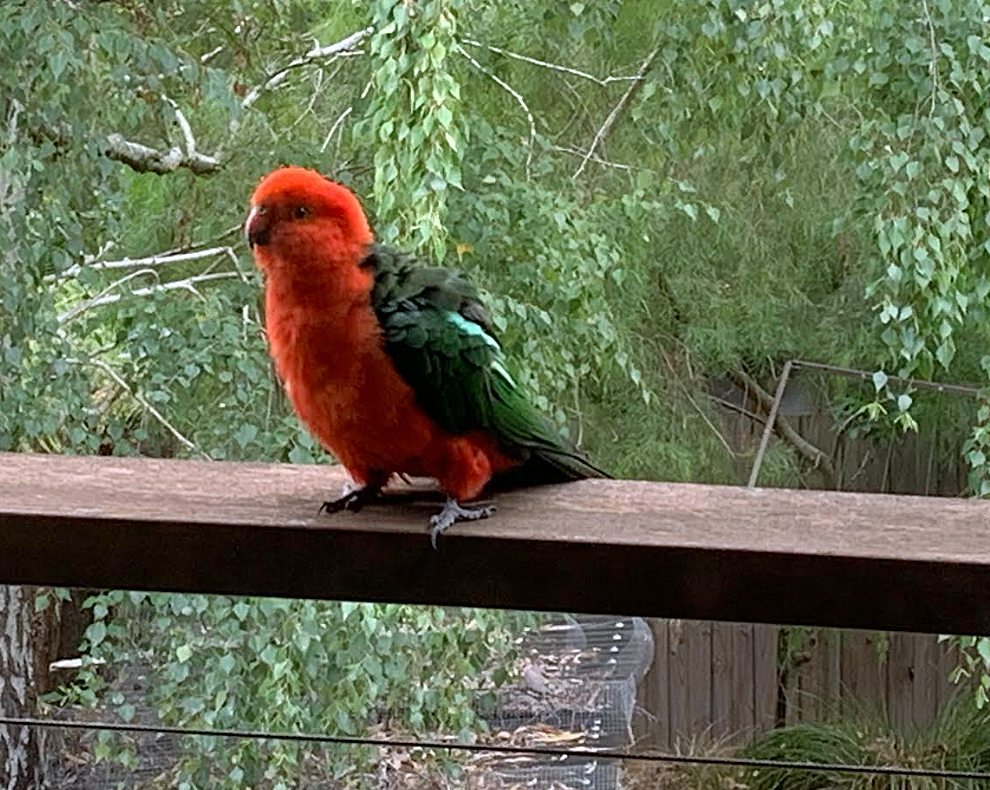
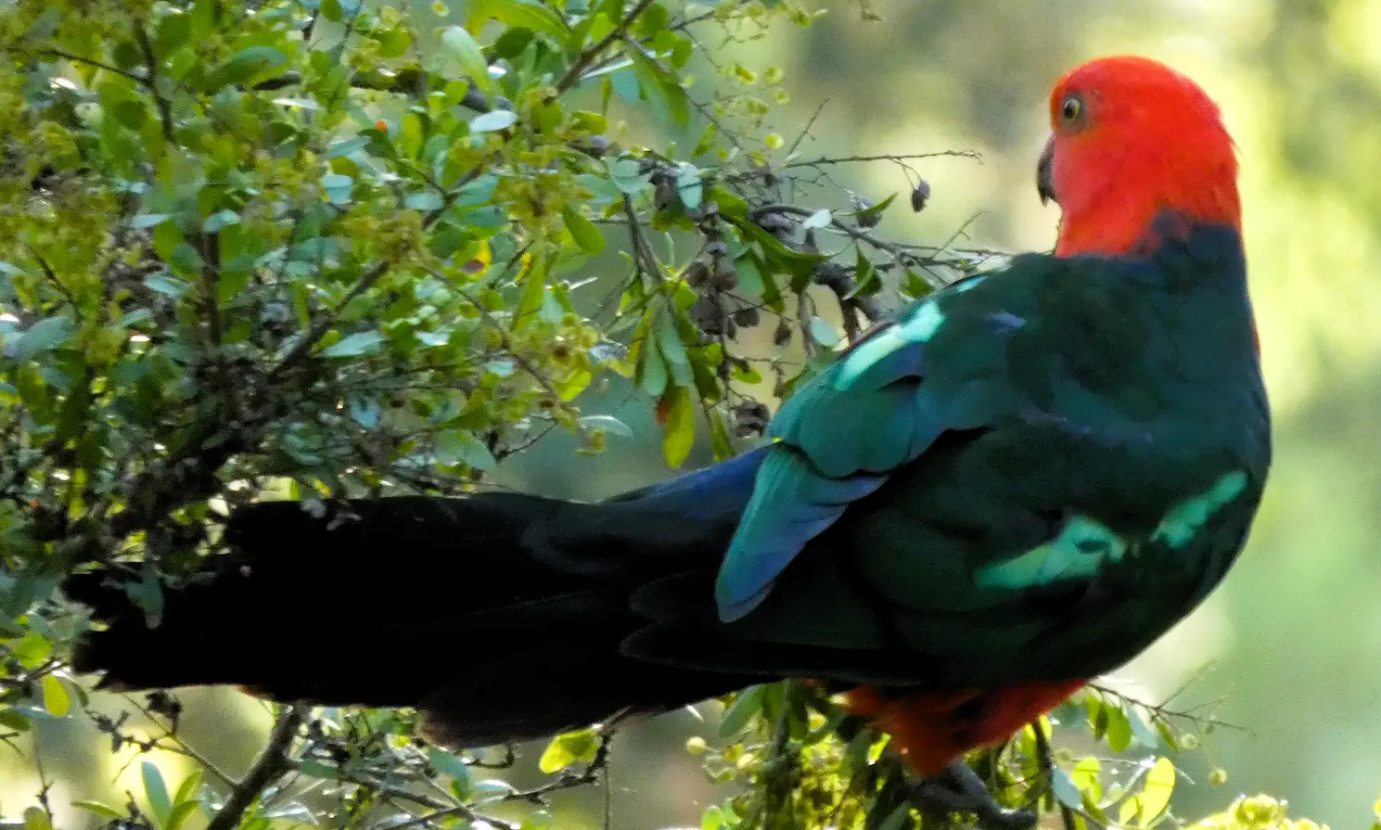
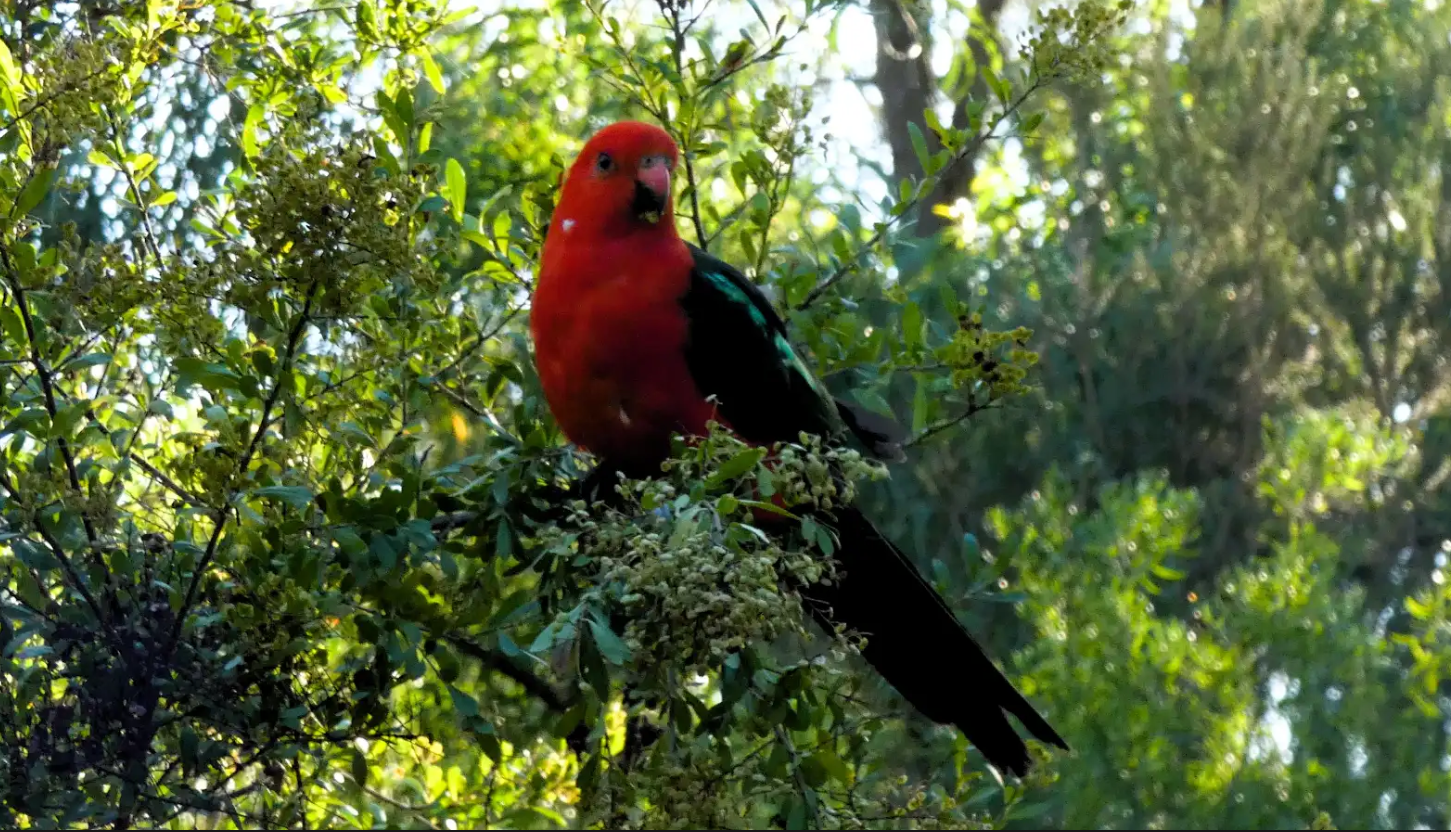
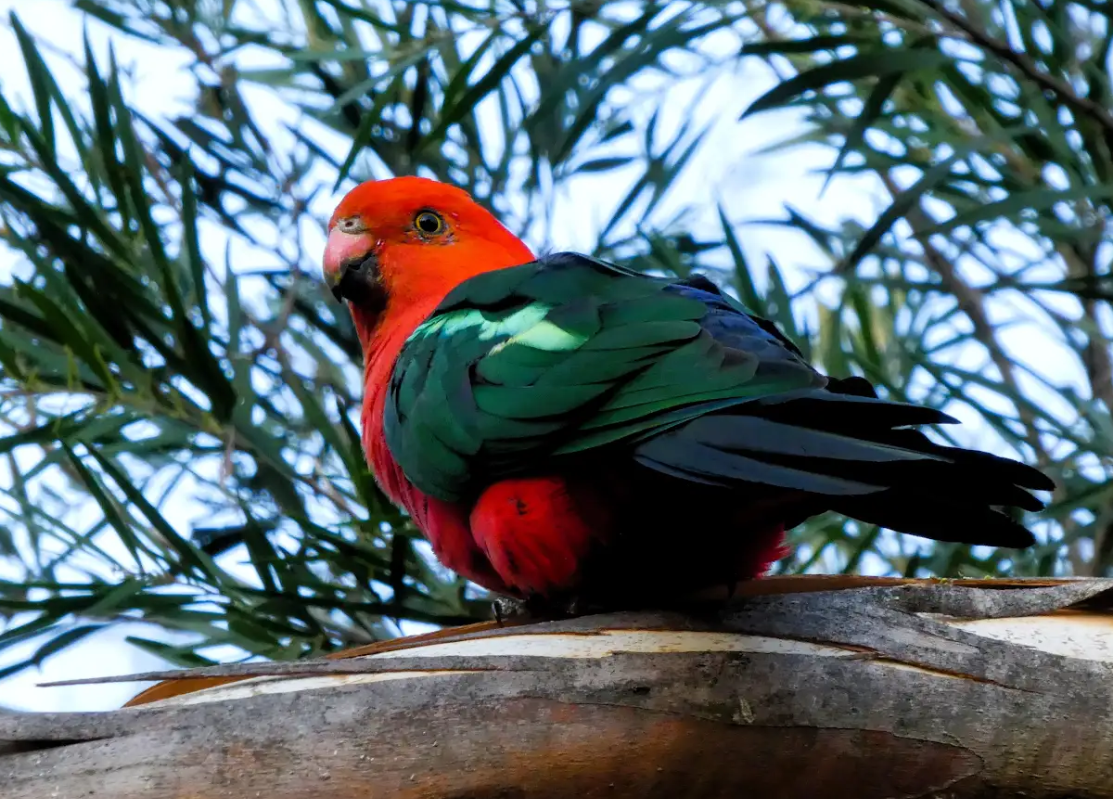
King-parrots have become local “frequent flyers” – very noticeable flying in and out of the park and the surrounding corridor during the month.
Michael sent us this shot of a cheeky gentleman visiting his garden near the park. The colouration on these boys has to be seen to be believed!
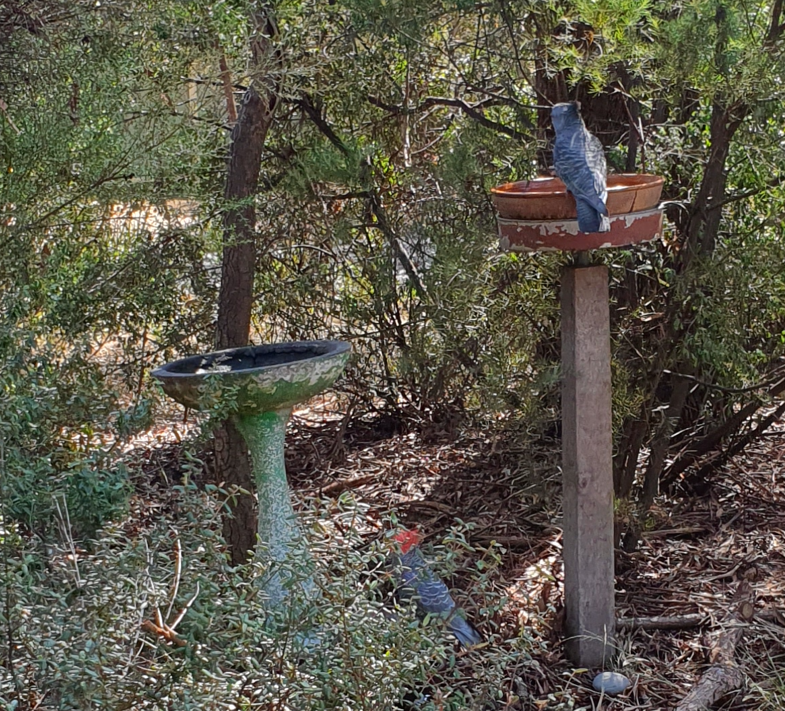
Gang-gang Cockatoos are also back in town – flying in and out of the park along the Myrtle Grove corridor up to Laburnum Street (where they seem to like Pin-oak acorns). The males have a very bright red head. Don’t forget to put some clean water out on those hot days…
Inside a park neighbours’ compost bin (not only the “dunny seat” to worry about!) :
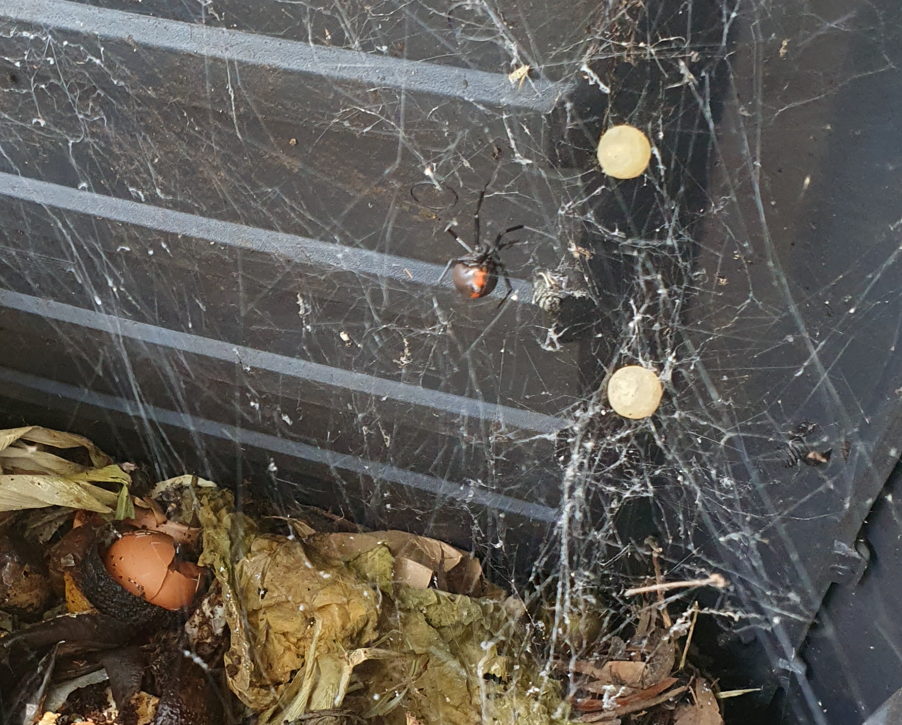
Alas, the white spheres are egg sacs…
Gardiners Creek Reserve Projects
Further afield, Gardiners Creek Reserve has a number of projects lined up:
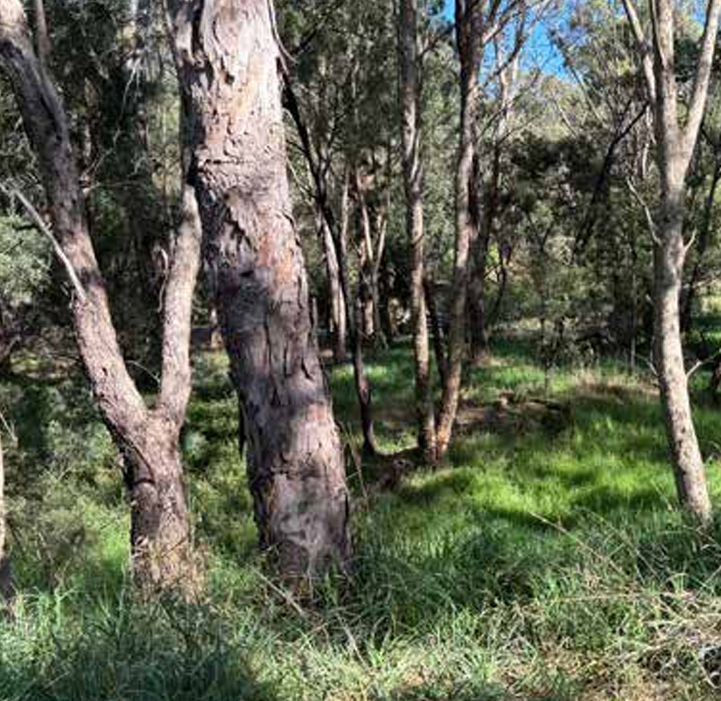
Council announced in the latest Whitehorse News that it has won a $189,000 grant from the Federal Government for a revegetation project at the eastern end of the Gardiners Creek Reserve. This project is at the Station Street end of the reserve near the Bennettswood Bowls Club.
The KooyongKoot Alliance aims to restore 1.2 hectares of neglected habitat alongside a section of Gardiners Creek further downstream, closer to Deakin University.
This work is funded through a significant grant from the State Government’s Green Links Program.
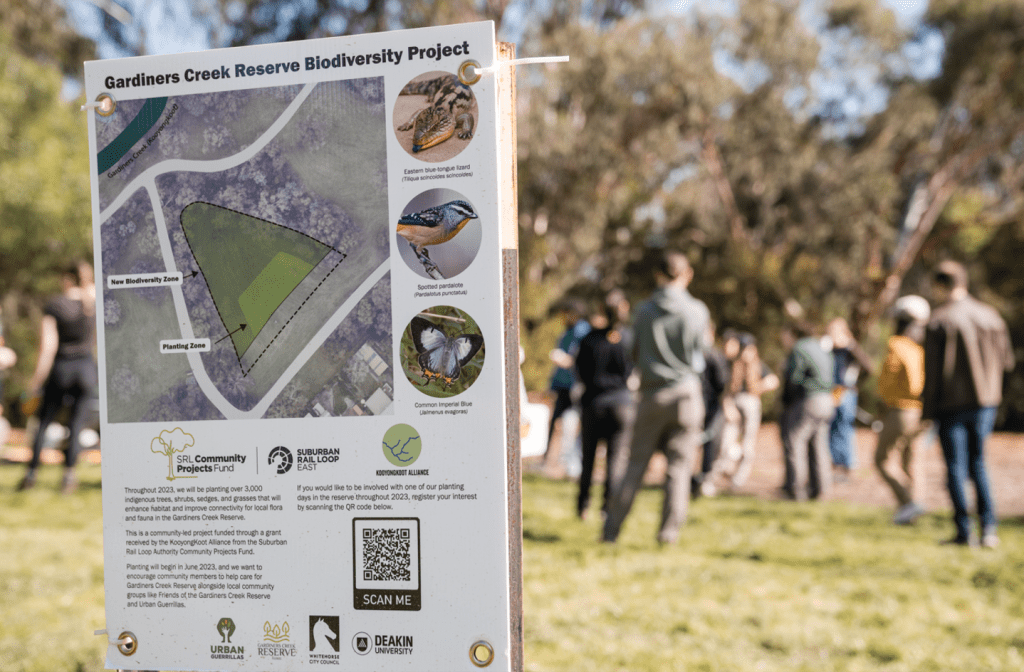
The KKA itself is growing and maturing as a group – it has recruited some amazing volunteers to sub-committees designed to add capacity and skills to the group. Participants at a recent event to kick-off the sub-committees were treated to an inspection of the incredible success of earlier project work in the reserve.
Blackburn Lake Sanctuary
There is also a major revegetation project running at Blackburn Lake Sanctuary. Unfortunately, the community update on the revegetation project scheduled for 23rd February had to be cancelled due to there being a Total Fire Ban that day.
The event at the Blackburn Lake Visitor Centre has been postponed until 4 pm on 9th March.
Biodiversity Symposium
For those interested in a deeper dive into Biodiversity, the Field Nats are running a symposium over the weekend 15-16th March having the theme: Impacts on Biodiversity During the Anthropocene — 10 years on. This revisits the theme of a very successful symposium on the subject conducted ten years ago.
For those unfamiliar with the term, the (unofficial) Anthropocene epoch denotes the period where human activities have become the dominant influence on climate and the environment.
The venue is local – at the Blackburn RSL. You can find further information about the amazing array of speakers and how to book on the FNCV home page.

