Upcoming events:
– Monthly bird survey on Wednesday 10 June
– Community working bee on Sunday 21 June
Welcome to the May edition of our Blackburn Creeklands newsletter.
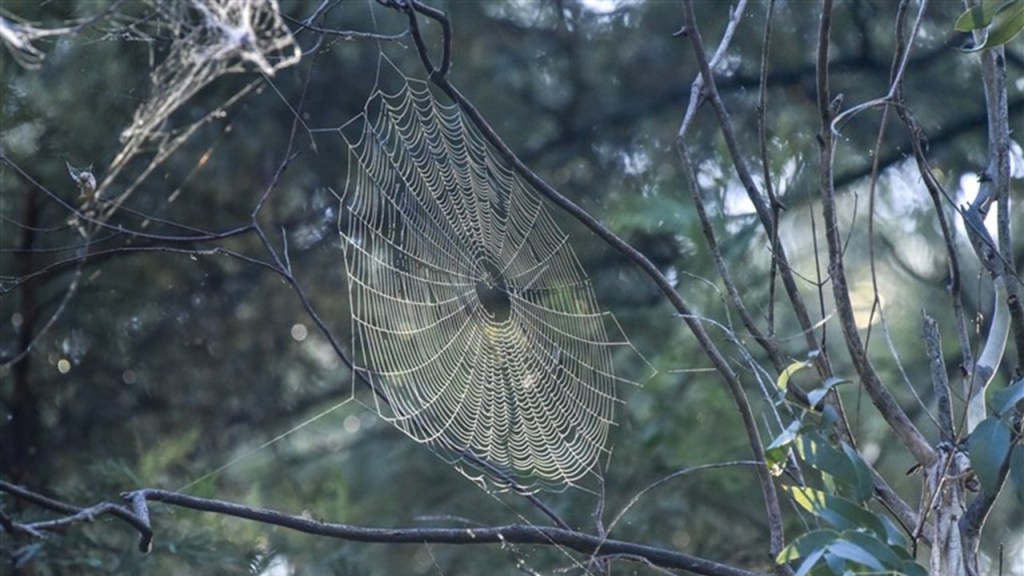
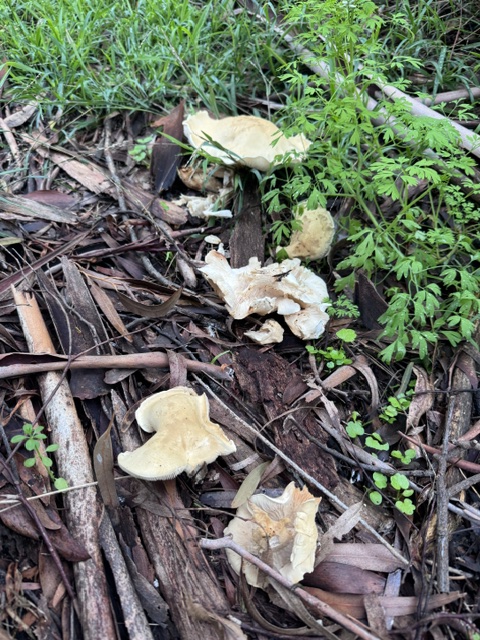
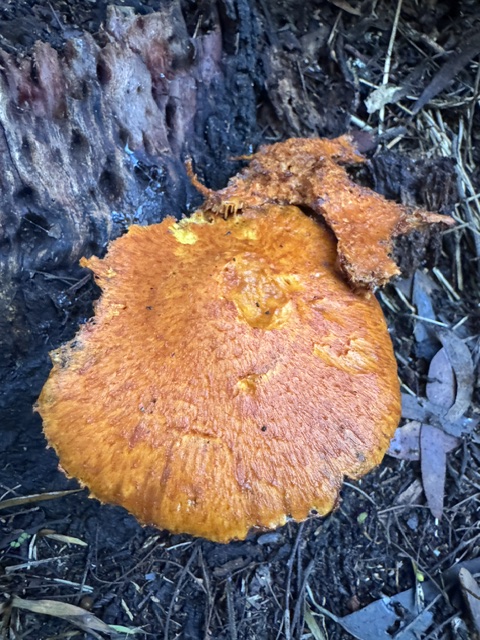
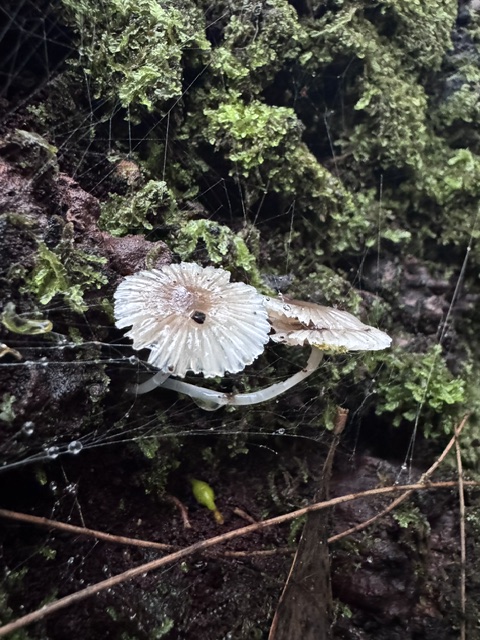
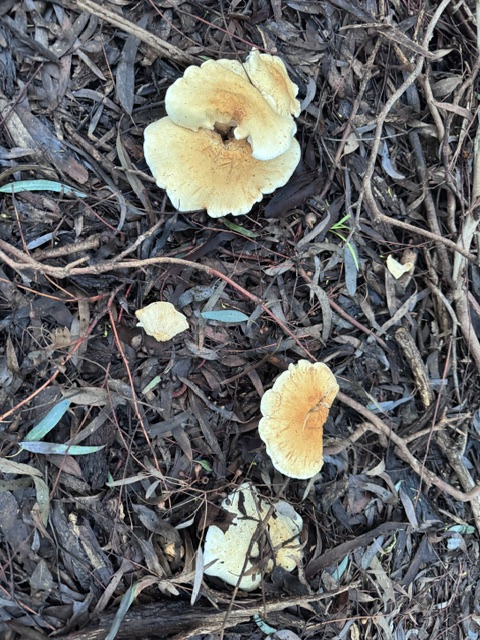
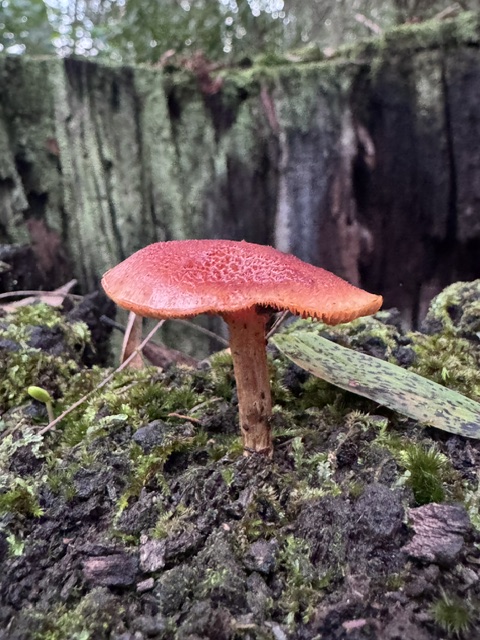
After an unusually warm spell in the middle of May, the weather finally changed and with it the rain came just in time for our monthly community working bee! Enjoy the cooler weather, the dewy mornings, watch out for the spider webs and keep an eye out for the colourful fungi that are popping up everywhere.
In this edition, we have:
- Volunteering
- Community working bee
- Resident groups to oppose planning reforms
- Rotary award
- One unexpected benefit of development
- A major win for our wildlife
- Noticeboard display
- We need bees
- Sightings – photos
Is it your Year to Volunteer?
National Volunteer Week in Australia recently took place from 18 to 24 May. The 2026 theme was “Your Year to Volunteer“.
It recognises the important role volunteers play and also encourages more people to get involved in volunteering. Have you considered volunteering for our park?
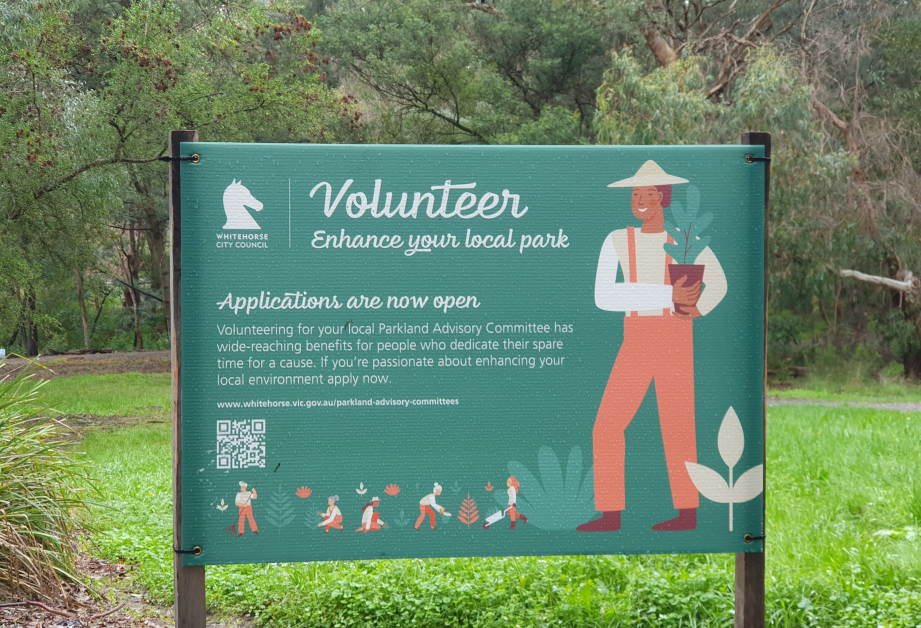
Recent visitors to the park would have noticed signs strategically placed near park entrances by Council during the month.
Every three years, Council invites people in the community to volunteer for its parkland advisory committees such as ours. We welcome new faces and have vacancies to fill with some members not renominating this time around.
We sincerely thank all our volunteers for their contributions to our park and to the community. We especially thank Rebecca and Cath for their great work with us in the service of the community and wish them all the best for their future endeavours.
Although there is a three-year cycle for a committee reflected by the advertising campaign, appointments can actually be made at any time, and members can also resign at any time as their personal circumstances may change from when they started.
What does our Committee do?
The Committee works to foster the Blackburn Creeklands as an area that is primarily indigenous bushland while providing for recreation and the enjoyment of nature by the local community.
The Committee acts to:
- Preserve and regenerate habitat for biodiversity while recognising that the park also provides a vital link in the regional bushland corridor.
- Provide a community voice including advice and practical assistance to relevant authorities on the use, care and improvement of the park and surrounding corridor.
- Engage with the local community to foster awareness of the park’s recreational, environmental and neighbourhood character values (eg. through special events like nature walks), advocacy in the planning domain, contributing to this newsletter or on our noticeboard and in our social media platforms.
Please visit our Advisory Committee | Blackburn Creeklands page for information on meeting times etc. If you are interested, you would be most welcome to attend meeting(s) to see if our work might suit you.
Hands-on volunteers
Committee work is not for everyone – one of the ways we provide practical assistance is via our weekly Thursday Team Working Bees and monthly Sunday Morning Community Working Bees. We work closely with Council’s bushland team to plant, weed, mulch and collect litter in the park on a weekly basis. If you are interested, you would be most welcome to attend a working bee to see if our work is for you. Our latest, very successful, Community Working Bee is reported below.
There are other ways to provide practical assistance. For example, we have volunteers who manage our social network connections, who provide occasional newsletter articles and help us in specialist areas such as all-abilities access.
Please contact us for more information.
What’s in it for me ?
One of our volunteers said:
It’s not at all one-way traffic. I originally volunteered with the Creekies because I wanted to “give something back” after I retired. I was fairly new to the area and one pleasantly surprising benefit was making lots of new, like-minded friends. I also learned a helluva lot. Working for the environment in a team is so rewarding. It’s definitely been fun too!
Community working bee (CWB)
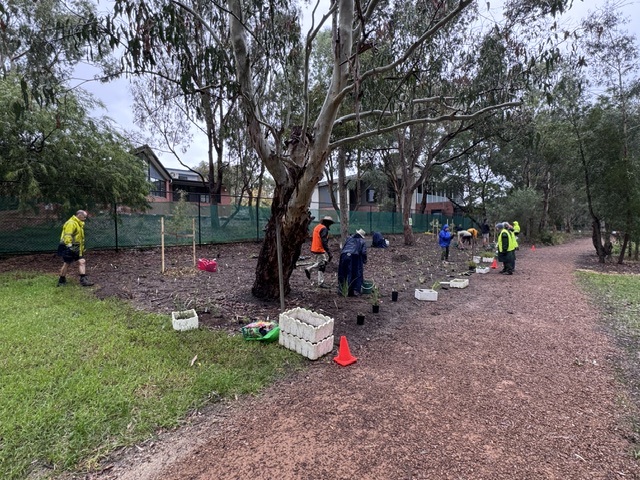
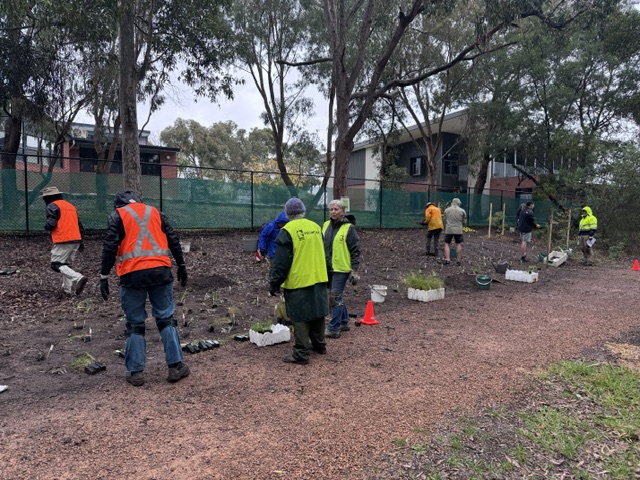
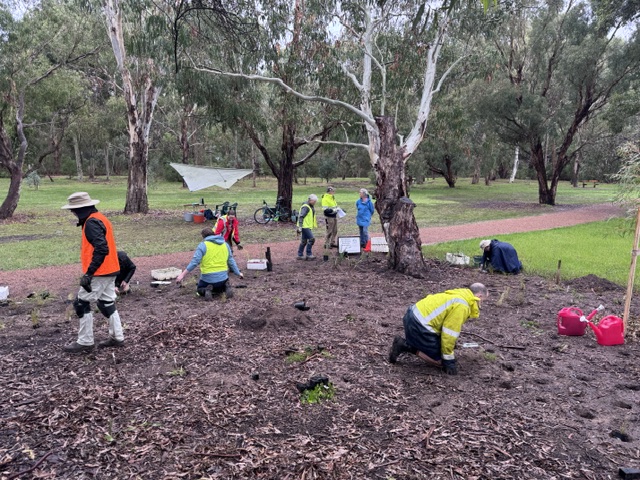
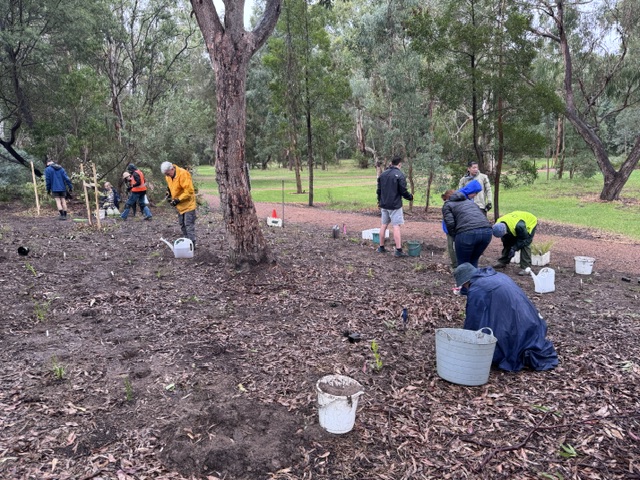
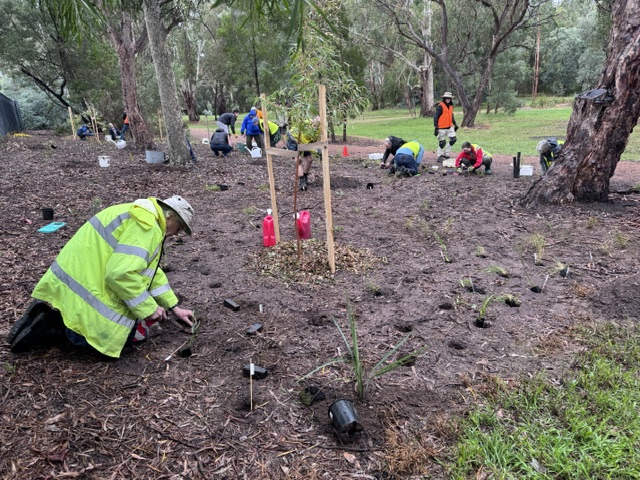
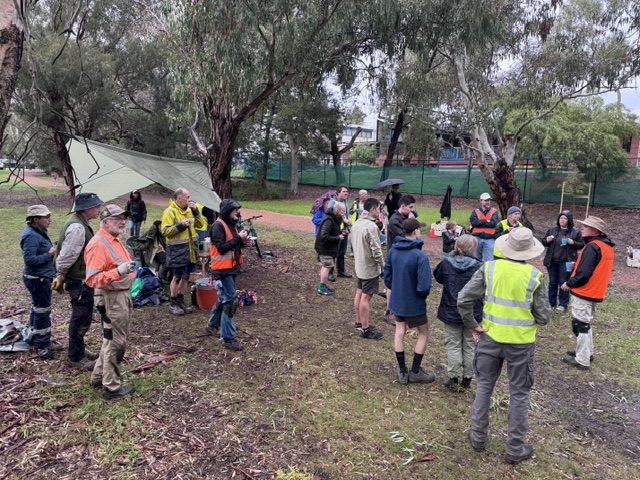
On Sunday the 17th May, 35 keen volunteers braved the moist conditions to successfully plant over 350 native tube-stock alongside an area previously planted near the Laburnum Primary school gate. Early in the morning, the weather forecast looked ominous however the large downpour did not eventuate, and as it turned out, it was ideal conditions for planting. It was great to see some students from the local school lend a hand and hopefully they develop a ‘green thumb’ or two for nature in our Blackburn Creeklands.
After planting, some leaf litter collected from other parts of the creeklands was spread on top of the soil to minimise moisture loss in the future and to keep the plants a little warmer over winter.
Thanks to Greg and the team for preparing the site on the Thursday morning (digging holes and planning the design) and pre-soaking the plants in a seaweed solution to minimise transplant shock and giving them the best chance at success, prior to planting. Thanks also to Anthea and Evelyn for hosting morning tea under the semi-dry conditions provided by the tarp. A team effort and a productive morning’s work!
We look forward to seeing you at our third Sunday CWB of the year from 9–11am on 21 June where we plan to plant a similar number of native tube stock in Furness Park (near Main Street). To get involved or for more information, please email blackburncreeklands@gmail.com or keep up-to-date on our socials (see links below).
Resident groups to oppose planning reforms
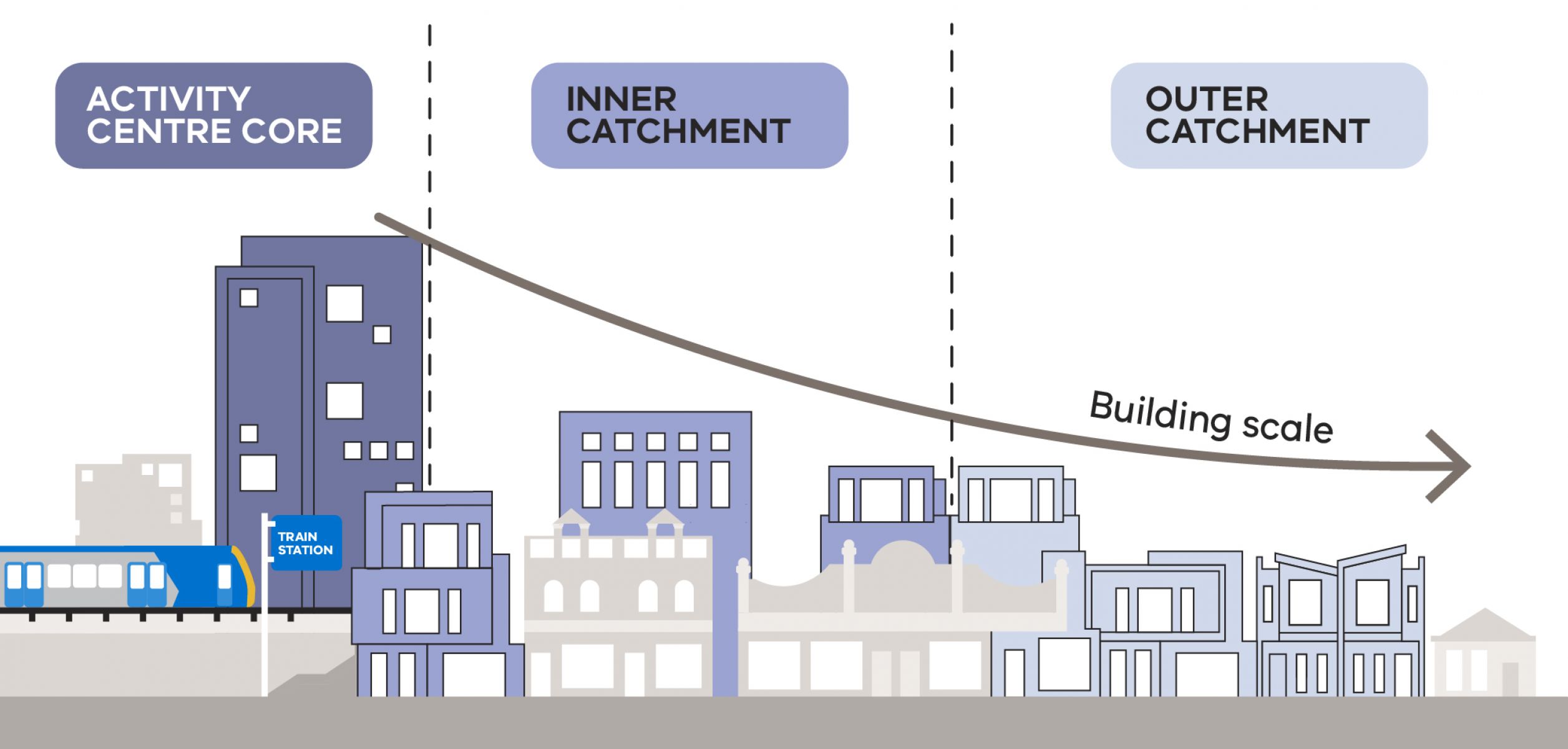
A statewide coalition, Liveable Victoria, has formed to campaign against the Victorian government’s planning reforms, particularly the introduction of “activity centres” across Melbourne. These centres would rezone areas near train stations and tram corridors to allow higher-density housing, including apartment buildings of up to 20 storeys, as part of efforts to address the housing crisis.
The government, led by Planning Minister Sonya Kilkenny, says the reforms will streamline approvals, increase housing supply, and improve affordability, especially for younger Victorians. The plan is expected to unlock capacity for hundreds of thousands of new homes in well-located areas close to public transport and services.
Opponents, including Liveable Victoria, argue the reforms impose a “top-down” approach that sidelines councils and community input. The group is not opposed to higher-density housing but is calling for more responsible, place-based planning that properly considers infrastructure, neighbourhood character, and liveability. They are also advocating for the restoration of community consultation and local decision-making.
Some planning experts have raised concerns that the reforms may not achieve their intended outcomes, questioning whether they will improve affordability or create well-functioning communities. Others warn of unintended consequences and insufficient social housing guarantees.
However, supporters, including some economists, say increasing density in established suburbs is essential to easing housing shortages and improving access to housing.
The debate has become a key political issue, with the opposition pledging to scrap the activity centre model and return planning powers to local councils ahead of the next state election.
For the full storey: Liveable Victoria launched to campaign against Labor’s planning reforms – ABC News
Rotary award
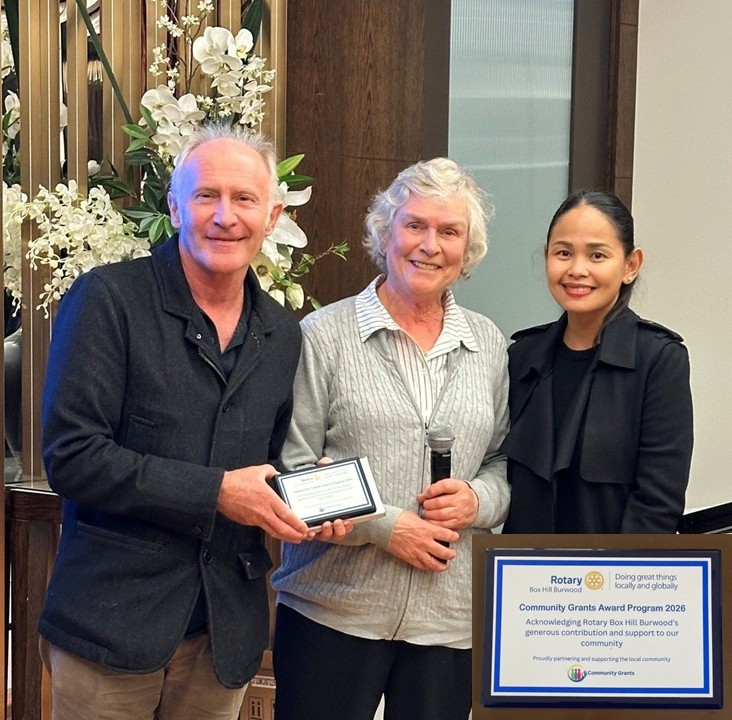
We were delighted to be the lucky recipients of a Box Hill – Burwood Rotary Club Community Grant at a presentation evening on Tuesday 19th May. We applied for the grant to help us enhance the Creeklands with a variety of locally indigenous tubestock purchased from two of our local indigenous plant nurseries (Greenlink and Bungalook). We were very grateful to all those hard-working Rotary fundraisers especially the Rotary Op shops for providing these grants.
One unexpected benefit of development
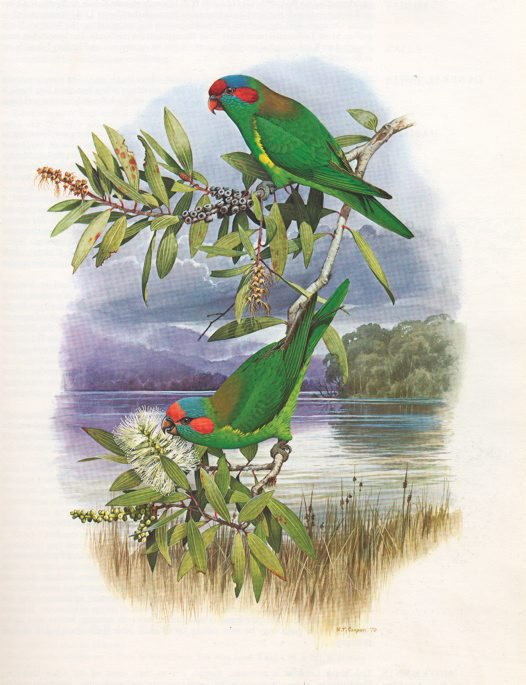
Research by scientists from the University of Sydney and the Australian Museum Research Institute (AMRI) in 2016 has revealed that urban environments may provide unexpected benefits for some native trees and birds.
The study explored how urbanisation affects flowering patterns in three common Australian tree species; Sydney Red Gum (Angophora costata), Blackbutt (Eucalyptus pilularis) and Red Bloodwood (Corymbia gummifera), and how these changes influence nectar-feeding bird populations.
In this study, researchers compared trees growing in urban streetscapes, remnant bushland and continuous forest over a 12-month period. They discovered that trees in urban areas flowered earlier and continued flowering for longer than those in more natural environments. Scientists believe this is partly due to the urban heat island (UHI) effect, where cities are significantly warmer than surrounding rural areas. Other contributing factors may include increased sunlight, higher soil moisture and greater nutrient levels from urban runoff and human activity.
The longer flowering season resulted in increased nectar availability, attracting mobile nectar-feeding birds such as Rainbow Lorikeet and Musk Lorikeet. While urbanisation may often harm native wildlife, this research highlights the complex ways some adaptable species can benefit from city environments and thrive alongside people.
To view the original article written by Madison Myers: A curious case of the birds and the trees – The Australian Museum Blog
Thanks for the heads up Ruth 😉
A major win for our wildlife
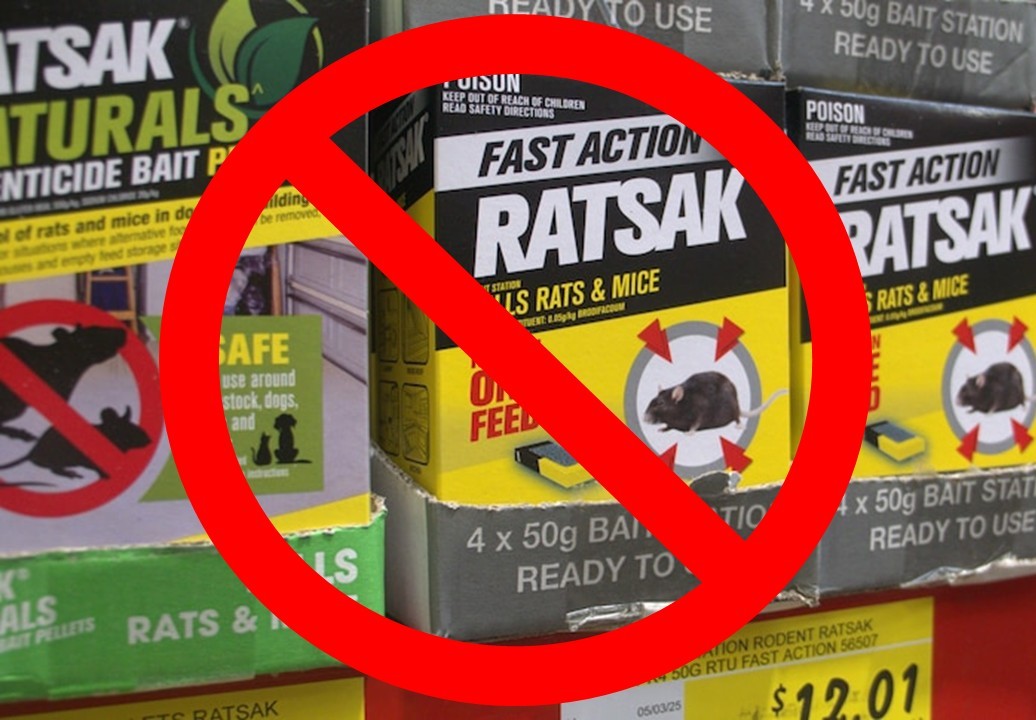
Major retailers are taking action to protect wildlife by removing dangerous second-generation anticoagulant rodenticides (SGARs) from their shelves. Following a strong community campaign, Coles has already removed these harmful products, while Mitre 10 and IGA have joined Bunnings in committing to phase them out by 30 June.
SGARs are known to cause the deaths of native birds and wildlife through secondary poisoning, making their removal a significant win for conservation in Australia. SGARs are powerful rat poisons that remain in an animal’s body long after ingestion. Unintended victims of SGARs include our native predators such as owls, kookaburras, tawny frogmouths and pets that can be poisoned after eating contaminated rodents and cause severe internal bleeding, weakness and death. See the hidden risks and how to spot SGARs in the diagrams below:
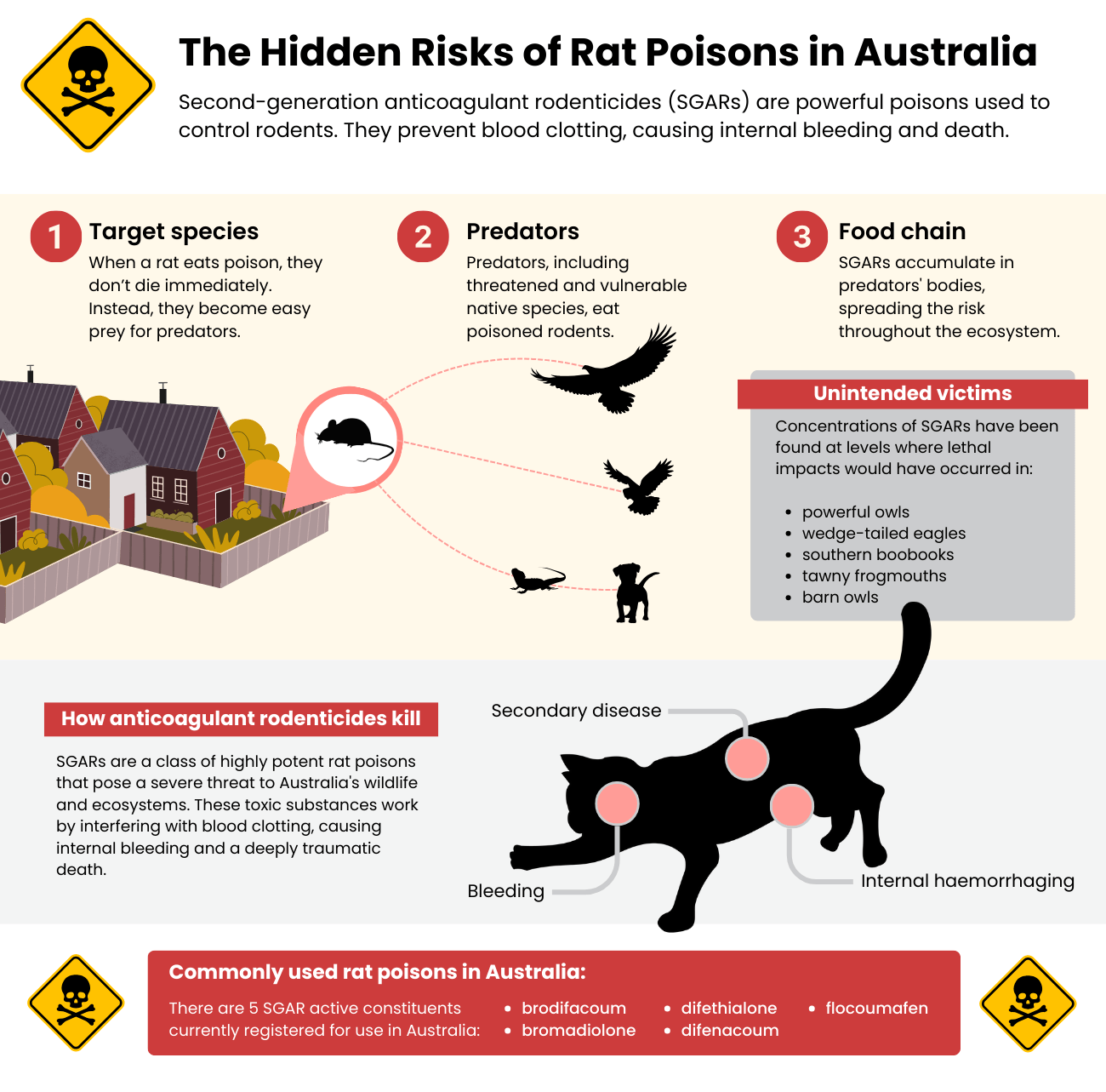
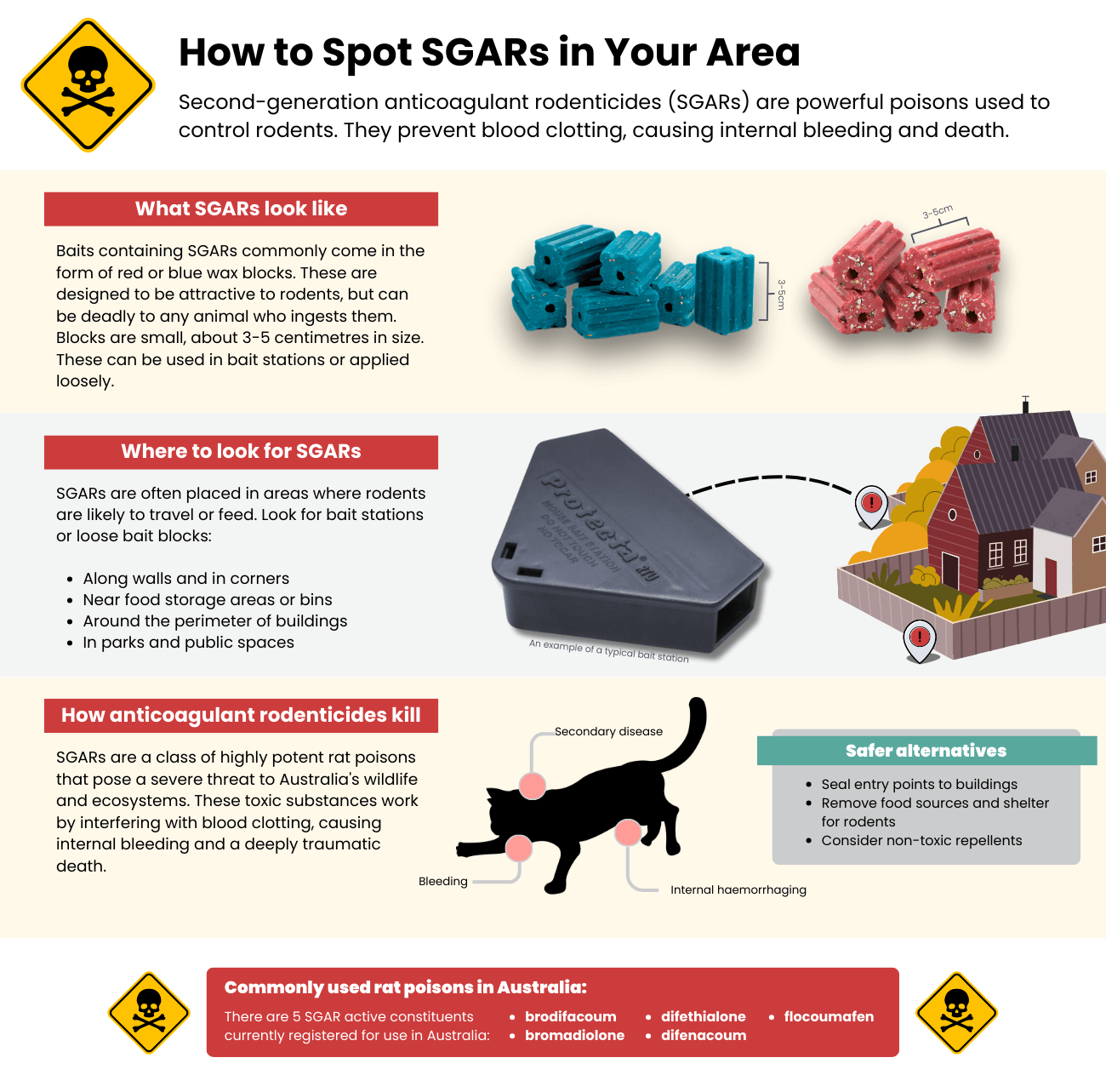
The decision comes 10 months ahead of the regulator’s recommended timeline for a full retail ban and follows years of advocacy, thousands of public submissions, and widespread community support.
Campaigners are now calling on Julie Collins (Minister for Agriculture, Fisheries and Forests) to legislate a nationwide retail ban on these poisons. If you are passionate about our wildlife and would like to take action, then supporters are encouraged to contact the Minister using the pre-filled email tool available through BirdLife Australia to help secure permanent protection for Australia’s wildlife.
The importance of the Blackburn Creeklands
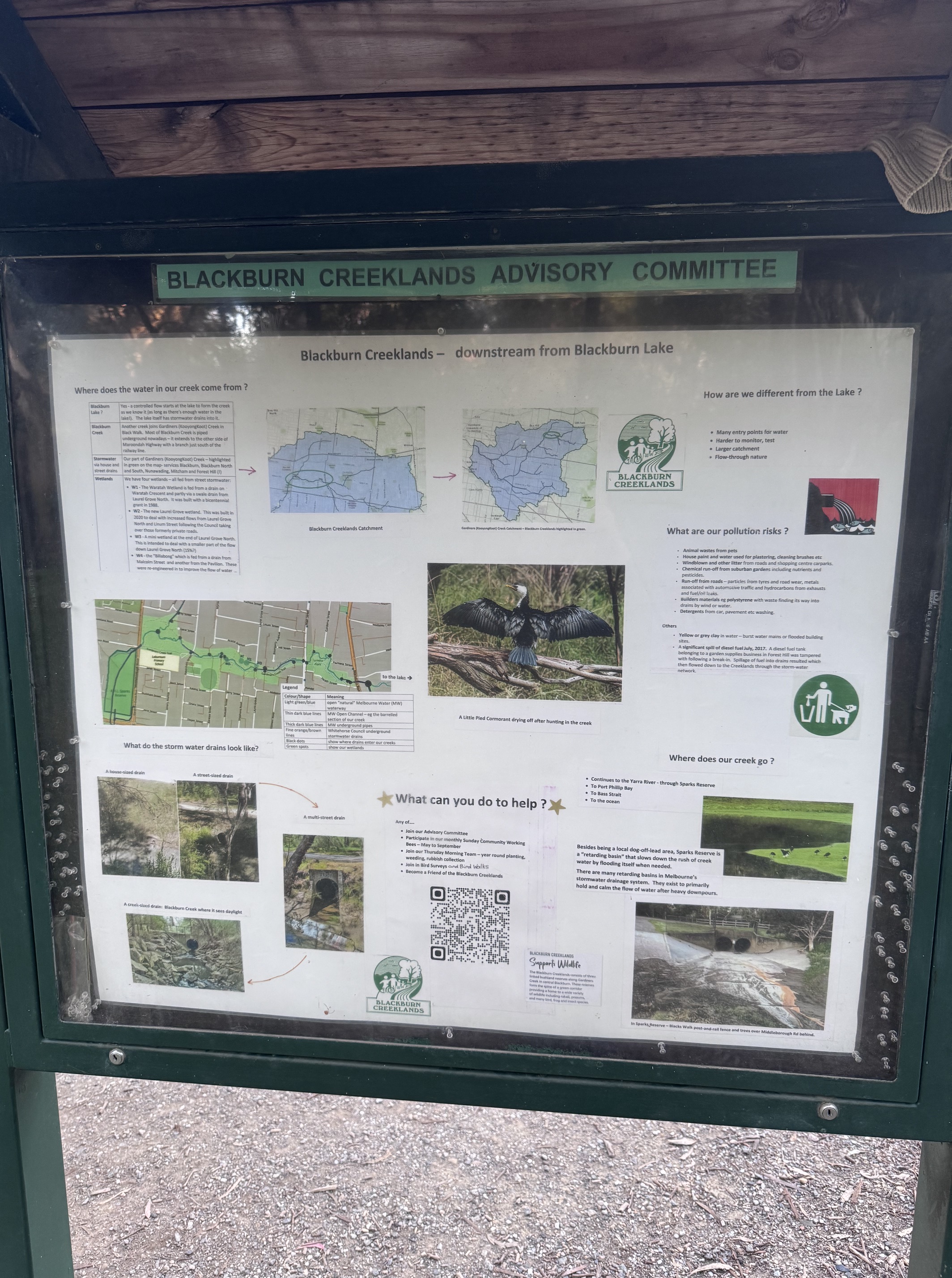
Did you check out this month’s informative display on the back of the noticeboard? If not, here’s a brief overview of the key messages:
Stormwater from houses and street drains flows into Blackburn Lake (red star on map below) before continuing into the Blackburn Creeklands, together with water from several drains and four wetland areas. The water then travels through to Sparks Reserve in Box Hill, which functions as a designated retarding basin, helping to slow water flow and reduce flooding and erosion further downstream. The water then flows down Gardiners Creek (KooyongKoot Creek) into the Yarra River (Birrarung), Port Phillip Bay and ultimately Bass Strait.
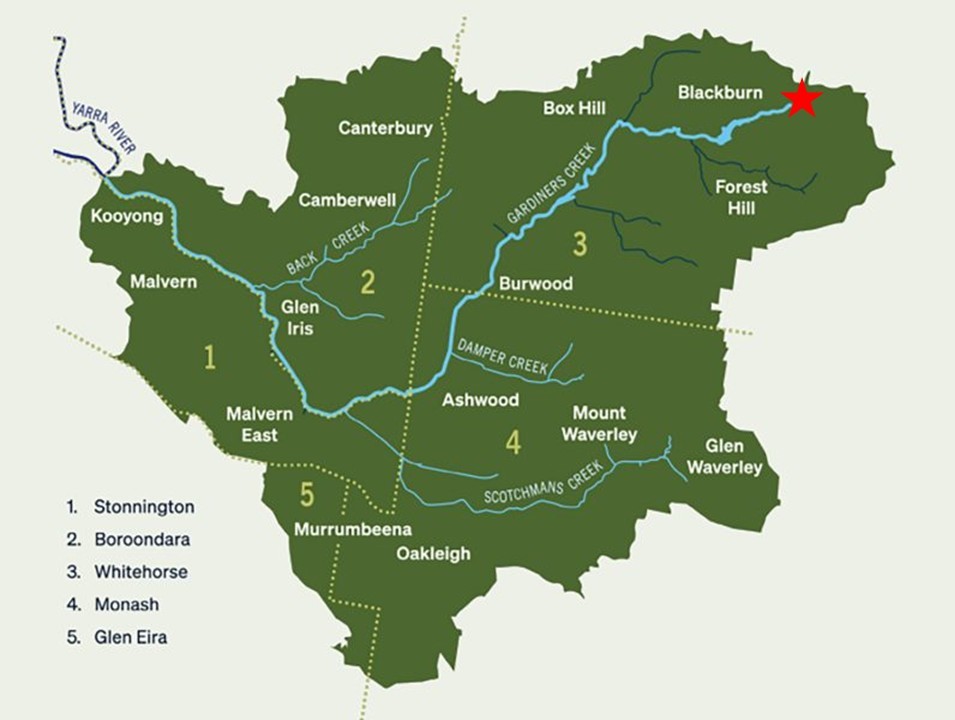
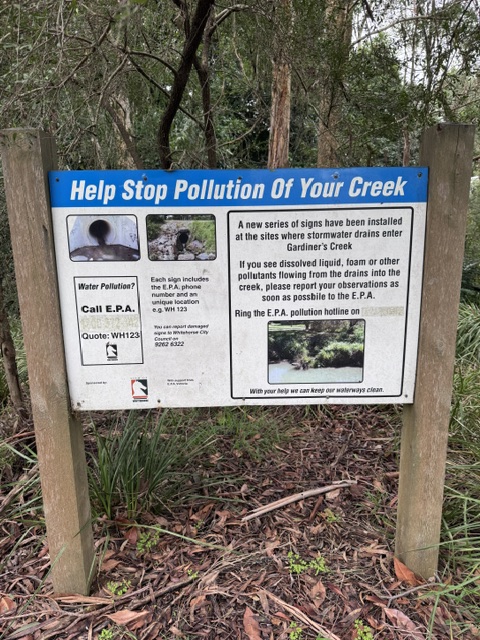
Pollution threats to the Creeklands include pet waste, paint and building materials, litter, detergents and oils entering the stormwater system. If you see any issues with the quality of the water in the creek then please contact the EPA pollution hotline on 1300 372 842 or visit Report water pollution | epa.vic.gov.au and quote the unique location #WH123 (see sign in Furness Park near Heath St and Blackburn Rd).
How can you help?
- Dispose of household chemicals, paints and waste responsibly to help protect the Creeklands and our waterways.
- Join our Advisory Committee — we are currently seeking new members (see last month’s newsletter article), or visit Parkland Advisory Committees | Whitehorse City Council
- Take part in our community working bees (held on Sundays) or Thursday weeding sessions throughout the year.
- Become a Friend of the Blackburn Creeklands — details available here: Friends | Blackburn Creeklands
Thank you to Anthea for another excellent display highlighting the important role the Blackburn Creeklands play in managing water flow through the area. It also reminds us how fortunate we are to have the Blackburn Creeklands (and its three adjoining parks) right here in our own backyard!
Watch out for our next display on all thing’s fungi!
We need bees
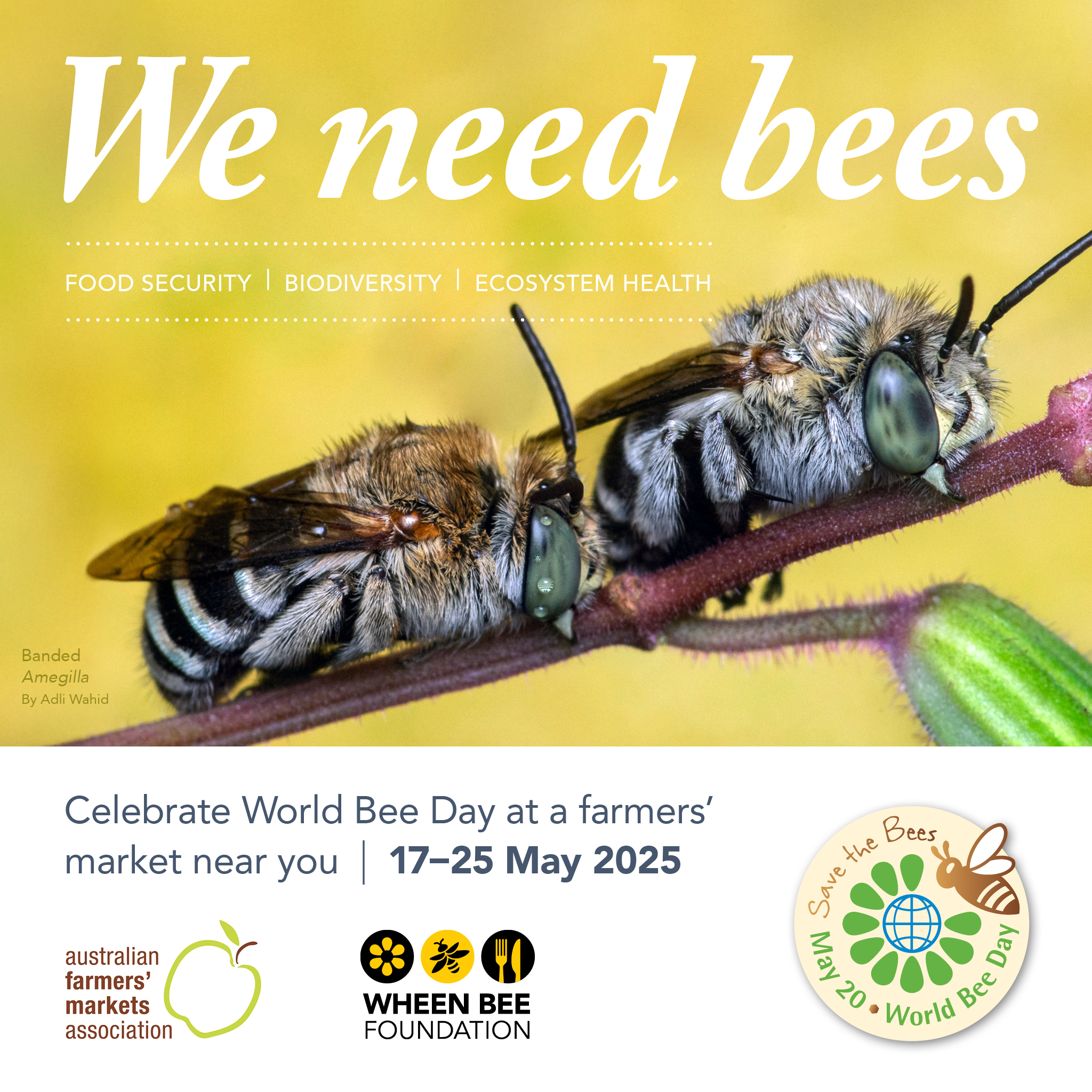
We trust you celebrated World Bee Day on 20 May to help raise awareness of the vital role bees and other pollinators play in food production, biodiversity and healthy ecosystems. This year’s theme was, “Bee Together for People and the Planet – A Partnership That Sustains Us All” which highlighted the long relationship between people and bees, and the importance of sustainable beekeeping and pollinator conservation.
Did you know bees help pollinate around 75% of the world’s leading food crops, but face threats from habitat loss, pesticides, climate change and disease? World Bee Day helps to encourage communities to plant pollinator-friendly gardens, reduce chemical use and support local beekeepers.
To learn more about World Bee Day We Need Bees – World Bee Day (Australia) or how to build a pollinator nest for bees (aka a bee hotel) Building-a-pollinator-nest-1.pdf
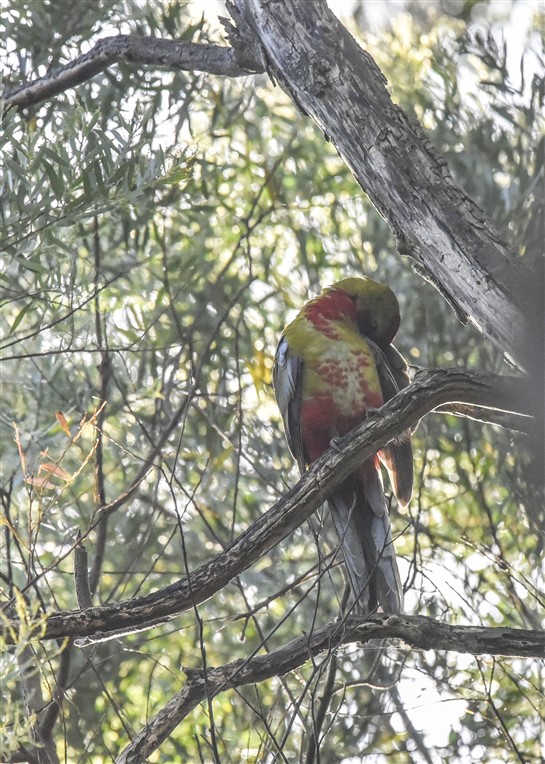
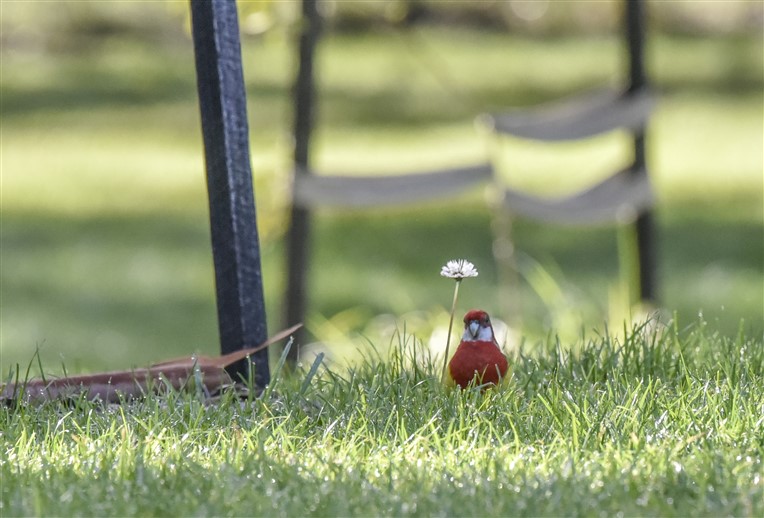
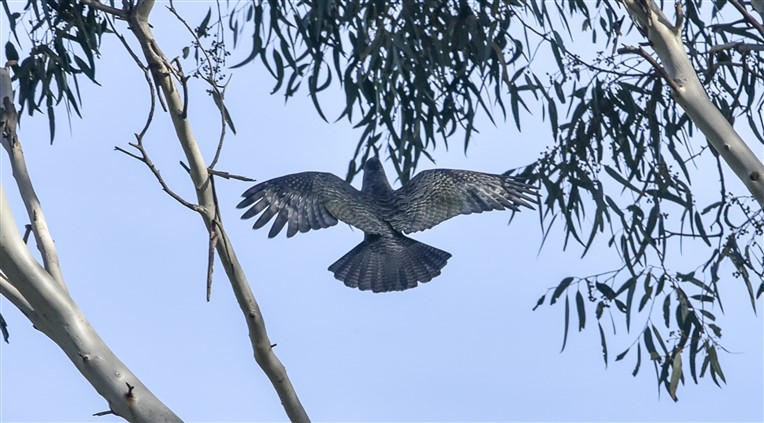
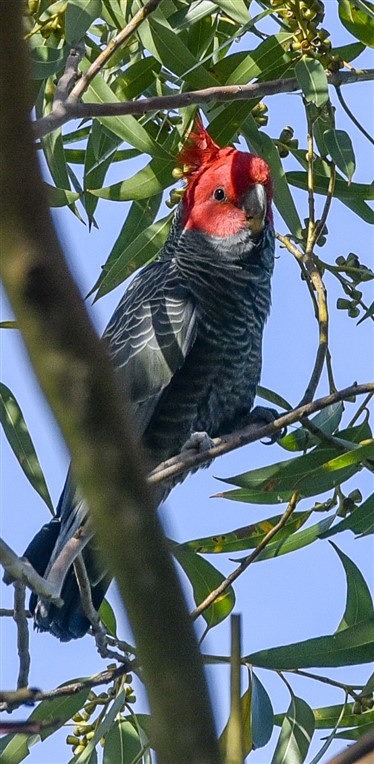
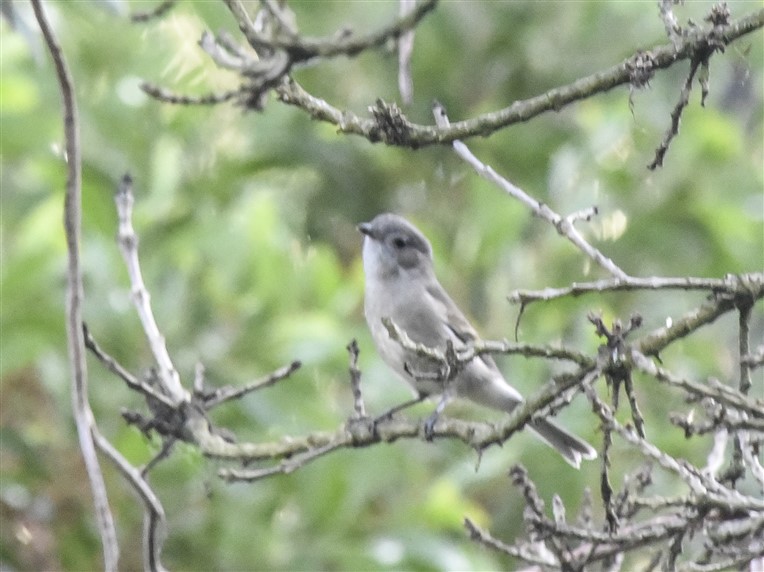
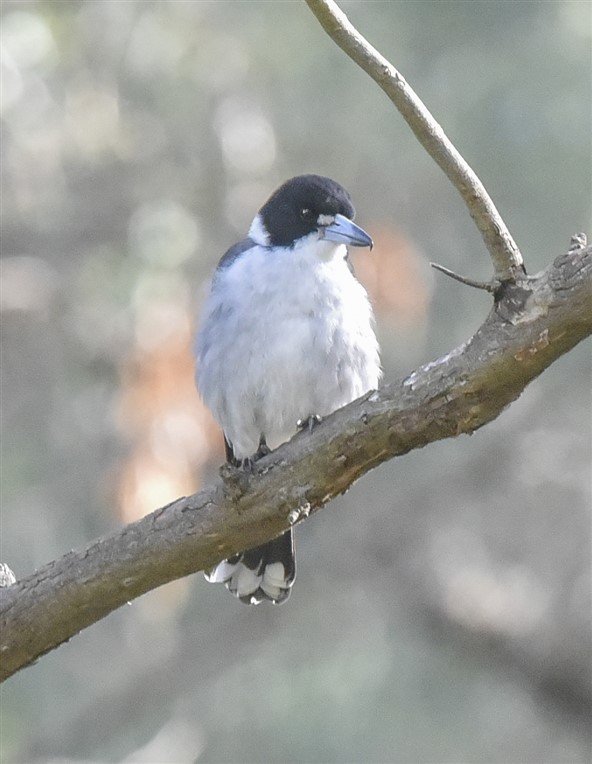
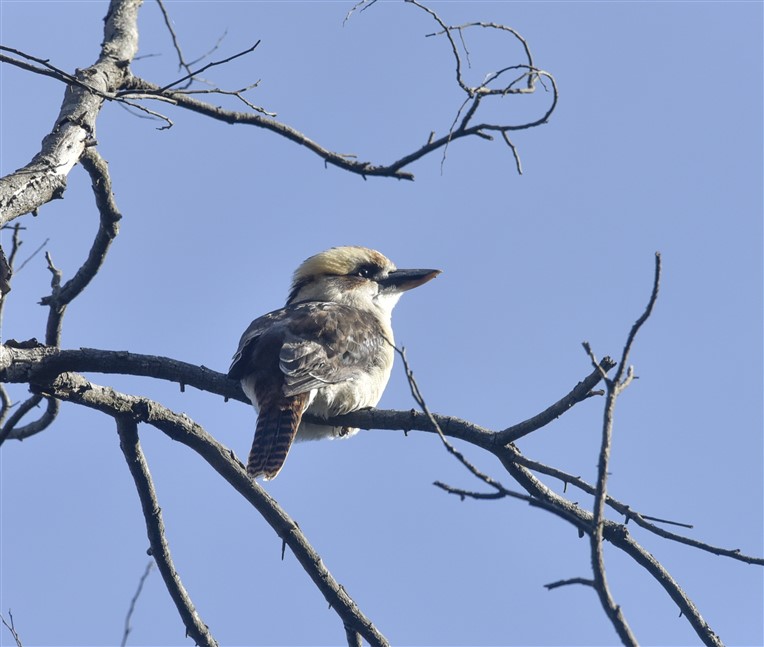
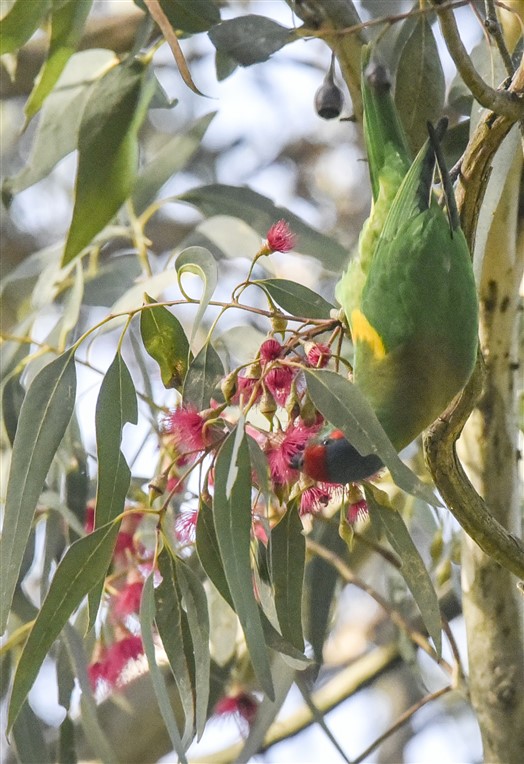
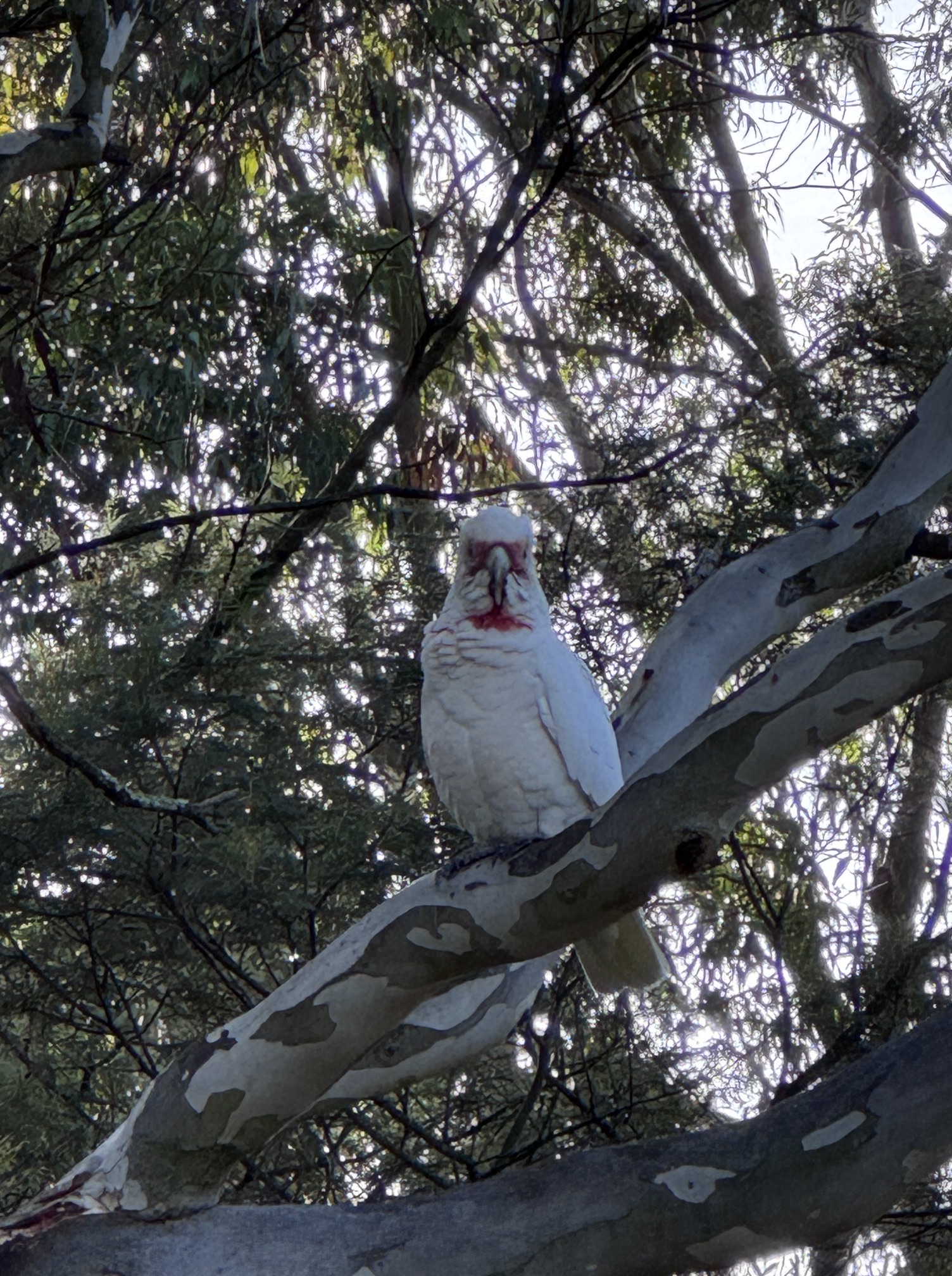
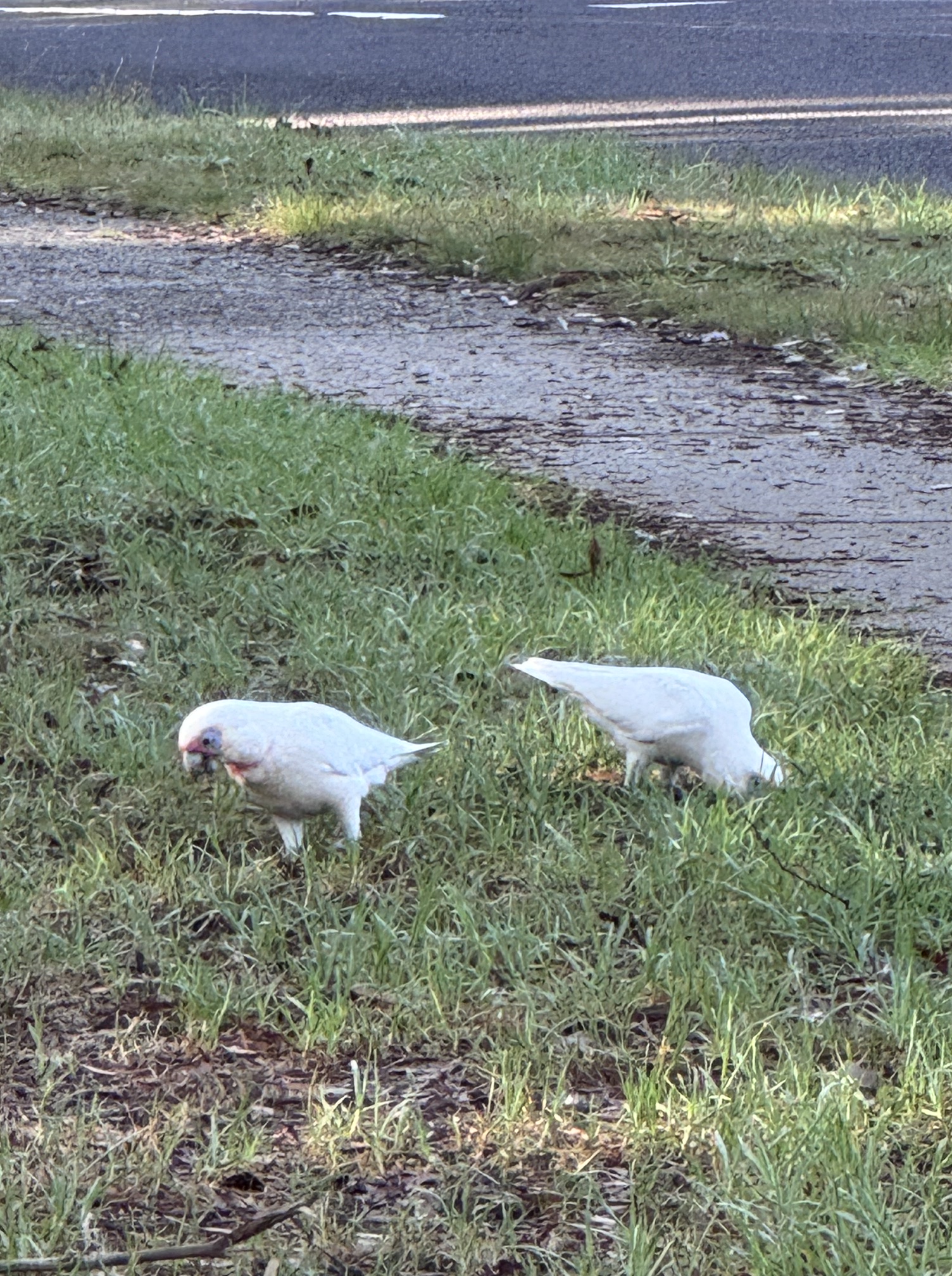
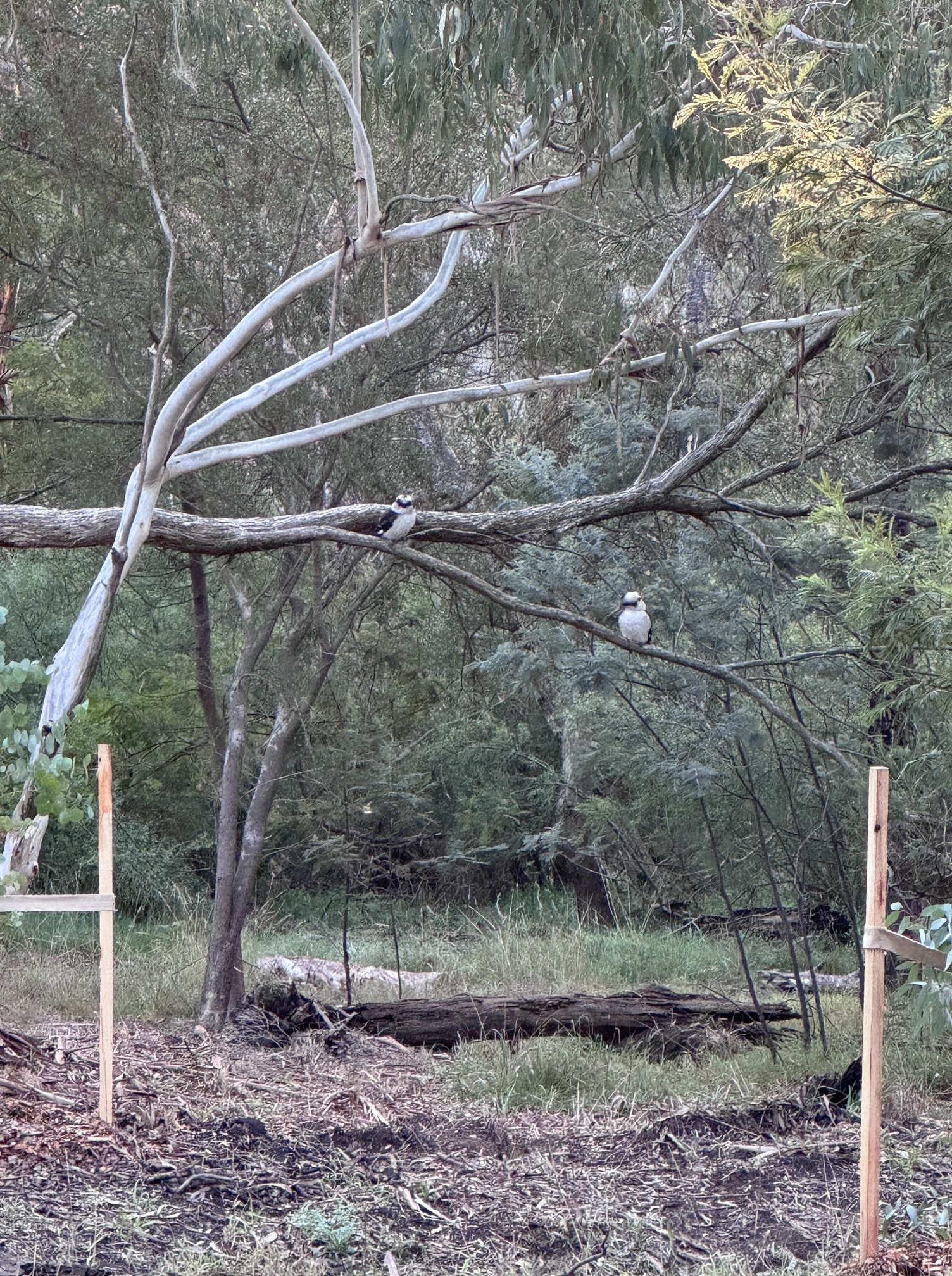
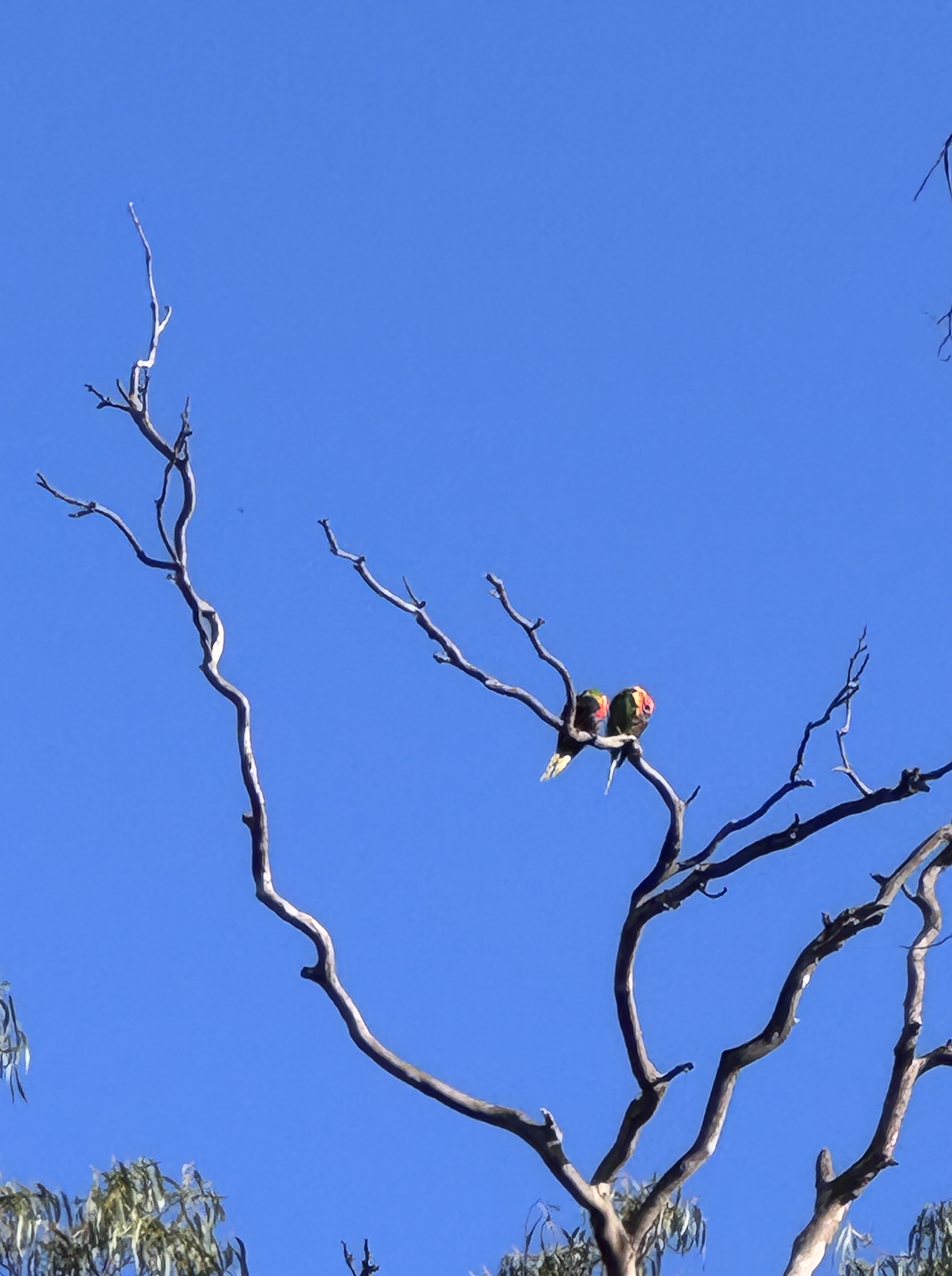
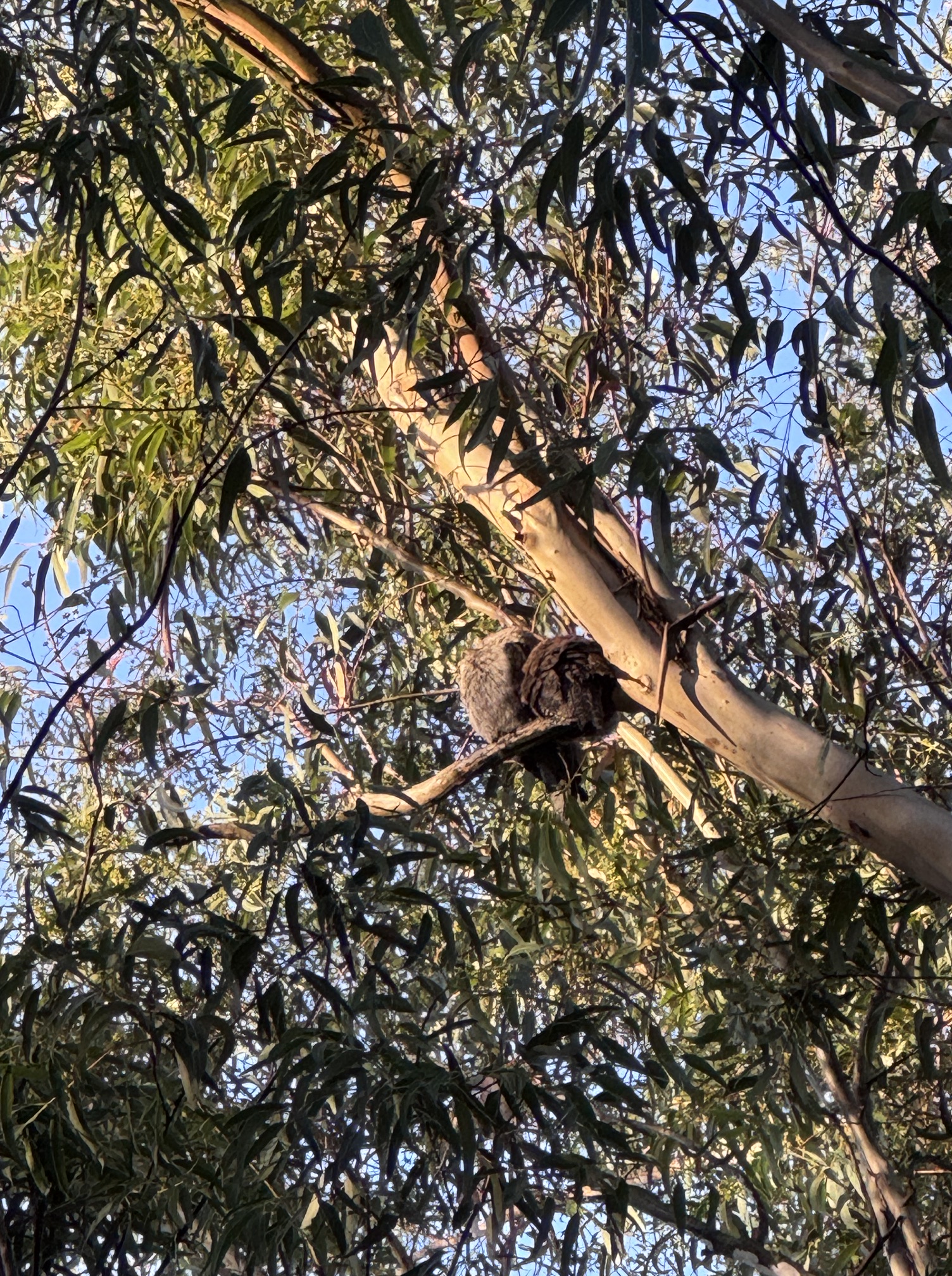
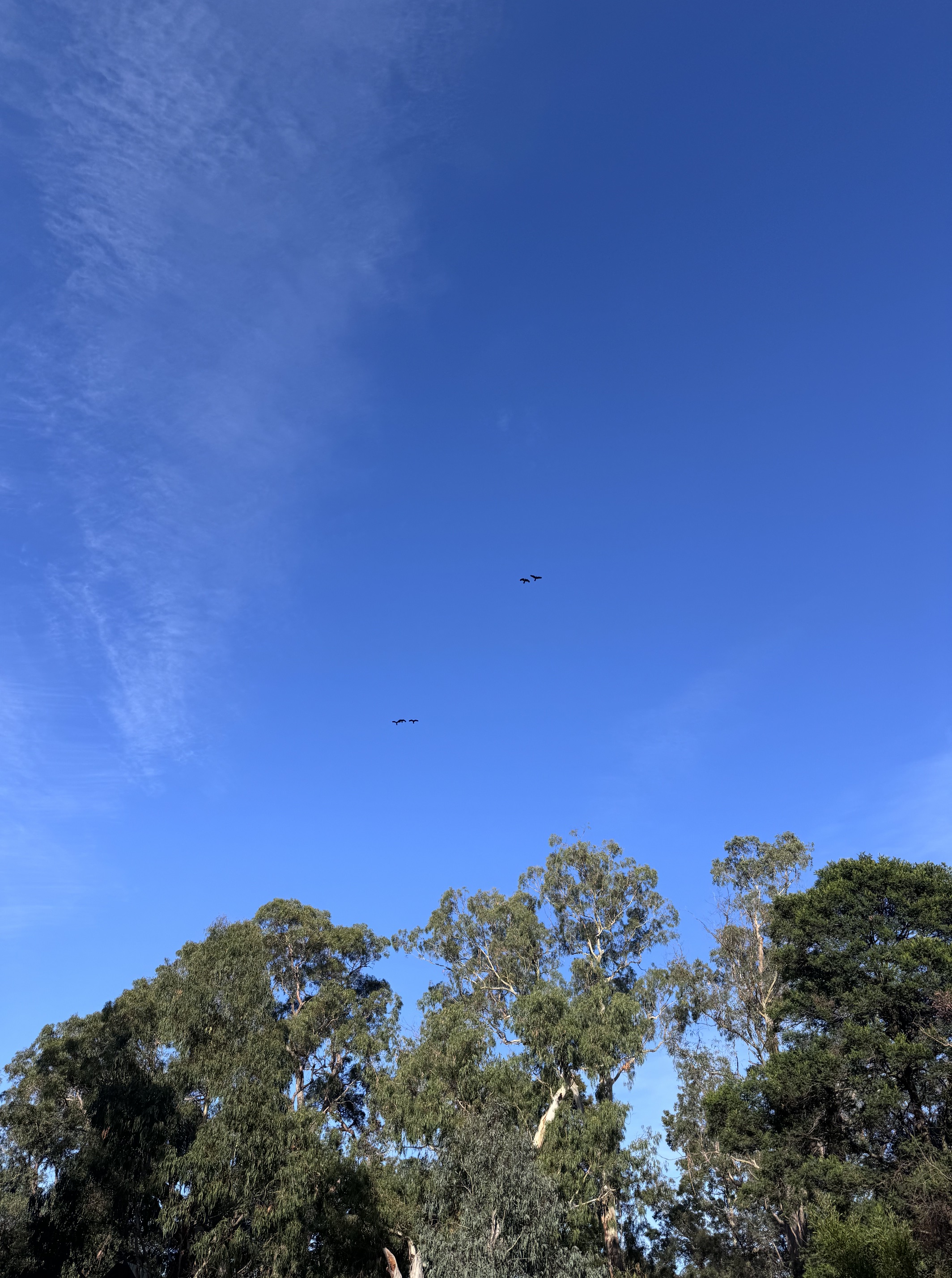
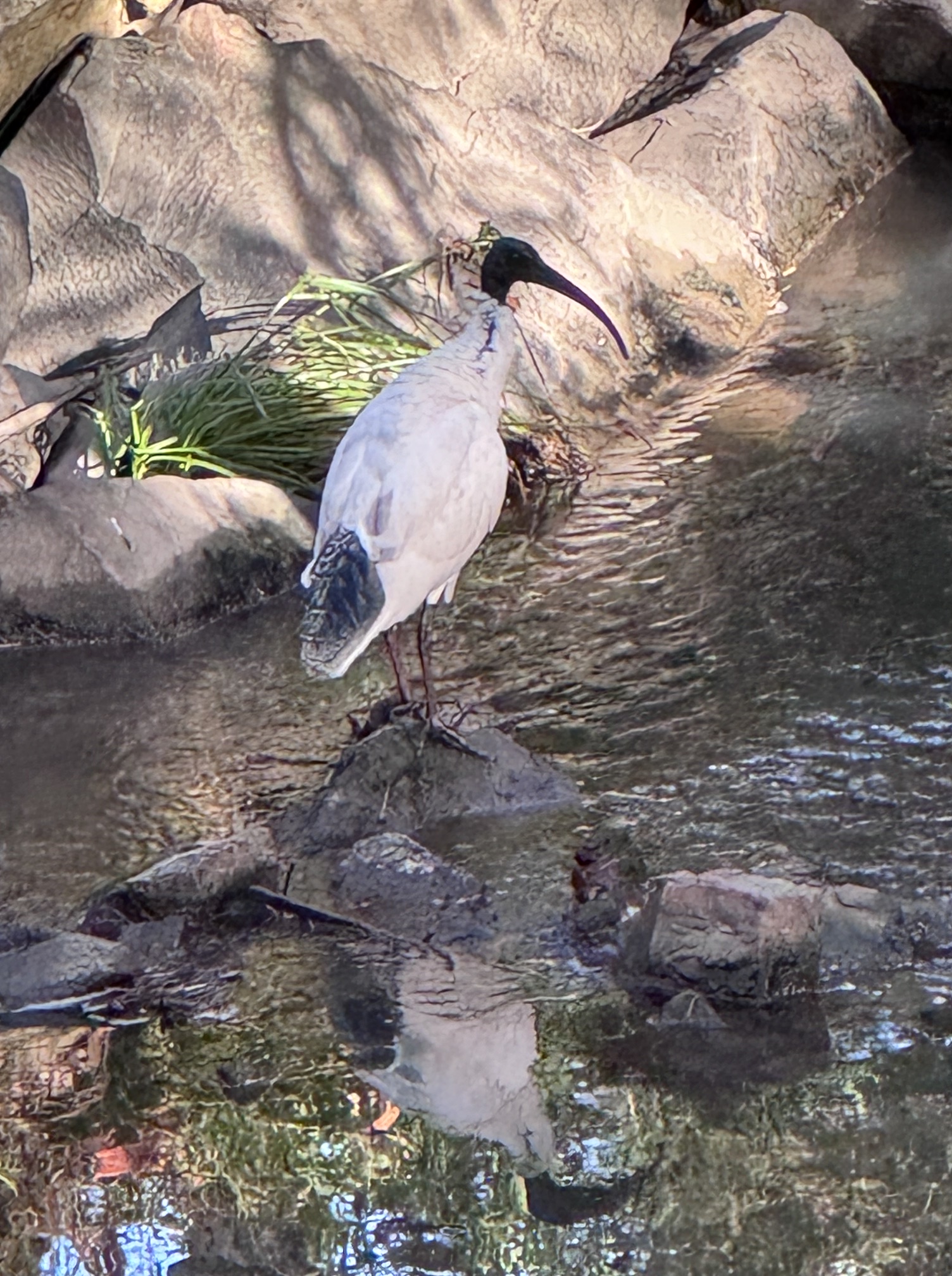
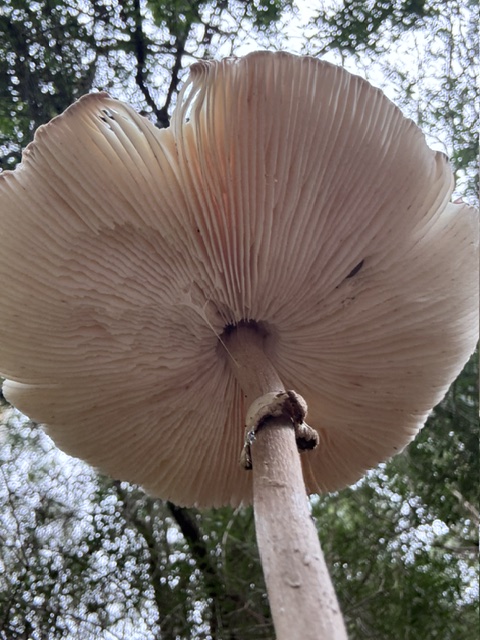
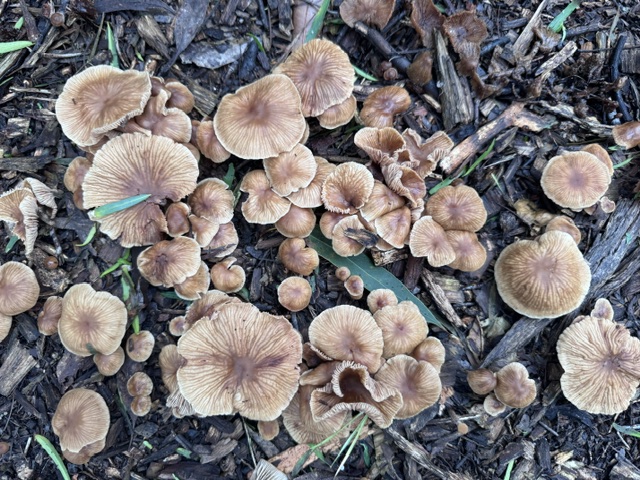
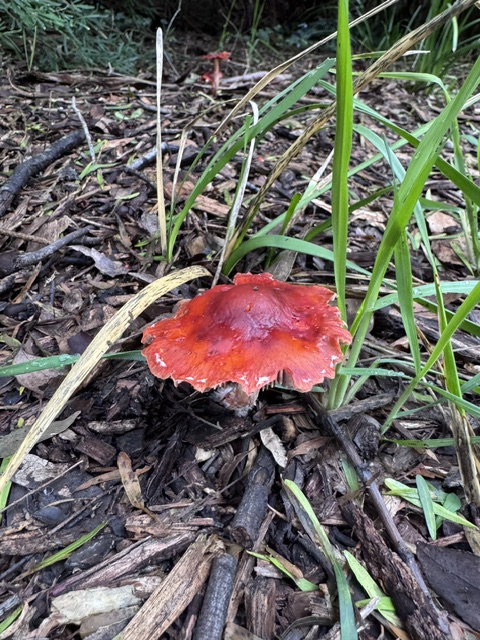
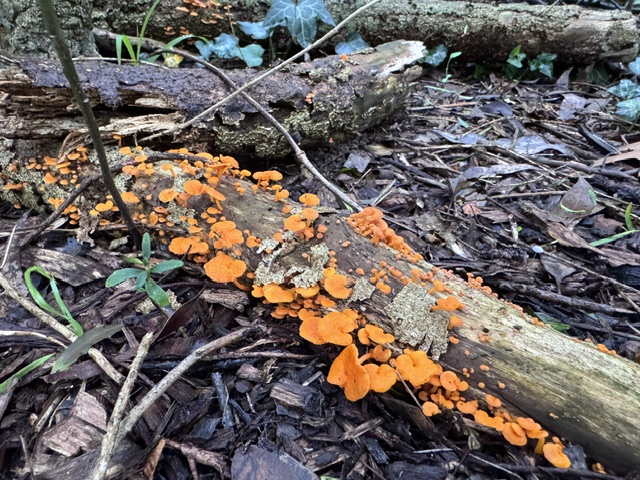
Sightings
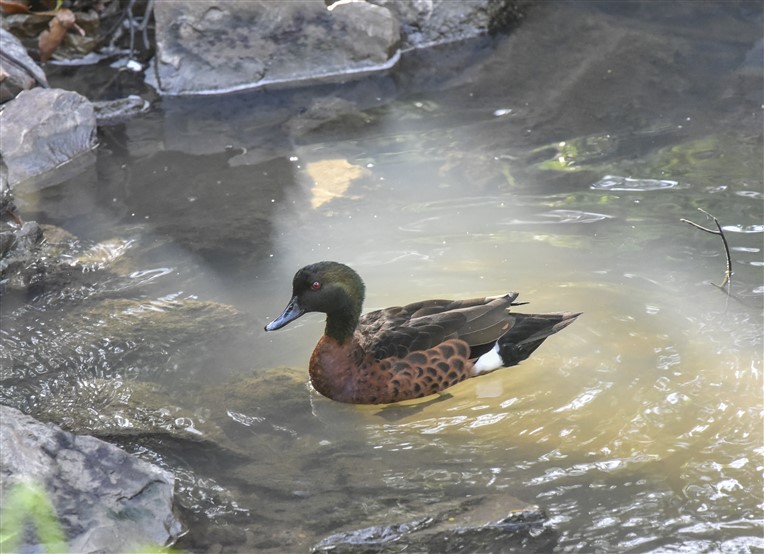
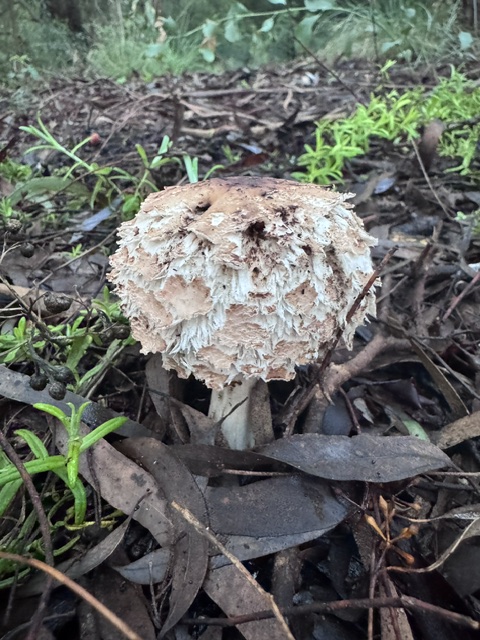
We thank our wonderful photographers for sharing their amazing images with us. If you would like to contribute, please email your photos to: blackburncreeklands@gmail.com
Photo gallery:
For more information, please contact us on one of the options below:
- Email blackburncreeklands@gmail.com
- Website https://blackburncreeklands.org/
- Facebook https://www.facebook.com/BlackburnCreekies/
- Instagram https://www.instagram.com/blackburncreeklands/
Drop us a line or see you soon at one of our meetings or friendly activities.
Your friends,
Blackburn Creeklands Advisory Committee

