Upcoming events:
- Monthly bird survey on Wednesday 14 October
- Spring bird walk on Saturday 24 October
- Community working bee on Sunday 25 October
Welcome to the September/October edition of our Blackburn Creeklands newsletter.
What a welcome spring soaking!
What a difference a weekend of rain can make! After a relatively dry start to spring, most of Melbourne and in particular Blackburn received a wonderful soaking, giving our trees, gardens and native vegetation a much-needed drink. As spring growth starts to gather pace, our Creeklands are looking greener and more vibrant every day. Please take some time to enjoy the colourful wildflowers that were planted by our wonderful volunteers during our community working bee in May.
In this edition, we have:
- Spring bird walk
- Know your weeds
- Sunday working bee
- Insect of the year – it’s time to vote!
- The ancient oak
- Our very own wildflowers
- Thunderstorm asthma warning
- Free film festival
- Sightings – photos
Spring bird walk
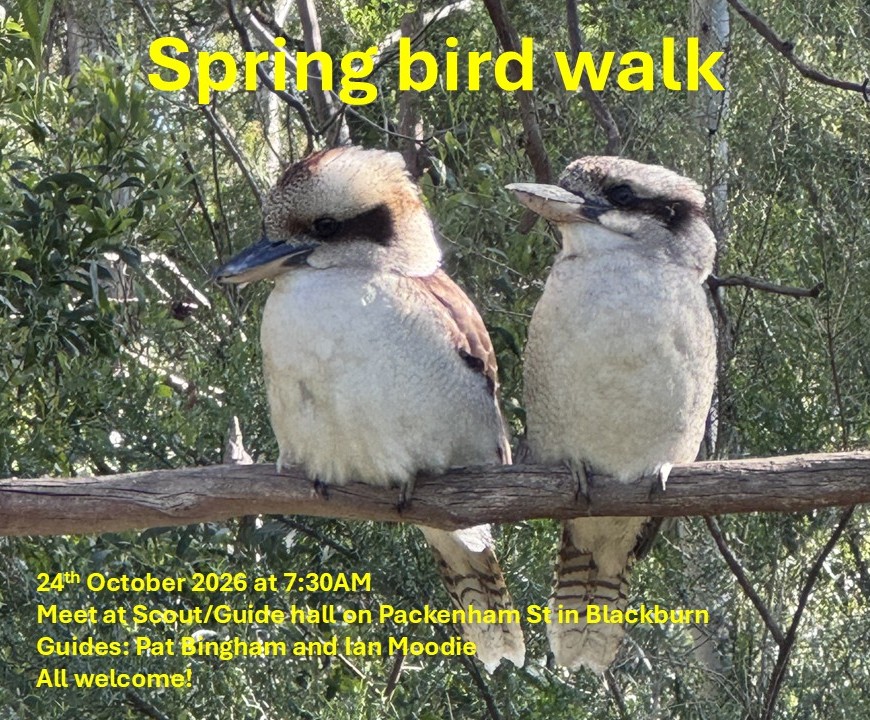
It’s that time of year again… Spring has arrived bringing warmer days, fresh growth and, of course, plenty of bird activity. Please join us for our annual Spring Bird Walk on Saturday 24 October 2026. We plan to meet at the Scout/Guide Hall on Packenham St at 7:30AM.
With our two expert guides Pat Bingham (Birdlife Australia) and Ian Moody (formerly from Whitehorse City Council) we’ll explore the local bushland, wetlands and creeklands and see how many different species we can spot along the way. After approximately 60 minutes we will head back to the meeting place for morning tea, tally up the scores and discuss what we saw or heard.
Whether you’re a keen birdwatcher, complete novice or simply enjoy being outdoors and discovering new things then please dress for the occasion by bringing your binoculars and camera (if you have them), comfortable walking shoes, a raincoat (hopefully not needed) and your curiosity.
Please come along and enjoy a wonderful spring morning. ALL welcome!
Know your weeds
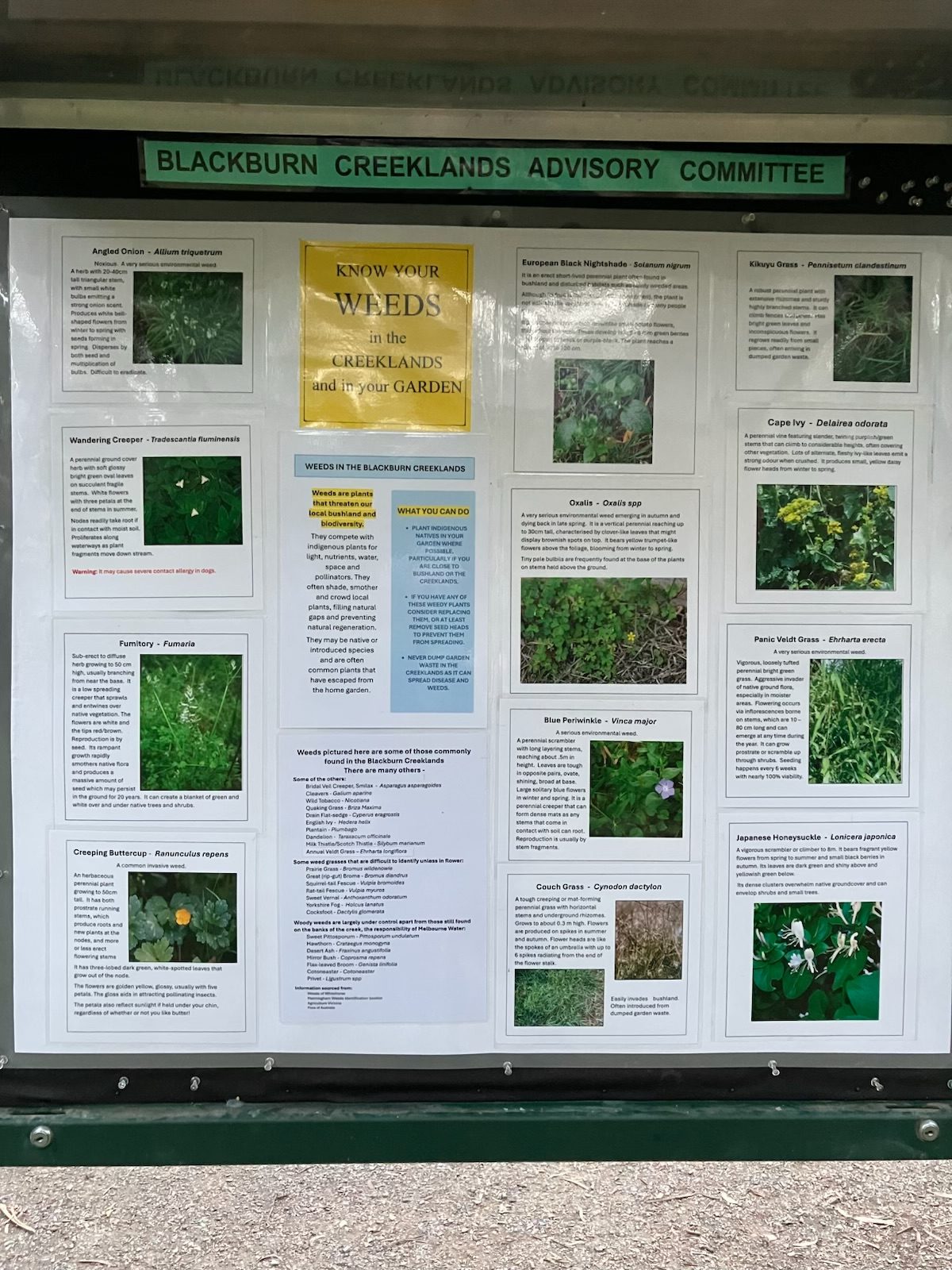
The “Know Your Weeds in the Creeklands and in your garden” display highlights common weeds threatening local biodiversity and native vegetation.
Featured species include Angled Onion, Wandering Creeper, Fumitory, Creeping Buttercup, European Black Nightshade, Oxalis, Blue Periwinkle, Couch and Kikuyu Grasses, Cape Ivy, Panic Veldt Grass and Japanese Honeysuckle.
The display explains how weeds compete with indigenous plants for light, nutrients, water and space, while some can spread rapidly through seeds or plant cuttings. Residents are encouraged to plant indigenous species, remove weeds before they spread, avoid dumping garden waste in the creeklands, and responsibly dispose of unwanted plants and garden waste.
Please drop by for a closer inspection of another great display by Anthea!
Sunday working bee
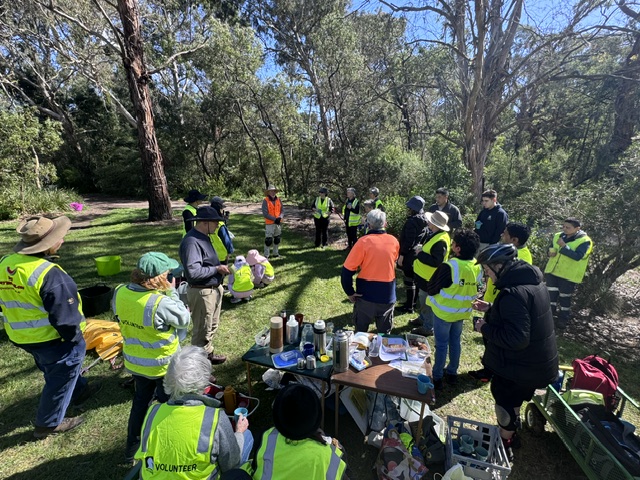
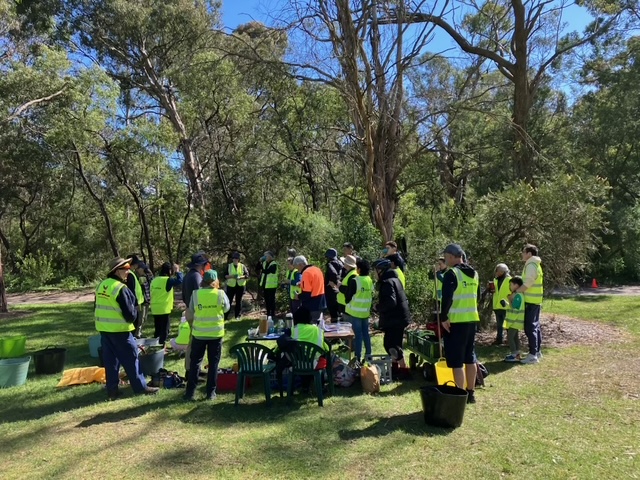
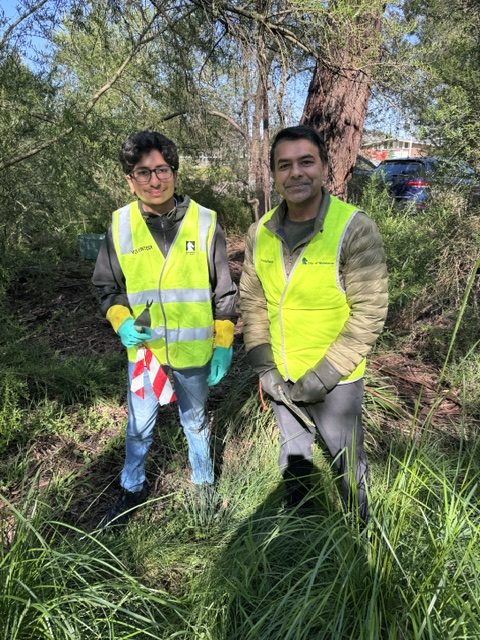
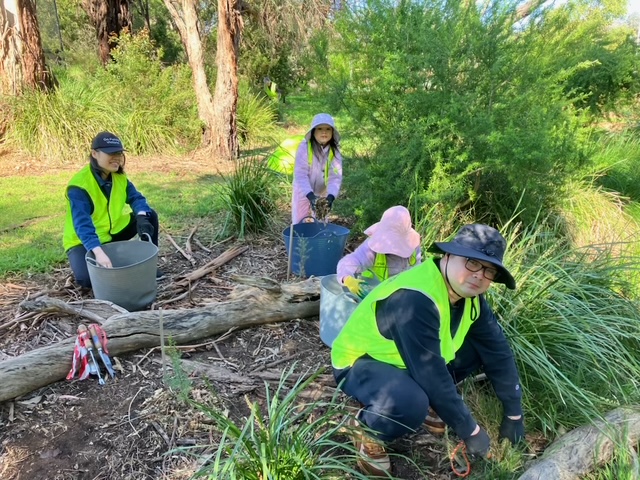
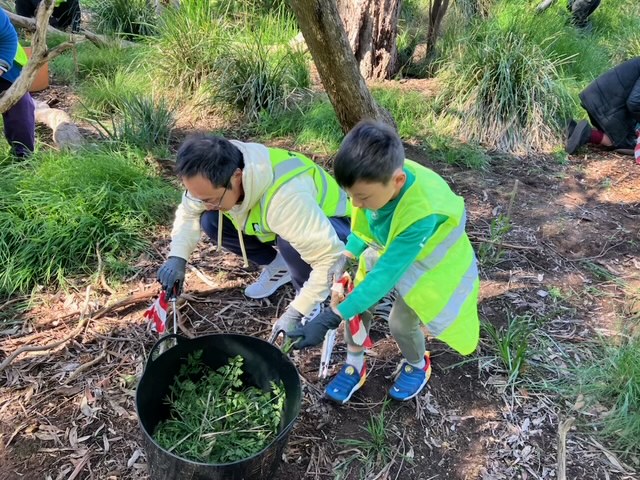
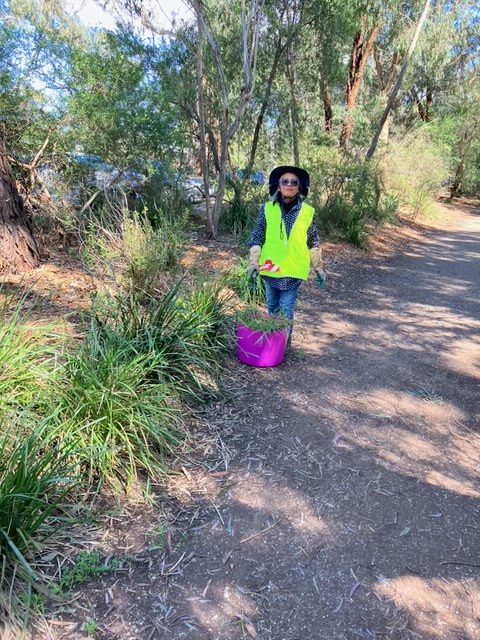
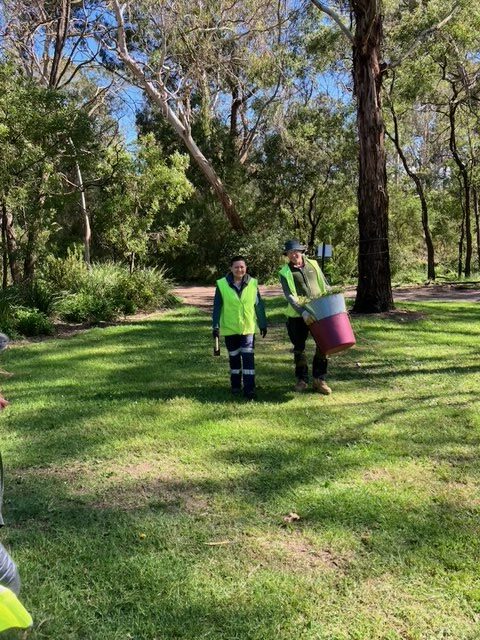
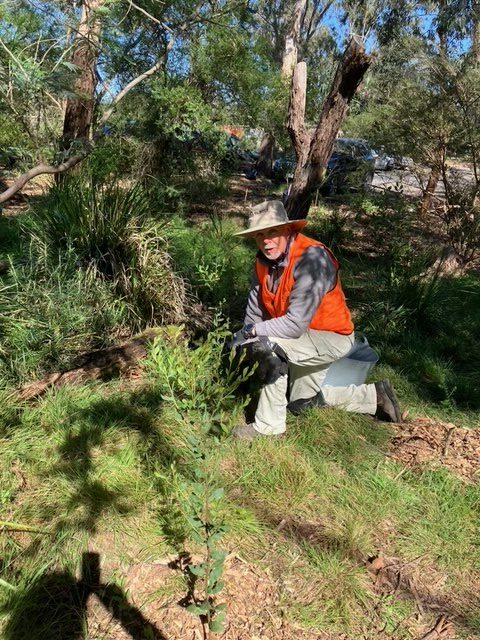
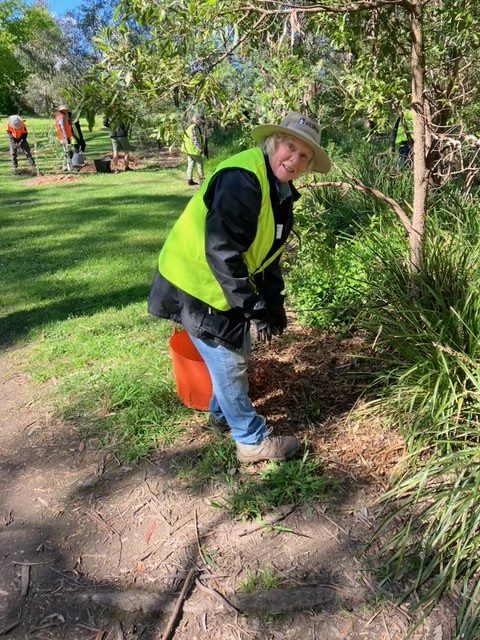
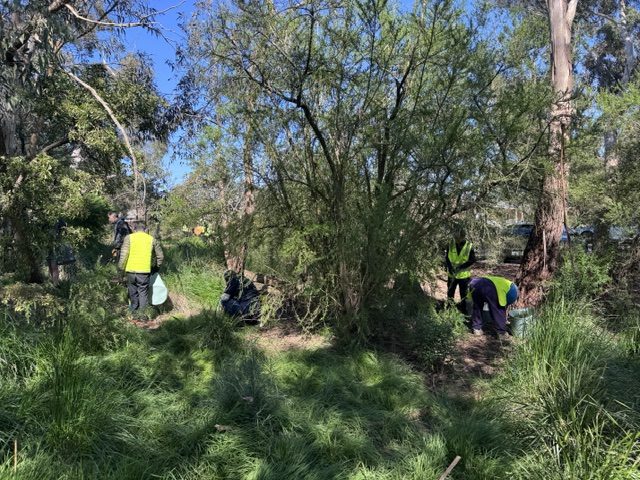
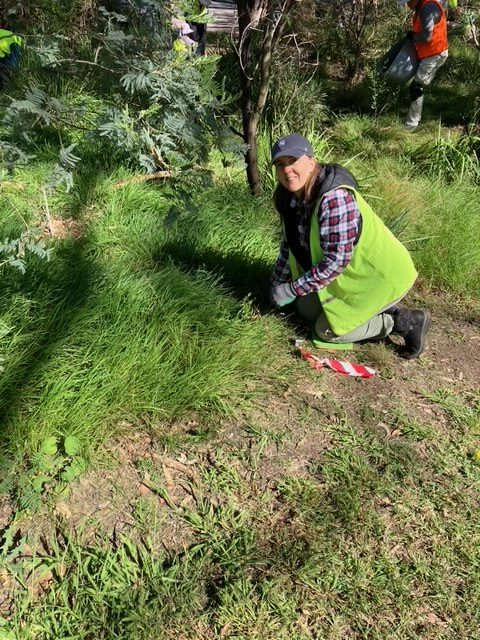
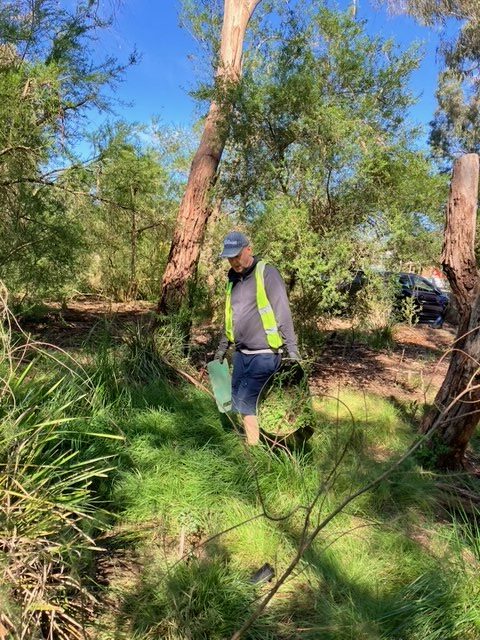
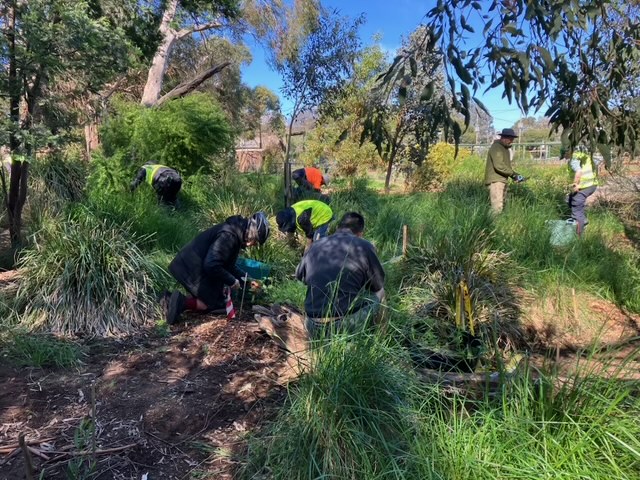
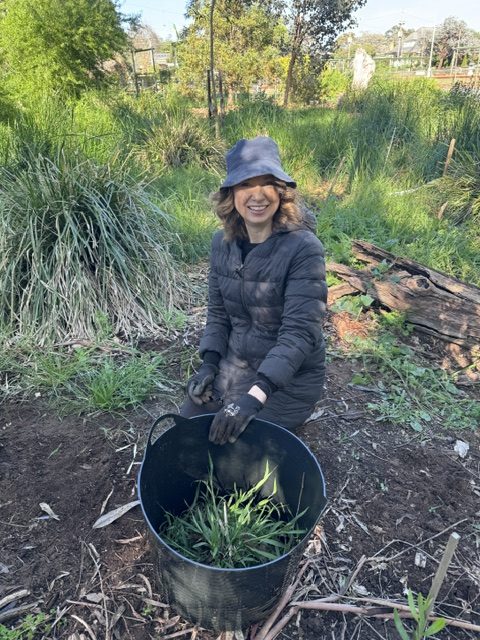
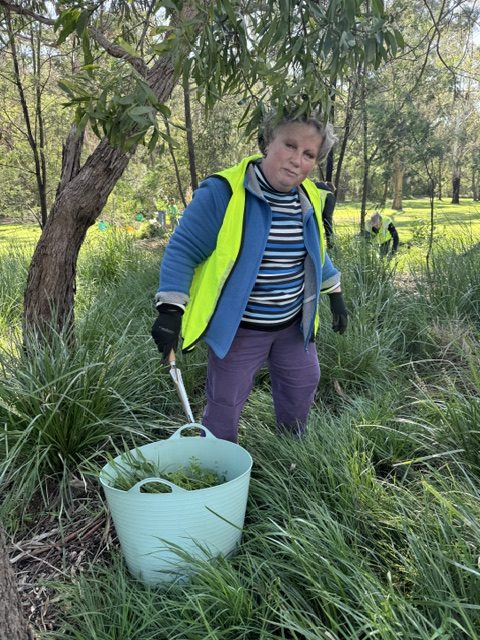
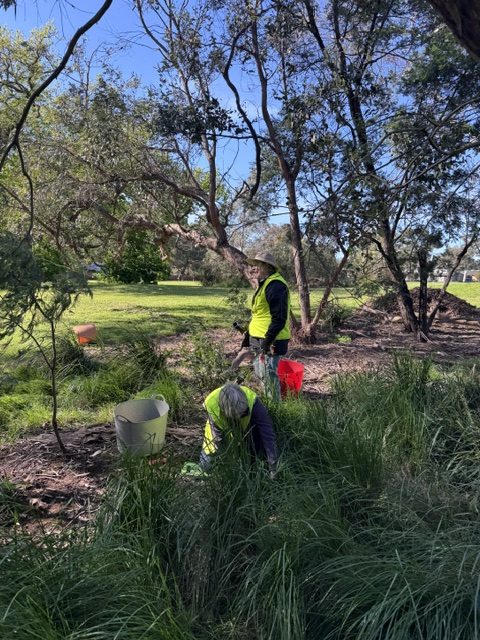
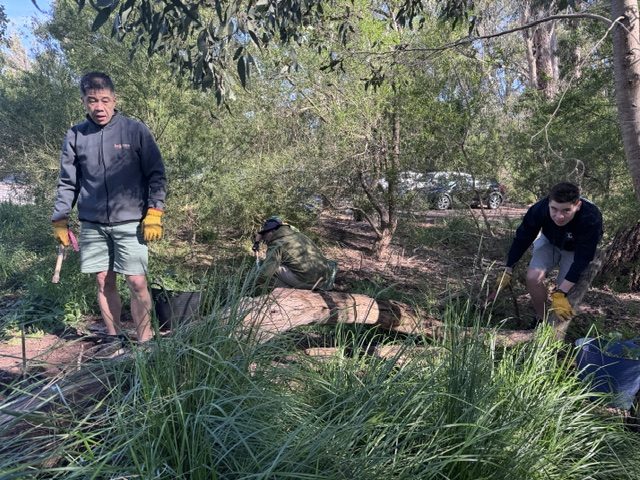
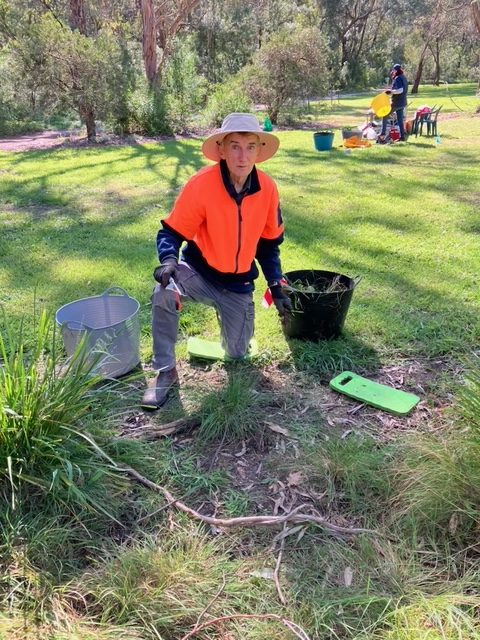
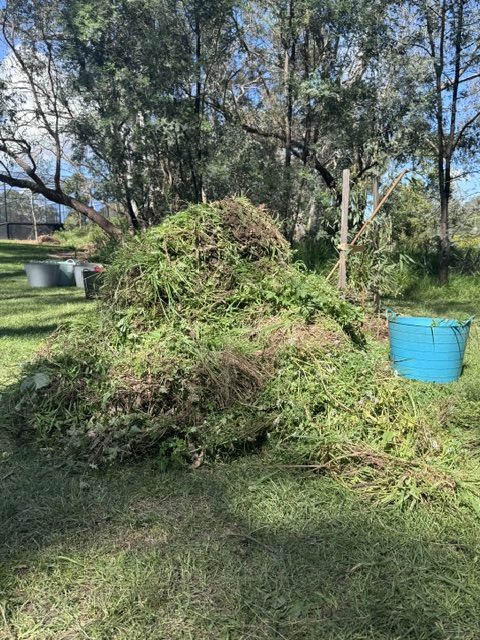
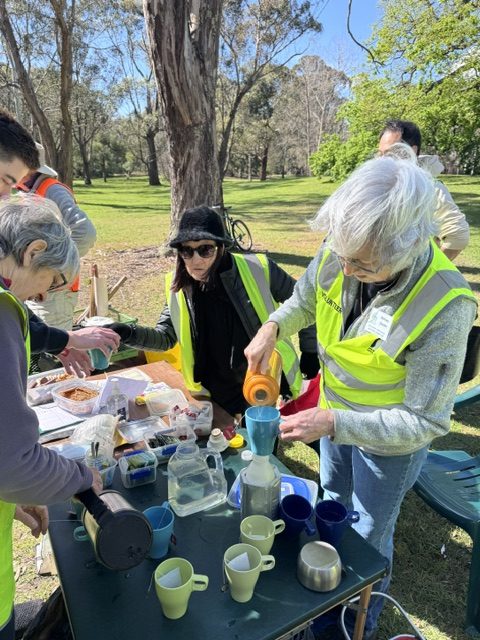
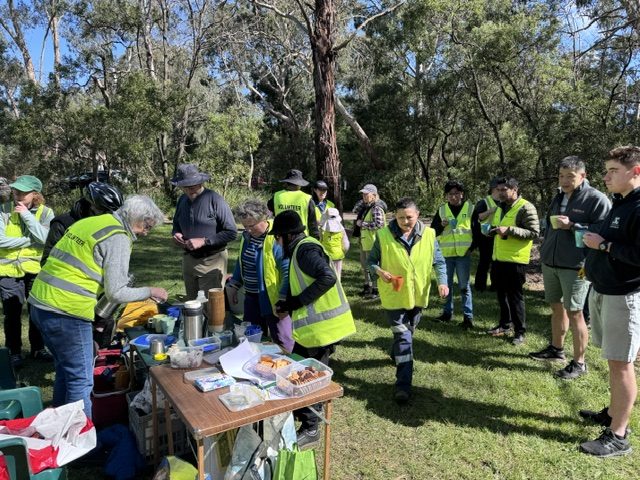
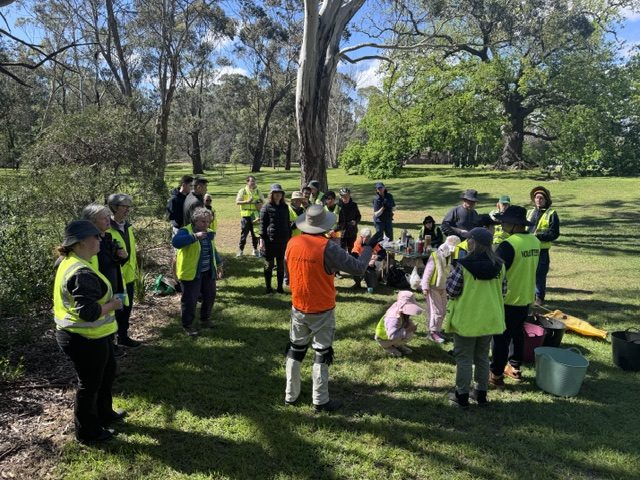
At 9AM on Sunday the 27th of September we held our eighth working bee for the year, which focused on weeding and mulching in the area behind the Blackburn bowling club. Thirty keen volunteers all dressed in vibrant fluoro carefully plucked unwanted weed species in and around the shrubs, grasses and trees behind the carpark (see photos). It was great to see several ‘younger’ members of the community take part and showing an interest in caring for the Blackburn Creeklands. After morning tea, we continued with some more weeding along the track and mulching of garden beds. We thank all volunteers who generously donated their time on a cool but sunny Sunday morning.
Once again, thanks to Anthea and Evelyn for hosting our morning tea and to Sheena for freshly baking some cookies on the day.
We look forward to seeing you all at our next working bee on Sunday 25th October where we plan to weed and top-up mulch in previously planted sites in Kalang Park, east of the Laurel Grove bridge and on the south side of the creek.
Please flag the date on your phone, in your pocket diaries and/or on your wall calendars now!
Australian insects in the spotlight
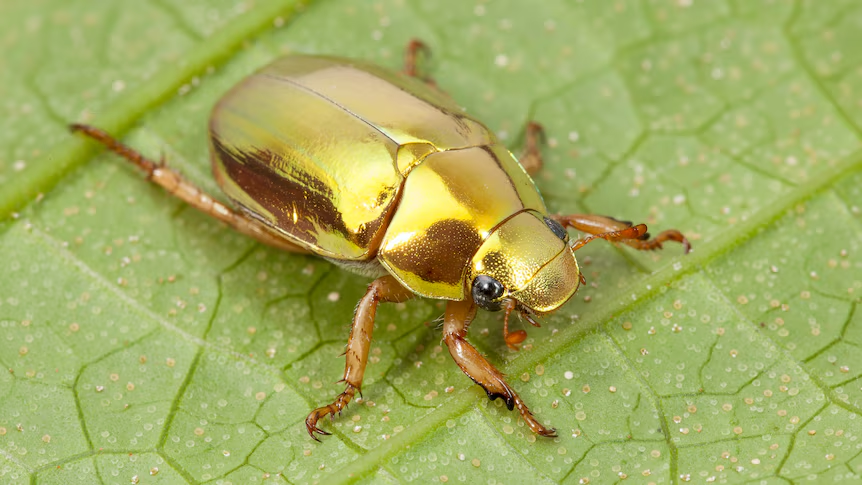
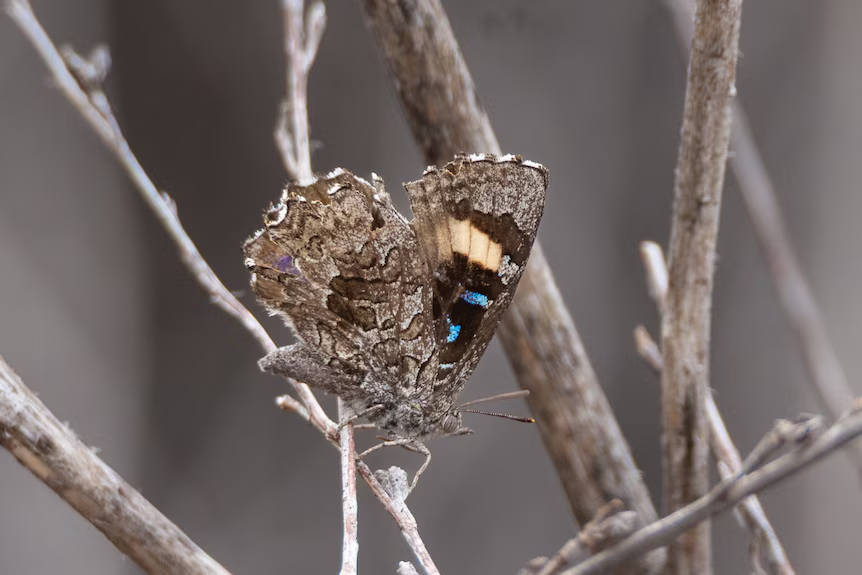
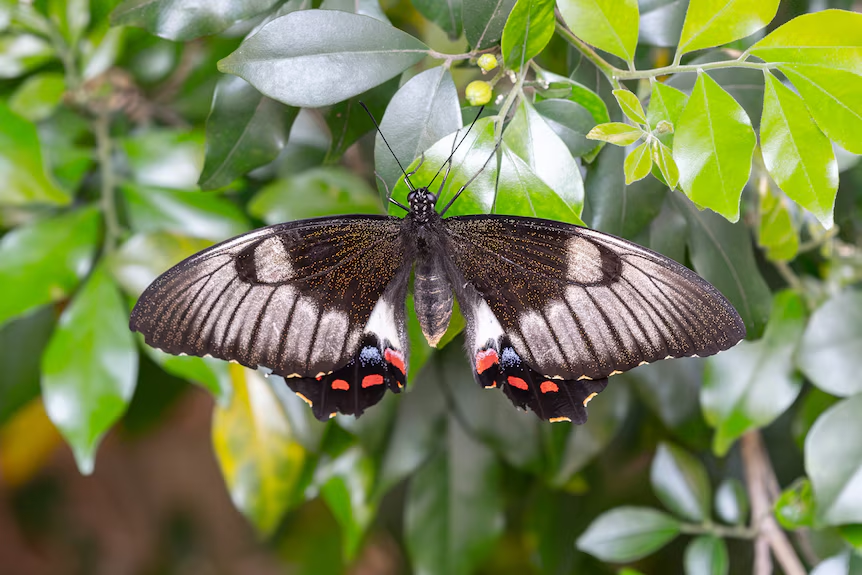
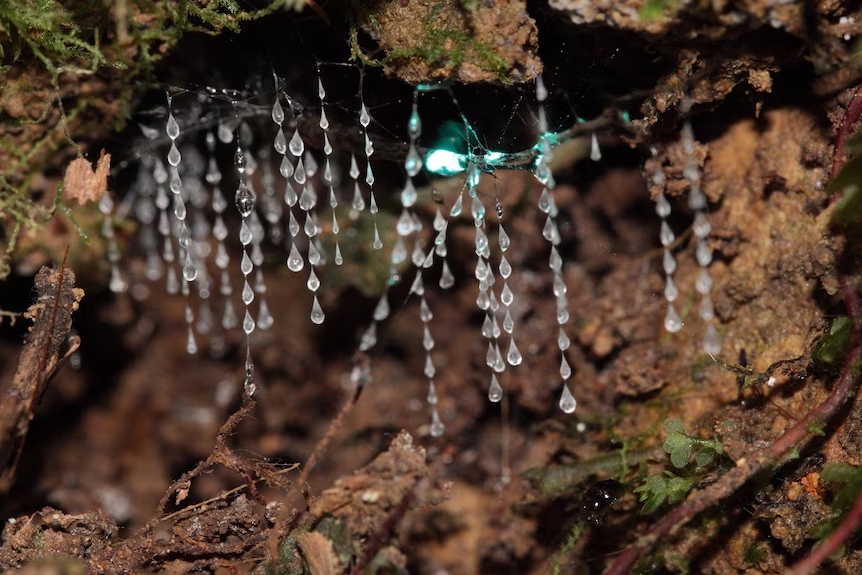
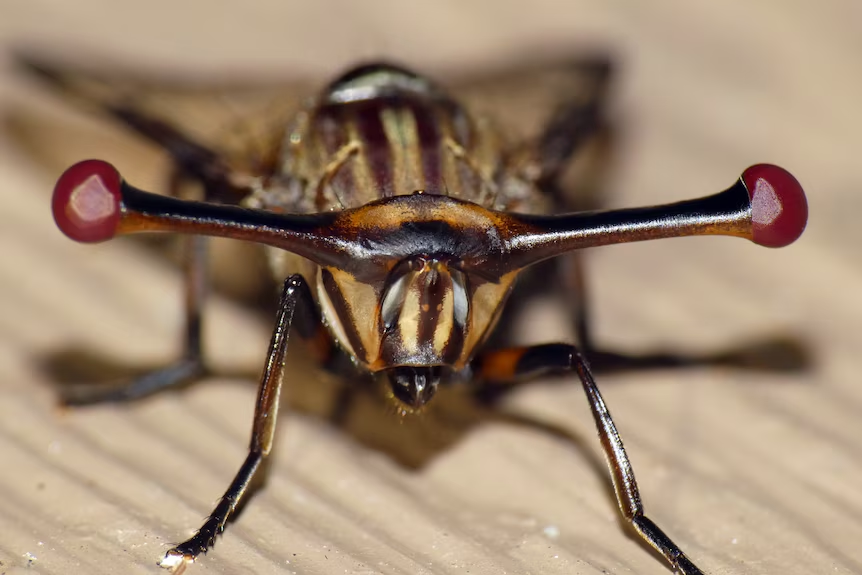
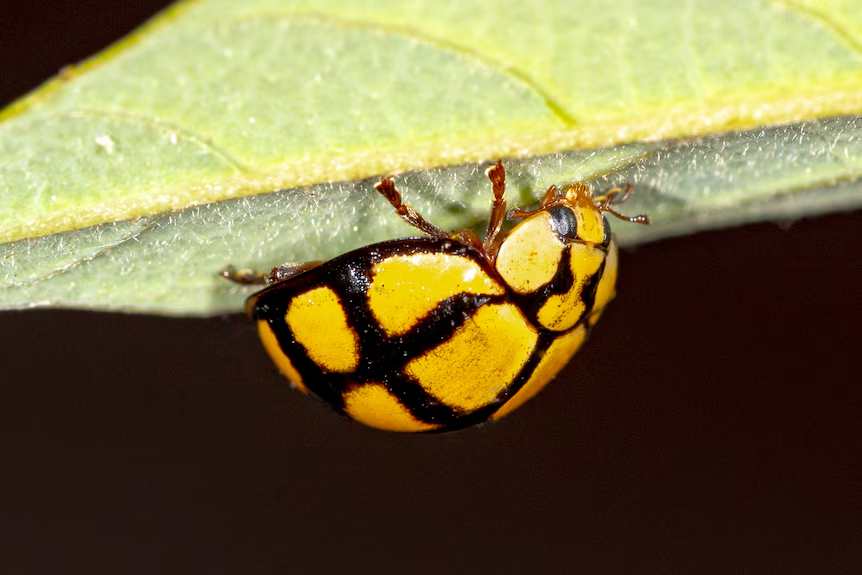
The 2026 ABC Australian Insect of the Year competition is celebrating six fascinating Australian insects, highlighting their diversity and important roles in our environment. The finalists are:
1. Gold Christmas beetle (Anoplognathus aureus) – A striking golden beetle active in summer and likes to feed on eucalyptus foliage. Its bright metallic colouring makes it a much-loved Australian Christmas-time insect.
2. Mallee Bronze Azure butterfly (Ogyris subterrestris) – A small, elusive butterfly with bronze-blue wings that is strongly associated with mallee habitats. Its life cycle is closely linked to specific plants and ant species.
3. Orchard swallowtail butterfly (Papilio aegeus) – A large, elegant butterfly with distinctive black, white and yellow markings. Caterpillars commonly feed on citrus and other plants in the Rutaceae family.
4. Otway glow-worm (Arachnocampa otwayensis) – A fascinating fungus gnat larva that produces a blue-green glow to attract prey. It lives in damp, sheltered caves and rainforest environments.
5. Stalk-eyed signal fly (Achias australis) – A remarkable fly recognised by its unusually long, sideways-projecting eyes. Males use their exaggerated eye stalks in displays and competition for mates.
6. Tortoise-shelled ladybird (Harmonia testudinaria) – A distinctive Australian ladybird with a rounded, tortoise-like appearance. It helps control pests by feeding on aphids and other small insects.
The competition also highlights how little we know about Australia’s insects. Scientists estimate that only about 30% of Australia’s insect fauna has been named. Insects are essential to all ecosystems and especially in agriculture, with around 90% of crops relying on insect pollination. Interestingly, only about 1% of known insects are considered pests!
For more information and where to cast your vote, please click on the link below:
Scutter or flutter? Who wins your vote for the 2026 ABC Australian Insect of the Year? – ABC News
Voting is open until the end of October and the winner announced on 9 November 2026 so go vote for your favourite one now!
The ancient oak
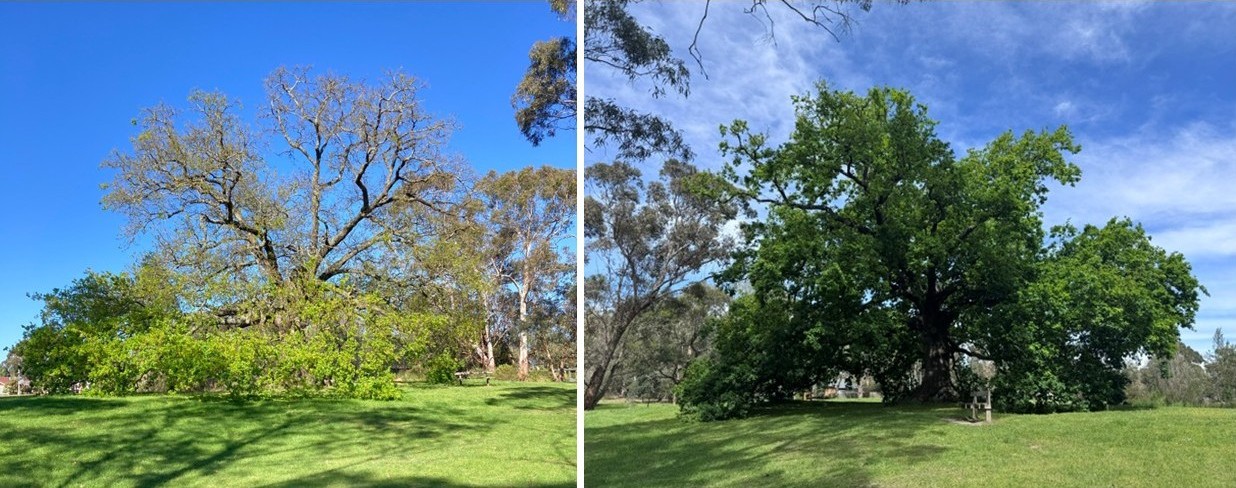
Leaves on the lower and inner branches growing first before the ones higher up in the oak tree. Photos taken on 20 September (left) and 9 October (right).
You might remember that this time last year the oak tree (Quercus robur) was not looking too good with what we thought were hungry possums eating the tastier leaves higher up in the canopy. We notified council and their arborists kept a close eye on it and fortunately it came good by mid-Spring.
Similarly, it happened again this season, but much less dramatically and therefore not causing us to panic as much like last year, so we now believe it maybe just nature running its course. In large deciduous trees like the oak, lower and inner branches generally develop their leaves first before those at the top due to several environmental factors:
Microclimate – branches lower down can experience slightly warmer conditions or be sheltered from cold winds, so this helps to encourage earlier bud development.
Sunlight and temperature – sunlight exposure, overnight cooling and local temperature differences can influence when buds begin to open. It makes sense for the lower and inner leaves to grow first to maximise their carbon balance before they get shaded by leaves higher up in the canopy.
Natural variation – buds on different branches can respond differently to winter chill and also to Spring warmth, meaning leaf emergence is not always uniform across the tree.
This ancient oak has quite a history!
We suspect it was planted by a local farmer at least 125 years ago. Its position on higher ground would have helped it survive the regular flooding of the creek during its early years. More recently, it has also endured other challenges, including at least one occasion when a fire was lit at its base 😦
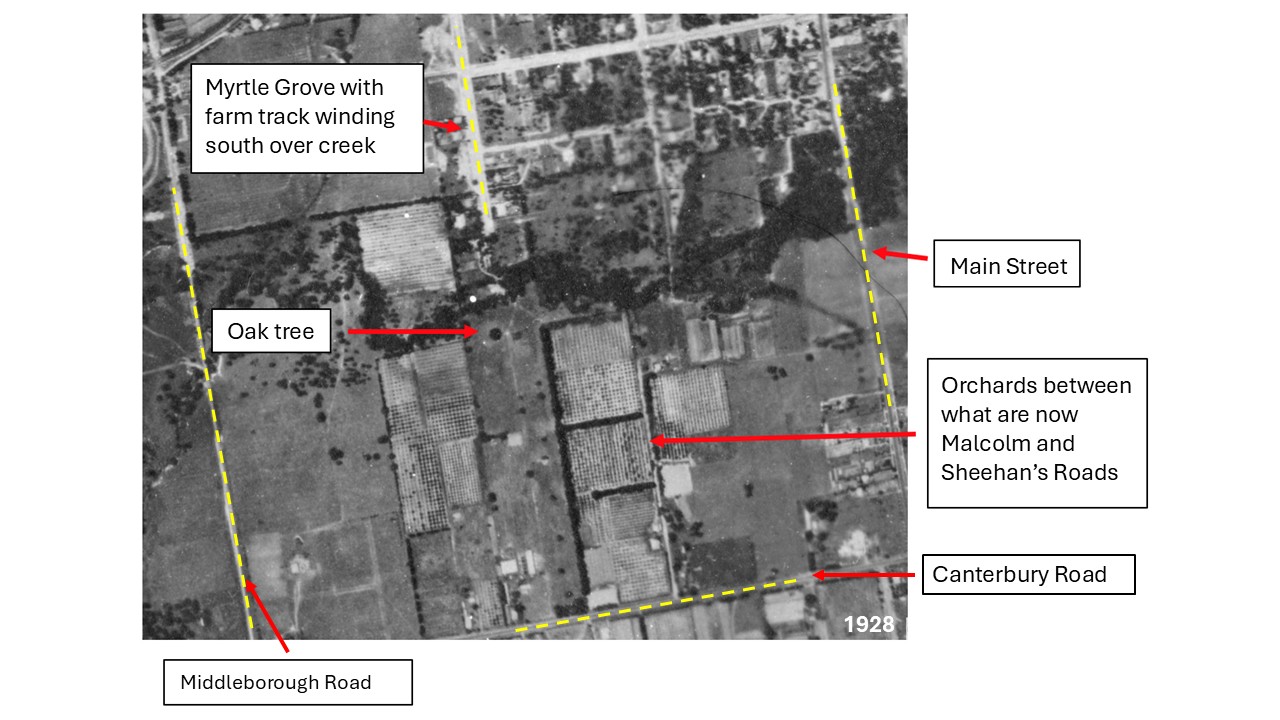
The 1928 aerial photograph below shows the oak as an already substantial tree, predating the establishment of the neighbouring poultry farm on what is now part of the Kalang park oval. Apparently, the poultry farmer lived in Myrtle Grove and reportedly drove his tractor across the creek to his farm.
The tree appears again in the 1945 aerial photograph below. Look closely and you can see the poultry sheds immediately to its east, with orchards extending further east into the surrounding landscape. These images offer a fascinating glimpse into the area’s rural past and the changing landscape around our ancient oak.
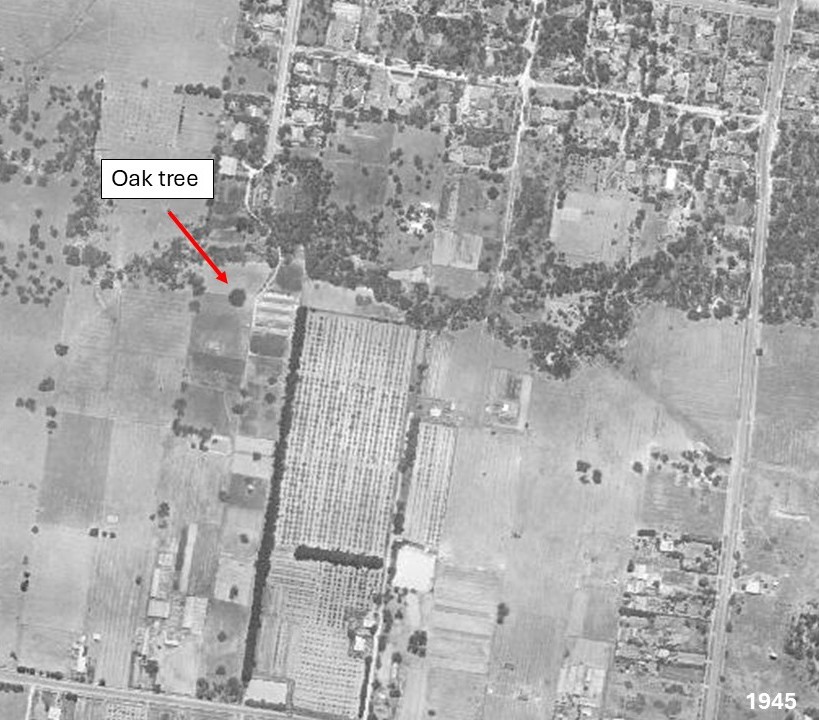
Did you know that remnants of this orchard can still be found in the park today? Believe it or not but seven pear trees survive near the northern end of Malcolm Street hence it gives us a living link to the area’s former orchards! Have you spotted the pear trees on your walks? Maybe next time you pass by, take a moment to look for these living reminders of Blackburn’s agricultural heritage.
Our very own wildflowers
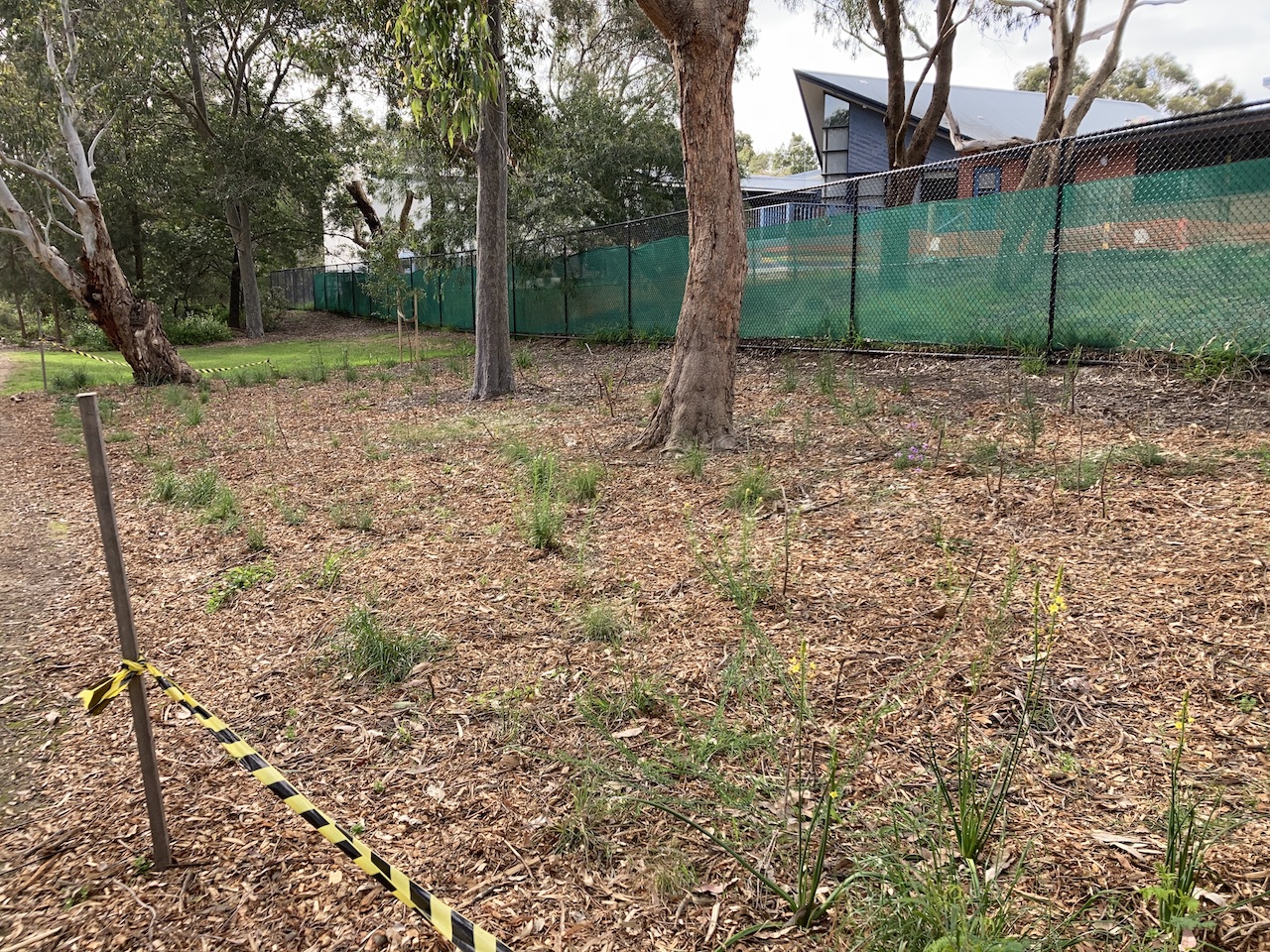
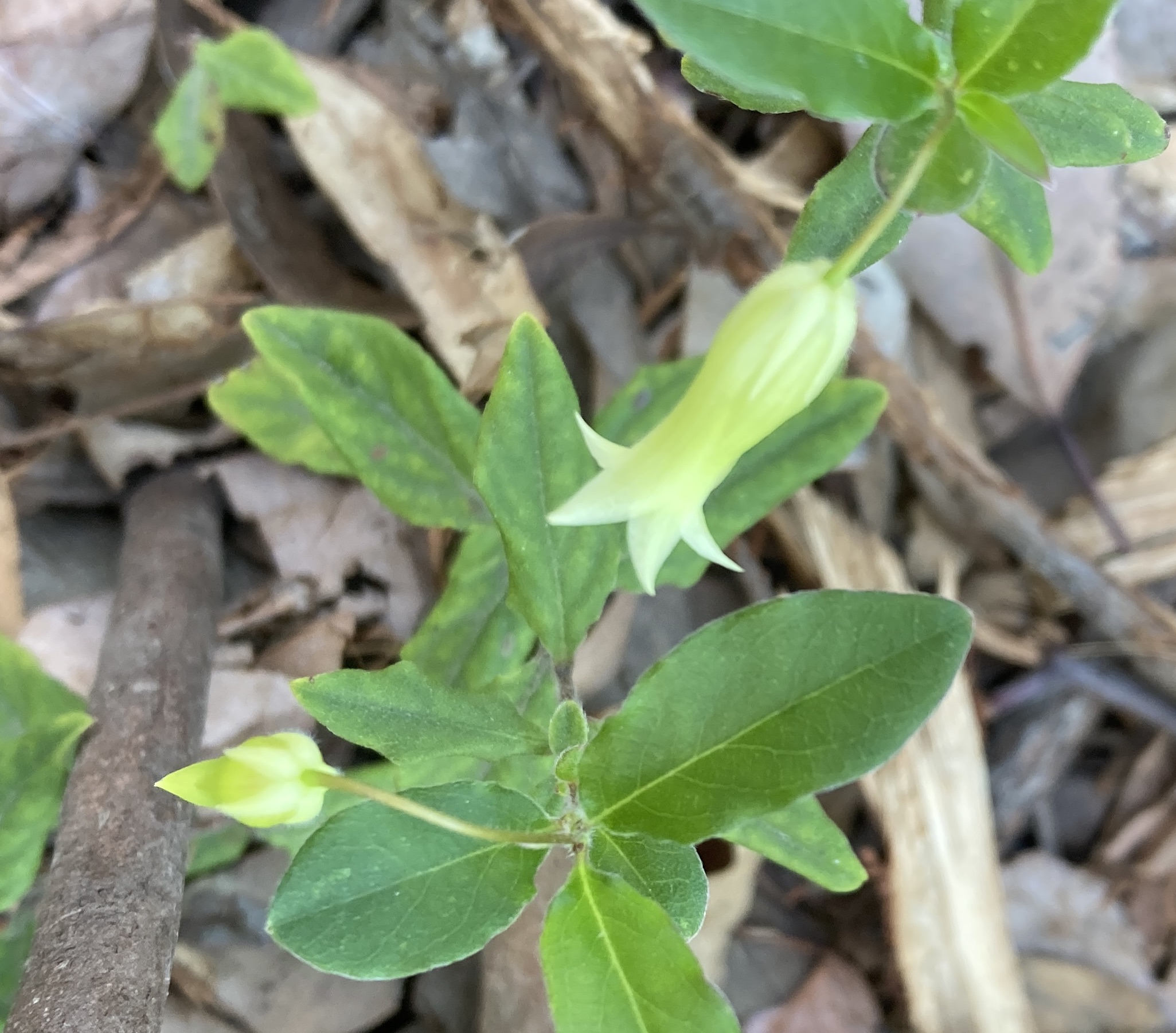
Have you visited our working bee site that we planted back in May 2026 at the school gate in Blacks Walk? Located on the south side of the park between the shared path and the fence of Laburnum Primary school, this once-barren patch is now bursting with greenery and colour as the wildflowers we planted just five months ago begin to bloom! It truly is a remarkable transformation in such a short space of time so it’s wonderful to see our efforts already being rewarded with a beautiful display of native flowers.
Species currently in bud or in flower include (see photos):
- Native Storksbill (Pelargonium australe)
- Native Flax (Linum marginale)
- Cut-leaf daisy (Brachyscome multifida)
- Blue Flax Lily (Dianella tasmanica)
- Chocolate Lily (Arthropodium strictum)
- Running Postman (Kennedia prostrata)
- Happy Wanderer or Purple Coral Pea (Hardenbergia violacea)
- Common Appleberry (Billardiera scandens)
- Wallaby grass (Themeda triandra)
- Sticky everlasting daisy (Xerochrysum viscosum)
- Bulbine Lily (Bulbine bulbosa)
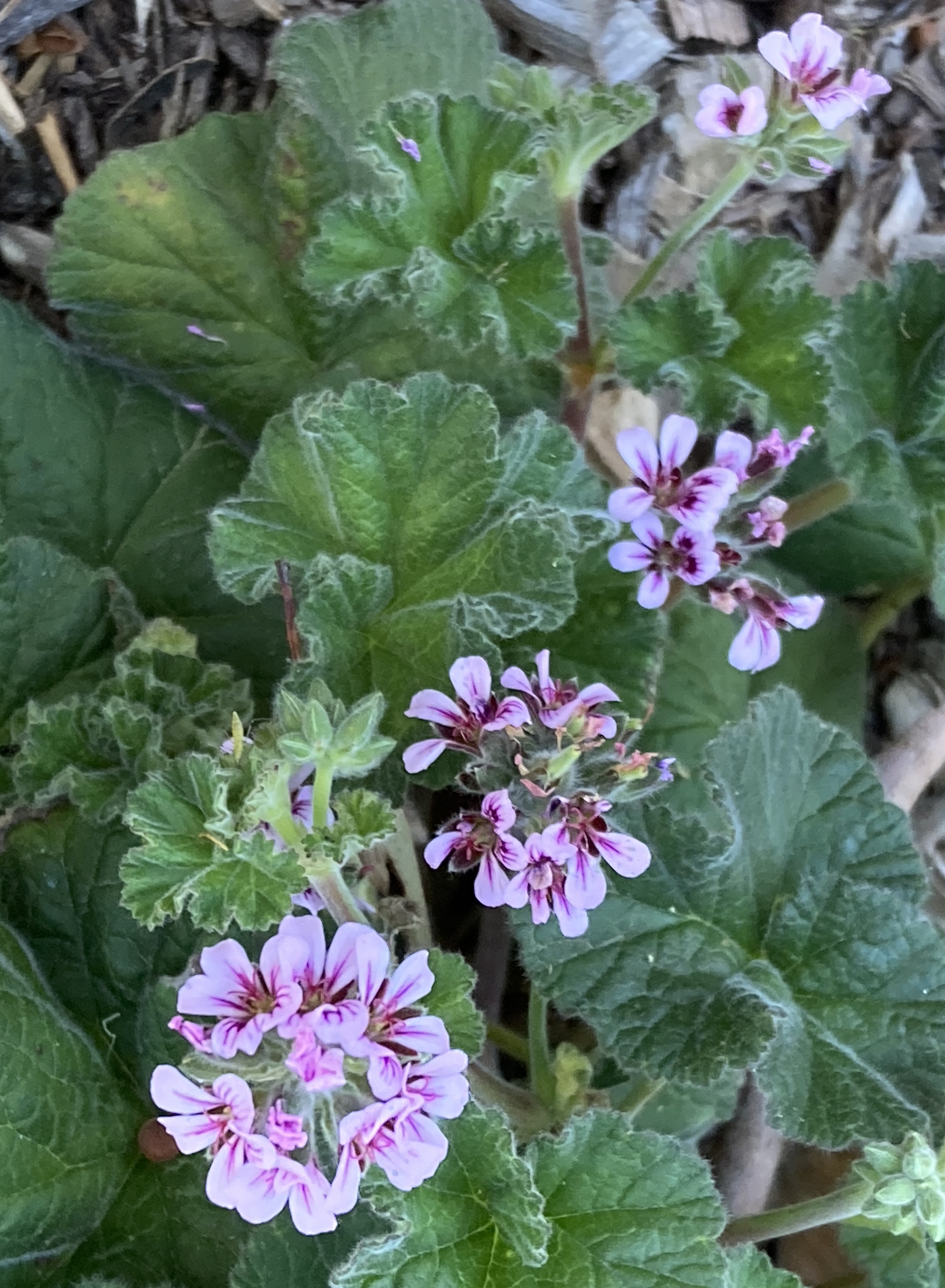
(Pelargonium australe)
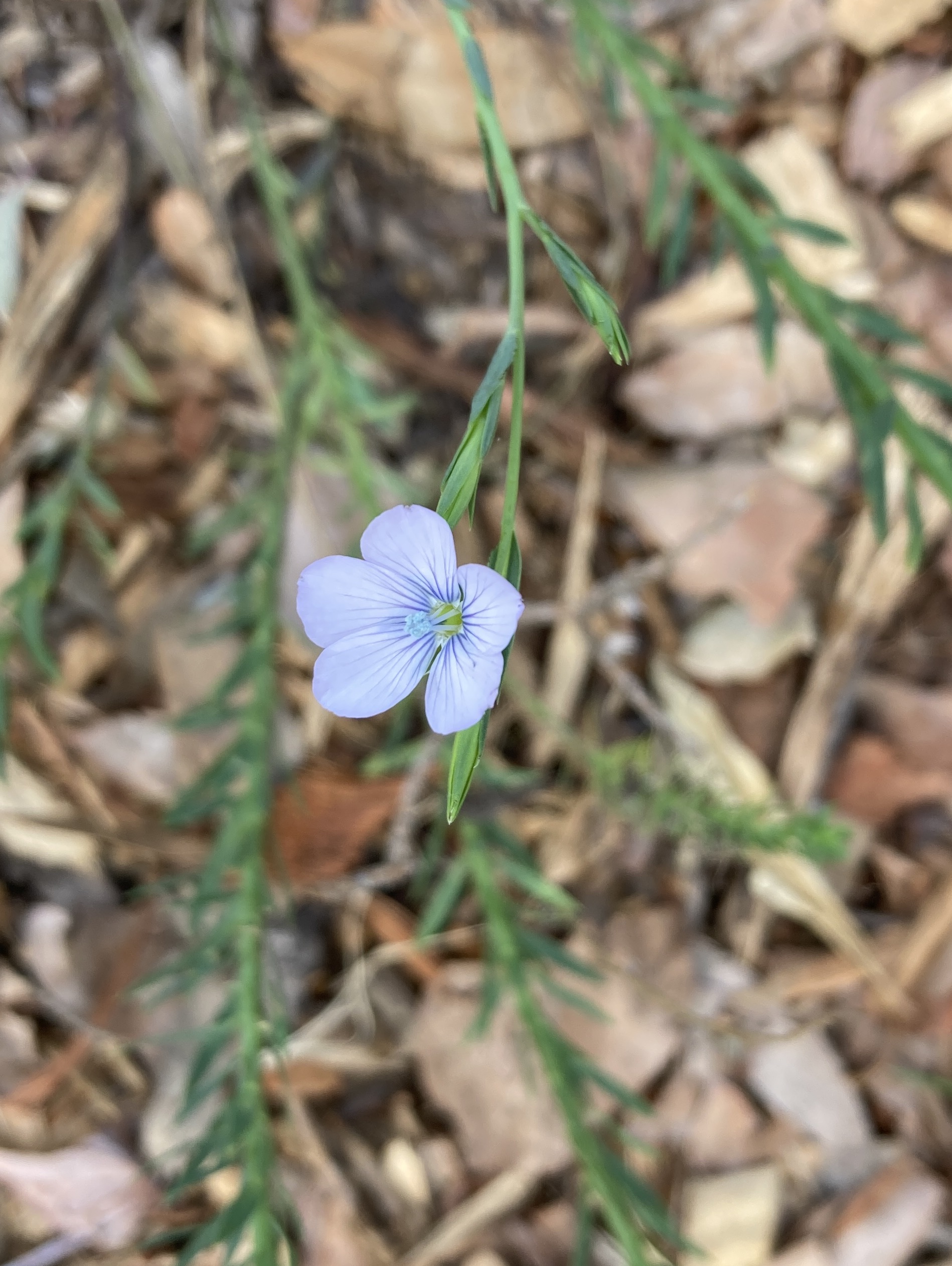
(Linum marginale)
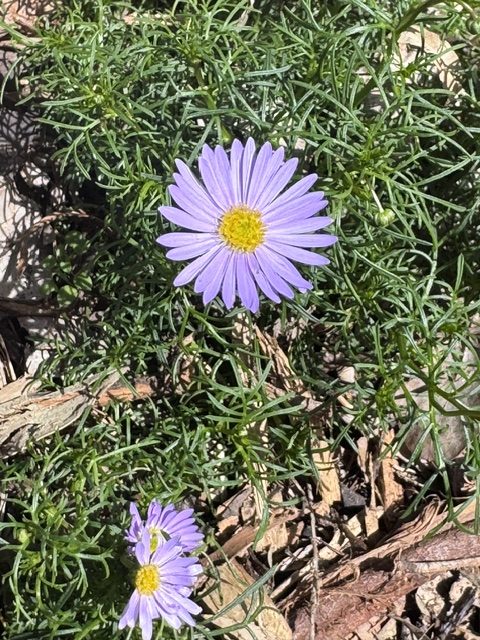
(Brachyscome multifida)
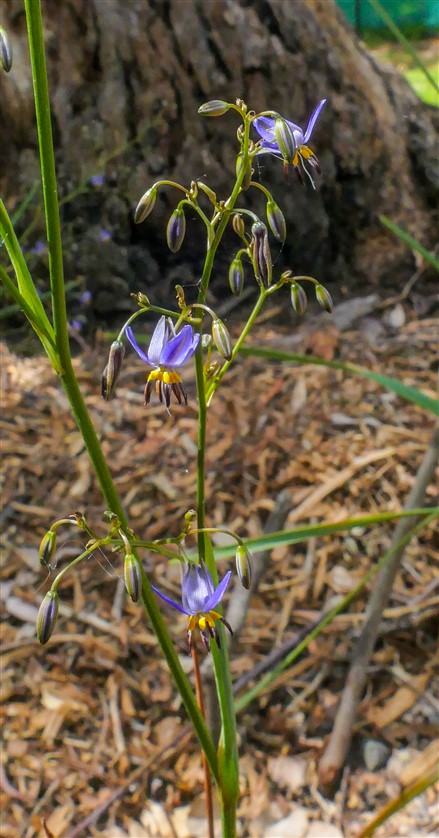
(Dianella tasmanica)
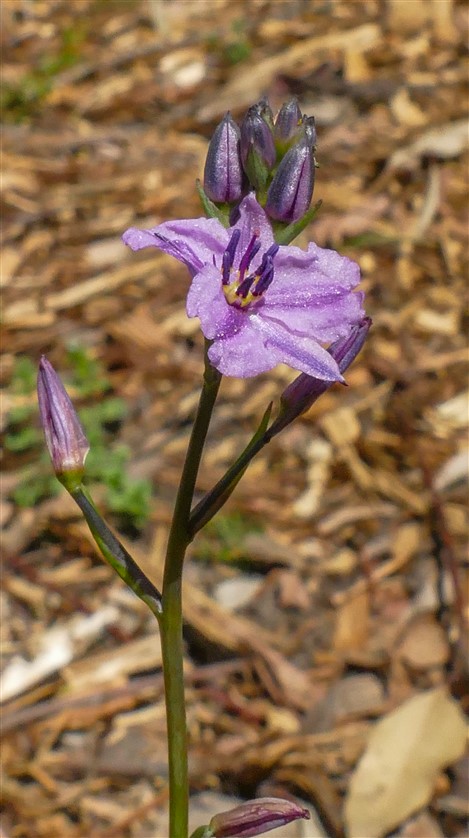
(Arthropodium strictum)
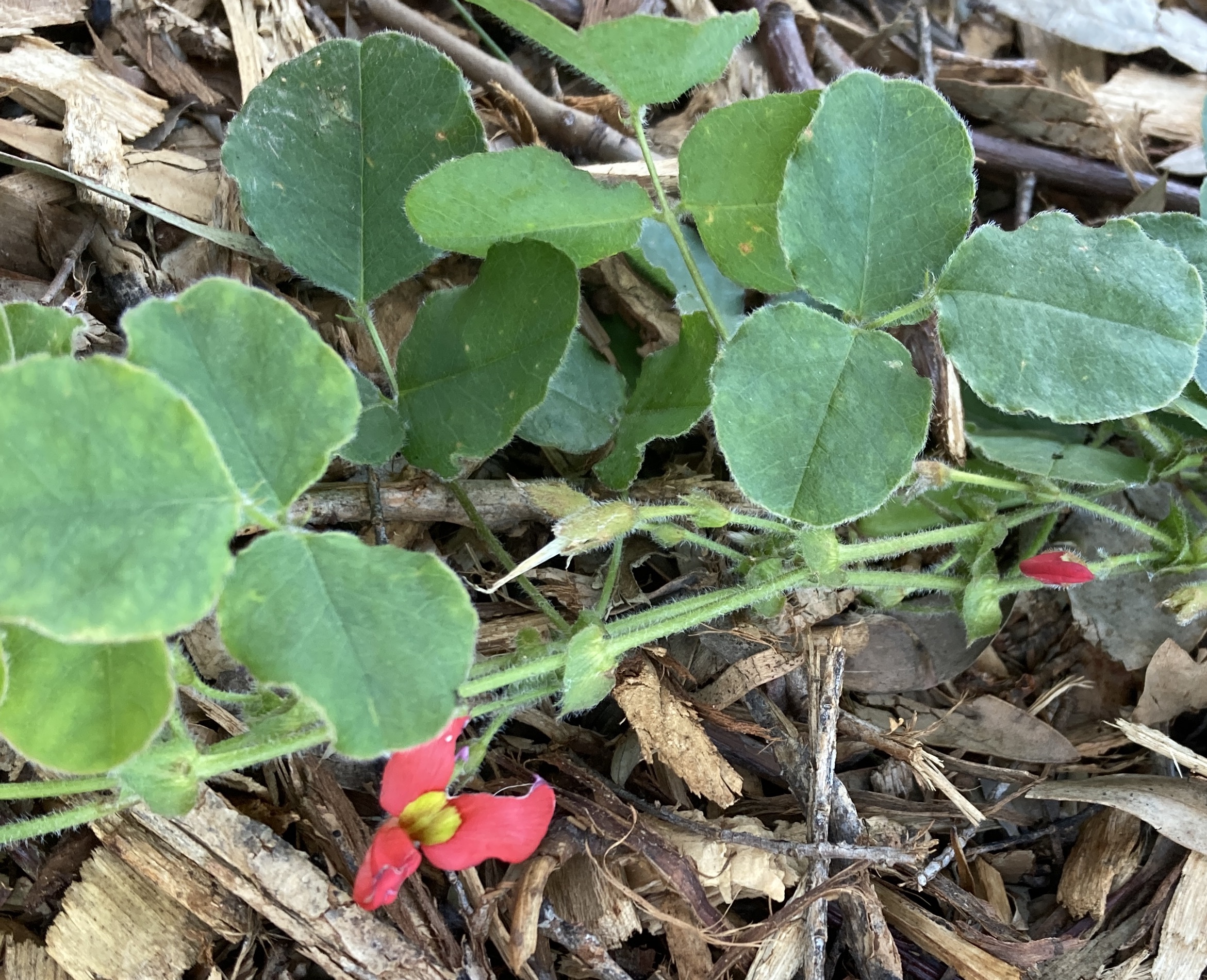
(Kennidia prostrata)
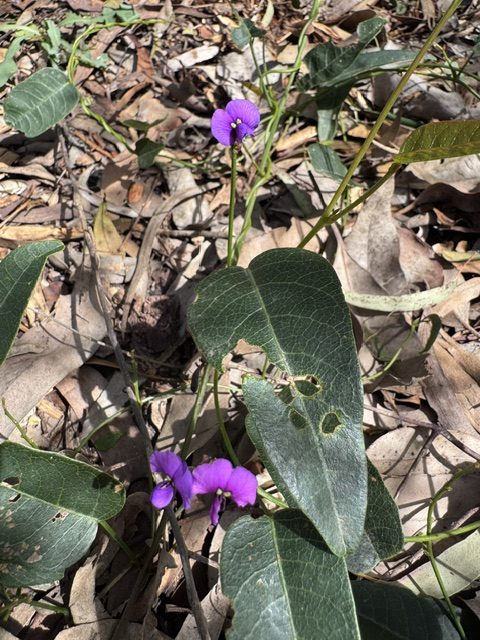
(Hardenbergia violacea)
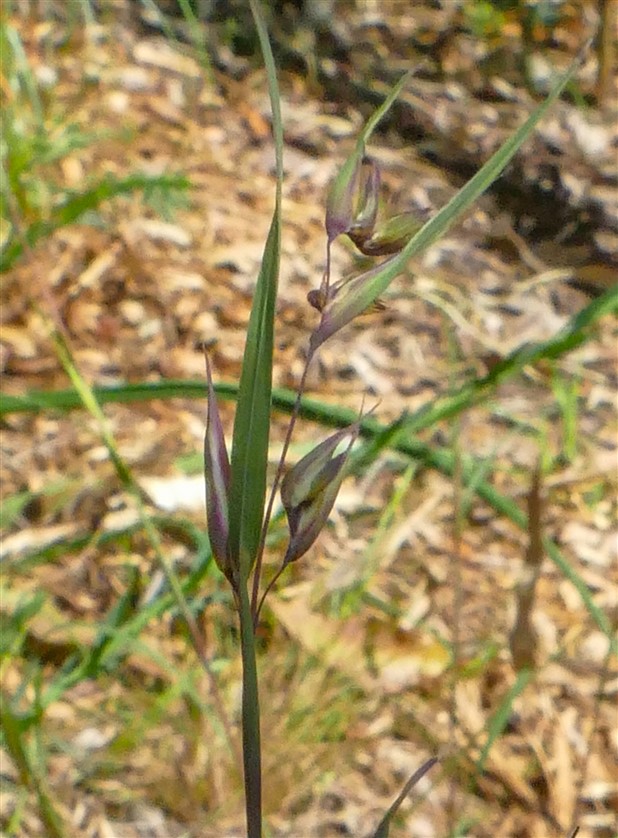
(Themeda triandra)
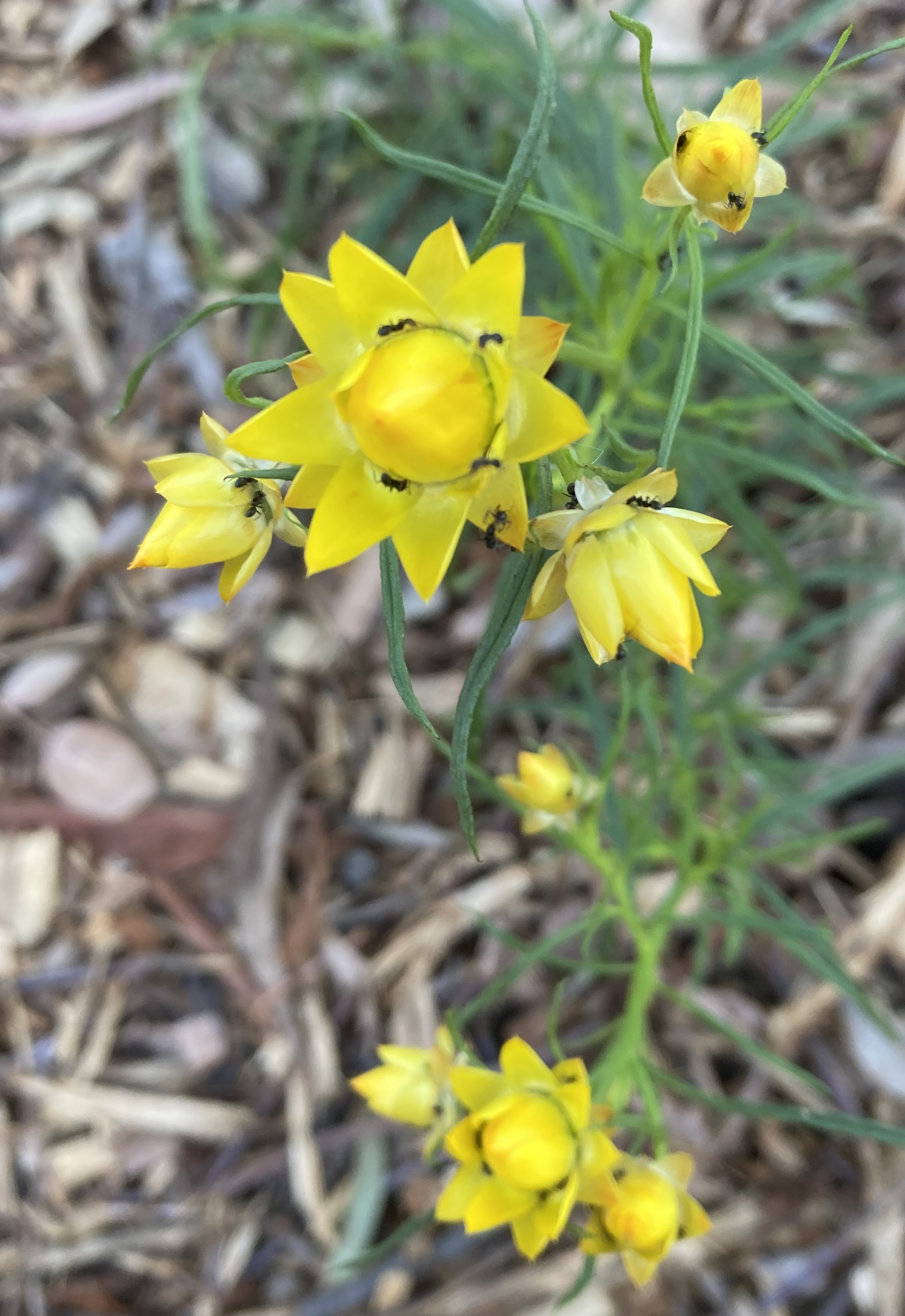
(Xerochrysum viscosum) and ants
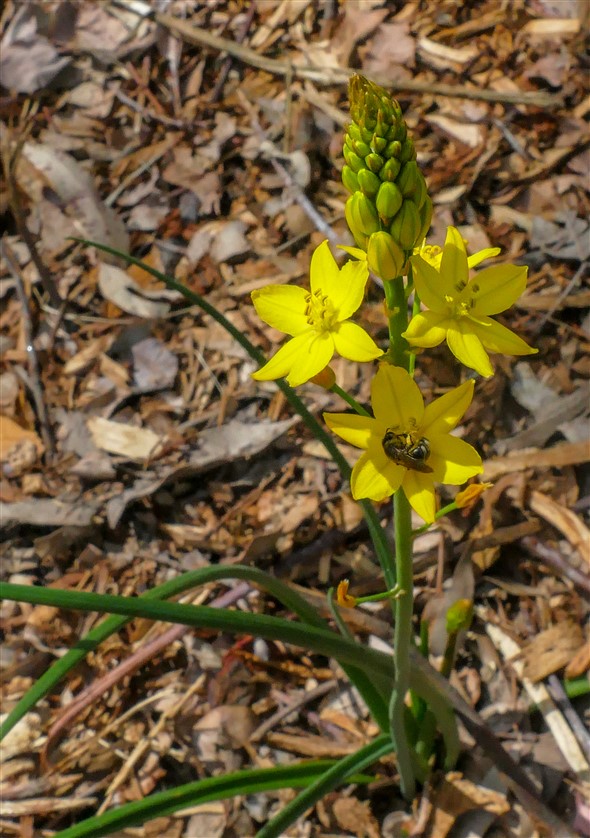
So next time you’re walking through Blacks Walk, take a moment to stop, admire the wildflowers and enjoy the ‘fruits’ of our hard-working volunteers’!
Thunderstorm Asthma warning
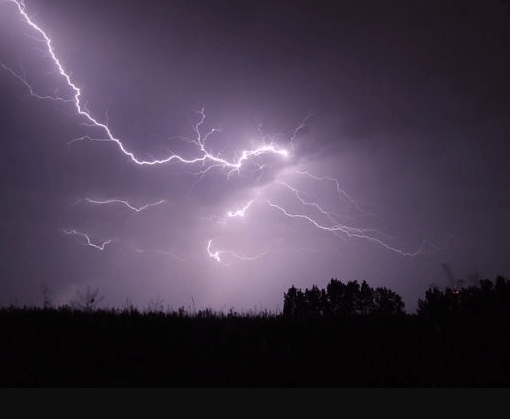
As of 1st October, we have entered the Victorian Thunderstorm Asthma season.
This season, also called the “grass pollen season”, runs from 1 October through to 31 December.
During this season, many people experience an increase in asthma and hay fever – and the serious possibility of thunderstorm asthma also arises. Thunderstorm asthma is believed to be triggered by the combination of high amounts of grass pollen in the air, high temperatures, moisture and a particular type of thunderstorm.
This confluence of factors can trigger severe asthma symptoms in some people – including people who have not had asthma before!
Melbourne experienced the world’s largest epidemic thunderstorm asthma event in November, 2016. Ten people, aged 18 to 57, died during or soon after the storm after developing severe breathing difficulties.
November in Melbourne is a world hot-spot with events occurring in 1987, 1989, 2010 and 2016.
Introduced Rye Grass seems to be particularly suspected as it is well-known for causing other allergic reactions (eg. for Hay Fever). This is partly why we advocate and plant the use of indigenous native grasses such as Weeping Grass and species of Wallaby and Kangaroo Grasses, rather than introduced species such as Rye Grass. Interestingly, it is used in non-bushland parks and is often an ingredient in lawn-grass mixtures for domestic use.
Nevertheless, we should thank our Thursday weeding team who try to remove it from the park before it gets out of control.
Free film festival
Melbourne Water proudly presents From the Ground Up Film Festival – Landcare at 40 to celebrate four decades of Landcare’s environmental achievements in Victoria.
To be held at 5:15PM on Thursday 15 October at ACMI Cinemas, Federation Square, the festival features nine inspiring films by Grassland Films, highlighting the dedication and impact of volunteers and community environmental groups.
Hosted by special guest Costa Georgiadis (Gardening Australia), the event also includes a panel discussion with filmmakers and volunteers, sharing stories of community stewardship and environmental action.
Refreshments will be provided. This FREE event is supported by Melbourne Water, Landcare and the Department of Energy, Environment and Climate Action, following the Victorian Landcare Awards.
For more information and to book tickets, please visit: Film Festival – From the Ground Up – Landcare at 40
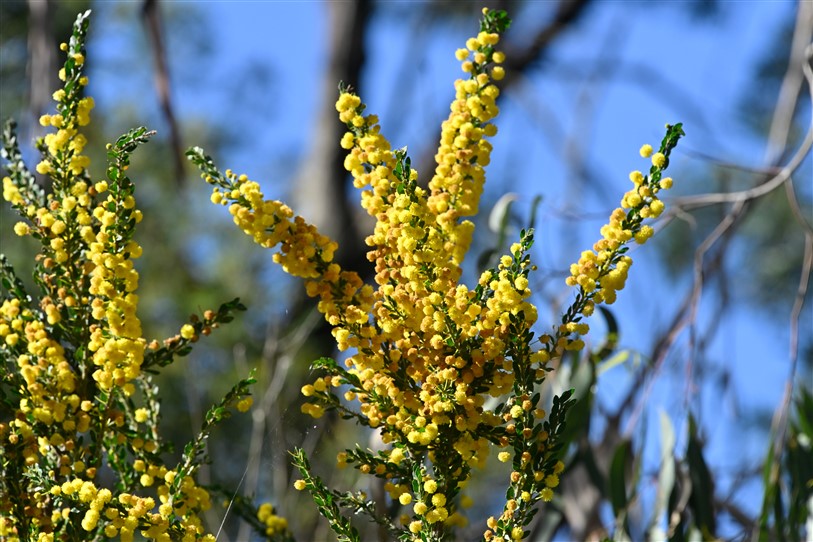
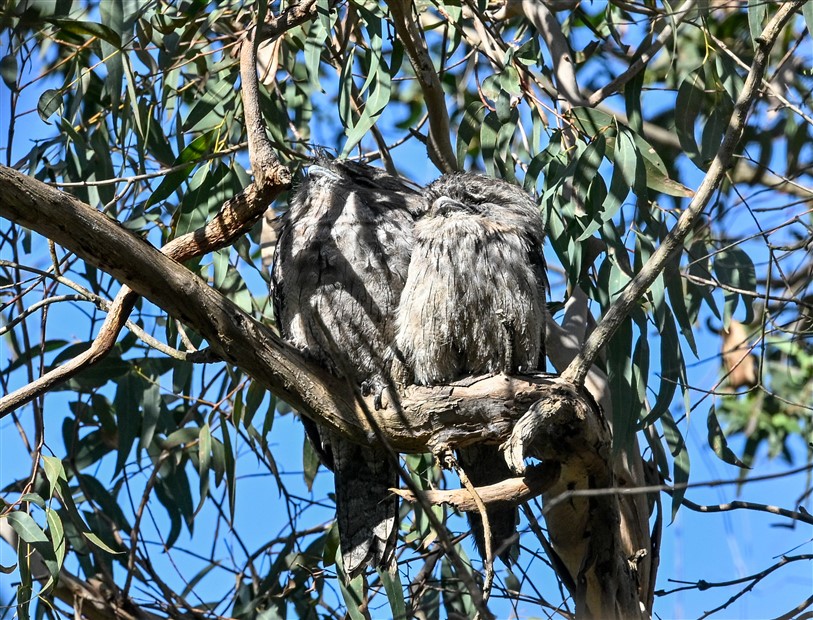
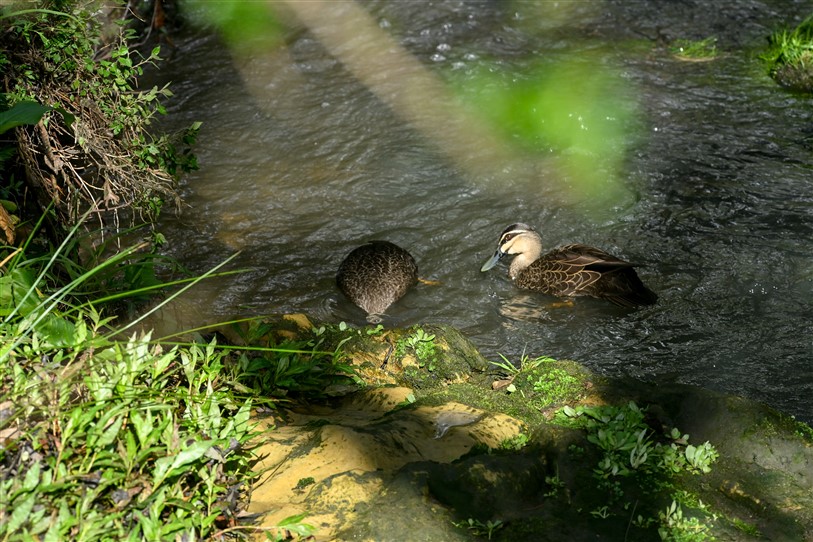
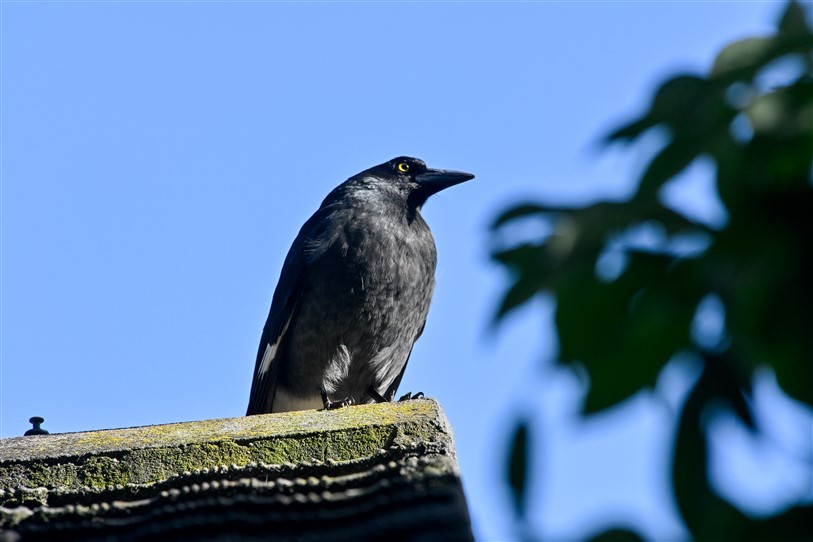
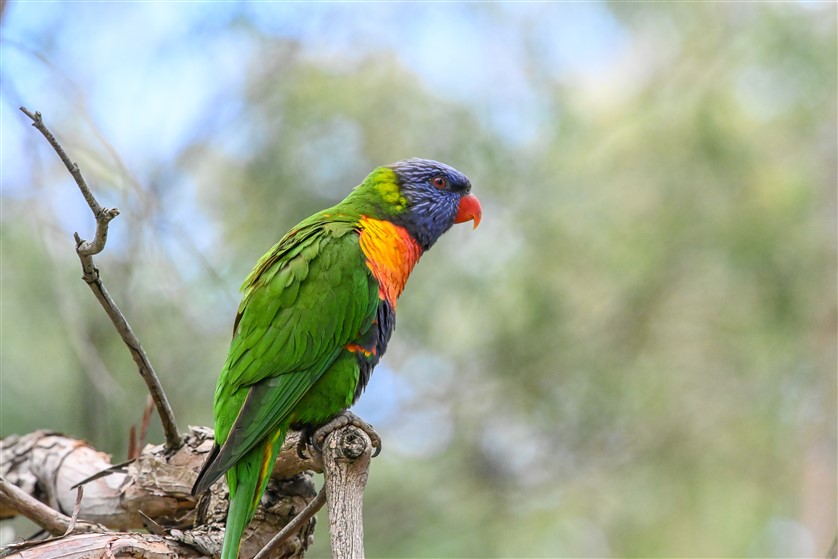
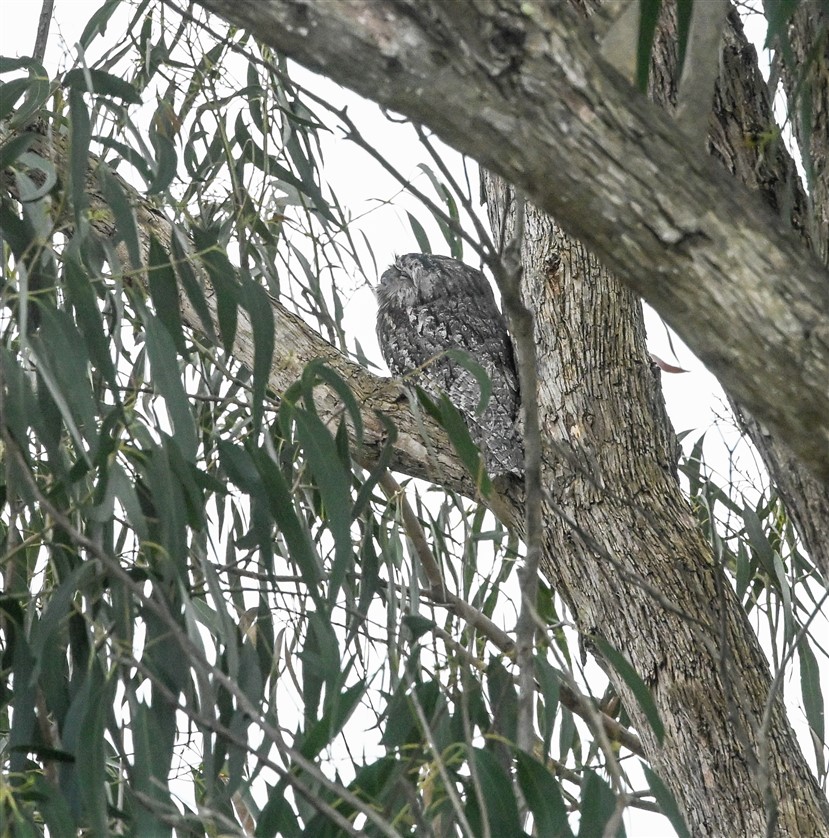
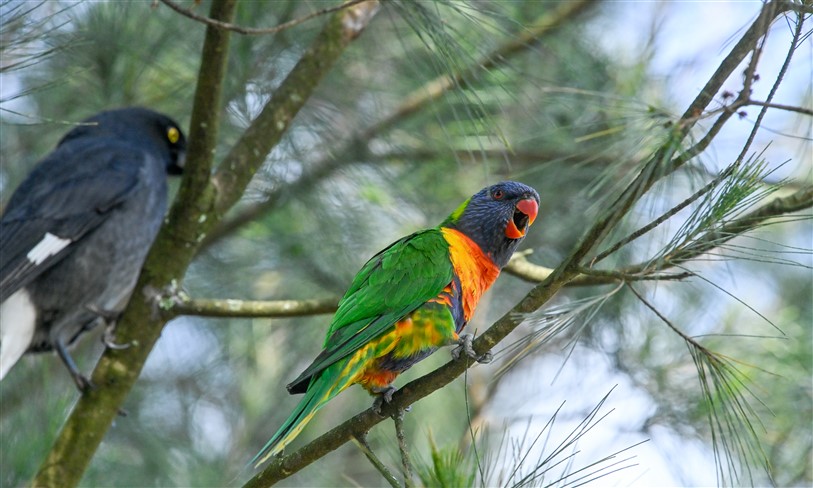
Sightings
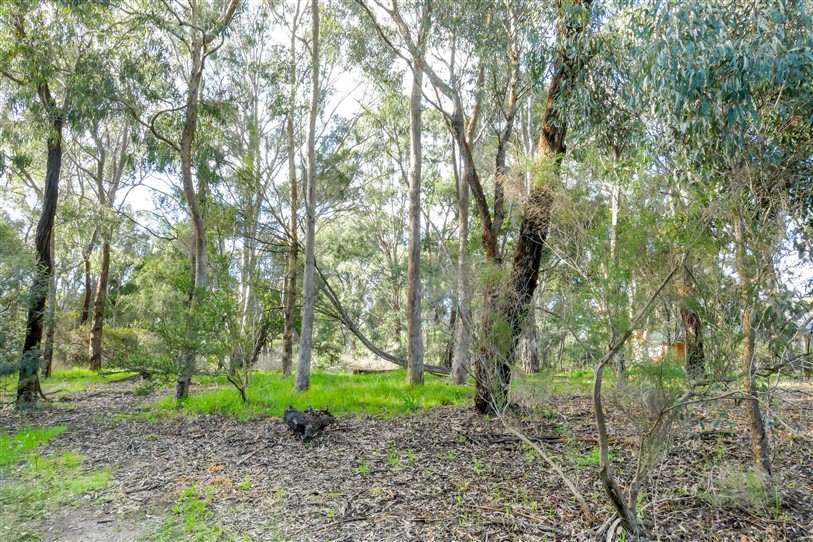
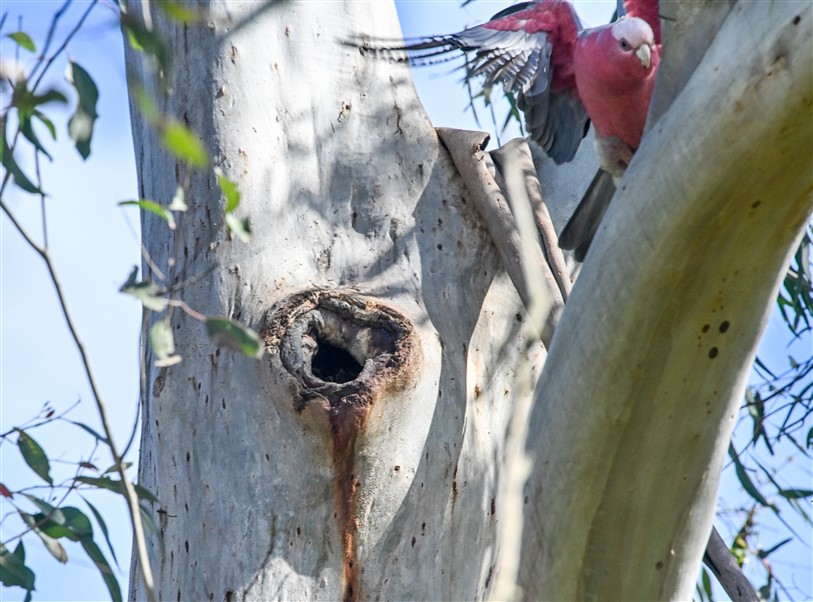
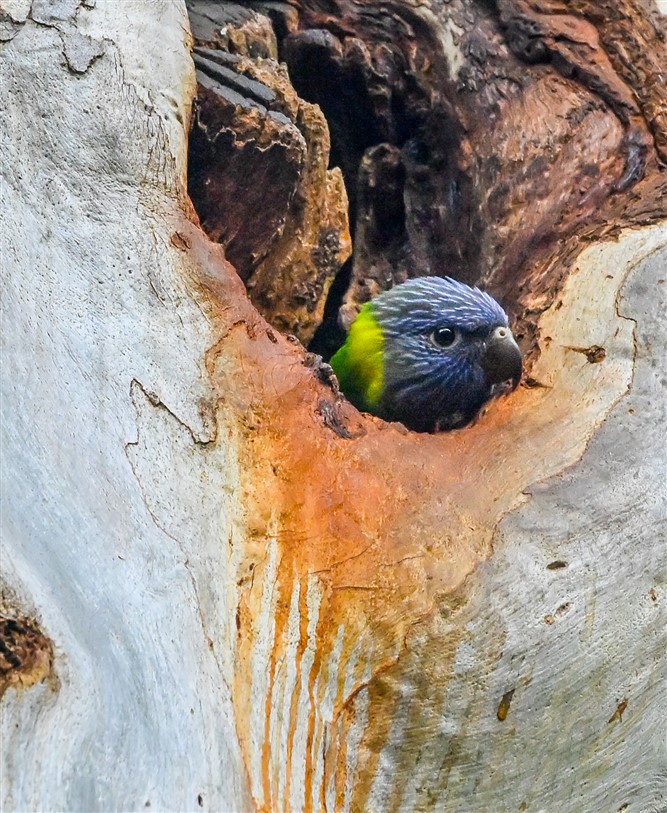
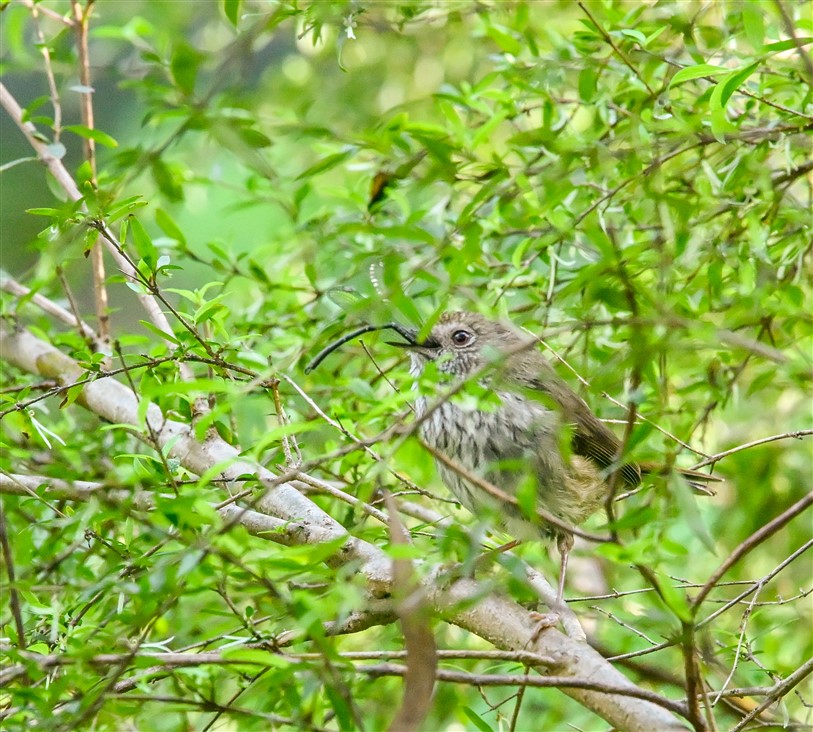
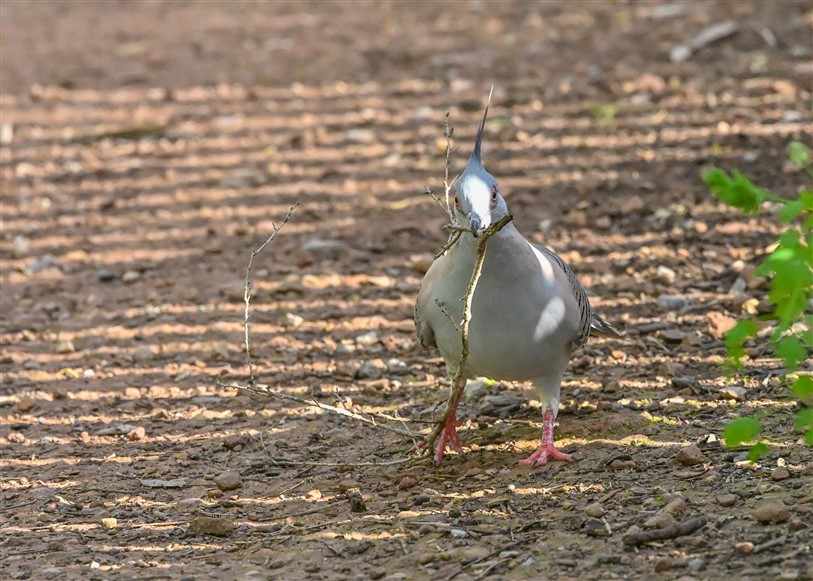
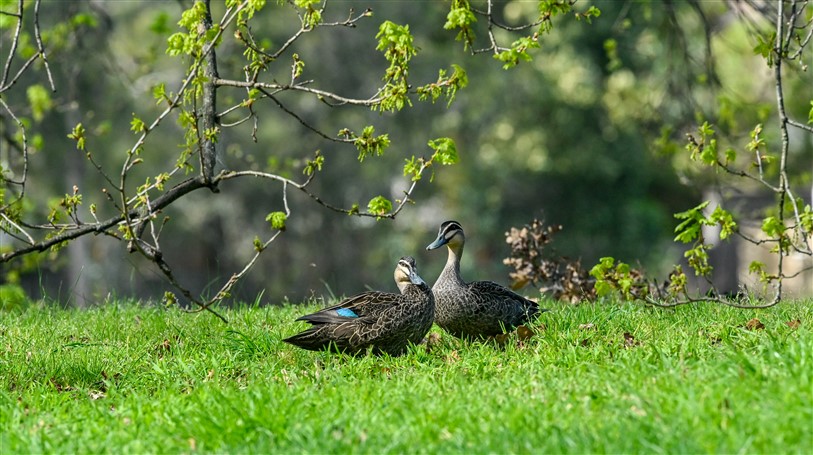
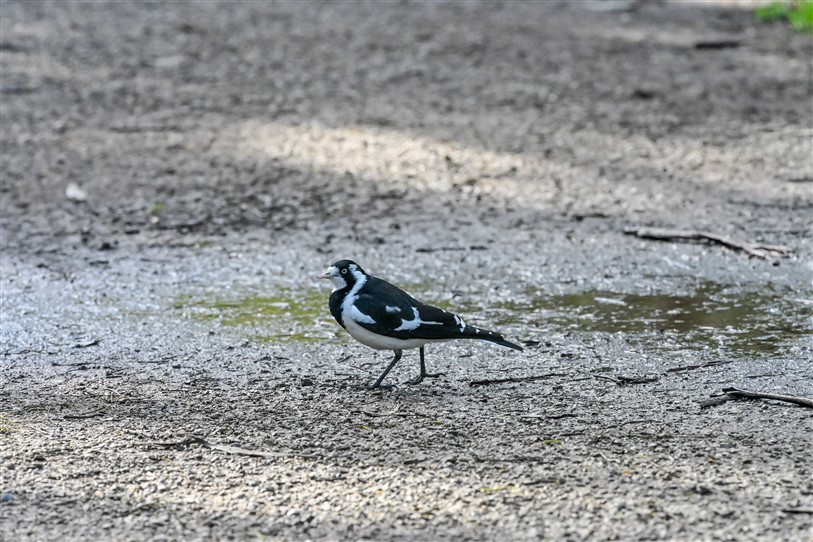
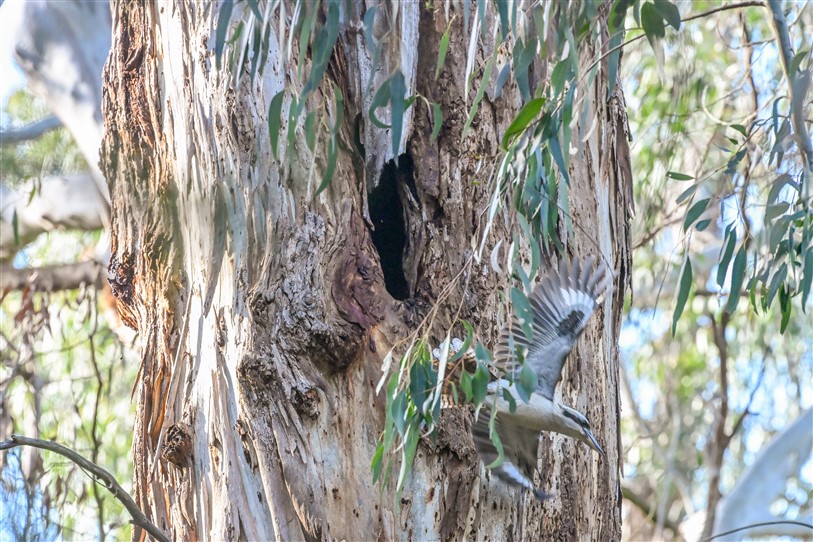
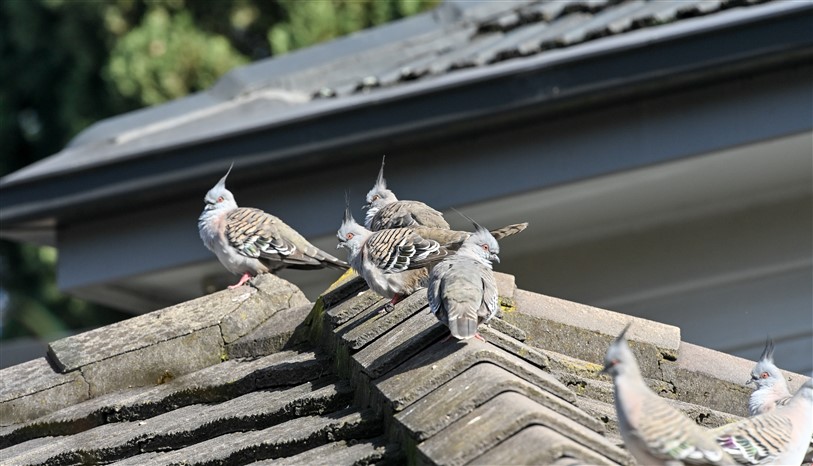
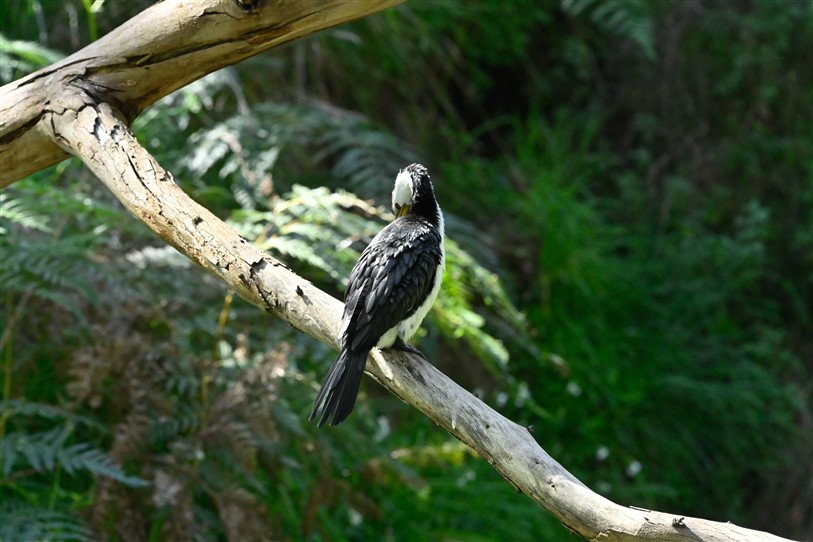
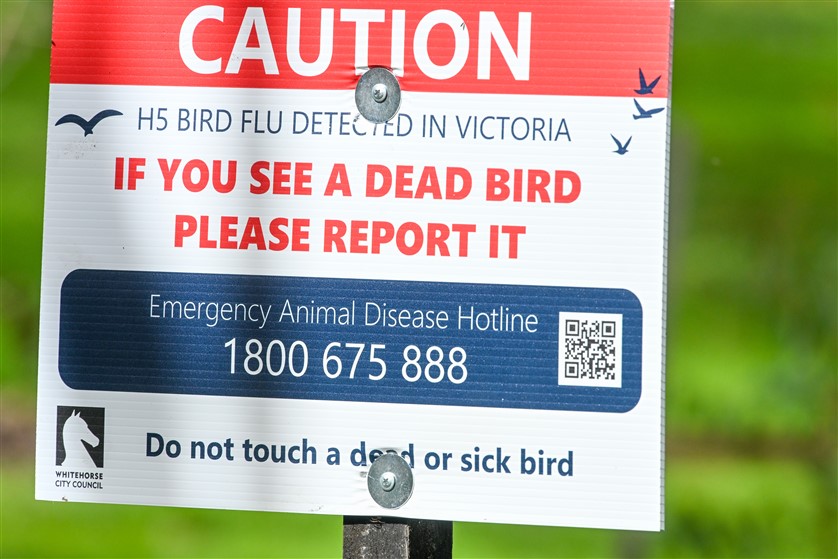
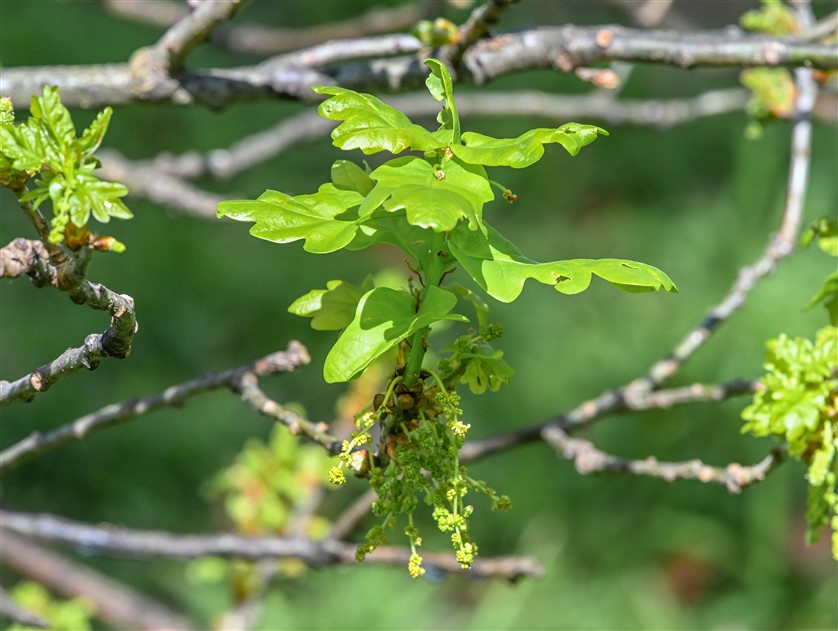
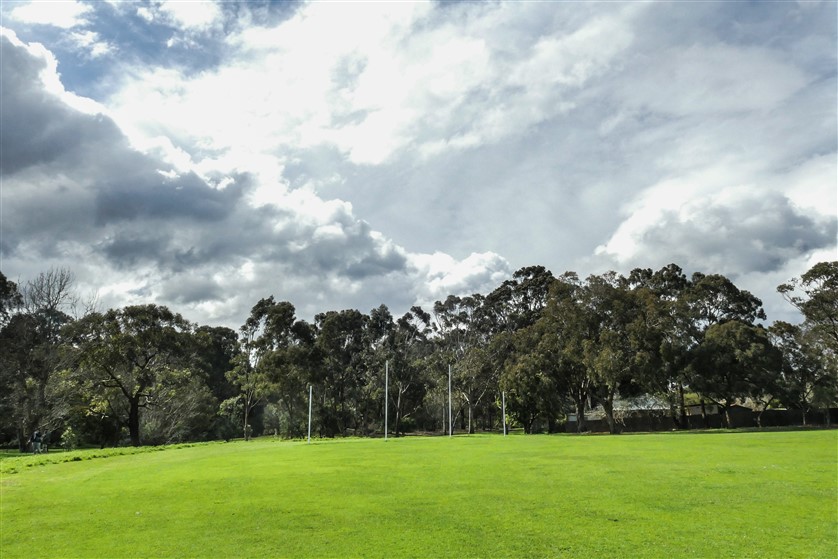
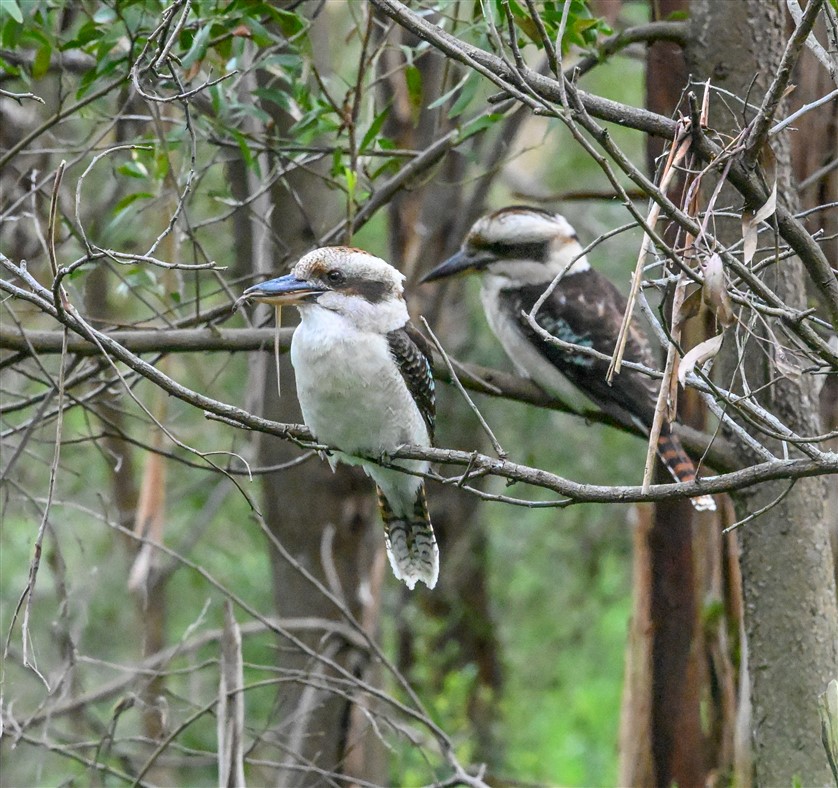
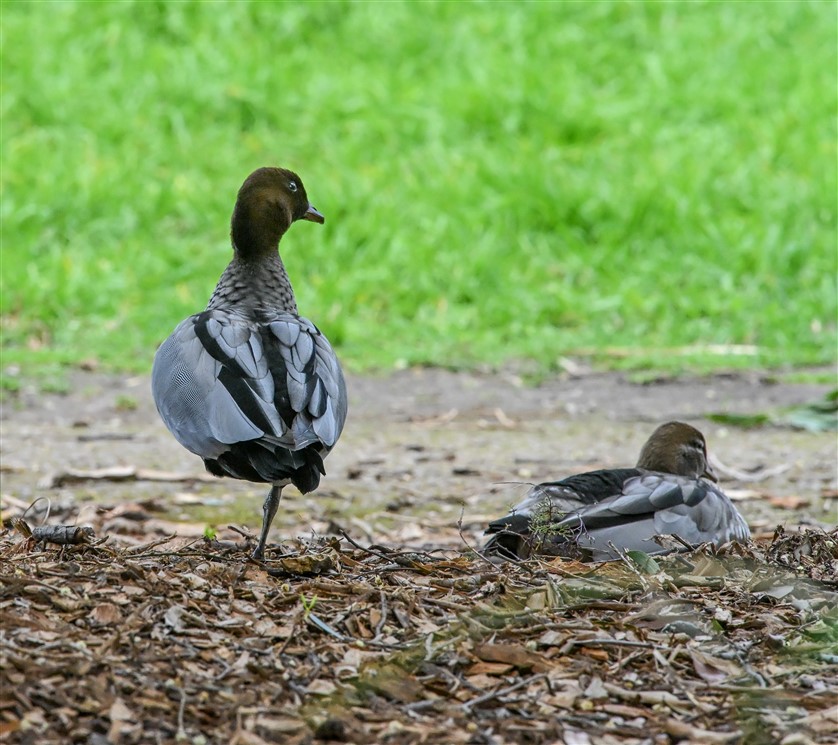
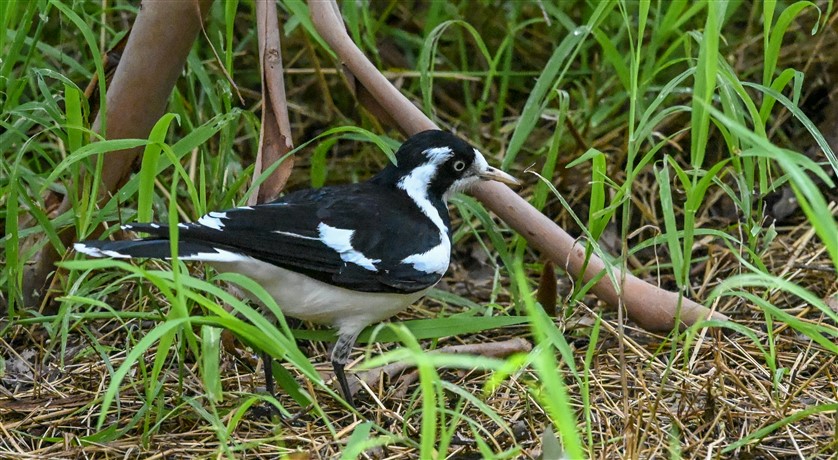
We thank our wonderful photographers for sharing their amazing images with us. If you would like to contribute, please email your photos to: blackburncreeklands@gmail.com
Photo gallery:
For more information, please contact us on one of the options below:
- Email blackburncreeklands@gmail.com
- Website https://blackburncreeklands.org/
- Facebook https://www.facebook.com/BlackburnCreekies/
- Instagram https://www.instagram.com/blackburncreeklands/
Enjoy the sunny days and see you at one of our friendly activities soon.
Your friends,
Blackburn Creeklands Advisory Committee

